

Craft Your Dream Parts List: Transform Aspirations Into Reality
By Tom Seest
At ClassicTractorNews, we help tractor lovers keep up with the latest news for classic and vintage tractors.
Please share this post with your friends, family, or business associates who may like old classic or vintage tractors.
How Do I Make a Parts Wish List?
Creating a parts wish list for your tractor isn’t just about making a collection of items; it’s about nurturing a relationship with the machine that helps you cultivate your land, manage your tasks, and ultimately enrich your life. Picture this: your tractor standing proud, a trusty companion in your daily endeavors, but, like any loyal partner, it needs the right tools to function at its best. A well-thought-out parts wish list is your blueprint for maintaining that bond, ensuring your tractor runs smoothly and evolves with your needs.
Understanding the heart of this process begins with recognizing the value your tractor brings to your life. Whether you’re plowing fields, hauling materials, or mowing your lawn, this beast of a machine is more than metal and mechanics; it’s a lifeline to your productivity and aspirations. When your tractor is in top shape, you feel it in your bones—there’s a satisfaction that comes from seeing a job well done. Making a wish list allows you to channel that satisfaction, giving your tractor the attention it deserves while keeping your sense of pride intact.
Now, let’s get rational. Start by assessing what parts you actually need versus what you want. List down the essentials—filters, belts, and fluids—those items that keep your tractor operating safely and efficiently. But don’t hesitate to add desired upgrades too, because progress doesn’t merely happen by chance. It’s a deliberate act. Evaluating your needs helps prioritize tasks and protect your investment, allowing your tractor to serve you longer and better.
Ethically, it’s important to consider the source of your parts. Supporting local businesses not only contributes to your community’s economy but also fosters trust in a relationship based on shared values. When you buy locally, you’re not just acquiring a part; you’re investing in a connection with people who understand the land and the machinery that helps to manage it.
Narratively, think about the stories your tractor has helped you create. Each part of its functioning body has witnessed moments of hard work, achievement, and sometimes, the unexpected challenges that life throws your way. Your wish list isn’t just a transactional inventory; it’s a tribute to those experiences.
In a world that often feels disconnected, creating a parts wish list for your tractor serves as an invitation to reconnect—with your machine, your ambitions, and your community. So grab that pen, start listing, and take the first step toward cultivating not just your land, but the legacy you intend to leave behind.
How Do I Make a Parts Wish List?
How Do I Make a Parts Wish List?
- Creating a parts wish list nurtures the relationship with your tractor, enhancing productivity.
- A functional tractor is crucial for various tasks, linking it to personal satisfaction and pride.
- Assess essential parts needed versus desired upgrades for optimal operation and investment protection.
- Support local businesses when sourcing parts to strengthen community ties and shared values.
- Consider the stories and experiences tied to each part, making the wish list a tribute to past challenges and achievements.
- A parts wish list serves as a way to reconnect with your tractor, ambitions, and community.
- Taking the time to list parts is a step toward cultivating your land and leaving a legacy.

How Do I Make a Parts Wish List?
Table Of Contents
- How Do I Make a Parts Wish List?
- How Can I Prioritize My Most Desired Parts for My Projects?
- What Criteria Should I Use to Determine the Importance Of Each Part?
- How Does Creating a Wish List Help Me Stay Organized and Focused?
- Can Sharing My Wish List with Others Lead to Valuable Feedback?
- How Can Visualizing My Wish List Inspire My Creativity?
- What Resources Can Guide Me In Selecting High-Quality Parts?
- Conclusion
- Other Resources
- Glossary Of Terms
- Other Questions
- Haiku
- Poem
- Checklist
How Can I Prioritize My Most Desired Parts for My Projects?
When it comes to prioritizing the parts of your projects that truly matter, it’s essential to understand the emotional and practical factors at play. Think of your project like a tractor, a trusty machine that transforms raw potential into tangible results. Just as a tractor needs the right components working in harmony, so too must you identify and focus on the elements that will drive your vision forward.
Start with passion. What part of your project makes your heart race? That’s where you should invest your energy. The emotional pull of a project can be a powerful motivator. Recall moments when you felt alive, that spark of inspiration. Tap into that feeling and use it as a compass to guide you in prioritizing tasks. This isn’t just about checking off boxes; it’s about aligning your work with what feeds your soul.
Next, engage your rational side. List out the various components of your project and weigh their impact. Which tasks will yield the greatest return on investment? A little analysis goes a long way. It’s about making smart decisions based on facts, not just feelings. A tractor runs efficiently when every part, from the engine to the wheels, serves its purpose. Likewise, understanding the function of each aspect of your project can help you allocate your resources effectively.
Ethics also play a crucial role. Consider how your decisions affect others. Are you honoring commitments? Are you being transparent with collaborators? Prioritizing ethically isn’t just admirable; it fosters trust and opens doors. People want to align with someone who holds themselves to high standards, someone who takes ownership of their project and its impact.
As you work through these components, weave in your narrative. Share your journey, your challenges, and the lessons learned along the way. This storytelling not only engages but creates a bond with those around you. They’ll resonate with your struggles and triumphs, and you’ll find support in unexpected places.
Finally, look around on your social landscape. Seek input from peers or mentors who inspire you. Their insights can offer clarity and perspective, guiding you toward prioritizing what truly matters.
Embrace the process with confidence. By connecting emotionally, rationally, and ethically, you’ll not only succeed in your projects but also cultivate a sense of community and purpose. Prioritize wisely, and your tractor will pull more than just loads; it will haul dreams into reality.
How Can I Prioritize My Most Desired Parts for My Projects?
How Can I Prioritize My Most Desired Parts for My Projects?
- Understanding emotional and practical factors is crucial for prioritizing project components.
- Projects should be viewed as a tractor, requiring all parts to work in harmony for effective results.
- Passion is a key motivator; focus on the aspects of your project that inspire and energize you.
- Conduct a rational analysis of project components to identify tasks that provide the greatest return on investment.
- Ethical considerations are important; ensure transparency and honor commitments to build trust.
- Weave personal narratives into your work to engage others and foster connections.
- Seek insights from peers and mentors for clarity in prioritizing what truly matters.
How Can I Prioritize My Most Desired Parts for My Projects?
What Criteria Should I Use to Determine the Importance Of Each Part?
What Criteria Should I Use to Determine the Importance of Each Part?
When it comes to determining the importance of various parts in a task, project, or even a relationship, we need to look at the essentials—the guts—of what truly matters. Think of a tractor: a symbol of hard work and dependability. Just like every component of that machine plays a pivotal role, so does every element in your life or project. Understanding this can help you prioritize effectively.
First, consider the emotional appeal. Recall the feeling of watching someone you admire wrestling with seemingly insurmountable odds. There’s a story we can connect with—a farmer, through sheer grit, revives fields that had long been parched. This narrative grounds the importance of resilience and hard work. When evaluating parts of your project, lean into that emotional resonance. Ask yourself: which components stir passion or ignite motivation in yourself and others? That’s where your focus should land.
Next, let’s engage the rational mind. Assess the functionality of each part. Like a tractor works best with a well-maintained engine, your project requires a sound rationale behind each component. Analyze which parts drive the results you seek. Are there fundamental aspects that yield the most substantial outcomes? If so, highlight them as linchpins. Pillars of rational thought enable you to articulate the importance of these parts to stakeholders and team members alike.
Now, don’t overlook the ethical dimension. Consider the impact your choices have on others—the greater good. Align actions with values; this cultivates trust. If a specific element fosters community or drives social change, it deserves your attention. Picture a community rallying behind a cause. What parts of your plan galvanize support and inspire collective action? Those are gold.
Then, there’s the authority aspect. Look to those with experience. In the same way an expert farmer knows when to plant and harvest, seek advice and learning from those who’ve traversed similar paths. Their insights can help you prioritize and fine-tune your focus.
Finally, we can’t forget the social connection. Do the pieces work together cohesively? Social dynamics matter. Your efforts will flourish when you consider how each part interacts with others, creating synergy and flow.
In this journey of prioritization, draw on the heart, the head, and the gut. It’s a blend of inspiration and practicality—fueling your drive with the wisdom of experience while keeping your passions ignited. Every part matters; it’s all about determining which ones propel you forward.
What Criteria Should I Use to Determine the Importance Of Each Part?
What Criteria Should I Use to Determine the Importance Of Each Part?
- Determine the importance of project parts by focusing on essential elements.
- Emotional appeal is crucial; consider which components inspire passion and motivation.
- Assess functionality; identify parts that drive significant results and serve as linchpins.
- Incorporate ethical considerations; prioritize elements that foster community and social change.
- Seek insights from experienced individuals to refine focus and priorities.
- Evaluate social dynamics to ensure components work together cohesively.
- Balance emotional resonance with rational and ethical dimensions in decision-making.

What Criteria Should I Use to Determine the Importance Of Each Part?
How Does Creating a Wish List Help Me Stay Organized and Focused?
Creating a wish list isn’t just about jotting down what you want; it’s a powerful tool that helps cultivate organization and focus in your life, much like the sturdy tractor that transforms untamed fields into productive land. Think of it as your trusty implement in the landscape of your aspirations.
When you take the time to create a wish list, you’re not just dreaming—you’re drawing a map of what you value most. This process taps into the emotional core of who you are. The items you choose reflect your passions and desires, creating a personal narrative that resonates deep within. It’s a declaration of intent, a way of saying, “These are the things that matter to me.” This emotional clarity acts like the reliable engine of a tractor, driving you forward through the clutter of everyday distractions.
Rationally, having a concrete list provides a framework for decision-making. It eliminates the chaos of impulse buys and last-minute whims, allowing you to focus on what aligns with your goals. Every time you glance at that list, you’re reminded of your priorities. You’re not just wandering aimlessly; rather, you’re steering your life with purpose, much like directing a powerful machine to plow a straight line across the field.
Ethically, creating a wish list reflects a commitment to yourself and your journey. It’s an acknowledgment of your worth, showing that you honor your needs and aspirations. You owe it to yourself to pursue what fuels your passion and inspires growth. It’s not merely about material possessions; it’s about the experience and joy they bring, just like the satisfying sound of a tractor at work, transforming the earth into something greater.
Socially, sharing your wish list or parts of it with others can foster connection. Friends and family can see what matters to you, offering support or even collaboration in achieving those desires. This interaction builds a communal spirit, making your ambitions not just personal but part of a larger conversation.
So, when you create your wish list, think of it as the ignition of that powerful tractor, ready to tackle the dirt roads of your life. It’s about clearing the weeds of indecision to cultivate the crops of fulfillment. Take action, trust in your process, and let your wishes guide you toward a more organized and focused life.
How Does Creating a Wish List Help Me Stay Organized and Focused?
How Does Creating a Wish List Help Me Stay Organized and Focused?
- Creating a wish list enhances organization and focus in life.
- It serves as a map of values, reflecting passions and desires.
- The wish list acts as a declaration of intent, clarifying priorities.
- It provides a framework for decision-making, reducing impulse buys.
- The process acknowledges self-worth and fuels personal growth.
- Sharing the wish list can foster connections and community support.
- It helps clear indecision, guiding towards fulfillment and purpose.
How Does Creating a Wish List Help Me Stay Organized and Focused?
Can Sharing My Wish List with Others Lead to Valuable Feedback?
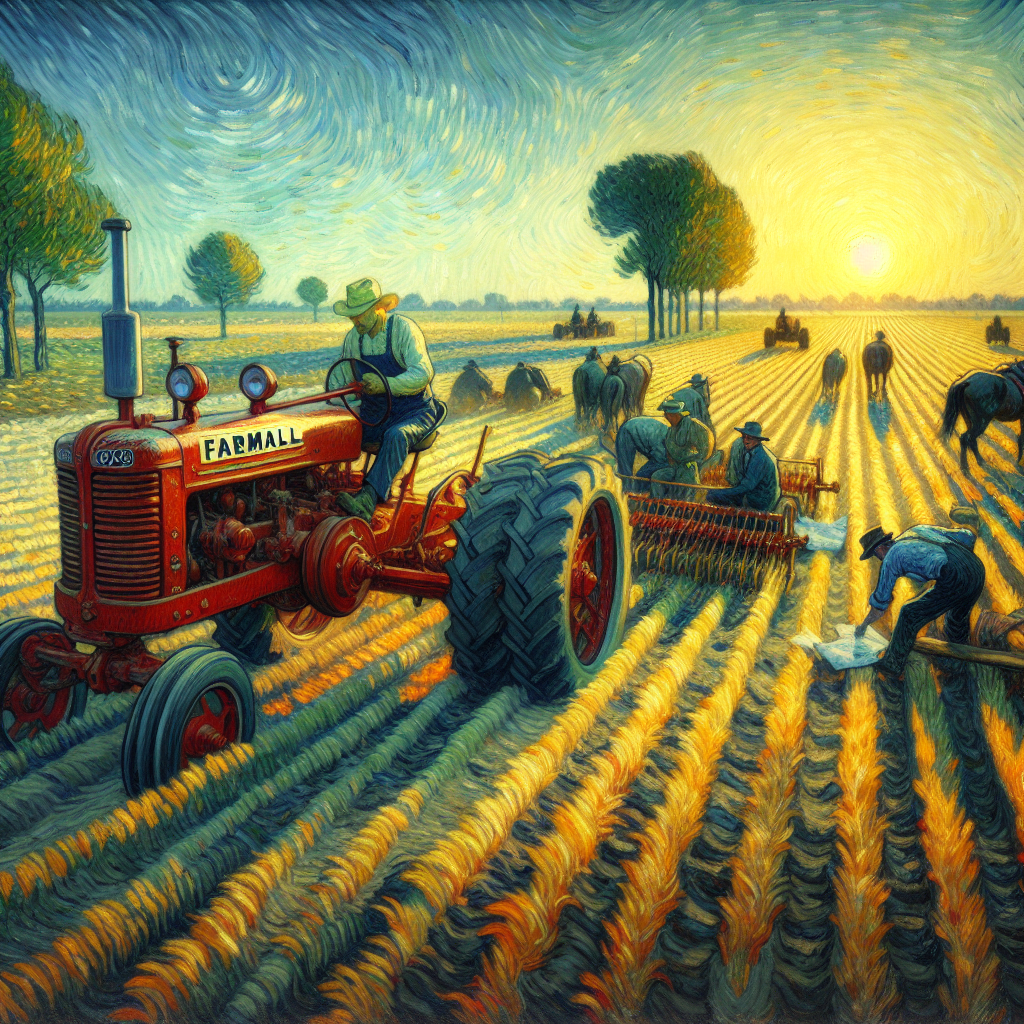
As you consider sharing your wish list with others, think of it as driving a tractor through unfamiliar terrain. The tractor represents your aspirations—those dreams and desires that could lead to something meaningful. Just like navigating a rough field, sharing your wish list can help you plow through doubts and fears, unlocking valuable feedback that can propel you forward.
Opening up about your goals isn’t just a bold move; it’s part of a universal human experience. Every one of us has hopes or ambitions that we hold close, often fearfully. But when you share these intimate parts of yourself, it’s like inviting others into your workshop, where ideas can take shape and grow. By allowing trusted friends, family, or colleagues to gain insight into your list, you create opportunities for them to be a part of your journey. It’s an invitation for connection, a chance to bond over shared goals, and perhaps discover collective aspirations.
Rationally, you might wonder how others can help. Their perspectives bring fresh ideas you might not have considered. A simple suggestion from someone who knows you well could spark innovation, leading to solutions you hadn’t anticipated. Think about it: a neighbor with years of experience could advise you on a path you didn’t see, much like an engineer fine-tuning a tractor for optimum performance. Their lived experiences weave a fabric of insight that can help stabilize your vision, enabling you to move forward with confidence.
On an ethical level, sharing your wish list can break down barriers. It encourages vulnerability and trust, creating a culture of openness and support in your circle. And remember, this is a two-way street; by offering your own guidance to others, you amplify that sense of community and collaboration.
Lastly, there’s an undeniable beauty in our interconnectedness. Engaging with others fosters a platform where ideas flourish. Each opinion adds a layer, much like the commitment to maintaining and operating an intricate piece of machinery. When you engage with your network, you might find that they, too, have dreams that need nurturing. You’re not just sharing a list; you’re igniting a chain reaction of inspiration, trust, and mutual growth.
So, drive that tractor forward. Share your wish list, embrace the feedback, and watch how your goals evolve through the power of connection. It’s a transformative journey that starts with a simple act of sharing.
Can Sharing My Wish List with Others Lead to Valuable Feedback?
Can Sharing My Wish List with Others Lead to Valuable Feedback?
- Sharing your wish list is likened to navigating a tractor through unfamiliar terrain, representing your aspirations.
- Opening up about goals fosters connection and allows others to participate in your journey.
- Feedback from trusted individuals can lead to innovative solutions and new perspectives.
- Sharing encourages vulnerability and trust, building a culture of openness in your community.
- Engagement with others can reveal shared aspirations and mutual support.
- Each opinion contributes to a collaborative environment where ideas can thrive.
- Sharing your wishes ignites a transformative journey of growth through connection.
Can Sharing My Wish List with Others Lead to Valuable Feedback?
How Can Visualizing My Wish List Inspire My Creativity?
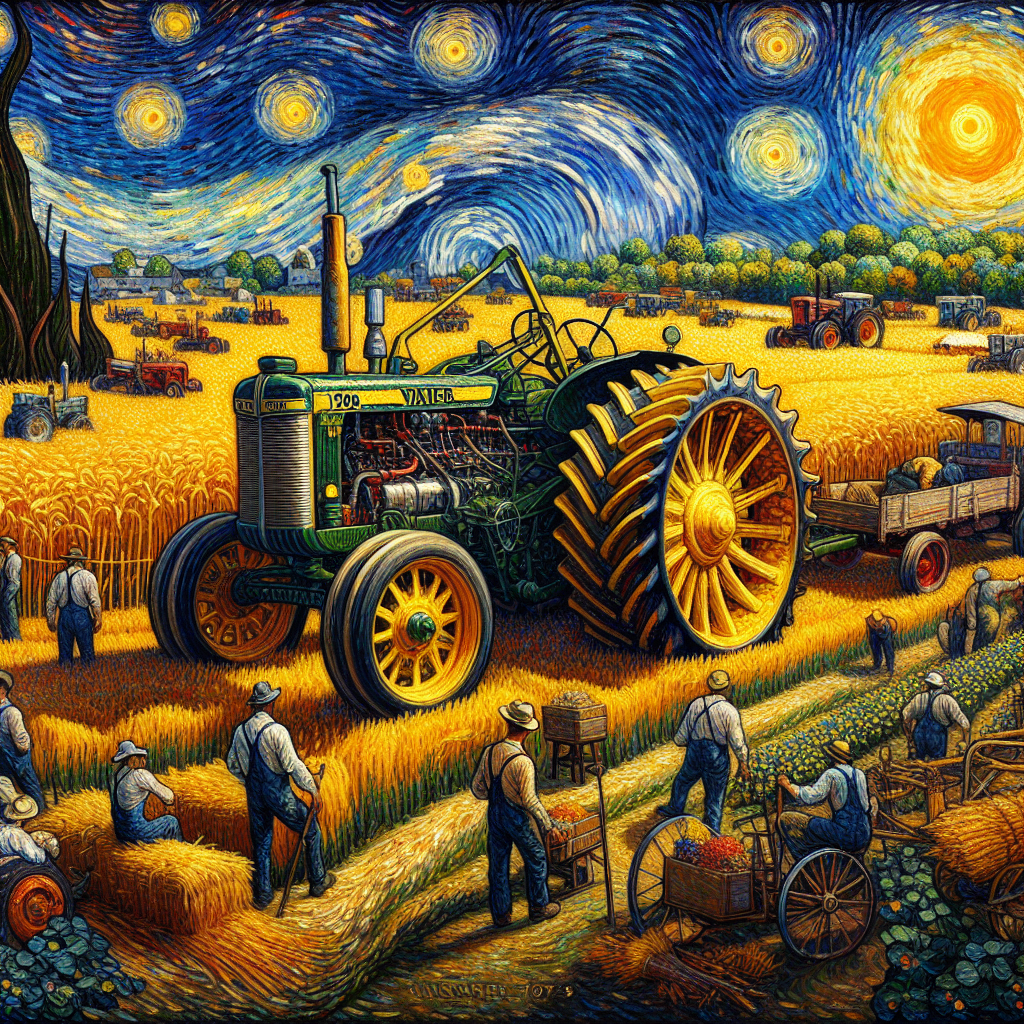
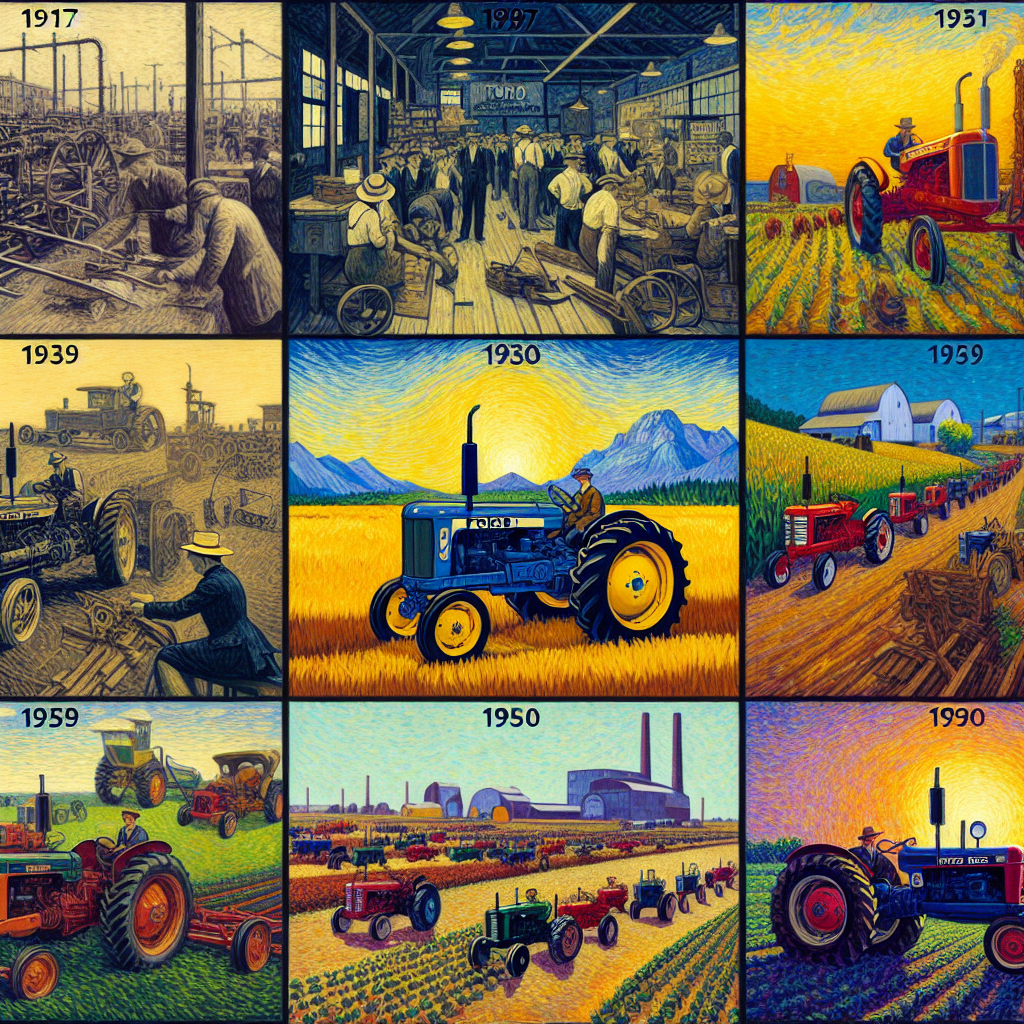
Visualizing your wish list can be more than just a whimsical exercise; it can serve as a powerful catalyst for creativity. Picture yourself standing in front of a shiny tractor, its wheels gleaming under the sun, the promise of hard work and innovation inherent in its very design. Each item on your wish list acts as a seed—plant it in your mind’s fertile soil and watch it grow.
Creating a visual representation of your aspirations transforms abstract dreams into concrete images. This is not just about intangible goals; it’s about tapping into a deeper part of ourselves—the part that isn’t afraid to dream big. When you visualize what you want, whether it’s that tractor for your small farm or a studio space to bring your art to life, you awaken a sense of purpose. The heart races with excitement, and the gut feels the thrill of possibility.
Now, let’s engage your head. Science backs this up. Visualization techniques are used by athletes, artists, and entrepreneurs to enhance performance. By picturing your dreams, you create a mental roadmap, paving the way toward actualizing them. When you see that tractor in your mind’s eye, you’re not merely wishing for it; you’re planning for it. This rational approach doesn’t dismiss emotions; it harnesses them, coordinating heart and mind into a powerhouse of inspiration.
Ethically, consider how your dreams can contribute to your community. Imagining that tractor isn’t just about personal gain; think of the connection it fosters with the land and the people you could impact. That vehicle isn’t just for plowing fields; it symbolizes your commitment to nurturing growth, fostering sustainability, and enhancing lives. You’re not just dreaming for yourself; you’re envisioning a better future for all those around you.
Narratively, we all have stories to tell—yours is woven with resilience, aspirations, and the determination to bring your ideas into the world. Sharing these dreams can foster deep connections with others; it’s this exchange that often leads to collaborative ventures, igniting sparks of inspiration that may resonate with your peers.
Ultimately, visualizing your wish list invites not only trust in yourself but a call to action. It encourages a genuine connection to your goals, translating dreams into tangible pursuits. So, take that leap. Dream big, visualize boldly, and let that energy drive you toward a future where creativity flourishes.
How Can Visualizing My Wish List Inspire My Creativity?
How Can Visualizing My Wish List Inspire My Creativity?
- Visualizing a wish list serves as a catalyst for creativity and innovation.
- Each wish acts as a seed, growing in the mind’s fertile soil.
- Creating visual representations of aspirations transforms abstract dreams into concrete images.
- Visualization techniques are supported by science and enhance performance across various fields.
- Dreams can contribute to community growth, symbolizing a commitment to sustainability and impact.
- Sharing personal dreams fosters deep connections and encourages collaborative ventures.
- Visualizing goals promotes trust in oneself and translates dreams into tangible pursuits.
How Can Visualizing My Wish List Inspire My Creativity?
What Resources Can Guide Me In Selecting High-Quality Parts?
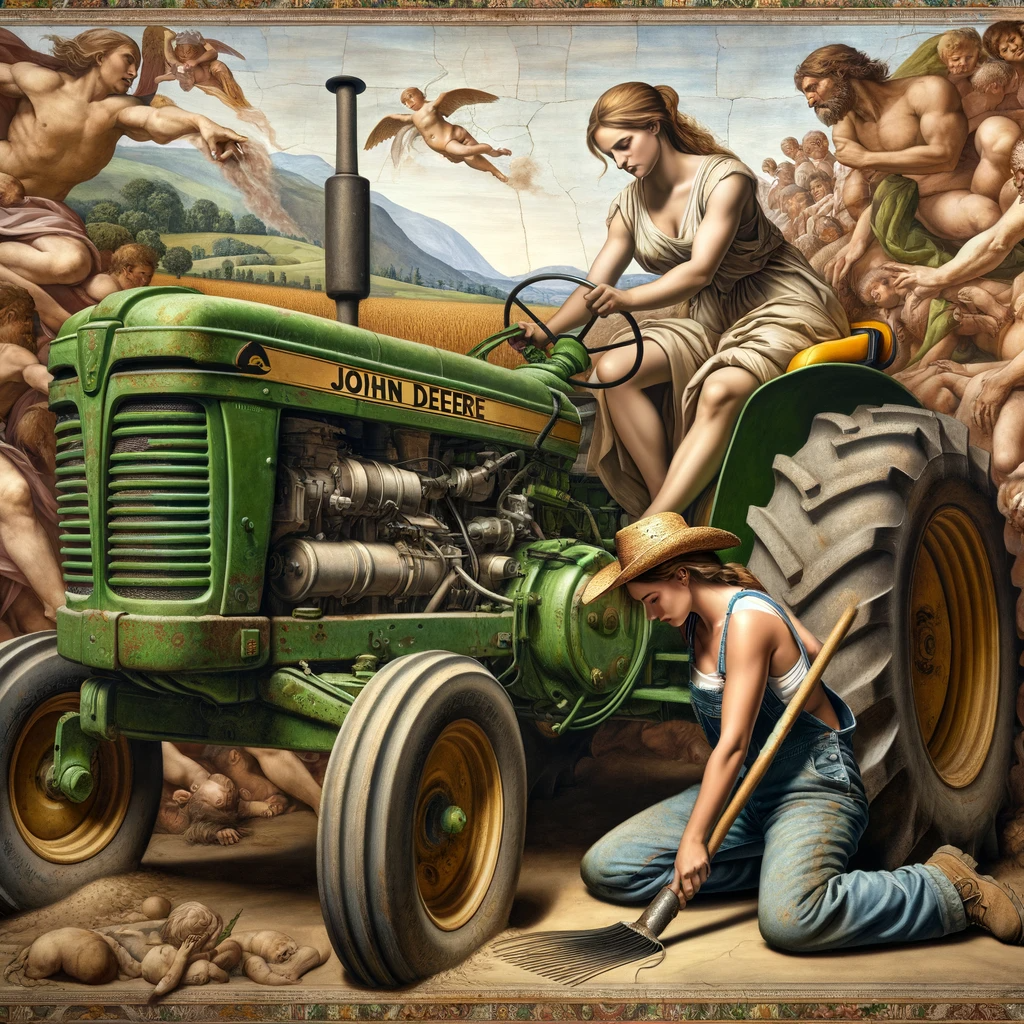
Selecting high-quality parts can feel daunting, especially when it comes to something as essential as your tractor. You’re not just moving earth; you’re doing what many see as the backbone of our communities. Every component of your tractor matters, from the engine to the smallest bolt, especially if your livelihood depends on it.
Start with the basics: research. Online forums, trade magazines, and manufacturer websites can provide invaluable insights. They are treasure troves of information filled with real-world experiences that showcase the pros and cons of various brands and components. Seek out stories—those from fellow farmers or mechanics. Their narratives can illuminate the path toward making informed choices, offering not just facts but also the wisdom that comes from real-life trials and triumphs.
Think about what you value. Ethics in sourcing parts can’t be overlooked. Choose suppliers who prioritize quality and sustainability, aligning with your own standards. Supporting businesses that are committed to ethical practices fosters a sense of community and responsibility. This is more than buying a part; it’s a choice that reflects your principles.
Don’t underestimate the power of authority. Rely on reputable dealers and manufacturers with proven track records. Their certifications and testimonials can provide reassurance. You want someone who stands behind their products, who isn’t just selling parts but advocating for their effective use in the field. Always ask the right questions—what materials are used? How will this part serve you in the long haul? If the answer isn’t satisfactory, move on, as there are plenty of options that will uphold the integrity of your tractor.
Consider social influences too—join a local or online community centered around tractors or farming. When you share your experiences and learn from others, it creates a network of support. Your stories, concerns, and successes can lead to recommendations that ensure you don’t face these challenges alone.
Above all, trust your instincts. If something feels off, it probably is. Investing in high-quality parts is not just a smart decision; it’s a commitment to your work and your future. Remember, the tractor is more than a machine—it’s a partner in your daily endeavors, and building that partnership on solid, trustworthy components will carry you far. Your hard work deserves nothing less than the best resources available, ensuring that your tractor operates not just efficiently, but reliably, for years to come. It’s about more than machinery; it’s about building a legacy.
What Resources Can Guide Me In Selecting High-Quality Parts?
What Resources Can Guide Me In Selecting High-Quality Parts?
- Selecting high-quality tractor parts is crucial as every component affects performance and livelihood.
- Conduct thorough research using online forums, trade magazines, and manufacturer websites for insights and experiences.
- Prioritize ethical sourcing of parts, choosing suppliers committed to quality and sustainability.
- Depend on reputable dealers and manufacturers who have proven track records and strong testimonials.
- Engage with local or online farming communities for support, sharing experiences, and gaining recommendations.
- Trust your instincts; ensuring quality parts is a commitment to work and future success.
- View your tractor as a partner, building a legacy with reliable, trustworthy components.
What Resources Can Guide Me In Selecting High-Quality Parts?
Conclusion
Creating a parts wish list for your tractor goes beyond mere practicality; it’s an emotional act that underscores your relationship with a machine that serves as the backbone of your daily endeavors. Your tractor isn’t just a collection of metal; it’s a trusted companion that enhances your productivity and ties you to the land you nurture. By crafting a thoughtful wish list, you not only safeguard this relationship but ensure that your machine remains capable of meeting your evolving needs.
At its core, building this list taps into your emotional well-being. It reflects your pride in what you do, channeling satisfaction into a coherent plan to maintain and improve your tractor. Rationally, prioritizing your needs against wants is crucial. Essentials like filters or fluids might jump to the top of the list, but don’t shy away from including those desirable upgrades that can elevate your experience. This mix of emotional investment and rational assessment lays a solid foundation for effective prioritization.
Ethics play a pivotal role in this process, urging you to consider where you source your parts. Supporting local businesses not only strengthens your community but also fosters trust among those who share your passion for the land. When you buy locally, you’re engaging in a larger narrative; every part purchased is not just an item, but a testament to the relationships that matter.
Think about the stories your tractor has witnessed—the challenges overcome and the yields harvested. Each part is a chapter in your narrative, connecting your past efforts with future aspirations. This wish list becomes more than a simple collection; it’s a tribute to the shared journey of you and your machinery.
Moreover, sharing your wish list with others can lead to invaluable feedback, inviting new perspectives that may not have occurred to you. Your hopes and ambitions resonate deeply with those around you, creating opportunities for collaboration and growth. You don’t stand alone; this exchange of ideas builds a community that enriches the experience of pursuing your goals.
In essence, a parts wish list is not merely a checklist. It’s a powerful tool for clarity, focus, and connection to both your aspirations and the intricate web of relationships that support them. Whether you’re transforming your land or your life, it’s about cultivating a journey rich with purpose and possibility. So put pen to paper and embrace this process; you’re not just planning for the future. You’re actively crafting the legacy you wish to leave behind.

Conclusion
Conclusion:
- Creating a parts wish list for your tractor reflects an emotional connection and pride in your work.
- The wish list helps prioritize needs versus wants, balancing essential parts with desirable upgrades.
- Ethical considerations emphasize sourcing parts locally to support community and build trust.
- Your tractor’s history connects past experiences with future aspirations, making each part significant.
- Sharing your wish list can generate valuable feedback and foster collaboration with others.
- A parts wish list serves as a tool for clarity and connection, enhancing your journey and goals.
- Engaging in this process helps craft a meaningful legacy tied to your relationship with your tractor.
Conclusion
Other Resources

Other Resources
Here is a list of other resources you can review online to learn more:
- Sonalika Tractor
- McCormick Intl
- ATC
- Creekside Farm & Market Tractor Show
- Minsk Tractor Works
- Rome
- Fiat-Hesston
- Marshall
- The AgriCultural Museum & Arts Center
- LS
- Woods & Copeland
- Saukville
- Racine County Fair Antique Tractors
- Carraro
- Knudson
- Ohio Crawford County Antique Farm Equipment Museum
- Billings Farm
- Waterloo Boy
- Sublette Farm Toy & Antique Tractor Show
Use This Prompt To Get More Resources With Your Favorite Online AI Tool: Please provide me with a list of online articles with their URLs in a bulleted list that I can read regarding How Do I Make a Parts Wish List?
Other Resources
Glossary Terms
How Do I Make a Parts Wish List? – Glossary Of Terms
1. Parts Wish List: A compilation of desired items or components for future purchase or acquisition.
2. Inventory: A detailed list of items or components currently owned.
3. Prioritization: The process of ranking items based on their importance or urgency.
4. Budgeting: Planning how much money to allocate for purchasing desired parts.
5. Specifications: Detailed descriptions of the necessary features and characteristics of each part.
6. Compatibility: The ability of a part to work with other existing components or systems.
7. Research: The act of gathering information about potential parts, including brands, reviews, and prices.
8. Retailer: A seller or store that offers parts for sale, whether physical or online.
9. Lead Time: The expected time between placing an order and receiving the parts.
10. Availability: The status of whether a part is in stock or can be obtained.
11. Discounts: Reductions in price offered by retailers, which can affect purchasing decisions.
12. Sales: Events where items are sold at reduced prices.
13. Warranty: A guarantee from the manufacturer regarding the quality and longevity of a part.
14. Quality: The measure of a part’s durability, performance, and reliability.
15. Specification Sheet: A document outlining the details, measurements, and requirements of a part.
16. Online Marketplace: A digital platform where parts can be bought and sold.
17. Shipping Costs: Expenses incurred for the delivery of purchased items.
18. Return Policy: Guidelines set by retailers regarding the return of purchased items.
19. Customer Reviews: Feedback from buyers that can provide insights into the quality and performance of parts.
20. Comparison Shopping: Evaluating different retailers and parts to find the best option.
21. Essential Items: Parts that are necessary for immediate use or repair.
22. Optional Items: Parts that are desired but not absolutely necessary.
23. Tracking List: A method for monitoring items of interest and their prices over time.
24. Version Control: Keeping track of different iterations or models of parts, especially in tech or automotive fields.
25. Bulk Purchasing: Buying parts in larger quantities often to save on costs.
26. Supplier: A manufacturer or distributor that provides parts.
27. Customization: Modifying a part to better fit specific needs or preferences.
28. Purchase History: A record of past parts bought that can inform future decisions.
29. Replacement Parts: Components intended to replace damaged or non-functional parts.
30. Wishlist Tool: An application or feature that allows users to create and manage lists of desired items.

Glossary Of Terms
Other Questions
How Do I Make a Parts Wish List? – Other Questions
If you wish to explore and discover more, consider looking for answers to these questions:
- Which parts are compatible with my tractor model and serial number?
- How do I find exact part numbers for replacement components?
- Should I choose OEM, dealer-approved, or aftermarket parts?
- How much should I budget for the entire wish list?
- Are financing or payment plans available for expensive parts?
- What are typical lead times and availability for ordered parts?
- Where is better to buy parts: local dealers, specialty shops, or online retailers?
- How do I verify part authenticity and avoid counterfeit items?
- Do parts come with warranties, service guarantees, or return policies?
- How do I estimate lifespan and maintenance intervals for each part?
- Which parts are safety-critical and should be prioritized first?
- Which upgrades deliver the best performance improvements or ROI?
- How do I balance cost, quality, and longevity when choosing parts?
- Can I install these parts myself or should I hire a qualified mechanic?
- What tools and skills are required for installation of common parts?
- Where can I find step-by-step installation guides, manuals, or videos?
- How should I document purchases, part numbers, and maintenance history?
- How should spare parts be stored to maximize shelf life and readiness?
- Are there seasonal considerations for ordering or installing specific parts?
- Can I trade in old parts or sell surplus components?
- How can I negotiate prices or secure discounts for bulk purchases?
- What certifications, standards, or quality marks should I look for?
- Where can I find reliable reviews, owner experiences, or forum recommendations?
- Who are trusted local dealers, suppliers, or mechanics in my region?
- How will different parts affect fuel efficiency and ongoing operating costs?
- What are the environmental impacts or sustainability options for parts and suppliers?
- How do I ensure future compatibility with attachments and planned upgrades?
- What are common failure modes or warning signs for each critical part?
- Which parts should I keep as immediate spares on the tractor versus in storage?
- Are there apps, templates, or tools to create, track, and share a parts wish list?
- How should I prioritize parts by urgency, cost, impact, and seasonality?
- Are there legal, warranty, or regulatory considerations when modifying or replacing parts?
Other Questions
Haiku
How Do I Make a Parts Wish List? – A Haiku
Tractor’s heart beats strong,
Parts list forms a bond of trust,
Dreams cultivated deep.
Haiku
Poem
How Do I Make a Parts Wish List? – A Poem
In fields where dreams ignite,
A trusty tractor stands so bright.
Each part, a lifeline, holds the key,
To nurture growth, to set you free.
Craft a list of needs and wants,
From filters to upgrades, let your heart chant.
Rational choices steer the way,
For longevity in the tasks of day.
Ethics whisper, support your kin,
Local sources where your journey begins.
Each component shares a tale,
Of effort, triumph, and roads we sail.
Visualize dreams as seeds that bloom,
From visions bright to purpose loom.
With feedback flowing, ideas shared,
Together we rise, inspired, prepared.
Select with care, trust your quest,
For quality parts serve you best.
In this journey where machines unite,
Your legacy shines, steadfast and bright.

Poem
Checklist
How Do I Make a Parts Wish List? – A Checklist
Checklist for Creating a Parts Wish List
✅______ Reflect on your relationship with your tractor. What does it represent in your life?
✅______ Identify the feelings you experience when your tractor operates smoothly.
✅______ Consider the personal stories and memories associated with your tractor’s use.
Rational Appeals
✅______ List essential parts needed for safe and efficient operation (e.g., filters, belts, fluids).
✅______ Prioritize items based on their impact on functionality and performance.
✅______ Evaluate potential upgrades and their benefits for productivity.
Ethical Appeals
✅______ Research local suppliers to support community businesses.
✅______ Assess the ethical sourcing of parts and their environmental impact.
✅______ Consider the long-term value of investing in quality parts.
Authority Appeals
✅______ Seek insights from experienced mechanics or fellow tractor owners.
✅______ Review manufacturer recommendations and expert reviews for selected parts.
✅______ Attend workshops or forums to gain practical knowledge.
Narrative Appeals
✅______ Write down the stories behind each needed part. What challenges have you faced?
✅______ Encourage others to share their experiences with upgrading or maintaining their tractors.
✅______ Craft a vision of future projects enabled by the improved performance of your tractor.
Social Appeals
✅______ Share your wish list with friends, family, or community groups for support and feedback.
✅______ Engage with online communities for discussion and recommendations on parts.
✅______ Collaborate with others who have similar aspirations to foster a sense of unity and purpose.
Checklist
At ClassicTractorNews, we help tractor lovers keep up with the latest news for classic and vintage tractors.
Please share this post with your friends, family, or business associates who may like old classic or vintage tractors.