

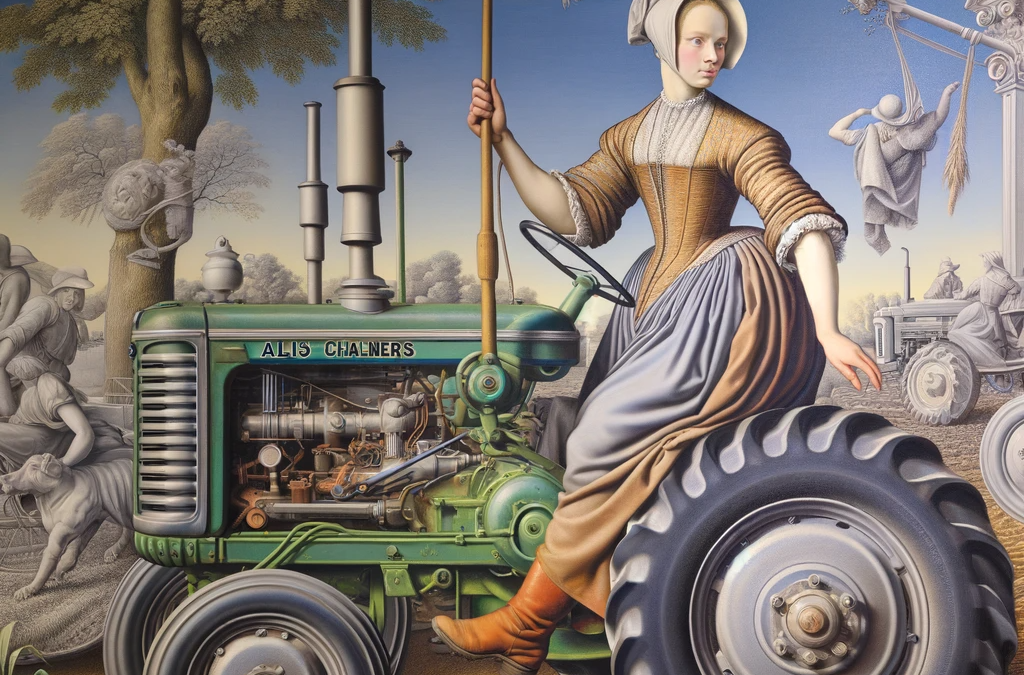
Mastering The Art Of Tractor Evaluation: Insight, Integrity, And Impact
By Tom Seest
At ClassicTractorNews, we help tractor lovers keep up with the latest news for classic and vintage tractors.
Please share this post with your friends, family, or business associates who may like old classic or vintage tractors.
How Do I Judge a Tractor’s Condition At a Show?
Judging a tractor’s condition at a show involves more than just a visual inspection; it’s a blend of history, craftsmanship, and personal connection. The first step is to allow yourself to be drawn in by the presence of the tractor. Imagine the stories it could tell—the fields it has plowed, the harvests it has witnessed. Each scratch or dent carries a narrative, a testament to years of hard work. This emotional connection forms your heart’s anchor, making each tractor more than just machinery; it’s a piece of living history.
Next, approach the tractor with a keen eye. Examine the paintwork; faded or chipped surfaces may indicate years of service, while immaculate finishes suggest either meticulous care or a recent restoration. Look closely at the undercarriage for rust—can you trust this machine to perform? Understanding its mechanical components, observing the condition of the tires, and inquiring about any modifications will engage your mind. You want the reassurance that the kind of craftsmanship that went into the tractor reflects its performance and reliability. Don’t shy away from questioning the owner about maintenance records or how often it has been in the field; this is your chance to discern authenticity and authority.
Ethically, assess whether the seller is transparent about the tractor’s condition. You want to foster a connection that’s based on trust, not just a transaction. A good seller will be proud to share details of their tractor’s journey. Asking about its history reveals not only the condition but also the legacy of it in the agricultural community. This builds a social connection, respecting the tradition of farming and the craftsmanship that has gone into these machines.
Finally, trust your gut feelings. When you see a tractor that resonates with you—a rugged piece of equipment that feels like it could still dig deep and work hard—you’re likely onto something good. Balance the emotional pull, the rational assessment, and the ethical considerations to make a well-rounded judgment. This isn’t just about choosing a tractor; it’s about finding a partner in labor, a tool that will share in your own journey. Engage fully, and allow the experience to enrich your understanding of these remarkable machines. Your confidence in your choice will grow, as will your appreciation for the rich legacy each tractor embodies at the show.
How Do I Judge a Tractor’s Condition At a Show?
How Do I Judge a Tractor’s Condition At a Show?
- Judging a tractor’s condition involves history, craftsmanship, and emotional connection.
- Each tractor carries a narrative through its scratches and dents, reflecting years of hard work.
- Examine paintwork; faded surfaces indicate service history, while pristine finishes may signal restoration.
- Check the undercarriage for rust and assess mechanical components for reliability.
- Engage with the owner to inquire about maintenance records and the tractor’s field usage history.
- Evaluate the seller’s transparency, fostering trust over mere transactions.
- Balance emotional resonance with rational analysis to select a tractor as a reliable partner in labor.
How Do I Judge a Tractor’s Condition At a Show?
Table Of Contents
- How Do I Judge a Tractor’s Condition At a Show?
- How Do I Connect Emotionally with the History Of This Tractor?
- What Stories Does This Tractor Tell About Its Past Use?
- How Can I Assess the Craftsmanship That Reflects Its Value?
- What Unique Features Should I Be Looking for In a Tractor?
- How Do I Consider the Environmental Impact Of This Tractor?
- Why Is the Origin Of This Tractor Significant to Its Overall Value?
- Conclusion
- Other Resources
- Glossary Of Terms
- Other Questions
- Haiku
- Poem
- Checklist
How Do I Connect Emotionally with the History Of This Tractor?
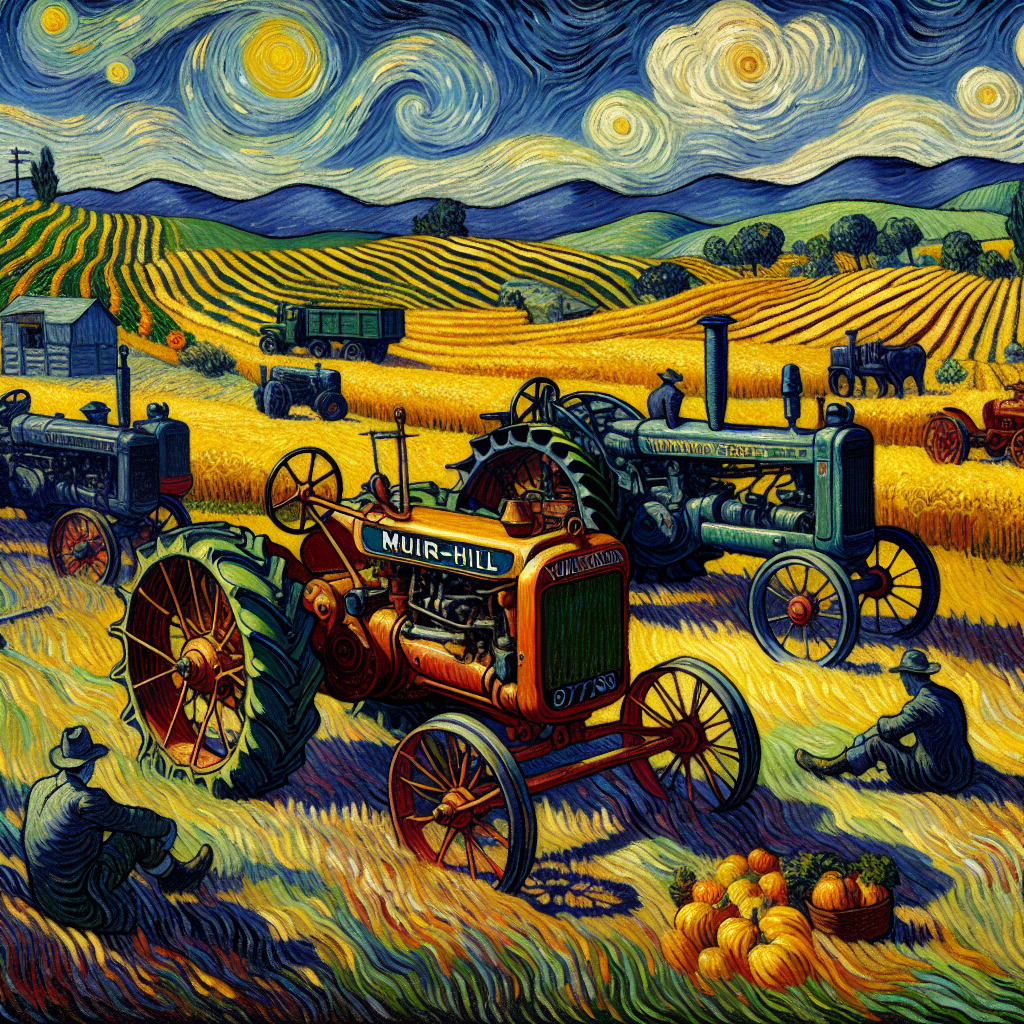
Connecting emotionally with the history of this tractor is about more than just understanding its mechanics; it’s about recognizing the stories and experiences woven into its very frame. Each scratch, dent, and faded paint job speaks to a time when it was a trusted companion in the fields, tirelessly working alongside farmers who poured their sweat and dreams into the soil. These machines are not merely tools; they’re symbols of hard work, resilience, and the bond between man and the land.
Picture a sun-drenched afternoon, dirt rising as the tires churn through rich earth. This tractor, a reliable workhorse, has witnessed generations of labor, heartaches, and triumphs. It has cultivated countless crops, fed families, and powered a community. When you sit in the operator’s seat, you’re not just taking the reins of machinery; you’re stepping into the shoes of those who came before you, who relied on this iron giant to bring their aspirations to life.
As you explore its features, consider the engineering marvel that it represents. Designed with precision, this tractor stands as a testament to human ingenuity and perseverance. It’s easy to marvel at its sturdy build or efficient technology—each element a product of minds that sought to innovate and improve. This rational appreciation deepens your connection, transforming mere curiosity into genuine admiration for the history it embodies.
Ethically, reflecting on this tractor’s journey invites you to honor not just the machine, but also those who operated it with pride and purpose. Their grit forged a legacy; understanding their struggles fosters a sense of respect and responsibility. By acknowledging their hard work, you become part of a larger narrative, one that emphasizes the value of dedication, community, and tradition.
Socially, consider the conversations that have sprouted around similar machines—how they’ve brought people together to share stories, advice, or laughter over repairs and harvests. Your connection isn’t isolated; it resonates with a broader community of enthusiasts and farmers, each holding their own tales of triumph and tribulation.
So, as you engage with this tractor’s rich history, remember—you’re not just connecting with a piece of agricultural machinery. You’re embracing a legacy, a network of relationships, and a celebration of the enduring spirit of agriculture. Let this tractor remind you that every engine has its heartbeat, and every rusted bolt has a story to tell.
How Do I Connect Emotionally with the History Of This Tractor?
How Do I Connect Emotionally with the History Of This Tractor?
- Emotional connection with the tractor goes beyond mechanics, reflecting stories and experiences.
- Each mark on the tractor symbolizes hard work, resilience, and the bond between farmers and the land.
- The tractor has witnessed generations of labor, heartaches, and triumphs while cultivating crops.
- Exploring its features showcases human ingenuity and enhances appreciation for its history.
- Understanding the struggles of past operators fosters respect and responsibility towards their legacy.
- The tractor serves as a catalyst for conversations, uniting a community of enthusiasts and farmers.
- Engaging with the tractor’s history connects individuals to a broader narrative of agriculture and dedication.
How Do I Connect Emotionally with the History Of This Tractor?
What Stories Does This Tractor Tell About Its Past Use?
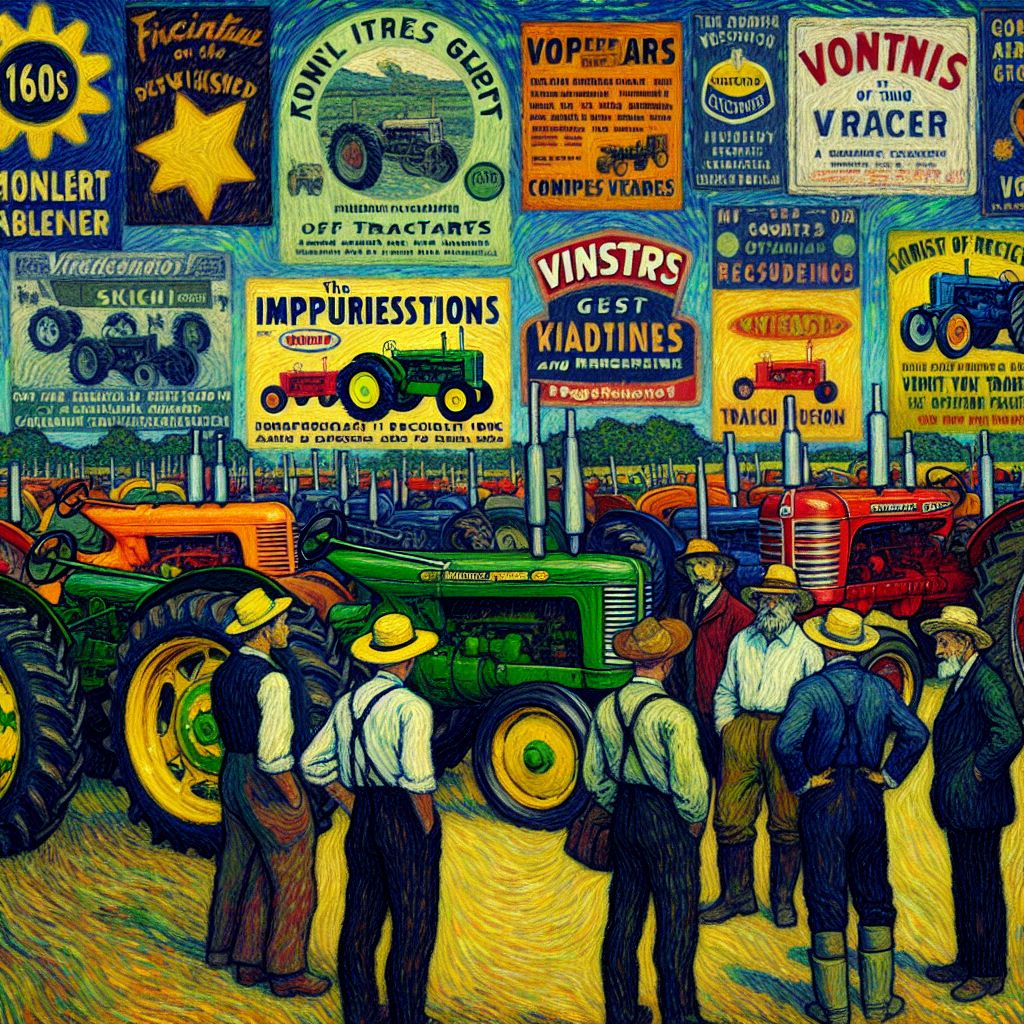
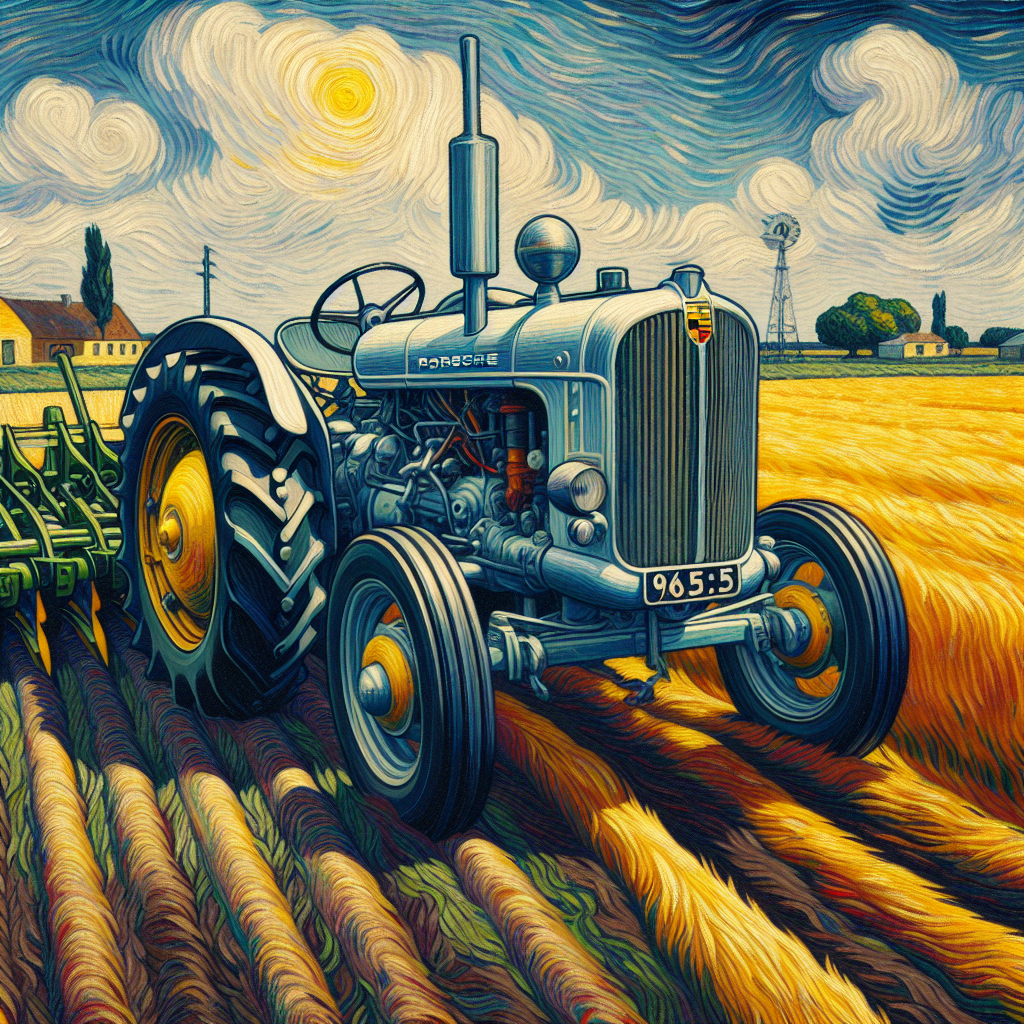
Every scratch, dent, and faded color on this tractor tells a story—a narrative woven into the very fabric of rural life. Imagine the first time it roared to life, its engine rumbling with youthful vigor. Picture hands—calloused and weathered from years of toil—gripping the steering wheel, driving forward through fields kissed by the morning sun. That tractor didn’t just work the land; it became an unwavering partner in a lifelong relationship with the earth.
Beyond the metal and machinery, this piece of equipment embodies the hopes and dreams of those who relied on it. Perhaps it helped a family harvest what would become their livelihood, or aided in planting crops that would nourish a community. The decisions made while sitting behind this wheel—where to go, what to plant, how to adapt to the whims of nature—reflect deeper, universal themes of resilience and responsibility. It’s a testament not just to agricultural prowess but to the ethical commitment of generations dedicated to nurturing the land.
The physics of a tractor, its powerful engine, and robust design can be dissected and admired. Yet, it’s the human element that truly elevates its story. Think of the late nights spent repairing it, the laughter shared during break times, or the quiet moments of reflection amidst work. Each instance reinforces the bond between man and machine—a relationship built on trust and necessity.
Then, there’s the social landscape that this tractor evokes. It invites us to connect with a broader community of farmers, each with their own tales of struggles and victories. It symbolizes hard work and collective effort, echoing the values that hold rural communities together. It’s not just a tool; it’s a shared heritage, steeped in tradition and sharing knowledge across generations.
When we consider the stories locked within this tractor’s frame, we realize it’s a vessel of shared memories. It beckons us to reminisce about our own stories—of work done, of challenges faced, and of triumphs that, much like the sturdy machine, stand the test of time. As we reflect on its past, we appreciate the undeniable connection this tractor creates between us and those who came before, bridging age-old traditions with the enduring spirit of resilience that continues to define agricultural life today.
What Stories Does This Tractor Tell About Its Past Use?
What Stories Does This Tractor Tell About Its Past Use?
- Every scratch and dent on the tractor narrates its history within rural life.
- It represents a lifelong partnership between the farmer and the land.
- The tractor embodies the hopes and dreams of those who relied on it for their livelihood.
- Decisions made while operating it reflect resilience and responsibility.
- The relationship between man and machine is built on trust, necessity, and shared experiences.
- It symbolizes the collective effort and values that unite rural communities.
- The tractor serves as a vessel of shared memories, connecting past and present agricultural traditions.
What Stories Does This Tractor Tell About Its Past Use?
How Can I Assess the Craftsmanship That Reflects Its Value?
Assessing craftsmanship is akin to evaluating the mechanics of a well-tuned tractor. Just as a tractor is not merely a machine but a lifeline for farmers, skillfully crafted items carry stories, labor, and histories within their seams. First, feel the piece in your hands. The weight, texture, and temperature all signal the care invested in its creation. This is the emotional connection—craftsmanship evokes a sense of appreciation for the artisans who poured their soul into the work.
Next, engage your rational side. Delve into the materials used. Are they sustainably sourced? Quality wood, metal, or fabric demonstrates forethought and investment, much like a farmer selecting the best seed for the field. Investigate the techniques employed in crafting the item. Historical methods often reveal more about value than modern shortcuts—a well-crafted item should endure the test of time, just like a reliable tractor that plows through tough soil year after year.
Ethical considerations come into play when assessing craftsmanship. Consider the intentions behind the creation. Was it made in a workshop that pays fair wages? Does it support community artisans? Items crafted with integrity represent not only the skill of the maker but the values they uphold. When you purchase, you’re investing in a promise—an adherence to principles that matter, much like a farmer trusting that their tractor will not fail them during harvest season.
Authority in craftsmanship stems from experience and reputation. Seek out creators with a proven track record. Look for testimonials or a history of excellence, akin to asking a seasoned farmer for recommendations on the best tractors. Engage with the stories behind the makers; understanding their journeys enhances your connection to the craft, forging trust.
Finally, consider the social aspect. In a world of mass production, supporting artisanal craftsmanship fosters a community that cherishes creativity and individuality. Share your findings with others—invite friends to experience the story behind a beautifully crafted item. This can spark conversations that highlight our shared values and remind us that every piece carries a narrative.
Assessing craftsmanship is far more than a checklist—it’s about connecting with the past, appreciating the present, and investing in a future that honors authenticity. Just as a farmer relies on their trusty tractor, we too rely on true craftsmanship to cultivate richness in our lives.
How Can I Assess the Craftsmanship That Reflects Its Value?
How Can I Assess the Craftsmanship That Reflects Its Value?
- Craftsmanship evaluation parallels assessing a well-tuned tractor, highlighting its significance.
- Physical sensations—the weight, texture, and temperature—communicate the care in creation.
- Examine materials for sustainability and quality, reflecting thoughtful investment.
- Historical crafting techniques often signify durability and value over modern shortcuts.
- Ethical considerations involve fair wages and supporting community artisans, representing values in craftsmanship.
- Authority comes from experience and reputation; seek creators with proven track records.
- Supporting artisanal craftsmanship fosters community appreciation for creativity and shared narratives.
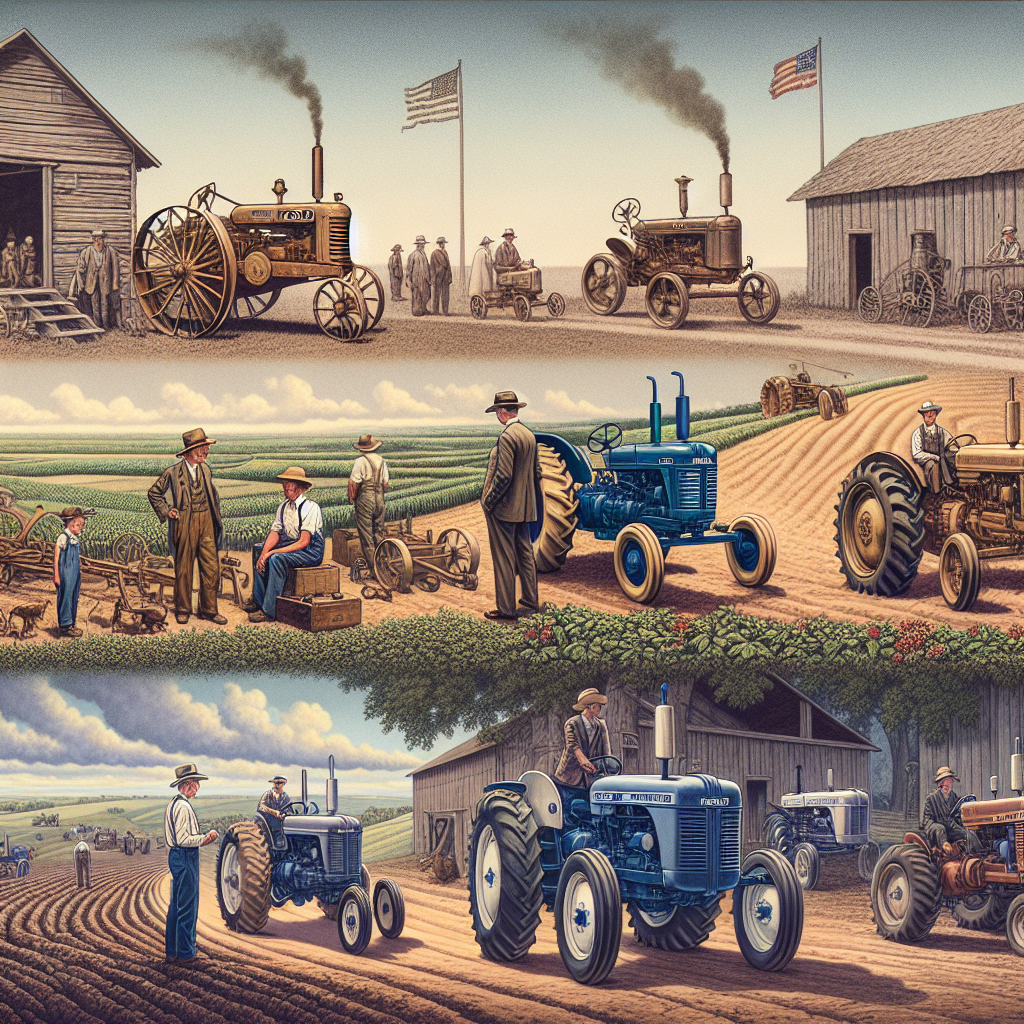
How Can I Assess the Craftsmanship That Reflects Its Value?
What Unique Features Should I Be Looking for In a Tractor?
When it comes to investing in a tractor, it’s not just about horsepower or shiny attachments; it’s about finding a reliable partner that aligns with your needs and values. A tractor isn’t just a machine; it’s a symbol of hard work and a testament to the sweat equity you’re putting into your land. Choosing the right one means digging deeper than the specs on paper.
First, think about your specific needs. Is this tractor going to be your workhorse for daily chores, or will it be used for occasional projects? Assessing the workload is vital. Look for unique features like versatility in attachments, which can save you money in the long run. A tractor that can plow, rake, or even lift is a multitasker that can adapt to your evolving requirements.
Comfort and ergonomics might seem secondary, but consider how many hours you’ll spend in the seat. A tractor with an adjustable, comfortable seat and cab features designed for long days can mean the difference between fatigue and productivity. When every minute counts, a wise investment in comfort pays off in output and wellbeing.
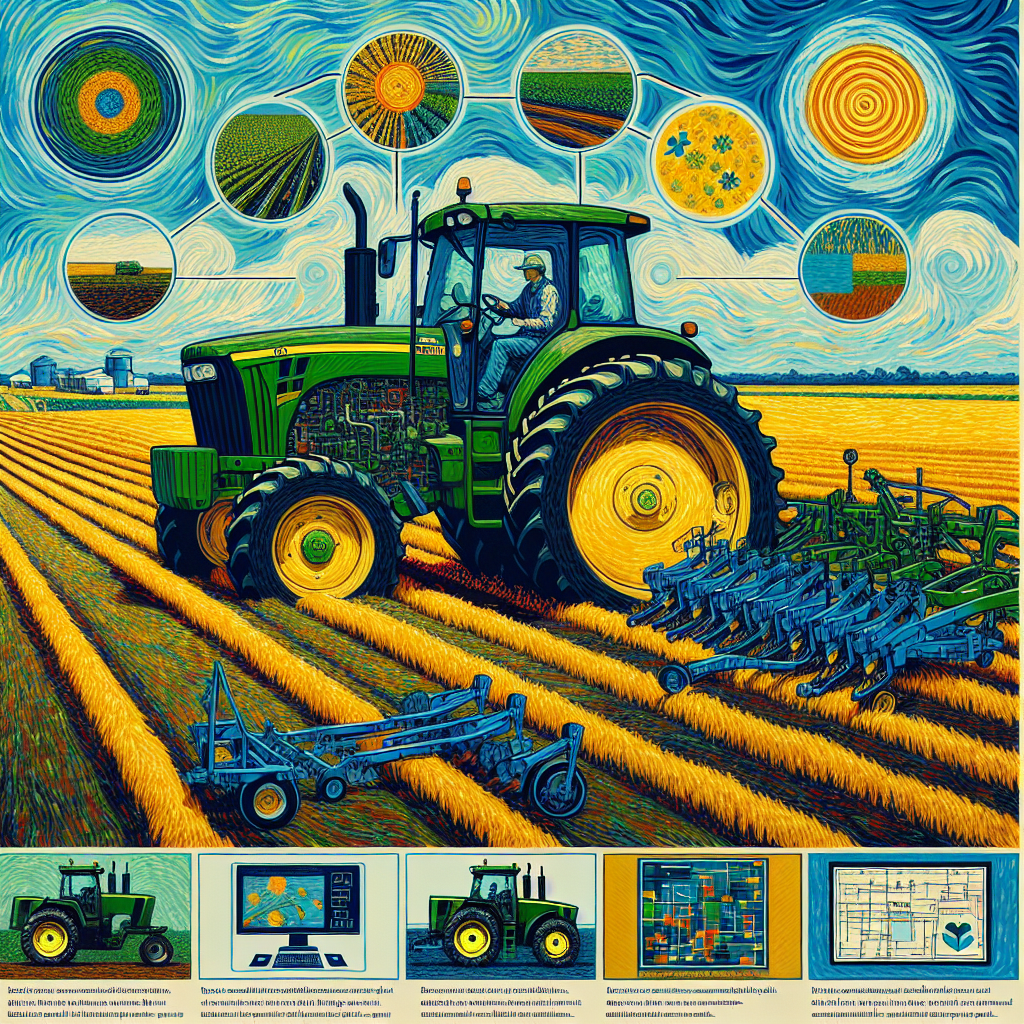
Another critical factor is the technology. Modern tractors come equipped with advancements that not only streamline tasks but also enhance efficiency. Look for features like GPS capabilities or precision farming tools that can give you an edge, ensuring you’re not just working hard but working smart.
The make and model’s reputation should weigh heavily in your decision. There’s no substitute for a solid track record. Brands with a long-standing history of reliability and customer support scream trustworthiness. Reach out to local farmers or industry experts—people who’ve got dirt under their nails. Their stories and experiences can guide you to the right choice.
Lastly, consider the ethical implications of your tractor purchase. Supporting manufacturers who prioritize sustainability can resonate with your values. Investing in equipment that emphasizes eco-friendly practices not only speaks to responsible stewardship of the land but builds a legacy through generations.
Ultimately, finding the right tractor is about connection—between you, the land, and the legacy you’re building. So, choose wisely. This is more than just a machine; it’s a genuine partner in your journey, reflecting your dedication and passion for what you do. When you find the right one, you’ll know it in your gut.
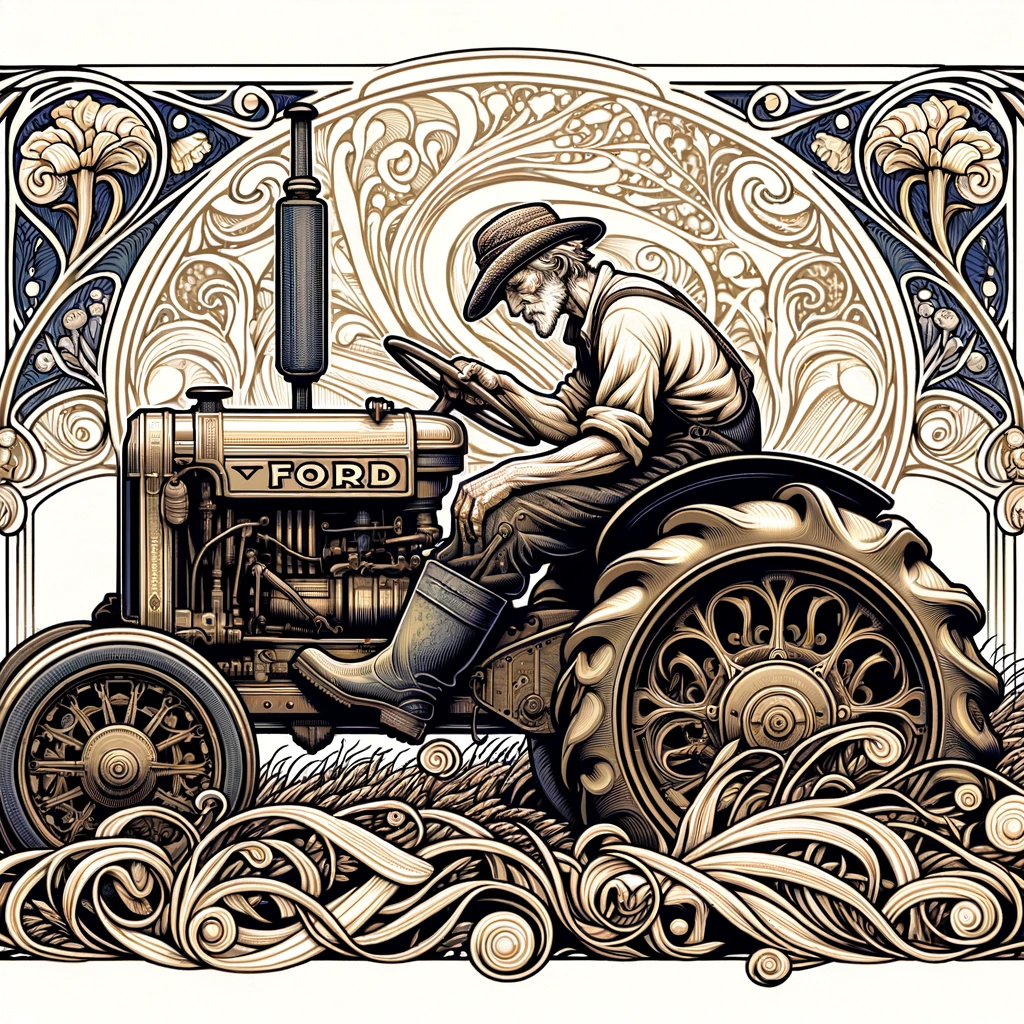
What Unique Features Should I Be Looking for In a Tractor?
What Unique Features Should I Be Looking for In a Tractor?
- Investing in a tractor should align with your needs and values, serving as a reliable partner.
- Assess your specific needs to determine if the tractor will be used for daily chores or occasional projects.
- Look for versatility in attachments to save money and increase functionality.
- Prioritize comfort and ergonomics, as long hours in the seat can affect productivity.
- Consider advanced technology features like GPS and precision farming tools for enhanced efficiency.
- Research the reputation and reliability of brands, utilizing local farmers’ insights for guidance.
- Support manufacturers that prioritize sustainability to align with ethical values and responsible land stewardship.
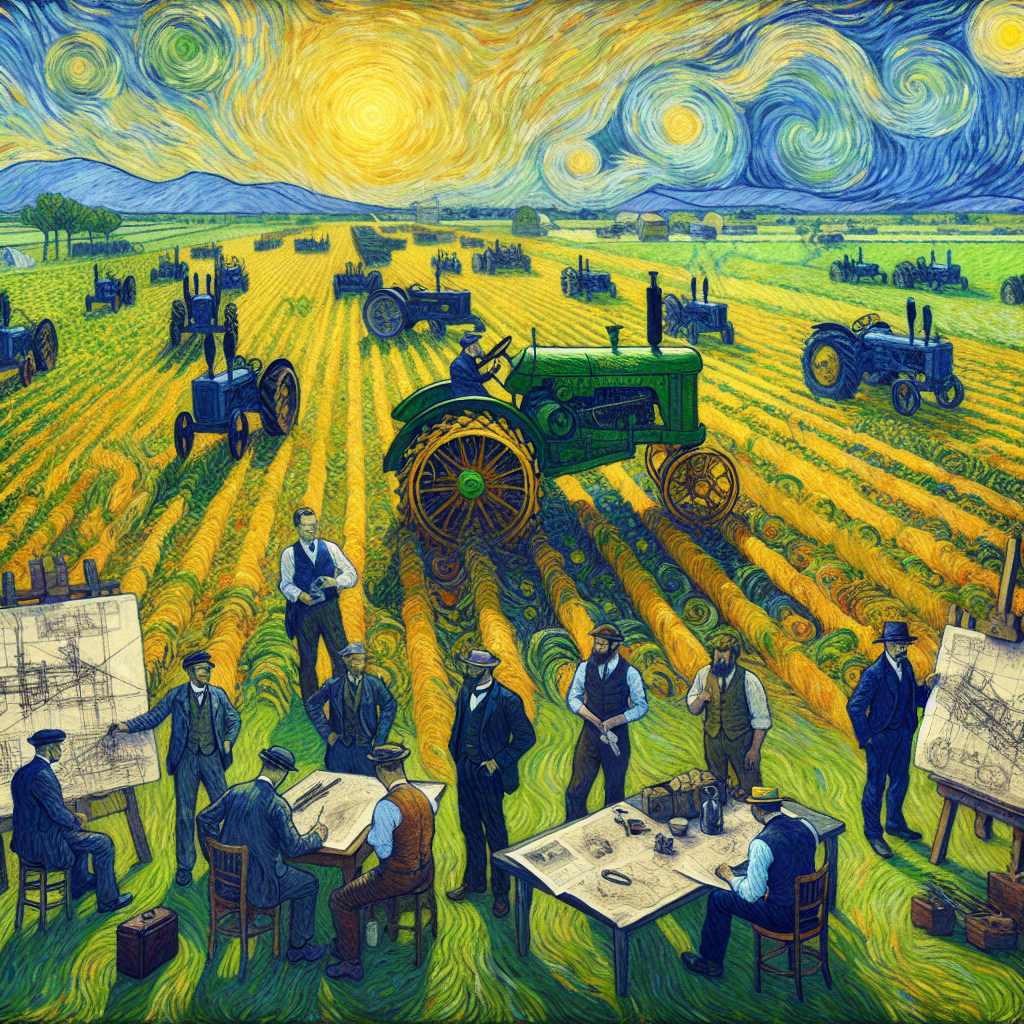
What Unique Features Should I Be Looking for In a Tractor?
How Do I Consider the Environmental Impact Of This Tractor?
When you’re standing in the field, contemplating the mighty machine that will be your partner in labor, it’s essential to think beyond just horsepower and fuel efficiency. A tractor isn’t merely a tool; it’s part of a larger ecosystem we’re all inside, and its impact extends beyond the boundaries of the farm. By understanding this, you can make choices that reflect not just your bottom line, but the legacy you leave behind.
Start with the gut: the rumble of the engine, the smell of diesel—these sensations create a visceral connection to your work. Yet, beneath that comforting noise lies a pressing reality. Every hour spent in the seat of that tractor contributes to greenhouse gas emissions and affects the soil, water, and air that sustain us. Acknowledging this makes your task a moral endeavor. It’s not just about productivity; it’s about stewardship. You harvest profits, but you also harvest responsibility.
Engaging the heart means listening to the stories of those who came before us. Picture the farmer whose land has been passed down for generations. The choices you make today will shape not just the next season, but the next century. Your tractor is part of that narrative. It can either enhance or harm the landscape that you love, the one that your family has cherished for ages. When you consider how to operate that machinery with the environment in mind, you’re not just sharing space with nature; you’re respecting it.
From a rational perspective, the cost of neglecting environmental impacts becomes evident. Adopting sustainable practices isn’t merely an ethical choice; it’s a smart business decision. Modern tractors offer advancements like precision agriculture technology, drastically reducing waste and improving efficiency. Investing in these innovations fosters resilience against the uncertainty of climate change and preserves your operation’s future.
Finally, think about those around you—your community, your neighbors. Sustainable practices encourage a culture of awareness and responsibility. When you’re mindful of your environmental footprint, you become an example for others, sparking conversations about sustainability. That connection can transform your community’s approach to agriculture, creating a ripple effect that benefits everyone involved.
In this balancing act of productivity and responsibility, envision the tractor as a tool for a brighter, greener tomorrow. Choose wisely, and you’ll cultivate not only your land but also a legacy worth leaving behind.
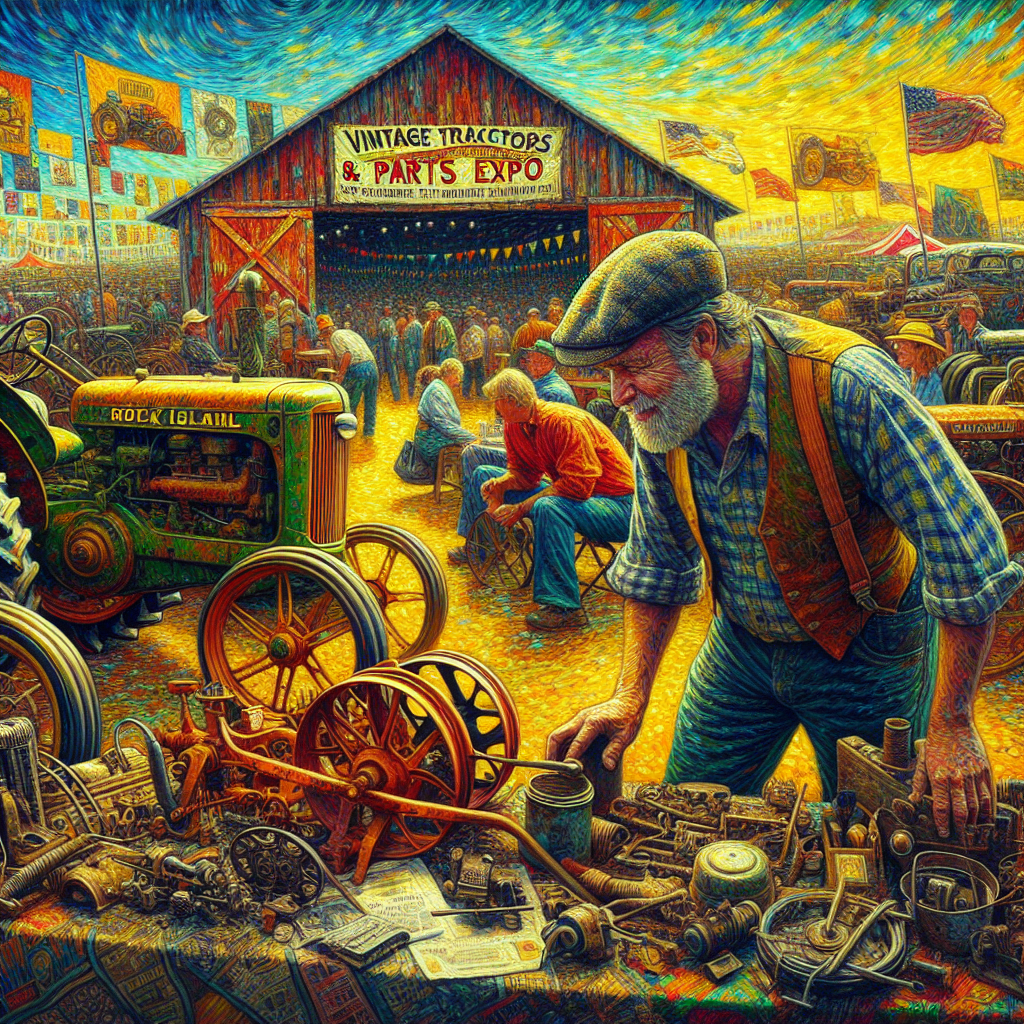
How Do I Consider the Environmental Impact Of This Tractor?
How Do I Consider the Environmental Impact Of This Tractor?
- A tractor is more than just a tool; it plays a crucial role in a larger ecological system.
- Operational choices impact both profitability and environmental stewardship.
- Every hour of operation contributes to greenhouse gas emissions, affecting air, soil, and water quality.
- Farming practices should honor the legacy of those who came before and consider future generations.
- Sustainable practices enhance business resilience and leverage technological advancements.
- Mindful operations inspire community awareness and responsibility about sustainability.
- Viewing tractors as part of a sustainable future encourages a legacy of care for the environment.
How Do I Consider the Environmental Impact Of This Tractor?
Why Is the Origin Of This Tractor Significant to Its Overall Value?
The origin of a tractor is more than a mere detail; it’s a tapestry woven with threads of history, craftsmanship, and community. When we think about a tractor, particularly one with a storied past, we should consider what it represents beyond its mechanical prowess. It stands as a testament to the values and innovations of the time it was built. Each tractor carries tales of farmers who relied on it, and the land it tilled, connecting generations in a shared legacy.
In a world increasingly dominated by technology and the rapid pace of change, the origin of a tractor serves as a reminder of our roots. It embodies the ethics of hard work and perseverance that define agrarian life. The very soil it plowed and the crops it harvested resonate with the effort poured into sustaining families and communities. When you sit behind the wheel of a tractor with a rich heritage, you’re not just operating machinery; you’re participating in a narrative that transcends time.
Moreover, the subjective value derived from a tractor’s origin often influences its market worth. A model produced during an important era, perhaps associated with significant agricultural advancements, can inspire more than just an emotional connection. It positions itself as a piece of history—a collectible, if you will, that holds potential appreciation over time. Collectors and enthusiasts often seek out these machines not just for their utility but for the stories they encapsulate. It taps into an ethic of stewardship; preserving these tractors not only honors their legacy but also reinforces our commitment to the agriculture that sustains us.
Consider the pride in ownership that comes when you possess something with a rich narrative. There’s an undeniable authority that comes from owning a tractor known for its reliability and performance, particularly one that has survived the test of time. It becomes a point of connection at community gatherings, where shared stories about the triumphs and challenges of farming can flourish.
In connecting with the origins of a tractor, we cultivate a deeper appreciation for its overall value. It becomes more than just a tool; it transforms into a symbol of our shared heritage, an enduring link to those who labored before us. In valuing its origin, we foster trust in what these machines can achieve for future generations, ensuring that the heart of agriculture continues to beat strong.
Why Is the Origin Of This Tractor Significant to Its Overall Value?
Why Is the Origin Of This Tractor Significant to Its Overall Value?
- The origin of a tractor reflects historical significance, craftsmanship, and community connections.
- It embodies the values and innovations of its time beyond just mechanical function.
- Each tractor connects generations of farmers and the land they worked.
- The origin influences market worth, with collectible tractors representing pieces of history.
- Owning a tractor with a rich narrative fosters pride and community connection.
- Understanding a tractor’s origin enhances appreciation, turning it into a symbol of shared heritage.
- Valuing a tractor’s history supports trust in its utility for future generations in agriculture.
Why Is the Origin Of This Tractor Significant to Its Overall Value?
Conclusion
Evaluating a tractor’s condition at a show is a journey that transcends the mere mechanical evaluation of its parts. It’s an art, deeply rooted in the stories etched into its steel frame and the legacy of labor it represents. As you approach these machines, open yourself to their history—the fields they’ve tilled, the harvests they’ve reaped, and the hands that guided them. Each scratch and dent isn’t a flaw; it’s a badge of honor, a testament to years of dedicated service and the trials faced by those who relied on this trusty steed of the field.
Your emotional connection is crucial. Picture the multitude of sunrises witnessed from the operator’s seat, the scent of fresh earth, and the hard work imbued in every journey. Ask yourself, what sacrifices did this tractor witness? What dreams did it help cultivate? This emotional resonance is your heart’s anchor, transforming a simple piece of machinery into a vessel of history.
Next, engage your head. Look closely at the details—the paint may tell stories of past battles against the elements, while the undercarriage can reveal secrets of rust or resilience. This assessment calls for a keen eye and a rational mind, evaluating the craftsmanship and the credibility of the seller. Transparency and authenticity are paramount; dig into the maintenance records and ask about modifications. Good sellers will take pride in sharing their tractor’s past—these exchanges are where trust begins to blossom.
Consider the ethical implications of your purchase. A seller who is forthright about a tractor’s condition and history respects your need for honesty, fostering a connection grounded in integrity. By engaging ethically, you become part of a larger narrative—a community that values not just transactions but relationships rooted in shared passion and dedication to agriculture.
Don’t overlook the social bonds these tractors represent. They stand as symbols of rural life, connecting you to a lineage of farmers who have shared laughter, toil, and victories. Each tractor embodies the collective spirit of a community—a reminder that farming isn’t just a profession; it’s a way of life, steeped in tradition and teamwork.
Finally, trust your gut. Find a tractor that resonates deeply within you—one that feels like it could still work the land alongside you. This decision goes beyond specs and evaluations; it’s about finding a steadfast partner for your journey in agriculture. By balancing the emotional, rational, ethical, and social aspects of your assessment, you make a choice rooted in connection, appreciation, and respect for the legacy that every tractor carries.
Conclusion
Conclusion:
- Evaluating a tractor is an exploration of its history and legacy, not just its mechanical parts.
- Each mark on the tractor represents years of service and experiences shared by operators.
- An emotional connection enhances the understanding of the tractor’s role in agricultural stories.
- Attention to detail is essential; assess paint condition, rust, and maintenance records.
- Ethical interactions with sellers build trust and foster a sense of community in agriculture.
- Tractors symbolize rural life, connecting individuals with their farming heritage.
- Choose a tractor that resonates with you personally, ensuring a lasting partnership in farming.
Conclusion
Other Resources
Other Resources
Here is a list of other resources you can review online to learn more:
- Ascot Universal
- Minnesota’s Machinery Museum
- Atlantic Farm Mechanization Show
- AG Museum
- David Brown
- Titan Machinery
- Johnson Manufacturing
- Farm Collector
- Wingin
- Eicher
- Mastodon
- Mahindra
- Ferguson
- Eagle
- Zanello
- The New England Antique Truck and Tractor Association
- CAAntique Farm Equipment Show
- Kioti Tractors
- Pioneer Tractor
- Ageless Iron
Use This Prompt To Get More Resources With Your Favorite Online AI Tool: Please provide me with a list of online articles with their URLs in a bulleted list that I can read regarding How Do I Judge a Tractor’s Condition At a Show?
Other Resources
Glossary Terms
How Do I Judge a Tractor’s Condition At a Show? – Glossary Of Terms
1. Condition: The overall state of the tractor, including functionality, aesthetics, and mechanical integrity.
2. Inspection: The process of carefully examining the tractor for signs of wear, damage, or issues.
3. Rust: Corrosion that appears on metal surfaces, indicating age and potential structural problems.
4. Tread: The pattern on tractor tires that affects traction; significant wear may indicate poor maintenance.
5. Engine: The core component of a tractor providing power; performance and condition are critical indicators.
6. Hydraulics: The system that uses fluid power to operate attachments; leaks or inefficiencies can signal problems.
7. Transmission: The mechanism that transfers power from the engine to the wheels; smooth shifting indicates good condition.
8. PTO (Power Take-Off): A device allowing implements to draw power from the tractor; inspect for functionality.
9. Hitches: Equipment for attaching trailers or implements; check for wear and secure connections.
10. Tires: Assess for tread depth, cracks, and air pressure; essential for stability and performance.
11. Battery: Supplies electrical energy; check age, condition, and connections for reliability.
12. Fluid Levels: Ensure oil, coolant, and hydraulic fluid are at proper levels to prevent overheating or damage.
13. Belts and Hoses: Components that need to be in good condition to ensure mechanical operations; check for cracks or wear.
14. Filters: Devices that remove contaminants from oil, air, or fuel; vital for engine health.
15. Chassis: The base frame of the tractor; inspect for cracks or signs of repair.
16. Service History: Records detailing maintenance done; provides insight into previous care and potential issues.
17. Accessories: Extra equipment attached to the tractor, such as loaders or plows; check for functionality and condition.
18. Paint: The tractor’s exterior finish; quality can indicate care taken in maintenance.
19. Frame: The structural support of the tractor; look for straightness and absence of damage.
20. Exhaust: The system for expelling engine gases; inspect for leaks or excessive smoke emission.
21. Wiring: Electrical connections; ensure they are intact and free of corrosion.
22. Gauges: Instruments that provide readings on oil pressure, temperature, and battery health; check for functionality.
23. Towing Capacity: The maximum weight the tractor can safely pull; crucial for assessing operational limits.
24. Safety Features: Includes roll-over protective structures (ROPS) and emergency shut-off systems; must function correctly.
25. Growler Test: A method to assess the condition of the electrical system within the tractor.
26. Load Test: Evaluates the electrical system under load to check battery and alternator performance.
27. Operational Test: Running the tractor to assess all functions, including steering, shifting, and braking.
28. Maintenance Records: Documentation of repairs and servicing; valuable for understanding past performance.
29. Overall Aesthetics: The visual appeal of the tractor, which can hint at long-term care and use.
30. Provenance: The history of the tractor, including previous owners and uses, which may affect value and condition assessment.
Glossary Of Terms
Other Questions
How Do I Judge a Tractor’s Condition At a Show? – Other Questions
If you wish to explore and discover more, consider looking for answers to these questions:
- What is the tractor’s make, model, and year?
- What is the serial or VIN number and can it be verified?
- Do maintenance and service records exist and can I see them?
- How many engine hours are recorded and are the hours reliable?
- Has the tractor undergone major restorations or cosmetic work?
- Are the parts on the tractor original, period-correct, or aftermarket replacements?
- Are there photographs showing the tractor before any restoration?
- Were any modifications made, and if so, why and by whom?
- Is there documentation of previous owners and provenance?
- Has the tractor been used for heavy field work, light duty, or show purposes?
- Is there evidence of structural damage such as frame cracks or repaired welds?
- What is the condition of the engine (compression, leaks, smoking, noises)?
- Does the tractor start easily cold and hot, and how does it behave during a test run?
- What is the condition of the transmission, clutch, and gear engagement?
- Are the brakes effective and is the parking brake functional?
- Is the hydraulic system free of leaks and does it hold pressure under load?
- Does the PTO engage/disengage smoothly and operate at correct RPM?
- Is the three-point hitch functional and what hitch category is it?
- Are the electrical system, lights, gauges, battery, and starter in working order?
- What is the condition of tires, rims, bearings, and steering components?
- Is there significant rust, pitting, or rot on the undercarriage or body panels?
- Are there signs of past welding or patchwork that affect integrity?
- What fluids (engine oil, transmission, hydraulic, coolant) were recently changed and what are their conditions?
- Has any engine or transmission been rebuilt, and are those rebuild receipts available?
- Are there known recurring mechanical issues with this model to watch for?
- How readily available and expensive are replacement parts for this model?
- Is there a recommended service manual or parts catalog available?
- Does local dealer/service support exist for this make/model?
- What safety features are present (ROPS, seatbelt, guards, operator presence switches)?
- Are there any safety concerns or code compliance issues for road transport or local operation?
- What is the tractor’s fuel type and typical fuel consumption under load?
- Does the tractor meet any emissions regulations or require retrofits in this jurisdiction?
- Can the tractor run on biodiesel or alternative fuels?
- What is the expected annual maintenance cost and typical replacement parts budget?
- What attachments are compatible, and are any included with the sale?
- What is the capacity and condition of any loader, backhoe, or other implements?
- Is the hitch/attachment mounting standard or modified?
- Are front weights or ballast included and is weight distribution appropriate for use?
- How does the tractor perform in different soil conditions and what about soil compaction?
- What documentation is needed for registration, transfer of ownership, or export/import?
- Is the tractor insured or insurable for the intended use (work vs. show)?
- What is the current market value and are recent comparable sales available?
- Is the tractor likely to appreciate as a collectible or is it primarily a working machine?
- Does the seller offer any warranty or post-sale support?
- Are there known recalls or service bulletins for this model?
- Who restored or repaired the tractor and what is their reputation?
- Are there club, forum, or community resources for owners of this model?
- What historical significance or unique provenance does this specific tractor have?
- Has the tractor been displayed at other shows or been part of notable events?
- Are there any legal encumbrances, liens, or salvage titles associated with it?
- Will the tractor fit my intended tasks in terms of horsepower, hydraulics, and PTO capability?
- How easy is transportation and storage for this tractor (dimensions, weight, disassembly)?
- Is there an operator’s manual and are replacement decals/plaques authentic?
- Could any hidden issues be revealed by a professional inspection or test procedures (compression test, leak-down, fluid analysis)?
- How will seasonal storage and winterizing affect ongoing preservation or operation?
- Are there ethical or sustainability considerations in preserving versus replacing parts or systems?
Other Questions
Haiku
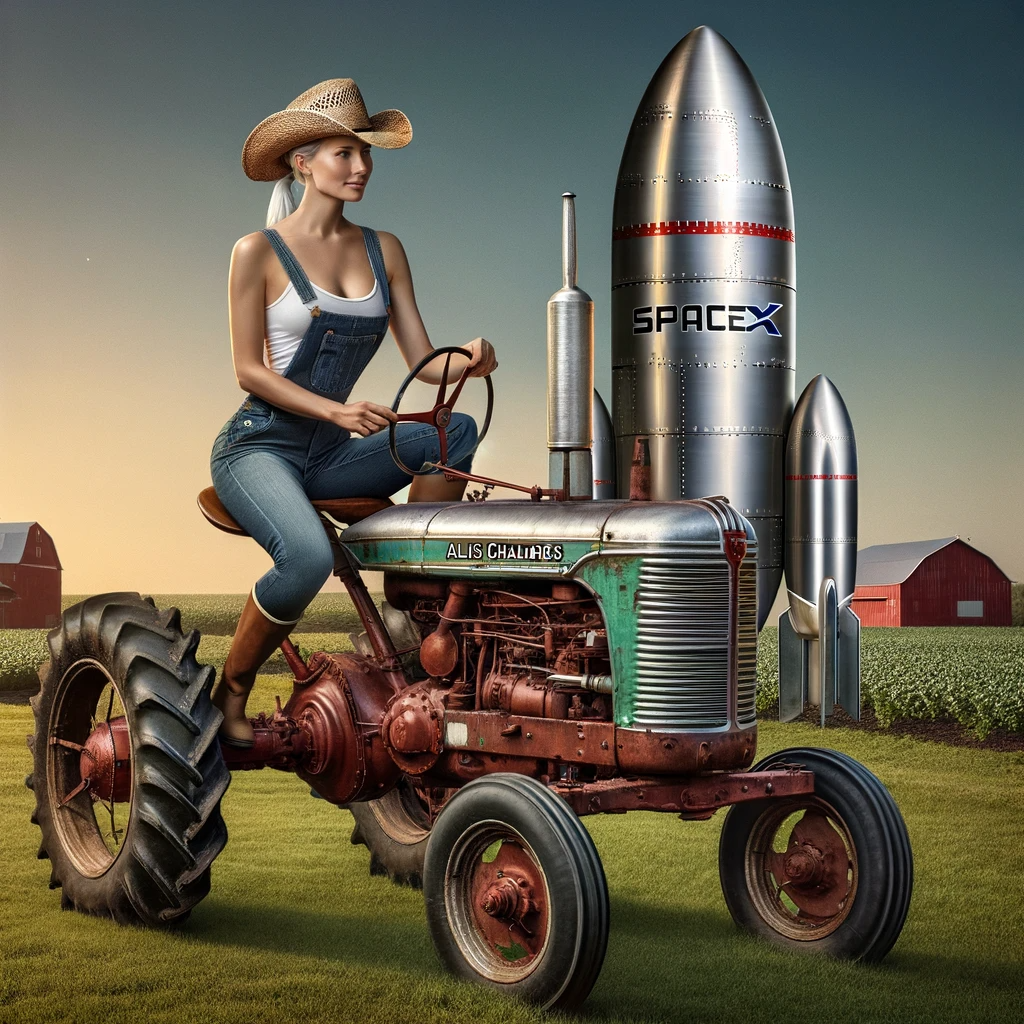
How Do I Judge a Tractor’s Condition At a Show? – A Haiku
Rusty tales of toil,
History whispers through steel,
Legacy plows deep.
Haiku
Poem
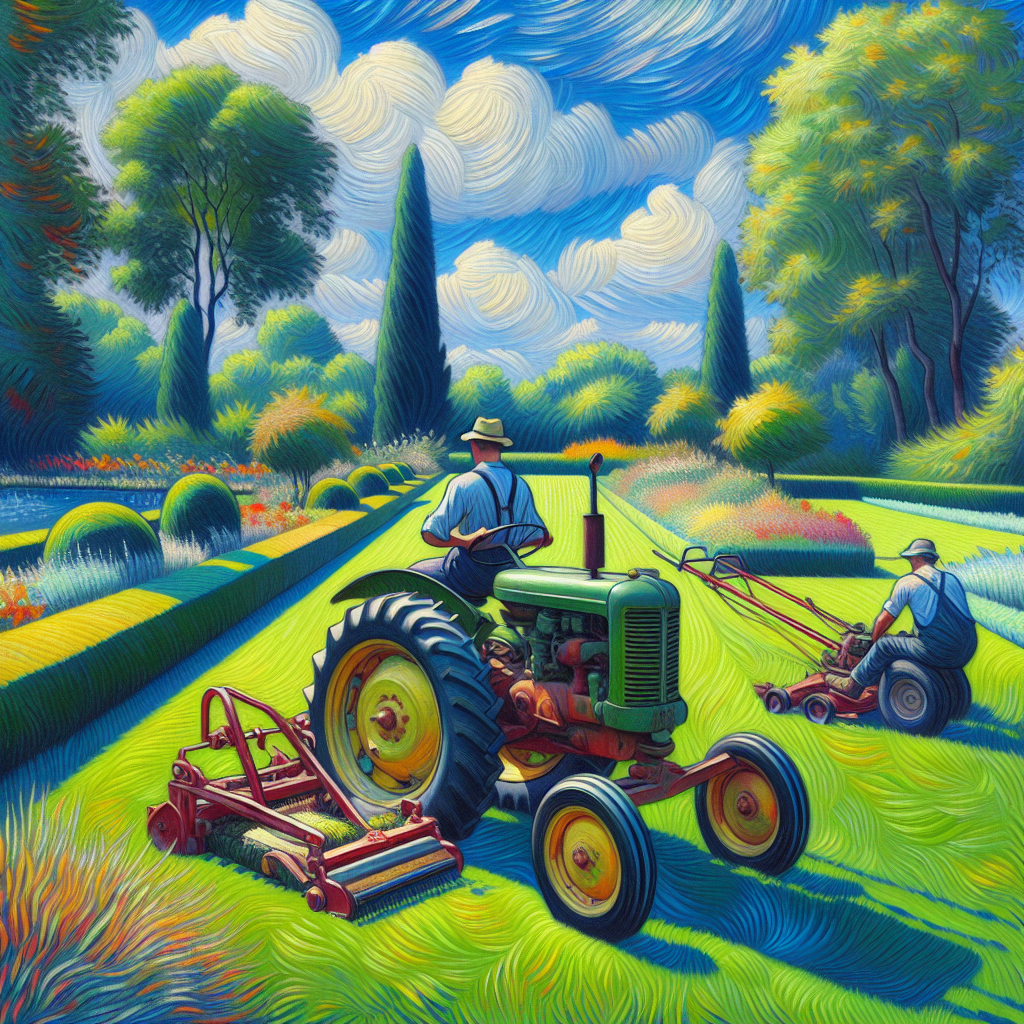
How Do I Judge a Tractor’s Condition At a Show? – A Poem
In fields where history plows,
A tractor stands, the earth it knows,
Each dent, each scratch a tale unfolds,
Of sweat and dreams, of hands that hold.
Beneath the paint, so weathered and worn,
Lies a bond with the land, forever sworn.
It tells of seasons, of harvests embrace,
The labor of love etched in every trace.
Look close and see the craftsmanship bright,
Symbols of toil, crafted with might.
Mechanics whisper of stories untold,
Of trust built in fields of marigold.
Seek not just power, but comfort and care,
In every feature, let your heart dare.
A partner awaits, through toil and through strife,
In each turn of the wheel, echoes of life.
With every engines rumble, a call to respect,
The earth and its rhythms, our choices reflect.
A legacy shared, with communitys hand,
Through tractors, we cultivate the heartbeat of land.
Embrace the journey, with history’s start,
For this iron giant is more than a part.
It’s a vessel of stories, a heritage true,
Connecting the past to the dreams we pursue.
Poem
Checklist
How Do I Judge a Tractor’s Condition At a Show? – A Checklist
Emotional Appeals
✅______ Reflect on the tractor’s history. What stories do its scratches and dents tell?
✅______ Connect with the legacy of the machine. How has it impacted its previous owners and the community?
✅______ Visualize its journey in the fields. What memories could it evoke for you and future generations?
Rational Appeals
✅______ Inspect the mechanical components. Are the engine, tires, and undercarriage in good condition?
✅______ Evaluate the quality of materials. Are they durable and well-maintained?
✅______ Research brand reputation. Does it have a history of reliability and customer satisfaction?
Ethical Appeals
✅______ Assess seller transparency. Is the owner open about the tractor’s history and condition?
✅______ Consider the environmental impact. How does this tractor align with sustainable practices?
✅______ Commit to fair purchasing. Are you supporting producers that prioritize ethical manufacturing?
Authority Appeals
✅______ Seek expert opinions. Consult seasoned farmers or mechanics for recommendations.
✅______ Investigate maintenance records. Are there comprehensive records available for the tractor?
✅______ Trust industry certifications. Does the tractor come from a respected brand with proven performance?
Narrative Appeals
✅______ Create a personal connection. How would owning this tractor fit into your farming story?
✅______ Reflect on the traditions of agriculture. How does this tractor embody the principles of community and hard work?
✅______ Explore the emotional narratives associated with farming. What shared experiences resonate with you?
Social Appeals
✅______ Engage with fellow enthusiasts. Share experiences and stories about similar tractors.
✅______ Participate in farming community events. How can this tractor foster connections with others who share a passion for agriculture?
✅______ Recognize the collective heritage. How does this tractor represent the craftsmanship and dedication of previous generations?
Checklist
At ClassicTractorNews, we help tractor lovers keep up with the latest news for classic and vintage tractors.
Please share this post with your friends, family, or business associates who may like old classic or vintage tractors.