


Unlocking Value: Discover Your Product’s Identity Across Brands
By Tom Seest
At ClassicTractorNews, we help tractor lovers keep up with the latest news for classic and vintage tractors.
Please share this post with your friends, family, or business associates who may like old classic or vintage tractors.
How Do I Find Serial Number Locations on Different Brands?
Finding the serial number on your tractor can feel like that treasure hunt you never signed up for. It’s an essential task, yet one that can leave you scratching your head. That number is more than just an ID; it’s the key to understanding your machine, securing parts, or even getting the right support when things go awry.
Now, whether you’re a seasoned farmer or a weekend warrior tackling landscape projects, the serial number is your trusted companion in navigating the world of tractors. Each brand has its own little quirks and typical hiding spots. For example, if you’re checking out a John Deere, you’ll often find that vital number on the frame under the operator’s seat—an often overlooked area but key for getting to know your machine better. Or maybe you operate a Kubota? Those numbers can appear near the engine block or on the right side of the chassis, easily buried under dirt or grease. It’s a small task, but one with big implications.
It’s practical and rooted in a sense of stewardship. Treating your tractor with the attention it deserves means you’re not just preserving a piece of equipment; you’re nurturing a relationship that will serve you well for years. This isn’t just about metal and mechanics; it’s about the stories and labor built into that tractor. Each scratch tells a narrative, and knowing its history begins with understanding that serial number.
In your quest, remember that community is your ally. Share tips with fellow tractor owners, engage in forums, and inspire one another. This collective wisdom can guide you to not only locate that serial number but to appreciate the nuances of your brand. You’re not just hunting for a number; you’re becoming part of a larger narrative that values diligence and respect for the tools that enable your hard work.
So, the next time you head out to your tractor, take a moment. Appreciate the machine that’s helped cultivate fields, clear land, or bring joy during family projects. Finding that serial number isn’t just a task; it’s a step toward deeper understanding and connection. It’s about ensuring you have the right tools, support, and resources to tackle whatever comes your way, and it all starts with knowing your machine inside and out.

How Do I Find Serial Number Locations on Different Brands?
How Do I Find Serial Number Locations on Different Brands?
- Finding the serial number on your tractor is essential for understanding your machine and securing parts.
- The serial number is often located in brand-specific hiding spots, such as under the operator’s seat for John Deere or near the engine block for Kubota.
- This task promotes stewardship and nurtures a relationship with your equipment.
- Each tractor’s history contributes to its story, with the serial number being the starting point for learning that history.
- Engaging with the tractor community can provide tips and support in locating the serial number.
- Finding the serial number connects you to a larger narrative of respect and diligence regarding your tools.
- Understanding your tractor’s serial number ensures you have the right resources to address any challenges.

How Do I Find Serial Number Locations on Different Brands?
Table Of Contents
- How Do I Find Serial Number Locations on Different Brands?
- What Emotions Do Serial Numbers Evoke for Your Brand Loyalty?
- How Can Finding Serial Numbers Save You Money Over Time?
- Why Is It Essential to Locate Serial Numbers for Warranty Claims?
- Where Do You Turn for Reliable Information on Serial Number Locations?
- How Does Knowing the Serial Number Enhance Your Trust In a Product?
- How Can Locating a Serial Number Solve Product Authenticity Concerns?
- Conclusion
- Other Resources
- Glossary Of Terms
- Other Questions
- Haiku
- Poem
- Checklist
What Emotions Do Serial Numbers Evoke for Your Brand Loyalty?
When you think about a tractor rolling through the fields, it’s not just a machine; it’s a promise wrapped in steel and grit. The serial number etched into that hulking piece of machinery represents more than specifications; it evokes a story. Each number links back to countless hours of labor, hope, and determination—a lifeline for farmers who depend on it day in and day out. This is where emotions begin to intertwine with loyalty.
At first glance, a serial number might seem mundane, yet it’s the heartbeat of a brand. It carries the weight of history and craftsmanship. For the farmer, every time they glance at that number, it serves as a reminder of their commitment to quality. It whispers stories of sunrises spent preparing the fields, of harvests reaped under the brilliant blue sky, and of challenges met with unwavering resilience. This emotional connection transcends mere ownership; it creates affiliation.
Now, rationally speaking, consider the investment a customer makes when buying a tractor. It’s not a trivial decision; it’s rooted in practicality and necessity. People are driven to brands that promise reliability and sustainability, and the serial number reassures them of this commitment. It symbolizes accountability. Knowing that a brand stands behind every piece of equipment, from the design to the post-purchase support, fosters trust. It’s this blend of emotional and rational appeals that fortifies brand loyalty in a competitive market.
Moreover, there’s an ethical layer to this narrative. Brands need to understand that every serial number should come with a promise of integrity. When consumers feel the brand operates ethically—offering transparency, sustainability, and a dedication to the communities they serve—they develop a deeper allegiance. This speaks to the gut; it’s a sense of belonging. The emotions tied to that serial number tell a tale the buyer relates to, forging a connection that no advertisement can replicate.
Finally, let’s not forget the social dimension. In today’s world, brand loyalty often forms within communities of like-minded individuals who resonate with shared values. When someone can proudly share their tractor’s serial number as part of their story, it fosters belonging among peers, transcending simple transactions. It turns customers into advocates, creating a cycle of trust and loyalty that keeps the brand thriving.
In essence, serial numbers evoke emotions that bind people to brands—not just as owners, but as part of a larger community committed to shared experiences and values.
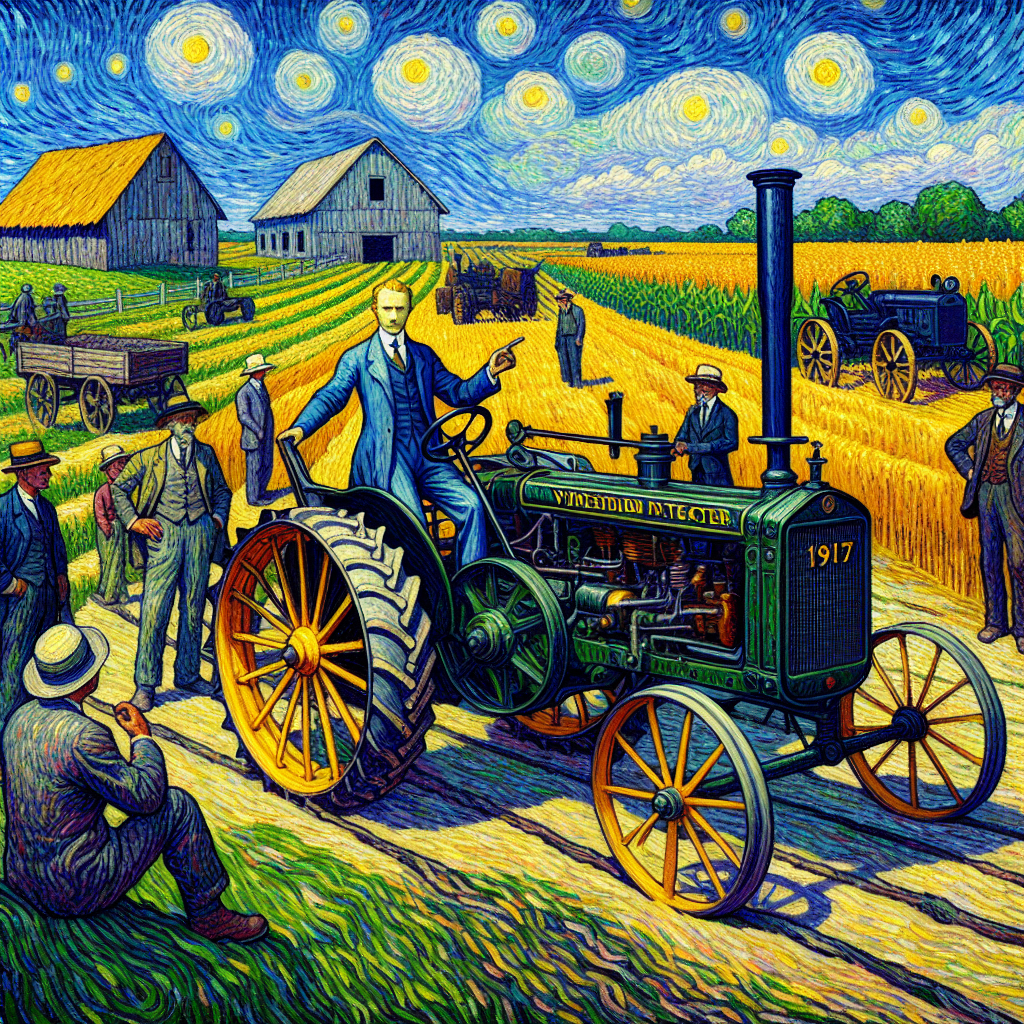
What Emotions Do Serial Numbers Evoke for Your Brand Loyalty?
What Emotions Do Serial Numbers Evoke for Your Brand Loyalty?
- A tractor’s serial number embodies not just specifications, but a narrative of labor and hope for farmers.
- The serial number serves as a reminder of commitment to quality and intertwines emotion with brand loyalty.
- It symbolizes accountability, reassuring customers of the brand’s reliability and post-purchase support.
- Brands must couple their serial numbers with integrity, fostering deeper consumer allegiance through ethical practices.
- This emotional connection creates an affiliation that cannot be replicated by advertising alone.
- Brand loyalty is strengthened within communities that share values, enhancing the social dimension of ownership.
- Ultimately, serial numbers create a bond that goes beyond ownership, linking individuals to a collective identity and experience.
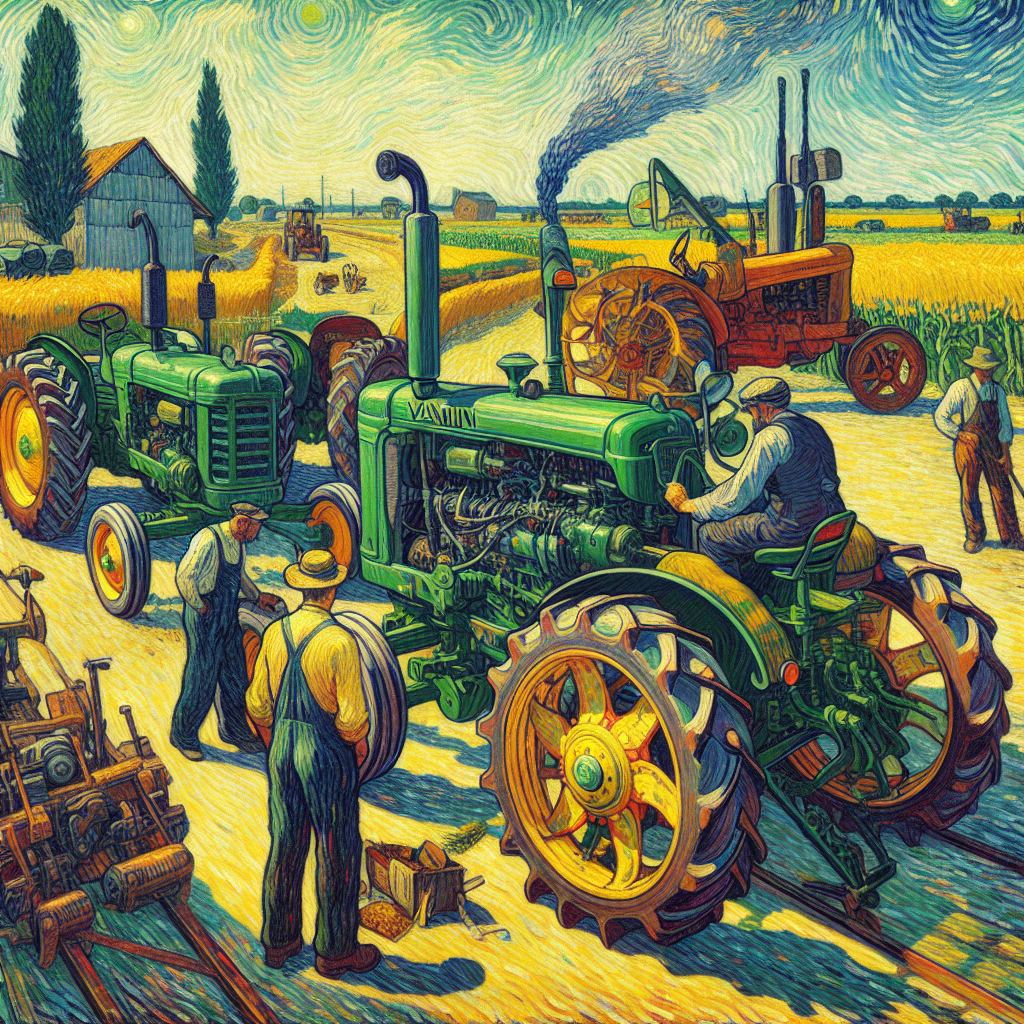
What Emotions Do Serial Numbers Evoke for Your Brand Loyalty?
How Can Finding Serial Numbers Save You Money Over Time?
Finding and keeping track of serial numbers isn’t just a trivial task; it’s a savvy financial move that can save you money over time. Think about it: we invest significant resources into our equipment, whether it’s a large tractor for the family farm or a small appliance we use daily. When something goes wrong, the first thing the manufacturers will ask for is the serial number. It’s the key to unlocking information about recalls, warranties, and often, significant savings.
Imagine standing in the workshop, surrounded by machinery, each piece a tool for your livelihood. You hear a clunking noise, and anxiety creeps in. Perhaps it’s your trusty tractor, an investment you rely on for smooth operations. The last thing you want is unexpected repair costs. But if you’ve documented that serial number, you can approach the situation with confidence. Call the manufacturer, and they can often provide guidance or even cover repairs if it’s under warranty—a literal dollar-saving conversation that starts with just a few digits written down.
On a broader ethical scale, maintaining records like serial numbers aligns closely with responsibility. It’s about being proactive—taking charge of what you have, protecting your investments, and showing that you care about the tools that make your work possible. This diligence reflects a deeper respect for your resources and the labor that brings them to fruition.
Connecting with others over this topic only deepens its impact. Share stories with fellow farmers or builders about how tracking serial numbers has led to warranties being honored or repairs being covered. Each narrative fosters a community of informed individuals who understand the value of safeguarding their investments. These conversations can lead to shared strategies and collective wisdom that ultimately fortifies everyone’s bottom line.
The act of documenting serial numbers is more than an organizational task; it’s a commitment to being smarter, more prepared, and financially resilient. It’s about standing tall in front of your tractor, knowing that if a hiccup occurs, you have the tools right in your hand to tackle the problem head-on. So grab that notepad, write down those numbers, and take the reins of your own financial future.
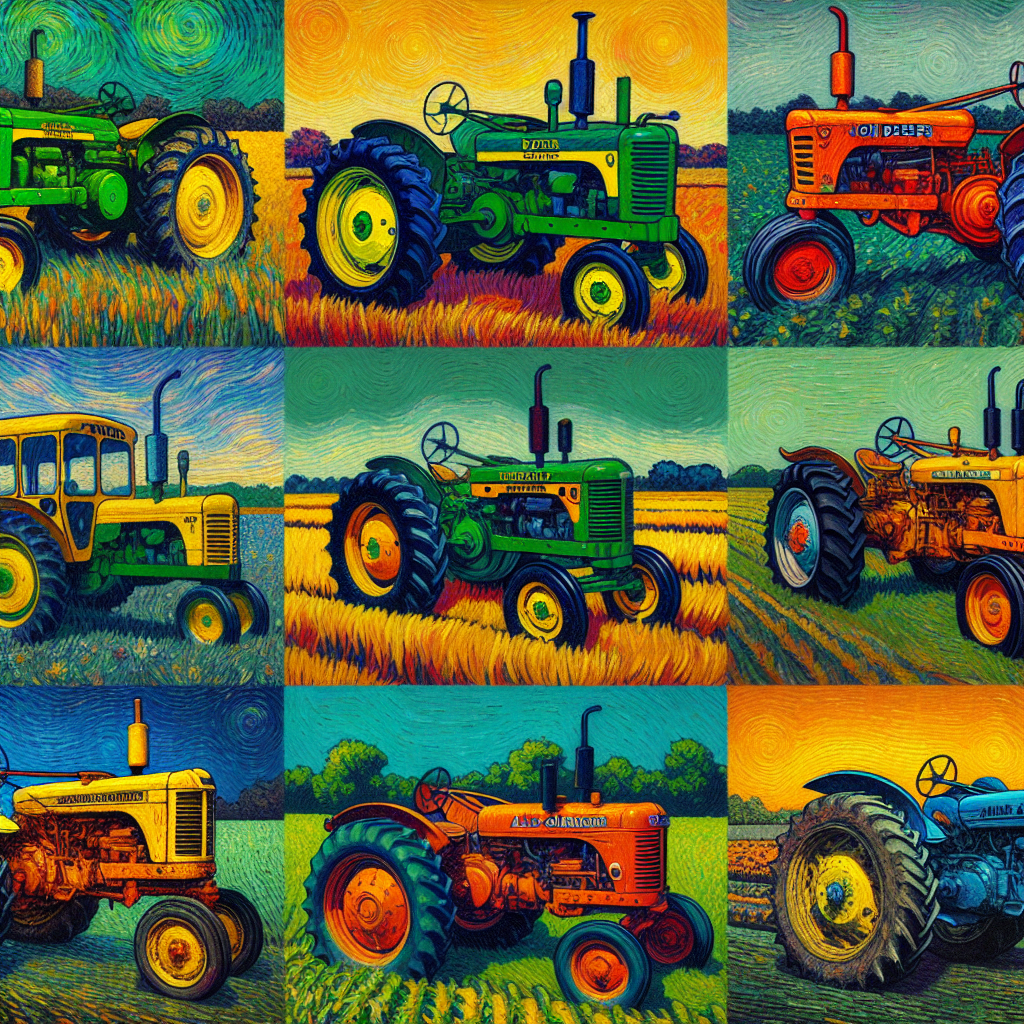
How Can Finding Serial Numbers Save You Money Over Time?
How Can Finding Serial Numbers Save You Money Over Time?
- Tracking serial numbers is essential for financial savings and effective equipment management.
- Manufacturers require serial numbers to provide information on recalls, warranties, and repairs.
- Documenting serial numbers can save money on unexpected repair costs.
- Maintaining records reflects responsibility and proactive investment protection.
- Sharing experiences with others enhances community knowledge about warranties and coverage.
- Conversations about serial number tracking can lead to collective strategies that benefit all.
- Recording serial numbers represents a commitment to preparedness and financial resilience.
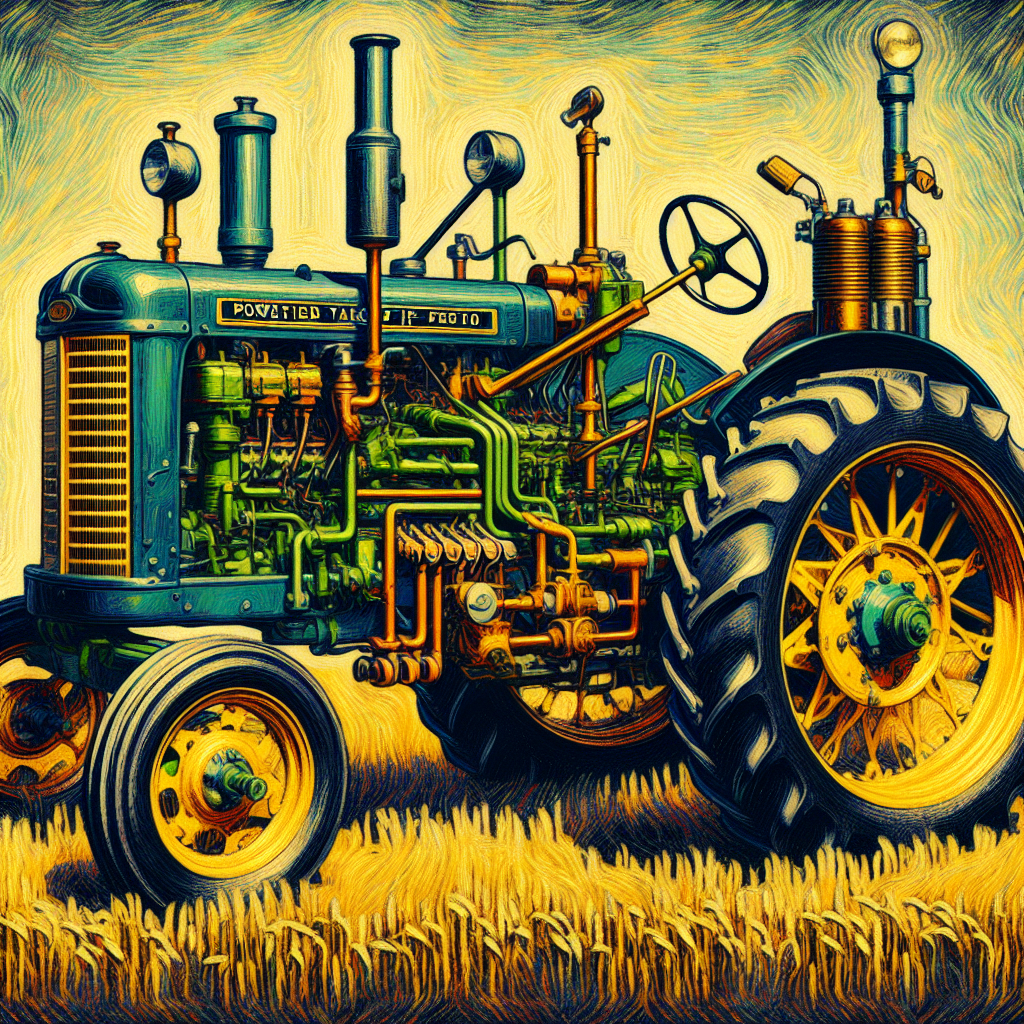
How Can Finding Serial Numbers Save You Money Over Time?
Why Is It Essential to Locate Serial Numbers for Warranty Claims?
In the world of machinery and equipment, few things are as critical as a serial number. It’s a simple, unassuming string of digits and letters, but its importance is monumental, especially when it comes to warranty claims. Picture this: you’ve invested in a tractor, a reliable workhorse that forms the backbone of your livelihood. It’s not just a machine; it’s a partner that helps you plow fields, haul loads, and bring life to your land. But what happens when that partner falters? What if it breaks down just when you need it the most?
This is where the serial number comes into play, acting as a vital key to unlocking the support you need. It links your tractor to the manufacturer, confirming details that can expedite your claim process. Without it, you might find yourself lost in a labyrinth of red tape and frustration, forced to navigate the murky waters of warranty disputes without the map that the serial number provides. It’s not just a piece of data; it’s your ticket to peace of mind.
From an ethical standpoint, having this information at your fingertips fosters a sense of responsibility. As a consumer, you have the right to expect a certain level of quality and support from the products you purchase. You made a choice, put your faith in the brand, and that relationship is reciprocal. The manufacturer is bound to honor warranties, and locating that serial number solidifies your position in this agreement. It’s validation that you’re not just a number—your needs deserve to be addressed.
Emotionally, think of the stories behind those serial numbers. Each one represents a promise made, a product crafted with care, and an experience waiting to happen. You may remember the day you brought your tractor home, the pride swelling in your chest as you imagined the work ahead. Holding onto that serial number is akin to holding onto hope—a lifeline when things go awry.
On a practical level, there’s a social aspect as well. When you share your experiences, your triumphs, and your trials as a tractor owner, others listen. They want to know how to navigate the challenges you’ve faced. Sharing your knowledge about the importance of those serial numbers helps build a community of informed consumers, ready to advocate for their rights and ensure they receive the support they deserve.
So, the next time you’re staring at that serial number, remember its weight. It’s not just a string of characters; it’s a key to collaboration, a beacon of accountability, and ultimately, a pathway to the resolution you need. Don’t underestimate its power—rely on it.
Why Is It Essential to Locate Serial Numbers for Warranty Claims?
Why Is It Essential to Locate Serial Numbers for Warranty Claims?
- Serial numbers are crucial for warranty claims in machinery and equipment.
- They connect the product, such as a tractor, to the manufacturer for support.
- Without a serial number, consumers may struggle with warranty disputes.
- Having this information emphasizes consumer responsibility and rights.
- Every serial number represents a promise and a valuable user experience.
- Sharing experiences with serial numbers fosters a community of informed consumers.
- Serial numbers serve as a key to collaboration and accountability in product ownership.

Why Is It Essential to Locate Serial Numbers for Warranty Claims?
Where Do You Turn for Reliable Information on Serial Number Locations?
In an era overflowing with information, knowing where to turn for reliable answers can feel like a daunting task, especially when it comes to something as critical as locating serial numbers on your tractor. Whether you’re a seasoned farmer or a weekend warrior in your backyard, understanding where to find these essential identifiers can save you time, money, and a heap of frustration.
First and foremost, let’s address the heart. For many, tractors aren’t just machines; they’re lifelines—vehicles that carry a legacy, a connection to the land, and the sweat of your brow. When you rely on your tractor, locating its serial number is more than a matter of convenience; it’s about preserving that connection. Knowing the precise model and year can ensure you get the right parts, leading to smoother operations and continued productivity in the fields.
Now, to engage the head—think about the rational approach to finding these numbers. A simple search online can yield manufacturer manuals and diagrams that illustrate exactly where these serial numbers can be found. This is where authoritative sources come into play. Websites, forums, and professional groups dedicated to agriculture often feature passionate experts who can offer insights based on years of experience. They lay out the facts without the fluff, guiding you to the right place with the kind of clarity that builds confidence.
But let’s not forget the ethical dimension. Sharing knowledge about tractors, including where to find those serial numbers, fosters a community based on trust and mutual respect. It’s about lifting one another up, ensuring that every operator has access to the right information. When you engage with others in forums or local agriculture clubs, you contribute to a culture of collaboration, where every share can empower someone else.
Narratively, think of the stories behind those tractors—the long hours spent in the fields, the relationships built over shared labor, the lessons learned through trial and error. Each scratch and dent on that body tells a story, and knowing your serial number can connect you to that history.
Socially, don’t hesitate to turn to your peers. Your local tractor dealer, agricultural extension officer, or community network can be invaluable resources. They understand the importance of reliability and trustworthiness and can help guide you to the right information, ensuring you’re never alone on your journey.
Ultimately, seeking reliable information about your tractor’s serial number is about more than just data. It’s about connection, community, and confidence in the tools that help us shape our lives and our land. So dig deep, ask questions, and empower yourself with the knowledge that will carry you forward.
Where Do You Turn for Reliable Information on Serial Number Locations?
Where Do You Turn for Reliable Information on Serial Number Locations?
- Finding serial numbers on tractors is essential for both seasoned farmers and casual users.
- Tractors serve as vital connections to the land and personal legacy, making serial numbers more than just identifiers.
- Online resources, including manuals and expert forums, can help locate serial numbers effectively.
- Sharing knowledge within the agricultural community fosters trust and helps ensure all operators have access to accurate information.
- Understanding the history and stories behind each tractor enhances the value of knowing its serial number.
- Local resources such as dealers and agricultural extensions provide valuable guidance and support.
- Seeking reliable information about serial numbers is crucial for maintaining confidence in agricultural tools and practices.
Where Do You Turn for Reliable Information on Serial Number Locations?
How Does Knowing the Serial Number Enhance Your Trust In a Product?
When you invest in a product, whether it’s a powerful tractor designed to till the land or a simple tool for everyday use, each piece of equipment carries its own story. That story begins with the serial number—the unique identifier that signifies its origin and authenticity. Knowing the serial number isn’t just a formality; it’s your first step toward establishing a deeper relationship with that product.
Let’s consider the heart of the matter. You want to trust that the tractor you depend on is built to withstand the test of time. A serial number acts as a seal of confidence, assuring you that the manufacturer stands behind their work. It connects you to a vast network of support and accountability, tapping into an ethical commitment from businesses that care about their customers. When that number appears on your warranty or service records, it’s not just digits; it’s a promise—a reflection of the craftsmanship and integrity that went into its creation.
Rationally, the serial number provides a clear roadmap for after-purchase support. Need a part replaced? The serial number makes it easy to locate exactly what you need. This is particularly important for complex machinery like tractors, where finding the right component can sometimes feel like searching for a needle in a haystack. Knowing that you can quickly identify what fits allows you to tackle repairs with confidence, reducing downtime and keeping your operations running smoothly.
From an ethical standpoint, serial numbers discourage counterfeit products. In vibrant marketplaces, it’s easy to fall prey to goods that look the part but are mere imitations. A tractor with a registered serial number has been thoroughly vetted, enhancing its reliability and your peace of mind. You can sleep soundly at night, knowing that you’re using genuine equipment designed to work as intended.
On a social level, discussing the serial number with fellow users creates a sense of camaraderie. It opens the door to shared experiences; you’re not just trading tips about products, but stories of reliability and challenges overcome. This community bond reinforces your belief in the product.
Ultimately, knowledge of a serial number embodies trust. It’s the difference between guessing the authenticity of your tractor and knowing it down to its core. That little number serves a big purpose, fostering not just confidence in your equipment, but also a connection to a broader community of users who value durability, performance, and integrity.
How Does Knowing the Serial Number Enhance Your Trust In a Product?
How Does Knowing the Serial Number Enhance Your Trust In a Product?
- A serial number signifies the origin and authenticity of a product, marking the start of its story.
- Trust in a product is reinforced by the serial number, which reflects the manufacturer’s commitment to quality.
- The serial number facilitates after-purchase support, helping locate replacement parts easily.
- It discourages counterfeit products, ensuring reliability and peace of mind for users.
- Discussing serial numbers fosters community among users, sharing experiences and challenges related to the product.
- Knowledge of the serial number enhances trust, distinguishing genuine products from imitations.
- The serial number serves as a connection to a community valuing durability, performance, and integrity.
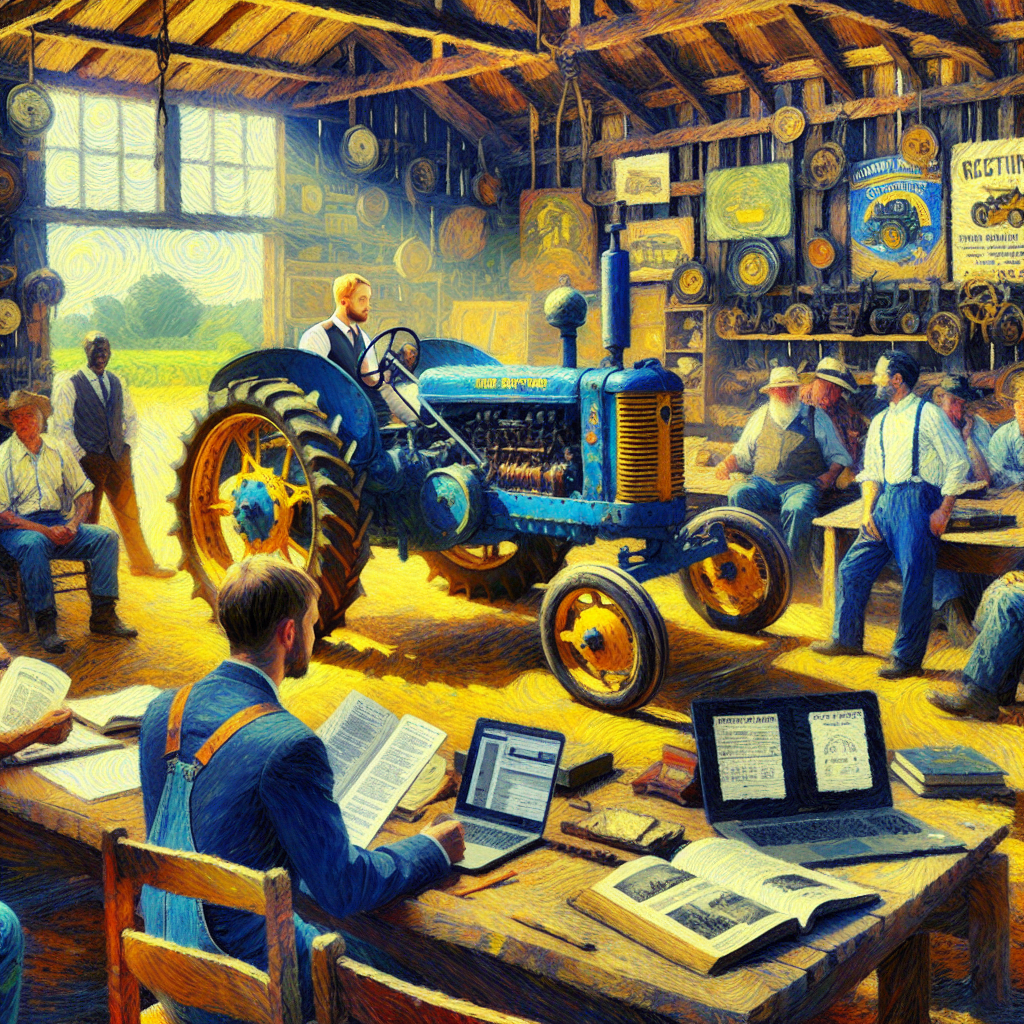
How Does Knowing the Serial Number Enhance Your Trust In a Product?
How Can Locating a Serial Number Solve Product Authenticity Concerns?
Locating a serial number on a product can be your guiding light in a world flooded with counterfeits and uncertainty. Picture that trusty tractor you’ve relied on for years, the engine roaring with reliable strength as it navigates the fields. It’s not just a machine; it’s part of your livelihood, a partner in the daily grind. When you spot that serial number, it’s like finding a birth certificate for your equipment. That number connects you to authenticity, weaving a story of design and manufacturing that can be traced back to a trusted source.
Every product has its own narrative, often written in the numbers and letters embossed in steel or plastic. When you verify its authenticity through the serial number, you aren’t just protecting yourself; you’re also embracing responsible stewardship. This is about more than avoiding scams; it’s about honoring the commitment of the people and companies behind the products you rely on. When you choose genuine over counterfeit, you support ethical production practices and those who pour their souls into creating quality machinery, like that rugged tractor built to endure.
Think about the peace of mind that washes over you when you know your equipment is authentic. In a world rife with fakes, this assurance can feel like a breath of fresh air. You’ve invested hard-earned money, and the last thing you want is to end up with a subpar knockoff that risks not only performance but safety. Verifying that serial number not only safeguards your investment but also fortifies your confidence in your choices. It’s the difference between trusting an engine rooted in reliability and one that could leave you stranded mid-harvest.
Moreover, the act of checking a serial number is a social responsibility. In a community where you share experiences with fellow farmers and equipment operators, advocating for genuine products cultivates a culture of trust and integrity. You aren’t just protecting yourself; you’re empowering others to make informed choices. As more people engage in this practice, it creates a ripple effect, fostering a marketplace that values quality over imitation.
So, the next time you encounter that number, remember: it’s more than digits. It’s a symbolic handshake between you and the creators of your equipment, a promise of authenticity that reinforces the bonds between producers and consumers, and it reflects our shared responsibility toward genuine craftsmanship.
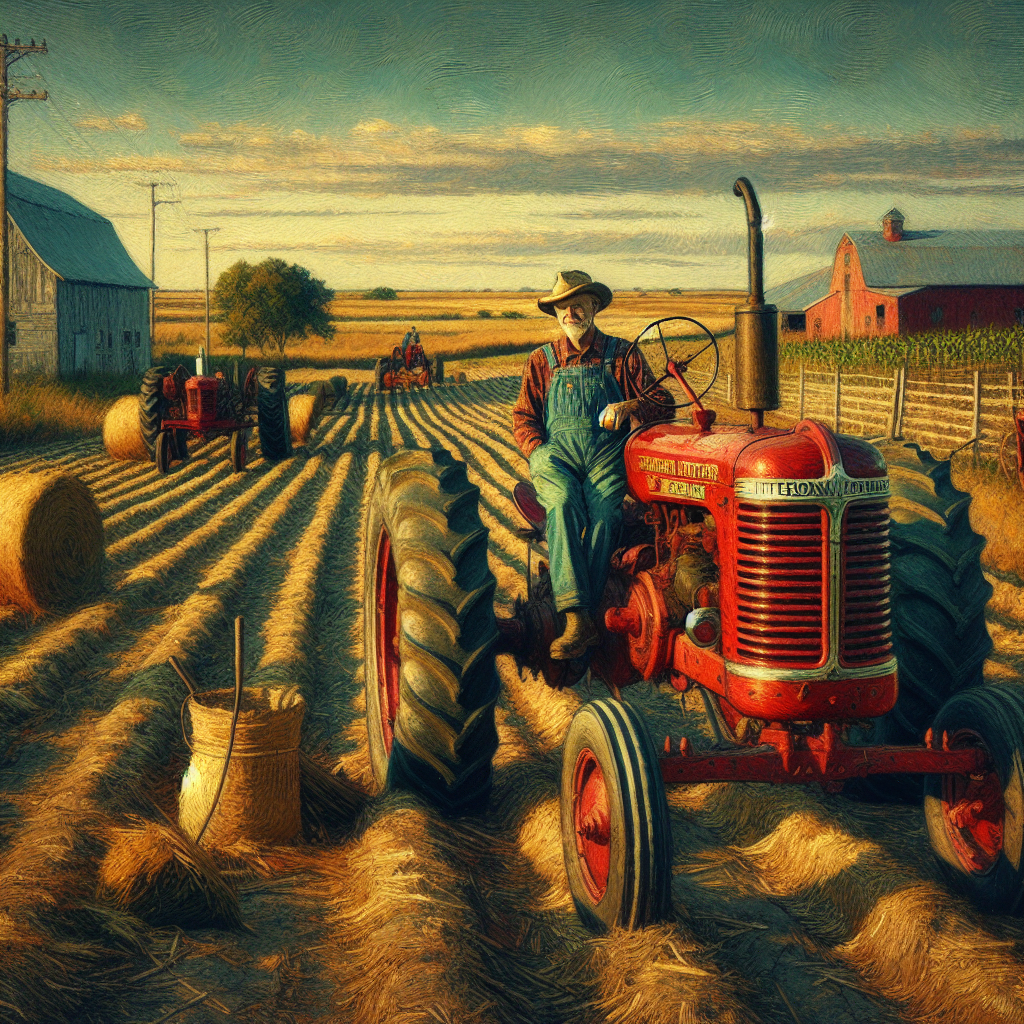
How Can Locating a Serial Number Solve Product Authenticity Concerns?
How Can Locating a Serial Number Solve Product Authenticity Concerns?
- Locating a serial number helps ensure authenticity in a market filled with counterfeits.
- The serial number serves as a connection to the product’s design and manufacturing history.
- Verifying authenticity promotes responsible stewardship and ethical production practices.
- Knowing your equipment is genuine provides peace of mind and protects your investment.
- Checking serial numbers fosters a culture of trust within the farming community.
- Empowering others to verify authenticity creates a ripple effect that values quality.
- The serial number symbolizes a promise of reliability between producers and consumers.
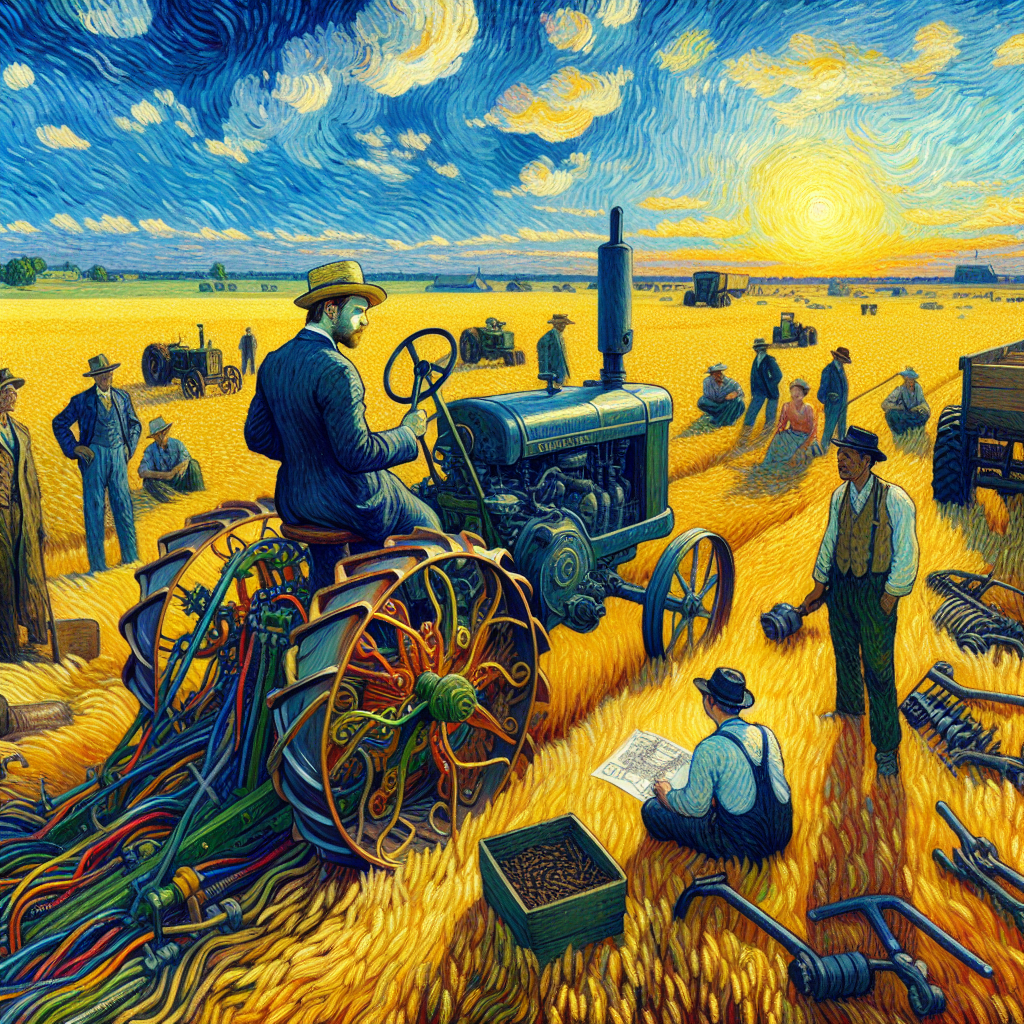
How Can Locating a Serial Number Solve Product Authenticity Concerns?
Conclusion
Finding the serial number on your tractor is more than a mundane task; it’s an essential part of the relationship you cultivate with your machine. This number unlocks myriad benefits and serves as the backbone of your engagement with the brand. Each manufacturer has its way of hiding these treasures—often in overlooked spots that hold secrets about your equipment’s identity and history.
Whether you’re managing a sprawling farm or tackling weekend projects, knowing your tractor’s serial number enhances your understanding of the machine. It’s a straightforward yet pivotal step in ensuring you receive the right parts and support when needed. For example, a John Deere’s number lies under the operator’s seat, while a Kubota may hide near the engine block. These details matter because they represent the care and stewardship you extend toward a piece of equipment that fuels your labor and aspirations.
Emotions run deep here; that serial number is a testament to countless hours spent in the fields, every hard-earned victory echoing in its digits. It’s not just a coding system but a narrative stitched into the fabric of your daily life, reminding you of the commitment to quality and reliability that both you and the manufacturer share. This emotional bond fortifies your loyalty to the brand, making it critical to embrace the tool as part of a larger community of users who value hard work and shared experiences.
Rationally, tracking serial numbers isn’t just wise; it’s financially savvy. Having this information allows you to deftly navigate warranty claims and recalls, perhaps saving you from costly repairs—a safety net of sorts for your valuable investments. Each time you document these numbers, you’re making a proactive choice that amplifies your responsibility as a consumer.
Moreover, when involved in discussions with fellow tractor owners, sharing experiences around these numbers builds camaraderie and collective wisdom. You are reinforcing a culture in which knowledge is shared, empowering everyone within that community.
In conclusion, the act of locating and understanding your tractor’s serial number is a journey of trust, authenticity, and connection. It’s a commitment not only to your machinery but also to the stories and values that thread through the fabric of agriculture and craftsmanship. Embrace this journey; appreciate the legacy of every scratch and dent, and stand proud as part of a community invested in quality and shared resilience.
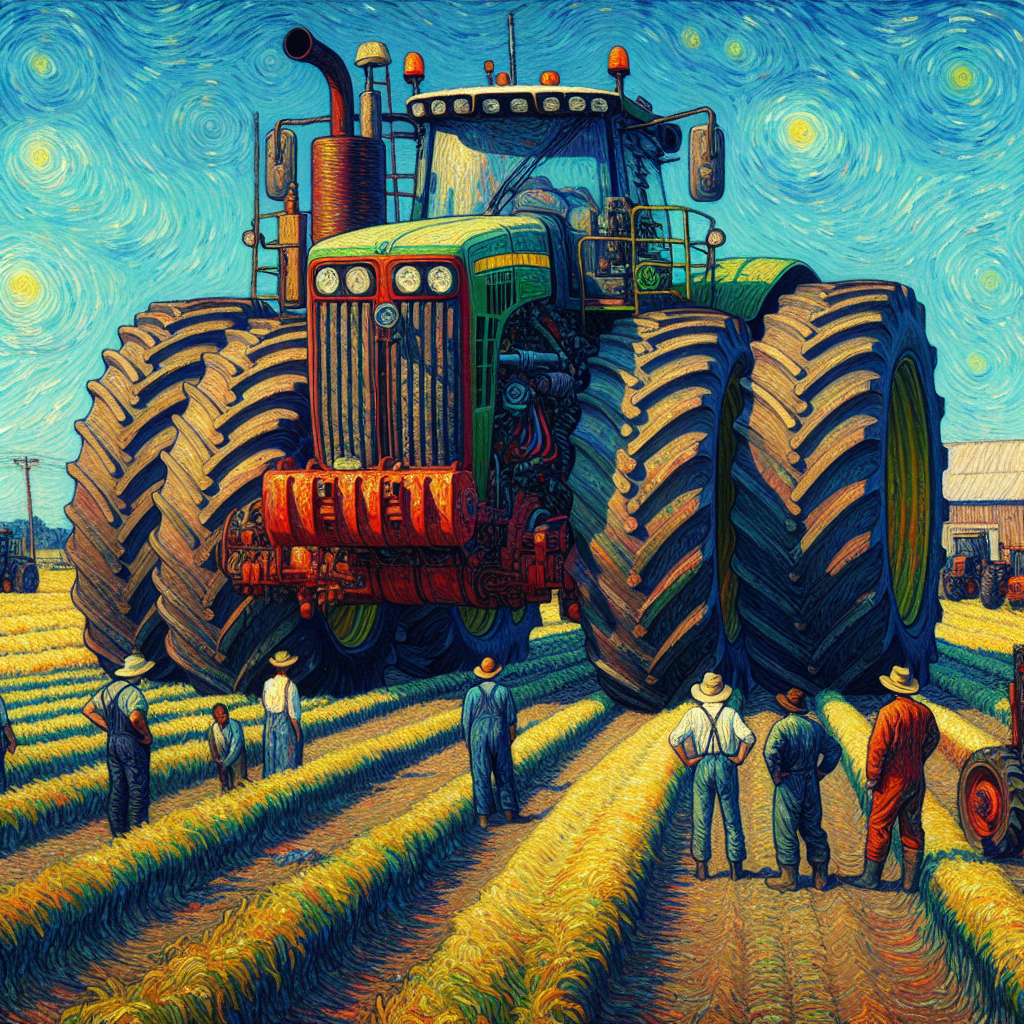
Conclusion
Conclusion:
- Finding the serial number on your tractor is essential for understanding your machine.
- The serial number unlocks benefits and represents your relationship with the brand.
- Each manufacturer places the serial number in often-overlooked locations.
- Knowing the serial number helps in obtaining the right parts and support.
- Tracking serial numbers aids in warranty claims and recalls, saving money on repairs.
- Sharing experiences around serial numbers fosters community and knowledge sharing among tractor owners.
- Locating and understanding the serial number signifies trust and connection to the agricultural craftsmanship legacy.
Conclusion
Other Resources
Other Resources
Here is a list of other resources you can review online to learn more:
- Minsk Tractor Works
- Silver King
- Ford-New Holland
- Unimog
- Somerset Vintage & Classic Tractor Show
- Lanz
- Minneapolis
- Montana
- Captain
- Agri-Power
- Waterloo Boy
- Earth Force
- AGCOAllis
- Avery
- Ultimate Antique Tractor Guide
- SOMECA
- Froelich Tractor Museum
- Limb
- Aultman & Taylor
Use This Prompt To Get More Resources With Your Favorite Online AI Tool: Please provide me with a list of online articles with their URLs in a bulleted list that I can read regarding How Do I Find Serial Number Locations on Different Brands?
Other Resources
Glossary Terms
How Do I Find Serial Number Locations on Different Brands? – Glossary Of Terms
1. Serial Number: A unique identification number assigned to a product by the manufacturer.
2. Manufacturer: The company that produces or assembles a product.
3. Model Number: A specific number assigned to a product variant, sometimes indicating features.
4. Chassis Number: A unique number stamped onto the vehicle’s chassis, often used in automotive products.
5. Product Label: A sticker or tag affixed to a product containing essential information, including the serial number.
6. User Manual: An instructional booklet that often includes information on locating the serial number.
7. Warranty Registration: The process of registering a product with the manufacturer for warranty coverage, sometimes requiring the serial number.
8. Barcode: A visual machine-readable representation of data that usually includes the serial number, found on the product packaging.
9. Contextual Location: A term describing where the serial number can typically be found on various products (e. g. , back, base).
10. E-Cycle: A specific term referring to the serial number location on electric bicycles.
11. Device Identification: The process of locating serial numbers to identify a device for support or service.
12. Tech Support: Assistance provided by manufacturers to help customers locate serial numbers on their products.
13. Screw Mount: A common location for serial numbers, often found behind screws or mounts.
14. Base Plate: The bottom piece of a product where serial numbers are frequently located.
15. Battery Compartment: An area where serial numbers may be hidden, often in electronics.
16. Rear Panel: The back of a device, commonly housing the serial number for easy access.
17. Tag: A small piece of plastic or paper attached to a product that may contain the serial number.
18. Inspection: The act of examining a product carefully to find the serial number.
19. Consumer Electronics: A category of products that commonly have serial numbers located in specific areas.
20. Appliance: Domestic devices like refrigerators or washers where serial number locations may vary.
21. Tech Documentation: Written materials accompanying a product that include serial number location guidance.
22. Format: The way a serial number is structured, which can vary by manufacturer.
23. Product Lifespan: The duration of a product’s usability, often tracked through its serial number.
24. Identification: The process of recognizing a product through its serial number for recalls or repairs.
25. Lifetime Warranty: A guarantee that may require the serial number for validation.
26. Production Date: The date when a product was manufactured, often found alongside the serial number.
27. Schematic: A diagram illustrating where serial numbers can be located within a product layout.
28. Safety Information: Relevant warnings or safety advice, sometimes requiring serial numbers for compliance checks.
29. Inventory Management: The process of tracking products, which relies on serial numbers for accurate records.
30. Authentication: The method used to verify the legitimacy of a product, often involving the serial number.
Glossary Of Terms
Other Questions
How Do I Find Serial Number Locations on Different Brands? – Other Questions
If you wish to explore and discover more, consider looking for answers to these questions:
- Where exactly on my specific tractor model is the serial number located?
- How do serial number locations differ between major brands (John Deere, Kubota, Massey Ferguson, New Holland, Case IH, etc.)?
- Is the serial number on the frame, engine, or transmission?
- How can I find a serial number that’s covered by dirt, paint, rust, or a sticker?
- What tools or techniques are safe for cleaning or revealing a serial number?
- What’s the difference between a serial number, a VIN, and a model number?
- How do I read or decode the characters in my tractor’s serial number?
- Can the serial number tell me the manufacturing date and factory location?
- How do serial numbers vary for attachments, implements, or engines versus the main tractor?
- What should I do if the serial number is missing, illegible, or appears tampered with?
- How can I verify a serial number with the manufacturer or dealer?
- Are there online databases to look up serial numbers for recalls, warranty status, or parts compatibility?
- How does the serial number affect warranty claims and what documentation will manufacturers require?
- How should I record and store serial numbers for my fleet of equipment?
- Can serial numbers be used to check service history or previous owners of used tractors?
- How do serial numbers impact resale value and buyer confidence?
- What legal or registration requirements involve tractor serial numbers in my region?
- Can serial numbers be duplicated or counterfeited and how can I spot fakes?
- Is it safe to share my tractor’s serial number publicly on forums or social media?
- Who should I contact if I suspect a serial number has been cloned or the tractor is stolen?
- How do manufacturers mark serial numbers (stamped, plate, sticker, etched) and which is most durable?
- Do older or vintage tractors use different serial number systems and how can I identify them?
- How are serial numbers used to determine compatible replacement parts or service bulletins?
- What is the best practice for photographing and backing up serial number information?
- How do international models differ in serial number format and lookup procedures?
- Can a serial number help me obtain original factory manuals or parts diagrams?
- What are common hidden or obscure locations to check on compact tractors, lawn tractors, and utility models?
- How do dealers and service centers use serial numbers during maintenance and ordering parts?
- What steps should I take before purchasing a used tractor to verify its serial number and history?
- How can community forums, owner clubs, or local extension services help locate or interpret serial numbers?
Other Questions
Haiku
How Do I Find Serial Number Locations on Different Brands? – A Haiku
Serial numbers hold truth,
Machines tell stories of toil,
Trust blooms in each dig.

Haiku
Poem
How Do I Find Serial Number Locations on Different Brands? – A Poem
In fields where machines hum and toil,
A number hides beneath the soil,
A serial mark, a silent key,
Unlocks the stories hidden, you see.
Not just digits, but a tale entwined,
With sweat and labor, dreams aligned.
Trust sits heavy in its etched embrace,
A promise made in a rugged place.
In the heart of every farmer beats,
The hope and hopefulness that repeats—
That tractor, that tool, that loyal mate,
Connects us all; it cant wait.
Seek the number, let wisdom flow,
For warranty claims and care to know.
It’s more than metal; its life in gear,
Each scratch a testament, each dent sincere.
From community whispers to the vast expanse,
A network of trust we all enhance.
So lift your gaze to that forged steel,
Find the number; it’s part of the deal.
With documents shared and stories gained,
In every hunting twist, we remain unchained.
For in that journey lies our bond,
A collective spirit that we respond.
In the dance of work and earthy earth,
Respect the machine, give it worth.
In knowing, we share, in sharing, we grow—
So find the number; let the legend flow.
Poem
Checklist
How Do I Find Serial Number Locations on Different Brands? – A Checklist
Emotional Appeals
✅______ Recognize the relationship—acknowledge the bond between you and your equipment, considering the history and work associated with your machine.
✅______ Connect to your legacy—reflect on the stories and memories tied to your tractor; identify the serial number as part of that narrative.
Rational Appeals
✅______ Utilize manufacturer manuals—search for online manuals and diagrams for specific locations of serial numbers on different brands.
✅______ Keep documentation handy—write down your equipment’s serial number for easy access during maintenance and repair situations.
Ethical Appeals
✅______ Support ethical brands—research and choose brands that prioritize transparency and integrity in their manufacturing processes.
✅______ Share knowledge—engage in discussions with fellow owners or online forums to promote responsible use and awareness of serial numbers.
Authority Appeals
✅______ Consult experts—turn to local dealers or agricultural extension services for their insights on where to find serial numbers.
✅______ Refer to trusted online resources—follow reputable websites and forums that provide accurate information on serial number locations.
Narrative Appeals
✅______ Document your journey—keep a journal of your experiences and challenges faced while locating serial numbers to share with others.
✅______ Celebrate success stories—share your personal anecdotes on how finding serial numbers has helped you in warranty claims or repairs.
Social Appeals
✅______ Join community discussions—participate in local or online tractor owner groups to exchange tips on finding serial numbers.
✅______ Encourage peers—advocate for the importance of locating and recording serial numbers within your community to strengthen collective knowledge.
Checklist
At ClassicTractorNews, we help tractor lovers keep up with the latest news for classic and vintage tractors.
Please share this post with your friends, family, or business associates who may like old classic or vintage tractors.