

Preserve The Legacy: Uncover Your Tractor’s Journey And Story
By Tom Seest
At ClassicTractorNews, we help tractor lovers keep up with the latest news for classic and vintage tractors.
Please share this post with your friends, family, or business associates who may like old classic or vintage tractors.
How Do I Document a Tractor’s History?
Documenting a tractor’s history isn’t just a chore; it’s a heartfelt tribute to the machine that has stood the test of time, working tirelessly through the seasons. Picture this: generations farming the same land, each one pouring sweat and labor into its furrows, and at the center of it all, that trusty tractor. It’s more than just metal and mechanics; it’s the lifeblood of countless stories that deserve to be told.
Begin with the basics: the make, model, and serial number. This foundational information is your starting point. But don’t stop there. Dig deeper. Was it purchased new or used? Who was the original owner? What job did it first tackle in the fields? There’s a narrative woven into every inch of that tractor, and you hold the pen. Document repairs, services performed, and upgrades made over the years. Each entry is a snapshot in time, a chance to celebrate the life of a machine that has fostered resilience in agriculture.
When you collect this history, you honor not just the machine, but the people behind it. Recall tales passed down through the generations, where the tractor was the silent partner in countless struggles, maybe losing a tire in the mud but always finding a way to return to the field. These stories blend into the fabric of community, where your tractor becomes a shared symbol—each scratched surface and stained seat a testament to hard work and dedication.
In a world driven by sleek, new technology, this documentation is also an ethical commitment. It’s about preserving the past while respecting the present. Modern machinery may promise efficiency, but there’s a beauty in tradition that can’t be replicated. Keeping a record instills confidence in the future, reminding us that every tractor carries within it a legacy of labor, heart, and sometimes, heartbreak.
Finally, consider the social aspect of documenting your tractor’s history. Share it within your community or online. People love hearing about others’ experiences, and your tractor’s story could resonate with someone else. It might inspire a neighbor to document their own journey, fostering a connection that goes beyond machines—a bond built on shared respect for hard work.
So, take the helm. Start documenting your tractor’s history today. Each entry is not only a record but a celebration of grit, perseverance, and the timeless bond between man and machine.
How Do I Document a Tractor’s History?
How Do I Document a Tractor’s History?
- Documenting a tractor’s history is a tribute to its enduring legacy and contributions to farming.
- Start with basic information: make, model, and serial number, then delve deeper into its purchase history and original owner.
- Record repairs, services, and upgrades to celebrate the tractor’s resilience and role in agriculture.
- Honor the stories of those who operated the tractor, emphasizing its role in community and personal struggles.
- Preserve the beauty of tradition while acknowledging modern machinery, fostering a commitment to the past.
- Sharing the tractor’s history can inspire community connections and respect for hard work.
- Begin documenting today to celebrate the bond between man and machine, each entry symbolizing perseverance.
How Do I Document a Tractor’s History?
Table Of Contents
- How Do I Document a Tractor’s History?
- What Ethical Considerations Arise When Buying a Used Tractor?
- What Are the Benefits Of Keeping Detailed Tractor Records for Resale?
- Why Is Maintaining Documentation Crucial For Tractor Ownership?
- What Are The Ethical Considerations In Documenting Tractor History?
- What Role Does Authority Play In Verifying A Tractor’S History?
- How Can I Create A Compelling Narrative Around My Tractor’S Past?
- Conclusion
- Other Resources
- Glossary Of Terms
- Other Questions
- Haiku
- Poem
- Checklist
What Ethical Considerations Arise When Buying a Used Tractor?
When considering the purchase of a used tractor, it’s essential to delve beyond just the price tag and horsepower. The act of buying a machine that’s been instrumental on someone’s farm speaks volumes about our shared values in agriculture and community. It’s not just about trading cash for a piece of metal; it’s about stepping into a legacy, a narrative woven into the very fabric of rural life.
First, let’s address the emotional aspect. A used tractor represents hard work, perseverance, and dedication. Each ding, scratch, and scar on that machine tells the story of crops harvested, sweat shed, and family meals shared. When you buy one, you’re not just acquiring equipment; you’re taking on the responsibility of continuing that story. The gut instinct is strong here—there’s a connection formed with the past operator, a kinship grounded in the shared love for the land.
Rationally speaking, purchasing a used tractor can make financial sense. The price is often significantly lower than a new model, but this isn’t just about the bottom line. Ethical considerations come into play when evaluating how that tractor was maintained and whether it served its previous owner well. Did they care for it diligently? Was it used responsibly? Such questions speak to your integrity as a buyer. Owning a used tractor means engaging with the broader issues of sustainability and environmental stewardship. By giving a second life to a pre-owned machine, you’re actively participating in reducing waste.
Consider the ethical implications of sourcing your tractor. Supporting local sellers not only boosts the local economy but also fosters a sense of community. You build trust and rapport when you engage with neighbors, ensuring that your purchase benefits those around you. This is where social appeal kicks in—networking within the farming community can lead to valuable insights about a tractor’s history and performance.
So, as you embark on this journey, remember: buying a used tractor is about more than horsepower and price—it’s a chance to engage in a rich narrative that connects you with a community and tradition. Trust your gut, think critically, and make decisions that align not just with your practical needs, but your ethical values. This is about cultivating a future while respecting the past. Your used tractor awaits, ready to help write your own story.
What Ethical Considerations Arise When Buying a Used Tractor?
What Ethical Considerations Arise When Buying a Used Tractor?
- Purchasing a used tractor goes beyond price and horsepower; it connects to agricultural values and community legacy.
- A used tractor symbolizes hard work and dedication, with each imperfection telling a story of its past.
- Buying a used tractor involves a responsibility to continue its narrative and honor its previous operator.
- Financially, used tractors are typically less expensive than new models, but ethical concerns about maintenance and care are crucial.
- Supporting local sellers enhances community trust and contributes to the local economy.
- Owning a used tractor promotes sustainability by reducing waste through the extended life of pre-owned machines.
- Decisions regarding tractor purchases should align with both practical needs and ethical values for a better future.
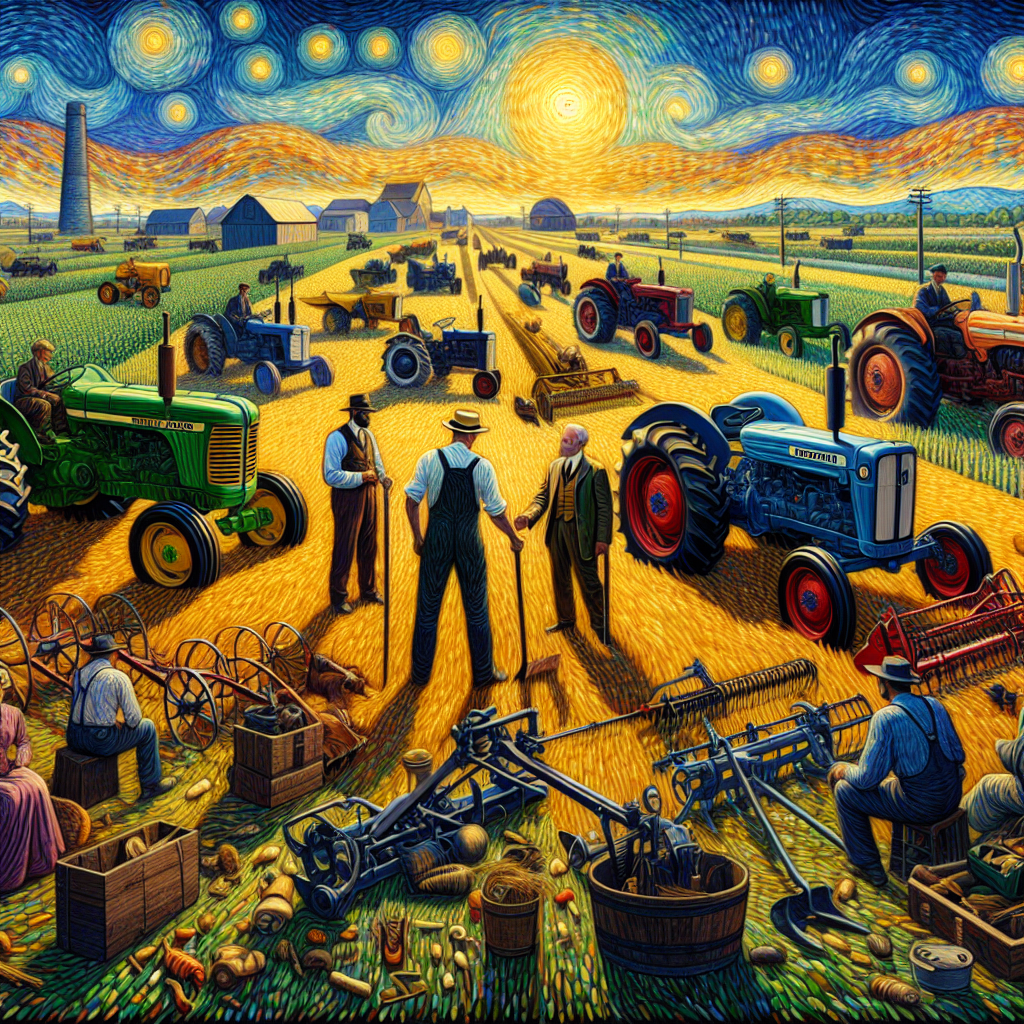
What Ethical Considerations Arise When Buying a Used Tractor?
What Are the Benefits Of Keeping Detailed Tractor Records for Resale?
When you invest in a tractor, it’s not just a purchase; it’s a commitment to your work, your property, and your livelihood. Keeping detailed records for your tractor is about more than just numbers on a page—it’s about preserving the history of your machine, showcasing its value, and ensuring that every ounce of effort put into maintaining it pays off. Whether you’re running a family farm, managing a landscaping business, or simply nurturing your land, these records become your trusted allies in the resale market.
Picture this: You have a meticulously maintained tractor, its engine humming with power. Potential buyers aren’t just interested in how shiny it looks; they want to know the story behind it. Detailed records show that you’ve cared for this machine—regular oil changes, timely repairs, and every maintenance task documented. This not only conveys trustworthiness but also assures buyers of the tractor’s reliability. It transforms an ordinary transaction into a narrative of care and diligence.
From an emotional standpoint, these records represent your hard work and investment. Every tractor is more than just steel and machinery; it embodies countless hours of labor, dedication, and moments of pride on the field. Showing that you have invested in its upkeep invites buyers into that story, making them more likely to connect with the machine on a deeper level. A thorough record inspires confidence—it becomes a testament to how much you value your equipment.
The rational side of keeping detailed records is simple. Accurate documentation can significantly boost the resale value of your tractor. Buyers often look for assurance and proof when making significant investments. A well-organized record not only streamlines the selling process but also positions your machine above others in a competitive market. It turns your tractor into a viable investment rather than a gamble.
Ethically, maintaining detailed records is about transparency. In an industry where trust is paramount, buyers appreciate honesty about a tractor’s history, ensuring they aren’t caught off guard by hidden issues. This ethical approach fosters a sense of community among sellers and buyers, building a foundation where both parties benefit and have something to gain.
Ultimately, the act of recording the lifecycle of your tractor cultivates a profound connection. It not only reflects your dedication but also resonates with anyone who knows the value of hard work. Every detail you keep brings potential buyers closer, forging bonds that go beyond mere transactions. Keeping records is an empowering practice, a way to ensure that when it’s time to pass your trusty tractor on, its legacy remains intact.
What Are the Benefits Of Keeping Detailed Tractor Records for Resale?
What Are the Benefits Of Keeping Detailed Tractor Records for Resale?
- Investing in a tractor signifies a commitment to work, property, and livelihood.
- Keeping detailed records preserves the history and value of the tractor.
- Records demonstrate care through regular maintenance, fostering trust with buyers.
- Emotional connection is created as records reflect hard work and dedication.
- Accurate documentation boosts resale value and assures buyers of the tractor’s reliability.
- Transparency in record-keeping builds trust and benefits both sellers and buyers.
- Maintaining records forges deeper connections, ensuring the tractor’s legacy remains intact.
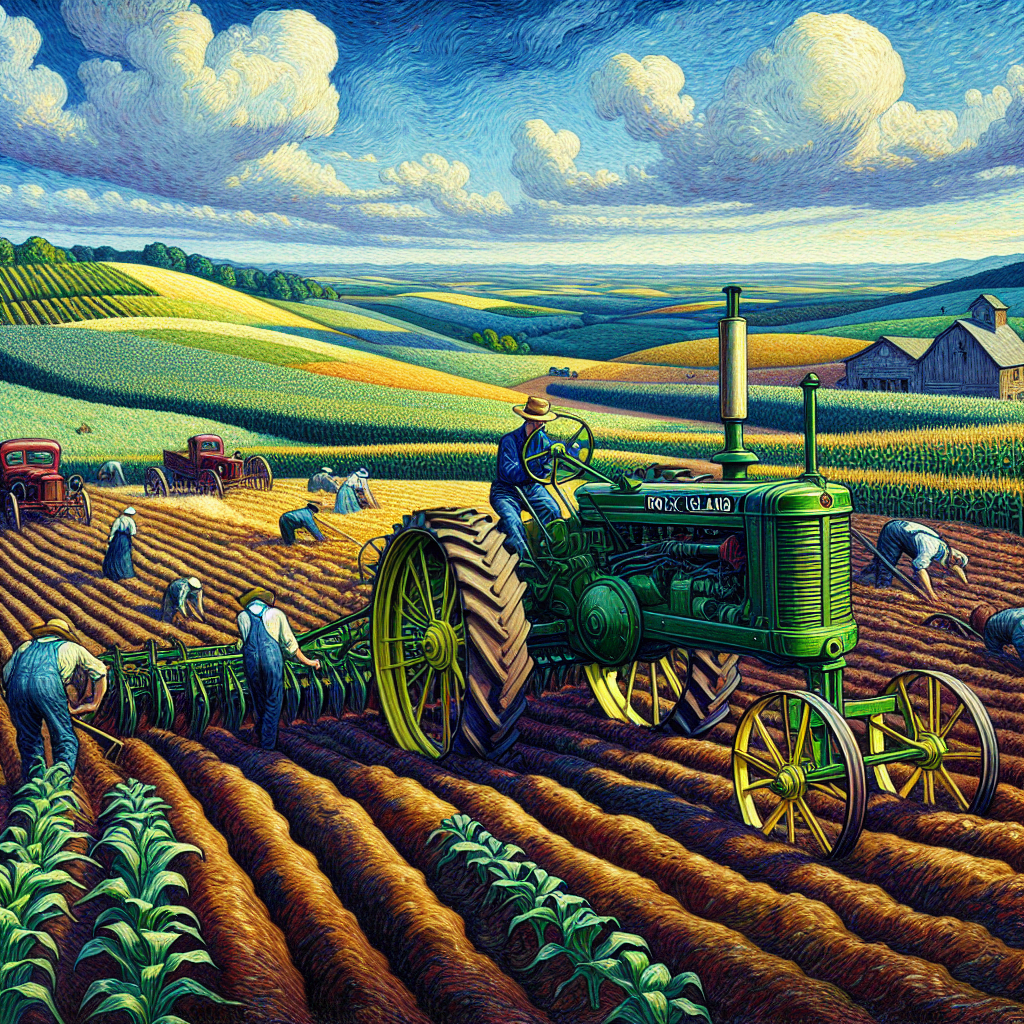
What Are the Benefits Of Keeping Detailed Tractor Records for Resale?
Why Is Maintaining Documentation Crucial For Tractor Ownership?
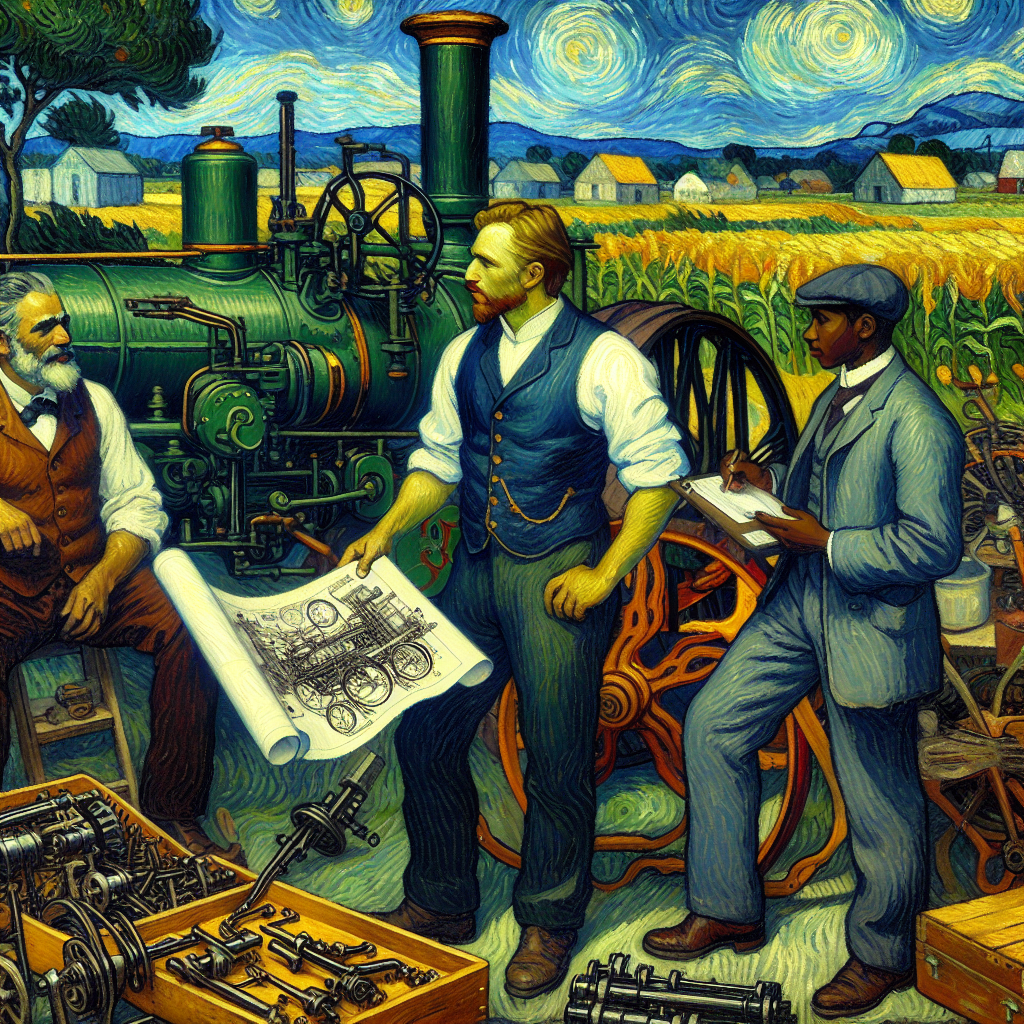
Maintaining documentation for your tractor isn’t just about adhering to regulations or following protocols; it’s about safeguarding your investment, your livelihood, and, ultimately, your way of life. Imagine standing in front of your trusty machine, a stout piece of machinery that has weathered storms and tilling seasons, ready to support you through the hard work of farming. Yet, behind that metallic exterior lies a foundation built on records—ownership history, maintenance logs, and service agreements. They’re not mere papers; they’re the lifeblood of your tractor, ensuring it runs smoothly and efficiently for years.
In the world of tractor ownership, documentation serves an essential purpose that resonates deeply with every owner. It’s about pride in ownership. When you have meticulous records, you can look back at every time you changed the oil, replaced a tire, or resolved a major issue. Each entry holds a story of diligence and care. It’s the same commitment that you show toward your land and your crops. Neglecting this aspect might seem minor, yet it could lead to devastating repercussions—overlooking a simple maintenance schedule could cost you a major breakdown during harvest season.
Rationally, think about this: the right documentation can uphold the value of your tractor. If you ever decide to sell or trade in your beloved machine, prospective buyers will want to see that you’ve treated it well. A well-documented history assures them that they’re investing in a reliable tool rather than a ticking time bomb. This not only builds trust but also establishes you as a responsible owner.
On an ethical level, maintaining these records reflects your respect for your equipment and the folks who depend on it. It fosters a culture of responsibility and integrity in the agricultural community, showing that you take your duties seriously.
Consider the stories shared in the barn or at the local coffee shop, where farmers and owners exchange tales of triumphs and tribulations linked to their tractors. Those discussions often circle back to the importance of keeping track of everything that’s happened under that hood. You’re not just engaging in maintenance; you’re nurturing a community that values diligent work and commitment to the land.
Take ownership of your tractor’s journey. Every receipt, every note, adds to a narrative that strengthens the bond between you and the machine that helps you make a living. So, let’s honor that bond—create that documentation, and keep the legacy of hard work alive.
Why Is Maintaining Documentation Crucial For Tractor Ownership?
Why Is Maintaining Documentation Crucial For Tractor Ownership?
- Maintaining tractor documentation protects investment and livelihood.
- Records like ownership history and maintenance logs are crucial for efficient operation.
- Pride in ownership is reflected in meticulous documentation of maintenance activities.
- Proper records can enhance the resale value of the tractor.
- Maintaining documentation demonstrates respect for equipment and the agricultural community.
- Storytelling among farmers underscores the importance of tracking maintenance and repairs.
- Documenting the tractor’s journey strengthens the owner-machine bond and preserves legacy.
Why Is Maintaining Documentation Crucial For Tractor Ownership?
What Are The Ethical Considerations In Documenting Tractor History?
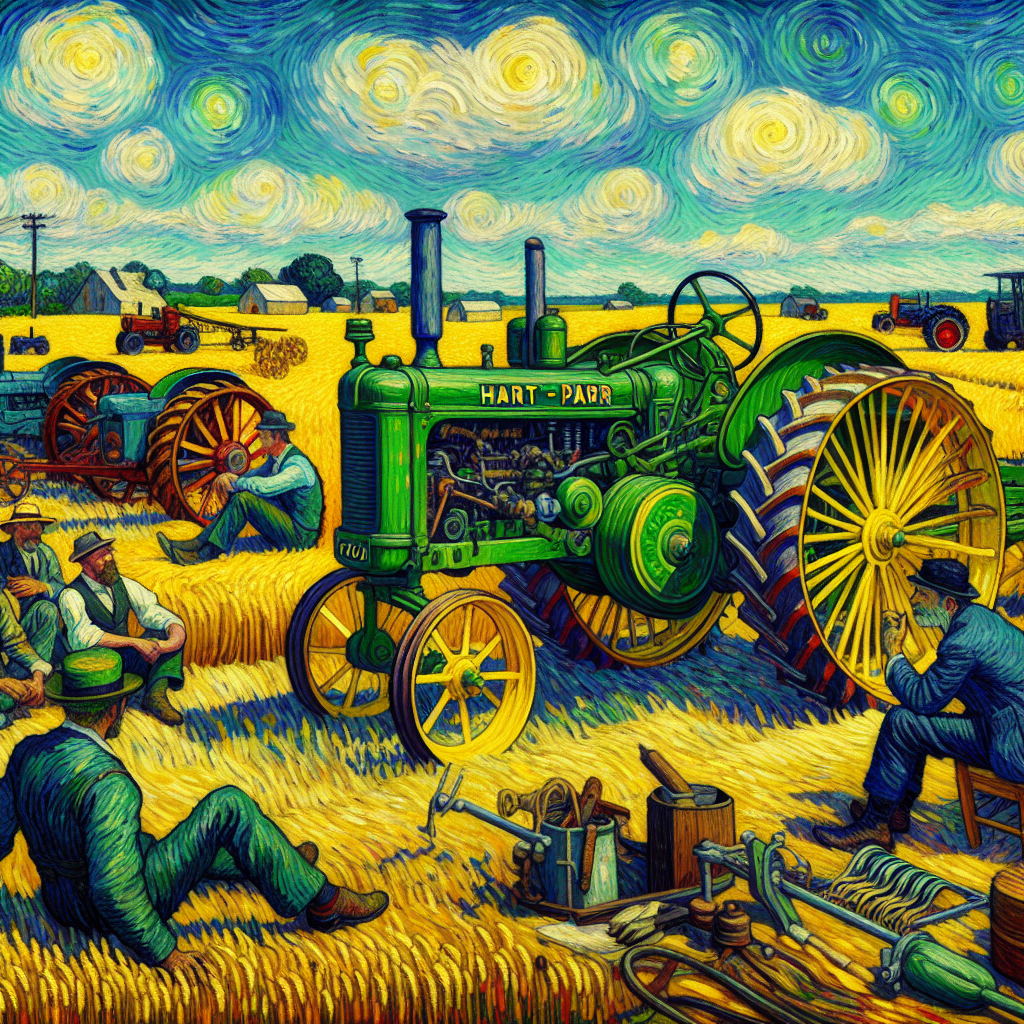
When we think about the iconic tractor, a machine synonymous with hard work and the lifeblood of our agriculture, it’s crucial to recognize that its history is not merely a timeline of metal and mechanics. It’s a tapestry woven with human stories, struggles, and triumphs. As we delve into documenting this legacy, we must tread carefully, respecting both the machines and the lives they shaped.
At the heart of documenting tractor history lies the duty to honor the individuals who labored tirelessly in fields, their hands calloused by years of toil. Each tractor tells a tale of perseverance—of families bound by tradition and communities brought together by shared agricultural endeavors. This isn’t just history; it’s a tribute to resilience, a narrative that deserves accuracy and sensitivity.
From a rational perspective, our commitment to ethical documentation helps preserve the integrity of our agricultural heritage. Inaccurate narratives can distort public understanding, leading future generations to misunderstand the pivotal role tractors played in shaping economies and lives. We must source information responsibly, integrating perspectives from farmers, historians, and local experts, ensuring our narratives reflect a comprehensive view. Upholding these standards not only bolsters credibility but fosters a culture of trust within communities.
Ethically, the responsibility extends beyond mere facts. It involves an acknowledgment of the environmental impacts that tractor evolution has wrought—both positive and negative. While tractors increased efficiency, they also ignited discussions about sustainable practices and the future of farming. Documenting these dual narratives encourages a conversation about balancing progress with responsibility, ensuring we consider the ecological footprint left in the wake of mechanization.
Thus, as we weave this history, a collective effort emerges, harnessing the power of storytelling. Local voices, drenched in the authenticity of their lived experiences, shine brighter than dry statistics. Their memories bring the past alive, fostering connections that reverberate through time. We must engage with these voices, amplifying stories that inspire admiration for both the machines and the men and women who operated them.
In engaging with this rich history, we invite others to join in our exploration, to reflect on the values that underpin our agricultural roots. Documenting tractor history isn’t an isolated endeavor; it’s a call to action, a reminder that as we push forward, we must carry with us the lessons of the past. By honoring the stories behind the machinery, we cultivate a deeper appreciation for the land, the labor, and the legacy we inherit.
What Are The Ethical Considerations In Documenting Tractor History?
What Are The Ethical Considerations In Documenting Tractor History?
- The history of tractors is a rich tapestry of human stories and struggles, not just metal and mechanics.
- Documenting tractor history honors individuals who worked tirelessly in agriculture, highlighting their resilience.
- Ethical documentation preserves agricultural heritage integrity, ensuring accurate public understanding.
- It is crucial to source information responsibly from farmers, historians, and local experts.
- Acknowledging the environmental impacts of tractors encourages discussions on sustainable farming practices.
- Engaging local voices enriches the historical narrative, fostering connections through shared experiences.
- Documenting tractor history serves as a call to action, cultivating appreciation for land, labor, and legacy.
What Are The Ethical Considerations In Documenting Tractor History?
What Role Does Authority Play In Verifying A Tractor’S History?
What Role Does Authority Play In Verifying A Tractor’s History?
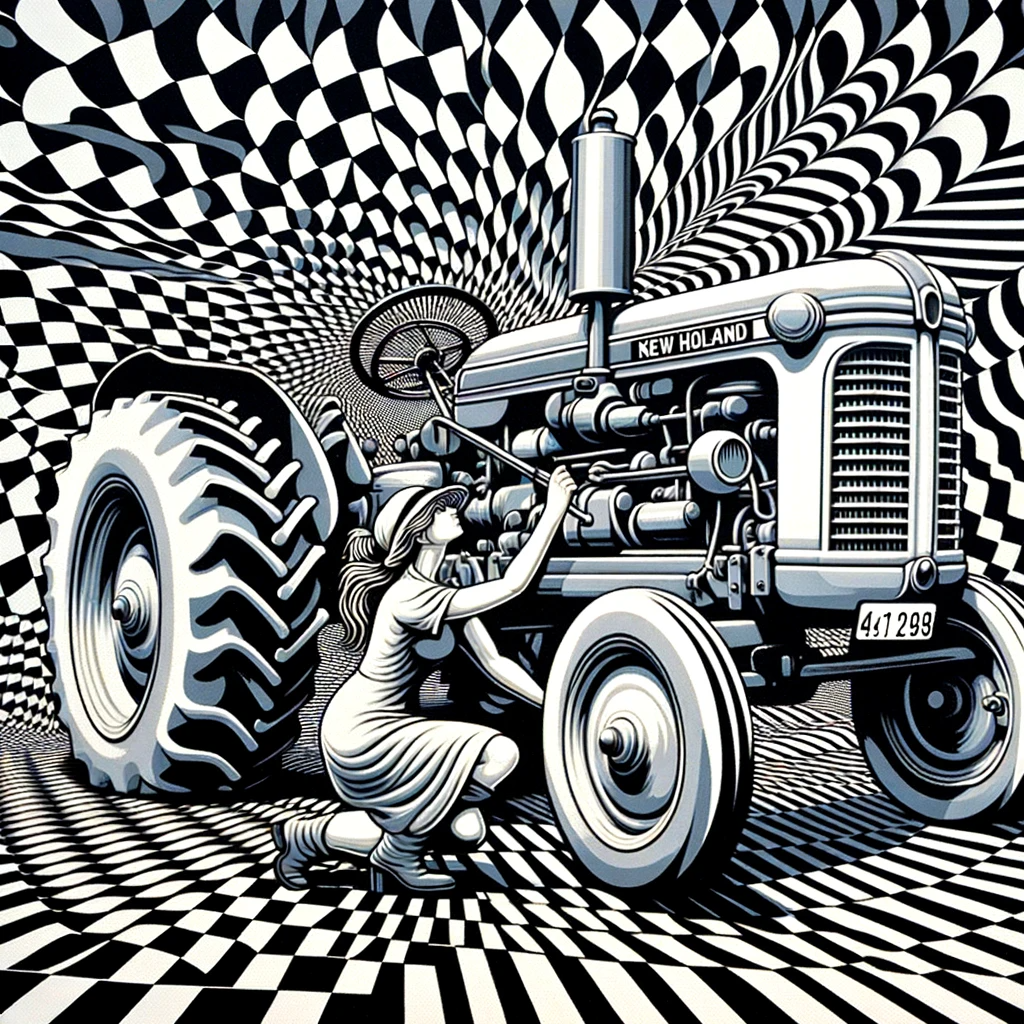
When you look at a tractor, it’s not just a machine; it’s a symbol of hard work and determination. It carries the weight of seasons past, each scratch and dent telling a story of toil and triumph. Yet, as with any tool that drives progress, knowing a tractor’s history is crucial before investing your hard-earned money. That’s where authority comes into play, weaving a fabric of trust that we, as buyers, depend upon.
Imagine standing in front of a used tractor, its paint faded but its potential still palpable. The price tag might be enticing, but without verifying its history, you could be spiraling down a rabbit hole of regrets. This is where authorized dealers and verified history reports step in as the guiding light. They sift through the noise, providing access to records that include past ownership, maintenance logs, and even any accidents that might leave a lasting impact.
The emotional connection we feel towards our equipment is palpable. A tractor isn’t just machinery; it’s part of our livelihood, an instrument that helps us cultivate life. Each decision to purchase is informed not only by our aspirations but also by the weight of the past—what the tractor has endured and where it’s been. Here, authoritative verification acts as a trustworthy compass, ensuring you’re not driving yourself toward a potential disaster.
Rationally, you want to invest in something that will serve you well for years to come. An authoritative source can offer insights into recalls, past repairs, and overall performance metrics. This information rationalizes your decision, transforming a simple equipment purchase into a strategic investment.
Ethically, we owe it to ourselves and our families to dig deeper. Engaging with authority—whether it’s a dealership or a trusted mechanic—holds them accountable for the equipment they sell. Their reputation often hangs in the balance, making their commitment to transparency crucial for maintaining the trust of their community.
In a world saturated with choices, the path you take can profoundly affect your work and life. Choosing a tractor based on verified authority doesn’t just speak to logic; it illustrates a commitment to quality and integrity. It fosters a deeper connection—not just between you and the tractor, but also within the community of farmers and workers dedicated to the land. This is about more than equipment; it’s about building a future, one trustworthy machine at a time.
What Role Does Authority Play In Verifying A Tractor’S History?
What Role Does Authority Play In Verifying A Tractor’S History?
- A tractor symbolizes hard work and determination, representing its history through physical wear.
- Knowing a tractor’s history is essential for making a wise investment.
- Authorized dealers and verified history reports help provide access to crucial records regarding ownership and maintenance.
- Emotional connections to equipment influence purchasing decisions, emphasizing the importance of understanding a tractor’s past.
- Authoritative sources can highlight recalls, repairs, and overall performance, making the investment more strategic.
- Engaging with authority ensures transparency and accountability from sellers, protecting consumer interests.
- Choosing a tractor based on verified authority fosters a commitment to quality and strengthens community ties among farmers and workers.
What Role Does Authority Play In Verifying A Tractor’S History?
How Can I Create A Compelling Narrative Around My Tractor’S Past?
Creating a compelling narrative around your tractor’s past is about more than just the machine itself; it’s about the stories woven into its steel and paint. Your tractor isn’t just a piece of equipment; it’s a vessel of memories, hard work, and determination. Each scratch tells a tale, and every dent is a chapter in a larger story.
Begin with the emotional appeal. Think about the first time you climbed into the cab, the raw excitement mixed with trepidation. That moment was filled with promise—a promise of the fields to be plowed, the harvests to be reaped, and the traditions to be upheld. Share how your tractor has been a steadfast companion through sunrises and sunsets, each day’s work building a bond that goes beyond mere utility.
Next, engage the head with rational connections. Explain how your tractor has impacted your life—how it has increased productivity and efficiency on the farm. Detailed anecdotes about those long days and the challenges faced together emphasize the practical significance of this machine. Highlight its reliability as a hardworking partner that has not only shaped the land but also your life.
Moving to the ethical angle, consider the history of tractors themselves, and how they represent the backbone of agriculture. Reflect on the craftsmanship and engineering that went into making your tractor. Acknowledge the men and women whose ingenuity led to advancements in farming technology, thereby respecting the history of agriculture and its impact on society.
Establishing authority involves sharing your expertise. If you’ve spent years caring for your tractor, detailing maintenance routines and the upgrades you’ve made elevates your narrative. Share tips or stories about how you learned to repair it, drawing on your hands-on experiences. This positions you as a knowledgeable figure, enhancing credibility in your story.
Finally, the social appeal lies in community connection. Talk about how your tractor has brought people together—perhaps through community events or shared projects. Mention gatherings where neighbors joined forces, each person sharing their own tractor tales, reinforcing the camaraderie that forms through collective labor.
A well-told narrative around your tractor’s past does more than evoke nostalgia; it invites trust and inspires confidence in others to share their own stories, fostering a sense of unity and pride in the craft of farming. Minimize the distance between the past and the present, showing that the heart and soul of farming endure through every turn of the wheel.
How Can I Create A Compelling Narrative Around My Tractor’S Past?
How Can I Create A Compelling Narrative Around My Tractor’S Past?
- Create a compelling narrative about your tractor’s past, focusing on emotional connections.
- Share personal memories associated with the tractor, emphasizing its role as a steadfast companion.
- Discuss the tractor’s impact on productivity and efficiency in farming.
- Reflect on the historical significance of tractors in agriculture and acknowledge their craftsmanship.
- Establish authority by sharing expertise gained from years of maintenance and repair.
- Highlight community connections reinforced through shared tractor experiences and events.
- Encourage unity and pride in farming by inviting others to share their own stories.
How Can I Create A Compelling Narrative Around My Tractor’S Past?
Conclusion
Documenting a tractor’s history transcends mere record-keeping; it’s an emotional tribute to a machine that has become integral to countless lives and stories. Each tractor embodies the spirit of generations — a steadfast companion in the labor of love that is farming. When you gather details like make, model, and original ownership, you’re not just noting facts; you’re initiating a journey into the rich narrative that each tractor holds. These details unfold tales of sweat, triumph, and resilience that resonate deeply within the agricultural community.
Think about the legacy every worn tire and faded paint job represents. It’s a timeline of hard work, shared struggles, and personal victories. By documenting the repairs, upgrades, and services performed over the years, you’re not merely recording maintenance; you’re honoring the human experience intertwined with that machine. With every note you take, you are safeguarding stories of perseverance, connecting the past with the present and ensuring that the tireless spirit of farming endures.
Ethically, this act of documentation is more than a duty; it is a commitment to preserving tradition in a world increasingly dominated by rapid innovation. Amidst contemporary machinery and modern conveniences, acknowledging the beauty and functionality of older tractors fosters a sense of respect that reinforces our agricultural roots. Furthermore, by sharing these stories, whether in person or through digital platforms, you create bonds within your community. Such storytelling invites others to reflect on their experiences, ensuring that the narrative of dedication and hard work continues to flourish.
When buying a used tractor, consider the ethical dimensions of your purchase. You’re engaging not just in a transaction but in the continuation of a legacy. That previous owner’s care (or lack thereof) resonates in every component of the machine. By choosing to document this journey, you’re stepping into a narrative that extends beyond personal ownership — it’s a conversation about values, responsibility, and sustainability. The act of maintaining meticulous records enhances your tractor’s value both emotionally and financially, as potential buyers are drawn not just to the machinery but to the rich story it conveys.
In sum, take the time to document your tractor’s history and your own journey. Each record is a celebration of hard work, a testament to the bond between human and machine, and a piece of the broader narrative of agriculture that deserves to be told. It’s about pushing forward, while still honoring the sweat and stories of those who came before. Embrace this opportunity to connect with your roots and cultivate a legacy that will inspire future generations.
Conclusion
Conclusion:
- Documenting a tractor’s history honors its integral role in farming and personal stories.
- Each tractor represents generations of labor, embodying sweat, triumph, and resilience in the agricultural community.
- Recording repairs and services is an acknowledgment of the human experiences connected to the machine.
- Historical documentation preserves traditions amidst rapid innovation and modern machinery.
- Sharing stories fosters community bonds and reflects on collective experiences in farming.
- Buying a used tractor involves continuing a legacy, influenced by the previous owner’s care for the machine.
- Meticulous records enhance the tractor’s emotional and financial value, celebrating the bond between humans and machinery.
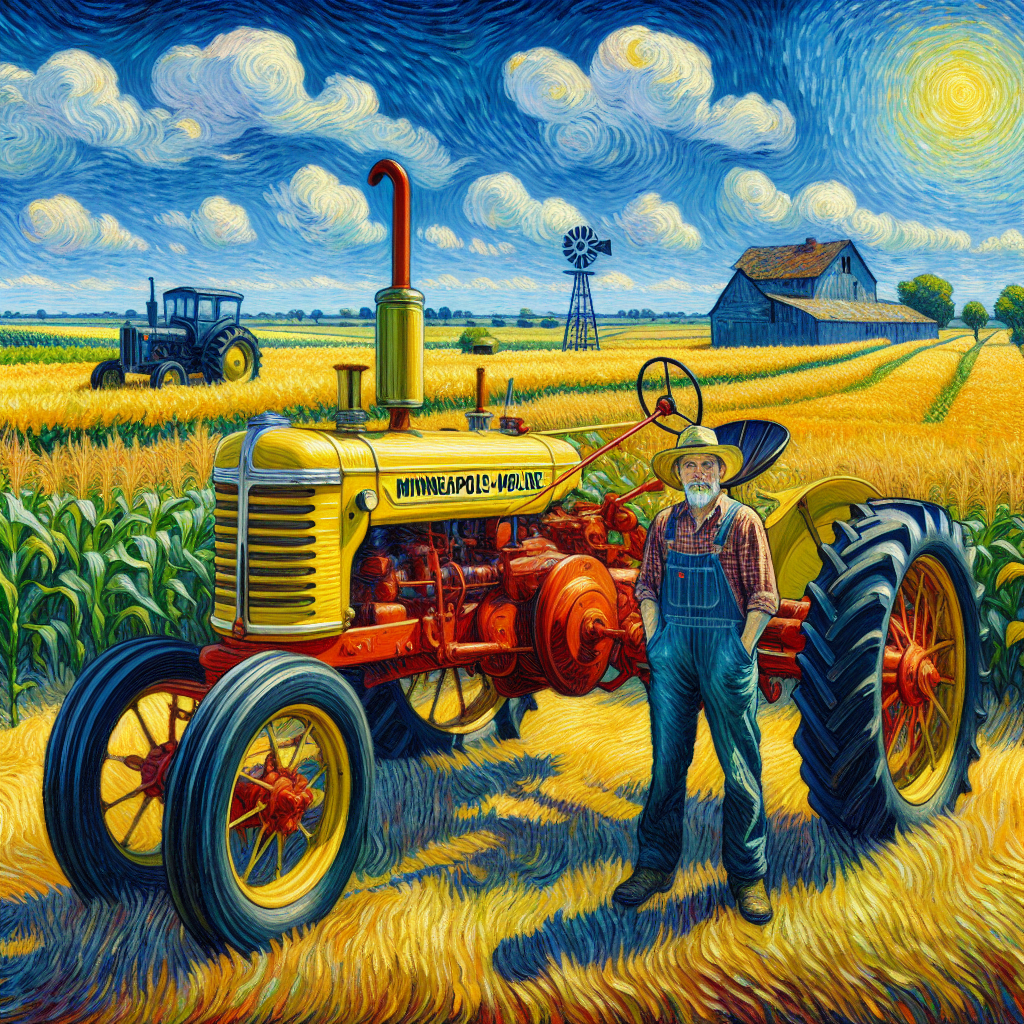
Conclusion
Other Resources
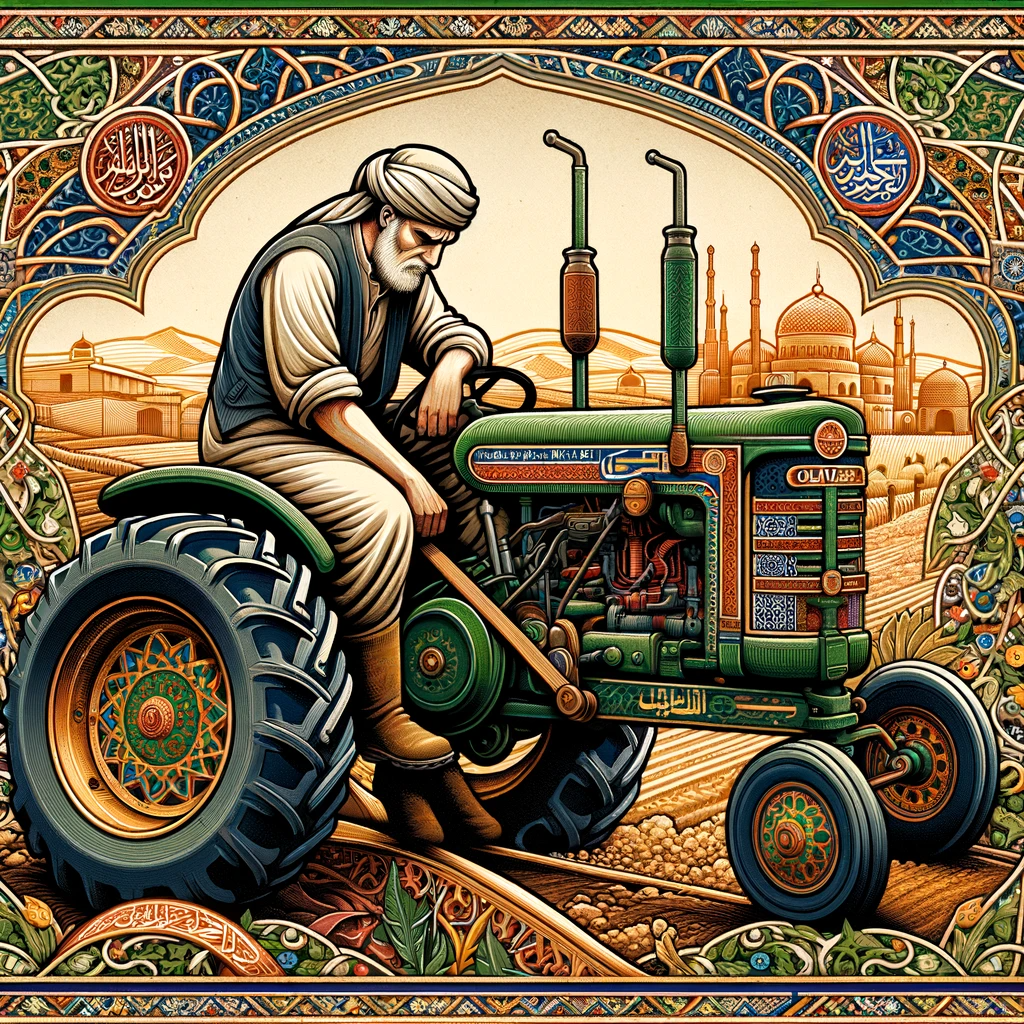
Other Resources
Here is a list of other resources you can review online to learn more:
- Kirovets
- Zetor
- Gaetz Tractor Museum
- Florida Farm Days and Tractor Show
- Ohio Crawford County Antique Farm Equipment Museum
- IngersollRand
- New Holland
- John Deere
- Minnesota Machinery Museum
- Mercedes-Benz
- Ascot Universal
- Schluter
- McCormick
- Corbitt
- Antique Tractor Values
- Lamborghini
- Challenger
- Toy Farmer
- Fort Allen Antique Farm Equipment
- Wingin
Use This Prompt To Get More Resources With Your Favorite Online AI Tool: Please provide me with a list of online articles with their URLs in a bulleted list that I can read regarding How Do I Document a Tractor’s History?
Other Resources
Glossary Terms
How Do I Document a Tractor’s History? – Glossary Of Terms
1. Acquisition: The process of obtaining the tractor, including purchase or lease details.
2. Maintenance Records: Documentation of regular servicing, repairs, and inspections performed on the tractor.
3. Ownership History: A chronological account of previous owners and duration of ownership.
4. Serial Number: A unique identifier assigned to the tractor for tracking and registration purposes.
5. Model: The specific variant of the tractor produced by the manufacturer, indicating its design and capabilities.
6. Manufacturing Year: The year in which the tractor was produced, which can affect its value and functionality.
7. Usage Hours: The total number of hours the tractor has been in operation, important for assessing wear and tear.
8. Condition Reports: Evaluations of the tractor’s physical and operational condition at various points in time.
9. Service History: A record of all servicing performed, including dates, types of service, and any issues noted.
10. Repairs: Documentation of any significant fixes made to the tractor, including parts replaced and costs incurred.
11. Inspection Reports: Detailed assessments performed by specialists to ensure the tractor meets safety and operational standards.
12. Parts Replacement: Logs detailing which parts have been replaced, along with their costs and dates of replacement.
13. Accident History: Records of any accidents or incidents involving the tractor that may have affected its performance or value.
14. Modifications: Changes made to the tractor after its initial manufacture, including upgrades or customizations.
15. Warranty Information: Details regarding any warranties covering the tractor, including terms and expiration dates.
16. Insurance Policy: Documentation of the insurance covering the tractor, including provider details and policy limits.
17. Registration: Official documentation proving the tractor is registered with relevant authorities.
18. Dealer Information: Contact details for the dealer from whom the tractor was purchased or serviced.
19. Owner Manuals: Instructional documents outlining the operation, maintenance, and specifications of the tractor.
20. Fuel Type: Specification of the fuel or energy source the tractor requires, important for operational costs.
21. Tire Specifications: Information regarding the size and type of tires used on the tractor, impacting its performance.
22. Attachments: Additional implements or tools that can be used with the tractor, along with their compatibility.
23. Usage Logs: Daily or weekly logs detailing how and where the tractor is used, contributing to its historical record.
24. Environmental Compliance: Documentation showing adherence to environmental regulations regarding emissions and usage.
25. Transfer of Title: Records associated with the legal transfer of ownership, including dates and signatures.
26. Registration Renewal: Information on the process and history of renewing the tractor’s registration.
27. Depreciation Schedule: A timeline reflecting the decrease in the tractor’s value over time due to age and usage.
28. Performance Metrics: Data related to the tractor’s fuel efficiency, load capacity, and operational range.
29. Historical Value: Assessment of the tractor’s value as a collector’s item or its significance in agricultural history.
30. Documentation Audit: The process of reviewing and verifying all records pertaining to the tractor’s history for accuracy and completeness.
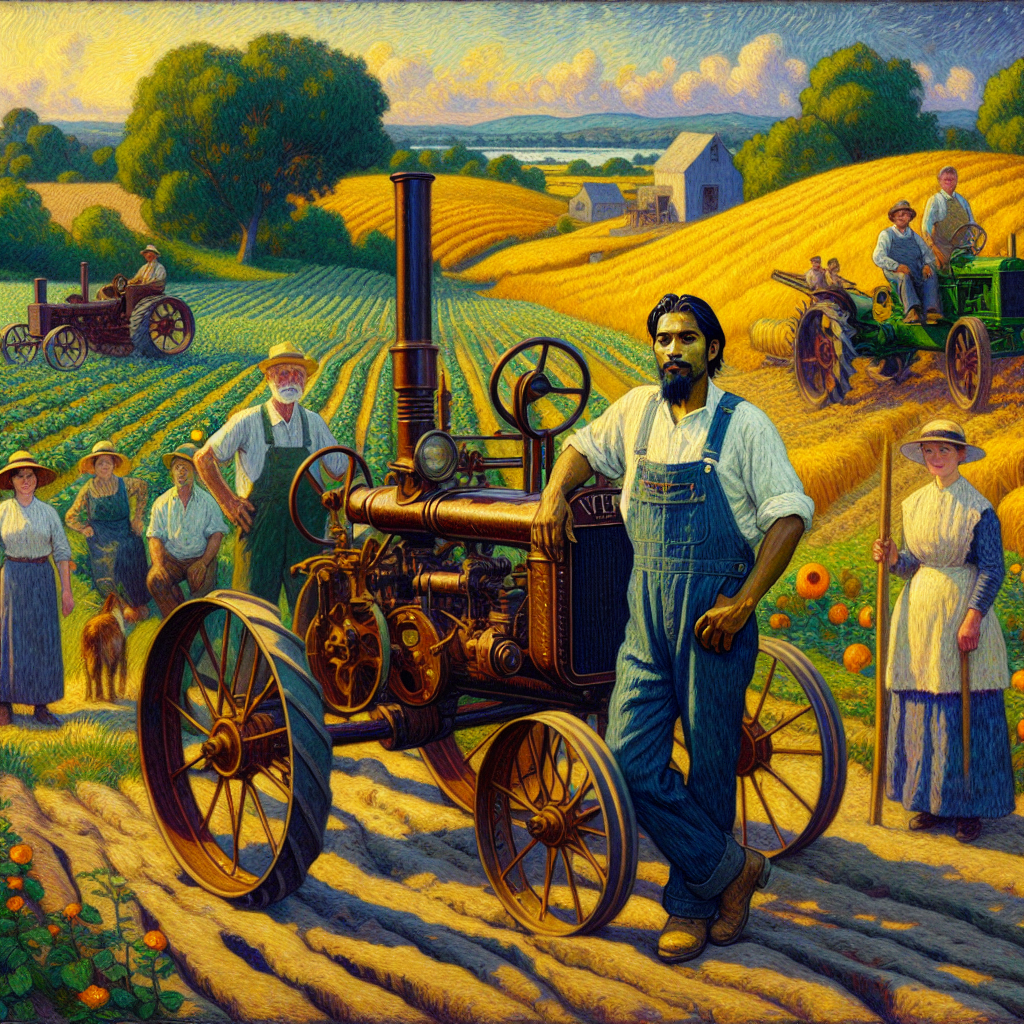
Glossary Of Terms
Other Questions
How Do I Document a Tractor’s History? – Other Questions
If you wish to explore and discover more, consider looking for answers to these questions:
- What specific information should be recorded first (make, model, serial number, engine number)?
- Where can I locate the tractor’s serial number and model plate?
- How do I verify the serial number or VIN is authentic?
- How can I find the original purchase documents or title history?
- What records and receipts are most valuable to keep (repairs, parts, services)?
- How should I document hours of use vs. mileage for resale value?
- What is the best way to photograph and date important parts and damage?
- Are there standardized logbook templates or digital apps for tractor records?
- How long should maintenance and service records be retained?
- How do I document aftermarket modifications or upgrades properly?
- How can I verify past repair claims and maintenance entries?
- What authorities, registries, or manufacturer archives can confirm a tractor’s history?
- How do titles, registrations, and liens affect ownership and documentation?
- What legal requirements vary by jurisdiction for documenting/ registering tractors?
- How can I check for recalls or safety notices relevant to the tractor model?
- How do I determine original factory options and equipment for my tractor?
- Where can I source factory build sheets or owner’s manuals for older tractors?
- How do I research previous owners if paper records are missing?
- What steps should I take when records are incomplete or lost?
- How do I estimate restoration costs and document expenditures for resale?
- How does detailed documentation affect market value and appraisal?
- What constitutes a trustworthy history report from dealers or third parties?
- How should I document cosmetic wear vs. functional repairs?
- What photographic angles and metadata (date, location) make the best record?
- How do I create a compelling written narrative of the tractor’s past?
- What interview questions should I ask previous owners or family members?
- How do I balance preserving originality versus restoring functionality?
- What ethical concerns arise when sharing personal stories or photos of previous owners?
- Do I need permission to publish stories or images from other people’s farms?
- How can I document environmental impacts or fuel history of the tractor?
- Which community resources, clubs, or museums can help verify historical details?
- How do I archive records for long-term preservation (physical vs. digital)?
- What file formats and backup strategies are best for digital records and photos?
- How should I label and catalogue spare parts and serial-numbered components?
- What insurance, tax, or estate considerations depend on proper documentation?
- How do I handle documentation when inheriting a tractor as part of an estate?
- What warning signs of fraud or odometer/engine-hour tampering should I look for?
- How can I authenticate rare or collectible tractors before buying or selling?
- What are best practices for presenting a tractor’s documented history to potential buyers?
- How do I include provenance and oral histories in a format attractive to collectors?
Other Questions
Haiku
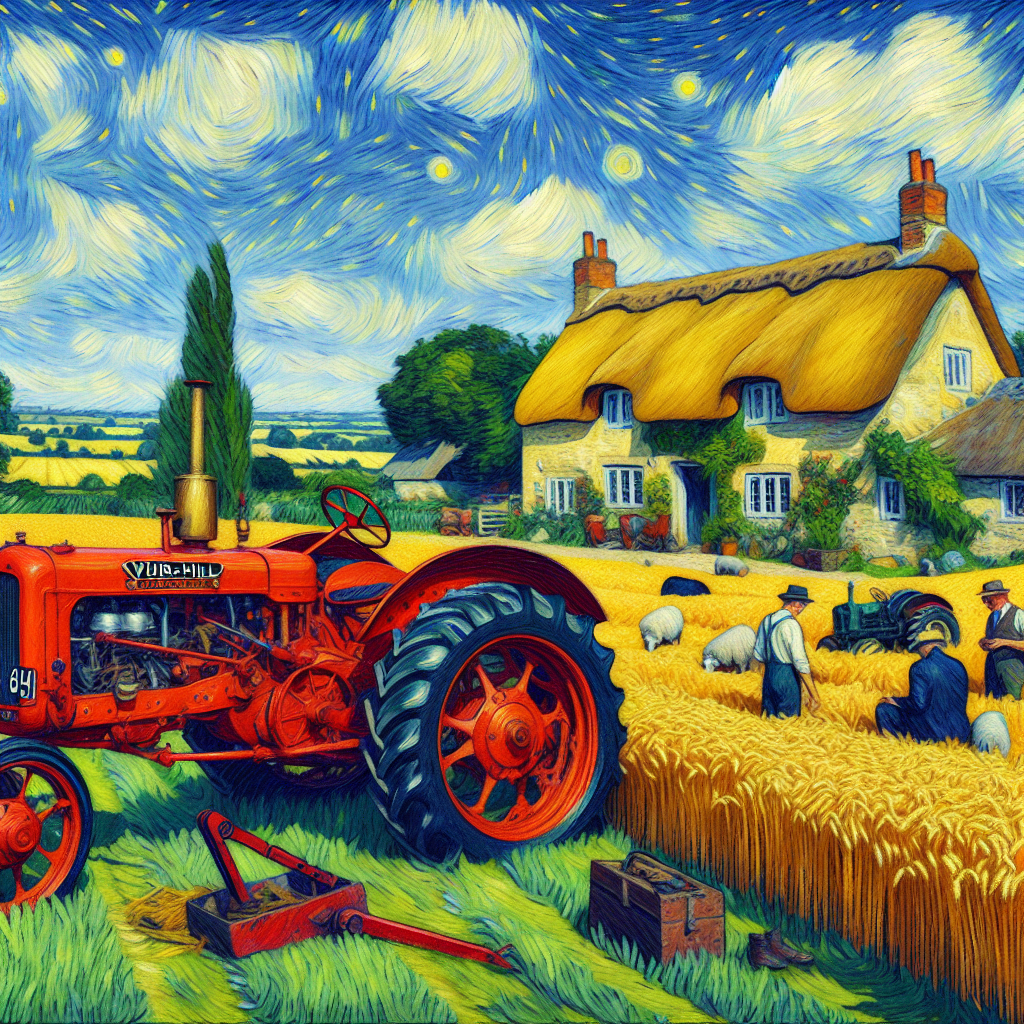
How Do I Document a Tractor’s History? – A Haiku
Rusty wheels once turned,
Stories of harvests and toil,
Legacy upheld.
Haiku
Poem
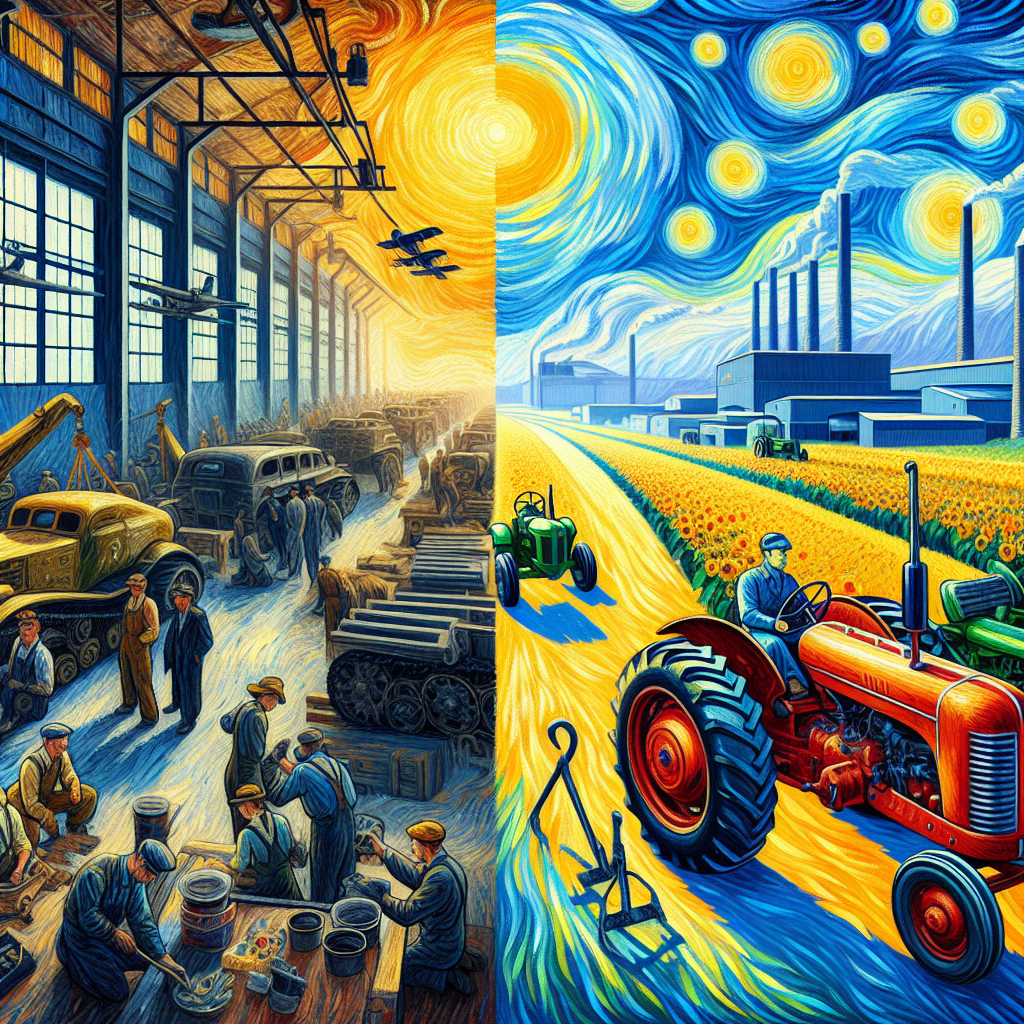
How Do I Document a Tractor’s History? – A Poem
In fields of earth where tractors tread,
A legacy of toil and sweat is spread.
Each scratch and dent, a tale unfolds,
Of hands that labored, of stories told.
From first purchase to the jobs it faced,
Every moment cherished, no time to waste.
The engine roars like a heart that beats,
In rhythm with the land, where hard work meets.
Documentation, a keeper of lore,
Preserves the past, while opening doors.
For future hands that grasp the wheel,
Each record a whisper of the strength we feel.
Ethics guide the choice of the used,
For in every machine, a history infused.
As we buy and sell, we weave a tie,
Connecting generations—our bonds never die.
Trust in records, crafted with care,
Boast the machine’s journey, the love we share.
In the community, stories bridge the gap,
Fostering respect, a well-worn map.
A tractor isn’t just metal and might,
But a companion through day and night.
So document well, infuse each line,
In the heart of the earth, our legacies shine.
Poem
Checklist
How Do I Document a Tractor’s History? – A Checklist
Checklist for Documenting Your Tractor’s History
✅______ Reflect on personal memories associated with the tractor.
✅______ Write down significant moments of hard work and achievements.
✅______ Share anecdotes from family or community about the tractor’s role in daily life.
✅______ Gather and record the make, model, and serial number.
✅______ Document key information such as purchase date (new vs. used) and previous ownership.
✅______ Keep a log of all maintenance services, repairs, and upgrades performed.
✅______ Ensure accuracy in documenting the tractor’s history.
✅______ Be transparent about how the tractor was maintained and its previous uses.
✅______ Consider environmental impacts and sustainability of used equipment.
✅______ Obtain records from authorized dealers or trusted mechanics.
✅______ Check for any recalls or significant repairs noted in the tractor’s history reports.
✅______ Validate the authenticity of the documentation collected.
✅______ Craft a compelling story that weaves together experiences with the tractor.
✅______ Highlight the tractor’s impact on daily life and work on the farm.
✅______ Integrate historical context about the tractor’s design and its place in farming evolution.
✅______ Share the documented history with the community, both online and offline.
✅______ Encourage neighbors to share their own tractor stories, fostering connections.
✅______ Consider organizing or participating in local events focused on agricultural heritage.
Checklist
At ClassicTractorNews, we help tractor lovers keep up with the latest news for classic and vintage tractors.
Please share this post with your friends, family, or business associates who may like old classic or vintage tractors.