


Unlock Your Tractor’s History: A Journey Through Casting Numbers
By Tom Seest
At ClassicTractorNews, we help tractor lovers keep up with the latest news for classic and vintage tractors.
Please share this post with your friends, family, or business associates who may like old classic or vintage tractors.
How Do I Date a Tractor By Casting Numbers?
Dating a tractor by casting numbers is an exercise that connects one to the sturdy machinery that once plowed fields and hauled loads, creating a bridge between the past and present. When you first spot that old iron beast sitting in a pasture, timeworn and faded, something stirs within. You wonder about its stories, the hands that operated it, and the labor it facilitated. This isn’t just a tractor; it’s a testament to hard work and dedication.
Start with the numbers—those cast into different parts of the tractor. These digits tell the tale of its birth: when and where it was made, and often, the model and specifications that define its character. There’s a raw, tangible thrill in piecing together the story from these markings. Each number is a puzzle piece of a vintage narrative, inviting you to delve deeper, to understand its heritage. It’s like uncovering the history of an old friend—one that has weathered countless storms, standing firm against the elements, much like we do in our own lives.
As you research, you tap into a community of enthusiasts who share this passion. The social aspect of it can be invigorating. Online forums and local clubs rejoice in the shared admiration for classic tractors. Here, you forge connections with others who appreciate the grit and resilience embodied in these machines. It fosters camaraderie; their tales of restorations and repairs resonate, and suddenly, you’re not just dating a tractor but entering a timeless dialogue.
Engaging with the casting numbers isn’t purely an intellectual pursuit. It stirs something in your gut—a connection to something larger than yourself. You start to grasp the significance of the tractor in agricultural history, the sustenance it provided, and how it symbolizes progress. Ethically, you recognize the importance of preserving this machinery as a nod to the hard-working folks who relied on them. By understanding and sharing their story, you honor their legacy.
In a world often obsessed with the new and shiny, dating a tractor offers a taste of the authentic. It’s a reminder of what it means to work hard and to cherish craftsmanship. Let that nostalgia guide you as you decode the significance behind the numbers. With each discovery, you not only learn about the tractor itself but also weave your own story into the fabric of its history, creating a bond that spans generations.

How Do I Date a Tractor By Casting Numbers?
How Do I Date a Tractor By Casting Numbers?
- Dating a tractor by casting numbers connects individuals to historical machinery that plowed fields and transported goods.
- The casting numbers reveal the tractor’s origins, including its manufacturing details and specifications.
- Each number acts as a puzzle piece, inviting deeper exploration of the tractor’s history and heritage.
- Researching tractors fosters a community of enthusiasts, enhancing social connections through shared interests.
- Engagement with tractors transcends intellectual pursuit, igniting a deeper connection to agricultural history and progress.
- Preserving tractors honors the legacy of those who depended on them for their livelihoods.
- Dating a tractor emphasizes authenticity and craftsmanship, allowing individuals to weave their own stories into the machine’s narrative.

How Do I Date a Tractor By Casting Numbers?
Table Of Contents
- How Do I Date a Tractor By Casting Numbers?
- What Are the Key Casting Numbers to Identify on a Tractor?
- How Does the Age Of a Tractor Affect Its Performance and Reliability?
- What Ethical Considerations Arise In Restoring Vintage Tractors?
- How Do Expert Opinions Shape the Understanding Of Tractor History?
- What Role Does Nostalgia Play In Valuing Older Tractors?
- How Can Understanding Tractor Origins Influence Purchase Decisions?
- Conclusion
- Other Resources
- Glossary Of Terms
- Other Questions
- Haiku
- Poem
- Checklist
What Are the Key Casting Numbers to Identify on a Tractor?
For many, a tractor isn’t just a piece of machinery; it’s the embodiment of hard work and tradition. Behind the rumble of its engine lies a story—a story that begins with the crucial task of identifying the right casting numbers. These identifiers can be a gateway into understanding your tractor’s history and capabilities, guiding you toward maintenance and repairs that will keep it running for years to come.
When you stand before a tractor, you’re not merely looking at steel and rubber. You’re connecting with a legacy of farmers, mechanics, and everyday folks who have relied on this powerful machine to turn the earth, harvest crops, and carry on family traditions. The casting numbers, often found on the engine block, transmission, or rear axle, are the fingerprints of your tractor. They reveal the model, year, and specific configurations that help link your machine to the vast community of equipment owners and enthusiasts.
Imagine lifting the hood of your tractor and tracing those numbers, feeling a sense of pride and purpose. With each digit, you uncover knowledge about its engine type, transmission, and even the original manufacturer—a treasure trove of information that adds value to your investment. The connection becomes even more profound when you realize these identifiers help you navigate the repair landscape, ensuring you choose compatible parts that not only fit but honor the craftsmanship of the machine.
From a practical standpoint, knowing these casting numbers doesn’t just empower you; it saves you time and money. Armed with the right information, you can avoid costly mistakes, whether you’re sourcing parts or seeking expertise from a mechanic. There’s an ethical responsibility here too. Maintaining your tractor doesn’t just safeguard your investment; it upholds the very lineage of all the hard work and dedication that tractors symbolize.
In a world racing toward automation, holding on to that connection feels more important than ever. Sharing stories about your tractor with fellow enthusiasts, whether online or at community gatherings, fosters a sense of belonging. It’s about more than just machinery; it’s about celebrating the grit that binds farmers and workers together.
So, the next time you roll up your sleeves and dig into your tractor, remember those casting numbers are your compass. They lead you through the rich past of agricultural innovation into the future—one where every turn of the wheel tells a story worth preserving. Trust the process, embrace the journey, and keep that connection alive.

What Are the Key Casting Numbers to Identify on a Tractor?
What Are the Key Casting Numbers to Identify on a Tractor?
- A tractor represents hard work and tradition, embodying a legacy of agriculture.
- Casting numbers are essential identifiers that link a tractor to its history and specifications.
- These numbers provide information about the model, year, engine type, and manufacturer.
- Understanding casting numbers aids in making informed decisions for maintenance and repairs.
- Knowledge of casting numbers can save time and money by avoiding costly mistakes.
- Maintaining a tractor honors the dedication of those who rely on these machines for their livelihoods.
- Sharing experiences with other tractor enthusiasts fosters community and preserves agricultural stories.

What Are the Key Casting Numbers to Identify on a Tractor?
How Does the Age Of a Tractor Affect Its Performance and Reliability?
The age of a tractor plays a pivotal role in its overall performance and reliability, influencing everything from its power at the field to the trust we place in its capabilities. For farmers and contractors alike, a tractor isn’t merely a machine; it’s a steadfast partner, often seen as an extension of their family, needing care and respect just as they do.
When you think about an older tractor, you might picture its worn paint and sun-faded decals. Yet, beneath that weathered exterior often lies a history of dependability, forged in the very soil it has plowed. Each scratch and dent tells a story of hard work, late nights, and relentless dedication. This narrative is not just a collection of mechanical milestones; it’s the embodiment of hard-earned trust—that rusted engine has been out there in the heat and the rain, never backing down when the work calls.
But age has its complexities. An aging tractor may boast character, yet it can also harbor vulnerabilities. With years comes wear; hydraulic systems may falter, engine efficiency can wane, and electronic components might become temperamental. These factors prompt an important consideration: as reliable as that old friend may seem, it’s essential to weigh its performance metrics against your needs. A young tractor, with its fresh technology and robust design, might save time and enhance productivity. For those who depend on these machines to support their livelihoods, investing in a newer model can mean more efficiency and less downtime, allowing them to focus on what truly matters – their craft and the community.
Ethically, there’s a responsibility to ensure that the equipment we use is not just functional, but safe. An old tractor, deemed reliable despite its age, can pose risks if not maintained properly. Regular checks and repairs become vital to prevent mishaps that could jeopardize both the operator’s safety and the integrity of their work.
We share a connection with these machines, and that bond leads to responsible stewardship. Keeping an older tractor alive can be rewarding, but knowing when it’s time to upgrade is equally important. The best decisions come from thoughtful reflection on the balance between nostalgia and practicality, ensuring that our roots remain strong while confidently moving forward.
Whether you choose to revive that classic machine or invest in the latest technology, remember that performance and reliability depend on not just the age of the tractor, but the care and respect you give it, sustaining the legacy of hard work for generations to come.

How Does the Age Of a Tractor Affect Its Performance and Reliability?
How Does the Age Of a Tractor Affect Its Performance and Reliability?
- The age of a tractor significantly affects its performance and reliability.
- For farmers, tractors are viewed as essential partners, akin to family members, requiring care and respect.
- Older tractors have a history of dependability, symbolized by their wear and tear.
- Aging tractors can show vulnerabilities, such as hydraulic issues and reduced engine efficiency.
- Investing in newer models can enhance productivity and reduce downtime.
- It’s crucial to maintain older tractors to ensure safety and reliability.
- The decision to upgrade versus maintaining an older tractor involves balancing nostalgia with practical needs.

How Does the Age Of a Tractor Affect Its Performance and Reliability?
What Ethical Considerations Arise In Restoring Vintage Tractors?
Restoring vintage tractors is not just about bringing an old machine back to life; it’s an emotional journey that resonates deeply with our shared history and values. Each tractor tells a story, representing a bygone era when hard work and craftsmanship were the currency of everyday life. When we undertake the restoration of these vehicles, we tackle a question that digs into the very roots of who we are: what do we owe to the past?
First, consider the deep connection people have with these machines. For many, a vintage tractor is more than metal and gears; it embodies memories of family farms, community gatherings, and even that first lesson in hard work. Restoring these tractors honors that heritage. However, there lies an ethical dilemma. Should we restore them to their original glory, preserving every scratch and dent that conveys their journey, or modify them for modern utility? This decision reflects our values and respect for history.
Rationally, we must weigh the implications of our choices. Restored tractors can serve as educational tools, teaching future generations about agriculture, mechanics, and sustainability. Yet, if restoration projects prioritize profit over authenticity, the very essence of these machines could be stripped away. This dilemma is not merely about aesthetics; it touches on stewardship—are we caretakers or merely manipulators of history?
Ethically, the community aspect comes into play. When we restore a vintage tractor, we’re not working in isolation. We connect with others—farmers, collectors, historians—who share a passion for these relics. Our choices inspire dialogue about preservation versus modernization, sparking discussions on what constitutes respect for our roots. By involving our community, we can foster a collective appreciation that transcends individual preferences.
From a narrative standpoint, envision a farmer who finds solace in maintaining a vintage tractor passed down through generations. Each rusty bolt and faded paint peel leads to tales of resilience, reminding us that these machines have endured hardships, just as we have. This connection to the past reminds us of our collective strength and heritage.
When restoring vintage tractors, it’s essential to approach the process with a sense of responsibility. These machines are not just artifacts; they are part of our identity. In honoring their legacy, we honor ourselves, creating a bridge between past, present, and future that inspires trust, confidence, and action among those who share this vital journey.

What Ethical Considerations Arise In Restoring Vintage Tractors?
What Ethical Considerations Arise In Restoring Vintage Tractors?
- Restoring vintage tractors is an emotional journey that connects to our shared history and values.
- Each tractor represents a bygone era of hard work and craftsmanship, evoking personal and collective memories.
- The ethical dilemma of restoring tractors involves choosing between preserving their original state or updating them for modern use.
- Restored tractors can educate future generations about agriculture and mechanics, but profit-driven restorations may undermine authenticity.
- The community aspect of restoration encourages dialogue on preservation versus modernization, fostering collective appreciation.
- Maintaining vintage tractors connects us to our heritage and resilience, embodying stories of endurance.
- The restoration process should be approached with responsibility, honoring the legacy of these machines as part of our identity.

What Ethical Considerations Arise In Restoring Vintage Tractors?
How Do Expert Opinions Shape the Understanding Of Tractor History?
When we think about tractors, the clatter of engines and the scent of freshly tilled earth come to mind. Yet, the history of these machines runs deeper than mere mechanics; it’s a narrative woven with human endeavor, technological progression, and agricultural revolutions. It’s where expert opinions act like the compass, guiding us through the rich and complex story of tractors.
Experts in agricultural history do more than just recount facts; they breathe life into the narrative of the tractor. Their insights shine a light on how these machines transformed not just farming practices but entire societies. Picture a family in rural America, where the introduction of the tractor freed generations from the backbreaking toil of plowing fields by hand. These experts underscore the emotional connection of hard work and perseverance, painting vibrant portraits of resilience and innovation that resonate with us all.
Rationally speaking, understanding tractor history involves sifting through economic impacts and technological advancements. Expert analysis helps us grasp how the tractor became a symbol of progress, revolutionizing productivity and shifting the dynamics of rural life. The tractor isn’t just a machine; it represents the drive for efficiency and the quest for a better tomorrow. By highlighting the milestones in tractor development, these authorities provide a structured lens through which to appreciate how far we’ve come—each model telling a story of trial, error, and triumph.
Ethically, the discussion around tractor history also prompts us to consider environmental impacts and the evolution of sustainable practices. Experts guide us through the moral implications of striving for efficiency while remaining stewards of the land. It’s a delicate balance that fosters a deeper understanding of our responsibilities as caretakers of both technology and nature.
And then, there’s the social aspect. The tractor brings people together, bridging generations and communities. Expert opinions reflect on how these machines have inspired cooperation among farmers, showcasing an enduring spirit of camaraderie grounded in shared experiences.
In this intricate tapestry, expert opinions cultivate not only knowledge but also trust. They inspire confidence in our understanding of tractor history, compelling us to reflect on our own roles in this ongoing story. We’re invited not just to observe but to connect—emotionally, rationally, and ethically—with the past. As we look to the future, let’s honor that legacy, driving onward with the same passion that fueled the pioneers of the tractor age.

How Do Expert Opinions Shape the Understanding Of Tractor History?
How Do Expert Opinions Shape the Understanding Of Tractor History?
- The history of tractors combines human effort, technology, and agricultural change.
- Experts provide insights that reveal the transformative impact of tractors on farming and society.
- Tractors liberated families from strenuous manual labor, fostering resilience and innovation.
- The tractor symbolizes progress, enhancing productivity and altering rural life dynamics.
- Discussion includes environmental implications and the importance of sustainable practices.
- Tractors unite communities, encouraging collaboration among farmers and shared experiences.
- Expert opinions build trust and understanding, connecting us to the legacy of tractor history.
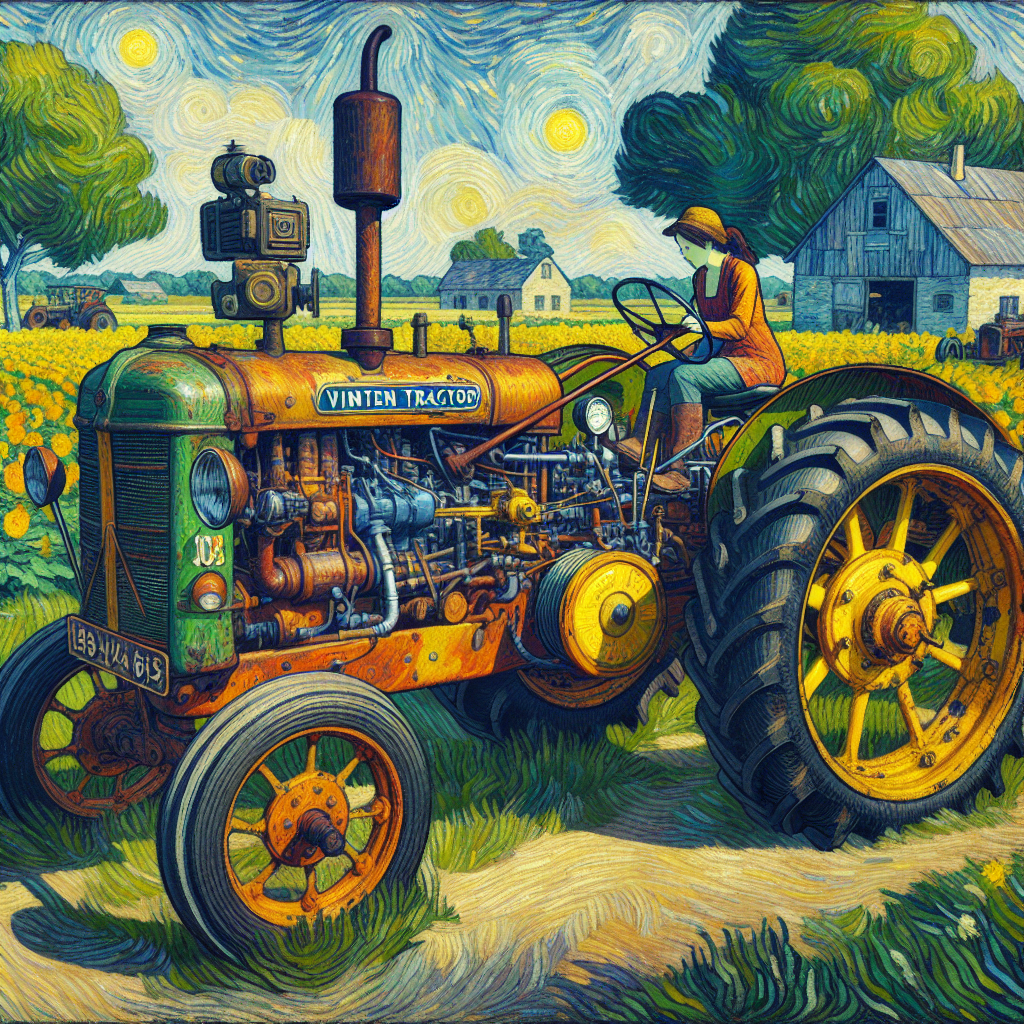
How Do Expert Opinions Shape the Understanding Of Tractor History?
What Role Does Nostalgia Play In Valuing Older Tractors?
Nostalgia, as it relates to older tractors, transcends mere machinery; it weaves into the very fabric of our lives, bringing to mind fond memories and deep emotions tied to family, labor, and simpler times. These tractors, often painted in faded hues, serve not just as tools but as vessels of personal history. For many, these machines symbolize hard work, dedication, and the tenacity of those who toiled under the sun, forging a connection that runs deeper than what can be measured in horsepower or factory specifications.
As you stand beside a vintage tractor, its rusted framework tells a story—a story of mornings spent in the field, the thrill of planting seeds, and the satisfaction of reaping a bountiful harvest. This connection manifests in a unique way, tapping into the emotions of pride and nostalgia. There’s an undeniable weight to history, a silent recognition of the generations that used these machines to carve out livelihoods. When you glimpse the past through the lens of an old tractor, you see not just a relic but a tangible reminder of where we come from. It’s a reflection of the values instilled in us, the ethics of hard work, perseverance, and respect for craftsmanship.
From a rational perspective, older tractors are often more than just sentimental artifacts. They represent sustainable farming practices, durability, and a hands-on approach to agriculture that many today seek to revive. As conversations shift toward eco-friendly practices, the wisdom of using these older machines becomes clear. The efficiency and simplicity of these robust tractors remind us that sometimes, the old ways are the best ways. Ownership of an older tractor often transforms into a commitment—a pledge to preserve not only the machinery but the values it embodies.
This inherent value resonates on a social level as well. Communities gather around these machines, sharing stories and experiences, fostering connections that transcend generations. Knowing that someone else appreciates the craftsmanship and history tied to a tractor fosters a sense of belonging and shared purpose. It’s more than just admiration; it’s a movement grounded in respect for tradition and a collective effort to keep those memories alive.
The allure of older tractors is about much more than nostalgia—it’s about honoring the past while navigating the present, creating a bridge to a future that respects our heritage. When we invest in an old tractor, we’re not just buying a piece of equipment; we’re investing in the stories, values, and traditions that shape our lives.

What Role Does Nostalgia Play In Valuing Older Tractors?
What Role Does Nostalgia Play In Valuing Older Tractors?
- Nostalgia for older tractors connects to family, labor, and simpler times.
- Tractors serve as vessels of personal history, symbolizing hard work and dedication.
- They tell stories of agricultural experiences, evoking pride and emotion.
- Older tractors represent sustainable farming practices and a hands-on approach.
- Ownership reflects a commitment to preserve both the machinery and its values.
- Communities gather around these tractors, fostering connections and a sense of belonging.
- Investing in older tractors honors heritage while bridging to the future.

What Role Does Nostalgia Play In Valuing Older Tractors?
How Can Understanding Tractor Origins Influence Purchase Decisions?
Understanding the origins of tractors can profoundly influence purchase decisions, tapping into the storied legacy of farming and the roots of American ingenuity. When you consider the humble tractor, it’s not just a hunk of machinery; it’s a testament to hard work, progress, and the sheer determination of those who till the land. Each scratch and dent tells a story—much like the farmers themselves, who’ve dedicated their lives to nurturing our soil and producing food for the nation.
Think about it: the tractor’s journey began with innovation. Farmers once relied on horses and oxen, but they evolved, just as we must in our choices today. Every tractor on the market carries with it a lineage of craftsmanship and engineering that reflects decades, if not centuries, of development. Knowing the history behind a brand can lead to better purchasing decisions. If a company has survived the test of time, adapting with changing technologies and remaining committed to quality, that speaks volumes about its reliability.
Furthermore, there’s an emotional connection to consider. The sight of a well-maintained tractor in a field often evokes nostalgia for many. It reminds us of simpler times, family gatherings during harvest seasons, and the satisfaction of hard-earned labor. Buying a tractor isn’t just a financial transaction; it’s an investment in a lifestyle that respects tradition and embraces innovation. The right choice can feel like a personal commitment to the values we hold dear—sustainability, community, and legacy.
From a rational standpoint, understanding the origins of your tractor can illuminate aspects such as quality, maintenance, and support. Brands with deep roots often prioritize after-sales service, parts availability, and customer support, knowing that their reputation hinges on sustaining customer satisfaction. These factors add layers of trust; you’re not just buying a machine, you’re forging a partnership that can yield fruitful returns for years to come.
Ethically, purchasing from companies that embrace sustainable practices and invest in local communities resonates with many consumers today. Choosing a tractor from a brand committed to environmental stewardship can align spending habits with personal values.
This isn’t merely about getting the job done; it’s about embracing a legacy that connects us to our roots, both literally and figuratively. By understanding where a tractor comes from, you’re not just selecting equipment; you’re choosing to invest in a story that reflects courage, perseverance, and integrity in every turn of the wheel.

How Can Understanding Tractor Origins Influence Purchase Decisions?
How Can Understanding Tractor Origins Influence Purchase Decisions?
- Understanding tractor origins influences purchasing decisions and reflects farming heritage.
- Tractors symbolize hard work and the commitment of farmers to producing food.
- Awareness of a tractor’s history can enhance decision-making regarding reliability and quality.
- Emotional connections to tractors evoke nostalgia for simpler times and family traditions.
- Deep-rooted brands often provide better after-sales service, parts availability, and customer support.
- Ethical purchasing from sustainable brands aligns consumer habits with personal values.
- Selecting a tractor is an investment in a legacy of courage, perseverance, and integrity.

How Can Understanding Tractor Origins Influence Purchase Decisions?
Conclusion
Dating a tractor by casting numbers is a fascinating journey that weaves together the narrative of our agricultural past with the mechanical present. It starts with that powerful feeling of encountering an old tractor in a field—its rusted exterior and faded paint holding memories of hard work and perseverance. When examining the casting numbers, which reveal a tractor’s birth year, model, and specifications, you’re not just uncovering data; you’re piecing together its rich story. Each number acts as a link to a legacy of toil and triumph, much like finding out about a distant relative whose life parallels your own struggles and successes.
This pursuit is more than a solitary endeavor. It plunges you into a thriving community of like-minded enthusiasts who share a passion for vintage machinery. Engaging in discussions, sharing restoration tips, and swapping tales of old tractors fosters a sense of belonging that transcends mere hobby. You dive deep into the emotional fabric of agricultural history, discovering how these iron giants not only provided sustenance but also symbolized progress and resilience.
Older tractors, with their character-laden histories, aren’t just machines but emblems of dedication and craftsmanship. They remind us of the challenges faced by farmers, reflecting their relationship with the land. The ethical responsibility of maintaining these machines goes beyond personal investment—it’s also about honoring the legacy of those who relied on them. With each restoration, you not only preserve a piece of history; you actively participate in a dialogue that honors the past, ensuring that the stories behind these machines continue to resonate.
Moreover, understanding the origins and histories behind these tractors can guide informed purchasing decisions. Choosing a well-crafted machine means embracing quality and longevity, as well as sustaining a connection to a time when hard work was the lifeblood of farming. This historical insight lays a foundation for trust, as you recognize that buying a tractor is more than a financial transaction; it is a commitment to community, sustainability, and the values inherent in a rural lifestyle.
As we navigate a world fascinated by the new and shiny, embracing vintage tractors reminds us of the value of craftsmanship and the importance of hard work. Each turn of the wheel becomes a testament to resilience, heritage, and the timeless stories that connect us to our roots, reminding us of the power of a well-told tale. In every restoration, every gathering with fellow enthusiasts, we honor the past while embracing the future—a continuous cycle of reverence and perseverance that blooms in the fields harvested by generations before us.

Conclusion
Conclusion:
- Dating a tractor through casting numbers reveals its birth year, model, and specifications.
- This process connects individuals with a community of vintage machinery enthusiasts.
- Old tractors symbolize dedication, craftsmanship, and a farmer’s relationship with the land.
- Restoring tractors honors the legacy of those who relied on them for sustenance.
- Understanding a tractor’s history aids in making informed purchasing decisions.
- Choosing vintage machinery embraces quality, longevity, and rural values.
- Each restoration and gathering reinforces the importance of craftsmanship and hard work.

Conclusion
Other Resources

Other Resources
Here is a list of other resources you can review online to learn more:
- Vintage Tractor Digest
- Marshall
- Park Rapids Antique Tractor & Engine Club
- Saunderson
- Iseki
- AGCO
- Waterloo Farm Museum
- Mastodon
- Antonio Carraro
- Froelich Tractor Museum
- Farmall
- Hitachi
- Kioti
- MX
- Buhler Industries
- Sonalika
- Eicher Tractors
- Farm Collector Show Directory
- Skoda-LIAZ
Use This Prompt To Get More Resources With Your Favorite Online AI Tool: Please provide me with a list of online articles with their URLs in a bulleted list that I can read regarding How Do I Date a Tractor By Casting Numbers?

Other Resources
Glossary Terms
How Do I Date a Tractor By Casting Numbers? – Glossary Of Terms
1. Casting Number: A unique alphanumeric code found on tractor parts used to identify manufacturing details and production dates.
2. Model Number: A specific identifier for the tractor model, often found in conjunction with casting numbers.
3. Serial Number: A unique identifier assigned to an individual tractor during production, helpful for tracking and dating.
4. Year of Manufacture: The year when the tractor was built, which can often be deduced from the casting and serial numbers.
5. Manufacturer: The company or brand responsible for producing the tractor.
6. Part Identification: The process of determining specific components of the tractor using casting numbers.
7. VIN (Vehicle Identification Number): A unique code used by manufacturers to identify vehicles, including tractors.
8. Historical Records: Documentation or databases containing information about tractor models, manufactures, and production years.
9. Registration: The official recording of a tractor with a governing body, often requiring details like the casting number.
10. Bumper Number: A term sometimes used to refer to the casting number found on the front or rear bumper of the tractor.
11. Production Run: A specific period during which a model was manufactured, potentially indicated by casting numbers.
12. Design Change: A modification in the tractor’s design which may be signified by different casting numbers over time.
13. Prototype: An early model of a tractor used for testing, which may have unique casting numbers.
14. Parts Catalog: An official guide listing tractor parts, often organized by model and casting numbers.
15. Restoration: The process of returning a tractor to its original condition, often reliant on accurate dating from casting numbers.
16. Authenticity Verification: The process of confirming a tractor’s identity and production details through casting numbers and records.
17. Engagement Data: Technical specifications and performance information associated with specific casting numbers.
18. Component Matching: The practice of ensuring parts from different tractors can be correctly dated and fitted based on casting numbers.
19. Nomenclature: The systematic naming convention used for different parts and models of tractors.
20. Manufacturing Date Code: A code embedded within the casting number that indicates the specific date of manufacture.
21. Supplier Code: A reference that indicates the supplier involved in the production of specific tractor parts.
22. Historic Value: The significance of a tractor based on its production year, model, and casting numbers, influencing collectability.
23. FAQ Documentation: Frequently asked questions related to tracing and dating tractors through casting numbers.
24. Deduction Method: A strategy used to infer the date of manufacture based on known data linked to casting numbers.
25. Structural Code: Information within the casting number that might indicate the material or structure of the part.
26. Catalogue Date: The date when a specific tractor model or part was first introduced in manufacturer catalogs.
27. Cross-reference: A method of comparing casting numbers with existing databases or catalogs to gather dating information.
28. Era Identification: Determining the historical period of a tractor based on its casting and serial numbers.
29. Factory Marks: Additional symbols or branding on a tractor that may aid in identifying its age or authenticity.
30. Collector’s Guide: A resource for enthusiasts that outlines how to date and verify the authenticity of various tractor models using casting numbers.

Glossary Of Terms
Other Questions
How Do I Date a Tractor By Casting Numbers? – Other Questions
If you wish to explore and discover more, consider looking for answers to these questions:
- Where exactly on different tractor makes and models are casting numbers usually located?
- How do casting numbers differ from serial numbers and VINs?
- Can casting numbers be used to determine the exact year and month of manufacture?
- What do common prefixes, suffixes, or letter codes in casting numbers mean?
- How reliable are casting numbers compared with factory records for dating a tractor?
- What should I do if the casting numbers are worn, corroded, or missing?
- Are there standardized reference guides or databases for decoding casting numbers by brand?
- Which brands or models are the easiest or hardest to date by casting numbers?
- How do casting numbers vary between domestic and imported tractor components?
- Can casting numbers tell me if a part is original to the tractor or a later replacement?
- How do I verify that a casting number I find is authentic and not forged or altered?
- What online forums, clubs, or expert contacts specialize in casting-number research?
- Are there apps or image-recognition tools that help identify casting numbers?
- How do casting numbers help when sourcing replacement parts or aftermarket components?
- How much does a tractor’s casting-number authenticity affect its market value?
- What documentation should I keep after identifying casting numbers for future provenance?
- How do casting numbers relate to engine, transmission, and axle interchangeability?
- When restoring, should I preserve original casting marks or remove/alter them for repairs?
- What ethical considerations arise when reproducing or replacing parts that bear original casting numbers?
- How can I trace the manufacturing plant or production run from a casting number?
- Do casting numbers reveal factory options, original paint codes, or equipment configurations?
- How often were casting patterns reused across different models or years?
- Can casting numbers help identify military, industrial, or special-edition tractors?
- Are there common counterfeit or reproduction castings collectors should watch for?
- How do changes in manufacturing methods over time affect the presence and format of casting numbers?
- What are best practices for photographing and documenting casting numbers for research or sale?
- How do I get a professional appraisal or expert opinion based on casting-number evidence?
- Can casting numbers help with legal ownership issues or stolen equipment recovery?
- How do casting numbers interact with emissions, safety, or registration requirements for vintage tractors?
- What resources explain how to decode casting numbers specific to major brands (e.g., John Deere, Ford, Ferguson, International)?
- How much time and cost is typically involved in researching a tractor’s casting numbers?
- What maintenance or preservation steps help keep casting numbers legible over time?
- How do casting numbers relate to restoration choices: concours authenticity vs. functional restoration?
- Are there workshops, museum archives, or libraries that hold original casting records or pattern catalogs?
- How can I determine if a tractor’s serial and casting numbers match factory production records?

Other Questions
Haiku
How Do I Date a Tractor By Casting Numbers? – A Haiku
Old iron whispers tales,
Crafted from sweat and hard land,
Roots intertwine with time.

Haiku
Poem
How Do I Date a Tractor By Casting Numbers? – A Poem
In fields where rivaling seasons blend,
Amidst the rust where memories wend,
A tractor stands, a steadfast friend,
Casting numbers, tales to transcend.
Born from toil, a legacy lives,
In faded paint and the grit it gives,
Each marking tells of the sweat it forgives,
The history that in its frame still thrives.
Through hands that shaped the earth with pride,
The stories of labor, hard work, and stride,
Binding hearts with a community wide,
Together in passion, where nostalgia resides.
Empowered by numbers, the puzzle unfolds,
Crafting connections as their history molds,
Echoing lives through the ages retold,
Preserving the past, as the future unfolds.
Ethics remind us, in choices we make,
To cherish the old and the paths we take,
Sustainability beckons, for tradition’s sake,
In every revival, the bond we awake.
In knowledge exchanged, through expert’s embrace,
Understanding the tractors place in our space,
A bridge we are building, with respect and grace,
Guiding generations, our heritage trace.
So stand beside that iron beast,
Feel the heartbeat of history, not just a feast,
In the dance of the wheels, may our stories increase,
A tribute to our roots, a timeless release.

Poem
Checklist
How Do I Date a Tractor By Casting Numbers? – A Checklist
Checklist – Dating a Tractor by Casting Numbers
✅______ Connect with heritage – Reflect on the personal stories and shared history connected to your tractor.
✅______ Nurture nostalgia – Recall memories tied to families, farms, and past experiences associated with the tractor.
✅______ Honor craftsmanship – Appreciate the skill and artistry involved in the creation of classic tractors.
✅______ Identify key casting numbers – Learn about crucial numbers that reveal your tractor’s model, year, and specifications.
✅______ Understand mechanical components – Research the function of different parts to enhance maintenance practices.
✅______ Evaluate performance metrics – Assess how age impacts reliability and what maintenance is needed to ensure optimal function.
✅______ Feel the connection – Embrace the emotional tie to the tractor as a symbol of hard work and dedication.
✅______ Commit to responsible stewardship – Acknowledge the responsibility that comes with maintaining and restoring older tractors.
✅______ Embrace the journey – Enjoy the process of discovery and learning as you delve into your tractor’s story.
✅______ Reflect on preservation – Consider the importance of maintaining vintage tractors as part of agricultural heritage.
✅______ Make informed choices – Prioritize ethical restoration practices that respect the machinery’s history and original features.
✅______ Engage with the community – Foster connections with fellow enthusiasts to share knowledge, experiences, and best practices.
✅______ Consult experts – Seek advice from historians and mechanics to deepen your understanding of tractor history.
✅______ Stay informed on trends – Keep up with current agricultural trends that impact the use of vintage equipment.
✅______ Participate in workshops – Engage in community events or classes that enhance your skills in tractor maintenance and restoration.
✅______ Share personal stories – Document and share your own experiences with tractors to inspire others.
✅______ Create connections – Encourage discussions about the role of tractors in personal and community histories.
✅______ Preserve the legacy – Communicate the importance of these machines in shaping agricultural practices and communities.
✅______ Join enthusiast groups – Collaborate with local clubs and online forums dedicated to tractor restoration and history.
✅______ Attend community events – Participate in gatherings that celebrate vintage tractors and share your knowledge.
✅______ Build lasting relationships – Forge bonds with others who share your passion, creating a sense of belonging within the tractor community.

Checklist
At ClassicTractorNews, we help tractor lovers keep up with the latest news for classic and vintage tractors.
Please share this post with your friends, family, or business associates who may like old classic or vintage tractors.