


Uncovering The Timeless Impact Of Classic Tractors
By Tom Seest
At ClassicTractorNews, we help tractor lovers keep up with the latest news for classic and vintage tractors.
Please share this post with your friends, family, or business associates who may like old classic or vintage tractors.
How Do Classic Tractors Preserve Agricultural Heritage?
How Classic Tractors Preserve Agricultural Heritage
There’s something undeniably magical about driving a classic tractor, isn’t there? The rumble of the engine, the smell of freshly turned soil—all of it takes you back in time. It’s as if you’re grasping a piece of history, a tangible connection to a world that once was and is still very much alive. In a fast-paced world, these machines remind us of the roots that ground us, literally and figuratively.
Classic tractors stand as proud sentinels of our agricultural heritage. Each dent and scratch tells a story, reflecting the labor of generations who tilted the earth, sowed seeds, and harvested crops. These machines are more than just workhorses; they are artifacts of an era where farming was as much about community as it was about sustaining livelihoods.
Think about the farmer from decades ago, rising with the sun to plow fields, surrounded by family and friends. It was a simpler time, marked by a slower pace and deeper connections to the land and each other—a way of life that classic tractors embody beautifully. Today, as we face the challenges of modern agriculture—automation, corporate farms, and the ever-looming specter of climate change—these vintage marvels serve as a poignant reminder of sustainable practices and simpler, more hands-on approaches.
More than just a link to the past, classic tractors inspire present and future generations to engage with agriculture in meaningful ways. They remind us that farming is not just a job; it’s a way of life, steeped in tradition and respect for the earth. By preserving these tractors through restoration and community events, enthusiasts create opportunities for people of all ages to appreciate the agricultural techniques of yesteryear and contemplate how they can contribute to modern practices. This connection to heritage fosters a sense of pride and commitment to preserving our vital farming traditions for those who will come after us.
Now, picture yourself at a local tractor show, engaging in conversations with fellow enthusiasts. You’re not just talking about horsepower or the latest restoration techniques; you’re sharing stories. You’re inviting younger generations to envision themselves behind the wheel of a classic tractor, cultivating not only the land but also a legacy that celebrates our roots.
So, the next time you see a classic tractor parked in a field or rolling down the road, take a moment to appreciate the history it upholds. It isn’t merely a machine; it’s a bridge to our agricultural heritage, carrying the weight of stories and traditions that remind us of the importance of working the land with intention and care. Let’s honor those stories and keep the spirit of agriculture alive—one classic tractor at a time.

How Do Classic Tractors Preserve Agricultural Heritage?
How Do Classic Tractors Preserve Agricultural Heritage?
- Classic tractors provide a tangible connection to agricultural history and heritage.
- Each tractor carries stories of generations who worked the land, sowed seeds, and harvested crops.
- They symbolize a time when farming was centered around community and personal connections.
- Amidst modern agricultural challenges, classic tractors remind us of sustainable practices and hands-on farming.
- Restoration and community events help preserve these tractors and educate people about traditional techniques.
- Engaging with classic tractors fosters pride in farming traditions and inspires future generations.
- Classic tractors are not just machines but vital links to our agricultural past, emphasizing the importance of intentional and caring farming practices.

How Do Classic Tractors Preserve Agricultural Heritage?
Table Of Contents
- How Do Classic Tractors Preserve Agricultural Heritage?
- What Role Do Classic Tractors Play In Agriculture Today?
- How Do Classic Tractors Enhance Local Farming Communities?
- Why Is Preserving Classic Tractors Important For Future Generations?
- What Are The Benefits Of Restoring Vintage Tractors For Farmers?
- How Can Classic Tractors Be Used In Modern Sustainable Farming?
- What Challenges Do Enthusiasts Face In Restoring Classic Tractors?
- How Do Classic Tractors Represent Agricultural History And Culture?
- Conclusion
- Other Resources
- Glossary Of Terms
- Other Questions
- Haiku
- Poem
- Checklist
What Role Do Classic Tractors Play In Agriculture Today?
In the sweeping expanse of America’s heartland, amidst the rolling fields and sun-drenched landscapes, classic tractors remain not just a tool of the trade but an emblem of a rich agricultural heritage. Picture this: a beautifully restored Ford 8N or a charming John Deere Model A rumbling through rows of corn, their engines purring with a nostalgic hum. These vintage marvels are more than mere machinery; they are gateways to a legacy that connects generations of farmers, families, and communities.
Classic tractors may not be the most technologically advanced pieces of equipment gracing modern fields, but they carry with them stories and experiences that resonate deeply within the agricultural community. Farmers today often turn to these vintage machines to remind themselves of the hard work, determination, and ingenuity that has defined farming for countless years. With their rugged simplicity and straightforward mechanics, these tractors serve a unique purpose today. They allow farmers to embrace sustainable practices by being both economically and environmentally friendly alternatives to their high-tech counterparts. While modern equipment can often come with hefty price tags and maintenance costs, classic tractors are often more accessible, making them a viable choice for small-scale operations or hobby farmers looking to cultivate a connection with the land in a more personal way.
Moreover, classic tractors foster a sense of camaraderie among farming enthusiasts, igniting conversations and friendships that span generations. Whether it’s a local tractor show, a community fair, or a weekend restoration project in the barn, these gatherings blossom into celebrations of agriculture’s rich history and future potential. They unite farmers and enthusiasts alike, demonstrating that while the equipment might be old, the passion is timeless.
As we look toward the future, it’s invaluable to remember that these machines symbolize resilience and adaptability. They remind us that farming has always been a blend of old and new, tradition and innovation. So, if you find yourself at a local farmer’s market or community event and spot a classic tractor proudly on display, take a moment to appreciate not just its mechanical beauty, but the stories it holds and the connections it nurtures. Showing interest in these iconic symbols of agriculture can not only deepen your understanding of the land and its caretakers but also inspire trust in the sustainable practices that are becoming increasingly essential in our ever-changing world. Embrace the past, and let it guide us forward into a future where agriculture thrives.

What Role Do Classic Tractors Play In Agriculture Today?
What Role Do Classic Tractors Play In Agriculture Today?
- Classic tractors are emblematic of America’s agricultural heritage, representing a connection across generations.
- Models like the Ford 8N and John Deere Model A evoke nostalgia and symbolize hard work and ingenuity in farming.
- These vintage machines serve as economically and environmentally friendly alternatives to modern high-tech equipment.
- Classic tractors are often more accessible for small-scale operations and hobby farmers, fostering a personal connection to the land.
- They cultivate camaraderie among farming enthusiasts through events like tractor shows and community fairs, celebrating agricultural history.
- Classic tractors symbolize resilience and adaptability in farming, merging tradition with innovation.
- Engaging with these iconic tractors deepens appreciation for agriculture and promotes sustainable practices essential for the future.

What Role Do Classic Tractors Play In Agriculture Today?
How Do Classic Tractors Enhance Local Farming Communities?
There’s something undeniably charming about classic tractors. They are more than just machines; they are the lifeblood of local farming communities, transporting us back to a time when things moved at a different pace, yet felt just as urgent. These iconic workhorses are symbols of resilience and ingenuity. When you see them rolling through the fields with their paint-worn hoods and robust designs, it’s hard not to feel a connection — a bridge between generations.
First off, let’s talk about the sheer reliability of a classic tractor. These machines were built to withstand the test of time, literally. Farmers can often be seen working side by side with their well-maintained tractors, testifying to a partnership that has fed families and contributed to the local economy for decades. Those vintage engines rumble with the unmistakable sound of industry, signaling to the community that hard work is still very much alive. It fosters a sense of pride among farmers who wield that power to nurture the land they love.
Beyond the nostalgia, classic tractors have a role in bringing communities together. Local farming events often showcase these beauties, allowing neighbors to connect over shared experiences and respect for hard work. Picture a gathering where the community shares stories about their first tractor, how they learned the ropes from their grandparents, or their heartwarming tales of summer harvests. It’s not just about agriculture; it’s about relationships, storytelling, and fostering a sense of belonging.
And let’s not forget the practical benefits. Many classic tractors are still versatile enough to tackle numerous farming tasks, offering a cost-effective way to manage fields without the burden of high-tech gadgetry. This versatility allows small family farms to thrive, proving that you don’t need the latest and greatest to succeed. This practicality is a lesson in sustainability and resourcefulness. Classic tractors remind us that sometimes, the simplest tools can do the heaviest lifting.
So, whether you’re a seasoned farmer or just someone looking to reconnect with your roots, consider what a classic tractor brings to the table. They not only enhance productivity but also enrich the human fabric of our local farming communities. They beckon us to look back, appreciate the past, and boost the present. In a world racing toward the newest innovations, classic tractors are a gentle nudge, urging us to honor tradition while nurturing the future.

How Do Classic Tractors Enhance Local Farming Communities?
How Do Classic Tractors Enhance Local Farming Communities?
- Classic tractors symbolize charm, resilience, and ingenuity in farming communities.
- These machines are known for their reliability, having withstood the test of time.
- Working alongside well-maintained tractors fosters pride and signifies hard work in agriculture.
- Classic tractors promote community engagement through local farming events and storytelling.
- They serve practical purposes, being versatile and cost-effective for managing farming tasks.
- Classic tractors highlight lessons in sustainability and resourcefulness.
- They encourage appreciation of the past while boosting the present in local farming cultures.

How Do Classic Tractors Enhance Local Farming Communities?
Why Is Preserving Classic Tractors Important For Future Generations?
When you think about a tractor, what comes to mind? Maybe it’s the roar of the engine in the early morning light, the smell of freshly turned earth, or the sight of fields stretching as far as the eye can see. Those hefty machines are not just tools; they’re a tangible link to our agricultural heritage, a testimony to the grit and ingenuity of those who came before us. But that’s not all—preserving classic tractors is about keeping alive stories, lessons, and passions that can inspire future generations.
Consider for a moment the experience of watching a classic tractor roll into a local parade or farm show. The way the chrome shines against the sun, the intricate designs that tell decades of history—there’s something magical about it. These machines aren’t just metal and grease; each one has a history, every scratch tells a story. They embody the hard work and perseverance that agricultural communities have championed for generations. By preserving these tractors, we’re also preserving that legacy, ensuring that young folks today can appreciate what it meant to till the land, raise livestock, and provide food for families.
But it goes beyond nostalgia; it’s about education and growth. When we gather around a classic tractor, we have the chance to teach our children the values of hard work, responsibility, and respect for the earth. They learn about the importance of sustainable practices, which is more vital than ever in today’s world. It’s an opportunity for families to bond over the shared experiences of restoring and maintaining these classic machines, passing down hands-on skills that are becoming rare in our tech-driven society.
Moreover, preserving classic tractors fosters a sense of community. Whether it’s the first Saturday of the month or a local festival, enthusiasts come together, sharing tips, techniques, and stories, supporting one another in their love for these remarkable machines. It’s in these gatherings that friendships are forged, and knowledge is exchanged, ensuring that the rich tapestry of agricultural history continues to weave its way into the lives of future generations.
So, let’s embrace the significance of preserving classic tractors. Let’s invite the next generation to get their hands dirty, revving engines, and turning wrenches, ensuring that these timeless pieces of machinery don’t just exist as relics but thrive as vibrant symbols of tradition and progress. Together, we can sow the seeds for a future that honors our past while cultivating a passion for tomorrow.

Why Is Preserving Classic Tractors Important For Future Generations?
Why Is Preserving Classic Tractors Important For Future Generations?
- Tractors serve as a tangible link to agricultural heritage, symbolizing hard work and ingenuity.
- Classic tractors preserve stories, lessons, and passions for future generations to inspire.
- Watching classic tractors at parades showcases their history and embodies the perseverance of agricultural communities.
- Preservation of tractors teaches children values of hard work, respect for the earth, and the importance of sustainable practices.
- Families can bond over restoring and maintaining classic tractors, passing down rare hands-on skills.
- Community gatherings foster connections among enthusiasts, allowing for knowledge sharing and friendship formation.
- Embracing the significance of classic tractors ensures they remain vibrant symbols of tradition and progress for future generations.

Why Is Preserving Classic Tractors Important For Future Generations?
What Are The Benefits Of Restoring Vintage Tractors For Farmers?
There’s something magical about a vintage tractor. These magnificent machines stand as a testament to a simpler time, embodying the grit and perseverance of our agricultural heritage. Restoring a vintage tractor is more than just a project; it’s an opportunity for farmers to connect with their past, harness their skills, and enjoy a range of benefits that extend beyond mere nostalgia.
First and foremost, restoring a vintage tractor can be an incredibly fulfilling experience. It’s not just the act of turning a forgotten piece of machinery into a workable tool; it’s about breathing new life into history. Each bolt and screw you tighten is a story waiting to be revived, and the satisfaction of knowing you’ve salvaged functionality from the clutches of rust is unparalleled. Imagine the pride of hopping onto that well-worn seat, knowing you brought it back from the brink.
Beyond personal satisfaction, there’s also economic sense in restoring vintage tractors. Modern machines can put a hefty dent in your wallet, but vintage models, often left for dead, can be acquired at a fraction of the cost. With a little elbow grease, you can create a dependable workhorse that efficiently handles tasks on the farm without the hefty payments of a new shiny model. Plus, these older tractors often use simpler technology. For those comfortable with a wrench, repairs and maintenance can be far less daunting—saving time and money.
And let’s not forget the unique character these vintage tractors bring to your operation. In an age where everything feels homogenized and mass-produced, a vintage tractor adds personality to your farm. It becomes a conversation starter, a piece of art, or even a community draw. The stories shared over sunny lunches among neighbors can forge connections, building a sense of camaraderie that modern machines seldom foster.
Moreover, restoring vintage tractors fosters sustainability. Reusing and repurposing machinery is a practical step toward reducing waste. By choosing to revive rather than discard, you’re not just preserving history; you’re actively partaking in a more sustainable future. It’s about being a steward of both land and legacy.
So, whether you’re a seasoned farmer or just starting out, consider taking on the challenge of restoring a vintage tractor. You’ll find that the rewards run deep—satisfaction, savings, community ties, and environmental stewardship all wrapped up in the turn of a wrench and the roar of an engine. It’s not just about farming; it’s about living history, one revolution at a time.

What Are The Benefits Of Restoring Vintage Tractors For Farmers?
What Are The Benefits Of Restoring Vintage Tractors For Farmers?
- Vintage tractors symbolize a simpler agricultural heritage and embody perseverance.
- Restoring a vintage tractor offers a fulfilling experience, reviving history and functionality.
- Economically, vintage tractors are more affordable compared to modern machines, allowing for cost-effective farming.
- Older tractors typically use simpler technology, making repairs and maintenance easier.
- Vintage tractors add unique character and personality to a farm, often sparking conversations and community engagement.
- Restoring tractors promotes sustainability by reusing and repurposing machinery, reducing waste.
- Restoring a vintage tractor benefits farmers with satisfaction, savings, community ties, and environmental stewardship.

What Are The Benefits Of Restoring Vintage Tractors For Farmers?
How Can Classic Tractors Be Used In Modern Sustainable Farming?
When you think of classic tractors, images of rusted steel and polished chrome come to mind. But, here’s the kicker: these iconic machines are not relics of the past—they’re the unsung heroes of modern sustainable farming. Let’s take a moment to appreciate how these beautifully rugged beasts can fit seamlessly into today’s eco-friendly agricultural practices.
Picture this: a sun-drenched field ready for planting, the rich smell of soil in the air, and there in the corner, an old tractor, its paint slightly faded but full of character. It’s not just a piece of history; it’s a reliable workhorse. Today’s farmers can harness the durability and simplicity of classic tractors to create a more sustainable farm. After all, there’s a charm in running a machine that’s easily fixable and doesn’t depend on a computer chip for its operation.
Classic tractors often have smaller engines designed for efficiency over sheer power, which means they leave a lighter footprint on the land. With less fuel consumed, you’re not just saving money at the pump; you’re also reducing greenhouse gas emissions—an all-around win for sustainability. By using these tractors for everything from tilling to planting, farmers can reconnect with the land and embrace a gentler farming approach that honors both tradition and the Earth.
And let’s not forget about the invaluable lessons embedded in these vintage machines. They remind us that farming doesn’t have to be driven by the latest technology or the biggest equipment. Sometimes, the best solutions come from a well-maintained tractor that’s been in the family for generations. These machines foster a deeper connection to the soil, the seasons, and the cycle of growth—an understanding that modern farming can often overlook.
So, whether you’re an experienced farmer or someone just starting out, there’s a beckoning call in the rumble of those engines. Incorporating classic tractors into your operations isn’t merely an exercise in nostalgia; it’s a bold step toward revitalizing our approach to agriculture. Why not take that leap? Dust off that old tractor sitting in the shed, roll up your sleeves, and get back to basics. Trust in the timeless relationship between machinery and the land. Let’s work with our predecessors instead of against them, fostering a sustainable future driven by the proven tools of yesterday.

How Can Classic Tractors Be Used In Modern Sustainable Farming?
How Can Classic Tractors Be Used In Modern Sustainable Farming?
- Classic tractors are not just relics; they play a crucial role in modern sustainable farming.
- These tractors are durable, easy to fix, and don’t rely on complex technology.
- They feature smaller engines that promote efficiency and a lighter environmental footprint.
- Using classic tractors helps reduce fuel consumption and greenhouse gas emissions.
- They offer valuable lessons about agriculture that prioritize tradition over modern technology.
- Incorporating classic tractors allows farmers to reconnect with the land and practice gentler farming methods.
- Revitalizing agriculture with these machines fosters a sustainable future and honors past farming practices.

How Can Classic Tractors Be Used In Modern Sustainable Farming?
What Challenges Do Enthusiasts Face In Restoring Classic Tractors?
Restoring classic tractors is no Sunday stroll through the cornfield; it’s an adventure laden with challenges that can test even the most seasoned enthusiasts. But therein lies the magic, doesn’t it? Each rusted bolt and faded paint job tells a story of a bygone era, one that demands not just tools and skills, but also a heart willing to embrace the grit of the process.
First off, let’s talk parts—those elusive treasures that make or break a restoration. You can scour the internet and hit up local swap meets, but finding the right tractor parts can feel like hunting for buried treasure. Many of these machines were made decades ago, and some might be so rare they belong in a museum rather than a tool shed. That said, the thrill of unearthing that one piece you thought you’d never find? Absolutely priceless. It’s moments like these that create connections not just with the machine, but with fellow enthusiasts who share your passion and struggles.
On top of that, there’s the glaring reality of time and cost. Restorations can easily balloon into budgets that make you sweat just thinking about it. And while many dive headfirst into the project armed with enthusiasm, they soon find that the whimsy of a “quick fix” can turn into a multi-week ordeal. This requires a serious commitment—both financially and emotionally. But these trials serve as reminders that true craftsmanship is a labor of love, where the journey is just as important as the destination.
Don’t underestimate the skills needed either. From mechanical know-how to painting techniques, it’s a veritable buffet of trades that may leave you feeling like a jack-of-all-trades, master of none. But here’s the thing: every bump in the road is an opportunity for growth. Each challenge you face pushes you to learn more, to dig deeper, and to become part of a community that thrives on shared experiences.
So, if you’re ready to dive into the world of classic tractor restoration, buckle up. Embrace the challenges, revel in the camaraderie, and remember: it’s not just about bringing a machine back to life. It’s about preserving history, one stubborn bolt at a time, and becoming part of a legacy that celebrates hard work, creativity, and friendship.
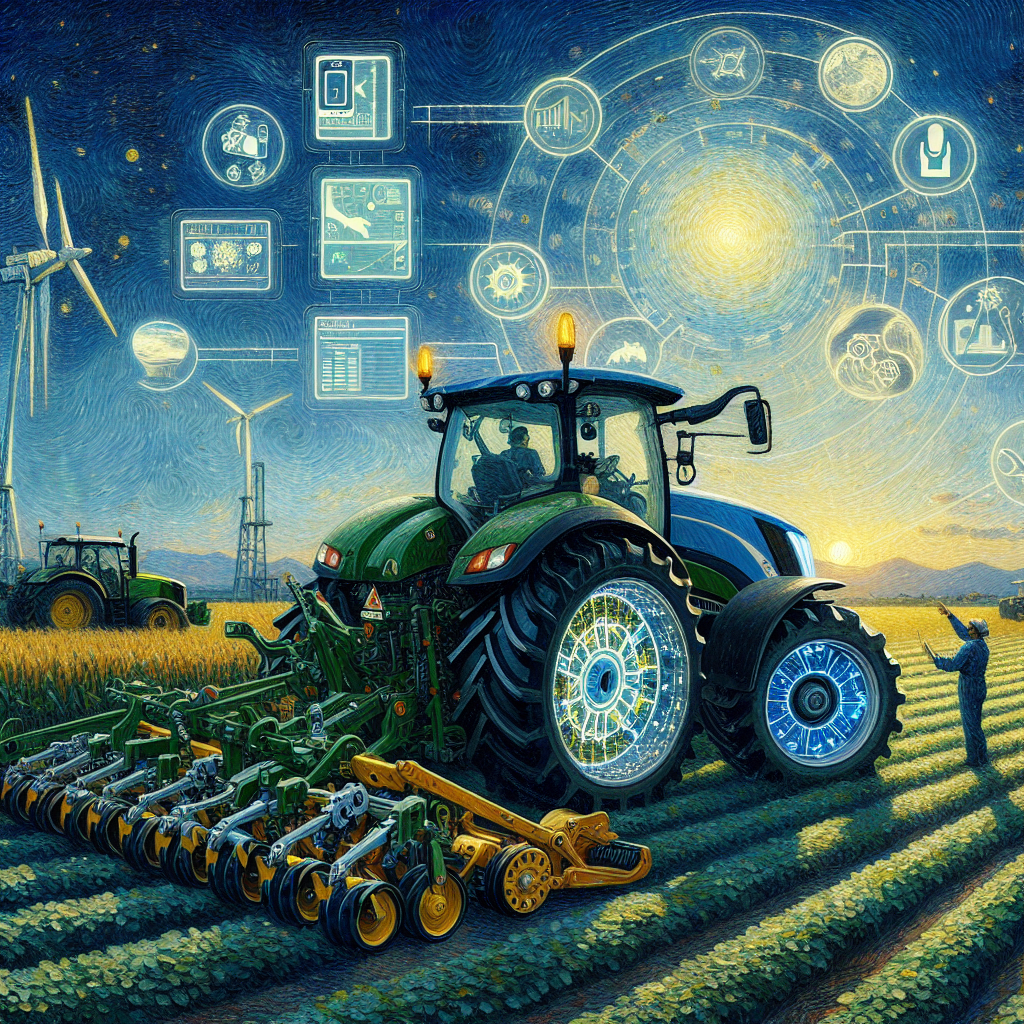
What Challenges Do Enthusiasts Face In Restoring Classic Tractors?
What Challenges Do Enthusiasts Face In Restoring Classic Tractors?
- Restoring classic tractors is an adventurous challenge that tests enthusiasts.
- Each restoration tells a story through rusted parts and faded paint, requiring tools, skills, and dedication.
- Finding parts can be difficult, often resembling a treasure hunt for rare and elusive components.
- The emotional and financial commitment required for restoration can quickly escalate beyond initial expectations.
- Multiple skills, from mechanics to painting, are needed, encouraging growth and community involvement.
- Restoration reflects true craftsmanship, where the journey is just as important as the end result.
- Engaging in tractor restoration is about preserving history and fostering a legacy of hard work and creativity.

What Challenges Do Enthusiasts Face In Restoring Classic Tractors?
How Do Classic Tractors Represent Agricultural History And Culture?
How Do Classic Tractors Represent Agricultural History and Culture?
When you see a classic tractor standing tall in the fields, it’s hard not to feel a sense of reverence. These machines are more than just rusted gears and faded paint — they are the very embodiment of our agricultural history and culture. Each tractor tells a story; each dent and scrape is a testament to years of hard work, innovation, and resilience. Just consider how these heavy steel giants transformed the landscape of agriculture, moving us from the back-breaking labor of hand tools to the power and efficiency of mechanization.
Imagine a farmer, weathered yet determined, taking a seat in their old tractor, the engine rumbling to life and echoing through the quiet morning air. It’s not just a machine; it’s a partner in toil, a beacon of progress that heralded the dawn of modern farming. The evolution of tractors mirrors the evolution of our society, shifting not just how we grow food, but how we view the very act of farming.
Tractors have served as the backbone of community life. They have plowed through the soil of family farms and beyond, bringing neighbors together for harvests and sharing tools, helping to build bonds that last a lifetime. They symbolize independence — breaking the reliance on horse-drawn implements and the limitations of manpower. Yet, they also remind us of the deep-rooted traditions that have shaped our agricultural identity.
Classic tractors often become prized possessions, passed down from generation to generation, each with its own quirks and character. They carry with them memories of family gatherings, hard-fought challenges, and the sweet smell of tilled earth. Yes, these machines are practical workhorses, but they also evoke nostalgia, a connection to a way of life that is increasingly rare in our fast-paced world.
As we stand beside these marvelous machines, we honor those who came before us. We remember the sacrifices and labor that laid the groundwork for the bounty we enjoy today. So, let’s not just view classic tractors as relics of the past; they are vibrant symbols of our agricultural heritage. If you get the chance, take a moment to appreciate one — it’s not just a piece of farm equipment; it’s a tangible link to the stories that bind our communities and our culture together. In the whispers of their engines, you can almost hear the heartbeat of history itself. Let’s cherish them for what they represent!

How Do Classic Tractors Represent Agricultural History And Culture?
How Do Classic Tractors Represent Agricultural History And Culture?
- Classic tractors are symbols of agricultural history and culture, embodying stories of hard work and innovation.
- They mark the transition from manual labor to mechanization, significantly transforming agricultural practices.
- Tractors foster community bonds by facilitating cooperative farming, tool sharing, and harvest gatherings.
- They represent independence from traditional farming methods and manpower limitations.
- Often passed down through generations, classic tractors evoke nostalgia and connect us to our agricultural roots.
- These machines honor the sacrifices and labor of those who contributed to modern farming and community life.
- Classic tractors should be cherished as vibrant symbols of our agricultural heritage and the stories that unite us.

How Do Classic Tractors Represent Agricultural History And Culture?
Conclusion
Alright, folks, when we wrap our minds around the importance of classic tractors in preserving agricultural heritage, we’re diving into something deeper than just iron and rust. These magnificent machines are more than mere tools; they’re the very fabric of an agricultural lineage, holding stories, traditions, and indelible lessons that connect generations of farmers to the land they’ve tended for centuries. Think of that rumble as you fire one up—it’s like a time machine, transporting us back to an era where farming meant something incredibly personal and profoundly communal.
From the sweat of farmers who broke the earth with these powerful giants to the families who gathered around them, these tractors are the unsung heroes of so many stories. Every scratch and dent is a memory—a testament to resilience. They remind us of a time when things moved a little slower, yet felt oh-so-urgent, teaching us valuable lessons in sustainability and respect for the earth that are incredibly relevant today. Amidst our high-tech world where efficiency is king, these old machines remind us that tradition and innovation can go hand in hand.
Now picture this—local tractor shows and community fairs, where these classic beauties take center stage. Enthusiastic crowds mingle, sharing tales that nourish a sense of camaraderie and belonging. For the younger folks, it’s not just an event; it’s a chance to glimpse into a way of life that beautifully intertwines community, hard work, and respect for the land. As we revive and restore these pieces of history, we’re passing down not just machines, but the very values they embody.
Let’s be real, when we choose to restore a vintage tractor, we’re choosing to invest in our history and our future. Every turn of the wrench fosters connections—both with the land and with one another. We’re also making an impactful statement about sustainability, showcasing that the simplest machines can yield amazing results without the need for tech-heavy complexity.
So the next time you see that classic tractor, don’t just pass it by. Take a moment to appreciate the legacy it upholds. These machines are our bridges to the agricultural past, carrying the weight of countless stories, traditions, and values that can guide us into the future. Let’s ensure that we honor those stories and keep the spirit of agriculture thriving—one classic tractor at a time. Because folks, that connection is everything.

Conclusion
Conclusion:
- Classic tractors play a vital role in preserving agricultural heritage and connect generations of farmers to their land.
- These machines represent stories, traditions, and lessons that reflect the personal and communal aspects of farming.
- Every scratch and dent on a tractor symbolizes resilience and recalls a slower yet urgent time in agriculture.
- Classic tractors teach valuable lessons about sustainability and respect for the earth, relevant even in today’s high-tech world.
- Local tractor shows and community fairs promote camaraderie and provide younger generations a glimpse into agricultural life.
- Restoring vintage tractors is an investment in our history and future, highlighting the importance of simple, effective machines.
- These tractors serve as bridges to agricultural traditions and values, emphasizing the importance of honoring our past.

Conclusion
Other Resources

Other Resources
Here is a list of other resources you can review online to learn more:
- Fiber Max Center for Discovery
- CBT
- Iseki
- Pioneer Farm Days
- Froelich Tractor Museum
- Bristol
- Toro
- Gaetz Tractor Museum
- Branson Auto & Farm Museum
- First State Antique Tractor Club
Use This Prompt To Get More Resources With Your Favorite Online AI Tool: Please provide me with a list of online articles with their URLs in a bulleted list that I can read regarding How Do Classic Tractors Preserve Agricultural Heritage?

Other Resources
Glossary Terms
How Do Classic Tractors Preserve Agricultural Heritage? – Glossary Of Terms
1. Agricultural Heritage: The traditional practices, artifacts, and knowledge related to farming that are passed down through generations.
2. Classic Tractors: Tractors manufactured before a certain date (often 1980) that are valued for their historical significance and craftsmanship.
3. Preservation: The act of maintaining and protecting the historical integrity of agricultural machinery and practices.
4. Restoration: The process of returning a classic tractor to its original condition, often involving repairs and refurbishing.
5. Collectible: Items that are sought after by enthusiasts, often for their rarity, historical significance, or aesthetic value.
6. Heritage Trailers: Agricultural trailers that accompany classic tractors and represent historical farming practices.
7. Agricultural Shows: Events where vintage tractors are displayed and demonstrated, promoting public interest in agricultural heritage.
8. Community Engagement: Involvement of local communities in preserving and celebrating agricultural heritage through events, workshops, and education.
9. Vintage Farming: The practice and techniques utilized in agriculture from past decades, often showcased through classic tractors.
10. Mechanics: The technical field that involves the design, maintenance, and operation of machinery, including classic tractors.
11. Sustainability: Practices that meet current farming needs while preserving agricultural resources for future generations.
12. Artisan Craftsmanship: High-quality, handcrafted work that emphasizes skill and tradition, often seen in the construction of classic tractors.
13. Farming Implements: Tools and equipment used in agriculture, often attached to tractors, that reflect traditional farming methods.
14. Historical Research: The study of the past to understand the evolution of agricultural practices and the role of classic tractors.
15. Intergenerational Knowledge: The passing down of farming skills and techniques from one generation to the next through hands-on experience and storytelling.
16. Cultural Significance: The importance of classic tractors in representing the identity and values of a farming community.
17. Tourism: The economic benefit derived from visitors attracted to rural areas by classic tractor exhibitions and agricultural heritage sites.
18. Conservation: The careful management and protection of classic tractors to ensure their longevity and historical value.
19. Pedigree: The documented lineage and historical significance of a classic tractor, often influencing its value and heritage status.
20. Local Farming Practices: Traditional methods of agriculture that reflect the unique characteristics of a specific region, often using classic tractors.
21. Culinary Traditions: Food practices and recipes that originate from agricultural heritage and are often used in local farming communities.
22. Folk History: The stories and anecdotes passed down through generations that reflect the agricultural practices and experiences of a community.
23. Restoration Shows: Events where enthusiasts display restored tractors, showcasing skills in preservation and craftsmanship.
24. Field Days: Community gatherings focused on demonstrating farming techniques, often featuring classic tractors in action.
25. Innovation: The introduction of new ideas and technologies in farming, often contrasted with traditional practices highlighted by classic tractors.
26. Agricultural Education: Programs that teach the importance of agricultural history and the role of classic tractors in modern farming.
27. Preservation Societies: Organizations dedicated to the conservation and promotion of classic tractors and agricultural heritage.
28. Rural Landscape: The natural and built environment of a countryside area, often shaped by agricultural practices and influenced by classic tractors.
29. Art Exhibitions: Displays that feature artistic interpretations of agricultural heritage, including the aesthetic qualities of classic tractors.
30. Legacy: The lasting impact and contributions of classic tractors to agriculture and farming culture, influencing future generations.

Glossary Of Terms
Other Questions
How Do Classic Tractors Preserve Agricultural Heritage? – Other Questions
If you wish to explore and discover more, consider looking for answers to these questions:
- What are some notable examples of classic tractors and their historical significance?
- How do different regions of the world view and utilize classic tractors?
- What specific restoration techniques are most effective for classic tractors?
- Are there any organizations or clubs dedicated to classic tractor enthusiasts?
- How can individuals get involved in classic tractor restoration projects?
- What challenges do classic tractor restorers face in sourcing parts?
- What are the economic impacts of using classic tractors for small-scale farming?
- How do classic tractors compare to modern tractors in terms of maintenance and cost?
- What role do classic tractors play in agricultural education and training for younger generations?
- How do local communities celebrate classic tractors through festivals or events?
- Can classic tractors be adapted for use in organic farming practices?
- What environmental benefits are associated with using classic tractors in farming?
- How has the technology of classic tractors influenced modern agricultural machinery?
- What are the most common misconceptions about classic tractors?
- How can classic tractors contribute to sustainable agricultural practices?

Other Questions
Haiku
How Do Classic Tractors Preserve Agricultural Heritage? – A Haiku
Tractors of the past,
Whispers of the land and toil,
Roots of heritage.

Haiku
Poem
How Do Classic Tractors Preserve Agricultural Heritage? – A Poem
Classic Tractors: Guardians of Our Past
In fields adorned with rust and cheer,
A classic tractor’s roar we hear,
Each dent, a tale, each scratch, a song,
Echoes of labor where we all belong.
Once they tilled the earth with toil,
Footsteps danced on rich, dark soil,
A bridge from then to modern day,
They weave our past in every sway.
With engines purring, sturdy and true,
They teach us lessons, old yet new,
Emblems of care, respect, and pride,
In their shadows, generations abide.
Gather ’round for stories shared,
At fairs and shows, communities cared,
Laughter and grit, connection at play,
Binding us close, come what may.
Restored with passion, a labor of love,
A reminder that, from earth, we rise above,
Simplicity thrives in a tech-driven space,
Classic machines reclaim their place.
For farming is more than just a job,
It’s honoring roots, it’s a lasting sob,
As futures bloom from yesterday’s seed,
These tractors show us the way we need.
So let us cherish this vibrant lore,
Preserve the past, and open the door,
To hands in the dirt and hearts held tight,
Classic tractors, our guiding light.

Poem
Checklist
How Do Classic Tractors Preserve Agricultural Heritage? – A Checklist
Checklist: Preserving Agricultural Heritage Through Classic Tractors
Use this checklist to engage with the rich history and enduring impact of classic tractors in agriculture:
Understanding Classic Tractors
_____ Recognize the emotional connection between classic tractors and agricultural history.
_____ Familiarize yourself with the key traits of classic tractors (e. g. , reliability, simplicity, historical significance).
_____ Identify how classic tractors serve as a bridge between generations of farmers.
Celebrating Community Engagement
_____ Attend local tractor shows or community fairs to appreciate classic tractors.
_____ Engage in conversations with fellow enthusiasts to share experiences and stories.
_____ Participate in restoration workshops or community events focused on preserving agricultural heritage.
Promoting Sustainable Practices
_____ Explore how classic tractors can be used in sustainable farming practices.
_____ Consider the economic benefits of using vintage tractors compared to modern equipment.
_____ Advocate for the importance of resourcefulness and simplicity in farming.
Restoring and Maintaining Classic Tractors
_____ Gather necessary tools and resources for a restoration project.
_____ Connect with local parts suppliers or online forums for sourcing vintage tractor parts.
_____ Take inventory of your skills and identify areas for growth in mechanical know-how.
Teaching Future Generations
_____ Share the history and significance of classic tractors with younger family members.
_____ Involve children in restoration projects to teach them about work ethics and agricultural practices.
_____ Foster discussions about sustainability and respect for the earth rooted in agricultural traditions.
Reflecting on Agricultural Culture
_____ Reflect on the lessons learned from classic tractors about hard work, innovation, and community.
_____ Investigate the evolution of farming practices influenced by the introduction of tractors.
_____ Document personal experiences or stories associated with classic tractors as part of community history.
Embracing Challenges and Growth
_____ Acknowledge the challenges that may arise while restoring a classic tractor.
_____ Track your progress to celebrate milestones and learning moments during restoration.
_____ Connect with local enthusiasts for support and knowledge exchange in restoration efforts.
Use this checklist to deepen your appreciation for classic tractors and their integral role in preserving agricultural heritage and community spirit!

Checklist
At ClassicTractorNews, we help tractor lovers keep up with the latest news for classic and vintage tractors.
Please share this post with your friends, family, or business associates who may like old classic or vintage tractors.