


Unlocking Efficiency With Classic Tractors
By Tom Seest
At ClassicTractorNews, we help tractor lovers keep up with the latest news for classic and vintage tractors.
Please share this post with your friends, family, or business associates who may like old classic or vintage tractors.
How Do Classic Tractors Offer Cost Effective Farming’solutions?
When you hear the word “tractor,” what comes to mind? For many, it might be a shiny, brand-new machine boasting cutting-edge technology and a hefty price tag. But let’s pause for a moment. There’s something powerful—both literally and figuratively—about classic tractors that’s worth exploring. These machines aren’t just relics of the past; they embody the very spirit of agriculture, proving that sometimes the simplest solutions offer the best value.
Classic tractors exude a sense of reliability that modern machinery often lacks. Let’s face it—farming can be unpredictable. Weather, soil conditions, and market fluctuations all come into play. When the chips are down, you want a tractor that you can count on, one that’s been tested in the field year after year. Many vintage models were built with rugged simplicity in mind. They may lack some high-tech bells and whistles, but in return, they provide fewer parts to break down and easier repairs should something go awry. Fewer moving parts add up to less maintenance cost over time, which, let’s be honest, is music to any farmer’s ears.
Another significant advantage of these classic machines is their affordability. While the latest models can run into six figures, a well-maintained classic tractor can often be purchased for a fraction of that price. This provides budget-conscious farmers with a viable option that allows them to invest in other essential areas of their operation, whether that means purchasing tools, seeds, or even expanding crops. Not to mention, the resale value of these timeless machines often holds up well, giving owners peace of mind should they ever need to pass their trusty tractor on to the next generation.
Moreover, there’s a strong community of enthusiasts who champion classic tractors. These are folks who share a passion for all things agricultural and often gather at events to swap stories, parts, and advice. Becoming part of this community not only enhances your farming knowledge but inspires confidence that you’re not alone on this journey; others have successfully navigated similar paths for decades.
In short, classic tractors stand as testaments to resilience and resourcefulness in farming. Embracing these tried-and-true machines offers not just economic benefits, but a connection to the land and a community that values tradition. So, if you’re seeking a cost-effective farming solution, why not consider looking back to move forward? Your fields (and your wallet) might just thank you.

How Do Classic Tractors Offer Cost Effective Farming’solutions?
How Do Classic Tractors Offer Cost Effective Farming’solutions?
- Classic tractors represent the spirit of agriculture and simplicity, offering powerful solutions.
- These machines are often more reliable than modern counterparts, having stood the test of time.
- Fewer moving parts lead to lower maintenance costs and easier repairs, appealing to farmers.
- Well-maintained classic tractors are significantly more affordable than new models.
- Budget-conscious farmers can invest savings into other essential areas of their operations.
- Classic tractors often retain good resale value, ensuring peace of mind for owners.
- A strong community of enthusiasts offers support and knowledge, enhancing the farming experience.

How Do Classic Tractors Offer Cost Effective Farming’solutions?
Table Of Contents
- How Do Classic Tractors Offer Cost Effective Farming’solutions?
- What Are The Benefits Of Using Classic Tractors For Farming?
- How Much Can I Save By Using Classic Tractors?
- What Maintenance Is Required For Classic Tractors?
- Are Classic Tractors Reliable For Daily Use?
- How Do Classic Tractors Compare To Modern Tractors?
- What Features Should I Look For In A Classic Tractor?
- Where Can I Find Classic Tractors For Sale?
- Conclusion
- Other Resources
- Glossary Of Terms
- Other Questions
- Haiku
- Poem
- Checklist
What Are The Benefits Of Using Classic Tractors For Farming?
If you’ve ever driven past a farm and caught sight of an old tractor plowing a field, you might have felt a twinge of nostalgia. Those classic tractors—often rusted but still standing proud—represent more than just machinery; they tell a story of hard work, dedication, and a simpler way of life. Utilizing classic tractors for farming brings with it a plethora of benefits that go beyond the mere act of tilling the earth.
For one, let’s talk about reliability. Classic tractors are often made from rugged materials and were built to last, sometimes for generations. You won’t find the plethora of electronic components that can leave you stranded in today’s modern machines. Instead, these sturdy pieces of equipment rely on mechanical simplicity, allowing you to keep them running with basic tools and a bit of elbow grease. There’s a certain satisfaction that comes from fixing an engine with your own hands, and that satisfaction translates to confidence in your work.
Speaking of confidence, classic tractors offer a level of familiarity that newer models simply can’t compete with. Farmers can rely on their intimate knowledge of these machines—the sounds they make, the way they operate, even the quirks that come from age. That connection fosters a sense of trust between the farmer and their equipment, creating a more productive and harmonious working environment. You know what your tractor is capable of, and you know it will rise to the challenge when the day’s work gets tough.
Let’s not overlook the cost factor, either. Classic tractors are often more budget-friendly, especially when it comes to repairs. Parts for these older models can sometimes be found at swap meets or passed down through local networks—skip the hefty repair bills of modern machinery and instead engage in a bit of resourcefulness. That old tractor might just teach you a thing or two about making do with what you have.
And don’t forget the environmental angle. With less electronic ballast and fewer complex systems, classic tractors are often simpler and less energy-intensive. Embracing a classic means embracing a farming ethic that is sustainable and mindful.
So, if you’re looking to connect with your roots, foster reliability, and create a more intimate farming experience, consider turning the key on that classic tractor. It might just be the bridge between the past and a new, thriving future in agriculture.

What Are The Benefits Of Using Classic Tractors For Farming?
What Are The Benefits Of Using Classic Tractors For Farming?
- Classic tractors symbolize hard work, dedication, and a simple lifestyle.
- They are known for their reliability, built from rugged materials and designed to last.
- Mechanical simplicity allows for easier repairs with basic tools, fostering a sense of satisfaction.
- Farmers possess intimate knowledge of classic tractors, enhancing trust and productivity.
- Classic tractors are often more budget-friendly, with accessible parts and lower repair costs.
- They contribute to sustainable farming by being less energy-intensive and complex.
- Using classic tractors connects farmers with their roots and supports a thriving future in agriculture.

What Are The Benefits Of Using Classic Tractors For Farming?
How Much Can I Save By Using Classic Tractors?
Now, let’s talk dollars and sense—pun intended—when it comes to classic tractors. Imagine, if you will, the smell of earth when you plow with a machine that may have been chugging along long before smart devices took over our lives. Striking a balance between nostalgia and practicality can lead to some significant cost savings, and it all starts with that trusty metal beast: the tractor.
First off, let’s break down the initial investment. A classic tractor, if you shop smart and know what to look for, can often be acquired at a fraction of the price of newer models. You’re not only saving money upfront, but older machines are frequently built to last and are less likely to fall prey to planned obsolescence. Who wouldn’t want a piece of equipment that’s been field-tested for decades? These tractors are often easier to fix, have parts readily available, and come with a friendly hand of experience in troubleshooting. YouTube can guide you through minor repairs that may otherwise put you face-to-face with hefty service bills.
Then there’s the matter of fuel efficiency. Classic tractors often boast a simplicity in their design that newer models, laden with electronic do-dads, just can’t match. A straightforward engine means you might end up spending less at the pump—and who wouldn’t appreciate that? You might even realize that less is more when your machine is running just as smoothly on fewer resources.
Now, let’s not forget insurance. Older tractors usually come at a lower cost to insure compared to their brand-new counterparts. You’re looking at not just savings, but peace of mind, knowing that you can safeguard your investment without shelling out exorbitant premiums.
Finally, there’s the intangible value that can’t be measured in dollars but is absolutely priceless. Think about the pride and connection you feel working the land with a machine that embodies craftsmanship and history. You’re not just saving money—you’re becoming part of a legacy while doing what you love. Classic tractors are more than just equipment; they’re a bridge to our agrarian past, making the future a little more grounded.
So, ask yourself: are you ready to make the switch? Your wallet and your soul might just thank you for it.

How Much Can I Save By Using Classic Tractors?
How Much Can I Save By Using Classic Tractors?
- Classic tractors offer a blend of nostalgia and practicality, leading to significant cost savings.
- They are often available at a lower initial investment compared to newer models.
- Older tractors tend to be built for durability, reducing risks related to planned obsolescence.
- These machines are generally easier to repair, with readily available parts and accessible online resources.
- Classic tractors typically feature simpler designs, resulting in greater fuel efficiency.
- Insurance costs for older tractors are generally lower than for new models, providing additional savings.
- Owning a classic tractor fosters a deeper connection to agriculture and craftsmanship, enhancing the farming experience.

How Much Can I Save By Using Classic Tractors?
What Maintenance Is Required For Classic Tractors?
Oh, the joy of classic tractors! They’re more than just machines; they’re pieces of history, storytellers of a simpler time when life revolved around the rhythm of the seasons and the steady rumble of an engine. But like any piece of history, these beloved tractors need a little TLC to keep their spirits and our memories alive. So, what maintenance is required for classic tractors? Strap in and let’s dive into the gritty details.
First off, let’s talk about the heart of the matter: the engine. Regular oil changes are crucial, because just like a well-aged whiskey, it needs to be kept clean to perform optimally. Check the oil levels frequently, and don’t skip that oil filter replacement. If you wouldn’t skip a doctor’s appointment, don’t skip this. Your tractor deserves better!
Next comes the fuel system. It sounds simple: keep the tank filled with fresh fuel. But for classic tractors, stale fuel can lead to mucking up those vital passages. A clean fuel filter and tightened hoses will help your tractor perform like it just rolled off the assembly line.
When it comes to the tires, remember this: they’re the only thing standing between your trusty machine and solid ground. Always check for air pressure, tread wear, and any signs of cracking. Properly inflated tires not only ensure a smoother ride, but they also extend the lifespan of your tractor.
Don’t overlook the battery! Yes, even classic tractors have a heart that needs help starting. Clean the terminals and check the connections. A battery that’s well taken care of will save you from those hair-pulling moments when you just need to get the job done.
And let’s not forget about the bodywork. Classic tractors live under the elements, and a little rust can turn into a massive headache if not addressed. Routine washes and a coat of wax will not only make it shine but will also safeguard its classic integrity. It’s like putting on a good outfit before stepping out; it just feels right.
In sum, maintenance for classic tractors is about respect and responsibility. Your relationship with this piece of machinery is a partnership. Give it the care it deserves, and it’ll tell stories for years to come. After all, isn’t that what owning a classic is all about? Engage with your machinery, listen to its needs, and you just might find a bond that stands the test of time. Keep that engine purring, and let the harvest roll in!

What Maintenance Is Required For Classic Tractors?
What Maintenance Is Required For Classic Tractors?
- Classic tractors are historical pieces that represent a simpler time and need regular maintenance to preserve their value and functionality.
- Perform regular oil changes and check oil levels to ensure optimal engine performance; don’t forget to replace the oil filter.
- Keep the fuel system clean by filling the tank with fresh fuel and maintaining a clean fuel filter and tightened hoses.
- Regularly check tire air pressure, tread wear, and signs of cracking to ensure safety and extend tire lifespan.
- Maintain the battery by cleaning terminals and checking connections to avoid starting issues.
- Protect the bodywork from rust by washing the tractor routinely and applying wax for added protection and shine.
- Viewing maintenance as a partnership ensures that classic tractors can continue to tell their stories for years to come.

What Maintenance Is Required For Classic Tractors?
Are Classic Tractors Reliable For Daily Use?
Are Classic Tractors Reliable for Daily Use?
Let’s talk about classic tractors, those hulking machines that embody a blend of nostalgia and hard-earned grit. You know the ones—the sturdy, sometimes rusted pieces of steel that have seen everything from summer harvests to winter storms. These tractors aren’t just relics; they’re pieces of history still tethered to the land, and many folks wonder: can they be trusted for daily tasks? The answer isn’t cut and dried, but let’s roll up our sleeves and dig a little deeper.
First off, reliability hinges on two main factors: maintenance and use. A classic tractor that’s been lovingly cared for can be just as dependable as its modern counterpart. Picture a farmer in overalls, hands stained with oil, lovingly tending to that vintage machine. Regular upkeep, like oil changes and tire checks, can keep those engines humming along for years—just like good friends keep talking long into the night. While they might lack the bells and whistles of today’s models, many classic tractors boast simple, mechanical designs that are easier to repair. You don’t need a tech degree to figure out what’s wrong when you can see the guts of the machine.
Now, let’s not sugarcoat it—the age of these tractors means they may not have the horsepower of the latest models. If your daily grind requires plowing through tough terrain or hefty loads, you might find that your classic tractor needs a few more breaks alongside your tea break. But traction and torque can still be strong; you just have to know your limits and plan accordingly. A classic tractor thrives in its element, tackling smaller tasks like gardening or hauling firewood with grace. It’s those intimate, heartwarming jobs that connect us to the ground beneath our feet.
And let’s talk about the sheer joy of it. There’s something undeniably satisfying about maneuvering a classic tractor through your fields or even around your property. It’s almost like riding a piece of history, and every rumble of that engine can pull you deeper into the stories etched into the land.
Relying on a classic tractor for daily use requires a marriage of respect and understanding. Put in the work, embrace the quirks, and you’ll find yourself with a steadfast partner that connects you not just to the land, but to a legacy of hard-working folks who came before you. So, if you’re thinking about whether to give one a shot for your daily demands, trust your instincts and buckle up! The journey awaits.
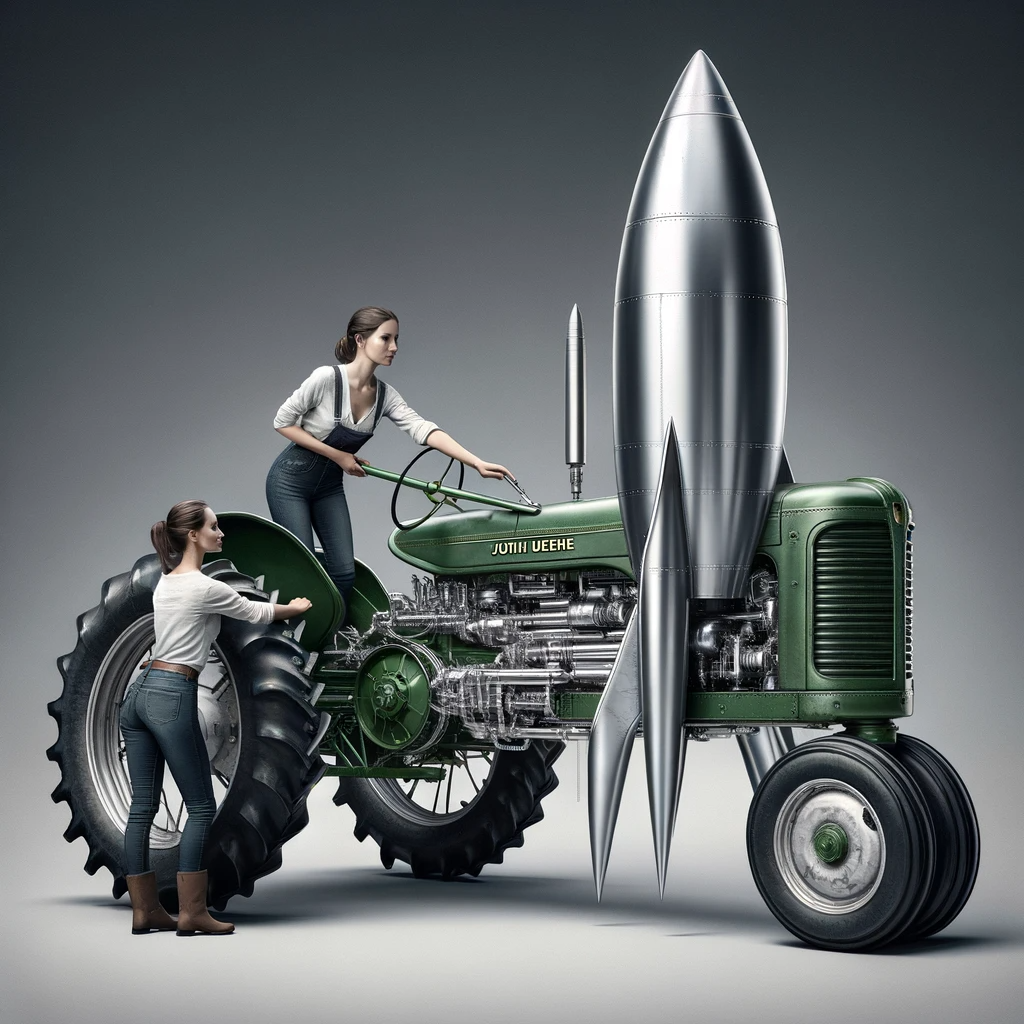
Are Classic Tractors Reliable For Daily Use?
Are Classic Tractors Reliable For Daily Use?
- Classic tractors represent a blend of nostalgia and hard-earned grit.
- Reliability depends on maintenance and usage; well-cared-for tractors can be dependable.
- Simple mechanical designs of classic tractors make repairs easier than modern models.
- Classic tractors may lack horsepower for heavy-duty tasks but excel in smaller jobs.
- They are suited for tasks like gardening and hauling firewood.
- Driving a classic tractor offers a joyful experience and a connection to history.
- Using a classic tractor requires respect, understanding, and a willingness to embrace its quirks.

Are Classic Tractors Reliable For Daily Use?
How Do Classic Tractors Compare To Modern Tractors?
How Do Classic Tractors Compare to Modern Tractors?
When you step onto a classic tractor, you’re not just climbing onto a piece of machinery; you’re taking a ride through history. That worn leather seat, the sturdy metal frame, and the unmistakable hum of an engine built to last—there’s something magical about the way these vintage machines connect us to simpler times. A classic tractor isn’t merely a means to an end; it’s a labor of love, a testament to the ingenuity of a bygone era.
Now, don’t get me wrong—modern tractors have their merits. These sleek machines are loaded with high-tech features that can make farming more efficient and less labor-intensive. From GPS navigation to precision farming software, today’s tractors are like the Swiss Army knives of agriculture. They are designed to maximize output while minimizing the effort required from the operator. But here’s where it gets interesting: when you hop off that cutting-edge wonder, does it leave you with the same feeling of accomplishment you get from driving a classic?
The tactile experience of using a classic tractor is hard to beat. Feel the vibrations through the steering wheel as you navigate uneven terrain; hear the rhythmic clatter of the engine rumbling beneath you. It’s these moments that deepen our connection to the land we work. Classic tractors require hands-on attention, often demanding a bit of extra grit and persistence. There’s a certain satisfaction that comes from troubleshooting a mechanical issue or replacing a worn-out part, knowing you’ve nurtured that machine back to health.
Conversely, modern tractors often feel more like high-powered computers on wheels. They take the guesswork out of things, but they can be intimidating for those who grew up with the charm and simplicity of their predecessors. Operating a classic tractor can evoke a sense of pride, a feeling of accomplishment, and an understanding of how things work, transforming each task into a labor of love.
Whether you’re plowing fields with a classic tractor or steering the latest model, what truly matters is the connection you create with the land and the work you do. Embrace both worlds: the nostalgia of classic tractors and the efficiency of modern marvels. Each holds value, serving as a tribute to farming’s rich legacy and its ever-evolving future.

How Do Classic Tractors Compare To Modern Tractors?
How Do Classic Tractors Compare To Modern Tractors?
- Classic tractors evoke a sense of history and nostalgia, connecting users to simpler times.
- These vintage machines represent a labor of love and the ingenuity of past engineering.
- Modern tractors include high-tech features like GPS navigation and precision farming software for enhanced efficiency.
- The tactile experience of driving classic tractors, including vibrations and engine sounds, deepens the connection to the land.
- Classic tractors require hands-on attention, offering satisfaction from troubleshooting and maintenance.
- Modern tractors can feel like complex machines, contrasting with the simplicity and pride associated with classic models.
- Both classic and modern tractors are valuable, embodying farming’s rich legacy and its future potential.

How Do Classic Tractors Compare To Modern Tractors?
What Features Should I Look For In A Classic Tractor?
When it comes to classic tractors, stepping into the realm of vintage machinery is like diving into a treasure trove of history, craftsmanship, and raw power. But before you plunk down your hard-earned cash on a piece of farming nostalgia, there are a few key features worth keeping an eye out for. Let’s roll up our sleeves and get our hands a little dirty—because finding the right tractor doesn’t just mean picking one that looks good; it means picking one that works hard, just like the people who’ve driven it before.
First up, consider the engine. The heart of any tractor is its motor, and in a classic, you want something that not only runs but purrs like a content cat after a good meal. Look for tractors with reputable engine brands—those that have stood the test of time and can still deliver the kind of horsepower that makes a tough job seem easy. Be sure to check for signs of leaks or excessive wear and tear, and if you can, take it for a spin. Trust your gut—nothing beats the feeling of a well-oiled machine.
Next, let’s talk about the transmission. A classic tractor should have a transmission that shifts smoothly and can handle the rigors of whatever you throw at it. As you bounce down the road or over fields, you want to feel like you’re in control, not wrestling with a stubborn beast. Look for models with a straightforward gear setup—something that’s user-friendly and won’t leave you scratching your head mid-task.
Now, don’t overlook the hydraulics. This feature can make or break your experience with a classic tractor. A strong hydraulic system should enable you to connect implements with ease, whether it’s a plow, loader, or mower. If you’re planning on putting your classic to work, make sure the hydraulics are functioning properly, as this is often a pivotal element of efficiency on the job.
Lastly, let’s not forget about aesthetic appeal. Sure, this is about practicality, but a well-maintained finish can’t be ignored. A tractor with a vintage paint job, shining chrome, and pristine details tells a story of care and dedication. It captures that essence of what makes classic tractors so special—after all, they’re not just machines; they’re a slice of history and a testament to hard work.
So, equip yourself with knowledge before you embark on this tractor-hunting adventure. Trust your instincts, do your homework, and soon enough, you’ll find that classic tractor that feels just right in your hands. Happy hunting!

What Features Should I Look For In A Classic Tractor?
What Features Should I Look For In A Classic Tractor?
- Classic tractors represent a treasure trove of history, craftsmanship, and power.
- Focus on the engine—look for reputable brands and check for leaks and wear.
- Test drive the tractor to gauge its performance and feel.
- Ensure the transmission shifts smoothly and is user-friendly.
- Check the hydraulic system for functionality, as it’s crucial for efficiency.
- Aesthetic appeal matters; a well-maintained finish reflects care and dedication.
- Equip yourself with knowledge and trust your instincts when choosing a classic tractor.

What Features Should I Look For In A Classic Tractor?
Where Can I Find Classic Tractors For Sale?
Ah, the classic tractor—a beautiful machine that embodies the spirit of hard work and nostalgia. Whether you’re restoring a beloved family heirloom or simply yearning for the power and simplicity of an older model, finding that perfect classic tractor doesn’t have to feel like searching for a needle in a haystack. You’re not just in the market for a vintage piece of machinery; you’re embarking on a quest to connect with a piece of history that echoes the toil of countless farmers who came before us.
First things first—check local classified ads. Whether in print or online, newspapers are often treasure troves of hidden gems. Many farmers and collectors, valuing their community roots, will list classic tractors for sale here, often at fair prices. Additionally, local online marketplaces can unveil some fantastic vintage finds right in your backyard. There’s something special about meeting the seller, shaking hands, and hearing the stories behind their beloved tractor.
Next up, don’t underestimate the power of social media. Join groups dedicated to classic tractors—enthusiasts are eager to share advice, post listings, and exchange stories. Platforms like Facebook and Instagram are teeming with enthusiasts showcasing their prized machines. You’ll not only find classic tractors for sale; you may also forge friendships with fellow aficionados who can offer valuable tips and insight. After all, you’re not just purchasing a tractor; you’re becoming part of a community that appreciates the grit and grind of rural life.
Auction houses and estate sales are also excellent places to look. The thrill of bidding on a rare model can feel like a rite of passage, and you never know—it could be the day you drive home in that nostalgic beauty you’ve been dreaming of. Keep an eye on auctions specific to agricultural machinery, as these events can yield some incredible opportunities.
Lastly, don’t forget about tractor shows and swap meets. These gatherings are not only about basking in the glory of classic tractors; they are also prime spots for buying, selling, and connecting with knowledgeable folks who live and breathe tractors. You can see the machines in action, hear them roar to life, and even get advice on restoration and maintenance from the veterans in the crowd.
So, gear up, roll up your sleeves, and dive into this journey with confidence. There’s a classic tractor out there waiting for you, ready to help you dig into the past while forging new memories for the future. Get after it!

Where Can I Find Classic Tractors For Sale?
Where Can I Find Classic Tractors For Sale?
- The classic tractor symbolizes hard work and nostalgia, serving as a connection to farming history.
- Local classified ads, both print and online, are valuable resources for discovering classic tractors at fair prices.
- Engaging in social media groups dedicated to classic tractors can provide listings, advice, and community connections.
- Auction houses and estate sales offer opportunities to bid on unique vintage models, creating an exciting search experience.
- Tractor shows and swap meets are excellent venues for buying, selling, and gaining insights from experienced enthusiasts.
- The journey to find a classic tractor combines personal passion with community engagement and historical appreciation.
- Embrace the adventure confidently; a classic tractor awaits to create new fond memories while honoring the past.

Where Can I Find Classic Tractors For Sale?
Conclusion
When it comes to modern farming, the allure of classic tractors stands as a powerful testament to resilience, resourcefulness, and good old-fashioned value. While the gleam of new machinery captivates many, it’s in those vintage models—you know, those rugged metal beasts with a few battle scars—that we often find the true heart and soul of agriculture. These tractors are not simply tools; they are living history, echoing the hard work of generations past, and embodying a spirit that modern tech can sometimes overshadow.
Let’s get real for a moment. Classic tractors might lack the bells and whistles of their high-tech cousins, but this simplicity is precisely what can keep your farming operation going, season after season. Fewer parts typically mean fewer things that can break, resulting in lower repair costs. Not to mention, hunting down parts for these older models often feels more like a treasure hunt than a chore, thanks to a community rich with knowledge and resources.
In terms of financial savvy, classic tractors have a clear edge. For farmers mindful of their budgets, the initial purchase price of a well-kept vintage tractor is often just a fraction of what you’d fork over for a shiny new model. That cash saved can go towards seeds, new equipment, or even expanding your operation. Plus, the resale value of these beloved machines can be surprisingly robust, giving you peace of mind that your investment might just carry on for future generations.
But let’s not overlook something equally important—the community you tap into when you embrace the classic tractor lifestyle. Enthusiasts are everywhere, gathering at swap meets or tractor shows to share stories, advice, and camaraderie. It’s a connection that enriches your farming journey, assuring you that you’re part of a legacy built on hard work, dedication, and shared values.
So, if you’re hunting for a cost-effective solution that marries practicality with nostalgia, consider taking a step back and looking at these classic machines. Investing in a vintage tractor is not just about saving money; it’s about forging a deeper connection to the land, the work, and the community that thrives on it. In the world of agriculture, history often whispers wisdom—sometimes, the best way forward is to honor the past. So go ahead, rev up that classic tractor and let’s get to work!

Conclusion
Conclusion:
- Classic tractors symbolize resilience, resourcefulness, and traditional value in modern farming.
- These vintage models represent living history, reflecting the hard work of previous generations.
- Classic tractors offer simplicity, leading to fewer repair costs and easier maintenance.
- They are often more affordable initially compared to new models, allowing farmers to allocate funds elsewhere.
- The resale value of vintage tractors can be surprisingly robust, making them a worthwhile investment.
- Embracing classic tractors connects farmers to a vibrant community of enthusiasts, fostering shared knowledge and camaraderie.
- Investing in a vintage tractor is about more than saving money; it’s about deepening a connection to the land and agricultural heritage.
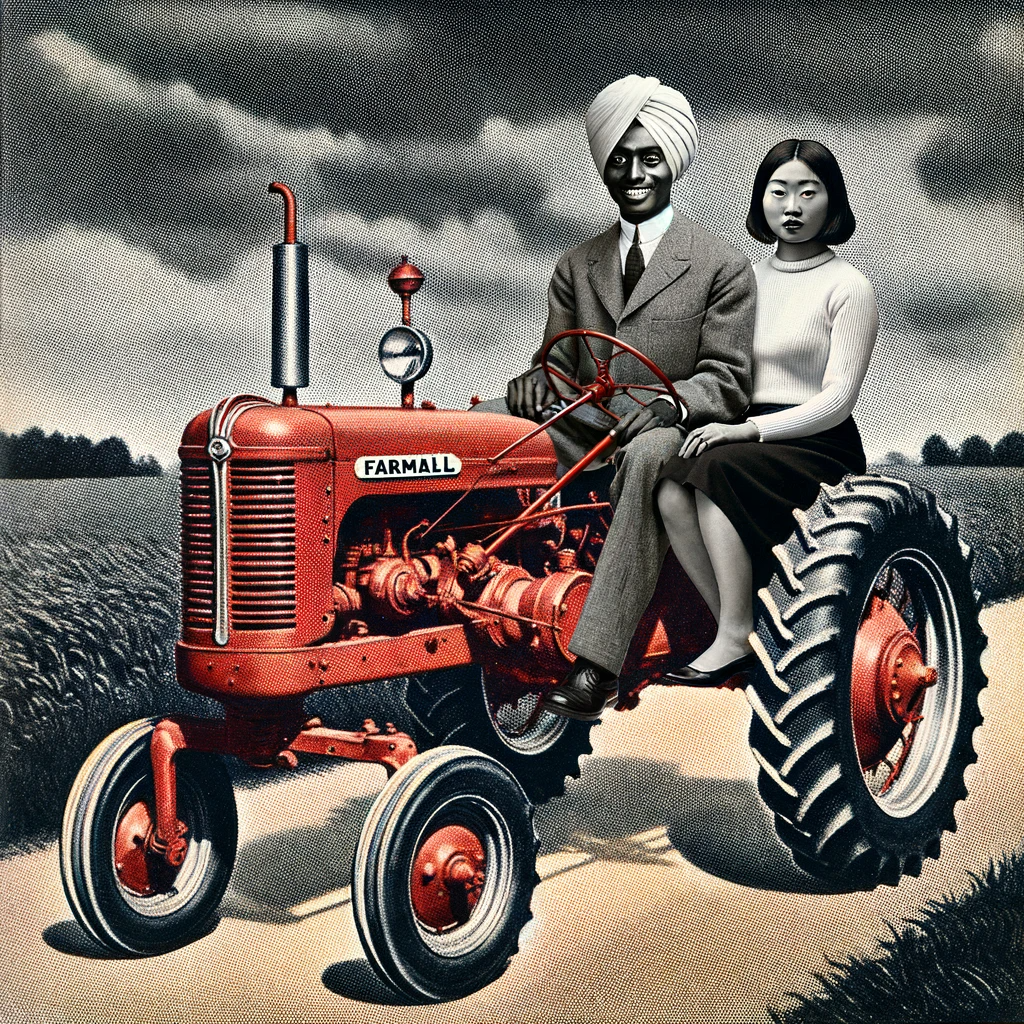
Conclusion
Other Resources

Other Resources
Here is a list of other resources you can review online to learn more:
- Waterloo Manufacturing Company
- Tractor Data
- CBT
- Haas
- National Farm Toy Museum
- Escorts
- Graham-Bradley
- Valtra
- Georgia National Antique Agriculture Show
Use This Prompt To Get More Resources With Your Favorite Online AI Tool: Please provide me with a list of online articles with their URLs in a bulleted list that I can read regarding How Do Classic Tractors Offer Cost Effective Farming’solutions?

Other Resources
Glossary Terms
How Do Classic Tractors Offer Cost Effective Farming’solutions? – Glossary Of Terms
1. Classic Tractors: Older models of tractors, typically produced before the 1990s, known for their durability and simplicity.
2. Cost-Effectiveness: The balance of benefits gained from utilizing classic tractors versus the money spent on them, highlighting savings and efficiency.
3. Restoration: The process of repairing and refurbishing classic tractors to restore them to working condition, often increasing their value.
4. Simplicity: Refers to the straightforward design and operation of classic tractors, which often leads to lower maintenance costs.
5. Fuel Efficiency: The ability of tractors to use fuel optimally, often better in classic models due to simpler engines.
6. Durability: The longevity and robust build of classic tractors, allowing them to withstand wear and tear over decades.
7. Parts Availability: The accessibility of replacement parts for classic tractors, which can often be found more easily and at lower costs than modern alternatives.
8. Mechanic Friendly: Classic tractors are often easier for local mechanics to repair due to their simpler technology and design.
9. Depreciation: The decrease in value of an asset over time; classic tractors can hold their value better than some modern machinery.
10. Versatility: The ability of classic tractors to perform multiple farming tasks, from plowing to mowing, enhancing their utility.
11. Buy Back Value: The potential resale value of classic tractors, which can be significant if maintained well.
12. Tractor Cultivation: The use of tractors in agricultural activities to prepare soil for planting, a core function of farming.
13. Agricultural Implements: Attachments for tractors, such as plows and seeders, allowing for increased functionality without the need for multiple machines.
14. Labor Efficiency: How classic tractors can reduce the amount of labor needed in farming operations, leading to cost savings.
15. Heritage Equipment: Classic tractors often hold historical value, appealing to collectors and those wanting to maintain traditional farming practices.
16. Tillage: The agricultural preparation of soil by mechanical agitation, a primary function of tractors, performed effectively by classic models.
17. Local Sourcing: The practice of obtaining parts and service locally, often easier with classic tractors due to their established presence.
18. Repairability: The ease with which classic tractors can be fixed compared to modern models, often allowing for DIY repairs.
19. Community Support: A network of enthusiasts and mechanics willing to share knowledge and resources for maintaining classic tractors.
20. Collectibility: The growing interest in classic tractors as collector’s items, which can add value beyond mere functionality.
21. Operational Costs: Ongoing expenses associated with running a tractor, often lower for classic models due to their simple design.
22. Fuel Type: Many classic tractors run on diesel or gasoline, often requiring less expensive fuel options or availability.
23. Field Work: Tasks carried out in agricultural fields, where classic tractors can outperform modern technology in specific settings.
24. User Nature: Referring to the ease of use of classic tractors without complex electronic systems, making them accessible to various operators.
25. Adaptability: The ability of classic tractors to work with various farming technologies and implements, especially in smaller farms.
26. Farm Management: The strategic use of resources and equipment, where classic tractors can play a crucial role in efficient operation.
27. Economy of Scale: The cost advantages that farmers can achieve when using classic tractors across larger fields or multiple platforms.
28. Barter and Trade: The traditional practice of exchanging goods and services which can involve classic tractors in farming communities.
29. Sustainable Farming: Practices that involve environmentally friendly techniques where classic tractors contribute significantly due to their lower environmental impact.
30. Succession Planning: The strategy for passing on farming equipment, like classic tractors, to future generations, ensuring continued efficient farming.

Glossary Of Terms
Other Questions
How Do Classic Tractors Offer Cost Effective Farming’solutions? – Other Questions
If you wish to explore and discover more, consider looking for answers to these questions:
- What are the most popular classic tractor models available today?
- How do classic tractors perform compared to modern tractors in terms of fuel efficiency?
- What specific maintenance tasks should I prioritize for a classic tractor?
- Are there any specific brands known for their reliability in classic tractors?
- What are some common issues faced by classic tractor owners?
- Where can I find parts or accessories for classic tractors?
- How can I learn more about restoring a classic tractor?
- What type of warranty or guarantee should I expect when purchasing a classic tractor?
- Are there organizations or clubs dedicated to classic tractor enthusiasts?
- What should I consider when deciding between a classic tractor and a modern one for my farm?
- Can classic tractors be used for specialized farming tasks, or are they more general-purpose?
- How do vintage tractor prices vary by region or condition?

Other Questions
Haiku
How Do Classic Tractors Offer Cost Effective Farming’solutions? – A Haiku
Classic iron whispers,
Timeless trust on the farm stands,
Savings and stories.

Haiku
Poem
How Do Classic Tractors Offer Cost Effective Farming’solutions? – A Poem
In Praise of Classic Tractors
In fields where sunlight starts to break,
Classic tractors toil, for tradition’s sake.
Not polished machines with screens aglow,
But relics of labor, they steadfastly sow.
Their engines hum with a timeless grace,
Worn leather seats hold a farmer’s embrace.
Simplicity reigns where fewer parts lie,
Reliability shines; no need to fly high.
For budgets, they beckon, a wise choice to make,
Affordability whispers—with them, you won’t break.
Resale value cherished, a financial embrace,
The past intertwines with present’s fair chase.
Communities gather, enthusiasts unite,
Sharing stories of harvests, both day and night.
Lessons from ages, wrapped in steel,
Echoes of labor, the earth’s rhythmic wheel.
Feel the rough terrain, the vibration below,
Each task wrought with pride, each yield in the glow.
With engines that roar and hands that create,
Their legacy nurtures, a bond that won’t fade.
So if you’re seeking a path, timeless and true,
Look back to the classic, let tradition renew.
For farming with heart, in a world that spins fast,
Classic tractors guide us, connections to cast.
With every turn of the wheel, history’s call,
A bridge to our roots, where we stand tall.
Embrace the old ways, let the new blend in,
For in soil and steel, that’s where life will begin.

Poem
Checklist
How Do Classic Tractors Offer Cost Effective Farming’solutions? – A Checklist
Checklist for Exploring Classic Tractors as Cost-Effective Farming’solutions
1. Identify Your Needs
_____ Determine what tasks you need the tractor for (e. g. , plowing, hauling, gardening).
_____ Assess the scale of your farming operation to guide your choice.
2. Research Classic Tractors
_____ Investigate different models and their unique features.
_____ Look for tractors with a good reputation for durability and reliability.
3. Budget Wisely
_____ Set a budget for both initial purchase and potential repairs.
_____ Compare prices between classic tractors and newer models.
4. Inspect Before Purchase
_____ Check the engine for signs of wear, leaking, or damage.
_____ Assess the maintenance history of the tractor.
_____ Test the transmission for smooth shifting and ease of use.
5. Evaluate Maintenance Needs
_____ Familiarize yourself with regular maintenance tasks (e. g. , oil changes, tire checks, battery care).
_____ Consider availability of replacement parts and resources for maintenance.
6. Join a Community
_____ Connect with local or online classic tractor enthusiasts for advice and support.
_____ Participate in forums or social media groups focused on classic tractors.
7. Explore Sales Channels
_____ Check local classified ads and online marketplaces for listings.
_____ Attend tractor shows, swap meets, and auctions to find potential purchases.
8. Consider Your Skill Level
_____ Assess your ability to perform maintenance and minor repairs.
_____ Consider taking a workshop or reading up on basic tractor mechanics.
9. Plan for Resale Value
_____ Research the resale market for classic tractors to gauge potential future value.
_____ Keep the tractor in good condition to maintain its resale appeal.
10. Embrace Eco-Friendliness
_____ Recognize the sustainable aspect of using simpler, older technologies.
_____ Consider how classic tractors can reduce energy consumption compared to modern machinery.
11. Cultivate Your Connection to the Land
_____ Reflect on the pride and joy that comes with using a classic tractor.
_____ Enjoy the process of becoming part of the agricultural legacy through your farming practice.
Feel free to share this checklist as a handy guide for those looking to explore the rich and rewarding world of classic tractors in farming!

Checklist
At ClassicTractorNews, we help tractor lovers keep up with the latest news for classic and vintage tractors.
Please share this post with your friends, family, or business associates who may like old classic or vintage tractors.