


Revolutionizing Farming With Classic Tractors
By Tom Seest
At ClassicTractorNews, we help tractor lovers keep up with the latest news for classic and vintage tractors.
Please share this post with your friends, family, or business associates who may like old classic or vintage tractors.
How Do Classic Tractors Enhance Farming Productivity?
Let’s take a step back in time to appreciate how classic tractors aren’t just relics of yesteryear but the sturdy backbone of modern farming productivity. You see, a tractor isn’t just a piece of machinery; it’s a trusted partner in the field, one that embodies a rich heritage of hard work, ingenuity, and perseverance.
Picture this: A classic tractor—perhaps a shiny red Farmall or a robust John Deere—purring to life as the sun rises over the dew-kissed fields. Its engine may not have the latest bells and whistles, but you can feel its spirit. There’s a romance in those old machines, and they whisper stories of generations who understood that farming isn’t just a job; it’s a way of life.
These trusty tractors offer a few key advantages that many modern pieces of machinery can overlook. First, simplicity is their strong suit. With fewer electronic components and a robust mechanical design, classic tractors are often easier to repair and maintain. That means less downtime in the field and more time for, well, farming. A farmer can find comfort in knowing that a wrench and some elbow grease are all they need to keep things running smoothly. In a world dominated by the latest tech gizmos, there’s a certain reliability in knowing that a good old tractor can get the job done just as effectively.
Moreover, classic tractors tend to be incredibly versatile. Whether it’s plowing, planting, or hauling, these machines can adapt to various tasks, allowing farms to operate with efficiency without requiring a fleet of specialized vehicles. The result is a streamlined, productive operation that truly embodies the spirit of resourcefulness.
But let’s not forget the community aspect. Owning a classic tractor often brings farmers together. Passionate enthusiasts gather at tractor shows, swapping tales, tips, and maybe even a few tricks. It’s a camaraderie built on shared experiences, where knowledge flows as freely as the coffee at sunrise.
In today’s farming landscape, where challenges are abundant and margins are tight, classic tractors stand as a timeless testament to the power of hard work and tradition. They remind us that, sometimes, the best way to enhance productivity is to harness the tools that laid the foundation of our agricultural history. So, dust off that classic model, fire up that engine, and let it take you down rows of promise and possibility. The fields await!

How Do Classic Tractors Enhance Farming Productivity?
How Do Classic Tractors Enhance Farming Productivity?
- Classic tractors are essential to modern farming productivity, representing hard work and tradition.
- They evoke nostalgia and embody a rich heritage of farming as a way of life.
- Classic tractors are simpler to repair and maintain due to their fewer electronic components.
- They provide reliability and less downtime, allowing for more efficient farming.
- These tractors are versatile, capable of performing various agricultural tasks without needing specialized vehicles.
- Owning a classic tractor fosters community among farmers, leading to shared experiences and knowledge exchange.
- Classic tractors serve as a reminder of the importance of tradition and hard work in today’s farming landscape.

How Do Classic Tractors Enhance Farming Productivity?
Table Of Contents
- How Do Classic Tractors Enhance Farming Productivity?
- What Are The Benefits Of Using Classic Tractors In Farming?
- How Do Classic Tractors Compare To Modern Equipment?
- Can Classic Tractors Improve Soil Health And Crop Yields?
- What Maintenance Is Required For Classic Tractors In Daily Use?
- How Can Classic Tractors Reduce Operating Costs For Farmers?
- Are Classic Tractors More Reliable Than Newer Models?
- How Do Classic Tractors Impact Sustainability In Farming?
- Conclusion
- Other Resources
- Glossary Of Terms
- Other Questions
- Haiku
- Poem
- Checklist
What Are The Benefits Of Using Classic Tractors In Farming?
Ah, the classic tractor. When you picture it, what comes to mind? Maybe it’s that trusty companion, painted with a vibrant red or a rustic green, plowing through the soil while the sun sets in the background. If there’s one thing that classic tractors offer, it’s a connection to a simpler time when farming was about hard work, grit, and just a little bit of charm.
Now, let’s talk benefits. For starters, classic tractors are like a good pair of boots—built to last. The craftsmanship and materials used in older models often give them a sturdiness that can make modern machinery seem almost flimsy by comparison. Those wooden frames and iron fittings have stood the test of time, which means they can endure tough farming conditions just as well today as they did when they first rolled off the assembly line.
There’s also something to be said about simplicity. Modern tractors come packed with gadgets and gizmos that can be intimidating for even the most seasoned farmer. With classic tractors, you get straightforward mechanics that you can actually understand. It invites you to connect with your machine and become part of the process, whether you’re lubricating the gears or troubleshooting a hiccup. Plus, let’s be honest: it’s a lot easier to appreciate the smell of grease and engine oil when you’re not wrestling with a computerized display.
And then there’s the nostalgia factor. Classic tractors remind us of our roots. For many, these machines are pieces of family history, passed down from generation to generation. They carry stories and memories, each dent and scratch a badge of honor from the hard work that’s gone into the land. Using a classic tractor doesn’t just keep a piece of history alive; it’s an opportunity to create new chapters in that family story.
Environmentally speaking, these older tractors often boast mechanical efficiency over their glitzy electronic counterparts. Their raw power draws fewer resources, which can translate to a lower carbon footprint. By choosing to work with classic models, you’re making a choice that’s not only good for your farm but also a little kinder to the planet.
In a world that’s racing ahead, sometimes the best answer is to look back—to bring classic tractors back into our fields. Sure, they may not have all the flashy bells and whistles of modern equipment, but what they offer instead is reliability, history, and a genuine connection to the land we hold dear. So, if you’re considering a jump into farming or just want to reconnect with the earth, maybe it’s time to embrace the charm of a classic tractor. Trust me, you won’t regret it.

What Are The Benefits Of Using Classic Tractors In Farming?
What Are The Benefits Of Using Classic Tractors In Farming?
- Classic tractors evoke nostalgia and a connection to simpler farming times.
- They are durable, often built with sturdy craftsmanship and materials that outlast modern machinery.
- Simplicity in design allows farmers to easily understand and maintain their tractors.
- Classic tractors hold family history, carrying stories and memories across generations.
- They often offer mechanical efficiency, resulting in a lower carbon footprint compared to modern tractors.
- Embracing classic tractors promotes reliability and a genuine connection to the land.
- Overall, they present a timeless charm that enhances the farming experience.

What Are The Benefits Of Using Classic Tractors In Farming?
How Do Classic Tractors Compare To Modern Equipment?
When it comes to tractors, anyone who’s spent time in the fields knows there’s something irresistible about those classic machines. It’s not just nostalgia; it’s a connection to the land and the labor that built this country. Classic tractors, with their stout exteriors and simple designs, remind us of a time when farming was more about grit and heart than horsepower and automation. These old workhorses have stories etched into their rusty frames, tales of long days under the sun, and the unwavering determination of farmers who trusted these machines to get the job done.
So, how do these iconic machines stack up against today’s modern equipment? On the surface, it might look like high-tech machinery has taken over the fields—sleek designs, advanced GPS systems, and digital dashboards that practically drive themselves. There’s no denying that modern tractors have significantly upped the ante when it comes to efficiency and precision. They can navigate tricky terrains, optimize fuel usage, and provide real-time data that help farmers make informed decisions. For some, these advancements are a godsend, allowing them to manage larger fields with less labor.
But let’s not underestimate what classic tractors bring to the table. With fewer bells and whistles, these machines can often be repaired with little more than a wrench and a bit of know-how. For many, there’s a profound sense of satisfaction in maintaining and restoring these old beasts. You can’t quite replicate the feeling of hopping onto a classic tractor, where every gear shift and rumble of the engine connects you to generations of farmers who came before.
Moreover, there’s something to be said for the learning experience. Classic tractors require a hands-on approach, teaching us the ins and outs of agricultural mechanics and the principles of hard work. They foster a deeper connection to the soil and the craft of farming, instilling values that modern machinery, with all its conveniences, can’t quite impart.
So, whether you’re knee-deep in a field with a shiny new tractor or tending to crops with a time-tested classic, there’s a world of hard-won knowledge to be gained from both. Embrace the elegance of simplicity alongside the marvels of modern technology. After all, in farming, as in life, the best lessons often arise from the grit of experience and the pride of hard work.

How Do Classic Tractors Compare To Modern Equipment?
How Do Classic Tractors Compare To Modern Equipment?
- Classic tractors evoke nostalgia and a connection to the land and labor that built the country.
- They represent a time when farming was defined by grit rather than technology.
- Modern tractors feature advanced technology, enhancing efficiency and precision in farming.
- Classic tractors are easier to repair and maintain, offering satisfaction to those who restore them.
- Operating classic tractors connects users to generations of farmers and their experiences.
- They provide a hands-on learning experience about agricultural mechanics and hard work.
- Both classic and modern tractors offer valuable lessons in farming and life, emphasizing experience and hard work.

How Do Classic Tractors Compare To Modern Equipment?
Can Classic Tractors Improve Soil Health And Crop Yields?
Can Classic Tractors Improve Soil Health and Crop Yields?
Let’s take a moment to turn our gaze back to the heart of farming—classic tractors. These trusty workhorses, with their sturdy frames and nostalgic charm, do more than just carve a path through fields. They represent a way of farming that many of us long for: a connection to the land, a commitment to the earth, and a profound respect for the age-old rhythms of agriculture.
Imagine standing in a wide-open field, the hum of a well-tuned tractor buzzing softly in the background. That isn’t just machinery; it’s a spider’s web woven through generations of farmers. Classic tractors can indeed nurture our soil, acting as agents of change in an era where it’s easy to get lost in the dizzying complexity of modern agriculture. They’re less about speed and more about stewardship.
When you take a classic tractor out for a spin, you’re engaging in a philosophy of farming that prioritizes sustainability. With their robust design, these machines are often easier on the soil than their more powerful, modern counterparts. They tend to compact the earth less, allowing for the natural aeration that is essential for soil health. Healthier soil means better water retention, enriched nutrients, and ultimately, higher crop yields. It’s a simple equation, but one that has stood the test of time.
But let’s not overlook the human touch. Classic tractors require a personal connection. When you’re working the land with one of these machines, you’re often using fewer chemical inputs and more natural practices. You’re fostering biodiversity and promoting the resilience of your farm. This isn’t just tractor talk; it’s an invitation to be part of something larger than yourself. It’s about becoming a custodian of the earth while increasing the bounty it can provide.
Yes, the allure of sleek, cutting-edge technology is undeniable, but let’s not forget the tried-and-true methods of our ancestors. By embracing the old-school charm of classic tractors, we unlock a potential to heal our soils and boost our yields—often leading to happier, healthier harvests that are better for you and the planet. So get out there, grab the wheel, and let that classic tractor show you the way to better farming practices. In more ways than one, it’s a ride worth taking.

Can Classic Tractors Improve Soil Health And Crop Yields?
Can Classic Tractors Improve Soil Health And Crop Yields?
- Classic tractors symbolize a sustainable farming philosophy that connects to the land and respects agricultural traditions.
- They act as agents of change in modern agriculture, focusing on stewardship rather than speed.
- Classic tractors cause less soil compaction, allowing for better aeration and healthier soil.
- Healthier soil contributes to improved water retention, enriched nutrients, and higher crop yields.
- Using classic tractors fosters a personal connection to farming and encourages natural practices over chemical inputs.
- Emphasizing biodiversity promotes farm resilience and the well-being of the ecosystem.
- Embracing classic tractors can lead to happier, healthier harvests that benefit both individuals and the planet.
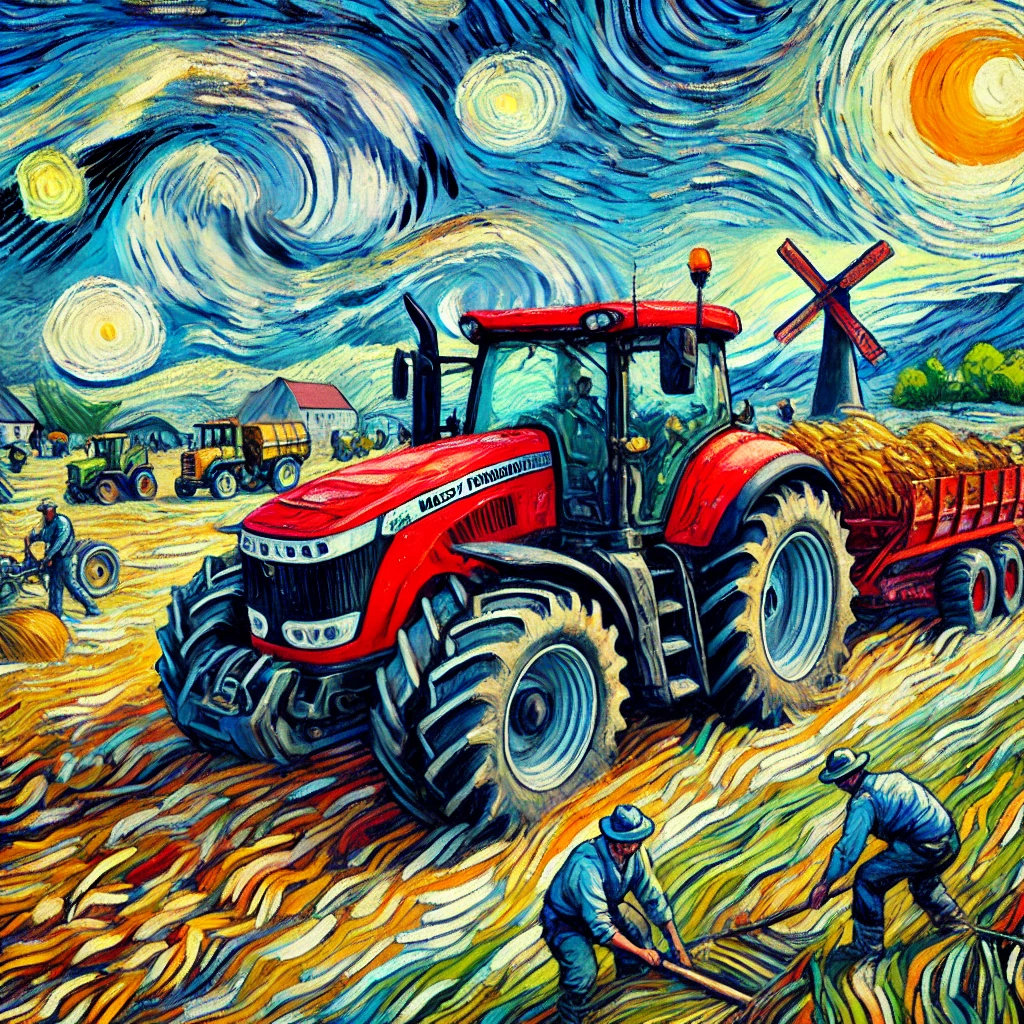
Can Classic Tractors Improve Soil Health And Crop Yields?
What Maintenance Is Required For Classic Tractors In Daily Use?
Classic tractors are more than just machines; they’re a bridge to our agricultural roots and a testament to American ingenuity. These iron workhorses have stood the test of time, but just like any relationship, they require a little TLC to keep the partnership running smoothly. So, what maintenance is necessary for these iconic pieces of machinery when they’re out in the field daily?
First off, start with the engine. Classic tractors, much like a classic car, thrive on regular oil changes. Every few hundred hours of operation, check that oil level, and don’t hesitate to swap it out if it’s looking more like pancake syrup than the golden elixir it should be. Remember, a happy engine leads to a happy operator.
Then there’s the cooling system. As these machines work, they generate heat—lots of it. Make sure to check the coolant level regularly and inspect hoses for any signs of wear and tear. A failed cooling system can turn a productive day into a frustrating afternoon, so don’t skimp on the basics.
Next up is the electrical system. It’s remarkable how a little corrosion on battery terminals can lead to a big headache. Keep those terminals clean, connections secure, and if your trusty tractor has a magneto or an alternator, give it a close look to ensure it’s in peak condition. Routine checks will save you the agony of being stranded in the field when you least expect it.
Tires don’t just hold you up; they keep you rolling. Regularly check the air pressure and treads. Under-inflated tires can wear unevenly, leaving you with less grip and control. Rotate them if necessary, and always inspect for any signs of damage.
Don’t forget about lubrication! Classic tractors have numerous grease points designed to keep mechanical components moving smoothly. Grab that grease gun and get to work—it’ll save you from costly repairs and ensure your tractor remains a reliable partner in the field.
Finally, never underestimate the importance of a visual inspection. Take a few moments to look over your classic tractor before each use—from the frame to the smallest bolt. Catching potential problems early can save you hours of frustration down the line.
So, whether you’re plowing a field or just admiring your vintage tractor parked proudly in the barn, keep that maintenance schedule consistent. With proper care, your classic tractor will not just serve you well; it will also continue to share its story for generations to come.

What Maintenance Is Required For Classic Tractors In Daily Use?
What Maintenance Is Required For Classic Tractors In Daily Use?
- Classic tractors symbolize agricultural heritage and American ingenuity.
- Regular oil changes are essential for maintaining the engine’s health.
- Check the coolant level and inspect hoses to ensure a functioning cooling system.
- Keep battery terminals clean and connections secure to prevent electrical issues.
- Monitor tire pressure and tread for safety and control while operating.
- Lubricate grease points to maintain mechanical components and avoid costly repairs.
- Perform a visual inspection of the tractor before each use to identify potential issues early.

What Maintenance Is Required For Classic Tractors In Daily Use?
How Can Classic Tractors Reduce Operating Costs For Farmers?
When you think about the heart and soul of a farmer’s livelihood, nothing seems to embody that spirit quite like a classic tractor. You know the type—worn but reliable, with a story etched into every dent and scratch. While modern machinery has its merits, let’s take a moment to explore how those vintage workhorses can not only pull their weight but also significantly reduce operating costs for farmers looking to keep their budgets in check.
First off, let’s talk about maintenance. A classic tractor is often easier to fix than its high-tech counterparts. With fewer electronic components to worry about, farmers can perform routine upkeep with basic tools, or even with a little help from the neighbors who might have dabbled in mechanics in their spare time. That means fewer trips to costly repair shops and a larger chunk of change left in your pocket—something every farmer appreciates!
Then there’s fuel efficiency. Many classic tractors were built during an era when efficiency was a necessity, not just a marketing slogan. While they might not reach the speed or power of the latest models, these tractors have a way of being surprisingly economical when it comes to diesel consumption. For farmers who live every day in the pursuit of maximizing their yield while minimizing expenses, the fact that a classic tractor uses less fuel can feel like striking gold in an old dusty barn.
Let’s not forget the emotional aspect of using these timeless machines. Just imagine the feeling of hopping onto a tractor that’s been in your family for generations, feeling that connection to the land and to your roots. It’s not just about the dollars and cents; it’s about legacy. These tractors carry stories of hard work and dedication that can inspire a younger generation to take up the farming mantle, plus there’s something immensely satisfying about restoring and maintaining a classic.
So, whether you’re in the field or in the barn, consider what a classic tractor can do for you. With lower operating costs and a built-in sense of heritage, these machines can help you cultivate not just your crops but also your very own farming tradition. Trust in the old while looking toward the future, and watch how a simple choice can yield far more than just a harvest.

How Can Classic Tractors Reduce Operating Costs For Farmers?
How Can Classic Tractors Reduce Operating Costs For Farmers?
- Classic tractors embody the heart and soul of farming, representing reliability and history.
- They offer easier maintenance due to fewer electronic components, reducing repair costs.
- Farmers can perform upkeep with basic tools or assistance from knowledgeable neighbors.
- Classic tractors often demonstrate impressive fuel efficiency, minimizing diesel consumption.
- Using vintage tractors fosters a connection to family legacy and farming traditions.
- They inspire younger generations to embrace farming through the stories they carry.
- Investing in classic tractors can lower operating costs while enriching farming heritage.

How Can Classic Tractors Reduce Operating Costs For Farmers?
Are Classic Tractors More Reliable Than Newer Models?
Let’s take a moment to ponder the humble tractor. That sturdy workhorse that’s been the backbone of agriculture for generations. You’ve seen them—proud, vintage machines, their paint chipped but their spirit unyielding. They’ve survived the test of time, enduring storms, years of toil, and the occasional stubborn farmer who refuses to let go. But are these classic tractors really more reliable than their shiny, modern counterparts?
Picture this: a Saturday afternoon, the sun is shining, and you’re standing in front of a classic tractor that belongs to your grandfather. This machine doesn’t just look good; it has stories etched into its metal, secrets hidden beneath its well-worn seat. They say a classic tractor has a simplicity that makes it easy to understand and repair. With fewer electronic bells and whistles, and more grit and grease, trusting one of these machines often feels like leaning on an old friend who knows your every move. It’s a kind of reliability you feel in your bones.
Now, compare that with a newer model. Sure, they come with all the latest technology—GPS, automatic steering, and more horsepower than a herd of cattle. But with that complexity comes potential headaches—computer glitches that leave you stranded in the middle of a field, or hydraulic systems that require a degree in engineering to maintain. It’s a little like trusting a teenager with your car keys for a Saturday night out. Scary, isn’t it?
But here’s where things get interesting. Classic tractors, with their simple mechanics, were built for durability. They can often be easily mended with a wrench and some elbow grease, bringing you back to the land with a sense of pride and accomplishment. Many farmers swear by them, relying on that old iron to plow fields long before high-tech gadgets became the norm.
So, when you ask yourself if classic tractors are more reliable, remember that reliability is not just in what the machine can do; it’s also about the connection you have with it. These timeless pieces of machinery inspire a unique bond—between the land, the work, and the stories passed down through the generations. And that, my friends, is worth celebrating.

Are Classic Tractors More Reliable Than Newer Models?
Are Classic Tractors More Reliable Than Newer Models?
- Classic tractors are iconic machines that have been fundamental to agriculture for generations.
- They possess a sense of history and character, often marked by wear and age from years of hard work.
- Classic tractors are praised for their simplicity, making them easier to understand and repair.
- Modern tractors feature advanced technology, but this complexity can lead to maintenance challenges.
- Classic tractors are built for durability and can often be repaired with basic tools, fostering a sense of accomplishment.
- Reliability in classic tractors stems not only from their functionality but also from the emotional connection farmers have with them.
- The bond created with classic tractors reflects a deeper relationship with the land and agricultural heritage.

Are Classic Tractors More Reliable Than Newer Models?
How Do Classic Tractors Impact Sustainability In Farming?
Ah, the classic tractor—an enduring symbol of agriculture, whirring and chugging its way through rows of crops as it has for generations. There’s something undeniably charming about these mechanical marvels, and they’re more than just nostalgic relics; they’re essential tools that play a pivotal role in shaping sustainable farming practices today.
First off, let’s talk efficiency. You might picture those modern behemoths with all the bells and whistles, but classic tractors often embody a simpler, get-the-job-done mentality. Many of these machines were designed for functionality over form, which means they’re often more fuel-efficient than their advanced counterparts. This doesn’t just save a farmer money at the pump; it also cuts down on greenhouse gas emissions—a win for both the wallet and the planet. By keeping things lean and straightforward, these classic tractors remind us that less can, in fact, be more.
Next, let’s not overlook their durability. A classic tractor that’s been lovingly maintained can outlast many of its more modern peers, continuing to perform admirably for decades. When farmers rely on these sturdy machines, they contribute to a circular economy where equipment is reused and repaired rather than tossed aside. This longevity puts a massive dent in the carbon footprint associated with manufacturing and disposing of new tractors. So, every time a classic tractor rolls across a field, it’s a nod to sustainable practices that honor resources, time, and talent.
And then there’s the community aspect. Classic tractors often evoke a sense of camaraderie among farmers. Whether it’s a local show, a restoration project, or simply sharing maintenance tips over coffee, these events help keep rural communities connected. There’s a beautify in that exchange of knowledge and friendship—it fosters trust and collaboration, central tenets of sustainability. When farmers come together to share insight on techniques for using their tractors more efficiently or innovating sustainable practices, everyone benefits.
In the grand scheme of things, classic tractors may seem like just a piece of equipment, but they represent a connection back to our roots. They encourage us to value experience, reliability, and community spirit—all essential ingredients in the recipe for sustainable farming. So, whether you’re a seasoned farmer or a curious urbanite, consider taking a moment to appreciate these machines and their role in building a better, sustainable future for all.

How Do Classic Tractors Impact Sustainability In Farming?
How Do Classic Tractors Impact Sustainability In Farming?
- Classic tractors symbolize agriculture and have been vital tools for generations.
- They often emphasize efficiency, being more fuel-efficient than modern counterparts.
- Their simplicity can help reduce greenhouse gas emissions, benefiting both finances and the environment.
- Well-maintained classic tractors can outlast many newer models, promoting a circular economy.
- The longevity of these machines reduces the carbon footprint linked to the manufacturing and disposal of new tractors.
- Classic tractors foster community among farmers, enhancing collaboration and knowledge sharing.
- They represent a connection to agricultural roots, emphasizing experience, reliability, and community spirit in sustainable farming.

How Do Classic Tractors Impact Sustainability In Farming?
Conclusion
As we wrap up our journey through the fields where classic tractors reign, it’s essential to take a moment to reflect on their profound impact on modern agriculture. These machines—far more than mere relics—serve as the backbone of farming, combining historical significance with unparalleled functionality. Picture this: the sun rises, illuminating a farmer’s day as that timeless red Farmall or green John Deere springs to life, its mechanical heart purring with purpose. It’s not just about getting the job done; it’s about a relationship steeped in trust, history, and grit.
Classic tractors bring simplicity to the forefront. With fewer electronics and an abundance of mechanical parts needing only a wrench’s touch, these machines require less downtime and more productivity. In a world cluttered with screens and gadgets, the sheer charm of working with something straightforward and reliable can’t be overstated. It’s about getting back to basics, creating a deep connection between the farmer and the land—a hands-on approach that encourages sustainability over high-tech shortcuts.
Versatility is another feather in the cap of these old workhorses. They can plow, plant, and haul, flexibly adapting to varied tasks without the need for multiple specialized vehicles. This straightforward, resourceful approach allows farmers to maximize efficiency while minimizing operating costs. And let’s face it—when modern equipment can cost a pretty penny, embracing the classic route feels like finding a forgotten treasure buried beneath the soil.
Yet, it runs deeper than just machinery; it’s about community. Whether it’s sharing stories at a tractor show or mingling at a local coffee shop, classic tractors forge connections among farmers, nurturing a spirit of collaboration and knowledge transfer that’s priceless. These gatherings celebrate not just the machines, but the values they embody: hard work, perseverance, and a nostalgia that inspires the next generation.
In the face of today’s agricultural challenges, classic tractors remind us that sometimes, looking back is just as important as moving forward. They teach us valuable lessons about stewardship of the land and the importance of sustainable practices. So, when you fire up one of these classic implements, remember you’re not just tilling the soil; you’re reconnecting with a legacy of farming that honors both the earth and the people who tend to it. In your pursuit of productivity, take a moment to embrace that time-tested heritage. Go on, throw on that worn cap, take the wheel, and let those classic tractors guide you down rows of promise, possibility, and purpose. The fields are waiting for their old friend to take charge once again!

Conclusion
Conclusion:
- Classic tractors have a significant impact on modern agriculture, serving as the backbone of farming.
- They represent a relationship built on trust, history, and functionality.
- With simpler mechanics and fewer electronics, they enhance productivity and reduce downtime.
- These machines promote sustainability, emphasizing a hands-on approach rather than relying on high-tech solutions.
- Classic tractors are versatile, capable of performing multiple tasks, thus maximizing efficiency and minimizing costs.
- They foster community connections among farmers, encouraging collaboration and knowledge sharing.
- Classic tractors remind us of the importance of sustainable practices and the legacy of farming.

Conclusion
Other Resources

Other Resources
Here is a list of other resources you can review online to learn more:
Use This Prompt To Get More Resources With Your Favorite Online AI Tool: Please provide me with a list of online articles with their URLs in a bulleted list that I can read regarding How Do Classic Tractors Enhance Farming Productivity?

Other Resources
Glossary Terms
How Do Classic Tractors Enhance Farming Productivity? – Glossary Of Terms
1. Classic Tractor: A tractor that is typically over 25 years old, often restored and maintained for use in farming, agriculture shows, or collectors.
2. Agricultural Productivity: The measure of the output of agricultural goods (like crops and livestock) per unit of input (such as labor and machinery).
3. Implementation: The attachment or tool used on tractors (like plows, harrows, and seeders) to perform specific farming tasks.
4. Land Tillage: The preparation of soil for growing crops, including practices like plowing and harrowing, facilitated by tractors to enhance efficiency and yield.
5. Soil Aeration: The process of loosening soil to allow air and nutrients to penetrate deeper, enhancing root growth and crop productivity, often done using specific tractor attachments.
6. Horsepower (HP): A unit of measurement for engine power; in tractors, horsepower directly relates to the machine’s capability to perform heavy farming tasks.
7. Fuel Efficiency: A measure of how effectively a tractor uses fuel; classic tractors often have simpler engines that can be more efficient for certain tasks.
8. Field Management: The process of overseeing and managing the productivity of farmland using various techniques, tools, and tractors to optimize growth.
9. Vintage Equipment: Farming machinery that is considered to be of historical significance; classic tractors are often categorized within this, bringing unique capabilities and charm.
10. Restoration: The process of repairing and renovating classic tractors to bring them back to working condition, often enhancing their reliability for farm tasks.
11. Yield Enhancement: The practice of increasing the productivity of crops through better management practices and use of agricultural equipment, including tractors.
12. Plowing: Turning over the upper layer of the soil to prepare for planting, often done by tractors equipped with plows.
13. Soil Compaction: The densification of soil, which can hinder growth; proper use of classic tractors can minimize adverse compaction compared to heavier modern machines.
14. Versatility: The ability of a tractor to perform a variety of tasks. Classic tractors can often be fitted with multiple attachments for different functions.
15. Field Efficiency: The effectiveness and speed with which tasks are performed in the field, often improved by the use of classic tractors alongside modern techniques.
16. Economic Sustainability: The ability to maintain farming operations over time while minimizing costs, sometimes achieved through the use of durable classic tractors.
17. Mechanization: The use of machinery in farming, which classic tractors contribute to by reducing the need for manual labor and increasing efficiency.
18. Crop Rotation: The agricultural practice of alternating the species of crops grown in the same area over time, facilitated by tractors for soil preparation between rotations.
19. Maintenance: The routine tasks necessary to ensure tractors and farming equipment remain in good working order, prolonging their usability and effectiveness.
20. Harvesting: The process of gathering mature crops from the fields, significantly accelerated by classic tractors designed for various harvesting techniques.
21. Cultivation: The act of preparing and fostering soil for growing plants, often performed by tractors using specialized implements.
22. Rural Economy: The economic system prevalent in agricultural regions, often supported and enhanced by the efficiency provided through classic tractors.
23. Sustainability: Farming practices that meet current production needs while ensuring that future generations can also farm; classic tractors can play a role due to their durable nature.
24. Precision Agriculture: The use of technology to monitor and manage crop production, which can include older models of tractors equipped with new tools.
25. Tractor Rehabilitation: The process of refurbishing tractors to extend their lifespan and boost their farming capabilities.
26. Operational Cost: The overall costs associated with running farming equipment, of which classic tractors can often contribute to savings through their longevity and repairs.
27. Agroecosystem: An ecological system formed by the interaction of living organisms in agricultural settings, where classic tractors can support sustainable practices.
28. Nutrient Management: The conscious management of nutrient inputs to the soil and crops, which can be supported by tractors that allow for more precise application techniques.
29. Farming Heritage: The history and evolution of agricultural practices, with classic tractors symbolizing this heritage and maintaining traditional farming techniques.
30. Community Farming: Collaborative agricultural efforts among farmers, where classic tractors can facilitate shared labor and equipment, enhancing productivity for all.

Glossary Of Terms
Other Questions
How Do Classic Tractors Enhance Farming Productivity? – Other Questions
If you wish to explore and discover more, consider looking for answers to these questions:
- What specific models are considered classic tractors?
- How can farmers find parts for classic tractors?
- What kind of modifications can be made to classic tractors to enhance their performance?
- Are there any safety concerns with using classic tractors compared to modern machinery?
- What is the resale value of classic tractors?
- How can I get involved in the classic tractor community?
- What are the best practices for restoring a classic tractor?
- Are there any government incentives for using classic tractors in farming?
- How do regional farming practices influence the use of classic tractors?
- What skills are necessary to maintain and repair a classic tractor?
- Can classic tractors be used for organic farming practices?

Other Questions
Haiku
How Do Classic Tractors Enhance Farming Productivity? – A Haiku
Timeless tractors roll,
Whispers of earth and hard work,
Roots of farming thrive.

Haiku
Poem
How Do Classic Tractors Enhance Farming Productivity? – A Poem
Ode to Classic Tractors
In fields where whispers of history lie,
Old iron steeds under the vast blue sky,
With every rumble, they echo the past,
Trusty companions, steadfast and vast.
Their vibrant paint, a nostalgic embrace,
A testament to grit, time’s gentle trace,
Simplicity reigns, in design and in care,
Less downtime, more harvest, a farmer’s affair.
With wrenches and oil, the bond we maintain,
Repairing with love, and labor not in vain,
Classic tractors dance through the rows of green,
Crafting a legacy, a farmer’s routine.
They plow and they plant, in rhythmic delight,
With tales of the toil, as day turns to night,
Resourceful they stand, in the midst of the fight,
A symbol of heritage, shining so bright.
Their sturdy frame cares for the soil’s gentle heart,
Less compaction it causes, as they play their part,
Guardians of land, they nurture the ground,
In their steady embrace, sustainability’s found.
Communities gather, sharing laughter and lore,
In the presence of classics, friendships restore,
From café conversations to tractor shows wide,
Local connections in which farmers take pride.
Oh, the allure of the old, as new tech takes hold,
They teach us the values of courage and bold,
For in every dent, a story resides,
In the heart of each farmer, the spirit abides.
So here’s to the classics, the vintage, the true,
In a world racing forward, let’s cherish the view,
For as we cultivate fields, let our hearts also track,
The wisdom of ages that beckons us back.

Poem
Checklist
How Do Classic Tractors Enhance Farming Productivity? – A Checklist
Checklist: Enhancing Farming Productivity with Classic Tractors
This checklist is designed to accompany the article “How Do Classic Tractors Enhance Farming Productivity?” by Tom Seest, highlighting key points and actionable takeaways for farmers considering the use of classic tractors.
Classic Tractors: Key Advantages
_____ Simplicity: Embrace the straightforward mechanics of classic tractors for easier repairs and lower maintenance costs.
_____ Versatility: Utilize classic tractors for various farming tasks (plowing, planting, hauling) without needing a fleet of specialized vehicles.
_____ Durability: Consider the sturdiness of classic tractors built to withstand tough conditions and provide long-lasting service.
Community Engagement
_____ Join Local Events: Attend tractor shows and enthusiast gatherings to exchange tips, stories, and foster community connections.
_____ Share Knowledge: Engage with fellow farmers to discuss challenges and successes in the use of classic machinery.
Environmental Benefits
_____ Reduce Carbon Footprint: Leverage the fuel efficiency of classic tractors to decrease greenhouse gas emissions compared to modern models.
_____ Sustainable Practices: Promote the use of classic tractors in conjunction with natural farming practices to support soil health and biodiversity.
Maintenance Essentials
_____ Regular Oil Changes: Change the oil every few hundred hours and check for optimal performance.
_____ Cooling System Checks: Inspect coolant levels and hoses to prevent overheating.
_____ Electrical System Care: Maintain clean battery terminals and secure connections for reliable performance.
_____ Tire Maintenance: Regularly check air pressure, tread wear, and rotate tires as needed.
_____ Visual Inspections: Conduct thorough pre-use checks to identify potential issues early.
Cost Efficiency
_____ Evaluate Repair Costs: Take advantage of the simpler mechanics of classic tractors to limit expenses on repairs and maintenance.
_____ Fuel Savings: Monitor diesel consumption and note any efficiency benefits from using classic over modern equipment.
Connection to Heritage
_____ Preserve Family Legacy: Use and maintain classic tractors as a way to honor family farming traditions and history.
_____ Create New Memories: Engage actively in farming with these machines to build your own stories and connections to the land.
Sustainability Practices
_____ Encourage Longevity: Commit to maintaining classic tractors for a circular economy in farming equipment.
_____ Foster Community Sustainability: Participate in local discussions on efficient tractor use and sustainable farming techniques.
Final Reflection
_____ Assess Your Needs: Determine if integrating a classic tractor could enhance your productivity, sustainability, and connection to your farming roots.
_____ Experience the Charm: Take a classic tractor for a spin to feel the connection to the soil and the history of farming.
Use this checklist to explore the enduring value of classic tractors in modern farming, enhancing productivity while nurturing a connection to the land and community.

Checklist
At ClassicTractorNews, we help tractor lovers keep up with the latest news for classic and vintage tractors.
Please share this post with your friends, family, or business associates who may like old classic or vintage tractors.