


Uncovering True Value: Auction Vs. Private Sales Of Classic Tractors
By Tom Seest
At ClassicTractorNews, we help tractor lovers keep up with the latest news for classic and vintage tractors.
Please share this post with your friends, family, or business associates who may like old classic or vintage tractors.
How Do Auction Prices Compare to Private Sales for Classic Tractors?
When considering the auction prices versus private sales for classic tractors, it’s essential to look beyond just the numbers. Classic tractors aren’t merely machines; they’re symbols of hard work, family legacies, and the grit of rural life. Every dent and scratch tells a story, echoing the lives they’ve touched. Imagine a weathered farmer sitting on the porch, recalling the days when his trusty tractor worked the fields at sunup. This connection to our past pulls at the heart, revealing the deeper value in these iconic machines.
From a rational perspective, auctions can often yield higher prices, driven by competitive bidding among passionate enthusiasts. People get caught up in the excitement, raising the stakes as they try to outbid others for that pristine, rare model. It’s not uncommon for prices to soar well above expectations when emotional attachment and the thrill of the chase come into play. In contrast, private sales allow for negotiations, often resulting in more stable prices, though they lack the same excitement. When you buy from a fellow tractor lover, you might find yourself part of a conversation filled with laughter and nostalgia, creating connections that can last well beyond the transaction.
Ethically, the decision to buy at auction or through private sales carries weight. Supporting sellers who have cared for their tractors and who take pride in passing them on can feel right. It’s a nod to craftsmanship and respect for the agricultural heritage these tractors embody. Meanwhile, auctions often facilitate a fair market where the true value—emotional and financial—can be recognized, rewarding sellers who have nurtured their tractors over the years.
Narratively, each classic tractor has a story to tell. When choosing where to buy, consider the tale—will it resonate with its next owner? Is it a family heirloom or a relic from a bygone era? Every buyer yearns for authenticity, a connection that justifies the price paid.
Socially, vintage tractors unite communities. Whether at a local fair or a national event, the camaraderie among buyers and sellers breeds trust. Joining this circle fosters a sense of belonging and pride. Whichever path you choose, understanding the nuances of auction prices versus private sales will guide that decision, ensuring not just a purchase, but a connection to the heart, heritage, and community of classic tractors.

How Do Auction Prices Compare to Private Sales for Classic Tractors?
How Do Auction Prices Compare to Private Sales for Classic Tractors?
- Classic tractors symbolize hard work, family legacies, and rural life, embodying deeper emotional values.
- Auction prices can be higher due to competitive bidding and the excitement of passionate enthusiasts.
- Private sales allow for negotiations, often resulting in stable prices without the same competitive thrill.
- Ethical considerations include supporting sellers who have cared for their tractors and respecting agricultural heritage.
- Each tractor has a story that can resonate with potential buyers, enhancing its perceived value.
- Vintage tractors foster community connections, creating trust and a sense of belonging among buyers and sellers.
- Understanding the differences between auctions and private sales aids in making meaningful purchasing decisions.

How Do Auction Prices Compare to Private Sales for Classic Tractors?
Table Of Contents
- How Do Auction Prices Compare to Private Sales for Classic Tractors?
- What Emotions Drive Your Passion for Classic Tractors?
- How Do Auction Prices Reflect the Value Of Classic Tractors?
- Are You Making the Right Choice Between Auction and Private Sales?
- What Ethical Implications Arise In Classic Tractor Sales?
- How Does Expert Opinion Influence Auction Prices for Classic Tractors?
- What Stories Do Classic Tractors Tell About Their Past Owners?
- Conclusion
- Other Resources
- Glossary Of Terms
- Other Questions
- Haiku
- Poem
- Checklist
What Emotions Drive Your Passion for Classic Tractors?
The love for classic tractors runs deeper than mere machinery; it’s rooted in a symphony of emotions that resonate with our hearts and souls. Picture this: a rusted, timeworn tractor sitting proudly in the sun, each dent and scratch telling a story of labor, perseverance, and history. This isn’t just a piece of equipment; it’s a tangible connection to the past, evoking nostalgia for simpler times when the land was cultivated by hand, and every harvest was a collective triumph.
Classic tractors symbolize hard work, embodying the grit and determination of those who toiled in the fields. Their presence on the farm is a testament to generations that have passed down values of diligence and resourcefulness. As we connect with these machines, we tap into a shared identity. They represent a simpler way of life, one where community and family bonds were forged in the dirt of the earth, where the sound of a tractor engine was more than noise; it was the heartbeat of rural life.
Emotionally, these tractors invoke memories, both personal and communal. Perhaps you recall the first time you climbed onto your father’s lap as he drove one of these beasts, feeling the rumble beneath you, instilling a sense of trust and safety. The memories flood back: afternoons spent under the sun, working alongside family, laughter mingling with the roar of the engine. Each classic tractor holds the potential to unlock complex emotions, transmuting a simple vehicle into a vessel of memory, connection, and affection.
Rationality comes into play as well. Beyond their nostalgic allure, classic tractors are pieces of engineering history. Owning one speaks to stewardship of craftsmanship, a commitment to preserving something transcendent. They challenge the fast pace of modern technology, reminding us that sometimes, the best tools are the ones with character and pedigree. In a world obsessed with the new and disposable, there’s a profound connection found in owning something built to last, an authority on the value of durability over novelty.
Engaging with classic tractors fosters a community—some may call it a tribe. It’s about more than just machinery; it’s about gathering at shows, sharing maintenance tips, trading stories. This shared passion creates bonds that span generations. Whether you’re a seasoned collector or a novice hobbyist, each interaction reinforces a sense of belonging, assuring that your love for these remarkable machines is echoed by others who feel that same pull.
Classic tractors are not just vehicles; they are vessels of emotion, history, and community. They invite us to reflect on what really matters—connection, perseverance, and the stories we all carry with us.

What Emotions Drive Your Passion for Classic Tractors?
What Emotions Drive Your Passion for Classic Tractors?
- Classic tractors embody emotions and connections, symbolizing labor, perseverance, and history.
- They evoke nostalgia for simpler times when farming was a collective effort.
- Classic tractors represent hard work and the values of diligence and resourcefulness passed through generations.
- They serve as vessels of personal and communal memories, connecting past experiences with family and community.
- Owning a classic tractor signifies a commitment to preserving craftsmanship and engineering history.
- Engaging with these tractors fosters a community of enthusiasts, fostering bonds through shared passion.
- These machines encourage reflection on important values like connection and perseverance within our lives.

What Emotions Drive Your Passion for Classic Tractors?
How Do Auction Prices Reflect the Value Of Classic Tractors?
Auction prices for classic tractors reveal much more than mere numbers; they tell a story of legacy, nostalgia, and the evolution of agricultural life. Picture a weathered piece of steel, once the backbone of a family farm, now standing proudly at an auction, surrounded by enthusiasts whose hearts race at the sight of it. The emotion wrapped up in these classic machines goes beyond their mechanical work; they embody years of toil, triumph, and tradition.
From a rational standpoint, auction prices reflect the intricate relationship between supply and demand, rarity, and condition. A vintage tractor, meticulously restored or well-preserved, can command a price that makes one pause. Buyers aren’t just purchasing a machine; they’re investing in a piece of history, often with stories attached that echo through generations. The price reflects this collective yearning, a tangible metric of how much we value our shared agricultural heritage.
Ethically speaking, purchasing a classic tractor also supports the preservation of farming history. Each transaction at an auction fosters a community of collectors and enthusiasts who understand the importance of keeping tradition alive. This isn’t just about monetary exchange; it’s about honoring the hands that shaped these machines and the lives entwined with their labor. Those who bid understand that they are stewards of history, charged with nurturing a tangible link to the past.
Imagine standing in the crowded auction hall, the air thick with anticipation. You glance around and see young and old, seasoned farmers and first-time bidders, all connected by their appreciation for these rugged icons of the field. In that moment, the social fabric tightens; it’s not just about winning a bid, but about becoming part of a lineage that respects hard work and the land it comes from. The sense of belonging is palpable, a reminder that classic tractors aren’t just about their mechanics but the relationships they foster.
When you let your heart connect with the roar of an engine or the graceful lines of a vintage model, you understand that every auction price signifies more than value; it signifies a community, a commitment to preserving the past, and a clear reminder of where we’ve come from. Each bid at the auction is a vote for that legacy—the heartbeat of a culture that, despite the passage of time, remains ever relevant.

How Do Auction Prices Reflect the Value Of Classic Tractors?
How Do Auction Prices Reflect the Value Of Classic Tractors?
- Auction prices for classic tractors reflect legacy, nostalgia, and agricultural evolution.
- Classic tractors symbolize years of toil and tradition, not just mechanical function.
- Price reflects supply and demand, rarity, and condition, with well-preserved tractors commanding higher bids.
- Buying a classic tractor is an investment in history and shared agricultural heritage.
- Purchasing supports the preservation of farming history and honors the labor behind these machines.
- Auction events foster a community of collectors and enthusiasts, connecting generations.
- Each bid represents a vote for legacy and a commitment to preserving cultural history.

How Do Auction Prices Reflect the Value Of Classic Tractors?
Are You Making the Right Choice Between Auction and Private Sales?
In the world of buying and selling, the choice between auction and private sales can feel akin to driving a tractor across a rocky field—each path has its own challenges and rewards. So, how do you decide which way to steer your efforts?
First, let’s talk about the emotional weight of your decision. Picture this: you’re standing at an auction, heart pounding, as bidding starts to rise like the sun over a new day. You’re in a room filled with people, all vying for the same prize. The adrenaline rush is palpable, and there’s a sense of community that can make your skin tingle. Auctions can create excitement, camaraderie, and a sense of achievement. That thrill, however, can easily turn into a gut-wrenching regret if the gavel swings down and you realize you’ve gone over budget. This is where the logic and reason must come into play.
Rationally speaking, auctions often lead to unpredictable prices. You might snag an incredible deal on a classic tractor—or find yourself in a bidding war that drives the cost beyond what you initially planned. A private sale, on the other hand, allows for negotiation and a more grounded transaction process. It’s a direct line of communication, a chance to ask questions, gauge the seller’s motivations, and potentially secure a fairer price. That’s where practical minds thrive, weighing the pros and cons with a level head.
Ethically, consider the implications of both approaches. Auctions can sometimes feel impersonal, an arena where numbers overshadow human connections. Private sales provide the opportunity to build rapport with the seller, understanding their story and the reason behind the sale. It’s not just about the transaction; it’s about relationships—something that resonates on a moral level.
Let’s not overlook your community’s voice. In tight-knit circles, reputation matters. Buying through a trusted network can offer peace of mind that an auction might lack. Hearing the stories of friends or family who have navigated the same waters can bolster your confidence, guiding you in making a wise decision.
Ultimately, choosing between auction and private sale isn’t just a transactional decision; it’s a personal journey. Trust yourself. Take the reins, whether you feel drawn to the spirited atmosphere of an auction or the straightforward nature of a private deal. Your heart, head, and gut are your best advisors on this trek, leading you to a choice that feels right for you.

Are You Making the Right Choice Between Auction and Private Sales?
Are You Making the Right Choice Between Auction and Private Sales?
- Choosing between auction and private sales presents unique challenges and rewards.
- Emotional factors play a significant role in decision-making, with auctions offering excitement but potential regret.
- Auctions can lead to unpredictable pricing, creating both opportunities and risks for buyers.
- Private sales facilitate negotiation and a more controlled transaction process.
- Building rapport with sellers in private sales enhances ethical considerations and human connections.
- Community reputation influences purchasing decisions, providing reassurance over auctions.
- The final choice between auction and private sale is a personal journey guided by instinct and reason.

Are You Making the Right Choice Between Auction and Private Sales?
What Ethical Implications Arise In Classic Tractor Sales?
In the world of classic tractor sales, ethical considerations often sit at the forefront, urging us to reflect on what these machines represent beyond their metal and machinery. These tractors, steeped in history, are more than just functional vehicles; they embody the values of hard work, dedication, and the sweat of generations. When we think about the sale of classic tractors, we must acknowledge the emotional ties that bind people to their stories—stories of farmers and families who relied on these machines to cultivate their livelihoods, providing sustenance and prosperity through the years.
From a rational perspective, the classic tractor market thrives on preservation, not just of the tractors themselves but of the heritage they symbolize. It raises questions about authenticity and the ethics surrounding restoration. Is a fully restored tractor, shiny and new, a genuine representation of its history, or does it become a hollow shell, stripped of the years it spent in the field? Buyers must consider not only the mechanics but also the ethics of sourcing parts—are they using original components, or are they opting for modern replacements that erase the tractor’s narrative?
The ethical implications extend to the impact on communities. Classic tractor sales can either uplift or undermine local economies. Responsible sellers recognize their authority in this landscape. They have a moral obligation to ensure that the sale of each tractor benefits not just their pocket but also the interconnected web of farmers, collectors, and enthusiasts who cherish these machines. Selling a tractor means becoming part of a community that values sustainability and craftsmanship, fostering an environment where stories are shared, skills are passed down, and trust is built.
This brings us to the gut feeling—the visceral connection we have when we roll up our sleeves and dive into the agricultural heritage that tractors symbolize. Every scratch and dent tells a tale, capturing the essence of an era where life was simpler yet richer. Engaging with this history asks that we reflect on our own relationship with the land and labor. In these moments, we gather around the classic tractor like former generations, sharing laughter, sweat, and perhaps even tears.
So, as we navigate the landscape of classic tractor sales, let’s remember the weight of our choices. Each transaction offers an opportunity to honor the past while embracing the future, ensuring that the legacy of these hardworking machines continues to inspire and connect us all.

What Ethical Implications Arise In Classic Tractor Sales?
What Ethical Implications Arise In Classic Tractor Sales?
- Classic tractors symbolize hard work, dedication, and emotional ties to farming history.
- The market focuses on the preservation of both tractors and the heritage they represent.
- Questions arise about authenticity in restoration and the use of original versus modern parts.
- Classic tractor sales can positively or negatively impact local economies.
- Responsible sellers have a moral obligation to support connected communities in the transaction.
- Physical engagement with tractors fosters a deeper connection to agricultural heritage.
- Each sale presents an opportunity to honor the past and embrace future sustainability.
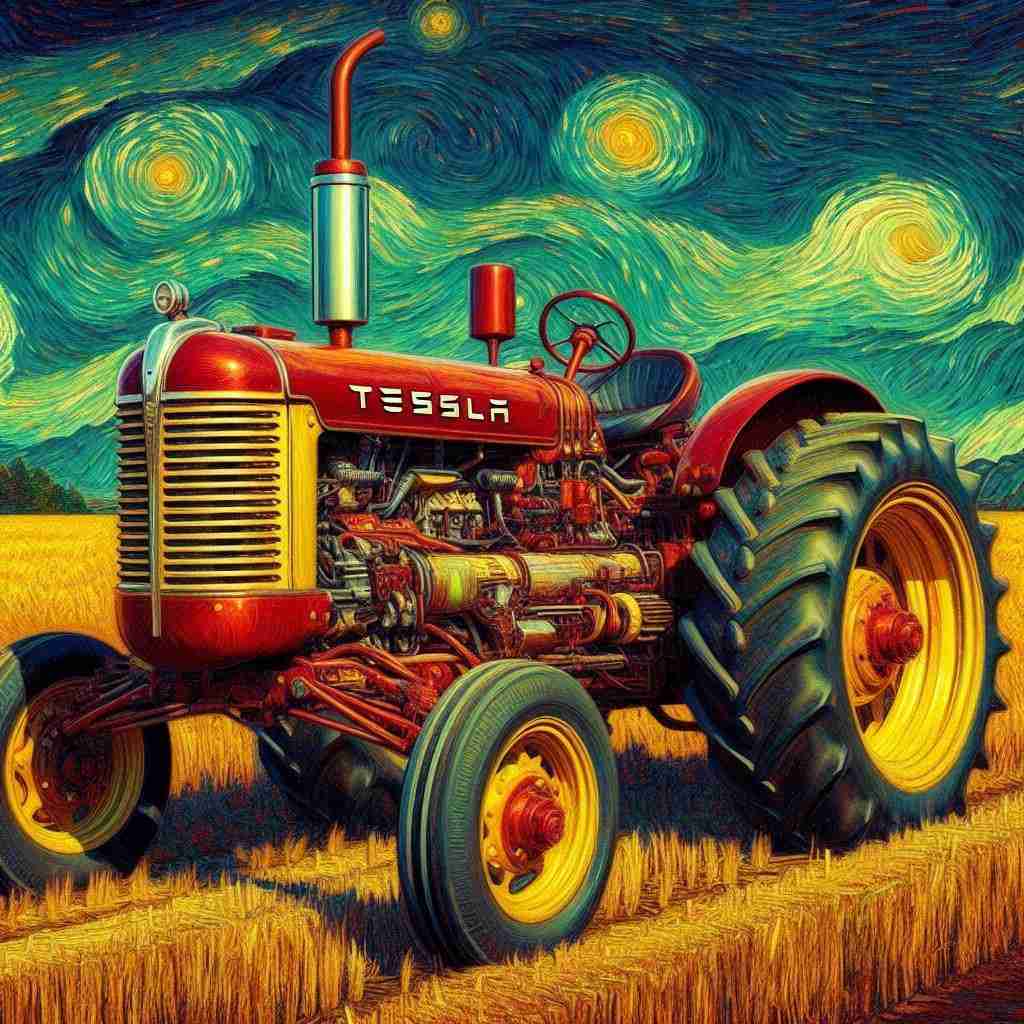
What Ethical Implications Arise In Classic Tractor Sales?
How Does Expert Opinion Influence Auction Prices for Classic Tractors?
Expert opinions wield considerable influence over auction prices for classic tractors, punctuating the journey from the barn to the bidding floor. Imagine a beautifully restored tractor, gleaming under the sun. It’s not just a machine; it’s a piece of history, a family story, and perhaps a cherished childhood memory. When an expert speaks on its behalf, they’re not just sharing facts; they’re weaving narratives that resonate deeply with enthusiasts and collectors alike.
The heart of the matter lies in the connection we forge with the past through these remarkable machines. Experts, often seasoned collectors or restorers, deliver insights that can evoke nostalgia, reminding potential buyers of simpler times spent in the fields with a beloved tractor by their side. Their authority is rooted in experience, allowing them to highlight unique features, provenance, and even the emotional weight certain models carry. This not only educates bidders but stirs emotions that can sway decision-making.
On the surface, expert evaluations translate into rational decisions, influencing auction prices by setting benchmarks based on market demand and historical value. A respected voice in the classic tractor community can establish the worth of a machine, transforming a bid into a path toward ownership of a piece of art, engineering marvel, and personal heritage. The gut instinct to own something extraordinary becomes intertwined with the expert’s endorsement, shifting the landscape of simple transactions into meaningful exchanges.
Ethically, experts bear the responsibility of integrity in their assessments. Trust is a delicate thread that weaves the auction community together, where word of mouth and reputation carry significant weight. When an authority on classic tractors vouches for a particular model, it’s not just about monetary value; it’s about safeguarding the integrity of an entire hobby and ensuring that buyers feel confident in their choices.
Social dynamics also come into play at auctions. Enthusiasts gather not just to purchase but to connect, share stories, and celebrate their passion for vintage tractors. When experts provide insights, they elevate these gatherings from mere sales events to communal experiences filled with shared aspirations and dreams. They remind us that each tractor has a story worth telling, inspiring bidders to engage not just with the product but with the passion it represents.
In the world of classic tractors, expert opinions do more than guide prices—they shape our collective narrative, fortify our sense of community, and ignite a fervor that can turn a simple auction into a heartwarming celebration of history, craftsmanship, and relationships.

How Does Expert Opinion Influence Auction Prices for Classic Tractors?
How Does Expert Opinion Influence Auction Prices for Classic Tractors?
- Expert opinions significantly influence auction prices for classic tractors.
- Restored tractors represent history, family stories, and cherished memories.
- Experts weave narratives that resonate with enthusiasts and collectors.
- Their insights evoke nostalgia and emotional connections with potential buyers.
- Expert evaluations help set benchmarks based on market demand and historical value.
- Trust and integrity in expert assessments are crucial for the auction community.
- Auctions serve as communal experiences where enthusiasts share stories and celebrate their passion.

How Does Expert Opinion Influence Auction Prices for Classic Tractors?
What Stories Do Classic Tractors Tell About Their Past Owners?
Classic tractors are more than just machines that till the soil or haul heavy equipment; they are storied vessels of history, each with a tale waiting to be uncovered. Picture one—its sturdy frame rusted with the weight of years, fading paint whispering secrets of the past. What stories do these tractors tell about their past owners? Each scratch tells of a moment, whether it was a long day of labor in the fields or the trials of a particularly tough harvest season.
Take a moment to consider the hands that have gripped that steering wheel. These were the hands of a farmer, a neighbor, a friend—the backbone of rural life. Each turn of the engine resonates with the heartbeat of those who fought hard to cultivate a living from the land. It’s not just about the mechanics; it’s about the grit and grit that shaped their lives and dreams. In every wheel track left in the dirt, there lies a story of perseverance. The tractor becomes a silent witness to life’s ebbs and flows, the laughter shared during family gatherings and the tears shed during tough times.
Let’s not forget the legacy—how these tractors embody not just personal histories but also communal heritage. They are symbols of an era when farming wasn’t just a job but a way of life. From the towering fields of corn to the expansive pastures, these machines have played a vital role in shaping the very fabric of communities. They foster connections between generations, reminding us of our roots and the sacrifices made by those who came before us.
Yet it’s not all nostalgia; there’s a rational side, too. Owning and maintaining a classic tractor often becomes an ethical journey, highlighting the importance of sustainability and stewardship of the land. Restoring a vintage model isn’t just a hobby; it’s a commitment to preserving a piece of history and maintaining a connection with the earth.
As we stand in the presence of these remarkable machines, we are invited to reflect on our own stories. Whether we grew up on a farm or simply appreciate the craftsmanship, there’s a world of connection through these metal giants. They remind us that while technology changes, the values of hard work, community, and respect for the land endure, urging us to honor and celebrate this legacy in our own lives. Every classic tractor invites us to join its narrative, to listen closely to the stories etched into its very being, urging us to act with purpose and pride in our own journey.

What Stories Do Classic Tractors Tell About Their Past Owners?
What Stories Do Classic Tractors Tell About Their Past Owners?
- Classic tractors serve as historical artifacts, revealing stories of their past owners.
- Every scratch and mark tells of labor and perseverance during tough harvests.
- They symbolize the dedication of farmers, embodying the backbone of rural life.
- Tractors reflect communal heritage and the importance of connection across generations.
- Owning a classic tractor emphasizes sustainability and land stewardship.
- Restoration of vintage models represents a commitment to preserving history.
- Classic tractors encourage reflection on personal and communal values of hard work.

What Stories Do Classic Tractors Tell About Their Past Owners?
Conclusion
Classic tractors are far more than mere machines; they embody the essence of hard work and serve as vessels of cherished memories and enduring legacies. In the realm of classic tractor sales, choosing between auction and private sales isn’t merely a decision based on price; it taps into a deeper connection to our agricultural heritage and communal values.
At auctions, the thrill of competitive bidding can drive prices beyond expectations. Enthusiasts often find themselves swept up in the excitement, with emotional attachments to these iconic tractors sparking aggressive bidding wars. This environment breeds a sense of community—with participants sharing laughter and stories, each bid echoing a collective reverence for the past. Yet, this vibrant atmosphere also comes with risks; the euphoria can cloud judgment, leading buyers to exceed their budgets.
On the other hand, private sales offer opportunities for negotiation and deeper personal connections with sellers. Each conversation becomes a narrative exchange, unveiling the history of the tractor and the passion behind its ownership. This approach often aligns with ethical considerations, allowing buyers to support those who have nurtured these machines throughout their lives. It emphasizes relationships, establishing trust and respect between buyer and seller.
Both avenues reflect pivotal ethical implications. Supporting sellers who honor the legacy of these tractors aligns with a commitment to preserving agricultural history. Every transaction is more than an exchange; it’s an acknowledgment of the hard work that has gone into maintaining these machines, thus safeguarding the traditions they represent.
Community ties also play a crucial role. Classic tractors unite people across generations, creating bonds through shared experiences and enjoyment. Whether at an auction or a local fair, every interaction strengthens social networks, reinforcing a sense of belonging.
Ultimately, the choice between auction and private sales isn’t simply logistical; it’s a personal journey that resonates with the heart, head, and gut. Each path offers unique experiences and emotional connections that transcend the mere act of buying. As you navigate this landscape, remember that you’re not just acquiring a tractor; you’re embracing a piece of history, joining a community, and paying homage to the enduring spirit of those who helped shape our agricultural traditions. Your decision will reflect not just a transaction but a commitment to the past, a connection to the present, and a legacy for the future.

Conclusion
Conclusion:
- Classic tractors represent hard work and embody cherished memories and legacies.
- Auction sales foster community through competitive bidding and shared stories but can lead to budget overruns.
- Private sales allow for negotiation and personal connections, emphasizing the history and passion behind tractor ownership.
- Both sales methods reflect ethical considerations in preserving agricultural history and supporting sellers.
- Community ties established through classic tractors create strong bonds across generations.
- The choice between auction and private sales is a personal journey with emotional and historical significance.
- The decision to purchase a classic tractor is a commitment to the past, a connection to the present, and a legacy for the future.
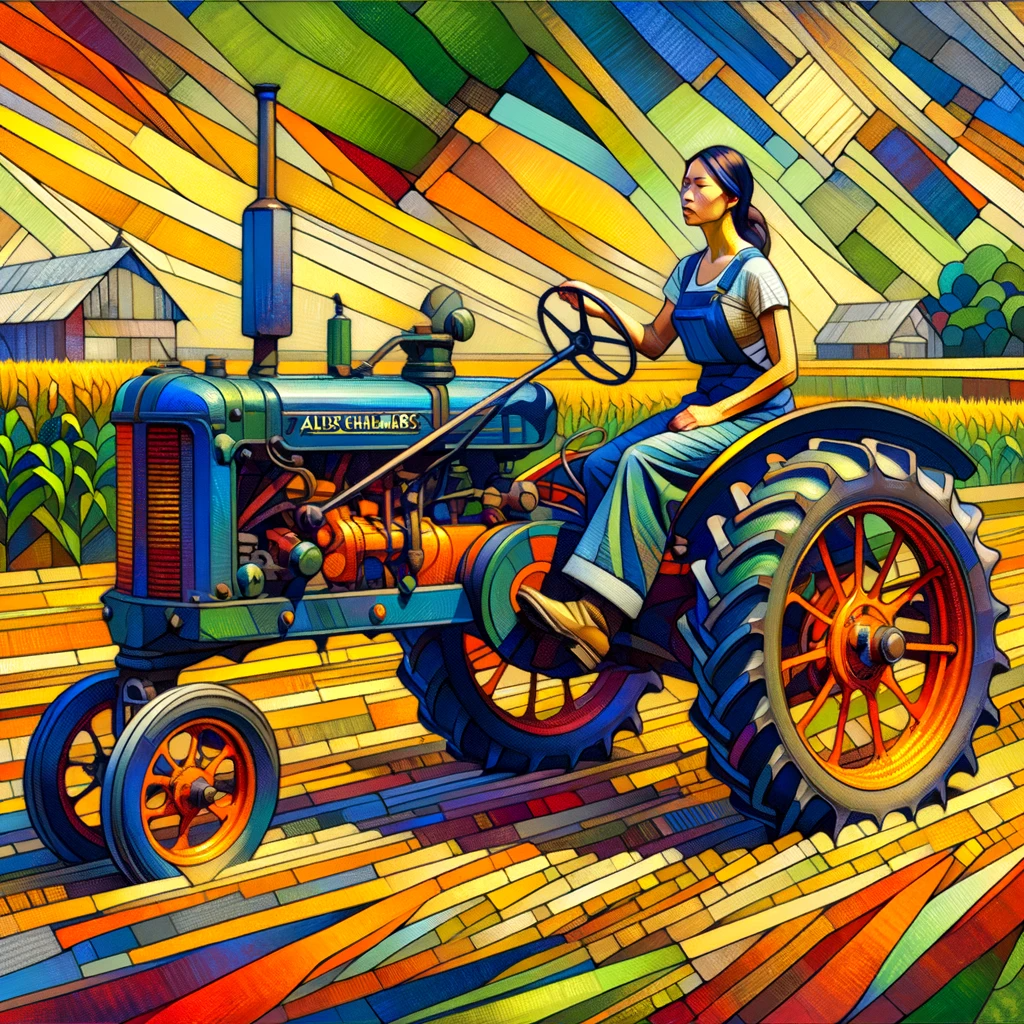
Conclusion
Other Resources

Other Resources
Here is a list of other resources you can review online to learn more:
- Agrico
- Fiber Max Center for Discovery
- Mahindra Gujarat
- Cub Cadet
- Fairfield County Antique Tractor Club
- MX
- Schwanke Car, Tractor and Truck Museum
- Tri-State Gas Engine and Tractor Association
- Somerset Vintage & Classic Tractor Show
- Mmaine Antique Tractor Club
- Keystone Tractor Museum
- SAME
- Rock Island
- Marshall
- Minsk Tractor Works
- Upton
- American Tractor Museum
- Johnson Manufacturing
- Haas
- YANMAR
Use This Prompt To Get More Resources With Your Favorite Online AI Tool: Please provide me with a list of online articles with their URLs in a bulleted list that I can read regarding How Do Auction Prices Compare to Private Sales for Classic Tractors?
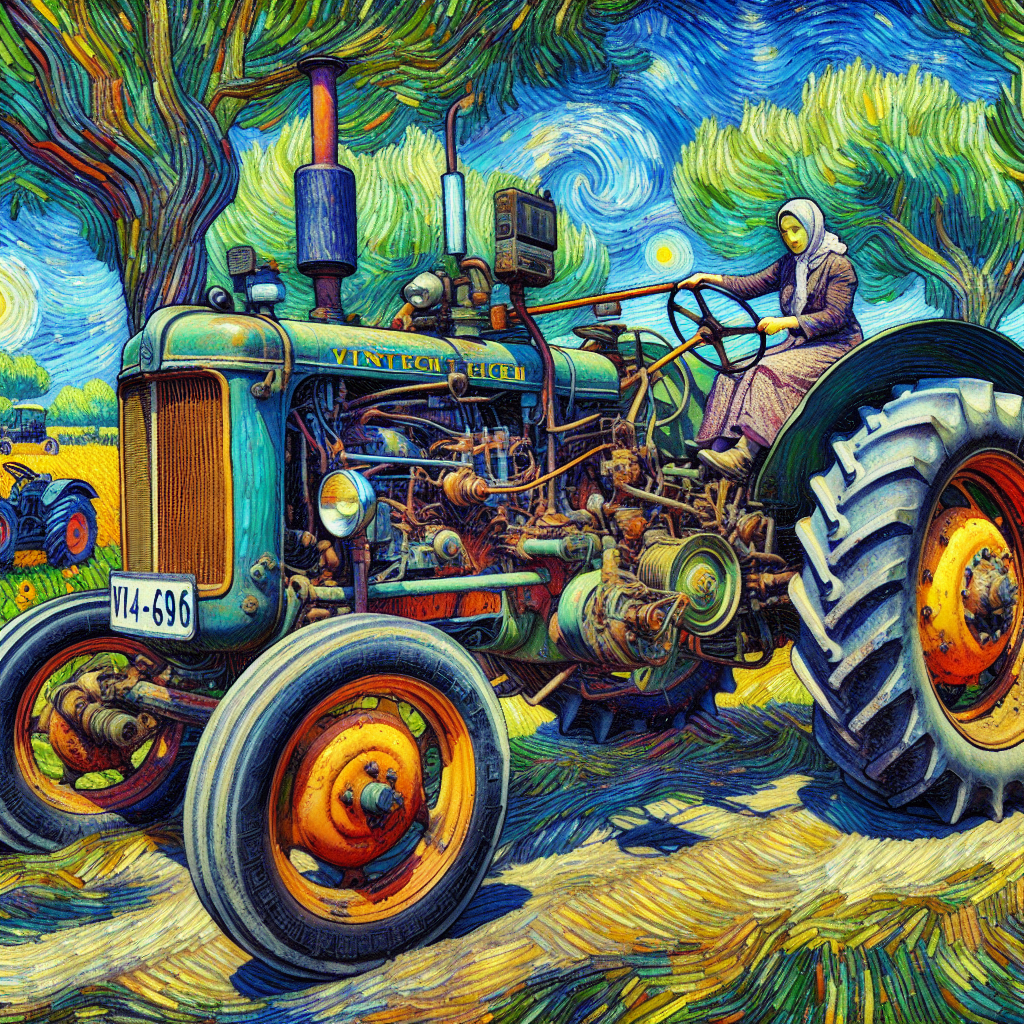
Other Resources
Glossary Terms
How Do Auction Prices Compare to Private Sales for Classic Tractors? – Glossary Of Terms
1. Auction: A public sale in which goods or property are sold to the highest bidder.
2. Private Sale: A sale that occurs between private parties without public bidding.
3. Classic Tractor: A tractor that is typically over 25 years old and holds historical significance or nostalgic value.
4. Market Value: The price that a good would sell for in the open market.
5. Bidding: The act of offering a price for an item in an auction.
6. Reserve Price: The minimum price that a seller is willing to accept for an item at auction.
7. Hammer Price: The final bid amount accepted in an auction.
8. Buyer’s Premium: An additional fee paid by the buyer based on the hammer price, typically go to the auction house.
9. Seller’s Fees: Charges incurred by sellers when listing items for sale at auctions.
10. Sales Commissions: Fees paid to auction houses by sellers based on the sale price.
11. Condition: The state or quality of a classic tractor, affecting its sale price.
12. Provenance: The history of ownership of a classic tractor, which can enhance its value.
13. Rarity: The uncommonness of a tractor, which may influence auction and private sale prices.
14. Restoration: The process of repairing or refurbishing a classic tractor to improve its condition and value.
15. Interest Rate: The cost of borrowing money, which can affect financing for purchases in both auction and private sale contexts.
16. Negotiation: The discussion between buyer and seller in private sales to reach an agreement on price.
17. Lead Time: The period between initial interest and the actual sale, which can differ in auctions and private sales.
18. Transparency: The degree of openness in the pricing and bidding processes at auctions compared to private sales.
19. Estimate: A valuation provided before the auction, predicting a classic tractor’s likely sale price.
20. Documentation: Paperwork that verifies ownership, history, and condition of a classic tractor, important in both sales.
21. Collector’s Market: A sector focused on acquiring items of high interest to collectors, affecting tractor prices.
22. Lot: A specific item or group of items being sold in an auction.
23. Inspections: The process of evaluating a tractor’s condition and value before purchase, whether at auction or private sale.
24. Online Auction: An auction conducted on the internet, which can reach a broader audience compared to physical bids.
25. Liquidity: The ease with which a tractor can be sold in the market, influencing auction versus private sale choices.
26. Marketing: Activities undertaken to promote a tractor for sale, impacting its auction or private sale success.
27. Sales Trends: Patterns observed in pricing and demand over time in the classic tractor market.
28. Competitive Bidding: When multiple bidders engage actively, typically leading to higher auction prices.
29. Reserve Price Auction: An auction format where the item will not be sold unless bids reach a certain threshold.
30. Value Appreciation: The increase in value of a classic tractor over time, compared between auction sales and private sales.

Glossary Of Terms
Other Questions
How Do Auction Prices Compare to Private Sales for Classic Tractors? – Other Questions
If you wish to explore and discover more, consider looking for answers to these questions:
- How do auction prices typically compare to private-sale prices for the same make and model?
- What fees (buyer’s premium, taxes, buyer’s commission) affect the final auction price?
- How can I find comparable recent sale prices for classic tractors?
- How much do restoration level and originality affect value?
- How do provenance and documented ownership history influence price?
- What inspection steps should I take before bidding or buying privately?
- How reliable are auction descriptions and condition reports?
- What are common auction bidding strategies to avoid overpaying?
- How negotiable are private-sale prices versus auction hammer prices?
- What are the risks of buying sight-unseen at an auction or online?
- How do shipping and transport costs factor into total purchase cost?
- What paperwork (title, bill of sale, VIN/serial verification) should accompany a purchase?
- How do liens, outstanding loans, or unclear titles get handled at auctions vs private sales?
- What local or national regulations affect transferring ownership of tractors?
- How do seasonal market cycles or event timing affect prices?
- Which brands and models currently command the highest prices and why?
- How do rarity and production numbers influence collector demand?
- How do experts determine a tractor’s authenticity and originality?
- What role do expert appraisals and third-party certifications play in auctions?
- How much do auction estimates typically under- or overstate final selling prices?
- How do emotional factors—nostalgia, community attachment—translate into bidding behavior?
- What ethical issues arise in restoration practices (original parts vs replacements)?
- How do restoration quality grades or concours wins affect market value?
- Where can I find reliable parts and restoration specialists for vintage tractors?
- What ongoing maintenance and storage costs should a new owner expect?
- Should I buy for use, display, or investment—and how does that change my approach?
- Are classic tractors a good long-term investment or primarily a passion purchase?
- How do auction houses verify mechanical condition, and can I request pre-auction inspections?
- What payment methods are accepted at auctions and in private sales, and what protections exist?
- How do buyer protections (warranties, return policies) differ between auctions and private sales?
- How do shipping, import/export rules, and customs affect cross-border purchases?
- What insurance options are available for classic tractors and how is value assessed for coverage?
- How do restoration costs compare to the expected increase in value after restoration?
- Where can I connect with clubs, events, or online communities to research and verify values?
- How can I spot scams, misrepresented tractors, or forged provenance in both auction and private markets?
- What long-term trends are shaping the classic tractor market (demographics, technology, collector interest)?

Other Questions
Haiku
How Do Auction Prices Compare to Private Sales for Classic Tractors? – A Haiku
Rusty steel whispers,
Stories of sweat and legacy,
Heartfelt bids unite.

Haiku
Poem
How Do Auction Prices Compare to Private Sales for Classic Tractors? – A Poem
In fields where memories grow, beneath the suns warm glow,
Classic tractors stand like sentinels, whispering tales of toil,
Each scratch a story, each dent a legacy,
Machines of grit, they embody the soil.
Hearts race at auctions, where fervor ignites,
Bidding like storms, emotions taking flight,
Yet whispers of reason temper the thrill,
For in private sales, a connection can still build.
These tractors, not just engines of old,
They cradle histories, memories untold,
Craftsmen’s pride, and farmers’ dreams,
In every thrum and rumble, the past redeems.
Ethics entwined in each purchase we make,
Honor the hands that shaped every brake,
Community beckons in shared laughter and lore,
Where trust brews like coffee, and friendships restore.
Expert voices echo through auction rooms loud,
Guiding our choices, making us proud,
Every bid cast is a vote for the heart,
A pact with the past, where our stories start.
So whether bidding boldly or buying with care,
Feel the history enshrine each mechanic’s wear,
In classic tractors, our passion intertwines,
As we cultivate memories in rusted designs.

Poem
Checklist
How Do Auction Prices Compare to Private Sales for Classic Tractors? – A Checklist
Understanding Auction Prices vs. Private Sales for Classic Tractors
✅______ Reflect on personal memories associated with classic tractors.
✅______ Consider the nostalgic value these machines represent in your life and community.
✅______ Think about how ownership might reveal or revive connections to family and heritage.
Emotional Appeals
✅______ Assess recent auction results and compare them to private sales for market trends.
✅______ Research the rarity and condition of specific models to understand their potential value.
✅______ Evaluate the negotiation process involved in private sales compared to the bidding dynamics of auctions.
Rational Appeals
✅______ Consider supporting sellers who take pride in maintaining and restoring their tractors.
✅______ Reflect on the importance of preserving agricultural heritage through responsible buying.
✅______ Think about the authenticity of restored tractors—are they true representations of their history?
Ethical Considerations
✅______ Seek expert opinions or appraisals to gauge the true value of a classic tractor.
✅______ Listen to trusted voices in the antique tractor community when making purchasing decisions.
✅______ Attend auctions or events to hear firsthand accounts of the history and significance of specific models.
Authority Insights
✅______ Explore the stories behind classic tractors—what makes each machine unique?
✅______ Reflect on the impact of tractors on agricultural life, both personally and historically.
✅______ Consider how your purchase decision can contribute to the ongoing narrative of classic tractors.
Narrative Connections
✅______ Participate in local tractor shows or clubs to connect with other enthusiasts.
✅______ Share stories and experiences with fellow collectors to foster a sense of community.
✅______ Recognize the camaraderie that comes from being part of a community that values classic tractors.

Checklist
At ClassicTractorNews, we help tractor lovers keep up with the latest news for classic and vintage tractors.
Please share this post with your friends, family, or business associates who may like old classic or vintage tractors.