


Uncovering The Legacy Of Bombardier: A Comparative Analysis
By Tom Seest
At ClassicTractorNews, we help tractor lovers keep up with the latest news for classic and vintage tractors.
Please share this post with your friends, family, or business associates who may like old classic or vintage tractors.
How Did Tractor Maker Bombardier From Canada Compare to Similar Makes Of That Period?
When we think about the giants in the world of agriculture, our minds might drift to the likes of John Deere or Case IH, but somewhere in the shadows of those titans lies Bombardier, a tractor maker that emerged from the tranquil fields of Canada. To appreciate Bombardier’s unique role during its heyday, we have to dive deep into a rich narrative filled with heart, ingenuity, and perseverance.
Picture a Canadian farmer in the early 20th century. The soil is fertile, yet the work is grueling—endless hours spent plowing, planting, and harvesting under an expansive sky. In this landscape, Bombardier entered the scene, not just with a tractor, but with a promise—a commitment to innovation that would empower farmers, making their labor less of a burden and more of a blessing. These weren’t just machines; they were lifelines, allowing families to thrive and communities to flourish.
But how did Bombardier compare to its contemporaries? While other manufacturers focused merely on horsepower, Bombardier emphasized reliability and versatility—a sensible choice for farmers who needed their tractors to do double duty on both small fields and rough terrain. The heart of any equipment is its engineering, and Bombardier delivered with a dedication that earned respect and trust among its users. Think of the ethical responsibility these designers embraced, knowing their work directly impacted the livelihoods and the very essence of those farming communities.
From a rational standpoint, Bombardier’s tractors often featured robust engines and intuitive designs, ensuring not just functionality but durability. Farmers weren’t looking for machines that broke down mid-harvest; they craved tools that kept them in the field, enjoying the fruits of their labor. Bombardier’s commitment to quality resonated, giving operators a sense of authority over their work. They knew they could depend on these tractors, gaining a quiet confidence amid the uncertainty of weather and markets.
The narrative doesn’t end with technology. There’s a social aspect as well—a deep-rooted sense of belonging that defined the farming community. When neighbors gathered to troubleshoot a machine or share tips on improved practices, Bombardier became a part of their story, connecting and fostering relationships through shared experiences.
At its core, Bombardier stood for something greater than just farming equipment. It represented hard work, innovation, and community resilience. For many farmers, choosing Bombardier wasn’t just about the tractor; it was about investing in a future built on trust and mutual support, where every harvest was a testament to the strength of their connection to the land and one another. That’s a legacy worth remembering.

How Did Tractor Maker Bombardier From Canada Compare to Similar Makes Of That Period?
How Did Tractor Maker Bombardier From Canada Compare to Similar Makes Of That Period?
- Bombardier, a lesser-known tractor maker from Canada, played a unique role in agriculture during its heyday.
- Founded in the early 20th century, Bombardier aimed to innovate and empower farmers, making their labor easier.
- The company focused on reliability and versatility, catering to farmers’ needs for multifunctional tractors.
- Bombardier’s tractors featured robust engines and intuitive designs, prioritizing durability and functionality.
- The brand fostered a sense of belonging in the farming community, encouraging relationships among neighbors.
- For many farmers, choosing Bombardier was about building trust and investing in a resilient future.
- Bombardier’s legacy reflects hard work, innovation, and the strength of community connections in agriculture.
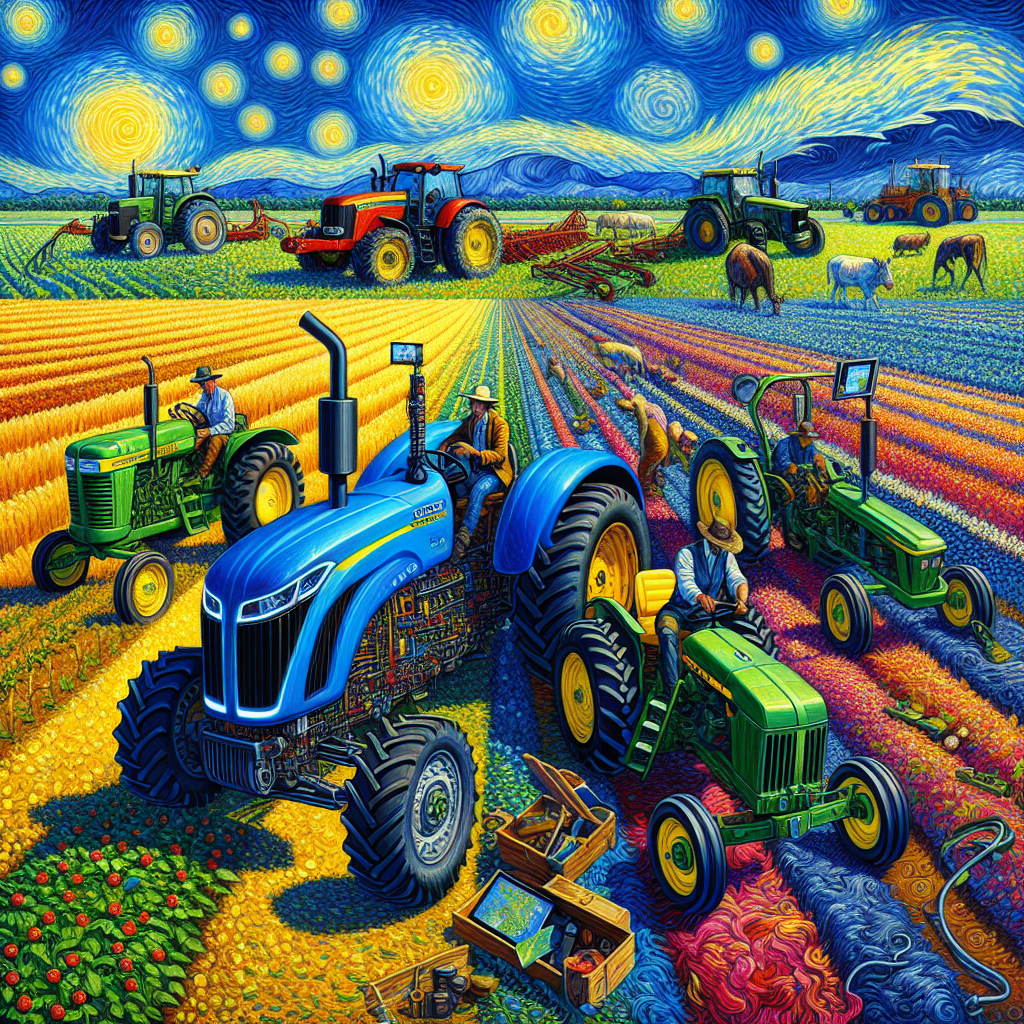
How Did Tractor Maker Bombardier From Canada Compare to Similar Makes Of That Period?
Table Of Contents
- How Did Tractor Maker Bombardier From Canada Compare to Similar Makes Of That Period?
- What Emotional Stories Shape Your View Of the Bombardier Brand?
- What Ethical Practices Did Bombardier Employ In Their Manufacturing?
- What Lessons Can Modern Companies Learn From Bombardier’S Success?
- What Challenges Did Bombardier Face In The Competitive Tractor Market?
- What Legacy Did Bombardier Leave In The Agricultural Machinery Sector?
- Conclusion
- Other Resources
- Glossary Of Terms
- Other Questions
- Haiku
- Poem
- Checklist
What Emotional Stories Shape Your View Of the Bombardier Brand?
Think back to a time when you stood on the edge of a field, the raw, earthy scent of fresh soil filling your lungs, as a well-worn tractor hummed to life beside you. That moment, where grit meets grace, mirrors the essence of the Bombardier brand. You don’t just see an aircraft or a snowmobile; you witness a commitment to crafting instruments that become part of life’s journey, threading innovation into the very fabric of our experiences.
Consider the stories told around family gatherings—the laughter that erupts when someone shares their first ride on a Bombardier snow machine, the excitement and adventure etched into their memory. These narratives weave a tapestry of trust, reinforcing the brand’s identity as a reliable partner in adventure, whether soaring through the skies or carving trails through the snow.
But it’s not just the thrill that connects us; it’s the unwavering reliability when the chips are down. Picture a father, working late into the night on a Bombardier lift, ensuring the safety and autonomy of every passenger. The reassurance felt in that moment—knowing lives depend on machines meticulously engineered for precision—evokes a sense of respect and admiration for the brand. It speaks to an ethical dimension: Bombardier isn’t just about making machines; it’s a testament to human ingenuity and the stories of countless individuals who trust their lives to these inventions.
Let’s not forget the everyday realities and challenges faced in communities dependent on Bombardier’s innovations. When the local farmers rely on Bombardier’s utility vehicles for harvest season, it’s about survival, growth, and connection—the lifeblood of a community thriving on dependable technology. It paints a vivid picture, one that invites us to appreciate the hard work behind every product that rolls off the assembly line.
Ultimately, Bombardier is more than a name; it’s a legacy built on the shared emotional experiences of people from all walks of life. Whether it’s the child who dreams of flying among the clouds or the parent forging a path through snow-laden woods, each story shapes how we see this brand. From the heart to the gut, we understand that it represents ambition, resilience, and the unwavering desire to create. So as you consider your view of Bombardier, reflect on these emotional narratives—they are what truly shape perceptions and foster an enduring connection to this iconic brand.

What Emotional Stories Shape Your View Of the Bombardier Brand?
What Emotional Stories Shape Your View Of the Bombardier Brand?
- The essence of the Bombardier brand is captured in the blend of grit and grace, symbolizing a commitment to innovation in transportation.
- Family stories about experiences with Bombardier products foster trust and reinforce the brand’s identity as a reliable partner in adventure.
- Reliability is emphasized with examples of dedication, such as a father ensuring safety on a Bombardier lift, showcasing ethical engineering.
- Bombardier innovations support communities economically through dependable technology, essential for survival and growth.
- The brand’s legacy is built on shared emotional experiences, connecting individuals from diverse backgrounds.
- Each story about Bombardier reflects ambition and resilience, contributing to the brand’s perception and identity.
- Emotional narratives shape how people view Bombardier, fostering an enduring connection to the brand.

What Emotional Stories Shape Your View Of the Bombardier Brand?
What Ethical Practices Did Bombardier Employ In Their Manufacturing?
When you think of Bombardier, it’s easy to imagine sleek jets slicing through the skies or comfortable trains gliding along tracks. But behind those captivating images lies a company committed to ethical manufacturing practices that go beyond profit margins and quarterly reports. It’s about weaving a story of responsibility—not just for their products, but for people and the planet.
Picture a factory floor, vibrant and bustling, where workers are treated like family rather than cogs in a machine. It’s about respect and dignity, ensuring that those who build the aircraft or assemble the trains are paid fair wages and given opportunities for career growth. This isn’t merely an economic decision; it resonates deeply, creating a community that feels valued and empowered. The sense of camaraderie, nurtured by leadership that champions these principles, fosters not just a workplace but a collective identity built on trust.
Rationally speaking, ethical practices make good business sense. When workers feel secure and appreciated, productivity inches upward, quality improves, and turnover rates plummet. Always a step ahead, Bombardier invests in its workforce—training programs, safety protocols, and a commitment to mental well-being. They understand that a happy employee is like a trusty tractor on a farm; it keeps the whole operation running smooth, no matter the challenges that lie ahead.
Then there’s the environmental angle, where Bombardier is set on making a mark as an industry leader in sustainability. Initiatives to reduce waste, recycle materials, and minimize carbon footprints are woven into their manufacturing processes. It’s not just talk; they are setting high standards and proving that manufacturing can coexist with responsible environmental stewardship. Their commitment to these practices resonates beyond their walls, sparking conversations around the industry and encouraging competitors to step up their game.
Beyond the factory, Bombardier connects with the communities they operate in, understanding their social responsibility. They engage in local partnerships, support educational initiatives, and invest in outreach, creating a ripple effect that uplifts not just employees, but entire neighborhoods.
In a world where choices abound, Bombardier’s dedication to ethical manufacturing stands as a testament to what is possible when a company chooses principles over profits. They invite us all to consider the impact of our choices and inspire us to support brands that align with our values. When we do, we’re not just passengers on a flight or riders on a train; we become a part of a larger movement towards responsible manufacturing and a brighter future.

What Ethical Practices Did Bombardier Employ In Their Manufacturing?
What Ethical Practices Did Bombardier Employ In Their Manufacturing?
- Bombardier prioritizes ethical manufacturing practices beyond profit margins and quarterly reports.
- The company fosters a respectful workplace where workers are valued, paid fair wages, and offered career growth opportunities.
- Ethical practices lead to increased productivity, improved quality, and reduced employee turnover.
- Bombardier invests in its workforce through training programs, safety protocols, and mental well-being initiatives.
- The company is committed to sustainability by reducing waste, recycling materials, and minimizing carbon footprints.
- Bombardier engages with local communities through partnerships, educational support, and outreach initiatives.
- Their dedication to ethical manufacturing inspires consumers to support brands that align with their values, promoting a movement towards responsible practices.

What Ethical Practices Did Bombardier Employ In Their Manufacturing?
What Lessons Can Modern Companies Learn From Bombardier’S Success?
When you think of Bombardier, what comes to mind? Perhaps it’s the sleek lines of a private jet soaring through the sky, or the roar of a high-speed train gliding along the tracks. But beneath the polished finish lies a wealth of lessons that modern companies can learn, lessons that reach deep into the heart of what it means to innovate, persevere, and respond to the changing tides of industry.
First, let’s talk about adaptability. Bombardier started as a manufacturer of snowmobiles, a humble tractor of sorts hauling adventure across snowy landscapes. As markets shifted and new technologies emerged, the company didn’t flinch. Instead, they pivoted, innovating and expanding into aerospace and rail sectors. Their journey reminds us that success is not static; it’s a dynamic landscape of growth and reinvention. Companies today must embrace change as a partner, not an enemy. After all, standing still is never an option when the world around you is moving at breakneck speed.
Then, consider the role of resilience. Throughout its history, Bombardier faced economic downturns, competition, and internal challenges. Yet, with every setback, they dared to rise again. This tenacity is a powerful reminder that real success isn’t just about triumph; it’s about how we respond to failure, about standing back up when life knocks us down. When your own company faces obstacles—and it will—think of Bombardier’s journey and let their grit inspire you.
Now, let’s not overlook the ethical responsibility that comes with success. Bombardier has invested in its communities and environmental sustainability, recognizing that their influence extends beyond profits to people’s lives. Modern companies have a social contract to honor, a duty to align their goals with the well-being of those they serve. By prioritizing ethical practices, companies can inspire loyalty and trust among consumers, turning transactions into meaningful relationships.
Finally, think about the stories we tell. Bombardier’s story is one of vision and ambition, a narrative that weaves together the dreams of engineers, the thrill of flying, and the promise of progress. As you build your own company narrative, remember that people crave connection. Share your journey, your triumphs, and your trials with authenticity.
In embracing these lessons of adaptability, resilience, ethics, and storytelling, modern companies can not only thrive like Bombardier but can also build a lasting legacy that resonates far beyond the boardroom.

What Lessons Can Modern Companies Learn From Bombardier’S Success?
What Lessons Can Modern Companies Learn From Bombardier’S Success?
- Bombardier represents innovation in industries like aerospace and rail, starting as a snowmobile manufacturer.
- Adaptability is crucial; Bombardier successfully pivoted to new markets and technologies amidst changing landscapes.
- Resilience is key, as Bombardier overcame economic downturns and internal challenges to achieve success.
- Success involves more than triumph; it’s about how companies respond to failure and adversity.
- Ethical responsibility is important, as Bombardier has invested in communities and sustainability beyond profits.
- Companies should embrace a social contract, prioritizing ethical practices to inspire consumer loyalty and trust.
- Effective storytelling is essential; sharing authentic journeys fosters connection and engagement with audiences.

What Lessons Can Modern Companies Learn From Bombardier’S Success?
What Challenges Did Bombardier Face In The Competitive Tractor Market?
In the unforgiving world of agriculture, where the sun rises and sets over fields of hard-won soil, Bombardier found itself thrust into an arena where each competitor had roots as deep as the very crops they till. The tractor market wasn’t just a battleground of machines; it was a testament to grit, resilience, and innovation.
From the outset, Bombardier confronted a dual challenge: establishing its identity in a sector dominated by long-standing giants like John Deere and Case IH while navigating the evolving demands of modern farmers. These brave men and women, dependent on their tractors for their very livelihoods, seek not just functionality but a partner they can trust. Every tractor in the field symbolizes reliability, a commitment, and an assurance that when the soil calls, the wheels will turn.
Yet, as Bombardier ventured into this competitive landscape, it faced the harsh reality of perception. It wasn’t just a matter of producing machines that functioned impeccably; it was about evoking a sense of belonging. Farmers aren’t just buyers; they are a tight-knit community, deeply intertwined with the land. Building a trusted reputation amidst competing narratives was like planting seeds in rocky soil—it required patience, perseverance, and a little bit of faith.
Rationally, Bombardier had to innovate. The tractor market was ripe for technological advancements: GPS-guided precision farming, sustainable fuel options, and user-friendly interfaces were no longer luxuries but necessities. Farmers wanted machines that respected the land and their time. Here lay an opportunity for Bombardier, but it took not just technical expertise but an ethical responsibility to ensure their tractors could help usher in the future of agriculture.
Moreover, the weight of authority rested heavily on Bombardier’s shoulders. Their foray into competitive waters needed robust endorsement from the very people whose hands would be gripping those steering wheels. Engaging with agricultural leaders, sponsoring key events, and more importantly, listening to farmers’ stories solidified their place not merely as a manufacturer but as a valuable ally in the fields.
The essence of Bombardier’s challenge was about more than tractors. It was about connection, commitment, and understanding a community that relies on every ounce of horsepower to feed, nurture, and sustain the world. The road was fraught with challenges, but each bump and hurdle presented an opportunity to grow, learn, and ultimately inspire confidence in their vision. That’s the heart of competition, and that’s where real connection begins.

What Challenges Did Bombardier Face In The Competitive Tractor Market?
What Challenges Did Bombardier Face In The Competitive Tractor Market?
- Bombardier entered the competitive agricultural tractor market, dominated by giants like John Deere and Case IH.
- The company faced the challenge of establishing its identity while meeting the demands of modern farmers seeking reliability and trust.
- Farmers are part of a close-knit community, making reputation-building essential for Bombardier’s success.
- Innovation was crucial, with a focus on GPS-guided farming, sustainable fuel, and user-friendly designs becoming necessities.
- Bombardier recognized the need for endorsements from agricultural leaders and actively engaged with the farming community.
- The company’s efforts went beyond machinery; it emphasized connection and commitment to the agricultural community.
- Despite challenges, Bombardier saw opportunities for growth and aimed to inspire confidence in its vision for the future of agriculture.

What Challenges Did Bombardier Face In The Competitive Tractor Market?
What Legacy Did Bombardier Leave In The Agricultural Machinery Sector?
Picture a vast field, golden with ripe wheat, the sun dipping below the horizon, and there, among the rows, a lone tractor hums steadily along. It’s a simple sight, but it encapsulates a complex legacy—a legacy forged by one company: Bombardier. Known more for its prowess in aviation and rail, Bombardier’s foray into agricultural machinery brought about a quiet revolution, changing the rhythm of rural life and the stories told around family dinner tables.
When Bombardier entered the agricultural sector, they didn’t just build machines; they crafted instruments of empowerment. Farmers—a rugged breed of hardworking men and women—were often overlooked, their labor romanticized but rarely respected for its technical demands. Bombardier understood that a well-built tractor could be a lifeline, turning grueling hours of backbreaking work into efficient, productive days. It wasn’t merely about metal and gears; it was about honoring the dedication and courage of farmers who feed the world.
Rationally speaking, this pivot to agriculture made sense. As urban sprawls encroached upon arable land, the demand for innovative farming solutions grew. Bombardier’s tractors, designed with cutting-edge technology, tackled the evolving challenges of modern farming—improving yield while reducing environmental impact. By blending tradition with innovation, they didn’t just keep pace; they became a trusted partner in the field, providing durability and efficiency that farmers relied upon when times got tough.
But trust isn’t built on logic alone. It’s forged in the fires of shared experience and ethical commitment. Bombardier demonstrated respect for sustainability and community, aligning their vision with that of the farmers. They didn’t seek to replicate an industrial model; rather, they listened and engaged, fostering a social bond that transcended the marketplace. Their tractors weren’t just machines moving through fields; they were extensions of a farmer’s will—their ally in the relentless quest for harvest.
Today, as one looks out over the landscape of agriculture, it’s clear that Bombardier’s influence continues to resonate. Their spirit lives on in every tractor that rumbles down a dirt path, reminding us that behind every revolution lies a heartbeat—a shared passion for progress, a connection to the land, and a legacy that keeps pushing forward. With every turn of the wheel, they’ve inspired countless individuals to embrace change while honoring the roots of tradition. In the world of agriculture, Bombardier’s legacy serves as a testament to the transformative power of genuine innovation grounded in respect for those who toil tirelessly to cultivate the earth.

What Legacy Did Bombardier Leave In The Agricultural Machinery Sector?
What Legacy Did Bombardier Leave In The Agricultural Machinery Sector?
- Bombardier, traditionally known for aviation and rail, revolutionized agriculture by introducing advanced machinery.
- Their tractors were designed to empower farmers, transforming hard labor into efficient productivity.
- As urban development encroached on farmland, Bombardier responded to the need for innovative farming solutions.
- By integrating cutting-edge technology, their tractors improved yields and reduced environmental impact.
- Bombardier built trust with farmers through a commitment to sustainability and community engagement.
- Their machines served as allies in the agricultural process, embodying farmers’ resilience and dedication.
- Today, Bombardier’s legacy in agriculture exemplifies the impact of innovation rooted in respect for the farming community.

What Legacy Did Bombardier Leave In The Agricultural Machinery Sector?
Conclusion
Bombardier’s legacy in the agricultural machinery sector is a quiet yet profoundly impactful narrative that deserves recognition. As we reflect on the company’s journey, it’s clear that this Canadian powerhouse was more than just a manufacturer of tractors; it was a beacon of innovation and resilience designed to uplift farmers working the rugged fields. In a time when the likes of John Deere and Case IH dominated the market, Bombardier carved its niche by prioritizing reliability, versatility, and a deep-rooted commitment to empowering the very individuals who form the backbone of our food supply.
Imagine a farmer, hands caked with earth, relying on a sturdy Bombardier tractor as both a tool and partner. This wasn’t just machinery; it was a trusted ally that transformed arduous labor into productive harvests. Bombardier recognized the emotional threads woven into agricultural life—families, communities, and generations. Their tractors symbolized trust, making it clear that each turn of the wheel came with the commitment to quality and sustainable practices.
Delving deeper, the company’s approach to manufacturing extended beyond profit margins. Bombardier prioritized ethical responsibility, ensuring that the workers who built these machines were treated with respect and that their operations actively sought to minimize environmental impact. This ethos resonated throughout the agricultural landscape, reminding us all that the choices made in the boardroom echo in the furrows of farms and within communities. Farmers became not just customers but collaborators in a shared vision, cementing a social fabric that brings people together in pursuit of common goals.
Challenges abounded in their quest to compete—overcoming perceptions, navigating technological innovations like GPS-guided systems, and reinforcing their authority in the field. Yet through perseverance and a focus on adaptability, Bombardier demonstrated that resilience in the face of adversity is the hallmark of true success. Their legacy invites modern companies to embrace change, cultivate ethical practices, and tell compelling stories—reminding us that even in a world moving fast, lasting connections start with understanding and commitment.
Today, as we look toward an evolving future, Bombardier’s influence reverberates in every field where agricultural machinery operates. Their legacy is a powerful testament to the spirit of cooperation between man and machine—a legacy that celebrates not just innovation, but the heart and soul of farming communities. It is a reminder that when we connect deeply with our roots, we forge a future worth cherishing.

Conclusion
Conclusion:
- Bombardier profoundly impacted the agricultural machinery sector through innovation and resilience.
- The company carved its niche by emphasizing reliability and versatility in a competitive market dominated by John Deere and Case IH.
- Farmers viewed Bombardier tractors as trusted partners that made labor more productive and efficient.
- Bombardier recognized the emotional connections in agriculture, symbolizing trust and commitment to quality.
- The company’s ethical manufacturing practices prioritized worker respect and minimized environmental impact.
- Despite challenges, Bombardier’s adaptability and focus on resilience marked their success in the industry.
- Today’s agricultural landscape reflects Bombardier’s legacy of cooperation between man and machine, celebrating farming communities.

Conclusion
Other Resources

Other Resources
Here is a list of other resources you can review online to learn more:
- Fox River Tractor Company
- CO-OP
- Shibaura
- Limb
- Dongfeng
- Galloway
- Minsk Tractor Works
- Toy Farmer
- Minneapolis-Moline
- Mastodon
- Agriculture Heritage Center & Museum
- The National Farm Machinery Show
- AG Museum
- Arma Trac Tractors
- Zetor
- John Deere
- Deutz-Allis
- Leader
- Mahindra
Use This Prompt To Get More Resources With Your Favorite Online AI Tool: Please provide me with a list of online articles with their URLs in a bulleted list that I can read regarding How Did Tractor Maker Bombardier From Canada Compare to Similar Makes Of That Period?

Other Resources
Glossary Terms
How Did Tractor Maker Bombardier From Canada Compare to Similar Makes Of That Period? – Glossary Of Terms
1. Bombardier: A Canadian company originally known for creating snowmobiles and later expanding into various types of vehicles including tractors.
2. Tractor: A powerful motor vehicle used mainly for agricultural tasks such as plowing, tilling, and hauling.
3. Agricultural Machinery: Tools and equipment designed for farming tasks, which include tractors, plows, and harvesters.
4. Competitors: Other manufacturers of tractors during the same period, such as John Deere and International Harvester.
5. Innovation: The introduction of new ideas, technologies, or methods in tractor design and functionality.
6. Market Segment: A portion of the market defined by specific characteristics. Bombardier aimed at several segments, including recreational and agricultural users.
7. Power-to-Weight Ratio: A measurement that compares the power of the tractor’s engine to its weight, influencing performance and efficiency.
8. Four-Wheel Drive: A drivetrain system that allows all four wheels of the tractor to receive power, improving traction and control.
9. Hydraulics: The use of fluid mechanics to operate machinery and enhance the functionality of tractors.
10. Versatility: The ability of a tractor to perform a wide range of tasks, making it suitable for different agricultural or recreational purposes.
11. Design Features: Specific characteristics of the tractor’s shape and components that impact performance and user experience.
12. Fuel Efficiency: A measure of how effectively a tractor converts fuel into usable work, important for cost savings in operation.
13. Operational Safety: Features and practices designed to protect users and bystanders while operating machinery.
14. Durability: The ability of a tractor to withstand wear and tear over time, crucial for farmers relying on equipment longevity.
15. User-Friendly Controls: Intuitive design elements that enhance the ease of operation for the user.
16. Maintenance Needs: The regular upkeep required to keep a tractor operational, including oil changes, inspections, and repairs.
17. Recreational Vehicles: Motor vehicles like quad bikes or snowmobiles that Bombardier also produced, showcasing their versatility in the transport sector.
18. Compact Design: Tractors engineered to be smaller and more maneuverable for use in confined spaces or small farms.
19. Engine Types: Different kinds of engines (diesel, gasoline) that can power tractors, each with its own advantages and drawbacks.
20. Traction: The grip a tractor maintains on various terrains, affecting how efficiently it can operate in different conditions.
21. Implement Attachments: Tools that can be added to tractors for specific agricultural tasks, like plowing or haymaking.
22. Terrain Adaptability: The capability of a tractor to operate effectively on varied land types, including flat fields and hilly landscapes.
23. User Demographics: The specific groups of consumers—such as farmers or contractors—who are likely to buy and use tractors.
24. Price Competitiveness: The comparison of Bombardier’s tractor prices relative to its competitors in the market.
25. Brand Recognition: The level of awareness and reputation Bombardier had in the tractor market compared to other historical manufacturers.
26. Sales Strategy: Approaches used by Bombardier to market and sell tractors, including advertising and distribution channels.
27. Technological Advancements: New technologies incorporated into tractors during this period that enhanced performance and productivity.
28. Consumer Feedback: Insights and opinions from users about tractor performance, influencing design and features in future models.
29. Eco-Friendliness: The environmental impact of tractors, including emissions and fuel consumption, a growing concern during the period.
30. Legacy: The lasting impact and historical significance of Bombardier’s contributions to the tractor industry and its evolution over time.

Glossary Of Terms
Other Questions
How Did Tractor Maker Bombardier From Canada Compare to Similar Makes Of That Period? – Other Questions
If you wish to explore and discover more, consider looking for answers to these questions:
- What specific innovations did Bombardier introduce in their tractors compared to other manufacturers?
- How did farmers respond to Bombardier’s tractors during their early years?
- What challenges did Bombardier face in transitioning from tractor manufacturing to other sectors?
- What were the key factors that contributed to Bombardier’s reputation among farmers?
- How did Bombardier’s ethical practices impact its brand image and customer loyalty?
- What was Bombardier’s market share in the agricultural sector compared to its competitors?
- How did Bombardier’s commitment to sustainability influence its product development?
- What role did community engagement play in Bombardier’s success in the agricultural sector?
- What lessons can other agricultural machinery manufacturers learn from Bombardier?
- How has Bombardier’s legacy in agriculture shaped the current landscape of farming equipment?

Other Questions
Haiku
How Did Tractor Maker Bombardier From Canada Compare to Similar Makes Of That Period? – A Haiku
Quiet engines hum strong,
Farmers thrive through toil and trust—
Legacy in fields.

Haiku
Poem
How Did Tractor Maker Bombardier From Canada Compare to Similar Makes Of That Period? – A Poem
In the heart of fields where dreams take root,
A humble brand, Bombardier, stood resolute.
Among giants like Deere, it forged its way,
With tractors that promised to brighten each day.
Picture the farmer beneath the vast sky,
Laboring hard, sweat glistening high,
A machine by their side, sturdy and true,
Bombardier’s promise—a partnership grew.
Crafted with care, blending grit with grace,
Each tractor a testament—its own rightful place.
Not just engines of steel, but vessels of hope,
Empowering farmers, helping them cope.
Reliability reigned, in fields rough and wide,
Farmers leaned on their strength, with trust as their guide.
Innovation danced with tradition’s embrace,
Each harvest a story, each yield a sacred space.
An ethical compass drove their design,
Valued their workers, ensuring they shine.
With green practices woven through every thread,
Bombardier rose, where others had fled.
Through trials they faced, resilience prevailed,
In the competitive field, their legacy hailed.
A community formed, bound by shared fate,
Each tractor a bridge, a connection innate.
So in the whispers of grass, and the songs of the land,
Bombardier’s spirit, forever will stand.
For in every tractor, every field they inspire,
Lives a legacy forged from ambition and fire.

Poem
Checklist
How Did Tractor Maker Bombardier From Canada Compare to Similar Makes Of That Period? – A Checklist
Checklist for Understanding Bombardier’s Impact
Emotional Appeals
_____ Recall a personal story involving Bombardier products.
_____ Reflect on how these machines changed the lives of farmers and their families.
_____ Consider the emotional connection you feel toward machinery that supports livelihoods.
Rational Appeals
_____ Analyze the technical features that made Bombardier tractors reliable and durable.
_____ Explore how Bombardier managed to innovate while ensuring their products met evolving agricultural needs.
_____ Evaluate the economic sense behind Bombardier’s pivot to agricultural machinery.
Ethical Considerations
_____ Think about Bombardier’s commitment to fair labor practices and community engagement.
_____ Assess the environmental sustainability initiatives implemented by Bombardier in their manufacturing process.
_____ Reflect on how Bombardier can inspire modern companies to prioritize ethical practices.
Authority & Trust
_____ Identify key figures or endorsements that supported Bombardier’s reputation in the agricultural sector.
_____ Investigate customer testimonials or stories that exemplify farmer loyalty to Bombardier products.
_____ Look for partnerships and community involvement that showcase Bombardier’s commitment to the agricultural community.
Narrative & Shared Experience
_____ Share a story of how Bombardier tractors impacted a specific farming community or family.
_____ Discuss the evolution of Bombardier’s brand narrative over time—how it has shaped public perception.
_____ Engage in conversations about the collective experiences of farmers using Bombardier machinery throughout generations.
Social Connections
_____ Reflect on the sense of community fostered by shared experiences among Bombardier users.
_____ Assess how Bombardier’s innovations contributed to the collective identity of farming communities.
_____ Encourage interactions among peers to share memories or stories related to Bombardier products.
This checklist can be utilized to deepen your understanding of Bombardier’s legacy and its broader implications in agriculture and manufacturing industries.

Checklist
At ClassicTractorNews, we help tractor lovers keep up with the latest news for classic and vintage tractors.
Please share this post with your friends, family, or business associates who may like old classic or vintage tractors.