

Answering The Call: Bolinder-Munktell’s Tractor Legacy
By Tom Seest
At ClassicTractorNews, we help tractor lovers keep up with the latest news for classic and vintage tractors.
Please share this post with your friends, family, or business associates who may like old classic or vintage tractors.
How Did Tractor Maker Bolinder-Munktell From Sweden Compare to Similar Makes Of That Period?
When we think of the golden age of tractor manufacturing, names like John Deere, Case, and International Harvester often come to mind. But lurking in the corners of history, a gem of Swedish engineering quietly carved out its legacy: Bolinder-Munktell. This wasn’t just another tractor; it was a symbol of resilience and innovation at a time when the world was becoming increasingly mechanized.
Bolinder-Munktell tractors resonated deeply with the farmers of post-war Europe. While other manufacturers focused on sheer horsepower and rugged appearance, Bolinder-Munktell brought a heart to their machines. Each tractor represented not just a working engine, but a steadfast partner in the fields. Farmers could trust these machines to endure the long hours under the unyielding sun, echoing the sweat and toil that had gone into every furrow turned. The stories of farmers overcoming adversity were painted across landscapes plowed by Bolinder-Munktell tractors, where rustic lines met functional design.
Rational minds appreciate efficiency, and Bolinder-Munktell was not to be underestimated in this arena. They integrated thoughtful engineering with fuel efficiency, offering models that could go the distance on less. In an age where resources were precious, every drop of fuel counted, and this made their tractors an economically savvy choice for cultivators. Comparatively, when lined up against their contemporaries, these machines demonstrated an understanding not just of the work, but of the worker’s motivations and needs.
The ethics of craftsmanship was another pivotal element. Bolinder-Munktell stood apart from the corporate giants, embracing a more personal touch. They valued local economies and prioritized their workforce, creating a sense of community that echoed through every assembly line. When a farmer chose a Bolinder-Munktell tractor, they weren’t just purchasing machinery; they were investing in the spirit of diligent craftsmanship that their grandfather might have respected.
For those of us who cherish narratives of perseverance and evolution, these tractors symbolize more than just metal and mechanics. They encapsulate a history rich with stories of farmers who pushed through years of hardship, relying on machines that understood their struggles. And therein lies the magnetism of Bolinder-Munktell: a history that invites us to remember our roots, appreciate our trades, and honor those unsung heroes willing to embrace hard work for the sake of progress. In a world that often loses touch with the ground beneath our feet, Bolinder-Munktell reminds us of the simple, gritty beauty of agricultural life.
How Did Tractor Maker Bolinder-Munktell From Sweden Compare to Similar Makes Of That Period?
How Did Tractor Maker Bolinder-Munktell From Sweden Compare to Similar Makes Of That Period?
- Bolinder-Munktell was a notable Swedish tractor manufacturer during the golden age of tractor production.
- The tractors symbolized resilience and innovation, offering more than just machinery for post-war European farmers.
- Each tractor represented a trustworthy partner in the fields, enduring long hours of work under challenging conditions.
- Integrating thoughtful engineering with fuel efficiency, Bolinder-Munktell tractors were economically savvy for cultivators.
- The company valued craftsmanship, prioritizing local economies and fostering a sense of community among workers.
- Bolinder-Munktell tractors embody stories of perseverance, reflecting the struggles and triumphs of farmers over time.
- The brand serves as a reminder of the importance of agricultural life and honoring hard work in a rapidly mechanizing world.
How Did Tractor Maker Bolinder-Munktell From Sweden Compare to Similar Makes Of That Period?
Table Of Contents
- How Did Tractor Maker Bolinder-Munktell From Sweden Compare to Similar Makes Of That Period?
- What Unique Challenges Did Bolinder-Munktell Face In Its Era?
- How Did Bolinder-Munktell Foster Community Among Its Users?
- What Made Bolinder-Munktell Stand Out In Early Tractor Innovation?
- How Did Bolinder-Munktell Address The Farming Needs Of Its Time?
- How Did Bolinder-Munktell Build Trust Within The Farming Community?
- What Impact Did Bolinder-Munktell Have On Agricultural Efficiency?
- Conclusion
- Other Resources
- Glossary Of Terms
- Other Questions
- Haiku
- Poem
- Checklist
What Unique Challenges Did Bolinder-Munktell Face In Its Era?
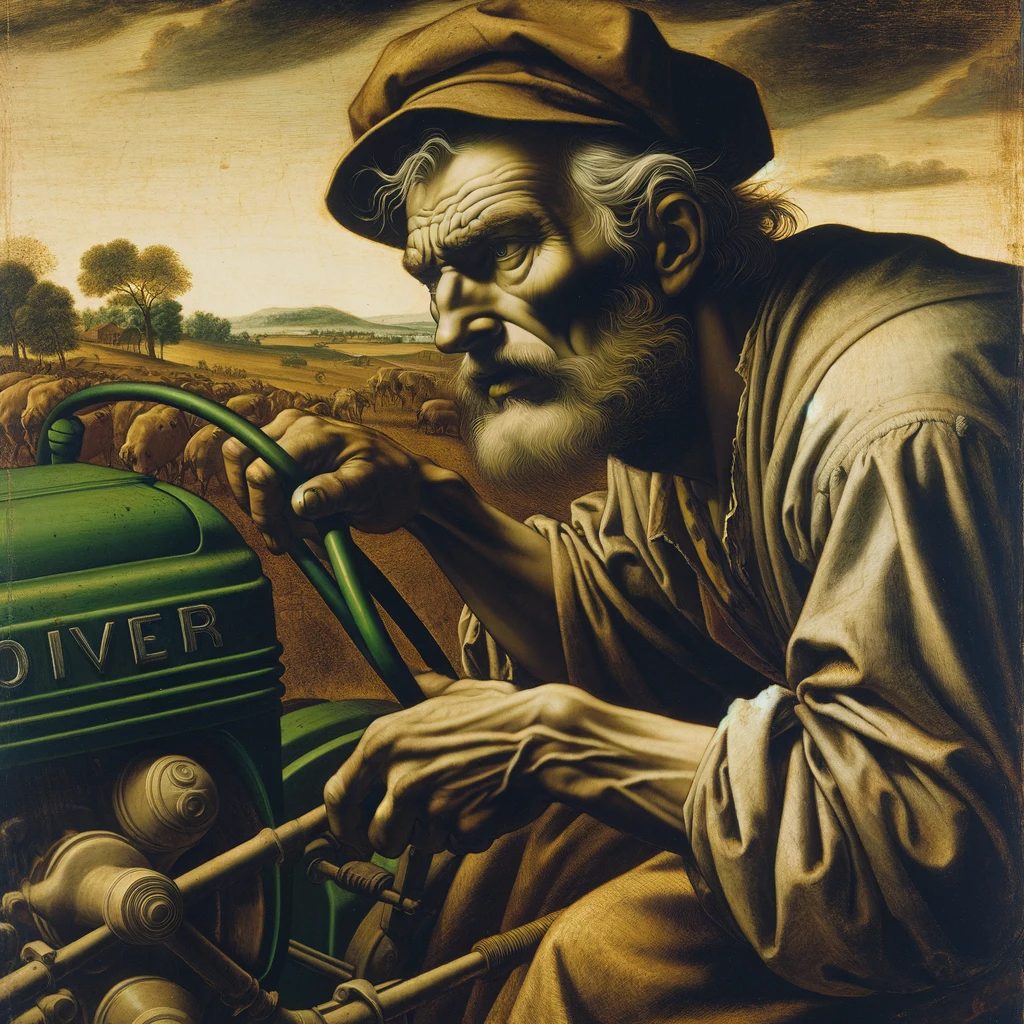
In the swirling maelstrom of post-war Europe, Bolinder-Munktell emerged not merely as a manufacturer but as a beacon of unyielding determination. Picture this: the landscape was littered with the remnants of conflict, the air thick with uncertainty. In such dire times, the hum of a tractor provided not just traction but hope. This was the era when Bolinder-Munktell was thrust onto the world stage, facing unique challenges that demanded both ingenuity and grit.
Firstly, the competition was fierce, and it wasn’t just from fellow tractor makers; it was from the very fabric of society itself, where farmers were skeptical of this new machinery. The early adopters faced derision from their peers, who still clung to tradition. The men and women at Bolinder-Munktell had the monumental task of not only engineering a reliable machine but also changing hearts and minds. They needed to present tractors as indispensable tools for feeding a ravenous world, rather than mere metal monstrosities.
The rational mind would question, “Why invest in these machines?” In an age of uncertainty, Bolinder-Munktell had to present compelling financial and practical reasons. They crafted machines that were not just robust but efficient, offering long-term savings to those who embraced them. Their products became symbols of innovation, embodying the essence of progress while promising a return on investment that farmers could grasp.
On the ethical front, Bolinder-Munktell faced the imperative to practice sustainable manufacturing. In a world ravaged by war, they made it their mission to produce durable, serviceable tractors that could withstand the rigors of everyday life. They set high standards in labor conditions and environmental consciousness, indicating that a commitment to ethical practices was possible during hard times.
Narratively, Bolinder-Munktell became synonymous with resilience. Each tractor that rolled off the assembly line was not merely a product; it told a story of perseverance. It was a testament to the belief that machines could uplift an entire community. When farmers saw those tractors in action, they didn’t just see metal; they saw their future.
Socially, Bolinder-Munktell knit together a tapestry of farmer and factory worker, fostering a sense of camaraderie. The tractors were not just for profit but a shared promise that together, through sweat and toil, they would forge a brighter tomorrow. In this tumultuous era, Bolinder-Munktell stood not just as a company, but as a catalyst for change—a story as rich and enduring as the land itself.
What Unique Challenges Did Bolinder-Munktell Face In Its Era?
What Unique Challenges Did Bolinder-Munktell Face In Its Era?
- Bolinder-Munktell emerged as a symbol of determination in post-war Europe.
- The company faced competition not only from other manufacturers but also skepticism from traditional farmers.
- They worked to change perceptions of tractors from mere machines to essential tools for agricultural productivity.
- Bolinder-Munktell presented compelling financial and practical reasons for investing in tractors, highlighting efficiency and long-term savings.
- They prioritized ethical manufacturing practices, focusing on durability and high labor standards in a post-war context.
- Each tractor produced represented a story of resilience and community upliftment.
- Bolinder-Munktell fostered camaraderie among farmers and factory workers, acting as a catalyst for change in a challenging era.
What Unique Challenges Did Bolinder-Munktell Face In Its Era?
How Did Bolinder-Munktell Foster Community Among Its Users?
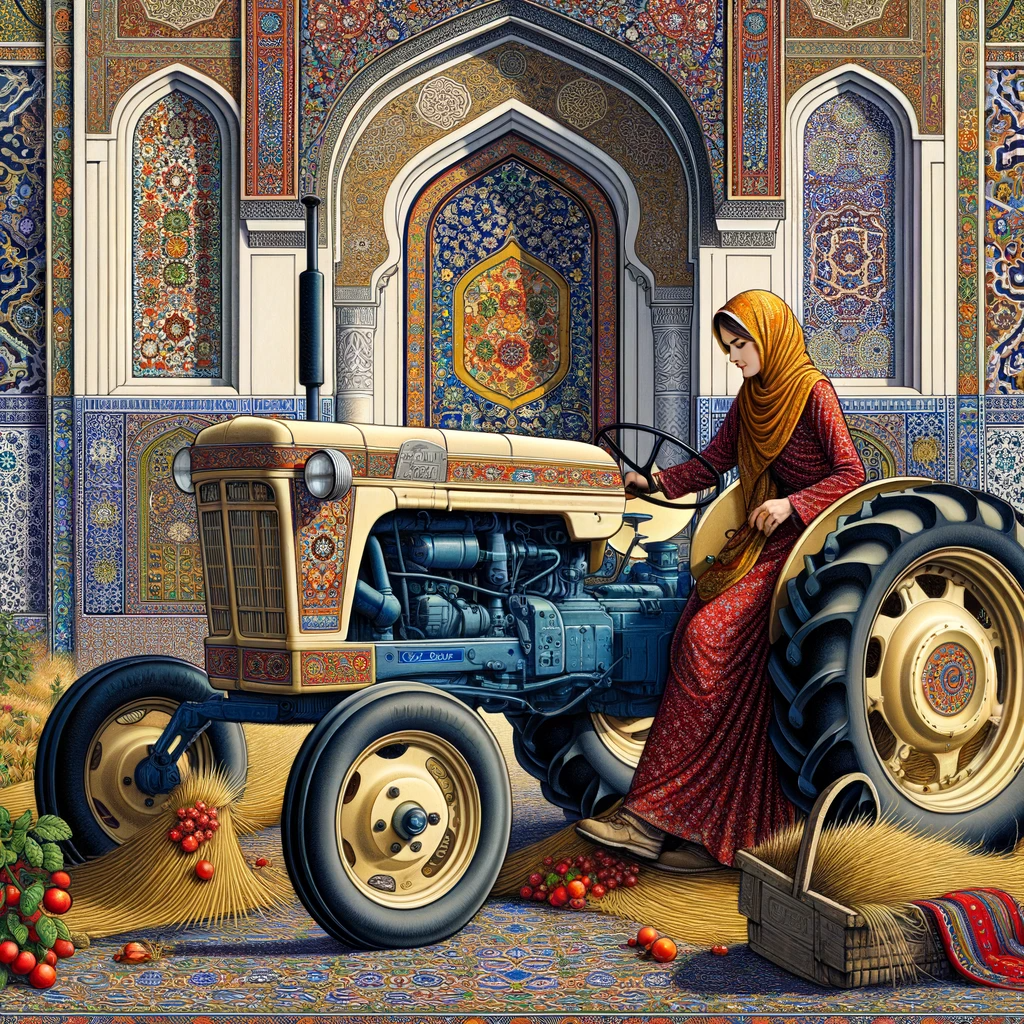
When you think of a tractor, it often conjures images of hard work and toil under an open sky. Yet, for the owners of Bolinder-Munktell machines, it’s much more than just a piece of equipment—it’s a bridge to community. We’re talking about the kind of bond that turns strangers into friends and shared sweat into shared stories.
The folks who wield these tractors often find themselves swept into a network, a community steeped in shared experiences and a passion for the land. Whether it’s in a dusty field or at a local café, the sight of a Bolinder-Munktell tractor sparks camaraderie. People light up, sharing tales of how their trusty machines have pulled them through both challenging harvests and joyous celebrations. These aren’t just tractors; they’re stewards of relationships, fostering deep connections grounded in mutual respect and admiration.
Imagine a gathering where everyone brings their own story, woven together through the threads of machinery, agriculture, and life’s unpredictable turns. Each operator has a unique history with their Bolinder-Munktell. They recount the sweat of long days and the laughter shared over a campfire after an exhausting day in the field. This narrative—rooted in hard work and community spirit—serves to fortify trust. After all, there’s an unspoken honor among those who share in the daily grind of rural life, and nothing builds that like a well-worn tractor that’s seen its fair share of sunrises and sunsets.
Etched into every engine, every component of these machines lies an ethical commitment to community spirit and sustainability. Bolinder-Munktell users don’t just work for themselves; they cultivate a richer community. Their dedication breeds a sense of responsibility that extends beyond agriculture, emphasizing stewardship of the land and care for one another. This sense of connectedness inspires confidence, inviting new generations to pick up the reins, not just of the tractor but of the community.
So when you see a Bolinder-Munktell tractor rumble down the road, remember—it’s not just a machine. It’s a lifeline, a tradition, and a source of collective pride. It’s a reminder that we’re all in this together, bound by the dirt on our boots, the grit in our palms, and the love of a life well lived. It’s a call to join hands, share stories, and keep the heart of our communities pulsing strong.
How Did Bolinder-Munktell Foster Community Among Its Users?
How Did Bolinder-Munktell Foster Community Among Its Users?
- Bolinder-Munktell tractors symbolize more than equipment; they represent community bonds.
- Owners of these tractors often find companionship through shared experiences in agriculture.
- The tractors serve as a catalyst for storytelling, connecting people through history and hard work.
- Gatherings around these machines highlight the camaraderie and mutual respect in rural life.
- Every Bolinder-Munktell has a unique narrative that fosters trust and deeper connections.
- These tractors embody an ethical commitment to sustainability and community responsibility.
- The presence of a Bolinder-Munktell is a reminder of shared tradition, collective pride, and interconnectedness.
How Did Bolinder-Munktell Foster Community Among Its Users?
What Made Bolinder-Munktell Stand Out In Early Tractor Innovation?
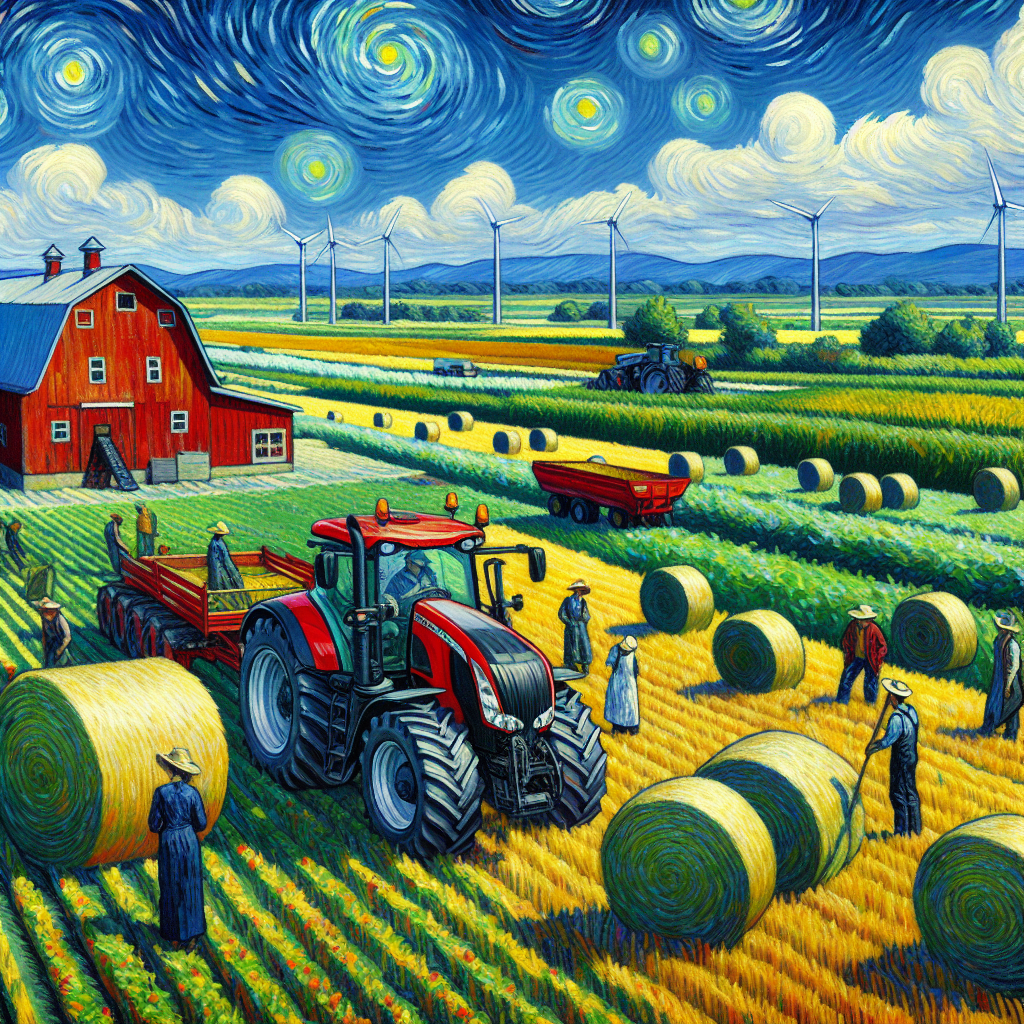
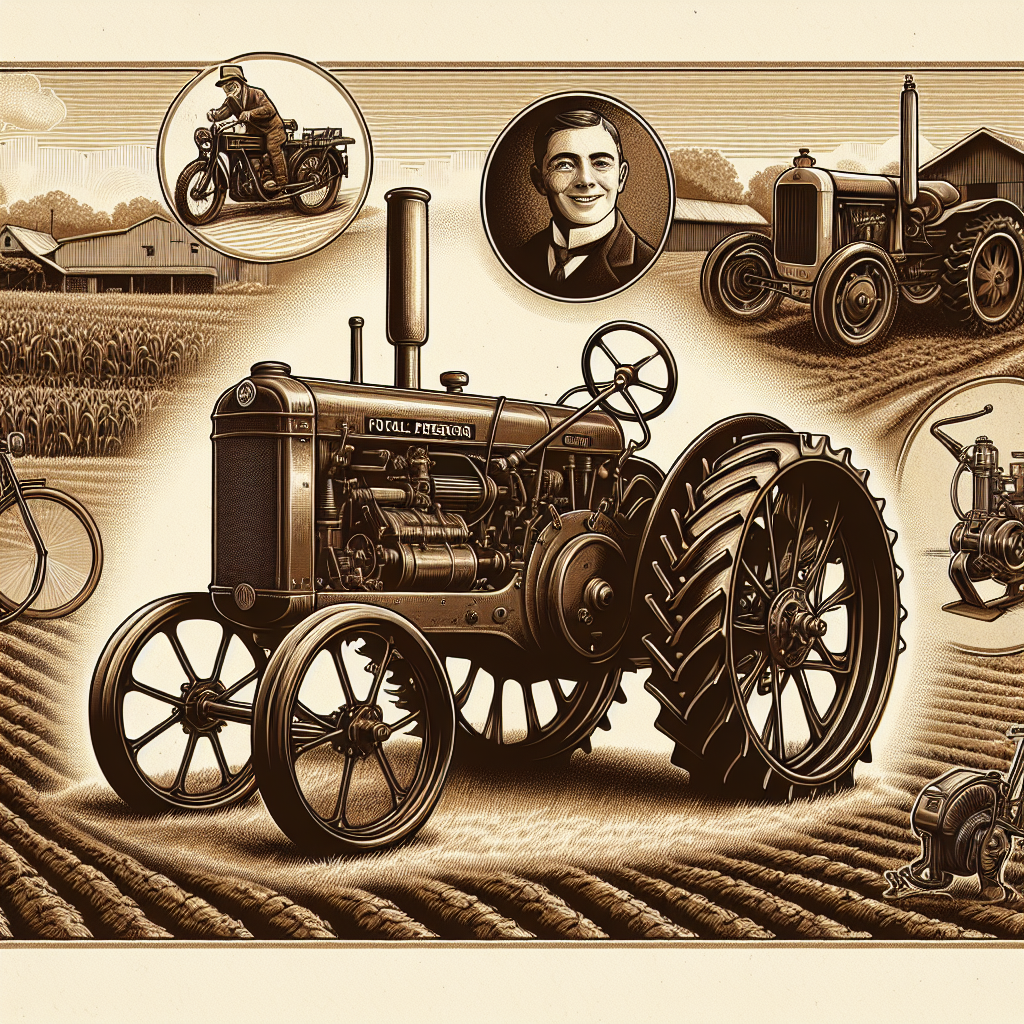
In the lush landscapes of early 20th century Sweden, innovation was not just a necessity; it was a lifeline for farmers grappling with labor shortages and the challenges of their demanding trade. This was the environment that birthed Bolinder-Munktell, a name that would soon become synonymous with early tractor innovation. What set them apart was not just the machines they created, but the unwavering spirit of the people behind them.
Imagine a time when a tractor was more than a piece of machinery; it was a partner in toil. Bolinder-Munktell understood that intimately. Their development of the first modern tractor in 1913 marked a seismic shift in agriculture, representing a bold commitment to transforming the way farmers worked. This was not merely engineering; it was about fostering a deep relationship between man and machine. By reducing labor intensity and boosting productivity, farmers could spend more time with their families, nurture their lands, and get a better return on their hard work.
Rational minds were drawn to the practicality of these machines. The tractors built by Bolinder-Munktell boasted efficiency and reliability that other contemporaries struggled to match. Their groundbreaking designs allowed for a versatile application, whether it was tilling fields or transporting goods, catering to the multifaceted needs of agricultural activities. It was an ethical choice for farmers looking to invest in their futures rather than being bogged down by outdated practices.
But not only did Bolinder-Munktell innovate; they inspired a community. The stories of farmers who harnessed these tractors to change their fortunes reverberate through generations. They demonstrate resilience—farmers who, with the push of a button, could turn hours of backbreaking labor into mere moments. Bolinder-Munktell wasn’t just selling tractors; they were handing over the keys to empowerment.
Today, when we reflect on the impact of those early tractors, we see that the trailblazers at Bolinder-Munktell weren’t just engineers and manufacturers—they were visionaries who understood the human element embedded in agriculture. They built trust, not just in their products, but in the very idea of progress. Their legacy invites us to embrace innovation with open arms, urging us to look beyond the steel and bolts, and recognize the dreams and determination that drive creation. In a world desperate for connection and purpose, we find in Bolinder-Munktell a reminder that the heart of progress beats strongest when it resonates with our shared struggle and aspiration.
What Made Bolinder-Munktell Stand Out In Early Tractor Innovation?
What Made Bolinder-Munktell Stand Out In Early Tractor Innovation?
- In early 20th century Sweden, farmers faced labor shortages, necessitating innovation.
- Bolinder-Munktell emerged as a key player in early tractor innovation, emphasizing human-machine relationships.
- Their first modern tractor, developed in 1913, transformed agricultural practices and boosted productivity.
- Bolinder-Munktell tractors offered exceptional efficiency and reliability, catering to diverse agricultural needs.
- The company inspired a community, empowering farmers to enhance their lives with transformative technology.
- Bolinder-Munktell’s legacy highlights the importance of innovation intertwined with human aspiration and resilience.
- They built trust in their products and the concept of progress, emphasizing connection and purpose in agriculture.
What Made Bolinder-Munktell Stand Out In Early Tractor Innovation?
How Did Bolinder-Munktell Address The Farming Needs Of Its Time?
When you think about farming, what often comes to mind is an image of rolling fields, golden grains, and the strong backs of hard-working men and women. These are the people who ensure our tables are full and our communities thrive. Bolinder-Munktell tapped into this vital spirit by addressing the farming needs of its time with quintessential grit and ingenuity.
Imagine a world where labor-intensive work is done by hand—long hours of toil under the sun, blistered hands, and aching backs. A world where every bushel of grain takes not just effort, but endurance. Into this landscape of sweat and determination, Bolinder-Munktell introduced the tractor—a machine that transformed the rhythm of farm life. This wasn’t just a piece of machinery; it was an embodiment of hope. Farmers could finally see the fruits of their labor increase exponentially. This simple yet revolutionary engine allowed them to cultivate larger plots, reduce their toil, and reclaim precious time to spend with family and community.
Now let’s engage the mind. Bolinder-Munktell understood the challenges farmers faced—from unpredictable weather to soil quality. They didn’t just slap a motor on a plow and call it a day. No, they listened. They observed. They built relationships with farmers to understand their specific needs. This deep connection turned their tractors into reliable allies, trusted partners in the pursuit of sustainability and efficiency. The sheer authority behind their designs spoke volumes; farmers knew they were investing not just in machinery, but in their future.
The ethical dimension is profound, too. In a time where food security was a growing concern, Bolinder-Munktell’s innovations helped usher in an era of increased productivity. They weren’t just selling tractors; they were contributing to an agricultural revolution that focused on feeding families and communities. With every tractor sold, they fostered a sense of community resilience—a shared journey towards abundance.
And it’s not just about the tractors themselves; it’s about the stories. Imagine farmers gathering to witness the first plow of a new tractor, laughter and camaraderie filling the air as they share their successes and failures. It’s more than just machines—it’s about lives being transformed.
Bolinder-Munktell didn’t just address farming needs, they inspired a movement. They instilled confidence where once there was doubt; they rallied around a time when hard work was often met with uncertainty. For every tractor that rolled onto a farm, a new chapter was written in the story of agriculture—a story that continues to resonate today, reminding us of the power of innovation tempered with heart.
How Did Bolinder-Munktell Address The Farming Needs Of Its Time?
How Did Bolinder-Munktell Address The Farming Needs Of Its Time?
- Farming evokes images of hardworking people and thriving communities, foundational to feeding our tables.
- Bolinder-Munktell revolutionized agriculture by introducing tractors, alleviating labor-intensive tasks and transforming farm life.
- The tractor increased farmers’ productivity, enabling them to cultivate larger areas and spend more time with loved ones.
- Bolinder-Munktell engaged with farmers to understand their needs, fostering strong relationships that enhanced trust in their products.
- The company’s innovations played a crucial role in improving food security and promoting community resilience through agricultural productivity.
- Farmers formed bonds over shared experiences with new tractors, highlighting the personal stories behind these machines.
- Bolinder-Munktell’s legacy represents a movement of innovation and empowerment in agriculture that continues to inspire today.
How Did Bolinder-Munktell Address The Farming Needs Of Its Time?
How Did Bolinder-Munktell Build Trust Within The Farming Community?
In the world of farming, trust isn’t just a word – it’s the foundation upon which families build their lives, their legacies, and their futures. Bolinder-Munktell didn’t just sell tractors; they forged lasting relationships with the men and women who tilled the soil and harvested the land, understanding that behind every piece of machinery was a family depending on it to make ends meet.
To build trust within the farming community, Bolinder-Munktell turned to the heart of what farming means. They didn’t just market tractors; they listened to the farmers. When someone invests their life’s work into cultivating the earth, they want to feel that investment reciprocated. Bolinder-Munktell knew that every farmer had a story, concerns about unpredictable weather or rising costs, and a desire for reliable, sturdy equipment that wouldn’t let them down. By engaging in genuine conversations, providing tailored solutions, and showing empathy in every interaction, they established a bond that went beyond a mere sales transaction.
Rationally speaking, Bolinder-Munktell’s tractors were engineered with an innovative flair, driven by a commitment to excellence and durability. Farmers could look at the specs and see not just machinery, but a promise of efficiency and reliability. The facts were clear: these tractors didn’t just perform; they outperformed. But it wasn’t just about numbers on paper. Reliability translated into productivity in the fields, and that made sense—a vital element in an industry where every hour counts.
Then there’s ethics, the invisible thread that holds community together. Bolinder-Munktell practiced transparency in their dealings, owning up to challenges and mistakes, and not shying away from feedback. They built an authority rooted in respect and accountability, creating an environment where farmers felt safe to voice concerns and share triumphs.
The stories passed down through generations of farmers—of how Bolinder-Munktell tractors became trusted partners in their daily grind—are woven into the very fabric of agricultural life. The sound of a Bolinder-Munktell tractor revving up wasn’t just noise; it was a symbol of dependability, a heartbeat echoing through the fields.
Every farmer wants to build something meaningful, and Bolinder-Munktell didn’t just sell them a tractor; they handed them a tool for their dreams. By engaging at a gut level, Bolinder-Munktell fostered a community where farmers didn’t just buy machinery—they became a part of a legacy. Trust is built one day at a time, one tractor at a time, and their commitment to the farming community proved that they were in it for the long haul.
How Did Bolinder-Munktell Build Trust Within The Farming Community?
How Did Bolinder-Munktell Build Trust Within The Farming Community?
- Trust is the foundation for families in farming, essential for building lives and legacies.
- Bolinder-Munktell fostered lasting relationships with farmers, understanding their reliance on machinery.
- They engaged in genuine conversations, addressing farmers’ concerns about weather, costs, and equipment reliability.
- The tractors had innovative engineering, promising efficiency and durability beyond just specifications.
- Bolinder-Munktell maintained ethics through transparency and accountability, allowing open communication.
- The company’s legacy is intertwined with farmer stories, symbolizing dependability in agricultural life.
- By building trust and community, Bolinder-Munktell ensured they were partners in farmers’ dreams and futures.
How Did Bolinder-Munktell Build Trust Within The Farming Community?
What Impact Did Bolinder-Munktell Have On Agricultural Efficiency?
When you think about the evolution of agriculture, it’s easy to forget the unsung heroes that laid the groundwork for today’s farming efficiencies. Bolinder-Munktell stands out in this narrative, not just as a manufacturer but as a pioneer that transformed the way we view farming. Imagine fields once worked by tireless human hands and herding animals, a world where every bushel and blade of grass meant backbreaking labor. Then picture that landscape evolving—machines step in, change the game, and give farmers more than just tools; they give them time and hope.
The introduction of the tractor made it clear: agriculture was ready to break free from the shackles of labor. Picture a farmer at dawn, surrounded by the promise of a new day’s toil. Now, instead of spending hours plowing with a team of horses, they fire up their Bolinder-Munktell tractor. The engine roars to life, and with it, the drudgery subsides, allowing for an awe-inspiring transformation of the land. That tractor doesn’t just symbolize efficiency—it embodies freedom.
Bolinder-Munktell didn’t just manufacture equipment; they fostered a connection between tradition and innovation. They understood that with each advancement, they were not just building machines, but empowering people. Farmers could now cultivate larger fields and produce more crops, steering their families toward prosperity. This was a revolution that spoke to the heart of agriculture, turning hard work into smart work.
From a rational standpoint, the efficiency gains were palpable. Fields that once seemed insurmountable became manageable thanks to the reliability and power of these tractors. Crop yields skyrocketed, feeding communities and giving rise to economies that would support entire generations. It’s not just about growing food; it’s about creating a sustainable future for families and farmers alike.
Ethically, Bolinder-Munktell recognized its place in the broader story of humanity—the importance of feeding the world is a responsibility shared by all. Their tractors didn’t merely serve a purpose; they fostered a sense of communal pride and achievement among those who forged ahead.
As tractors rolled into farms, they inspired others to innovate, drawing in a new generation bent on finding solutions to age-old challenges. Each time a farmer mounts their tractor, they carry a legacy forward—a legacy born from ingenuity, hard work, and a deep connection to the earth. Bolinder-Munktell, through their relentless pursuit of efficiency, has ignited a passion for progress in agriculture, a progress that continues today and into the future.
What Impact Did Bolinder-Munktell Have On Agricultural Efficiency?
What Impact Did Bolinder-Munktell Have On Agricultural Efficiency?
- Bolinder-Munktell is recognized as a pioneer in agricultural innovation, fundamentally changing farming practices.
- The introduction of tractors revolutionized agriculture, freeing farmers from labor-intensive methods.
- Tractors represented not just efficiency but also provided farmers with freedom and hope for the future.
- Bolinder-Munktell bridged the gap between tradition and innovation, empowering farmers to cultivate larger fields and improve productivity.
- The rise in efficiency led to increased crop yields, supporting communities and bolstering local economies.
- Ethically, Bolinder-Munktell acknowledged the shared responsibility of feeding the world and fostering communal pride.
- Tractors inspired further innovation and a new generation of problem-solvers in agriculture, contributing to ongoing progress.
What Impact Did Bolinder-Munktell Have On Agricultural Efficiency?
Conclusion
Bolinder-Munktell is a name that deserves a standout place in the annals of agricultural history—a beacon of innovation that rose from the ashes of post-war Europe. This Swedish tractor manufacturer brought more than just machinery to the fields; it forged a connection between technology and the hardworking farmers who relied on its machines. In an era when tractors were yet foreign to many, Bolinder-Munktell faced an uphill battle. Farmers, deeply rooted in tradition, approached new technologies with skepticism. Yet, Bolinder-Munktell wasn’t merely selling equipment; they were crafting a narrative of trust and empowerment, showing that these machines could be partners in the toil of daily life.
Every tractor embodied efficiency, durability, and craftsmanship, resonating with rational farmers looking for reliability in unpredictable times. Not satisfied with merely manufacturing vehicles, Bolinder-Munktell became entwined in the fabric of farming communities, where stories of shared experiences and grueling seasons exchanged in fields or around campfires became a common thread. Each roar of a Bolinder-Munktell engine wasn’t just a sound; it signaled a promise—a commitment to sustainability wrapped in the ethical practice of prioritizing local economies and labor standards.
Through innovation, they improved agricultural practices, enabling farmers to cultivate larger fields and increase yields. The tractors were more than machines; they became catalysts for change, transforming arduous labor into efficient work. With every sunrise, farmers who rode the Bolinder-Munktell could focus on their crops and families instead of backbreaking toil. That shift from effort to efficiency sparked not just economic growth but a renewed spirit—a sense of belonging and community that went beyond business transactions.
Moreover, Bolinder-Munktell’s legacy is steeped in the ethos of perseverance, inspiring generations of farmers undeterred by challenge. These tractors didn’t just mechanize agriculture; they ushered in an era of possibility and resilience, showing farmers that there could be a more hopeful future.
In a world that often overlooks the stories behind the steel and bolts, Bolinder-Munktell shines as a testament to the power of community and hard work. They remind us of the toil that goes into every meal and the unbreakable bond between man, machine, and land—a legacy worth celebrating as we navigate the complexities of modern agriculture. So next time you see a Bolinder-Munktell, remember it represents not just machinery, but the beating heart of a community dedicated to progress, sustainability, and shared dreams.
Conclusion
Conclusion:
- Bolinder-Munktell, a Swedish tractor manufacturer, played a significant role in agricultural history post-war Europe.
- The company bridged the gap between innovative technology and the farmers who relied on its machinery.
- Despite initial skepticism from traditional farmers, Bolinder-Munktell built a narrative of trust and empowerment.
- Their tractors were characterized by efficiency, durability, and craftsmanship, resonating with farmers seeking reliability.
- Bolinder-Munktell became integral to farming communities, fostering shared experiences and a sense of belonging.
- The tractors transformed labor, allowing farmers to focus on crops and families, promoting economic growth and community spirit.
- Bolinder-Munktell’s legacy embodies perseverance, inspiring future generations and emphasizing the bond between man, machine, and land.

Conclusion
Other Resources
Other Resources
Here is a list of other resources you can review online to learn more:
- Ohio Crawford County Antique Farm Equipment Museum
- YTO
- Knudson
- Ursus
- Minnesota Machinery Museum
- Sublette Farm Toy & Antique Tractor Show
- Fendt International
- Samson
- Raba
- Cecil County Farm Museum
- First State Antique Tractor Club
- Iseki
- Tri-State Gas Engine and Tractor Association
- Louisville Tractor and Truck Pull
- Agri-Power
- Versatile
- Escorts
- Cabelas
- LeRoi
- Gaetz Tractor Museum
Use This Prompt To Get More Resources With Your Favorite Online AI Tool: Please provide me with a list of online articles with their URLs in a bulleted list that I can read regarding How Did Tractor Maker Bolinder-Munktell From Sweden Compare to Similar Makes Of That Period?
Other Resources
Glossary Terms
How Did Tractor Maker Bolinder-Munktell From Sweden Compare to Similar Makes Of That Period? – Glossary Of Terms
1. Bolinder-Munktell: A Swedish manufacturer established in 1932, known for producing tractors and agricultural machinery.
2. Tractor: A powerful vehicle designed primarily for hauling and towing agricultural implements.
3. Agricultural Machinery: Equipment used in farming to enhance productivity, including tractors, plows, and harvesters.
4. Model: A specific version of a tractor produced by a manufacturer, often differentiated by features and engine capacity.
5. Horsepower: A unit of measurement for power, used to describe the strength of a tractor’s engine.
6. Diesel Engine: An internal combustion engine that uses diesel fuel, notable for its efficiency and torque in tractors.
7. Two-Wheel Drive (2WD): A drivetrain where only two wheels (usually the rear) receive power, common in older tractors.
8. Four-Wheel Drive (4WD): A drivetrain configuration that powers all four wheels, offering improved traction in tough terrain.
9. Hydraulics: A system utilizing fluid power to lift and move agricultural implements, enhancing functionality in tractors.
10. PTO (Power Take-Off): A mechanism that transfers engine power to auxiliary equipment, allowing the tractor to operate implements.
11. Drawbar: A metal rod or beam attached to a tractor used for towing implements and trailers.
12. Field Capacity: A measure of a tractor’s efficiency, defined as the area it can cover over time while performing tasks.
13. Cultivator: A farming implement used to aerate the soil and control weeds.
14. Moldboard Plow: A type of plow that turns over soil in a single pass, essential for preparing land for planting.
15. Tractor Weight: The mass of the tractor, important for stability and traction when working in fields.
16. Implement: A tool or device used in conjunction with a tractor to perform a specific agricultural task.
17. Tires: Rubber components that provide traction and support for the tractor’s weight and load.
18. Cab: The enclosed space where the operator sits, offering protection from weather elements during operation.
19. Transmission: A system that transmits power from the engine to the wheels, impacting speed and torque.
20. Fuel Efficiency: A measure of how effectively a tractor uses fuel, often critical to operational costs.
21. Maintenance: Regular upkeep required to keep tractors in working condition, including oil changes and inspections.
22. Ergonomics: The study of how operators interact with a tractor, focusing on comfort and efficiency during use.
23. Load Capacity: The maximum weight a tractor can safely pull or carry, directly influencing productivity.
24. Engine Displacement: The total volume of all cylinders in a tractor’s engine, impacting power and performance.
25. Power Rating: A specification indicating the maximum horsepower a tractor can provide for its intended tasks.
26. Wet Clutch: A type of clutch submerged in oil, enhancing durability and reducing wear in tractor transmissions.
27. Mechanical Drive: A method of propelling a tractor using gears and belts, as opposed to hydraulic systems.
28. Turn Radius: The smallest circular movement a tractor can make, affecting maneuverability in tight spaces.
29. Historical Context: The social, economic, and technological background of the era during which Bolinder-Munktell operated.
30. Comparison Analysis: A method of evaluating different tractor brands, assessing performance, features, and value during a specific timeframe.
Glossary Of Terms
Other Questions
How Did Tractor Maker Bolinder-Munktell From Sweden Compare to Similar Makes Of That Period? – Other Questions
If you wish to explore and discover more, consider looking for answers to these questions:
- What were the key features of Bolinder-Munktell tractors that set them apart from competitors?
- How did the social and economic conditions of post-war Europe affect Bolinder-Munktell’s strategies?
- What types of tractors did Bolinder-Munktell produce, and for what specific markets?
- What innovations did Bolinder-Munktell introduce in engineering and design?
- How did Bolinder-Munktell’s business practices influence its reputation among farmers?
- What were the specific sustainability initiatives undertaken by Bolinder-Munktell?
- How did Bolinder-Munktell contribute to agricultural practices outside of Sweden?
- What challenges did Bolinder-Munktell encounter during its peak years?
- How did the legacy of Bolinder-Munktell influence modern agricultural machinery?
- What are some personal stories from farmers who used Bolinder-Munktell tractors?
Other Questions
Haiku
How Did Tractor Maker Bolinder-Munktell From Sweden Compare to Similar Makes Of That Period? – A Haiku
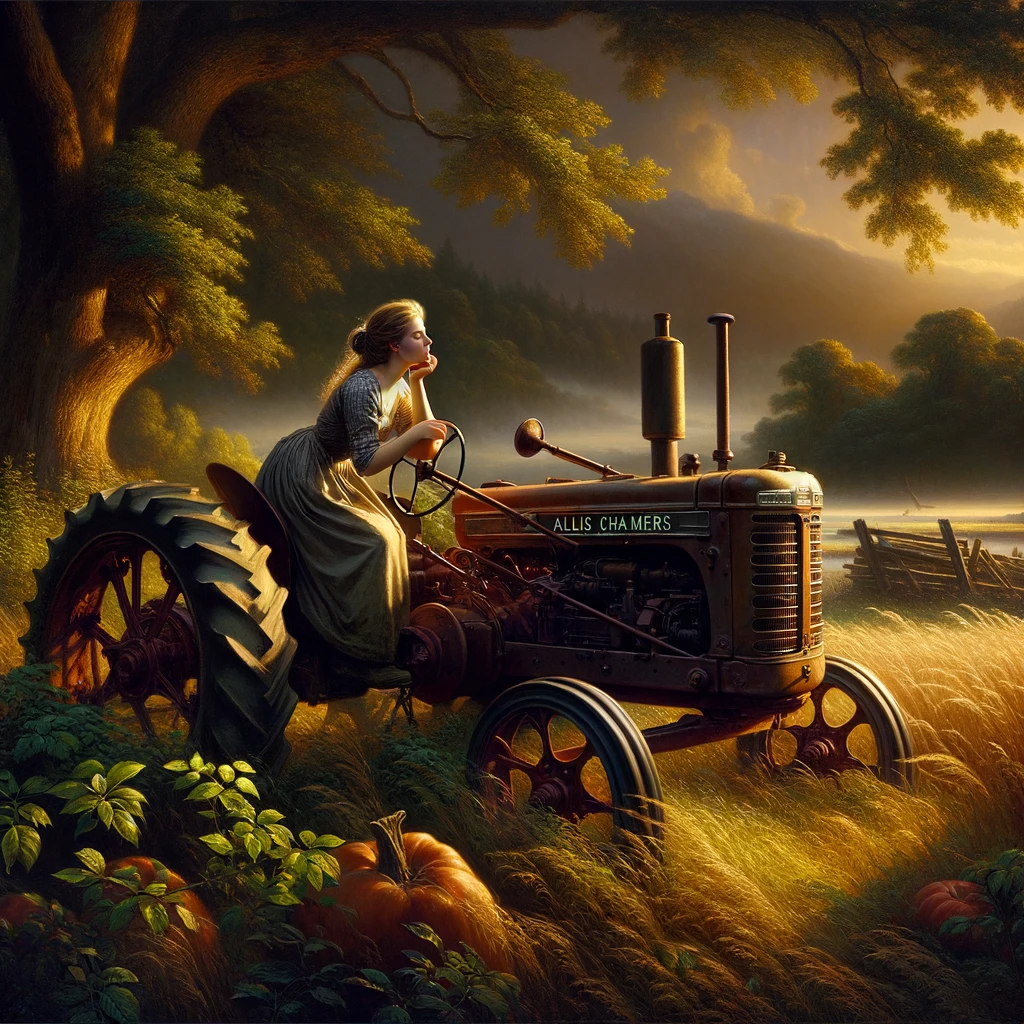
Swedish steel and heart,
Farmers find hope in their tools,
Together, they grow.
Haiku
Poem
How Did Tractor Maker Bolinder-Munktell From Sweden Compare to Similar Makes Of That Period? – A Poem
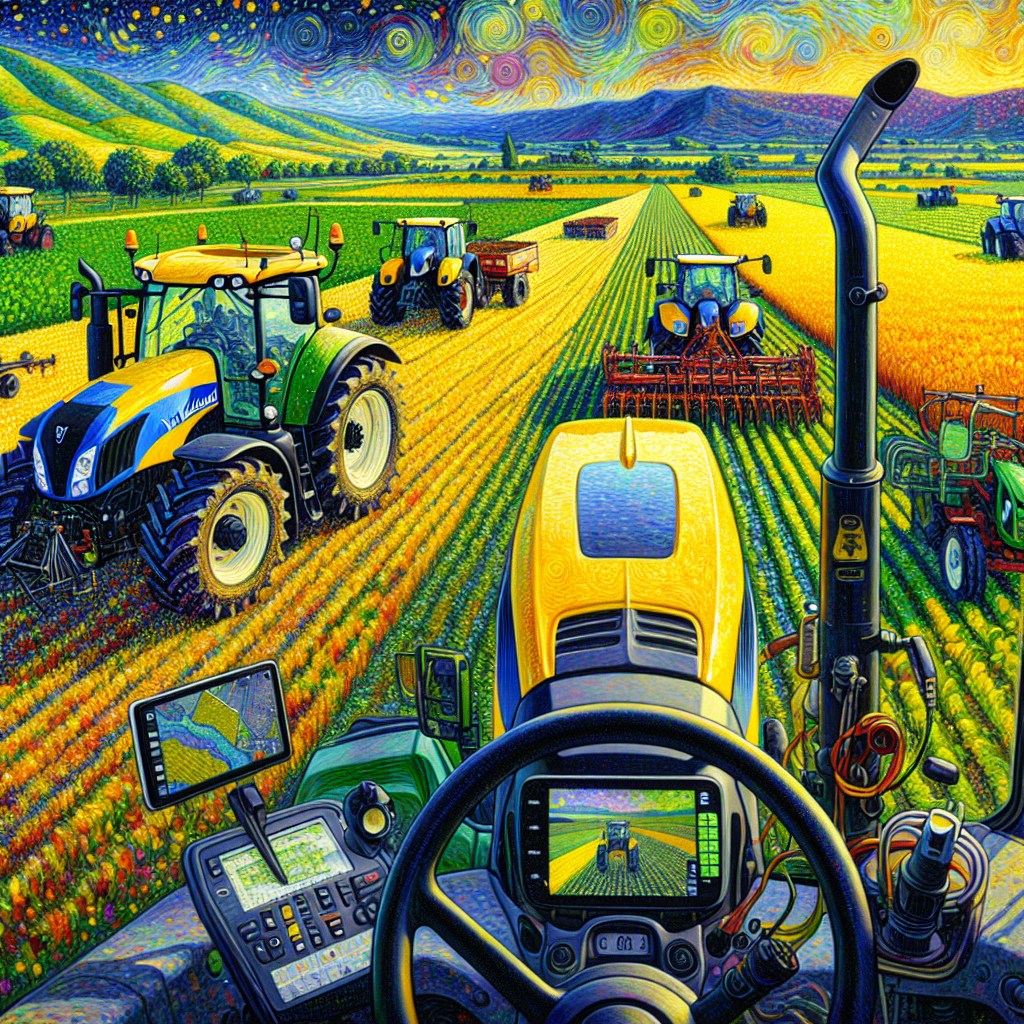
In fields once darkened by toil and strife,
Bolinder-Munktell sparked a new agricultural life.
Amidst the clamor of competing schemes,
A Swedish heart forged its dreams.
Engineers embraced both metal and hope,
Crafting tractors that helped farmers cope.
With each turn of the soil, a bond was born,
A partner in labor, from dusk until dawn.
Whether sun-bleached or drenched by rain,
These machines bore witness to sweat and pain.
A story woven, where hands meet the land,
Echoed the promise that together they’d stand.
Designed for the hard, for the weary and worn,
Their spirit of resilience could not be scorned.
Innovations that spoke to the farmer’s own need,
Fueling their futures, planting the seed.
Trust built in stories, in laughter and grime,
Neighbors united across space and time.
No mere transaction, but a shared legacy spun,
A community thriving, under the same sun.
With engines that sang of a brighter tomorrow,
They lightened the load, lessened the sorrow.
A rhythm of progress, a dance in the dirt,
Where ethics and craftsmanship truly converged.
Bolinder-Munktell, a name etched in pride,
In the heart of each farmer, they reside.
For every machine, a connection profound,
A testament to resilience, where hope can be found.
So let the engines roar, let the fields be aglow,
In the tapestry of life, their legacy flows.
A reminder of strength, that together we rise,
With the spirit of farming, as vast as the skies.
Poem
Checklist
How Did Tractor Maker Bolinder-Munktell From Sweden Compare to Similar Makes Of That Period? – A Checklist
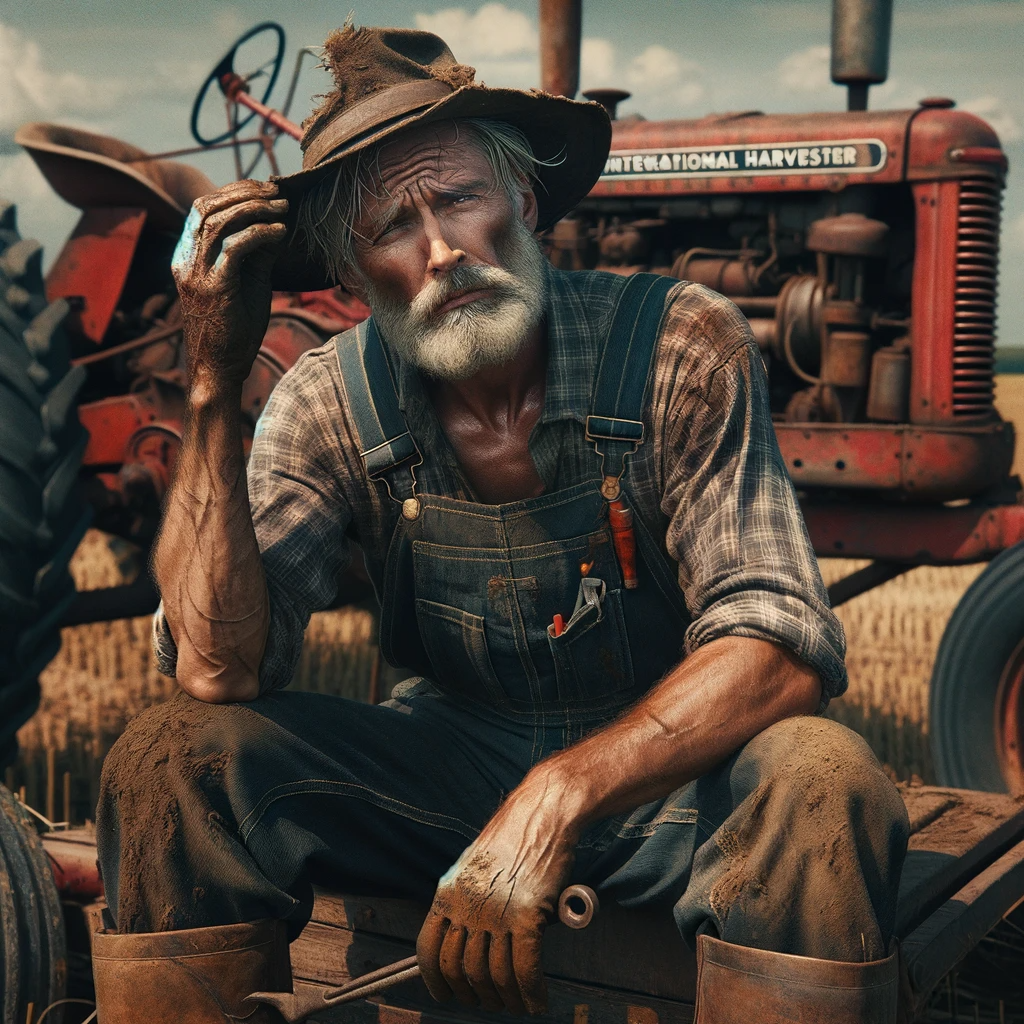
Bolinder-Munktell Tractor Legacy: Heart, Head, and Gut Appeal Checklist
Emotional Appeals:
_____ Reflect on the personal stories of farmers who have formed bonds with their Bolinder-Munktell tractors.
_____ Identify a moment when your tractor or farming experience brought your community together.
_____ Consider the emotional impact of trusting your machinery during tough harvests.
Rational Appeals:
_____ Evaluate the fuel efficiency of your current equipment compared to Bolinder-Munktell tractors.
_____ Analyze the long-term cost savings of investing in reliable machinery.
_____ List practical features of your equipment that enhance productivity and efficiency.
Ethical Appeals:
_____ Review your sourcing practices and commitment to local economies, similar to Bolinder-Munktell’s community focus.
_____ Assess the sustainability practices in your farming operations and identify areas for improvement.
_____ Foster transparency with your consumers about your farming practices.
Authority Appeals:
_____ Seek testimonials from longtime Bolinder-Munktell users on the benefits of their tractors.
_____ Research innovations in agriculture inspired by Bolinder-Munktell’s legacy.
_____ Identify experts in agricultural technology and efficiency to deepen your understanding.
Narrative Appeals:
_____ Share a personal farming story that reflects the spirit of perseverance and innovation in your life.
_____ Consider how agricultural machinery has evolved over your lifetime and its impact on modern farming.
_____ Create a collective memory by gathering anecdotes from fellow farmers about their first experiences with tractors.
Social Appeals:
_____ Engage with local farmers about their experiences with machinery to build camaraderie.
_____ Attend community events or historical exhibits centered around agricultural machinery.
_____ Join online forums or social media groups to discuss challenges and celebrate successes in farming.
Practical Application:
_____ Compile a list of local resources for tractor maintenance or repairs to support your community.
_____ Set specific goals for enhancing the efficiency of your farming operations based on insights from Bolinder-Munktell’s approach.
_____ Plan community gatherings to share farming experiences and knowledge, strengthening bonds among local farmers.
Checklist
At ClassicTractorNews, we help tractor lovers keep up with the latest news for classic and vintage tractors.
Please share this post with your friends, family, or business associates who may like old classic or vintage tractors.