


Revolutionizing Soil Conservation: The Role Of 4Wd Tractors
By Tom Seest
At ClassicTractorNews, we help tractor lovers keep up with the latest news for classic and vintage tractors.
Please share this post with your friends, family, or business associates who may like old classic or vintage tractors.
How Did 4 Wheel Drive Tractors Impact Soil Conservation Efforts?
When you think about tractors, the mind often dives straight into images of vast fields and heavy machinery plowing through rows of crops. Yet, the evolution of the 4-wheel drive tractor has brought about more than just convenience for farmers; it has significantly transformed soil conservation efforts across the agricultural landscape.
Imagine a tractor, but not just any tractor—the 4-wheel drive variety that allows farmers to maneuver with precision and power, even in less-than-ideal conditions. This beast of a machine carries a weighty responsibility: maintaining the health of our soil while boosting agricultural productivity. The advent of 4-wheel drive tractors marked a turning point in farm operations, enabling farmers to work more efficiently while adhering to practices that protect the earth.
One of the most profound impacts of these tractors lies in their ability to reduce soil compaction. Traditional 2-wheel drive tractors can exert an immense amount of pressure on the ground—especially when the soil is wet. The result? A compacted mess that hampers root growth and reduces water infiltration. Enter the 4-wheel drive tractor, which not only distributes weight more evenly but also allows for lighter ground pressure. With these new machines, farmers can traverse their fields without leaving a lasting footprint on the soil’s structure.
Moreover, 4-wheel drive tractors have given rise to conservation tillage practices. Farmers now have the capacity to adopt methods that disturb the soil less, which in turn conserves moisture and minimizes erosion. These tractors often come equipped with advanced technology that allows for precision farming—turning them into powerful tools for soil conservation. Farmers can plant crops at exact depths and spacings, ensuring the soil remains intact and thriving.
Then there’s the capability to negotiate rough terrain with ease. We’re talking about slopes, wetlands, and challenging landscapes that once posed a significant challenge for traditional farming equipment. With a 4-wheel drive tractor, farmers can access previously underutilized land, allowing for diversified crop rotation and cover cropping. These practices are essential for maintaining soil health and preventing degradation.
In a world where soil conservation is becoming increasingly critical, 4-wheel drive tractors are not merely a step in agricultural evolution; they are a giant leap toward a sustainable future, proving that machinery and ecology can indeed work hand in hand. So, the next time you see one of these powerful machines rolling through a field, remember—their impact extends far beyond productivity; they’re also champions of the soil.

How Did 4 Wheel Drive Tractors Impact Soil Conservation Efforts?
How Did 4 Wheel Drive Tractors Impact Soil Conservation Efforts?
- The evolution of 4-wheel drive tractors enhances soil conservation in agriculture.
- 4-wheel drive tractors provide farmers with precision and power in difficult conditions.
- They help reduce soil compaction by distributing weight more evenly, allowing for less ground pressure.
- These tractors enable conservation tillage practices that minimize soil disturbance, conserving moisture and reducing erosion.
- Equipped with advanced technology, they facilitate precision farming, promoting soil health.
- 4-wheel drive tractors easily navigate challenging terrains, opening access to underutilized land for diverse crop practices.
- They represent a significant advancement in agriculture, aligning machinery use with ecological sustainability.

How Did 4 Wheel Drive Tractors Impact Soil Conservation Efforts?
Table Of Contents
- How Did 4 Wheel Drive Tractors Impact Soil Conservation Efforts?
- How Are 4 Wheel Drive Tractors Enhancing Soil Conservation Techniques?
- What Are The Benefits Of Using 4 Wheel Drive Tractors For Soil Health?
- How Do 4 Wheel Drive Tractors Minimize Soil Erosion During Farming?
- In What Ways Do These Tractors Support Sustainable Farming Practices?
- What Challenges Do Farmers Face When Adopting 4 Wheel Drive Tractors?
- How Do 4 Wheel Drive Tractors Influence Crop Yields And Soil Quality?
- What Technologies Are Integrated Into Modern 4 Wheel Drive Tractors?
- Conclusion
- Other Resources
- Glossary Of Terms
- Other Questions
- Haiku
- Poem
- Checklist
How Are 4 Wheel Drive Tractors Enhancing Soil Conservation Techniques?
When you think about farming, you probably conjure up images of sprawling fields and old-fashioned equipment, right? Well, let me break that down for you—today’s farming is more advanced than ever, especially when it comes to 4-wheel-drive tractors. These machines aren’t just metal boxes on wheels; they’re technological marvels that play a vital role in soil conservation techniques.
First off, let’s appreciate what sets 4-wheel-drive tractors apart from their 2-wheel counterparts: traction. With power being delivered to all four wheels, these tractors can navigate tough terrains and steep inclines that would make any regular tractor eat dirt—literally. This capability reduces soil compaction, preserving the delicate structure of soil, which is key for healthy crop productivity. Less compaction means better water infiltration, and when it rains, this is crucial. Rather than the rain running off, it seeps in, nourishing the crops and allowing for efficient use of resources.
But there’s more to it than just maneuverability. The modern 4WD tractor is equipped with technology that allows for precision farming. Think GPS-guided systems that can plant seeds with pinpoint accuracy, reducing overlap and waste. This precision not only conserves resources like seeds and fertilizer but also minimizes soil disturbance. The result? Healthier soil ecosystems that support diverse plant and insect life. After all, healthy soil is teeming with microorganisms that break down organic matter, making nutrients available for growing crops.
Additionally, these tractors often feature advanced tillage equipment that can prepare land with minimal damage to the soil structure. Conventional tilling can lead to erosion, especially on slopes. However, 4-wheel-drive tractors can enable no-till or reduced-till methods, which keep the soil intact, enhance moisture retention, and curb erosion.
Moreover, we can’t overlook the versatility of these tractors. Farmers can quickly change attachments to switch from tilling to planting or even spreading cover crops—all essential practices in soil conservation. This adaptability allows farmers to respond quickly to changing environmental conditions, ensuring that they can always employ the best practices for soil health.
In short, 4-wheel-drive tractors are not just tools; they are an integral part of a sustainable farming future that values soil conservation. We’re not just plowing fields here; we’re cultivating a resilient environment, one revolution at a time.

How Are 4 Wheel Drive Tractors Enhancing Soil Conservation Techniques?
How Are 4 Wheel Drive Tractors Enhancing Soil Conservation Techniques?
- Modern farming is advanced, particularly with 4-wheel-drive (4WD) tractors that aid in soil conservation.
- 4WD tractors offer better traction than 2-wheel tractors, allowing them to navigate tough terrains and reduce soil compaction.
- Less soil compaction leads to improved water infiltration, crucial for nourishing crops during rainfall.
- These tractors are equipped with technology for precision farming, utilizing GPS systems for accurate seed planting.
- Precision farming conserves resources like seeds and fertilizer while minimizing soil disturbance, promoting healthy soil ecosystems.
- Advanced tillage equipment on 4WD tractors supports no-till or reduced-till methods, enhancing moisture retention and curb erosion.
- The versatility of 4WD tractors allows for quick attachment changes, enabling farmers to adapt to environmental conditions for better soil health.
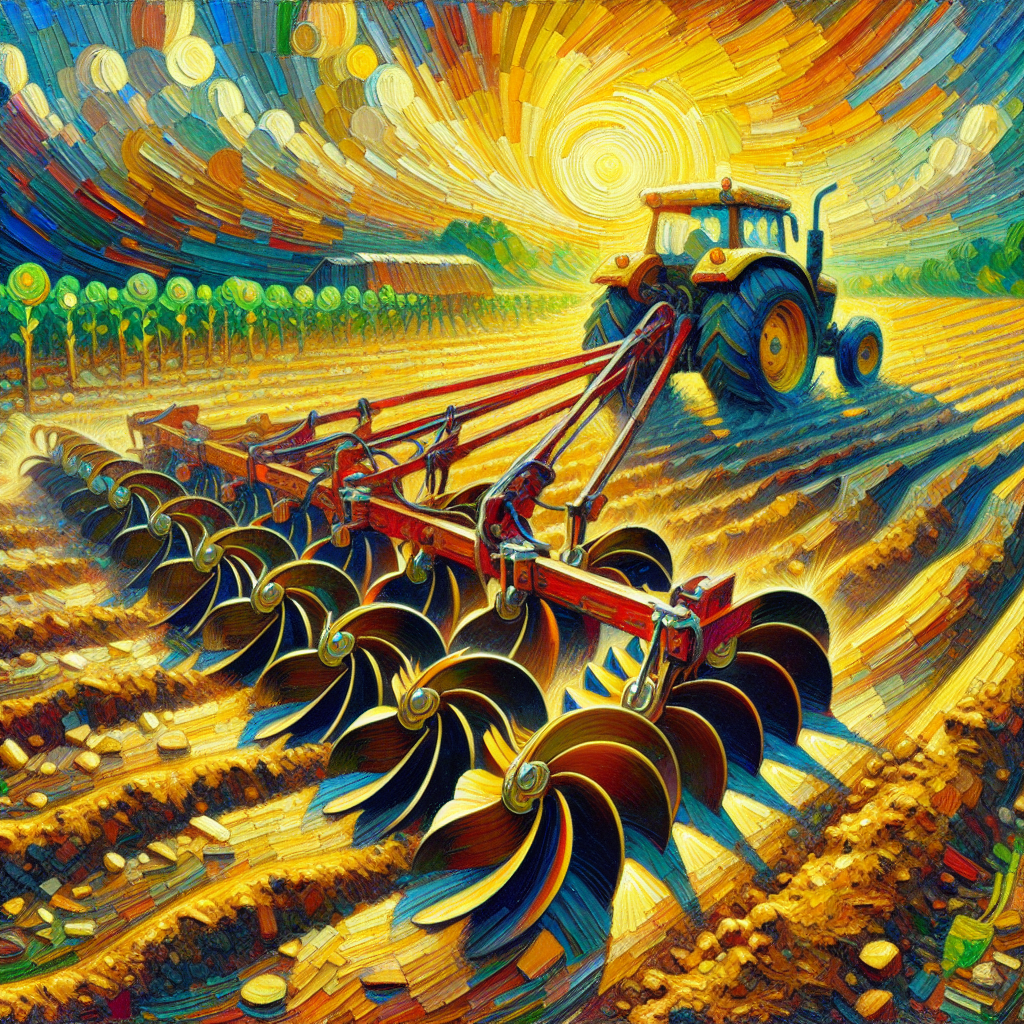
How Are 4 Wheel Drive Tractors Enhancing Soil Conservation Techniques?
What Are The Benefits Of Using 4 Wheel Drive Tractors For Soil Health?
When we talk about farming, it’s easy to get bogged down in the routine of plowing, planting, and harvesting. But let’s dig a little deeper into a powerful ally that’s transforming how we care for our soil: the 4 wheel drive tractor. If you’ve ever had the pleasure of operating one of these robust machines, you know they’re not just workhorses; they’re instrumental in maintaining and enhancing soil health.
First off, let’s consider the sheer power of a 4 wheel drive tractor. Unlike their 2 wheel counterparts, these machines distribute weight more evenly, which means they can operate in heavy conditions without compacting the soil. This is crucial for maintaining soil structure. When soil gets compacted, it limits the air and water infiltration that crops so desperately need. With a 4 wheel drive tractor, you’re not just driving; you’re nurturing the ground you work on, ensuring it stays loose and fertile.
So how does this translate into real-world benefits? For one, better soil health means improved drainage and aeration. With a 4 wheel drive tractor, farmers can navigate wet fields with ease, reducing the risk of getting stuck or causing rutting. This ability to work in diverse conditions allows for timely planting and harvesting, which can be critical to maximizing yield. A healthy farm means healthy crops, and healthy crops mean a productive season.
Then there’s the versatility of the 4 wheel drive tractor. Equipped with various attachments like tillers and sprayers, this machine can adapt to multiple tasks. By allowing for a wider array of soil management practices, it helps foster a balanced ecosystem right beneath the surface. Crop rotation, cover cropping, and minimal tillage become easier to implement, which all contribute to maintaining and enhancing soil fertility.
Finally, let’s not overlook the environmental benefits. A well-managed tractor can help reduce erosion. When soil erodes, it takes away the very foundation of our farming operation. A 4 wheel drive tractor, with its powerful traction and control, minimizes disturbance and protects the fragile topsoil.
Investing in a 4 wheel drive tractor is a decision that extends far beyond convenience; it’s a commitment to enhancing soil health and promoting sustainable farming practices. It’s time to embrace this modern marvel and give our soil the care it deserves.

What Are The Benefits Of Using 4 Wheel Drive Tractors For Soil Health?
What Are The Benefits Of Using 4 Wheel Drive Tractors For Soil Health?
- 4 wheel drive tractors are vital for transforming soil care in farming, going beyond traditional plowing, planting, and harvesting.
- These tractors distribute weight evenly, preventing soil compaction and maintaining soil structure, which is essential for air and water infiltration.
- Improved soil health from using 4 wheel drive tractors leads to better drainage and aeration, allowing for efficient navigation of wet fields.
- The ability to work in various conditions allows for timely planting and harvesting, maximizing crop yields and productivity.
- 4 wheel drive tractors support versatility with attachments for different tasks, aiding in balanced soil management practices such as crop rotation and minimal tillage.
- They help reduce soil erosion by minimizing disturbance, thereby protecting precious topsoil critical for farming operations.
- Investing in a 4 wheel drive tractor represents a commitment to sustainable farming practices and enhancing soil health.

What Are The Benefits Of Using 4 Wheel Drive Tractors For Soil Health?
How Do 4 Wheel Drive Tractors Minimize Soil Erosion During Farming?
When it comes to farming, there aren’t many tools as powerful and essential as a four-wheel-drive tractor. These beasts of burden are not just designed for brute force; they play a crucial role in minimizing soil erosion on our land. The way these tractors operate can have a significant impact on our environment, and understanding this impact is key for farmers who want to maintain healthy soil.
First off, let’s talk about the wheels. A four-wheel-drive tractor distributes weight more evenly across its four wheels, which means it exerts less pressure on the soil compared to its two-wheel counterparts. This distribution reduces soil compaction—a major contributor to erosion. When the soil is compacted, water can’t percolate as it should, leading to runoff instead of absorption. With proper moisture retention, soil stays where it belongs, minimizing the chances of it being washed away during heavy rains.
Now, consider the role of precise maneuverability. Four-wheel-drive tractors are equipped with advanced steering systems, allowing farmers to navigate fields with incredible accuracy. This specificity enables them to work around sensitive areas, like slopes or waterways, more effectively. By avoiding these vulnerable spots, these tractors help preserve the natural shape of the land. When you keep the topsoil intact, you create a solid barrier against wind and water erosion.
Moreover, these tractors often come with a range of attachments and implements that can further combat erosion. From disc harrows to power tillers, each tool can be utilized to promote better soil structure and health. For example, using a chisel plow can help loosen compacted layers, allowing air and moisture to reach the roots of crops while minimizing soil disturbance in the process.
But there’s more at play here. Many modern four-wheel-drive tractors feature GPS technology, which allows farmers to adopt precision farming techniques. By monitoring soil health and moisture levels in real-time, farmers can make smarter decisions about when and how to till their fields. This not only reduces the impact on the soil but also enhances crop yield, creating a win-win scenario for both the farmer and the environment.
In a world where soil plays a foundational role in agriculture, investing in technology like four-wheel-drive tractors can preserve this precious resource. It’s more than just a vehicle; it’s a commitment to sustainable farming and a pledge to protect the land for future generations.

How Do 4 Wheel Drive Tractors Minimize Soil Erosion During Farming?
How Do 4 Wheel Drive Tractors Minimize Soil Erosion During Farming?
- A four-wheel-drive tractor is essential for farming, playing a key role in minimizing soil erosion.
- The tractor’s weight distribution reduces soil compaction, allowing for better water absorption.
- Precise maneuverability helps avoid sensitive areas, preserving the natural shape of the land.
- Attachments like disc harrows and chisel plows promote better soil structure and health.
- GPS technology enables precision farming, allowing farmers to monitor soil health and moisture levels in real-time.
- Using advanced technologies enhances crop yield while reducing soil impact.
- Investing in four-wheel-drive tractors supports sustainable farming and helps protect soil resources for future generations.

How Do 4 Wheel Drive Tractors Minimize Soil Erosion During Farming?
In What Ways Do These Tractors Support Sustainable Farming Practices?
When you think about the backbone of modern agriculture, it’s hard not to picture that reliable workhorse: the tractor. But these aren’t just your grandpa’s old tractors—they’re sophisticated machines designed to support sustainable farming practices that are as crucial to our future as they are to our present.
First off, let’s talk efficiency. Today’s tractors are equipped with cutting-edge technology that allows farmers to use fuel more effectively. With advanced GPS systems, operators can chart precise courses across fields, reducing overlap and saving valuable fuel. This means fewer emissions into the atmosphere and a lighter carbon footprint. It’s a win-win situation that not only reduces operating costs but also champions environmental stewardship.
Now, consider the role of tractors in soil health. With tools like no-till planting systems, farmers can minimize soil disruption—an essential practice for maintaining soil structure, fertility, and biodiversity. These tractors facilitate the use of cover crops that keep the soil covered and protected during the off-season. This combination keeps nutrients from washing away and helps prevent erosion. The result? Healthier ecosystems both above and below the ground.
Tractors today also support precision agriculture, allowing farmers to apply fertilizers and pesticides with pinpoint accuracy. Gone are the days of blanket applications that can harm beneficial organisms or leach into groundwater. Instead, with the right tractor attachments and sensors, farmers can spot-treat problem areas, optimizing resource use while safeguarding the environment.
Another innovative feature is the incorporation of alternative energy sources. The rise of electric and hybrid tractors signals a growing trend toward sustainable power in agriculture. By relying less on fossil fuels, farmers are not only cutting costs but also contributing to cleaner air and a reduction in greenhouse gas emissions. Today’s farmers are becoming stewards of the land, and these tractors serve as the tools to make that stewardship a reality.
Let’s not overlook the economic angle, either. Sustainable practices supported by these tractors can lead to cost savings, increased yields, and a better quality of life on the farm. As farmers embrace innovative, eco-friendly methods, they position themselves to thrive in a future that increasingly values sustainability.
So, when we look at today’s tractors, we see more than just machines; we see the forefront of a transformative movement in farming. They’re not just moving dirt—they’re moving us toward a more sustainable, efficient, and responsible way of feeding the world.

In What Ways Do These Tractors Support Sustainable Farming Practices?
In What Ways Do These Tractors Support Sustainable Farming Practices?
- Modern tractors are sophisticated machines essential for sustainable farming practices.
- Equipped with advanced GPS technology, they enhance fuel efficiency, reduce emissions, and lower operating costs.
- Tractors promote soil health through no-till planting systems and support the use of cover crops to preserve nutrients and prevent erosion.
- Precision agriculture is facilitated by tractors, allowing for precise application of fertilizers and pesticides, thereby protecting beneficial organisms and groundwater.
- Electric and hybrid tractors represent a shift towards alternative energy sources in agriculture, reducing reliance on fossil fuels and cutting greenhouse gas emissions.
- Sustainable practices backed by modern tractors can lead to cost savings, increased yields, and improved quality of life for farmers.
- Today’s tractors symbolize a transformative movement in farming towards a more sustainable, efficient, and responsible approach to food production.

In What Ways Do These Tractors Support Sustainable Farming Practices?
What Challenges Do Farmers Face When Adopting 4 Wheel Drive Tractors?
When it comes to adopting 4 wheel drive tractors, farmers encounter a unique set of hurdles that can be as daunting as the task of plowing a field in a rainstorm. Sure, those four-wheel beauties look sleek and powerful, but when the rubber hits the dirt, there are several factors that make the decision a tough one.
First off, let’s talk about the price tag. A 4 wheel drive tractor can send shockwaves through any farmer’s budget. These machines are engineered for performance, which means they often come equipped with advanced technology and high-powered engines. While the investment can lead to increased efficiency and better crop yields, the upfront costs can be intimidating. Farmers need to weigh that potential return against their own financial realities. After all, no one wants to sink a fortune into a tractor only to find they can’t afford seed for the upcoming season.
Then there’s the learning curve. Operating a standard tractor is one thing, but mastering all the bells and whistles of a 4 wheel drive model can be a whole different ballgame. Many farmers have grown up with traditional equipment and have developed a hands-on feel for how their machines operate. Transitioning to a more complex vehicle can lead to frustration, especially if they’re not tech-savvy. This shift necessitates a commitment to training—both for the operator and for anyone on the farm who might need to help.
Maintenance is another sticking point. While 4 wheel drive tractors are built to be workhorses, the advanced technology and mechanical parts require diligent upkeep. If you think just changing the oil is enough, think again! From checking hydraulic systems to ensuring the four-wheel capabilities function flawlessly, farmers have to invest time and resources into regular maintenance. A tractor out of commission can mean lost time in the field and money down the drain.
On top of all that, there’s the question of fit. Not every farm is designed for a 4 wheel drive tractor. For some, narrow rows and tight spaces might limit the practicality of these larger machines. If those tires can’t fit between the rows without damaging crops, the farmer might want to think twice before making the leap.
In the grand scheme of things, while 4 wheel drive tractors can enhance productivity and performance, their adoption is no walk in the park. Farmers wrestle with costs, operation, maintenance, and compatibility, ensuring that each decision is backed by careful thought and planning. The whole process is a classic example of weighing the benefits against the challenges that come with modern farming.

What Challenges Do Farmers Face When Adopting 4 Wheel Drive Tractors?
What Challenges Do Farmers Face When Adopting 4 Wheel Drive Tractors?
- Farmers face several challenges when considering the adoption of 4 wheel drive tractors.
- The high price of these machines can significantly impact a farmer’s budget, requiring careful cost-benefit analysis.
- There is a steep learning curve associated with operating advanced 4 wheel drive tractors, especially for those accustomed to traditional equipment.
- Maintenance is crucial, requiring time and resources to keep the advanced technology and parts in optimal condition.
- Not all farms are suited for 4 wheel drive tractors; narrow rows and tight spaces can limit their practicality.
- Farmers must weigh the benefits of increased productivity against the challenges of costs, operation, maintenance, and compatibility.
- The decision to adopt 4 wheel drive tractors requires thorough thought and planning, reflecting the complexities of modern farming.

What Challenges Do Farmers Face When Adopting 4 Wheel Drive Tractors?
How Do 4 Wheel Drive Tractors Influence Crop Yields And Soil Quality?
When it comes to the world of agriculture, few tools are as indispensable as the trusty tractor. Now, if you’ve ever spent a day on the land, you know that choosing the right machinery is key to getting the job done right. Enter the 4-wheel drive tractor—a powerhouse that not only influences crop yields but also plays a significant role in maintaining soil quality.
Picture yourself behind the wheel of a 4-wheel drive tractor, the engine humming with the promise of productivity. These beasts are designed with traction and control in mind, enabling farmers to tackle a variety of terrains with ease. The result? Enhanced stability and performance. Many farmers have realized that a tractor equipped with 4-wheel drive can navigate those pesky wet spots in the field without causing excessive soil compaction. And let’s face it, compaction can be a silent killer for crops, stifling root growth and moisture retention.
But let’s delve deeper. The soil under our feet is alive, teeming with nutrients and microorganisms that are essential for robust crop growth. The ability of 4-wheel drive tractors to minimize pressure on the soil translates into a healthier ecosystem belowground. Less compaction means those delicate soil structures remain intact, allowing for better aeration and water infiltration. As a farmer, this translates into better yields as crops can access vital resources more effectively.
Now, let’s not forget about versatility. A 4-wheel drive tractor can easily switch between tasks, whether it’s plowing, planting, or hauling. This flexibility means that farmers can maintain optimal working conditions throughout the planting season. A versatile tractor can even be outfitted with different attachments tailored to specific crops, ensuring that each seed has the best chance to flourish.
Plus, there’s something to be said for efficiency. The powerful performance of 4-wheel drive tractors allows farmers to cover more ground in less time, particularly in challenging weather conditions. And in this fast-paced world, time is often the most valuable commodity.
So, whether you’re harvesting corn or cultivating soybeans, it’s clear that the 4-wheel drive tractor is not just a vehicle; it’s a critical ally in the quest for higher crop yields and better soil quality. As we cultivate the land, we’re not just tilling soil; we’re nurturing a future where both our crops and our earth can thrive together.

How Do 4 Wheel Drive Tractors Influence Crop Yields And Soil Quality?
How Do 4 Wheel Drive Tractors Influence Crop Yields And Soil Quality?
- 4-wheel drive tractors are essential tools in agriculture, influencing crop yields and soil quality.
- They provide enhanced traction and control, enabling navigation of various terrains.
- Minimizing soil compaction, these tractors help maintain healthy soil structure and aeration.
- A healthier soil ecosystem results in better access to nutrients and moisture for crops.
- 4-wheel drive tractors offer versatility, capable of performing multiple farming tasks efficiently.
- They allow farmers to work in challenging weather conditions, boosting productivity and saving time.
- Overall, they play a crucial role in supporting sustainable agriculture and improving harvest outcomes.

How Do 4 Wheel Drive Tractors Influence Crop Yields And Soil Quality?
What Technologies Are Integrated Into Modern 4 Wheel Drive Tractors?
In the world of modern agriculture, the tractor is more than just a hulking piece of machinery plowing through fields. It’s a finely-tuned, technologically advanced powerhouse that combines age-old farming wisdom with cutting-edge innovation. When you think about today’s four-wheel-drive tractors, picture a marriage of brawn and brains, designed to tackle the ever-evolving challenges of farming.
First off, let’s talk about the GPS technology that’s redefining how we cultivate our land. Gone are the days of guesswork when planting or harvesting one’s crops. Today’s tractors come equipped with precision guidance systems that allow farmers to plant with pinpoint accuracy, reducing overlaps and gaps that can cause inefficiencies. This GPS integration isn’t merely a luxury; it’s a game-changer in terms of productivity and resource management.
Then there’s the rise of telematics—basically, the art of collecting data remotely. Modern tractors are fitted with sophisticated sensors that track everything from fuel consumption to engine performance. This means that farmers can monitor their equipment in real-time, ensuring it runs smoothly and efficiently. With this kind of information at their fingertips, they can make informed decisions, saving both time and money.
Hydraulic systems have also seen a transformation in modern four-wheel-drive tractors. The advanced hydraulic technology allows for more precise control over attachments and implements, leading to smoother operation and reduced wear and tear on both the tractor and the equipment. This precision during operation is crucial when you consider that the tasks at hand often involve large-scale operations, where every detail matters.
And let’s not forget about automation. Many new tractors boast features like auto-steering and automated implement depth control. Imagine setting your tractor on a course and letting it handle the details, all while you focus on the bigger picture. That’s the kind of efficiency modern farming demands, and these tractors deliver in spades.
Lastly, we can’t overlook the environmental considerations. Manufacturers are integrating technologies that enhance fuel efficiency and reduce emissions, reflecting the sector’s pivot toward sustainable practices. Modern tractors are now a blend of power and responsibility—a critical shift for the future of farming.
In short, today’s four-wheel-drive tractors are not just vehicles; they are complex systems imbued with technology that enhances their functionality, increases productivity, and reflects a commitment to sustainable agriculture. It takes a good look at the machinery to appreciate just how far we’ve come and where we’re headed.

What Technologies Are Integrated Into Modern 4 Wheel Drive Tractors?
What Technologies Are Integrated Into Modern 4 Wheel Drive Tractors?
- Modern tractors combine traditional farming practices with cutting-edge technology.
- Equipped with GPS technology for precision planting and harvesting, improving efficiency.
- Telematics allows farmers to monitor equipment remotely, optimizing performance and resource management.
- Advanced hydraulic systems provide precise control, enhancing operational effectiveness.
- Automation features like auto-steering improve efficiency by allowing hands-free operation.
- Environmental technologies aim to enhance fuel efficiency and reduce emissions, promoting sustainability.
- Today’s tractors represent a significant evolution in agricultural machinery, blending power with responsible practices.

What Technologies Are Integrated Into Modern 4 Wheel Drive Tractors?
Conclusion
Well folks, let’s bring this thing home! The evolution of four-wheel drive tractors isn’t just about making life easier for farmers; it’s a revolution that’s transforming how we think about soil conservation and sustainable farming practices. You see, these mighty machines are the unsung heroes of the agricultural world. They’ve thrown their weight behind not just improving productivity but also safeguarding our precious natural resource: soil.
These tractors shine when it comes to reducing soil compaction. Regular two-wheel drives can create a compacted mess, especially in wet conditions. But with their powerful four-wheel traction, these tractors cruise through tricky terrains without leaving a damaging footprint behind. Translation? Healthier soil that welcomes the life-giving rain instead of letting it run off like an uninvited guest.
Diving deeper, the precision farming capabilities that come with these modern tractors are nothing short of remarkable. With advanced GPS technology, farmers can plant crops with true accuracy—ensuring that the soil is disturbed as little as possible. This not only conserves moisture but also protects critical nutrients. And let’s not forget about the range of attachments that these tractors can handle. Whether it’s minimizing tillage to enhance moisture retention or spreading cover crops to prevent erosion, they’re equipped to tackle it all.
Moreover, the versatility of four-wheel drive tractors allows farmers to adapt to varying field conditions seamlessly. With the ability to navigate slopes, wetlands, and rough patches, they’re not just expanding the reach of farming operations; they’re also opening up opportunities for diversified crop rotation and healthier farming ecosystems. It’s all about maintaining the integrity of the soil while getting the job done.
But let’s not sugarcoat it—adopting this technology comes with its own set of challenges, from budget constraints to a steep learning curve. Farmers need to weigh those potential benefits against their own realities. However, as more and more farmers embrace sustainable practices backed by these tractors, they’re committing to fostering a future where agriculture and ecology go hand in hand.
So, when you see one of these four-wheel drive tractors rumbling through a field, remember: they’re not just machines of productivity; they’re champions of soil health. In a world where soil conservation is paramount, these tractors are paving the path toward a sustainable agricultural future. And that, my friends, is something to celebrate.

Conclusion
Conclusion:
- The evolution of four-wheel drive tractors is revolutionizing soil conservation and sustainable farming practices.
- These tractors reduce soil compaction, preserving soil health and promoting better water absorption.
- Advanced GPS technology allows for precise planting, minimizing soil disturbance and conserving moisture and nutrients.
- They can handle various attachments, aiding in tasks such as minimizing tillage and spreading cover crops.
- The versatility of these tractors enables farmers to adapt to diverse field conditions, supporting crop rotation and ecosystem health.
- Challenges exist, including budget constraints and a steep learning curve, as farmers assess the adoption of this technology.
- Four-wheel drive tractors are vital for promoting soil health and paving the way for a sustainable agricultural future.

Conclusion
Other Resources

Other Resources
Here is a list of other resources you can review online to learn more:
- Hesston
- Billings Farm
- CLAAS of America
- Fate-Root-Heath
- Parrett
- Yanmar
- Greenville Farm Power
- Mercedes-Benz
- Paquette Farmall Tractor Museum
Use This Prompt To Get More Resources With Your Favorite Online AI Tool: Please provide me with a list of online articles with their URLs in a bulleted list that I can read regarding How Did 4 Wheel Drive Tractors Impact Soil Conservation Efforts?

Other Resources
Glossary Terms
How Did 4 Wheel Drive Tractors Impact Soil Conservation Efforts? – Glossary Of Terms
1. 4-Wheel Drive Tractors: Agricultural vehicles equipped with power to all four wheels, providing enhanced traction and stability on various terrains.
2. Soil Conservation: Practices aimed at protecting soil from erosion and degradation, promoting sustainable land use.
3. Erosion: The process by which soil and rock are removed from the Earth’s surface by wind, water, or other natural forces.
4. Traction: The grip or adhesion between the tires of a tractor and the ground, critical for preventing slippage in wet or uneven conditions.
5. Compaction: The process by which soil particles are pressed together, decreasing pore space and reducing water infiltration.
6. Tillage: Agricultural preparation of soil by mechanical agitation, which can affect soil structure and health.
7. Cover Crops: Plants grown primarily to cover soil rather than for harvest, aiding in soil health and preventing erosion.
8. Crop Rotation: The practice of alternating crops in a specific sequence to improve soil fertility and disrupt pest cycles.
9. Conservation Tillage: Tillage methods that minimize soil disturbance to reduce erosion and preserve soil structure.
10. Soil Fertility: The ability of soil to provide essential nutrients to plants, influenced by management practices and organic matter.
11. Hydraulic Systems: Mechanisms in tractors that use fluid power to facilitate lifting, lowering, and adjusting implements, enhancing efficiency.
12. Soil Structure: The arrangement of soil particles and the spaces between them, affecting water movement and root growth.
13. Water Infiltration: The process by which water enters the soil, crucial for crop health and soil moisture management.
14. Sediment Control: Measures taken to prevent soil particles from being washed away by water, crucial for maintaining soil health.
15. Sustainable Agriculture: Farming practices designed to maintain soil health, biodiversity, and productivity over the long term.
16. Mechanical Weeding: Utilizing tractors equipped with implements to disrupt weed growth without chemicals, helping maintain soil health.
17. Precision Farming: The use of technology to monitor and manage field variability in crops and soil for enhanced productivity and sustainability.
18. Contour Plowing: A tillage method where plowing follows the natural contours of the land to reduce soil erosion.
19. Rill Erosion: A type of soil erosion that occurs when water creates small channels in the soil surface, often exacerbated by agricultural practices.
20. Terracing: Creating step-like formations on steep land to slow water runoff and reduce soil erosion.
21. Mulching: Applying a layer of material on the soil surface to conserve moisture, improve fertility, and reduce erosion.
22. Soil Amendments: Materials added to soil to improve its physical or chemical properties, enhancing soil fertility and structure.
23. Field Mapping: The process of surveying and analyzing field data to optimize crop planting and soil conservation strategies.
24. Agroecology: An approach that uses ecological principles to design and manage agricultural systems to ensure environmental sustainability.
25. Organic Matter: Decomposed plant and animal material in soil that improves soil structure, fertility, and water retention.
26. Windbreaks: Barriers of trees or shrubs planted to reduce wind speed, preventing soil erosion and protecting crops.
27. Runoff Management: Techniques employed to control water runoff, which can carry soil and nutrients away from agricultural fields.
28. Green Manure: Crops planted to be tilled back into the soil to improve soil fertility and structure.
29. No-Till Farming: An agricultural practice that avoids tilling the soil, thus preserving soil structure and reducing erosion.
30. Bioengineering: Using vegetation and natural materials to stabilize soil and control erosion, often integrated with tractor operations.
These terms provide a framework for understanding the role of 4-wheel drive tractors in advancing soil conservation practices within agriculture.

Glossary Of Terms
Other Questions
How Did 4 Wheel Drive Tractors Impact Soil Conservation Efforts? – Other Questions
If you wish to explore and discover more, consider looking for answers to these questions:
- What are the main differences between 4-wheel drive and 2-wheel drive tractors?
- How do 4-wheel drive tractors reduce soil compaction compared to traditional tractors?
- What types of crops benefit most from the use of 4-wheel drive tractors?
- What specific conservation tillage practices are enhanced by 4-wheel drive tractors?
- How do advancements in technology affect the use of 4-wheel drive tractors in farming?
- What are the environmental benefits of using 4-wheel drive tractors?
- What is the economic impact of adopting 4-wheel drive tractors for farmers?
- How does soil health influence crop yields in relation to 4-wheel drive tractor use?
- What training resources are available for farmers transitioning to 4-wheel drive tractors?
- How do farmers maintain and service 4-wheel drive tractors effectively?
- What challenges do farmers face when implementing conservation practices with 4-wheel drive tractors?
- Are there specific case studies that showcase the benefits of 4-wheel drive tractors in agriculture?
- How do different attachments for 4-wheel drive tractors contribute to soil conservation?
- What role do government regulations play in the adoption of 4-wheel drive tractors for conservation purposes?
- How do 4-wheel drive tractors compare to other modern farming technologies currently available?

Other Questions
Haiku
How Did 4 Wheel Drive Tractors Impact Soil Conservation Efforts? – A Haiku
Soil nurtured with care,
Four-wheel drive tractors roll,
Farming meets the earth.

Haiku
Poem
How Did 4 Wheel Drive Tractors Impact Soil Conservation Efforts? – A Poem
In vast expanses where farmers tread,
Four-wheel drive tractors, a new path led.
Not mere machines with strength untold,
But guardians of soil, their story unfolds.
With power distributed on wheels of four,
They tread lightly, leaving less to deplore.
Reducing the compaction that makes roots cry,
Ensuring the earth can breathe and supply.
Through rain-soaked fields, they bravely roam,
Turning harsh landscapes into fruitful loam.
Precision guiding each seed that they sow,
Minimizing waste, helping green life grow.
Tech’s embrace offers a future bright,
GPS whispers, keeping planting just right.
Sensors and data, an information spree,
Farming transformed, more efficient, more free.
Less tillage, more care, the land starts to heal,
Conservation tillage becomes a firm deal.
Cover crops flourish, nutrients retained,
With each thoughtful practice, our soil is sustained.
Yet challenges dwell in the path to adopt,
Investments, training—maintaining, non-stopped.
But hold fast to the vision of earth that we share,
For sustainable farming needs vigilant care.
In fields where old meets the new’s vibrant hue,
Four-wheel drive tractors shine bright and true.
Champions of soil in their mighty parade,
Together we cultivate—the future we’ve laid.

Poem
Checklist
How Did 4 Wheel Drive Tractors Impact Soil Conservation Efforts? – A Checklist
Understanding the Impact of 4-Wheel Drive Tractors
_____ Research Soil Compaction: Understand how 4-wheel drive tractors reduce soil compaction compared to traditional 2-wheel drive tractors.
_____ Evaluate Conservation Tillage: Explore how these tractors facilitate conservation tillage practices that improve soil health.
_____ Consider Terrain Accessibility: Analyze the ability of 4WD tractors to navigate challenging landscapes and their role in diverse crop rotation.
Technological Benefits
_____ Assess Precision Farming Technologies: Look for tractors equipped with GPS systems for accurate planting and resource management.
_____ Examine Advanced Hydraulic Systems: Identify tractors featuring advanced hydraulics for improved control with attachments.
Environmental Considerations
_____ Investigation of Erosion Control: Review practices enabled by 4WD tractors that minimize soil erosion.
_____ Check Emissions and Efficiency: Consider tractors designed with fuel efficiency technologies to reduce environmental impact.
Operational Efficiency
_____ Versatility of Attachments: Evaluate the various attachments available for multi-tasking and their impact on soil health.
_____ Analyze Time Management: Assess how operating 4WD tractors can lead to timely planting and harvesting in diverse conditions.
Economic Implications
_____ Cost-Benefit Analysis: Weigh the upfront costs against potential improvements in crop yields and soil quality.
_____ Training Requirements: Consider the need for operator training to fully utilize advanced tractor technologies.
Maintenance and Compatibility
_____ Maintenance Needs: Review the maintenance requirements to ensure ongoing operational efficiency and longevity of the tractor.
_____ Farm Compatibility: Assess whether the physical dimensions and capabilities of 4WD tractors suit your specific farming operations.
Adoption Challenges
_____ Identify Potential Barriers: Consider financial, operational, and technological barriers to adopting 4-wheel drive tractors.
_____ Planning for Transition: Develop a plan for transitioning from traditional equipment to 4WD, including training and budget considerations.
Use this checklist to evaluate the potential benefits and challenges of integrating 4-wheel drive tractors into your farming practices. Each point can help guide discussions and decisions regarding investment in modern agricultural machinery focused on soil conservation and sustainability.

Checklist
At ClassicTractorNews, we help tractor lovers keep up with the latest news for classic and vintage tractors.
Please share this post with your friends, family, or business associates who may like old classic or vintage tractors.