


Unraveling The Hidden Costs: Why Dealers Hold The Key To Your Budget
By Tom Seest
At ClassicTractorNews, we help tractor lovers keep up with the latest news for classic and vintage tractors.
Please share this post with your friends, family, or business associates who may like old classic or vintage tractors.
How Dealer Networks Are Driving Up Equipment Costs Nationwide
In a world where tractors symbolize not just equipment, but the backbone of our agricultural heritage, the rising costs of such essential machinery through dealer networks demand our attention. As families gather around the dinner table to discuss how they can afford the latest models, there’s more at stake than just a balance sheet. This is about livelihoods, aspirations, and the very fabric of communities that rely on these machines to cultivate their land and future.
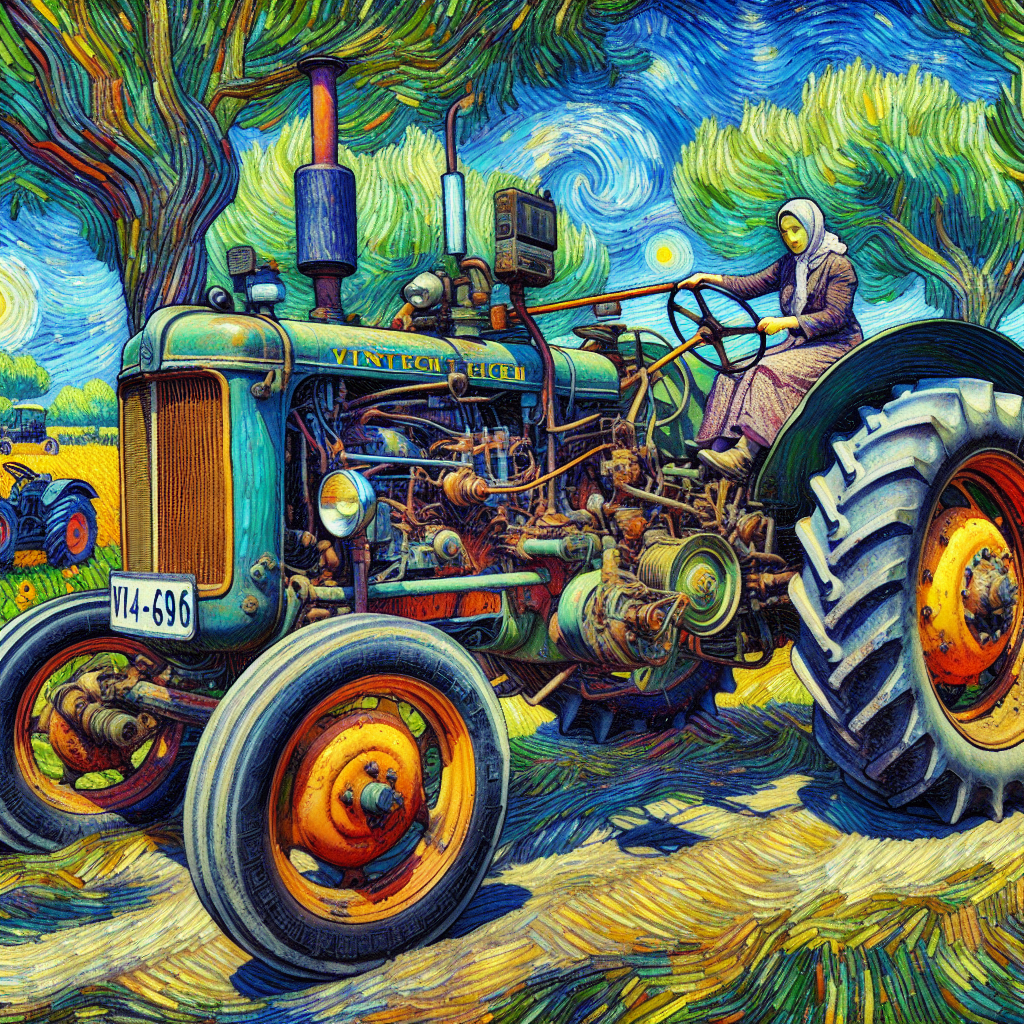
Picture a farmer, worn yet hopeful, standing beside his trusty tractor, which has seen seasons of growth, heartache, and triumph. This connection isn’t just functional; it’s emotional. For many, these machines are more than tools—they hold the memories of a parent teaching a child how to plow the fields. When dealer networks inflate prices, it disrupts this sacred bond, challenging not only the farmer’s budget but also their connection to the land.
Rationally, the rise in equipment costs can be traced back to several factors. Manufacturer consolidations, supply chain issues, and a desperate chase for profit margins have led dealer networks to hike prices. Dealers justify these increases by citing market demand, yet this rationalization often fails to consider the ethical implications of pricing strategies dictated by corporate interests rather than the needs of local communities. Farmers, already grappling with unpredictable weather and fluctuating markets, are left to shoulder the burden of these fees.
The urge to maintain quality while navigating costs can feel like a betrayal. It’s crucial we recognize that supporting local dealers with fair practices can foster a healthier market. Think of it this way: if we rely solely on national chains driven by profit, we risk losing the very human element that makes agriculture a cornerstone of American life.
The story ultimately extends beyond the farmer; it encapsulates all of us. When a tractor costs more than it should, it ripples through farmers’ markets, local food systems, and ultimately the dining room tables in our neighborhoods. Engaging with these networks not only propels us into action but also invites a shared responsibility for our agricultural future. Our choices have power; by supporting transparency and fairness in dealer pricing, we can reclaim the narrative of what it means to cultivate the land and support those who do it.

How Dealer Networks Are Driving Up Equipment Costs Nationwide
How Dealer Networks Are Driving Up Equipment Costs Nationwide
- Tractors symbolize essential machinery and agricultural heritage.
- Rising costs from dealer networks impact farmers’ livelihoods and community fabric.
- Farmers form emotional connections with their tractors, which hold personal memories.
- Price increases are driven by manufacturer consolidations and supply chain issues.
- Dealers often prioritize corporate interests over the needs of local communities.
- Supporting local dealers can foster healthier market practices.
- Increased tractor costs affect local food systems and the wider community.

How Dealer Networks Are Driving Up Equipment Costs Nationwide
Table Of Contents
- How Dealer Networks Are Driving Up Equipment Costs Nationwide
- How Does Dealer Influence Shape Our Equipment Costs?
- Are Rising Equipment Prices Hurting Your Business?
- What Ethical Responsibilities Do Dealers Have to Their Customers?
- How Does Exclusivity Impact the Prices Of Essential Equipment?
- Can Transparency In Dealer Networks Lower Equipment Costs?
- How Can We Challenge Dealer Networks to Prioritize Fairness?
- Conclusion
- Other Resources
- Glossary Of Terms
- Other Questions
- Haiku
- Poem
- Checklist
How Does Dealer Influence Shape Our Equipment Costs?
When you think about the heart of agriculture or construction, you might picture the sturdy tractor cutting through fields or hauling heavy materials, pivotal to the work that shapes our world. Yet, the true machinery behind the cost of that tractor isn’t just its horsepower or brand—it’s the dealer influence that quietly works in the background, determining what we pay for that essential equipment.
Imagine stepping into a dealership, the aroma of new machinery greets you like an old friend. The polished tractors gleam under bright lights, promises of productivity and reliability beckon. But beyond that shiny exterior lies a complex web woven by dealers: their relationships with manufacturers, the territory they cover, and the support they offer. This is where the true cost begins. The dealer isn’t just a middleman; they’re your ally or, sometimes, your adversary. They wield power that can shape your buying journey—from the price you are offered to the service you receive long after driving that tractor off the lot.
Buying a tractor isn’t merely a financial transaction; it’s an emotional investment steeped in dreams of better yields or efficient projects. A farmer might remember his father teaching him to drive a tractor, the pride surging as they tended the family land. That memory creates a bond, and the dealer you choose becomes part of that narrative—a partner in turning dreams into reality. But what if that dealer doesn’t have your best interests at heart? The effects could ripple through your operations, leading to exorbitant costs and uphill battles that transform that initial excitement into a burden.
Rationally, we must consider the numbers—how the dealer’s markup affects affordability and availability. Some dealers offer competitive pricing and transparent financing options, fostering a feeling of trust. Others may engage in upselling tactics that leave you questioning the integrity of your decision. Ethically, it’s crucial to recognize how dealer influence can create disparities in access to quality equipment. Those living in more remote areas may find themselves at the mercy of local dealers who don’t reflect the competitive landscape.
By sharing experiences, connecting with others in your industry, you can break down this influence and make informed decisions. Lean on the narrative of community; anecdotal evidence is powerful. Swap stories about which dealers truly honor their commitments and which ones leave customers stranded. When we pool our knowledge, we shine a light on the reality of dealer influence, making it easier for everyone to navigate the often murky waters of equipment costs together. Ultimately, a wise decision today leads to a trusted partnership tomorrow, ensuring that your tractor remains a tool of empowerment rather than an unwelcomed weight on your shoulders.

How Does Dealer Influence Shape Our Equipment Costs?
How Does Dealer Influence Shape Our Equipment Costs?
- The heart of agriculture and construction is often symbolized by tractors, but dealer influence significantly affects equipment costs.
- Dealers are not just middlemen; their relationships with manufacturers and customer support can shape the buying experience.
- Buying a tractor is an emotional investment tied to personal memories and aspirations for productivity.
- Dealer integrity impacts operational costs and can lead to burdensome experiences if a dealer does not prioritize the customer’s best interests.
- Pricing strategies vary, with some dealers offering transparent financing, while others may engage in upselling tactics.
- Geographical disparities affect access to quality equipment, especially in remote areas reliant on local dealers.
- Sharing experiences within the community can empower informed decisions and highlight trustworthy dealers.

How Does Dealer Influence Shape Our Equipment Costs?
Are Rising Equipment Prices Hurting Your Business?
In a world where every penny counts, rising equipment prices can feel like a relentless storm battering your business. Picture this: a farmer in a small town, relying on his trusty tractor to cultivate his land. That tractor is more than just a machine; it’s a lifeline, representing years of hard work, dreams, and dedication. As prices soar, that lifeline becomes harder to grasp. It’s not merely about the dollars and cents; it’s about the stories woven into every harvest, every sweat-soaked summer.
Emotional ties to equipment run deep. Every purchase is a commitment, a promise to your family, your team, and your community. When prices climb, doubt creeps in. Can you afford that new emission-compliant tractor? Will that investment yield the returns you’re hoping for, or will it sink you deeper into uncertainty? These are questions that tug at the gut, forcing you to weigh the reality against the aspiration of growth.
From a rational perspective, the math is straightforward. Rising costs force businesses to recalibrate. Equipment purchases become a strategic gamble—will this new tractor increase efficiency enough to outweigh the expense? Conversely, putting off upgrades can lead to costly repairs and downtime. It’s a vicious cycle, one that many business owners navigate daily.
Ethically, the impact of these price hikes isn’t confined to individual owners. When businesses struggle, communities suffer. Jobs can be lost, local economies falter, and the fabric of our neighborhoods frays. Your success feeds into the larger narrative of community resilience. Each investment in equipment, whether it’s a new tractor or an upgrade to existing machinery, isn’t just self-serving; it’s a nod to the future of your town, your industry, and beyond.
Reflecting more on the social connections forged through shared challenges can inspire a sense of camaraderie among business owners dealing with rising costs. Storytelling becomes powerful here. When we connect through our experiences—sharing how we’ve adapted or innovated despite price increases—we craft a collective narrative rooted in perseverance. Each story shared strengthens bonds and creates a network of support.
Ultimately, facing rising equipment prices isn’t just an individual struggle. It’s a call to redefine how we view investment. Equip your business not only to survive but to nurture the connections that make it thrive. The next time you look at that new tractor, remember: investing in your tools isn’t just about machinery; it’s about cultivating the future of your community.

Are Rising Equipment Prices Hurting Your Business?
Are Rising Equipment Prices Hurting Your Business?
- Rising equipment prices pose significant challenges for businesses, akin to a relentless storm.
- For farmers, equipment like tractors symbolizes years of hard work and commitment.
- As prices escalate, emotional ties to equipment deepen, raising doubts about affordability and returns on investment.
- Businesses face strategic choices regarding equipment purchases, balancing efficiency gains against costs.
- Price hikes impact not just individual owners, but also local communities, affecting jobs and economic health.
- Shared experiences among business owners foster camaraderie and strengthen support networks.
- Investment in equipment is vital for both business survival and community resilience, shaping the future of local industries.

Are Rising Equipment Prices Hurting Your Business?
What Ethical Responsibilities Do Dealers Have to Their Customers?
When you step onto a dealership lot, it’s not just a place to buy a vehicle; it’s a crossroads of trust and relationship. Whether you’re in the market for a shiny new tractor to help plow your fields or a reliable truck to cart your family around, the ethical responsibilities of dealers are paramount and go far beyond sealing the deal.
Dealers wield significant power, akin to a captain steering a ship through treacherous waters. Customers come in with dreams and expectations, seeking not just a product, but a promise of quality and accountability. This journey starts and ends with honesty. Picture a farmer, eager and hopeful, standing before a tractor that’s more than just machinery; it’s a vital tool for sustenance. If a dealer misrepresents this equipment, it’s not just a financial transaction gone wrong—it can jeopardize that farmer’s livelihood. This stresses the point: ethics in retail isn’t merely about a good deal; it’s about ensuring the customer can trust the choice they make.
A dealer who commits to transparency demonstrates respect and integrity. They acknowledge that their responsibility stretches beyond the showroom. Each vehicle sold, each recommendation given, transforms how customers perceive them. When a dealer stands firm on certain standards—documenting service history, revealing hidden costs, offering honest advice—they cultivate a relationship rooted in trust. It’s not merely about making a sale; it’s about instilling confidence in every customer that their investment is sound.
Yet, here’s the real kicker: what if building that relationship involved listening? Truly listening. Imagine a single parent seeking a vehicle that can not only accommodate children but also serve as a reliable companion through countless adventures. When a dealer invests time in understanding personal needs and stories, they humanize the transaction, changing it from a generic experience into an empathetic one. Customers walk away not just with a vehicle, but with a genuine connection—a bond that keeps them coming back.
Ethical responsibilities also extend to the broader community. A dealer who engages in local initiatives or supports sustainable practices reflects a commitment to social values. They become part of the larger narrative, aligning their success with the well-being of the community they serve.
Dealers carry the responsibility to act not just as salespeople but as trusted advisors. By fostering relationships rich in integrity, they elevate their role from mere merchants to vital community partners, championing a marketplace rooted in ethical engagement. When they embrace this approach, they don’t just sell tractors; they cultivate loyalty, trust, and a legacy that echoes far beyond the dealership lot.

What Ethical Responsibilities Do Dealers Have to Their Customers?
What Ethical Responsibilities Do Dealers Have to Their Customers?
- Dealerships serve as a crossroads of trust and relationships, not just places to buy vehicles.
- Dealers hold significant power and are responsible for delivering quality and accountability.
- Misrepresentation of products can jeopardize customers’ livelihoods, emphasizing the importance of ethical retail practices.
- Transparency and honesty foster trust and long-term relationships with customers.
- Listening to customers’ needs humanizes transactions and builds genuine connections.
- Ethical responsibilities extend to community engagement and sustainable practices.
- Dealers should act as trusted advisors, cultivating loyalty and a legacy beyond sales.

What Ethical Responsibilities Do Dealers Have to Their Customers?
How Does Exclusivity Impact the Prices Of Essential Equipment?
Exclusivity in the realm of essential equipment drives prices up, and anyone who’s ever stood in a farmyard looking at a gleaming, brand-new tractor knows this all too well. Picture it: that tractor, with its shiny red paint and roaring engine, isn’t just a machine; it’s a beacon of hope for anyone dedicated to the land. But it’s also the epitome of exclusivity, and exclusivity can wield a hefty price tag.
Consider the emotional drive behind owning that tractor. For many, it symbolizes hard work, tradition, and the promise of a more productive future. When farmers invest in this machinery, they’re not merely purchasing a tool; they’re acquiring a lifeline to their livelihood and a connection to generations past. And yet, as the demand for these exclusive machines rises, so too does the cost, shaped by a mix of supply and demand dynamics that even the most seasoned agriculturalists can’t ignore.
Rationally speaking, exclusivity creates a perceived value. Manufacturers know that by limiting availability, they can maintain higher prices. The allure of owning something that not everyone can access is powerful; it taps into our human instinct to have what others desire. There’s a sense of accomplishment tied to it. You’re not just a farmer—you’re a proud steward of the land with a top-tier piece of equipment glistening in your barn.
From an ethical standpoint, the conversation shifts when we recognize that exclusive equipment often further distances individuals who may not have the financial means to invest. When a basic necessity to cultivate the land becomes an untouchable luxury, it raises questions about access and fairness. How can we ensure that the people feeding our communities can afford the tools they need? This dilemma affects not only the farmers but society as a whole.
The narrative surrounding exclusivity can also foster connection. Think about the local farmer’s market; the stories exchanged over fresh produce can often lead to inspiration. An older farmer chats about how his first tractor was a hand-me-down, while the young ones eye the high-end models. Intertwined are tales of struggle and aspiration, all prompting us to reflect: how do we value the equipment that feeds our communities?
Exclusivity isn’t just about price—it’s about community, heritage, and our collective responsibility to ensure that everyone has the tools needed to cultivate success. Embracing this ideology might just inspire a shift toward inclusivity, bringing us closer to the heart of what it means to cultivate, share, and thrive together.

How Does Exclusivity Impact the Prices Of Essential Equipment?
How Does Exclusivity Impact the Prices Of Essential Equipment?
- Exclusivity in essential agricultural equipment drives up prices, exemplified by high-cost tractors.
- Owning a tractor symbolizes hard work, tradition, and a hopeful future for farmers.
- The increasing demand for exclusive machinery influences its cost, impacted by supply and demand dynamics.
- Manufacturers enhance perceived value by limiting equipment availability, appealing to human desires for exclusivity.
- Access to essential farming tools raises ethical questions regarding affordability and fairness for all farmers.
- Local farmers’ markets facilitate connections through shared stories, highlighting diverse experiences and aspirations.
- The narrative of exclusivity invites a conversation about community, heritage, and the need for inclusive access to vital equipment.

How Does Exclusivity Impact the Prices Of Essential Equipment?
Can Transparency In Dealer Networks Lower Equipment Costs?
Imagine stepping into a local dealer, the smell of fresh paint and grease hanging in the air, a shiny tractor gleaming under the fluorescent lights. You’re not just there to browse; you’re there to invest in your future, to bring home a piece of machinery that will toil under the sun, carving out opportunities. But what if there’s a better way to navigate this journey? What if transparency in dealer networks could fundamentally alter not just the price tag on that tractor, but the entire farming experience?
Picture this: a tight-knit community of farmers, sharing not just their harvests but also their experiences with various dealers. They compare prices, discuss repairs, and trade stories about maintenance and warranties. This kind of openness creates a culture of accountability where every dealer knows they’re being watched—an unspoken but powerful incentive to prioritize fairness over profit. The question isn’t just whether we can lower costs but whether we can champion a system that values trust as much as price.
Rationally, increased transparency can reshape the landscape of equipment costs. When dealers openly communicate about the markup on tractors, financing options, and maintenance contracts, consumers can make better-informed decisions. This ultimately leads to healthier competition among dealers. When transparency reigns, it’s no longer a battle of hidden fees and last-minute additions; it’s about honest pricing that respects the farmer’s hard work.
On an ethical level, when dealers provide clear, accessible information, they establish themselves as authorities, becoming partners rather than mere vendors. This moral standing cultivates loyalty, encouraging customers to return time and again. A farmer is likely to revisit a dealer who respects their investment and engages them in the process. This relationship transcends mere transactions; it fosters a community of shared knowledge and experience.
Consider the social aspect. Imagine being part of a network where farmers lift each other up—not just in terms of advice on which tractor to purchase, but also through genuine referrals based on trust. “That dealer treated me fairly,” becomes a phrase that resonates, building a network of integrity that protects everyone involved.
Transparency isn’t just a business strategy; it’s a heartfelt commitment to fostering relationships built on respect and honesty. As farmers advocate for this evolution in dealer networks, they aren’t merely pushing for lower prices for tractors—they’re championing an environment where everyone can thrive. That’s not just good business; it’s how we nurture an honest farming community that stands the test of time.

Can Transparency In Dealer Networks Lower Equipment Costs?
Can Transparency In Dealer Networks Lower Equipment Costs?
- Local dealers provide an opportunity to invest in farming machinery with a focus on future growth.
- Transparent dealer networks can enhance the overall farming experience and reduce costs.
- Farmers can share experiences, compare prices, and discuss maintenance to create a culture of accountability.
- Increased transparency leads to better-informed consumer decisions and healthier competition among dealers.
- Clear communication from dealers fosters loyalty and positions them as partners rather than just vendors.
- A supportive network of farmers encourages referrals based on trust and fair treatment from dealers.
- Transparency promotes respect and honesty, establishing a sustainable and thriving farming community.

Can Transparency In Dealer Networks Lower Equipment Costs?
How Can We Challenge Dealer Networks to Prioritize Fairness?
In a world where the hum of a tractor signals hard work, the soil underfoot tells tales of ambition and dreams. Yet, at the heart of our agricultural community, a silent struggle brews within the networks of dealers. Many farmers, like the ones I know, walk the fine line between loyalty to a brand and their unyielding desire for fairness. They understand that every piece of equipment, including the most dependable tractor, represents more than mere machinery; it symbolizes hope, resilience, and family legacy.
When we step into our fields—whether they be corn or soybeans—we’re not just tilling soil. We’re cultivating trust, not just with our land, but with those who provide the tools to nurture it. But time and again, we see dealer networks stiffening their backs, prioritizing profit margins over the farmers they serve. This isn’t just business; it’s personal. Picture the farmer who invests not only money but heart into a relationship with a dealer, only to find their loyalty rewarded with inflated prices or inadequate service.
To foster genuine connections, we must call upon the dealers to embrace a paradigm shift. Fairness shouldn’t be an afterthought; it should be the foundation upon which they build their services. The story of a mechanic who goes the extra mile—finding the right parts, ensuring repairs are timely—can be the lifeline for a farmer facing a tight harvest. When a dealer rallies to support their community, they don’t just sell a product; they forge an enduring bond that reverberates through generations.
Ethics should be at the forefront. By advocating for transparency in pricing and encouraging open dialogue, we can level the playing field. It’s essential to remind dealer networks that we’re all part of this intricate web—our livelihoods interwoven, each thread as vital as the next. A fair relationship is more than beneficial; it’s ethically sound and socially responsible.
By sharing our experiences and standing together, whether through local farmer cooperatives or online forums, we create a chorus calling for change. When the voices of farmers rise in unison, it becomes impossible for dealer networks to ignore the demand for fairness. With every story told and shared—each highlighting moments of triumph and frustration—we remind these networks that behind each transaction lies an individual whose dreams depend on them getting it right. It’s time to unite and inspire our dealer networks to prioritize fairness, ensuring that every farmer feels valued, heard, and empowered.

How Can We Challenge Dealer Networks to Prioritize Fairness?
How Can We Challenge Dealer Networks to Prioritize Fairness?
- The agricultural community faces a struggle between brand loyalty and the desire for fair dealings with dealers.
- Farmers perceive equipment as symbols of hope and family legacy, not just machinery.
- Dealer networks often prioritize profit over the needs of farmers, compromising trust and loyalty.
- Fairness should be the core principle guiding dealer services to foster genuine connections.
- Ethics, transparency in pricing, and open communication are essential for a balanced relationship.
- Farmers can unite through cooperatives and online platforms to advocate for change within dealer networks.
- Sharing experiences strengthens the call for fairness, ensuring farmers feel valued and heard.

How Can We Challenge Dealer Networks to Prioritize Fairness?
Conclusion
In the intricate dance of agriculture, where machinery and ambition converge, the rising costs driven by dealer networks demand serious reflection. These aren’t merely prices; they are the threads that weave together the fabric of our communities, affecting livelihoods and dreams rooted in generations of hard work. When a farmer stands next to a tractor, it’s not just equipment; it’s a symbol of hope and legacy, each scratch and dent telling stories of seasons past. As dealer networks inflate prices, the emotional connection to that machinery is tested, taking away not just financial stability but also the deep-seated bond to the land.
Rationally, the surge in equipment costs can be attributed to market forces, consolidations, and profit-driven motives, but let’s not lose sight of the ethical implications. When local communities bear the burden of these corporate strategies, it’s not just business—it’s personal. Farmers already juggling weather uncertainties and market fluctuations face added pressures, leaving them grappling with not just bills, but their very existence.
Yet, there’s a beacon of hope. By advocating for transparency and fairness in dealer practices, we can foster a healthier marketplace. This isn’t just a farmer’s fight; it’s a collective responsibility. A shift towards inclusivity means pushing back against the exclusivity that drives prices higher, ensuring essential equipment is not a luxury but a necessity accessible to all who toil in the fields. The narrative extends far beyond tractors; it affects local economies, food systems, and ultimately the well-being of our communities.
Engagement within dealer networks can ignite a movement for change. When farmers share their experiences, rallying for ethical practices, they create a chorus of voices that cannot be ignored. Each story exchanged about fair pricing, quality service, and genuine partnerships reshapes the marketplace. It reminds dealers that they are not just sellers but crucial allies in the fight for sustainability and resilience in agriculture.
As we stand at this crossroads, let’s challenge dealer networks to prioritize fairness, affirming the value of every farmer’s dream laid bare in the soil. Investing in our equipment isn’t merely about machinery—it’s about nurturing the future of our communities. It’s time to reclaim the narrative, ensuring that behind every tractor is not just a price tag, but a thriving legacy waiting to bloom.

Conclusion
Conclusion:
- Rising equipment costs challenge farmers and impact community livelihoods.
- Tractors symbolize hope and legacy, representing farmers’ hard work and dedication.
- Inflated prices due to dealer networks threaten financial stability and emotional connections to land.
- Market forces and corporate strategies put additional pressure on farmers navigating uncertainties.
- Advocating for transparency and fairness in dealer practices is a collective responsibility.
- Engagement within dealer networks can lead to positive change and improved marketplace conditions.
- Investing in equipment symbolizes nurturing community futures and supporting farmers’ dreams.

Conclusion
Other Resources

Other Resources
Here is a list of other resources you can review online to learn more:
- Erkunt
- Massey Ferguson
- Kioti Tractors
- Kartar Tractors
- Hitachi
- FARMSHOW Magazine
- Stihl
- Fox River Tractor Company
- Schramm
- Bobcat
- American Farm Tractor Museum
- Minnesota Machinery Museum
- The Magicof Old Tractors
- YANMAR
- Classic Tractor Fever
- Idaho Farmand Ranch Museum
- Bukh
- Zetor
- Antique Tractor Blog
- Century
Use This Prompt To Get More Resources With Your Favorite Online AI Tool: Please provide me with a list of online articles with their URLs in a bulleted list that I can read regarding How Dealer Networks Are Driving Up Equipment Costs Nationwide

Other Resources
Glossary Terms
How Dealer Networks Are Driving Up Equipment Costs Nationwide – Glossary Of Terms
1. Dealer network — The system of independent or franchised sellers and service providers authorized to distribute and support equipment for an OEM across regions.
2. Original Equipment Manufacturer (OEM) — The company that designs and produces equipment and sets wholesale pricing, branding, and distribution policies for dealers.
3. Manufacturer’s Suggested Retail Price (MSRP) — The price an OEM recommends dealers charge end customers; often used as a reference point for markups.
4. Minimum Advertised Price (MAP) — A policy restricting the lowest price dealers may publicly advertise, used to limit visible discounting and protect margins.
5. Wholesale price — The price at which the OEM sells equipment to dealers before any dealer markups, incentives, or financing costs.
6. Retail price — The final price a customer pays to a dealer, which includes wholesale cost plus dealer markups and fees.
7. Dealer markup — The amount added by a dealer above the wholesale price to cover costs and capture profit.
8. Dealer margin — The percentage or dollar difference between a dealer’s purchase cost and selling price, a key profitability metric.
9. Dealer holdback — A percentage of the sale or invoice returned by the OEM to the dealer after a sale, effectively subsidizing dealer margins.
10. Floorplan financing — Short-term loans dealers use to finance inventory purchases, with interest and fees that raise effective equipment costs.
11. Inventory carrying cost — The total cost to a dealer of holding unsold equipment, including financing, storage, insurance, and depreciation.
12. Certification fee — Charges dealers impose for equipment certification, inspection, or compliance documentation required before sale.
13. Service bundling — Packaging maintenance, installation, or warranty services with equipment to increase total transaction value.
14. Warranty inflation — The practice of raising equipment prices by including extended or enhanced warranties as default, often at premium rates.
15. Parts and aftermarket markup — Higher margins on replacement parts and add-ons compared to core equipment, a major dealer profit source.
16. Aftermarket ecosystem — Network of parts, upgrades, and services sold through dealers that expands revenue beyond the initial equipment sale.
17. Exclusive territory — Contractual geographic areas where dealers have primary sales rights, reducing local competition and enabling higher prices.
18. Franchise law protections — Legal frameworks that can grant dealers rights and limit OEMs’ ability to change distribution or pricing unilaterally.
19. Dealer consolidation — Mergers and acquisitions that reduce the number of dealer groups, increasing market concentration and pricing power.
20. Channel control — OEM strategies to manage distribution (authorized dealers, direct sales, e-commerce) that affect competitive dynamics and costs.
21. Vertical integration — When OEMs or dealers absorb upstream or downstream functions (manufacturing, financing, service) to control margins and pricing.
22. Floor pricing policies — Rules set by OEMs or dealer groups that establish minimum selling prices to maintain perceived value and dealer profitability.
23. Price signaling — Communication (formal or informal) between dealers or between OEM and dealers that coordinates pricing without explicit collusion.
24. Price discrimination — Charging different customers or regions different prices based on willingness to pay, demand, or local market structure.
25. Geographic price targeting — Adjusting equipment prices by region to reflect local dealer power, competition, demand, or cost structures.
26. Scarcity pricing — Raising prices when dealers deliberately limit inventory availability to create urgency or justify higher margins.
27. Gray market / parallel importation — Unauthorized cross-border resale of equipment that undercuts authorized dealer pricing and complicates network control.
28. Minimum operating scale — The threshold of sales volume a dealer needs to operate profitably; small dealers raise prices to cover fixed costs when volume is low.
29. Channel conflict — Tension between different sales routes (direct OEM, online, independents) that can lead dealers to raise prices to protect revenues.
30. Price transparency — The availability of clear pricing information to buyers; low transparency enables dealers to maintain higher, variable pricing. Glossary Of Terms
Other Questions
How Dealer Networks Are Driving Up Equipment Costs Nationwide – Other Questions
If you wish to explore and discover more, consider looking for answers to these questions:
- How much of the final retail price is dealer markup versus manufacturer cost?
- What specific factors allow dealers to raise prices (territory exclusivity, limited competition, manufacturer agreements)?
- How have manufacturer consolidations concretely affected equipment pricing and dealer behavior?
- What data exists showing price increases over time for common equipment like tractors?
- How do supply chain disruptions translate into higher consumer prices at the dealership level?
- What financing options do dealers typically offer, and how do their terms compare to independent lenders?
- Are there hidden fees or common add-ons dealers use to increase the final cost?
- How transparent are dealers about markups, incentives, and dealer holdbacks?
- What legal or regulatory rules govern dealer pricing and exclusivity agreements?
- How can farmers and small businesses compare dealer pricing across regions effectively?
- What role do warranties, service plans, and maintenance contracts play in the overall cost?
- How does exclusivity impact availability of parts and after‑sales service in rural areas?
- What are realistic negotiation strategies buyers can use with dealers?
- When is it better to buy new versus used or lease equipment to control costs?
- How do trade‑ins and resale values factor into the total cost of ownership?
- What community or cooperative buying models exist to counteract dealer pricing power?
- How do dealer incentives from manufacturers influence the prices quoted to customers?
- What ethical standards or certifications, if any, apply to dealers in agricultural equipment sales?
- How do service quality and responsiveness vary between local independent dealers and national chains?
- What public complaint channels or consumer protections exist for unfair dealer practices?
- How do emissions standards and regulatory compliance add to equipment costs?
- What is the total cost of ownership (fuel, maintenance, downtime) compared across major brands and dealers?
- How can transparency initiatives (price publishing, shared databases) be practically implemented?
- Are there documented case studies where increased dealer transparency reduced prices?
- How do regional market differences affect pricing and dealer competitiveness?
- What impact do dealer training, parts inventory, and technician availability have on long‑term costs?
- How can farmers organize or advocate collectively to influence dealer policies?
- What alternatives exist to traditional dealer networks, such as direct sales, auctions, or online marketplaces?
- How do manufacturer warranty terms change when equipment is sold through different dealer channels?
- What metrics should buyers use when evaluating a dealer besides price (service history, references, uptime guarantees)?
- How do dealers justify higher prices ethically, and how are those justifications challenged?
- What are the short‑ and long‑term economic impacts on rural communities when equipment becomes less affordable?
- How can technology (telemetry, online pricing tools) help buyers get fairer deals from dealers?
- Are there successful examples of dealers prioritizing community‑focused pricing, and what do they do differently?

Other Questions
Haiku
How Dealer Networks Are Driving Up Equipment Costs Nationwide – A Haiku
Rising costs abound,
Tractors anchor dreams and ties,
Fairness fuels the field.

Haiku
Poem
How Dealer Networks Are Driving Up Equipment Costs Nationwide – A Poem
In the Hands of the Dealer
In fields where tractors stand as dreams,
The hidden costs weave through honest schemes.
Each machine, a lifeline to the soil,
Yet dealer networks dig deep, turning toil to spoil.
Families gather, hopes on the table,
Heartfelt struggles, narratives unstable.
With memories steeped in sweat and pride,
As prices rise, the bonds are tried.
Rational eyes see the markets scheme,
Consolidation fueling a corporate dream.
Yet ethical questions tarnish the shine,
When profits override the local line.
A farmers tale echoes through the lands,
Fighting against the weight of rising demands.
Exclusivity breeds a silent divide,
Where necessity turns into luxury’s stride.
But transparency flickers like a guiding light,
Inviting communities to stand up and fight.
With stories shared, trust can bloom,
Breaking the cycle, dispelling the gloom.
Let fairness be the soil where we sow,
Cultivating bonds that only truth can grow.
Together we rise, united and strong,
For the heart of agriculture sings a communal song.
So let’s challenge the dealers, make our appeal,
For every farmer’s dream deserves to be real.
In the embrace of ethics, let’s find our way,
To reclaim the cost of our labor each day.

Poem
Checklist
How Dealer Networks Are Driving Up Equipment Costs Nationwide – A Checklist
Checklist for Engaging with Dealer Networks
✅______ Reflect on the bonds formed with equipment used in farming.
✅______ Share personal stories of how machinery has impacted your family or community.
✅______ Consider the emotional weight of purchasing equipment and its significance in your legacy.
Rational Appeals
✅______ Analyze the factors driving equipment costs, such as dealer markups and market demand.
✅______ Gather data on local versus national dealer pricing and service comparisons.
✅______ Evaluate financing options and ensure transparency in dealer pricing.
Ethical Appeals
✅______ Advocate for honesty in how dealers represent their products and services.
✅______ Promote fair pricing strategies that consider the needs of local communities.
✅______ Encourage dealers to engage in ethical practices and social responsibility.
Authority Appeals
✅______ Research credible sources that discuss the impact of dealer networks on pricing.
✅______ Connect with industry experts or local agricultural organizations for insights.
✅______ Attend community meetings or forums to stay informed about equipment pricing trends.
Narrative Appeals
✅______ Swap stories with fellow farmers about experiences with different dealers.
✅______ Foster a community narrative that highlights the importance of fairness in dealer relationships.
✅______ Document how dealer choices have impacted local farming operations over time.
Social Appeals
✅______ Join or form a local group to discuss equipment purchases and dealer experiences.
✅______ Utilize social media platforms to share dealer recommendations and experiences.
✅______ Network with other farmers to build a supportive community grounded in shared experiences and collective improvement.
Checklist
At ClassicTractorNews, we help tractor lovers keep up with the latest news for classic and vintage tractors.
Please share this post with your friends, family, or business associates who may like old classic or vintage tractors.