

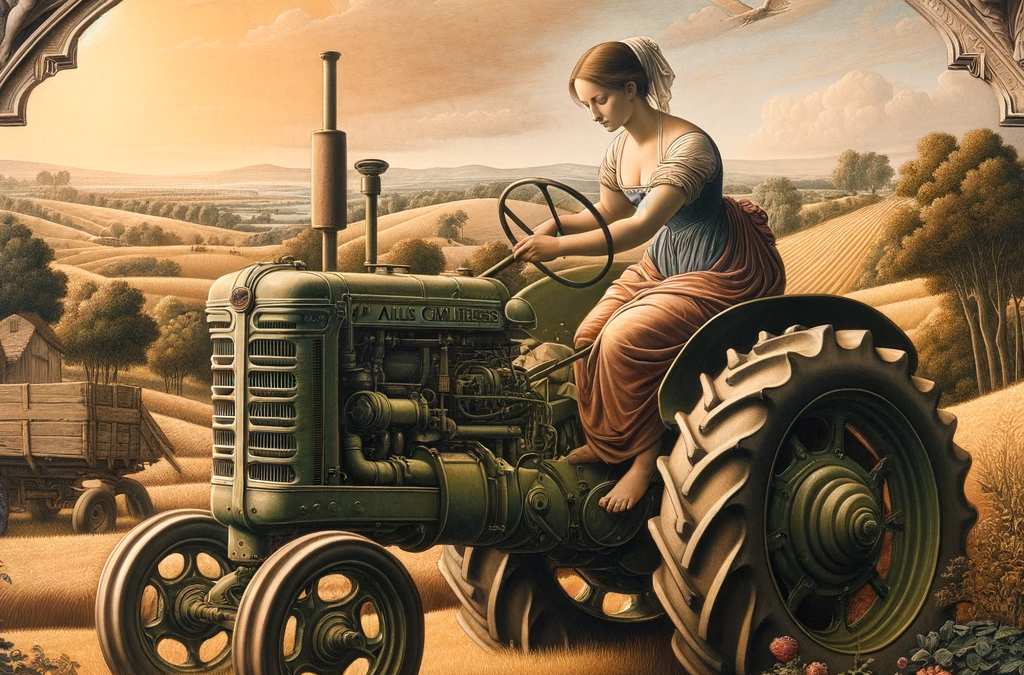
Reviving Legacy: Classic Tractors Ignite Passion And Community
By Tom Seest
At ClassicTractorNews, we help tractor lovers keep up with the latest news for classic and vintage tractors.
Please share this post with your friends, family, or business associates who may like old classic or vintage tractors.
How Classic Tractors Restore the Pride Of Ownership
Classic tractors are more than mere machines; they are monuments to our history, guardians of our memories, and vehicles of pride. When you brush your hands over the worn steering wheel of a vintage tractor, you aren’t just tracing metal and paint—you’re connecting with a lineage of hard work, perseverance, and the unyielding spirit of rural America. Each scratch and dent on that surface tells a story, a testament to the countless hours spent in fields under the sun, the joy of a family’s harvest, and the challenges met with grit and determination.
Restoring a classic tractor is like reigniting a flame. Consider this: every time you turn the ignition key, you’re not just starting an engine; you’re breathing life into a legacy. In that moment, you become the custodian of stories. Picture a grandparent, perhaps, reminiscing about the summer days when they would plow the fields with their own father, or the laughter shared during those long harvest nights. That connection isn’t just nostalgic; it’s a bridge that spans generations, inviting younger family members into a shared heritage.
But let’s not overlook the science behind the love. Classic tractors represent sustainable craftsmanship in a world racing toward the impersonal. There’s a rhythm to their operation, a reliability that newer machines can sometimes lack. Repairing such a machine demands skill and understanding, echoing the values of learning through doing. It becomes an exercise in respect—respect for what built our society, for the hands that designed and crafted, and for the land that sustains us. This is where our sense of ethics comes into play: restoring a classic tractor is not just about machines; it’s about valuing our past while engaging with our present.
And consider the community that gathers around these powerful machines. Tractor shows and restoration clubs unite people, fostering connections that transcend age and background. Enthusiasts share tips, swap stories, and celebrate achievements, creating bonds over a shared passion. This sense of belonging fuels the drive, inviting each person to contribute their unique journey to the collective narrative.
In a time when so much feels transient, the enduring presence of a classic tractor can ground us. Owning and restoring one invites an unmatched pride—a pride rooted in identity and connection. That simple act, that tractor, becomes a beacon of shared values and story, a testament that tradition and passion can flourish, even in a modern world that often overlooks them. It’s an invitation not just to restore a machine, but to restore the very essence of who we are.
How Classic Tractors Restore the Pride Of Ownership
How Classic Tractors Restore the Pride Of Ownership
- Classic tractors serve as monuments to history and embody the spirit of rural America.
- Each tractor tells stories of hard work, perseverance, and family connections.
- Restoring a tractor breathes life into a legacy and bridges generations.
- Classic tractors exemplify sustainable craftsmanship and reliability over newer machines.
- Repairing tractors fosters respect for heritage, craftsmanship, and the land.
- Community events like tractor shows unite enthusiasts, fostering connections and shared passion.
- Owning a classic tractor instills pride and a sense of identity, restoring cultural essence.
How Classic Tractors Restore the Pride Of Ownership
Table Of Contents
- How Classic Tractors Restore the Pride Of Ownership
- How Do Classic Tractors Evoke a Sense Of Nostalgia and Belonging?
- What Stories Do We Tell About Our Experiences with Classic Tractors?
- How Can Owning a Classic Tractor Improve Our Connection to the Land?
- What Ethical Considerations Arise In Restoring Vintage Machinery?
- How Do Classic Tractors Symbolize Craftsmanship and Authenticity?
- How Can Restoring a Classic Tractor Serve As a Bonding Experience?
- Conclusion
- Other Resources
- Glossary Of Terms
- Other Questions
- Haiku
- Poem
- Checklist
How Do Classic Tractors Evoke a Sense Of Nostalgia and Belonging?
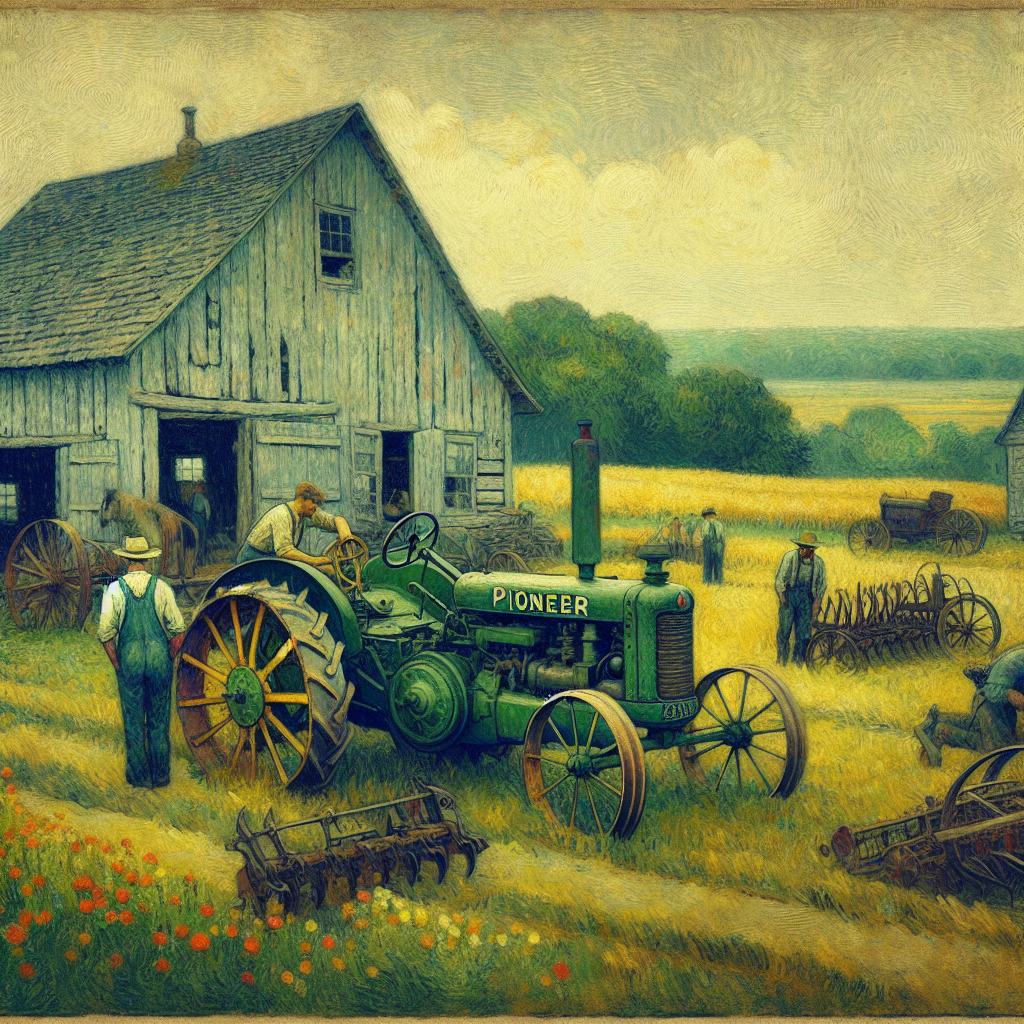
Classic tractors serve as more than just machines; they are living relics that embody stories, evoke memories, and forge connections across generations. Picture a weathered tractor parked in a sunny field, its metal frame dulled by time yet sturdy, much like the hands that once turned its wheels. For many, this is not just machinery; it’s a gateway to a simpler time, where hard work and community spirit thrived.
Each scratch and dent tells a story, reminiscent of long summer days spent plowing fields or harvesting crops alongside family. A grandfather’s whisper about the first time he drove a tractor can linger in the air like the scent of freshly turned earth. This nostalgia runs deeper than mere fondness; it’s a reflection of values—of perseverance, resilience, and the satisfaction of a job well done. Those who grew up with these tractors know that each is a testament to human ingenuity and labor, serving as a lasting symbol of our roots.
Emotionally, classic tractors awaken a yearning for belonging. They connect us not only to our past but to one another. Imagine a neighbor stopping by, each sharing tales of their experiences; the conversation flows like oil through a well-maintained engine. The stories shared foster camaraderie, allowing us to bond over a shared heritage. In those moments, the tractor becomes a bridge linking lives and histories, igniting a collective identity steeped in tradition.
Rationally, tractors represent a time when life was more straightforward. In an era dominated by rapid technological advancement and automation, there’s an appeal in the simplicity of a classic tractor. It evokes a longing for a slower pace, where the rhythm of the seasons and the cycles of nature dictated our daily existence. This rational nostalgia inspires confidence in preserving these relics, not just for ourselves but for future generations who might one day answer the call of the fields themselves.
Ethically, as we cherish these machines, we also embrace their role in sustainable practices—reminding us that responsible farming and stewardship are timeless values. Each classic tractor symbolizes respect for the land and a commitment to preserving the past while allowing us to navigate our future.
Classic tractors aren’t just about metal and mechanics; they’re about the resonance of shared experiences and the way they interlace our lives, evoking nostalgia and offering a tangible connection to who we are and where we come from.
How Do Classic Tractors Evoke a Sense Of Nostalgia and Belonging?
How Do Classic Tractors Evoke a Sense Of Nostalgia and Belonging?
- Classic tractors are living relics that embody stories and evoke memories across generations.
- They symbolize a simpler time characterized by hard work and community spirit.
- Each scratch and dent on a tractor tells a story of family and perseverance.
- These machines foster a sense of belonging and camaraderie among individuals sharing experiences.
- Classic tractors represent a longing for a straightforward life amidst rapid technological advancement.
- They remind us of the importance of sustainable practices and respect for the land.
- Classic tractors provide a tangible connection to our roots and a collective identity steeped in tradition.
How Do Classic Tractors Evoke a Sense Of Nostalgia and Belonging?
What Stories Do We Tell About Our Experiences with Classic Tractors?
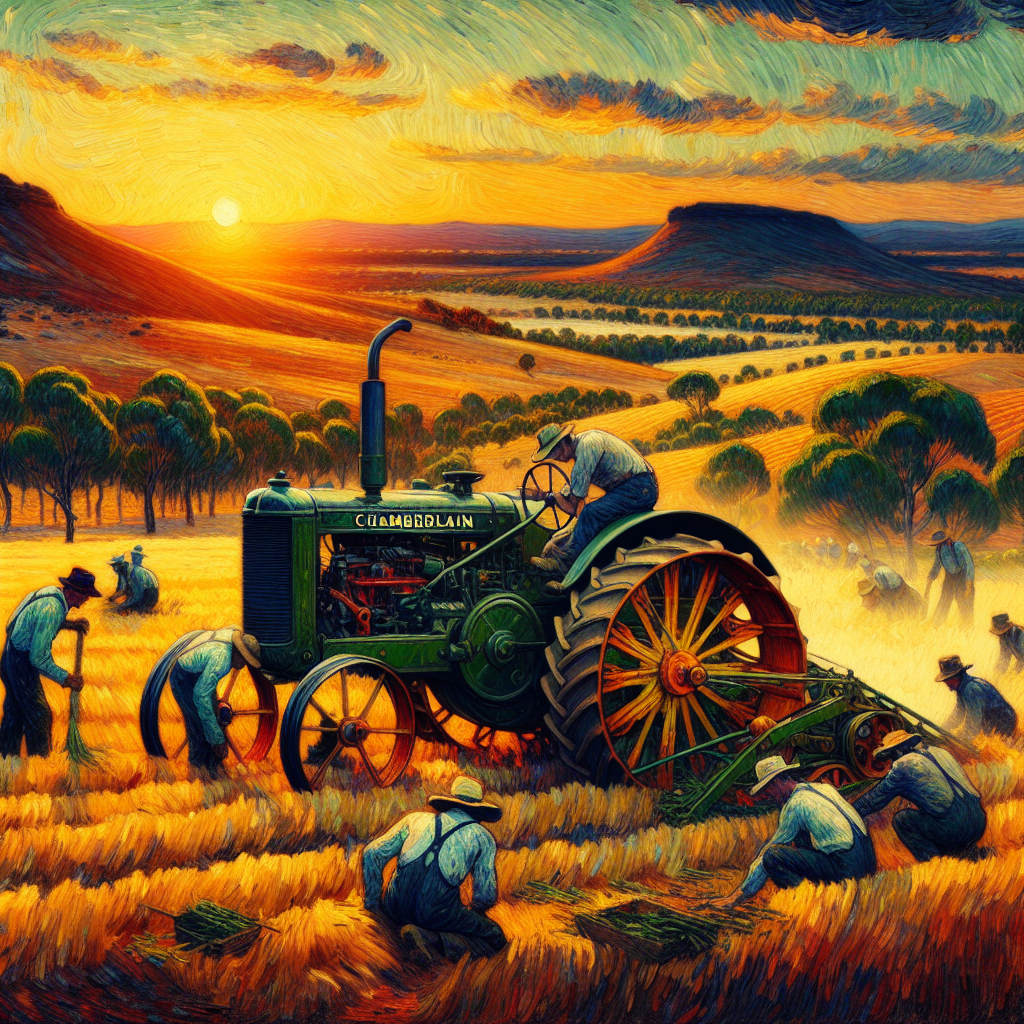
We all have that image in our minds—the tractor chugging along the fields, a steadfast companion in the hands of someone who has poured their sweat and soul into the land. Classic tractors are not just machines; they embody stories of resilience, hard work, and connection, serving as powerful symbols in our collective memory. Each dent and scratch tells of hard-fought battles against mud and rain, while the engine’s roar rings out like a declaration of commitment to the task at hand.
Take, for instance, the first time I climbed onto my grandfather’s old Ford 8N. It didn’t just belong to him; it was a bridge to my heritage, a repository of tales waiting to be shared. As he handed me the worn-out keys, his eyes lit up with an enthusiasm that echoed the pride of generations before him. For him, that tractor was never about horsepower; it was about legacy. It symbolized his father’s dreams, the nights spent tinkering to keep it running, and the family gatherings that centered around it. It was a testament to perseverance, grounding us in tradition and purpose.
There’s a wisdom in the simplicity of a tractor. It demands respect, teaching us lessons about patience and the rhythms of nature. It’s a reminder that good things take time. In a world obsessed with instant gratification, classic tractors urge us to embrace the process—to feel the dirt beneath our fingers, to listen to the hum of the engine, and to appreciate the slow, deliberate work of cultivation.
Rationally, we can assert that these machines helped shape our agricultural landscape, but emotionally, they represent more than just tools. They symbolize a communal bond—a connection to neighbors and friends who rallied together for harvests or repairs. They encapsulate values like hard work, reliability, and stewardship of the land. Sharing these experiences fosters a sense of belonging, creating bonds that span generations.
Each classic tractor carries a narrative, an ethical appeal about respect for the past and a commitment to future generations. It invites us to honor where we came from while contemplating where we’re headed. So, what stories do we tell about our experiences with classic tractors? We tell stories of grit, of joy, and of the underlying understanding that while times may change, the values these vehicles embody remain timeless. Let’s keep sharing these stories, celebrating not just a piece of history, but a part of who we are.
What Stories Do We Tell About Our Experiences with Classic Tractors?
What Stories Do We Tell About Our Experiences with Classic Tractors?
- Classic tractors symbolize resilience, hard work, and connection to the land.
- The first experience with a tractor can bridge personal heritage and family legacy.
- Classic tractors serve as a testament to perseverance and tradition.
- They remind us of the importance of patience and the natural rhythms of cultivation.
- These machines foster communal bonds and shared experiences among neighbors and friends.
- Each tractor carries its own narrative of respect for the past and commitment to future generations.
- Stories of classic tractors reflect timeless values that define our identity.

What Stories Do We Tell About Our Experiences with Classic Tractors?
How Can Owning a Classic Tractor Improve Our Connection to the Land?
Owning a classic tractor isn’t just about having a piece of history or machinery; it’s about rekindling our connection to the land that sustains us. Think back to the first time you saw a tractor in action, its wheels churning the earth, creating a rhythm that seems to echo the heartbeat of the farm itself. This is where our roots lie, where traditions are born, and where every scratch and dent in that tractor tells a story of hard work, perseverance, and the ever-turning seasons.
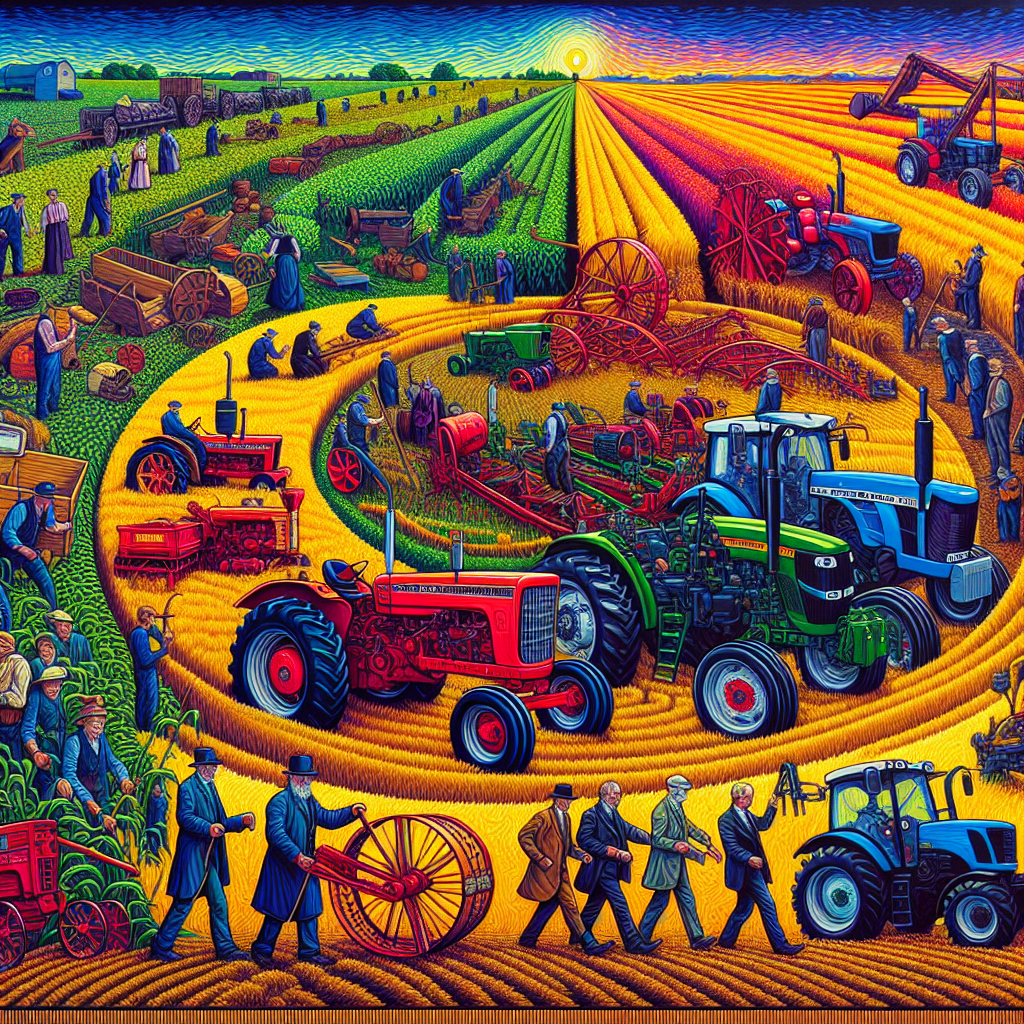
These tractors are a tangible link to our agricultural past, honoring the sweat and grit of those who came before us. They embody the craftsmanship, the dedication, and the relentless spirit of farmers who relied on dependable equipment to nurture the land. When you climb aboard a classic tractor, the worn steering wheel beneath your hands and the rumble of the engine remind you of the profound relationship between human and earth. It’s not just machinery; it’s a lifeline to the landscape, a representation of stewardship over the land, and a commitment to preserving its essence.
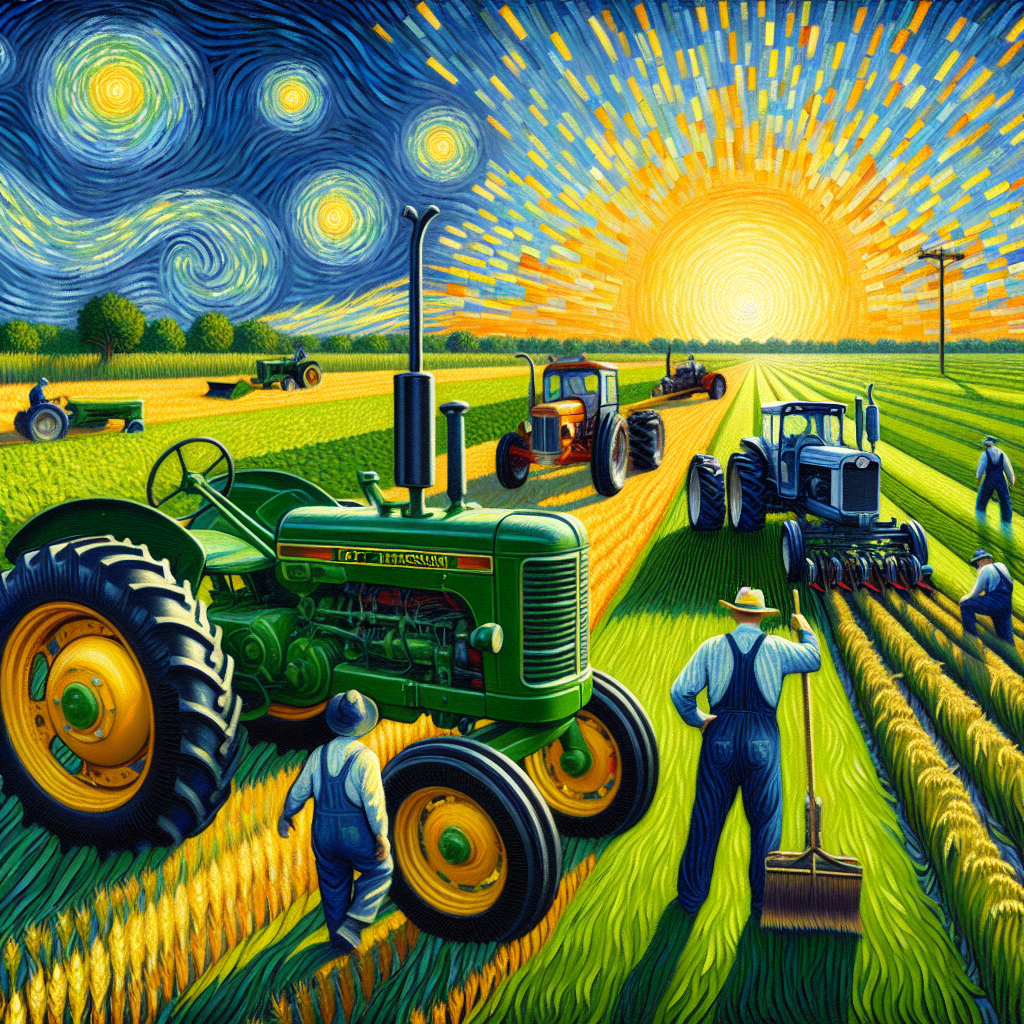
Imagine using a classic tractor to plow a field. There’s a tactile connection that modern machines often lack—a sensation of soil surrendering under the raw power of a robust engine. That tactile feedback translates into an emotional bond with the land. Each furrow not only reflects the labor invested but also teaches respect for nature’s cycles. You can almost feel the pulse of the earth, and in doing so, recognize your role as a caretaker, not just a user.
On a practical level, owning a classic tractor offers sustainability in an age dominated by fleeting trends and disposable culture. Repairing and maintaining these machines is a lesson in resourcefulness, encouraging a mindset of preservation and responsibility. Each renovation turns into a family project, weaving together generations as you share labor, stories, and aspirations, reinforcing community bonds and reviving a sense of belonging.
Beyond the mechanical and emotional aspects, there’s an ethical invitation to respect the past while carving a future. By embracing classic tractors, we advocate for a slower, more intentional approach to agriculture and cultivation. We reclaim our connection to the land, recognizing that the journey isn’t solely about productivity but about nurturing relationships—with our families, our communities, and the very soil we tread upon. This commitment to authenticity inspires trust and fosters an appreciation for timeless values that bring us back to the essence of what it means to work the land. In that commitment, we find not just purpose, but also joy.
How Can Owning a Classic Tractor Improve Our Connection to the Land?
How Can Owning a Classic Tractor Improve Our Connection to the Land?
- Owning a classic tractor connects individuals to agricultural heritage and the land.
- These tractors symbolize the hard work and dedication of past farmers.
- Using a classic tractor fosters a tactile and emotional bond with the earth.
- Classic tractors encourage sustainable practices in a disposable culture.
- Renovating tractors promotes community engagement and family togetherness.
- Embracing classic tractors supports a slower, more intentional farming approach.
- This commitment strengthens relationships with family, community, and nature.
How Can Owning a Classic Tractor Improve Our Connection to the Land?
What Ethical Considerations Arise In Restoring Vintage Machinery?
Restoring vintage machinery is more than a labor of love; it’s a dive into our shared history, an emotional, rational, and ethical journey that intertwines nostalgia with responsibility. Picture a weathered tractor, its paint faded and its metal worn but still standing strong, a relic of hard work that once fueled the dreams of farmers. As we step into the shoes of those who relied on these machines, we can’t help but feel a profound connection to the past. Each dent and scratch tells a story—a testament to hands that toiled and hearts that loved the land.
Yet, this restoration is not just about honoring history; it poses ethical dilemmas. As we restore, we often grapple with the decision of whether to preserve authenticity or embrace modern efficiency. Choosing the right parts can feel akin to balancing on a tightrope. Select a new engine, and you risk erasing the very essence of the tractor’s soul. Embrace the old parts, and you may compromise functionality and safety. This is where the heart meets the head—a dance between preserving tradition and fulfilling present needs.
Consider the impact of our choices. Restoring that vintage tractor could mean reviving local craftsmanship, supporting small businesses, and fostering community connections. It’s not just about the machine; it’s about the relationships we build in the process. Sharing stories with the old-timers who remember when that tractor first rolled off the assembly line brings a warmth that mere specs and blueprints cannot replicate. Each interaction reinforces the fabric of our communities—one restoration at a time.
Engaging with vintage machinery also ignites a discussion about our values. Are we stewards of history or mere consumers? In the act of restoration, we reclaim ownership of our narrative. It’s a journey that beckons us to be curious, to dig deeper into the legacy we’re preserving, to make informed decisions that honor both the past and the future. The visceral satisfaction felt when watching a restored tractor churn through the dirt is mirrored by the deep connections forged along the way.
Ultimately, restoring vintage machinery is an invitation—a chance to connect with our roots, to honor those who came before us, and to engage in the ethical contemplation of our impact. So, as we roll up our sleeves and turn the wrench, let’s remember: we’re not just rebuilding machines; we’re cultivating a shared heritage that transcends time, igniting passion and purpose in the hearts of all involved.
What Ethical Considerations Arise In Restoring Vintage Machinery?
What Ethical Considerations Arise In Restoring Vintage Machinery?
- Restoring vintage machinery connects us to our shared history and evokes nostalgia.
- Each machine, like a weathered tractor, represents hard work and personal stories.
- Restoration involves ethical dilemmas regarding authenticity versus modern efficiency.
- Choices in restoration impact local craftsmanship, small businesses, and community connections.
- Sharing stories with those familiar with the machine deepens community ties.
- Engagement in restoration invites discussions about our role as stewards of history.
- Ultimately, restoration fosters a shared heritage and ignites passion and purpose.
What Ethical Considerations Arise In Restoring Vintage Machinery?
How Do Classic Tractors Symbolize Craftsmanship and Authenticity?
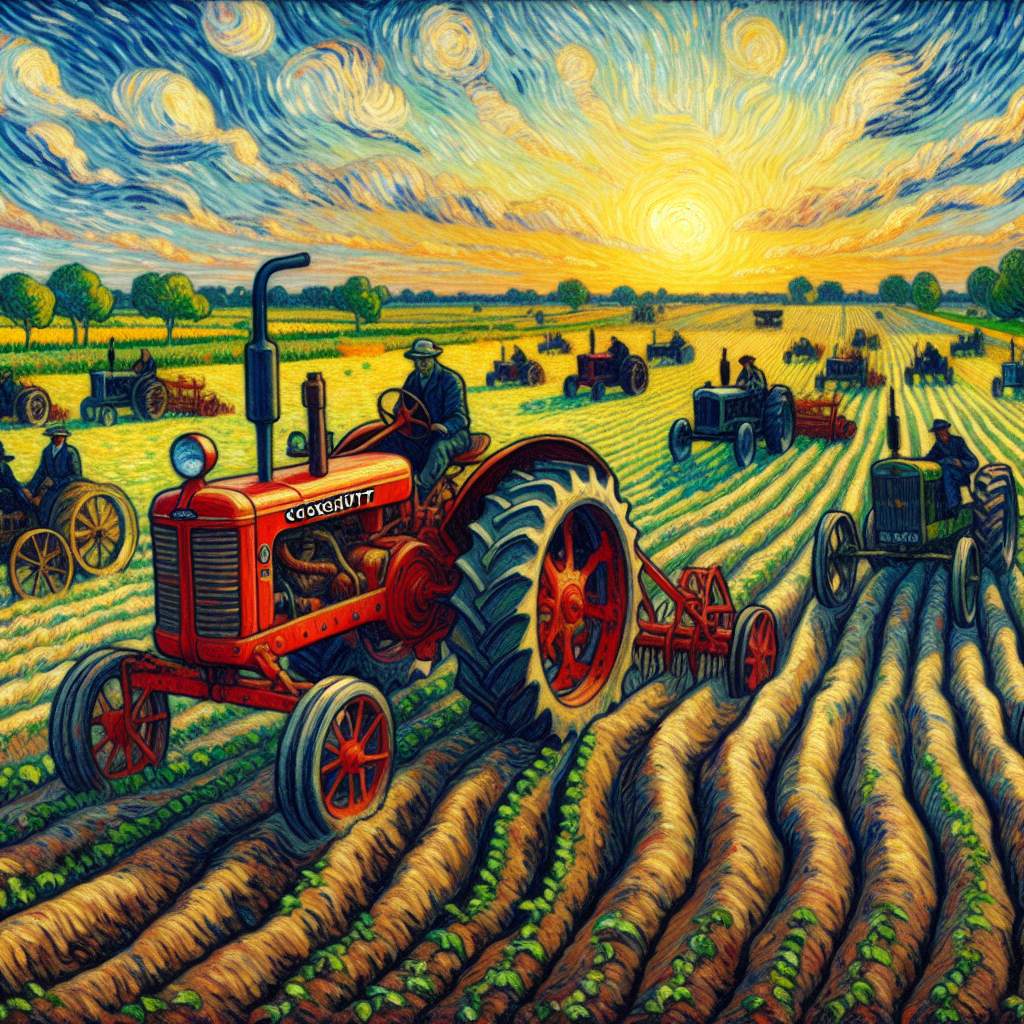
Classic tractors stand as a testament to craftsmanship and authenticity, evoking emotions that resonate deeply with those who value hard work and honest labor. Picture a sun-drenched field, the rhythmic hum of a well-oiled engine, and the robust silhouette of a tractor breaking the soil. These vehicles are not mere machines; they are the embodiment of human ingenuity and dedication, an intersection where art meets utility.
Each classic tractor tells a story—it carries the weight of history, embodying the spirit of those who designed and built it. They remind us of a time when every bolt, every weld, and every inch of iron was meticulously crafted by skilled hands. It’s about the pride taken in making something that lasts. Unlike today’s throwaway culture, these machines invite us to appreciate the labor and love that went into their creation. When you sit behind the wheel of a classic tractor, you don’t just operate a vehicle; you connect with the generations of craftsmen who came before you. In that moment, history and present collide, reminding us that authenticity is not an option; it’s a tribute to those who toil and craft with integrity.
Beyond their physical presence, classic tractors stir a stirring sense of nostalgia. They transport us back to simpler times—a father teaching his child to drive on the family farm, the scent of fresh hay in the air, laughter mingling with the machinery’s growl. These memories bind us, creating a shared experience that transcends generations. Each encounter with a classic tractor can evoke a visceral reaction, grounding us in our roots and our values.
Moreover, the enduring durability of classic tractors speaks to an ethical stance that challenges our modern penchant for obsolescence. In a world increasingly obsessed with the new and trendy, these machines remind us of the virtues of resilience and reliability. They inspire trust in a way that contemporary models often do not. Their craftsmanship invites us to take a stand—to uphold the tradition of quality over quantity, and these sentiments weave a fabric of community among enthusiasts and collectors.
In a society striving for authenticity amidst chaos, classic tractors serve not just as machinery but as symbols of human tenacity and ingenuity, unearthing a call to reconnect with craftsmanship. They spark a movement driven by a desire for lasting value—an inspiration for all of us to cultivate our own fields, whether they be literal or metaphorical. When we embrace these iconic machines, we celebrate our shared heritage and the enduring principles of diligence and integrity that define us all.
How Do Classic Tractors Symbolize Craftsmanship and Authenticity?
How Do Classic Tractors Symbolize Craftsmanship and Authenticity?
- Classic tractors exemplify craftsmanship and authenticity, resonating with those who appreciate hard work.
- Each tractor carries historical significance, reflecting the dedication of skilled artisans in its creation.
- They evoke nostalgia, connecting generations through shared memories of farm life and simpler times.
- Classic tractors emphasize durability and reliability, contrasting with modern disposable culture.
- They inspire a movement focused on quality over quantity, fostering community among enthusiasts.
- As symbols of human ingenuity, they prompt a reconnection with craftsmanship and enduring values.
- Embracing classic tractors celebrates a heritage rooted in diligence and integrity.
How Do Classic Tractors Symbolize Craftsmanship and Authenticity?
How Can Restoring a Classic Tractor Serve As a Bonding Experience?
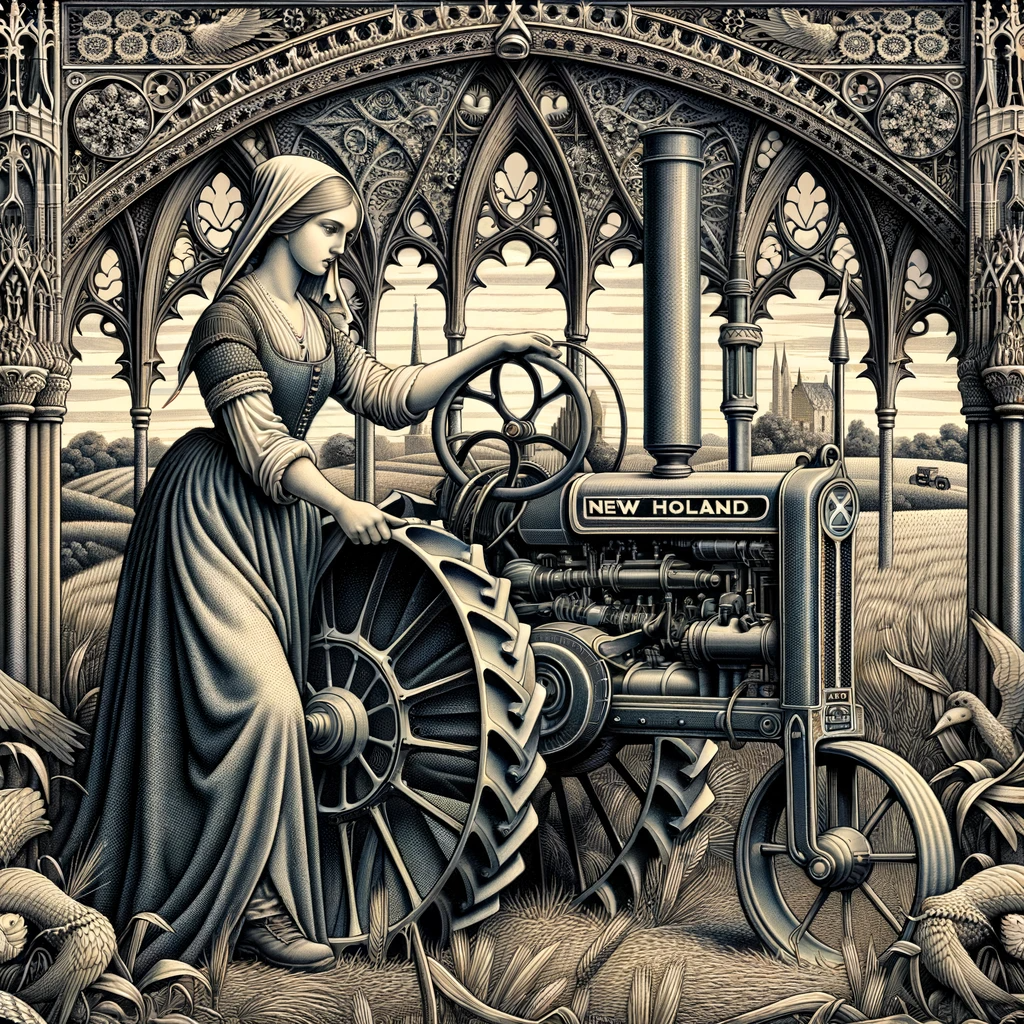
Restoring a classic tractor can be much more than just a mechanical endeavor; it’s an opportunity to forge connections and create lasting memories. Picture a rusted hunk of metal, long forgotten in a barn, laden with the history of hard work and perseverance. When we embark on the journey of restoration, we’re not just fixing an old tractor; we’re unearthing stories that are deeply woven into our fabric.
Imagine a father and son discovering their shared passion for machinery as they peel back layers of dirt and neglect. Each bolt removed and each rusted piece reattached represents a shared moment, a chance to exchange life lessons amid the scent of grease and oil. The shop echoes with laughter and the occasional frustration, but these experiences deepen their bond. The tractor becomes a vessel for memories that transcend generations, carrying with it tales of the past while laying the groundwork for conversations about the future.
From a rational standpoint, restoring a classic tractor requires problem-solving skills, patience, and creativity. It’s much like life itself—sometimes you have to assess what’s broken, determine what needs fixing, and roll up your sleeves to get your hands dirty. This process encourages individuals to think critically, working through challenges in a tangible way. It cultivates a sense of accomplishment tied to hard work, reinforcing the principle that perseverance pays off.
Ethically, the act of restoration taps into our responsibility to preserve history. Each tractor carries with it a legacy of agricultural innovation and labor. By breathing new life into these machines, we honor the hard work of the past and foster an appreciation for the art of craftsmanship. As we gather around the workbench, surrounded by tools and drafts, a sense of community develops—not just between family members but also among enthusiasts who share tips, resources, and a love for the craft.
Socially, the allure of classic tractors extends beyond the confines of our garages. Restoration projects often invite neighbors or friends to join, forming bonds over shared tools and techniques. Local tractor shows become celebrations of camaraderie, where restored machines stand as testaments to hard work and dedication. Engaging with others who appreciate the journey inspires trust and camaraderie, creating a network of support—an invaluable aspect of every restoration story.
Finally, consider this: every restored tractor isn’t merely a relic; it’s a connection to a time when life was simpler, yet full of grit and determination. In every scratch and dent, there lies a narrative just waiting to be told. Embracing this journey of restoration creates lasting moments that remind us of what truly matters—connection, legacy, and the joy found in hard work.
How Can Restoring a Classic Tractor Serve As a Bonding Experience?
How Can Restoring a Classic Tractor Serve As a Bonding Experience?
- Restoring a classic tractor fosters connections and creates lasting memories.
- The process uncovers stories intertwined with the history of hard work.
- Father-son dynamics often deepen through shared experiences during restoration.
- Restoration develops problem-solving skills, patience, and creativity.
- Preserving tractors honors agricultural history and craftsmanship.
- Community bonds form among enthusiasts through shared restoration projects.
- Each restored tractor serves as a testament to perseverance and connection to the past.

How Can Restoring a Classic Tractor Serve As a Bonding Experience?
Conclusion
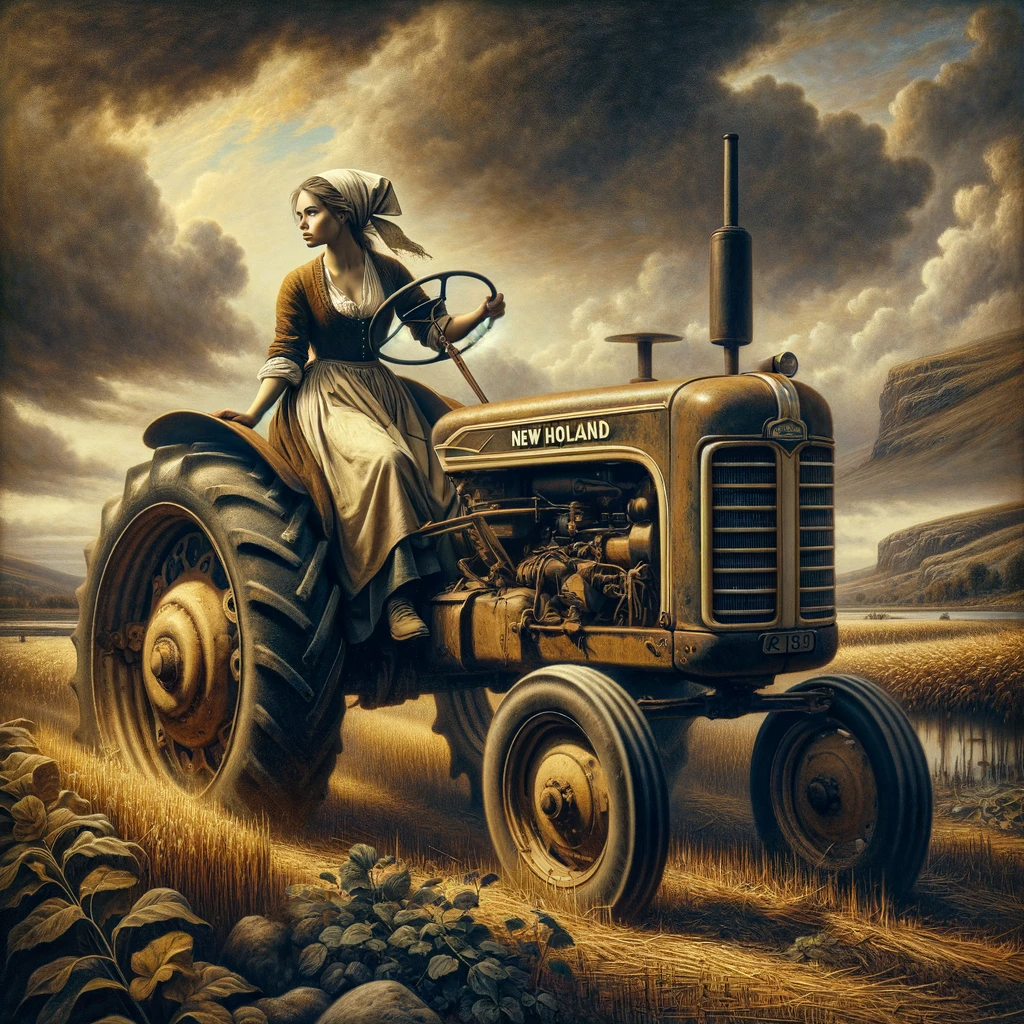
Classic tractors represent far more than just machinery; they embody our shared history and values, resonating deeply within communities across generations. These machines have weathered storms alongside farmers, faithfully toiling through seasons, each dent bearing witness to stories of perseverance and hard work. When you step back in time and turn the ignition key of a classic tractor, you’re not simply starting an engine; you’re igniting a legacy filled with rich narratives of family traditions, shared laughter during harvests, and the resilient spirit of rural America.
Restoration of these tractors serves as a heartfelt connection between past and present, inviting us to revive skills and craftsmanship often overshadowed by today’s fast-paced consumer culture. The tactile nature of repairing a vintage tractor fosters a profound respect for the labor involved—echoing the values of dedication and resilience ingrained in our agricultural heritage. Beyond the nostalgia, this act of restoration is about sustainability, teaching lessons of resourcefulness and the importance of cherishing what we have rather than relegating it to obsolescence.
The sense of community that arises from owning and restoring classic tractors cannot be overstated. Tractor shows and local clubs unite enthusiasts, allowing them to share not only tips but also personal stories. The bonds formed in these settings reinforce our collective identity, as shared experiences become the foundation of friendships. In times where technological advancement often fosters isolation, classic tractors ground us, providing a space for connection steeped in tradition.
Moreover, classic tractors challenge us to consider our ethical responsibilities as stewards of history. Each restoration becomes an opportunity to engage in thoughtful discussions about heritage, sustainability, and our role in preserving the past while looking toward the future. They symbolize not just ownership of a machine, but a commitment to the land and to family legacies.
As we gather around these magnificent machines, we relive the narratives of those who came before us, honoring their struggles and triumphs. Classic tractors are more than relics; they’re inspirational beacons in our lives, calling us to remember our roots, value craftsmanship, and rekindle a sense of pride—pride in our heritage, our connections, and the hard work that sustains us all. Restoring a classic tractor isn’t merely a journey through metal and gears; it’s a revival of spirit, heart, and the unbreakable ties that bind us to our past and each other.
Conclusion
Conclusion:
- Classic tractors symbolize shared history and community values across generations.
- Each tractor bears marks of perseverance and hard work, representing the farmer’s journey through seasons.
- Restoration fosters a connection between past and present, reviving craftsmanship in a consumer culture.
- This tactile experience promotes respect for labor and instills values of dedication and resilience.
- Classic tractors encourage community bonding through shows and clubs, reinforcing collective identity.
- Restorations prompt discussions on heritage, sustainability, and ethical responsibilities as stewards of history.
- They serve as inspirational symbols, urging us to remember our roots and value craftsmanship.
Conclusion
Other Resources
Other Resources
Here is a list of other resources you can review online to learn more:
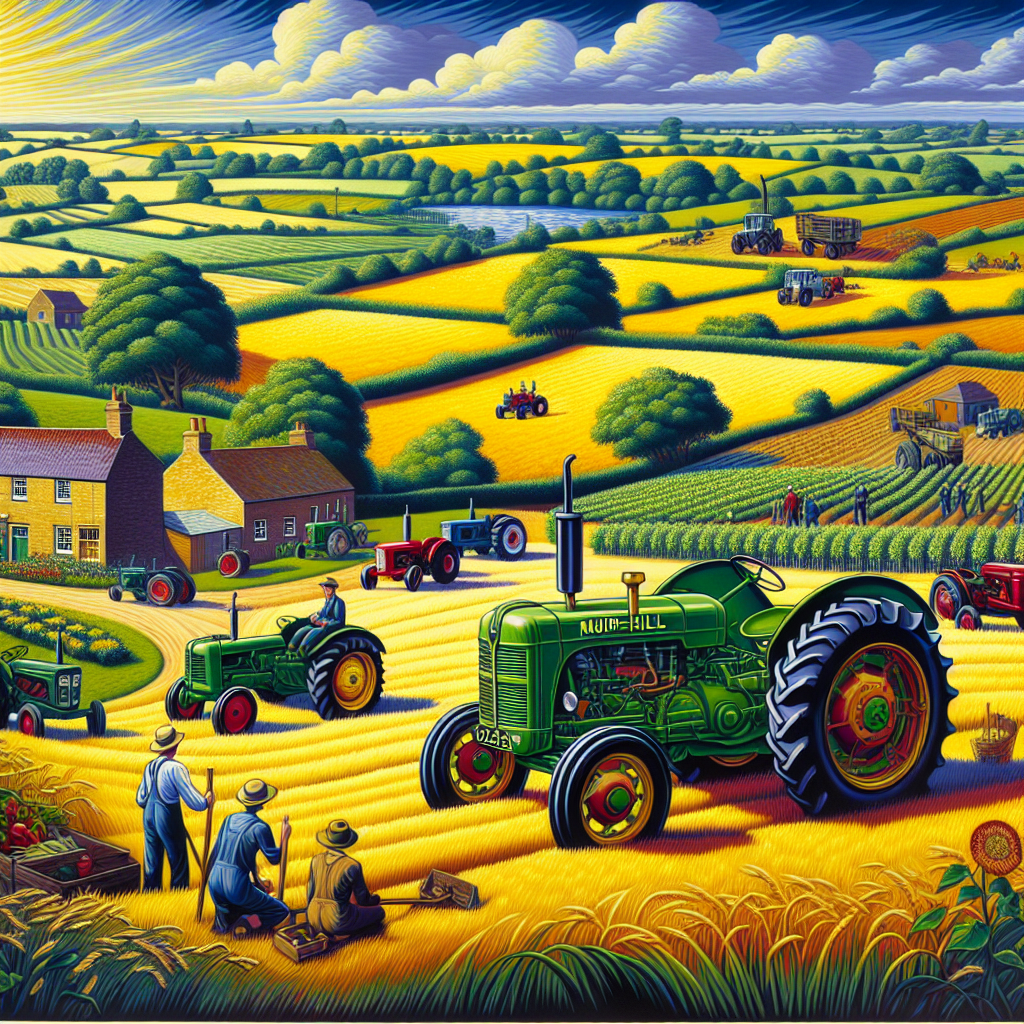
- Muir-Hill
- Avery
- Ferguson
- The New England Antique Truck and Tractor Association
- Newark Vintage Tractor & Heritage Show
- Porsche
- Florida Farm Days and Tractor Show
- Jackson
- Paquette Farmall Tractor Museum
- Kartar Tractors
- Long
- Antique Tractor Blog
- Eicher
- YANMAR
- First State Antique Tractor Club
- AGCO
- Benye
- Valpadana
- Aultman & Taylor
- Corbitt
Use This Prompt To Get More Resources With Your Favorite Online AI Tool: Please provide me with a list of online articles with their URLs in a bulleted list that I can read regarding How Classic Tractors Restore the Pride Of Ownership
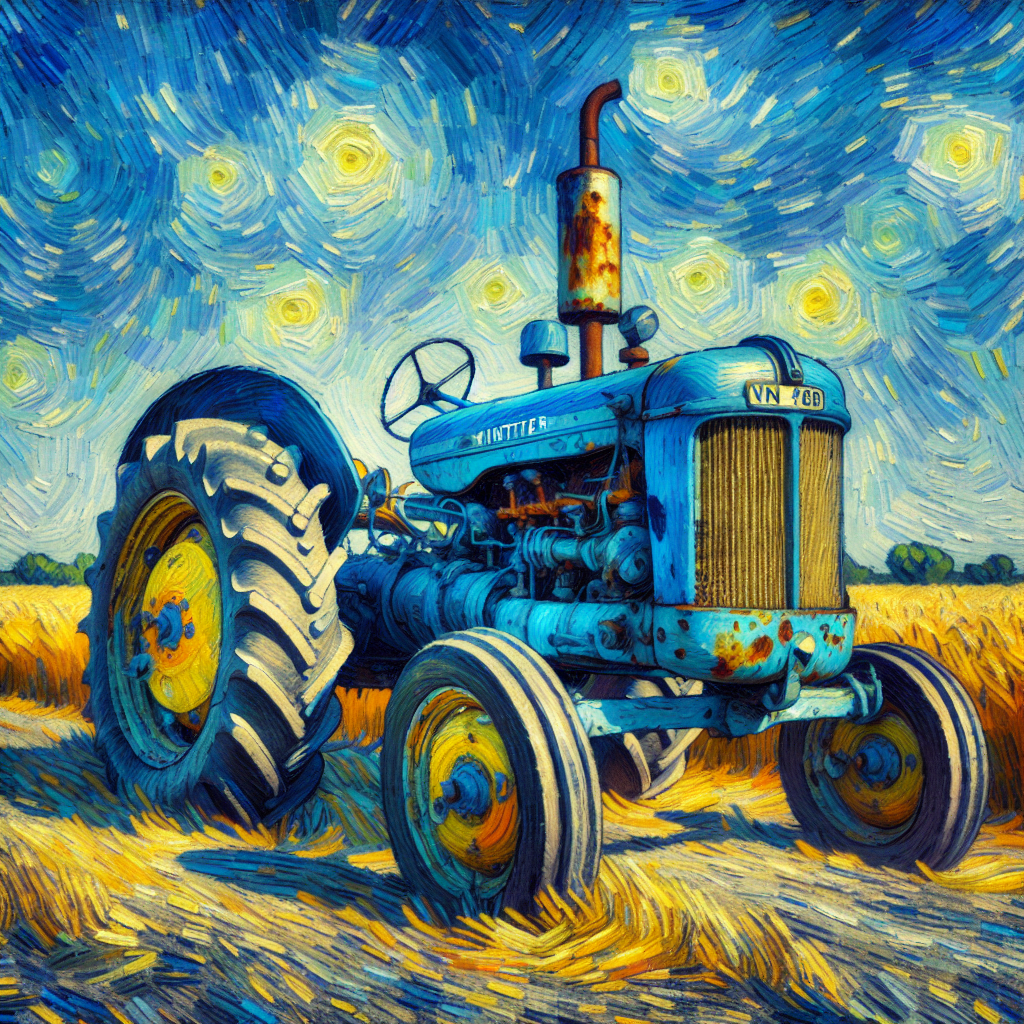
Other Resources
Glossary Terms
How Classic Tractors Restore the Pride Of Ownership – Glossary Of Terms
1. Classic Tractor: A historically significant agricultural tractor, typically 20–70 years old, valued for original design, craftsmanship, and cultural heritage.
2. Restoration: The process of returning a tractor to a chosen condition, ranging from functional repair to full historical reconstruction.
3. Barn Find: A tractor rediscovered after long storage, often with original parts and patina, prized for authenticity and storytelling.
4. Frame-off Restoration: Complete disassembly down to the frame, allowing full mechanical, structural, and cosmetic renewal.
5. Nut-and-Bolt Restoration: Exhaustive rebuild where every component is removed, inspected, refurbished, or replaced to factory standards.
6. Patina: The aged surface finish and wear that show a tractor’s history; sometimes preserved as desirable character.
7. Originality: The degree to which a tractor retains its factory components, specifications, paint, and finishes.
8. Period-Correct: Parts, finishes, and techniques that match the tractor’s original manufacturing era rather than modern substitutes.
9. Matching Numbers: Confirmation that major components (engine, transmission, chassis) carry original serial numbers corresponding to factory records.
10. OEM (Original Equipment Manufacturer): Parts produced by the original maker, preferred for authenticity and correct fit.
11. NOS (New Old Stock): Unused original parts produced in the past and held in inventory, valued for authenticity.
12. Aftermarket Parts: Reproduced or modern parts made by third parties when originals are unavailable or unaffordable.
13. Parts Sourcing: The search and acquisition process for correct components, including salvage, specialty vendors, and online markets.
14. Fabrication: Making new parts from raw materials when original components cannot be sourced.
15. Metalwork: Structural repairs, welding, dent removal, and panel shaping required to restore body and frame integrity.
16. Engine Rebuild: Disassembly, inspection, machining, and replacement of engine parts to restore performance and reliability.
17. Reconditioning: Refurbishing components (brakes, bearings, hydraulics) to good working order without full replacement.
18. Fuel System Overhaul: Restoring tanks, lines, filters, pumps, and carburetors/injectors for reliable fuel delivery.
19. Hydraulics: The system of pumps, hoses, valves, and cylinders that powers implements and requires careful rebuild and sealing.
20. PTO (Power Take-Off): A rotating shaft that delivers engine power to implements; often restored to factory specs for safe operation.
21. Electrical System: Wiring harnesses, switches, lights, and charging components that must be restored or sensitively upgraded for reliability.
22. Paint Codes: Factory color references and formulas used to reproduce authentic exterior finishes.
23. Decals and Badging: Original emblems, decals, and stencils that convey model identity and enhance visual authenticity.
24. Provenance: Documented history of a tractor’s ownership, use, and modifications that increases trust and value.
25. Restoration Records: Detailed logs, invoices, and photos documenting work done, parts used, and decisions—important for transparency and resale.
26. Concours: Judged shows or competitions where authenticity, workmanship, and presentation are evaluated against strict standards.
27. Tractor Club: Owner and enthusiast organizations that share knowledge, parts, camaraderie, and event opportunities.
28. Show-Ready: A restoration level focused on appearance and presentation for exhibitions rather than everyday operation.
29. Stewardship: The ethic of caring for and preserving a classic tractor for future generations rather than merely owning it.
30. Value Appreciation: The increase in monetary and emotional value resulting from thoughtful restoration, documentation, and provenance.
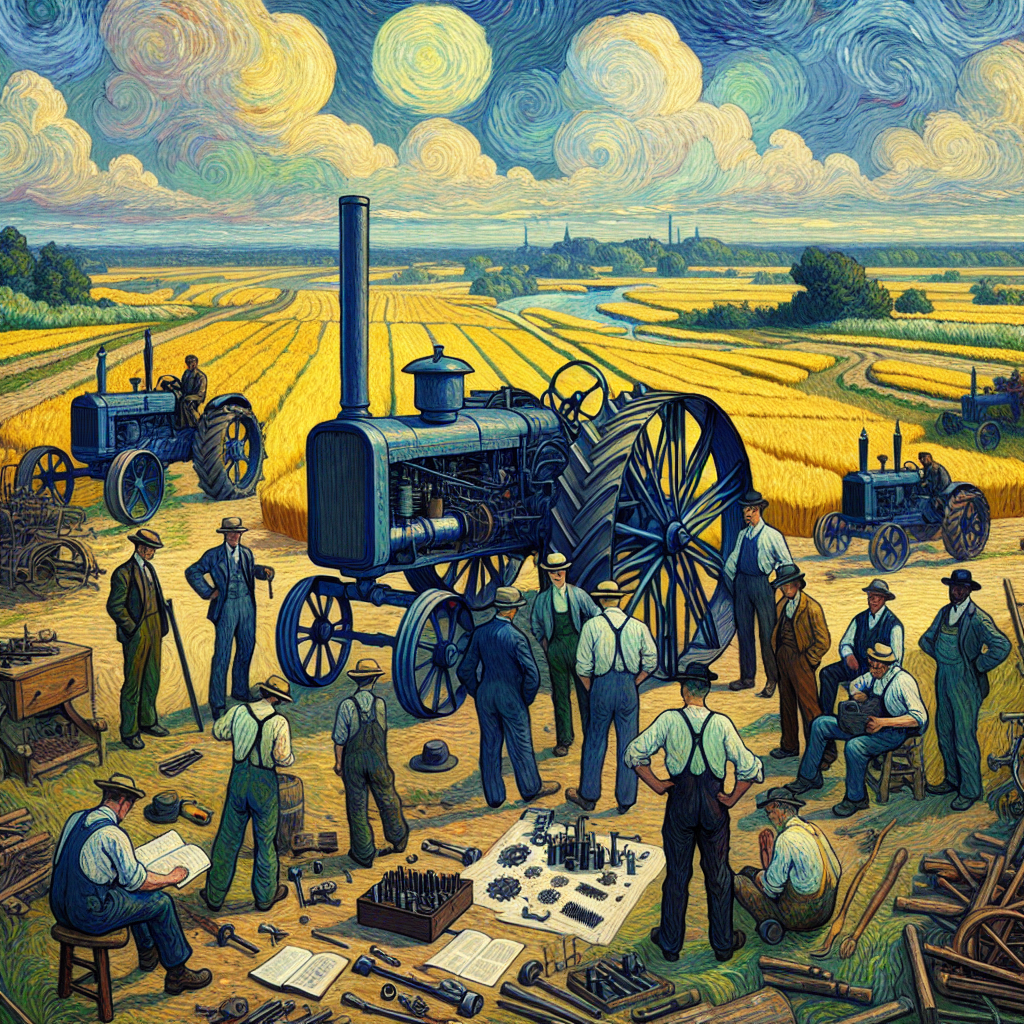
Glossary Of Terms
Other Questions
How Classic Tractors Restore the Pride Of Ownership – Other Questions
If you wish to explore and discover more, consider looking for answers to these questions:
- What are the first steps to take when starting a classic tractor restoration?
- How much does a typical restoration cost from start to finish?
- How long does a full restoration usually take?
- Where can I find original parts or suitable replacements for vintage tractors?
- How do I verify the authenticity and provenance of a classic tractor?
- Should I prioritize originality or modern upgrades for safety and reliability?
- What safety upgrades are recommended without compromising historical value?
- How do I match original paint, decals, and finishes accurately?
- What common restoration mistakes should I avoid?
- How do I assess whether a tractor is worth restoring versus selling for parts?
- What tools and workspace are necessary for a home restoration project?
- Where can I access manuals, schematics, and technical documentation?
- How can I learn necessary skills such as welding, machining, or engine rebuilding?
- Are there grants, tax incentives, or funding sources for historical restoration projects?
- How does restoring a tractor affect its resale or collector value?
- What insurance or registration requirements apply to operating a restored tractor?
- How do I balance ecological concerns (emissions, fuel) with historical fidelity?
- Is it practical to convert a classic tractor to alternative fuels or electric power?
- How do I source expert help or reputable restoration shops and restorers?
- What communities, clubs, or online forums are best for restoration advice and parts swaps?
- How should restored tractors be maintained and stored to preserve value?
- What are best practices for documenting the restoration process and provenance?
- How do I find and interpret serial numbers and factory records for identification?
- What legal or safety regulations govern public display or demonstration of restored tractors?
- How do I prepare a restored tractor for shows, parades, or exhibitions?
- What are common mechanical issues specific to popular vintage models (e.g., Ford 8N)?
- How can restoring a tractor become an educational or intergenerational project?
- What ethical considerations arise when replacing rare or original components?
- How do I estimate parts availability and incompatibility across model years?
- What are typical shop times and labor breakdowns for engine, transmission, and bodywork?
- How do I find trusted appraisers for valuation after restoration?
- What are the environmental impacts of restoring versus scrapping old equipment?
- How do I plan and budget for unexpected problems discovered during restoration?
- What preservation choices matter most for long-term historical conservation?
- How can restoration foster local community engagement or heritage tourism?
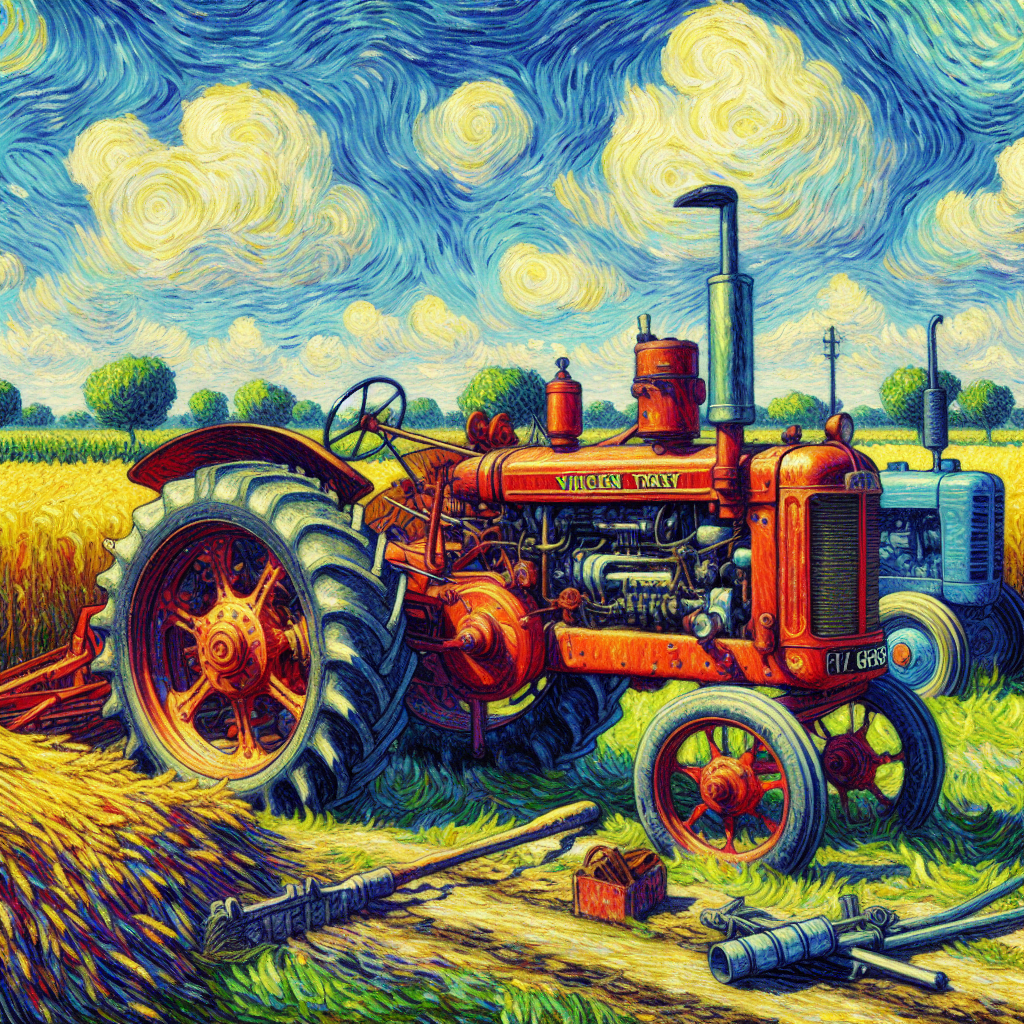
Other Questions
Haiku
How Classic Tractors Restore the Pride Of Ownership – A Haiku
Rusty wheels whisper tales,
Hands unite in toil and grace,
Legacy reborn.
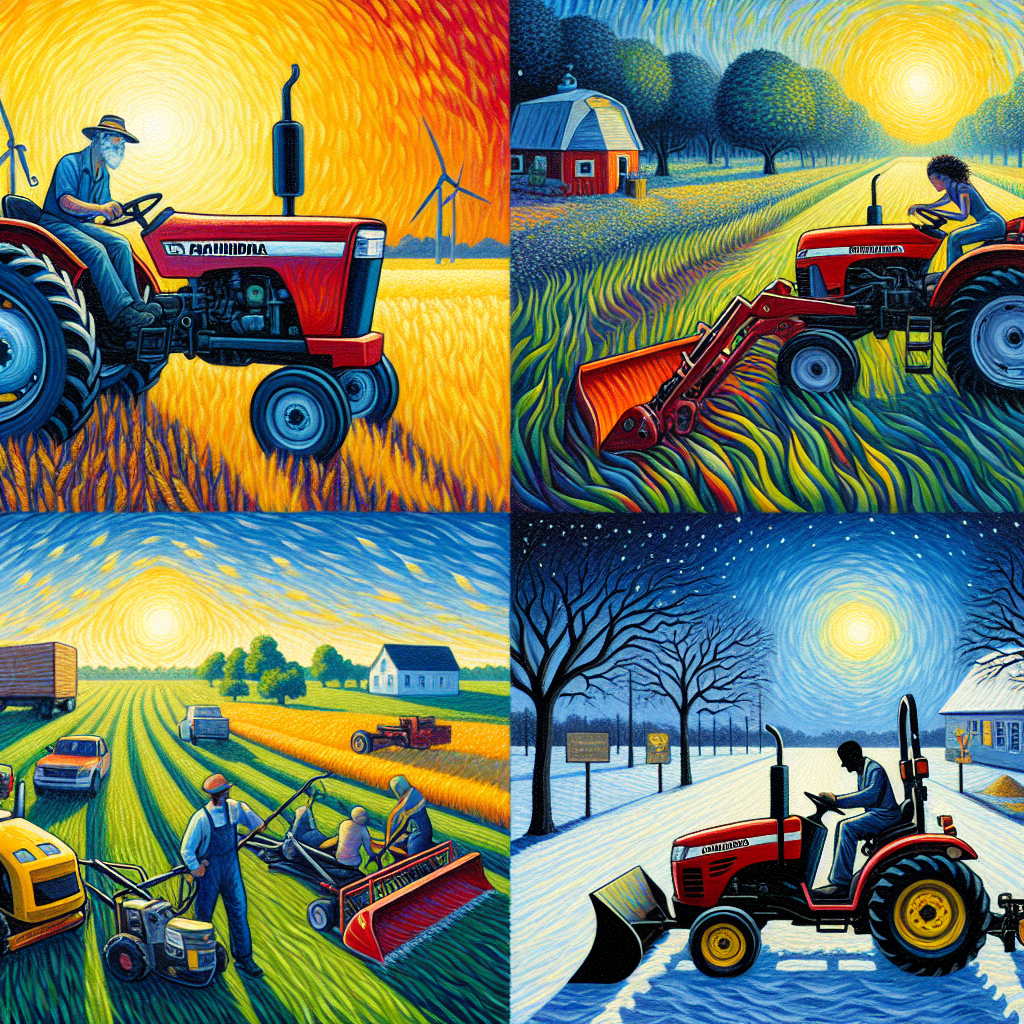
Haiku
Poem
How Classic Tractors Restore the Pride Of Ownership – A Poem
In fields once vibrant, where history lies,
Classic tractors stand, beneath vast skies.
Each dent and scratch, a tale to share,
Of toil and love, of farmers care.
With hands that shaped them, beneath the suns glow,
These machines whisper hopes that still flow.
Igniting pride in ownerships call,
Rekindling dreams, connecting us all.
Restorations journey, a craft of the heart,
Revives legacys flame, plays a vital part.
As generations gather, bonds intertwine,
In shared laughter, the threads of time align.
Sustainable whispers of earth’s timeless ways,
Embrace craftsmanship in a world that decays.
Ethical labor, a call to respect,
Honoring past while futures reflect.
Through rust and memories, community thrives,
In tractor shows, where passion survives.
As engines roar back to life once more,
We reclaim our roots and uncover the core.
So let us cherish these symbols of yore,
For in each restoration, we find so much more.
A testament to hard work, a bridge to the past,
Classic tractors remind us—these values will last.
Poem
Checklist
How Classic Tractors Restore the Pride Of Ownership – A Checklist
Emotional Appeals
✅______ Share your story: Write down a memory associated with a classic tractor.
✅______ Create a family legacy: Discuss with family members what a classic tractor means to them.
✅______ Nurture nostalgia: Visit a local tractor show or museum to rekindle memories.
Rational Appeals
✅______ Evaluate restoration options: List pros and cons of restoring versus modernizing a classic tractor.
✅______ Assess historical value: Research the history of your tractor’s model and its significance in agriculture.
✅______ Consider sustainability: Explore how restoring classic tractors contributes to sustainable practices in farming.
Ethical Appeals
✅______ Honor craftsmanship: Identify local artisans or businesses that specialize in vintage tractor restoration.
✅______ Commit to authenticity: Decide on parts and materials that preserve the tractor’s original integrity.
✅______ Foster community engagement: Participate in or organize local restoration workshops or clubs.
Authority Appeals
✅______ Consult experts: Reach out to restoration experts for guidance or mentorship.
✅______ Follow guidelines: Adhere to best practices in vintage machinery restoration found in industry publications.
Narrative Appeals
✅______ Document the journey: Keep a diary of the restoration process, noting challenges and successes.
✅______ Connect with others: Exchange stories with fellow enthusiasts about your restoration experiences.
Social Appeals
✅______ Organize a gathering: Host a restoration day with friends or family to work on a classic tractor together.
✅______ Join a community: Become a member of a classic tractor club or online forum to share and receive support.
✅______ Showcase achievements: Participate in local tractor shows to celebrate your restoration work and connect with others.
Checklist
At ClassicTractorNews, we help tractor lovers keep up with the latest news for classic and vintage tractors.
Please share this post with your friends, family, or business associates who may like old classic or vintage tractors.