


Preserving Agricultural Heritage With Classic Tractors
By Tom Seest
At ClassicTractorNews, we help tractor lovers keep up with the latest news for classic and vintage tractors.
Please share this post with your friends, family, or business associates who may like old classic or vintage tractors.
How Can Classic Tractors Help Maintain Farm Traditions?
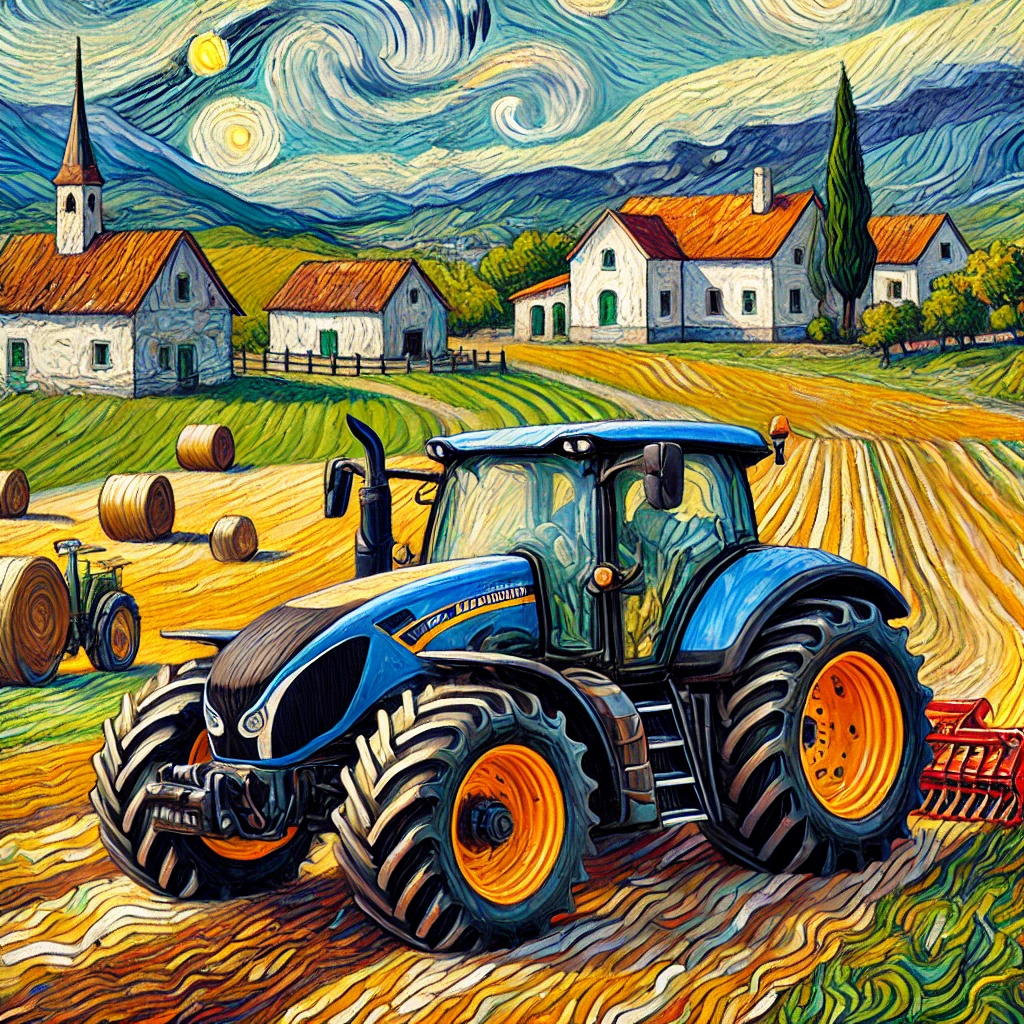
Picture this: the early morning sun just begins to peek over the horizon, casting warm golden rays across a sprawling field. The rhythmic clattering of a classic tractor fills the air, cutting through the morning stillness like the heartbeat of the farm itself. These machines, symbols of grit and reliability, do more than just plow fields; they serve as storytellers. They remind us of our roots and the values that have shaped generations of farmers.
Classic tractors are more than just vintage machinery; they are repositories of history and tradition. Each model has a tale to tell, whispering secrets of those who came before us—hardworking men and women who relied on them to cultivate the land, raise livestock, and build their dreams. In a world where technology often seems to overshadow the past, these iconic machines stand firm, inviting us to preserve the artistry and customs of farming.
When you hop onto the seat of a classic tractor, you’re not just taking a ride; you’re stepping into a time capsule. The rumble of the engine beneath you is a reminder of simpler days when farming was more about the sheer labor of love than efficiency and automation. The physical connection you feel with the ground translates into a deeper understanding of the land and its rhythms. It’s an appreciation for the sweat that has gone into nurturing each crop and livestock.
This shared experience can bridge the generational gap, making it easier to pass farming traditions to the next batch of eager hands. Imagine teaching children how to steer that old workhorse, helping them gain practical skills and an appreciation for the land. It’s in those moments that lasting bonds are formed—wisdom handed down as they learn not just to operate a tractor, but to respect the legacy behind it.
Furthermore, classic tractors provide a tangible access point for communities to come together, whether through farm shows, tractor pulls, or restoration projects. As folks gather to celebrate these machines, they share stories, tips, and laughter. There’s a shared pride in preserving not just the tractors but the traditions they carry.
So, the next time you see a classic tractor, take a moment to appreciate its role in maintaining farm traditions. Hop on, throttle up, and connect with the past—it’s not just about farming; it’s about keeping our stories alive. Whether you’re a seasoned farmer or just starting, reviving these traditions is a noble way to honor those who tilled the soil before us.

How Can Classic Tractors Help Maintain Farm Traditions?
How Can Classic Tractors Help Maintain Farm Traditions?
- The morning sun illuminates a field where classic tractors symbolize agricultural grit and reliability.
- Classic tractors serve as repositories of history, connected to generations of hardworking farmers.
- Riding a classic tractor offers a tangible connection to the past and the labor of love in farming.
- These machines can help bridge generational gaps by teaching young people about farming traditions.
- Classic tractors serve as a focal point for community gatherings, such as farm shows and restoration projects.
- Engaging with classic tractors fosters sharing stories and preserving farming traditions.
- Appreciating classic tractors helps honor the legacy of those who came before, connecting past and present.

How Can Classic Tractors Help Maintain Farm Traditions?
Table Of Contents
- How Can Classic Tractors Help Maintain Farm Traditions?
- What Are The Benefits Of Using Classic Tractors For Farming?
- How Do Classic Tractors Contribute To Sustainable Farming Practices?
- In What Ways Do Classic Tractors Preserve Agricultural History?
- What Role Do Classic Tractors Play In Modern Farming Communities?
- How Can Classic Tractors Be Restored And Maintained Effectively?
- What Are The Most Popular Classic Tractor Models Among Farmers?
- How Do Classic Tractors Enhance Farm Aesthetics And Heritage?
- Conclusion
- Other Resources
- Glossary Of Terms
- Other Questions
- Haiku
- Poem
- Checklist
What Are The Benefits Of Using Classic Tractors For Farming?
There’s a certain charm that comes with the roar of a classic tractor rumbling across the fields. It’s the kind of sound that stirs something deep within us—an echo of hard work, a time when farming was both a labor of love and an art to be mastered. But the benefits of these machines go far beyond nostalgia; they forge a genuine connection between farmer and land that’s hard to replicate with modern equipment.
For starters, let’s talk durability. Classic tractors were built like tanks, often handcrafted to withstand the rigors of farm life. These machines are notorious for their longevity; they can last for decades with the right maintenance. Imagine the peace of mind that comes from knowing your trusty tractor is not just another piece of machinery—it’s practically part of the family. These sturdy workhorses remind us that some things are designed to endure, much like the values we hold dear in farming.
Next is simplicity. Classic tractors often come without the bells and whistles that can complicate modern equipment. There’s a certain beauty in simplicity, and this is especially true in farming. With fewer complicated electronics to fail, classic tractors can often be repaired with basic tools and a little know-how. This allows farmers to become self-reliant problem solvers rather than just consumers of technology. If you’ve ever found joy in tinkering with an engine or fixing up a vintage machine, you know just how satisfying that connection can be.
Now let’s not forget about cost-effectiveness. Classic tractors are generally less expensive to purchase than their modern counterparts, which makes them an attractive option for both new and seasoned farmers. With a lower initial investment, you can focus those resources on other critical aspects of your farm, like seeds, fertilizers, or even community outreach programs that keep the spirit of agriculture alive.
Finally, there’s the community aspect. Classic tractors often draw attention and admiration. They are conversation starters, bringing farmers together, fostering a sense of belonging. Whether you’re participating in a local tractor show or simply driving down the road, these machines can help bridge generational gaps, allowing old-timers and newcomers to share stories, tips, and a passion for the land.
So, as you contemplate your next farming endeavor, consider reaching for that classic tractor—not just for the benefits on paper, but for the authentic connection it offers. In a world racing towards modernization, let’s not forget the roots that ground us. If you feel the pull of tradition calling, it might be time to dust off that classic and let it take you down the path of sustainable farming once again.

What Are The Benefits Of Using Classic Tractors For Farming?
What Are The Benefits Of Using Classic Tractors For Farming?
- Classic tractors evoke nostalgia and a connection between farmer and land.
- Durability: Built to last decades with proper maintenance, often viewed as part of the family.
- Simplicity: Fewer complex systems allow for easier repairs and foster self-reliance among farmers.
- Cost-effectiveness: Generally lower purchase prices than modern tractors, enabling investment in other farming needs.
- Community: Classic tractors foster social connections and shared stories among farmers.
- Encourages discussions and interactions at events like tractor shows.
- Emphasizes the importance of tradition in sustainable farming practices.

What Are The Benefits Of Using Classic Tractors For Farming?
How Do Classic Tractors Contribute To Sustainable Farming Practices?
Have you ever taken a moment to gaze upon a classic tractor sitting sturdily in a field, the sunlight gleaming off its weathered metal like a badge of honor? It’s a sight that goes beyond nostalgia; it’s a testament to a simpler, yet profoundly effective approach to sustainable farming. When we talk about sustainability in agriculture, we often think about fancy gadgets and high-tech solutions. But let’s hit the brakes for a second and consider the classic tractor—an emblem of reliability that still packs a punch in today’s farming conversations.
Now, you might wonder how a piece of machinery that’s graced fields for decades can possibly hold its ground in modern practices. The truth is, classic tractors often were built to endure, to be repaired rather than replaced, and to serve multiple roles on the farm. This leads to fewer resources consumed over time. In an age where planned obsolescence is often the norm, embracing these robust machines is a nod toward more environmentally responsible practices. Each part, each ounce of metal, and every drop of fuel spent tells a story of utility over excess.
These vintage workhorses also encourage a more localized approach to farming. In a world increasingly driven by global supply chains, classic tractors remind us of the value in being self-sufficient. Farmers who utilize these timeless machines often embrace more sustainable agrarian methods such as crop rotation and reduced tillage, techniques that not only bolster soil health but also enhance biodiversity. So, when you see that classic tractor chugging along, it’s not just plowing through soil; it’s cultivating a mindset that values patience, understanding, and stewardship.
Moreover, the community aspect can’t be overlooked. Classic tractors often bring farmers together, whether through local shows or shared repair shops. This camaraderie fosters the exchange of knowledge and resources. It’s a win-win situation where farmers can find creative solutions to common challenges without the unnecessary financial strain that comes with modern farming machinery.
So, the next time you come across one of these timeless beauties, take a moment to appreciate not only its undeniable charm but its contribution to sustainable farming practices. Let’s celebrate the legacy of classic tractors—not just as relics of the past, but as vibrant partners in our shared journey toward a more sustainable future. After all, it’s about learning from what’s come before us to cultivate a better tomorrow.

How Do Classic Tractors Contribute To Sustainable Farming Practices?
How Do Classic Tractors Contribute To Sustainable Farming Practices?
- Classic tractors symbolize a simpler, effective approach to sustainable farming.
- They are built for durability and repair, leading to lower resource consumption over time.
- These tractors represent environmentally responsible practices over planned obsolescence.
- Classic tractors promote localized farming and self-sufficiency amidst global supply chains.
- Farmers using vintage tractors often adopt sustainable methods like crop rotation and reduced tillage.
- Community aspects thrive around classic tractors, fostering knowledge exchange and support among farmers.
- Classic tractors are not just relics; they contribute to a sustainable future and inspire learning from the past.

How Do Classic Tractors Contribute To Sustainable Farming Practices?
In What Ways Do Classic Tractors Preserve Agricultural History?
When we think about classic tractors, it’s easy to see more than just machines of steel and iron. These hulking marvels are time capsules, each one telling a story of grit, innovation, and the folks who tilled the soil long before our smartphones took center stage. Each tractor—regardless of its rust or patina—holds a legacy that connects us to our agrarian roots.
Consider the roar of a vintage tractor’s engine, a sound that echoes through fields and hearts alike. That sound is like a heartbeat, reminding us of the laborers from days gone by, who depended on these machines to cultivate the land and feed their families. These tractors were more than just tools; they were allies in the fight against the elements, companions in the chore of planting seeds and harvesting crops. They symbolize a time when agriculture was not merely a business, but a way of life—toiling under the sun, mastering techniques passed down through generations.
Classic tractors also preserve agricultural history by showcasing the evolution of farming technology. Take a moment to appreciate the craftsmanship of a 1950s Allis-Chalmers; its design mirrors the ingenuity of the era—bright colors, bold shapes—each one representing a leap forward in farming practices. Restoration enthusiasts dive deep into research, lovingly bringing these machines back to life, preserving a history that might otherwise be forgotten. They are not just preserving metal and mechanics; they are safeguarding the stories of families, communities, and an entire way of life.
Now, you may wonder how you can be part of this ongoing narrative. Visiting tractor shows or joining vintage tractor clubs can be transformative experiences. They invite dialogue between generations; young and old sharing wisdom as they marvel at these mechanical beasts that once roamed the fields. Every tractor on display can spark conversations about agricultural practices and the transformation of farming techniques—the very backbone of our society.
So, let’s embrace our history together. Classic tractors are not just relics; they are the engines of connection that remind us where we’ve come from. By appreciating and preserving them, we acknowledge the labor and dreams of those who worked tirelessly on the land. Step into the past and become a steward of agricultural heritage; champion the story of the tractor, and it will, in turn, tell yours.

In What Ways Do Classic Tractors Preserve Agricultural History?
In What Ways Do Classic Tractors Preserve Agricultural History?
- Classic tractors serve as time capsules, symbolizing grit, innovation, and agricultural legacy.
- The roar of a vintage tractor’s engine evokes memories of laborers who relied on these machines to cultivate land.
- These tractors were vital allies for farmers, representing the essence of a agrarian lifestyle.
- They showcase the evolution of farming technology, reflecting the craftsmanship of different eras.
- Restoration enthusiasts play a key role in preserving the history and stories associated with classic tractors.
- Participating in tractor shows and vintage clubs fosters intergenerational dialogue about agricultural practices.
- By valuing and preserving classic tractors, we honor the hard work and dreams of those who shaped farming history.

In What Ways Do Classic Tractors Preserve Agricultural History?
What Role Do Classic Tractors Play In Modern Farming Communities?
When you think of a classic tractor, it’s hard not to conjure up images of fields stretching far and wide, bathed in golden sunlight, with a rustic machine chugging along like a trusted friend. These machines, often aging gracefully like a fine wine, are more than just relics of a bygone era; they’re symbols of a deeper connection to the land and to the farming community.
In modern farming contexts, classic tractors serve an essential role that transcends mere function. Sure, today’s high-tech equipment can be marvels of engineering—spraying chemicals with pinpoint precision or employing GPS to map every inch of a vast field—but there’s something about the old iron that resonates with farmers in ways that technology simply can’t touch. The rumble of a vintage engine doesn’t just stir up memories of hard work; it brings families and communities together.
Classic tractors become a gathering point for local events and shows, where farmers swap stories and shared experiences. They serve as tangible pieces of history, connecting the new generation to the toil and triumph of those who came before. When a group of farmers gathers around a beautifully restored model, conversations flow freely, infused with laughter, lessons learned, and the bonds forged in the back-breaking days of harvest. Those gatherings create an atmosphere of camaraderie, binding people together over the shared love of both the land and the tools that tend to it.
Most importantly, these tractors embody the spirit of sustainability. Many farmers maintain and restore classic tractors instead of purchasing new ones, opting to repair and repurpose rather than chasing after the latest gadget. This act is not just about nostalgia; it’s a commitment to thoughtful stewardship. They’re proving that a well-loved tractor can turn the soil just as effectively as its modern counterpart while fostering a sense of responsibility toward the planet.
In a world that often feels rushed and disconnected, classic tractors remind us to slow down, appreciate our roots, and honor the craft of farming. They stand there, weathered but unwavering, just like the farmers who operate them—proving that hard work, tradition, and community can stand the test of time. So, the next time you see an old tractor trundling down a dirt lane, remember: it’s not just a machine; it’s a testament to resilience, history, and the unwavering spirit of those who work the land.

What Role Do Classic Tractors Play In Modern Farming Communities?
What Role Do Classic Tractors Play In Modern Farming Communities?
- Classic tractors symbolize a deep connection to the land and farming community.
- They evoke nostalgia, resonating with farmers in ways modern technology cannot.
- Classic tractors serve as gathering points for local events, fostering community bonds.
- They connect generations through shared stories and experiences from farming’s past.
- Restoration and maintenance of classic tractors reflect a commitment to sustainability.
- Farmers prioritize thoughtful stewardship over acquiring the latest technological gadgets.
- Classic tractors remind us to appreciate our roots and honor the craft of farming.

What Role Do Classic Tractors Play In Modern Farming Communities?
How Can Classic Tractors Be Restored And Maintained Effectively?
When you think about classic tractors, what comes to mind? The echoing roar of a dependable engine, the warm sunlight casting shadows on a well-trodden field, or perhaps the sense of pride that swells when you see a piece of history still doing what it was built to do? Restoring and maintaining these machines isn’t just about grease and rust; it’s about rekindling a connection to simpler times and ensuring they roll on for future generations to experience.
Let’s be honest: owning a classic tractor is akin to holding a piece of art in your hands, albeit one that’s got some grime on it. The first step in the restoration process is understanding its story. Dive into the history of your tractor—who built it, where it’s been, the lives it’s touched. This context isn’t just fascinating; it fosters a deeper appreciation for the machine you’re turning wrenches on. After all, you’re not just restoring metal and paint; you’re breathing life back into a carefully crafted piece of machinery that represents perseverance and hard work.
Now, onto the nuts and bolts! Begin with a comprehensive inspection. Check the engine’s condition, ensure all fluids are topped off, and look for wear and tear on belts and hoses. Don’t shy away from disassembly if necessary; sometimes, a little elbow grease can reveal rust or hidden issues that can be fixed before they balloon into something larger. Remember, every dent tells a story, and every scratch has character—embrace the imperfections!
Once you’ve got your tractor running smoothly, maintenance becomes your best friend. Regular oil changes, timely filter replacements, and proper fuel management will not only extend the life of your pride and joy but will also keep that engine purring like a kitten. Don’t forget to clean and check tire pressure—those big wheels carry a lot of weight and need your attention.
Investing time in your classic tractor’s care means investing in your own satisfaction. It’s about more than mechanics; it’s a labor of love that can transform a rusty hunk of machinery into a reliable companion. Join a community of fellow enthusiasts, share tips, swap stories, and revel in the common bond forged through this timeless pursuit. Who knows? You might even inspire someone else to bring their own piece of agricultural history back to life, one bolt at a time. Every classic tractor restored is a testament to determination and a passion that refuses to fade with time.

How Can Classic Tractors Be Restored And Maintained Effectively?
How Can Classic Tractors Be Restored And Maintained Effectively?
- Classic tractors evoke nostalgia through their engines, history, and significance.
- Restoring these machines is about connecting to simpler times and preserving history for future generations.
- Understanding the history of your tractor enhances appreciation and personal connection.
- A comprehensive inspection is crucial for identifying and addressing issues early in the restoration process.
- Regular maintenance, including oil changes and tire pressure checks, is essential for longevity.
- Caring for a classic tractor is a labor of love that transforms machinery into a reliable companion.
- Engaging with a community of enthusiasts can provide support, inspiration, and shared experiences.

How Can Classic Tractors Be Restored And Maintained Effectively?
What Are The Most Popular Classic Tractor Models Among Farmers?
In the heartland of America, where soil meets sweat and the scent of freshly tilled earth fills the air, classic tractors stand as both workhorses and nostalgic symbols of agricultural heritage. For many farmers, choosing a tractor isn’t just about horsepower and functionality; it’s about choosing a partner for the land, something that feels as reliable as a neighbor who shows up with a casserole after a hard day.
Take a moment to picture the classic Ford 8N. It’s more than just a tractor; it’s a trusty sidekick, rumbling to life with a barnyard roar that echoes familiarity. Introduced in the early 1940s, this model is often hailed as one of the best all-purpose tractors ever produced. Farmers still admire its versatility. Whether plowing fields or hauling loads, the Ford 8N has cemented its place in the hearts of agricultural enthusiasts.
Then there’s the John Deere Model A—often referred to reverently as the “green machine.” With its striking color and iconic design, it’s more than a piece of machinery; it’s a piece of history. First produced in the 1930s, the Model A represented a significant shift in farming practices. It showcased the power of innovation, allowing farmers to conquer larger fields more efficiently. For many, the simple act of turning the key ignites a connection to generations past, reminding them of the foundation on which their livelihood stands.
Don’t overlook the International Harvester Farmall either! With its unique tricycle design, it’s a sight to behold on any farm. This tractor is often seen as the embodiment of the small-scale family farm, symbolizing resilience and community. Farmers who own a Farmall often recount stories of family gatherings, shared meals, and the simple joy of plowing a straight line down a freshly turned field.
Farmers understand that behind every great harvest, there’s a machine that makes it possible. These classic tractors aren’t just mechanical wonders; they carry the weight of tradition, of late nights in the barn and early mornings in the field. They inspire confidence, trust, and a sense of belonging to something bigger—an agricultural community standing strong against the tides of change.
So, the next time you see a classic tractor humming along a rural road, remember that it’s not just a vehicle; it’s a symbol of dedication, hard work, and the relentless pursuit of a better harvest. Grab hold of that spirit, and who knows? You might just find yourself inspired to plant some roots of your own.

What Are The Most Popular Classic Tractor Models Among Farmers?
What Are The Most Popular Classic Tractor Models Among Farmers?
- Classic tractors are vital to American agriculture, symbolizing heritage and reliability.
- The Ford 8N, introduced in the 1940s, is celebrated for its versatility and trustworthiness.
- The John Deere Model A, launched in the 1930s, represents innovation and a connection to agricultural history.
- International Harvester Farmall is known for its unique design and embodies the spirit of small-scale family farms.
- These tractors carry the weight of tradition, connecting farmers to their past and community.
- They inspire confidence and a sense of belonging within the agricultural community.
- Classic tractors are more than machines; they symbolize dedication, hard work, and the pursuit of harvest success.

What Are The Most Popular Classic Tractor Models Among Farmers?
How Do Classic Tractors Enhance Farm Aesthetics And Heritage?
There’s a certain magic that happens when you set your eyes on a classic tractor parked in the golden light of dawn, its paint weathered yet dignified. Those machines are more than just tools—they’re a bridge to an era steeped in hard work and tradition. Picture a sun-soaked field, where a vintage tractor stands like a sentinel, watching over rows of crops as they sway gently in the breeze. It’s not just a piece of machinery; it’s a symbol of resilience, craftsmanship, and pure farm aesthetics.
When you drive a classic tractor through your fields, it’s hard not to feel connected to all those who came before you. Each model has its own story—some have been handed down through generations, serving as family heirlooms that whisper tales of toil. Just think about that for a moment; owning a piece of history adds layers to your own story. It anchors you to the values of hard work and persistence that are the backbone of farming, inviting both pride and reflection.
There’s also an undeniable beauty in that rugged aesthetic. The charm of rust and patina tells a tale of seasons weathered, all while embodying an artistry that modern machinery often lacks. These tractors have character; they come equipped with a personality that gleams brighter than any shiny new model ever could. Renowned for their bold colors and iconic designs, they’re like a canvas painted by the labor of love and life itself.
But let’s not forget the impact on heritage. As we celebrate the traditions of agriculture, these classic tractors become vessels of education. They remind us of sustainable practices, the importance of hands-on work, and the preservation of skills that have defined farming for centuries. When you gather with friends or family to watch a plowing demonstration featuring a prairie-pattered tractor, you’re not just witnessing a farming technique; you’re participating in a living museum. It’s an opportunity for storytelling, connecting the past to the present in ways that can ignite passion in budding young farmers.
So, whether you’re contemplating a classic tractor for your own operation or simply admiring one on a friend’s farm, take a moment to appreciate how these machines enhance not just the landscapes of our fields, but also the very tapestry of our heritage. In an era caught up in the fast pace of technology, it’s a breath of fresh air to embrace the beauty of what has come before. Trust me, your farm—and your spirit—will thank you for it.

How Do Classic Tractors Enhance Farm Aesthetics And Heritage?
How Do Classic Tractors Enhance Farm Aesthetics And Heritage?
- Classic tractors symbolize hard work and tradition, bridging the past with the present.
- Each vintage tractor tells a unique story, often passed down through generations as family heirlooms.
- The rugged aesthetic of classic tractors embodies resilience and craftsmanship, contrasting with modern machinery.
- These tractors are characterized by their bold colors and iconic designs, reflecting a labor of love.
- Classic tractors serve as educational vessels, emphasizing sustainable practices and the importance of hands-on work in agriculture.
- Participating in demonstrations with classic tractors fosters storytelling and connections to farming’s rich history.
- Embracing classic tractors offers a refreshing perspective and enhances the landscape and heritage of farming.

How Do Classic Tractors Enhance Farm Aesthetics And Heritage?
Conclusion
Conclusion: Classic Tractors – Guardians of Tradition and Community
Now, let me tell you something about classic tractors. They’re not just metal and gears—they’re the very heartbeat of agricultural heritage, each one a resilient testament to generations of farmers who poured their sweat and dreams into the land. Picture this: a classic tractor rumbling through golden fields, its presence evoking memories of hard work and the enduring spirit of the farming community. When you sit behind the wheel, you’re not just driving machinery; you’re taking the helm of a legacy.
These tractors are standouts—vintage workhorses that endure the test of time, each scratch and dent telling a story of battles fought against the elements. They challenge the notion of disposability that often plagues modern equipment. With a classic tractor, you’re not just buying a machine, but a reliable partner that’s stood by countless hands through harsh winters and bountiful harvests.
And let’s talk about community, shall we? Classic tractors create bonds among farmers, bringing them together for shows, gatherings, and restoration projects. You’ll find friendships blooming over the shared admiration of a meticulously restored model or conversations sparked by tales of hard-earned harvests. It builds camaraderie where veterans share wisdom with the newbies, ensuring that the traditions of farming pass from one generation to the next.
But it doesn’t end there. Upholding sustainable practices is deeply embedded within classic tractors too. Their simple designs mean they can be repaired with basic tools, making farmers self-reliant problem solvers. Opting for these sturdy machines instead of chasing the latest tech means fewer resources consumed, a move that supports a more environmentally responsible farming approach.
In a world that’s racing forward at breakneck speed, classic tractors serve as a grounding force. They remind us to appreciate our roots, uphold traditions, and cherish the simple, yet profound relationship between farmer and land. So the next time you see a classic tractor in action, take a moment to recognize it for what it truly is: a steadfast symbol of agricultural history, a bridge connecting us to our past, and a powerful reminder that traditions are not merely relics, but vibrant lifelines to sustainable farming and community spirit.
Embrace that spirit, respect the stories, and who knows? You might just find inspiration to plant your own roots—right alongside those revered machines that have powered the heart of our nation’s agriculture for decades.

Conclusion
Conclusion:
- Classic tractors embody agricultural heritage and represent generations of dedicated farmers.
- These sturdy machines go beyond being equipment; they signify a legacy and a reliable partnership in farming.
- Classic tractors resist the throwaway culture of modern machinery, with each dent telling a story of resilience.
- They foster community among farmers, encouraging connections through shows, gatherings, and restoration projects.
- Classic tractors promote sustainable practices, being easy to repair and reducing resource consumption.
- They serve as reminders of the importance of traditions, urging appreciation for farming roots and the farmer-land relationship.
- Classic tractors symbolize agricultural history and inspire new generations to cultivate their own roots in farming.

Conclusion
Other Resources

Other Resources
Here is a list of other resources you can review online to learn more:
- IMR Rakovica
- NM Farm & Ranch Heritage Museum
- GBT
- Muskoka Pioneer Power
- Ag King
- Square Turn
- Vintage Tractor And Farm Festival
- Cameco
- Fahr
- Rome
Use This Prompt To Get More Resources With Your Favorite Online AI Tool: Please provide me with a list of online articles with their URLs in a bulleted list that I can read regarding How Can Classic Tractors Help Maintain Farm Traditions?

Other Resources
Glossary Terms
How Can Classic Tractors Help Maintain Farm Traditions? – Glossary Of Terms
1. Agriculture: The science, art, and practice of cultivating land, raising animals, and producing food, fiber, and other products.
2. Classic Tractors: Older models of tractors often valued for their historical significance, simplicity, and durability, typically made before the 1980s.
3. Heritage Farming: Farming practices that emphasize traditional methods and the conservation of agricultural heritage, promoting sustainability and historical values.
4. Sustainability: Practices aimed at meeting current agricultural needs without compromising the ability of future generations to meet their own needs; maintains ecological balance.
5. Restoration: The process of returning classic tractors to their original condition, often involving repair, refurbishment, and preservation of historical integrity.
6. Mechanization: The use of machines, such as tractors, to perform work previously done by hand, which can enhance productivity and efficiency.
7. Farming Techniques: Various methods and practices used in agriculture, often passed down through generations, that can incorporate the use of classic tractors.
8. Community Engagement: Involvement of local communities in farming activities, often facilitated by showcasing classic tractors at events, fostering connection to agricultural traditions.
9. Education: The process of teaching about the history and operation of classic tractors and their role in sustainable agriculture, helping preserve farming knowledge.
10. Cultural Heritage: The traditions and practices passed down through generations, including farming techniques and the use of classic machinery.
11. Vintage Machinery: Old agricultural equipment that is no longer widely used, often treasured for its craftsmanship and historical significance.
12. Farm Shows: Events where agricultural machinery, including classic tractors, are displayed, providing opportunities for education and community bonding.
13. Small-Scale Farming: Agricultural practices that focus on smaller plots of land, often using traditional methods and equipment like classic tractors to maintain sustainable practices.
14. Crop Rotation: A sustainable farming practice where different crops are grown in succession on the same land to improve soil health and reduce pests.
15. Organic Farming: An agricultural method that avoids synthetic fertilizers and pesticides, often aligning with traditional practices and the use of classic machinery.
16. Preservation: The act of maintaining and protecting classic tractors and farming artifacts to honor agricultural heritage and history.
17. Farm Collectors: Enthusiasts who gather and preserve classic tractors and equipment, often sharing knowledge and fostering community around farming traditions.
18. Field Days: Events that allow farmers and the public to see agricultural practices in action, often featuring classic tractors in demonstrations.
19. Intergenerational Knowledge: The transfer of farming knowledge and skills from older to younger generations, often aided by the operation of classic machinery.
20. Agro-tourism: Tourism that focuses on agricultural experiences, often utilizing classic tractors as part of farm tours, emphasizing rural traditions.
21. Seasonal Practices: Farming activities that change with the seasons, where classic tractors can enhance traditional practices like plowing and harvesting.
22. Vintage Tractors Clubs: Organizations for enthusiasts of classic tractors, promoting restoration and education about the historical significance of these machines.
23. Skill Development: The process of learning specific agricultural skills, including the operation and maintenance of classic tractors, preserving farming knowledge.
24. Sustainable Practices: Approaches in agriculture that aim to maximize productivity while preserving natural resources, often exemplified by traditional methods.
25. Mechanic Workshops: Hands-on education and skills training focusing on the repair and upkeep of classic tractors, fostering respect for historical machinery.
26. Farming Heritage Events: Celebrations of agricultural history that showcase classic tractors, demonstrations, and practices to connect community members with their heritage.
27. Economic Viability: The ability of traditional farming methods, including the use of classic tractors, to remain profitable and sustainable in modern agriculture.
28. Local Food Movement: A trend emphasizing the consumption of locally produced foods, often supported by traditional farming practices and equipment.
29. Traditional Implements: Farming tools and machinery that have historical significance and are often used alongside classic tractors to maintain traditional methods.
30. Preservation Societies: Organizations dedicated to preserving farming equipment and knowledge, promoting the use of classic tractors as symbols of agricultural heritage.

Glossary Of Terms
Other Questions
How Can Classic Tractors Help Maintain Farm Traditions? – Other Questions
If you wish to explore and discover more, consider looking for answers to these questions:
- What are some specific ways classic tractors enhance community bonding among farmers?
- How can classic tractors be incorporated into educational programs for young farmers?
- What maintenance practices are essential for keeping classic tractors in good working condition?
- Are there any classic tractor restoration clubs or communities that I can join?
- What impact do classic tractors have on modern agricultural practices?
- How do farmers choose between restoring a classic tractor or buying new equipment?
- What are the most valuable classic tractors among collectors?
- How can classic tractors be adapted for modern farming techniques?
- What environmental benefits do classic tractors offer compared to modern machinery?
- Are there any significant events or shows celebrating classic tractors that I can attend?
Other Questions
Haiku
How Can Classic Tractors Help Maintain Farm Traditions? – A Haiku
Timeless iron sings clear,
Roots of toil in fields beckon,
Tradition’s heart beats.

Haiku
Poem
How Can Classic Tractors Help Maintain Farm Traditions? – A Poem
Ode to the Classic Tractor
In dawn’s embrace, where golden rays ignite,
The classic tractor stirs, a heart takes flight.
With rhythmic clatter, it revives the past,
A symbol of endurance, steadfast and vast.
More than just steel, it carries each tale,
Of farmers who toiled through sun, wind, and hail.
Echoes of laughter, wisdom held tight,
As generations bond in the morning light.
Rusty yet regal, its beauty shines bright,
Each dent and each scratch, a testament to fight.
Crafted with care, like heritage spun,
This ancient workhorse connects everyone.
In fields where it rumbles, the soil holds secrets,
With hands on the wheel, tradition begets.
Teaching the young, as they learn and respect,
The roots of their labor, the past they’ll protect.
Through restoration’s magic, they gather in throngs,
Sharing their stories, where each heart belongs.
With simple mechanics, they foster delight,
Self-reliance blooms, day turns into night.
Embracing sustainability, they stand proud and true,
In a world of the fleeting, they honor the few.
For every classic tractor, a legacy glows,
Cultivating community, as love freely flows.
So lift up your gaze when you see them roll by,
Those classic old tractors beneath the blue sky.
Honor their presence, their history grand,
For in each gentle turn lies the heart of the land.

Poem
Checklist
How Can Classic Tractors Help Maintain Farm Traditions? – A Checklist
Classic Tractors Checklist for Maintaining Farm Traditions
Use this checklist to help you remember the essential ways classic tractors can contribute to preserving agricultural heritage, enhance sustainable farming practices, and strengthen community ties.
1. Understanding the Legacy
_____ Research the History: Investigate the background of different classic tractor models.
_____ Share Stories: Engage family and community members in sharing experiences related to tractors and farming history.
2. Engaging the Next Generation
_____ Teach Practical Skills: Encourage children or newcomers to learn how to operate classic tractors.
_____ Conduct Workshops: Organize hands-on sessions to teach tractor maintenance and the basics of farming.
3. Participating in Community Activities
_____ Join a Vintage Tractor Club: Network with other enthusiasts to share knowledge and experiences.
_____ Attend Tractor Shows: Visit local events dedicated to classic tractors to appreciate their history and craftsmanship.
4. Sustainable Farming Practices
_____ Embrace Repair and Restoration: Focus on restoring and maintaining older models instead of purchasing new equipment.
_____ Utilize the Land Responsibly: Implement sustainable farming practices like crop rotation that align with classic farming methods.
5. Maintenance and Restoration
_____ Perform Regular Inspections: Check the condition of engines, fluids, belts, and wheels periodically.
_____ Embrace DIY Repairs: Learn basic repair skills to maintain your classic tractor.
6. Celebrating Farm Aesthetics
_____ Display Tractors in the Field: Use classic tractors as part of your farm’s aesthetic by showcasing them.
_____ Create a Historical Exhibit: Dedicate a space on your farm to display classic tractors alongside historical farming tools.
7. Fostering Connection and Heritage
_____ Organize Community Gatherings: Host events where farmers can come together to share stories and tips.
_____ Participate in Educational Demonstrations: Offer tours or demonstrations that highlight traditional farming methods using classic tractors.
8. Honoring Agricultural Values
_____ Reflect on Farming Ethics: Consider what values you wish to pass on regarding hard work and persistence in agriculture.
_____ Promote Respect for History: Make a commitment to honor those who came before by preserving their methods and stories.
By following this checklist, you can actively engage with the traditions of farming through classic tractors, ensuring that their history and significance are kept alive for future generations.

Checklist
At ClassicTractorNews, we help tractor lovers keep up with the latest news for classic and vintage tractors.
Please share this post with your friends, family, or business associates who may like old classic or vintage tractors.