

Unseen Forces: The Battle For Trust And Survival In Repair Services
By Tom Seest
At ClassicTractorNews, we help tractor lovers keep up with the latest news for classic and vintage tractors.
Please share this post with your friends, family, or business associates who may like old classic or vintage tractors.
How Authorized Dealers Are Killing Independent Repair Shops
In the rural heart of America, where the land is tilled and the skies stretch endlessly, there exists a crucial lifeline: the independent repair shop. These are the unsung heroes, the folks who keep our tractors purring, our vehicles rolling, and our lives moving. Yet, beneath the surface of this vital community, a quiet storm brews, fueled by the very brands these shops toil to support. Authorized dealers are increasingly positioning themselves as the only game in town, and in doing so, they’re not just threatening livelihoods; they’re undermining the very fabric of our communities.
Consider the story of a small-town mechanic named Joe. Joe inherited his shop from his father, who taught him the art of repair with the same reverence one might use when discussing family traditions. His hands, stained with grease and grit, know every nut and bolt of the tractors that farmers rely on. But now, as Joe watches the shine of shiny new dealerships sprout up, he’s confronted with a bitter reality: they promise convenience and factory certification, but at what cost?
There’s an emotional resonance to Joe’s struggle. The heart of the independent shop is entwined with the stories of the people it serves. When you walk through the door, you’re not just a customer; you’re family. The local mechanic remembers your name, your children, the work you do. That connection fosters trust, a trust that’s chipped away bit by bit as authorized dealers take the reins, prioritizing profits and brand loyalty over personal relationships.
Moreover, the rational implications are significant. Authorized dealers often wield the power of deep marketing budgets and corporate backing, which allows them to undercut prices. They lure customers in with the allure of warranty guarantees and shiny showrooms, leaving independent shops struggling to compete. This tactic not only jeopardizes local jobs but also siphons off vital resources that might have otherwise circulated within the community.
But here’s the kicker: while authorized dealers may boast about their credentials, they often overlook the wisdom and experience that come from years of hands-on work—a skill set that can’t be learned from a manual. Each repair that Joe undertakes is not just about fixing something; it’s about preserving a legacy, a connection to the land, and keeping the wheels of community spinning.
If this trend continues unchecked, we risk losing more than just small businesses; we risk losing a sense of identity, a shared culture of resilience that is stitched into the fabric of our communities. In a world where convenience reigns, let’s not forget that the heart and soul of repair lie in the hands of those like Joe, who stand ready to keep our tractors—our lives—running smoothly.

How Authorized Dealers Are Killing Independent Repair Shops
How Authorized Dealers Are Killing Independent Repair Shops
- Independent repair shops are vital to rural communities, supporting local livelihoods and maintenance needs.
- Authorized dealers threaten these shops by presenting themselves as the only option, compromising community integrity.
- Mechanic Joe symbolizes the struggle of local artisans against corporate competition that prioritizes profit over personal relationships.
- Emotional connections between mechanics and customers foster trust, which is diminishing with the rise of authorized dealers.
- Authorized dealers use large marketing budgets to undercut prices, endangering independent shops and local economies.
- Experience and wisdom gained from years of hands-on work in independent shops cannot be matched by authorized dealer certifications.
- If the trend of corporate dominance continues, communities risk losing their identity and cultural resilience.
How Authorized Dealers Are Killing Independent Repair Shops
Table Of Contents
- How Authorized Dealers Are Killing Independent Repair Shops
- What Impact Do Authorized Dealers Have on Local Economies?
- How Does the Warranty Process Hinder Independent Repair Shops?
- What Ethical Dilemmas Arise When Choosing Authorized Services?
- How Do Authorized Dealers Influence the Perception Of Repair Quality?
- What Role Do Consumer Emotions Play In Choosing Repair Options?
- How Can Independent Shops Build Trust with Their Customers?
- Conclusion
- Other Resources
- Glossary Of Terms
- Other Questions
- Haiku
- Poem
- Checklist
What Impact Do Authorized Dealers Have on Local Economies?
Authorized dealers are like the backbone of a community, much like a sturdy tractor pulling the weight of a bustling farm. They don’t just sell products; they cultivate relationships, nurture jobs, and impact the local economy in profound ways. When you step into an authorized dealer’s shop, you’re not just entering a store; you’re entering a hub of local pride and expertise.
Take, for instance, the story of a family-owned tractor dealership in a small town. This dealership isn’t just a place to buy machinery; it’s a lifeline for local farmers, many of whom rely on that personal touch when acquiring the tools they need to sustain their livelihoods. When farmers invest in a tractor from a local dealer, they’re not just buying equipment; they’re supporting a network of local jobs, from the salesman to the mechanics, creating a ripple effect of economic vitality. Each sale reverberates through the community, providing jobs, supporting local suppliers, and contributing tax revenue that benefits everyone.
Beyond the dollars and cents, there’s an ethical layer at play. Authorized dealers often prioritize community engagement, sponsoring local events, supporting schools, and contributing to charity drives. This generates a sense of belonging and trust that big-box retailers simply cannot replicate. It’s about investing in people, not just transactions. There’s a profound difference between a faceless corporation and a dealer who knows your name, knows your story, and respects your needs.
It’s easy to overlook the subtle power of these relationships until we consider the facts. Studies show that local businesses tend to return more money to the community compared to national chains. For every dollar spent at an authorized dealer, a significant portion circulates back into the local economy. This is the kind of economic engine that can drive sustainability and growth—like a well-tuned tractor, working hard to plow the fields of opportunity.
As consumers, we wield considerable influence. Each time we choose an authorized dealer over a generic option, we’re making a statement about our values. We’re not just looking for the best deal; we’re investing in our local communities—fostering a spirit of solidarity and boosting economic resilience. By supporting authorized dealers, we cultivate a vibrant, interconnected local economy that benefits everyone. Just as a tractor turns the soil, these dealers turn the wheels of progress, shaping a brighter future for all.
What Impact Do Authorized Dealers Have on Local Economies?
What Impact Do Authorized Dealers Have on Local Economies?
- Authorized dealers serve as the backbone of communities, akin to a tractor’s role on a farm.
- They focus on building relationships, nurturing jobs, and positively impacting the local economy.
- A family-owned tractor dealership exemplifies the personal touch that local farmers appreciate.
- Purchasing from local dealers supports jobs and generates tax revenue for the community.
- Authorized dealers engage in community efforts, sponsoring events and supporting local charities.
- Studies indicate local businesses return more money to their communities than national chains.
- Choosing authorized dealers emphasizes community investment and fosters economic resilience.
What Impact Do Authorized Dealers Have on Local Economies?
How Does the Warranty Process Hinder Independent Repair Shops?
The warranty process often feels like a bulldozer—big, powerful, and perfect for flattening obstacles, but it can crush independent repair shops under its weight. For many small mechanics, the warranty system is a double-edged sword, offering the allure of customer trust while simultaneously tying their hands. Picture a farmer working tirelessly with their trusty tractor, relying on local mechanics to keep it in peak condition. When that tractor breaks down and the warranty kicks in, the farmer’s faith is in the dealership, not the local expert who knows the machine inside and out.
Independent shops face an uphill battle when navigating the warranty maze. They often lack the same resources and authority as larger dealerships, which can lead to feelings of inadequacy. A mechanic may repair a critical part with meticulous care only to find that the warranty process favors branded outlets, discrediting their hard work and leaving them with unpaid bills. This isn’t just a financial strain; it’s a blow to pride and professionalism. The local mechanic is not just a business owner but a vital part of the community—someone the farmer can trust, someone who shares in the collective struggle of small-town life.
Warranties often demand compliance with stringent procedures and timelines, creating a minefield for those who know their way around a wrench but not the corporate bureaucracy. Think of it like trying to fix that old tractor while navigating a maze where the exit keeps shifting. It’s frustrating and time-consuming, leading to longer wait times for customers who simply want their machines back up and running. The impact of this is felt not only in the shop but also in the community. Every day a tractor sits idle, the farmer’s livelihood is on hold, too.
The social aspect of repair has deep roots in our communities. Remember the last time a neighbor showed up to lend an extra set of hands? That’s the spirit of independent repair shops. When the warranty process sidelines them, it doesn’t just hurt their bottom line; it erodes the trust and connection crafted over years. It makes us question who owns our equipment and who truly has our best interests at heart.
The portrayal of simplicity in fixing a tractor can quickly become complicated by the chains of warranty obligations. What we truly need is an acknowledgment that expertise exists far beyond manufacturer certifications. Trust should be placed not just in corporate logos but in the hands of those who work late into the night, motivated by a commitment to their craft and their communities.

How Does the Warranty Process Hinder Independent Repair Shops?
How Does the Warranty Process Hinder Independent Repair Shops?
- The warranty process can hinder independent repair shops, creating a power imbalance in favor of larger dealerships.
- Farmers often rely on local mechanics for tractor maintenance, but warranties can shift their trust to dealerships.
- Independent shops face challenges due to limited resources and favoring of branded outlets in the warranty process.
- Financial strain from unpaid bills impacts not only mechanics but also their pride and professionalism.
- Strictures of warranty procedures create operational hurdles, leading to longer repair times for customers.
- Community ties and trust with local mechanics are jeopardized by warranty complexities.
- Expertise should be recognized beyond manufacturer certifications, emphasizing the value of local craftsmanship.
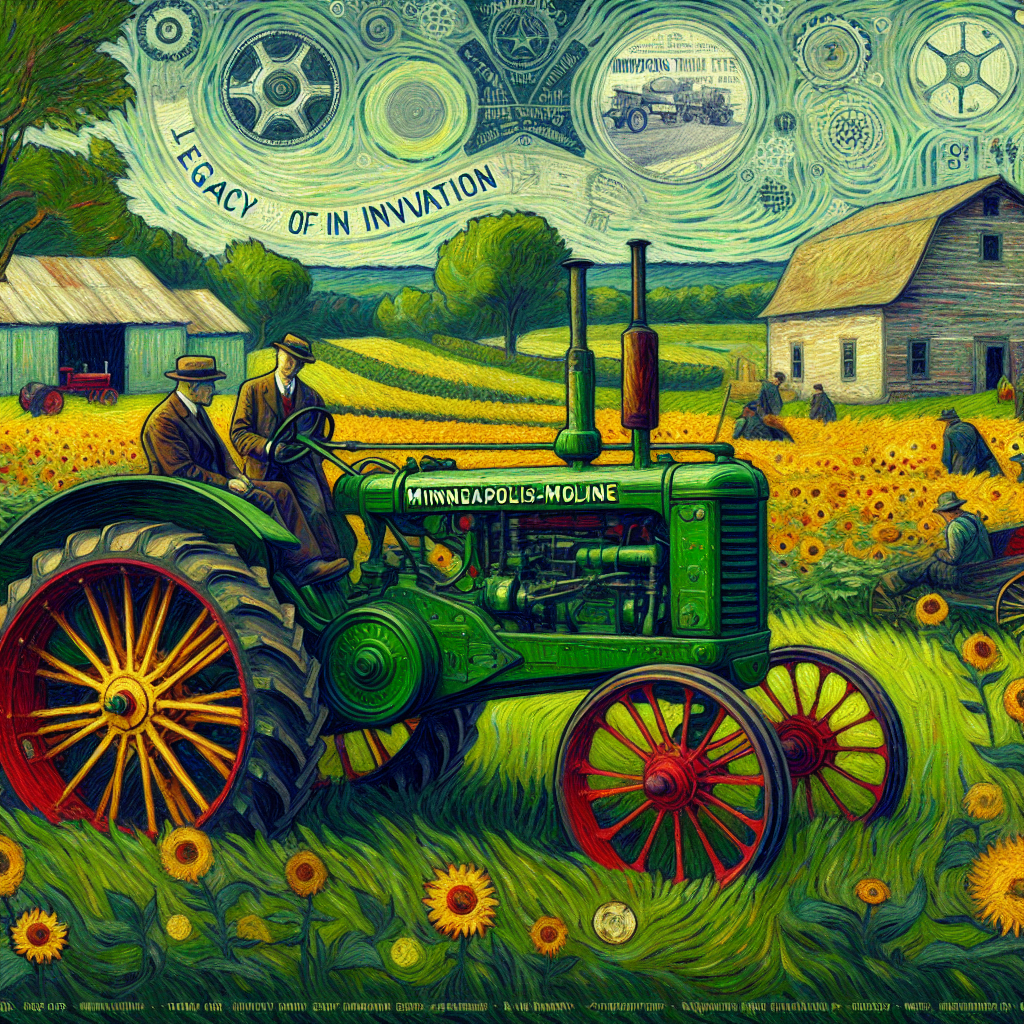
How Does the Warranty Process Hinder Independent Repair Shops?
What Ethical Dilemmas Arise When Choosing Authorized Services?
In a world filled with choices, the decision to opt for authorized services can stir a pot of ethical dilemmas that tug at our hearts, challenge our heads, and sometimes knot our guts. Picture this: a farmer, worn from sunrise to sunset, standing beside his trusty tractor. It’s not just a machine; it’s a lifeline to his livelihood. When that piece of equipment breaks down, he faces a crossroads: repair it with authorized parts or seek a cheaper, unauthorized fix. The stakes aren’t just financial; they echo through his family’s meals, his children’s schooling, and his community’s trust.
Choosing authorized services isn’t merely about compliance; it embodies a deeper commitment to integrity. It’s easy to think of authorized technicians as gatekeepers of quality, but they also wield an immense amount of responsibility. Imagine a scenario where the quick fix turns into a long-term disaster—not just for the tractor but for the safety of everyone who relies on it. The ethics become clearer: the emotional weight of your choice doesn’t solely rest on your shoulders. It’s about the impact on your neighbors, your community, and, ultimately, your values.
Rationally, the argument for authorized services is strong. They often guarantee better quality control and customer support, ensuring that the tractor runs smoothly for seasons to come. Yet, this doesn’t just hinge on dollars and cents. There’s a narrative we weave every time we take a shortcut or opt for the less scrupulous choice. It’s a story of trust, expertise, and accountability. When we choose authorized services, we’re investing in a promise: the people behind the service are trained professionals who stand by their work. They don’t just fix problems; they prevent them.
Socially, our decisions ripple outward. Choosing authorized services can inspire others to do the same, creating a culture of quality and responsibility. When a neighboring farmer notices your tractor running smoothly, he might reconsider his own vehicle’s maintenance. This shared commitment can foster a community grounded in ethics—a community that values long-term viability over quick fixes.
So, as you stand at that crossroads, think of your choice as more than just a transaction. It’s a reflection of your ethics, a testament to your values, and an opportunity to build a robust community. The next time you face a decision about authorized services, remember that each choice contributes to the larger story of trust and responsibility that binds us all together.
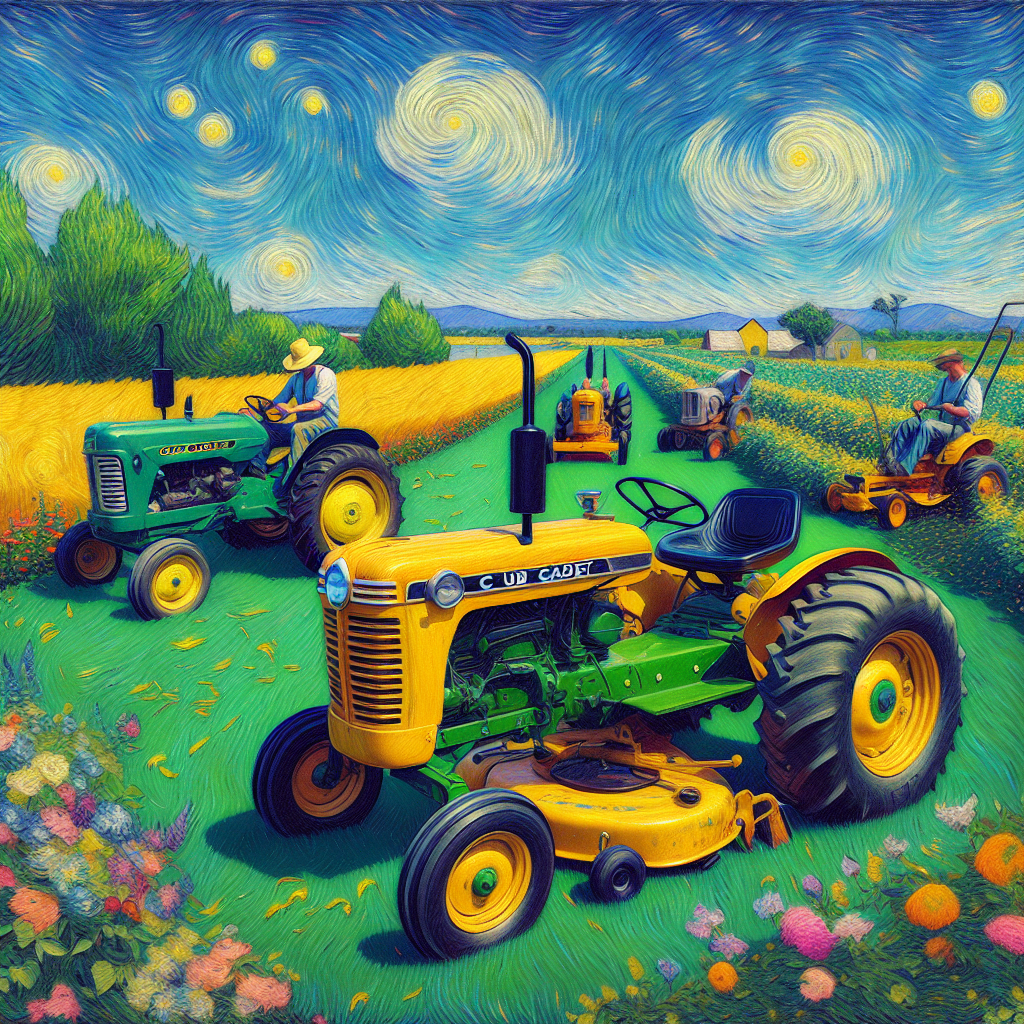
What Ethical Dilemmas Arise When Choosing Authorized Services?
What Ethical Dilemmas Arise When Choosing Authorized Services?
- Choosing authorized services involves ethical dilemmas impacting personal and community values.
- Farmers face tough decisions when equipment breaks down, balancing authorized repairs against cheaper alternatives.
- Opting for authorized services reflects a commitment to integrity and quality.
- Authorized technicians are responsible for ensuring safety and reliability, preventing long-term issues.
- Investing in authorized services fosters trust, expertise, and accountability within the community.
- Decisions to choose authorized services can inspire a culture of quality and responsibility among peers.
- Every choice impacts the broader narrative of trust and responsibility in the community.
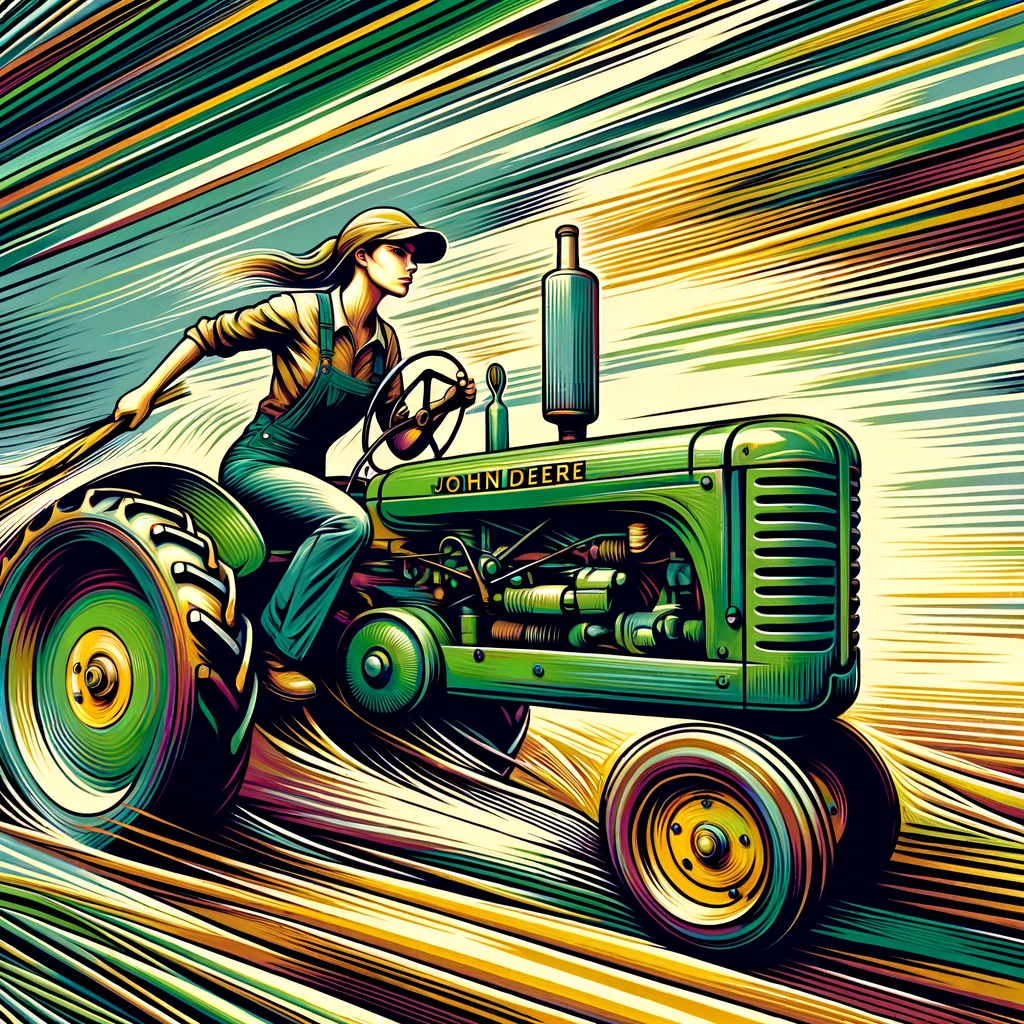
What Ethical Dilemmas Arise When Choosing Authorized Services?
How Do Authorized Dealers Influence the Perception Of Repair Quality?
When we think about repair quality, it often conjures up images of a worn-out tractor in need of a tune-up. It’s easy to overlook the people behind the scenes—the authorized dealers who act as the vital connection between consumers and top-notch service. These dealers wield a unique influence that can shape our perceptions of quality in ways we often don’t recognize.
Imagine this: you’ve just put your trust in a dealer, believing they’ll work their magic on your beloved equipment. That trust isn’t just transactional; it’s built on a feeling. Authorized dealers carry the weight of the brand, pulling in the emotional horsepower that can turn a simple repair into a reaffirmation of your choice. Their ability to communicate knowledge and experience is paramount. When a dealer explains the complexities of repair—how to fix a clutch or recalibrate an engine—consumers feel reassured and educated. It’s not just about fixing machinery; it’s about empowering owners to understand their investment.
Let’s talk about authority for a moment. Authorized dealers are often seen as gatekeepers of expertise. They’ve undergone rigorous training and are privy to the latest techniques and products. Their shop might have the certified logo on the door, but it’s the stories of successful repairs that truly resonate. A dealer with a reputation built on real-world results not only attracts business but fosters a loyal community eager to share their experiences.
Consider the ethical implications of choosing an authorized dealer. Consumers are investing their hard-earned money, and their long-term relationship with a dealer can influence repeat business. A dealer who prioritizes quality over quick fixes cultivates trust. When I met a farmer who swore by his local dealer, he spoke passionately about how the dealer not only repaired his tractor but also took the time to teach him preventative maintenance. It’s that kind of relational depth that lifts repair quality from a vague concept to a tangible experience.
Lastly, there’s the social element—the sense of belonging to a community that values quality service. When people gather and share their repair stories, it reinforces the idea that the authorized dealer isn’t just there to fix tractors; they’re there to build connections. This network of shared experiences enhances the perception of repair quality, reminding us that when we invest in our machines, we’re also investing in relationships that matter in the grand machinery of life. Individuals aren’t just customers; they’re part of a larger narrative, one where quality thrives through trust, education, and community.
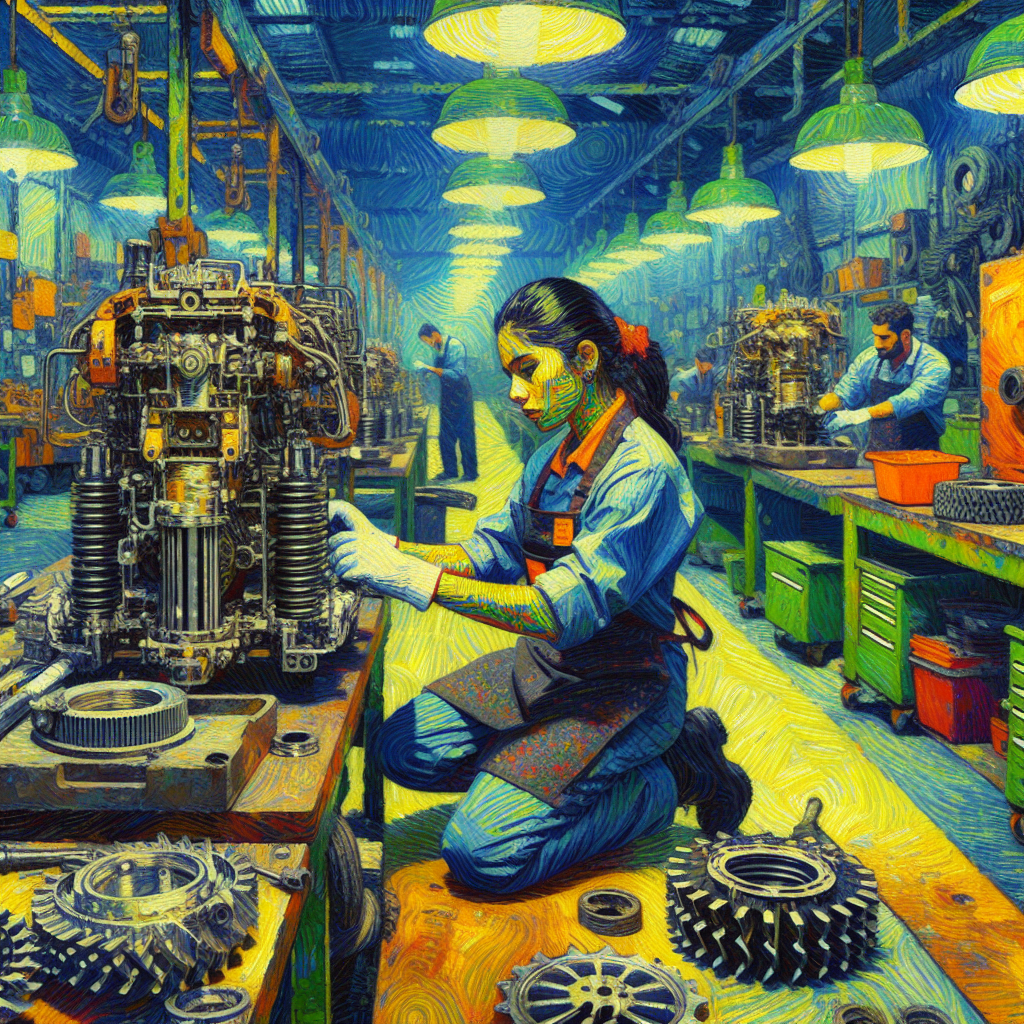
How Do Authorized Dealers Influence the Perception Of Repair Quality?
How Do Authorized Dealers Influence the Perception Of Repair Quality?
- Repair quality is often associated with authorized dealers who connect consumers to quality service.
- Trust in authorized dealers is built on emotional connections, making repairs more meaningful.
- Dealers educate consumers about repairs, empowering them to understand their machinery.
- Authorized dealers are seen as experts due to rigorous training and real-world results.
- Choosing quality dealers fosters long-term relationships and repeat business based on trust.
- Authorized dealers build community connections through shared repair experiences.
- Investing in repairs also strengthens relationships and contributes to a sense of belonging.

How Do Authorized Dealers Influence the Perception Of Repair Quality?
What Role Do Consumer Emotions Play In Choosing Repair Options?
When your trusty tractor breaks down in the middle of harvest season, it’s not just a piece of machinery that’s halted—it’s the dream of a successful crop, the livelihood of a family, and perhaps even the pride of a community. Repair options aren’t just about metal and bolts; they evoke deep emotions tied to dependability, trust, and home. The choices we make during these moments can be profoundly influenced by what we feel in our gut, think in our heads, and hold in our hearts.
Imagine standing in front of that tractor, feeling the weight of responsibility. Your eyes scan the machine, and suddenly memories flood back: the first time you drove it, the feel of the wheels turning, the promise of fruitful days ahead. This emotional connection can steer decisions more than any comparative price chart or technician recommendation ever could. A well-worn mechanic with a heartfelt story about your tractor’s model, who knows its quirks as intimately as you do, can sway your choice for repairs. Trustworthiness often outweighs dollar signs when it comes to matters that affect our daily lives.
Rationally speaking, it’s easy to lay out specs and costs; however, emotions play a critical role in the decision-making process. Trust in a repair shop can blossom through simple actions: a friendly face, an empathetic ear, and a genuine willingness to understand your worries about your tractor. It’s about more than just fixing metal; it’s about relating to your plight and reassuring you that everything will be okay. Consumers often seek not just solutions, but connections—a shared understanding grounded in the reality that they are not alone in their struggles.
Consider the ethical nature of selecting a repair service. Loyalty can emerge when a mechanic stands by their work, offering guarantees and fair practices that resonate on a moral level. People begin to identify with businesses that uphold values similar to their own, creating a bond that goes beyond mere transactions.
In a world increasingly driven by technology, human connection remains a powerful force. The stories exchanged in the repair shop—where damaged tractors are revitalized and hope is restored—remind us that it’s not just about the repair; it’s about the experience. We choose repair options not solely on logic, but on emotions driven by memories, trust forged through relationships, and the deep-seated need for assurance in uncertain times.
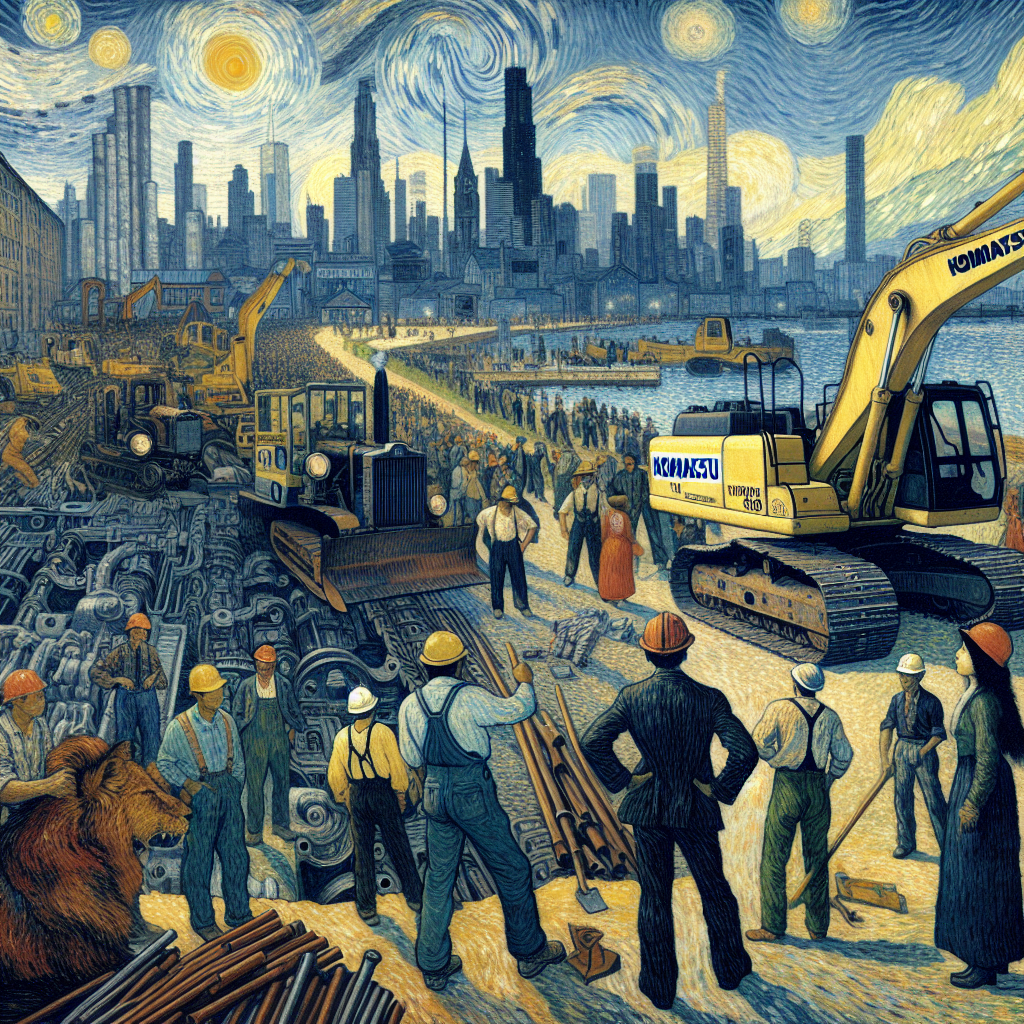
What Role Do Consumer Emotions Play In Choosing Repair Options?
What Role Do Consumer Emotions Play In Choosing Repair Options?
- Tractor breakdowns halt not just machinery, but also dreams of successful crops and livelihoods.
- Repair decisions are influenced by emotional connections to trust, dependability, and home.
- Memories associated with the tractor guide decision-making beyond technical evaluations.
- Trustworthiness in repair services often outweighs cost considerations.
- Human connection is crucial; consumers seek empathetic understanding and reassurance.
- Loyalty can develop from ethical practices and guarantees offered by trustworthy mechanics.
- Repair experiences emphasize the importance of relationships and emotional support in uncertain times.
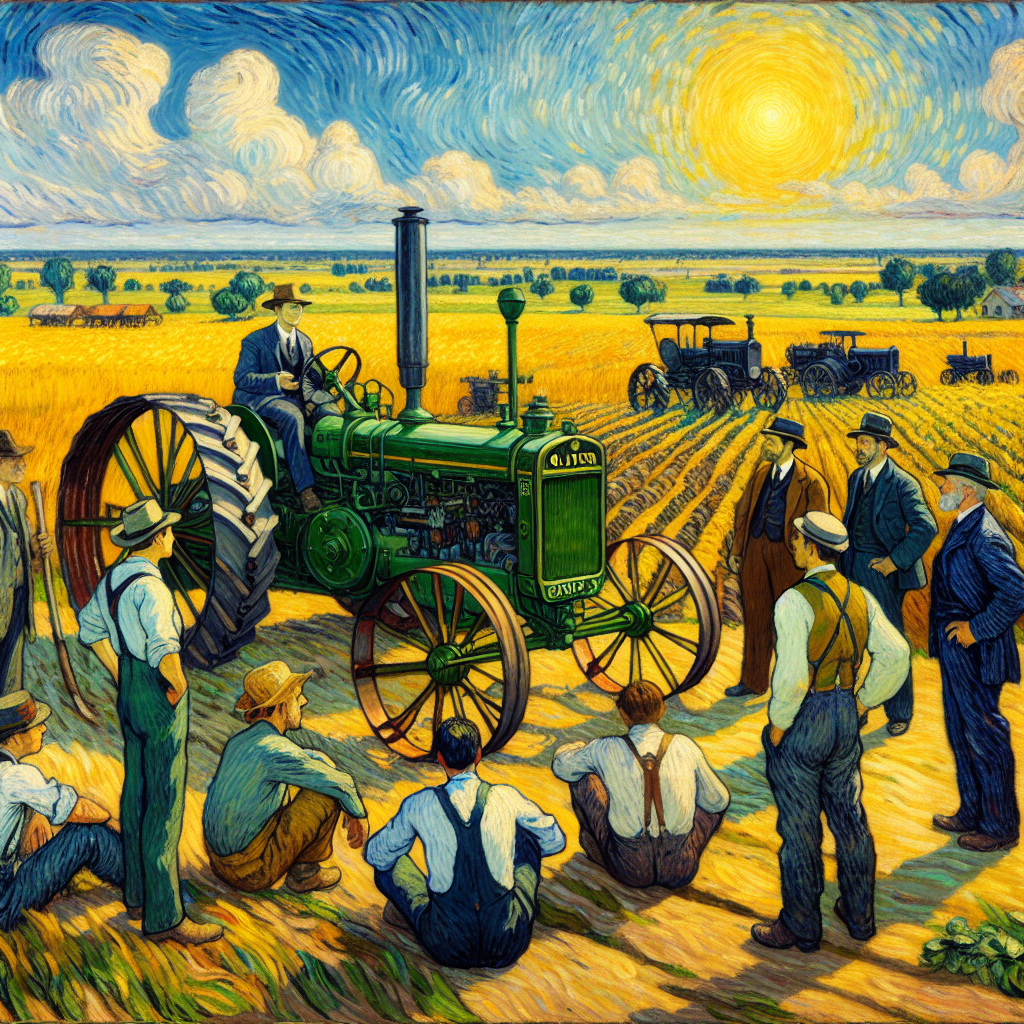
What Role Do Consumer Emotions Play In Choosing Repair Options?
How Can Independent Shops Build Trust with Their Customers?
In a world bustling with big-box retailers and online giants, independent shops stand as beacons of community and authenticity. Building trust with customers is not just about selling products; it’s about weaving a narrative that resonates on multiple levels. Picture a tractor, steady and reliable, working the land. It’s not just a machine; it’s a symbol of hard work, integrity, and the connection between effort and reward. This is what independent shops need to embody—a steadfast presence that customers can rely on.
Start with the heart. Share your story. Let customers know why you opened shop—perhaps it was a family legacy or a dream cultivated from childhood. Customers relate to passion and perseverance. When they see a shop owner who has poured their heart into their work, it transforms a simple transaction into a meaningful experience. Take local farmers, for instance, who not only sell apples but also impart tales of their harvest, wrapping their produce in stories of sweat, dedication, and seasons passed. This cultivation of narrative fosters an emotional connection that impels customers to return, not just for products but for the shared experience.
Move to the head. Transparency is vital. Post your sourcing practices on the wall; let customers know where their products come from. In a time when ethical consumption is a priority, customers want to feel informed. This transparency builds credibility. When they walk into your shop, they should feel as if they are stepping into a world where ethical choices are at the forefront—the engine running beneath that reliable tractor. You’re not just selling goods; you’re fostering a community where informed choices take the lead.
Then, appeal to the gut. Provide excellent customer service that feels genuine. Train yourself and your staff to engage, listen, and respond with sincerity. An independent shop must echo the warmth of the local diner, where everyone knows your name and your favorite order. Treat your customers like family, and you’ll find that they’ll invest their loyalty back into you.
Finally, create spaces that invite connection. Host workshops that foster skills or community gatherings that allow customers to mingle with one another. You’re not just selling items; you’re building a network. These gatherings are the tractor tire marks across the community soil, demonstrating that your business is a foundational part of local life.
Aim for that blend of emotional resonance, rational choice, and ethical grounding. Trust is built on these connections, and in a world longing for authenticity, independent shops have the unique opportunity to cultivate lasting relationships.
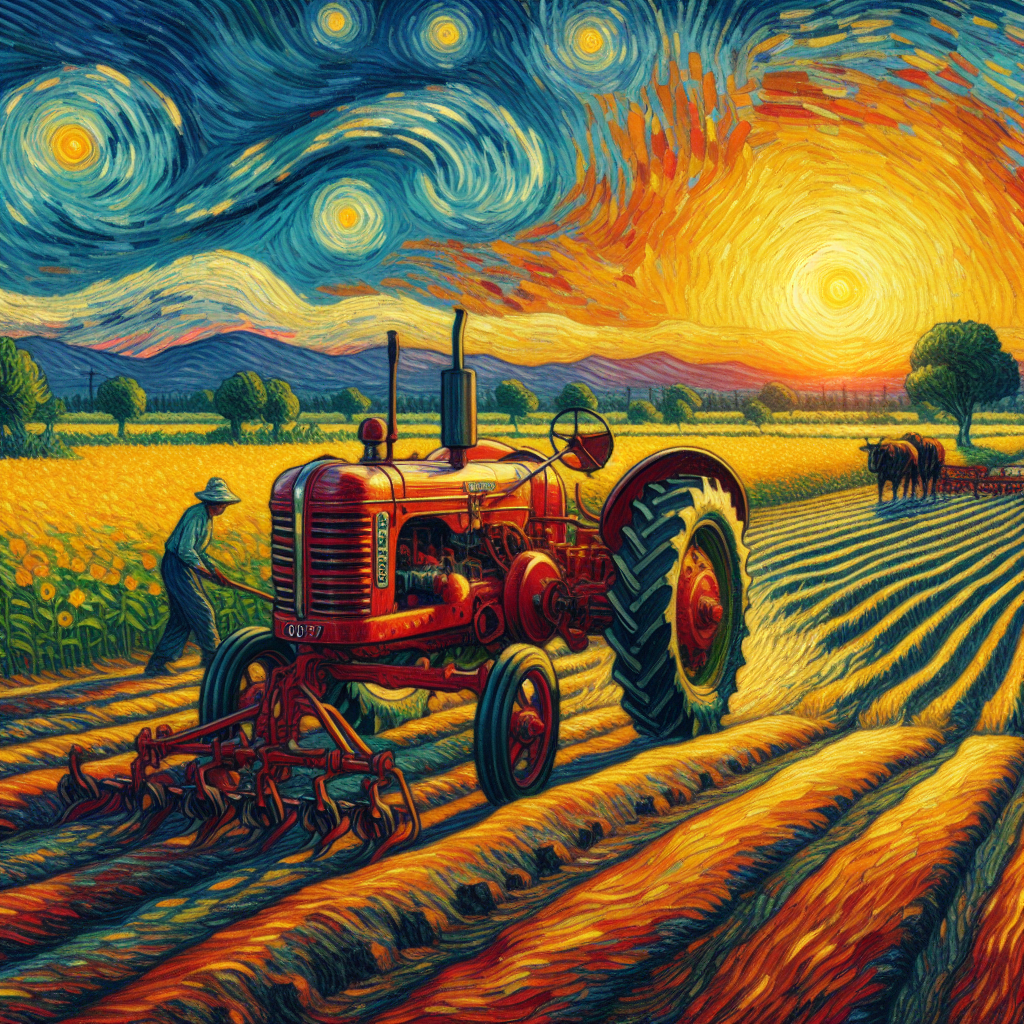
How Can Independent Shops Build Trust with Their Customers?
How Can Independent Shops Build Trust with Their Customers?
- Independent shops embody community and authenticity amidst big-box retailers and online giants.
- Building trust involves sharing personal narratives that resonate with customers.
- Transparency in sourcing practices enhances credibility and informs ethical consumption.
- Excellent customer service should feel genuine, treating customers like family.
- Creating inviting spaces fosters community connections through workshops and gatherings.
- A blend of emotional resonance, rational choice, and ethical grounding builds lasting relationships.
- Independent shops have a unique opportunity to cultivate trust in a world seeking authenticity.
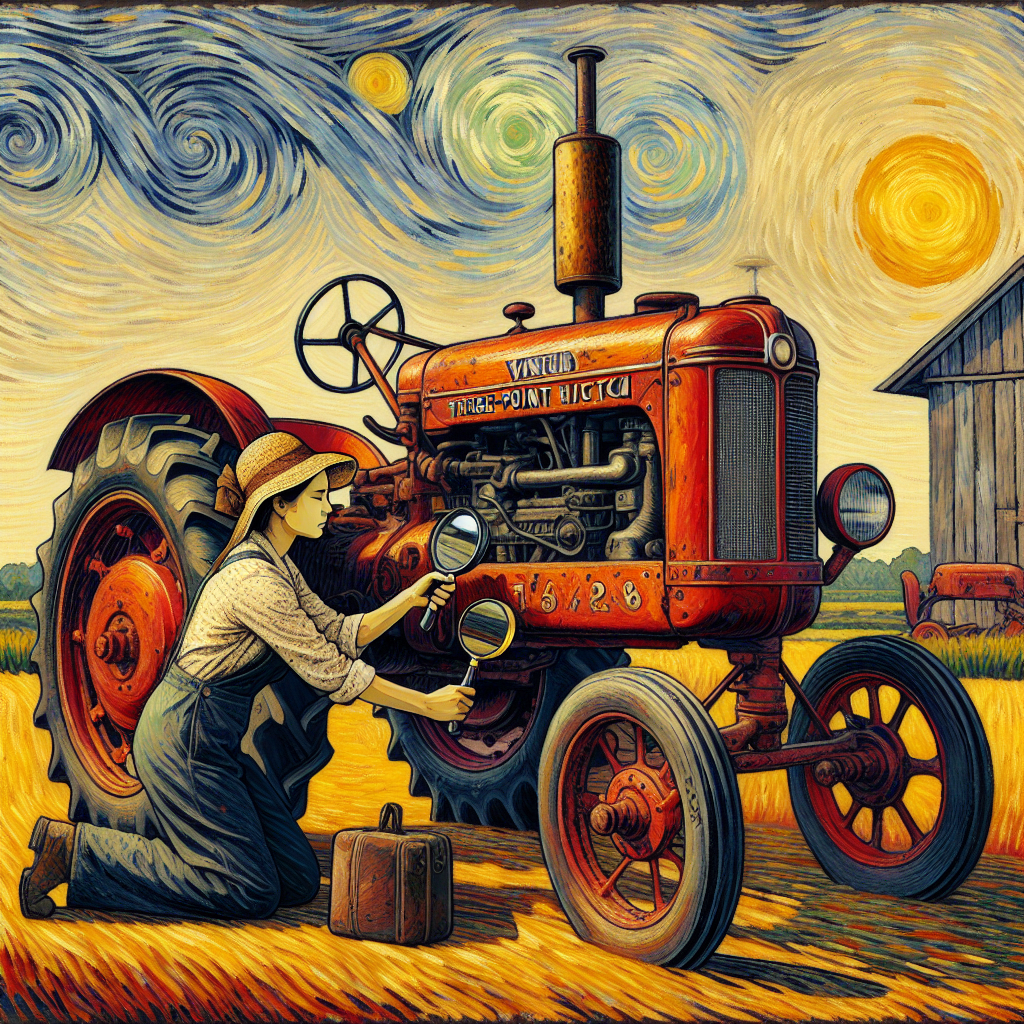
How Can Independent Shops Build Trust with Their Customers?
Conclusion
In the heart of rural America, where independent repair shops have long been the backbone of communities, a profound struggle is unfolding. These local mechanics, driven by passion and forged through legacies, face an insidious threat from authorized dealers who position themselves as the only route to quality repair. The story of Joe, a small-town mechanic, illustrates this battle vividly. For him, each repair isn’t just a job—it’s a dedication to preserving the livelihood of the farmers he serves, rooted in trust and relationships that stretch across generations. Yet, as shiny new dealerships sprout nearby, they lure customers with promises of convenience and brand loyalty, often at the expense of the deeper connections that define community.
The ramifications of this shift are not merely economic; they strike at the essence of a culture grounded in resilience and mutual support. Authorized dealers, bolstered by hefty marketing budgets, offer competitive pricing that undermines the independence of local shops. The reality is that while they may claim superior service through corporate branding, the wisdom and expertise of local mechanics like Joe often far exceed what can be gleaned from a manual.
More than just mechanics, these independent shops are parts of a shared narrative, imparting trust and memory alongside repair. The ethical and emotional implications of choosing where to repair one’s machinery run deep. When local farmers opt for authorized services, they might think they are ensuring quality, but they may unknowingly sever the ties that bind them to their community. Here lies the paradox: every time consumers favor a faceless corporation over a familiar mechanic, they weaken not just a business, but the very fabric of their community.
The challenge ahead is not only to navigate the warranty complexities that often favor dealers but to recognize the cost of choosing convenience over connection. Independent repair shops, with their commitment to authentic service and community engagement, must reclaim their place at the center of local life. By sharing their stories, embracing transparency, and offering genuine customer engagement, they can foster the trust necessary to thrive. It’s a call to action: choose the butcher over the brand, the family legacy over the corporate promise. For in these choices lies the power to sustain the heart and soul of our shared experience, ensuring that the tractors—and lives—they support keep rolling forward. In a world racing toward homogenization, let’s remember what it means to stand behind the things that bind us.
Conclusion
Conclusion:
- Independent repair shops are vital to rural American communities, facing challenges from authorized dealers.
- Mechanics like Joe exemplify dedication to farmers, emphasizing trust and long-term relationships.
- Authorized dealers attract customers with convenience and brand loyalty, often compromising community ties.
- Economic ramifications reflect a cultural shift away from resilience and mutual support.
- Local mechanics possess invaluable wisdom and expertise that surpasses corporate service claims.
- Choosing authorized services can sever connections to the community, impacting local narratives.
- Independent shops must prioritize authentic service and community engagement to reclaim their role in local life.
Conclusion
Other Resources
Other Resources
Here is a list of other resources you can review online to learn more:
- Fox River Tractor Company
- CO-OP
- Antique Tractor Values
- Jinma
- Arma Trac
- Porsche
- Taishan-America
- Steiner Tractor
- Interstate Tractor
- Buhler Industries
- Muller
- NH Farm Museum
- Sears
- AGCOAllis
- Samson
- Northern Neck Farm Museum
- Fendt
- Farm Pro
- Minot
- Franklin County Antique Machinery Club
Use This Prompt To Get More Resources With Your Favorite Online AI Tool: Please provide me with a list of online articles with their URLs in a bulleted list that I can read regarding How Authorized Dealers Are Killing Independent Repair Shops
Other Resources
Glossary Terms
How Authorized Dealers Are Killing Independent Repair Shops – Glossary Of Terms
1. Authorized Dealer — A manufacturer-approved repair and sales outlet with exclusive access to OEM parts, software, training, and warranty work.
2. Independent Repair Shop — A privately owned service business that repairs vehicles without formal manufacturer endorsement.
3. OEM Parts — Original Equipment Manufacturer components supplied or licensed by the vehicle maker, often restricted to dealers.
4. Aftermarket Parts — Non-OEM replacement parts produced by third parties, usually cheaper but sometimes restricted by manufacturers.
5. Right to Repair — Legal and regulatory movement advocating consumer and independent-shop access to parts, diagnostics, and repair information.
6. Diagnostic Lockout — Manufacturer-imposed restriction that prevents non-authorized tools from accessing vehicle systems or clearing fault codes.
7. Telematics Control Unit (TCU) — Onboard system that transmits vehicle data; manufacturers can limit external access for diagnostics and repairs.
8. Proprietary Software — Manufacturer-owned software that controls vehicle systems and must be authenticated or updated through dealer channels.
9. Software Authentication — Security process requiring OEM credentials to install, configure, or re-enable certain vehicle functions after repair.
10. Technical Service Bulletin (TSB) — Manufacturer-issued repair guidance that may be distributed selectively, benefiting dealers who receive it first.
11. Service Bulletin Access — The degree to which repair procedures and updates are available to independent shops; restricted access favors dealers.
12. Warranty Claim — Formal repair billed to the manufacturer; dealers often have streamlined processes and guaranteed reimbursement.
13. Warranty Void Clauses — Contract language that can be used to deny coverage after non-dealer repairs or aftermarket parts are used.
14. Certified Technician — A dealer-trained mechanic with credentials recognized by the manufacturer, often required for certain repairs or warranties.
15. OEM Training Programs — Manufacturer-provided instruction and certifications that are more accessible to dealer networks.
16. Parts Distribution Network — The manufacturer-controlled system for supplying parts; exclusive distribution channels can limit independents’ access.
17. Dealer Exclusivity — Agreements or practices that grant dealers prioritized access to parts, software, or service opportunities.
18. Parts Allocation — Manufacturer-driven prioritization of limited parts to certain outlets, which can disadvantage independent shops.
19. Cross-Shipping — Dealer practice of rapid parts exchange covered by manufacturer programs, reducing downtime and undercutting independents.
20. Recall Handling — Manufacturer-directed recall repairs typically routed to dealers, increasing dealer service volume and visibility.
21. Captive Financing — Manufacturer-owned finance arms that tie vehicle buyers to dealer networks through loans, leases, and bundled service packages.
22. Bundled Service Contracts — Prepackaged maintenance or warranty plans sold through dealers that steer customers to dealer service lanes.
23. Service Lane Economics — Business model differences where dealers leverage fixed operations, manufacturer reimbursements, and new-car traffic to subsidize repairs.
24. Market Consolidation — The trend of dealer group mergers and acquisitions that shrink independent market share and increase bargaining power.
25. Vertical Integration — Manufacturer strategies to control production, distribution, and service to capture more value and exclude independents.
26. Parts Price Parity — The degree to which OEM parts pricing allows independents to compete; markup policies can favor dealers.
27. Diagnostic Tool Licensing — Manufacturer licensing of specialized scanners and software to dealers, limiting independents’ diagnostic capabilities.
28. Repair Data Lockout — Practices that withhold repair histories, codes, or telematics data from independents, hindering diagnostics and estimates.
29. Noncompete/Franchise Agreements — Legal terms that can restrict independent mechanics from servicing certain customer segments or using certain marks.
30. Competitive Displacement — The cumulative effect of restricted access, pricing, software locks, and manufacturer incentives that reduce independent shops’ viability. Glossary Of Terms
Other Questions
How Authorized Dealers Are Killing Independent Repair Shops – Other Questions
If you wish to explore and discover more, consider looking for answers to these questions:
- How widespread is the shift from independent repair shops to authorized dealers—are there statistics or studies showing the scale and rate of closures?
- What specific business practices do authorized dealers use to gain market share over independents (pricing, warranties, marketing, exclusive parts, service bundling)?
- How do manufacturer warranty policies legally affect an independent shop’s ability to perform covered repairs and receive reimbursement?
- What are the typical differences in cost, turnaround time, and quality between repairs done by authorized dealers and independents?
- How can independent shops obtain or demonstrate the certifications and access to parts/diagnostics that manufacturers require?
- What legal protections (local, state, federal) exist for independent repair shops and consumers regarding access to parts, tools, and diagnostic data?
- How does the “right to repair” movement intersect with this issue, and what recent legal or regulatory changes are relevant?
- What role does telematics and manufacturer-controlled diagnostic data play in limiting independents, and are there ways to legally access that data?
- Are there documented cases of anti-competitive behavior by manufacturers or dealers, and what were the outcomes?
- How do warranties actually influence consumer choice—are customers primarily motivated by warranty coverage, price, convenience, or trust?
- What strategies have successful independent shops used to survive or grow despite dealer competition (niche specialization, community engagement, cooperatives)?
- Can independents band together (cooperatives, buying groups, alliances) to negotiate better access to parts, training, or marketing—and how have those models worked?
- What are the ethical considerations for consumers choosing between lower-cost independent repairs and manufacturer-authorized service?
- How do insurance companies and lenders influence where repairs are performed (approved shops, preferred networks, claims processes)?
- What financial assistance, grants, or small-business programs are available to help independent shops modernize or compete?
- How do supply-chain dynamics (parts availability, lead times, OEM vs aftermarket) affect independent shops differently than dealers?
- What certifications or credentials should consumers look for when evaluating an independent repair shop’s competence and reliability?
- How do authorized dealers impact local employment and tax revenue compared with independent shops—what is the net economic effect on rural communities?
- What policy changes or advocacy efforts could help level the playing field for independents (legislation, industry standards, consumer-rights laws)?
- How do dealers handle recalls and safety-related repairs compared to independents, and what are the implications for customer safety?
- What are practical steps customers can take to support local independents while protecting warranty coverage and safety (documentation, pre-authorization, parts sourcing)?
- What technologies and training will independents need in the next 5–10 years to remain competitive (EV diagnostics, advanced telematics, emissions systems)?
- How transparent are dealer pricing and warranty terms compared with independents, and how can consumers compare effectively?
- Are there examples of regions or countries where independents have successfully resisted dealer consolidation—what lessons can be learned?
- What metrics should an independent shop track to measure competitiveness and sustainability (customer retention, average repair value, warranty denial rates)?
- How do branded dealer networks decide where to open new locations, and how does that decision-making affect rural and small-town independents?
- What recourse do independent shops have if manufacturers or dealers restrict access to parts, software, or diagnostic tools unfairly?
Other Questions
Haiku
How Authorized Dealers Are Killing Independent Repair Shops – A Haiku
Local shops stand strong,
Trust and heart in every repair,
Joe’s hands mend our lives.
Haiku
Poem
How Authorized Dealers Are Killing Independent Repair Shops – A Poem
In the heart of rural lands where tractors hum,
Independent mechanics watch their fortunes succumb.
Joe, the humble craftsman, with grease-stained hands,
He carries on a legacy, honoring his father’s strands.
Beneath the shine of dealers, promises arise,
But at what cost to the soul and community ties?
The warmth once felt in familiar faces,
Now fades as the corporate giants take their places.
Every repair tells a tale of trust,
Yet authorized dealers chase profit, leaving little but rust.
With deep marketing budgets, they’re luring the crowd,
While local voices struggle, their fears unbowed.
Warranties like bulldozers crush dreams in their path,
Farmers torn, caught in the corporate aftermath.
Without their neighborhood expert, their heart laid bare,
Trust is erased; the bonds disappear into air.
Ethics weigh heavy at each turn they must take,
Choosing the known over quick fixes to stake.
Investing in people, planting roots in the soil,
Creating a culture where community thrives from toil.
As choices ripple in social waves of sight,
Repair options embody moral weight, day and night.
In every transaction, feel the heart’s pull,
Connecting through stories, rebuilding trust’s lull.
Independent shops rise, like tractors on the field,
With narratives of passion, their true power revealed.
Transparency, kindness, igniting the flame,
In a world bustling forward, let us honor their name.
So stand with Joe, the mechanic, and those who toil,
For the heart and soul of repair is found in the soil.
In our choices lies the strength of community’s reign,
Let’s champion the trusted, for in them, we gain.
Poem
Checklist
How Authorized Dealers Are Killing Independent Repair Shops – A Checklist
Heart Appeals
✅______ Share your repair shop story ✦ Connect with customers by sharing your journey and motivations.
✅______ Create a warm, welcoming atmosphere ✦ Design a space where customers feel like family.
✅______ Establish personal connections ✦ Remember customer names and their stories to foster loyalty.
✅______ Engage in community events ✦ Participate in local gatherings to strengthen community ties.
Head Appeals
✅______ Be transparent ✦ Clearly communicate sourcing practices and repair processes to build trust.
✅______ Offer knowledge ✦ Educate customers about maintenance and repairs to empower informed decisions.
✅______ Showcase testimonials ✦ Display positive feedback from satisfied customers to enhance credibility.
✅______ Provide warranties ✦ Offer guarantees on repairs to demonstrate confidence in your work.
Gut Appeals
✅______ Deliver exceptional customer service ✦ Train staff to engage sincerely and respond to customer needs.
✅______ Create a membership program ✦ Develop loyalty incentives that reward repeat customers.
✅______ Ensure high-quality standards ✦ Adhere to best practices in repairs to build confidence in service.
✅______ Foster a sense of community ✦ Host workshops or skill-sharing events that attract and engage locals.
Ethical Appeals
✅______ Promote ethical consumption ✦ Highlight your commitment to fair practices and local sourcing.
✅______ Support community initiatives ✦ Engage in charitable work or sponsor local events to reinforce your commitment.
✅______ Participate in local economies ✦ Ensure that profits are reinvested into the community to contribute to its vitality.
Authority Appeals
✅______ Highlight your expertise ✦ Showcase qualifications and experience to position yourself as a knowledgeable authority.
✅______ Collaborate with local organizations ✦ Partner with agricultural businesses or community groups to enhance credibility.
✅______ Provide ongoing training ✦ Keep staff updated on the latest repairs and technologies to maintain high standards.
Narrative Appeals
✅______ Share customer success stories ✦ Highlight the journeys of customers who have benefited from your services.
✅______ Create a shared narrative ✦ Involve customers in the story of your shop, making them a part of the journey.
✅______ Use storytelling in marketing ✦ Craft compelling narratives that illustrate the importance of supporting local businesses.
Checklist
At ClassicTractorNews, we help tractor lovers keep up with the latest news for classic and vintage tractors.
Please share this post with your friends, family, or business associates who may like old classic or vintage tractors.