


Unlocking Timeless Treasures: Ai Safeguards Your Classic’S Future
By Tom Seest
At ClassicTractorNews, we help tractor lovers keep up with the latest news for classic and vintage tractors.
Please share this post with your friends, family, or business associates who may like old classic or vintage tractors.
How AI Predicts Problems Before Your Classic Breaks
In the world of machinery, from the robust tractor plowing through the fields to the cherished family car, the moments we take for granted can be dramatically transformed by the interventions of artificial intelligence. Picture this: a farmer, weary from a long day, relies on his trusty tractor, feeling a connection as profound as the soil beneath his feet. It’s more than just a machine; it’s a partner in the pursuit of his livelihood. Yet, without warning, a breakdown — a sudden grazing of gears or a silent failure in the engine — could spell disaster. This is where AI steps in, harnessing complex data patterns to predict problems before they emerge, effectively preserving that bond between man and machine.
Imagine a friend who always seems to know when you’re about to get a cold because she’s noticed you’ve been a bit sluggish or you’ve started sneezing more. AI operates in a similar way, gathering information from countless sensors placed strategically throughout our vehicles and equipment. It watches, learns, and predicts, akin to anticipating the next move in a well-practiced game. For instance, the same way that a skilled mechanic might listen to the engine’s hum and intuitively decipher what’s amiss, AI can analyze data in real-time, flagging potential issues before they escalate. This not only saves time and money but fortifies our reliance on technology in a world that often moves too quickly.
But let’s go deeper. Consider the ethical weight of this technology. Many people fear that AI will replace human intuition and expertise, but the reality is far more collaborative. These machines are here to enhance our capabilities rather than replace them. They serve as an advisor, a trusted ally that complements the experience of seasoned workers, allowing us to make informed decisions based on real insights. The farmer who trusts his tractor not just to haul heavy loads but to act as a predictive tool for maintenance creates a cycle of reliability where both technology and human toil thrive.
In our interconnected society, sharing these stories of AI’s impact fosters a sense of community. We’re in this together, navigating the unpredictable landscape of daily life. By embracing AI’s role in predicting issues before they arise, we take a proactive stance, ensuring those tractors keep rolling, memories are made, and the rhythm of life—well, it continues uninterrupted, just as it should.
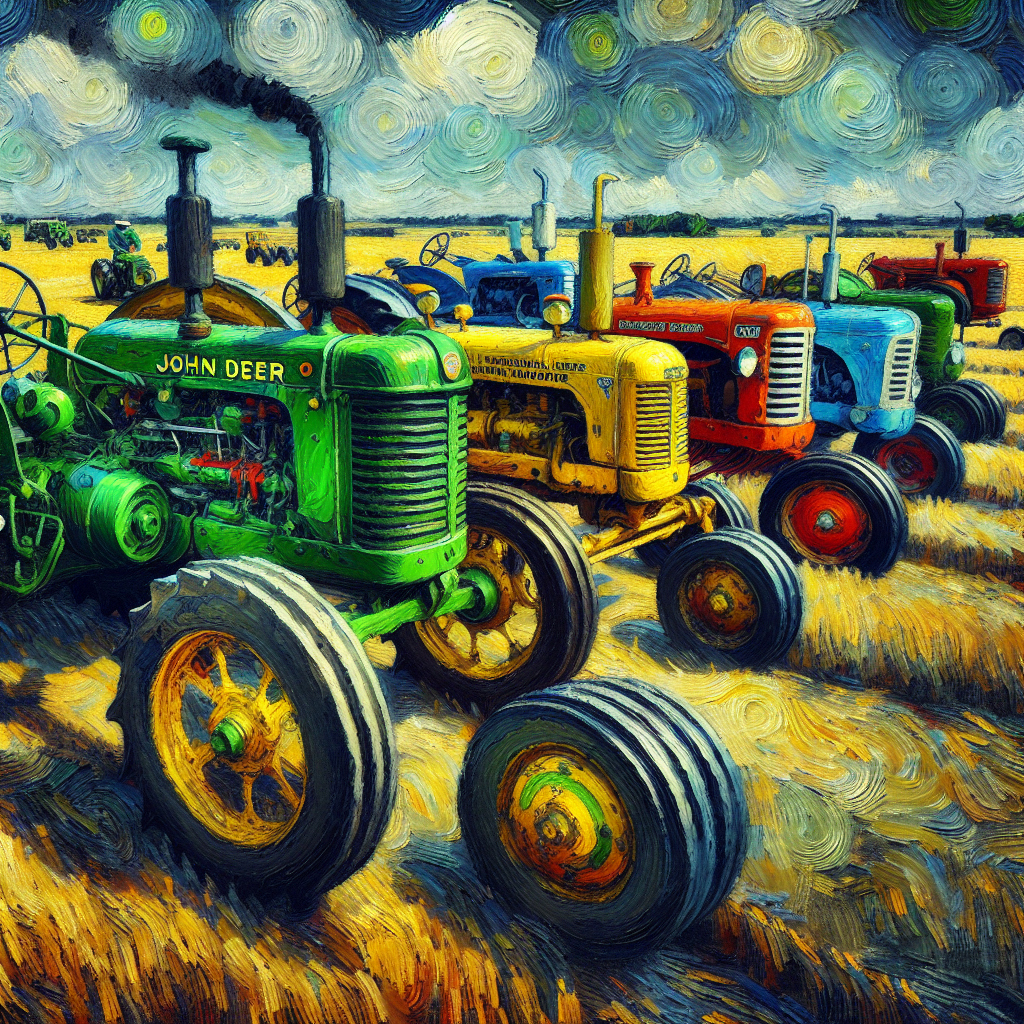
How AI Predicts Problems Before Your Classic Breaks
How AI Predicts Problems Before Your Classic Breaks
- AI transforms everyday machinery experiences, enhancing the bond between humans and machines.
- Farmers rely on technology like tractors, which can break down unexpectedly, leading to potential disasters.
- AI utilizes complex data patterns to anticipate and predict equipment failures, preserving operational efficiency.
- Sensors in vehicles collect real-time data, allowing AI to analyze and identify issues before they become critical.
- AI complements human expertise rather than replacing it, serving as an advisor for informed decision-making.
- The collaboration between technology and human skills fosters reliability and enhances productivity.
- Embracing AI creates a proactive approach to problem-solving, ensuring continuity in daily life and work.
How AI Predicts Problems Before Your Classic Breaks
Table Of Contents
- How AI Predicts Problems Before Your Classic Breaks
- How Can AI Save Your Classic Car From Unexpected Breakdowns?
- Why Should Classic Car Owners Trust AI Technology for Maintenance?
- How Can Narrative Insights From AI Transform Classic Car Ownership?
- What Role Does AI Play In Preserving Automotive Heritage and History?
- How Can Social Sharing Of AI Findings Empower Classic Car Communities?
- What Ethical Considerations Arise From AI Monitoring Classic Cars?
- Conclusion
- Other Resources
- Glossary Of Terms
- Other Questions
- Haiku
- Poem
- Checklist
How Can AI Save Your Classic Car From Unexpected Breakdowns?
Classic cars are more than just machines; they’re a connection to the past, a timeless piece of craftsmanship that tells a story. Picture this: you’re cruising down a winding road, the wind in your hair, and as you hit the perfect corner, your heart swells with pride. But then, disaster strikes—a grinding noise breaks the bliss, and suddenly that freedom feels like a burden. Unexpected breakdowns can turn dreams into nightmares, and no one wants to see their treasured ride sidelined, especially when it happens out of the blue.
Enter artificial intelligence, the unsung hero that can safeguard your vintage vehicle. Think of AI as a trusty tractor on a farm—it’s not just there for show; it’s essential for the hard work. AI can monitor your car’s health in real-time, analyzing data that even the most seasoned mechanic might overlook. Imagine waking up one morning to a notification on your phone. Your classic car just sent you a friendly reminder about potential issues, helping you dodge costly repairs before they derail your plans. It’s like having a modern-day co-pilot, guiding you through the ups and downs of car ownership.
Rationally, this tech isn’t just about convenience; it’s about preserving history. Each classic car has a legacy, and ensuring they remain on the road is an ethical responsibility we, as caretakers, must embrace. Wouldn’t you feel a swell of pride knowing that with a little help from AI, you’re keeping the spirit of these vehicles alive for future generations? The deep emotional connection we have to our cars resonates with our love of good craftsmanship, nostalgia, and the thrill of adventure.
A neighbor once relayed a story about how their vintage Mustang suffered a breakdown just outside town, stranding them miles from home. With no cell service and a dying battery, they faced the dark reality of a ruined weekend. However, with a connected device monitoring their car’s vitals, that scenario could have ended differently—alerts sent directly to them could have guided them to preventive measures, keeping the Mustang safely purring along.
Ultimately, embracing AI in classic car care isn’t just about tools and technology; it’s about creating a community that values tradition while moving forward. It invites us to take action, to engage with our vehicles in new ways, and to use every resource at our disposal to honor their legacy. When we combine the past with present innovations, we safeguard not just cars, but cherished memories and stories that, like our rides, deserve to hit the open road unscathed.
How Can AI Save Your Classic Car From Unexpected Breakdowns?
How Can AI Save Your Classic Car From Unexpected Breakdowns?
- Classic cars connect us to the past and embody timeless craftsmanship.
- Breakdowns can transform enjoyable experiences into stressful situations.
- Artificial intelligence can monitor and protect vintage vehicles in real-time.
- AI can provide early alerts about potential issues, preventing costly repairs.
- Preserving classic cars is an ethical responsibility for caretakers and enthusiasts.
- AI enhances the emotional connection to vehicles by safeguarding their legacy.
- Embracing technology creates a community that honors tradition while innovating.

How Can AI Save Your Classic Car From Unexpected Breakdowns?
Why Should Classic Car Owners Trust AI Technology for Maintenance?
Imagine cranking the engine of a classic car, the rumble reverberating through your chest like an old friend calling you home. These machines aren’t just vehicles; they’re pieces of history, stories wrapped in metal and paint. As custodians of these time-honored treasures, classic car owners often worry about preserving their legacy. Enter AI technology, a tool that can enhance that preservation journey rather than replace the love and craftsmanship that has gone into these cars.
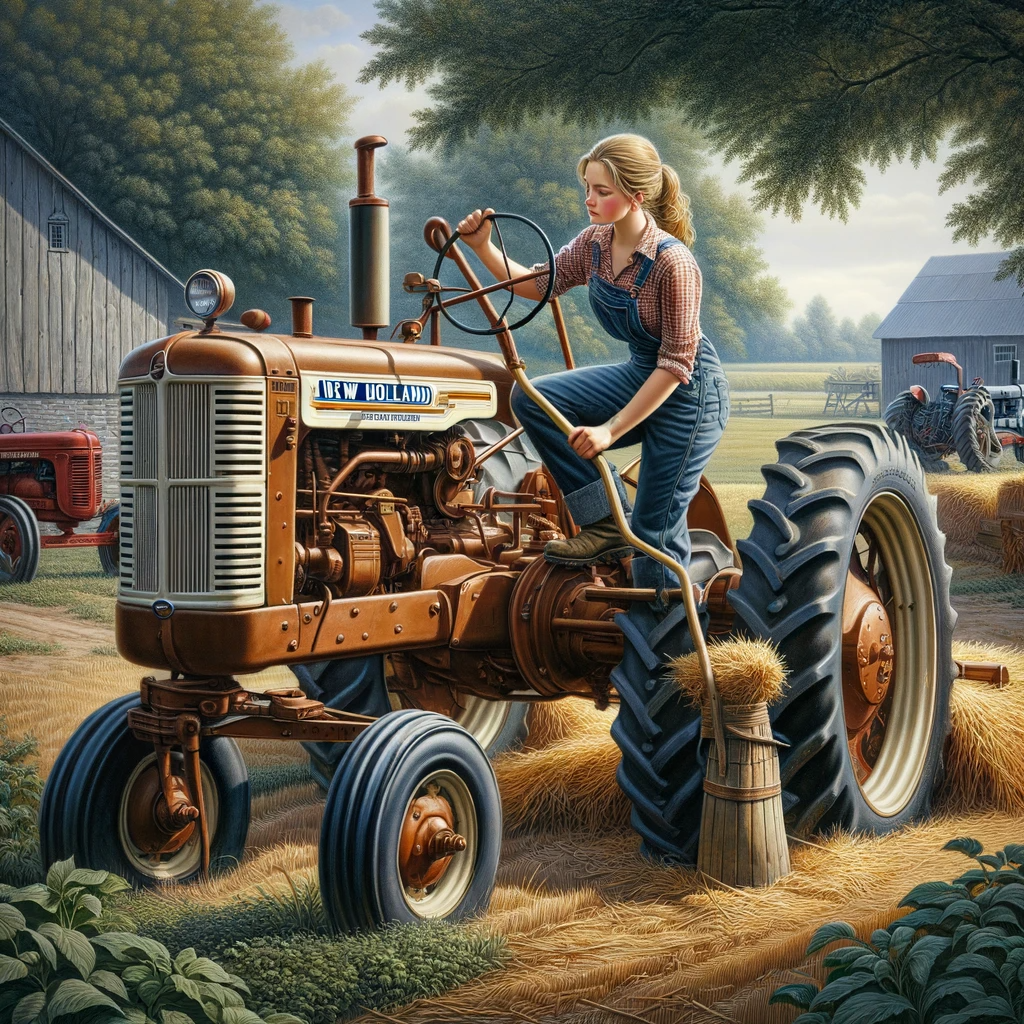
Think of AI as a trusty tractor plowing the fields of knowledge, one that digs deep into data. Just as farmers use tractors to enhance their yields, classic car owners can harness AI to ensure their vehicles run smoothly and efficiently. AI systems analyze patterns, predict maintenance needs, and provide insights based on vast amounts of data collected over time. For the car owner, this means less guesswork and more informed decisions, letting you spend more time on the road rather than in the garage debugging your pride and joy.
Emotionally, there’s a connection that comes with knowing your car is in capable hands. Trusting AI doesn’t mean you’re losing touch with the craftsmanship of your classic ride; rather, it’s about merging tradition with innovation. Picture a mechanic, a wise sage with years of experience, being amplified by AI—assessing the vehicle’s health, recommending actions, and even alerting you to issues long before they become problems. This partnership creates a safety net, ensuring that your cherished vehicle remains roadworthy.
This unity between tradition and technology doesn’t just sit right with the heart; it makes sense for the mind as well. Classics are often investments, and foresight in maintenance fueled by AI can protect that investment. Think about it: every mile driven is an opportunity for wear and tear. Having AI monitor the tiniest details means nipping potential repairs in the bud—saving you both time and money, enhancing your car’s performance, and making your drive more enjoyable.
On a social level, as the car community evolves, embracing technology not only fosters connection and learning among enthusiasts but also inspires others to consider the amazing blend of heritage and innovation. Imagine being part of a network where you share experiences and insights, all powered by a shared goal—keeping classic cars alive and thriving. Trusting AI in maintenance is not just an individual choice; it’s a collective movement toward a future where tradition and technology coexist harmoniously, ensuring that the stories of these beloved machines continue to be written for generations to come.
Why Should Classic Car Owners Trust AI Technology for Maintenance?
Why Should Classic Car Owners Trust AI Technology for Maintenance?
- Classic cars are seen as historical treasures, with owners concerned about preserving their legacy.
- AI technology enhances the preservation of classic cars without replacing the craftsmanship involved.
- AI analyzes data to predict maintenance needs, reducing guesswork for car owners.
- Trusting AI enhances vehicle maintenance, combining expertise with technology.
- AI helps protect investments in classic cars by monitoring for wear and tear.
- Embracing technology fosters community connections and learning among classic car enthusiasts.
- Using AI in classic car maintenance represents a movement towards merging tradition with innovation.
Why Should Classic Car Owners Trust AI Technology for Maintenance?
How Can Narrative Insights From AI Transform Classic Car Ownership?
Imagine a time when the roar of a classic car engine was more than just a sound; it was a connection to a way of life, a culture rich with stories of triumph and the smell of gasoline in the air, reminiscent of summers spent in the sun. Classic cars aren’t just machines; they’re vessels of memory, history, and passion. Now, with the rise of AI, we have the chance to deepen that connection, turning ownership into an experience that resonates more deeply with our hearts, heads, and guts.
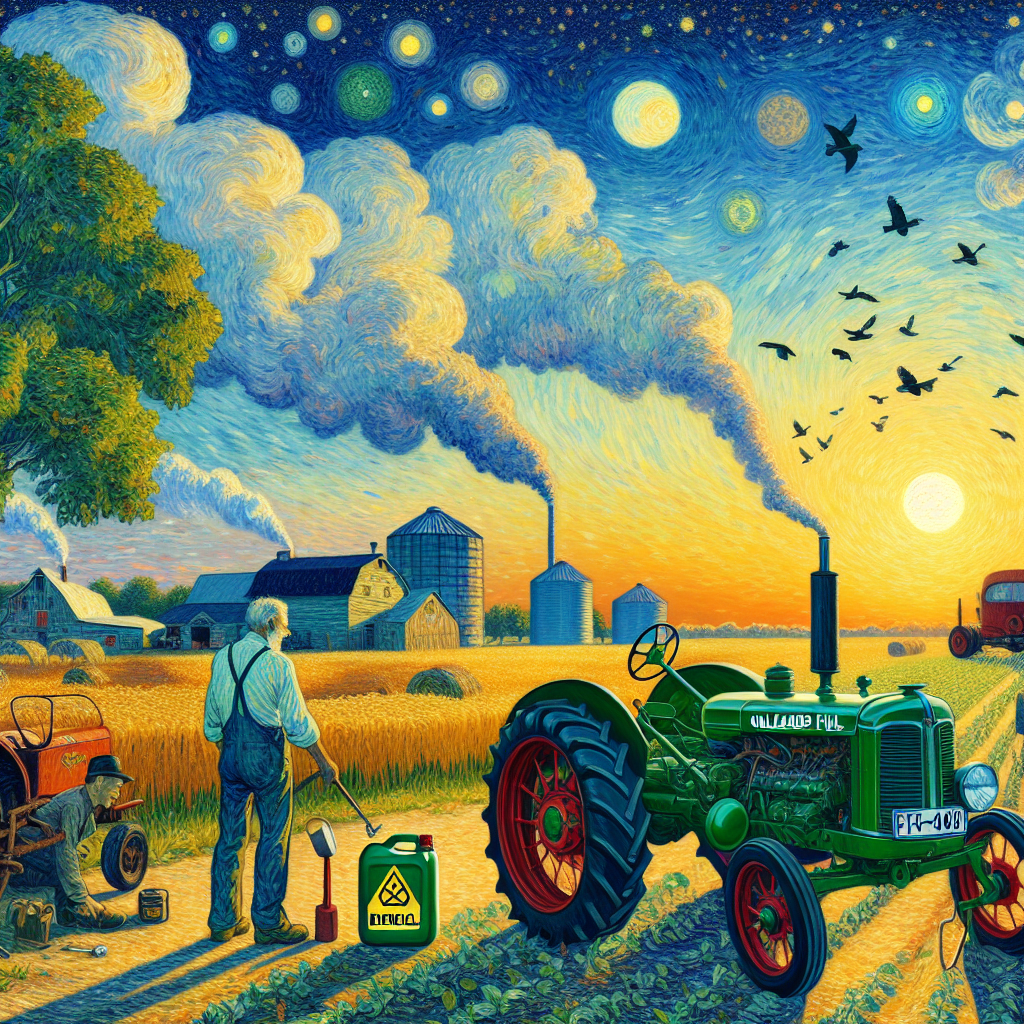
Picture this: an AI-driven platform that tailors insights specifically for classic car enthusiasts, much like a well-tuned tractor on a farm that knows when to work hard and when to take it easy. This platform could analyze data on maintenance histories, market trends, and personal preferences to curate a personalized ownership journey. When you receive a notification reminding you of an upcoming maintenance task, your ’67 Mustang doesn’t just become a car needing repairs; it becomes a cherished companion, calling you to engage in its upkeep, to preserve its legacy.
More than just an algorithm, this AI fosters a community where stories of community restoration projects or car shows are shared, building a tapestry of narratives that connects owners far and wide. Knowing that hundreds of others are sharing in the triumphs and tribulations enhances the ownership experience. Each classic car becomes a chapter in a larger narrative that intricately weaves through lives; it’s not just about preserving a vehicle but about preserving a culture.
Ethically, empowering owners with this data fosters responsible stewardship. Owners won’t just think of cars as investment opportunities; they’ll approach them as works of art that deserve care. This perspective shift ignites a sense of responsibility toward the craftsmanship of each vehicle and its place in history.
The gut feeling that something special is happening, like the excitement of a freshly turned ignition key, is palpable. An AI that shares insights, celebrates milestones, and encourages stories cultivates trust. It invites engagement not just from individual owners but from entire communities, creating a social fabric that keeps classic car culture alive.
It’s about more than just owning a classic car; it’s about being part of a larger story that resonates, that connects hearts—like the sweet sound of that engine finally roaring to life, echoing through time.
How Can Narrative Insights From AI Transform Classic Car Ownership?
How Can Narrative Insights From AI Transform Classic Car Ownership?
- Classic cars symbolize a rich culture filled with memories, history, and passion.
- AI can enhance the ownership experience for classic car enthusiasts by providing personalized insights.
- An AI-driven platform can track maintenance histories, market trends, and personal preferences.
- This technology fosters a community where stories of restoration projects and car shows are shared.
- Empowering owners with data promotes responsible stewardship and shifts perspective toward caring for cars.
- AI cultivates trust by sharing insights, celebrating milestones, and inviting community engagement.
- Owning a classic car becomes part of a larger narrative that connects individuals and preserves culture.
How Can Narrative Insights From AI Transform Classic Car Ownership?
What Role Does AI Play In Preserving Automotive Heritage and History?
In the world of automobiles, each classic vehicle is more than just a machine; it’s a time capsule filled with stories of triumph, innovation, and nostalgia. Just as a beloved tractor plows through fields, reminding us of simpler, hardworking days, the cars that dot our roads tell tales of journeys taken and communities forged. Yet, as we drive into the future, how do we ensure these automotive treasures remain full of life and history?
Enter AI, a modern-day artisan wielding an intricate set of tools that can carefully carve out the past while shaping the future. AI has the power not just to restore vintage vehicles but to breathe life into the stories behind them. Imagine an algorithm capable of piecing together data from millions of vintage car enthusiasts, museums, and workshops, creating a tapestry of knowledge that connects generations. It’s a way to honor the legacy of those who came before us, seamlessly blending their craftsmanship with our technological advancements.
Consider the classic Ford Model T. For many, it symbolizes the dawn of modern transportation—a profound shift that transformed lives and industries. AI can help preserve this narrative in ways that resonate deeply. Picture an interactive digital exhibit that takes you through the birth of the automobile, complete with testimonials from families who relied on that first trusty vehicle for moments of joy and hardship. It’s not merely about showcasing machines; it’s about rekindling the bonds of shared experience.
On a grassroots level, AI also empowers local clubs and organizations dedicated to automotive heritage. With simple apps, enthusiasts can catalog their vehicles, track restoration processes, or even share anecdotes for future generations. As these connections grow, they foster a community that values history and craftsmanship—a network built on shared passion and respect for the past.
The ethical dimension of this preservation is crucial. In a world too often enamored with the shiny and new, protecting our automotive heritage serves as a reminder of where we came from. It instills pride and responsibility, urging us to safeguard these relics for those who will come after us.
Ultimately, the role of AI in preserving automotive heritage transcends mere technology—it’s about crafting a narrative that speaks to our hearts, heads, and guts. It blends memories, emotions, and technological expertise into a legacy that ensures the wheels of history keep turning, inspiring future generations to hit the road in pursuit of their own stories.

What Role Does AI Play In Preserving Automotive Heritage and History?
What Role Does AI Play In Preserving Automotive Heritage and History?
- Classic vehicles serve as time capsules, embodying stories of triumph, innovation, and nostalgia.
- AI plays a crucial role in preserving and restoring vintage cars, enabling connections between past and future generations.
- Data from enthusiasts and museums can create comprehensive narratives about automotive history.
- The Ford Model T symbolizes the transformation of modern transportation, with potential for interactive exhibits to share its story.
- AI supports local automotive clubs in cataloging vehicles and tracking restorations, fostering community engagement.
- Protecting automotive heritage promotes pride and responsibility, reminding us of our history.
- The intersection of AI and automotive heritage crafts narratives that inspire future generations to pursue their own stories.
What Role Does AI Play In Preserving Automotive Heritage and History?
How Can Social Sharing Of AI Findings Empower Classic Car Communities?
In the world of classic cars, passion runs deep, akin to the rumble of an old V8 engine that leads us down memory lane. The heart of every classic car community beats with stories—of restoration, camaraderie, and a shared affection for the machinery that defined generations. Social sharing, propelled by AI findings, is the turbocharger in this journey, enriching our relationships and fueling the passion that binds us.
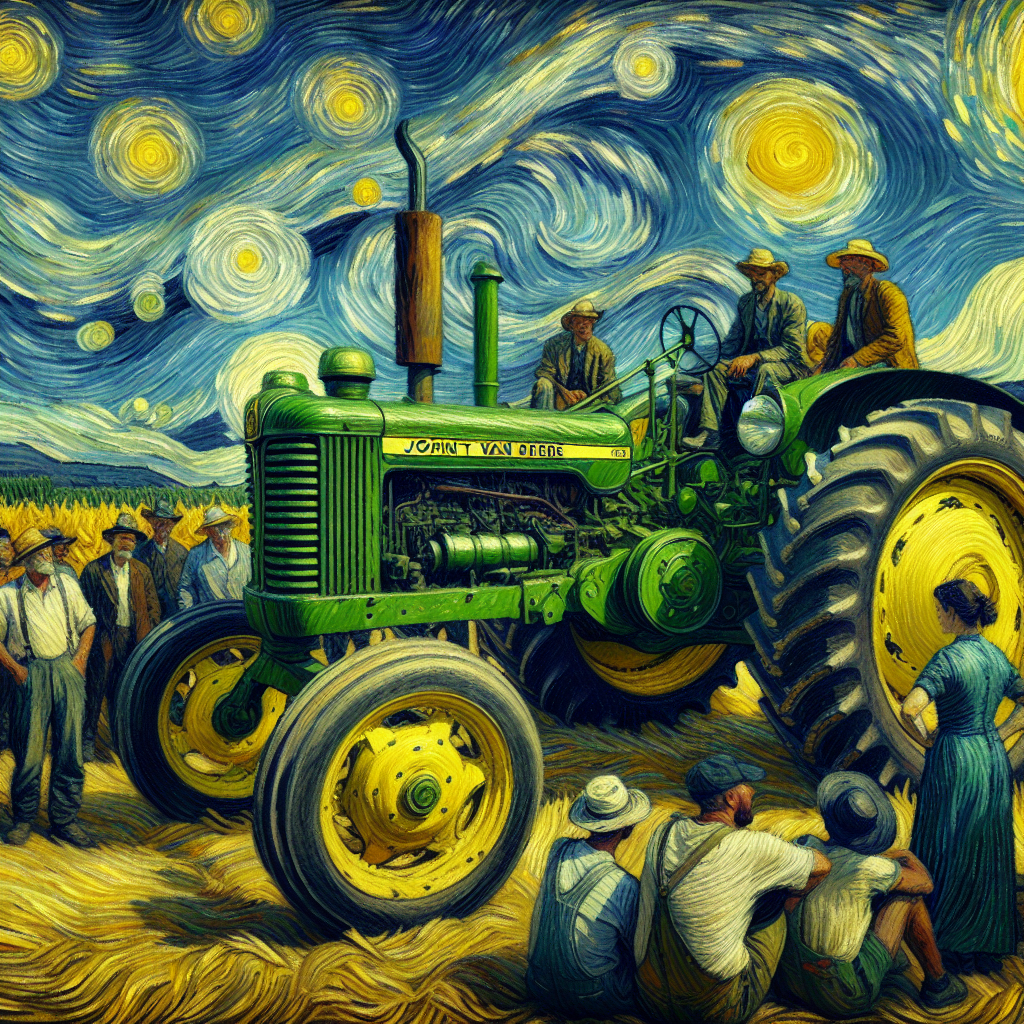
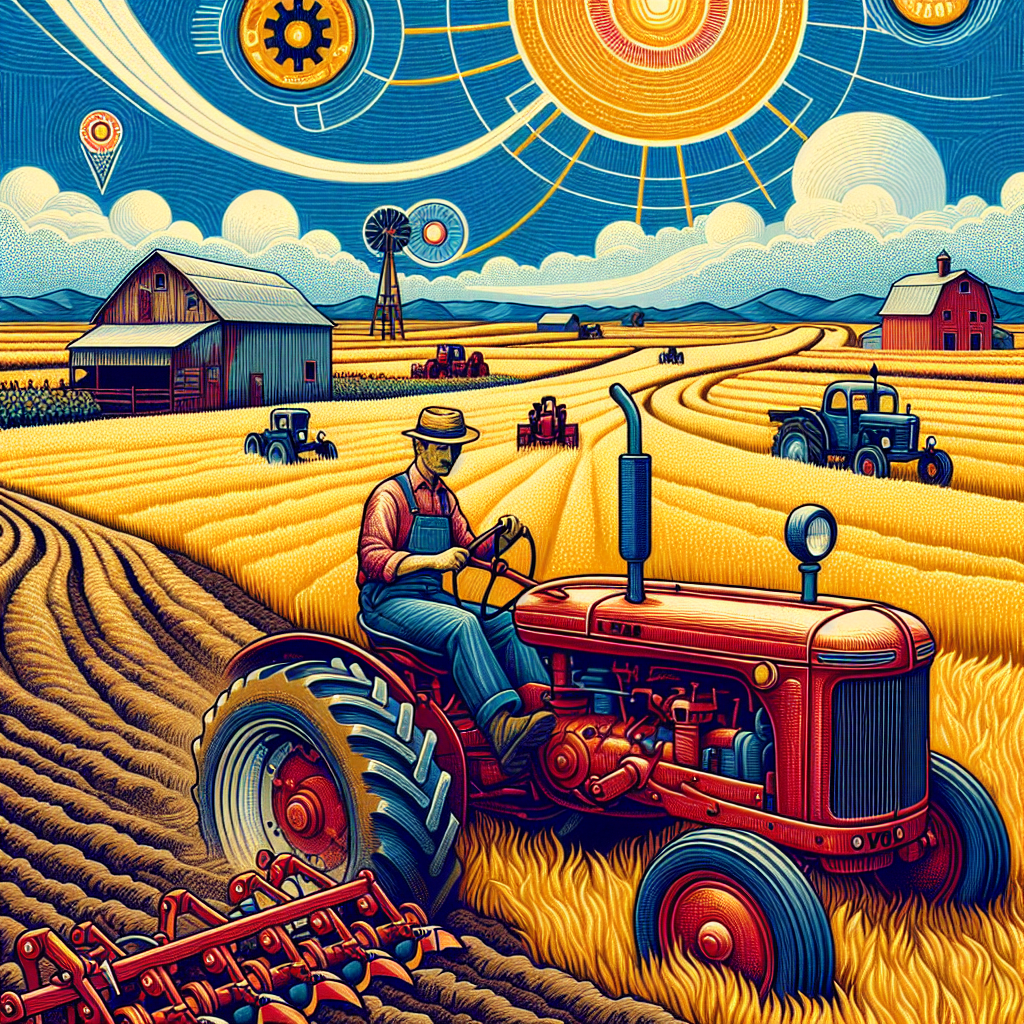
Imagine a group of vintage vehicle enthusiasts gathered around a well-worn tractor in a sun-drenched field, reminiscing about the days they spent with their fathers, learning the intricacies of machinery. Each story shared adds horsepower to the community, reminding every member that they’re part of something bigger. When AI unearths insights about these cars—their history, parts availability, or restoration techniques—and shares them online, it’s like adding a fresh coat of paint to a classic ride; it revitalizes and expands the community’s knowledge base, sparking curiosity and discussions.
Rationally, the data unearthed by AI can guide decisions on restorations or upgrades, making ownership not only sustainable but also smarter. Think about it: every tidbit—such as what specific engine modifications are known to improve performance or which supplies are hardest to source—equips enthusiasts with tools that can save time and money. It’s not just about the aesthetics; it’s about preserving a legacy for future generations, ensuring that the sound of a revving engine continues echoing down the generations.
Ethically, sharing these findings can foster a culture of transparency and trust within the classic car communities. When members lean on AI-driven insights, they’re more likely to have honest discussions about the challenges they face—be it sourcing obsolete parts or navigating modern regulations that threaten to sideline their beloved projects. This openness builds a bond that’s reminiscent of the vintage car meets, where neighbors come together not just to show their latest pride but to support one another.
But the real magic happens when these AI insights spark action. When enthusiasts see the success stories of others in their community who have embraced new technologies—perhaps by using sustainable materials for restorations or digital resources for maintenance—they’re inspired to try it themselves. It’s not just about keeping the past alive; it’s about evolving with it. Sharing those findings on social media creates a domino effect, encouraging more people to get involved, share their journeys, and together, drive the legacy of classic cars into the future. Embrace the knowledge and let it empower the journey ahead.
How Can Social Sharing Of AI Findings Empower Classic Car Communities?
How Can Social Sharing Of AI Findings Empower Classic Car Communities?
- Classic car communities thrive on passion, stories of restoration, and shared experiences.
- AI enhances social sharing, enriching relationships among enthusiasts.
- AI discoveries about car history and restoration techniques broaden community knowledge.
- Data from AI aids in making smarter, sustainable restoration decisions.
- Sharing insights builds a culture of transparency and trust within the community.
- Successful AI-driven practices inspire others to adopt new technologies and methods.
- Social media sharing encourages widespread participation and engagement in classic car culture.

How Can Social Sharing Of AI Findings Empower Classic Car Communities?
What Ethical Considerations Arise From AI Monitoring Classic Cars?
When we think about classic cars, our minds often veer toward nostalgia—those shimmering pieces of history that evoke memories of sun-soaked summer roads or Sunday drives with family. Yet, in today’s tech-driven world, these beloved machines are increasingly subject to AI monitoring, sparking a flurry of ethical considerations. It’s a bit like watching your grandparent’s tractor, rusting gently in the barn, suddenly wired for efficiency and connectivity. Sure, it’s impressive, but what about the heart and soul behind its aged metal?
The emotional resonance of classic cars lies in their stories. Each vehicle holds memories of adventure, laughter, and perhaps even a few tears. AI monitoring introduces a cold, mechanical eye that can strip away that personal connection. Imagine the excitement of restoration, where a classic ride is not just seen as a vehicle, but as a cherished artifact, a family heirloom. As we integrate technology, we risk overshadowing the narratives that give these cars their unique identities. The monitoring data may reveal performance metrics, but can it capture the thrill of a well-aged engine firing up for the first time in decades?
On a rational level, there’s a pressing question: who owns the data generated by these monitoring systems? Traditional conversations around car ownership have always revolved around mechanics and maintenance. Yet, with AI entering the fray, it feels like terms of engagement are shifting beneath our feet. Owners should feel secure in their relationship with their vehicles—not like they’re sharing custody with an invisible partner interested primarily in fuel efficiency or resale value.
Ethically, it’s vital to consider privacy. When AI systems are embedded into classic cars, there’s an inherent risk that personal information can be harvested and misused. This is particularly concerning for those who treat these cars as an extension of their identity. After all, how comfortable would you be knowing that your cherished vehicle is tracking not just speed but also the places it takes you?
By addressing these ethical questions, we build a bridge between innovation and tradition. The allure of classic cars doesn’t just simmer in their aesthetic; it resides in the connections we foster with them and the stories we share. Classic cars are more than machines—they are vessels of shared experiences and legacies. Embracing AI should not mean abandoning the soul of what makes these cars special. Instead, we should strive to enhance that narrative, ensuring our treasured artifacts remain as meaningful as they are efficient.
What Ethical Considerations Arise From AI Monitoring Classic Cars?
What Ethical Considerations Arise From AI Monitoring Classic Cars?
- Classic cars evoke nostalgia and memories of past experiences.
- AI monitoring may compromise the emotional connection and unique identities of these vehicles.
- Each classic car holds personal stories and adventures, beyond mere performance metrics.
- Ownership and data privacy concerns arise with the integration of AI in classic vehicles.
- There is a need to address who truly owns the data generated by AI monitoring systems.
- Ethical implications include the potential misuse of personal information collected by AI.
- The integration of technology should enhance rather than diminish the cultural significance of classic cars.
What Ethical Considerations Arise From AI Monitoring Classic Cars?
Conclusion
In the current landscape where technology and tradition often exist in tension, the integration of artificial intelligence into classic car ownership offers a promising pathway to preserve these cherished machines while enhancing their reliability. Picture that classic automobile—not just as a collection of parts, but as a living artifact, entwined with stories and memories, reminiscent of summer road trips and family connections. AI emerges as a modern ally, a tool that can detect issues before they arise, ensuring that every turn of the key ignites not just an engine, but the spirit of adventure and nostalgia.
Imagine a vintage car, its engine purring smoothly, thanks to AI monitoring. This isn’t just a technical upgrade; it adds a layer of reassurance for owners, turning anxiety over unexpected breakdowns into proactive maintenance. AI learns from vast data, providing real-time assessment, much like a trusted mechanic who knows your car intimately. It alerts owners to maintenance needs, allowing them to engage in preservation rather than repair. It’s about giving car enthusiasts the peace of mind to enjoy the ride, knowing their faithful steed is safeguarded against the unpredictable detours life often throws our way.
The ethical implications of this technology resonate deeply within the classic car community. Empowering owners with insights fosters not only responsibility toward their vehicles but also a collective sense of accountability for preserving automotive heritage. This is no longer just about individual ownership—it’s about sharing in the stewardship of history. Each car tells a story, and as we embrace AI, we enrich the narrative of these treasures, keeping their legacies alive for future generations.
Socially, the potential for community building through AI findings cannot be overlooked. As owners share insights and experiences, they create a vibrant tapestry of collaboration and support. Storytelling becomes a shared experience, connecting enthusiasts from all walks of life, reminding us that we are custodians of tradition. This spirit of togetherness fosters not only the dissemination of knowledge but also inspires a new generation to appreciate and preserve automotive craftsmanship.
Ultimately, welcoming AI doesn’t mean losing the heart behind classic cars; rather, it enhances our relationship with them. This harmonious blend of tradition and technology allows us to celebrate the past while confidently steering into the future. As we combine our love for these machines with smart technology, we weave a narrative rich with adventure, responsibility, and community, ensuring that the stories of our beloved vehicles continue to inspire for years to come.
Conclusion
Conclusion:
- Integration of AI into classic car ownership enhances reliability and preserves cherished machines.
- Classic automobiles are seen as living artifacts, rich with stories and memories.
- AI tools can detect issues before they arise, providing peace of mind to owners.
- Real-time assessment by AI acts like a trusted mechanic, facilitating proactive maintenance.
- Empowers owners with insights, fostering responsibility for preserving automotive heritage.
- Encourages community building among enthusiasts through shared experiences and knowledge.
- Combines tradition and technology, enriching the narrative of classic cars for future generations.
Conclusion
Other Resources
Other Resources
Here is a list of other resources you can review online to learn more:
- Ivel Agricultural Motors
- Muller
- Classic Farm Tractors
- Tytan
- YTO
- Sublette Farm Toy & Antique Tractor Show
- Ageless Iron
- New Holland
- Empire
- Farmall
- Agriculture Heritage Center & Museum
- JCB
- Earthmaster
- Haas
- Baldwin
- Waterloo Boy
- Antique Tractor Supply
- Carraro
- Lindner
Use This Prompt To Get More Resources With Your Favorite Online AI Tool: Please provide me with a list of online articles with their URLs in a bulleted list that I can read regarding How AI Predicts Problems Before Your Classic Breaks
Other Resources
Glossary Terms
How AI Predicts Problems Before Your Classic Breaks – Glossary Of Terms
1. Predictive Maintenance: Using data and algorithms to forecast equipment failures so maintenance occurs before a breakdown.
2. Prognostics: Estimating the future health and failure timeline of a component or system.
3. Remaining Useful Life (RUL): Predicted time or usage left before a part becomes unusable or fails.
4. Anomaly Detection: Identifying data patterns that deviate from normal behavior and may indicate emerging faults.
5. Condition-Based Monitoring: Continuously observing key sensor signals and system states to trigger maintenance when thresholds are crossed.
6. Sensor Fusion: Combining inputs from multiple sensors to produce a more accurate, robust view of system condition.
7. Telemetry: Remote collection and transmission of sensor and operational data for analysis.
8. Time-Series Analysis: Techniques for modeling and extracting patterns from sequential sensor or operational data.
9. Feature Engineering: Creating informative input variables from raw sensor signals to improve model performance.
10. Signal Processing: Filtering, smoothing, and transforming raw signals to remove noise and reveal relevant characteristics.
11. Fast Fourier Transform (FFT): Converting time-domain signals to frequency domain to detect periodic signatures of mechanical faults.
12. Vibration Analysis: Interpreting vibration data to detect imbalance, misalignment, bearing wear, and other mechanical issues.
13. Thermal Imaging: Using temperature maps to spot hotspots that indicate friction, electrical faults, or cooling failures.
14. Oil/Fluid Analysis: Monitoring contaminants, wear metals, and chemical properties in lubricants to infer component degradation.
15. Fault Classification: Assigning detected anomalies to specific fault types so repairs target the correct cause.
16. Root Cause Analysis: Investigating and identifying the underlying cause of a detected fault rather than only treating symptoms.
17. Supervised Learning: Training models on labeled historical data to predict failures or classify fault modes.
18. Unsupervised Learning: Discovering structure and anomalies in unlabeled data using clustering and density techniques.
19. Semi-Supervised Learning: Combining a small set of labeled examples with larger unlabeled datasets to improve model accuracy.
20. Neural Network: A flexible model architecture that learns complex nonlinear relationships in sensor and operational data.
21. Autoencoder: A neural model that learns compact representations and flags anomalies by reconstruction error.
22. Ensemble Methods: Combining multiple models (e. g. , random forests, boosting) to improve predictive accuracy and robustness.
23. Transfer Learning: Adapting models trained on one vehicle or component to another with limited additional data.
24. Model Drift: The gradual loss of model accuracy over time due to changing equipment behavior or environment.
25. Digital Twin: A virtual replica of a vehicle or system that mirrors state and behavior for simulation and diagnostics.
26. Edge Computing: Processing sensor data locally on the vehicle to enable low-latency detection and reduce bandwidth use.
27. Cloud Analytics: Centralized storage and large-scale analysis of fleet data to improve models and detect fleet-wide issues.
28. Explainable AI (XAI): Techniques that make model predictions interpretable so technicians understand why a failure was predicted.
29. Alerting Thresholds: Configured limits or risk scores that trigger notifications or maintenance actions when exceeded.
30. Maintenance Scheduling Optimization: Using predictive insights to plan the optimal timing and resources for repairs to minimize downtime.
Glossary Of Terms
Other Questions
How AI Predicts Problems Before Your Classic Breaks – Other Questions
If you wish to explore and discover more, consider looking for answers to these questions:
- How exactly does AI detect impending mechanical problems in classic cars?
- What types of sensors are required to monitor a vintage vehicle effectively?
- Can AI monitoring be retrofitted into cars without altering their originality or value?
- How much does installing AI-based predictive maintenance typically cost?
- What is the accuracy rate of these AI predictions (false positives and false negatives)?
- How much historical or training data is needed for reliable predictions on rare models?
- How does AI handle limited or incomplete data for obscure or one-off classics?
- Which AI providers or platforms specialize in classic car monitoring?
- What hardware options (OBD devices, dedicated modules, custom sensors) work best for older cars?
- Does AI monitoring drain battery or require permanent power sources?
- Can the system function offline or in areas without cell service?
- How are alerts delivered (app, SMS, email), and can they be customized?
- Will AI-generated maintenance suggestions replace the need for an experienced mechanic?
- How do mechanics and restoration shops integrate AI data into their diagnostics?
- Can AI recommend specific parts, suppliers, or restoration techniques for vintage models?
- What are the legal and liability implications if AI misses a failure or gives incorrect advice?
- Who owns the data collected by the monitoring system—the owner, the installer, or the provider?
- How is owner privacy protected, and what personal/location data is collected?
- Are AI monitoring systems compliant with data-protection regulations like GDPR?
- How secure are these systems against hacking, tampering, or spoofed sensor data?
- Could monitoring negatively affect insurance, resale value, or provenance documentation?
- Does adding AI instrumentation void warranties or affect authenticity for concours judging?
- How reversible are retrofits—can sensors and modules be removed without trace?
- What are the environmental impacts or energy costs of continuous monitoring?
- How can AI-generated narratives and histories be archived for future generations?
- Can AI help source rare or NOS parts by analyzing supply networks and market trends?
- How can owners verify the credibility and bias of AI recommendations?
- What are best practices for sharing AI findings with clubs, forums, and social networks?
- How can communities use shared AI data to improve collective knowledge and part availability?
- Are there open-source alternatives or community-driven AI projects for classics?
- What metrics should owners monitor to judge the ROI of installing AI systems?
- How frequently should software and models be updated, and how is that managed?
- Can AI assist in documenting restoration history and provenance for auctions or museums?
- What ethical considerations should owners weigh when balancing preservation with technological upgrades?
- How do regulations about vehicle telemetry differ across countries and affect classic owners?
Other Questions
Haiku
How AI Predicts Problems Before Your Classic Breaks – A Haiku
AI guards the past,
Classic engines hum with life,
Future’s pulse preserved.
Haiku
Poem
How AI Predicts Problems Before Your Classic Breaks – A Poem
In fields where farmers toil with pride,
Their vintage tractors, by their side.
AI whispers, like an old friend’s call,
Predicting troubles before they befall.
Classic cars, a story in each line,
Echoes of freedom, a past divine.
With every roar of their engines true,
AI stands guard, to help renew.
Connections deepen, memories entwine,
As AI monitors, legacy aligns.
Ethical bonds of trust are forged,
Craftsmanship and tech, together they surge.
Community thrives as knowledge flows,
Each shared story, the heart of it grows.
In the dance of data, we find our place,
Preserving history, honoring grace.
Through the lens of innovation, we see,
The spirit of cars, forever free.
Not just machines, but heritage bold,
With AI, our treasures are sheltered and told.
An ongoing saga, with wheels that glide,
In harmony, tradition and tech abide.
For future generations, let stories ignite,
As we drive through the past, into the light.
Poem
Checklist
How AI Predicts Problems Before Your Classic Breaks – A Checklist
Heart Appeals
✅______ Reflect on the memories associated with your vehicle. How does it make you feel when it’s running smoothly?
✅______ Consider the stories and experiences tied to your classic car. How can you preserve its legacy?
✅______ Share your car’s journey with fellow enthusiasts. How can you connect with others through storytelling?
Head Appeals
✅______ Review maintenance data and insights shared by your AI system. Are you leveraging this information to prevent future issues?
✅______ Analyze how AI can help save money by predicting repairs. Are you utilizing these insights to safeguard your vehicle’s value?
✅______ Stay updated on AI advancements in automotive care. What new knowledge can enhance your approach to maintenance?
Gut Appeals
✅______ Assess your comfort level with AI monitoring your vehicle. Do you feel secure in how that data is used?
✅______ Reflect on your duty as a car owner to preserve its history. How does integrating AI align with your values?
✅______ Consider how your use of AI technology impacts the legacy of classic cars. Are you contributing to a sustainable future for automotive heritage?
Ethical Appeals
✅______ Ensure the use of AI tools is open within your community. Are you discussing the implications of data ownership and privacy?
✅______ Contemplate how technology complements classical craftsmanship rather than replacing it. How can you advocate for a balance between innovation and tradition?
Authority Appeals
✅______ Consult specialists who integrate AI in classic car maintenance. Are you getting advice from reputable sources?
✅______ Take charge in discussing AI’s role within your car community. How can you encourage others to adopt beneficial technologies?
Narrative Appeals
✅______ Capture and share your classic car experiences enriched by AI use. What narrative can you contribute to the collective history?
✅______ Envision how upcoming technologies can transform classic car ownership. What story do you want your journey to tell?
Checklist
At ClassicTractorNews, we help tractor lovers keep up with the latest news for classic and vintage tractors.
Please share this post with your friends, family, or business associates who may like old classic or vintage tractors.