

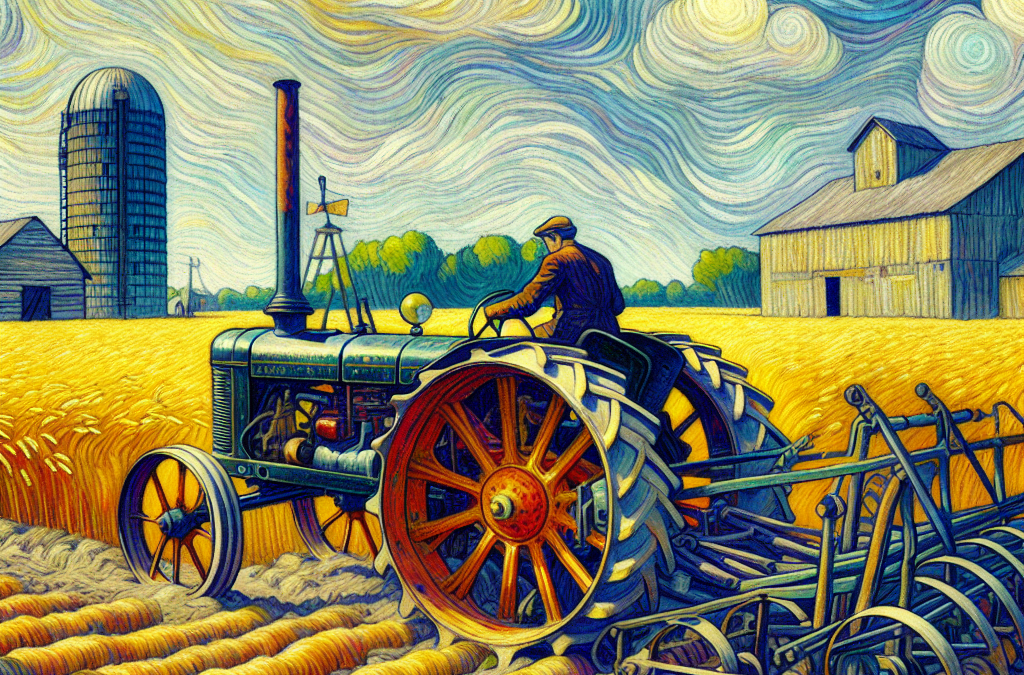
Empowering You To Preserve Classics: A Game-Changer For Enthusiasts
By Tom Seest
At ClassicTractorNews, we help tractor lovers keep up with the latest news for classic and vintage tractors.
Please share this post with your friends, family, or business associates who may like old classic or vintage tractors.
Historic Right-To-Repair Victory – What It Means for Your Classic Fleet
For many enthusiasts and caretakers of classic fleets, every vehicle is more than just metal and machinery; it’s a testament to years of dedication and passion. Picture this: a vintage tractor, its paint chipped from decades of service, yet its engine purrs with life. This victory for the right-to-repair isn’t just a legal win; it’s a nod to the spirit of self-reliance and the deep-rooted connection we share with our machines.
Imagine the last time you rolled up your sleeves to diagnose a minor issue yourself. The sense of pride when you finally heard that engine roar back to life, it was you—a modern-day mechanic—restoring a slice of history. With this new legislation, that experience becomes more common, empowering enthusiasts to keep their classics on the road, not as relics but as functional, vibrant members of our communities.
From a rational perspective, the right-to-repair gives you access to the tools and knowledge necessary to tackle repairs without fearing obsolescence. It’s not just about fixing things anymore; it’s about ensuring that these beloved tractors can continue to serve their purpose, whether in the field cultivating crops or in the sun at a local show. This victory reminds us that maintaining these machines isn’t merely a hobby; it’s an ethical stance against a culture of planned obsolescence that seeks to dictate how we engage with our belongings.
As someone who’s revived a few classic tractors, let me tell you: there’s a community waiting to embrace you. These machines have stories, just as we do. They’ve carried families through tough times, whispered tales of summers in the fields, and even helped forge friendships. By advocating for the right-to-repair, we cultivate not just a movement but a brotherhood of stewards, celebrating preservation and innovation alike.
Thinking about it from a social angle, this victory resonates beyond just us gearheads. It underlines a collective desire for autonomy and respect for craftsmanship, which is increasingly rare in our throwaway society. Share your stories of restoration, and others will join in. It’s an unspoken acknowledgment that your passion fuels a growing movement—one where we reclaim power over our beloved machines.
This is our moment to embrace the daunting but rewarding journey of repair. Each classic tractor we save isn’t just a machine; it’s a manifestation of our resolve, echoing that we choose to keep history alive, one repair at a time.
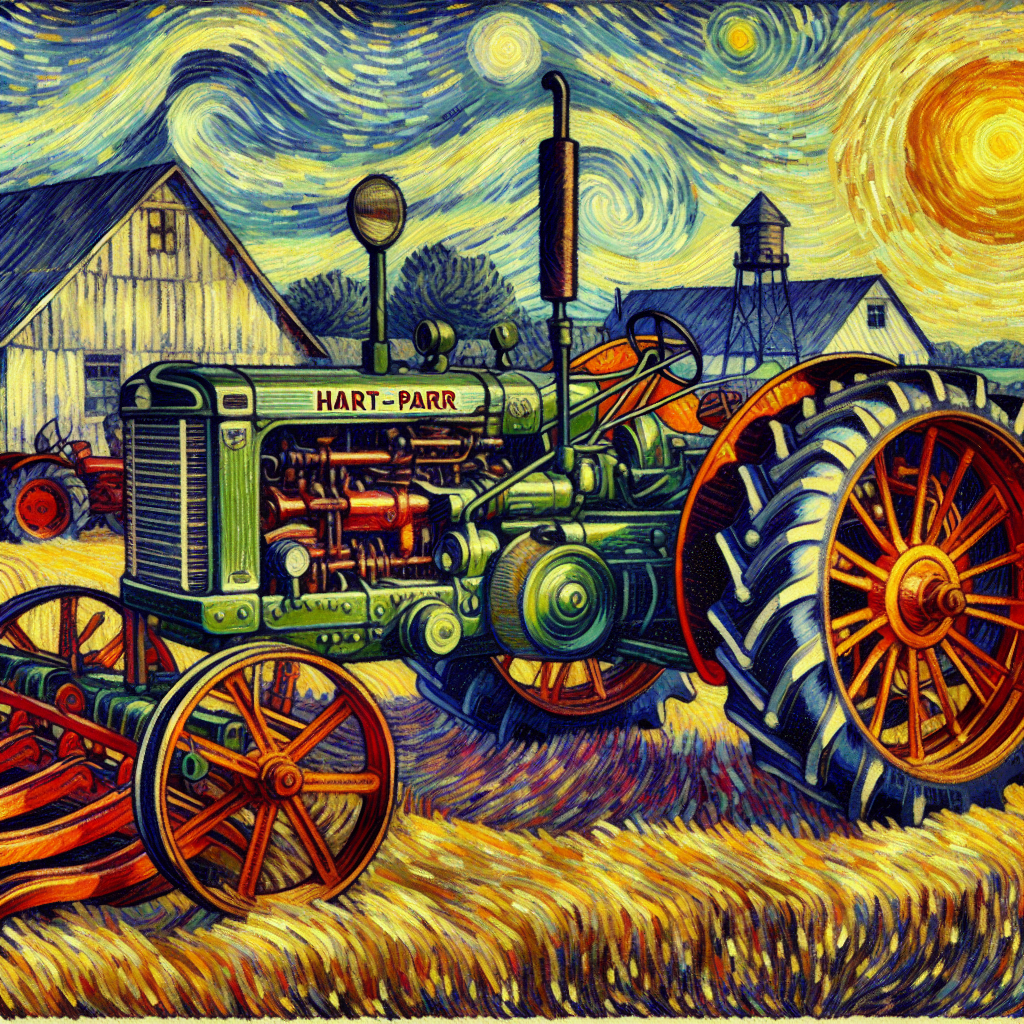
Historic Right-To-Repair Victory – What It Means for Your Classic Fleet
Historic Right-To-Repair Victory – What It Means for Your Classic Fleet
- The right-to-repair victory is significant for enthusiasts of classic vehicles, emphasizing the emotional connection to their machines.
- This legislation empowers owners to maintain their vehicles, transforming them from relics into functional community members.
- Access to tools and knowledge provided by the right-to-repair allows for independent repairs without the fear of planned obsolescence.
- Repairing classic tractors promotes a sustainable approach against the culture of disposability.
- A community exists for those who restore classic vehicles, sharing stories and fostering connections.
- The victory highlights a societal desire for autonomy and respect for craftsmanship in an increasingly disposable world.
- Each repaired tractor represents an individual’s commitment to preserving history through hands-on restoration.
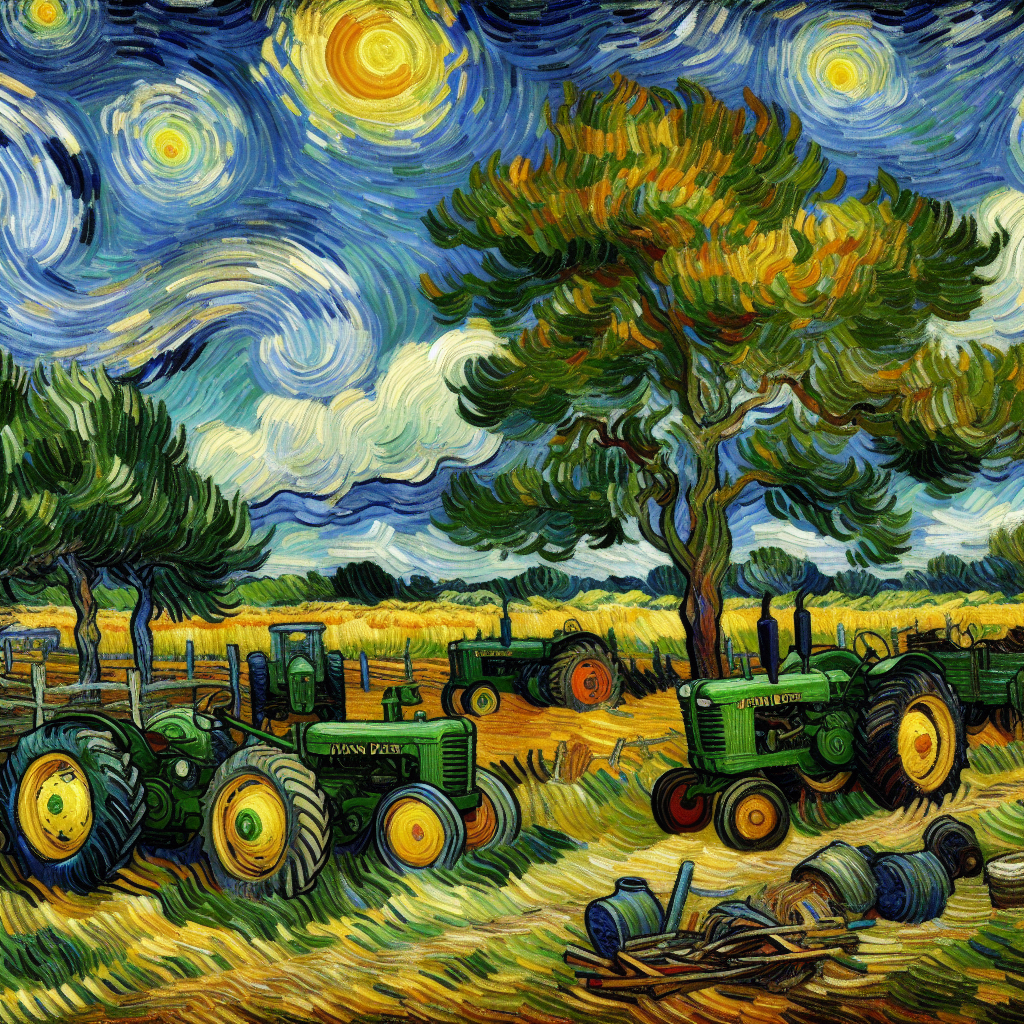
Historic Right-To-Repair Victory – What It Means for Your Classic Fleet
Table Of Contents
- Historic Right-To-Repair Victory – What It Means for Your Classic Fleet
- What Does the Right-To-Repair Victory Mean for Classic Car Owners?
- How Can Repairing Your Classic Fleet Impact Its Value and Longevity?
- What Ethical Responsibility Do Manufacturers Have Towards Consumers?
- How Does This Victory Empower Consumers Against Corporate Control?
- In What Ways Can Restoring Classic Cars Benefit the Environment?
- How Can We Ensure Future Generations Preserve These Vintage Vehicles?
- Conclusion
- Other Resources
- Glossary Of Terms
- Other Questions
- Haiku
- Poem
- Checklist
What Does the Right-To-Repair Victory Mean for Classic Car Owners?
For classic car owners, the recent Right-to-Repair victory feels like a refreshing breeze on a hot summer day, reminiscent of the moment you finally get that stubborn tractor engine to roar back to life. This isn’t just a win for enthusiasts; it’s about reclaiming the connection we have with machines that tell our stories and embody our passions. Just like a beloved tractor, which has seen generations of labor and love, classic cars are more than mere vehicles; they are time capsules of memories and craftsmanship.
Consider the classic car owner standing in their garage, tools in hand, ready to tackle a restoration project. You hear the creaking of old metal, the whiff of oil, the sense of history clinging to every part. This victory means that these passionate hobbyists can dive deep into their projects without fearing that a simple repair or part replacement will be out of reach. The playing field is finally leveling, inviting every owner to take ownership not just of their car but of their journey with it.
Rationally, the implications are profound. When manufacturers are required to provide access to repair manuals, diagnostic tools, and parts, we’re no longer at the mercy of corporate gatekeeping. This shift redefines independence, allowing owners the freedom to choose how and when to repair their prized possessions. It’s akin to a farmer finally being able to fix their tractor without waiting weeks for overpriced, proprietary parts. Suddenly, the joy of self-sufficiency blossoms, and the skills and knowledge of car owners grow exponentially.
Ethically, this victory resonates on a deeper level. It’s a stand against the throwaway culture that sidelines our desire for longevity and sustainability. Restoring a classic car aligns with values of resourcefulness and conservation, breathing new life into machines that deserve to thrive instead of languishing in junkyards.
But there’s also a social thread weaving through this narrative. Every time a classic car pulls into a car show, it sparks conversations, reignites friendships, and builds communities. The Right-to-Repair movement nurtures this spirit by fostering a culture of shared knowledge and collective craftsmanship, turning individual projects into communal legacies.
In an age where everything seems disposable, the Right-to-Repair victory offers classic car owners a powerful reminder: our connection to these machines is not just about nostalgia; it’s about empowerment. Embrace that power. Reclaim that right. The road ahead isn’t just for the classic car—it’s for the people who keep them alive.
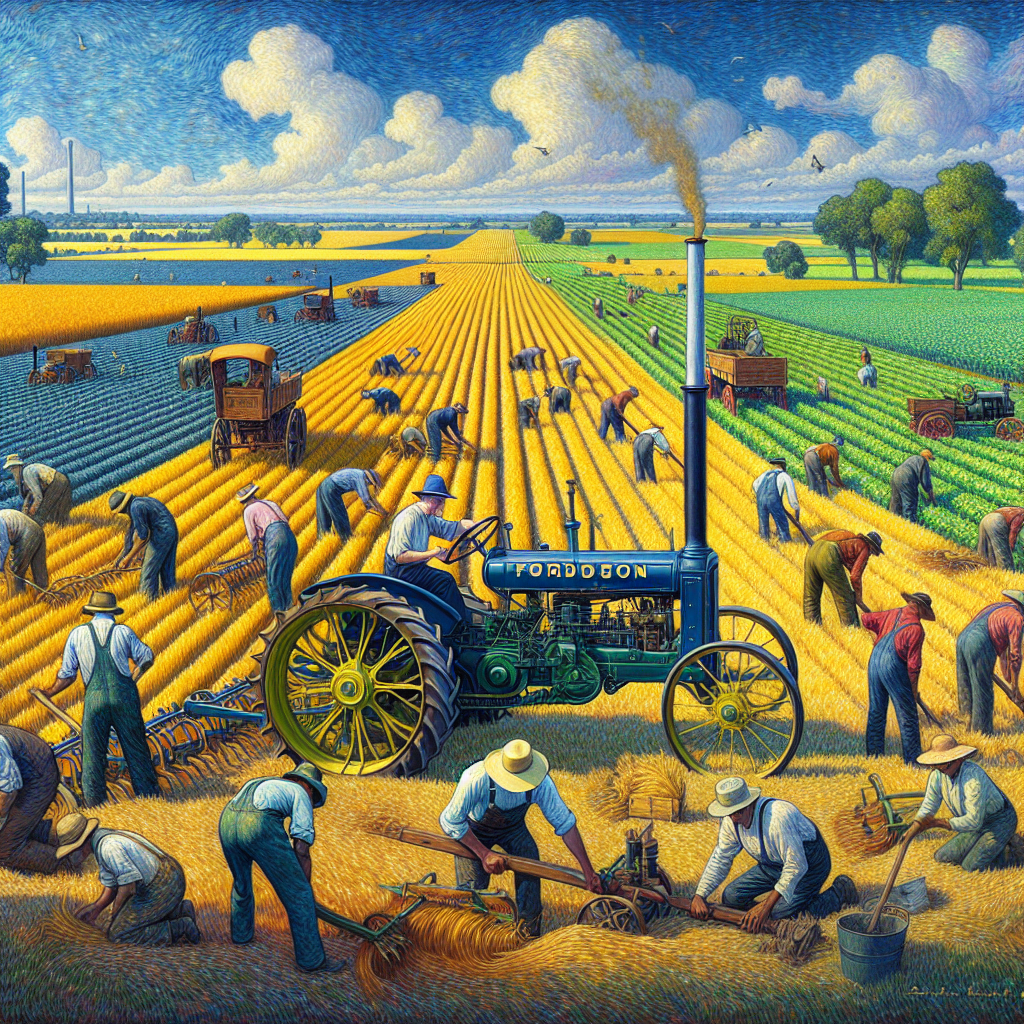
What Does the Right-To-Repair Victory Mean for Classic Car Owners?
What Does the Right-To-Repair Victory Mean for Classic Car Owners?
- The Right-to-Repair victory empowers classic car owners to restore and maintain their vehicles without corporate restrictions.
- Classic cars are seen as time capsules of memories, requiring personal connection and craftsmanship.
- Owners can now access repair manuals, diagnostic tools, and parts, fostering independence in vehicle maintenance.
- This shift promotes self-sufficiency, enhancing the skills and knowledge of car owners significantly.
- Addressing ethical concerns, it counters throwaway culture and supports sustainability and resourcefulness.
- The movement encourages community building through shared experiences at car shows and collective craftsmanship.
- The victory signifies an affirmation of empowerment, as the journey of classic car ownership transcends mere nostalgia.
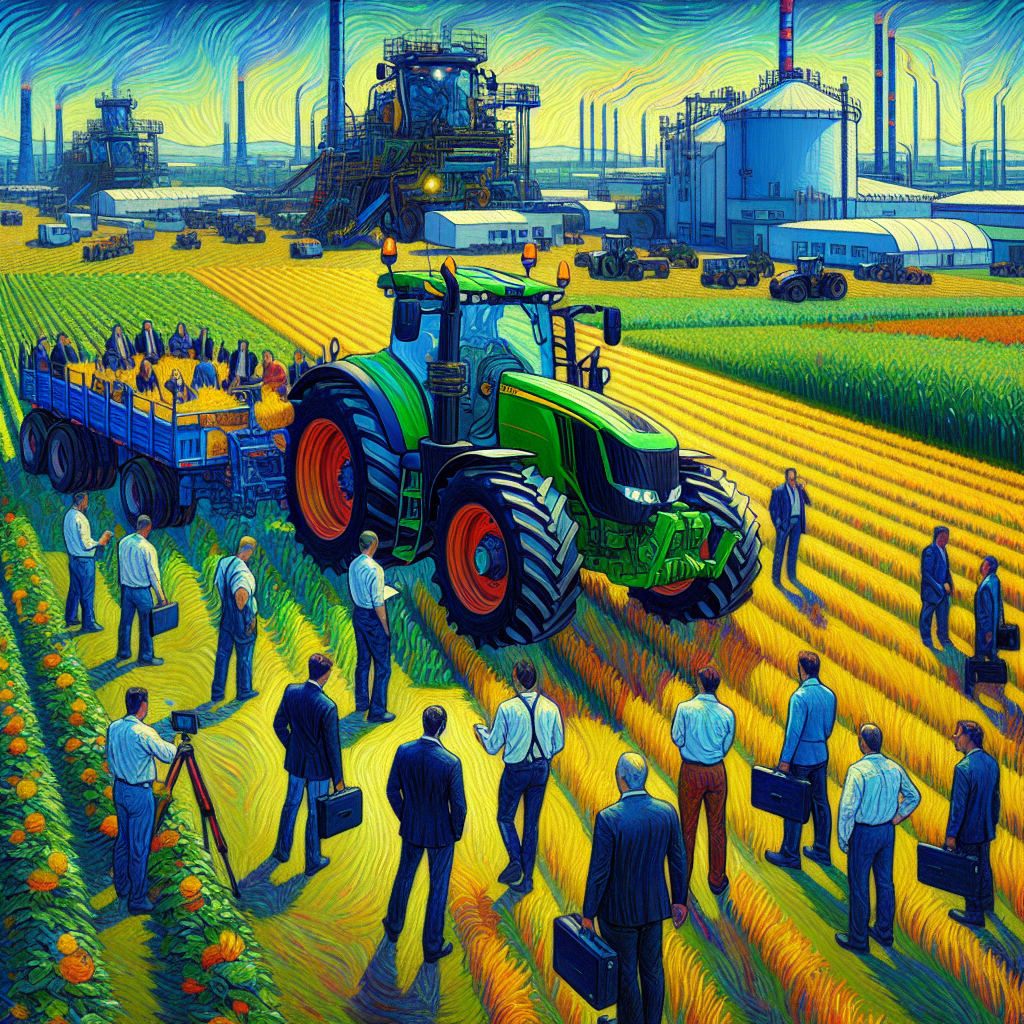
What Does the Right-To-Repair Victory Mean for Classic Car Owners?
How Can Repairing Your Classic Fleet Impact Its Value and Longevity?
Maintenance and repair of your classic fleet aren’t just tasks on a to-do list; they’re vital investments in history, craftsmanship, and community. Picture this: a sunlit afternoon where the unmistakable hum of a vintage tractor resonates through the fields, evoking memories of simpler times. Each crack in the paint tells a story, every dent a lesson learned. When you commit to repairing your classic fleet, you’re not just preserving machinery; you’re safeguarding a legacy.
The emotional connection we have with these machines runs deep. For many, that vintage tractor isn’t just a piece of equipment; it’s a bridge to cherished family moments—an emblem of hard work and determination. When a farmer leans against the hood of that tractor, they’re not merely observing a rusting relic, but reminiscing about their grandfather’s stories, the smell of fresh-cut hay, and the satisfaction of a job well done.
Rationally speaking, maintaining these classic investments pays off in numerous ways. Each repair extends the life of your machinery, ensuring its function and reliability. A well-kept fleet not only performs better but also has a higher market value. Potential buyers recognize the care and dedication poured into each restoration. They see not just what the tractor is, but what it represents—a commitment to quality and tradition.
Ethically, keeping these classic machines in working order allows us to respect our history, the inventors who crafted them, and the farmers who relied on them. By investing in repairs, you’re participating in a larger narrative—a testament to craftsmanship and the resilience of those who paved the way for our agricultural advancements. This is a story worth telling and sharing, and it connects us all.
As a community, sharing our experiences and knowledge about repairs fosters a sense of belonging. Organizing a local meet-up for classic vehicle enthusiasts, where strategies and stories flow as freely as coffee, can be a game-changer. It’s not just about the tractors; it’s about the camaraderie that blossoms out of shared passions.
Repairing your classic fleet isn’t merely about preservation; it’s about connection—connecting with your roots, your community, and the past. Each restoration project becomes a way to honor your journey while ensuring these machines continue to tell their stories for generations to come. So, next time you contemplate a repair, think about the legacy you’re crafting—not just for yourself, but for everyone who shares in this beautiful endeavor.
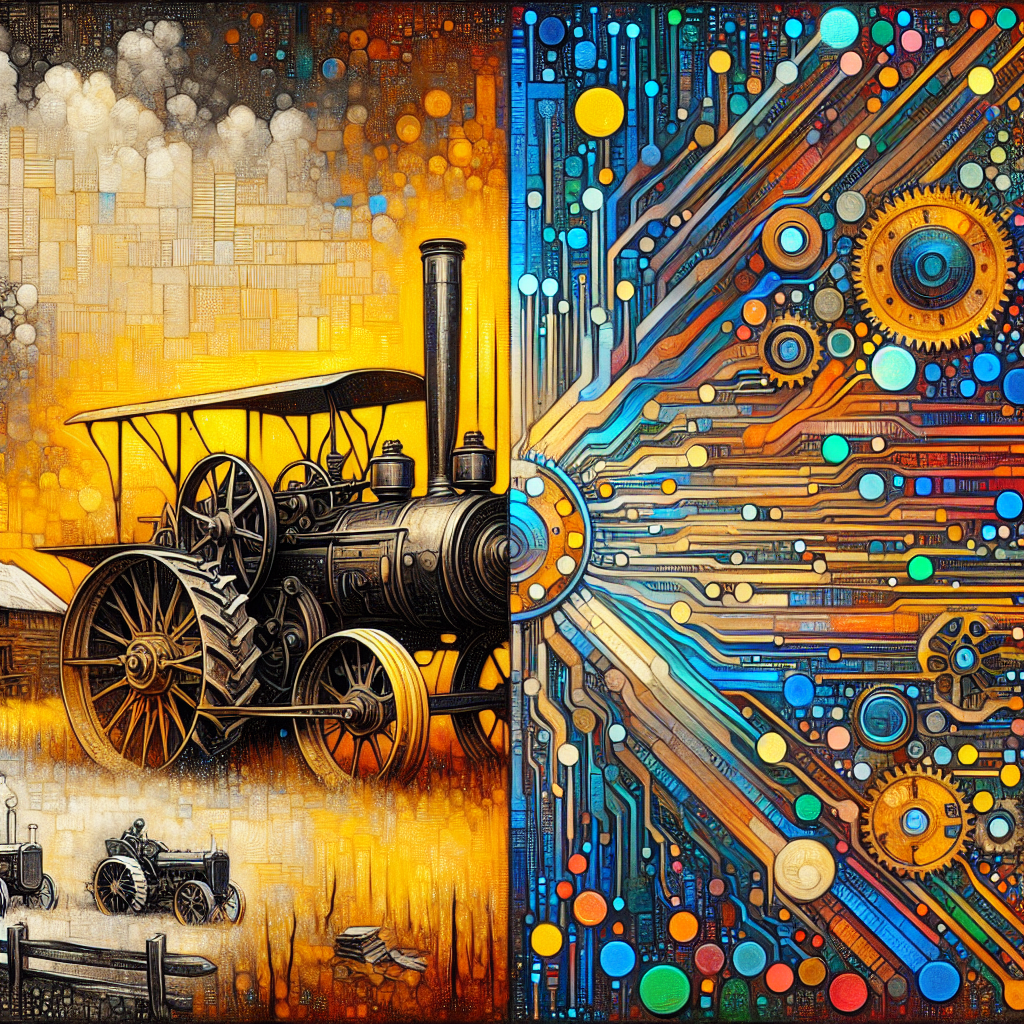
How Can Repairing Your Classic Fleet Impact Its Value and Longevity?
How Can Repairing Your Classic Fleet Impact Its Value and Longevity?
- Maintenance and repair of classic fleets are essential investments in history, craftsmanship, and community.
- Each vintage tractor evokes memories and tells a unique story, representing a legacy worth preserving.
- Emotional connections to these machines often link them to cherished family moments and personal history.
- Proper maintenance extends machinery life, enhances performance, and improves market value.
- Investing in repairs honors historical craftsmanship and the pioneers of agriculture.
- Community engagement through local meet-ups fosters sharing of experiences and strengthens bonds among enthusiasts.
- Restoration projects honor personal journeys and ensure that these machines continue their legacy for future generations.
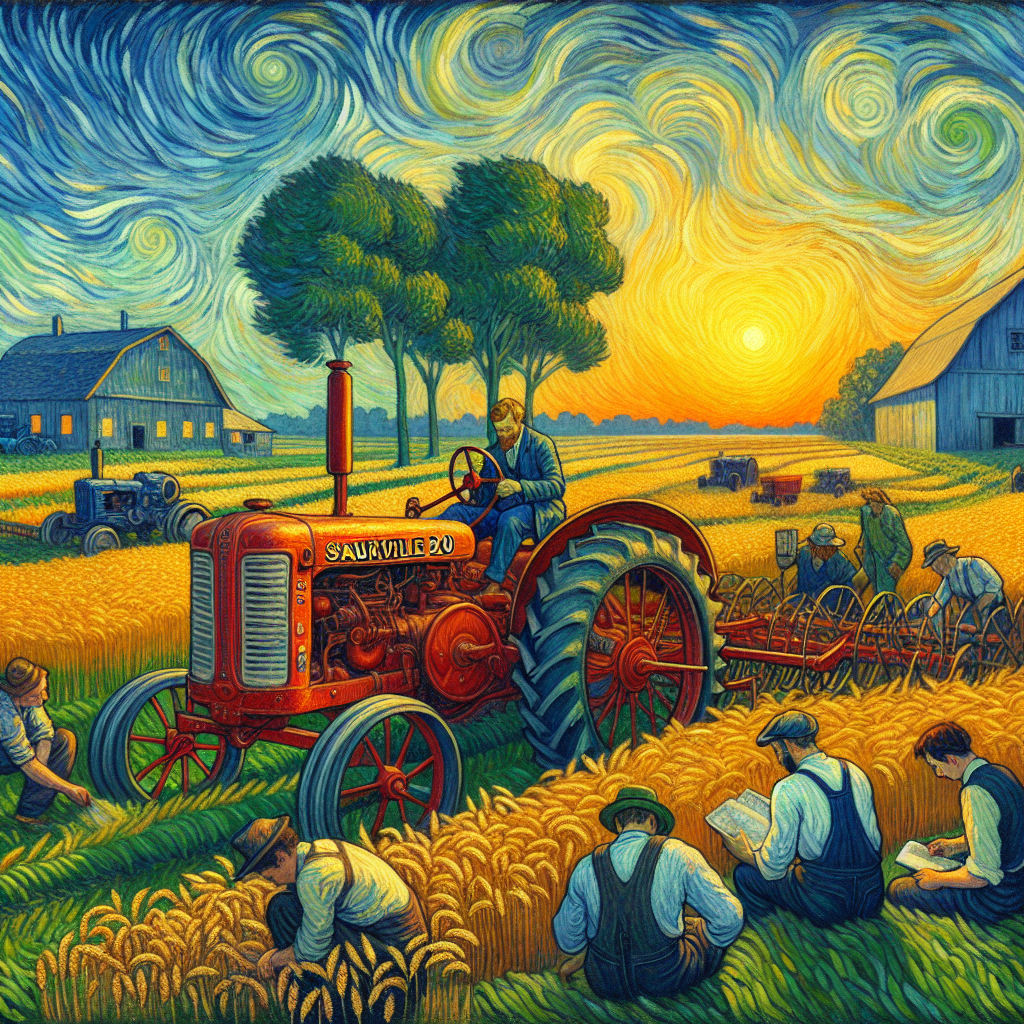
How Can Repairing Your Classic Fleet Impact Its Value and Longevity?
What Ethical Responsibility Do Manufacturers Have Towards Consumers?
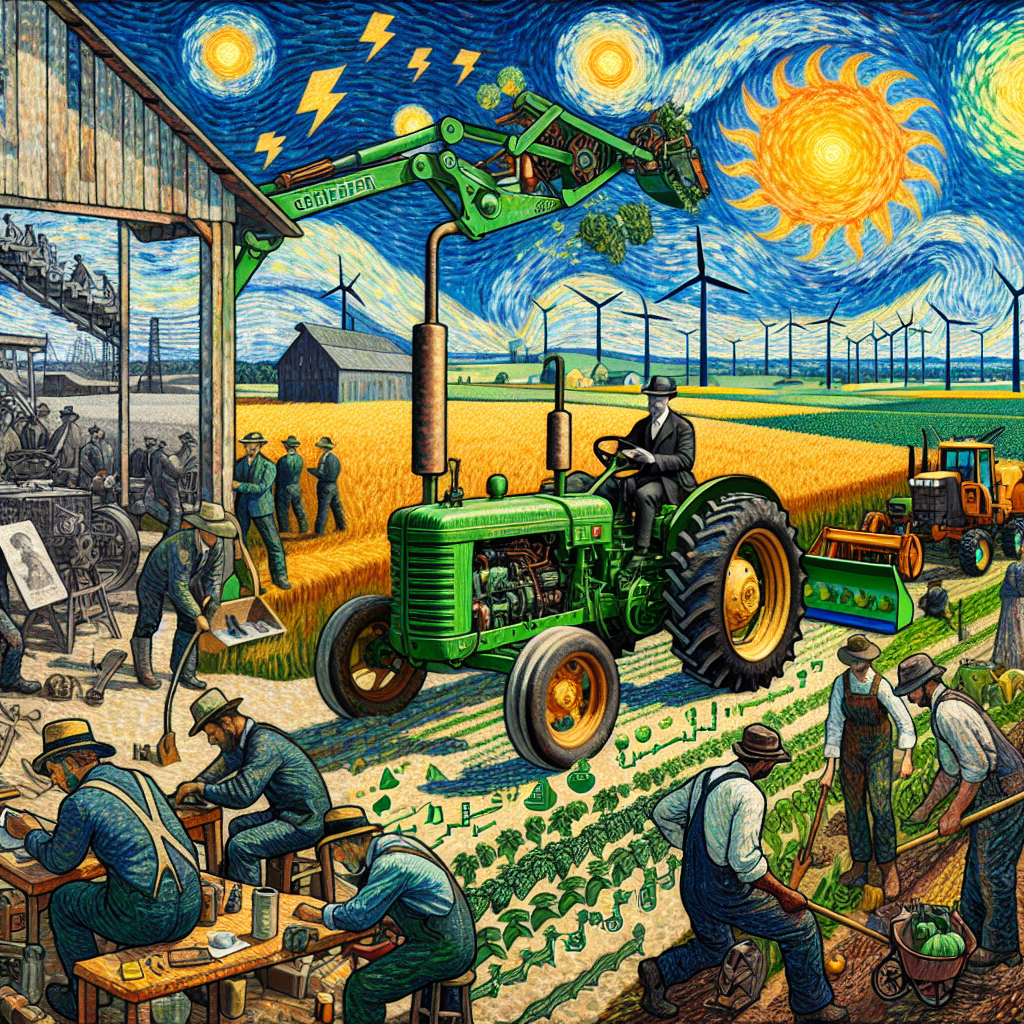
Manufacturers possess a profound ethical responsibility toward the consumers who rely on their products. This bond is akin to that between a driver and a well-maintained tractor; it’s built on trust, dependability, and a shared understanding of needs. When consumers choose a product, they’re not just making a transaction; they’re entering a relationship based on expectations.
Picture this: a farmer rises before dawn, pours their blood, sweat, and tears into their land, and relies on a tractor to carry out this labor. That farmer trusts that the machinery will perform flawlessly, ensuring their family’s livelihood. When a manufacturer cuts corners in production or overlooks safety measures, they’re not just affecting a bottom line; they’re jeopardizing real lives. This isn’t an abstract loss; it’s families struggling, futures uncertain, and communities on the brink. The ethical responsibility lies not merely in meeting legal requirements but in committing to a standard that respects the people behind the products.
Imagine a scenario where a consumer, perhaps a parent, spends hard-earned money on a toy, believing it to be safe for their child. If that toy breaks unexpectedly or worse, poses a hazard, the emotional wreckage goes beyond the initial purchase price. It breeds distrust—trust that manufacturers have an obligation to nurture. They must prioritize transparency, admitting when mistakes happen instead of hiding behind fine print or legal jargon. This underscores an essential principle: accountability must accompany innovation.
Interestingly, the ethical line isn’t just an expectation; it’s an opportunity—a chance for manufacturers to build a lasting legacy rooted in integrity. Consider companies that don’t just sell products but create communities. They engage their consumers through feedback, invite them into the design process, and recognize the voices behind the purchases. These companies not only foster loyalty; they inspire pride in their products.
To forge deep connections, manufacturers must embrace the idea that ethical responsibility extends into the communities they serve. By contributing to local initiatives or addressing environmental concerns, they can demonstrate that their commitment goes beyond profit margins.
Ethical manufacturing is about understanding the impact on lives. It’s a call to be more than just a name on a label; it’s about becoming a genuine partner in the journey of those who trust in what they craft. The heart of this responsibility isn’t merely in the goods they produce but in the relationships they cultivate, ensuring that trust is as robust as the tractors that carry us through the toughest of seasons.
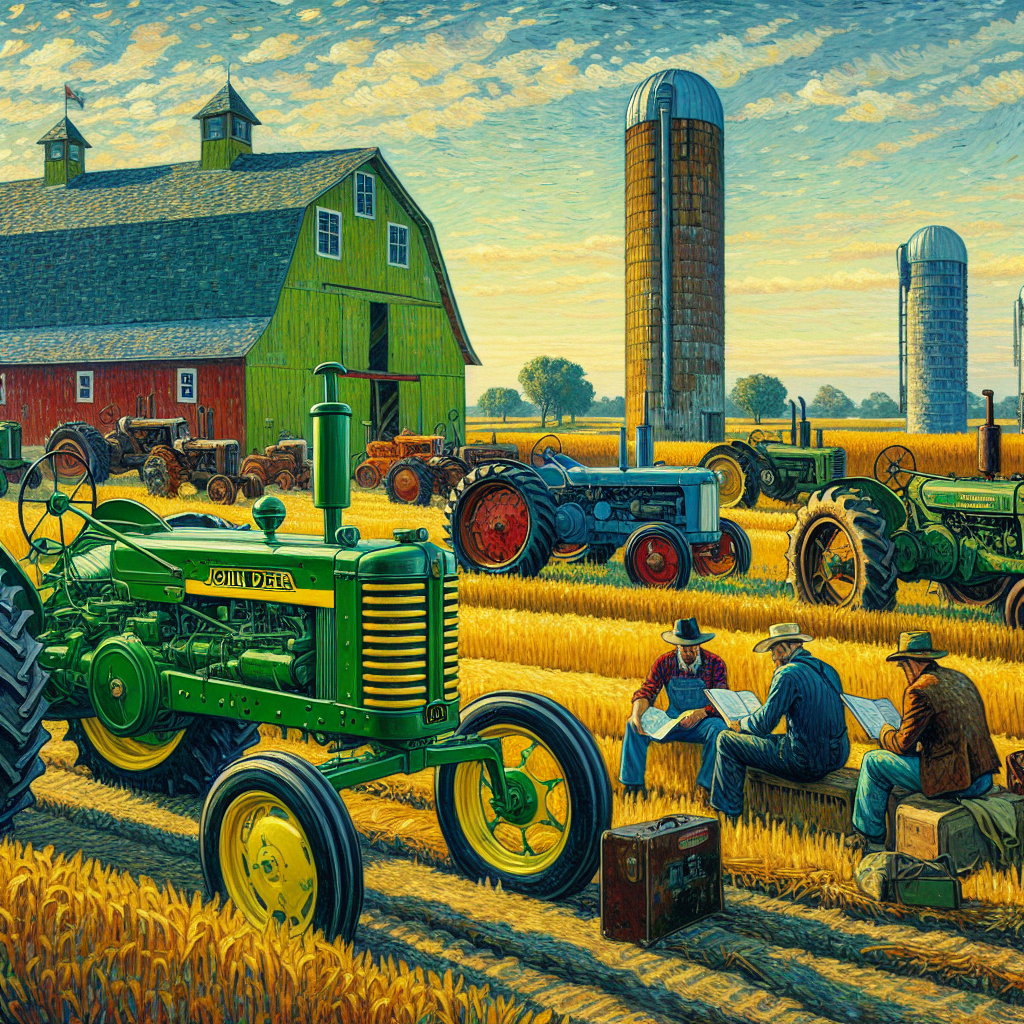
What Ethical Responsibility Do Manufacturers Have Towards Consumers?
What Ethical Responsibility Do Manufacturers Have Towards Consumers?
- Manufacturers have a profound ethical responsibility toward consumers, built on trust and dependability.
- Cutting corners in production can jeopardize lives, impacting families and communities.
- Ethical responsibility involves more than legal compliance; it requires a commitment to high standards.
- Transparency and accountability are essential in maintaining consumer trust, particularly when mistakes occur.
- Ethical practices provide an opportunity for manufacturers to establish a legacy of integrity and community engagement.
- Companies can foster loyalty by actively involving consumers in feedback and product design.
- Manufacturers should extend their responsibility to include contributions to local initiatives and environmental concerns.
What Ethical Responsibility Do Manufacturers Have Towards Consumers?
How Does This Victory Empower Consumers Against Corporate Control?
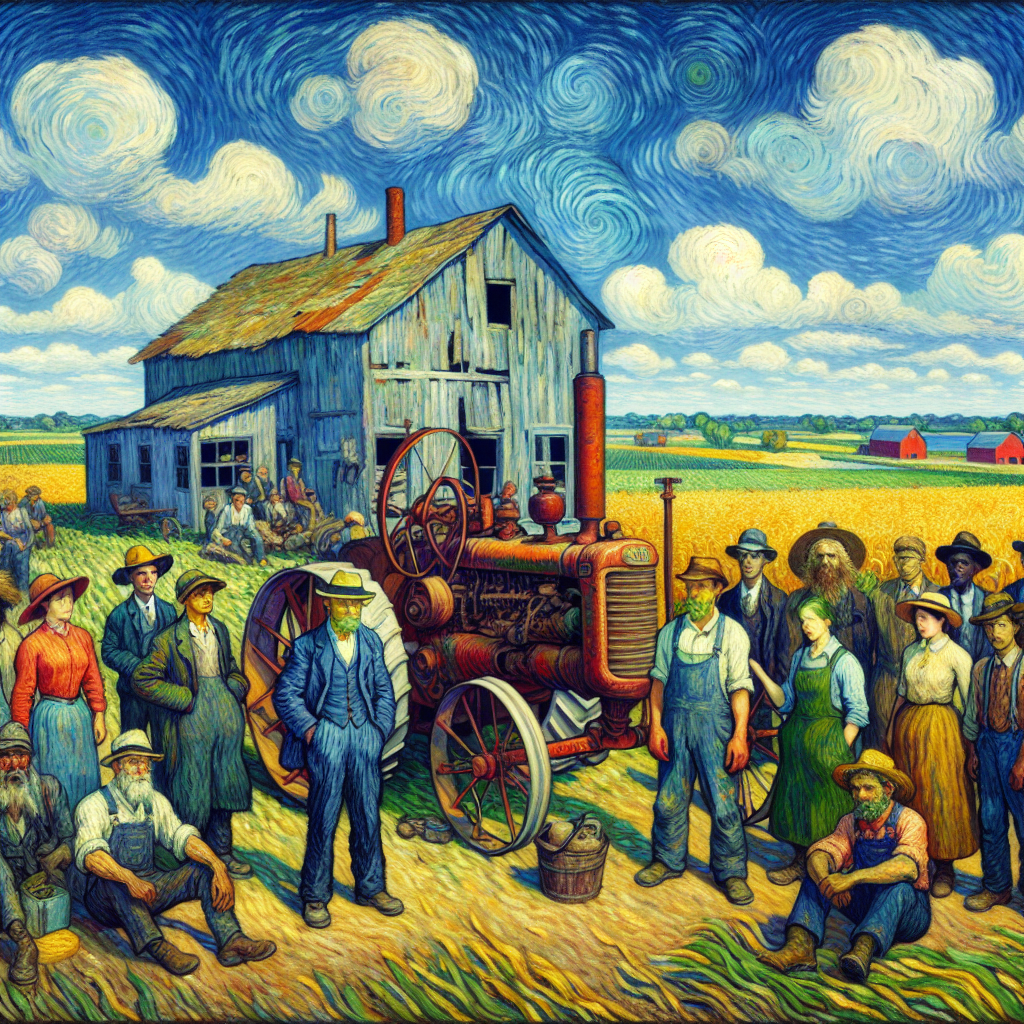
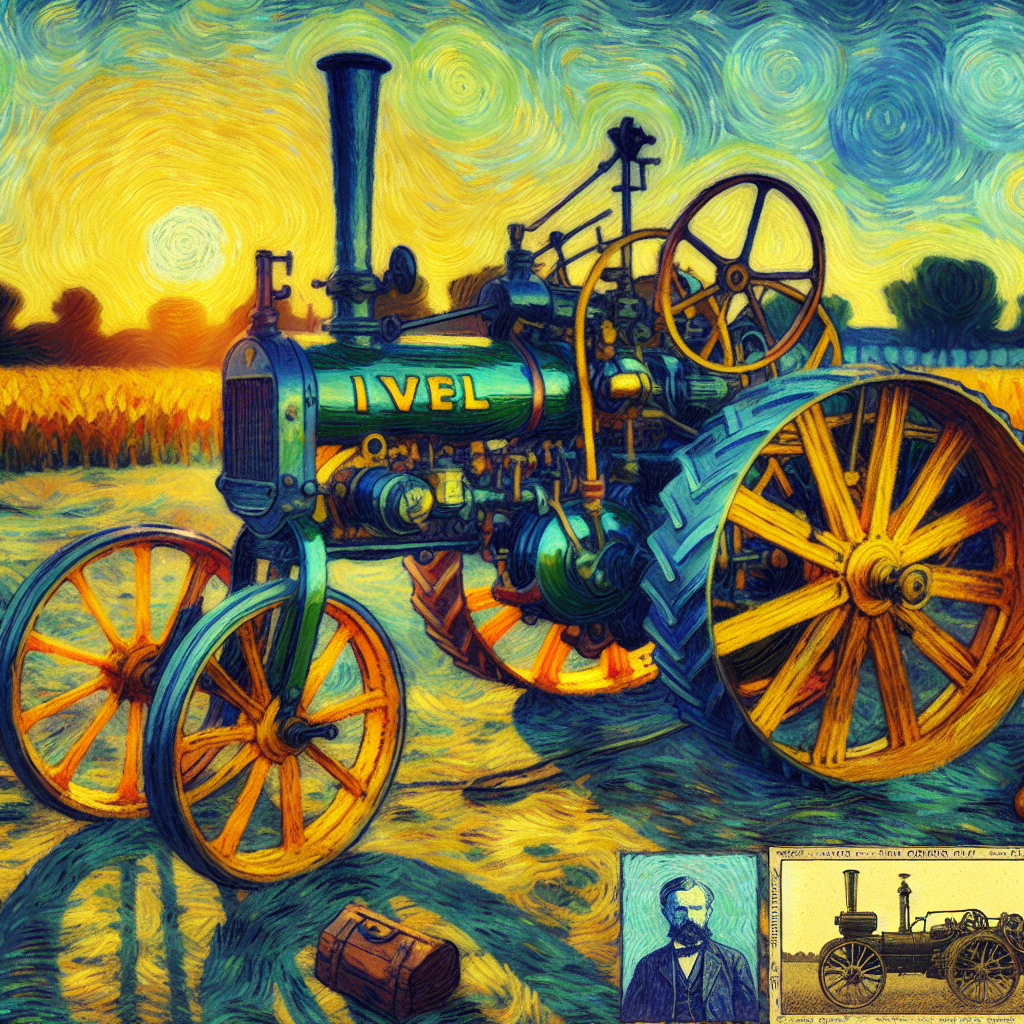
In the landscape of modern commerce, there’s a palpable tension that simmers beneath the surface, where the little guy often feels dwarfed by corporate titans. Yet, moments of victory, like a farmer reclaiming his rights over his tractor, illustrate a powerful shift—a reclamation of control that resonates deeply with all consumers. This isn’t just an isolated case of victory; it stands as a beacon of hope, a narrative that reveals the strength of community and collective action against the sprawling reach of corporate influence.
Picture this: a farmer, hands calloused from years of hard work, struggles to repair his tractor as the machinery looms over him like an unforgiving giant. With each bolt he tightens, he fights not just for his livelihood, but for a principle that transcends farmland—independence. When consumers like him stand firm against monopolistic practices, they send a clarion call echoing through the boardrooms of corporations that attempt to stifle innovation and charge inflated prices. These moments empower us all to demand transparency, fairness, and respect.
This victory is about more than just economics; it’s rooted in ethics and integrity. It challenges the notion that consumers should be helpless pawns in a marketplace dominated by profit-driven motives. When we join together, whether it’s in forums, social media, or local meetings, we reclaim our voice and foster a culture of accountability. The story of that farmer is a reminder that we are not just individual consumers; we are part of a larger community with shared values and aspirations.
Emotionally, the win stirs something profound within us. It connects us to our own stories of struggle and perseverance—whether it’s someone battling rising costs at the grocery store or parents fighting for better products for their children. Rationally, it points to a clear outcome: when we unite to challenge corporate overreach, we bolster our own purchasing power while fostering competition that can lead to innovation and better products.
Let’s connect these dots. Each small victory propels us toward empowering choices, leading us to demand products that align with our values. By breaking the chains of corporate control, we cultivate a landscape where our collective determination can disrupt the status quo. This isn’t merely about tractors and technology; it’s about creating a movement where consumers are not just participants, but powerful players who shape their destiny and the marketplace at large.
How Does This Victory Empower Consumers Against Corporate Control?
How Does This Victory Empower Consumers Against Corporate Control?
- The tension between small consumers and large corporations is a prevalent issue in modern commerce.
- A farmer’s victory in reclaiming rights over his tractor symbolizes a broader shift towards community empowerment.
- Moments of individual success inspire collective action against corporate monopolies.
- The fight for independence among consumers emphasizes the need for transparency and fairness in the marketplace.
- This narrative underscores a shared community ethos, challenging the idea of being mere pawns in a profit-focused system.
- Uniting against corporate overreach enhances consumer purchasing power and spurs innovation.
- The movement promotes consumer agency, positioning individuals as influential players shaping the marketplace.
How Does This Victory Empower Consumers Against Corporate Control?
In What Ways Can Restoring Classic Cars Benefit the Environment?
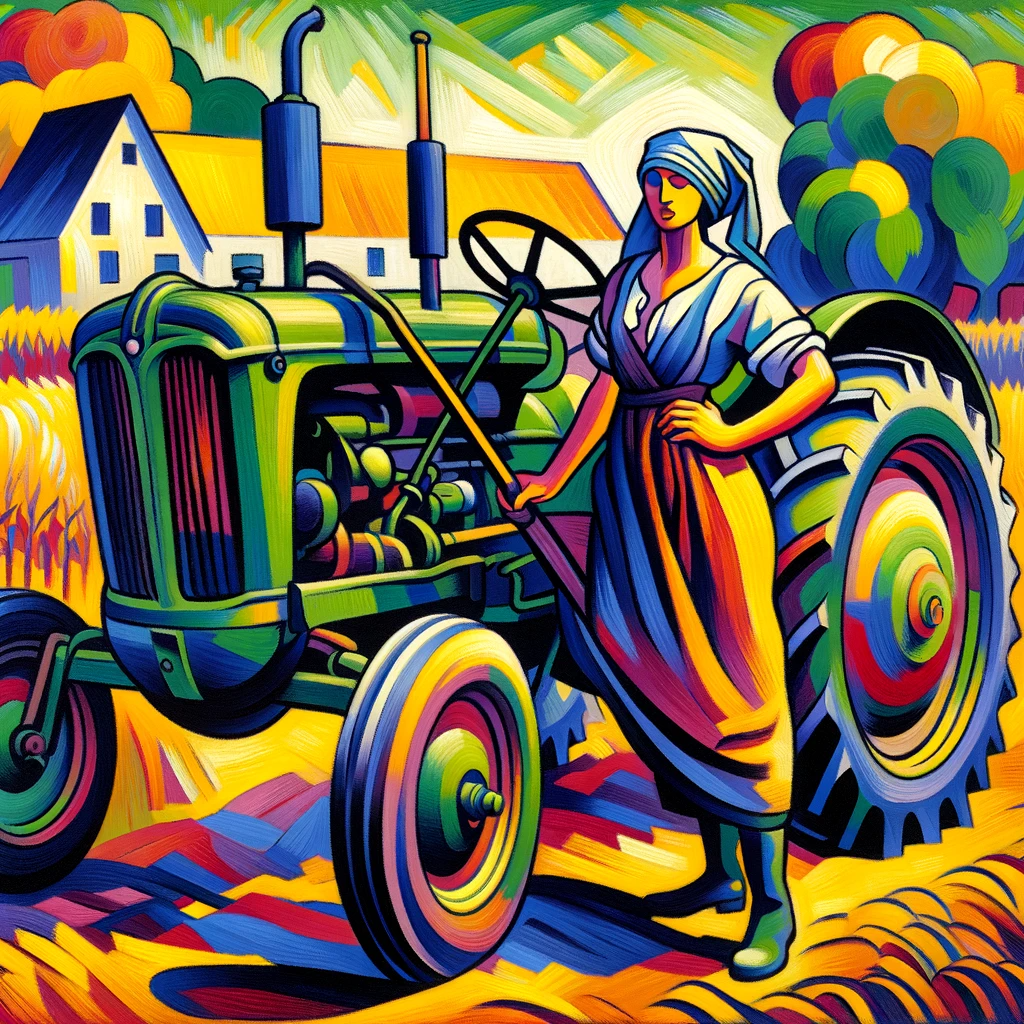
Restoring classic cars is more than just a hobby; it’s an act of environmental stewardship that resonates on multiple levels. Imagine the sound of an old tractor’s engine revving to life, a rhythmic reminder of simpler times, and the importance of preserving our roots. Classic car restoration is not only a journey into the past but also a conscious effort to shape a more sustainable future.
When we breathe new life into these vintage machines, we prevent the waste often associated with the automotive industry. Instead of ending up in landfills, these relics are redone with care, utilizing refurbished parts and sustainable materials. This act minimizes our carbon footprint by ensuring that resources are recycled and reused, thus eliciting a sense of responsibility towards the environment. Picture a rust-covered hood being transformed not just into a shiny surface but into a testament of resilience and ingenuity, echoing the ethos of repurposing in our age of excess.
Emotionally, it tugs at the heartstrings when we realize that every meticulously restored vehicle carries stories of the past—memories of road trips, family gatherings, and first loves. Each drive becomes a narrative that connects generations, fostering community and a shared appreciation for craftsmanship. It’s a call to remember where we come from, to appreciate the artistry involved, while also forging new paths toward sustainability.
Rationally, consider the implications of keeping these classic cars running. Unlike many modern vehicles that are designed for planned obsolescence, a restored classic can often last another lifetime with proper upkeep. Investing in refurbishment means choosing durability over disposable culture. This is the kind of choice that resonates with both the mind and the gut—knowing you’re conserving materials, reducing waste, and embracing longevity in an age where we often shy away from commitment.
Ethically, the decision to restore rather than scrap serves a greater purpose. It’s a rejection of mindless consumption, an assertion that we value history, craftsmanship, and heritage. By choosing to restore, we send a message that preserving the past can coexist with modern ecological sensibilities.
Restoring classic cars is not just about nostalgia; it’s a powerful statement about our values and our impact on the world. Every time you turn the key in that vintage ignition, remember: you’re not merely reviving a machine; you’re joining a movement—a cause championing preservation, sustainability, and connection, one classic car at a time.

In What Ways Can Restoring Classic Cars Benefit the Environment?
In What Ways Can Restoring Classic Cars Benefit the Environment?
- Restoring classic cars represents environmental stewardship and reflects a commitment to sustainability.
- This process prevents waste by repurposing vintage vehicles instead of allowing them to end up in landfills.
- Utilizing refurbished parts and sustainable materials minimizes carbon footprints and promotes resource recycling.
- Each restored vehicle carries historical significance, evoking memories and fostering community connections.
- Classic cars can last a lifetime with proper maintenance, valuing durability over disposable culture.
- The decision to restore highlights a rejection of mindless consumption and emphasizes the importance of heritage and craftsmanship.
- Engaging in classic car restoration is a powerful statement about values, sustainability, and connection to the past.
In What Ways Can Restoring Classic Cars Benefit the Environment?
How Can We Ensure Future Generations Preserve These Vintage Vehicles?
To ensure future generations preserve vintage vehicles, we must foster a deep-rooted appreciation for the stories they tell and the craftsmanship they embody. Picture a tractor, worn yet resilient, resting under the sun, whispering tales of harvests long past and the hands that worked alongside it. Each scratch and dent is a badge of honor, reminding us of hard work, innovation, and perseverance. It’s not just a machine; it’s a piece of history, a connection to who we were and who we aspire to be.
We live in a world that often rushes past the practical in favor of the shiny and new. But as we stand at the crossroads of technology and tradition, the importance of preserving these vintage machines becomes all the clearer. It’s not merely about maintaining the metal but honoring the spirit of ingenuity that sparked their creation. We must shift our focus from mere ownership to stewardship, reviving the age-old bond between humans and their machines.
Imagine a community where young mechanics and restorer enthusiasts gather to share skills and knowledge, reviving a passion for vintage vehicles. Workshops and clubs that echo with the laughter of families learning to restore a tractor together could transform this preservation effort into a shared cultural experience. It connects generations, embedding respect for craftsmanship into the hearts of children who may one day reclaim these vehicles as their own.
To engage this next generation, leverage technology and storytelling. Interactive apps can bring history to life, allowing users to explore the intricacies of vintage vehicles from the comfort of their homes. Picture kids not just gazing at a museum piece but spinning digital wheels and experiencing the thrill of a tractor roaring to life, all through a screen. This blend of nostalgia and modernity can serve as a bridge, linking the past to the future.
Ethically, the preservation of these vehicles is a commitment to sustainability and a reminder of the ingenuity that formed our modern world. Every time we restore a vintage tractor, we are not just maintaining a relic; we are taking a stand against a throwaway culture, teaching that value lies in preservation, respect, and history.
So, as we turn the key in the ignition of preservation efforts, let’s remember that every vintage vehicle is a chapter of our collective story. If we engage with passion, respect, and creativity, we can inspire future generations to share in this commitment, ensuring these treasures remain alive and revered for years to come.
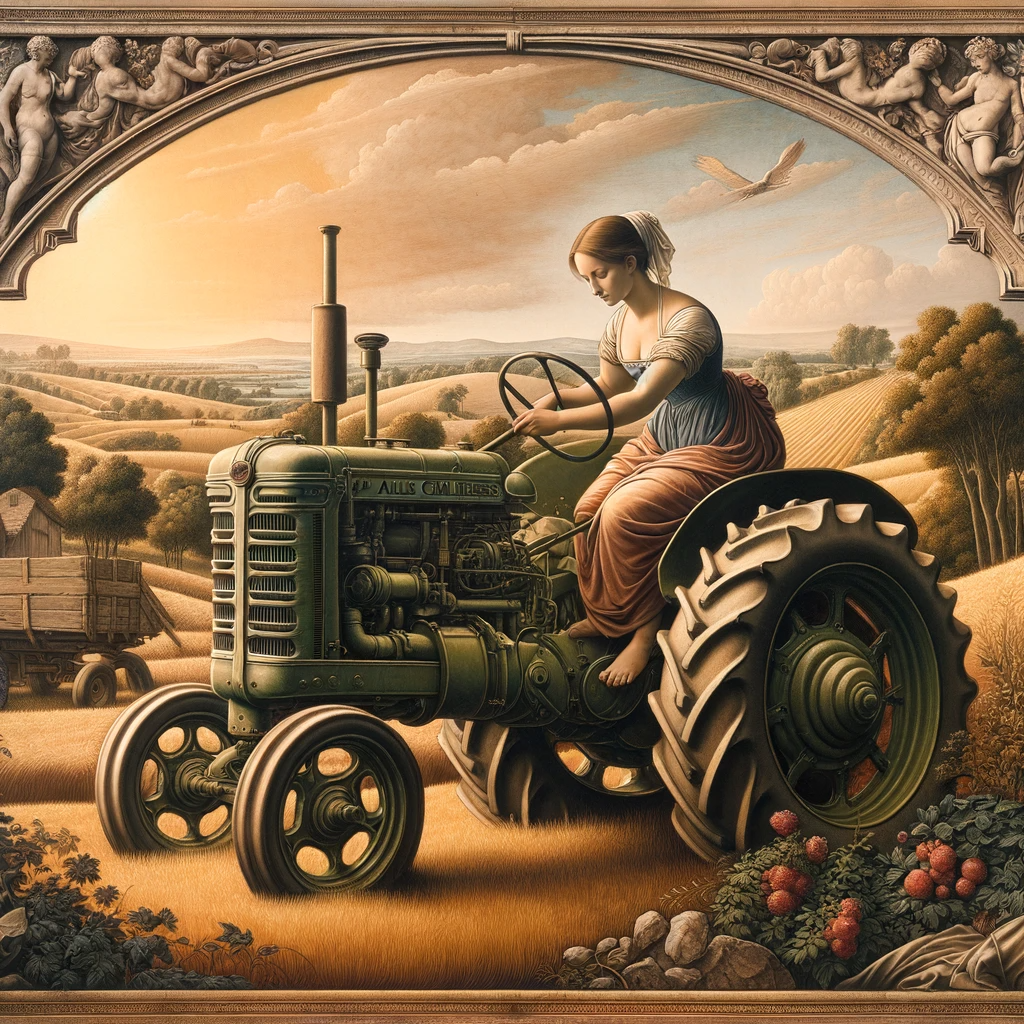
How Can We Ensure Future Generations Preserve These Vintage Vehicles?
How Can We Ensure Future Generations Preserve These Vintage Vehicles?
- Foster deep-rooted appreciation for vintage vehicles and their craftsmanship.
- Each vintage machine represents history and human perseverance.
- Shift focus from ownership to stewardship of vintage vehicles.
- Create community spaces for young mechanics and enthusiasts to share skills.
- Utilize technology and storytelling to engage the next generation.
- Preserving vintage vehicles promotes sustainability and counters throwaway culture.
- Engagement in preservation ensures these vehicles remain alive and revered.
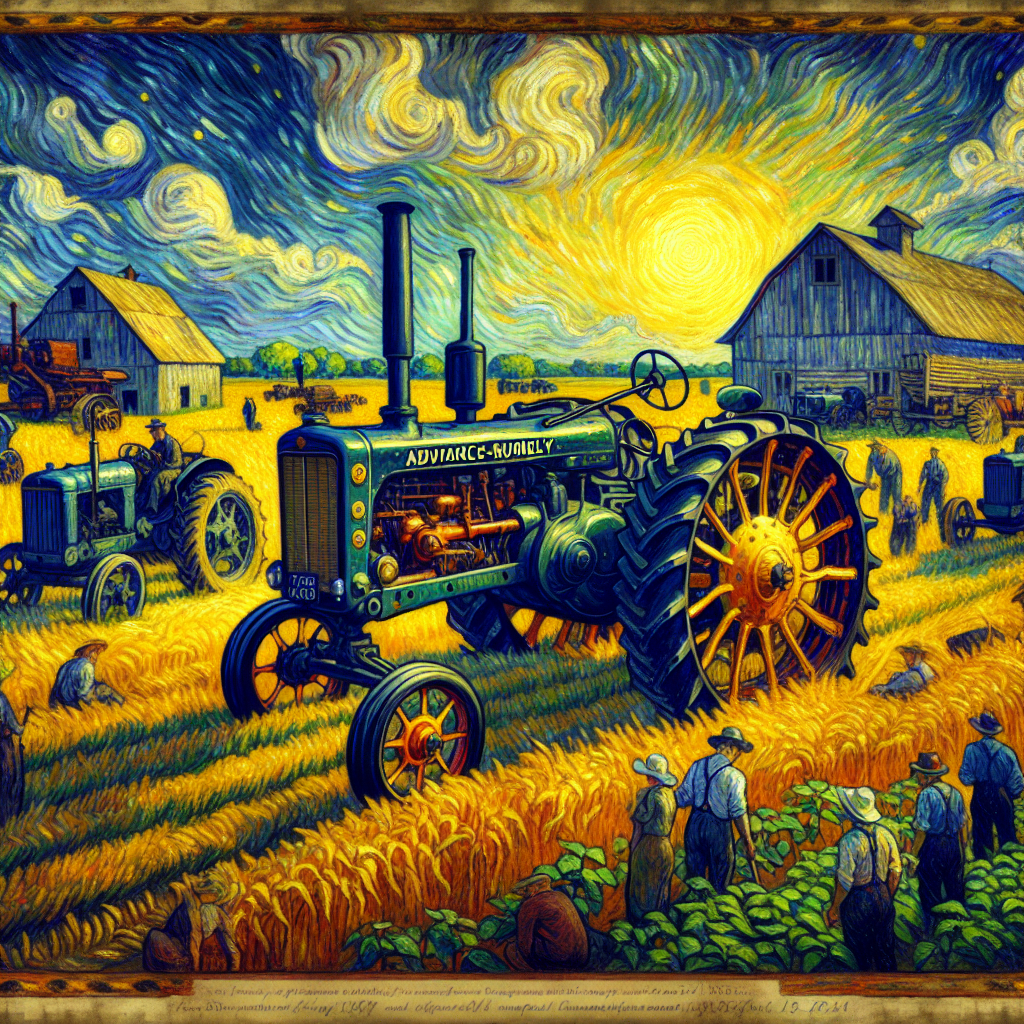
How Can We Ensure Future Generations Preserve These Vintage Vehicles?
Conclusion
The recent triumph in the right-to-repair movement marks a ground-shifting moment for enthusiasts and caretakers of classic vehicles. It’s about more than fixing engines and maintaining machines; it’s about embracing a profound connection to history and craftsmanship. Each classic tractor or car carries stories of hard labor, family ties, and cherished moments. This victory empowers hobbyists to dive into restoration projects with renewed vigor, knowing they can access necessary tools and parts without reliance on manufacturers who might want to keep them in the dark.
The right-to-repair legislation empowers consumers to reclaim agency over their possessions. It breaks down barriers imposed by corporate interests that often dictate what we can or cannot fix. When you fix that vintage machine with your own hands, it isn’t merely a matter of practicality; it symbolizes independence and self-sufficiency—a mantra echoed through generations who have worked with these beloved machines. The heartstrings tug when recalling memories tied to farmer’s fields or family gatherings, reinforcing the belief that these machines deserve to continue their legacy, not be resigned to scrap heaps.
Beyond the emotional appeal, the rational influence of this movement signifies a shift in our purchasing power. By holding manufacturers accountable for transparency and accessibility, consumers can nurture an environment where innovation thrives, allowing for a competitive landscape that leads to better quality products. There’s also an ethical component: restoring classic vehicles champions sustainability, reflecting a commitment to a world that values preservation over disposability. Each repaired tractor or car is a testament to resourcefulness, prolonging its life while promoting eco-friendliness in a society often riddled with waste.
Socially, the nostalgia of classic machines breeds community. Clubs and gatherings unite passionate stewards of history, igniting conversations and fostering mentorship as skills are shared across generations. This cultural movement transcends mere hobbyist circles—it cultivates relationships built on shared experiences and a respect for craftsmanship that seems increasingly rare in today’s fast-paced world.
The road ahead beckons all of us. As we take on the challenge of restoration, we reaffirm our connection to these classic vehicles, ensuring they remain vibrant members of our communities. This victory isn’t just about machinery; it’s about the legacy we choose to uphold—a legacy of pride, resilience, and unwavering respect for craftsmanship. Let’s embrace this right to repair and, in doing so, safeguard not just our machines but the stories of those who cherished them before us.

Conclusion
Conclusion:
- The right-to-repair movement benefits classic vehicle enthusiasts and caretakers, emphasizing historical and craft connections.
- This legislation empowers consumers to repair their own possessions, breaking corporate control over repairs.
- Restoration symbolizes independence and self-sufficiency, echoing values of past generations.
- It promotes accountability among manufacturers for better transparency and quality products.
- Restoring vehicles supports sustainability and resourcefulness, challenging a culture of disposability.
- The nostalgia for classic machines fosters community through clubs, gatherings, and mentorship.
- This movement upholds a legacy of pride, resilience, and respect for craftsmanship in society.
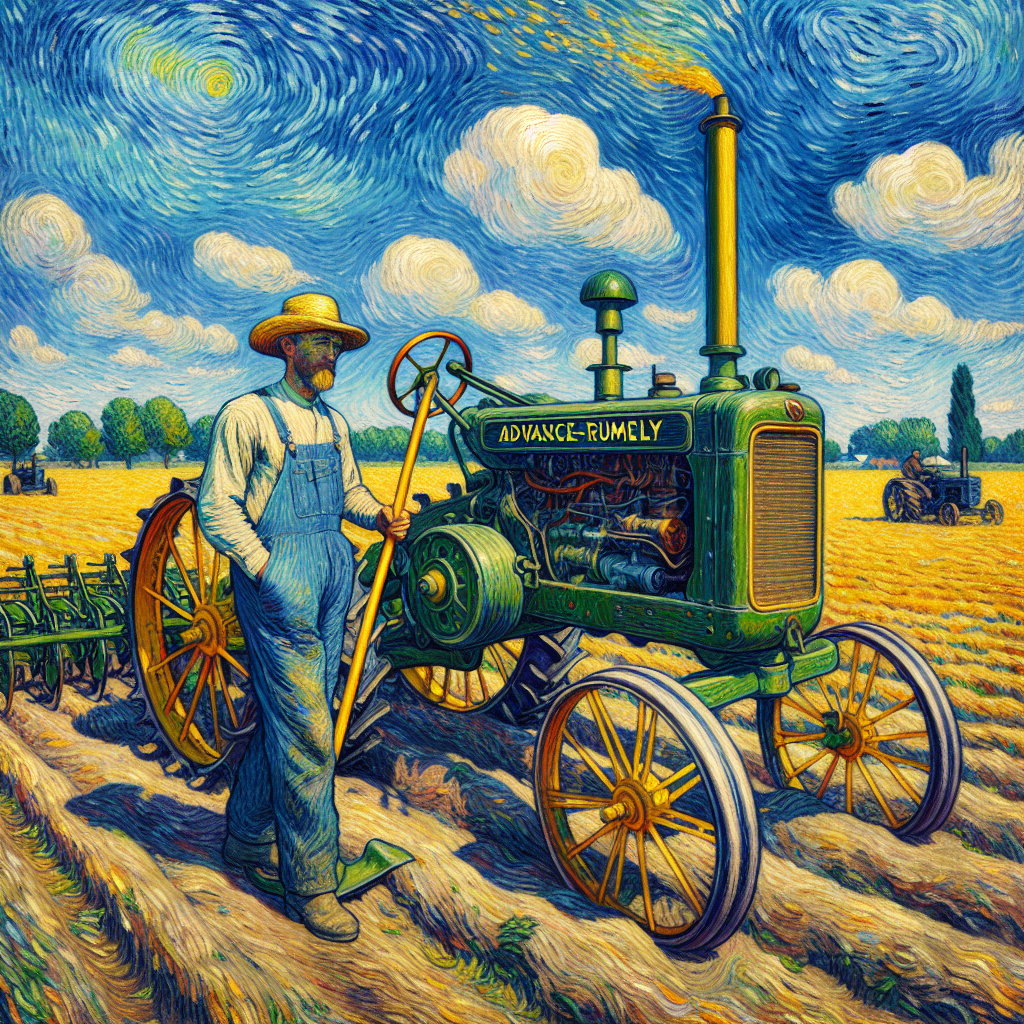
Conclusion
Other Resources
Other Resources
Here is a list of other resources you can review online to learn more:
- Sears
- Waterloo Boy
- Mahindra
- Farm Collector
- Agriculture Heritage Center & Museum
- Antique Tractor Values
- Marshall
- Eicher Tractors
- Creekside Farm & Market Tractor Show
- The New England Antique Truck and Tractor Association
- Wuzheng
- Tractor Models
- AGCO
- Froelich Tractor Museum
- Hurlimann
- AGCOAllis
- GMS Tractor Museum
- Sublette Farm Toy & Antique Tractor Show
- Ohio Crawford County Antique Farm Equipment Museum
- Agri-Power
Use This Prompt To Get More Resources With Your Favorite Online AI Tool: Please provide me with a list of online articles with their URLs in a bulleted list that I can read regarding Historic Right-To-Repair Victory – What It Means for Your Classic Fleet
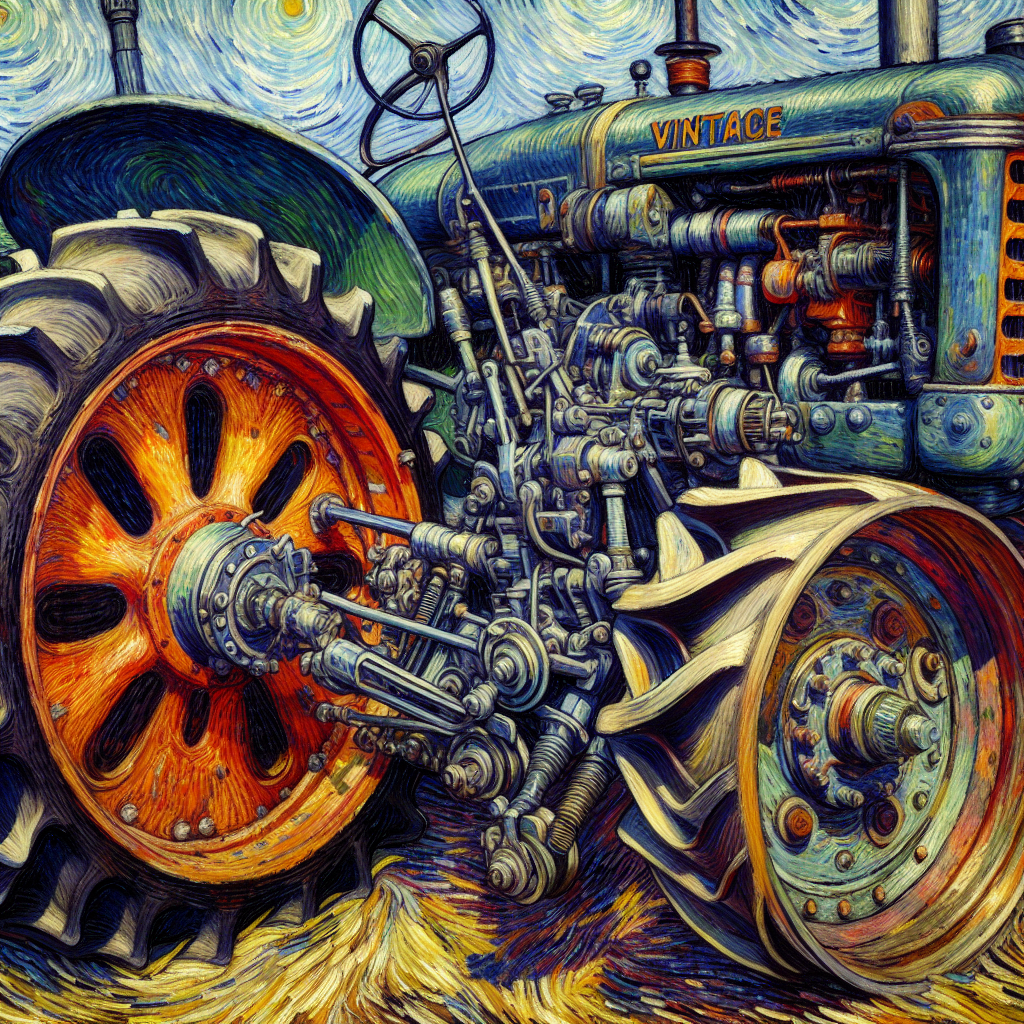
Other Resources
Glossary Terms
Historic Right-To-Repair Victory – What It Means for Your Classic Fleet – Glossary Of Terms
1. Right-to-Repair (RTTR) — Legal principle and movement that secures owners’ and independent technicians’ access to the tools, parts, and information needed to diagnose, maintain, and repair vehicles.
2. Historic Right-to-Repair Victory — A specific legislative, regulatory, or legal outcome that expands access to vehicle data, service information, or tools previously restricted by manufacturers.
3. Classic Fleet — A group of older or collectible vehicles owned and managed together for preservation, use, or commercial purposes.
4. OEM (Original Equipment Manufacturer) — The company that originally produced the vehicle or specific components; source of factory parts and official service information.
5. Independent Repairer — A non-dealer technician or shop that performs maintenance and repairs, often relying on aftermarket parts and third-party information.
6. Authorized Dealer — An OEM-affiliated service center with access to manufacturer-only tools, training, and sanctioned parts.
7. Aftermarket Parts — Replacement components produced by third parties rather than the OEM, varying in quality and compatibility.
8. Genuine/OEM Parts — Factory-made components designed to match original specifications and maintain factory fitment and performance.
9. Parts Obsolescence — The process by which OEM parts are discontinued or become increasingly hard to source as vehicles age.
10. Parts Interchangeability — The ability to use parts from different models, years, or suppliers without modification.
11. Service Information — Official repair procedures, wiring diagrams, specifications, and diagnostic steps published by manufacturers.
12. Repair Manual — A detailed guide (factory or third-party) outlining maintenance tasks, disassembly steps, and reassembly procedures.
13. Technical Service Bulletin (TSB) — Manufacturer-issued notices describing known defects, fixes, or diagnostic shortcuts for recurring issues.
14. Diagnostic Data — Telemetry and failure codes produced by vehicle systems used to pinpoint faults and guide repairs.
15. OBD-II — Standardized onboard diagnostics protocol present in most vehicles since the mid-1990s, providing access to engine and emissions fault codes.
16. CAN Bus — A vehicle networking protocol that allows ECUs and sensors to communicate; common access point for diagnostics and control.
17. ECU (Engine/ Electronic Control Unit) — Embedded computer that controls engine or subsystem functions and stores diagnostic codes and calibrations.
18. Telematics — Systems that collect and transmit vehicle data remotely (location, health, usage), often controlled by OEM services.
19. Firmware — Low-level software that runs on vehicle modules; updates can fix bugs, change calibrations, or close vulnerabilities.
20. Software Locks / DRM — Manufacturer techniques that restrict access to software, diagnostics, or flashing to authorized parties only.
21. Flashing/Programming — The process of updating or rewriting a module’s firmware or calibration to change behavior or fix faults.
22. Proprietary Tools — Manufacturer-specific diagnostic hardware or software required for certain repairs or programming tasks.
23. API (Application Programming Interface) — Software interface that allows third-party systems and tools to request vehicle data or send commands when access is granted.
24. Cybersecurity — Measures and practices that protect vehicle electronics and data from unauthorized access while balancing repair access.
25. Warranty Implications — How independent repairs, aftermarket parts, or software changes may affect factory warranty coverage and legal protections.
26. Compliance & Certification — Regulatory requirements (emissions, safety inspections) that repaired vehicles must meet to remain road-legal.
27. Restoration — The process of returning a classic vehicle to an original or desired condition, often requiring scarce parts and specialized knowledge.
28. Preservation Value — The cultural, historical, or monetary value obtained by maintaining originality and operability of classic vehicles.
29. Total Cost of Ownership (TCO) — Aggregate long-term expenses of owning a classic fleet, including repairs, parts sourcing, storage, and compliance.
30. Supply Chain & Secondary Market — Network of recycled, remanufactured, and aftermarket parts suppliers, breakers, and platforms that support repairability for older vehicles.
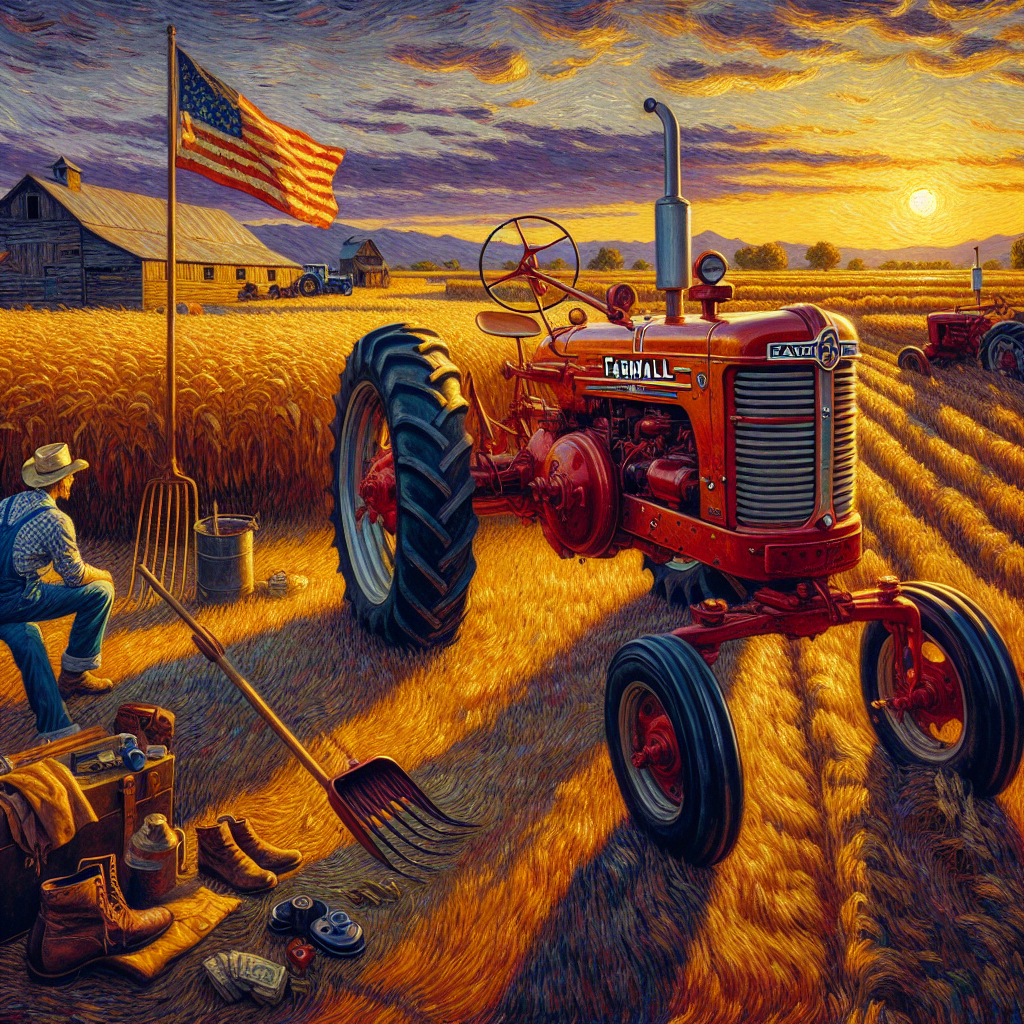
Glossary Of Terms
Other Questions
Historic Right-To-Repair Victory – What It Means for Your Classic Fleet – Other Questions
If you wish to explore and discover more, consider looking for answers to these questions:
- Which specific law or regulation enacted this Right-to-Repair victory and when did it take effect?
- Does the victory apply nationally or only in certain states/countries?
- Which types of vehicles are covered—classic cars, tractors, farm equipment, motorcycles, heavy machinery?
- Are there model-year or age cutoffs that determine whether a vehicle qualifies as “classic” under the new rules?
- Does the ruling require manufacturers to provide access to diagnostic software, firmware updates, and telematics data?
- Are manufacturers required to supply OEM parts, or can owners use third-party and aftermarket parts?
- How quickly must manufacturers make manuals, tools, and parts available after the law takes effect?
- Will independent repair shops and DIY owners have the same access to tools and information as authorized dealers?
- Are there fees or subscription costs for accessing manufacturer diagnostic tools or repair software?
- How does the ruling address manufacturer anti-tamper measures, encryption, or locked modules?
- Does performing repairs under the new rules void any existing warranties or affect insurance coverage?
- What enforcement mechanisms exist if a manufacturer refuses to comply?
- Which government agency or regulator will oversee compliance and handle complaints?
- Are there legal limits on the kinds of repairs consumers can perform for safety or emissions reasons?
- How does the decision affect emissions controls, inspections, and legal compliance for restored vehicles?
- What documentation should owners keep to prove repairs and provenance for resale or show purposes?
- How will consumer data and privacy be protected when connecting third-party diagnostic tools to vehicles?
- Will manufacturers be required to provide wiring diagrams, parts diagrams, and service bulletins?
- How can owners verify the authenticity and quality of replacement parts sourced outside OEM channels?
- What liability do owners or independent shops assume when repairing someone else’s classic vehicle?
- Are there standards or certifications for independent repair shops working on vintage vehicles?
- How will this victory impact the market value and insurability of restored classics?
- Are there tax incentives, grants, or rebates available to support restoration and preservation efforts?
- How can enthusiasts find manuals, parts suppliers, and diagnostic tools made available under the law?
- What training resources, apprenticeships, or youth programs exist to teach restoration skills?
- How should owners approach software updates for vintage vehicles that now have digital systems?
- What best practices should owners follow to ensure safety when performing mechanical and electrical repairs?
- How can communities organize local workshops, tool libraries, or parts-sharing programs to support repairs?
- Will the ruling change manufacturer business models, planned obsolescence practices, or aftermarket competition?
- How can owners challenge manufacturers who provide incomplete or intentionally obfuscated repair information?
- Are there special considerations for restoring electric or hybrid classic vehicles—especially batteries and control systems?
- What environmental benefits can be quantified from restoring versus scrapping vintage vehicles?
- How does cross-border shipping of parts and tools factor into the new repair landscape?
- What are realistic timeframes and cost estimates for common restoration projects enabled by Right-to-Repair?
- How should owners preserve original documentation and provenance during restoration to maximize historical value?
- Will car shows, registries, or competitions change rules or classifications based on repairs performed under Right-to-Repair?
- Can community or cooperative buying groups negotiate better access or pricing for parts and diagnostic tools?
- Are there notable case studies or examples of classic vehicles saved because of Right-to-Repair protections?
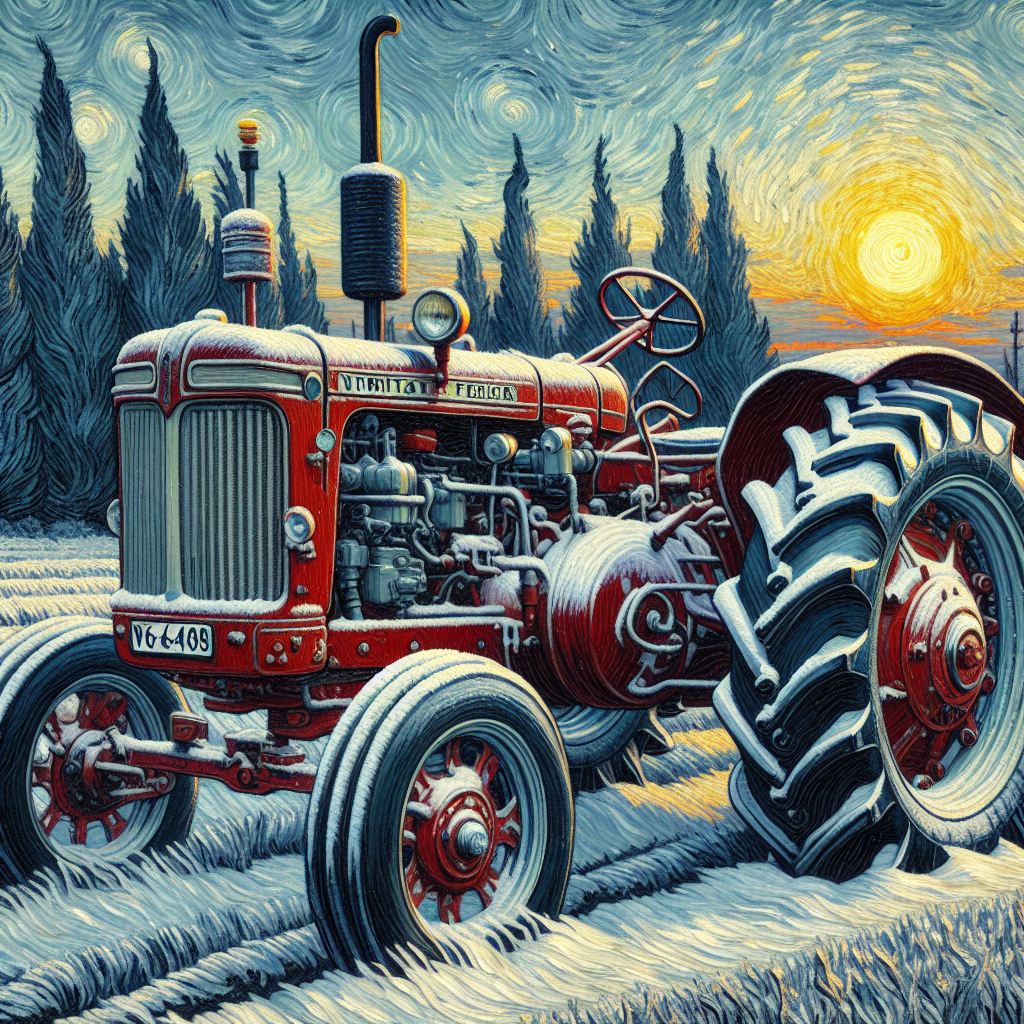
Other Questions
Haiku
Historic Right-To-Repair Victory – What It Means for Your Classic Fleet – A Haiku
Classic machines call,
Hands restore history’s pulse,
Legacy prevails.
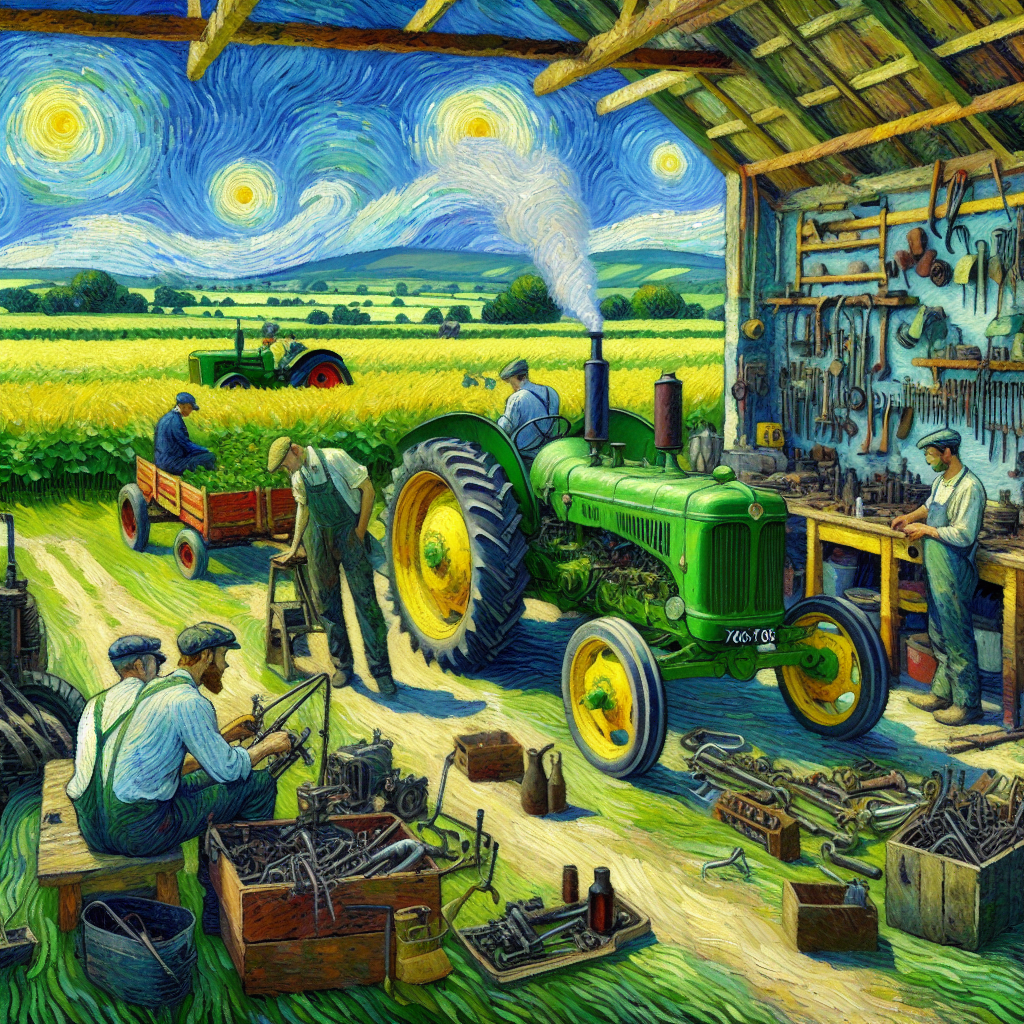
Haiku
Poem
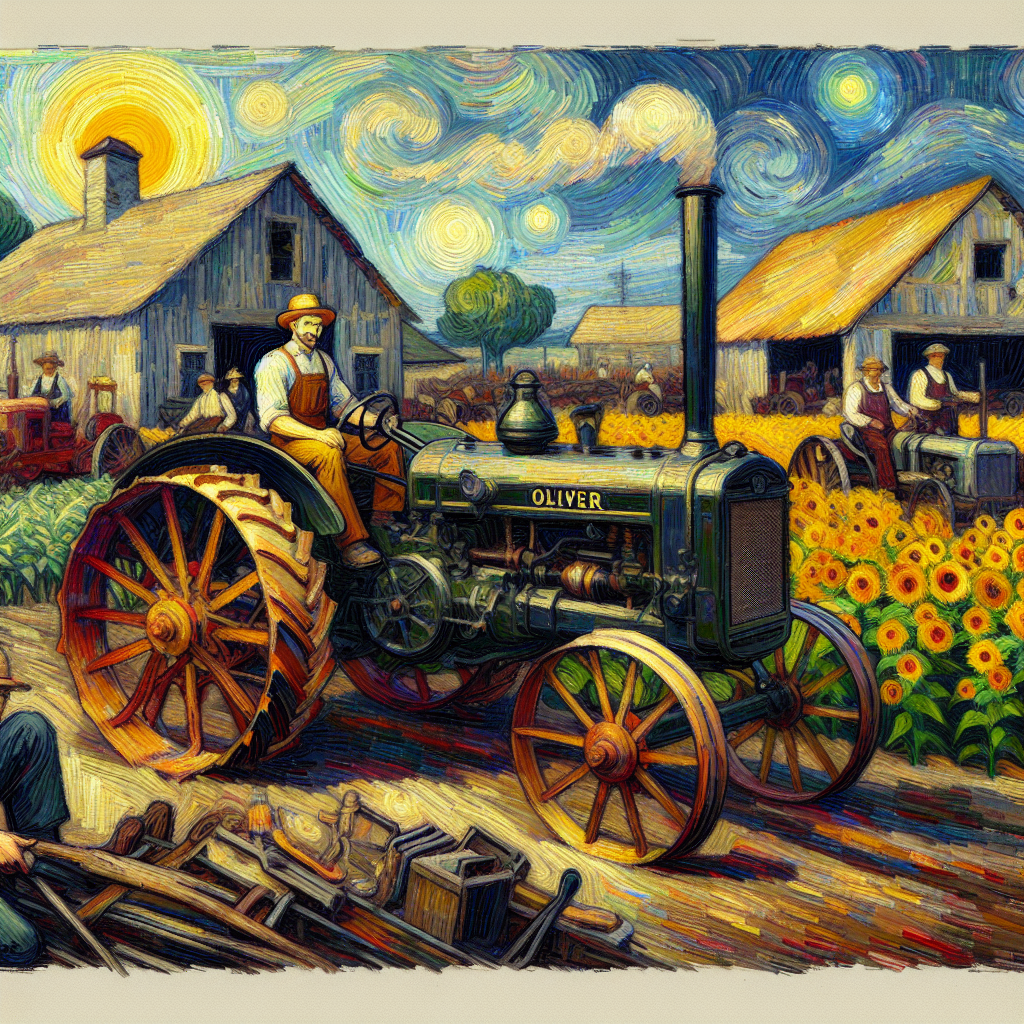
Historic Right-To-Repair Victory – What It Means for Your Classic Fleet – A Poem
In fields where vintage dreams reside,
Machinery of history, where stories abide.
A farmers hand, calloused yet strong,
Restores the pulse where memories belong.
Each crack and dent, a tale to unfold,
Of labor and love, of futures bold.
The right-to-repair, a champions call,
Empowering enthusiasts, standing tall.
Emotion and reason weave a blend,
Craftsmanship revered, traditions defend.
No longer pawns in a corporate game,
We reclaim our power, igniting the flame.
Through rust and grit, we find our way,
Sowing seeds of community, come what may.
From garage to gathering, passions ignite,
Connections forged under the moonlight.
Each restoration, a footprint in time,
Echoes of laughter, friendships that climb.
So cherish these machines, and the legacies cast,
For the future of classics is rooted in the past.
Together we rise, with tools in our hands,
Reclaiming our rights in united stands.
Let every engine roar, let every heart sing,
In the dance of restoration, a new dawn we bring.
Poem
Checklist
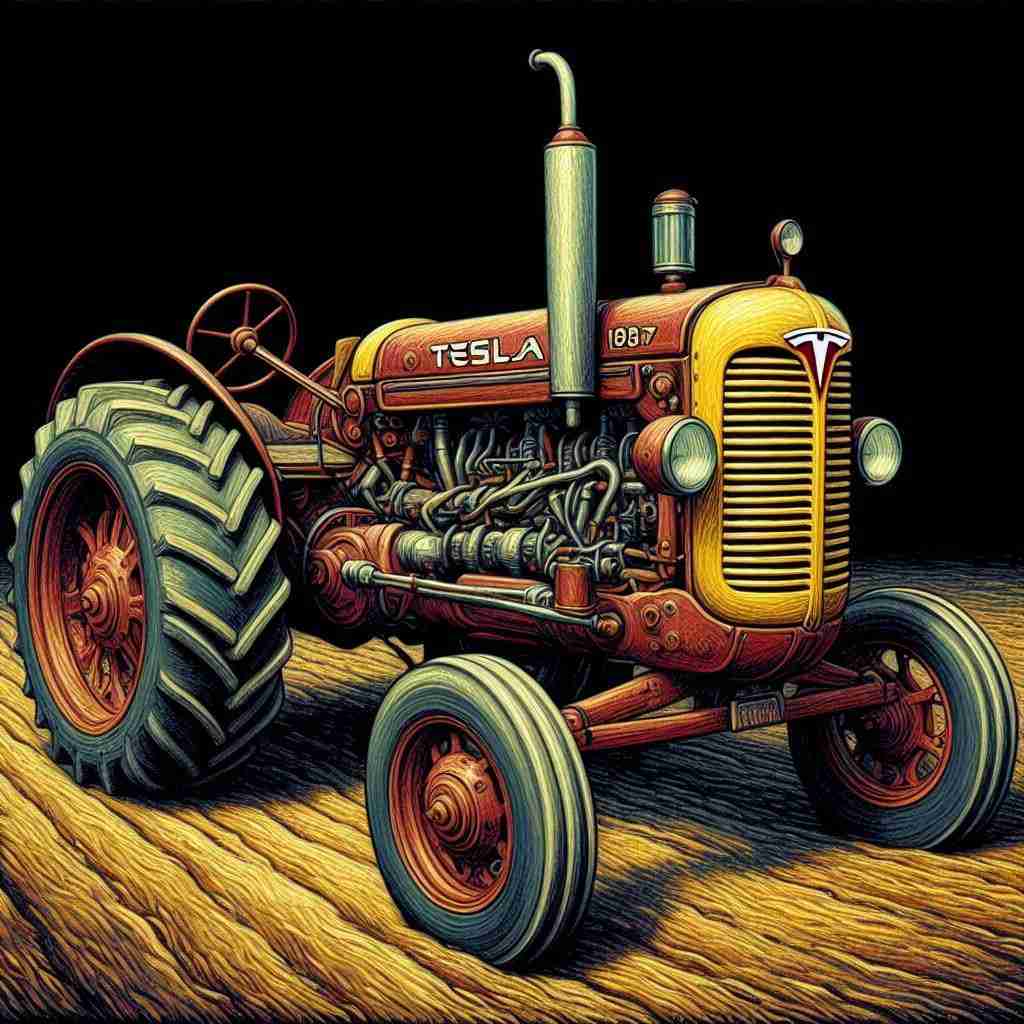
Historic Right-To-Repair Victory – What It Means for Your Classic Fleet – A Checklist
Emotional Appeals
✅______ Reflect on memories: Think about the stories linked to each vehicle and the memories they represent.
✅______ Celebrate achievements: Acknowledge the satisfaction of completing repairs and reviving your classics.
Rational Appeals
✅______ Access resources: Gather repair manuals and tools needed for maintenance and restoration.
✅______ Assess longevity: Evaluate the benefits of maintaining your classic’s functionality and market value.
Ethical Appeals
✅______ Choose sustainability: Commit to repairing rather than discarding vehicles to combat planned obsolescence.
✅______ Promote responsibility: Advocate for manufacturers to provide repair access as part of ethical consumerism.
Authority Appeals
✅______ Join communities: Connect with local clubs or online forums to share knowledge and learn from experienced restorers.
✅______ Seek expert guidance: Utilize workshops led by experienced mechanics for hands-on learning.
Narrative Appeals
✅______ Document your journey: Keep a record of your restoration efforts to share with others.
✅______ Inspire others: Share your stories and successes at car shows or meet-ups to foster community bonds.
Social Appeals
✅______ Engage with enthusiasts: Participate in local events to strengthen connections with fellow classic vehicle owners.
✅______ Create a legacy: Mentor younger generations to instill appreciation for classic vehicles and the restoration process.
Checklist
At ClassicTractorNews, we help tractor lovers keep up with the latest news for classic and vintage tractors.
Please share this post with your friends, family, or business associates who may like old classic or vintage tractors.