


Empowering Generations: Trust And Legacy In Every Turn Of The Wheel
By Tom Seest
At ClassicTractorNews, we help tractor lovers keep up with the latest news for classic and vintage tractors.
Please share this post with your friends, family, or business associates who may like old classic or vintage tractors.
Harvest Heroes – Classic Tractors That Never Let Farmers Down
In the quiet embrace of early morning, when the mist still lingers over dew-kissed fields, the heartbeat of farming is often measured by a single powerful word: tractor. These machines, seemingly simple giants, are the backbone of agriculture—built not just for labor, but for the dreams of farmers who depend on them. It’s striking how these classic tractors, with their weathered frames and unyielding engines, tell tales of resilience and grit.
Consider the farmer, standing hand-in-hand with tradition and innovation. Each rusted bolt and faded paint chip on a classic tractor holds a story—a testament to hard work that spans generations. A neighbor of mine, old Joe, has one such machine. He lovingly refers to it as “the workhorse.” Through droughts and downpours, this tractor has never faltered; it’s weathered the storms of both nature and circumstance. Joe often shares how, in the midst of harvesting, he felt the weight of uncertainty. Yet, as he climbed aboard his trusty tractor, the familiar rumble beneath him transformed worry into determination. It’s in moments like these where the true value of these machines reveals itself: they’re not just tools; they’re partners in perseverance.
There’s an undeniable bond between a farmer and their tractor, forged in the sweat of labor and the promise of harvest. This connection emphasizes ethical stewardship—the acknowledgment that these machines represent the lifeblood of communities and families. They symbolize trust, not just in their mechanical capabilities, but in the legacy they help cultivate. When we see a farmer leaning against their tractor, there’s a shared understanding that this machine embodies accountability to the land and the people who rely on it.
Every farmer has faced trials, from market swings to pest invasions, yet the sight of a reliable tractor rolling through fields cultivates a sense of hope. These machines are more than just metal and mechanics; they resonate with power and purpose. Imagine the sound of a classic tractor chugging along the rows, a signal to neighbors that hard work is underway. It’s an invitation to witness the beauty of agriculture in action—a reminder that in a world of fast-paced change, some things should remain steadfast.
In celebrating these harvest heroes, we recognize their legacy: they stand as testament to what can be achieved when we dare to trust our tools, our labor, and most importantly, ourselves. So next time you see a classic tractor, remember that it’s not just a relic of the past; it’s a beacon of the unwavering spirit of farming that inspires future generations.

Harvest Heroes – Classic Tractors That Never Let Farmers Down
Harvest Heroes – Classic Tractors That Never Let Farmers Down
- Early mornings with mist highlight the importance of tractors in farming.
- Tractors are vital for both labor and the dreams of farmers.
- Classic tractors symbolize resilience and the stories of generations of farmers.
- A strong bond exists between farmers and their tractors, emphasizing ethical stewardship.
- These machines represent trust and accountability to the land and community.
- Reliable tractors instill hope amidst farming challenges.
- Classic tractors embody the enduring spirit of agriculture, inspiring future generations.

Harvest Heroes – Classic Tractors That Never Let Farmers Down
Table Of Contents
- Harvest Heroes – Classic Tractors That Never Let Farmers Down
- How Did Classic Tractors Change the Lives Of Farmers?
- What Memories Do You Associate with These Classic Machines?
- Why Do Farmers Trust Classic Tractors Over Modern Ones?
- How Do Classic Tractors Symbolize Agricultural Heritage?
- How Can Classic Tractors Inspire New Generations Of Farmers?
- What Role Do Classic Tractors Play In Sustainable Farming?
- Conclusion
- Other Resources
- Glossary Of Terms
- Other Questions
- Haiku
- Poem
- Checklist
How Did Classic Tractors Change the Lives Of Farmers?
Classic tractors revolutionized agriculture, transforming not just the fields farmers tilled but the very fabric of rural life. Imagine a world where every sunrise beckoned the dawn of labor, where the sound of a tractor engine heralded hope and hard work—a stark contrast to the wearisome toil of plowing by hand. Farmers once faced relentless physical demands, but with the introduction of tractors, those burdens began to lighten.
Operating a tractor became a rite of passage, a link between generations. It symbolized not only progress but a connection to the land. A farmer once shared how the laughter of his children echoed while they watched him from the seat of his vintage tractor, feeling the vibrations of technology and tradition merge into one powerful force. It was more than just owning machinery; it was about crafting a legacy. Each turn of the wheel felt like a dance, choreographed by years of practice, infused with passion, and driven by determination.
The introduction of tractors didn’t eliminate hard work; it shifted its nature. Farm life transformed from physically taxing labor to a strategic endeavor, allowing farmers to cultivate larger plots with greater efficiency. The heart of agriculture beat stronger, cultivating not only crops but communities. Improved yield meant more food for families; less time in the field gave rise to the potential for education, family gatherings, and a life unburdened by ceaseless toil.
What’s fascinating is how these machines forged a new relationship between harvest and human. Farmers became stewards of the earth, bridging the past with the future. Every turn of the soil told a story: the exhaustion of ancestors reflected in the gleaming paint of modern tractors, both tools illustrating an intertwined narrative of innovation and tradition.
Yet, perhaps the most poignant change was the shift in identity for farmers. No longer merely laborers, they evolved into entrepreneurs—managing resources and embracing technology as allies in their vocation. This shift extended beyond economic advantages; it fostered a sense of community and solidarity among those who shared a reliance on these remarkable machines.
In the grand narrative of agriculture, classic tractors represent more than machinery—they symbolize an evolution of purpose, a beacon of resilience, and an invitation for connection, reminding us that even the hardest work can be lightened by progress and community. The roar of a tractor today still echoes lessons of endurance and innovation, guiding future generations toward a richer, more fulfilling life rooted in the fields they till.

How Did Classic Tractors Change the Lives Of Farmers?
How Did Classic Tractors Change the Lives Of Farmers?
- Classic tractors transformed agriculture and rural life.
- They alleviated the physical demands of manual labor, symbolizing progress and a connection to the land.
- Operating a tractor became a generational rite of passage and a means of crafting a legacy.
- Tractors shifted farm work from labor-intensive tasks to strategic farming, allowing for larger and more efficient cultivation.
- Improved agricultural yields provided more food and free time, enabling education and community engagement.
- Farmers evolved into entrepreneurs, managing resources and forging community ties through shared reliance on technology.
- Classic tractors symbolize resilience and evolution in agriculture, linking past traditions with future innovations.

How Did Classic Tractors Change the Lives Of Farmers?
What Memories Do You Associate with These Classic Machines?
Few machines evoke a tapestry of memories like the tractor. As a symbol of hard work and perseverance, tractors have plowed the fields of our past and shaped our lives in remarkably personal ways. For many, the sight of a tractor chugging along the horizon is more than just a piece of equipment; it’s a connection to family roots, the rhythm of rural life, and the sweat of honest labor.
Picture this: a sun-soaked afternoon, the air thick with the scent of fresh soil. You hear the soft, rhythmic thrum of a tractor engine in the distance, signaling the beginning of harvest season. It’s an invitation to gather. Families come together, sharing not just the work but the laughter and stories that weave generations. Each spin of the wheel turns not just the soil but time itself, bringing forth memories of summer days spent helping a parent or grandparent, the pride blossoming as you learn a skill passed down through the ages.
Tractors do more than cultivate crops; they carve strong connections in communities. Think of the local festivals celebrating agriculture, where the tractor takes center stage, not just as a tool, but as a badge of honor. Children, wide-eyed, scramble to climb aboard, imagining a future built on the very land tended by those who came before them. This machine, with its worn paint and the stubborn strength of its engine, tells the story of perseverance, resilience, and a shared heritage that binds us all.
Yet, there’s an emotional tug that runs deeper. A tractor embodies the ethical piece of hard work and dedication. The soil that it churns is not just land; it’s a legacy, nurtured for future generations. With every seed planted, a promise is made to the earth and to ourselves that we will honor the labor that sustains us. It’s a testament to the bond we share with nature and our commitment to preserve it.
Moreover, the tractor stands as a reminder of authority—an authority not derived from power, but from the wisdom of those who wield its control with care. Its engine carries the stories of toil, but also of triumph. We learn not just technical skills but life lessons: responsibility, patience, and respect for the labor of others.
Remembering those machines isn’t merely nostalgia; it’s a celebration of our shared history and a call to action. Next time you see a tractor, let it remind you of the field of memories we’ve all cultivated together, urging you to appreciate the journey, honor the past, and perhaps, grab a piece of that legacy for yourself.

What Memories Do You Associate with These Classic Machines?
What Memories Do You Associate with These Classic Machines?
- Tractors symbolize hard work and perseverance, connecting individuals to family roots and rural life.
- The sound of a tractor engine signifies the start of harvest season, bringing families together through shared labor and stories.
- Local agricultural festivals celebrate tractors as a symbol of community pride and tradition.
- Tractors represent an emotional legacy, nurturing the land for future generations and honoring the labor that sustains us.
- They embody authority through the wisdom of their operators, teaching responsibility, patience, and respect for labor.
- Remembering tractors serves as a celebration of shared history and a reminder to appreciate our journey and legacy.
- The sight of a tractor encourages connection to past memories and reinforces commitment to nature and community.

What Memories Do You Associate with These Classic Machines?
Why Do Farmers Trust Classic Tractors Over Modern Ones?
In a world increasingly influenced by technology, why do so many farmers remain fiercely loyal to their classic tractors? The answer lies in a complex interplay of emotion, experience, and the unshakable bond forged between man, machine, and the land. Classic tractors are not just pieces of equipment; they’re the heartbeat of a farm, embodying decades of trials and triumphs. For these farmers, a classic tractor is a trusted companion, one that has faced storms and droughts with unwavering reliability and grit.
Imagine standing in a field, the sun barely breaking the horizon, dew clinging to the blades of grass. It’s the early hours when the world is quiet, and all that can be heard is the comforting rumble of a tractor that has been a part of the family for generations. The simple act of starting that engine ignites a surge of nostalgia, a connection to lives lived on that very land. These tractors, often accompanied by the stories of fathers and grandfathers, carry with them wisdom that new machines simply cannot replicate. The sound and smell of those old engines are imbued with memories, working in harmony with the headlines of life that loom large in rural communities.
Rationally, classic tractors have proven their worth over time. They are straightforward machines, easy to repair, and understand, unlike modern counterparts that often become riddled with complex electronics and planned obsolescence. Farmers appreciate the simplicity and transparency these older machines provide, feeling empowered to fix a breakdown themselves rather than waiting for a technician who may be miles away. Moreover, these tractors are often built to last, their sturdy construction standing as a testament to a craftsmanship that has been all but lost in the race for innovation.
Ethically, choosing to maintain and restore these timeless machines reflects a commitment to sustainability and resourcefulness. Each repaired part not only breathes new life into a beloved tractor but also keeps alive a culture and way of life that values hard work and respect for resources. In a society that places a premium on disposable, quick-fix solutions, there’s a profound sense of pride in preserving the past for future generations.
In sharing stories, farmers form a community bonded by these classic tractors. They gather at county fairs, swap meets, and shows, not just to showcase their machinery but to celebrate the values they hold dear: hard work, resilience, and a connection to the earth. It’s here that these machines become more than mere tools; they become symbols of identity and heritage. Through these machines, farmers continue to cultivate not just crops, but a legacy worth trusting—proving that sometimes, the old ways are the best ways when it comes to getting the job done right.
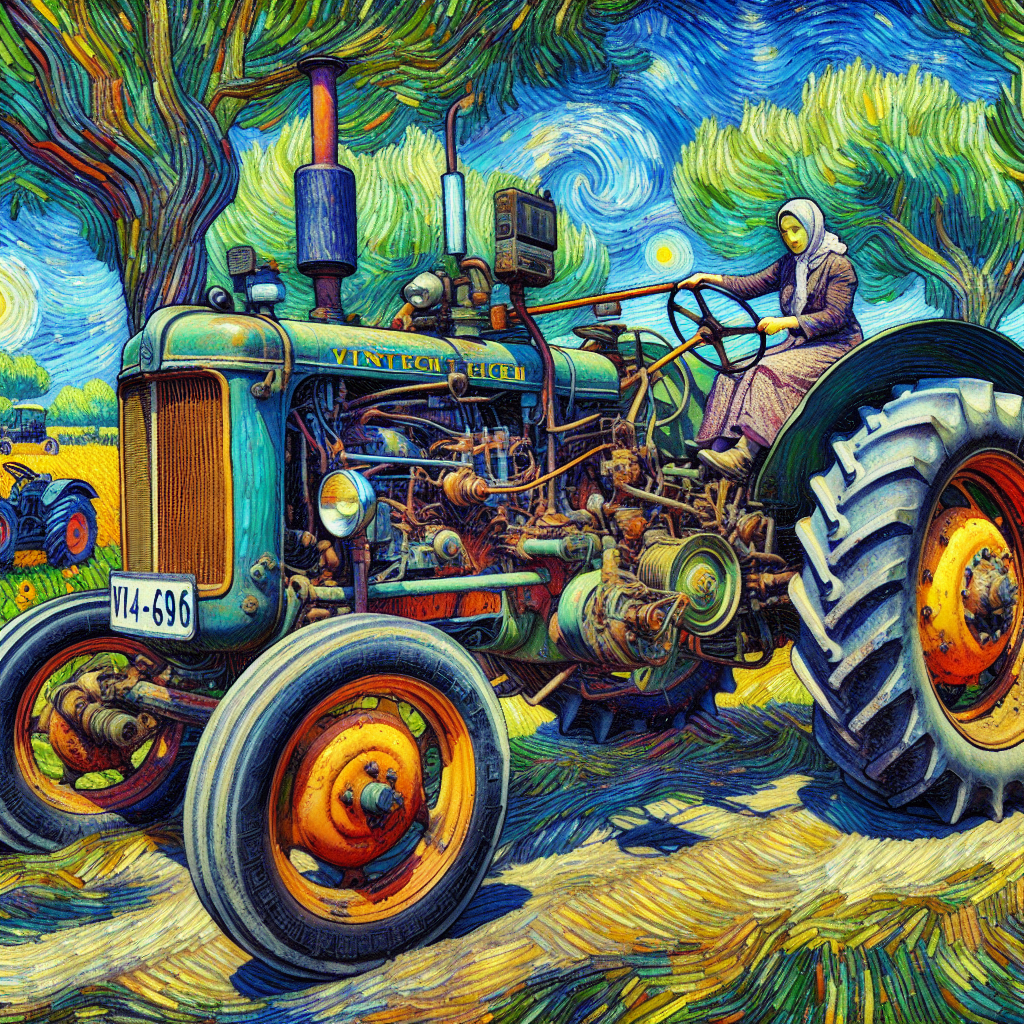
Why Do Farmers Trust Classic Tractors Over Modern Ones?
Why Do Farmers Trust Classic Tractors Over Modern Ones?
- Farmers maintain loyalty to classic tractors due to emotional bonds and experiences.
- Classic tractors symbolize the heartbeat of a farm, embodying decades of trials and triumphs.
- The sound and smell of old engines evoke nostalgia and connect farmers to their heritage.
- Classic tractors are easier to repair and understand compared to modern machines with complex electronics.
- These tractors reflect sustainable practices and resourcefulness in the farming community.
- Farmers gather at events to celebrate values associated with classic tractors, fostering a sense of community.
- Classic tractors serve as symbols of identity and heritage, proving the reliability of traditional methods.

Why Do Farmers Trust Classic Tractors Over Modern Ones?
How Do Classic Tractors Symbolize Agricultural Heritage?
Classic tractors are more than just machines; they are the embodiment of our agricultural heritage, standing as silent witnesses to the countless stories of perseverance and hard work that have shaped rural life. Imagine a rusted, weather-beaten tractor parked in a field, its paint chipped and faded like the hands of the farmer who once operated it. Each scratch tells a story, each dent a memory. These hulking machines have roamed the earth, transforming the soil, cultivating crops, and feeding generations, leaving an indelible mark on our collective consciousness.
At their core, classic tractors connect us to our roots. They remind us of a time when the land was tilled by hand, when families gathered to harvest the fruits of their labor. One can picture a father teaching his son the intricacies of engine repair amid fragrant fields. This passing down of knowledge, like the passing of the tractor from one generation to the next, is a testament to the values we hold dear: hard work, responsibility, and respect for the land. These lessons are ingrained not just in the mechanics of a tractor, but in the very fabric of who we are as a community.
Yet, the significance of classic tractors extends beyond nostalgia. Their design and functionality represent the ingenuity and resilience of farmers who have faced adversity season after season. As each farmer learned to adapt, so too did their machinery evolve, reflecting the innovative spirit that fuels agriculture. This evolution highlights a crucial point: these tractors symbolize more than just a bygone era; they embody an ongoing dialogue between man and machine, tradition and progress.
In our fast-paced digital age, where technology often overshadows the simplicity of rural life, classic tractors invite us to slow down and reconnect with our surroundings. They beckon us to consider the ethical implications of our food systems and celebrate the agricultural practices that sustain us. A classic tractor is a reminder that behind every meal is a story of toil and love, urging us to appreciate the roots of our sustenance.
Today, as we navigate complexities like sustainability and local economies, classic tractors serve as both a nostalgic reference point and a call to action. They inspire us to honor our agricultural past while fostering a sustainable future. So, whether you’re a farmer, a city dweller reminiscing about family ties, or simply someone who appreciates the beauty of perseverance, classic tractors stand as enduring symbols of our agricultural heritage that unite us all.

How Do Classic Tractors Symbolize Agricultural Heritage?
How Do Classic Tractors Symbolize Agricultural Heritage?
- Classic tractors symbolize agricultural heritage and stories of perseverance.
- They connect us to a time of manual labor and family gatherings on the farm.
- The passing down of tractors represents core values: hard work, responsibility, and respect for the land.
- Classic tractors embody the ingenuity and resilience of farmers adapting to challenges.
- They signify an ongoing dialogue between tradition and technological progress in agriculture.
- Tractors invite a reconnection with our food systems and encourage appreciation for agricultural practices.
- They serve as reminders to honor our past while promoting sustainability in the future.

How Do Classic Tractors Symbolize Agricultural Heritage?
How Can Classic Tractors Inspire New Generations Of Farmers?
Classic tractors, with their rugged charm and timeless resilience, serve as a bridge between the past and future for new generations of farmers. These machines, often associated with cherished memories of grandparents and parents working the fields, symbolize hard work, resourcefulness, and a deep connection to the land—a connection that many young people yearn to understand but might find obscured in today’s fast-paced digital world.
Imagine a young person, perhaps a teenager disillusioned by the hustle of urban life, discovering their grandfather’s old tractor tucked away in a barn. It’s not just a machine; it embodies stories of sweat and determination. Each scratch on its surface, each rust spot, tells a tale of seasons past. When they decide to restore it, they’re not merely fixing metal; they’re reconnecting with their roots and the values associated with agricultural life—dedication, patience, and commitment to stewardship of the earth.
The ethical appeal of classic tractors is profound. They were built to last, often using techniques that prioritize sustainability and craftsmanship over disposability. In an era where consumerism reigns, these machines remind us of a time when quality mattered, encouraging young farmers to adopt a sustainable approach to agriculture—a mindset that respects both the land and the legacy of those who worked it before them.
Furthermore, classic tractors resonate with a sense of authority and authenticity. They are the foundation upon which modern farming practices have evolved. By embracing these relics, new generations can gain a deeper appreciation and understanding of the mechanization that revolutionized agriculture. The lessons learned from these machines—how to care for and operate them—are parallel to the lessons needed to navigate the complexities of modern farming.
In a social context, sharing experiences around these tractors fosters community. Farming, at its heart, is about collaboration and support. When young farmers bond over the restoration and operation of classic tractors, they build relationships that can last a lifetime; they engage in a shared struggle and triumph, learning from one another and collectively pushing the boundaries of what farming can be in today’s world.
Ultimately, classic tractors offer more than nostalgia; they ignite passion and inspire action. They beckon new generations to not only appreciate the past but to actively participate in shaping the future of agriculture. Through their wheels, the cycle of farming continues—rooted in respect for tradition while driving forward into innovation and sustainability. This is how classic tractors can truly inspire the farmers of tomorrow.

How Can Classic Tractors Inspire New Generations Of Farmers?
How Can Classic Tractors Inspire New Generations Of Farmers?
- Classic tractors connect new generations of farmers with their agricultural heritage.
- They symbolize hard work and a deep connection to the land, often evoking memories of family traditions.
- Restoring classic tractors allows young people to reconnect with core values such as dedication and stewardship.
- These tractors represent sustainable craftsmanship, contrasting with modern consumerism’s focus on disposability.
- Classic tractors provide insights into the evolution of farming practices and the mechanization of agriculture.
- Sharing experiences related to these tractors fosters community and collaboration among young farmers.
- They inspire active participation in shaping the future of agriculture, blending respect for tradition with innovation.

How Can Classic Tractors Inspire New Generations Of Farmers?
What Role Do Classic Tractors Play In Sustainable Farming?
Classic tractors are more than just relics of agricultural history; they are enduring symbols of the bond between farmers and the land. As the sun rises over sprawling fields, these sturdy machines rumble to life, embodying the spirit of resilience and the wisdom built over generations. When you see a classic tractor working the soil, it’s not just about nostalgia; it’s about a sustainable future, grounded in tradition and innovation.
Take a moment to picture a farmer, perhaps your neighbor or a family member, dust swirling around their classic tractor as it presses forward, plowing rows with care. Each turn of the wheels connects them to the earth in a profound way, knowing that the same design principles endure, echoing a time when we relied on simplicity and ingenuity. These tractors were built to last, often outliving their modern counterparts, reducing waste and promoting an efficient use of resources. The commitment to maintain and restore these machines is an act of sustainability in itself, as farmers embrace the idea that what is old can be new again.
In the world of sustainable farming, classic tractors present an ethical choice. They remind us of a time when agriculture operated in harmony with nature. Their mechanics often rely on direct power rather than the complex systems of newer machines, offering a practical, low-tech alternative that minimizes reliance on fossil fuels. This authentic connection to the past breeds an ownership that transcends mere machinery; it fosters a narrative of stewardship where farmers become caretakers of both their tools and their land.
Conversely, the community aspect of classic tractors cannot be overlooked. Farms that harness these machines often find themselves part of a larger movement—a gathering of like-minded individuals sharing stories, tips, and resources. When driven by a sense of shared values, they create a network of support that enriches the farming experience. Attending a classic tractor show is not just about showcasing machinery; it’s an opportunity for connection, a celebration of hard work, ingenuity, and our collective responsibility toward a healthier planet.
Classic tractors stand as a testament to the enduring spirit of agriculture, grounding modern farming in ethical practices, communal ties, and a respect for the earth. As we face the challenges of sustainable farming, these machines remind us that sometimes, the best way forward is to honor where we’ve been. In embracing the old, we find the path to a sustainable future—one furrow at a time.

What Role Do Classic Tractors Play In Sustainable Farming?
What Role Do Classic Tractors Play In Sustainable Farming?
- Classic tractors symbolize the enduring bond between farmers and the land.
- They represent resilience and wisdom built over generations, focusing on tradition and innovation.
- Maintaining classic tractors reduces waste and promotes efficient resource use.
- These machines offer a low-tech, sustainable farming alternative that minimizes fossil fuel reliance.
- Classic tractors foster a sense of stewardship, connecting farmers to their tools and land.
- The community aspect enhances the farming experience through shared stories and resources.
- They highlight the importance of ethical practices and a collective responsibility toward a healthier planet.

What Role Do Classic Tractors Play In Sustainable Farming?
Conclusion
Classic tractors, those steadfast giants of the fields, serve as more than mere machinery; they symbolize an enduring legacy threaded through the fabric of farming. Their weathered exteriors and fierce engines narrate tales of endurance, linking generations of farmers who have relied on these trusty companions for decades. Picture a tranquil morning, the earth still waking, and a farmer climbing aboard a time-tested tractor. It’s not just a tool; it’s a partner in the daily fight against uncertainty, a tangible embodiment of resilience that transforms anxiety into purpose.
These classic machines represent an ethical commitment to agriculture, fostering a relationship that transcends the mechanization of modern life. They are the lifeblood of communities, inspiring trust and accountability. Each dent and scratch on their surface holds a memory, a shared experience, reminding us that farming is a collective journey marked by lessons of hard work, responsibility, and respect for the land. The bond between farmer and tractor is steeped in tradition—each machine carries a legacy of knowledge passed from one generation to the next, teaching not just the mechanics of agriculture, but valuable life lessons.
As farmers navigate the complexities of modern challenges—market fluctuations, environmental concerns—these classic tractors stand as symbols of hope and stability. They bridge the gap between tradition and progress, inviting new generations to embrace the ethics of stewardship and sustainability. Through their simplicity and durability, they empower farmers to connect with their roots while equipping them for the future, reminding us all that it’s possible to innovate without losing sight of where we came from.
Moreover, classic tractors ignite passion among rural communities, rallying people together at local fairs and events that celebrate shared values. They serve as a call to action for those yearning for connection in an increasingly fragmented world. The roar of an ancient engine not only signifies hard work but unites friends and families, with laughter echoing amid the fields of labor. It’s a powerful reminder: these machines symbolize more than agricultural heritage; they embody the spirit of perseverance and the relentless energy of farming life.
As we honor the legacy of classic tractors, we embrace the notion that this pursuit of agriculture is not just about cultivation—it’s about cherishing the journey, nurturing our communities, and instilling values in future generations. Every turn of the wheel is a celebration of the grit that keeps us moving forward, a testament that sometimes, the old ways truly are the best ways.

Conclusion
Conclusion:
- Classic tractors symbolize an enduring legacy in farming, linking generations of farmers.
- They represent a partnership in the daily challenges of agriculture, embodying resilience and purpose.
- These machines foster relationships that emphasize trust, accountability, and community values.
- Each tractor carries a legacy of knowledge and life lessons passed down through generations.
- Classic tractors symbolize hope and stability, bridging tradition and modern agricultural challenges.
- They rally rural communities at local events, igniting passion and connection among people.
- Honoring classic tractors is about cherishing the farming journey and instilling values in future generations.

Conclusion
Other Resources

Other Resources
Here is a list of other resources you can review online to learn more:
- Hill Country Antique Tractor & Engine Club Show
- Fairfield County Antique Tractor Club
- Pioneer Tractor
- The New England Antique Truck and Tractor Association
- Custom
- GBT
- Ivel Agricultural Motors
- Unimog
- Argo Tractors
- AGCO
- Zetor
- Lanz
- Sonalika
- Simpson Jumbo
- Bima
- Hart-Parr
- Wetmore
- Chamberlain
Use This Prompt To Get More Resources With Your Favorite Online AI Tool: Please provide me with a list of online articles with their URLs in a bulleted list that I can read regarding Harvest Heroes – Classic Tractors That Never Let Farmers Down

Other Resources
Glossary Terms
Harvest Heroes – Classic Tractors That Never Let Farmers Down – Glossary Of Terms
Antique tractor: An older, historically significant tractor typically 50+ years old, valued for heritage and original design.
Classic tractor: A durable, often mid-20th-century tractor celebrated for reliability, simple mechanics, and agricultural impact.
Model designation: The alphanumeric name or code manufacturers assign to identify a tractor variant and configuration.
Serial number: A unique stamped number used to identify a tractor’s production batch, year, and provenance.
Original equipment manufacturer (OEM): The company that produced the tractor or its original replacement parts.
Restoration: The process of returning a tractor to original appearance and function through mechanical repair and cosmetic refurbishment.
Reconditioning: Mechanical overhaul of engine, transmission, and components to reliable working condition without full cosmetic restoration.
Power take-off (PTO): A rotating shaft that transfers engine power from the tractor to implements like mowers or balers.
Live PTO: A PTO system that remains engaged and powered independently of tractor ground motion, enabling safer implement use.
Three-point hitch: A standardized mounted-implement attachment with two lower links and a top link for stability and lift control.
Drawbar: A fixed towing bar used to pull trailers and non-mounted implements.
Drawbar pull: The horizontal pulling force a tractor can exert at the drawbar, key to assessing towing capability.
Belt pulley: A large flat wheel used to drive belt-operated stationary or portable machinery from the tractor engine.
Flywheel: A heavy rotating disk that smooths engine pulses and provides inertia for steady engine operation and starting.
Magneto: A self-contained ignition device that generates spark for combustion engines without needing a battery.
Carburetor: A mechanical device that mixes air and fuel for gasoline engines (common on older tractors).
Glow plug: An electrically heated element used to preheat the combustion chamber for starting diesel engines in cold conditions.
Governor: A mechanism that regulates engine speed under varying load to maintain consistent RPM.
Transmission: The gearbox that provides selectable gear ratios for speed and torque control.
Clutch: A mechanical device that engages or disengages power flow from the engine to the transmission.
Torque: Rotational force produced by the engine, important for pulling and low-speed work.
Horsepower: A measure of an engine’s power output, combining torque and speed to indicate work capacity.
Ballast: Added weight (liquid, metal, or concrete) used to improve traction and stability on implements.
Lugged tire: A tractor tire with pronounced tread lugs designed for maximum traction in soil.
Narrow-front (tricycle): A front-end configuration with closely spaced or single front wheels favored for row-crop maneuverability.
Wide-front: A stable front axle with two widely spaced front wheels suited to heavier tasks and rough ground.
Row-crop tractor: A tractor designed with clearance and adjustability to operate between planted crop rows.
Offset engine: An engine or driver offset to one side of the chassis to improve visibility for cultivating rows.
Crawler: A track-based tractor type providing low ground pressure and superior traction for heavy pulling or soft soils.
Implement: Any mounted, trailed, or driven farming tool (plow, harrow, planter, spreader) used with a tractor.
Parts catalog: The illustrated reference listing replacement parts, part numbers, and assembly diagrams for upkeep and restoration.

Glossary Of Terms
Other Questions
Harvest Heroes – Classic Tractors That Never Let Farmers Down – Other Questions
If you wish to explore and discover more, consider looking for answers to these questions:
- What are the most iconic classic tractor models and their manufacturers?
- When were classic tractors first introduced and how did they evolve over time?
- How do classic tractors compare to modern tractors in performance and efficiency?
- What are the typical maintenance tasks required to keep a classic tractor running?
- How difficult and costly is it to restore a classic tractor?
- Where can I find replacement parts or service manuals for older tractor models?
- Are parts for classic tractors still manufactured or do restorers rely on salvaged components?
- What tools and skills are essential for DIY tractor repair and restoration?
- How do fuel types and consumption differ between classic and modern tractors?
- Can classic tractors be modified for better fuel efficiency or lower emissions?
- What safety considerations apply when operating or restoring a classic tractor?
- Are there legal or regulatory issues (emissions, road use, licensing) affecting classic tractors?
- What are the typical costs of purchasing a usable classic tractor versus a fully restored one?
- How does owning a classic tractor affect a farm’s productivity and operating costs?
- Are classic tractors suitable for commercial farming, hobby farms, or only light-duty tasks?
- What insurance or liability considerations should classic tractor owners know about?
- How can classic tractors be integrated into sustainable farming practices?
- Are there known conversions to electric or hybrid power for classic tractors?
- How do classic tractors contribute to preserving agricultural heritage and community identity?
- Where can I find local clubs, shows, or swap meets for classic tractor enthusiasts?
- What educational opportunities exist for young people to learn tractor mechanics and farming?
- How are vintage tractors sourced—auctions, private sales, scrapyards—and what should buyers watch for?
- What common mechanical failures do classic tractors experience and how are they fixed?
- How long do restored classic tractors typically remain serviceable before needing major work?
- What environmental trade-offs exist between restoring old machinery and buying new equipment?
- How do restoration projects impact the resale value of a classic tractor?
- What documentation (serial numbers, provenance, manuals) is important when buying a classic tractor?
- How can farmers preserve and protect tractors from rust, pests, and long-term storage damage?
- What role have classic tractors played in major agricultural innovations and historical events?
- How can communities use classic tractors to promote local food systems, tourism, or education?

Other Questions
Haiku
Harvest Heroes – Classic Tractors That Never Let Farmers Down – A Haiku
Trusty tractors roll on,
Harvest tales of grit and hope,
Roots of labor thrive.

Haiku
Poem
Harvest Heroes – Classic Tractors That Never Let Farmers Down – A Poem
In mornings quiet grace, where shadows softly play,
Classic tractors hum their tune, weaving fields and hearts each day.
With rusted frames and engines bold, they embody strength and trust,
In every turn, a legacy built in sweat, resilience, and dust.
Hand in hand with farmers toil, they share lifes rhythmic dance,
Transforming burdens into hope, igniting dreams with every chance.
A bond that transcends mere metal, they symbolize the past,
Stories whispered in their gears, fabled tales that ever last.
From generation to generation, they teach the art of care,
Harvests bloom from knowledge shared, in memories rich and rare.
With laughter echoing in the fields, the young find roots anew,
Restoring tales of long ago, in every rusted hue.
Trust runs deep in these machines, more than technologys sway,
Craftsmanship that stands the test, through storms they pave the way.
Each rumble speaks of duty, an ethical code engraved,
To nurture earths sweet bounty, their pledge to keep us saved.
In gatherings of kin and kind, they spark communitys fire,
A tapestry of stories spun, where aspirations never tire.
Classic tractors beckon us, with lessons proud and true,
To honor past and future fields, as we sow and harvest too.
So here’s to those harvest heroes, steadfast as the sun,
With heartfelt toil they guide us, in this journey we have won.
May their legacy inspire more, as new dawns arise and glow,
Classic tractors lead the way, to a future we can sow.

Poem
Checklist
Harvest Heroes – Classic Tractors That Never Let Farmers Down – A Checklist
Emotional Appeals
✅______ Reflect on the feelings you associate with farming and classic tractors.
✅______ Share a personal story or memory linked to a classic tractor.
✅______ Consider the bond between generations of farmers and their machines.
Rational Appeals
✅______ List the practical benefits of using classic tractors (e.g., ease of repair, durability).
✅______ Compare the efficiency of classic tractors versus modern machines.
✅______ Highlight the cost-effectiveness of maintaining classic equipment.
Ethical Appeals
✅______ Emphasize the sustainability of restoring classic tractors.
✅______ Discuss the importance of preserving agricultural heritage.
✅______ Advocate for responsible stewardship of resources through classic farming practices.
Authority Appeals
✅______ Reference experts or historical figures in agriculture who praise classic tractors.
✅______ Include statistics on the longevity and reliability of classic machinery.
✅______ Feature testimonials from farmers who trust classic tractors over modern ones.
Narrative Appeals
✅______ Provide a short anecdote about a farmer and their classic tractor.
✅______ Illustrate how classic tractors have shaped farm traditions and lifestyles.
✅______ Create a storyline that connects past farming practices to current agricultural innovations.
Social Appeals
✅______ Encourage participation in local classic tractor shows/events.
✅______ Suggest joining farming communities that celebrate agricultural heritage.
✅______ Promote sharing experiences and knowledge with others interested in classic farming.

Checklist
At ClassicTractorNews, we help tractor lovers keep up with the latest news for classic and vintage tractors.
Please share this post with your friends, family, or business associates who may like old classic or vintage tractors.