


Reviving Timeless Treasures For Tomorrow’s Generations
By Tom Seest
At ClassicTractorNews, we help tractor lovers keep up with the latest news for classic and vintage tractors.
Please share this post with your friends, family, or business associates who may like old classic or vintage tractors.
Future-Proofing Classics One Sensor At a Time
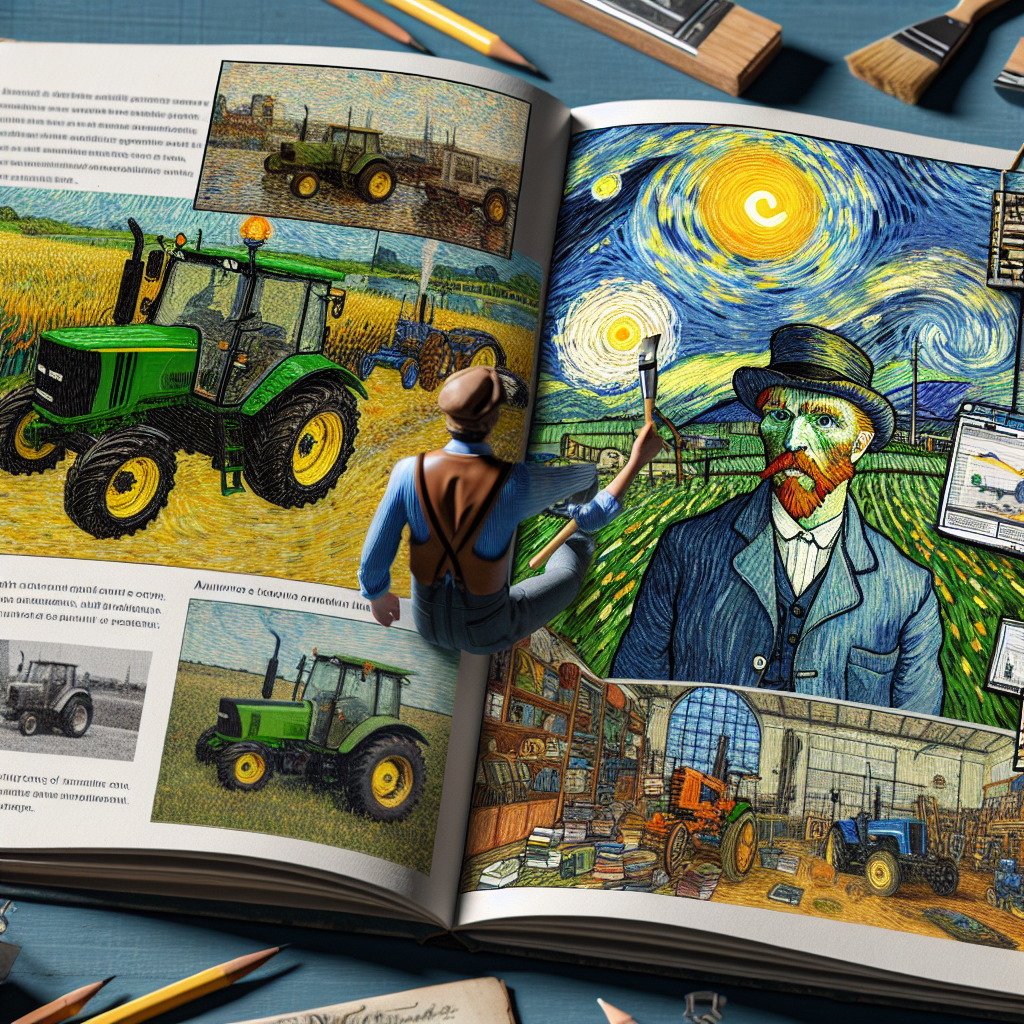
In the heart of America, amidst fields stretching toward the horizon, the classic tractor stands as a symbol of hard work and resilience. For many, it represents not just a machine, but a family legacy—those hard-fought days spent plowing the soil, the joy of harvest, and the sweat dripping from the brow as the engine roared to life. Yet, as we march into the future, these beloved relics risk being left behind, gathering rust and dust in the corners of barns.
Embracing innovation can feel daunting, especially when it comes to something as cherished as a vintage tractor. But imagine enhancing that time-honored engine with modern sensors, breathing new life into a classic while preserving its soul. It’s an approach that harmonizes the past with the present—transforming nostalgia into practicality. The vision here isn’t about replacing the old but ensuring its relevance amid fleeting trends and advancing technology.
Picture a farmer, hands weathered yet steady, climbing onto his grandfather’s tractor, now equipped with sensors that monitor engine health, fuel efficiency, and even soil conditions. These upgrades don’t strip away the character of that classic; they enrich its story, allowing it to thrive while adapting to today’s agricultural challenges. It’s this interplay of old and new that fosters a sense of trust—the kind that doesn’t just challenge the status quo but offers a safety net for our collective memory.
This journey isn’t merely about technology; it’s about connection—between generations, between tradition and innovation. We’ve all felt that gut-wrenching fear of losing something we hold dear. But when we equip our classics with tools that honor their legacy, we honor our own roots. It’s an ethical call to action, one that respects the past while embracing progress.
Imagine communities banding together to share stories and expertise while retrofitting their beloved tractors with the latest technology. This is where a movement begins—not just of machinery, but of shared experience that fuels the heart. It’s evidence of our resolve to keep what we love alive, ensuring that the tractors of our past continue to cultivate the fields of our future.
Future-proofing classics isn’t merely about preserving machinery; it’s about preserving the connection to our history, our values, and our identities. By marrying tradition with innovation, we’re not just safeguarding legends; we empower them to plow forward, ready to face whatever the future may hold.

Future-Proofing Classics One Sensor At a Time
Future-Proofing Classics One Sensor At a Time
- The classic tractor symbolizes hard work and resilience in American culture.
- Many view it as a family legacy tied to agricultural traditions and memories.
- There is a risk of these vintage tractors becoming obsolete amidst modern advancements.
- Enhancing classic tractors with modern sensors preserves their essence while ensuring relevance.
- This combination of old and new fosters trust and honors collective memory.
- The movement focuses on connecting generations and sharing experiences within communities.
- Future-proofing classics maintains the link to history, values, and identities, empowering them for the future.

Future-Proofing Classics One Sensor At a Time
Table Of Contents
- Future-Proofing Classics One Sensor At a Time
- What Memories Do Classic Cars Evoke for You?
- How Can Technology Preserve Nostalgia?
- Is Your Passion for Classics Aligned with Future Needs?
- What Role Does Innovation Play In Preserving History?
- Can Sensors Truly Enhance the Classic Car Experience?
- What Ethical Considerations Arise In Modernizing Classics?
- Conclusion
- Other Resources
- Glossary Of Terms
- Other Questions
- Haiku
- Poem
- Checklist
What Memories Do Classic Cars Evoke for You?
There’s something about a classic car that transcends mere transportation. It evokes a sense of nostalgia that pulls at the heartstrings like the growl of a well-tuned engine. Picture this: a family piled into a vintage convertible, the wind rushing through their hair as they hit the open road, the horizon stretching like an unwritten story ahead of them. In these moments, memories are not just created; they are etched into the very essence of who we are.
Consider the hum of a tractor in the distance, a familiar sound signaling weekends spent at Grandma’s farm. That steady rhythm conjures up images of sun-drenched fields and laughter echoing around weathered barns. Just as that tractor signifies hard work and perseverance, classic cars bring forth memory lanes lined with adventures, family gatherings, and the triumphs of youth. They remind us that life, like a well-maintained vintage ride, is about the journey—an exploration of both places and connections.
The mechanics of a classic car offer a window to the past, triggering memories that are deeply woven into our identities. Each scratch and dent tells a story, a testament to the love and effort poured into these machines. They symbolize a time when craftsmanship mattered, evoking thoughts about the ethics of consumption today. Are we depriving ourselves of the simplicity and beauty found in the form and function of something built to last? Reflect on that.
Emotionally, these cars serve as vessels carrying our shared human experiences. They invite us to connect with others, sparking conversations with strangers at car shows or community gatherings. The shared smiles and nods of acknowledgment reflect a bond built on appreciation for history, design, and the stories that come with each vehicle. Classic cars become a common language, breaking barriers and uniting enthusiasts from all walks of life.
Ultimately, classic cars inspire us to take action—not just in the form of restoration projects or road trips, but in celebrating the memory-making spirit they represent. They serve as a gentle reminder to cherish our journeys and the fleeting moments we share with others. So, the next time you find yourself alongside an old vehicle, let it wash over you. Allow yourself to be drawn into its story, and perhaps, your own narrative will unfold, enriched by the echoes of the past, sprinting forward into a bright, shared future.

What Memories Do Classic Cars Evoke for You?
What Memories Do Classic Cars Evoke for You?
- Classic cars evoke nostalgia, representing more than just transportation.
- They foster family memories and moments of connection on open roads.
- The sounds of familiar rural life, like a tractor, symbolize hard work and cherished traditions.
- Each classic car has unique stories reflected in their imperfections and craftsmanship.
- These vehicles spark conversations and connections among enthusiasts, uniting diverse communities.
- Classic cars inspire action and celebration, encouraging appreciation for life’s journeys.
- Engaging with classic cars allows individuals to explore personal narratives and shared histories.

What Memories Do Classic Cars Evoke for You?
How Can Technology Preserve Nostalgia?
Nostalgia has a unique ability to transport us back in time, reminding us of simpler days and the moments that shaped who we are. Technology plays an integral role in capturing and preserving these evocative snippets of our past, functioning as both a time capsule and a vehicle for connection. Imagine a warm summer day years ago, framed by the sound of a tractor humming in a nearby field. That humble machine was more than just a tool; it was a bridge to memories of family gatherings, laughter, and hard work under the sun. Today, technology allows us to encapsulate those memories in ways that transform fleeting moments into lasting legacies.
Take digital photo albums, for example. When we capture those rustic, sun-soaked moments with our smartphones or digital cameras, we’re not just documenting a day; we’re archiving emotions and experiences that can be shared and relived by future generations. There’s profound significance in clicking through those images later—familiar faces and places evoking the same feelings of warmth and belonging, no matter how much time has passed. It’s as if technology gives us the power to rewind the years, to revisit the hugs and hearty laughter that filled those days.
However, it’s not just about preserving memories; it’s about creating a community. Social media offers a platform where we can share our stories, connecting with others who have walked similar paths. Remember that tractor? In an online group devoted to vintage machinery, someone might share a video of their restoration project, invoking nostalgia in others who once felt the thrill of watching their own parents work the land. These interactions help us weave our individual stories into a larger tapestry, fostering a sense of belonging in a fast-paced world.
Additionally, technology can be a powerful tool for ethical storytelling. Virtual reality experiences can immerse us in historical moments, inviting us to witness them firsthand. This innovative approach fosters empathy and understanding, allowing us to truly appreciate the struggles and triumphs that define our collective history.
Ultimately, the marriage of technology and nostalgia is a dance between the past and the present. It’s not only about remembering what once was but also about engaging with the memories that continue to shape us. By embracing these advancements, we ensure that the essence of our cherished experiences remains alive—grounded in the familiar hum of a tractor, echoing tales of resilience and togetherness, and fostering connections that bridge generations.

How Can Technology Preserve Nostalgia?
How Can Technology Preserve Nostalgia?
- Nostalgia transports us back to simpler times, highlighting moments that shape our identities.
- Technology serves as a time capsule, preserving memories and fostering connections.
- Digital photo albums archive emotions and experiences, enabling future generations to relive them.
- Social media creates a community where shared stories evoke nostalgia and belonging.
- Online interactions weave individual experiences into a collective narrative.
- Virtual reality fosters empathy by immersing us in historical events for deeper understanding.
- The combination of technology and nostalgia engages us with memories that define our past and present.

How Can Technology Preserve Nostalgia?
Is Your Passion for Classics Aligned with Future Needs?
When you think of classic literature or art, you might picture a dusty old library or a quaint museum, both echoing the past. But what if I told you that your passion for the classics is like a trusty tractor? Just as a tractor, with its robust engine, transforms a barren field into a flourishing farm, the classics can cultivate a fertile ground for the ideas and skills needed in today’s world.
Consider the gut feeling when you dive into a classic novel. It’s an emotional journey, resonating deeply with our human experience. These stories, often filled with struggles and triumphs, remind us that the essence of what it means to be human has remained constant through time. The characters—often flawed and relatable—mirror our own struggles, making us pause, reflect, and maybe even change our outlook. As we grapple with our own lives, these tales connect us, echoing our desires for connection, understanding, and resilience.
Rationally, the classics foster critical thinking, empathy, and problem-solving skills—qualities that are increasingly essential in today’s fast-paced world. In a marketplace buzzing with technology, it’s the ability to navigate human emotion and ethical dilemmas that will set you apart. Employers value those who can approach problems holistically and see different perspectives, just like the multifaceted stories woven through our favorite classic texts.
Imagine a classroom where discussions about Shakespeare lead to debates on modern ethics or where Homer’s epics inspire leadership in community projects. Here, the wineskin of classical knowledge is renewed, filling the future’s cup with timeless wisdom tailored for today’s challenges. This enriched perspective fosters not just personal growth but nurtures an entire community.
The social context is equally compelling. In a day and age where digital interactions often overshadow face-to-face connections, the classics offer a shared language, a bridge that links generations. Think of it as a gathering around the tractor on a farm, where stories of sweat and toil unite neighbors. When we engage with classic literature, we don’t just read— we build a community that reflects on our shared humanity and challenges us to act with integrity and purpose.
Ultimately, aligning your passion for the classics with future needs isn’t merely about preservation; it’s about evolution. As tractors pull us forward, so too can the insights gleaned from classic stories propel our actions, inspire growth, and guide us as we cultivate a world that bridges the past with a brighter future. Each page turned is a seed sown—ready to bloom into something transformative.

Is Your Passion for Classics Aligned with Future Needs?
Is Your Passion for Classics Aligned with Future Needs?
- Classics serve as a robust foundation for ideas and skills necessary in modern society.
- Reading classic literature evokes deep emotional connections, reflecting universal human experiences.
- These stories often mirror individual struggles, prompting reflection and personal growth.
- Classics cultivate critical thinking, empathy, and problem-solving skills, valued in today’s workforce.
- Engaging with classic texts fosters community discussions that link past wisdom to contemporary issues.
- Classics provide a shared language that connects generations, enhancing interpersonal relationships.
- Embracing the classics encourages evolution, guiding individuals and communities towards a brighter future.

Is Your Passion for Classics Aligned with Future Needs?
What Role Does Innovation Play In Preserving History?
Innovation is often seen as a force for progress, something that drives us forward into a better future. Yet, when we think about preserving history, we might overlook the intrinsic link between the two. Consider a family farm, where an old tractor stands silent under the weight of rust and time. That tractor, once a tool of transformation, now represents generations of hard work and tradition. This stark contrast between past and present poses a vital question: how do we ensure that such legacies aren’t lost to the relentless march of time?
During a recent visit to a small town in America, I encountered an old barn, its wood weathered and stories woven into every beam. Local craftsmen had innovatively transformed this space into a community gathering spot. By blending traditional architecture with modern technology, they created a space where stories could be shared, where the past was not just remembered but lived. The initiative demonstrated that preserving history doesn’t mean freezing it in time; rather, it’s about breathing life into it, reminding us that our roots matter as much as our aspirations.
Through digital storytelling, augmented reality, and interactive exhibits, innovators find ways to connect younger generations with their heritage. Imagine walking through a historical site and using a smartphone app that overlays past events on the present landscape. You’re not just learning about history; you’re experiencing it. That connection stirs something deep within us, evoking emotions and forging bonds that transcend time. It ignites a shared responsibility—the notion that we are guardians of our collective memory.
Moreover, every time we engage in preserving history through innovation, we are making an ethical choice. We acknowledge the sacrifices and triumphs of those who came before us, and in doing so, we affirm our own identity. It’s a gut instinct, really. When we honor our past, we empower our present and influence our future. Each innovation acts as a bridge—a connection between who we were and who we are becoming.
In a world that often seems rife with division, embracing innovation in the realm of history fosters community. We find common ground in shared experiences, fostering trust and camaraderie. This approach invites us all to take action, whether it’s through local preservation efforts or simply sharing stories passed down through generations. Our history is not just a list of dates and events; it’s the heart and soul of who we are. So, let’s cultivate it, celebrate it, and most importantly, never let it drift into obscurity.

What Role Does Innovation Play In Preserving History?
What Role Does Innovation Play In Preserving History?
- Innovation is a driving force for progress, closely linked to preserving history.
- An old tractor on a family farm symbolizes hard work and tradition, highlighting the need to preserve legacies.
- Local craftsmen transformed an old barn into a gathering spot, blending tradition with modern technology.
- Preserving history involves breathing life into the past, not just remembering it.
- Digital storytelling and interactive exhibits connect younger generations with their heritage.
- Engaging in historical preservation through innovation affirms our identity and shared responsibility.
- Embracing innovation in history fosters community and encourages action in preserving our collective memory.

What Role Does Innovation Play In Preserving History?
Can Sensors Truly Enhance the Classic Car Experience?
When you slide into the driver’s seat of a classic car, the anticipation surges through you like the first rev of an engine—pure, untamed, and deeply personal. You can almost hear the echoes of summers past, the rumble of a vintage tractor plowing through fields, and the joy of rural adventures. Yet, as enticing as that nostalgia is, the world around us has entered an era driven by sensors, data, and connectivity. The question begs to be asked: can these modern tools enhance our experience with classics without overshadowing their soul?
At first glance, it might seem sacrilegious to think of classic cars equipped with sensors. Isn’t part of the allure rooted in their simplicity? Yet, consider that the tractor’s steadfast reliability stemmed from innovation—modifications made over time to better navigate farms. Imagine what it would mean to your cherished classic if it were equipped to offer you a real-time health report, alerting you to potential mechanical issues before they turn into costly repairs. This isn’t just about preservation; it’s about confidently preserving your ability to drive the very vehicle that connected you to cherished memories.
Bringing sensors into the fold doesn’t erase the romanticism; it amplifies the connection. Picture a classic car outfitted with a smart gauge that doesn’t just measure fuel but also monitors efficiency, allowing you to extend those long drives through winding roads. It’s akin to having a wise friend alongside, providing you the reassurance that you can journey into the horizon while knowing your beloved machine is in peak condition. It aligns the heart with the head—passion meets practicality.
Moreover, there’s an ethical consideration here. With advancing technology, car enthusiasts have a unique opportunity to share their passion and knowledge with younger generations. By incorporating modern enhancements, we can attract newcomers to the classic car community, fostering a sense of belonging and shared stewardship. The stories we pass along become intertwined with new narratives, woven together by our experiences and their modern reimaginings.
Engaging with technology through your classic car doesn’t have to feel like an intrusion. Instead, it can be an invitation to deepen your love affair with nostalgia while steering into the future. With sensors, the classic car experience evolves, ensuring that these timeless machines continue to resonate across generations. So, let’s embrace the new while honoring the past—because it’s the journey, with all its twists and turns, that truly brings us together.

Can Sensors Truly Enhance the Classic Car Experience?
Can Sensors Truly Enhance the Classic Car Experience?
- Sliding into a classic car evokes strong personal nostalgia and excitement.
- Modern technology, including sensors and data, can enhance the classic car experience without diminishing its essence.
- Innovations have historically contributed to the reliability of vehicles, such as tractors, and can be applied to classic cars for better maintenance.
- Real-time health reports from classic cars can help prevent costly repairs and preserve driving enjoyment.
- Sensors can create a deeper connection by providing insights into vehicle performance, blending passion with practicality.
- Modern enhancements can attract younger generations to the classic car community, fostering shared passion and stewardship.
- Embracing technology allows classic car lovers to cherish nostalgia while navigating the future, ensuring legacy across generations.

Can Sensors Truly Enhance the Classic Car Experience?
What Ethical Considerations Arise In Modernizing Classics?
When we talk about modernizing classics, we’re not just discussing updated storylines or slick production techniques. We’re digging into the very essence of what makes these works resonate across generations. Think about it: every revision invites a new audience into a conversation started long ago. But as we unearth those dusty pages to breathe new life into them, we must pause and consider the ethical implications that come along for the ride.
Picture this: a beloved novel about farming is transformed into a gritty urban narrative. While some may celebrate this fresh take, others might feel it’s a betrayal, a stripping away of the cultural roots that made the original resonate. It’s like a tractor plowing through a rich field of history—yielding new crops, yes, but at what cost to the soil? We must ask ourselves: are we honoring the original message, or are we merely seeking to shine up what’s already been said?
The emotional weight of modernization can be profound. We share these stories as a community, often centering on our values and experiences. When we alter them, we risk diluting the heartfelt lessons embedded in the original work. Imagine a young reader discovering a classic about resilience in a more sanitized version. What vital lessons might they miss? The gut punch of struggle, the raw beauty of imperfection—they deserve to see it all.
From a rational standpoint, there’s the question of intent. Are we modernizing for genuine representation and inclusivity, or are we merely checking boxes to appease a contemporary audience? Great stories challenge us, often highlighting social injustices or moral dilemmas. If the modern retelling bypasses these critical themes, we lose an opportunity to foster understanding and empathy.
Moreover, who gets to decide what is worthy of modernization? The authority lies not just in the creators but also in the audience. Engaging with communities that have a stake in these narratives can profoundly enrich the process and ensure that we respect the souls of the stories we’re aiming to capture.
Ultimately, the act of modernizing classics should be a bridge—one that connects the past and present while paving the way for future generations. By approaching these transformations with integrity and thoughtfulness, we can create a narrative that respects the old while celebrating the new, honoring tradition while embracing change. This balance is not just an ethical obligation; it’s an opportunity to cultivate understanding, trust, and connection in storytelling.

What Ethical Considerations Arise In Modernizing Classics?
What Ethical Considerations Arise In Modernizing Classics?
- Modernization of classics involves more than updating storylines; it addresses the essence that resonates across generations.
- Redefining narratives can invite new audiences, but ethical implications must be considered.
- Transforming a beloved story can be seen as a betrayal of its cultural roots, risking dilution of original messages.
- The emotional impact of modernization may rob audiences of important lessons and experiences embedded in classics.
- Intent behind modernization is crucial; it should aim for genuine representation rather than mere appeasement of contemporary audiences.
- Decisions on modernization should involve both creators and the communities connected to the narratives.
- Modernizing classics should bridge past and present, creating narratives that respect tradition while welcoming change.

What Ethical Considerations Arise In Modernizing Classics?
Conclusion
Reviving classic treasures through innovation equips them to thrive in the modern era, ensuring their stories resonate with future generations. In the heart of America, the iconic tractor represents more than machinery; it embodies hard work, family legacy, and the indelible connection between past and present. As we look toward the horizon of technology and progress, these relics risk being diminished, left to gather dust. Yet, the fusion of nostalgia and innovation offers a promising path forward.
Imagining a farmer mounting a grandfather’s tractor, now enhanced with modern sensors, illustrates this fusion beautifully. Rather than erasing the legacy, these enhancements deepen the connection to family history, allowing the machinery to tackle contemporary agricultural challenges with greater efficiency. The emotional resonance of such upgrades fosters trust and verifies a commitment to preserving our roots, showing that we can honor the past while embracing the future.
Sharing the joy of restoring these classics is where community spirit flourishes. Picture neighbors gathering, swapping stories and expertise, as they retro-fit beloved tractors and cars. This collaboration fuels a movement, evoking the heart of American values—perseverance, connection, and shared memories. The mechanics of classic machines tell tales of grit and ingenuity, inviting us into a world woven with shared human experiences.
Through the lens of nostalgia, we recognize classic cars as more than vehicles. They are vessels of memory, forever tied to family ties and moments that define who we are. The hum of a tractor conjures memories of laughter and hard work. Classic cars open avenues for new connections, uniting strangers in appreciation of their shared histories, reinforcing a sense of belonging amidst the fast-paced modern world.
The ethical responsibility to preserve these legacies while integrating technological advancements becomes paramount. By merging the past’s craftsmanship with modern tools, we honor the sacrifices and triumphs of those who came before us. This engagement transforms history into a living narrative, empowering communities and individuals. Innovation is not merely a departure from tradition; it links us to the authenticity of our heritage.
As we equip classics with cutting-edge technology, we not only safeguard memories of the past but solidify their relevance today and for the years to come. This journey, rich in heart and purpose, invites us all to step up as stewards of history, ensuring that the tales of resilience and hard work endure—tales that will continue to inspire, connect, and shape future generations.

Conclusion
Conclusion:
- Reviving classic treasures through innovation helps them thrive in the modern era while preserving their stories.
- The iconic tractor symbolizes hard work, family legacy, and a connection between past and present.
- Enhancing classic machinery with modern sensors deepens family connections and addresses contemporary agricultural challenges.
- Community spirit flourishes through the joy of restoring classic vehicles, promoting shared stories and expertise.
- Classic cars serve as vessels of memory, reinforcing family ties and fostering new connections amongst strangers.
- Integrating technological advancements with traditional craftsmanship honors the sacrifices of previous generations.
- This journey invites us to be stewards of history, ensuring tales of resilience inspire future generations.

Conclusion
Other Resources

Other Resources
Here is a list of other resources you can review online to learn more:
- Apollo
- Landini
- Holt
- Agri-Power
- Agriculture Heritage Center & Museum
- Heartland Acres Agribition Center
- Belarus
- LeRoi
- Iseki
- Samson
- KAMCO
- Schilter
- Waterloo Manufacturing Company
- Pioneer Farm Days
- Parrett
- Hart-Parr
- TwinCity
- McCormick Intl
Use This Prompt To Get More Resources With Your Favorite Online AI Tool: Please provide me with a list of online articles with their URLs in a bulleted list that I can read regarding Future-Proofing Classics One Sensor At a Time

Other Resources
Glossary Terms
Future-Proofing Classics One Sensor At a Time – Glossary Of Terms
1. Classic vehicle: A historically significant or vintage automobile preserved for cultural, aesthetic, or driving value.
2. Retrofitting: Adding modern components or systems to an older vehicle to improve functionality, safety, or connectivity.
3. Sensorization: The process of equipping a classic with sensors to measure speed, position, environment, or mechanical state.
4. CAN bus: Controller Area Network, a vehicle communication backbone often adapted to connect new sensors and ECUs in retrofits.
5. OBD-II adapter: A diagnostic interface or bridge used to read engine and subsystem data, sometimes emulated for pre-1996 cars.
6. Telematics unit: A device that collects and transmits vehicle data (location, status, diagnostics) over cellular or radio links.
7. GPS module: A satellite-based positioning sensor providing precise location and time data for navigation and tracking.
8. IMU (Inertial Measurement Unit): A module combining accelerometers and gyroscopes to track orientation, acceleration, and motion.
9. Accelerometer: A sensor that measures linear acceleration, useful for crash detection, ride monitoring, and performance logging.
10. Gyroscope: A sensor that measures rotational motion and heading changes for stability control and navigation aids.
11. Camera module: Vision sensors for rearview, dash recording, or machine-vision features like lane guidance and object detection.
12. LiDAR: Light detection and ranging sensor that maps surroundings with high-resolution depth data for advanced sensing.
13. Radar: Radio-based sensor used for detecting object distance and relative speed, useful in collision warning and adaptive cruise.
14. Ultrasonic sensor: Short-range distance sensors commonly used for parking assist and low-speed obstacle detection.
15. ADAS (Advanced Driver Assistance Systems): Automated features (e. g. , lane assist, collision warning) layered onto vintage platforms via sensors and controllers.
16. ECU (Electronic Control Unit): A dedicated controller managing a vehicle subsystem; retrofit projects often add or interface with ECUs.
17. Data logger: A device that records sensor outputs and vehicle parameters for analysis, maintenance, or provenance documentation.
18. Telemetry: Remote transmission of vehicle data for monitoring, diagnostics, or fleet management of restored classics.
19. Cellular gateway: A modem-based module enabling internet connectivity for telematics, OTA updates, and remote monitoring.
20. BLE (Bluetooth Low Energy): Short-range wireless protocol used for smartphone pairing, diagnostics, and local configuration.
21. OTA (Over-the-Air) update: Remote firmware or software update capability for sensors and control modules without physical access.
22. Firmware: Low-level software running on sensor or ECU hardware that controls behavior and interfaces.
23. Edge computing: Local processing of sensor data on the vehicle to reduce latency and bandwidth before cloud transmission.
24. Sensor fusion: Combining data from multiple sensors (e. g. , GPS + IMU + camera) to create more accurate insights.
25. ADC (Analog-to-Digital Converter): Hardware that converts analog sensor signals (temperature, pressure) into digital data for processing.
26. Retrofit harness: Custom wiring assemblies that integrate new sensors and modules with existing vehicle electrical systems.
27. Non-destructive installation: Techniques and components that preserve original vehicle fabric and can be removed without damage.
28. Power conditioning: Voltage regulation, filtering, and protection to ensure modern electronics operate safely on legacy electrical systems.
29. Cybersecurity hardening: Measures (encryption, authentication, firewalling) to protect connected retrofits from unauthorized access.
30. Heritage preservation: Balancing modernization with conservation to maintain originality, provenance, and cultural value while adding sensors.

Glossary Of Terms
Other Questions
Future-Proofing Classics One Sensor At a Time – Other Questions
If you wish to explore and discover more, consider looking for answers to these questions:
- What specific types of sensors are most useful for classic tractors and cars (engine, fuel, vibration, soil, GPS, etc.)?
- How difficult is it to install sensors on a vintage vehicle—can an owner do it themselves or is professional help required?
- Will installing sensors alter or damage the original structure, wiring, or appearance of the vehicle?
- Are sensor installations fully reversible to preserve authenticity for collectors?
- How much does a typical sensor retrofit cost, including hardware and installation?
- What maintenance do sensors and their systems require over time?
- How long do retrofit sensors typically last, and what are common failure modes?
- Do sensors require a dedicated power source or can they draw from the vehicle’s original electrical system?
- How is the sensor data accessed—via smartphone apps, onboard displays, or cloud dashboards?
- What are the data storage and privacy implications of connecting classics to the cloud or social platforms?
- Are there standards or protocols (CAN bus, OBD-II, Bluetooth, LoRaWAN) commonly used for retrofits?
- How accurate and reliable are the readings from retrofit sensors compared with modern factory sensors?
- Can sensors provide predictive maintenance and early fault detection for vintage engines?
- How do sensors impact fuel efficiency and emissions monitoring for older machines?
- What are the legal and insurance implications of modifying a classic with modern electronics?
- Will adding sensors affect a vehicle’s resale value or eligibility for concours/classic car shows?
- How can owners balance modernization with preserving the historical and emotional value of the vehicle?
- Are there established best practices or ethical guidelines for modernizing cultural artifacts and classics?
- Where can owners find reputable retrofit kits, suppliers, or open-source solutions tailored to classics?
- Are there community resources, clubs, or workshops that offer training and shared expertise for retrofits?
- What are real-world case studies or success stories of classics improved with sensors?
- How do retrofit projects differ between vehicles used for display, daily driving, or agricultural work?
- Can sensors help document provenance, maintenance history, and storytelling for future generations?
- How do modern sensors affect the sensory experience—the sounds, smells, and tactile feel—of driving a classic?
- What environmental impacts arise from retrofitting (battery disposal, e-waste) and how can they be minimized?
- Are there compatibility issues between new sensors and older mechanical components (e.g., mechanical gauges)?
- How are firmware updates, cybersecurity, and long-term software support handled for retrofit systems?
- What funding, grants, or community programs exist to help preserve heritage machinery through technology?

Other Questions
Haiku
Future-Proofing Classics One Sensor At a Time – A Haiku
Tractors of the past,
Sensors weave with old stories,
Future dreams take root.

Haiku
Poem
Future-Proofing Classics One Sensor At a Time – A Poem
In fields where rusted engines sleep,
Memories of toil, their whispers keep.
The tractor stands, a legacy proud,
Symbol of labor, beneath dusk’s shroud.
Heart and head, they intertwine,
Through sensors new, old tales align.
Innovation breathes life into the past,
A bridge we build, so memories last.
Imagine hands, worn yet able,
Restoring stories once lived in fable.
The hum of the engine, a soothing refrain,
Threads of connection in joy and in pain.
Our classics echo laughter and tears,
Each scratch a testament to decades of years.
They’re not just machines; they’re vessels of trust,
Uniting our journeys, reminding us we must.
With each turn of the wheel, the past comes alive,
Through community efforts, our spirits revive.
Ethics of preservation, our duty to share,
In fostering nostalgia, we collectively care.
So let sensors enhance what we deeply adore,
Let them amplify love, as we venture once more.
In merging the old with the new, we find grace,
Cultivating futures while honoring our place.
For every classic car, every farmer’s path,
Is a story unwritten, a shared aftermath.
Together we’ll journey, as history unfolds,
Reviving our treasures, the future holds.

Poem
Checklist
Future-Proofing Classics One Sensor At a Time – A Checklist
Emotional Appeals
✅______ Reflect on personal memories associated with classic tractors or cars. ✅______ Share stories of family connections and traditions tied to these machines.
✅______ Consider the nostalgia and joy these classics bring to your life.
Rational Appeals
✅______ Research the benefits of modern technology in enhancing classic machinery.
✅______ Evaluate the practical advantages of sensors for monitoring engine health and efficiency.
✅______ Assess the long-term cost savings from early detection of mechanical issues.
Ethical Appeals
✅______ Consider the importance of preserving history and legacy while embracing innovation.
✅______ Reflect on the responsibility to honor the past and the stories tied to classic vehicles.
✅______ Engage with the community to ensure modernizations respect original values.
Authority Appeals
✅______ Consult experts in vintage vehicle restoration for best practices on integrating technology.
✅______ Attend workshops or community gatherings focused on classic car and tractor maintenance.
✅______ Seek advice from historians on preserving the cultural significance of these classics.
Narrative Appeals
✅______ Share your own journey of restoring or modernizing a classic vehicle.
✅______ Encourage others to tell their stories within the classic car or tractor community.
✅______ Use storytelling to highlight the connections between past and present experiences.
Social Appeals
✅______ Join local clubs or online communities dedicated to classic vehicle enthusiasts.
✅______ Participate in events or shows that celebrate classic machinery and their legacies.
✅______ Collaborate with others to retrofit classic vehicles, fostering a sense of shared purpose.
Checklist
At ClassicTractorNews, we help tractor lovers keep up with the latest news for classic and vintage tractors.
Please share this post with your friends, family, or business associates who may like old classic or vintage tractors.