


Embrace Tomorrow: Transforming Timeless Classics With Ai Power
By Tom Seest
At ClassicTractorNews, we help tractor lovers keep up with the latest news for classic and vintage tractors.
Please share this post with your friends, family, or business associates who may like old classic or vintage tractors.
Future-Proof Your Classic with Simple AI Assistance
Future-Proof Your Classic with Simple AI Assistance
Imagine your favorite classic tractor, the one that kicks up dust as it churns through fields bathed in golden sunlight. It’s more than just a machine; it’s a piece of history, a tangible reminder of the hard work and dedication that built communities and shaped lives. Yet, as we embrace an ever-evolving technological landscape, these treasures can risk being left behind. This is where simple AI assistance steps in—not as a replacement, but as an enhancement.
Think of AI like a trusted mechanic who never tires. It analyzes your tractor’s performance, predicts maintenance needs before they spiral into costly repairs, and even offers insights on optimizing fuel efficiency. These aren’t just numbers on a screen; they’re the difference between running a classic and letting it sit, forlorn, in a barn somewhere.
Consider the story of a farmer named Joe. He inherited a vintage tractor from his father, who used it to till the land that had been in their family for generations. Last year, after implementing AI-assisted tools, Joe was able to predict when his tractor would require maintenance, avoiding downtime during the crucial harvest season. He didn’t just save money; he preserved a legacy, honoring the work of his ancestors while embracing the future.
But what about the ethical dimension? As stewards of the land, we carry the responsibility of making informed decisions that protect our resources. AI helps us do that by analyzing soil health and suggesting the best crops to plant, fostering sustainable practices without sacrificing productivity or tradition. This is about more than convenience; it’s about protecting our environment for future generations.
Engaging with this technology doesn’t require you to be a tech guru. It’s as simple as incorporating a reliable app into your daily routine, much like reading a newspaper over coffee. You wouldn’t ignore the weather report before a big day in the fields; why overlook the potential of AI?
In a world where change is the only constant, let’s ensure our classics remain relevant and ready for tomorrow. By embracing AI, we’re not just preserving machines; we’re invigorating the spirit of resilience, hope, and connection to our past. So, dust off that old tractor and gear up for a future where tradition meets innovation, making your classic as timeless as the fields it tends.

Future-Proof Your Classic with Simple AI Assistance
Future-Proof Your Classic with Simple AI Assistance
- Classic tractors symbolize history and hard work, risking obsolescence in a technological landscape.
- AI acts as an enhancement, predicting maintenance needs and optimizing fuel efficiency.
- A farmer named Joe used AI tools to predict maintenance, preserving his family’s legacy and avoiding downtime.
- AI supports sustainable farming practices by analyzing soil health and crop suggestions.
- Engaging with AI technology is accessible, similar to using a daily app or reading a newspaper.
- Adopting AI ensures classic tractors remain relevant for future generations.
- Embracing innovation revitalizes the connection to the past while ensuring resilience.

Future-Proof Your Classic with Simple AI Assistance
Table Of Contents
- Future-Proof Your Classic with Simple AI Assistance
- How Can Technology Elevate Your Driving Experience?
- Can AI Help You Discover Hidden Features In Your Classic Car?
- What Stories Could Your Classic Car Tell If It Had AI Insights?
- How Can AI Ensure Your Classic Car Remains Environmentally Friendly?
- Are You Ready to Blend Nostalgia with Innovation?
- What Ethical Considerations Arise When Using AI In Classic Cars?
- Conclusion
- Other Resources
- Glossary Of Terms
- Other Questions
- Haiku
- Poem
- Checklist
How Can Technology Elevate Your Driving Experience?
Picture this: you’re behind the wheel, the open road stretching before you like a vast, inviting canvas. We all know that feeling—the thrill of freedom, the promise of adventure, and yes, even the occasional bout of anxiety over what lies ahead. Now, imagine enhancing that experience, not just with a luxurious car interior but with technology that feels like an old friend riding shotgun.
Modern vehicles are equipped with an array of technological marvels that go beyond mere convenience. Think of it as the difference between driving a sturdy tractor across an expansive field and navigating a well-oiled machine on a highway designed for speed. Just as a tractor transforms labor into something manageable and efficient, today’s driving technology transforms the mundane into an extraordinary journey.
Consider the way driver assistance systems intuitively anticipate our needs. When you merge into traffic, the car seamlessly adjusts speed, allowing you to maintain focus on the open road rather than the chaos unfolding around you. It’s like having a wise companion who gently nudges you when a challenge arises. This technology doesn’t just enhance your driving; it fosters trust in the vehicle’s ability to look out for you, giving you the confidence to drive with ease.
Embrace the stories of everyday folks—someone managing a family road trip, juggling excited kids and resounding music, all while the car autonomously navigates traffic. Or the busy professional who uses voice recognition to send texts or engage with loved ones while keeping their hands on the wheel and eyes on the road, blending safety with connection. These moments resonate, painting a clear picture of how technology enriches not just our journeys but our lives.
Ethically, we must consider the role technology plays in sustainability. Features like adaptive cruise control, which helps improve fuel efficiency, and electric driving options present a chance to reduce our carbon footprints. It’s not just about individual experience; it’s about creating future roads that are less congested, less polluted, and more humane.
As we embrace these advancements, the call to action is clear: don’t just drive; engage with your environment. Be present, take a moment to appreciate the interplay of human and machine. The next time you buckle up, recognize that technology doesn’t merely elevate your driving experience; it weaves the narrative of every journey into something profound, connecting us to the road and to each other.

How Can Technology Elevate Your Driving Experience?
How Can Technology Elevate Your Driving Experience?
- The open road symbolizes freedom and adventure, often accompanied by anxiety about the journey ahead.
- Modern vehicles offer advanced technology that transforms driving from a mundane task to an extraordinary experience.
- Driver assistance systems enhance safety by anticipating needs and adjusting speed in traffic.
- Everyday scenarios illustrate how technology enriches lives, such as family road trips and professionals staying connected while driving.
- Technology plays a pivotal role in sustainability, promoting features like adaptive cruise control for improved fuel efficiency.
- The importance of engaging with the driving environment is emphasized, encouraging mindfulness while driving.
- Recognizing technology as a partner in the driving experience deepens the connection between individuals and their journeys.

How Can Technology Elevate Your Driving Experience?
Can AI Help You Discover Hidden Features In Your Classic Car?
There’s a certain magic in the patina of a classic car, the kind that makes your heart race and your gut clench with nostalgia. Imagine sliding behind the wheel of a 1965 Mustang or a Chevy Camaro, the hum of history reverberating in every turn of the key. Each scratch tells a story, and beneath the surface lies a trove of hidden features waiting to be uncovered. Enter artificial intelligence, not as a cold, lifeless machine, but as an enthusiastic co-pilot on your journey of discovery.
Picture the process: you pull out your trusty smartphone, something that’s transformed your life in ways your grandparents could only dream of. With AI-powered apps, you can scan every inch of your vehicle, revealing secrets that were once lost in time. The challenge? Classic cars often come with a tangled web of modifications from previous owners. AI can sift through this complexity, analyzing patterns and providing insights that even the most seasoned mechanic might overlook. It’s like having your own digital mechanic, one that doesn’t charge by the hour and doesn’t sleep behind the wheel.
The beauty of it all lies in the connection. Every classic car has a community, a network of enthusiasts who appreciate the beauty of these vintage machines as deeply as you do. Imagine sharing your findings with like-minded aficionados who share your passion. You might stumble upon a hidden pattern in your vehicle’s design that others missed, a unique aspect that differentiates it from the others in the lot. This kind of discovery isn’t just thrilling; it’s a badge of honor.
Consider your granddad’s old tractor, weathered but resilient, a symbol of hard work and determination. When you restore it, each hidden feature you uncover is a slice of his legacy. You not only breathe new life into that tractor; you also revive memories of summer days spent with him—lessons learned not just about machinery but about perseverance, grit, and love. This is the kind of connection that AI can help forge, transforming mere hobbyists into passionate restorers of history.
As we embrace the tools of the digital age, we also pay respect to the past. By leveraging AI, we amplify the spirit of these classics, making it easier to connect with their stories and discover what makes them unique. In doing so, we not only enhance our understanding but also become part of a larger narrative—one that is continually being written through our shared love for the open road and the machines that carry us there. So, why leave those hidden features tucked away? It’s time to rev up your curiosity and let technology lead the way.

Can AI Help You Discover Hidden Features In Your Classic Car?
Can AI Help You Discover Hidden Features In Your Classic Car?
- Classic cars evoke nostalgia and stories through their unique patina and history.
- Artificial intelligence serves as a valuable tool in uncovering hidden features of vintage vehicles.
- AI-powered apps can analyze modifications made by previous owners, simplifying complex issues.
- There is a vibrant community of classic car enthusiasts who appreciate unique vehicle qualities.
- Unearthing hidden patterns in vehicles can provide a sense of achievement and connection among enthusiasts.
- Restoring classic machinery creates personal memories and honors familial legacies.
- Leveraging AI enriches understanding of classic cars, weaving individual stories into a collective narrative.

Can AI Help You Discover Hidden Features In Your Classic Car?
What Stories Could Your Classic Car Tell If It Had AI Insights?
Imagine your classic car, a gleaming piece of machinery that embodies decades of craftsmanship and history. Now, picture it equipped with artificial intelligence, not just to analyze performance or predict repairs, but to share its stories — tales of adventures, mishaps, and the lives it has touched along the way. If your car could speak, what would it reveal?
There’s something poignant about nostalgia wrapped in metal and paint. Picture the day you brought it home, heart racing as you turned the key for the first time. That moment carries the weight of your dreams and aspirations, much like a farmer’s trusty tractor, standing strong and reliable in the field. Both represent an era where grit and determination ruled the day. Your car has seen the sunsets of countless road trips, the laughter of friends packed into the backseat, and perhaps even the loneliness of quiet evenings in the garage. Each scratch and dent is a chapter in its life story, filled with laughter and potential heartache.
Now, imagine your classic car, with its AI insights, recounting the trips taken along forgotten highways, the friends made at roadside diners, and the families it’s transported through milestones—weddings, prom nights, and first dates. The insights it provides could forge connections between generations, revealing shared experiences that modern vehicles often overlook. It could highlight the significance of those moments, inviting you to relive them, realizing that every ride was more than just a journey; it was a bridge between the past and present.
The ethical implications of this technology beckon us to consider our relationship with these mechanical marvels. Are they mere objects, or do they hold a deeper significance in our lives? By threading together our stories, we can recognize our cars as chroniclers of personal history, rallying the community to appreciate craftsmanship and legacy. They remind us of values like loyalty, trust, and the bonds formed on the road.
As we glean insights from our classic cars, let’s inspire action and connection. After all, these vehicles aren’t just means of transportation; they carry the weight of memories and the promise of potential future adventures. Let’s cherish their stories, for in doing so, we honor the roads we’ve traveled and the ones yet to unfold.

What Stories Could Your Classic Car Tell If It Had AI Insights?
What Stories Could Your Classic Car Tell If It Had AI Insights?
- Classic cars embody craftsmanship, history, and nostalgia.
- Imagining AI-equipped cars reveals stories of adventures and connections.
- Each imperfection on a car symbolizes personal memories and experiences.
- AI insights could bridge generational gaps through shared experiences.
- Cars are not just objects but significant chroniclers of personal history.
- These vehicles emphasize values such as loyalty, trust, and bonds formed on the road.
- Honoring car stories connects us to the journeys of our past and future potential.

What Stories Could Your Classic Car Tell If It Had AI Insights?
How Can AI Ensure Your Classic Car Remains Environmentally Friendly?
Imagine the rumble of a classic car’s engine—a sound that tugs at the heartstrings of enthusiasts and dreamers alike. It’s not just about the thrill of the drive; it’s about preserving history, maintaining that connection to a bygone era. Yet, as the world shifts toward sustainability, classic car lovers face a dilemma: how to indulge in their passion while being environmentally responsible. Enter artificial intelligence, the unexpected ally in this age-old love affair.
AI doesn’t just make our lives easier; it enhances our relationship with these beloved machines. Picture this: a vintage tractor, a symbol of hard work and tradition, equipped with AI technology that optimizes fuel efficiency. You can restore that tractor’s engine to pristine condition, but with AI managing its performance, you’re reducing emissions without sacrificing authenticity. This isn’t just about numbers; it’s about keeping the spirit of the machine alive while ensuring future generations can appreciate it too.
Let’s talk about personalized monitoring. You’re driving your classic around town, the wind in your hair, when suddenly, your smartphone buzzes. It’s an alert from your AI system, suggesting a tweak in your driving style to reduce fuel consumption. This feature engages the driver on a personal level—making it clear that every turn and every acceleration can contribute to a cleaner planet. It’s a partnership, not just a machine doing the heavy lifting.
While embracing technology might feel dissonant with the rough-and-tumble essence of classic cars, it’s actually a nod to their evolution. Just as farmers swapped horses for tractors, we can embrace AI to enhance our cherished vehicles. The ethical implications are profound; by using technology to preserve our automotive heritage, we are forging a path toward a sustainable future without losing sight of where we came from.
Think about your local community, where classic car shows bring folks together. They swap stories over engine sizes and paint jobs, but now those stories can include how they’re reducing their carbon footprint. It’s camaraderie wrapped in commitment. With each classic car that employs AI for efficiency, we strengthen the message that respect for the past doesn’t preclude responsibility for the future.
Navigating this intersection of nostalgia and innovation might feel daunting, but embracing AI can enrich our love for classic cars. By standing at the crossroads of tradition and technology, we redefine what it means to be a responsible enthusiast, ensuring our cherished classics remain timeless not just in style, but in their impact on the environment. Each rev of the engine can echo our commitment to both preservation and progress—making the road ahead as clear as the blue sky above.

How Can AI Ensure Your Classic Car Remains Environmentally Friendly?
How Can AI Ensure Your Classic Car Remains Environmentally Friendly?
- The rumble of a classic car engine connects enthusiasts to history.
- Classic car lovers face challenges balancing passion with sustainability.
- Artificial intelligence enhances classic vehicles by optimizing fuel efficiency.
- AI enables personalized monitoring, encouraging eco-friendly driving habits.
- Adopting technology respects the evolution of classic automotive heritage.
- Classic car shows foster community and discussions about reducing carbon footprints.
- Embracing AI in classic cars balances tradition with environmental responsibility.

How Can AI Ensure Your Classic Car Remains Environmentally Friendly?
Are You Ready to Blend Nostalgia with Innovation?
In a world that often feels fast-paced and disconnected, there’s something profoundly comforting about the familiar hum of a tractor plowing through fields. Growing up on a farm, I recall my father guiding that powerful machine with an effortless grace, its age-old design whispering secrets of the land and the labor we poured into it. Nostalgia plays a vital role in shaping our identities, connecting us to our past, while innovation propels us into the future. The challenge is blending these two elements in a way that honors tradition while embracing change.
Imagine standing on your porch, sunrise breaking over the horizon. The tractor’s engine roars to life, a sound that resonates deep within, conjuring memories of simpler times yet inviting modern efficiency. We tend to romanticize the past, but nostalgia is more than mere reminiscence; it’s a call to honor the wisdom of generations while adapting to the needs of today. In merging these worlds, we find solutions that are not just efficient but also ethical—grounded in sustainability and community well-being. It’s about using the innovations of our time, like precision agriculture, to respect the very soil that has nurtured us.
The lessons learned from the past coat our decisions today with meaning. We can innovate without losing sight of what truly matters. When we allow stories of our forebears to guide our innovations, we cultivate a deeper sense of trust in what we build. For instance, integrating advanced technology into traditional farming practices isn’t just progress; it’s a bridge between generations, reconnecting us with the artisanship that defines our roots.
Moreover, this bridge fosters connection to our communities. When we innovate, let’s not think of the cold, market-driven ideals of profit alone, but how these advancements can uplift local farmers, students, and families. Picture a local co-op using dynamic, tech-driven solutions to ensure that the farmer’s harvest reaches the plate of a child in town, fostering an ecosystem built on trust, care, and ethical responsibility. Such stories remind us that progress does not have to be a solitary journey; it can be a communal one.
As we stand at this crossroads, let’s embrace innovation with open arms, not as a rejection of our past, but as a celebration of everything that shaped us. It’s a call to action—let your tractor symbolize more than machinery; let it embody hope, connection, and the embracing of both nostalgia and innovation in our shared journey forward.

Are You Ready to Blend Nostalgia with Innovation?
Are You Ready to Blend Nostalgia with Innovation?
- The comforting hum of tractors symbolizes a connection to tradition and nostalgia in farming.
- Nostalgia shapes identities and connects people to their past, while innovation drives progress.
- Blending tradition with modern efficiency is essential for sustainable practices.
- Integrating advanced technology into farming preserves artisan skills while promoting innovation.
- Community connections are crucial in advancing ethical responsibilities in agriculture.
- Progress should uplift local farmers and families, fostering a cooperative ecosystem.
- Embracing innovation celebrates both past influences and future potential in rural life.

Are You Ready to Blend Nostalgia with Innovation?
What Ethical Considerations Arise When Using AI In Classic Cars?
When we talk about classic cars, we’re not just discussing machines; we’re delving into decades of history, craftsmanship, and emotional attachment. These vehicles embody stories of joy, freedom, and a connection to the past. Entering the realm of artificial intelligence in the world of classic cars raises a host of ethical considerations that tug at the heart, challenge the mind, and stir the gut.
Imagine a classic Ford Mustang, its paint reminiscent of the sun setting over a summer day, each scratch telling a story of countless memories. Now picture an AI that tells you how to restore this beauty to its former glory with precision. The appeal of AI in this context is compelling—it holds the potential to revolutionize restorations, offering detailed analytics on every bolt and piece of machinery. Yet, lurking beneath this shiny exterior are questions about authenticity and the essence of craftsmanship.
Each classic car is like a beloved family “tractor,” a centerpiece of countless gatherings, evoking nostalgia and pride. But what happens when AI’s efficiency overshadows human touch? Can algorithms genuinely capture the passion and experience of a seasoned mechanic? The danger lies in reducing a labor of love to mere data points while sacrificing the soulful stories behind the restoration process. Here, trust becomes essential. For every time we rely on AI, we must consider whether we’re losing connection to the very thing that made these vehicles cherished.
The ethical ramifications extend further when considering accessibility. AI can democratize knowledge, enabling more enthusiasts to engage with classic car restoration. But will this lead to a dilution of skills? Should we have safeguards to ensure that, while technology provides the tools, the artistry is preserved? This reflection invites us to assess our values in the relationship between man and machine.
Ultimately, navigating the ethical landscape of AI in classic cars means fostering a dialogue that honors the past while embracing the future. Just as we have a responsibility to keep classic cars on the road, we have an obligation to steer the conversation toward responsible AI use—one that respects craftsmanship while recognizing innovation.
In this smelting pot of technology and tradition, let’s ensure that every restoration, every story, remains rooted in genuine connection. Let this ethical journey not just inform us but inspire a deeper appreciation for both our mechanical marvels and our human stories.
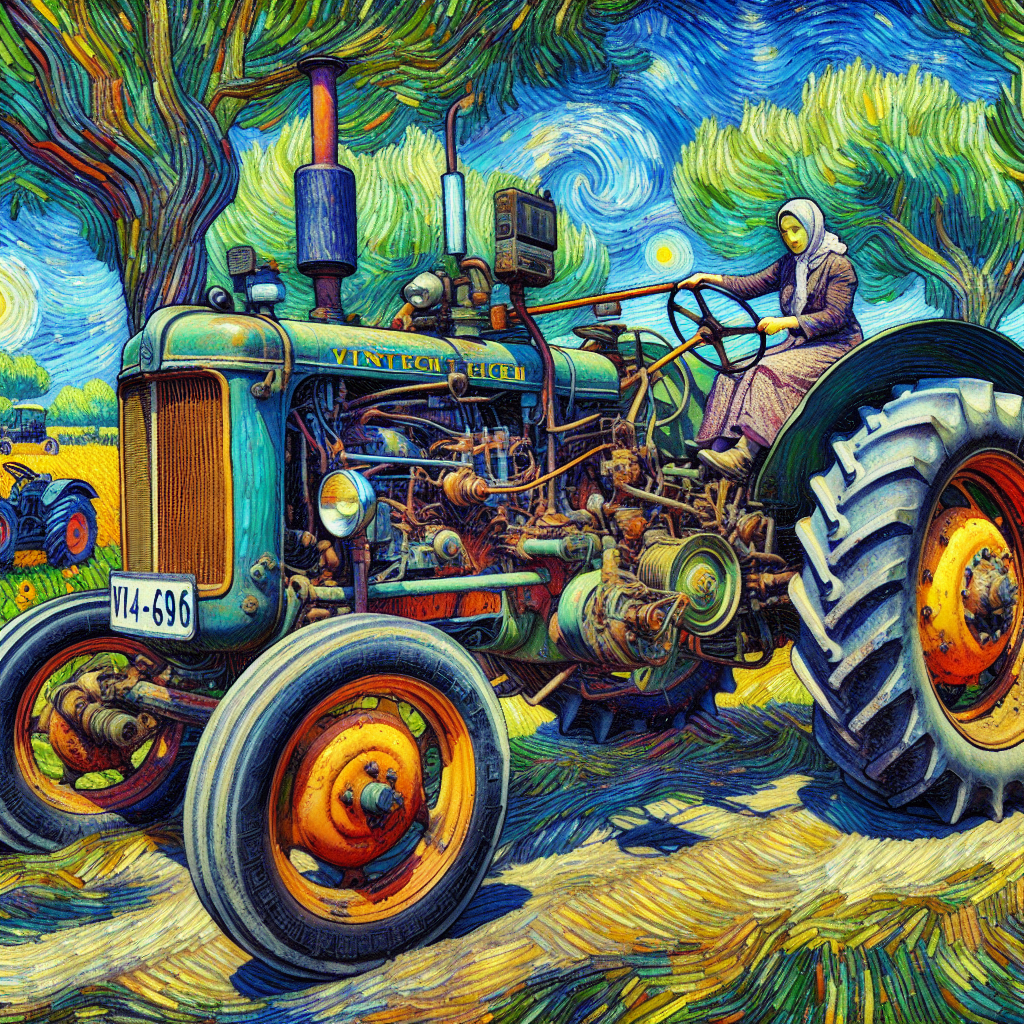
What Ethical Considerations Arise When Using AI In Classic Cars?
What Ethical Considerations Arise When Using AI In Classic Cars?
- Classic cars symbolize history, craftsmanship, and emotional connections.
- AI has the potential to revolutionize restoration processes with detailed analytics.
- Concerns arise regarding the authenticity and essence of craftsmanship influenced by AI.
- Reduction of restoration to data points may overshadow the human touch and stories.
- AI could democratize knowledge in classic car restoration but risks diluting skills.
- Dialogue around AI in classic cars should honor tradition while embracing innovation.
- Responsible use of AI is essential to maintain genuine connections in restorations.

What Ethical Considerations Arise When Using AI In Classic Cars?
Conclusion
In a world that often feels rushed and disconnected, classic vehicles serve as a tangible link to our heritage, embodying stories of perseverance, craftsmanship, and the grit of those who came before us. Imagine your classic tractor or beloved car, not just as machinery but as a testament to the values and hard work of generations past. Yet as technology accelerates forward, there’s a question that looms large: how can we preserve this nostalgia while incorporating modern innovations, particularly artificial intelligence?
Artificial intelligence isn’t here to merely replace—it’s a partner, enhancing our connection to these timeless machines. Picture AI as a trusted co-pilot, one that meticulously tracks performance, anticipates maintenance needs, and even assists in optimizing fuel efficiency. This isn’t just a technological upgrade; it’s a lifeline, ensuring that your prized possessions don’t languish in neglect but thrive, echoing the dedication that brought them to life. Stories abound, like that of Joe, a farmer who, armed with AI tools, not only kept his family tractor running efficiently but also honored his lineage. His experience is a powerful reminder of how technology can weave together the past and present.
The ethical landscape of using AI in classic cars invites us to reflect on our responsibilities as custodians of these vehicles. It’s about sustainability—using AI to make informed choices that protect our environment, from optimizing emissions to selecting crops that nourish the land, thereby safeguarding our future. The beauty lies in the simplicity. Engaging with such technology needn’t be daunting; instead, think of it as adopting a new daily ritual, akin to reading the morning news.
We are all storytellers, and the narratives associated with our classic cars deserve to be celebrated. Each scratch and dent encapsulates a moment in time, and with AI, we can unearth those secrets, transforming mundane maintenance into an exploration of history. Discovering hidden features or understanding driving patterns strengthens our bond with these machines, allowing us to forge connections—between ourselves and our past, and amongst fellow enthusiasts in the community.
At its core, this blend of nostalgia and innovation is an invitation to rethink not only what it means to preserve the past but how to honor it through progress. Embrace the journey of blending tradition and technology. Stand proudly at the intersection of heritage and modernity. As a new chapter unfolds—where reminders of yesteryear meet the promise of tomorrow—we can ensure that our legacies continue to roar and resonate for generations to come. Dust off that classic, tap into AI, and let’s drive forward, together.

Conclusion
Conclusion:
- Classic vehicles serve as a connection to heritage, reflecting stories of perseverance and craftsmanship.
- As technology evolves, there is a need to preserve nostalgia while integrating modern innovations like artificial intelligence.
- AI enhances the relationship with classic vehicles by tracking performance and optimizing maintenance and fuel efficiency.
- Joe’s story illustrates how AI can help maintain classic tractors while honoring family traditions.
- The ethical use of AI promotes sustainability and informed choices to protect the environment.
- Engaging with AI can be a simple experience, enhancing the enjoyment and connection to classic vehicles.
- The blend of nostalgia and innovation encourages reflection on preserving the past while embracing progress for future generations.

Conclusion
Other Resources

Other Resources
Here is a list of other resources you can review online to learn more:
- Samson
- Benefits of Classic Tractors
- Wagner
- IngersollRand
- Arma Trac Tractors
- John Deere
- Simpson Jumbo
- Carraro
- Happy Farmer
- Advance-Rumely
- Jackson
- AgTrac
- FTMTA
- Wuzheng
- Hitachi
- Just Farm Kids Tractor Show
- International Harvestor
- Agria Hispania
- Hesston
- Zetor Zebra
Use This Prompt To Get More Resources With Your Favorite Online AI Tool: Please provide me with a list of online articles with their URLs in a bulleted list that I can read regarding Future-Proof Your Classic with Simple AI Assistance
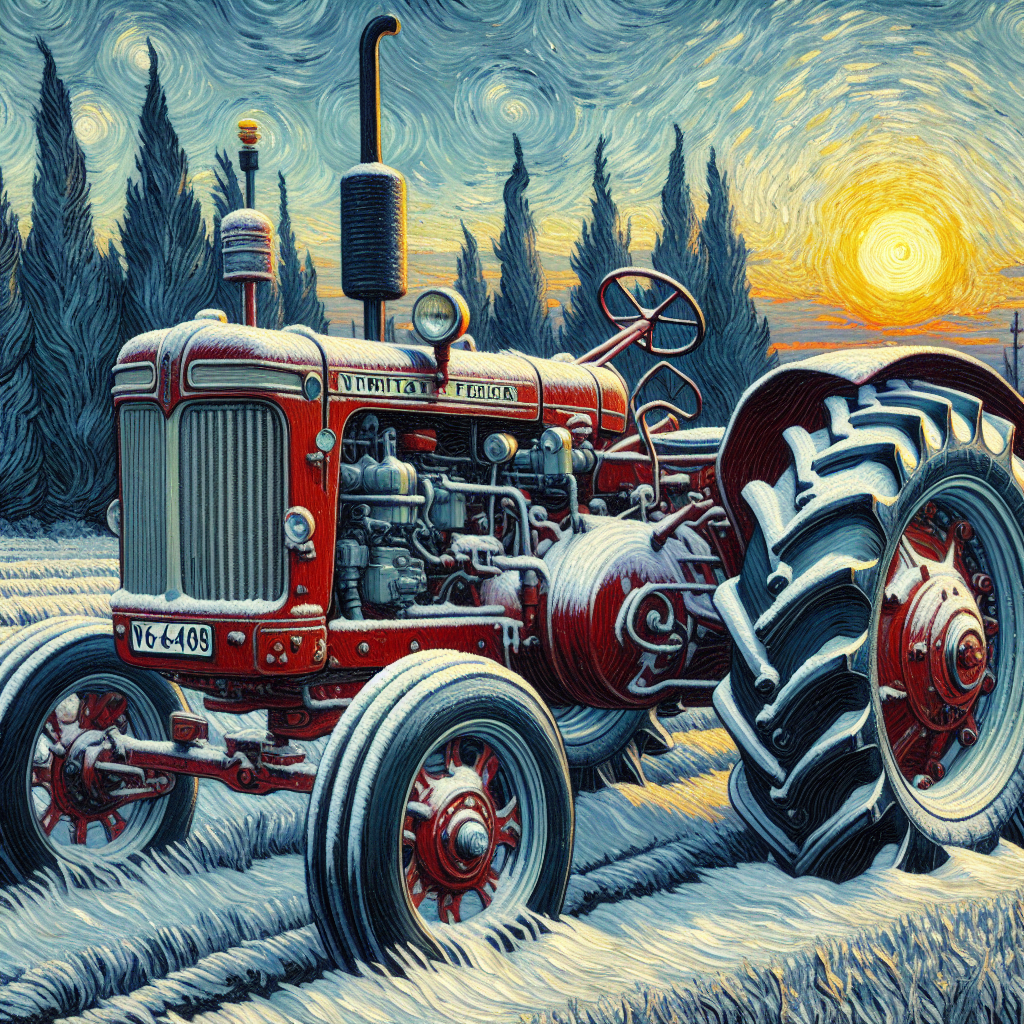
Other Resources
Glossary Terms
Future-Proof Your Classic with Simple AI Assistance – Glossary Of Terms
1. Classic (asset) — A legacy object or system (car, appliance, furniture, software, etc. ) valued for design or function that you want to preserve and keep usable over time.
2. Future-proofing — Strategies and interventions that extend usefulness and relevance of a classic by anticipating and mitigating obsolescence.
3. AI assistance — Tools and systems that use artificial intelligence to analyze, predict, optimize, or automate tasks that help maintain, upgrade, or adapt a classic asset.
4. Predictive maintenance — Using data and models to forecast failures or wear so repairs are scheduled before breakdowns occur.
5. Condition-based maintenance — Maintenance triggered by real-time sensor readings or diagnostics rather than fixed intervals.
6. Telematics — Remote transmission of diagnostic, location, and usage data from an asset for monitoring and analysis.
7. Telemetry — Measurement and automatic transmission of data from sensors on a classic to a central system for review and decision-making.
8. Sensorization — Adding sensors to a classic to capture status, performance, environment, or user interaction data.
9. Internet of Things (IoT) — Network of connected devices and sensors that allow data exchange and remote control of physical assets.
10. Edge computing — Local data processing near the asset to enable low-latency decisions, reduce bandwidth use, and maintain function offline.
11. Cloud integration — Storing and processing asset data in scalable remote servers to enable advanced analytics, backups, and collaboration.
12. Digital twin — Virtual replica of a classic that mirrors its state and behavior for simulation, diagnostics, and planning upgrades.
13. OTA updates (Over-the-Air) — Remote delivery of software or firmware updates to retrofit or improve functionality without physical access.
14. Firmware — Embedded software that controls hardware functions; often the target of updates to improve reliability or add features.
15. Retrofitting — Physically or digitally modifying a classic to add modern features, sensors, or control systems while preserving original character.
16. Reverse engineering — Analyzing an existing component or system to recreate documentation, parts, or compatible replacements.
17. 3D scanning — Digitally capturing the shape and surfaces of parts for modeling, reproduction, or fit testing.
18. Generative design — AI-driven design exploration that proposes optimized components or adaptations that respect constraints and materials.
19. Sensor fusion — Combining data from multiple sensors to produce more accurate and robust state estimates than individual inputs.
20. Anomaly detection — Automated identification of unusual patterns or behaviors that may indicate faults or degradation.
21. Predictive model — A trained algorithm that forecasts outcomes (failures, wear, performance) based on historical and sensor data.
22. Transfer learning — Adapting pre-trained AI models to a specific classic or context with limited new data to speed deployment.
23. Explainable AI (XAI) — Techniques that make AI decisions transparent and interpretable so owners can trust automated recommendations.
24. Human-in-the-loop — Workflow design where human judgment complements AI outputs for validation, control, or nuanced decisions.
25. Data labeling — The process of annotating data (images, logs, sensor traces) to train supervised AI models relevant to the classic.
26. Model drift — Degradation of AI model accuracy over time as the asset or operating conditions change, requiring retraining or recalibration.
27. Cybersecurity — Measures (encryption, authentication, secure updates) that protect connected classics from tampering, data theft, or malicious control.
28. Provenance — Traceable records of an asset’s parts, materials, and modification history to support authenticity, maintenance, and regulated work.
29. Compatibility layer — Software or hardware adapters that allow new components or interfaces to work with legacy systems without redesigning the classic.
30. Lifecycle management — Coordinated planning for acquisition, maintenance, upgrades, documentation, and end-of-life to maximize longevity and value. Glossary Of Terms
Other Questions
Future-Proof Your Classic with Simple AI Assistance – Other Questions
If you wish to explore and discover more, consider looking for answers to these questions:
- What specific AI tools or apps are available for classic tractors and cars?
- How much does it cost to add AI assistance to a classic vehicle?
- What hardware is required to retrofit AI into older vehicles?
- Can AI be integrated without permanently altering a classic’s original parts?
- How difficult is installation for a non-technical owner?
- Are there plug-and-play solutions versus professional installations?
- Which sensors are most useful for monitoring classic vehicles?
- How does AI predict maintenance needs and how accurate is it?
- What data does the AI collect from my vehicle?
- Who owns the data collected by AI systems in my classic car or tractor?
- How is my vehicle’s data protected from breaches or misuse?
- Do AI upgrades affect a classic vehicle’s authenticity or value?
- Will adding AI void vintage vehicle warranties or insurance coverage?
- How do insurers treat AI-equipped classic vehicles regarding premiums and claims?
- Can AI help with provenance verification or detecting non-original parts?
- Does AI-assisted restoration risk erasing the human craftsmanship behind a vehicle?
- Are there ethical guidelines for using AI in restoration and preservation?
- How can AI improve fuel efficiency without compromising original performance?
- Is it possible to retrofit electric or hybrid systems guided by AI?
- What environmental benefits can AI realistically provide for classic vehicles?
- How do AI suggestions for sustainable practices align with maintaining originality?
- Can AI analyze and improve soil health or crop choices for agricultural classics?
- How do AI systems handle inconsistent or heavily modified wiring and components?
- What are the limitations of AI when assessing vintage mechanical systems?
- How do AI tools identify hidden features or undocumented modifications?
- Can AI generate restoration guides or step-by-step repair instructions?
- Are there community platforms for sharing AI-discovered insights about classics?
- How do peer networks and AI tools work together to verify findings?
- What training or learning curve should owners expect when using these apps?
- Are there open-source AI options to avoid vendor lock-in?
- How often do AI systems need software updates and who provides them?
- What happens to AI functionality if the manufacturer or app shuts down?
- How reliable are AI alerts in rural areas with limited connectivity?
- Can AI detect early signs of catastrophic failures versus routine wear?
- How do AI-driven diagnostics handle false positives or inaccurate recommendations?
- Will using AI change how collectors, judges, or clubs view a classic vehicle?
- What legal or regulatory issues arise when adding connectivity to vintage vehicles?
- How can owners balance nostalgia and modern convenience without losing identity?

Other Questions
Haiku
Future-Proof Your Classic with Simple AI Assistance – A Haiku
Classic machines thrive,
AI breathes life into past—
Future roots in soil.

Haiku
Poem
Future-Proof Your Classic with Simple AI Assistance – A Poem
In fields where sunlit memories grow,
A classic tractor’s heartbeats slow,
Yet as the world of tech expands,
AI lends its gentle hands.
Like a mechanic, tireless, wise,
It sees the toil through watchful eyes,
Predicting needs before they bite,
Ensuring legacy shines bright.
Joe’s old machine, with stories steeped,
In harvest times, traditions keeped,
With AI’s aid, he finds his way,
To honor past and shape today.
Each eco-friendly turn reveals
Sustainable paths that nature heals,
Together, tech and hearts entwine,
To cultivate a future fine.
From classic cars, their secrets shared,
With AI’s light, new layers bared,
Nostalgia dances with the new,
In every journey, every view.
So let’s embrace the shifting tides,
Where past and future’s love resides,
A symphony of steel and dreams,
In harmony, technology redeems.

Poem
Checklist
Future-Proof Your Classic with Simple AI Assistance – A Checklist
Emotional Appeals
✅______ Reflect on the memories your classic creates—how does it connect you to your past?
✅______ Imagine the thrill of reviving this piece of history with modern technology.
Rational Appeals
✅______ Assess how AI can predict maintenance needs, saving time and money.
✅______ Evaluate the benefits of monitoring fuel efficiency through AI insights.
Ethical Appeals
✅______ Consider the environmental impact—how can AI enhance sustainability in classic car use?
✅______ Reflect on the importance of preserving heritage while innovating for the future.
Authority Appeals
✅______ Seek expert advice on integrating AI tools into classic car care.
✅______ Research testimonials from classic car enthusiasts who have successfully embraced AI.
Narrative Appeals
✅______ Share your classic car story—what adventures has it taken you on?
✅______ Connect with others—are there stories within your community that resonate with the value of preserving classics?
Social Appeals
✅______ Engage with local car shows and restoration clubs—how can technology foster community?
✅______ Promote discussions on social media about the intersection of tradition and innovation in classic car culture.

Checklist
At ClassicTractorNews, we help tractor lovers keep up with the latest news for classic and vintage tractors.
Please share this post with your friends, family, or business associates who may like old classic or vintage tractors.