

Unlocking Hope: A Farmer’s Fight For Freedom And Fairness
By Tom Seest
At ClassicTractorNews, we help tractor lovers keep up with the latest news for classic and vintage tractors.
Please share this post with your friends, family, or business associates who may like old classic or vintage tractors.
From Locked Tractors to Freedom – One Farmer’s Right-To-Repair Journey
For many farmers, a tractor is more than just a machine; it’s a lifeline, a steadfast companion in the pursuit of sustenance and survival. Picture Jim, a fourth-generation corn farmer who spends his days navigating vast fields, the sun rising over dew-kissed rows of green. Yet, what’s more daunting than managing unpredictable weather or fluctuating market prices is the moment his trusty tractor—the one that has helped plant and harvest his family’s legacy—goes down due to a software lock that keeps him from fixing it.
Locked tractors are a modern paradox. Just as Jim has always been taught the ins and outs of his equipment by hands-on experience passed down through generations, he finds that brand new models hold his expertise hostage. Suddenly, everything he knows about repair becomes moot—unless he pays a small fortune to the manufacturer or waits for an authorized dealer, which could mean lost crops and a drained bank account. It riles the gut and resonates deeply. Here’s a man rooted in hard work, now trapped by corporate codes and contractual clauses.
This journey towards repair freedom isn’t just about fixing tractors; it’s about reclaiming the autonomy that comes with being a farmer. It represents the ethical fight for tangible rights over what you own. When Jim joined a grassroots movement advocating for the right to repair—sharing his story on social media, connecting with others around the country facing similar battles—he felt a renewed sense of purpose. Stories like his spread like wildfire, igniting dialogue in communities where tractors are symbols of pride, work ethic, and independence.
As Jim shares his tale at local events, he sees nods of agreement; his struggles are their struggles. These collective voices highlight an essential truth: the freedoms we take for granted often require vigilance to preserve. When farmers unite for their right to repair, they aren’t just challenging manufacturers; they are defending their heritage, their pride, and their very way of life.
So, as we witness this transformation, consider where we stand. To advocate for the right to repair isn’t merely a technical issue; it’s a call to our shared humanity. It invites us to reflect: are we content letting our tools—our very means of living—be controlled by those who don’t understand our daily grind? Let’s rally behind the farmers fighting for this fundamental right. After all, if we are to cultivate a future worth nurturing, we must first celebrate and protect the foundations upon which that future stands.
From Locked Tractors to Freedom – One Farmer’s Right-To-Repair Journey
From Locked Tractors to Freedom – One Farmer’s Right-To-Repair Journey
- Tractors serve as essential lifelines for farmers, integral to their work and survival.
- Jim, a fourth-generation corn farmer, faces challenges when his tractor is immobilized by a software lock.
- Modern tractors often prevent farmers from using their expertise for repairs without costly manufacturer intervention.
- The right to repair movement is about reclaiming farmers’ autonomy and ethical ownership rights.
- Jim’s grassroots advocacy connects him with others sharing similar struggles, fostering community dialogue.
- Farmers uniting for repair rights challenge corporate control and defend their heritage and way of life.
- The movement emphasizes the importance of maintaining control over tools essential to farmers’ livelihoods.
From Locked Tractors to Freedom – One Farmer’s Right-To-Repair Journey
Table Of Contents
- From Locked Tractors to Freedom – One Farmer’s Right-To-Repair Journey
- What Does True Independence In Farming Look Like?
- How Can Unlocking Tractors Empower Farmers?
- Why Should Farmers Reclaim Their Right to Repair?
- What Emotional Toll Does Equipment Dependency Take on Farmers?
- How Does Corporate Control Affect Farmers’ Livelihoods?
- What Stories Of Struggle and Triumph Illustrate the Right to Repair?
- Conclusion
- Other Resources
- Glossary Of Terms
- Other Questions
- Haiku
- Poem
- Checklist
What Does True Independence In Farming Look Like?
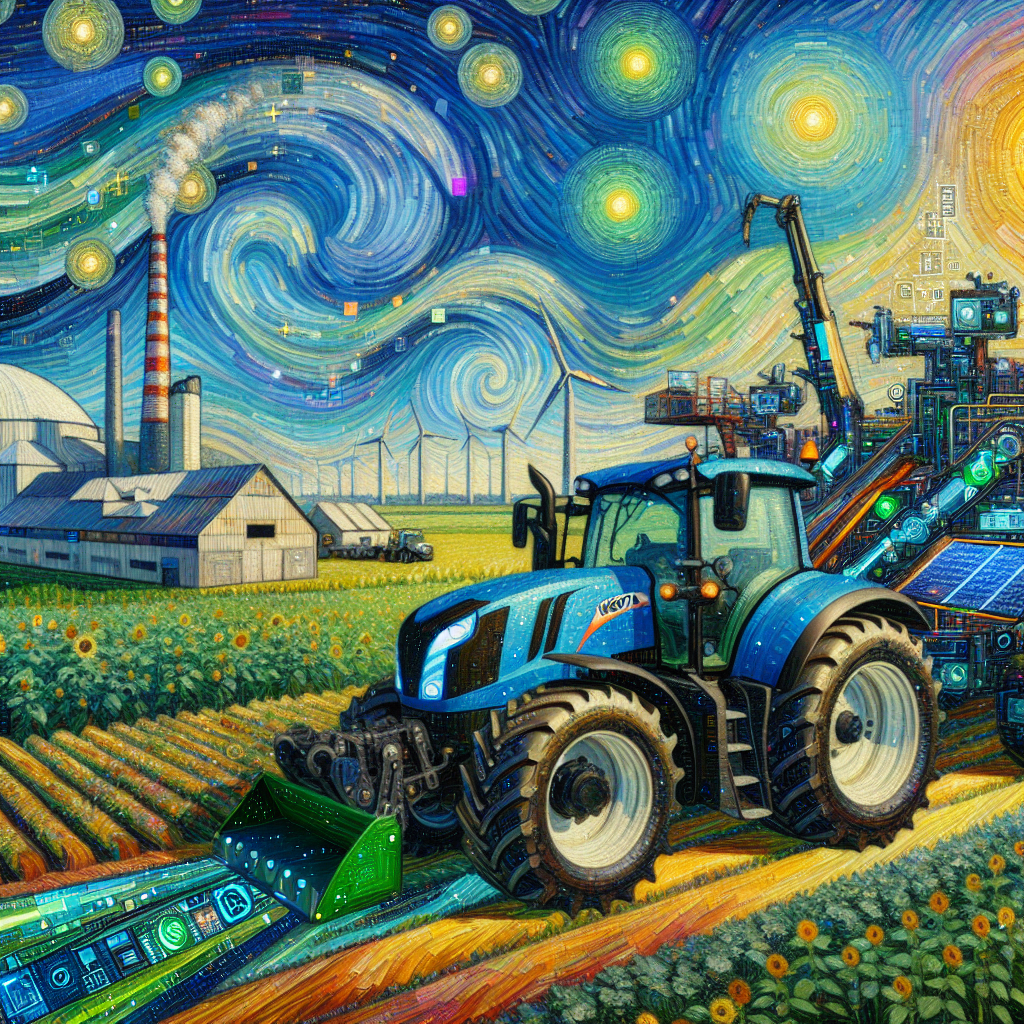
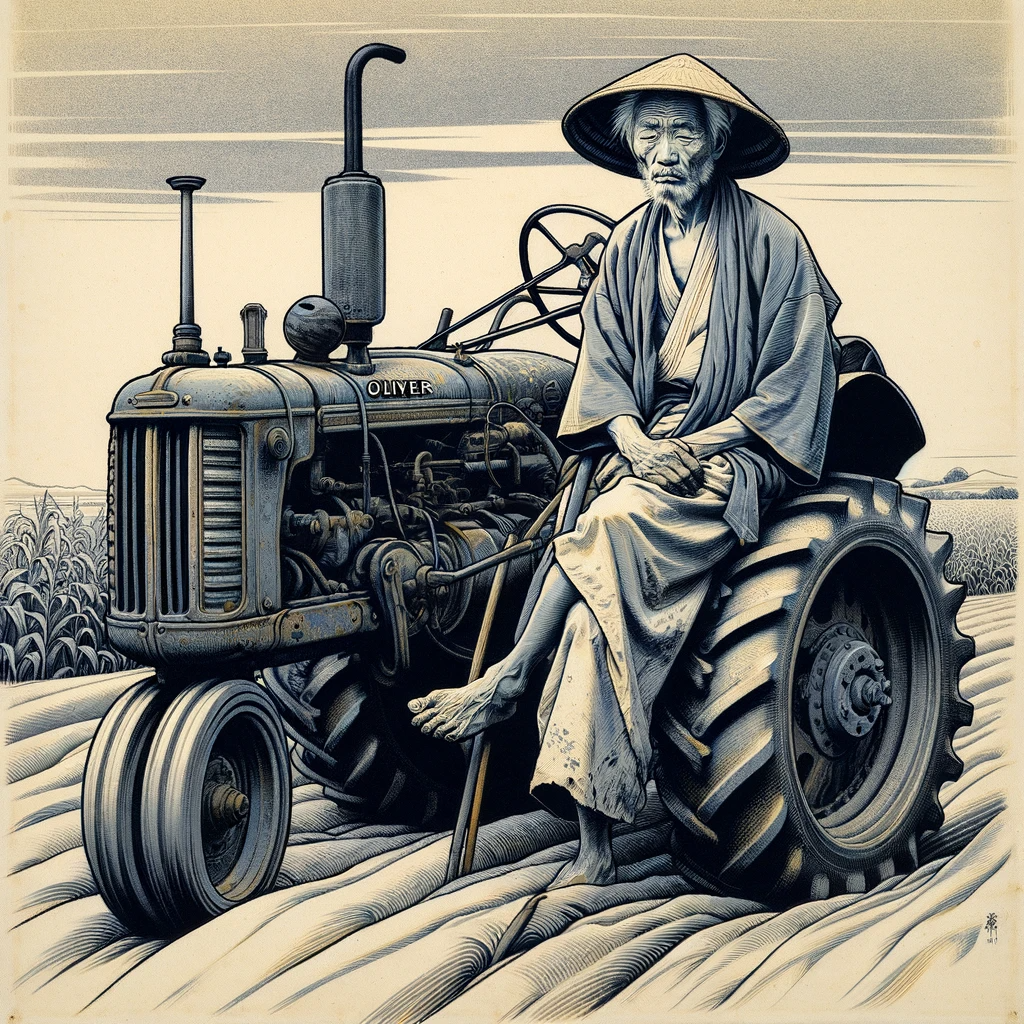
True independence in farming transcends the simple notion of owning land and equipment; it’s about cultivating a lifestyle grounded in the deep-rooted connection to both the land and the community. Picture a well-worn tractor, a trusty companion that bears the marks of seasons past, symbolizing a farmer’s commitment to nurturing the earth. This image is more than just machinery; it embodies the hard-won knowledge and sweat equity that define true agricultural independence.
In every story of independence, there’s an undeniable grit. A neighbor, who recently transformed his family’s century-old farm, illustrates this vividly. Faced with rising costs and eerie echoes of doubt, he harnessed the power of technology, employing precision farming techniques. His success was rooted not in a flashy new tractor, but in relationships with local buyers and a commitment to sustainable practices. This wasn’t merely a business decision—this was an ethical stand, a choice to reflect the community’s values back into his work. It illustrates how independence in farming is as much about making thoughtful choices as it is about personal gain.
True independence means cultivating resilience and adaptability. It’s about forging your own path but remaining well-connected to your roots. The emotional bonds formed in a community of farmers stand strong against the winds of market change. As these farming families share resources and knowledge, they remind us that true autonomy thrives on collaboration rather than isolation. The stories of shared harvests and reciprocal support fortify this idea that independence isn’t the absence of connection but an enriched tapestry woven through shared experiences.
Helping your neighbor repair their tractor or joining hands for a community garden isn’t merely altruism; it’s about building trust, forming alliances, and developing a network that amplifies your own strength. In doing so, you craft a lifestyle that feels less like a fierce battle against the elements and more like an engaging dance with them.
At the end of the day, true independence in farming beckons us to reflect not only on what we can achieve alone but on how our successes are inherently tied to our community and the earth. It’s about digging deeper—into the soil, into our relationships, and into our shared commitment to stewardship. This essence of independence is a call to action, inviting each of us to redefine success, rooted in both personal fulfillment and collective advancement.
What Does True Independence In Farming Look Like?
What Does True Independence In Farming Look Like?
- True independence in farming goes beyond ownership of land and equipment.
- It involves a deep connection to both the land and the community.
- A well-worn tractor symbolizes a farmer’s commitment and hard-won knowledge.
- Successful farmers utilize technology and focus on relationships with local buyers.
- Independence in farming is rooted in resilience, adaptability, and collaboration.
- Community support enhances individual strength and fosters trust among farmers.
- True independence invites reevaluation of success based on personal and collective growth.
What Does True Independence In Farming Look Like?
How Can Unlocking Tractors Empower Farmers?
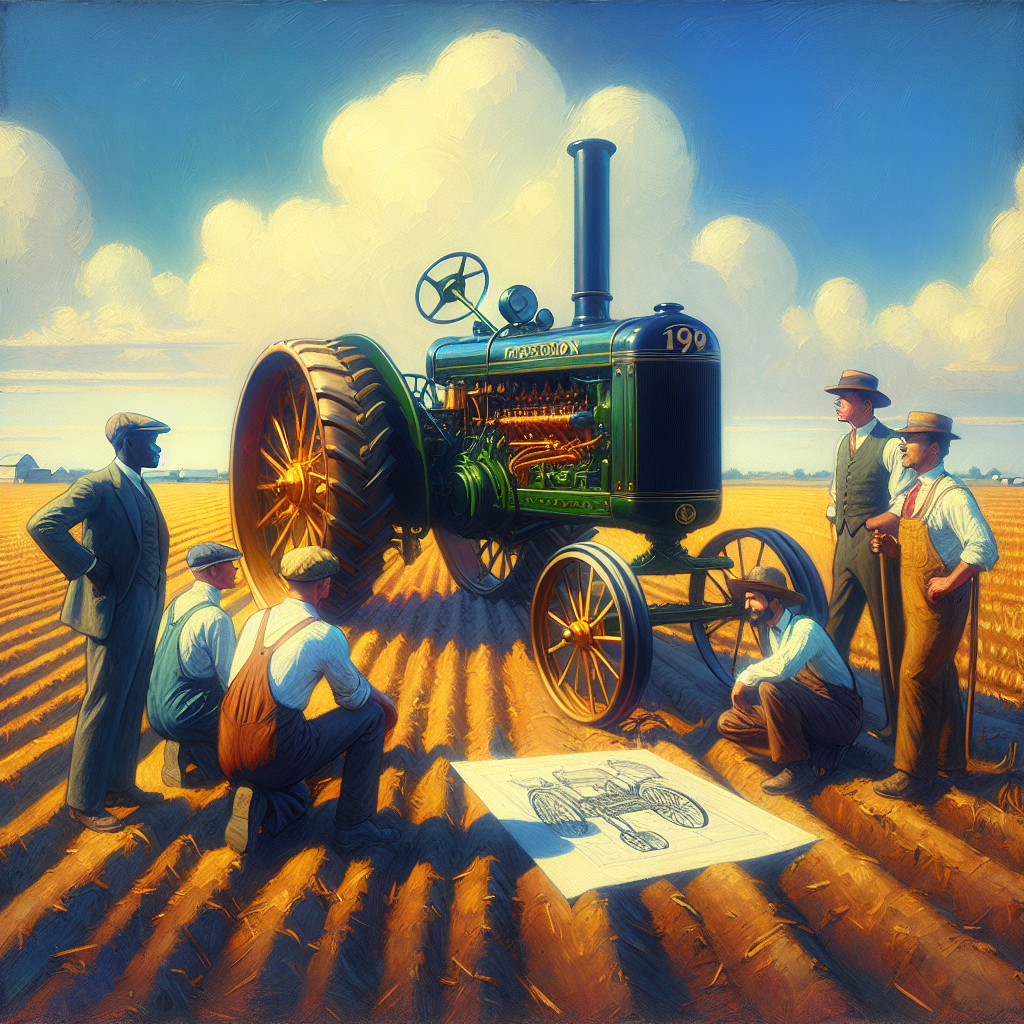
Imagine a farmer named Sam, rising before the sun, his breath visible in the crisp morning air. He stands before a bright red tractor, its engine a silent promise of a good day’s work. But this isn’t just any tractor; it’s a gateway to a future where farmers like Sam can harness the full power of technology, enhancing not only productivity but quality of life. Unlocking tractors—removing the software restrictions imposed by manufacturers—can be the key that turns this vision into reality.
When farmers have the freedom to customize their tractors, they gain control over how these machines operate. It’s like giving a musician the right to tweak the notes of a beloved song; suddenly, it’s a composition that resonates with their own rhythm. Whether it’s adjusting GPS settings for more precise planting or optimizing fuel efficiency, each small change can lead to significant impacts. Farmers are no longer just operators; they become innovators, transforming their fields into dynamic ecosystems.
The gut feeling is powerful here. There’s something deeply satisfying about seeing the fruits of your labor—literally—come to life because you’ve tailored the tools at your disposal. The realization that your tractor, once merely a metal beast, can become an extension of your vision and values is electrifying. It shifts the narrative from dependency on corporate dictates to a story of self-reliance and ingenuity. Sam isn’t just farming; he’s cultivating his dreams, one field at a time.
This approach doesn’t merely empower the individual farmer; it resonates within the entire agricultural community. When one farmer succeeds, the ripples spread. It fosters a culture where knowledge sharing becomes the norm. Farmers can gather, share tips on modifications, and spark conversations around best practices—an exchange that builds trust and strengthens community bonds. It’s the age-old principle of neighbor helping neighbor, but amplified by technology.
Moreover, unlocking tractors allows farmers to champion sustainability. They can modify their equipment for less waste, efficient resource use, and environmentally friendly practices, all while setting an example for future generations. This ethical stance not only enhances their operation but positions them as stewards of the land, earning respect from consumers who value conscious farming practices.
In a world where food security is paramount, empowering farmers through unlocked tractors isn’t just about convenience; it’s about creating a resilient, self-sufficient agricultural landscape. When equipped with the right tools and knowledge, farmers can drive not just their tractors, but also the future of agriculture itself, ensuring that families, communities, and entire nations thrive.
How Can Unlocking Tractors Empower Farmers?
How Can Unlocking Tractors Empower Farmers?
- Sam, a farmer, rises early to a bright red tractor symbolizing the potential of technology in agriculture.
- Unlocking tractors allows farmers to customize their machinery, enhancing operation control and fostering innovation.
- Small modifications, like GPS adjustments, can significantly impact productivity and efficiency.
- This empowerment shifts farmers from mere operators to innovators, aligning their work with personal vision and values.
- Knowledge sharing within the farming community strengthens bonds and promotes sustainable practices.
- Unlocking tractors encourages environmental stewardship and positions farmers as responsible land caretakers.
- Empowering farmers through technology contributes to a resilient agricultural landscape, crucial for food security.
How Can Unlocking Tractors Empower Farmers?
Why Should Farmers Reclaim Their Right to Repair?
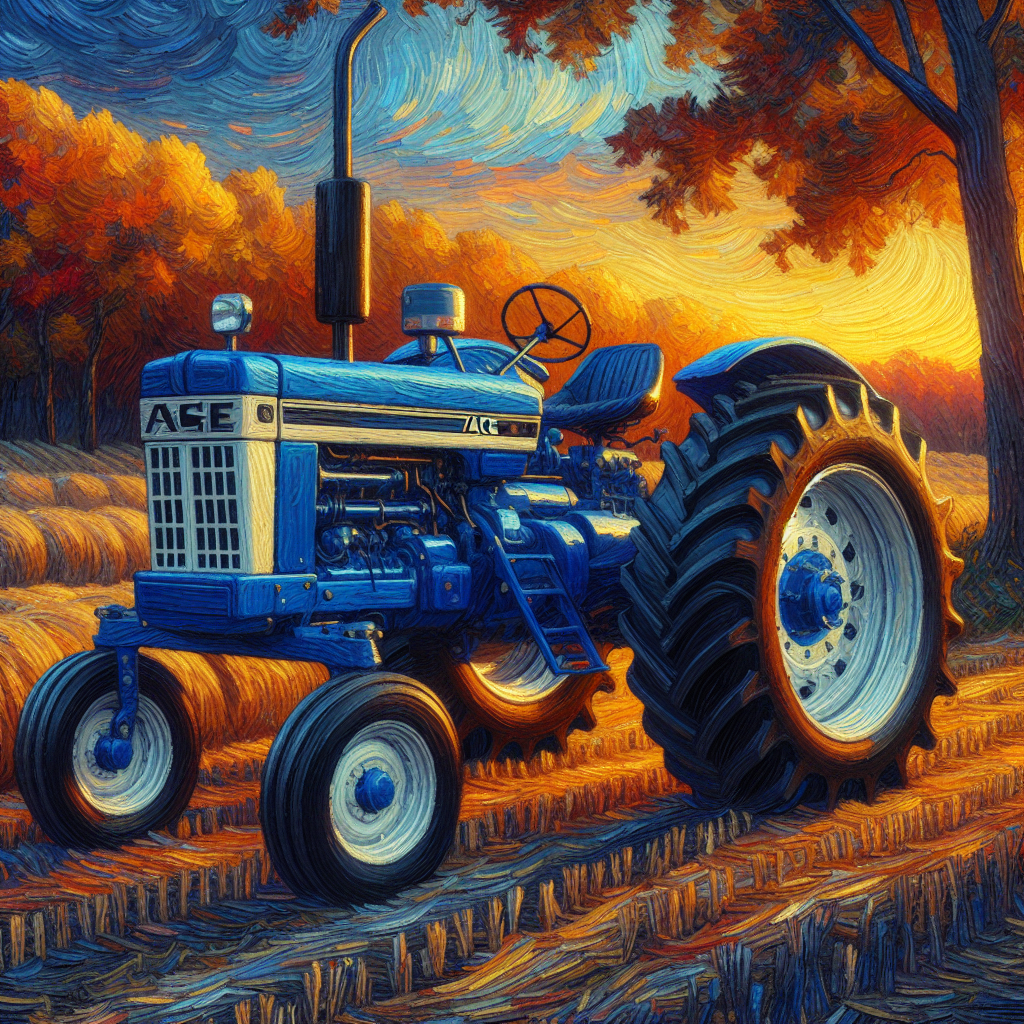
Imagine waking up early, the sun just breaking the horizon, casting a golden hue over the fields. The hum of a tractor resonates in the distance, a familiar melody to those who work the land. Yet, in recent years, that melody has been interrupted by a dissonance — the feeling of helplessness when that same tractor breaks down, and suddenly you’re at the mercy of a corporate giant for repairs. The right to repair isn’t just a legal issue; it’s a fundamental aspect of farming dignity and autonomy.
Farmers have always been the backbone of our nation, yet they face growing obstacles that threaten their ability to keep their operations running. When a machine fails, it should be the farmer’s choice whether to fix it or call for help, not a corporation’s. With technology embedded in nearly every piece of equipment, many find themselves locked out of their own machinery due to proprietary software and parts. This monopoly isn’t just frustrating; it’s infuriating. It’s a betrayal of trust, and it strips farmers of control over their livelihood.
Consider the story of a corn farmer who faced a simple mechanical issue. Instead of rolling up his sleeves, he spent hours on hold with a company that claimed to have his interests at heart. Each minute wasted equated to lost income, a reflection of how deeply a farmer’s time is intertwined with the earth. This scenario isn’t unique; many can relate. When farmers are resourceful by nature, why should they be shackled by policies that undermine their ability to fix what they own?
Reclaiming the right to repair is not just about fixing tractors; it’s about fostering a culture of resilience. It speaks to the core of what it means to be a farmer: self-sufficiency, stewardship of the land, and community reliance. When farmers can repair their own equipment, they also stitch the fabric of their community tighter. They can share knowledge, tools, and time — building a network of collaboration that strengthens not just individual farms but the agricultural sector as a whole.
It’s a call to arms. A movement driven by integrity, empowerment, and community. The right to repair is an invitation to break free from corporate chains and forge ahead independently. It’s time for farmers to reclaim not just their tractors, but their right to autonomy, ensuring the future of farming is in their hands, not someone else’s.
Why Should Farmers Reclaim Their Right to Repair?
Why Should Farmers Reclaim Their Right to Repair?
- Morning scenes on farms highlight the importance of autonomy and self-repair.
- Farmers are increasingly dependent on corporations for equipment repairs due to proprietary restrictions.
- The inability to fix machinery leads to lost income and operational challenges for farmers.
- Reclaiming the right to repair is essential for fostering resilience and self-sufficiency among farmers.
- Repairing equipment supports community collaboration and strengthens the agricultural sector.
- The movement for the right to repair promotes independence and challenges corporate monopolies.
- Empowering farmers to fix their own machinery is crucial for maintaining their livelihood and dignity.
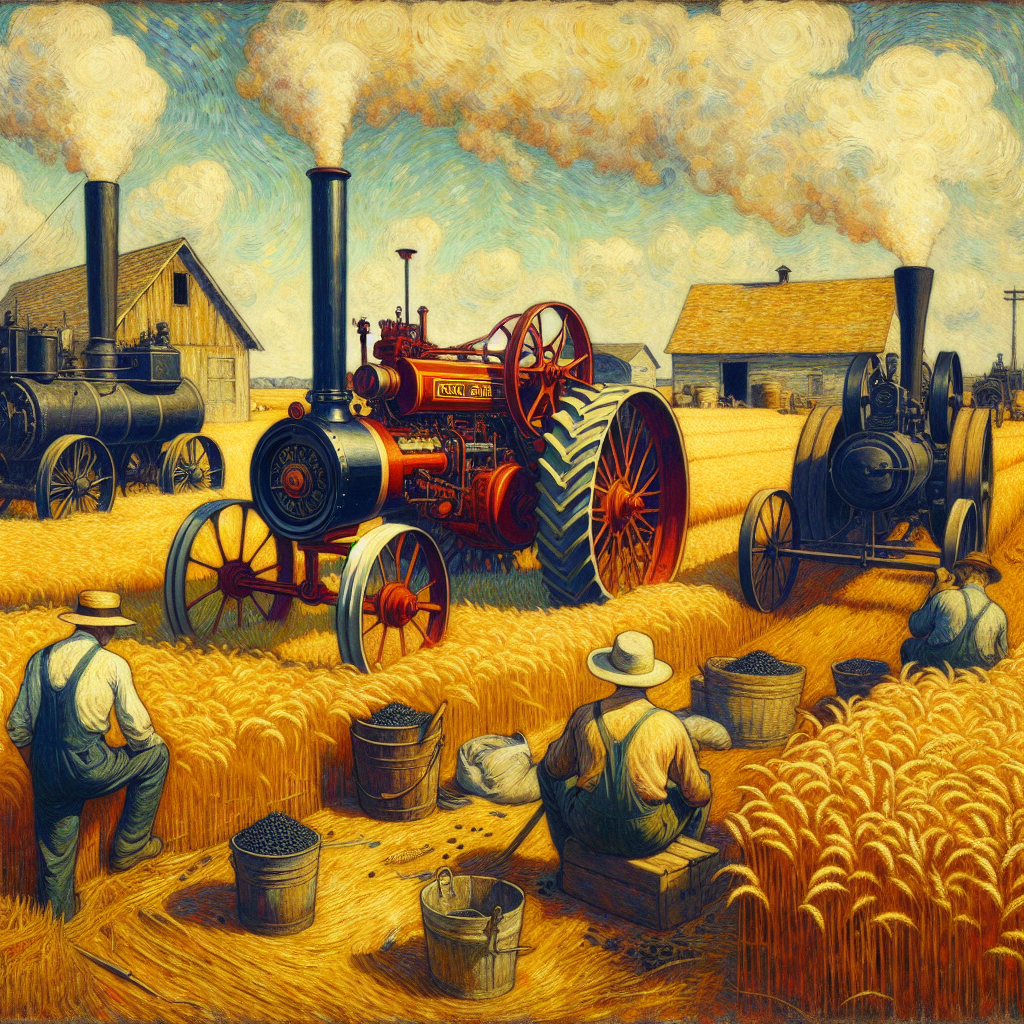
Why Should Farmers Reclaim Their Right to Repair?
What Emotional Toll Does Equipment Dependency Take on Farmers?
In the world of farming, the tractor is more than just a machine; it’s a lifeline, a silent partner in the daily grind of tilling, planting, and harvesting. For many farmers, the dependency on this metal workhorse deepens a bond that’s hard to articulate. It’s the engine of their aspirations, but it also casts a long shadow over their emotional landscape, demanding not just skill but a deep emotional investment.
Imagine a farmer rising before dawn, the chill of morning air mingling with the scent of earth waiting to be turned. As he climbs into the cab of his trusted tractor, he feels the weight of generations resting upon his shoulders. The tractor hums to life, a familiar sound, yet each day it brings with it a flicker of anxiety. What if it breaks down? What if it doesn’t start? These questions are not merely technical; they are existential, entwining the fate of the family farm with the health of a machine.
Dependency on equipment creates a paradox: while it offers efficiency and productivity, it also breeds vulnerability. A breakdown during the critical harvest season can turn weeks of labor into loss, inflicting emotional scars that run as deep as the plowed fields themselves. Farmers are often left grappling with feelings of helplessness, replaying moments of desperation when machinery failed them. That moment when panic sets in, knowing the livelihood of their family hangs in the balance, can be crushing.
Yet, it’s not all doom and gloom. There’s an ethical dimension to this dependency. It’s about the future, the legacy farmers wish to carve out for their kids. The tractor represents technology’s advancement, but it also raises questions about sustainability and the farming way of life. The dilemma isn’t just about what technology can do; it’s about what it replaces and how it reshapes the farmer’s identity, turning them into operators of equipment rather than stewards of the land.
Let’s not forget the social aspect, too. Farmers often find themselves isolated, buoyed only by the camaraderie of others in the field. The shared struggles and triumphs over equipment failures forge connections that run deep. It’s a common story in the barnyard—the chatter over coffee about the latest gadget or a near-miss breakdown. There lies an emotional resonance, the shared understanding that transcends spoken words.
Ultimately, the emotional toll of equipment dependency isn’t just a tale of reliance on machines. It’s a narrative of hope, resilience, and the human spirit, a reminder that while tractors may help us cultivate our land, it’s our connection to that land—and to one another—that truly sustains us.
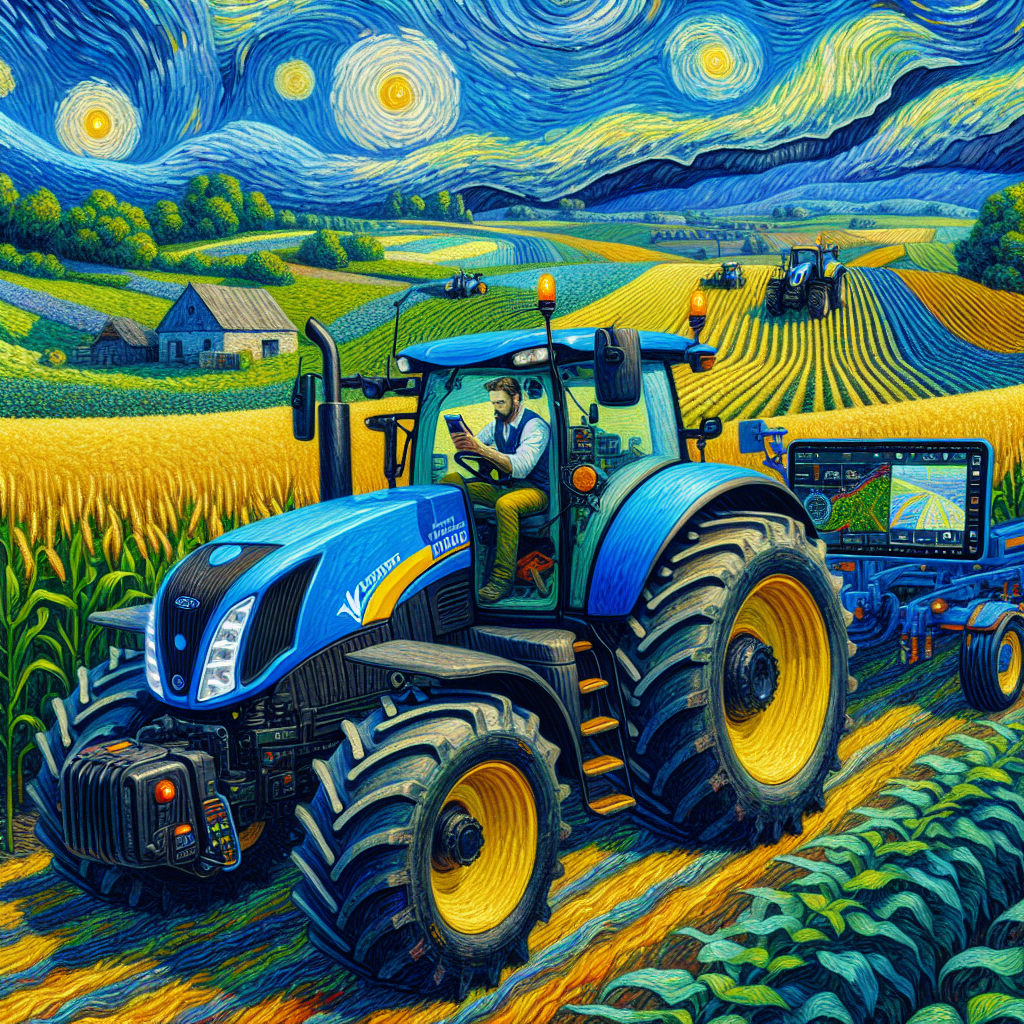
What Emotional Toll Does Equipment Dependency Take on Farmers?
What Emotional Toll Does Equipment Dependency Take on Farmers?
- The tractor is essential to farming, acting as a vital partner in daily agricultural tasks.
- Farmers develop a deep emotional bond with their tractors, facing anxiety regarding equipment reliability.
- Equipment dependency creates vulnerability, where breakdowns can lead to significant emotional and financial stress.
- There are ethical concerns surrounding technology in farming, particularly in terms of sustainability and identity.
- Isolation among farmers can be mitigated through shared experiences and camaraderie over equipment issues.
- The relationship with machinery shapes farmers into operators rather than traditional stewards of the land.
- The narrative of equipment dependency illustrates hope and resilience, highlighting the importance of connections with land and community.
What Emotional Toll Does Equipment Dependency Take on Farmers?
How Does Corporate Control Affect Farmers’ Livelihoods?
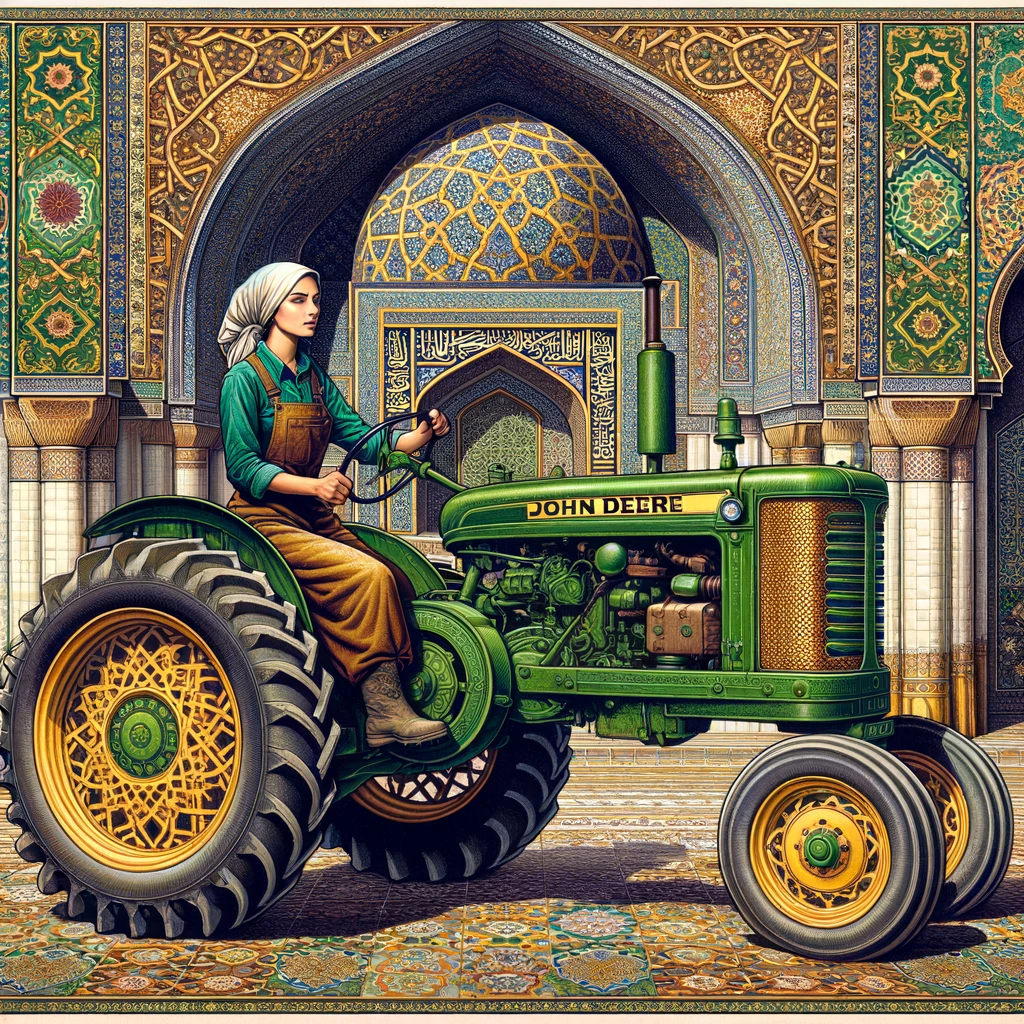
When you picture a farmer, you might envision a sturdy individual tending to vast acres of land, a trusty tractor nearby, chugging along as it turns the dirt. This image, however, hardly reflects the reality many farmers face as they navigate a landscape increasingly dominated by corporate interests. These corporations, with their shiny marketing campaigns and calculated strategies, often overshadow the small farmer, making it tough for them to keep their livelihoods intact.
Think about it: a family farm that has been passed down through generations now struggles against mega-farms that can produce more at a cheaper price. The tug-of-war is not just about productivity; it’s about passion, heritage, and the heartache of seeing a way of life at risk. This is the emotional side of corporate control—where the dream of working the land can turn into a nightmare when profits take precedence over people.
Rationally, the facts are sobering. According to recent studies, farmers are squeezed on both ends: the cost of seeds, fertilizers, and equipment skyrockets while the prices they can charge for their crops plummet, crushed by corporate pricing strategies. When a farmer looks at the numbers, often what they see is an uphill battle that feels more resemble climbing Mount Everest than managing a business. They are left to wonder whether they should pull the plug on their operations or struggle against the rising tide.
Ethically, are we comfortable with a system that prioritizes shareholder profits over the livelihoods of hardworking individuals? Each time a corporate monopoly tightens its grip, it’s not just a bottom line that’s affected—it’s real families, communities, and traditions that fade away. We owe it to farmers to become advocates for their cause, supporting local produce and championing fair practices.
Yet, there’s hope. Drawing on the narratives of small farms—where innovation often thrives against the odds—can inspire action. Take the story of a farmer in a rural town who, facing corporate giants, began producing organic heirloom tomatoes. By connecting with local markets and forming cooperatives, he saw not just his business thrive but a renewed sense of community emerge—where neighbors rallied together to resist the pull of corporate power.
Farmers teaching each other, sharing expertise, and ensuring that the tractor, a symbol of their hard work, doesn’t just plow through the current system alone, can breathe new life into agriculture. United, they can cultivate a future rooted not just in profits, but in purpose and pride.
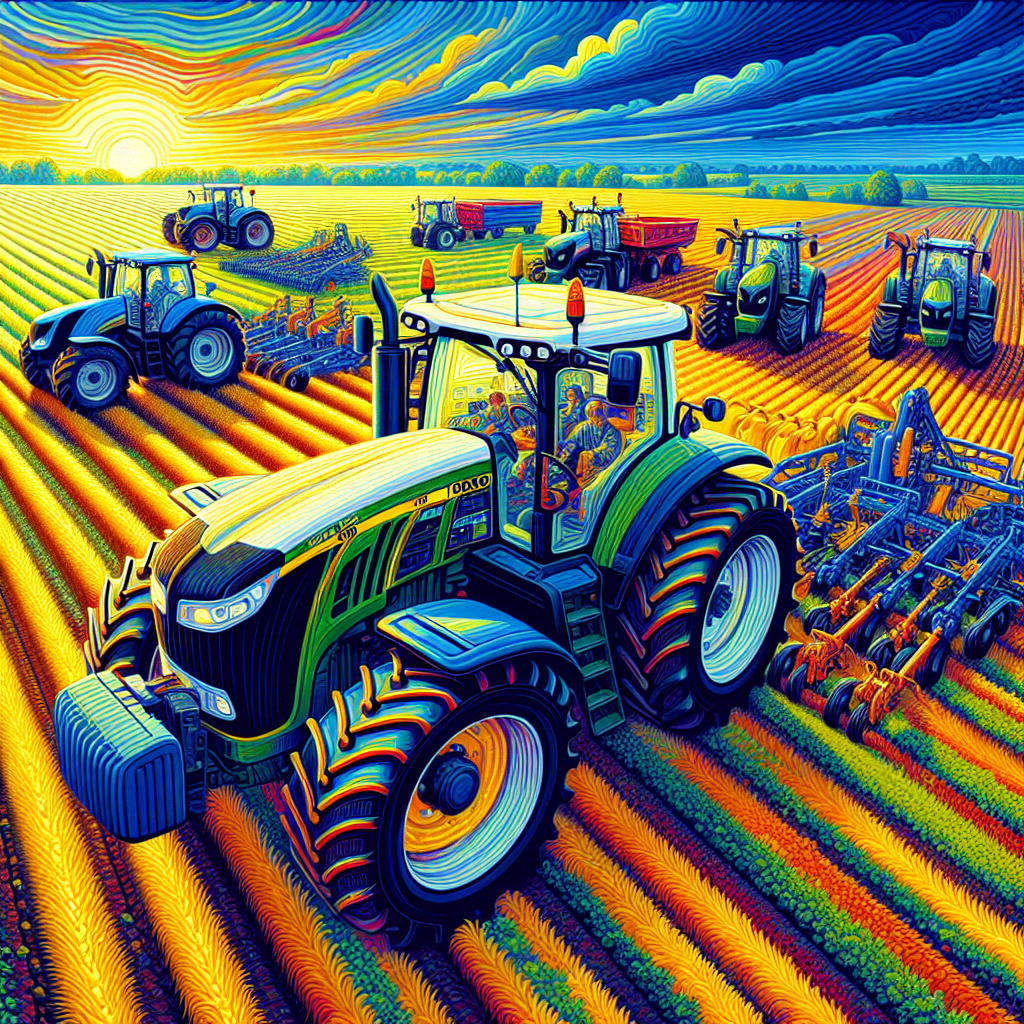
How Does Corporate Control Affect Farmers’ Livelihoods?
How Does Corporate Control Affect Farmers’ Livelihoods?
- Corporate interests increasingly overshadow small farmers, complicating their livelihoods.
- Family farms struggle to compete with mega-farms that produce at lower costs.
- The emotional impact of corporate control threatens farmers’ way of life and passion for agriculture.
- Farmers face rising costs while crop prices plummet due to corporate pricing strategies.
- The ethical concern arises over prioritizing corporate profits over farmers’ livelihoods.
- Small farms can inspire action through innovation and community support against corporate giants.
- Collaboration among farmers can revitalize agriculture, focusing on purpose and pride instead of only profits.
How Does Corporate Control Affect Farmers’ Livelihoods?
What Stories Of Struggle and Triumph Illustrate the Right to Repair?
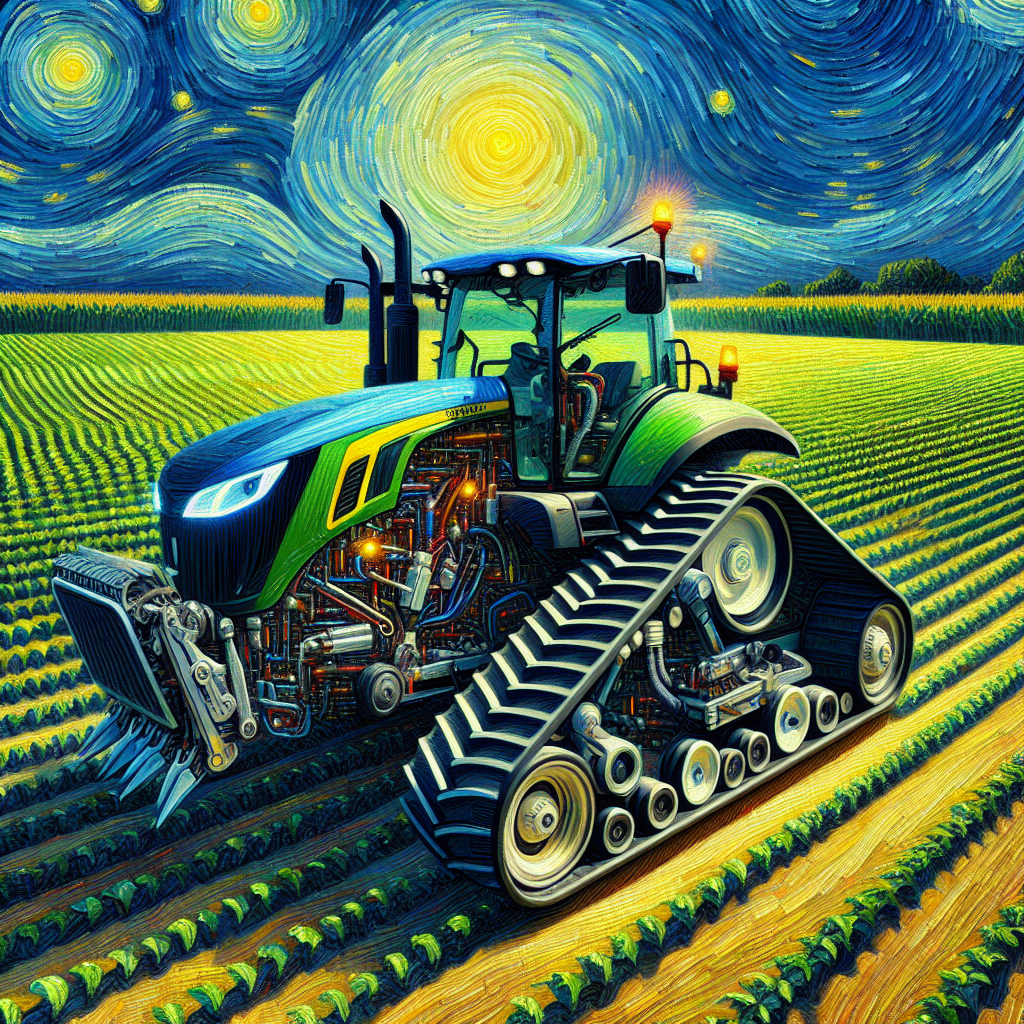
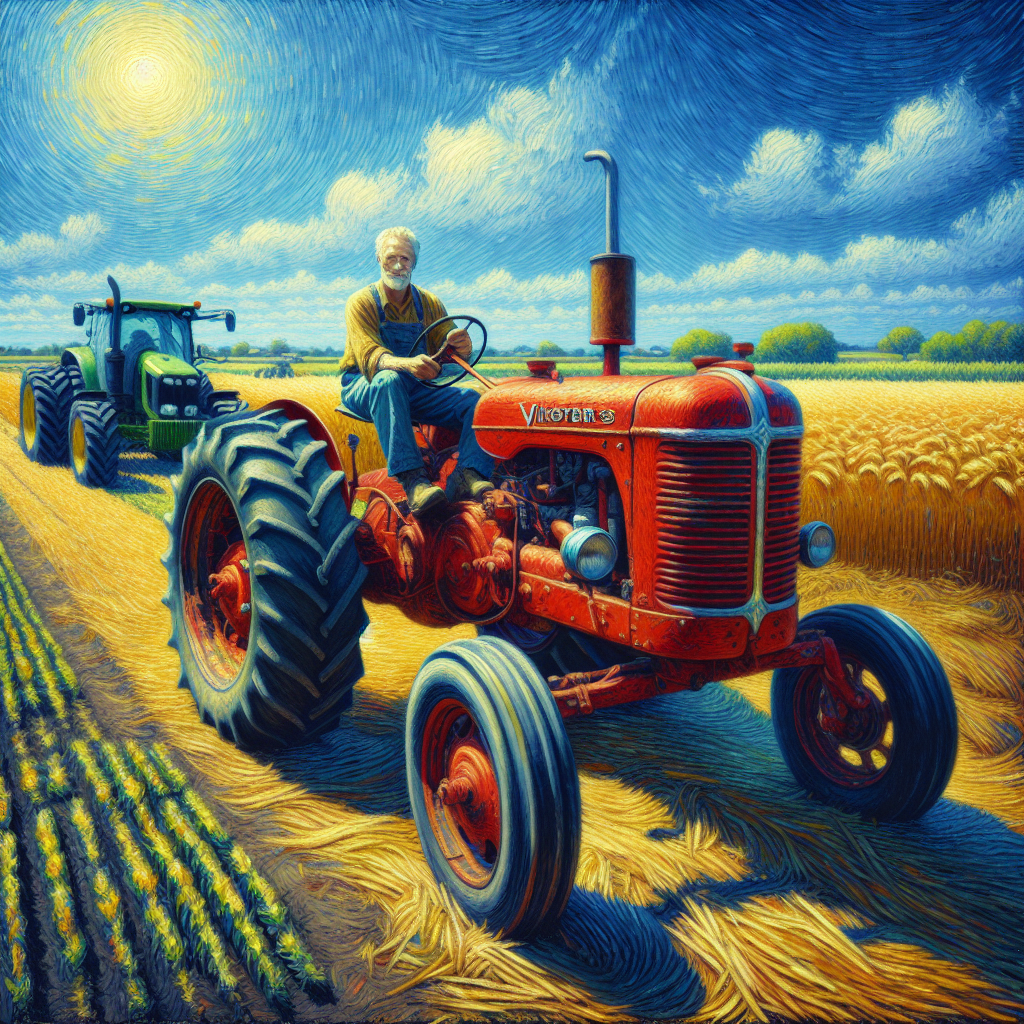
In the heartland of America, where fields stretch endlessly and the hum of life is drawn from dirt and machinery, the story of a tractor embodies the struggle and triumph surrounding the right to repair. Picture an old, rusted machine, once the lifeblood of a family farm, now sidelined by a minor but crippling malfunction. For many, this is more than just an inconvenience; it’s a threat to their way of life. Behind every tractor is a story of hard work and dedication, an unyielding bond between farmer and machine that’s often overlooked in our fast-paced, throwaway culture.
When a farmer faces the decision to repair or replace, it isn’t just a financial choice; it’s a clash of values. The emotional weight rests heavily as they recall the countless hours spent in the field, the memories woven into every scratch and dent. Yet, the farmer’s hands, calloused and worn, hold an undeniable power—an uncanny ability to mend what’s broken. This is where the right to repair takes center stage, challenging systems that prefer convenience over connection.
Consider an example from a small town in the Midwest, where a community came together to revive an ailing tractor, pooling resources and knowledge instead of conforming to the narrative of disposability. In doing so, they not only restored the machine but resurrected their sense of autonomy and resilience. Their triumph extended beyond the repaired engine; it was a reaffirmation of their identity, a rejection of a culture that often devalues the practical skills of those who work with their hands.
This narrative brings forth an essential truth: the right to repair is more than just a legal issue; it’s a matter of ethical responsibility. It’s about honoring the craftsmanship of those who toil in their fields and acknowledging their right to self-sufficiency. Every tractor repaired is a victory not only for the farmer but for all of us who believe that our labor and intellect should have a say in how we live our lives.
In a broader social context, the stories of struggle in repair echo in urban landscapes, where individuals fight against a corporate mentality that stifles innovation and resilience. It’s about fostering a culture where every person understands their agency—to fix, to learn, to grow. When we celebrate these stories, we build a foundation of trust and action that inspires others to reclaim their rights. Each successful repair is a testament to the spirit of ingenuity that resides within us all, a reminder that we’re capable of overcoming obstacles, one fix at a time.
What Stories Of Struggle and Triumph Illustrate the Right to Repair?
What Stories Of Struggle and Triumph Illustrate the Right to Repair?
- The story of a tractor highlights the struggle for the right to repair in America’s heartland.
- Farmers face emotional and financial dilemmas when deciding whether to repair or replace machinery.
- The right to repair embodies community resilience and a rejection of disposability.
- A small Midwestern town successfully revived a tractor by pooling resources and expertise.
- This movement emphasizes ethical responsibility and honors the craftsmanship of farmers.
- Repair stories foster a culture of agency, innovation, and self-sufficiency in both rural and urban settings.
- Every repair reflects ingenuity and the capacity to overcome obstacles through collaboration.
What Stories Of Struggle and Triumph Illustrate the Right to Repair?
Conclusion
In the journey of reclaiming freedom and fairness in farming, the fight for the right to repair transcends mere mechanics; it embodies the very essence of independence and self-determination that defines the agricultural spirit. Take Jim, a fourth-generation farmer, whose relationship with his tractor is more than functional; it’s a partnership rooted in tradition, hard work, and legacy. Yet, when modern software locks restrict his ability to repair it, the core of his identity feels under siege, illustrating the emotional turmoil many farmers endure amidst corporate monopolies.
This narrative resonates deeply because it holds a mirror to a broader societal issue—corporate interests often overshadow the hard-earned resilience of those who work the land. The tractor, a symbol of hope and labor, becomes a source of anxiety when the dependency on corporate mandates leaves farmers powerless and at the mercy of high repair costs or long wait times for authorized technicians. In these moments, the struggle intensifies, illustrating not just a mechanical failure, but a challenge to the dignity and autonomy of agricultural life.
However, sparks of change emerge as farmers unite, sharing their stories and experiences in grassroots movements advocating for the right to repair. These collective voices not only ignite a sense of community but also rekindle a narrative of self-sufficiency and innovation. When farmers like Jim take to social media and local events, they shift the conversation, channeling their frustration into empowerment and forging connections that strengthen their collective resolve.
This movement represents a significant ethical stand, demanding agency over personal property and rejecting the notion that corporate dictates should govern their lives. By reclaiming their right to repair, farmers not only preserve their heritage but also create an environment where knowledge and resources flow freely. The act of repairing equipment becomes a symbol of resilience, showcasing that true independence lies in collaboration and communal support.
As we reflect on these narratives, we must recognize that this is not merely a technical issue; it strikes at the heart of our shared values. The future of agriculture depends on our willingness to support those who nurture the land, to stand against the erosion of independence, and to acknowledge that fostering resilient communities starts with empowering farmers. The right to repair is more than legal jargon; it’s a call to action to protect the foundations of our food system and ensure that the dreams of farmers are not stifled but cultivated. Let’s rally behind this movement, for in their fight, we find our collective heart, honoring the bonds that unite us all in the pursuit of a sustainable future.

Conclusion
Conclusion:
- The right to repair transcends mechanics, embodying independence and self-determination in agriculture.
- Farmers like Jim view their relationship with their equipment as a partnership rooted in tradition and legacy.
- Corporate monopolies create emotional turmoil for farmers by restricting their ability to repair equipment.
- The dependency on corporate mandates causes financial strain through high repair costs and long wait times.
- Grassroots movements are emerging as farmers unite to advocate for their right to repair, fostering community support.
- Reclaiming the right to repair empowers farmers and preserves their heritage, promoting resilience and collaboration.
- This movement highlights the need to support farmers and maintain independent agricultural practices for a sustainable future.
Conclusion
Other Resources
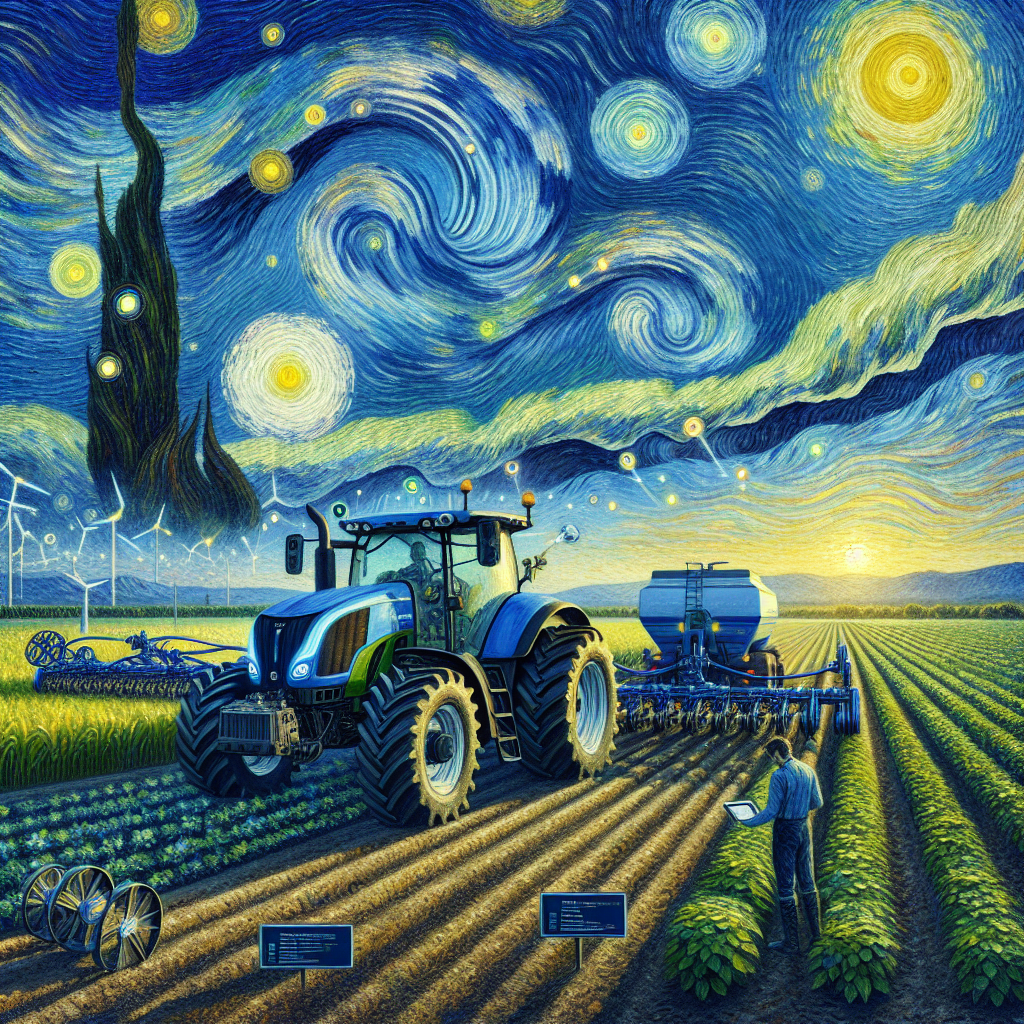
Other Resources
Here is a list of other resources you can review online to learn more:
- Earthmaster
- Branson
- Wisconsin Tractor
- Muskoka Pioneer Power
- South Dakota Tractor Museum
- Marshall
- Volvo
- Classic Tractor Fever
- Eicher
- Lanz
- Vintage Tractor And Farm Festival
- Newark Vintage Tractor & Heritage Show
- Long
- GMS Tractor Museum
- TAFE
- Sonalika Tractor
- UTB/Universal
- IH
- NEATTA
Use This Prompt To Get More Resources With Your Favorite Online AI Tool: Please provide me with a list of online articles with their URLs in a bulleted list that I can read regarding From Locked Tractors to Freedom – One Farmer’s Right-To-Repair Journey
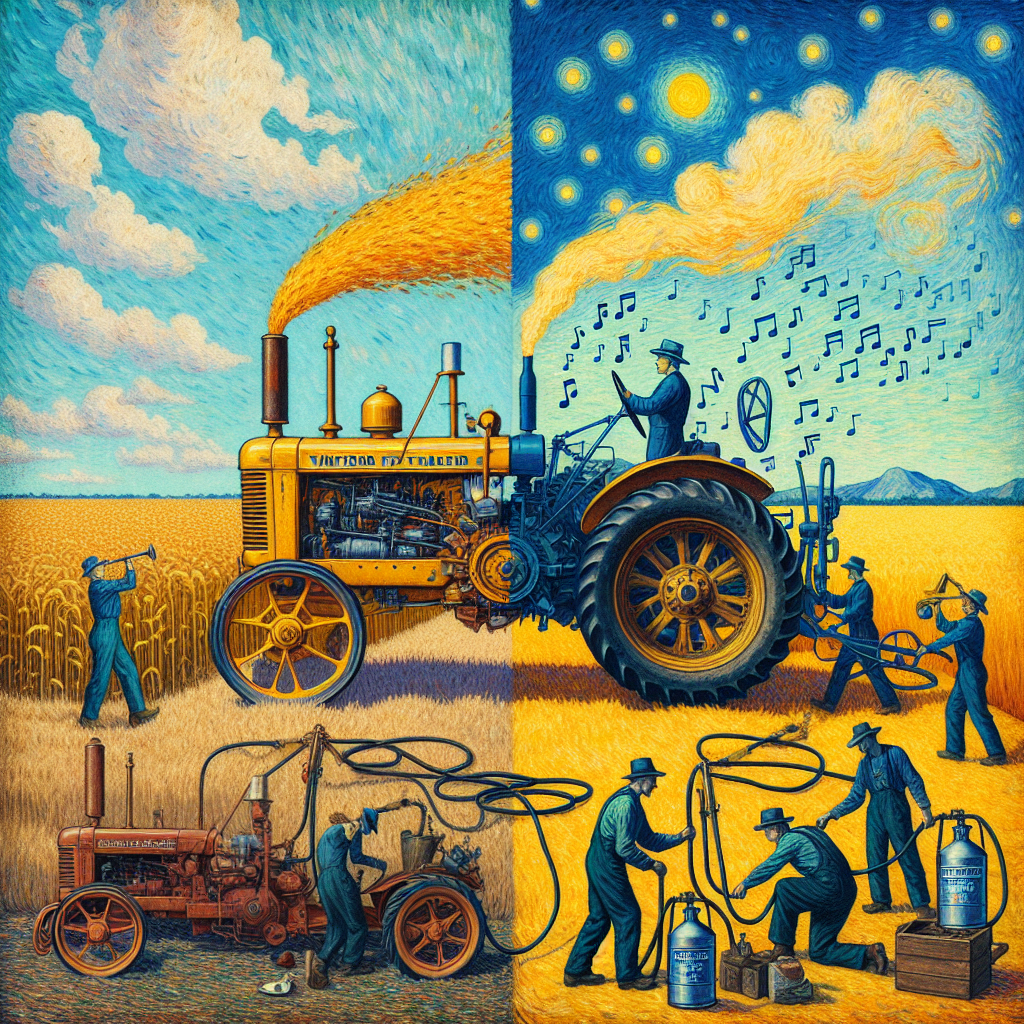
Other Resources
Glossary Terms
From Locked Tractors to Freedom – One Farmer’s Right-To-Repair Journey – Glossary Of Terms
1. Right-to-Repair — The principle and movement advocating owners’ legal and practical ability to diagnose, modify, and fix their equipment without manufacturer-imposed restrictions.
2. Original Equipment Manufacturer (OEM) — The company that designs and sells the tractor or its components and often controls parts, software, and service channels.
3. Aftermarket — Replacement parts, tools, or software produced by third parties rather than the OEM.
4. Telematics — Integrated systems that collect and transmit vehicle data (location, performance, diagnostics) over networks.
5. Engine Control Unit (ECU) — The onboard computer that controls engine functions and stores related software and parameters.
6. Firmware — Low-level software embedded in hardware that controls device behavior and can require special tools or credentials to update.
7. Diagnostics Software — Programs used to read fault codes, monitor sensors, and perform calibrations on vehicle systems.
8. Diagnostic Port — The physical interface (or connector) used to access a vehicle’s onboard diagnostics and service data.
9. CAN bus — A vehicle communication network standard that allows microcontrollers and devices to exchange information without a central computer.
10. J1939 — A higher-level protocol used over CAN bus in heavy-duty vehicles for standardizing messages between components.
11. Digital Rights Management (DRM) — Technical controls embedded in hardware or software to restrict unauthorized use, copying, or modification.
12. Remote Immobilization — The ability to disable a vehicle or its functions remotely through software or network commands.
13. Lockout — Any hardware or software mechanism that prevents access to repair functions, parts, or diagnostic data.
14. Authentication Key — Cryptographic credentials required to authorize software updates, part replacements, or service procedures.
15. Serialized Part — A component labeled with a unique identifier that can be tracked, authenticated, or restricted by the OEM.
16. Genuine Parts Verification — Systems or processes manufacturers use to confirm a part is authenticated or original.
17. Interoperability — The ability of parts, tools, or software from different sources to operate together without proprietary barriers.
18. Repair Manual — Official documentation detailing disassembly, diagnostics, and repair procedures for equipment.
19. Technical Service Bulletin (TSB) — Manufacturer-issued notices updating service practices, fixes, or cautions for known issues.
20. Warranty — A manufacturer’s guarantee covering defects or failures under specified conditions and timeframes.
21. Void Warranty Clause — Contractual or policy language stating certain actions (like unauthorized repairs) may void warranty coverage.
22. End User License Agreement (EULA) — A legal contract that governs the software use on a device, often including restrictions relevant to repairs.
23. Independent Repair Provider — A mechanic or shop not affiliated with the OEM that performs maintenance and repairs.
24. Repairability Score — A metric assessing how easily equipment can be diagnosed, disassembled, and repaired by users or technicians.
25. Crowdsourced Repair — Community-driven sharing of repair knowledge, parts, and fixes through forums, wikis, and social platforms.
26. Open-source Firmware — Device software released with source code that permits inspection, modification, and redistribution.
27. Rooting/Jailbreaking — Processes that remove manufacturer-imposed software restrictions to gain full control over a device’s operating environment.
28. Antitamper Mechanism — Physical or software features designed to deter, detect, or respond to unauthorized access or modification.
29. Data Ownership — The question of who legally controls, accesses, and can use the data generated by equipment and telematics systems.
30. Field Maintenance — Routine, on-site tasks and repairs performed by operators to keep equipment running between major services.
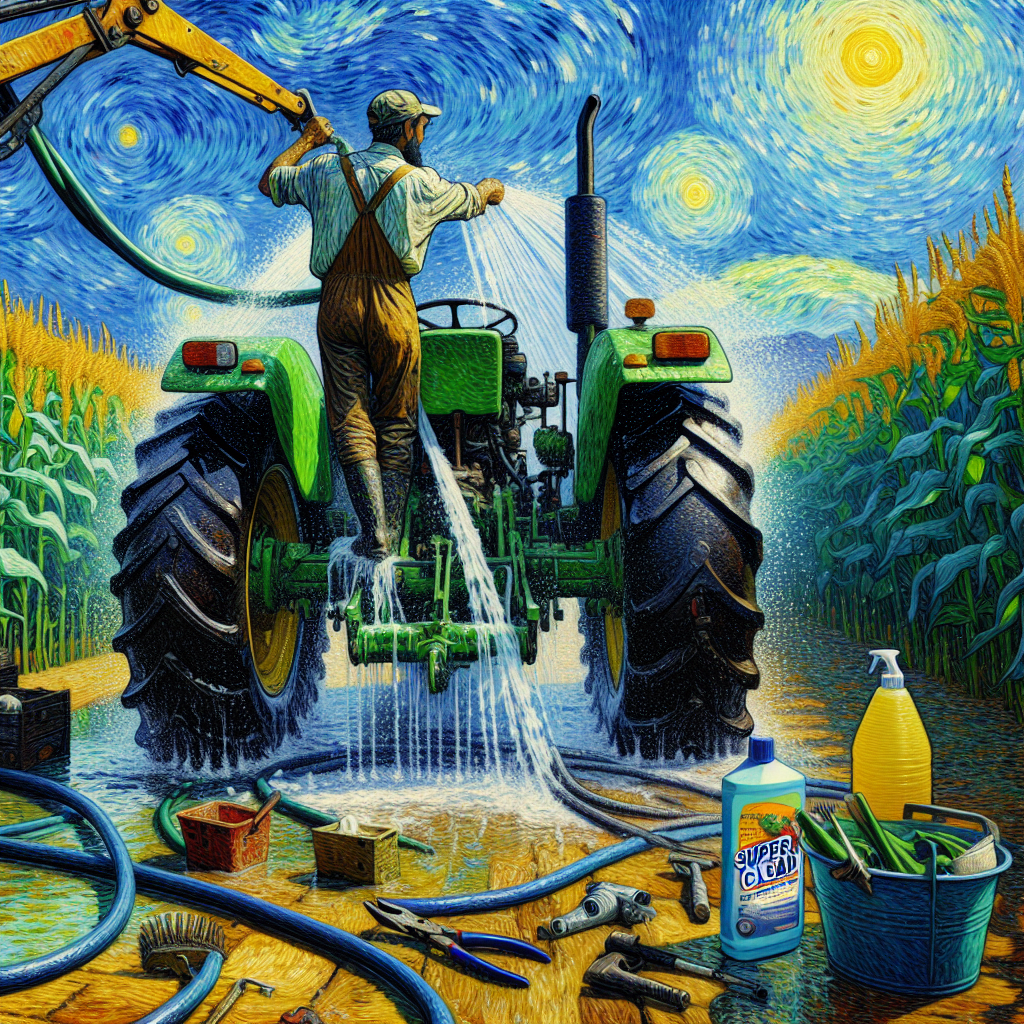
Glossary Of Terms
Other Questions
From Locked Tractors to Freedom – One Farmer’s Right-To-Repair Journey – Other Questions
If you wish to explore and discover more, consider looking for answers to these questions:
- What specific laws or regulations govern farmers’ right to repair tractors in my state or country?
- How can a farmer legally access diagnostic software, firmware, and repair manuals for modern tractors?
- Will repairing or unlocking tractor software myself void my warranty or violate purchase agreements?
- What are the safety and liability risks of performing software or mechanical repairs on tractors?
- How can farmers protect themselves from legal action or warranty disputes after self-repair?
- Where can I find reliable step‑by‑step repair guides, service manuals, or diagnostic code lists?
- What tools, equipment, and technical skills are required for common tractor repairs and diagnostics?
- How do OEM parts compare to aftermarket or refurbished parts in quality, cost, and availability?
- Are there certified or trusted independent repair shops and technicians who specialize in unlocked or modified tractors?
- What are the costs and typical turnaround times for dealer-authorized repairs versus farmer-led repairs?
- How does manufacturer telematics and data collection affect farmer privacy and control over their machines?
- What steps can farmers take to secure data on tractors and prevent unauthorized access when unlocking devices?
- How do software updates from manufacturers affect tractors that have been unlocked or modified?
- What emergency repair options exist during critical planting or harvest windows to avoid catastrophic crop loss?
- Who is liable if a self-repair or modification leads to equipment failure, injury, or crop damage?
- How does unlocking or modifying tractors affect insurance coverage or claims?
- What advocacy groups, legal resources, or coalitions support the agricultural right‑to‑repair movement?
- What recent legislative wins, ongoing bills, or court cases relate to right‑to‑repair for farm equipment?
- How can farmers organize cooperatives, tool‑sharing networks, or community repair events to reduce costs and build skills?
- Are there open‑source or third‑party software solutions for tractor diagnostics and control systems?
- How can farmers balance the benefits of advanced tech (precision ag) with the need for repair autonomy?
- What are the environmental impacts of right‑to‑repair, such as reduced e‑waste and extended equipment life?
- How do manufacturers justify software locks, and what are their arguments about safety, IP, or liability?
- Have there been successful cases where farmers or communities reclaimed access to locked equipment?
- Can unlocking tractors result in measurable gains in fuel efficiency, productivity, or sustainability?
- What certifications or training programs exist for farmers to learn advanced diagnostics and electronic repairs?
- How should farmers document repairs and modifications to protect themselves in disputes with dealers or manufacturers?
- How might unlocking or modifying tractors affect their resale value or marketability?
- What standards or interoperability initiatives exist to make parts and diagnostic interfaces more universal?
- How do right‑to‑repair policies for agriculture compare across different countries or regions?
- What are best practices for safely sharing repair knowledge, firmware, or code within a community without violating laws?
- Which consumer or buyer actions (e.g., supporting local farms) most effectively help farmers pressured by corporate control?
- What practical first steps should a farmer take if they want to begin reclaiming repair rights for their equipment?
- Where can farmers find real-world examples and detailed success stories of community repair and resistance to locks?
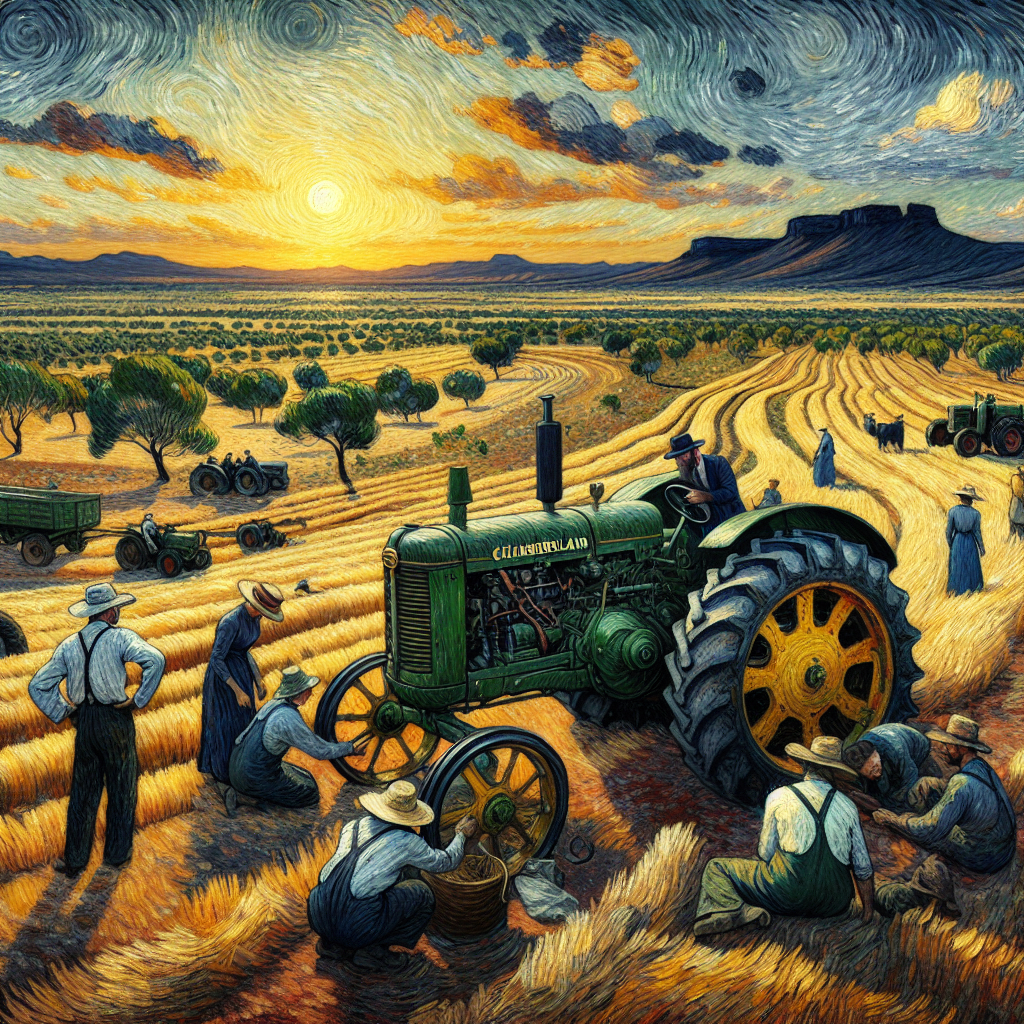
Other Questions
Haiku
From Locked Tractors to Freedom – One Farmer’s Right-To-Repair Journey – A Haiku
Locked machines, silent tools,
Farmers fight to mend their roots,
Freedom starts with hands.
Haiku
Poem
From Locked Tractors to Freedom – One Farmer’s Right-To-Repair Journey – A Poem
In fields of green where farmers toil,
A faithful tractor stirs the soil,
Yet hidden locks and codes confine,
The heart of labor, once divine.
Jim, a man of grit and grace,
Fights for freedom, finds his place;
A grassroots voice, he shares his plight,
In social bonds, ignites the fight.
With tractors locked, yet spirits free,
A call to arms, a chance to be—
The stewards of the earth and land,
In unity, they take a stand.
Unlocking dreams, reclaiming might,
With tools unchained, they find their light,
Innovation blooms where hope is sown,
A tapestry of strength they’ve grown.
Each story shared, a thread of pride,
Resilience through the valleys wide,
For independence cannot thrive,
In corporate chains that seek to drive.
The ethical quest for what is right,
Restores their hands, their will, their fight,
To cultivate not just their grain,
But dignity amidst the strain.
So hear their tales, let hearts engage,
For freedom’s road is more than page,
Together rise, let voices blend,
In farming’s truth, may hope ascend.
Poem
Checklist
From Locked Tractors to Freedom – One Farmer’s Right-To-Repair Journey – A Checklist
Right-to-Repair Awareness and Advocacy
✅______ Share personal stories of how equipment dependency affects your farming life.
✅______ Reflect on the emotional toll of being at the mercy of corporate repair services.
✅______ Connect with others who have faced similar struggles with equipment and share your experiences.
Rational Appeals
✅______ Understand the economic implications of locked equipment on your farm’s productivity.
✅______ Calculate potential losses from delays in repairs versus the costs of independent repairs.
✅______ Research case studies showcasing successful outcomes from repairing instead of replacing.
Ethical Appeals
✅______ Consider the moral responsibility of farmers to demand autonomy over their equipment.
✅______ Advocate for the rights of farmers in the face of corporate monopolies.
✅______ Promote sustainable practices by repairing rather than discarding machinery.
Authority Appeals
✅______ Seek endorsements from agricultural experts or organizations supporting right-to-repair.
✅______ Gather statistics from credible sources highlighting the impact of repair access on farm viability.
✅______ Highlight successful legislative efforts or movements to advocate for farmers’ rights.
Narrative Appeals
✅______ Share stories of local farmers who reclaimed their right to repair to inspire others.
✅______ Document a journey of repair, showcasing challenges overcome and lessons learned.
✅______ Illustrate how collective experiences in the farming community strengthen the narrative of independence.
Social Appeals
✅______ Engage with community groups that advocate for the right to repair.
✅______ Organize local events to discuss repair issues and share knowledge among farmers.
✅______ Use social media to amplify the call for repair rights, connecting with wider audiences.
Checklist
At ClassicTractorNews, we help tractor lovers keep up with the latest news for classic and vintage tractors.
Please share this post with your friends, family, or business associates who may like old classic or vintage tractors.