


Reviving Tradition: The Heartfelt Return To Timeless Farming Tools
By Tom Seest
At ClassicTractorNews, we help tractor lovers keep up with the latest news for classic and vintage tractors.
Please share this post with your friends, family, or business associates who may like old classic or vintage tractors.
From Field to Shed – How Downtime Is Driving Farmers Back to Vintage Iron
The hum of a tractor used to be the soundtrack of rural life, a constant reminder of the hard, honest work that keeps us grounded. But in the modern farming landscape, where efficiency reigns supreme and new technology is touted as the panacea for productivity, there’s a growing discontent. It’s not just the price tag attached to the shiny new machines; it’s the heart behind the steel that many seem to have lost. Farmers are now discovering a new appreciation for vintage iron during these unexpected downtimes.
Imagine a farmer—let’s call him Jim—standing in front of an old, rusty tractor parked in his shed, its paint faded but its character undiminished. Jim remembers his father teaching him how to fix that very machine, how they would laugh as they struggled together to get it running. Those memories carry weight; they connect generations. Today, when high-tech gadgets fail, Jim is reaching for that vintage tractor. It holds a promise unshackled by reliance on digital diagnostics. It’s an act of defiance against a culture that advocates for replacing instead of repairing, where human ingenuity is sidestepped in favor of programs and algorithms.
The relationship with these classic machines goes beyond nostalgia. While modern tractors may boast advanced technology, many farmers—like Jim—realize that the simplicity and mechanical authenticity of vintage models can foster an understanding of the land that luxury machines often overlook. In their downtime, farmers are rediscovering the satisfaction of hands-on labor, the thrill of bringing something back to life with their own two hands. There’s a deeply ethical satisfaction in choosing to restore what once served. Rather than blindly following market trends, they’re reaffirming their commitment to the land and the values it represents.
Community is part of this revival, as farmers gather, share stories, and swap parts. They stand shoulder to shoulder elbow-deep in grease, recounting tales of pre-digital days where innovation meant resilience, not just spending. Each puff of exhaust from a restored engine reconnects them to a world where tractors weren’t just machines; they were part of the family.
There’s an original truth that emerges from this revival: downtime isn’t just a setback; it can be an opportunity for growth and reconnection. Farmers are learning that sometimes the best way forward is to look back, to the tractors that built legacies of hard work and community, and to the pride that comes from knowing your equipment inside and out.

From Field to Shed – How Downtime Is Driving Farmers Back to Vintage Iron
From Field to Shed – How Downtime Is Driving Farmers Back to Vintage Iron
- Modern farmers face discontent with high-tech machinery’s reliance on efficiency.
- Many farmers are rediscovering appreciation for vintage tractors during downtime.
- Personal connections to old machines evoke memories and generational ties.
- Vintage tractors represent an alternative to reliance on digital diagnostics.
- The simplicity of older machines can enhance farmers’ understanding of the land.
- Community bonding occurs as farmers share stories and restore classic equipment together.
- Downtime becomes an opportunity for growth, reconnection, and pride in hands-on work.

From Field to Shed – How Downtime Is Driving Farmers Back to Vintage Iron
Table Of Contents
- From Field to Shed – How Downtime Is Driving Farmers Back to Vintage Iron
- What Drives Farmers to Seek Vintage Machinery?
- Can Downtime Affect Crop Yields?
- How Have Vintage Machines Proven Their Worth?
- What Emotional Ties Do Farmers Have to Older Equipment?
- Is Nostalgia Influencing Farming Practices Today?
- What Role Does Community Play In Choosing Vintage Iron?
- Conclusion
- Other Resources
- Glossary Of Terms
- Other Questions
- Haiku
- Poem
- Checklist
What Drives Farmers to Seek Vintage Machinery?
In the heart of America’s farmland, a connection blossoming between past and present fuels the desire for vintage machinery. Imagine a farmer, hands weathered yet strong, standing beside a rusted tractor that once graced the fields his grandfather tended. This isn’t just metal and gears; it’s a vessel of history, embodying resilience, tradition, and the relentless pursuit of growth.
Farmers are drawn to vintage machinery for reasons that extend beyond mere functionality. There’s a deep emotional resonance tied to these machines, each scratch and dent telling a story that binds generations. When standing next to a classic tractor, farmers aren’t just recalling bygone harvests; they’re resurrecting a legacy, honoring their forbearers’ struggles and triumphs. These machines evoke a sense of pride, forming a bridge between the relentless pace of modernity and the time-honored practices that have nourished the land for decades.
On a rational level, vintage machinery often comes with a charm that modern models lack, offering simplicity and durability, which many farmers find appealing. Today’s tech-driven tractors may promise efficiency, yet vintage options come with less bureaucracy, fewer electronic systems to fail, and an ease of repair that keeps costs down. It’s a practical choice that resonates with the farmer’s gut instinct to keep things grounded and accessible.
Ethically, there’s an argument for sustainability here. Farmers seeking vintage equipment are often motivated by a desire to reduce waste and repurpose what already exists. Every restoration of an old tractor signifies a stand against disposable culture. There is a community of enthusiasts who foster this ethos, supporting one another in preserving these mechanical marvels. The camaraderie found in the vintage machinery movement is palpable, as farmers swap stories, advice, and resources, tying them to a broader narrative that transcends individual farms—a shared battle against the erosion of agriculture’s soul.
Lastly, it’s the authentic connection to something bigger that draws many to vintage machinery. When they roll these tractors out into the fields, it’s not just about plowing the earth—it’s about nurturing a sense of belonging. These machines remind farmers of their roots, their role within the land, and each other. It’s a rallying cry to not just cultivate crops but also community, drawing strength from those who came before and those who stand with them today. It’s the unyielding spirit of agriculture, forever honoring its past while forging ahead into the future.

What Drives Farmers to Seek Vintage Machinery?
What Drives Farmers to Seek Vintage Machinery?
- Vintage machinery symbolizes a connection between the past and present in American farming.
- Farmers feel a deep emotional resonance with vintage tractors, linking them to their heritage.
- These machines evoke pride and serve as a bridge between modernity and traditional practices.
- Vintage machinery offers simplicity and durability, appealing to farmers’ practical instincts.
- Choosing vintage promotes sustainability by reducing waste and repurposing existing resources.
- A community of enthusiasts supports the preservation of vintage machines, fostering camaraderie.
- Vintage tractors foster a sense of belonging, connecting farmers to their roots and each other.

What Drives Farmers to Seek Vintage Machinery?
Can Downtime Affect Crop Yields?
Imagine a farmer, standing in the twilight, wiping the sweat from his brow as he stares at a field that once thrived with life. The sun sets, casting long shadows over rows of wilting crops. Now, maybe those crops are dying not because of a drought or a pest infestation, but due to something far more subtle: downtime.
Every farmer knows that machinery is the backbone of modern agriculture. Picture a trusty tractor, that faithful workhorse, plowing through the field with ease. When it runs smoothly, it amplifies a farmer’s efforts, turning hard work into bountiful harvests. But what happens when that tractor is sidelined? Maybe it’s a minor mechanical failure or just the wear and tear that comes with the job. What seems like an insignificant hiccup on the surface can spiral into a larger issue, particularly if the downtime extends beyond a few days.
The reality is that crops are living organisms, sensitive to their environment. Timing is everything in agriculture. A few days delay in planting or harvesting due to idle machinery can throw entire growing cycles off course, resulting in lower yields and less income. This isn’t just about numbers on a spreadsheet; it’s about livelihoods, families, and communities. When farms thrive, small towns prosper, feeding the economic engine of rural America.
Yet there’s a deeper story here. The struggle is not just with downtime itself but with the knowledge that farmers often bear this burden alone. There’s an ethical responsibility to ensure that our agricultural systems are resilient. When farmers invest in preventative maintenance and innovative technologies, they arm themselves against that arbitrary enemy of downtime. They embrace strategies that not only keep their tractors running but also safeguard their harvests.
Consider the community aspect. When one farmer experiences downtime, it has a ripple effect. Neighbors lend a hand, sharing equipment to keep the wheels of agriculture moving. They swap tips and resources, fostering a spirit of cooperation that transcends individual challenges. This solidarity is what we need to rekindle—the idea that we’re all in this together, working toward a common goal.
Downtime is a reminder that every moment counts in agriculture. It’s not just about crops and machinery; it’s about the heart that beats in every field, the tales of toil and triumph woven into the very soil we cherish. It calls for a connection to the land and to each other, urging us to support those who feed us, ensuring their tools—the tractors that help them cultivate our nourishment—are always ready for the challenges ahead.

Can Downtime Affect Crop Yields?
Can Downtime Affect Crop Yields?
- Farmers face challenges not only from drought or pests but also from machinery downtime.
- Reliable machinery, like tractors, is crucial for successful agricultural operations.
- Minor mechanical failures can lead to significant delays, affecting crop cycles and yields.
- Timing in planting and harvesting is essential for maximizing income and sustaining livelihoods.
- Farmers often carry the burden of downtime alone, highlighting the need for resilient agricultural systems.
- Community support and cooperation among farmers can mitigate the effects of individual downtime.
- Downtime emphasizes the importance of connection to the land and the collective efforts to ensure agricultural productivity.

Can Downtime Affect Crop Yields?
How Have Vintage Machines Proven Their Worth?
The roar of an old tractor brings a rush of nostalgia, evoking memories of fields blanketed in golden crops, the sun casting long shadows over the fertile earth. Vintage machines tell stories—stories of hard work, perseverance, and a deep connection to the land. When we talk about the worth of these machines, we’re delving into more than just their mechanical value; we’re exploring their role as the backbone of agricultural communities and the symbols of a simpler, more connected way of life.
In today’s fast-paced world, it’s easy to overlook the lessons taught by these vintage workhorses. They stand as a testament to resilience. Each scratch on the paint, every dent from years of toil, carries with it a narrative that resonates with anyone who’s ever faced a challenge. Much like the farmers who used to rely on them, these machines showcase the importance of sticking with what you know works. They remind us that value often lies not in the shine of the latest gadget, but in the unwavering reliability of something built to last.
Take, for example, an old Ford 8N tractor. It may lack the technological bells and whistles of its modern counterparts, yet there’s a tenacity in its design that’s hard to ignore. This tractor, produced when America was recovering from war and redefining itself, helped countless families make a living off their land. Today, it stands in many barns as a piece of history, a bridge connecting generations. Farmers who still use them don’t do so just for the sake of tradition; they trust these machines to perform under the toughest conditions. They embody an ethical commitment to sustainability, proving that sometimes, older technologies can teach modern solutions to resourcefulness and conservation.
The emotional pull of vintage machinery extends beyond the fields. It builds community. Enthusiasts gather at tractor shows, sharing stories and knowledge, reinforcing social bonds that transcend age, background, and experience. These gatherings are not merely about machines; they are celebrations of shared values—hard work, integrity, and a love of the craft.
In a world driven by fleeting trends and disposable goods, vintage machines remind us to cherish durability, craftsmanship, and our shared human experience. They invite us to reconnect with our roots, both literally and metaphorically, instilling a sense of responsibility to preserve not just the machines, but the stories of those who came before us. It’s this intimate connection to the past that proves their worth and inspires us to honor the hard work that built our communities.

How Have Vintage Machines Proven Their Worth?
How Have Vintage Machines Proven Their Worth?
- Vintage tractors evoke nostalgia and symbolize a deep connection to agricultural roots.
- These machines represent hard work, perseverance, and resilience against challenges.
- Old tractors like the Ford 8N are valued for their reliability and historical significance.
- Using vintage machinery reflects an ethical commitment to sustainability and resourcefulness.
- Tractor shows foster community and shared values among enthusiasts across generations.
- Vintage machines emphasize the importance of durability and craftsmanship in today’s disposable culture.
- They remind us to respect the past and honor the legacies of those who contributed to our communities.

How Have Vintage Machines Proven Their Worth?
What Emotional Ties Do Farmers Have to Older Equipment?
In the heartland of America, when the sun rises over the fields, it casts a warm glow on the worn-out tractors that have become silent sentinels of a farmer’s journey. For many, these machines are more than just tools; they are woven into the very fabric of their lives, embodying decades of labor, love, and legacy. Each scratch and dent tells a story—a testament to late nights spent struggling against the elements or the pride of harvesting the first crop with a father’s trusted steed. These tractors are not just metal and wheels; they are repositories of memories.
For a farmer, the connection to older equipment can feel almost instinctive. This isn’t simply about nostalgia; it reflects a rational decision steeped in practicality and respect for history. Older tractors often require less sophisticated technology, making them more accessible for repairs, a lifeline for those operating on tight budgets. They serve as a reminder of an era when life was simpler, machine and man working hand in hand. This blend of emotional and rational ties reveals how a farmer sees a tractor as a partner in the process of cultivating the land, rather than just a piece of machinery.
Moreover, there’s a moral dimension that resonates deeply: the ethics of sustainability and preservation. These machines have rich histories and legacies that deserve to be honored. By holding onto older tractors, farmers contribute to a narrative that values tradition and durability over fleeting trends. They actively choose to preserve the stories embedded in their communities, fostering a sense of connection not only to their personal pasts but also to the regional agricultural heritage.
What’s particularly interesting is how these emotional ties inspire a community. Farmers often gather at local shows or mechanic shops, sharing tales of their machinery, swapping parts, and passing down wisdom from one generation to the next. This camaraderie builds a strong network of support where younger farmers learn the significance of machinery that has withstood the test of time. Each conversation reinforces the bonds between neighbors and cultivates pride in shared values and experiences.
Ultimately, the emotional bond with older tractors transcends mere machinery; it encapsulates grit, perseverance, and the essence of farm life. It’s about honoring the land and the stories harvested over generations, standing testament to the belief that often, the oldest tools carry the deepest wisdom, urging us to keep them alive not just in use but in memory.

What Emotional Ties Do Farmers Have to Older Equipment?
What Emotional Ties Do Farmers Have to Older Equipment?
- Older tractors symbolize the rich history and legacy of farming in America.
- They serve as emotional repositories, with each scratch telling a unique story.
- The connection to these machines intertwines nostalgia with practicality, offering simpler repair options.
- Preservation of older tractors reflects ethics of sustainability and respect for tradition.
- Farmers contribute to community narratives by honoring their agricultural heritage through these machines.
- Local gatherings foster camaraderie, where wisdom and stories are shared across generations.
- The emotional bond with tractors highlights themes of grit, perseverance, and the essence of farm life.

What Emotional Ties Do Farmers Have to Older Equipment?
Is Nostalgia Influencing Farming Practices Today?
In a world that constantly churns out the new and shiny, there’s a quiet revolution happening in fields all over the country—old ways making a comeback, sparked by the collective memory of what it means to farm. When you drive through rural landscapes and catch sight of rusted tractors, they don’t just symbolize bygone eras; they evoke a deep-seated connection to the earth and community. Those machines, with their stories etched in every dent and scratch, are reminders of our roots, both literally and figuratively.
Nostalgia in farming isn’t merely about longing for the past; it’s a call to arms, a rallying point for modern farmers facing the challenges of climate change and industrial practices. Picture an old farmer reminiscing about how his grandfather tilled the land, his hands worn but steady, teaching him to respect the soil. That legacy shapes the current ethos among many young farmers who are blending traditional practices with modern techniques. They’re experimenting with cover crops, regenerative farming, and permaculture, aiming not only to boost yields but to heal the land—a unique synthesis of old-world wisdom and cutting-edge science.
In conversations and community gatherings, stories are shared, grounding farmers with a sense of belonging and purpose. A friend of mine started a local co-op, motivated not by profit margins but by memories of helpings hands in his grandfather’s fields during harvest. He realized that farming is more than just a job—it’s a commitment to the community and the environment. This brings a touch of humanity to those soulless statistics on agribusiness; it’s about the farmer, the land, and the stories that connect them.
But let’s not ignore the economics. The rising prices of machinery and land push farmers towards sustainable practices that transcend mere survival. They’re realizing that fewer inputs can lead to healthier soil and stronger crops—strategies that honor the legacy of their ancestors while addressing the green movement’s call for sustainability. Farmers are increasingly taking to social media to share their experiences, creating a sense of solidarity among those who refuse to trade authenticity for convenience.
As the tractor rumble fades into the distance, it’s clear that nostalgia isn’t just a soft-focus lens on a quaint past; it’s a catalyst for change and renewal. By intertwining traditional methods with modern realities, farmers today are crafting a narrative that transcends generations, reminding us that our agricultural past can guide us towards a more vibrant future.

Is Nostalgia Influencing Farming Practices Today?
Is Nostalgia Influencing Farming Practices Today?
- A revival of traditional farming methods driven by nostalgia and community connection.
- Old tractors symbolize a deep relationship with the land and evoke memories of past farming practices.
- Nostalgia serves as a rallying point for modern farmers addressing climate change and industrial practices.
- Young farmers blend traditional techniques with modern methods, focusing on sustainability and healing the land.
- Community gatherings foster a sense of belonging and commitment to agriculture beyond profit.
- Economic pressures encourage sustainable practices, leading to healthier soil and stronger crops.
- Nostalgia acts as a catalyst for change, intertwining past wisdom with present agricultural realities.

Is Nostalgia Influencing Farming Practices Today?
What Role Does Community Play In Choosing Vintage Iron?
What Role Does Community Play in Choosing Vintage Iron?
In the world of vintage iron, whether you’re eyeing a classic tractor or an iconic muscle car, the community surrounding these machines weaves a tapestry of stories, relationships, and shared passion that profoundly influences choices. Here’s the thing: it’s not just about the steel and the horsepower. It’s about the connections formed around them.
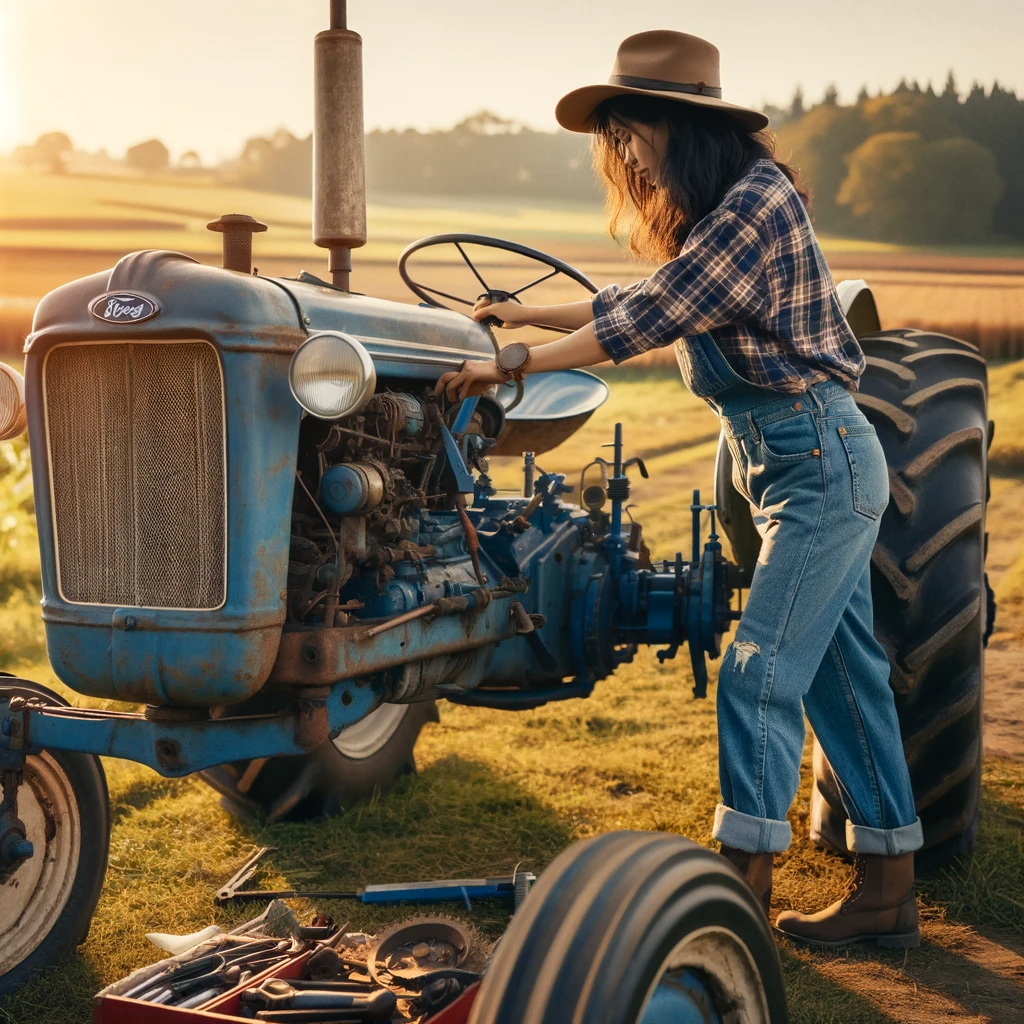
Consider that old tractor resting in a weathered barn, its paint chipped but its spirit intact. There’s a good chance it was passed down through generations, each owner adding their own chapter to its history. The choice to embrace such a relic is often spurred on by the collective memory of a community. Neighbors who gather at county fairs, the guys at the local garage who swap tales and tricks, or even online forums where enthusiasts share restoration journeys. It’s this camaraderie that fosters not just choices, but a deeper emotional investment.
When you decide to bring home a piece of vintage iron, it’s akin to claiming membership in an exclusive club. Suddenly, you’re part of a narrative that transcends individual ownership. The stories you inherit from other enthusiasts resonate deeply, reminding you of the craftsmanship and heritage that these machines embody. This is more than a transaction; it’s building trust within a network of people who recognize that with each shiny restoration or refurbishment comes not just nostalgia, but responsibility to preserve that legacy for future generations.
Intellectually, the allure of vintage machinery is hard to ignore. Each model tells a story of innovation, of engineering prowess, and of a simpler time that resonates with many today. The community often serves as a voice of authority, where seasoned veterans share their wisdom, guiding novices in selecting the right equipment to not only satisfy their aesthetic inclinations but to ensure they’re investing wisely. This guidance helps shape choices, transforming what could be a solitary quest into a collaborative adventure.
Ethically, community members advocate for sustainability, emphasizing the importance of preserving history rather than opting for fleeting trends. Each vintage iron revival aligns with a broader ethos of respecting the craftsmanship of the past while promoting a more sustainable future.
Ultimately, choosing vintage iron isn’t merely a personal decision; it’s about connecting with a community that values shared history, craftsmanship, and ethical responsibility. Owning that classic tractor means joining a lineage, linking arms with fellow aficionados, and collectively celebrating the rich past that each piece of machinery carries. In doing so, it fosters a sense of belonging—an invitation to not just restore iron, but to be a steward of stories waiting to be told.
What Role Does Community Play In Choosing Vintage Iron?
What Role Does Community Play In Choosing Vintage Iron?
- The community around vintage iron fosters connections and shared passion that influence choices.
- Ownership of vintage machinery often entails inheriting stories and maintaining a legacy passed down through generations.
- Bringing home vintage iron is like joining an exclusive club, emphasizing craftsmanship and heritage.
- Community members provide guidance and support, transforming individual quests into collaborative adventures.
- There is a strong ethical focus on sustainability and preserving history over following fleeting trends.
- Choosing vintage iron connects individuals to a community that values shared history and responsibility.
- Owning vintage machines cultivates a sense of belonging and stewardship of the stories they carry.

What Role Does Community Play In Choosing Vintage Iron?
Conclusion
In the heart of our agricultural landscape, a renaissance is quietly unfolding, rooted in the nostalgia that binds farmers to their vintage machinery. As the hum of modern equipment fades into the background, farmers are reconnecting with the physical remnants of their past—machines that defined their predecessors’ toil and triumphs. This revival isn’t merely a longing for yesteryear; it’s a testament to the enduring spirit of farming, a call to recognize the value in simplicity, resilience, and community.
Consider the story of Jim, a farmer who, amid the frenzy of high-tech farming, stands before his grandfather’s old tractor. This vintage iron isn’t just a tool; it’s a repository of memories, a tangible link to family legacies and lessons learned in the fields. The satisfaction found in repairing and restoring these machines transforms what could be a period of downtime into an opportunity for profound reflection and reconnection with the roots of one’s craft. Every dent tells a story, every rust spot recalls a lesson in perseverance. It’s this relationship with the past that fuels a more sustainable approach to farming, fostering a sense of responsibility toward the land.
The emotional ties to older equipment often mirror ethical commitments. By choosing to restore rather than replace, farmers are resisting the throwaway culture, standing united in the belief that sustainability begins with valuing what we already possess. This movement creates camaraderie among farmers, who gather to share stories and skills, reinforcing social bonds that sustain these communities. There’s a shared understanding that these vintage machines represent not just personal histories but also a collective identity tied to the land itself.
Moreover, as they blend traditional practices with modern challenges, farmers are discovering that these old machines embody the very essence of farming—hard work, grit, and community—themes that resonate beyond the fields. Through local co-ops and community gatherings, they are redefining what it means to cultivate not only crops but also connections with neighbors. This is more than farming; it’s a way of life enriched by shared experiences and mutual support.
Ultimately, the revival of vintage machinery serves as a rallying cry for today’s farmers. It symbolizes resilience, a commitment to authenticity, and a heartfelt acknowledgment of the past while boldly stepping into the future. Each vintage tractor rumbling back into service is a reminder that in the landscape of agriculture, tradition and innovation can coexist, cultivating not just crops but also a vibrant community rooted in shared values.

Conclusion
Conclusion:
- A renaissance in agriculture is emerging, connecting farmers with vintage machinery.
- Older machines serve as a link to family legacies and lessons learned in the fields.
- Restoring vintage equipment transforms downtime into reflection and reconnection.
- Farmers’ emotional ties to old machines reflect a commitment to sustainability.
- This movement fosters camaraderie among farmers, reinforcing community bonds.
- Farmers are blending traditional practices with modern challenges through co-ops and gatherings.
- The revival of vintage machinery symbolizes resilience and the coexistence of tradition and innovation.

Conclusion
Other Resources

Other Resources
Here is a list of other resources you can review online to learn more:
- KUHN
- Ageless Iron
- J.I.Case
- Cameco
- New Holland
- Montgomery Ward
- Fortschritt
- Florida Farm Days and Tractor Show
- Thieman Harvester
- NH Farm Museum
- Farm Collector Show Directory
- NM Farm & Ranch Heritage Museum
- Sublette Farm Toy & Antique Tractor Show
- Agri-Power
- International Harvestor
- Farmtrac
- Agrinar
- Memo
- CLAAS
Use This Prompt To Get More Resources With Your Favorite Online AI Tool: Please provide me with a list of online articles with their URLs in a bulleted list that I can read regarding From Field to Shed – How Downtime Is Driving Farmers Back to Vintage Iron

Other Resources
Glossary Terms
From Field to Shed – How Downtime Is Driving Farmers Back to Vintage Iron – Glossary Of Terms
1. Vintage iron — Older farm tractors and implements valued for simple mechanics, durability and historical character.
2. Downtime — Periods when modern machinery is idle due to breakdowns, parts delays or economic factors, prompting alternative solutions.
3. Barn find — A vehicle or implement discovered in storage and often in restorable condition, usually at a farm or outbuilding.
4. Restoration — Returning a machine to original or fully functional condition through repair, replacement and cosmetic work.
5. Preservation — Stabilizing a piece of equipment to prevent further decay while retaining patina and original parts.
6. Rebuild — Comprehensive mechanical renewal of engines, transmissions or axles to restore operating performance.
7. Overhaul — Detailed inspection and repair of a specific system (engine, gearbox, hydraulics) to factory tolerances.
8. Cannibalization — Using parts removed from one machine to repair another when replacements are unavailable.
9. NOS (New Old Stock) — Unused original parts manufactured when the equipment was new and stored for long periods.
10. Aftermarket parts — Replacement components produced by third parties rather than the original manufacturer.
11. OEM (Original Equipment Manufacturer) — The company that originally produced a tractor or implement and its parts.
12. Fabrication — Creating or modifying metal parts by cutting, shaping and welding to replace unobtainable components.
13. Machine shop — Workshop equipped with lathes, mills and other tools for machining, honing and resurfacing parts.
14. Pattern making — Crafting molds or templates used to cast replacement metal parts when originals aren’t available.
15. Reverse engineering — Measuring and recreating a part’s design to manufacture a compatible replacement.
16. Parts scarcity — Limited availability of specific components due to age, low production numbers or discontinued lines.
17. Running gear — Wheels, axles, tires and related suspension components that enable a machine to move.
18. Power take-off (PTO) — A shaft that transfers engine power to implements such as mowers or balers.
19. Three-point hitch — A standardized implement-attachment system providing lift and stability for rear-mounted tools.
20. Belt drive — Early power-transmission method using belts and pulleys to operate stationary or portable equipment.
21. Magneto — Self-contained ignition device that generates spark without a battery, common on older engines.
22. Carburetor — Fuel metering device that mixes air and fuel for combustion in pre-fuel-injection engines.
23. Governor — Mechanical or hydraulic device that regulates engine speed under varying load conditions.
24. Cast iron — Heavy, durable alloy used in blocks and housings; prone to rust but valued for strength and machinability.
25. Bearings — Rolling or plain components that reduce friction between moving parts; common wear items in restorations.
26. Gaskets and seals — Materials that prevent fluid leaks between mating surfaces; often replaced during rebuilds.
27. Lubrication — Use of oils and greases to reduce wear and protect moving parts in restored or preserved equipment.
28. Sandblasting — Abrasive cleaning method used to remove rust and old paint prior to repair or refinishing.
29. Powder coating — Durable finish applied as a dry powder and cured, used to protect and cosmetically restore metal surfaces.
30. Swap meet / collector community — Events and networks where enthusiasts buy, sell and trade parts, knowledge and machines.

Glossary Of Terms
Other Questions
From Field to Shed – How Downtime Is Driving Farmers Back to Vintage Iron – Other Questions
If you wish to explore and discover more, consider looking for answers to these questions:
- How do farmers locate reliable spare parts for vintage tractors?
- What are the typical costs of restoring a vintage tractor versus buying a new one?
- How long does a complete restoration usually take?
- What basic tools and mechanical skills are required to restore and maintain vintage iron?
- How does fuel efficiency of vintage machines compare to modern equipment?
- How does using vintage machinery affect day-to-day farm productivity and timing?
- What common mechanical failures occur in older tractors and how hard are they to fix?
- What safety risks are associated with operating vintage equipment and how can they be mitigated?
- Are vintage tractors compliant with current emissions standards and regulations?
- Can vintage machines be retrofitted with modern safety features or electronics?
- How does restoring and running vintage iron affect farm insurance and liability?
- What is the resale value and market demand for restored vintage tractors?
- How do farmers decide which vintage model is worth restoring?
- Where can farmers receive training or apprenticeships in vintage machinery repair?
- Are there grants, tax incentives, or subsidies to support restoration or preservation efforts?
- How do community co-ops or equipment-sharing programs compare to owning vintage machinery?
- How does downtime for restoration compare with downtime waiting for parts or service on modern equipment?
- What role do online forums and local clubs play in sourcing parts and technical knowledge?
- How can vintage tractors be integrated with modern implements or precision-ag tools?
- What are the environmental trade-offs between restoring old equipment and purchasing new, more efficient machines?
- How does nostalgia influence younger farmers versus practical considerations like cost and reliability?
- What legal requirements exist for operating vintage tractors on public roads or commercial farms?
- How do farmers balance the need for modern data-driven farming with the simplicity of vintage gear?
- What ethical considerations arise when restoring historically significant or rare machinery?
- How can experienced farmers safely pass restoration skills to the next generation?
- Are there certification programs or recognized credentials for vintage machinery restoration?
- How has the market and pricing for vintage tractors changed in recent years?
- What are notable case studies of farms that successfully rely on vintage equipment commercially?
- What maintenance routines keep vintage machines reliable during busy seasons?
- How should a buyer evaluate a vintage tractor’s condition before purchase?
- Which vintage tractor models are most sought after and why?
- How do spare-parts scarcity and fabrication options (e.g., machining, 3D printing) affect restorations?
- What are practical strategies to minimize downtime across a mixed fleet of vintage and modern machines?
- How do restoration and preservation efforts support rural community identity and local economies?

Other Questions
Haiku
From Field to Shed – How Downtime Is Driving Farmers Back to Vintage Iron – A Haiku
Rusty iron revives,
Echoes of fields long cherished,
Hands and hearts unite.

Haiku
Poem
From Field to Shed – How Downtime Is Driving Farmers Back to Vintage Iron – A Poem
In fields where echoes of labor still resound,
A farmer stands, where old iron is found.
Not mere machines of rugged steel,
But vessels of history, emotions they feel.
Jim recalls laughter, the creak of the past,
With his vintage tractor, memories steadfast.
Each scratch tells a story, each dent a song,
A testament to where he’s belonged all along.
In the hum of restoration, communities unite,
As hands work together through day and through night.
Not just for the harvest, but for roots intertwined,
Reviving traditions, through love they find.
Old gears turning slowly, yet proving their worth,
Embodiments of labor, celebrating the earth.
They stand against waste, sustainability’s call,
A pause for reflection in this fast-paced sprawl.
With every revival, the heart of farm thrives,
In the dance of downtime, a new spirit survives.
So as tractors roll out, like dreams from the shed,
They sow seeds of connection, where history’s led.
Farming isn’t just toil; it’s a legacy shared,
Nostalgia and purpose, a life unprepared.
Through trials and triumphs, they nurture the land,
Together, they shape what tomorrow will stand.

Poem
Checklist
From Field to Shed – How Downtime Is Driving Farmers Back to Vintage Iron – A Checklist
Checklist for Embracing Vintage Farming Machinery
✅______ Reflect on family stories related to farming and machinery.
✅______ Consider sharing your experiences at local gatherings or shows.
✅______ Seek out community places to share memories and learn from others.
✅______ Evaluate the practicality of vintage machinery over modern options (repairability, cost).
✅______ Assess the simplicity and durability of older models.
✅______ Create a budget for restoration or maintenance that prioritizes vintage tools.
✅______ Choose restoration projects that emphasize sustainability and resourcefulness.
✅______ Participate in or organize workshops on repairing and maintaining vintage machinery.
✅______ Advocate for reducing waste and repurposing older equipment in discussions with peers.
✅______ Join online forums or local clubs dedicated to vintage machinery.
✅______ Attend expos and workshops to learn from experienced restorers.
✅______ Compile a resource list of local experts who can assist with repairs or modifications.
✅______ Document the history and stories behind your vintage machinery.
✅______ Share your restoration journey on social media to inspire others.
✅______ Collaborate with other farmers to create a community narrative about the importance of vintage tools.
✅______ Host or attend community events focused on vintage machinery.
✅______ Encourage equipment swaps or co-operative repair days with neighbors.
✅______ Create a mentor system to pass knowledge of vintage machinery to younger farmers.
✅______ Test drive your vintage machinery and document its performance in the fields.
✅______ Develop a maintenance schedule to keep your vintage equipment running smoothly.
✅______ Encourage hands-on experiences for family members and community youth to foster connections with the past.
✅______ Explore blending old farming practices with modern techniques.
✅______ Recognize and celebrate the agricultural heritage within your community.
✅______ Encourage local storytelling events focused on farming histories and traditions.

Checklist
At ClassicTractorNews, we help tractor lovers keep up with the latest news for classic and vintage tractors.
Please share this post with your friends, family, or business associates who may like old classic or vintage tractors.