


Unlock Timeless Wisdom: Trusted Insights From Classic Tractor Enthusiasts
By Tom Seest
At ClassicTractorNews, we help tractor lovers keep up with the latest news for classic and vintage tractors.
Please share this post with your friends, family, or business associates who may like old classic or vintage tractors.
Free Pdf Manuals Created By Real Classic Tractor Owners
In the world of classic tractors, there exists an unspoken bond that transcends mere machinery. Each rusted frame and worn seat tells a story, a legacy fueled by passion and sweat. These tractors, often passed down through generations, symbolize hard work and craftsmanship, and for many, they evoke a sense of nostalgia that runs deeper than just metal and oil.
Imagine a sun-soaked afternoon in a small town, where the hum of a vintage tractor fills the air, weaving through fields that have seen decades of toil. It’s not just a vehicle; it’s a time capsule, a connection to ancestors who navigated life’s challenges, tilling soil and harvesting dreams. This is where the heartstrings tug, as owners relish the pride of restoration, breathing new life into machines that were once the backbone of family farms. In preserving these vessels of labor, they honor their predecessors and solidify their place in history.
But it’s not only about the past. Engaging with a community of fellow enthusiasts transforms this passion into a living narrative—a collective voyage of discovery and camaraderie. Each manual crafted and shared is more than just a PDF file. It’s a treasure trove of knowledge gleaned from trials and triumphs, a patchwork of experiences that bind a community together. These manuals, birthed from the hands of real owners, serve as guideposts, illuminating the complexities of repair and restoration in a world increasingly dominated by digital facades. They offer practical wisdom steeped in authenticity, allowing newcomers to connect with that visceral, gut-feeling of running a tractor that’s seen it all.
Consider the ethical weight carried by these documents. They’re not just technical manuals; they’re declarations of love for craftsmanship and a testament to the idea that we are stewards of these machines. By sharing personal anecdotes and practical tips, owners don’t just provide information; they foster a culture of collaboration, encouraging others to take up the wrench and dive into the imperfections of their own restorations. This solidarity breeds confidence, inviting anyone—regardless of skill—to become part of this narrative.
As you pick up your tools, feeling that warm engine beneath your hands, remember that you’re joining a legacy of resilience and creativity. Each time you consult a manual shared by your fellow tractor lovers, you’re reinforcing a community built on trust and passion. So download these free PDFs and feel the connection. You’re not just fixing a tractor; you’re participating in something greater—a timeless story of heart, grit, and fellowship.

Free Pdf Manuals Created By Real Classic Tractor Owners
Free Pdf Manuals Created By Real Classic Tractor Owners
- Classic tractors symbolize a legacy of hard work and craftsmanship, often passed down through generations.
- They evoke nostalgia, representing a connection to ancestors who worked the land.
- Restoration of these machines brings pride and honors the history of family farms.
- A community of enthusiasts fosters camaraderie and knowledge sharing through crafted manuals.
- These manuals provide practical wisdom for repair and restoration, enhancing the connection to the machines.
- Sharing experiences encourages collaboration and invites anyone, regardless of skill, to participate in restoration.
- Engaging with this community reinforces a sense of trust and passion within the timeless narrative of classic tractors.

Free Pdf Manuals Created By Real Classic Tractor Owners
Table Of Contents
- Free Pdf Manuals Created By Real Classic Tractor Owners
- What Makes Owning a Classic Tractor Fulfilling?
- How Do Manuals Enhance Ownership Experiences?
- Why Trust the Insights Of Fellow Classic Tractor Owners?
- What Stories Do Classic Tractors Tell About Our Past?
- How Can We Preserve the Legacy Of Classic Tractors?
- What Ethical Responsibilities Come with Restoring Vintage Machinery?
- Conclusion
- Other Resources
- Glossary Of Terms
- Other Questions
- Haiku
- Poem
- Checklist
What Makes Owning a Classic Tractor Fulfilling?
Owning a classic tractor is more than just possessing a vehicle; it’s an emotional journey that ties us to our roots and the land. Picture a vibrant field bathed in golden sunlight, with the hum of a classic tractor churning through the soil. This isn’t merely machinery; it represents hard work, memories, and a connection to generations past. Each dent and scratch tells a story, evoking reminiscence of long summer days spent harvesting crops with a loved one by your side. When you climb into the driver’s seat, it’s not just about driving; it’s about honoring the labor and dedication woven into the fabric of rural life.
From a rational standpoint, classic tractors often outlast their modern counterparts due to their rugged construction and simplicity. They are easy to repair, using parts that can often be sourced from trusted local shops or even fabricated by hand. This durability resonates with the DIY spirit, fostering a sense of independence and self-reliance. Each time you tinker under the hood or replace that worn-out tire, you’re not just maintaining a machine; you’re honing skills that connect you with the past, building a legacy of your own.
Ethically, classic tractor ownership embodies stewardship. These machines require care and respect, much like the land they cultivate. By preserving a piece of agricultural history, owners contribute to a sustainable future, promoting practices that honor the earth. This ties into a broader narrative of conservation and respect for the environment, reminiscent of an era when farming was deeply intertwined with community and responsible land use.
Socially, owning a classic tractor can foster community connections. Gatherings of enthusiasts invoke camaraderie, where stories are shared over cups of coffee, and bonds are strengthened over a shared appreciation for these timeless machines. Whether at a local fair, a show, or a simple backyard BBQ, classic tractor owners connect through a shared passion, turning what could be a solitary hobby into a rich tapestry of friendship and support.
The unique satisfaction? It lies in the blend of nostalgia and practical utility. Embracing a classic tractor is like holding onto a tangible piece of history while navigating the present. It’s more than a passing interest; it’s a commitment to storytelling, preserving the past while forging a path for future generations to appreciate where they came from. When you engage with a classic tractor, you’re not just steering a vehicle through a field – you’re steering a legacy into the future.

What Makes Owning a Classic Tractor Fulfilling?
What Makes Owning a Classic Tractor Fulfilling?
- Owning a classic tractor is an emotional journey that connects individuals to agricultural roots and memories.
- Classic tractors symbolize hard work and dedication, with each mark on the vehicle telling a story of the past.
- These machines are known for their durability, often outlasting modern tractors due to rugged construction and simplicity.
- Repairing classic tractors fosters independence and self-reliance, as parts are easily sourced and DIY maintenance is common.
- Ownership reflects ethical stewardship, contributing to sustainability and preserving agricultural history.
- Classic tractors promote community connections, as enthusiasts share stories and bond over their shared passion.
- The experience combines nostalgia with practical utility, creating a commitment to storytelling and legacy for future generations.

What Makes Owning a Classic Tractor Fulfilling?
How Do Manuals Enhance Ownership Experiences?
It’s a sweltering summer afternoon, and there I am, standing in front of an old tractor. A piece of machinery that’s seen more seasons than most folks experience in a lifetime. With its rusty yet robust frame, this tractor isn’t just a tool; it’s a vessel of memories and hard work. But here’s the kicker: without a manual, that connection can quickly turn to frustration.
Manuals are more than just pages filled with instructions; they’re gateways to understanding. Think about it: owning a tractor isn’t just about driving it off a dealer’s lot. It’s about knowing how to nurture it, how to respect its quirks, and how to coax out its full potential with each turn of the wheel. A well-crafted manual acts as a bridge between the unfamiliar and the familiar. It gives you the confidence to tackle repairs, adjust settings, and optimize performance.
There’s an innate pride in knowledge. When I first got my hands on that tractor, I felt the weight of responsibility. I didn’t just want to operate it; I wanted to understand it. The manual became my best friend. Each page turned was like unlocking a secret passage, revealing the intricacies of the machine and the creator’s intentions. By learning how it works, I developed a bond — one that fosters an appreciation that goes beyond utility. It’s respect for craftsmanship, for the hours spent designing that tractor to withstand the elements and the test of time.
Let’s talk about ethics. In a world filled with disposable products, there’s virtue in caring for what we own. Manuals encourage that stewardship by promoting proper maintenance. When we invest time to read and understand our equipment, we don’t just preserve its life; we honor the labor that went into its creation, creating a cycle of trust between us and the manufacturers.
Lastly, look at the social aspect. Sharing what you learn from a manual can transform solitary tractor ownership into a community experience. Whether it’s gathering with neighbors to troubleshoot an issue or passing down knowledge to the next generation, manuals enrich the stories we share and the connections we forge. These aren’t just instruction booklets; they’re the thread weaving through the fabric of our agricultural heritage.
A manual transforms ownership from mere possession into an engaged relationship. It turns a cold machine into a partner in our daily lives, inviting us to delve deeper, connect more profoundly, and foster a sense of authentic stewardship. So, the next time you crack open a manual, remember: it’s not just about the tractor; it’s about the pride of ownership and the journey that comes with it.

How Do Manuals Enhance Ownership Experiences?
How Do Manuals Enhance Ownership Experiences?
- The old tractor symbolizes hard work and memories, with its robust yet rusty frame.
- Manuals serve as essential tools for understanding machinery, not just instruction guides.
- Owning a tractor involves nurturing and respecting its quirks for optimal performance.
- Pride in knowledge transforms the relationship with the tractor, fostering appreciation for craftsmanship.
- Manuals promote stewardship and proper maintenance, creating trust between owners and manufacturers.
- Sharing knowledge from manuals can build community and enrich connections among tractor owners.
- A manual changes ownership into an engaged relationship, enhancing the pride of ownership and the journey it entails.

How Do Manuals Enhance Ownership Experiences?
Why Trust the Insights Of Fellow Classic Tractor Owners?
When you’re knee-deep in mud, trying to coax an old tractor back to life, who better to turn to than those who’ve wrestled with the same grease-stained problems? Classic tractor owners are not just enthusiasts; they’re guardians of stories, wisdom, and tangible experience passed down through generations. The field of classic tractors isn’t just about iron and steel; it’s a community woven together by shared trials and triumphs.
Imagine standing at a tractor show, surrounded by a kaleidoscope of colors and models—a bygone era right before your eyes. Each tractor tells a story, but it’s in the conversations with their owners that real treasures are unearthed. These aren’t just idle chit-chats; they are rich, meaningful dialogues filled with the kind of practical advice that no manual could ever encapsulate. When someone shares how they revived a rust-bucket brandishing the scars of time, it resonates deeply. That wisdom is forged not in theory but through sweat and determination—a raw, honest testament to the journey of restoration.
Trust springs from this narrative landscape. Classic tractor owners aren’t just sharing technical tips; they’re opening windows into their pasts. Their stories often touch on the emotional core of why they care about these machines, whether it’s a family legacy or a personal passion ignited on a sunlit farm.
Furthermore, this community operates on shared values: respect for craftsmanship, appreciation for history, and a commitment to preserving a piece of agricultural heritage. You feel it in the way they gather at events, sharing laughter and advice in equal measures. The moral fabric of this community fosters trust. When someone recommends a specific part or shares a hard-won lesson, it’s not just information; it’s a promise of authenticity born from shared experience.
Then there’s the rational side. Classic tractors might seem like relics, but each one is a lesson in engineering, innovation, and durability. Engaging with fellow owners provides insights that can save time, money, and heartache. The collective knowledge grows exponentially; one owner’s mistake could save you from making the same blunder.
So, the next time you find yourself debating the best way to restore your trusty tractor, lean into the voices of those who have been there. The heart, head, and gut all echo the same truth: the real treasure lies within these connections. Trust the insights of fellow classic tractor owners—they’re not just sharing their knowledge; they’re inviting you into their world.

Why Trust the Insights Of Fellow Classic Tractor Owners?
Why Trust the Insights Of Fellow Classic Tractor Owners?
- Classic tractor owners are guardians of stories and wisdom, sharing experiences across generations.
- Conversations at tractor shows reveal rich insights and practical advice beyond manuals.
- Restoration wisdom is rooted in personal journeys and dedication.
- Owners share emotional connections tied to family legacies and personal passions.
- The community values craftsmanship, history, and the preservation of agricultural heritage.
- Interactions foster trust, making advice and recommendations meaningful and authentic.
- Classic tractors serve as lessons in engineering and innovation, with collective knowledge that can prevent mistakes.

Why Trust the Insights Of Fellow Classic Tractor Owners?
What Stories Do Classic Tractors Tell About Our Past?
Classic tractors are more than just machines; they are the storytellers of our agricultural heritage, each with its own history etched into its metal and soil-stained frame. They represent an era when life was slower, communities were tighter, and the rhythm of the day was dictated by the sun rather than the clock. Picture a young farmer in the 1950s, dust swirling around his boots as he climbs onto his trusty tractor, ready to plow the fields that have been tilled by generations before him. This simple act of farming ties him not just to the land but to his family’s legacy, an unbroken chain that tells stories of hard work, resilience, and innovation.
Many of us have memories tied to these hulking beasts of labor. Perhaps a grandfather who shared tales of his first crop, planted and harvested with the help of a rugged machine. Those stories are steeped in emotion—the pride of a season well-spent, the hope of a bountiful harvest, and the lessons learned through drought and flood. Classic tractors symbolize the spirit of determination that runs deep in rural America. They remind us of a time when ingenuity was born out of necessity, pushing us to find solutions to challenges that seemed insurmountable.
But there’s more to these tractors than just nostalgia. They serve as a tangible link to the past, grounding us in the reality of where our food comes from. In an age of fast technology and rapid change, we are often disconnected from the sources of our sustenance. Classic tractors serve as reminders that behind every meal lies a story, an effort, a commitment to the land. They challenge us to appreciate the labor of those who came before while fostering a deep respect for the finer details of life that many of us may take for granted today.
On a broader scale, classic tractors also carry social significance. They have a way of bridging generations—spanning gaps between those who lived through hard agricultural years and today’s young entrepreneurs, eager to innovate while honoring tradition. This dialogue between past and present encourages us to reflect on our values, urging us to act with purpose in our own lives, whether we’re farming or forging our paths in more urban settings.
In essence, classic tractors are not just relics; they are the heartbeat of our shared history. They remind us that we are all part of a larger narrative, one that deserves acknowledgment, respect, and a little bit of elbow grease. They invite us to embrace our roots while steering toward the future with courage and community spirit.

What Stories Do Classic Tractors Tell About Our Past?
What Stories Do Classic Tractors Tell About Our Past?
- Classic tractors embody agricultural heritage, with unique histories etched into their frames.
- They symbolize a slower-paced life and strong community ties, particularly in the 1950s farming culture.
- These machines connect generations through shared memories of farming and resilience.
- Classic tractors reflect the spirit of determination and ingenuity born out of necessity in rural America.
- They serve as reminders of the labor behind our food and the effort that sustains us.
- Classic tractors bridge cultural gaps between traditional farmers and modern entrepreneurs.
- They represent a shared history that encourages respect for the past while inspiring future endeavors.

What Stories Do Classic Tractors Tell About Our Past?
How Can We Preserve the Legacy Of Classic Tractors?
Classic tractors are not just machines; they are the embodiment of hard work, tradition, and the spirit of rural America. These timeless machines remind us of simpler times, where a farmer’s day began with the sunrise and ended with the fading light on the horizon. To preserve the legacy of these exceptional vehicles, we must approach the task with both heart and intellect.
Consider for a moment your grandfather’s old tractor. It was a rusty yet reliable companion in the fields, representing years of toil, laughter, and perhaps a few tears. This isn’t merely nostalgia—it’s a connection to our past that shapes who we are today. Ensuring that future generations can experience the stories and sentiment tied to these tractors means more than maintaining their functionality; it’s about cherishing the relationships they’ve fostered.
Rationally, preserving classic tractors offers a multitude of benefits. Vintage machinery serves as a tangible link to agricultural history, illustrating the evolution of farming practices. These tractors can teach critical lessons about sustainability and the importance of craftsmanship in an era increasingly dominated by disposable technology. By restoring these machines, we draw on an ethical responsibility to keep their stories alive for those who come after us.
So how can we embark on this preservation journey? Community involvement is key. Establish local tractor clubs or restoration groups that not only work on these machines but narrate their histories to younger generations. Host events that invite families to experience the joy of driving a classic tractor. Make it fun and educational—imagine a summer picnic where children learn about farming while riding in a restored Ford 8N, hearing the story of how it helped their ancestors till the soil.
Moreover, think of innovative ways to engage with technology. Document the restoration process through videos and social media, creating a shared digital archive. This serves a dual purpose: showcasing the beauty of these tractors and inviting people into the community narrative surrounding them.
Ultimately, preserving the legacy of classic tractors isn’t just about oiling the gears and polishing the paint. It’s an invitation to embrace our shared heritage, allowing us to celebrate the grit and determination of those who came before us. Let’s honor their legacy by ensuring that these remarkable machines continue to inspire awe, pride, and connection for generations to come.
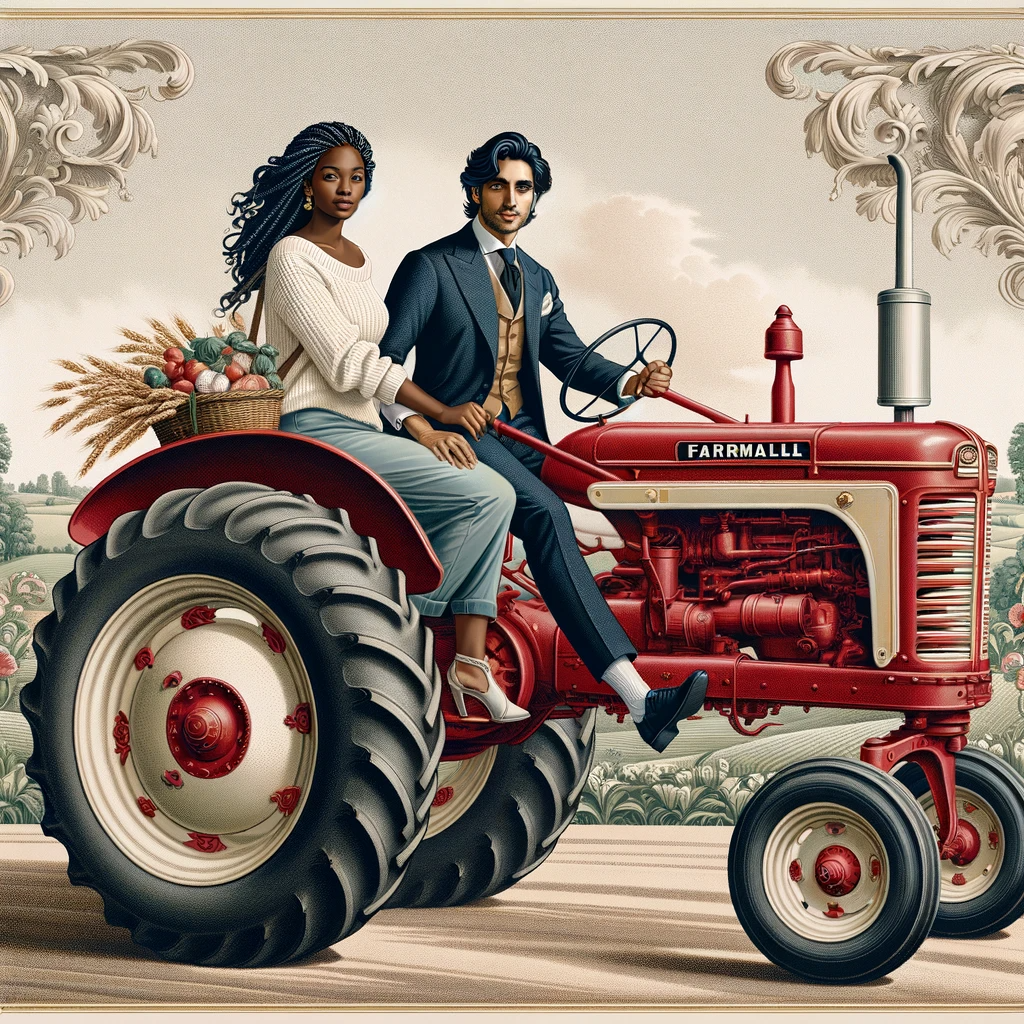
How Can We Preserve the Legacy Of Classic Tractors?
How Can We Preserve the Legacy Of Classic Tractors?
- Classic tractors symbolize hard work, tradition, and rural American spirit.
- Preservation involves both emotional and rational approaches to honor their legacy.
- These machines connect us to our past, shaping our identity and community relationships.
- They illustrate agricultural history and the evolution of farming practices.
- Restoring classic tractors teaches sustainability and craftsmanship in a disposable technology era.
- Community engagement through clubs and events can share stories with younger generations.
- Using modern technology to document restorations helps create a shared digital archive and community narrative.

How Can We Preserve the Legacy Of Classic Tractors?
What Ethical Responsibilities Come with Restoring Vintage Machinery?
Restoring vintage machinery is more than just a labor of love; it’s an act steeped in ethical responsibility that transcends nuts and bolts. Picture a farmer, hands calloused from endless hours spent in the fields, standing proudly beside a weathered tractor. That machine isn’t just metal and grease; it represents years of hard work, family history, and perhaps even a way of life. When we choose to restore such machinery, we’re not merely preserving a hunk of iron; we’re cherishing the stories behind it.
Every scratch and dent tells a tale—a tractor that helped raise crops through droughts and floods, a beloved machine that forged memories across generations. In this regard, ethics come into play not just at a mechanical level, but at a deeply personal and social level. We owe it to those who came before us to honor their legacy through responsible stewardship. This means understanding the historical context of the machinery we restore, maintaining authenticity wherever possible, and resisting the urge to modernize for convenience.
But the restoration ethic doesn’t stop there. It invokes a duty toward the environment and community. Vintage machinery often reflects a simplicity and sustainability that modern counterparts lack. When restoring, we should embrace environmentally friendly practices, repurposing parts and reducing waste as much as possible. This approach honors the integrity of the original design while acknowledging our role in an increasingly throwaway culture.
Consider the impact of showcasing restored equipment at local fairs or community events. The vintage tractor draws gaze and conversation, igniting a shared appreciation for craftsmanship and history among spectators. Each machine becomes a bridge connecting people of diverse backgrounds and experiences—a conversation starter about values, work ethics, and shared cultural heritage. This connection isn’t just nostalgic; it fosters collective responsibility for preserving our past while promoting sustainable practices for the future.
The act of restoration requires a balanced mind and heart; it demands not just technical skill, but the ethics of respect and responsibility. It’s an invitation to remember where we came from as we forge ahead, reinvigorating not just metal structures but communal ties. So, when embarking on your next restoration project, pause and reflect. You’re not just breathing life into an old machine; you’re rekindling the spirit of resilience, craftsmanship, and community—a testament to the belief that what lasts is not merely the machinery itself, but the values we choose to uphold through our work.

What Ethical Responsibilities Come with Restoring Vintage Machinery?
What Ethical Responsibilities Come with Restoring Vintage Machinery?
- Restoring vintage machinery goes beyond technical work; it embodies ethical responsibility and personal connection.
- Each machine reflects years of history, hard work, and family legacy, making preservation significant.
- Ethical restoration involves honoring the historical context and maintaining authenticity rather than modernizing for convenience.
- The restoration process promotes environmental stewardship through sustainable practices such as repurposing parts and minimizing waste.
- Showcasing restored machinery at community events fosters appreciation for craftsmanship and serves as a conversation starter.
- This collective engagement nurtures shared cultural heritage and responsibility for preserving the past.
- The act of restoration signifies a blend of technical skill, ethics, and community ties, reinforcing the enduring values behind the work.

What Ethical Responsibilities Come with Restoring Vintage Machinery?
Conclusion
Classic tractors embody more than mere machinery; they encapsulate stories of hard work, tradition, and resilience, connecting us to our roots. Each rusted frame and faded seat is a testament to generations that toiled under the sun, crafting a legacy rich with emotional weight and historical significance. Imagine a sunlit field where the gentle hum of a vintage tractor stirs nostalgia, evoking memories of family gatherings and shared labor. The heart of restoration lies in honoring these memories—by breathing new life into machines that represent not just agricultural tools, but vessels of heritage and pride.
Ownership of a classic tractor goes beyond functionality; it fosters a connection to a vibrant community of enthusiasts who share a deep appreciation for craftsmanship. The free PDF manuals created by passionate owners serve as invaluable resources, offering insights gathered from real-world experiences. These manuals not only aid in maintenance and repair but also nurture a culture of collaboration and support, encouraging owners to dive into the hands-on work with confidence. When you open a manual, you’re not just absorbing information; you’re joining a narrative that extends far beyond individual ownership.
From an ethical perspective, restoring classic tractors is a commitment to preserving our agricultural history. Each repair reflects a duty to maintain authenticity, ensuring these machines tell their stories accurately to future generations. The process cultivates respect for the environment, promoting sustainability by encouraging practices that reduce waste and repurpose parts instead of contributing to a throwaway culture.
Classic tractors also foster community and social connection, bridging gaps across generations. Gatherings of tractor enthusiasts transform solitary pursuits into shared experiences, reinforcing bonds forged through collective narratives of hard work. As each enthusiast shares their triumphs and struggles, they build trust rooted in shared values—respect for craftsmanship, a love for history, and a dedication to preserving a piece of our collective heritage.
In the end, engaging with classic tractors isn’t just about preserving a machine; it’s about nurturing the spirit of community, resilience, and craftsmanship. These timeless vehicles invite us to cherish our past while crafting a future steeped in purpose, reminding us that through the grease and labor, we become part of a larger legacy—one that celebrates the heart, grit, and determination of those who toiled before us. So grab that wrench, consult those manuals, and immerse yourself in the timeless stories of classic tractors; you’re stepping into a narrative that transcends generations, and that’s something worth celebrating.

Conclusion
Conclusion:
- Classic tractors symbolize hard work, tradition, and resilience, connecting us to our roots.
- They represent a legacy filled with emotional weight and historical significance through their rustic appearance.
- Restoration of these tractors honors memories and breathes new life into vessels of heritage and pride.
- Ownership fosters a connection to a community of enthusiasts who value craftsmanship and share insights through free PDF manuals.
- Restoring classic tractors preserves agricultural history and promotes sustainability by reducing waste.
- Tractor gatherings unite enthusiasts, reinforcing bonds through shared narratives of hard work and values.
- Engaging with classic tractors nurtures community spirit and celebrates the legacy of those who toiled before us.

Conclusion
Other Resources

Other Resources
Here is a list of other resources you can review online to learn more:
- Valmet
- Rome
- Bolinder-Munktell
- Case IH
- Carraro
- Bima
- Taishan-America
- Brockway
- Iseki
- Skoda-LIAZ
- Hello Tractor
- Antique Tractor Supply
- Parrett
- Zetor Zebra
- RK Tractors
- Graham-Bradley
- Advance-Rumely
- Ivel Agricultural Motors
- The New England Antique Truck and Tractor Association
Use This Prompt To Get More Resources With Your Favorite Online AI Tool: Please provide me with a list of online articles with their URLs in a bulleted list that I can read regarding Free Pdf Manuals Created By Real Classic Tractor Owners

Other Resources
Glossary Terms
Free Pdf Manuals Created By Real Classic Tractor Owners – Glossary Of Terms
1. Owner-sourced manual — A PDF manual scanned, typed, or compiled by a tractor owner sharing original operating, maintenance, or repair knowledge not always found in factory literature.
2. Operator’s manual — Basic instructions for safe operation, daily checks, controls, and minor maintenance specific to a tractor model.
3. Service manual — Detailed procedures for diagnostics, adjustment, repair, and routine servicing, often including step-by-step instructions and specifications.
4. Shop manual — Comprehensive teardown and rebuild procedures, tools required, machining tolerances, and workshop-level repairs.
5. Parts manual — A catalog-style listing of component part numbers, descriptions, and often exploded views to aid parts ordering and identification.
6. Illustrated Parts Catalog (IPC) — A parts manual emphasizing diagrams and exploded views to show how assemblies fit together and where individual parts locate.
7. Wiring diagram — Electrical schematics showing circuits, connectors, wire colors, grounding points, and component locations for troubleshooting and rewiring.
8. Schematic — A functional diagram (electrical, hydraulic, or mechanical) showing system relationships and flow rather than physical placement.
9. Technical bulletin — Short documents from owners or manufacturers highlighting service updates, common fixes, modifications, or safety advisories.
10. Maintenance schedule — Time- or hours-based checklist of inspections, lubrication points, fluid changes, and adjustment intervals.
11. Restoration guide — Owner-produced notes and photos documenting step-by-step restoration processes, source parts, paint codes, and authenticity tips.
12. Rebuild manual — Focused instructions for disassembling, inspecting, replacing wear items, and reassembling major components like engines or transmissions.
13. Overhaul manual — Detailed rebuild procedures with clear tolerance specs, measuring techniques, and recommended replacement criteria for worn components.
14. Torque specifications — Tables listing bolt, nut, and fastener torque values (often by grade and thread size) required during assembly.
15. Serial number matrix — Cross-reference of serial ranges to model years, production changes, and options to identify the exact tractor configuration.
16. Model identifier — Codes and naming conventions that distinguish engine type, transmission, attachments, and trim levels for a tractor series.
17. Power Take-Off (PTO) — Description of PTO types, speed/revolution specs, clutch engagement methods, and safety practices for driven implements.
18. Hydraulic system — Diagrams and service notes on pumps, valves, lines, reservoirs, fluid types, and troubleshooting of lift and steering circuits.
19. Fuel system — Components and service data for tanks, lines, filters, pumps, carburetors or injectors, and fuel-related troubleshooting.
20. Carburetor tuning — Jetting, idle, choke, float, and mixture procedures specific to classic tractor carburetors to optimize idle and load performance.
21. Governor adjustment — Procedures and specifications for setting engine governor speed control to maintain rated RPM under varying loads.
22. Clutch adjustment — Instructions and specifications for setting clutch freeplay, linkage, pedal geometry, and service/replace criteria.
23. Transmission diagram — Gear layouts, shift linkages, lubrication points, and synchronization details for manual or synchronized transmissions.
24. Bearing chart — Types, sizes, load ratings, and replacement criteria for common bearings used in engines, gearboxes, and hubs.
25. Thread size chart — Common bolt and screw thread dimensions, pitches, and fit classes used on tractors to aid fastener replacement.
26. Exploded view — A detailed pictorial breakup of an assembly showing components in order and orientation for disassembly and parts identification.
27. Scan resolution (DPI) — Image density measure used when scanning manuals; higher DPI improves readability and OCR accuracy for small print or drawings.
28. OCR text layer — Machine-recognized text embedded under scanned images in a PDF to enable searching, copying, and text-based indexing.
29. PDF/A archive format — A standardized, self-contained PDF variant that embeds fonts and metadata for long-term preservation and consistent rendering.
30. Creative Commons license — An owner’s chosen license applied to shared manuals that defines reuse rights, attribution requirements, and restrictions for redistributed PDFs. Glossary Of Terms
Other Questions
Free Pdf Manuals Created By Real Classic Tractor Owners – Other Questions
If you wish to explore and discover more, consider looking for answers to these questions:
- Where can I download these free PDF manuals and are the links reliable?
- Are the PDFs complete factory manuals or are they owner-created repair notes?
- How accurate and trustworthy are the technical instructions in owner-created manuals?
- Do the manuals cover specific makes, models, and production years?
- Are parts diagrams, serial numbers, and specifications included in the PDFs?
- How do I determine if a manual applies to my tractor’s exact configuration or engine variant?
- Can I print the PDFs and what formatting/print quality should I expect?
- Are there searchable or OCR versions available for easy reference?
- How do owner-contributed manuals handle safety procedures and warnings?
- What common restoration tasks (engine rebuild, hydraulics, wiring) are covered step‑by‑step?
- Do the manuals include torque settings, fluid types, and maintenance intervals?
- Are wiring diagrams and electrical troubleshooting guides included?
- Where can I source replacement parts—OEM, NOS, aftermarket, or fabrications?
- How much should I expect to spend on a typical restoration or major repair?
- What tools and skill level are required for common restoration projects?
- Are there tutorials or videos linked to supplement the written manuals?
- How do I verify the provenance or historical information about my tractor?
- Do the manuals address environmentally responsible restoration practices?
- Are there legal or copyright issues using and sharing owner-created manuals?
- Can I contribute my own manual, photos, or restoration notes to the collection?
- How are contributions vetted, edited, or updated over time?
- Are translations or multilingual versions available for non‑English readers?
- How can I back up, archive, or preserve digital manuals for long-term use?
- Are there recommended local clubs, events, or online communities for further help?
- Do the manuals include advice on storage, winterizing, and long‑term preservation?
- How do I determine the historical authenticity of restored components and finishes?
- Are original paint codes, decal patterns, and restoration sourcing tips provided?
- What are common pitfalls or mistakes to avoid during a restoration?
- Is there guidance on estimating timeframes for partial vs. full restorations?
- How do I document my restoration turn‑by‑turn for resale or historical record?
- Are there resources for finding professional restorers, machinists, or specialists?
- How can I assess the market value or insurance needs of a restored classic tractor?

Other Questions
Haiku
Free Pdf Manuals Created By Real Classic Tractor Owners – A Haiku
Rusty gears whisper tales,
Heritage held in hands’ toil,
Hearts, past, and earth unite.

Haiku
Poem
Free Pdf Manuals Created By Real Classic Tractor Owners – A Poem
In fields of rust and memories sown,
Classic tractors, stories grown,
Steel and sweat, a legacy wrought,
Tales of toil, past battles fought.
Their engines hum, a timeless song,
Binding hearts where we belong,
Old hands teach, young minds ignite,
In whispered wisdom, futures take flight.
Each manual crafted, a shared embrace,
Knowledge flows, a communal space,
From seasoned hands, tips freely shared,
Grit and grace in every repair.
Trust blooms where stories intertwine,
Craftsmanship revered, histories align,
Community forged in grease-stained nights,
Together we rise, in friendship’s light.
Preserve our past, let no echoes fade,
Celebrate labor, the bonds we’ve made,
With every restoration, a pledge we renew,
In classic tractors, our spirit’s hue.
So turn the wrench, and feel the thrill,
Honor the roots, let passion fulfill,
In the heart of each tractor, a legacy beats,
A timeless connection, where history meets.

Poem
Checklist
Free Pdf Manuals Created By Real Classic Tractor Owners – A Checklist
Emotional Appeals
✅______ Reflect on memories: Recall personal stories or family traditions involving tractors.
✅______ Nostalgia connection: Share your emotional attachment to classic tractors and their significance.
Rational Appeals
✅______ Understand the basics: Familiarize yourself with the mechanical aspects of your classic tractor.
✅______ Assess durability: Evaluate parts availability and repairability of vintage models compared to modern tractors.
Ethical Appeals
✅______ Promote stewardship: Commit to preserving and caring for your classic tractor as a piece of heritage.
✅______ Engage in sustainable practices: Use eco-friendly restoration techniques and recycle parts when possible.
Authority Appeals
✅______ Utilize manuals: Download and study manuals created by experienced tractor owners for maintenance tips.
✅______ Seek expert advice: Attend workshops or join local tractor clubs to learn from seasoned enthusiasts.
Narrative Appeals
✅______ Gather stories: Connect with other owners to share experiences and restoration tales that highlight the community’s history.
✅______ Document your journey: Capture and share your restoration process through photos or blogs to inspire others.
Social Appeals
✅______ Join a community: Participate in local clubs or online forums for classic tractor enthusiasts.
✅______ Attend events: Go to tractor shows or gatherings to foster connections and share knowledge with fellow owners.

Checklist
At ClassicTractorNews, we help tractor lovers keep up with the latest news for classic and vintage tractors.
Please share this post with your friends, family, or business associates who may like old classic or vintage tractors.