


Empowering Farmers: Reclaim Your Land From Digital Overreach
By Tom Seest
At ClassicTractorNews, we help tractor lovers keep up with the latest news for classic and vintage tractors.
Please share this post with your friends, family, or business associates who may like old classic or vintage tractors.
Fighting Back Against Software That Controls Your Farm
Fighting Back Against Software That Controls Your Farm
In today’s world, the humble tractor has become the battleground for a clash of ideals. As we sit behind the wheel, feeling the weight of responsibility, we must ask ourselves: who’s really in control? The software guiding our equipment isn’t just a tool; it often feels like an unseen hand manipulating our decisions, pushing us towards a future where the farmer is more operator than owner. That’s a tough pill to swallow.
Consider the farmer who wakes up before dawn, coffee in hand, and a lifetime of knowledge at their fingertips. They stride into the fields, where rows of corn stand like soldiers in a regiment, each stalk a testament to their hard work. Yet, with the push of a button, the software swoops in, suggesting when to plant, when to harvest, and even how much fertilizer to use. It’s an impressive feat of technology, but it raises a question: at what cost?
Being tethered to software that demands compliance can sap the soul of farming. You’re no longer forging your path; you’re following a digital road map created by someone sitting behind a desk who may have never even seen a field. It’s time we reclaim our identity as farmers, balancing technology with intuition and experience. We’ve always known the weather, the soil, and our crops far better than a piece of software ever could. Here’s the truth: that software needs us just as much as we need it. So, why do we let it dictate our actions?
Let’s draw upon an analogy. Think of your tractor as a powerful steed—a trusty companion in your daily labors. You wouldn’t let a stranger tell you how to ride; you’d trust your instincts, your training, and the bond you’ve built over years. Each turn of the wheel, every dip in the field, tells a story that no algorithm can understand.
So let’s harness that connection, using technology to enhance, not control. It’s about finding harmony; integrating smart farming tools while keeping the farmer’s voice at the forefront. Support innovation that respects your experience and helps you make decisions, not replace them. Join forces with other farmers to advocate for solutions that empower us: software that listens, learns from our input, and helps us thrive rather than dictates from above. This is our field, our legacy, and our future; let’s ensure it remains firmly in our hands.

Fighting Back Against Software That Controls Your Farm
Fighting Back Against Software That Controls Your Farm
- Tractors symbolize the conflict between farmers’ control and software influence.
- Farmers face technology suggesting key decisions like planting and harvesting.
- Reliance on software can diminish the farmer’s autonomy and connection to the land.
- Farmers possess valuable knowledge about farming that software cannot replicate.
- A balance is needed between technology and personal experience in farming.
- Advocacy is required for innovative solutions that empower farmers, rather than control them.
- The future of farming should prioritize farmers’ voices and experiences over algorithms.

Fighting Back Against Software That Controls Your Farm
Table Of Contents
- Fighting Back Against Software That Controls Your Farm
- What If Technology Is Dictating How You Run Your Farm?
- How Does Relying on Software Affect Your Farming Decisions?
- Are You Losing Touch with Traditional Farming Methods?
- What Ethical Concerns Arise When Using Agricultural Software?
- How Can Farmers Band Together to Share Their Experiences?
- Do You Trust the Companies Behind the Software Controlling Your Farm?
- Conclusion
- Other Resources
- Glossary Of Terms
- Other Questions
- Haiku
- Poem
- Checklist
What If Technology Is Dictating How You Run Your Farm?
In the heart of America’s farmland, the hum of a tractor often signals hard work, sweat, and dreams. But what happens when the very technology that promises to make our lives easier starts to dictate the terms of our existence? It’s a question that’s sparking debates around kitchen tables and in fields across the country. When did we hand over the reigns of our livelihoods to algorithms and automated systems?
Consider the farmer, once the master of his domain, now staring at a screen full of data points, yield predictions, and weather forecasts. There’s something disconnecting about relying heavily on technology. Yes, precision farming enhances efficiency, but it can also breed dependency. When every decision—from when to plant to how much fertilizer to spread—is dictated by complex algorithms, where does that leave the farmer’s intuition, honed over generations? The trust we place in these machines must be balanced with the wisdom that only experience provides.
Many farmers share stories of adapting technology but finding themselves caught in a web of artificial expectations. A neighbor might proudly showcase his drone surveys, yet underneath the shiny surface lies the pressure to keep up with advancements that often require a learning curve steeper than the fields they cultivate. It’s a common narrative: adapting to better tools, yet feeling a twinge of loss for the simpler times when decisions were made not just by numbers, but by relationships with the land and the community.
Imagine standing in a field with your tractor, the sun setting just right, feeling the soil between your fingers. That connection to the earth can’t be replicated by a screen. Instead of letting technology define what it means to farm, we can harness it as a tool—an ally—while holding tight to the values that ground us. Technology should enhance our abilities, not eclipse our instincts.
Next time you mount your tractor, remember that while GPS may guide you down the rows, it’s your heart, your passion, and your connection to the land that makes you a true steward of your farm. Embracing technology should uplift our agricultural practices without sidestepping the raw, essential grit that has always defined farming. Together, let’s challenge the notion that technology dictates our path and instead forge a future where it serves to amplify our human spirit.

What If Technology Is Dictating How You Run Your Farm?
What If Technology Is Dictating How You Run Your Farm?

What If Technology Is Dictating How You Run Your Farm?
How Does Relying on Software Affect Your Farming Decisions?
Relying on software in farming can feel like handing the reins over to a stranger. Imagine a sun-drenched field where you grew up, the hum of a tractor echoing in the distance, your hands deep in the soil. There’s something primal about that connection—a bond forged over generations. Yet today, this landscape is increasingly dotted with screens and sensors, where data flows in torrents and algorithms guide decisions.
At first glance, software promises efficiency, but what about the heart that beats within every farm? This technology can create a chasm between the farmer and the land. Abstract data points might suggest planting one crop over another based on market analytics. Still, it’s the feel of the earth—how it crumbles between your fingers—that tells a seasoned farmer more than any line on a graph. The visceral connection to the land is more than just practical; it’s emotional, rooted in heritage and history.
Yet, there’s undeniable power in using technology wisely. Imagine wielding precision agriculture like a maestro with a baton. The software can track soil health, monitor weather patterns, and optimize water usage. But when that tractor rolls onto the field, it must harness both the cold steel of innovation and the warmth of instinct. Balancing tech with tradition could very well be the recipe for success.
Consider a farmer named Tom, who initially approached software with skepticism. His grandfather tended to the same patch of land with nothing but grit and determination. But when a particularly harsh season hit, Tom decided to embrace a software tool to predict irrigation needs. The result? He saved not only water but also the crops, preserving years of familial dedication and labor. This blending of old and new isn’t just about numbers; it’s about survival—a lifeline in a climate-changing world.
Ultimately, the choice isn’t merely about efficiency; it’s about ethics and sustainability. The heart of farming lies in nurturing life, a responsibility shared with our ever-evolving technology. Each time a farmer engages with a software system, they should ask: Does this serve the land? Does it honor the legacy of those who came before?
In embracing the power of technology while honoring our roots, we can craft a farming narrative that’s both modern and timeless. It’s about making decisions that support not just the bottom line but the very essence of agriculture—a delicate dance between intuition and insight, where every tractor-strung line in the dirt is a testament to both heart and innovation.

How Does Relying on Software Affect Your Farming Decisions?
How Does Relying on Software Affect Your Farming Decisions?
- Relying on software in farming can feel unfamiliar and detached from traditional practices.
- Technology offers efficiency but can create a divide between farmers and their land.
- The emotional connection to farming encompasses heritage and history, beyond mere data.
- Wise use of technology, like precision agriculture, can improve crop management and resource optimization.
- Tom’s experience illustrates the successful integration of traditional farming and modern technology.
- The ethical choice in farming involves aligning technological use with sustainable practices.
- Balancing intuition with innovation is crucial for a successful farming narrative in today’s climate.

How Does Relying on Software Affect Your Farming Decisions?
Are You Losing Touch with Traditional Farming Methods?
In an age dominated by technological advances, it’s easy to forget the wisdom embedded in traditional farming practices. Imagine a time when a farmer’s day began with the soft hum of a tractor cutting across the morning mist, the soil rich with promise beneath their feet. Those moments tethered generations to the land, teaching us that farming is not just a profession but a way of life steeped in community and responsibility.
When we shift to high-tech solutions, there’s an undeniable allure; precision farming and drones can optimize yields and monitor crops from the skies. But what about the deep connection to the land? Traditional methods offer not only harvesting techniques but a respect for the cycles of nature that high-tech solutions often overlook. The clatter of tools, the simple joy of tilling the earth by hand, fosters a relationship with the land that machines can’t replicate.
Consider the story of my friend, a farmer who once relied solely on high-tech farming tools. One particularly dry season, his crops suffered because he followed the algorithms, trusting numbers over instinct. It wasn’t until he returned to some old-fashioned methods—like rotating crops and relying on natural pest deterrents—that he saw resilience in his fields again. This notion—that sometimes we must look back to move forward—is as old as time but often forgotten in our rush to innovate.
We have to ask ourselves, are we losing touch with the ethos of stewardship? Farming was never just about profits; it’s about nurturing a cycle of life. A tractor can plow through the land, but it’s the farmer’s soul that must guide it. Whether you’re from a farming background or not, there’s an inherent responsibility we share toward the earth. Engaging with traditional methods invites a mindfulness that can transform not just our crops but also our communities.
Let’s face it: when you hear stories of families gathering for harvest time, or the simple satisfaction of a successful growing season achieved through hard work and partnership with the land, it ignites a spark within. Those connections matter. They remind us that we don’t just grow food; we grow a future shaped by values, respect, and community ties. Reconnecting with traditional farming isn’t about abandoning progress; it’s about ensuring that our roots remain strong as we build a sustainable tomorrow. The most profound insights often come from the simplest experiences—when we listen to the earth, when we feel the rhythm of the seasons, when we embrace the artistry of farming that transcends technology.

Are You Losing Touch with Traditional Farming Methods?
Are You Losing Touch with Traditional Farming Methods?
- Traditional farming practices embody wisdom and connection to the land, emphasizing community and responsibility.
- High-tech farming solutions, such as precision farming and drones, offer optimization but risk overshadowing respect for nature’s cycles.
- Hands-on farming promotes a deep relationship with the land that technology cannot replicate.
- A farmer’s shift from high-tech tools back to traditional methods, like crop rotation, demonstrates the value of instinct and experience.
- The essence of farming goes beyond profit, highlighting the importance of stewardship and nurturing life cycles.
- Engaging in traditional practices fosters mindfulness and strengthens community ties.
- Reconnecting with traditional farming ensures sustainable progress while honoring roots and values.
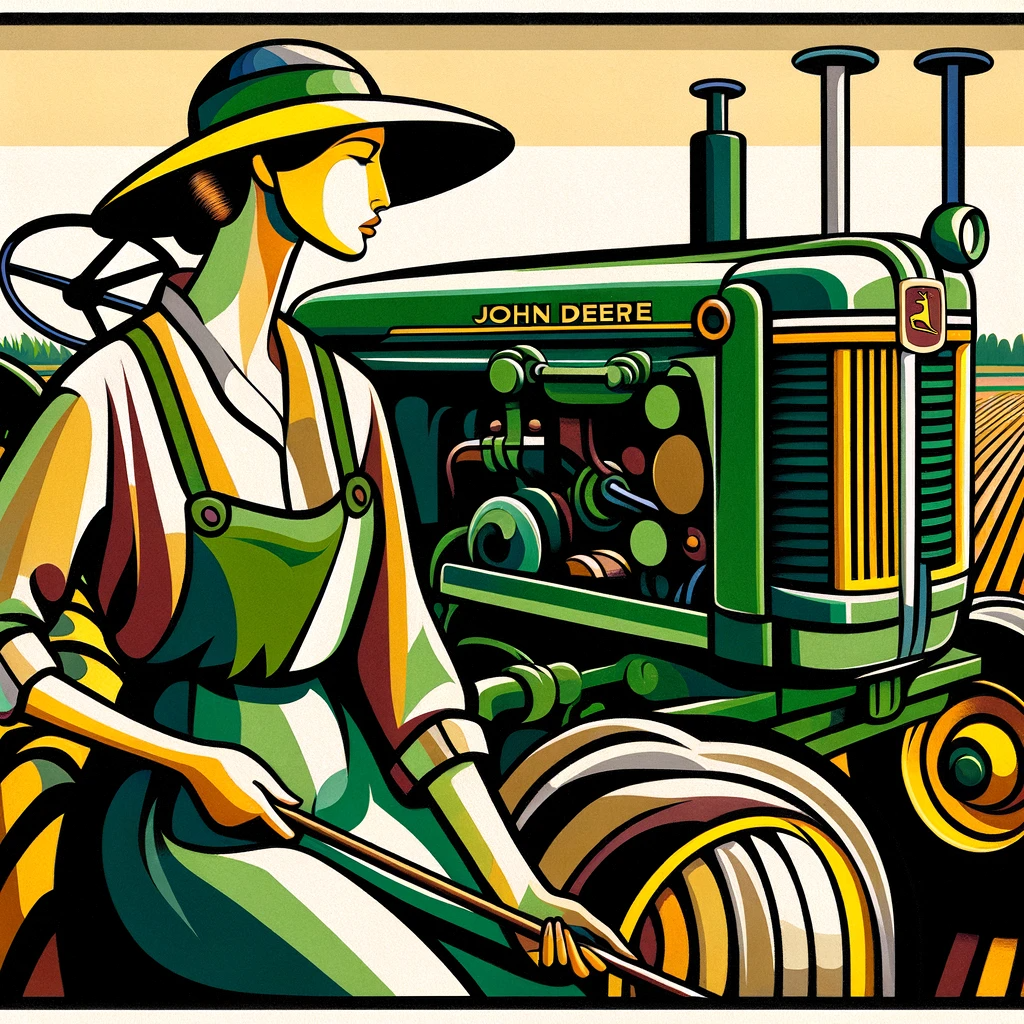
Are You Losing Touch with Traditional Farming Methods?
What Ethical Concerns Arise When Using Agricultural Software?
In the world of modern farming, where a tractor can be more of a computer on wheels than a simple workhorse, the rising tide of agricultural software brings both promise and precarious challenges. As farmers embrace technologies that can monitor crops, optimize yields, and even manage livestock through sophisticated algorithms, ethical concerns emerge, intertwining the very fabric of our food system.
Imagine a farmer standing by their tractor, equipped with the latest software that promises to double their output. The excitement is palpable, yet beneath this innovation lies a haunting question: Who truly benefits from these advancements? The allure of efficiency can sometimes overshadow the potential for exploitation. When multinationals offer software solutions that lock farmers into dependency, they risk undermining not just individual livelihoods, but also the resilience of entire communities. The software might boost production, but at what cost to autonomy and local economies?
Moreover, there’s an unsettling dilemma that arises from data ownership. The very tools designed to enhance productivity also collect vast amounts of information. Picture the farmer now lulled into complacency, believing they own their data, when in reality, it may be harvested and unleashed into a market, leaving them feeling like mere cogs in a grand machine. Trust is paramount here. Just as a tractor requires maintenance to function optimally, so too does the relationship between technology providers and farmers. Transparency and ethical stewardship become vital in ensuring that farmers retain agency over their data and decisions.
The narrative of agricultural software is not solely about cutting-edge efficiency; it’s about connecting deeply with the people behind the crops. Each byte of data should carry the weight of human experience—the storms endured, the late nights spent, the generations before who tilled the soil. When software is developed with empathy for these narratives, it fosters a sense of community, transforming anonymous users back into relatable farmers with dreams and struggles.
Consider this: every line of code in agricultural software has the potential to either uplift or marginalize those working the land. An industry that must embrace ethics in technology will not only safeguard the farmer’s future but also enrich our shared story. The challenge lies in cultivating a software ecosystem as fertile as the fields they seek to protect, ensuring that no one is left behind as we tread boldly into this new agricultural frontier. Every innovation must serve not just the bottom line, but the heart and soul of farming itself.

What Ethical Concerns Arise When Using Agricultural Software?
What Ethical Concerns Arise When Using Agricultural Software?
- Modern farming integrates advanced agricultural software for crop monitoring and yield optimization.
- The rise of technology raises ethical concerns regarding dependency on multinational corporations.
- Farmers face challenges related to data ownership and the risk of exploitation.
- Trust between farmers and technology providers is essential for maintaining autonomy and decision-making.
- Software development should consider the human experiences of farmers to foster community.
- Each line of code can either benefit or marginalize agricultural workers.
- Future innovations must support both economic viability and the cultural integrity of farming.

What Ethical Concerns Arise When Using Agricultural Software?
How Can Farmers Band Together to Share Their Experiences?
Farmers are often depicted as solitary figures, working tirelessly under the sun with their tractors, tending to the land and crops. Yet, beneath that rugged exterior lies a shared humanity—a tapestry of experiences waiting to be woven together. The act of banding together to share experiences transcends mere practicality; it cultivates a sense of belonging that not only enriches individual lives but nurtures the entire community.
Imagine a circle of farmers gathered in a barn, the warm scent of hay filling the air, as they exchange stories over cups of strong coffee. Each tale, whether of triumph over a tough season or the challenges posed by unpredictable weather, serves as both a lesson and a lifeline. These gatherings are not merely social; they’re a lifeblood for the farming community. A shared understanding fosters resilience, turning personal anecdotes into collective wisdom. When farmers unite, the weight of struggle becomes lighter, and the joy of success becomes infectious.
A farmer from the Midwest recalls grappling with a devastating drought. Isolated in his fields, he felt the enormity of his burden alone. It wasn’t until he attended a local meet-and-greet that he discovered others shared his plight. They exchanged strategies—what worked, what didn’t—and lessons learned. What started as an evening of camaraderie transformed into a network of support and innovation, leading to improved irrigation techniques. Through each shared experience, he not only transformed his approach but also strengthened lasting friendships.
This narrative extends far beyond one individual; it taps into a universal truth: collective strength is more potent than solitude. Banding together builds a reservoir of trust, where ideas flow freely, and successes are celebrated as community victories. It’s about creating a culture of transparency, where even the most daunting experiences are shared without fear of judgment. When farmers unite to discuss challenges, they don’t just seek solutions—they inspire one another to explore deeper connections with the land and with each other.
Furthermore, in today’s digital age, channels for sharing experiences are abundant. Social media rooms, online forums, or even local workshops provide platforms to exchange stories. Encouraging every voice, whether seasoned or new to the business, enriches the community’s collective narrative.
By breaking down the walls of isolation, farmers can cultivate a rich soil of shared experiences, fostering a culture grounded in empathy, education, and action. The tractor may be a tool of the trade, but the strength of the community is the true engine of progress. Together, through shared experiences, farmers can transform challenges into opportunities, planting seeds for a future that thrives on unity and collaboration.

How Can Farmers Band Together to Share Their Experiences?
How Can Farmers Band Together to Share Their Experiences?
- Farmers are often seen as solitary workers, but they share a common humanity through their experiences.
- Gatherings among farmers foster a sense of belonging, enriching individual lives and nurturing the community.
- Storytelling during these gatherings serves as both lessons and lifelines, helping to build resilience.
- Shared experiences lead to improved strategies, innovations, and lasting friendships within the farming community.
- Collective strength proves more powerful than solitude, creating a culture of trust and transparency.
- Digital platforms facilitate the exchange of stories and ideas, enriching the community’s narrative.
- By uniting, farmers can turn challenges into opportunities, promoting unity and collaboration for a thriving future.

How Can Farmers Band Together to Share Their Experiences?
Do You Trust the Companies Behind the Software Controlling Your Farm?
In a world dominated by technology, the question of trust looms large, especially when it comes to the companies behind the software controlling our farms. Picture this: you’re standing next to your tractor, feeling the rumble of its engine beneath your hands, a connection forged through years of hard work. This machine isn’t just a tool; it’s a lifeline to your way of life, your livelihood. Yet, the software running in the background, making countless decisions that impact your field, can feel as distant as the clouds hanging over your crops.
We live in an age where farmers increasingly rely on these giant tech companies for data-driven insights, automated tasks, and intricate algorithms that promise to enhance efficiency. But do we really know who we’re handing the keys to? When a corporation boasts about its cutting-edge software, it’s easy to feel an exhilarating rush of confidence—like firing up that trusted tractor. But as with any powerful machine, it’s essential to understand what’s under the hood.
Consider a farmer named Ellen. She spent years pouring her heart into her family’s farm, cultivating the land and nurturing its bounty. When she installed a new management software to optimize yields, she felt empowered—until a software glitch nearly cost her a season’s worth of crops. That’s when the questions started flooding in: Who’s responsible when things go wrong? Can we trust the promises of a faceless entity several states away?
This isn’t merely a technical inquiry; it’s a matter of ethics. Are these companies guided by the principles that resonate with us—for example, the commitment to support our communities and ensure the sustainability of our resources? Or are they simply driven by numbers, seeing farmers as mere data points? Trust comes when you know the people behind the software are invested in the land, the livelihoods, and the very fabric of agricultural life.
Engagement starts right here. Ask questions, demand transparency, and build relationships with these companies. Your father’s advice about never buying a tractor without a test drive applies here, too. Delve into the companies’ values, their history, the people leading them. Empathy and understanding can foster a more productive partnership.
Ultimately, it’s about taking control of the narrative. Just as our ancestors tilled the land with grit and wisdom, we must navigate this technologically-driven era with the same tenacity, ensuring that every line of code serves not just the bottom line, but the bigger picture: our farms, our families, and the future we’re planting every day.

Do You Trust the Companies Behind the Software Controlling Your Farm?
Do You Trust the Companies Behind the Software Controlling Your Farm?
- Trust in technology is critical for farmers relying on software for their operations.
- Farmers must be informed about the companies providing agricultural technology and their values.
- A fictional farmer, Ellen, experiences a software glitch that raises concerns about accountability and trust.
- Companies should demonstrate a commitment to community and sustainability, rather than viewing farmers solely as data points.
- Engagement with tech companies is essential; farmers should ask questions and demand transparency.
- Understanding a company’s values and leadership can lead to stronger partnerships and better outcomes.
- Farmers should take control of their technological narrative to ensure it aligns with their goals and community needs.

Do You Trust the Companies Behind the Software Controlling Your Farm?
Conclusion
In today’s agricultural landscape, farmers find themselves at a critical crossroads, where traditional values clash with the relentless advance of technology. The once simple act of farming has become a digital endeavor, with software dictating decisions that profoundly affect our lives and land. Yet, this trajectory raises essential questions about who truly holds the reins of control. Farmers have poured their hearts into the soil, investing years of knowledge and instinct honed through generations. So why are we allowing algorithms crafted in corporate offices guide us towards an uncertain future?
Imagine the quintessential farmer—waking up before dawn, arm deep in rich soil, joyous at the prospect of a fruitful harvest. However, as technology displaces this intimate relationship, we risk losing that essential connection. The reliance on software shouldn’t overshadow the human intuition that defines what it means to be a steward of the land. The old adage “trust but verify” becomes pivotal here. The software can undoubtedly offer valuable tools for optimizing yield and monitoring crops, but it should serve to enhance, not replace, the farmer’s wisdom.
The ethical concerns surrounding data ownership and dependency on large tech corporations are paramount. Farmers must reclaim their voice and push back against forces that seek to disconnect them from their fields and communities. There is power in unity; when farmers join forces to share experiences, they cultivate resilience and foster a culture where innovation and tradition coexist. The narrative of agriculture should be rooted in shared stories and solidarity, where every struggle and triumph strengthens the bonds within the farming community.
As we stand on this precipice, the call to action is clear: embrace technology, but remain vigilant. Engage with the companies that provide these tools—demand accountability and transparency. Trust is earned, and it’s time to build relationships grounded in shared values and ethical stewardship.
In the end, farming is about more than just numbers—it’s about passion, responsibility, and legacy. As we navigate this ever-changing landscape, let’s ensure that the future of farming is not dictated by algorithms but shaped by the heart, head, and gut of true agriculturalists. May we always remember: the most profound wisdom often lies not in ones and zeroes, but in the connection to the earth and the community that sustains us.

Conclusion
Conclusion:
- Farmers face a critical crossroads between traditional values and advancing technology.
- The act of farming has transformed into a digital endeavor, raising questions about control.
- Farmers’ experiences and instincts are essential and should not be overshadowed by algorithms.
- Software should enhance, not replace, the wisdom of farmers in stewardship of the land.
- Ethical concerns regarding data ownership and dependency on tech corporations are significant.
- Unity among farmers can foster resilience and blend innovation with tradition.
- Farming should prioritize relationships built on trust, responsibility, and a connection to the community.

Conclusion
Other Resources

Other Resources
Here is a list of other resources you can review online to learn more:
- New Holland
- Wilke’s Classic Tractors
- Park Rapids Antique Tractor & Engine Club
- TwinCity
- Ivel Agricultural Motors
- Farm Heritage Museum
- Leyland
- Hesston
- Siromer
- Tractor Data
- Georgia National Antique Agriculture Show
- Terraplane
- Parrett
- Fiat-Hesston
- Haas
- Cletrac
- Thieman Harvester
- Valmet
- Steiner Tractor
Use This Prompt To Get More Resources With Your Favorite Online AI Tool: Please provide me with a list of online articles with their URLs in a bulleted list that I can read regarding Fighting Back Against Software That Controls Your Farm

Other Resources
Glossary Terms
Fighting Back Against Software That Controls Your Farm – Glossary Of Terms
1. Proprietary Farm Management Software — Commercial software sold by manufacturers to monitor, control, and optimize farm equipment and operations; often bundled with hardware and license terms.
2. Right-to-Repair — Legal and consumer movement advocating for the ability of owners and independent technicians to maintain, repair, and modify equipment without undue restrictions.
3. End User License Agreement (EULA) — Contract between software vendor and user that defines permitted uses, restrictions, and liabilities for farm software and firmware.
4. Software Lockout — Vendor-designed mechanism that prevents certain uses of equipment unless specific software, credentials, or permissions are present.
5. Digital Rights Management (DRM) — Technical and legal controls applied to software and firmware to restrict copying, modification, or use of features.
6. Interoperability — Ability of different systems, machines, and software to exchange data and work together using common protocols or standards.
7. Open-Source Software — Software with publicly available source code that can be reviewed, modified, and redistributed under an open license.
8. Open-Source Hardware — Hardware designs published under open licenses, allowing replication, modification, and community-driven improvement.
9. Data Portability — Ability to export, transfer, and reuse machine and operational data in different systems or platforms.
10. Telemetry — Automated collection and transmission of machine performance and usage data from farm equipment to remote servers.
11. Remote Management — Vendor or third-party capability to monitor, update, or control equipment from off-site systems or clouds.
12. Edge Computing — Processing data locally on devices or on-site servers to reduce dependence on remote cloud services and latency.
13. Local Control — Configuration and operation of systems entirely on-site, enabling autonomy from remote vendor services.
14. API (Application Programming Interface) — Defined interfaces that allow software components to communicate and integrate with equipment or services.
15. Reverse Engineering — Technical analysis to understand how software or firmware operates; has legal and ethical constraints depending on jurisdiction and intent.
16. Firmware — Low-level software embedded in hardware that controls device behavior and interfaces with higher-level management systems.
17. Secure Boot — Security feature that ensures only authenticated firmware and software can run on a device to prevent tampering.
18. Sandboxing — Isolating software processes to limit their access to system resources and reduce potential harm from malfunctioning or malicious code.
19. Kill Switch — Remote or local mechanism that can disable equipment or features; may be used for safety or vendor control.
20. Vendor Lock-in — Situations where switching vendors or platforms is difficult due to proprietary protocols, data formats, or contractual constraints.
21. Open Standards — Publicly documented technical specifications that promote compatibility and reduce dependence on single vendors.
22. Community Firmware / Modding Communities — User groups and developers who create alternative firmware or software to extend functionality or promote openness; community-driven but varying in legal and safety implications.
23. DMCA and Anti-Circumvention Law — Legal frameworks in some jurisdictions that restrict bypassing technological protection measures and may affect repair or modification efforts.
24. Collective Advocacy — Organized consumer, farmer, or cooperative actions aimed at negotiating better terms, policy changes, or vendor accountability.
25. Agricultural Cooperatives — Groups of farmers pooling resources, purchasing power, or technical expertise to secure favorable equipment terms or shared services.
26. Firmware Signing — Cryptographic method that ties firmware updates to a trusted source to ensure authenticity and integrity.
27. Cybersecurity Hygiene — Basic practices (patching, strong passwords, network segmentation) that reduce risks to farm systems and data.
28. Data Ownership — Legal and contractual determination of who controls, accesses, and benefits from operational and telemetry data produced on the farm.
29. Privacy Policy — Vendor document describing how collected data is used, stored, shared, and retained.
30. Fail-Safe / Manual Override — Built-in physical or procedural mechanisms that allow safe manual operation or shutdown of equipment when automated systems are unavailable.

Glossary Of Terms
Other Questions
Fighting Back Against Software That Controls Your Farm – Other Questions
If you wish to explore and discover more, consider looking for answers to these questions:
- Who legally owns the data collected by my tractor and farm equipment?
- Can I opt out of data collection while still using the software?
- What are my rights if a software error damages my crops or equipment?
- How can I verify the accuracy of recommendations generated by the software?
- Are there open-source or farmer-controlled software alternatives?
- How do I disconnect or override automated controls in an emergency?
- What limits exist on how companies can sell or share my farm data?
- How do software updates affect farm operations and who decides when they’re installed?
- What liability do vendors accept when their algorithms make harmful decisions?
- How can I ensure interoperability between different manufacturers’ systems?
- What is the cost-benefit of using this software versus traditional methods?
- How does reliance on software change my insurance and crop-loss coverage?
- What governance or regulation currently protects farmers from vendor lock-in?
- How can farmers collectively negotiate better terms with software providers?
- Are there standards for transparency or explainability of agricultural algorithms?
- What cybersecurity risks does connected farm equipment introduce?
- How are software-driven recommendations audited for bias or error?
- Can I obtain a human-readable log of decisions the software made and why?
- How does software affect small family farms versus large industrial operations?
- What training is available to help farmers use these tools without losing autonomy?
- How do companies monetize aggregated farm data and who benefits?
- What privacy protections exist for sensitive operational or financial data?
- How can I influence software design to reflect local soil, climate, and cultural knowledge?
- What are practical steps to balance technology with traditional farming judgment?
- How might algorithmic recommendations impact biodiversity and long-term soil health?
- Are there certification programs for ethical agricultural software?
- How do I evaluate a vendor’s track record on support, reliability, and community engagement?
- What emergency fallback plans should I have if software or connectivity fails?
- How can cooperatives or farmer networks share or control software and data collectively?
- What contractual clauses should I demand before adopting fleet management or precision tools?
- How do subscription models affect a farm’s long-term financial stability?
- What independent resources exist to test and compare agricultural software?
- How can I protect my farm from software-induced price or market manipulations?
- What role should government policy play in protecting farmer autonomy over software?
- Are there legal precedents of farmers winning disputes against ag-tech companies?
- How do updates and deprecated features affect long-term equipment usability?
- What practical steps help preserve traditional knowledge alongside digital systems?
- How do I ensure the software’s recommendations align with sustainability and stewardship goals?

Other Questions
Haiku
Fighting Back Against Software That Controls Your Farm – A Haiku
Screens guide our hands,
Yet soil whispers, heart beats strong—
Farmers reclaim land.

Haiku
Poem
Fighting Back Against Software That Controls Your Farm – A Poem
In fields where tractors hum, hearts feel the strain,
A dance of tradition and tech, joy mixed with pain.
Farmers rise with the dawn, armed with their lore,
Yet software’s whisper claims the reins evermore.
Algorithms dictate, yet can they discern
The pulse of the earth, the lessons we learn?
Hands in rich soil tell stories untold,
While screens offer data, but leave hearts cold.
We must reclaim our paths, assert our own fates,
Harness the power, escape from the weights.
Together we’ll gather, share tales round the fire,
In unity, wisdom sets our hopes higher.
Trust not just the numbers, but the hands that till,
For farming’s a craft that thrives on our will.
As technology’s tide ebbs and flows all around,
Let’s forge a new future where true balance is found.
May heart guide the harvest, ethics outline the code,
In the rich tapestry of farming, our roots must explode.
So raise your voices, join forces, be bold,
Together, our legacy—let that story be told.

Poem
Checklist
Fighting Back Against Software That Controls Your Farm – A Checklist
Emotional Appeals
✅______ Reflect on your farming heritage and values.
✅______ Identify moments when technology felt intrusive.
✅______ Connect with fellow farmers to share personal stories of technology’s impact.
Rational Appeals
✅______ Assess the efficiency and effectiveness of the software you use.
✅______ List the essential decisions that should remain in your hands.
✅______ Evaluate the cost versus benefits of digital farming tools.
Ethical Appeals
✅______ Consider data ownership and how your information is used.
✅______ Reflect on the ethical implications of relying solely on algorithms.
✅______ Engage with companies about their practices regarding farmer autonomy.
Authority Appeals
✅______ Seek out expert opinions on balancing technology and traditional farming.
✅______ Attend workshops led by seasoned farmers who blend old and new methods.
✅______ Research credible resources about ethical farming technologies.
Narrative Appeals
✅______ Write down stories of your challenges and triumphs in farming.
✅______ Share anecdotes that illustrate the human connection to the land.
✅______ Encourage collective storytelling among farmers in your community.
Social Appeals
✅______ Join or form local farmer groups to foster a sense of community.
✅______ Participate in online forums to discuss and share experiences.
✅______ Advocate for community-led initiatives that promote mindful use of technology.

Checklist
At ClassicTractorNews, we help tractor lovers keep up with the latest news for classic and vintage tractors.
Please share this post with your friends, family, or business associates who may like old classic or vintage tractors.