


Unite With Passion: Discover Classic Tractor Insights And Community Wisdom
By Tom Seest
At ClassicTractorNews, we help tractor lovers keep up with the latest news for classic and vintage tractors.
Please share this post with your friends, family, or business associates who may like old classic or vintage tractors.
Facebook Groups and Forums Full Of Classic Tractor Fixes
Facebook Groups and Forums Full Of Classic Tractor Fixes
In the realm of vintage machinery, classic tractors stand not only as symbols of agricultural heritage but as beloved extensions of our lives and stories. Picture this: a rusted, weather-beaten steel frame, a roaring engine that echoes tales of days gone by, or a neighbor’s friendly nod as you plow the field with pride. Those old tractors, with their gutsy charm, represent values we hold dear—hard work, tradition, and a sense of community.
Facebook groups and forums dedicated to classic tractor fixes have become modern-day meeting places, where enthusiasts gather to share knowledge, offer support, and reminisce about the beauty of bygone eras. These online havens create a bridge between generations, where seasoned mechanics and novice restorers come together, united by a passion for preserving history. When I first joined one such group, I quickly learned valuable tricks—how to properly tune a carburetor or restore a tired paint job. It felt like shaking hands with a long-lost friend, one who happened to possess the secrets to reviving a piece of my heart.
The beauty of these platforms is the wealth of shared experience that flows through them. Individuals from all walks of life recount their ups and downs in restoring their beloved machines. It’s in the narratives behind a cracked axle or a stubborn starter that we find commonality. Each post, full of sweat and laughter, makes us realize that we’re not alone in the trenches of restoration. Here, you’re not just fixing a tractor; you’re connecting with others who understand the raw thrill of hearing that old engine roar back to life, the sweet sound of achievement tinged with the nostalgia of family farms and resilient spirits.
Consider the gut instinct that drives someone to embark on a restoration project. It’s an acknowledgment of heritage, a commitment to the earth, and a vow to carry the lessons of the past into the future. Repairing these machines isn’t merely about fixing parts; it’s about preserving stories, forging connections, and reviving the ethic of craftsmanship. Whether you’re troubleshooting a transmission or sharing a laugh over a botched paint job, that sense of community strengthens our resolve to fix what’s broken.
So, dive into these Facebook groups and forums. Share your trials and triumphs, learn from others, and contribute to the legacy of classic tractors. Through each exchange, every troubleshooting question, and every like or comment, we foster a vibrant community dedicated to keeping these mighty machines—and the stories they tell—alive.

Facebook Groups and Forums Full Of Classic Tractor Fixes
Facebook Groups and Forums Full Of Classic Tractor Fixes
- Classic tractors symbolize agricultural heritage and community values.
- Facebook groups and forums serve as modern meeting places for enthusiasts.
- Members share knowledge and experiences in restoring classic tractors.
- Narratives of restoration build a sense of camaraderie among participants.
- Restoration is about preserving history and crafting connections.
- Engagement in these communities strengthens resolve and skill sharing.
- Participation contributes to the legacy of classic tractors and their stories.

Facebook Groups and Forums Full Of Classic Tractor Fixes
Table Of Contents
- Facebook Groups and Forums Full Of Classic Tractor Fixes
- Who Can Help Me Restore My Vintage Tractor?
- What Common Repairs Do I Need?
- How Can I Find Reliable Parts for My Classic Tractor?
- What Are the Best Resources for Tractor Restoration?
- Are There Success Stories From Tractor Enthusiasts?
- How Can I Connect with Local Tractor Clubs?
- Conclusion
- Other Resources
- Glossary Of Terms
- Other Questions
- Haiku
- Poem
- Checklist
Who Can Help Me Restore My Vintage Tractor?
Restoring a vintage tractor is more than just grease and gears; it’s a journey back to a time when machines were simpler, and their value ran deeper than mere horsepower. Many of us grew up watching our parents or grandparents toil on the farm, their hands calloused but full of pride as they worked alongside their trusty tractors, each scar in its paint telling a story of hard work and resilience. If you’ve found yourself staring at an old tractor, its paint chipped and engine silent, you may wonder who can help you breathe new life into these machines that hold so many memories.
Start by seeking out local restoration specialists. These aren’t just mechanics; they are artisans wielding decades of experience and an understanding of the craftsmanship that went into these machines. Connecting with someone who has the right know-how and shares your passion can be incredibly rewarding. You can find them at county fairs, vintage machinery shows, or local farm gatherings—places where stories are exchanged just as readily as tools. Don’t underestimate the power of conversation; sometimes, a simple chat can lead you to the person who will help you get that tractor back on the road (or in the field) where it belongs.
You might also consider joining online forums or local clubs dedicated to vintage tractors. These communities are filled with kindred spirits—people who share your excitement and possess a wealth of knowledge. They come from all walks of life, each with a story about a tractor that once roamed fields, just like yours. Sharing your vision can ignite a spark of collective enthusiasm, pooling resources, insights, and encouragement that breathe new life into your endeavor.
And here’s an original thought: don’t overlook the value of your own hands. While expert help is invaluable, never underestimate what you can learn through sweat and trial. Approach the restoration process as a personal project where each bolt you tighten and every layer of paint you apply serves as a testament to your commitment. Like forging friendships, restoring a tractor requires patience and perseverance. You’ll find that the journey is as important as the destination, transforming a rusty relic into a reliable steed, and in turn, reviving your connection to a bygone era.
Restoring a vintage tractor isn’t just about mechanics; it’s about celebrating heritage, fostering connections, and reclaiming a piece of history that speaks to the heart of hard work, family, and community. So roll up your sleeves, gather your resources, and embrace the challenge. Whether you seek help from others or dive into the work yourself, remember that the road ahead is paved with stories waiting to be told.

Who Can Help Me Restore My Vintage Tractor?
Who Can Help Me Restore My Vintage Tractor?
- Restoring a vintage tractor is a nostalgic journey, connecting to simpler times and deeper values.
- Local restoration specialists are artisans with extensive experience, often found at fairs and machinery shows.
- Engaging in conversation can lead to valuable connections and resources for the restoration process.
- Joining online forums or local clubs can provide a supportive community and shared knowledge.
- The restoration process is a personal project, allowing for hands-on learning and commitment.
- Restoring a tractor fosters patience and perseverance, transforming it into a reliable machine.
- The journey of restoration celebrates heritage, family, and community, creating valuable stories.

Who Can Help Me Restore My Vintage Tractor?
What Common Repairs Do I Need?
Think about the last time you hopped on your tractor to head out into the field. The engine roared to life, and there was that familiar sense of readiness. But what happens when things start to go south? Often, we take for granted the machines that keep us moving. Just like any tool, tractors demand a blend of attention, care, and timely repairs to keep them purring like a well-fed cat.
Start with the basics: oil changes. It’s not glamorous, but it’s vital. Picture this: your tractor, lined up next to the barn, just finished a long day of plowing. Before laying it to rest, a simple oil change can extend its life significantly. It’s like giving your body a good meal after a hard day’s work; it keeps everything functioning smoothly. Skipping it? That’s like trying to run a marathon on empty.
Then there are tire repairs. Tires are crucial—they bear the weight of your work and your dreams. A flat tire isn’t just an inconvenience; it’s a call to action. It reminds us that the road to productivity can have bumps, literally. By routinely inspecting your tires and adding air when necessary, you’re making an ethical choice to care for your assets. It fosters trust—not just between you and your equipment, but also among those who rely on your work.
We can’t ignore the electrical systems. Those wires and circuits might look like a tangled mess to the untrained eye, but they are the nervous system of your tractor. Think of the first time you experienced a breakdown; the panic, the uncertainty. By staying attuned to your machine, you arm yourself with the knowledge to fix the problem before it spirals out of control. It’s not just about resolving an issue; it’s about taking charge and asserting your relationship with your equipment.
In my hometown, there’s an elderly farmer who believes in preventative maintenance. He always says, “A stitch in time saves nine,” and that couldn’t ring truer. It’s the kind of wisdom that reflects a deep understanding of not just machinery but of life itself. Little repairs now can prevent major disasters down the line, saving both time and money, while ensuring that when the sun rises, you’re out there doing what you love.
When you take care of your tractor, you’re not just preserving a machine. You’re nurturing a relationship—between man and machine, worker and work. That’s what it means to be part of a community, respecting the tools that harvest our lives. Embrace those repairs; they’re a sign of commitment.

What Common Repairs Do I Need?
What Common Repairs Do I Need?
- Tractors require attention, care, and timely repairs for optimal performance.
- Regular oil changes are essential for extending the life of the tractor.
- Inspecting tires regularly prevents issues and ensures productivity.
- Electrical systems are crucial and should be maintained to avoid breakdowns.
- Preventative maintenance can save time and money by avoiding major repairs.
- Taking care of your tractor fosters a strong relationship between operator and machine.
- Embracing repairs reflects commitment to both machinery and the agricultural community.

What Common Repairs Do I Need?
How Can I Find Reliable Parts for My Classic Tractor?
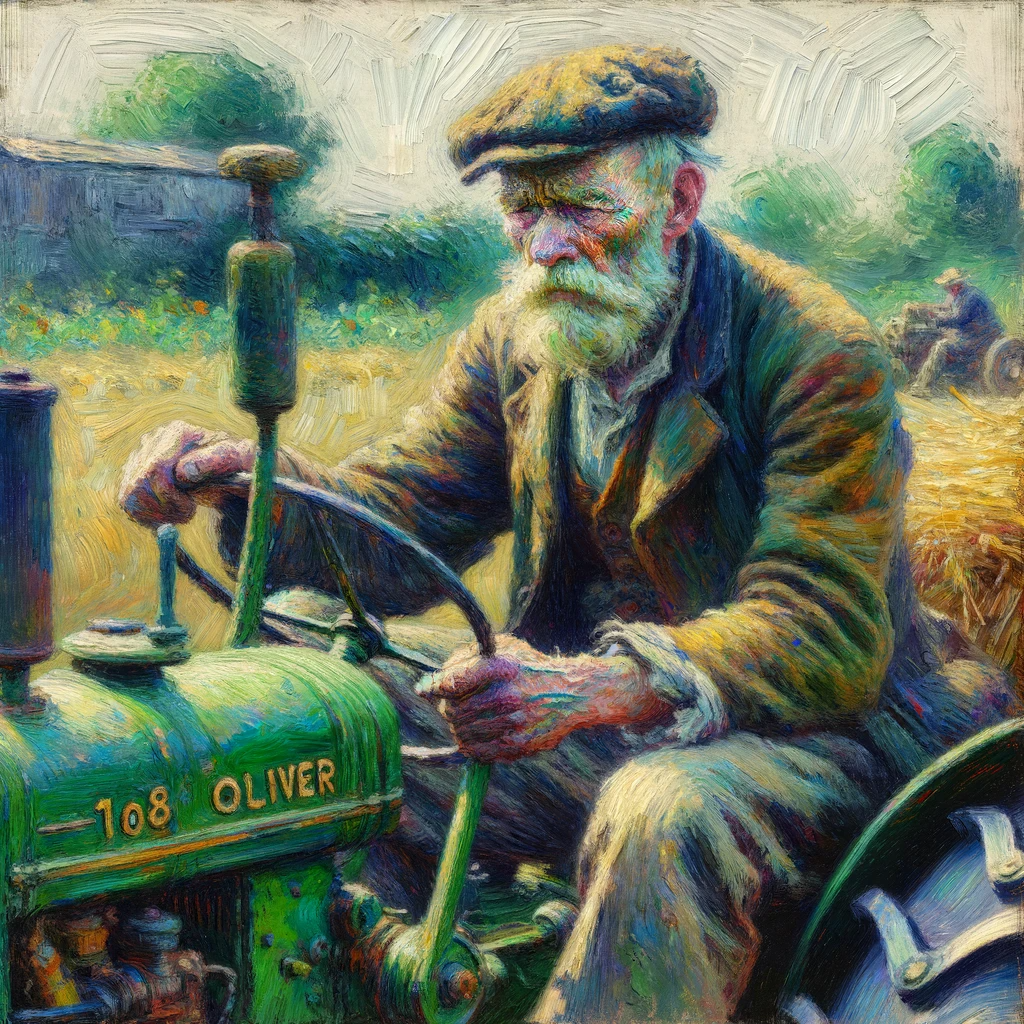
Finding reliable parts for your classic tractor can feel like searching for a needle in a haystack. Yet, the journey is as crucial as the destination, and every turn on this path can bring you closer to reviving a piece of history. Classic tractors aren’t just machines; they’re vessels of hard work and dedication, often cherished by families as more than just tools but as symbols of resilience and tradition.
First, take a moment to think about what that tractor means to you. Maybe it’s a steadfast reminder of your father’s labor on the farm or a family heirloom passed down through generations. When searching for parts, approach it like a reunion, not a transaction. Vendors who appreciate the heritage behind these tractors are more likely to provide quality parts and service. Seek out local shops with a reputation among the community, those who share stories about their craft and respect for what these machines represent.
Online marketplaces can also be treasure troves—if you navigate wisely. When browsing, look for sellers who disclose their experience and expertise. Genuine enthusiasts will often incorporate stories of their own restorations or share insights about the parts, giving you a sense of connection. You’re not just buying a carburetor; you’re investing in a legacy, and understanding the narrative behind each part enhances its value. These connections create a sense of trust, making you feel confident in your choices.
Utilizing social media can be another innovative avenue for finding reliable parts. Online forums and groups dedicated to classic tractor restoration can be rich sources of information. Engage with fellow enthusiasts who have faced similar challenges. Their shared successes and failures can guide you to reputable suppliers and help you avoid costly mistakes. Remember, you’re part of a community that honors craftsmanship and history, and their collective wisdom can light your path.
Consider also taking the time to visit flea markets or tractor shows, where you might discover that elusive part in a farmer’s stall—an experience that not only feeds your passion but also supports local artisans and small businesses. It’s not just about that one piece; it’s about fostering a network of like-minded individuals who understand the heart and soul of these machines.
Ultimately, reliability in parts comes from reliable people. Building relationships with those who share your passion transforms this quest into a journey that honors the past while securing a future. When you invest time in understanding the essence behind your classic tractor, you’ll find that the parts you seek are often waiting just around the corner, accompanied by stories and connections that breathe life into every gear and bolt.
How Can I Find Reliable Parts for My Classic Tractor?
How Can I Find Reliable Parts for My Classic Tractor?
- Finding parts for classic tractors is difficult but essential for preserving history.
- Tractors are symbols of hard work and family heritage, not just machines.
- View the search for parts as a reunion, valuing vendors who respect tractor heritage.
- Online marketplaces can offer valuable connections and insights from experienced sellers.
- Engage in online forums and social media groups for advice and recommendations from fellow enthusiasts.
- Visit flea markets and tractor shows to discover unique parts and support local artisans.
- Building relationships with passionate individuals enhances the journey of restoration.

How Can I Find Reliable Parts for My Classic Tractor?
What Are the Best Resources for Tractor Restoration?
Restoring a tractor isn’t just an exercise in mechanics; it’s a journey into the heart of American ingenuity. Each rusted bolt and faded paint job tells a story, a chapter in the lives of those who toiled in fields and fought against the elements. When tackling a restoration project, the best resources are those that honor this legacy while connecting us to our roots.
First, consider the power of community. Local farming groups and restoration clubs foster a sense of belonging. There’s something profoundly gratifying about sharing your challenges and triumphs with others who share the same passion for their machines. Engage with these communities online through forums or social media, where enthusiasts gather to swap tips, parts, and even personal anecdotes about their treasured tractors. This is where knowledge transforms from mere information into a living history—a treasure trove of experience shaped by generations.
Next, dive into manuals and archives. They’re more than just technical specifications; they’re the blueprints of our agricultural past. Utilize resources like the Internet Archive, where you can find vintage repair manuals and owner’s guides that detail how tractors worked in their heyday. This knowledge empowers you to understand not just how to fix, but why things were designed the way they were. It’s like having a conversation with the engineers who built these machines, uncovering both the triumphs and the trials behind their creation.
Don’t overlook the power of storytelling. Document your journey through pictures and words. Share your progress, from the initial disassembly to that triumphant moment when the engine roars back to life. This narrative doesn’t just recount your efforts; it builds a bridge between you and fellow enthusiasts who recognize the effort and emotion that machine restoration demands. Cultivating this connection will inspire others while creating a legacy of your own—turning the grainy snapshots of your tractor’s restoration into a story worth telling.
Finally, seek out parts vendors with a reputation rooted in trust. Establish relationships with those who have proven they understand the history and intricacies of your specific tractor model. These experts are not just suppliers; they are guardians of the craft who appreciate the ethics of quality and authenticity that resonate deeply with restorers. They can guide you through tough decisions, ensuring that what you put back into your tractor mirrors the passion you have for preserving its history.
By harnessing these resources, tractor restoration becomes a fulfilling endeavor that honors tradition while fostering connections. The journey ahead is not merely about restoring a machine; it’s about reviving a legacy, one bolt at a time.

What Are the Best Resources for Tractor Restoration?
What Are the Best Resources for Tractor Restoration?
- Restoring a tractor embodies American ingenuity, with each component telling a story of labor and resilience.
- Community is vital; local farming groups and online forums encourage sharing challenges and successes.
- Utilize manuals and archives as blueprints of agricultural history for insights into tractor design and mechanics.
- Document the restoration process through photos and narratives to foster connections with other enthusiasts.
- Seek trusted parts vendors who understand the intricacies and history of specific tractor models.
- These resources make tractor restoration a rewarding experience that honors tradition and builds connections.
- The journey of restoration is about reviving a legacy and preserving history, piece by piece.

What Are the Best Resources for Tractor Restoration?
Are There Success Stories From Tractor Enthusiasts?
Tractor enthusiasts are not merely hobbyists; they are the lifeblood of a community that thrives on hard work, innovation, and passion. Their stories resonate with the truth that behind every tractor is a tale of determination and resilience. For many, these machines symbolize more than just farm equipment; they represent a connection to family heritage, a celebration of craftsmanship, and a commitment to sustainability.
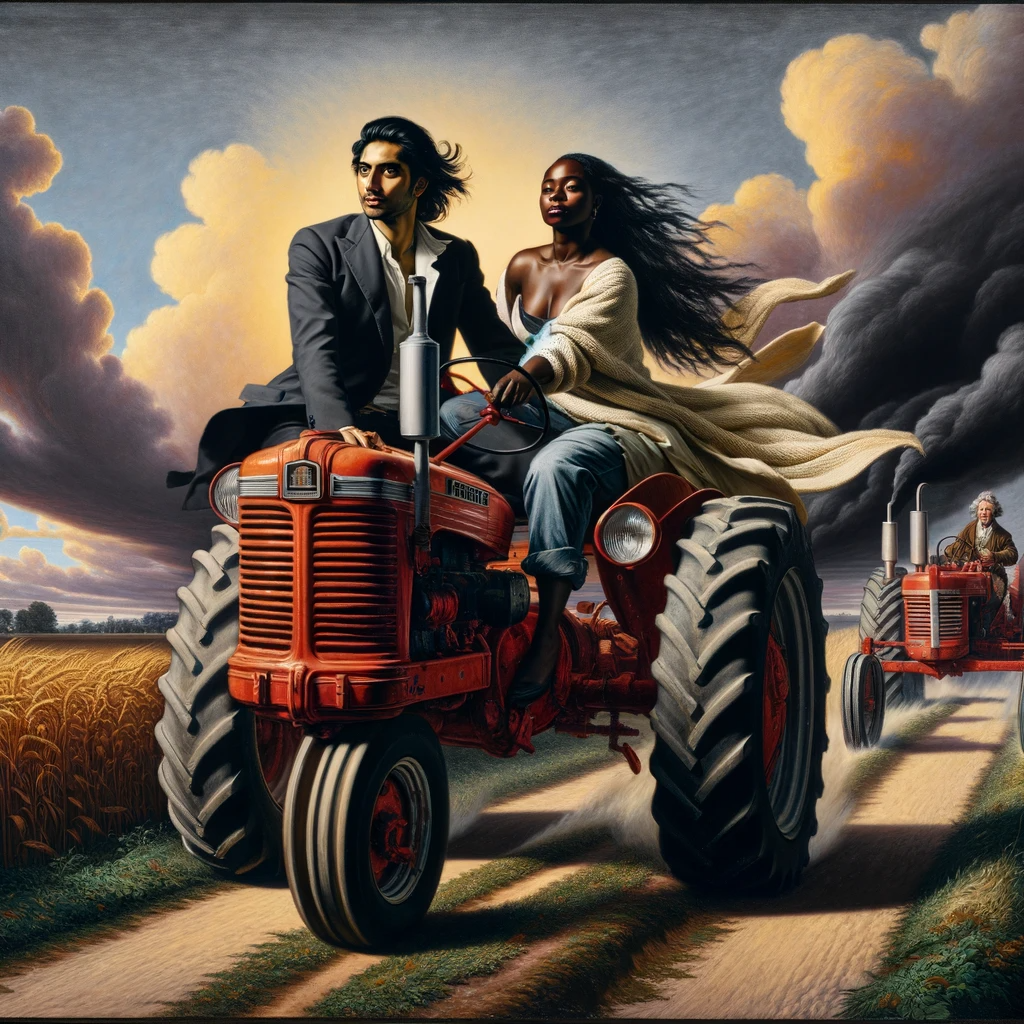
Take, for instance, the story of Jake, a young farmer who inherited his grandfather’s old tractor. Rather than letting it gather dust, he invested time and love into restoring it. Each rusty bolt he replaced and every drop of paint he applied connected him to the generations before him. Jake learned that tractors are like guardians of tradition, carrying forward the wisdom of those who came before. His experience ignited a wave of enthusiasm in his youth group, leading to community workshops on tractor restoration. Here, old tractors revived not just crops but also a sense of belonging among the younger generation, bridging the gap between past and future.
Such stories are a reminder of how tractors can serve as a vehicle for social connection. Tractor shows and rallies have become communal gatherings, where enthusiasts gather to share tips, swap stories, and celebrate their shared passion. This camaraderie fosters a culture of mentorship—a seasoned farmer offering guidance to novices. It’s a chain of knowledge that enriches the entire community, ensuring that valuable insights are not lost to time.
Moreover, the ethical implications of restoring and maintaining tractors highlight a commitment to sustainable practices. In an age of rapid technological advancement, prioritizing the use of older machinery teaches lessons in resourcefulness and responsibility. These enthusiasts champion the idea that preserving and repurposing equipment can reduce our ecological footprint and honor our agricultural roots.
At the end of the day, it’s not just about tractors; it’s about the stories they carry and the lives they’ve touched. For those who invest in these machines, they become more than just metal and wheels; they morph into symbols of dreams fulfilled and challenges overcome. Each success story is a testament that when passion and perseverance meet, something beautiful and transformative emerges—a reminder that in the world of tractors, there’s always room for more stories to be written on the dirt roads of inspiration.

Are There Success Stories From Tractor Enthusiasts?
Are There Success Stories From Tractor Enthusiasts?
- Tractor enthusiasts are vital to a community based on hard work, innovation, and passion.
- Tractors symbolize family heritage, craftsmanship, and sustainability.
- Jake, a young farmer, restored his grandfather’s old tractor, connecting him to past generations.
- His restoration efforts inspired community workshops on tractor restoration, bridging gaps between generations.
- Tractor shows and rallies foster social connections, mentorship, and the sharing of knowledge among enthusiasts.
- Restoration of tractors promotes sustainable practices and resourcefulness in a technologically advancing age.
- Investing in tractors transforms them into symbols of fulfilled dreams and perseverance.
Are There Success Stories From Tractor Enthusiasts?
How Can I Connect with Local Tractor Clubs?
Connecting with local tractor clubs isn’t just about finding a place to share your love for machinery; it’s about building a community. Picture this: you’re standing next to a well-worn tractor, its paint chipped but its engine humming with the promise of hard work. It’s not just a machine; it’s a part of someone’s story, a vessel of memories, and perhaps, the remnants of a family farm. This is where connection begins—at the intersection of machinery and life.
To start your journey, visit local agricultural fairs or community events. These aren’t just showcases for impressive tractors; they’re gatherings of people passionate about farming and machinery. Strike up conversations. Ask about their favorite tractor models or the stories behind their equipment. Folks in these clubs often relish the chance to share their experiences, and you’ll quickly find common ground. It’s like joining a family reunion where everyone speaks the same language—one of grease and grit, nostalgia and know-how.
Engaging with local clubs often means rolling up your sleeves and getting involved. Many tractor enthusiasts are more than happy to welcome newcomers into their fold, allowing you to learn from their expertise. You might find opportunities to volunteer at maintenance days or participate in charity events. These experiences build not just your skills but also trust and camaraderie among your fellow enthusiasts.
However, there’s a deeper layer to these connections. Consider the ethical implications of your involvement. These clubs aren’t merely about tractors; they’re stewards of agricultural heritage, working to preserve the art of farming in our rapidly evolving world. Joining a local tractor club is not just an opportunity to bond over machinery; it’s a chance to contribute to a community dedicated to maintaining the traditions of the land. You’re aligning yourself with individuals who understand that behind every piece of equipment lies a story of toil and triumph.
Finally, leverage social media to expand your reach. Platforms like Facebook often host groups dedicated to local clubs and enthusiasts. Join the conversation; share your passions and interests. You may even discover someone looking to host a meet-up, opening the door for face-to-face connections.
Every tractor connection starts with a story waiting to be told. So take that first step, approach the nearest tractor enthusiast, and dive into the rich world of keeping these machines—and their legacies—alive.

How Can I Connect with Local Tractor Clubs?
How Can I Connect with Local Tractor Clubs?
- Joining local tractor clubs fosters community building among machinery enthusiasts.
- Local agricultural fairs and community events serve as excellent venues for connecting with fellow tractor lovers.
- Engaging in conversations about tractors can lead to shared experiences and common interests.
- Active participation in club activities, such as maintenance days and charity events, enhances skills and relationships.
- Clubs play a crucial role in preserving agricultural heritage and traditions.
- Utilizing social media platforms like Facebook can help expand connections and facilitate meet-ups.
- Every tractor has a story; connecting with others helps keep these stories and their legacies alive.

How Can I Connect with Local Tractor Clubs?
Conclusion
In the landscape of classic tractors, there’s something profoundly evocative about these machines, transcending mere machinery to symbolize hard work, family legacies, and enduring community spirit. Joining Facebook groups and forums dedicated to classic tractor restorations offers a warm embrace from a passionate community, where knowledge flows freely like a well-tuned engine. These online havens aren’t just about nuts and bolts; they’re about storytelling—unearthing the rich narratives that sustain our connection to the land and the people we share it with.
When we engage with these communities, we tap into a wealth of experience and camaraderie. In a way, each tractor we restore tells the story of its previous life. Each dent, scratch, and worn part carries with it echoes of the past, resonating deeply within us. That first roar of a restored engine isn’t just a mechanical achievement; it’s a resurrection of memories and a testament to our commitment to preserve that heritage. As you begin your own restoration journey, consider the successes and challenges shared in these groups. They remind us that every setback is merely another chapter in our own restoration stories, further binding our shared experiences.
As you seek out assistance for your restoration projects, whether through local specialists or fellow enthusiasts, the key is connection. It goes beyond fixing tractors; it’s about weaving a tapestry of relationships that transform mechanical work into a collective mission. Engage with local clubs, seek guidance, and don’t hesitate to share your own stories. Remember, in pursuit of tractor restoration, it’s the relationships we forge along the way that enrich the journey.
With each interaction—through troubleshooting, sharing tips, and celebrating milestones—we strengthen not only our skills but also the community that celebrates and champions these extraordinary machines. The call to remain engaged continues beyond restoration, embracing ethics of sustainability and tradition as we honor the past while making way for the future.
So, roll up your sleeves, harness your passion, and dive into your tractor restoration journey. Each effort, whether it’s finding that elusive part or merely sharing a laugh over a paint job gone awry, solidifies your place in a legacy built on hard work, connection, and the art of machinery. Embrace this challenge. The roads less traveled are paved with stories waiting to unfold, echoing the heart and soul of a community dedicated to keeping their history alive.

Conclusion
Conclusion:
- Classic tractors symbolize hard work, family legacies, and community spirit.
- Joining dedicated Facebook groups fosters a passionate community sharing knowledge and storytelling.
- Each restored tractor narrates its previous life through its imperfections and history.
- Engaging with restoration communities helps strengthen skills and build relationships.
- Connections made during restoration are vital for both personal and collective missions.
- Community engagement promotes sustainability and honors tradition while paving the way for the future.
- Embracing challenges in restoration solidifies a place in a rich legacy of hard work and connection.

Conclusion
Other Resources

Other Resources
Here is a list of other resources you can review online to learn more:
- Happy Farmer
- Dongfeng
- KAMCO
- Thieman Harvester
- McCormick
- Waterloo Farm Museum
- The Magicof Old Tractors
- Holt
- Case IH
- SAME Tractors
- Case
- Ohio Crawford County Antique Farm Equipment Museum
- RK Tractors
- Fiber Max Center for Discovery
- Classic Tractor Fever
- Minot
- Muller
- Belarus
- Massey-Harris
- Valmet
Use This Prompt To Get More Resources With Your Favorite Online AI Tool: Please provide me with a list of online articles with their URLs in a bulleted list that I can read regarding Facebook Groups and Forums Full Of Classic Tractor Fixes

Other Resources
Glossary Terms
Facebook Groups and Forums Full Of Classic Tractor Fixes – Glossary Of Terms
1. OP (Original Poster): the person who started a thread or asked the question; often referenced when others reply or follow up.
2. Thread: a series of posts and replies focused on a single topic or repair problem.
3. Post: an individual message within a thread containing text, photos, or links.
4. Reply: a response to a post that provides advice, questions, or status updates.
5. Bump: a short post meant to move a thread back to the top of the feed for visibility.
6. Sticky / Pinned Post: a thread locked to the top of the group or forum by moderators for reference (e. g. , rules, FAQs).
7. Moderator (Mod): a volunteer or staff member who enforces rules, organizes content, and may lock or remove posts.
8. Admin: the group or forum owner with authority to change settings, add moderators, and manage members.
9. Flair / Tag: a short label applied to posts to categorize topics (e. g. , “Hydraulics,” “Parts Wanted”).
10. PM / DM (Private Message / Direct Message): one-to-one messaging used for sharing contact info, parts leads, or sensitive details.
11. Cross-posting: posting the same question or listing in multiple groups/forums, sometimes discouraged to avoid duplication.
12. Necroposting: replying to an old or inactive thread to revive it; can be useful for resurrecting unresolved fixes.
13. Archive: a read-only collection of older threads preserved for reference.
14. Search Function: tool to find past threads, part numbers, or fixes using keywords and filters.
15. Schematic / Wiring Diagram: visual electrical layouts shared to diagnose and repair wiring faults.
16. Parts Number (P/N): manufacturer or supplier number used to identify exact replacement parts.
17. NOS (New Old Stock): original, unused parts from the factory or old inventory, often sought for authenticity.
18. Aftermarket: replacement parts produced by third parties rather than the original manufacturer.
19. OEM (Original Equipment Manufacturer): parts made by the original tractor maker, preferred for fit and authenticity.
20. Rebuild Kit: a set of seals, bearings, gaskets, and other parts needed to overhaul a component.
21. Teardown: systematic disassembly of a component or machine to inspect wear and identify repairs.
22. Torque Spec: the manufacturer’s recommended torque value for bolts and fasteners to ensure safe assembly.
23. Grease Fitting / Zerk: a lubrication point allowing grease to be injected into bearings and joints.
24. PTO (Power Take-Off): shaft or coupling used to transfer engine power to implements; common repair topic.
25. ROPS (Rollover Protective Structure): the safety frame or roll bar often discussed when restoring or fitting safety equipment.
26. Hydrostatic / Hydrostat: a transmission type using hydraulic fluid for gearless speed control, with specific service procedures.
27. Governor: device regulating engine speed under load; troubleshooting and adjustments are common forum discussions.
28. Carburetor: fuel-mixing component frequently cleaned, rebuilt, and discussed in classic-tractor fixes.
29. Compression Test: diagnostic test to measure cylinder pressure and assess engine health during troubleshooting.
30. Service Manual: factory or aftermarket repair manual containing specs, procedures, and diagrams used as the definitive repair guide.

Glossary Of Terms
Other Questions
Facebook Groups and Forums Full Of Classic Tractor Fixes – Other Questions
If you wish to explore and discover more, consider looking for answers to these questions:
- How do I join the best Facebook groups or forums for my specific tractor make and model?
- What are the rules and etiquette for posting questions or requesting help in these groups?
- How can I vet the reliability and expertise of members giving advice online?
- What information should I include when asking for repair help (serial numbers, photos, symptoms)?
- Which common restoration tasks are suitable for beginners versus professionals?
- How do I estimate the total cost of a complete restoration?
- How long does a typical restoration take from start to finish?
- What essential tools and equipment do I need to start a restoration project at home?
- Where can I find original or reproduction parts for my tractor model?
- How do I tell if a replacement part is an original OEM part or an aftermarket substitute?
- What are trusted online marketplaces, vendors, or salvage yards for vintage tractor parts?
- How can I find service manuals, wiring diagrams, and parts lists for older tractors?
- What parts are worth refurbishing versus replacing outright?
- How can I source hard-to-find components like serial-numbered castings or NOS parts?
- Are there specialists who rebuild engines, transmissions, or hydraulic systems for vintage tractors?
- How do I choose between a full professional restoration and a functional, period-correct restore?
- What are realistic budgets for paint, bodywork, engine overhaul, and upholstery?
- How can I document and photograph my restoration for resale or show purposes?
- What safety precautions should I take when working on heavy vintage machinery?
- How do I troubleshoot common electrical problems on older tractors?
- What are common causes of engine non-starts and how should I systematically diagnose them?
- How do I identify and repair hydraulic leaks and transmission issues?
- What tire types and sizes are appropriate replacements for vintage tractors?
- How do I preserve or restore original paint, decals, and badges?
- Where can I get custom-made sheet metal, brackets, or fabricated parts made?
- How do I verify the authenticity and provenance of a restored tractor?
- What paperwork, registration, or titles are needed to legally operate or sell a restored tractor?
- How does restoring a tractor affect its resale value and where can I sell it?
- Are there grants, tax incentives, or community programs that support historic machinery preservation?
- How can I connect with local clubs, swap meets, or tractor shows in my area?
- What are best practices for long-term storage and winterizing a restored tractor?
- How do I set up a safe and efficient home shop layout for restoration work?
- What skills or courses (welding, machining, painting) are most useful for restorers?
- How can I find mentors or experienced restorers willing to offer hands-on guidance?
- What replacement fuel, oils, and lubricants are recommended for vintage engines?
- How do emissions or environmental regulations affect running or restoring vintage tractors?
- What insurance options exist for restored tractors used on farms, shows, or parades?
- How can I find or commission period-correct accessories and implements?
- What are common pitfalls and cost overruns to watch for during a restoration?

Other Questions
Haiku
Facebook Groups and Forums Full Of Classic Tractor Fixes – A Haiku
Rusty steel whispers,
Echoes of toil and pride rise—
Hearts tune engines’ hum.

Haiku
Poem
Facebook Groups and Forums Full Of Classic Tractor Fixes – A Poem
In fields of rust and tales of yore,
Classic tractors stand, a legacy to explore.
Steel frames whisper of labor and pride,
With roaring engines, history’s ride.
Facebook groups, a gathering place,
Where enthusiasts unite with heartfelt grace.
Here, wisdom flows from every shared fix,
A blend of laughter, trials, and tricks.
Join hands with strangers who share your quest,
Seek out the seasoned, each story a test.
From carburetors tuned to paint’s bright gleam,
You’ll restore more than machinery—a dream.
Every repair echoes a life long lived,
Craftsmanship nurtured, the heartstrings are rived.
Community thrives where connections run deep,
Through sweat and resolve, the past we keep.
In tire checks and oil changes, commitment stands,
A reflection of love, forged by calloused hands.
For every bolt tightened, a bond is revived,
In this dance of restoration, our spirit’s alive.
So roll up your sleeves, let the journey unfold,
Each challenge embraced, a story retold.
In fields where nostalgia and passion entwine,
We find not just tractors, but tales divine.

Poem
Checklist
Facebook Groups and Forums Full Of Classic Tractor Fixes – A Checklist
Checklist for Engaging with Classic Tractor Communities
✅______ Reflect on your personal connection to tractors; consider family stories and memories tied to these machines.
✅______ Share your own restoration experiences to foster emotional connections with others.
✅______ Engage in storytelling that highlights the journey and significance of your projects.
Head Appeals
✅______ Research local restoration specialists or clubs to learn and gain expert insights.
✅______ Keep a log of maintenance tasks: oil changes, tire inspections, and electrical checks.
✅______ Explore manuals and archives for historical context and technical guidance on your tractor model.
Gut Appeals
✅______ Join local agricultural fairs and community events to meet fellow enthusiasts and share experiences.
✅______ Participate in hands-on workshops to enhance your skills and confidence in restoration.
✅______ Approve sustainable practices by using older machinery and sharing this commitment within your community.
Ethical Appeals
✅______ Advocate for preserving agricultural heritage through restoration efforts.
✅______ Show respect for the craftsmanship behind vintage tractors by sourcing quality parts from reputable vendors.
✅______ Share knowledge about responsible maintenance and restoration techniques to inspire others.
Authority Appeals
✅______ Tap into expert resources: books, online forums, and experienced restorers for guidance.
✅______ Attend seminars or talks by seasoned tractor enthusiasts to gain insights and build credibility.
✅______ Collaborate with local clubs that have a strong reputation in the community.
Narrative Appeals
✅______ Document your restoration process to create a narrative that captures the transformation of your tractor.
✅______ Collect and share stories from other enthusiasts that reflect the passion and dedication within the community.
✅______ Highlight success stories from restorers to inspire and motivate others to engage in their own projects.
Social Appeals
✅______ Join Facebook groups or online forums dedicated to classic tractors to establish connections with like-minded individuals.
✅______ Participate in community rallies or shows to build relationships and share knowledge.
✅______ Encourage networking among enthusiasts to foster a supportive environment for learning and sharing resources.

Checklist
At ClassicTractorNews, we help tractor lovers keep up with the latest news for classic and vintage tractors.
Please share this post with your friends, family, or business associates who may like old classic or vintage tractors.