

Unveiling The Hidden Costs: Your Rights Against The Dealer Trap
By Tom Seest
At ClassicTractorNews, we help tractor lovers keep up with the latest news for classic and vintage tractors.
Please share this post with your friends, family, or business associates who may like old classic or vintage tractors.
Exposing the Dealer-Only Parts Racket
Exposing the Dealer-Only Parts Racket
In the world of vehicle repairs, there’s an unspoken truth lurking in the shadows. You might allude to it when you hear stories shared around campfires or in the break room, yet few dare to confront it head-on—the dealer-only parts racket. This isn’t merely a business practice; it’s a tangled web of greed that ensnares good folks, turning honest repairs into a high-stakes game where consumers often gamble with their hard-earned money.
Imagine a farmer, worn and weary after a long day of plowing his fields with his trusty tractor. A breakdown happens—an urgent need for a specialized part arises. The local dealer holds it just out of reach, but here’s the twist: that same part is available online at a fraction of the cost. However, navigating this terrain feels like walking through a minefield, one where misinformation and inflated prices threaten to overshadow the simple quest for a fix. The dealer’s clout breeds dependency, as they stock only their proprietary offerings, leaving hardworking individuals feeling trapped.
Consider this: why should someone pay three times as much for a filter just because it comes wrapped in a shiny package stamped with a logo? It’s not just about money; it’s about principle. This practice stifles competition, coats the industrious with layers of unnecessary costs, and ultimately undermines the very fabric of our right to choose. The ethics of it all come into sharp focus when we recognize that our cars, our tractors, and other vehicles are extensions of ourselves—all deserving of respect and fair treatment.
Every little mark-up hinders not just the consumer, but those who rely on these vehicles to make a living. A broken tractor doesn’t just mean a long day ahead; it represents stunted growth, both in crops and in life. There’s an emotional weight to this issue—one that reverberates through families who have to make tough choices about where their money goes. When we strip it down to the bones, we realize we’re not just fighting for a better deal on parts; we’re standing up for our right to process fair, honest transactions.
So, the next time you’re faced with a dealer-only part, remember: you have choices. Seek out local mechanics who stand against this racket, those who put integrity above profit. When you refuse the narrative that supports inflated prices, you’re voting with your wallet and evoking change in an industry that desperately needs it.
Together, let’s dismantle the dealer-only parts racket—one honest repair at a time. Your tractor, your community, and your wallet will thank you.
Exposing the Dealer-Only Parts Racket
Exposing the Dealer-Only Parts Racket
- The dealer-only parts racket in vehicle repairs creates a system of inflated prices and dependency.
- Consumers often find cheaper alternatives online but face misinformation and challenges in sourcing parts.
- This practice undermines competition and imposes unnecessary costs on hardworking individuals.
- Vehicles are viewed as extensions of ourselves, deserving fair treatment and respect.
- Inflated prices disproportionately affect those who rely on their vehicles for livelihood and growth.
- Choosing local mechanics who oppose this racket supports integrity and fair transactions.
- Taking a stand against overpriced dealer parts can lead to positive change in the industry.
Exposing the Dealer-Only Parts Racket
Table Of Contents
- Exposing the Dealer-Only Parts Racket
- What Hidden Costs Come with Dealer-Only Parts?
- Are Dealer-Only Parts Truly Superior In Quality?
- What Ethical Dilemmas Arise In the Dealer-Only Parts Market?
- How Does Exclusivity Affect Trust In Automotive Repairs?
- What Stories Reveal the Struggles Of Consumers Facing This Racket?
- How Can Consumers Challenge Dealer-Only Part Monopolies?
- Conclusion
- Other Resources
- Glossary Of Terms
- Other Questions
- Haiku
- Poem
- Checklist
What Hidden Costs Come with Dealer-Only Parts?
When you think about getting parts for your vehicle, it’s easy to get caught up in the shiny, polished allure of dealer-only options. Sure, those parts might guarantee a perfect fit and preserve that warranty, but let’s peel back the layers a bit and take a closer look at what’s really on the table. The truth is, even the best-sounding deals often come with hidden costs that can hit just as hard as a broken tractor on a hot summer day.
Picture this: you’re in the middle of planting season, and your trusty tractor has decided to throw a wrench into your plans. A quick visit to the dealer feels like the only viable option. You’ve been conditioned to believe that dealer parts are the pinnacle of quality, and so you fork over the cash without a second thought. What you might not factor in are the costs lurking beneath the surface—long wait times, inflated prices, and the relentless feeling of being cornered into a decision that doesn’t sit right in your gut.
Emotionally, there’s something disheartening about the experience. You’re not just buying a part; you’re investing in your livelihood. The stress of losing precious time during harvest can cloud your judgment, making you susceptible to the dealer’s narrative. “Genuine parts are the only way to go,” they say, but the reality is that there are alternative options that can deliver performance without the premium price tag.
Rationally, it’s essential to consider the total cost of ownership. That dealer part may seem like a solid investment upfront, but what about the markup? Those additional dollars add up. You could take that same money and invest it into preventive maintenance or even save for a future upgrade on that old tractor. There’s wisdom in looking beyond the immediate need and assessing the broader impact on your wallet and your work.
Ethically speaking, is it right for dealers to capitalize on our desperation? It’s a question worth asking. As consumers, we should demand transparency and refuse to be pigeonholed into buying parts that we don’t need.
In our journey of machinery and maintenance, let’s remember: it’s not just about replacement; it’s about resilience. Embracing community-sourced solutions, sharing stories of how we navigated similar challenges, can inspire a sense of camaraderie. As we gather, swapping tips and tricks, we can truly find solutions that resonate—both in our hearts and our pockets.
What Hidden Costs Come with Dealer-Only Parts?
What Hidden Costs Come with Dealer-Only Parts?
- Dealer parts may ensure a perfect fit and preserve warranties but often come with hidden costs.
- Emergency repairs, especially during peak seasons, can lead to hasty decisions at dealerships.
- Consumers may face long wait times and inflated prices, driven by urgency and pressure.
- Investing in dealer parts may seem wise, but total cost of ownership reveals higher markups.
- Alternative options can provide similar performance without the high price tag.
- Ethical concerns arise regarding dealers profiting from consumer desperation.
- Community support and shared experiences can lead to effective, cost-saving solutions.
What Hidden Costs Come with Dealer-Only Parts?
Are Dealer-Only Parts Truly Superior In Quality?
When it comes to keeping your vehicle running smoothly, the choice between dealer-only parts and aftermarket alternatives stirs up a whirlwind of opinions. Imagine standing in a garage, the scent of motor oil heavy in the air, as you ponder your next step—will you invest in the dealer’s offerings or save a few bucks with parts from a third party? It’s a dilemma that mirrors many of life’s tough decisions, reminding us of the time we spent with our families, gathering around the tractor for chores, feeling the rumble of its engine—all while hearing the tales of its reliability and performance.
Dealer-only parts often carry a reputation for superior quality, built to the exact specifications set forth by the manufacturer. This is where the heart of the matter lies: trust. When Uncle Joe’s old wiring on the tractor sparked a fire, we learned the hard way the importance of reliable components. Sure, aftermarket parts can seem appealing, but they don’t always deliver the same reliability. Consider the peace of mind that comes with knowing you have the original part, crafted for your vehicle’s specific needs—like knowing the tractor that plows your fields was built with the right tools.
Rationally, the difference goes beyond the price tag. Investing in dealer-only parts can save you from long-term headaches—repairs that arise from mismatched parts can cost time and money. You don’t want that nagging worry in the back of your mind as you head out onto the highway or down a dirt road, wondering if that budget part will hold up under the pressure. It’s about more than dollars; it’s about the value of your time, your safety, and the integrity of the equipment you rely on.
Ethically, choosing dealer parts aligns with supporting good manufacturing practices. You’re not just buying a piece of metal; you’re making a statement—one that values quality work over cutting corners. It resonates with others who share the same belief, fostering a community built on trust in craftsmanship.
Ultimately, whether you’re a weekend warrior on the tractor or a family man keeping the family car in shape, the choice reflects your values. Each part symbolizes your commitment to doing the right thing for your vehicle and those who depend on it. When faced with a decision that affects not just your wallet but your peace of mind, remember that sometimes the better choice isn’t the cheaper one—it’s the one that comes with a legacy of reliability.
It’s a choice that resonates. As you gear up for your next project, consider what you’re really investing in: a part or a promise.
Are Dealer-Only Parts Truly Superior In Quality?
Are Dealer-Only Parts Truly Superior In Quality?
- The decision between dealer-only parts and aftermarket parts is influenced by personal values and experiences.
- Dealer-only parts are known for superior quality and manufacturer specifications.
- Choosing reliable components is crucial for safety and performance, as highlighted by past negative experiences.
- Investing in dealer parts can prevent long-term repair costs associated with mismatched aftermarket parts.
- Supporting dealer parts promotes good manufacturing practices and values quality craftsmanship.
- The choice of parts reflects one’s commitment to the integrity of their vehicle and the people who depend on it.
- Ultimately, investing in quality parts may be more beneficial than opting for cheaper alternatives.
Are Dealer-Only Parts Truly Superior In Quality?
What Ethical Dilemmas Arise In the Dealer-Only Parts Market?
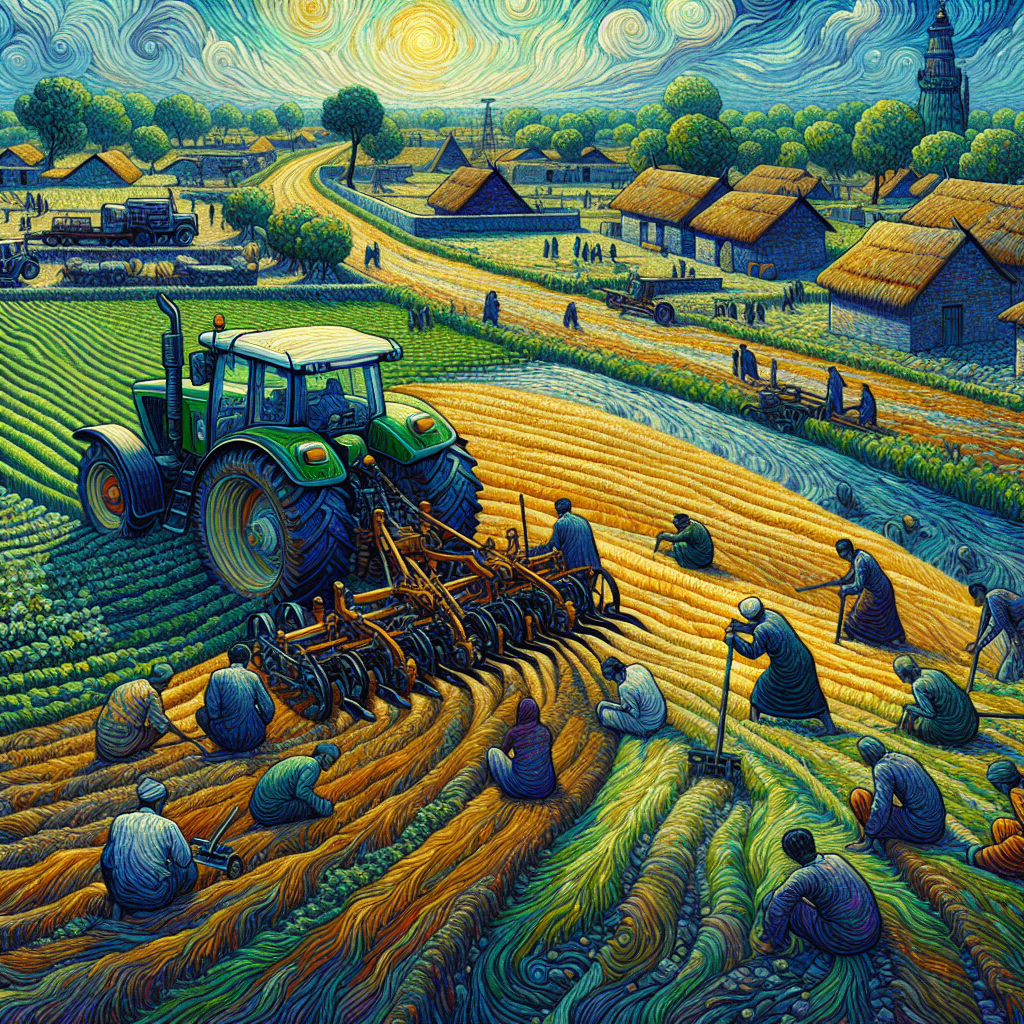
In the world of machinery, there’s hardly anything more pivotal than keeping your tractor running smoothly. But a troubling reality lurks in the shadows of the dealer-only parts market, where access can be as tangled as the weeds in a farmer’s field. For many, these parts are not just components; they are the lifeblood of livelihoods. Yet, in an arena governed by exclusivity, ethical dilemmas sprout like unwelcome thorns.
Consider the story of a small family farm struggling to stay afloat. A tractor, the heart of their operation, breaks down at the peak of planting season. They can’t just pop into a local store to fetch the needed part; it’s locked away at the dealership, and it’s sold at a price that feels like an arm and a leg. This isn’t merely an inconvenience; the high markup and limited availability can mean the difference between a successful harvest and financial ruin.
This scenario culminates in a gut-wrenching reality: the very system designed to support the local economy can, at times, squeeze the life out of it. When brands dictate who can sell their parts, they inadvertently create a chokehold on not just repair options but also on the livelihoods depending on those machines. It’s a kind of monopoly where the connection between the farmer, the dealer, and the manufacturer is tenuous at best.
Ethically speaking, the market raises significant questions: Should access to essential parts be controlled so tightly? What happens to trust when loyalty to a brand supersedes commitment to community? These aren’t just business issues. They’re personal. Each decision made in boardrooms far removed from the fields has real consequences for families grappling with the unpredictability of agriculture.
The authority of corporations paired with the emotional weight of each broken tractor part weaves a complex fabric of loyalty, pressure, and ethical responsibility. We often hear the phrase, “follow the money,” but here, it’s not just about profits; it’s about priorities. In a world rife with choices, shouldn’t the simplest be the one that puts people first?
Ultimately, the dealer-only parts market is a microcosm of larger societal values. It’s a call to action for all stakeholders involved—farmers, manufacturers, and dealerships—to forge a path that prioritizes accessibility over exclusivity. This isn’t merely a market issue; it’s about ensuring the survival of our agricultural communities and their invaluable contribution to us all.
What Ethical Dilemmas Arise In the Dealer-Only Parts Market?
What Ethical Dilemmas Arise In the Dealer-Only Parts Market?
- Keeping tractors running is essential for farmers’ livelihoods.
- The dealer-only parts market is characterized by exclusivity and limited access.
- Farmers face high costs and availability issues for necessary parts during critical times.
- This exclusivity can threaten the sustainability of local economies.
- Ethical dilemmas arise as brand loyalty overshadows community trust and support.
- Corporations’ decisions impact farmers directly, highlighting issues of priority over profits.
- Advocacy is needed for improved accessibility in the dealer-only parts market to support agricultural communities.
What Ethical Dilemmas Arise In the Dealer-Only Parts Market?
How Does Exclusivity Affect Trust In Automotive Repairs?
How Does Exclusivity Affect Trust in Automotive Repairs?
In the world of automotive repairs, exclusivity can be both a blessing and a curse, shaping the bond between car owners and mechanics in profound ways. Imagine standing in a garage, surrounded by the scent of engine oil and the rhythmic thud of a wrench hitting metal. This isn’t just a place; it’s a community—a network of people who share stories of rides traveled, triumphs on the road, and the often-unspoken bond formed between driver and vehicle.
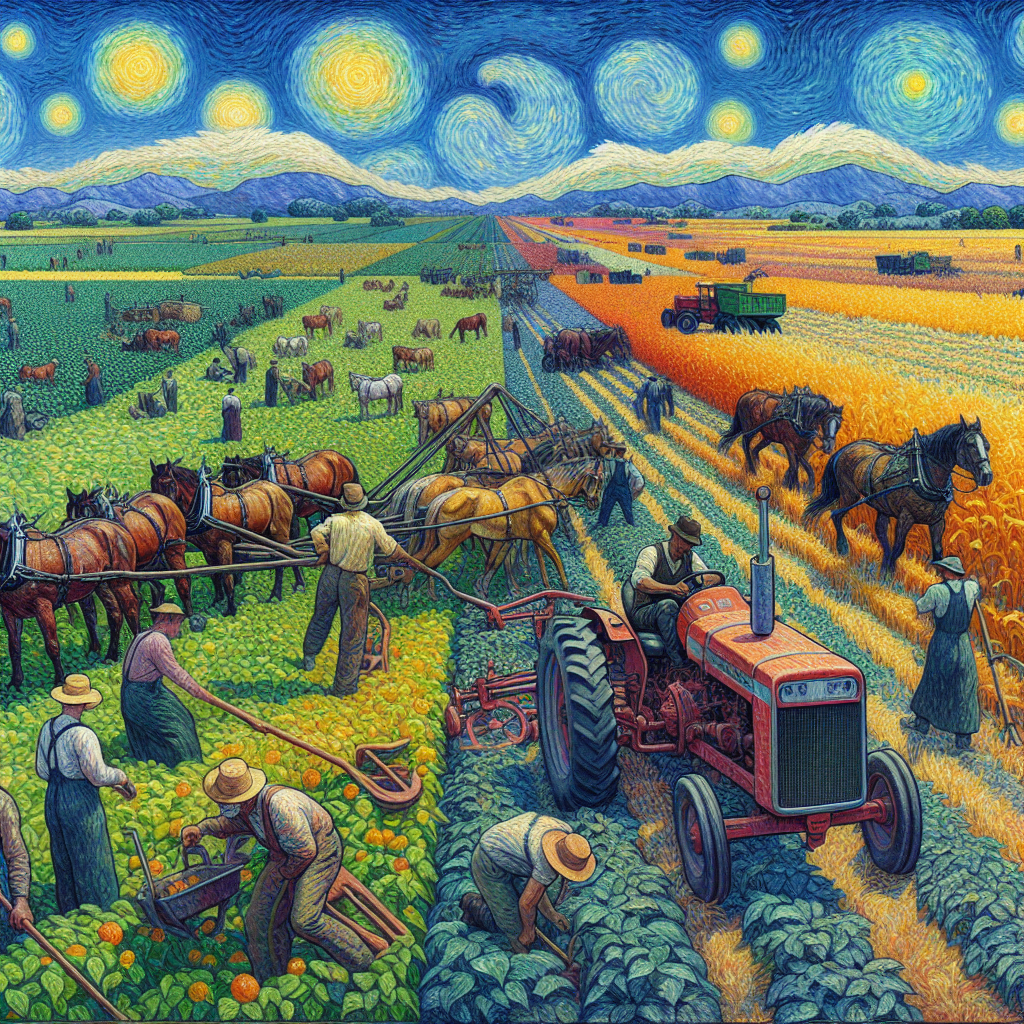
Consider the relationship between a farmer and their trusty tractor. For years, it has served them faithfully, enduring countless seasons of toil. When that tractor breaks down, it’s not merely a mechanical failure; it’s a disruption of life. The farmer knows every creak and groan of that machine, and they trust the local mechanic who has cared for it over the years. There’s a certain exclusivity in this relationship; trust is built on familiarity, on shared history. This mechanic understands the nuances of that specific model, having worked on it time and again, forging a connection that transcends mere transactional exchanges.
Yet, exclusivity can also create barriers. Some repair shops rely heavily on proprietary tools and specialized training that can lock out the average mechanic or DIY enthusiast. This can evoke feelings of uncertainty and mistrust, as customers may feel cornered into accepting high prices for repairs they think they could manage themselves if given the chance. When customers perceive that a mechanic is withholding knowledge—using exclusivity as a shield to protect profits rather than empower trust—they may feel alienated, questioning not just the cost, but their mechanic’s integrity.
Rationally, one might argue that an exclusive relationship with a repair shop ensures better service because of specialization. But on an emotional level, people crave connection. They want to feel understood in their automotive journeys. The ideal mechanic doesn’t just fix cars; they validate the customer’s fears and frustrations, guiding them through repairs with empathy and expertise. When customers see that a shop values them as individuals rather than as dollar signs, trust flourishes.
To build this trust, mechanics must foster transparency. Sharing knowledge and offering insights about repairs demystifies the process and transforms customers from passive recipients of service into informed partners. When a mechanic takes the time to explain the ‘why’ behind a repair or offers alternatives to the exclusive parts—perhaps even recommending a reliable DIY solution for the simple fixes—they are not just stating facts; they are crafting a narrative of empowerment, building a bridge of trust that benefits everyone involved.
Ultimately, exclusivity in automotive repairs is a double-edged sword. When wielded wisely, it forms a trusted sanctuary where experiences are shared and relationships grow. But when it serves only to insulate and inflate, it risks eroding the very trust that makes the mechanic-car owner relationship thrive.
How Does Exclusivity Affect Trust In Automotive Repairs?
How Does Exclusivity Affect Trust In Automotive Repairs?
- Exclusivity in automotive repairs influences the bond between car owners and mechanics.
- Trust develops through familiarity and shared history, similar to a farmer’s relationship with their tractor.
- Exclusive repair shops may utilize proprietary tools, creating barriers for DIY enthusiasts and evoking mistrust.
- Customers may feel cornered into high repair costs, questioning the integrity of their mechanics.
- A strong emotional connection with mechanics enhances trust, as they provide empathy and understanding.
- Transparency and sharing knowledge can empower customers, transforming them into informed partners.
- Exclusivity can be beneficial or detrimental; it should foster trust rather than insulate and inflate prices.
How Does Exclusivity Affect Trust In Automotive Repairs?
What Stories Reveal the Struggles Of Consumers Facing This Racket?
What Stories Reveal the Struggles of Consumers Facing This Racket?
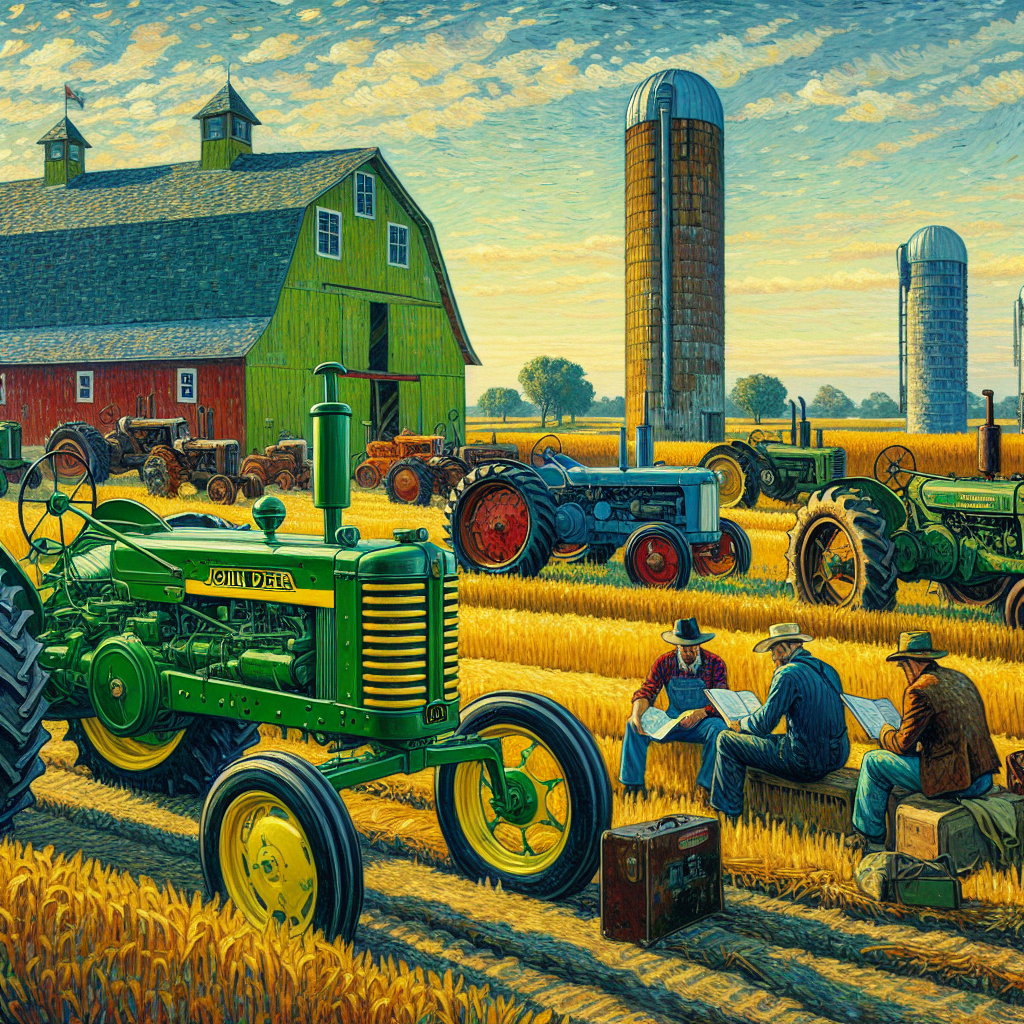
In the heart of every community, stories emerge that illuminate the struggles of everyday consumers grappling with overwhelming systems designed to profit at their expense. Picture a farmer, worn and weathered like an old tractor, pushing through the muck of hidden fees and deceptive contracts. He invests in what he believes is the promise of hard work—a chance to sow, to grow, and to provide for his family. Yet, as the harvest draws near, he realizes that the crop’s success is hampered not just by weather but by an unseen hand pulling strings in the background.
Take, for example, Sarah, a single mother who navigates her family budget like a cautious driver on a winding road. Every month, she allocates funds for groceries, utilities, and rent, hoping there’s a little left for her children’s schoolbooks. But then, the unexpected strikes—a broken appliance, a medical bill—and suddenly, the very ground she stands on feels as fragile as a tractor tire losing air. The emotional toll is palpable; that sinking feeling in her gut mirrors the uncertainty of countless others caught in the same web.
The narrative shifts as we examine not just the impact on individuals but the broader implications for society. Each story reveals a collective struggle—a silent chorus of voices echoing through households and communities. We’re reminded of the ethical responsibility to advocate for fairness in an arena that often seems rigged. Authorities in charge of oversight may be out of reach, but collective action offers a solution. The power of unity—helping one another through shared experiences—emerges as a beacon of hope.
We are more than isolated consumers battling a faceless corporation. We are a community equipped with personal stories and experiences that, when shared, inspire trust and connection. Imagine the stories told around dinner tables, where lessons gleaned from setbacks transform into wisdom, empowering the next generation to challenge the status quo.
In this landscape, it becomes essential to recognize that every struggle faced is an opportunity for empowerment and change. People can combat the racket by banding together, sharing their hardships, and crafting solutions informed by lived experiences. Just as the sturdy tractor plows through tough soil, so too can communities dig deep, forging resilience in the face of adversity, and reclaiming their narrative from the clutches of exploitation.
What Stories Reveal the Struggles Of Consumers Facing This Racket?
What Stories Reveal the Struggles Of Consumers Facing This Racket?
- Every community has stories that showcase the struggles of consumers against profit-driven systems.
- A farmer faces hidden fees and deceptive contracts that threaten his family’s livelihood.
- A single mother juggles budget constraints, but unexpected expenses jeopardize her financial stability.
- Individual struggles reflect a wider societal issue, emphasizing a collective challenge.
- Unity and shared experiences can empower communities to advocate for fairness.
- Personal stories foster trust and inspire the next generation to challenge injustices.
- Every hardship presents an opportunity for resilience and positive change within communities.
What Stories Reveal the Struggles Of Consumers Facing This Racket?
How Can Consumers Challenge Dealer-Only Part Monopolies?
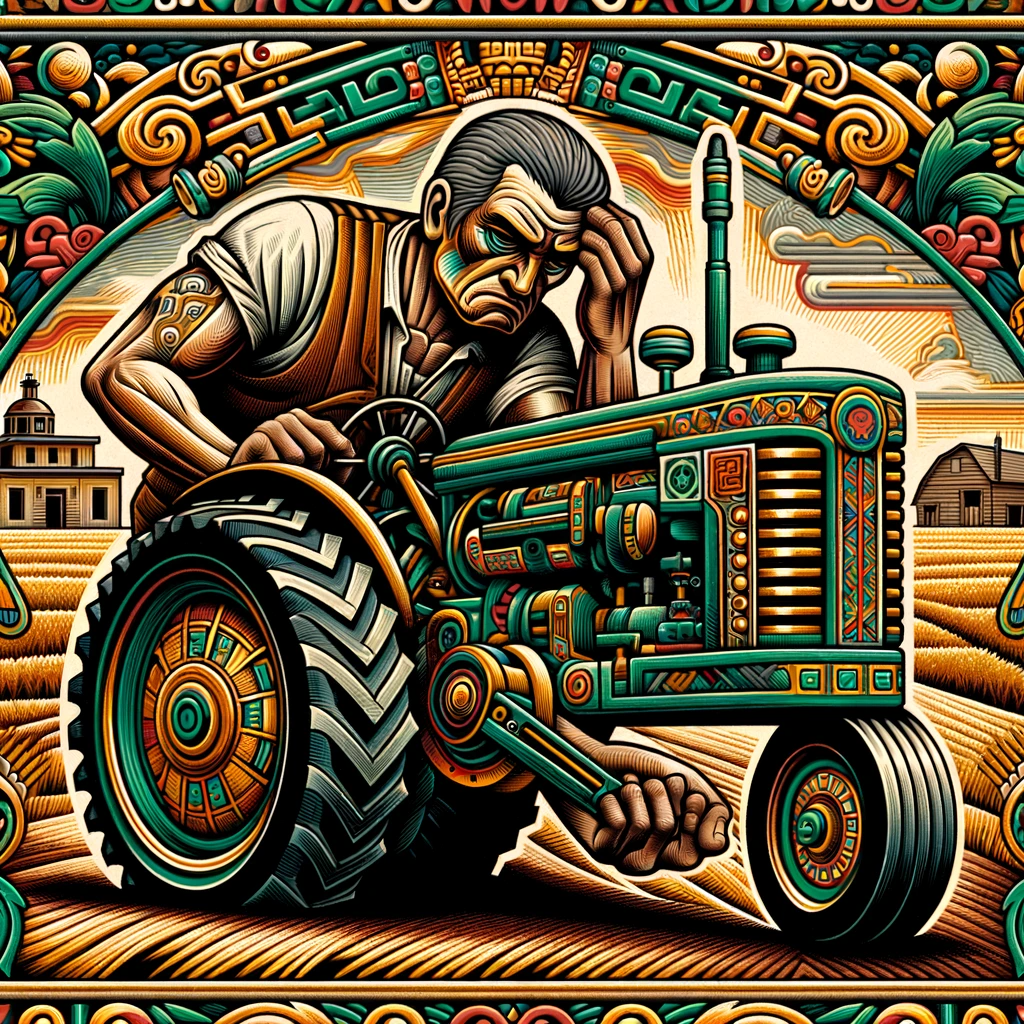
In a rural town, there’s a man named Joe, a butcher by trade, who also happens to own an old tractor that has been the backbone of his small farm. One day, Joe realized he needed a simple part to keep his tractor running. He figured it would be easy, right? But when he visited the dealership, he encountered an unexpected hurdle: the part he needed was only available from them, and the price was exorbitant. Joe felt a wave of frustration wash over him. It’s not just about the money; it’s about the principle. In America, we pride ourselves on having choices, yet here was a glaring example of a dealer-only monopoly holding Joe’s tractor—and livelihood—hostage.
This is a reality many consumers encounter. Dealer-only part monopolies can feel like a stranglehold, making it seem nearly impossible to break free without falling victim to inflated prices. But Joe’s experience doesn’t have to be a dead end; it can inspire a movement. Consumers have the power to challenge these monopolies, and it starts with awareness. By sharing personal stories, like Joe’s, we create a tapestry of experiences that resonate with others and build a collective resolve. It’s about learning and connecting with those around us who share similar frustrations. Just like Joe did with his fellow farmers at the community center, a simple conversation can spark a fire.
Moreover, it’s crucial to approach this issue with intellect and determination. Researching alternative suppliers or aftermarket parts can reveal options that dealers don’t always disclose. Many parts are made to the same specifications as OEM (Original Equipment Manufacturer) parts, but at a fraction of the cost. This rational approach not only saves money but also empowers consumers to make informed decisions about their purchases.
Ethically, challenging dealer monopolies also means supporting local businesses that provide service and employment within the community. When consumers band together, advocating for change, they become a formidable force, signaling to manufacturers that the status quo is unacceptable.
Engagement in forums, social media, or local meetups can amplify voices. Collective action is our strongest tool. Whether it’s starting a petition or initiating local discussions, each action sends a clear message: we will not bow to monopolies.
Through Joe’s struggle, we find inspiration—not just to challenge the system, but to reclaim our right to choice. It’s about standing up, raising our voices, and ensuring that the tractor parts we need don’t come with strings attached. Let’s build community, foster trust, and inspire action to send a powerful message against these monopolies. Together, we can shift the gears of this machine.
How Can Consumers Challenge Dealer-Only Part Monopolies?
How Can Consumers Challenge Dealer-Only Part Monopolies?
- Joe, a rural butcher, faces a high-priced, dealer-only part for his tractor, essential for his farm.
- His frustration highlights the issue of dealer-only monopolies impacting consumer choice.
- Many consumers endure similar challenges with inflated prices and limited options.
- Awareness and sharing personal stories can inspire collective action against these monopolies.
- Researching alternative suppliers or aftermarket parts can offer more affordable solutions.
- Supporting local businesses helps challenge dealer monopolies and fosters community resilience.
- Building networks through discussions and social media can amplify consumer voices for change.
How Can Consumers Challenge Dealer-Only Part Monopolies?
Conclusion
In the tangled landscape of vehicle repairs, the dealer-only parts racket casts a long shadow. It’s a pervasive issue, an unspoken contract binding consumers to inflated prices and diminished choices. We stand at a crossroads, faced with the hefty bills that often accompany the urgent need for parts. This isn’t just about money; it’s a matter of principle. Why should a simple repair cost three times as much simply because it comes with a branded label? Every extra dollar extracted undermines our ability to choose freely, stifles competition, and puts hard-working individuals in a bind.
Consider the emotional weight carried by farmers and families who depend on their machinery. A broken-down tractor can mean more than a delay; it can spell disaster for a family’s livelihood, raising ethical questions about a system that prioritizes profits over community welfare. We have to ask ourselves, is it right that essential components are locked away in dealer stockrooms, accessible only through a chokehold of exclusivity? Such practices threaten not just our bank accounts but the very fabric of our communities.
Yet, empowerment lies in our hands. By supporting local mechanics who prioritize integrity over profit, we can resist the narrative that props up dealer monopolies. When we refuse to succumb to inflated prices, we send a clear message about the kind of industry we want to see—one built on trust, transparency, and community. Each time we share stories of resilience and inform our neighbors about alternative parts, we inch closer towards dismantling this racket.
Reflect on the choices we make. Every part we choose symbolizes a commitment not only to maintaining our vehicles but to fostering a marketplace that respects consumers. When we advocate for fairness and stand against exploitation, we pave the way for a future where honesty and accessibility are the standards, not the exceptions.
The path forward may be laden with obstacles, but united, we can drive change. So, the next time you’re faced with a dealer-only part, remember your right to choose. Stand firm for fair transactions, support those who align with your values, and together, let’s chart a course toward a more equitable repair landscape. Your tractor, your budget, and your community will thank you for it.
Conclusion
Conclusion:
- The dealer-only parts racket creates inflated prices for consumers.
- This issue restricts choices and undermines competition in vehicle repairs.
- Broken machinery can jeopardize livelihoods, especially for farmers and families.
- Ethical concerns arise when essential parts are only available through exclusive dealer channels.
- Empowering local mechanics can help combat dealer monopolies and promote integrity.
- Each purchase decision reflects a commitment to consumer rights and fair practices.
- By uniting against unfair practices, we can strive for a more equitable repair industry.
Conclusion
Other Resources

Other Resources
Here is a list of other resources you can review online to learn more:
- Antique Tractor Values
- Kubota
- Merlin
- Case
- Denning
- Kartar Tractors
- Cabelas
- J.I.Case
- Stihl
- IngersollRand
- NEATTA
- CO-OP
- Fiat-Hesston
- Minneapolis
- White
- Unimog
- NH Farm Museum
- Summit Tractors
- Johnson Manufacturing
Use This Prompt To Get More Resources With Your Favorite Online AI Tool: Please provide me with a list of online articles with their URLs in a bulleted list that I can read regarding Exposing the Dealer-Only Parts Racket
Other Resources
Glossary Terms
Exposing the Dealer-Only Parts Racket – Glossary Of Terms
1. Dealer-only parts — Parts that manufacturers restrict distribution of to franchised dealers, limiting availability to independent shops and consumers.
2. OEM (Original Equipment Manufacturer) — The company that originally designed or produced a vehicle or its components; OEM parts are branded and specified by that manufacturer.
3. Genuine parts — Manufacturer-branded parts sold as direct replacements and marketed as equivalent to the original component.
4. Aftermarket parts — Parts made by third-party manufacturers as replacements, not produced by the OEM.
5. Gray market parts — Legitimate parts sourced through unofficial cross-border or unauthorized channels outside the manufacturer’s intended distribution.
6. Counterfeit parts — Fraudulently produced imitations that mimic OEM parts without meeting specification or quality standards.
7. Authorized dealer — A dealership formally appointed by a manufacturer to sell vehicles, parts, and warranty services.
8. Franchised dealer — A retailer operating under a manufacturer franchise agreement with exclusive rights and obligations for branded sales and service.
9. Independent repair shop — Non-franchised garages that repair vehicles and compete for parts and labor business outside dealer networks.
10. Parts markup — The percentage or dollar amount added to a part’s cost to determine its retail price.
11. Parts gouging — Excessive or exploitative pricing of parts, often during shortages or through captive distribution.
12. Core charge — A refundable deposit charged for remanufacturable parts (e. g. , starters) returned for rebuilding.
13. Parts gating — Manufacturer controls or policies that restrict which vendors or shops can purchase certain parts.
14. Parts hoarding — Dealers or distributors stockpiling scarce parts to create artificial shortages or price leverage.
15. VIN-locked parts — Components tied to a vehicle’s VIN through software or coding, requiring dealer authorization to replace or program.
16. Software-locked parts — Parts that require manufacturer authentication, coding, or software keys to function after installation.
17. Proprietary fasteners — Nonstandard bolts, clips, or fittings designed to require specialized tools or dealer-supplied parts to remove or replace.
18. Proprietary diagnostic tools — Manufacturer-specific hardware/software needed to diagnose, configure, or authorize repairs.
19. Electronic Parts Catalog (EPC) — Manufacturer-maintained digital catalog listing part numbers, diagrams, and application data.
20. Technical Service Bulletin (TSB) — Manufacturer-issued guidance to dealers about known issues, fixes, or parts updates without formal recalls.
21. Parts allocation — Manufacturer process for distributing limited part supplies among dealers and channels.
22. Parts distributor — An intermediary entity that buys, stores, and supplies parts to dealers, repair shops, or retailers.
23. Parts return policy — Terms governing the return, credit, or disposal of unused or faulty parts, including restocking and core procedures.
24. Parts bundling — Selling multiple parts or labor together as a package, potentially obscuring individual part costs.
25. Warranty parts channel — The authorized route for sourcing parts covered under warranty, often subject to manufacturer controls.
26. Parts cross-reference — A lookup that identifies equivalent part numbers across OEMs, aftermarket brands, or suppliers.
27. Repairability index — A metric or evaluation assessing how easily a vehicle can be serviced, given part access, diagnostics, and documentation.
28. Right to Repair — Legal and policy movement advocating access to parts, tools, software, and information so consumers and independents can repair products.
29. Transparency disclosure — Requirements or practices for clearly showing part availability, pricing, coding, and restrictions to consumers and shops.
30. Regulatory enforcement — Government or agency actions (investigations, fines, rulemaking) addressing anti-competitive or consumer-harmful parts distribution practices. Glossary Of Terms
Other Questions
Exposing the Dealer-Only Parts Racket – Other Questions
If you wish to explore and discover more, consider looking for answers to these questions:
- What legal rights do consumers have to buy parts from third-party suppliers?
- Can a dealer refuse to repair my vehicle if I use aftermarket or third‑party parts?
- Will using non‑dealer parts void my manufacturer warranty?
- How can I verify a non‑dealer part is compatible with my specific model?
- How do dealer part prices compare to OEM equivalents and quality aftermarket options?
- Are aftermarket parts as safe and reliable as dealer‑only parts?
- How can I identify counterfeit or low‑quality aftermarket parts?
- What recourse exists if a dealer overcharges or engages in deceptive pricing?
- Are there regulations that prevent manufacturers or dealers from enforcing exclusivity?
- How do dealer exclusivity policies affect repair turnaround times and downtime?
- Can manufacturers legally restrict who may sell replacement parts?
- How can independent mechanics legally source genuine parts without going through dealer channels?
- What documentation should I keep when disputing a dealer’s part or labor charge?
- Do insurance companies require dealer‑only parts for coverage or claims?
- What are the risks and benefits of DIY installation of parts obtained elsewhere?
- How does using non‑dealer parts affect the resale value of my vehicle or equipment?
- What are the environmental impacts of dealer parts versus aftermarket or remanufactured parts?
- What strategies can consumers use to negotiate better pricing or alternative options with dealers?
- How widespread is the dealer‑only parts practice across industries (automotive, agricultural, marine, etc.)?
- What are common tactics dealers use to enforce or disguise exclusivity?
- Can consumers bring anti‑trust or anti‑competitive claims against dealers or manufacturers?
- Which consumer advocacy groups or government agencies handle complaints about dealer‑only parts?
- How can communities or buyer cooperatives organize to combat dealer monopolies?
- Where can I find independent testing, reviews, or certification data on parts performance?
- How can I vet independent mechanics or shops that claim to oppose the dealer‑only racket?
- What are best practices for calculating total cost of ownership when choosing parts?
- How do warranty claims work if an aftermarket part was previously installed?
- What liability does an installer bear if a non‑dealer part fails and causes damage?
- What steps should I take immediately when a vehicle fails during a critical work period (harvest, job deadline) to minimize losses?
Other Questions
Haiku
Exposing the Dealer-Only Parts Racket – A Haiku
Dealer parts ensnare,
Choices fade in greed’s tight grip.
Stand, reclaim your voice.
Haiku
Poem
Exposing the Dealer-Only Parts Racket – A Poem
In the shadow of the dealer’s guise,
Lurks a truth, masked in deceitful ties.
A farmers heart, on harvests brink,
Finds parts withheld, pushed to the brink.
A shiny logo, a hefty price,
Why pay in chains for what should suffice?
The narrative woven, a web of greed,
Leaving honest hands to beg and plead.
Oh, the weight carried by weary backs,
The struggle against inflated tracks.
Each markup a mark against trust,
Breaking dreams, drumming down the just.
Beneath the veneer of promised ease,
Lies a system that thrives on unease.
Community whispers through wounds and strife,
Uniting voices that challenge this life.
Knowledge is power—let the truth ring,
For every consumer holds a mighty string.
Together, we rise, a collective force,
Reclaiming the right to a fairer course.
So, reject the script of the dealer’s play,
Seek out the paths that lead to the way.
With heart and head, we’ll stand tall and proud,
Dismantling the racket, breaking the shroud.
Empathy fuels the engine of change,
In every connection, new patterns exchange.
For when we join hands in the fight for our parts,
We mend what’s broken—reviving our hearts.
Poem
Checklist
Exposing the Dealer-Only Parts Racket – A Checklist
Emotional Appeals
✅______ Acknowledge the impact: Recognize how dealer-only parts can strain budgets and livelihoods.
✅______ Connect with community stories: Share personal experiences and struggles with dealer-exclusive practices to foster a sense of solidarity.
Rational Appeals
✅______ Evaluate total costs: Assess the overall financial implications of choosing dealer parts versus alternatives.
✅______ Research alternatives: Investigate aftermarket options that meet OEM specifications without the inflated price tag.
Ethical Appeals
✅______ Demand transparency: Advocate for clear pricing and genuine choices to combat the hidden costs associated with dealer-only parts.
✅______ Support local mechanics: Prioritize repair shops that reject dealer monopolies and value fair pricing.
Authority Appeals
✅______ Seek expert opinions: Consult trusted mechanics about the quality of dealer versus aftermarket parts.
✅______ Educate yourself: Attend workshops or read materials on vehicle maintenance to make informed decisions.
Narrative Appeals
✅______ Share your journey: Document and share how you navigated the dealer parts dilemma.
✅______ Empower others: Encourage conversations about experiences with parts and repairs to build a narrative of resilience.
Social Appeals
✅______ Community organizing: Join or form local groups that advocate against dealer monopolies.
✅______ Utilize social media: Spread awareness of the dealer-only parts issue and engage others to create a collective voice for change.

Checklist
At ClassicTractorNews, we help tractor lovers keep up with the latest news for classic and vintage tractors.
Please share this post with your friends, family, or business associates who may like old classic or vintage tractors.