


Preserving Heritage: Smart Alerts For Lasting Performance
By Tom Seest
At ClassicTractorNews, we help tractor lovers keep up with the latest news for classic and vintage tractors.
Please share this post with your friends, family, or business associates who may like old classic or vintage tractors.
Early Warning Systems for Classic Tractor Maintenance
Early Warning Systems for Classic Tractor Maintenance
Imagine standing in the open fields, a classic tractor toiling away under the golden sun, its engine a soothing rumble that connects generations. This steadfast machine, with its weathered frame and nostalgia-soaked history, is more than just iron and bolts; it represents hard work, family, and a shared legacy. Maintaining a classic tractor isn’t merely a chore—it’s an emotional investment, a way of honoring those who came before us. When it comes to preserving these mechanical marvels, early warning systems are the unsung heroes in the battle against neglect.
Think of these systems as the tractor’s own instinctual alerts—almost like a sixth sense. They act like a well-trained dog that knows when a storm is coming. Just as a loyal pet can sense our moods and protect us from harm, an early warning system can identify issues before they escalate into catastrophic failures. This is where the heart of classic tractor maintenance beats strongest; it’s about understanding this machinery as part of your family, making sure it stays healthy for future generations to cherish.
Let’s break it down with logic. A well-functioning tractor isn’t just about maintaining a piece of history; it’s about optimizing performance and ensuring safety. Think of it as checking your own vitals at the doctor’s office. You don’t wait for a serious condition to arise; you stay ahead of problems. By using technology like telemetry sensors and mobile apps to track engine performance and detect anomalies, owners can intervene before a simple problem—like a loose bolt—spirals into a full-blown repair nightmare.
On a deeper level, there’s an ethical duty to care for these vintage machines. We’re stewards of history, preserving not just the tractors but the stories they tell. Each dent and scratch is a chapter in a narrative that deserves respect. An early warning system ensures that our stories continue, that the iron steeds can still be ridden into sunsets and paraded through county fairs.
Sharing these experiences connects us to a community that appreciates the grit, sweat, and pride involved in tractor maintenance. The bond we form with fellow enthusiasts fosters a culture of care, where help is always just a shout away. When we prioritize maintenance with early warning systems, we reinforce a commitment—not only to our tractors but to the values they represent: hard work, diligence, and a dedication to legacy. So, let’s get proactive about our classic tractors and ensure that they continue to rumble into the next generation’s sunset, just as they did in ours.

Early Warning Systems for Classic Tractor Maintenance
Early Warning Systems for Classic Tractor Maintenance
- Classic tractors symbolize hard work, family, and legacy, requiring emotional investment in maintenance.
- Early warning systems act as instinctual alerts to detect issues before they escalate into major failures.
- These systems optimize performance and safety by using technology like telemetry sensors and mobile apps.
- Maintaining classic tractors is an ethical duty to preserve their history and the stories they embody.
- Each dent and scratch on a tractor represents a narrative that deserves respect and care.
- Engaging in tractor maintenance fosters a sense of community among enthusiasts, reinforcing shared values.
- Proactive maintenance ensures classic tractors can be enjoyed by future generations, preserving their heritage.

Early Warning Systems for Classic Tractor Maintenance
Table Of Contents
- Early Warning Systems for Classic Tractor Maintenance
- What Emotional Memories Do You Associate with Your Classic Tractor?
- How Can Regular Maintenance Save You Money In the Long Run?
- What Ethical Responsibilities Do We Have Towards Preserving Tractors?
- Who Are the Experts You Trust for Classic Tractor Care?
- What Community Resources Can Help You Maintain Your Classic Tractor?
- What Has Been Your Biggest Challenge In Maintaining Older Tractors?
- Conclusion
- Other Resources
- Glossary Of Terms
- Other Questions
- Haiku
- Poem
- Checklist
What Emotional Memories Do You Associate with Your Classic Tractor?
Ah, the classic tractor. More than just a machine, it serves as a time capsule of memories, a steadfast companion through seasons of toil and triumph. Picture that old iron beast, sitting in the yard, paint chipped but heart still roaring. Each scratch tells a story—maybe the time your grandfather taught you how to plow the fields, his laughter mingling with the hum of the engine, or perhaps when you first took the wheel, nervous but exhilarated, feeling the power at your fingertips.
There’s something deeply fulfilling about working the land, a connection between man and machine. The tractor transforms work into a ritual, grounding us in the principles of hard work and perseverance. It’s not just about plowing under the sun; it’s about the sweat on our brows, the dirt under our nails, and the lesson in every challenge overcome. When you’re driving that classic piece of machinery, every rut in the road feels like a memory—a reminder of the paths you’ve tread and the hands that helped shape your journey.
Think about the gatherings that typically spring up around these tractors—family reunions, harvest festivals, or even local competitions. The laughter, the friendly rivalries, the stories exchanged under the vast sky form a tapestry of community that is harder to find in today’s fast-paced world. It’s here that you see how generations share a love for what that tractor represents: a legacy, a shared purpose, and an unshakeable bond. These memories shape our moral fabric, reinforcing values like hard work, respect, and the importance of holding onto our roots.
On a rational level, a classic tractor also embodies reliability and value. Unlike the flashy, disposable technologies that clutter the marketplace, these machines remind us of quality and durability. They challenge us to appreciate craftsmanship and the gut-level satisfaction that comes from maintaining something that truly works.
Ultimately, a classic tractor doesn’t just represent a way to get work done; it encapsulates who we are and where we’ve come from. So, the next time you sit atop that seat, take a moment to reflect. Ask yourself, what emotional memories rise to the surface? Because in those memories lies the true essence of what it means to be connected—not just to a machine, but to each other, to our history, and to the land we cherish.

What Emotional Memories Do You Associate with Your Classic Tractor?
What Emotional Memories Do You Associate with Your Classic Tractor?
- The classic tractor is a symbol of enduring memories and experiences through hard work.
- Each scratch on the surface represents personal stories and bonding moments with family.
- Working the land with a tractor creates a ritual that connects man to machine and nature.
- Tractors foster community gatherings, reinforcing shared values and traditions among generations.
- They signify reliability and craftsmanship, contrasting with modern, disposable technologies.
- A classic tractor embodies heritage, identity, and the essence of connection to land and each other.
- Reflecting on memories tied to tractors highlights their emotional significance in our lives.

What Emotional Memories Do You Associate with Your Classic Tractor?
How Can Regular Maintenance Save You Money In the Long Run?
Regular maintenance isn’t just a chore; it’s an investment that pays dividends over time. Think about it like this: Picture a farmer with a trusty old tractor. That tractor has seen seasons of hard work, plowing through fields and helping bring in a bountiful harvest. But when the farmer neglects routine check-ups, that reliable machine can turn into an expensive problem almost overnight. The thought of a costly breakdown, especially during peak harvest season, adds pressure that can be overwhelming.
Emotionally, the connection to our possessions runs deep. We lean on them, trust them, and often attribute a part of our success to how well we care for them. Just like our relationships, whether with family or the trusted equipment we depend on, neglect breeds resentment, and eventual breakdown can feel like a personal betrayal. The farmer with the neglected tractor isn’t just facing repair costs—he’s facing the weight of missed opportunities and added stress.
Rationally, regular maintenance can significantly reduce long-term expenses. By taking care of one’s tools and machinery, like that tractor, you are essentially extending its lifespan. Consider this analogy: A person who gets regular check-ups at the doctor’s office often finds issues before they escalate into full-blown problems. The same logic applies to machinery—minor issues caught early can save thousands down the road.
Ethically, maintaining our equipment is about responsibility. It’s about taking ownership of what we have and respecting the resources that allow us to succeed. When we care for our tools, we set an example within our communities, emphasizing the importance of stewardship and dedication to our work.
From a narrative perspective, imagine stories shared around a community table, where the farmer proudly recounts how his well-maintained tractor allowed him to help neighbors during emergencies. This fosters a sense of camaraderie, reinforcing the idea that maintenance leads to resilience in hard times.
In every interaction, in every tool we wield, regular maintenance offers a chance to safeguard our investments and fortify our futures. It’s not just about saving money; it’s about creating a reliable foundation that supports our endeavors. Embrace the routine, invest in the ordinary, and watch how those small actions lead to extraordinary results over time.

How Can Regular Maintenance Save You Money In the Long Run?
How Can Regular Maintenance Save You Money In the Long Run?
- Regular maintenance is an investment that yields long-term benefits.
- Neglecting routine check-ups can lead to costly breakdowns and added stress.
- Emotional connections to possessions can influence how we care for them.
- Proactive maintenance helps extend the lifespan of tools and machinery.
- Ethical responsibility involves caring for our equipment and setting a positive example.
- Sharing experiences of well-maintained tools fosters community support and resilience.
- Regular maintenance safeguards investments and provides a reliable foundation for future endeavors.

How Can Regular Maintenance Save You Money In the Long Run?
What Ethical Responsibilities Do We Have Towards Preserving Tractors?
Every tractor tells a story. It’s more than just a machine; it’s a testament to countless hours of hard work, innovation, and tradition. As we stand on the precipice of rapid technological change, the question isn’t just about what these tractors can do, but what we owe to the legacy they represent. The responsibility to preserve tractors transcends mere nostalgia; it’s about honoring our roots, ensuring that future generations understand their significance in agricultural history and innovation.
Take, for instance, my neighbor, an old farmer named Jim. He has a rusted tractor parked in his barn, an old but reliable companion that has plowed the same fields for decades. When I ask him about it, he lights up, sharing tales of how that tractor saved him during droughts, how it brought his family together during harvests, and how it represents resilience and tenacity. Jim’s stories remind us that tractors are intertwined with human experiences, reflecting our struggles, triumphs, and, ultimately, our shared identity.
The ethical responsibility of preserving tractors includes recognizing them as cultural artifacts, learning tools, and symbols of labor. Each dent and scratch on a tractor serves as a reminder of the labor invested, embodying the grit and determination of the people who worked them. Like revered pieces of art or historical landmarks, these machines deserve respect and preservation. By caring for them, we acknowledge the past while educating younger generations about where our food comes from and the technology that supports it. This isn’t just about agriculture; it’s about embodying the values of hard work, innovation, and tradition that these machines symbolize.
We often hear about sustainability in agriculture, but preservation can be a key player in that conversation. Just imagine taking a vintage tractor and using it as a teaching tool in schools or community farms, sparking fascination in students about mechanics, history, and the vital role of agriculture in our lives. By doing so, we can inspire a new generation to appreciate the grit behind farming, turning them into advocates for preservation, innovation, and sustainability—not just in tractors but in the entire food system.
Ultimately, preserving tractors goes beyond the physical act of maintenance; it’s about fostering community, galvanizing passion for agricultural heritage, and inspiring confidence in the future of farming. When we invest in preserving these machines, we invest in the soul of agriculture itself. It’s not just about keeping a piece of machinery running; it’s about preserving a connection to the past that can guide our way forward. The challenge lies in recognizing that every tractor isn’t just metal and gears—it’s a bridge to our shared history and a pathway to our collective future.

What Ethical Responsibilities Do We Have Towards Preserving Tractors?
What Ethical Responsibilities Do We Have Towards Preserving Tractors?
- Tractors represent hard work, innovation, and tradition, embodying agricultural history.
- Preserving tractors honors cultural heritage and educates future generations about their significance.
- Personal stories, like that of farmer Jim, highlight tractors as vital companions in agricultural experiences.
- Each tractor’s wear and tear symbolizes the labor and determination of those who used them.
- Preserving tractors promotes values of hard work, innovation, and sustainability within agriculture.
- Vintage tractors can serve as educational tools, inspiring interest in mechanics and farming among youth.
- The preservation of tractors connects communities and strengthens the agricultural heritage for future generations.

What Ethical Responsibilities Do We Have Towards Preserving Tractors?
Who Are the Experts You Trust for Classic Tractor Care?
When it comes to classic tractor care, the professionals you trust often become part of your family. Picture this: You pull up to a bustling workshop, the smell of grease and aged wood fills the air, and the sound of engines humming resonates in your chest. These are not just mechanics; they are caretakers of history, preserving stories that are embedded in every vintage tractor they touch.
You might meet an old-timer with hands more calloused than smooth, whose knowledge of these machines comes from decades of experience, each scar telling a tale of a stubborn bolt or a stubborn engine. He’ll tell you about the time he saved a rare model from the brink of destruction, using only his wits and a keen understanding of its quirks. There’s a lesson in his stories: the heart of a classic tractor lies not just in its parts, but in the love that goes into keeping it running.
Trust isn’t merely built on credentials or certifications. It’s established in the shared appreciation for these relics of the past. When you step into a world of classic tractors, you enter a realm where passion intersects with expertise. The best experts understand that every restoration isn’t just a project; it’s a labor of love, imbued with a sense of duty to preserve the engineering marvels that shaped our agricultural landscape.
Consider the community that rallies around these machines. Clubs and gatherings bring enthusiasts together, each sharing tips, swapping stories, and showcasing their prized possessions. This camaraderie fosters a sense of belonging that goes beyond mechanics. It’s about shared values, and a commitment to keep the past alive for future generations.
Now, let’s not forget the ethical dimension. The right expert believes in using quality parts and sustainable practices. They don’t just care about getting the job done; they care about leaving a legacy that honors the craft. Choosing the right expert isn’t just a transaction; it’s a conscious decision to invest in the preservation of our collective history.
As you embark on your journey of classic tractor care, remember: the best experts are those who see these machines as more than just tractors. They understand that each one tells a story, connecting us to our roots while inspiring trust and confidence in those who keep this legacy alive. Whether through a simple tune-up or a full restoration, these custodians of the past ensure that the heart and soul of classic tractors continue to thrive for generations to come.

Who Are the Experts You Trust for Classic Tractor Care?
Who Are the Experts You Trust for Classic Tractor Care?
- Classic tractor professionals often become part of your family.
- Workshops are filled with the sounds and smells that signify a love for vintage tractors.
- Experienced mechanics have stories that highlight the emotional connection and history of the tractors.
- Trust is built through shared appreciation rather than credentials alone.
- The classic tractor community fosters belonging through clubs and gatherings.
- Ethical experts prioritize quality parts and sustainable practices in their work.
- Restoring tractors is seen as a labor of love, preserving a significant part of agricultural history.

Who Are the Experts You Trust for Classic Tractor Care?
What Community Resources Can Help You Maintain Your Classic Tractor?
Maintaining a classic tractor isn’t just about the nuts and bolts; it’s about the stories and connections that make the effort worth it. Every time you slide behind the wheel of that vintage beauty, you’re not just driving machinery; you’re steering into the past, where hard work and craftsmanship shaped communities.
To keep that tractor running smoothly, your first stop should be local agricultural extension services. These places often have experts whose lifeblood is the machinery that built rural America. They can provide you with invaluable information on maintenance and local resources, like parts suppliers who appreciate the importance of keeping classic tractors alive. Think of them as modern-day sages, holding onto knowledge from generations past.
Don’t overlook community workshops or clubs focused on tractor restoration. These gatherings are treasure troves of camaraderie. Imagine sitting with fellow enthusiasts, swapping tales of restoration victories and setbacks, sharing laugh-worth bonds over stubborn engines that refused to start. It’s in those moments that you realize you’re not alone in this journey. Together, you’ll build a network of support that feels more like family than acquaintances, driving home the message that this endeavor transcends mere machines.
The internet buzzes with forums and social media groups, serving up everything from how-to videos to part exchanges. Connecting with people who share your passion can ignite not just your tractor restoration efforts but also foster a sense of belonging. This communal spirit is crucial; it reassures you that others have faced the same trials, and they’ve prevailed.
A personal story about a local fair helps illustrate the heart of community support. At this fair, I met a gentleman who’d restored his grandfather’s tractor. He told me how every nut and bolt resonated with memories of summers spent together in the field. His devotion was a reminder that community resources are more than instructions; they’re part of a legacy. They carry the weight of not just machinery, but of the history and the people who cared for them.
As you maintain your classic tractor, remember it’s an emblem of hard-earned resilience. By engaging with your community, you’re not just fixing a machine; you’re nurturing a heritage. So, rally together, share your experiences, and continue to keep these tractors—and the stories behind them—alive. You’ll be amazed at how the collective passion can transform a simple repair into a bonding experience that lasts a lifetime.

What Community Resources Can Help You Maintain Your Classic Tractor?
What Community Resources Can Help You Maintain Your Classic Tractor?
- Maintaining a classic tractor involves stories and connections beyond just the mechanical aspects.
- Local agricultural extension services offer expert advice and resources for maintenance and parts.
- Community workshops or clubs provide camaraderie and support among tractor restoration enthusiasts.
- Online forums and social media groups facilitate connection and resources for restoration projects.
- A personal story about a local fair highlights the emotional and historical significance of tractor restoration.
- Maintaining a classic tractor symbolizes resilience and nurtures a sense of heritage.
- Engaging with others in the community can transform repairs into lasting bonding experiences.

What Community Resources Can Help You Maintain Your Classic Tractor?
What Has Been Your Biggest Challenge In Maintaining Older Tractors?
Maintaining older tractors is more than just a mechanical endeavor; it’s a dance with history and a deep connection to the land. Every time I climb aboard one of these sturdy beasts, I’m reminded that these machines have stories woven into their very frames. Their rusted paint and creaking parts reflect not just the passage of time, but the lives they’ve touched. The biggest challenge in caring for these faithful companions isn’t merely fixing what’s broken; it’s fostering a relationship built on respect and understanding.
Take, for example, the time I was tasked with getting a vintage tractor back into working condition. The engine sputtered like an old man recalling distant memories, and I remember feeling a surge of frustration as I poured over the engine’s guts, covered in grease and grime. It was a clash of wills—the tractor against me. But as I delved deeper into the machinery, I began to appreciate the craftsmanship that went into these designs. Each screw, each cog had a purpose. A challenge morphed into an opportunity to learn the intricate dance of mechanics. That’s the heart of it: understanding that every challenge presents an opportunity for connection, not just with the tractor but with stories of the farmers who relied on it.
Rationally, older tractors are a treasure trove of sustainability. Their simplicity means they often require less maintenance than their modern counterparts filled with complex electronics. The ethics of preserving traditional farming equipment are rooted in responsibility; by keeping these machines alive, we maintain a connection to our agricultural heritage. There’s an authority in being able to say, “I can fix this.” It speaks volumes about resilience, resourcefulness, and respect for the past.
The social aspect can’t be overlooked. There’s a community of enthusiasts who gather at shows and workshops, sharing knowledge and camaraderie. You’re not just repairing a piece of machinery; you’re participating in a movement that honors hard work, craftsmanship, and the soul of farming itself. The bonds formed over wrenching on an old tractor are often as strong as those formed in family fields.
In many ways, maintaining older tractors challenges us to embrace imperfection. It’s a reminder that nothing, not even machinery, is infallible. The next time you’re wresting with an old engine, think of the legacy you’re participating in—a connection to the past, a commitment to the future, and a tribute to the hardworking hands that have made those tractors roar to life.

What Has Been Your Biggest Challenge In Maintaining Older Tractors?
What Has Been Your Biggest Challenge In Maintaining Older Tractors?
- Maintaining older tractors is a connection to history and the land.
- Each machine carries stories of lives touched through its use.
- Challenges in maintenance foster a relationship of respect and understanding.
- Working on vintage tractors reveals the craftsmanship and purpose behind their design.
- Older tractors offer sustainability through simpler maintenance needs.
- A community of enthusiasts shares knowledge, honoring craftsmanship and farming traditions.
- Maintaining these tractors encourages embracing imperfection and acknowledges their legacy.

What Has Been Your Biggest Challenge In Maintaining Older Tractors?
Conclusion
Classic tractors are not merely machines; they are vessels of our history, embodying decades of hard work, tradition, and family legacy. As you stand in a field, feeling the rumble of a vintage tractor beneath you, it’s a reminder of the connections we hold dear—a link to our ancestors who relied on these sturdy beasts to cultivate the land. The emotional investment in maintaining these machines goes beyond mechanics; it’s about honoring the stories etched into every scratch and dent.
Early warning systems in tractor maintenance serve as protective guardians of this heritage. They function like a trusted canine companion, alerting us to troubles before they spiral into major breakdowns. This proactive approach not only ensures the operational integrity of the machine but embodies a philosophy of stewardship—a commitment to preserve these relics for future generations.
Rationally, regular maintenance safeguards against costly repairs, turning potential disasters into manageable tasks. By employing modern technology, tractor owners can track performance issues early, akin to regular check-ups at the doctor’s office to avoid severe health complications. This vigilance in care embodies ethical responsibility, illustrating that we owe it to the past—and to ourselves—to maintain these pieces of history as a testament to our shared agricultural identity.
At the heart of this maintenance journey exists a vibrant community. Enthusiasts rally at local clubs and workshops, sharing tips and stories that not only foster knowledge but also deepen bonds. In these exchanges lies an inherent social appeal; you’re not just preserving a machine but nurturing a culture steeped in mutual respect for craftsmanship and tradition.
Expertise plays a vital role in this narrative. Trustworthy mechanics become more than service providers; they are artisans who understand the intricacies of vintage tractors, each restoration a labor of love infused with respect for the engineering marvels that shaped agricultural landscapes. Their role is ethereal; they ensure each machine continues to tell its story, empowering new generations to appreciate the grit behind every harvest.
As we engage with our classic tractors, we are called to reflect on the emotional ties that bind us to each machine. The challenge of keeping these relics running is not merely about the nuts and bolts; it’s about preserving the essence of who we are and where we came from. Let’s commit to treating these tractors not just as tools but as cherished heirlooms, for in their maintenance, we safeguard the values of hard work, perseverance, and community for the challenges and triumphs that lie ahead.

Conclusion
Conclusion:
- Classic tractors represent a historical connection to our ancestors and a legacy of hard work.
- Early warning systems in maintenance act as guardians, preventing major breakdowns.
- Regular maintenance reduces costly repairs and embodies a stewardship philosophy.
- Tracking performance issues using modern technology mirrors regular health check-ups.
- A vibrant community of enthusiasts shares knowledge and fosters bonds through clubs and workshops.
- Trustworthy mechanics serve as artisans, restoring tractors with respect for engineering history.
- Maintaining tractors preserves the essence of our identity, safeguarding values of hard work and community.

Conclusion
Other Resources

Other Resources
Here is a list of other resources you can review online to learn more:
- Corbitt
- Advance-Rumely
- Cabelas
- White
- Gibson
- Agriculture Heritage Center & Museum
- Mercedes-Benz
- Silver King
- Fendt International
- Fort Allen Antique Farm Equipment
- Eicher Tractors
- LS
- CBT
- Bombardier
- Orange County Farmers Museum
- CAAntique Farm Equipment Show
- Farmtrac
- Farmall
- SOMECA
- New Holland
Use This Prompt To Get More Resources With Your Favorite Online AI Tool: Please provide me with a list of online articles with their URLs in a bulleted list that I can read regarding Early Warning Systems for Classic Tractor Maintenance

Other Resources
Glossary Terms
Early Warning Systems for Classic Tractor Maintenance – Glossary Of Terms
1. Early Warning System (EWS) — integrated setup that detects, analyzes, and alerts to impending equipment faults.
2. Predictive Maintenance (PdM) — maintenance scheduled based on condition trends to prevent failures.
3. Condition-Based Monitoring (CBM) — continuous or periodic measurement of key parameters to trigger maintenance actions.
4. Preventive Maintenance — routine, calendar- or usage-based tasks to reduce failure likelihood.
5. Sensor Suite — collection of sensors (vibration, temperature, pressure, etc. ) deployed on the tractor.
6. Accelerometer (Vibration Sensor) — measures vibration signatures to detect imbalance, misalignment, or bearing wear.
7. Temperature Sensor (Thermocouple/RTD) — monitors engine, gearbox, and bearing temperatures for overheating.
8. Oil Pressure Sensor — senses oil pressure drops that indicate lubrication failure or pump problems.
9. Oil Analysis — laboratory or onboard testing of oil for contaminants, viscosity changes, and wear metals.
10. Fuel Quality Sensor / Fuel Analysis — detects water, contamination, or degradation in fuel that can harm the engine.
11. Battery Health Monitor — assesses charge state, voltage stability, and internal resistance to predict battery failure.
12. Voltage/Current Sensor — monitors electrical system loads and detects shorts, open circuits, or alternator issues.
13. Hydraulic Pressure Sensor — tracks hydraulic system pressure to identify leaks, pump wear, or valve faults.
14. Tachometer / RPM Sensor — measures engine speed to detect irregular operation or overrevving.
15. Thermal Imaging (Infrared) — visualizes hot spots on wiring, bearings, or seals before catastrophic failure.
16. Data Logger — stores time-stamped sensor readings for later analysis and trend detection.
17. Telemetry / Remote Monitoring — transmits sensor data to offsite dashboards for real-time oversight.
18. Wireless Gateway — local device that aggregates sensor data and sends it via Bluetooth, LoRa, Wi‑Fi, or cellular.
19. Threshold Alarm — predefined limits that trigger alerts when a parameter exceeds safe bounds.
20. Trend Analysis — evaluation of parameter trajectories to predict remaining useful life or imminent faults.
21. Baseline Signature — reference profile of normal vibration, temperature, or acoustics used for comparison.
22. Wear Particle Analysis / Ferrography — examination of metal particles in oil to identify which components are degrading.
23. Acoustic Emission Monitoring — detection of high-frequency sound emissions from cracks, cavitation, or leaks.
24. False Positive / False Negative — incorrect alarm types indicating unnecessary action or missed failures, respectively.
25. Alarm Prioritization / Severity Levels — categorization of alerts by urgency to guide response and resources.
26. Root Cause Analysis (RCA) — investigative process to determine underlying reasons for a detected fault.
27. Retrofit Kit — packaged hardware and sensors designed to add EWS capability to older tractors.
28. Edge Processor / Controller — onboard unit that preprocesses sensor data and executes local rules or analytics.
29. Maintenance Log / CMMS — system for recording alerts, repairs, parts, and maintenance schedules.
30. Diagnostic Protocols — standardized tests and procedures used to verify, isolate, and confirm faults. Glossary Of Terms
Other Questions
Early Warning Systems for Classic Tractor Maintenance – Other Questions
If you wish to explore and discover more, consider looking for answers to these questions:
- What types of early‑warning sensors and telemetry are most effective for classic tractors?
- How can I retrofit modern sensors to a vintage electrical system (6V vs 12V compatibility)?
- Are wireless sensors reliable in dusty, wet, and vibration‑heavy farm environments?
- What parameters should I monitor (oil pressure, temperature, vibration, battery health, RPM, fuel quality, etc.)?
- How do I choose between wired and wireless monitoring solutions for an older tractor?
- What mobile apps or platforms work best for receiving alerts and viewing telemetry on classic tractors?
- How much does a basic early‑warning system cost to buy and install?
- What ongoing costs (data plans, subscriptions, maintenance) should I expect?
- What is the expected return on investment (ROI) for installing an early‑warning system?
- How difficult is installation for a DIYer versus hiring a professional?
- Can early‑warning systems be installed reversibly so they don’t permanently alter the tractor?
- Will adding sensors or telemetry reduce a tractor’s historical or resale value?
- How do early‑warning systems impact authenticity and preservation ethics?
- Which sensor brands or vendors have good reputations among classic tractor restorers?
- How accurate are predictive algorithms for tractors that weren’t designed with modern electronics?
- How do I calibrate sensors and set thresholds to minimize false positives and missed failures?
- What types of alerts should be prioritized (immediate shutdown, maintenance reminder, advisory)?
- How do I power sensors and telemetry on tractors that have unreliable batteries or no alternator?
- Can solar panels or battery backups be used to power monitoring systems?
- How do I protect sensors and electronics from theft, weather, and farm chemicals?
- Are there simple acoustic or ultrasonic diagnostic tools that work well on older engines?
- How useful is vibration analysis for predicting bearing, shaft, or gearbox failures in vintage tractors?
- Can oil analysis (spectrometric) be integrated into an early‑warning program, and how often should samples be taken?
- How should maintenance schedules change once an early‑warning system is in place?
- What spare parts should every classic tractor owner keep on hand to act on alerts quickly?
- Where can I source rare or discontinued parts for older models?
- What training or certifications should I seek to perform advanced diagnostics and restorations?
- How do I find reputable mechanics and restoration experts who respect originality?
- How can community resources (clubs, extension services, online forums) help with sensor selection and troubleshooting?
- What legal or insurance considerations apply when modifying a vintage tractor with monitoring equipment?
- Do regulations or emissions rules affect restoring and operating older tractors on public roads?
- How can I document provenance and maintenance records to preserve historical value?
- How do I balance modernization (safety and monitoring) with preserving original components?
- Are grants, tax incentives, or community programs available to support preservation and monitoring projects?
- How do early‑warning systems perform in extreme temperatures and seasonal storage conditions?
- What are best practices for storing and winterizing a monitored classic tractor?
- How can I capture and preserve the oral histories and emotional stories associated with my tractor?
- Can early‑warning data be shared with clubs or museums to help broader preservation efforts?

Other Questions
Haiku
Early Warning Systems for Classic Tractor Maintenance – A Haiku
Classic tractors thrive,
Echoes of toil and pride,
Legacy preserved.

Haiku
Poem
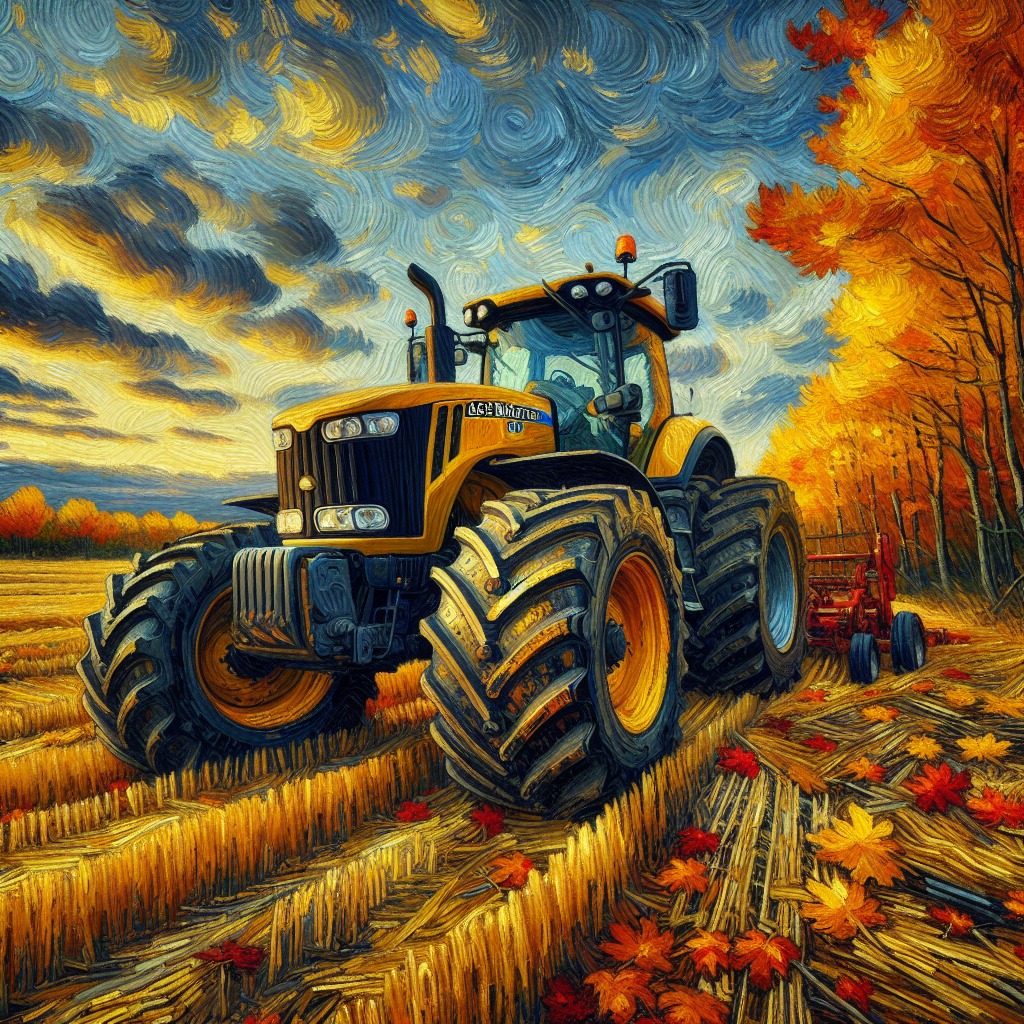
Early Warning Systems for Classic Tractor Maintenance – A Poem
In fields where echoes of history dwell,
Classic tractors stand, stories to tell.
Iron giants, with weathered embrace,
Each dent a memoir, in time’s gentle trace.
Guardians of legacy, they toil and strive,
Through sun-kissed labor, they keep dreams alive.
An early warning, like instincts refined,
Preserves their heartbeat, with care intertwined.
A symphony of engines hum to remind,
That maintenance nurtures the bonds we find.
Emotion and logic, hand in hand they sweep,
Every bolt tightened, a promise to keep.
Ethics of stewardship, of stories held dear,
In rust and in paint, we see lives appear.
The joy of connection, the laughter we share,
In gatherings of friends, we honor and care.
With local resources, our community thrives,
In workshops of wisdom, passion derives.
Experts as allies, with hands weathered bright,
Preserving our past, guiding futures to light.
Challenges faced become lessons to learn,
In patience and grit, our hearts brightly burn.
For in every struggle, hopes roots intertwine,
Maintaining old tractors, our legacies shine.
Poem
Checklist
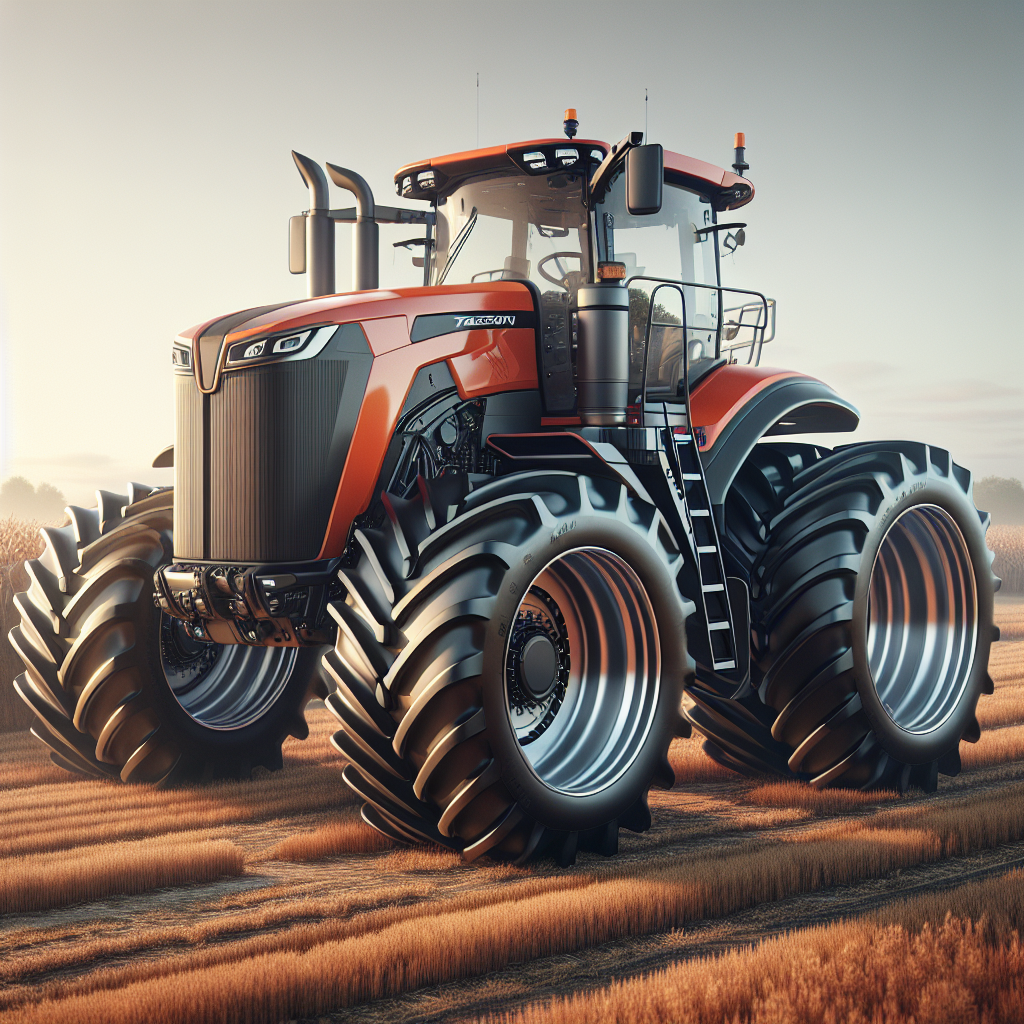
Early Warning Systems for Classic Tractor Maintenance – A Checklist
Emotional Appeals
✅______ Reflect on the memories associated with your classic tractor.
✅______ Engage in storytelling with fellow tractor enthusiasts about your restoration journey.
✅______ Share your tractor experiences at community gatherings or fairs.
Rational Appeals
✅______ Schedule regular maintenance checks to prevent costly repairs.
✅______ Utilize telemetry sensors to monitor engine performance and catch issues early.
✅______ Compare your tractor’s upkeep to routine health check-ups for longevity.
Ethical Appeals
✅______ Commit to preserving tractors as cultural artifacts for future generations.
✅______ Educate others about the importance of maintaining vintage machinery.
✅______ Promote sustainable practices in your maintenance routines.
Authority Appeals
✅______ Seek advice from experienced mechanics who specialize in classic tractors.
✅______ Join local tractor clubs for mentorship and shared expertise.
✅______ Research reputable sources for maintenance tips and part suppliers.
Narrative Appeals
✅______ Document your restoration projects to create a legacy story.
✅______ Share tales of challenges and successes within your community.
✅______ Emphasize personal connections to your tractor’s history during discussions.
Social Appeals
✅______ Connect with a network of tractor enthusiasts through forums and social media.
✅______ Participate in local workshops for hands-on learning and support.
✅______ Create a community resource group for sharing tools and advice on maintenance.
Checklist
At ClassicTractorNews, we help tractor lovers keep up with the latest news for classic and vintage tractors.
Please share this post with your friends, family, or business associates who may like old classic or vintage tractors.