


Empower Yourself: Choose Self-Reliance Over Waiting Games
By Tom Seest
At ClassicTractorNews, we help tractor lovers keep up with the latest news for classic and vintage tractors.
Please share this post with your friends, family, or business associates who may like old classic or vintage tractors.
Dealer Wait Times Vs. Classic Tractor Self-Reliance
In the world of agriculture, the balance between relying on dealers and embracing self-sufficiency with our tractors reveals more than just operational choice; it speaks to a way of life. The grin on a farmer’s face while crafting a repair on their trusty machinery is a sight to behold, a testament to skills honed over years, resilient hands that wield wrenches as deftly as they wield hope.
Imagine standing next to your tractor, the sun illuminating the patches of grease on your hands, the thrill of tackling a challenge instead of waiting for a dealer to arrive. This isn’t just about fixing equipment; it’s about empowerment. When the sun sets and the day’s work is done, there’s a sense of accomplishment that comes from knowing you were the one who solved the problem, not a technician who just happens to know your model number.
But here’s the twist: we often think dealer wait times are just an inconvenience. In reality, they symbolize a deeper choice. When we rely too heavily on dealers, we delegate not just repairs but our confidence too. It’s easy to fall into the trap of outsourcing our mechanical problems, losing touch with our roots.
One farmer shared how the first time he had to bypass waiting for parts, he felt a shift. What began as a necessity transformed into a passion for mechanical self-reliance. He recalled pulling apart his tractor’s transmission with the same care as tending to his crops. It wasn’t long before he became the go-to guy in his community for tractor tips and tricks. That one act of self-reliance didn’t just save time and money; it built a bond with his neighbors, creating a web of shared knowledge and support.
Connecting with the land through our tractors requires more than just knowing how to operate them. It’s about understanding them, inside and out. It’s about crafting a story—your story—intertwined with every scratch and dent, a narrative that reflects resilience and resourcefulness. When we take matters into our own hands, we drive more than just our tractors. We drive our collective narrative forward, fostering a culture of self-reliance that inspires future generations.
Choosing self-reliance invites more than independence; it creates camaraderie. The story is not just about machinery but about a way of life where trust replaces uncertainty. So, the next time you find yourself waiting for a dealer, consider dusting off your tools. You might just find that strength grew under that hood all along.
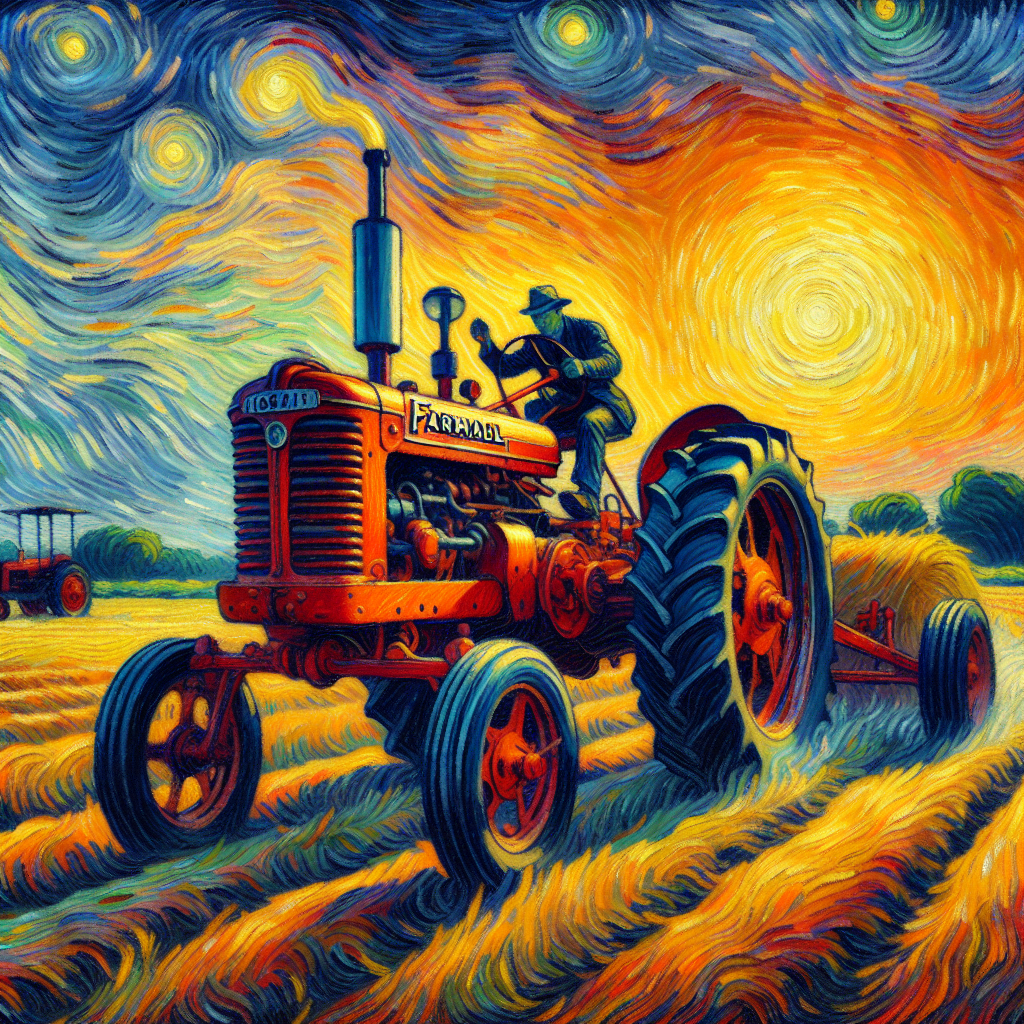
Dealer Wait Times Vs. Classic Tractor Self-Reliance
Dealer Wait Times Vs. Classic Tractor Self-Reliance
- The balance between relying on dealers and self-sufficiency in agriculture represents a lifestyle choice.
- Repairing machinery fosters empowerment and a sense of accomplishment for farmers.
- Dealer wait times symbolize a deeper issue of delegating confidence and skills.
- Experiencing self-reliance can transform necessity into passion and community support.
- Understanding tractors involves more than operation; it requires knowledge and personal connection.
- Self-reliance cultivates a narrative of resilience and resourcefulness among farmers.
- Embracing independence leads to camaraderie and a culture of trust in agricultural communities.
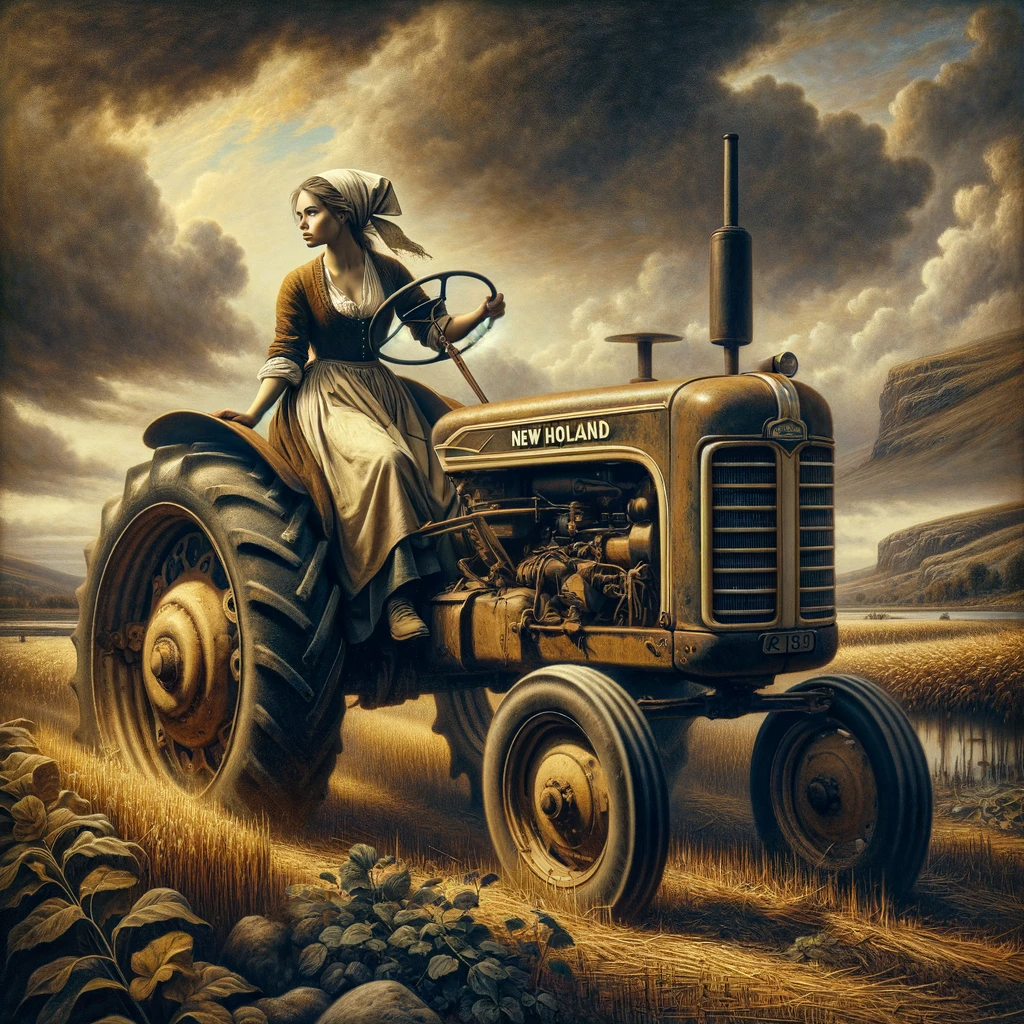
Dealer Wait Times Vs. Classic Tractor Self-Reliance
Table Of Contents
- Dealer Wait Times Vs. Classic Tractor Self-Reliance
- What Are the Emotional Impacts Of Long Dealer Wait Times?
- How Does Self-Reliance Empower Us In Tough Situations?
- How Can Stories Of Self-Reliance Inspire Others to Make Changes?
- What Ethical Considerations Arise When Choosing Dealer Services?
- How Do Community Connections Influence Our Reliance on Dealers?
- What Strategies Increase Efficiency In Tractor Maintenance and Repair?
- Conclusion
- Other Resources
- Glossary Of Terms
- Other Questions
- Haiku
- Poem
- Checklist
What Are the Emotional Impacts Of Long Dealer Wait Times?
Long dealer wait times can transform the simple act of purchasing a car into a labyrinth of frustration and anxiety. Imagine standing in a cold dealership, gazing at a brand-new tractor, a machine that symbolizes hard work and the promise of better days. Yet, as minutes turn to hours, that initial excitement fades, giving way to an overwhelming sense of impatience. For many, waiting is not just an inconvenience—it becomes a test of endurance.
The emotional toll of prolonged waits can be profound. When someone decides to invest in a vehicle, they’re not merely making a financial transaction; they’re embarking on a new chapter. Each delay chips away at the anticipation, replacing it with uncertainty. Rationally, we understand that factors like supply chain issues and service schedules can extend waits, but emotionally, that reasoning often doesn’t offer solace. Instead, it can cause worry about whether the purchase was the right decision, or if the dream of owning that tractor is slipping away.
Moreover, there’s an ethical dimension to long wait times that can’t be overlooked. Customers deserve respect and transparency. When a dealership fails to communicate updates or reasons for delays, trust frays. This lack of transparency not only frustrates buyers; it can ignite a firestorm of negative feelings, forcing them to question the integrity of the brand. In a world fueled by social media, one negative experience can ripple out, influencing potential buyers well beyond the confines of the dealership.
Picture this: a local farmer, eager to replace an aging tractor, walks into a dealership. He envisions new possibilities—a more efficient workload, less downtime, and a chance to expand his business. As he waits, the excitement of potential growth is overshadowed by anxiety. In that moment, he may ponder the weight of his decision, wondering if he could have gotten a better deal or if he should consider alternatives. Each minute spent in limbo doesn’t just make him restless; it complicates his relationship with the brand he believed would support his growth.
Understanding these emotional impacts invites dealerships to foster deeper connections with their customers. Personal touches—like regular updates or heartfelt conversations—can transform a negative experience into an opportunity to build loyalty and trust. The heart of the transaction lies not merely in the machine itself but in the stories we weave around it. Engaging your customers, acknowledging their struggles during long waits, and finding ways to support them emotionally can turn a lengthy process into a shared journey, reinforcing bonds that drive repeat business and positive word-of-mouth.
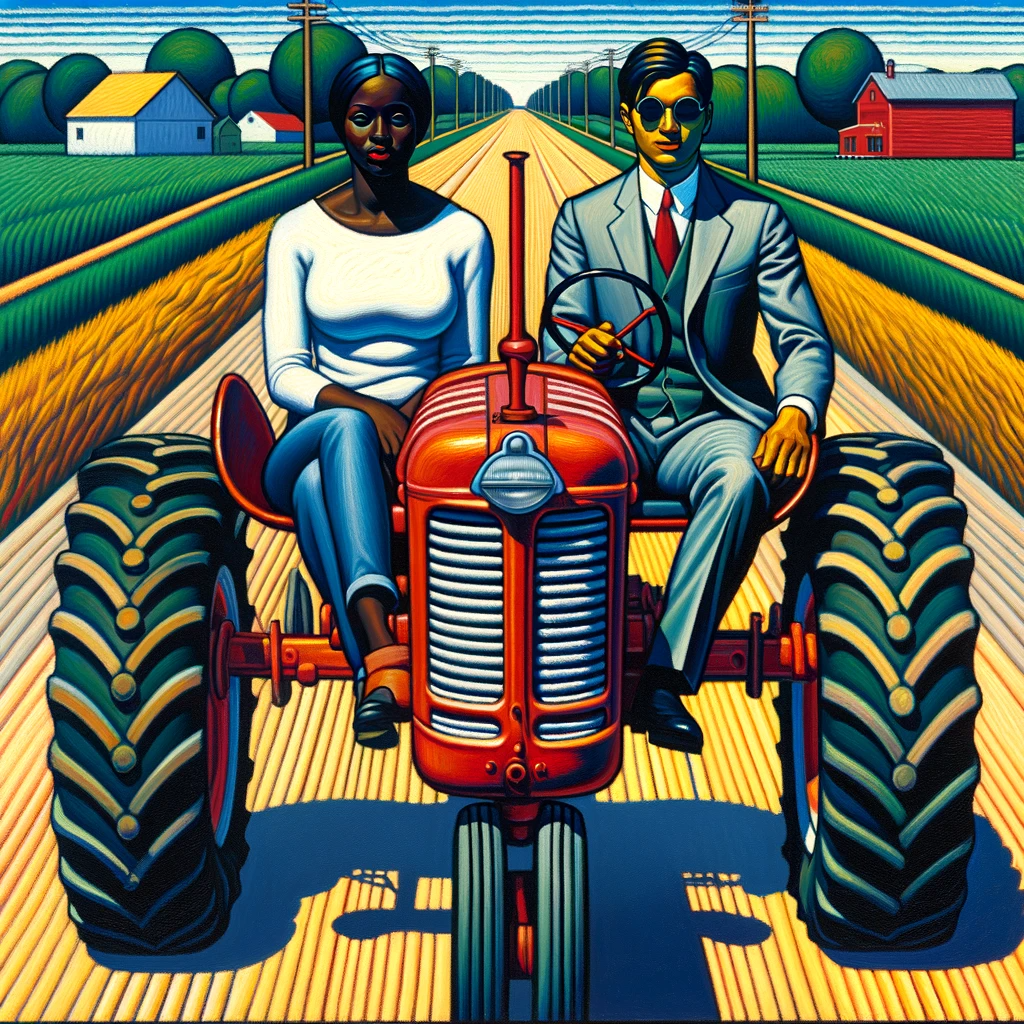
What Are the Emotional Impacts Of Long Dealer Wait Times?
What Are the Emotional Impacts Of Long Dealer Wait Times?
- Long dealer wait times create frustration and anxiety for customers.
- Prolonged waits can diminish the excitement of purchasing a vehicle, replacing it with impatience.
- Emotional factors complicate the decision-making process, leading to concerns about the purchase.
- Lack of communication from dealerships can erode trust and impact customer perception.
- A negative experience can influence potential buyers through social media.
- Dealerships can enhance customer relationships by providing updates and emotional support during waits.
- Building loyalty involves recognizing customer struggles and transforming negative experiences into positive connections.
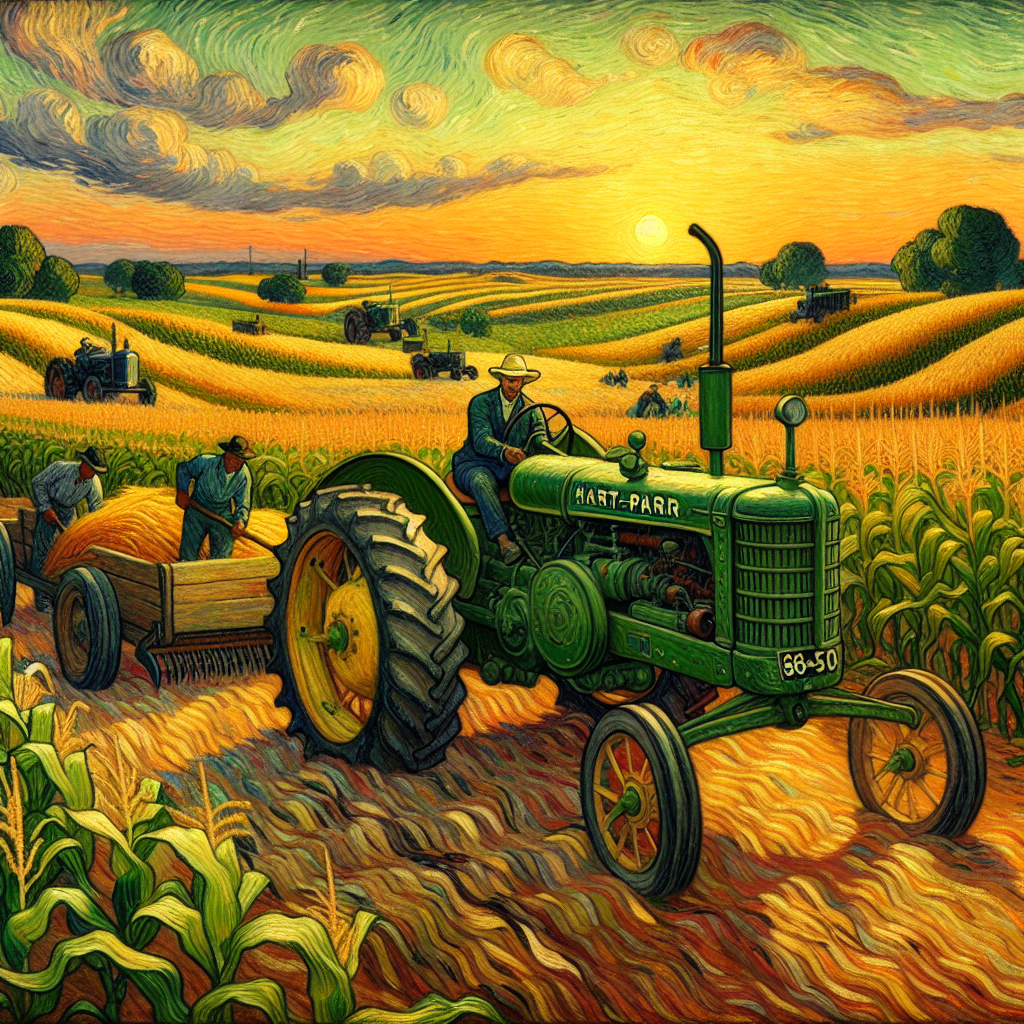
What Are the Emotional Impacts Of Long Dealer Wait Times?
How Does Self-Reliance Empower Us In Tough Situations?
Self-reliance is akin to the grit of a tractor steadfastly plowing through tough terrain. It’s not just about standing on your own two feet; it’s about cultivating a mindset that thrives amid adversity. Consider the farmer who, when a storm sweeps through, may lose everything but chooses to rebuild from scratch. That choice—to pick up the pieces and keep going—echoes the resilience that self-reliance fosters.
In moments of crisis, this empowered mindset becomes our guiding compass. Think about the last time you faced a challenge, whether big or small. The heart races, the mind runs a marathon trying to find a solution, and that innate sense of resolve kicks in. It’s the heart, beating louder with every obstacle, reminding us that we have the power to shape our destiny. Facing those tough moments isn’t just empowerment; it’s a declaration that we will not be defined by our circumstances.
Rationally, self-reliance sharpens our critical thinking. It forces us to assess our resources—mental, emotional, and physical. When a wrench is thrown into our plans, we become problem solvers. We adapt and innovate. Like the farmer who learns to mend his tractor instead of waiting for someone else to fix it, we too discover that we possess the tools necessary to tackle life’s challenges. It’s not always easy; it often requires discomfort, pushing our limits, and stepping into the unknown. Yet, in that vulnerability lies strength.
Ethically, instilling self-reliance fosters a community of empowerment. When we lift ourselves, we inadvertently become a beacon for others. Our stories of perseverance connect us to the collective human experience, illustrating that while we may face unique battles, our struggles resonate on a universal level. They inspire those around us to find their own strength—creating a powerful ripple effect.
Echoing through every narrative of resilience is the core truth: self-reliance doesn’t lead us away from community; it brings us closer together. By being responsible for our paths, we allow others the space to do the same. We cultivate a culture rooted in mutual respect and encouragement, where each person’s victory is celebrated.
In essence, self-reliance teaches us that tough situations are not just hurdles; they hold the potential for growth. So, the next time life throws you into the deep end, remember the farmer and his tractor. Lean into that self-reliance, and you might just uncover a reservoir of strength that you never knew existed.
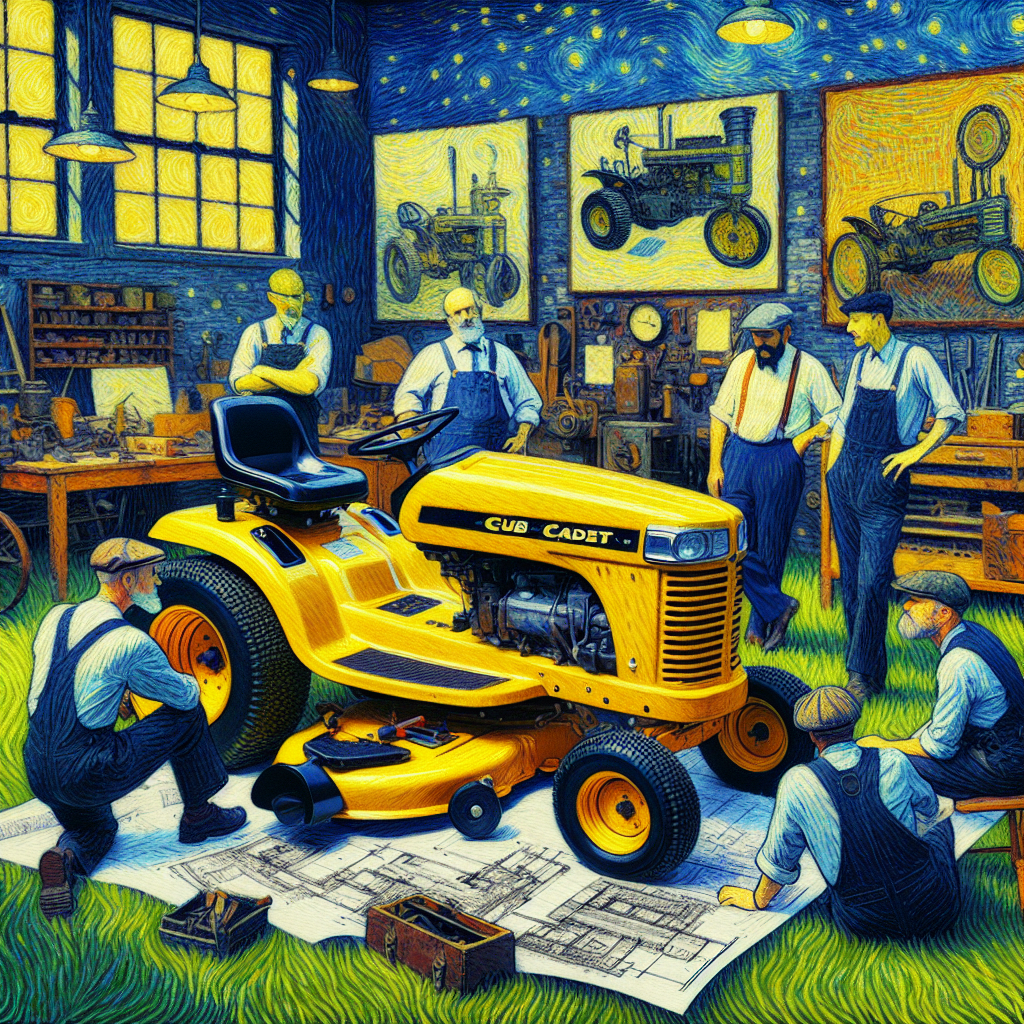
How Does Self-Reliance Empower Us In Tough Situations?
How Does Self-Reliance Empower Us In Tough Situations?
- Self-reliance embodies resilience, much like a tractor navigating challenging terrain.
- It involves a mindset that thrives on adversity, as exemplified by a farmer’s choice to rebuild after a storm.
- This empowered mindset acts as a guiding compass during crises, enhancing critical thinking and problem-solving.
- Facing challenges fosters adaptability, requiring us to leverage our mental, emotional, and physical resources.
- Self-reliance cultivates a sense of community and empowers others through shared stories of perseverance.
- It promotes a culture of mutual respect, where individual victories contribute to collective strength.
- Ultimately, self-reliance reveals that challenges are opportunities for personal growth.
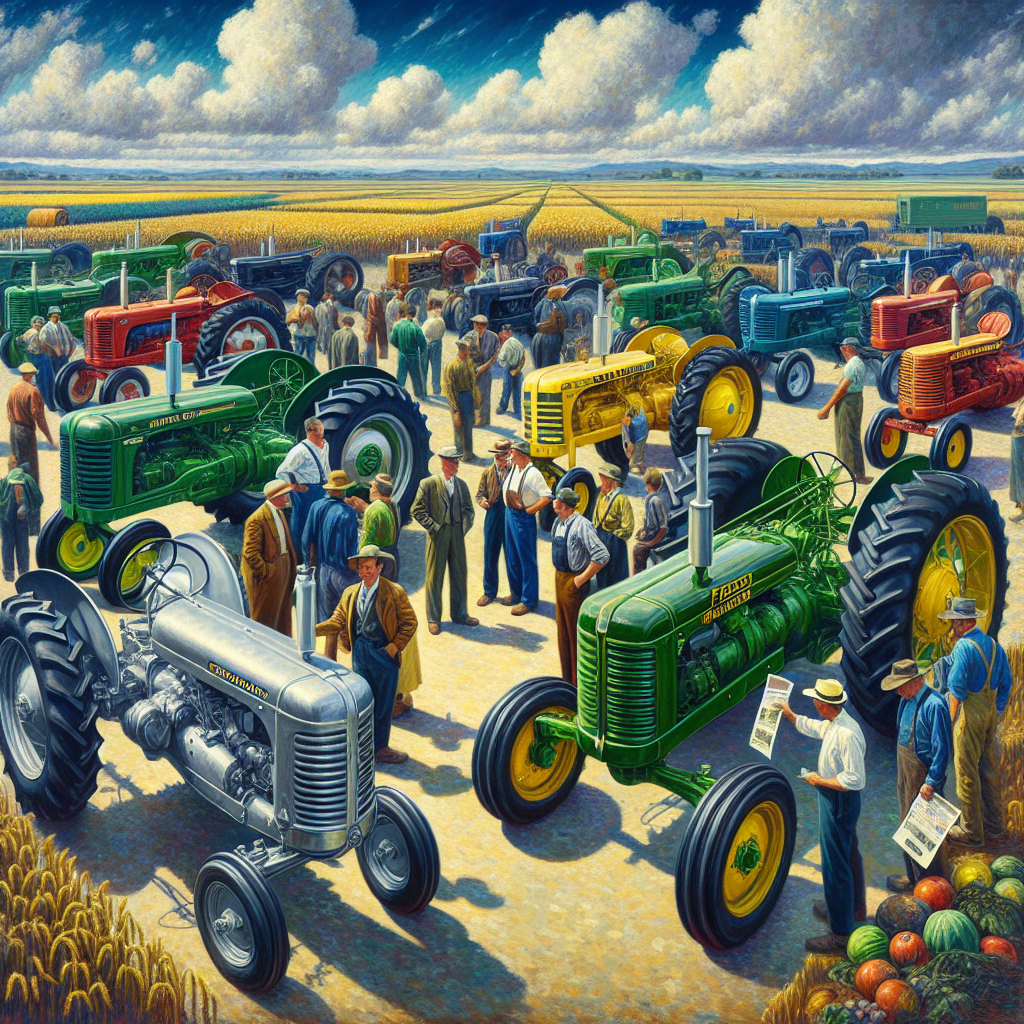
How Does Self-Reliance Empower Us In Tough Situations?
How Can Stories Of Self-Reliance Inspire Others to Make Changes?
When we think about self-reliance, our minds often drift to the image of a rugged individual, perhaps on a tractor, tilling the land and creating something from nothing. This isn’t just a story of survival; it’s a narrative that resonates deeply within us. The truth is, self-reliance isn’t merely about independence; it’s about courage, resilience, and the willingness to embrace one’s own power.
Consider the tale of a single mother who, despite her struggles, decides to start a small vegetable garden in her backyard. At first, she’s unsure. The soil isn’t the richest, the weeds threaten to overtake her efforts, and time is scarce. Yet, as the days turn into weeks, she begins to see the fruits of her labor. With each harvest, she not only feeds her family but also discovers an inner strength she didn’t know she possessed. Her journey of self-sufficiency ripples outwards, inspiring her neighbors and friends to cultivate their own patches of earth.
This story echoes a fundamental truth: action breeds inspiration. When we witness one person taking charge, it ignites something in us. Our heads understand that change requires effort and grit, but it’s our hearts that resonate with the struggles and triumphs of others. The narrative of this mother isn’t just her own; it’s a reflection of the struggles faced by many, making her story relatable. We see our own challenges mirrored in her success and, in turn, feel compelled to act.
Ethically, we recognize that self-reliance isn’t just an individual pursuit; it’s a communal responsibility. As one person’s journey uplifts others, the collective strengthens. In this light, the simple act of planting a seed can symbolize hope and action, showing that every small step contributes to a greater change.
Moreover, there’s an authority in personal experience. Experts can preach about self-reliance, but nothing speaks louder than the story of someone who overcame adversity through sheer determination. This narrative isn’t just inspirational; it’s a call to arms for those who feel trapped in their circumstances. Trust is built through visibility and authenticity, and when we share our stories, we forge connections that motivate others to break free from the chains of complacency.
Ultimately, self-reliance isn’t a solo endeavor; it’s a catalyst for a larger movement. When people witness someone tapping into their potential and transforming their life, it encourages others to pursue their own journey, whether on a tractor or through any path they choose. So, let those stories circulate and take root, for it’s through their genuine narrative that we all can cultivate change.
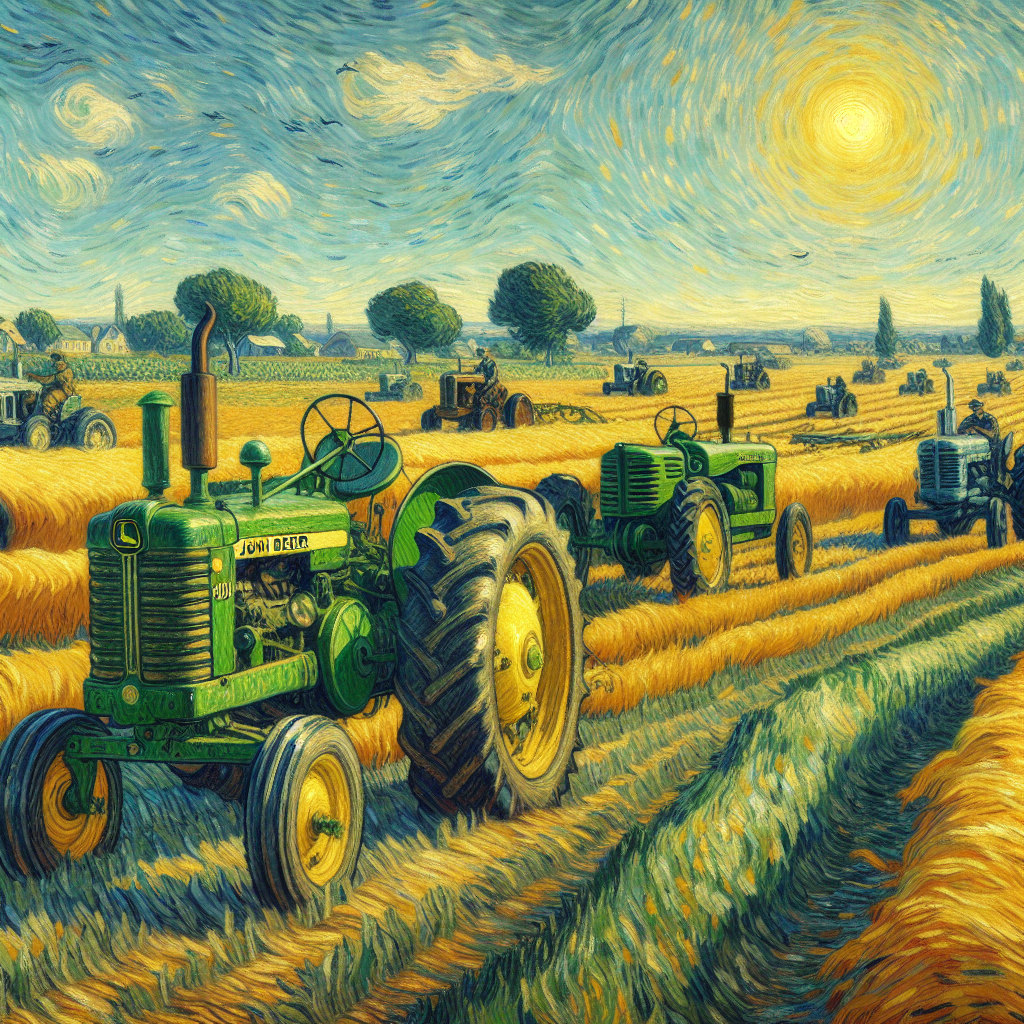
How Can Stories Of Self-Reliance Inspire Others to Make Changes?
How Can Stories Of Self-Reliance Inspire Others to Make Changes?
- Self-reliance embodies courage, resilience, and personal empowerment, beyond mere independence.
- A single mother transforms her struggles into strength by starting a vegetable garden, inspiring those around her.
- The narrative emphasizes that action breeds inspiration, motivating others to pursue their journeys.
- Self-reliance is depicted as a communal responsibility, where individual progress strengthens the collective.
- The act of planting a seed symbolizes hope and highlights the importance of small contributions to greater change.
- Personal experiences resonate more deeply than expert advice, fostering connections that encourage action.
- Self-reliance serves as a catalyst for a larger movement, inspiring individuals to tap into their potential and create change.
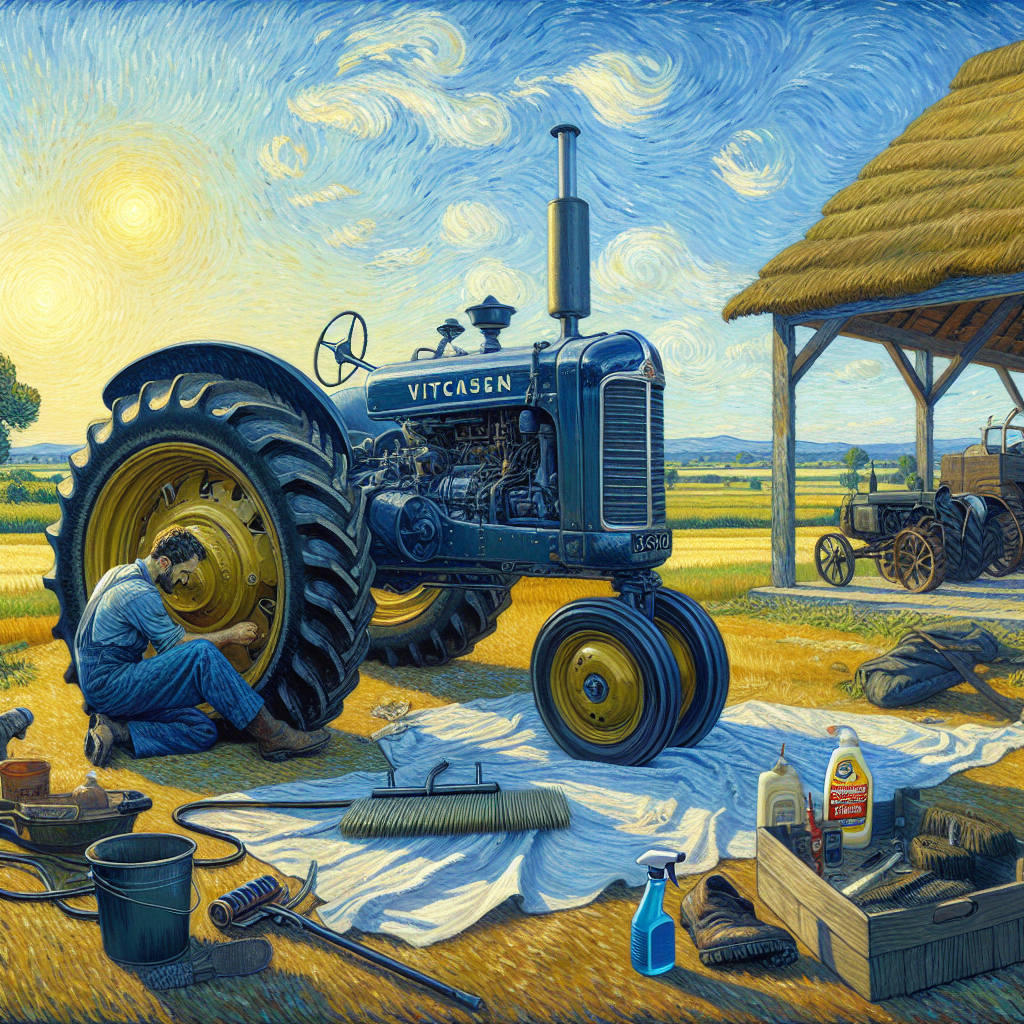
How Can Stories Of Self-Reliance Inspire Others to Make Changes?
What Ethical Considerations Arise When Choosing Dealer Services?
When we talk about choosing dealer services, especially for something like a tractor that can transform hard work into fruitful harvests, it goes beyond just price tags and shiny brochures. It strikes at the heart of a relationship—one that’s built on trust, reliability, and shared values. Every decision is a mark of our character, reflecting how much we honor our commitments to those we depend on, much like a farmer relies on his tractor to cultivate the land.
Picture this: you’re on your farm, the sun rising over the horizon, casting a golden hue on your fields. Your tractor isn’t just a machine; it’s a lifeline—one that can make or break your season. In a world saturated with choices, how do we choose a dealer who places ethics at the forefront? It starts by recognizing that these aren’t just transactions; they’re partnerships steeped in accountability.
Consider the stories of those who’ve made lasting connections with their dealers. There’s Bob, for instance, a farmer who, after years of choosing the lowest bid for tractor services, found himself grappling with unreliable repairs and poor customer service. After a particularly frustrating harvest season, he switched to a dealer who prioritized transparency and ethical sourcing of parts. The difference was palpable. Not only did Bob gain a dependable service, but he also found a community of shared values—a dealer who understood that when crops are on the line, integrity matters.
This is about more than just service; it’s about aligning with dealers who prioritize ethical practices. Just like choosing a good tractor, finding the right dealer means looking for quality, reliability, and a commitment to doing the right thing. Ask yourself: are they transparent about their services? Do they prioritize customer education and support? An ethical dealer doesn’t just fix problems; they help you understand them, turning a simple repair into a learning experience.
Moreover, when we engage with dealer services that uphold ethical standards, we create a ripple effect. We’re not just improving our own business; we’re fostering a culture of fairness that extends throughout the community. Supporting ethical dealerships means investing in a future where reliable service and moral principles go hand in hand—a future where our hard work isn’t just for profit, but also for a sustainable, principled way of life.
Choosing dealer services wisely nurtures connections grounded in trust and respect, reflecting who we are as people and professionals. It’s not just about the tractor; it’s about the legacy of integrity we choose to build in all that we do.
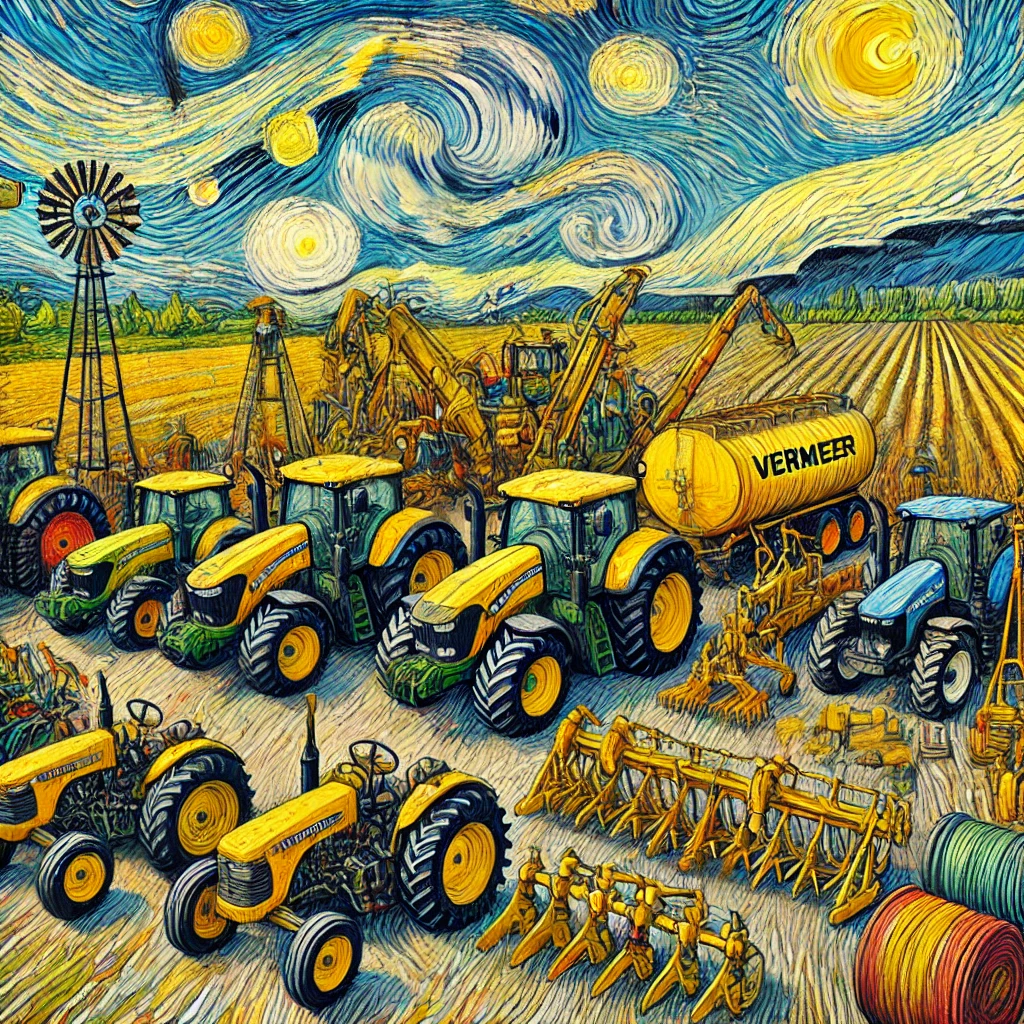
What Ethical Considerations Arise When Choosing Dealer Services?
What Ethical Considerations Arise When Choosing Dealer Services?
- Choosing dealer services involves trust, reliability, and shared values rather than just price.
- Decisions reflect character and commitments similar to a farmer’s reliance on their tractor.
- Forming partnerships with ethical dealers is essential for accountability in service.
- Real-life examples show the benefits of choosing dealers who prioritize transparency and ethics.
- Ethical dealers focus on quality, customer education, and support, turning repairs into learning opportunities.
- Supporting ethical dealerships cultivates a culture of fairness and sustainable practices in the community.
- Choosing wisely fosters connections based on trust and respect, building a legacy of integrity.
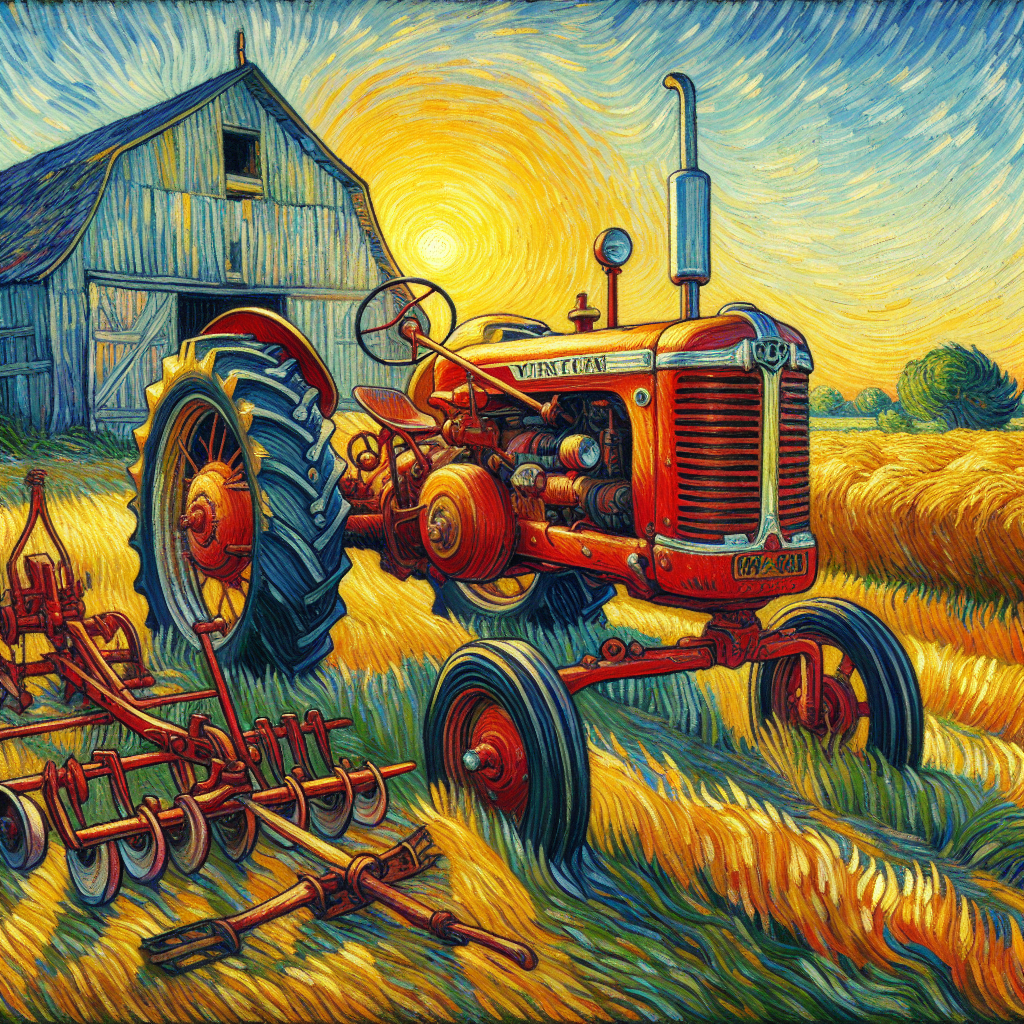
What Ethical Considerations Arise When Choosing Dealer Services?
How Do Community Connections Influence Our Reliance on Dealers?
Community connections shape our lives in profound ways, often influencing our reliance on local dealers. Picture the heart of farming life, where the hum of a tractor fills the air, symbolizing more than just machinery—it represents tradition, resilience, and a shared purpose. In small towns, the local dealer isn’t just a business; they are a cornerstone of the community, a trusted advisor, and often a friend.
Imagine walking into a dealership where everyone knows your name, and your concerns are met with genuine empathy. This isn’t just about purchasing a tractor; it’s about investing in a relationship. When the farmer, who’s dreaming of the perfect equipment to plow his fields, interacts with the dealer, there’s a bond built on shared stories of hard work and commitment to the land. This relational aspect can be the deciding factor in choosing one dealer over another, as trust is earned not through brands, but through the human connection.
Cognitive biases push us toward local dealers because we want to support those who support us. It’s about community economics—when you buy from your neighbor, you create a ripple effect. That money stays within the community, fostering local growth and resilience. This isn’t merely a transaction; it’s a collective investment in a sustainable future. Think about how many livelihoods depend on that simple choice, where each tractor sold connects to dinner tables, schools, and local charities.
Moreover, the narratives that emerge from these connections are powerful. Each farmer has a story tied to their equipment—be it the first tractor their father bought or the upgrades that were pivotal during the harvest season. Those stories don’t just foster sentiment; they create a culture of loyalty. It’s this narrative thread that binds us together, encouraging us to choose a dealer who understands our struggles and celebrates our triumphs.
Ethically, it feels right to support the dealer who contributes to the community. They sponsor little league teams and donate to food banks, making them not just a dealer, but a vital part of the social fabric. Trust isn’t built on contracts; it’s built on connections forged through shared values. In our pursuit of the best equipment, let’s not forget the importance of the relationships that guide us, ensuring that buying a tractor isn’t just a purchase, but a commitment to a thriving community.

How Do Community Connections Influence Our Reliance on Dealers?
How Do Community Connections Influence Our Reliance on Dealers?
- Community connections significantly influence reliance on local dealers.
- Local dealers symbolize tradition, resilience, and a shared purpose in farming communities.
- Buying from a local dealer fosters relationships built on trust and shared experiences.
- Purchasing decisions are influenced by cognitive biases toward supporting local business.
- Buying locally has a positive economic ripple effect, bolstering community growth and sustainability.
- Each farmer’s narrative enhances loyalty to a dealer who understands their journey and challenges.
- Supporting local dealers contributes to community welfare through sponsorships and charitable donations.
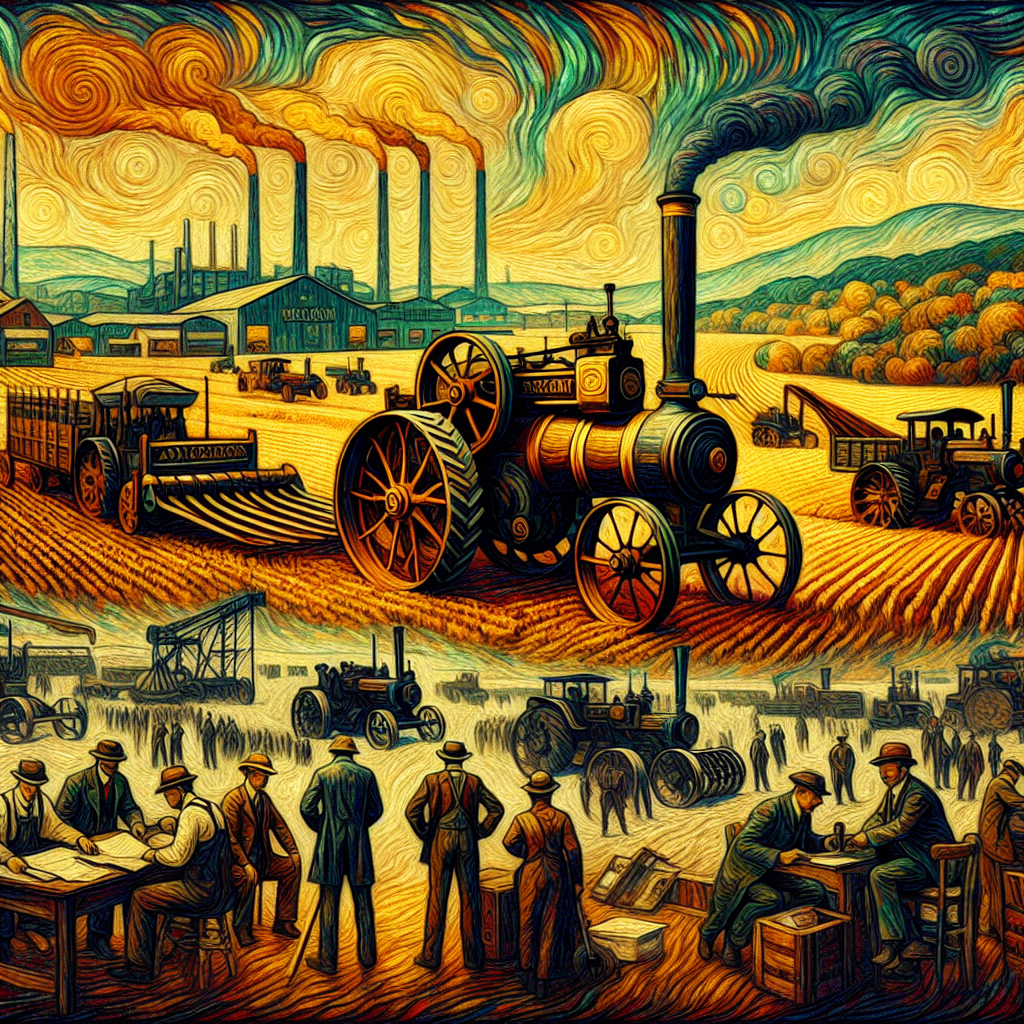
How Do Community Connections Influence Our Reliance on Dealers?
What Strategies Increase Efficiency In Tractor Maintenance and Repair?
Tractors are more than just machines; they symbolize hard work, perseverance, and the backbone of agriculture. Maintaining them isn’t just about keeping the engine running—it’s about honoring a commitment to the land, the crops, and the people who depend on them. So, how do we increase efficiency in tractor maintenance and repair?
First, consider the story of a local farmer, Mark. Every spring, Mark goes through his ritual of prepping his trusty tractor. He learned early on that an ounce of prevention beats a pound of repair. Instead of waiting for something to break, Mark dedicates a couple of hours each month to conduct routine inspections. This habit not only keeps his tractor in peak condition but also allows him to catch small issues before they become costly repairs. It’s like that old adage—nipping problems in the bud is not just wise; it’s essential.
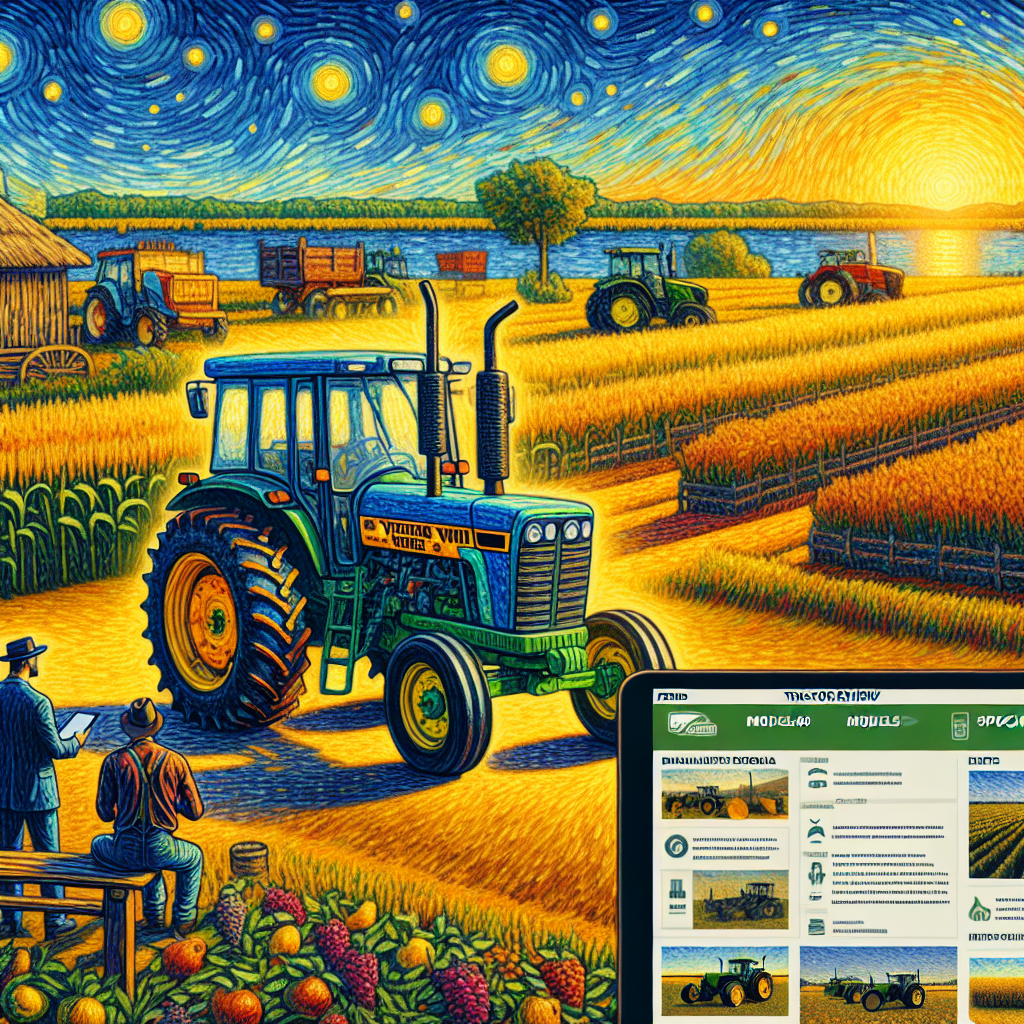
Next, leverage technology. Mobile apps and diagnostic tools have revolutionized how we maintain machinery. These tools can give real-time insights into performance metrics, helping identify potential issues before they escalate. For the modern farmer, this is not just a trend; it’s a necessity in our fast-paced world. Utilizing these innovations can save time, money, and heartache—transforming maintenance from a dreaded chore into a manageable task.
Building a community around tractor maintenance is another crucial strategy. Sharing knowledge and experiences with fellow farmers fosters a culture of learning. It’s about more than just swapping tips; it’s about creating a support network that enhances everyone’s knowledge base. Think of it as a farmer’s roundtable, where each story shared is another piece of wisdom added to the collective. This not only builds trust among peers but reinforces the ethical responsibility we have to support one another in what can often be a solitary profession.
Lastly, embrace the narrative of service. Every time you work on your tractor, remember that you’re preserving more than machinery; you’re preserving livelihoods. Your effort connects you to the land and the community, creating a ripple effect of reliability. By viewing maintenance as an act of stewardship rather than just upkeep, you engender a sense of pride in your work.
Enhancing efficiency in tractor maintenance and repair is not simply about the nuts and bolts; it’s about nurturing relationships, sharing knowledge, and fostering pride in both the machinery and the hard work it symbolizes. This is how we honor the legacy of farming and ensure that every season yields success.
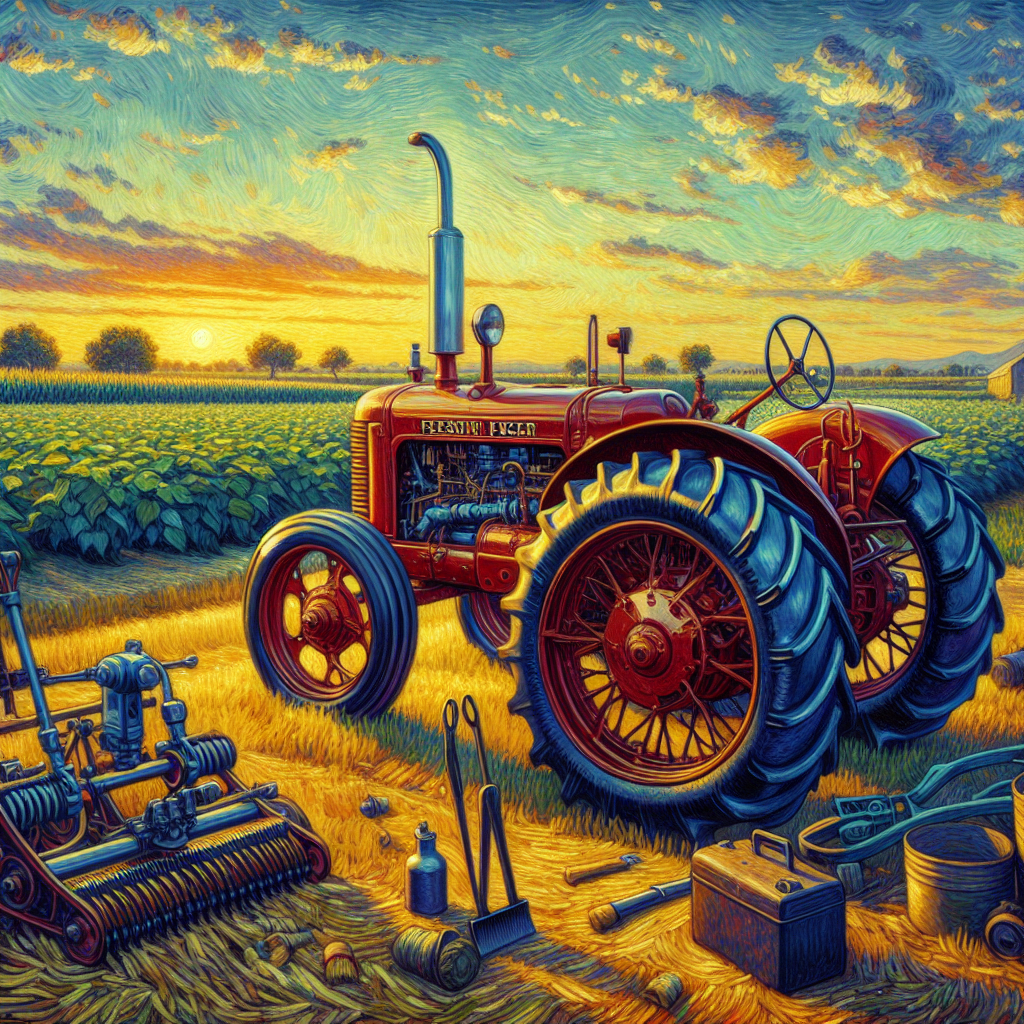
What Strategies Increase Efficiency In Tractor Maintenance and Repair?
What Strategies Increase Efficiency In Tractor Maintenance and Repair?
- Tractors symbolize hard work, perseverance, and are essential to agriculture.
- Routine inspections prevent costly repairs and maintain peak tractor condition.
- Utilizing mobile apps and diagnostic tools enhances maintenance efficiency.
- Technology provides real-time insights into performance metrics and potential issues.
- Building a community among farmers fosters knowledge sharing and support.
- Maintenance is viewed as an act of stewardship, preserving livelihoods and connecting to the land.
- Efficiency in maintenance nurtures relationships, knowledge, and pride in farming legacy.
What Strategies Increase Efficiency In Tractor Maintenance and Repair?
Conclusion
In the landscape of agriculture, the choice between dealer reliance and self-sufficiency with tractors speaks volumes about our way of life. Farmers know that the joy of repairing their own machinery is more than a skill; it’s an embodiment of resilience, a reflection of their dedication to their craft. Standing beside that trusty tractor, grease-stained hands symbolize empowerment through action, and that proud smile comes from solving problems rather than waiting for a dealer’s help.
Dealer wait times, commonly underestimated as mere inconveniences, are indicative of a deeper dilemma—we risk outsourcing our confidence when we become too reliant on dealers. There’s a powerful transformation that occurs when a farmer takes matters into their own hands. One farmer’s journey from waiting for parts to becoming a mechanical problem-solver demonstrates how self-reliance fosters community bonds. These stories reveal how mechanical challenges become opportunities to connect with others, creating an intricate web of shared knowledge and support.
Self-reliance isn’t just a feel-good notion; it’s a vital compass in tough situations. It’s the heart that urges us forward when faced with adversity, teaching us that we are capable of more than we often believe. When farmers embrace this mindset, they not only adapt to challenges but inspire others to find their strength too.
Stories of courage and tenacity spark change. The single mother with a small garden illustrates how action can foster inspiration in others, shifting perspectives and fostering a sense of communal responsibility. These narratives resonate deeply, proving that personal victory can catalyze collective growth.
Ethics also play a critical role in choosing dealer services. Each decision reflects our values, influencing how we engage with those who service our machinery. By supporting dealers that prioritize transparency and uphold strong ethical standards, we not only ensure reliable service but also strengthen our community’s fabric. Dealer relationships become a testament to integrity, reflecting commitment to our own values and to those who rely on our work.
Community connections deeply influence our interaction with dealers. Local relationships build trust, turning transactions into partnerships steeped in shared values. Choosing to support local businesses cultivates a sense of belonging and mutual success.
Ultimately, elevating efficiency in tractor maintenance isn’t just about fixing machines; it’s about fostering relationships, sharing knowledge, and committing to our agricultural legacy. By embracing both self-reliance and community, we not only nurture our craft but also pave the way for future generations. Each repair becomes a story, a testament to resilience, and a commitment to the land we cherish. So next time you face a dealer wait, take a moment to pick up your tools. You may discover the profound strength that lies within you, ready to propel you forward into the future of farming.
Conclusion
Conclusion:
- The choice between dealer reliance and self-sufficiency reflects farmers’ resilience and dedication.
- Repairing machinery fosters empowerment and self-confidence among farmers.
- Outsourcing confidence through dealer reliance poses risks, as demonstrated by a farmer’s transition to self-reliance.
- Self-reliance builds community bonds and encourages collaboration among farmers.
- Personal victories in farming inspire collective growth and instill a sense of responsibility.
- Ethical choices in dealer services strengthen community ties and reflect individual values.
- Improving tractor maintenance is about relationships and knowledge sharing, nurturing agricultural legacy for future generations.
Conclusion
Other Resources
Other Resources
Here is a list of other resources you can review online to learn more:
- Haas
- Muller
- NM Farm & Ranch Heritage Museum
- Huber
- Racine County Fair Antique Tractors
- International Harvestor
- Sky Valley Stock and Antique Tractor Club
- South Dakota Tractor Museum
- Central Washington Agricultural Museum
- Sheppard Diesel
- First State Antique Tractor Club
- Oklahoma City Farm Show
- Nuffield
- Fendt
- Froelich Tractor Museum
- Lanz
- Woods Equipment
- Deutz-Fahr
- NH Farm Museum
Use This Prompt To Get More Resources With Your Favorite Online AI Tool: Please provide me with a list of online articles with their URLs in a bulleted list that I can read regarding Dealer Wait Times Vs. Classic Tractor Self-Reliance
Other Resources
Glossary Terms
Dealer Wait Times Vs. Classic Tractor Self-Reliance – Glossary Of Terms
1. Dealer wait time — Interval between placing an order or booking service with an authorized dealer and receiving parts or completed repairs.
2. Lead time — Total time from order placement to delivery, including processing, shipping, and handling.
3. Backorder — Status when a requested part is unavailable and will be supplied later.
4. Parts availability — Degree to which required components are in stock at dealers or suppliers.
5. OEM (Original Equipment Manufacturer) — Manufacturer of the tractor or its original parts, often prioritized by dealers.
6. Aftermarket parts — Replacement components made by third parties, typically more available or less expensive than OEM.
7. Remanufactured part — Used part restored to like-new condition, often stocked as cost-effective alternatives.
8. Interchangeability — Ability of one part to substitute for another across models or years without modification.
9. Cross-reference — Mapping between OEM part numbers and compatible aftermarket or remanufactured alternatives.
10. Parts inventory — Quantity and variety of components kept on hand by dealers or farmers.
11. Stocking level — Target inventory quantity set to meet expected demand and minimize downtime.
12. Safety stock — Extra inventory held to absorb delays, spikes in demand, or supplier issues.
13. Just-in-time (JIT) inventory — Strategy minimizing on-hand parts by receiving components as needed.
14. Supply chain disruption — Any event (manufacturing, transport, political, weather) that delays parts or service.
15. Logistics — Movement and coordination of parts from manufacturer to dealer or farm.
16. Shipping delay — Post-order hold-up due to carrier, customs, or routing problems.
17. Depot repair — Centralized repair facility used by dealers for major overhauls or warranty work.
18. Mobile technician — Service professional dispatched to the farm to perform diagnostics and repairs on site.
19. Field repair — On-farm servicing that avoids moving the tractor to a dealer or depot.
20. DIY (Do-It-Yourself) — Owner-performed maintenance or repairs using personal skills and tools.
21. Cannibalization — Taking parts from one machine to repair another as a fast, pragmatic fix.
22. Spare parts kit — Preassembled set of common wear parts carried to reduce downtime.
23. Preventive maintenance — Scheduled servicing to reduce failure risk and avoid emergency dealer visits.
24. Predictive maintenance — Condition-based servicing using data (telemetry, vibration, oil analysis) to preempt failures.
25. MTTR (Mean Time To Repair) — Average time required to diagnose and fix a failure.
26. MTBF (Mean Time Between Failures) — Average operational time between inherent breakdowns.
27. Warranty — Manufacturer or dealer promise to repair or replace covered parts within set terms.
28. Service contract — Paid agreement guaranteeing prioritized service, parts discounts, or fixed response times.
29. SLA (Service Level Agreement) — Defined performance metrics for dealer response, turnaround, and parts delivery.
30. Telematics — Remote data systems that report equipment health and location to speed diagnosis and parts ordering. Glossary Of Terms
Other Questions
Dealer Wait Times Vs. Classic Tractor Self-Reliance – Other Questions
If you wish to explore and discover more, consider looking for answers to these questions:
- What are typical dealer wait times for tractors in my region?
- How much money can I realistically save by doing my own tractor repairs?
- Which tractor repairs are safe and practical for a homeowner/farmer to attempt?
- Which repairs should always be left to certified technicians and why?
- What essential tools and equipment do I need to perform common maintenance and repairs?
- How do dealer wait times impact farm productivity and seasonal schedules?
- Does performing my own repairs void the manufacturer’s warranty?
- How do I source reliable parts—OEM vs. aftermarket—and how do they compare in quality and cost?
- How can I accurately diagnose common tractor problems myself?
- What mobile apps, diagnostic tools, or scanners are useful for tractor troubleshooting?
- Where can I find model-specific service manuals and wiring diagrams?
- What training programs, workshops, or certifications are available for tractor maintenance?
- How do I set up an effective preventative maintenance schedule?
- How should I document repairs and maintenance for resale value and liability protection?
- What safety procedures and personal protective equipment are required during repairs?
- How can I build or join a local community network for shared tools, tips, and emergency help?
- What are the legal and liability considerations when performing or supervising repairs?
- How do I decide when DIY is faster or more cost-effective than waiting for dealer service?
- How can I improve communication with dealers to reduce unexpected wait times?
- What are common parts shortages and acceptable substitute parts or repair workarounds?
- How do I handle emergency repairs during critical periods like harvest?
- What are best practices for storing spare parts, fluids, and tools on the farm?
- How do I assess the total cost of ownership including downtime, repairs, and dealer service fees?
- How can self-reliance affect the resale value of my tractor?
- What insurance implications exist if I perform major repairs myself?
- How do I prevent common seasonal breakdowns through proactive maintenance?
- Are there step-by-step repair guides or videos for my specific tractor model?
- How long do typical DIY repairs take compared with dealer repairs?
- What diagnostic codes or symptoms should trigger immediate dealer intervention?
- How can I safely lift and support a tractor for undercarriage or transmission work?
- How do I choose the right diagnostic equipment and replacement parts for my model year?
- What community or government grants, loans, or programs exist to support tool purchases or training?
- How do I ethically and environmentally dispose of old parts, oil, and hazardous materials?
- How can I train family members or employees to perform routine maintenance safely?
- What are the common mistakes beginners make when attempting tractor repairs and how can they be avoided?
- How can I form cooperative agreements with local dealers for faster parts access or priority service?
Other Questions
Haiku
Dealer Wait Times Vs. Classic Tractor Self-Reliance – A Haiku
Hands wrenching with pride,
Fields thrive through toil and trust—
Self-reliance blooms.
Haiku
Poem
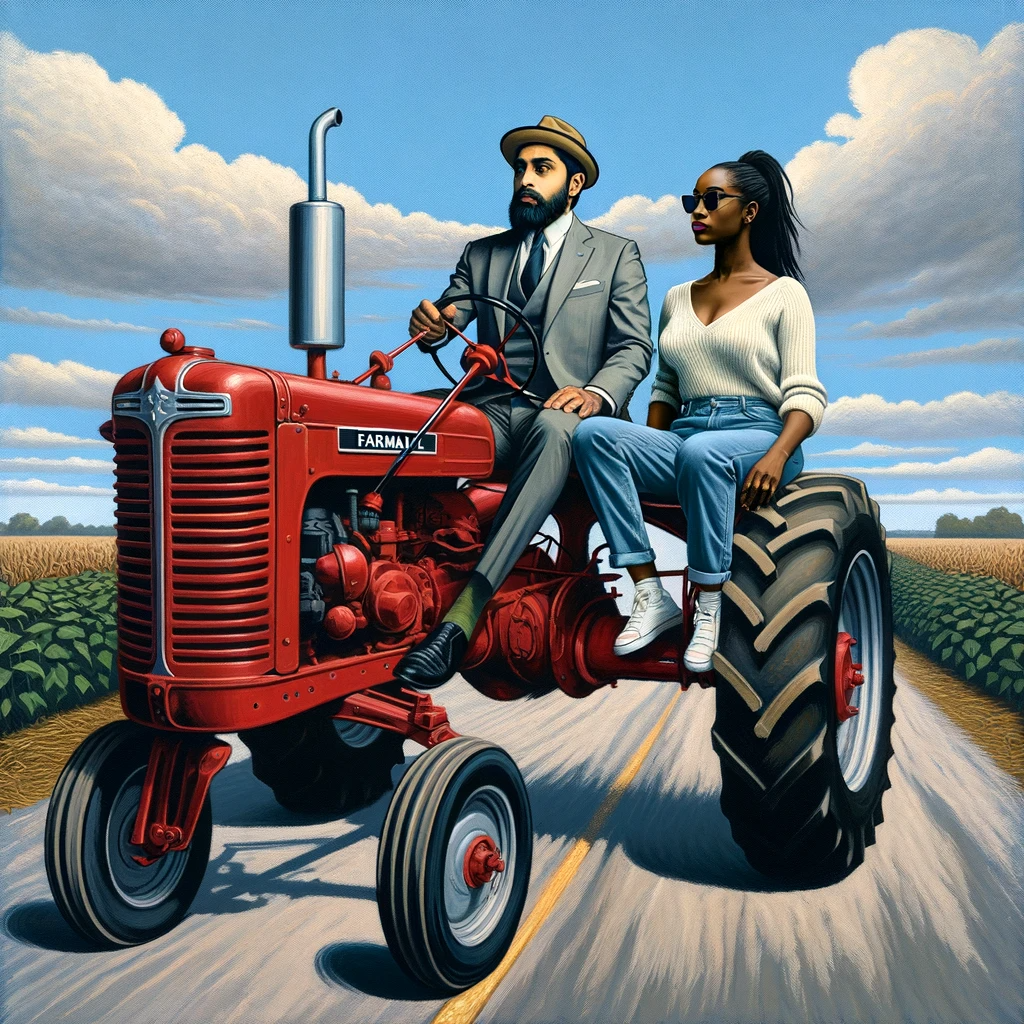
Dealer Wait Times Vs. Classic Tractor Self-Reliance – A Poem
In fields where tractors roam,
A choice emerges, far from home.
To wait for dealers, time slips away,
Or take the reins, embrace the day.
A farmer’s hands, worn and strong,
Crafting repairs where they belong.
With grease-stained pride neath the sun’s warm light,
Self-reliance blooms, a guiding light.
No longer shackled by anxious waits,
Each challenge faced, a shift that resonates.
The bond with neighbors, a community fed,
Through shared knowledge, together they tread.
Machines tell stories of sweat and toil,
Empowering hearts, enriching the soil.
With every wrench and every turn,
Resilience ignites, and passions burn.
Yet dealer delays, a stress they bring,
Fractured trust makes doubts take wing.
To choose with ethics, integrity’s call,
Builds connections that echo through all.
A single mom’s garden, a tale of hope,
Inspiring others, helping them cope.
Each act of courage, a ripple wide,
Self-reliance nurtures, community’s pride.
So, let us wield our tools, stand up tall,
Embrace each challenge, no fear of the fall.
With stories interwoven, our hearts give chase,
In the dance of self-sufficiency, we find our place.
Poem
Checklist
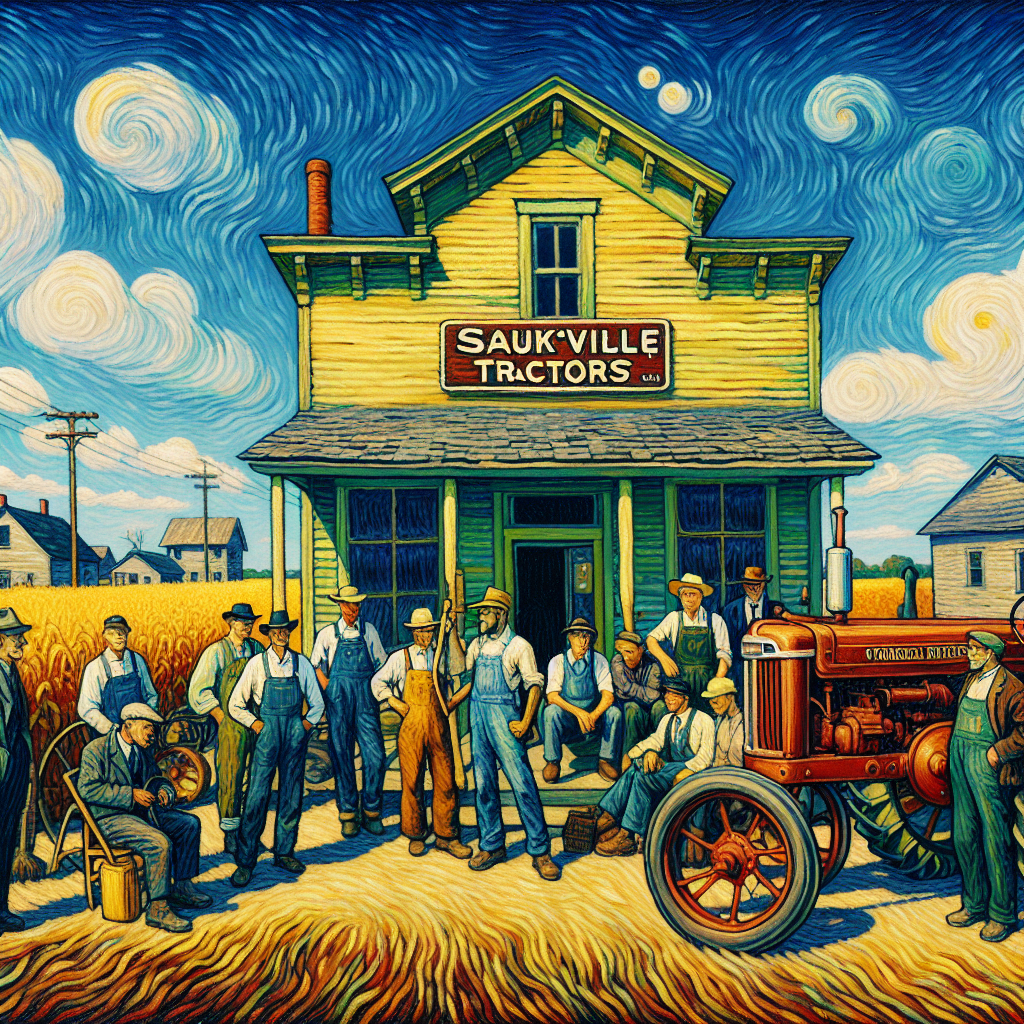
Dealer Wait Times Vs. Classic Tractor Self-Reliance – A Checklist
Emotional Connection
✅______ Reflect on personal stories of overcoming challenges with self-reliance \
✅______ Visualize the satisfaction of successfully repairing your tractor \
Rational Assessment
✅______ Analyze the costs and benefits of waiting for dealer services versus self-repair \
✅______ Evaluate the skills you can develop through hands-on maintenance \
Ethical Considerations
✅______ Choose dealers who prioritize transparency and ethical sourcing of parts \
✅______ Support local businesses that contribute to community growth \
Authority Recognition
✅______ Seek knowledge from experienced farmers and mechanics regarding self-reliance \
✅______ Trust personal experiences over generalized expert advice \
Narrative Engagement
✅______ Share your self-reliance journey with others to inspire and connect \
✅______ Collect stories from fellow farmers about their experiences with repairs \
Social Responsibility
✅______ Build a network of support among local farmers for sharing maintenance tips \
✅______ Participate in community events that promote shared knowledge and resources \
Operational Strategies
✅______ Schedule regular maintenance checks to prevent issues before they arise \
✅______ Utilize technology for efficient diagnostics and monitoring of tractor performance \
Community Bonds
✅______ Cultivate relationships with dealers and fellow farmers based on trust and shared values \
✅______ Engage in community service events to strengthen regional connections \
Mindset Shift
✅______ Embrace challenges as opportunities for growth and learning \
✅______ Foster a culture of resilience, acknowledging that adversity builds character \
Personal Commitment
✅______ Dedicate time each month to hands-on tractor maintenance and improvements \
✅______ Celebrate small victories in self-repair as steps toward greater independence
Checklist
At ClassicTractorNews, we help tractor lovers keep up with the latest news for classic and vintage tractors.
Please share this post with your friends, family, or business associates who may like old classic or vintage tractors.