

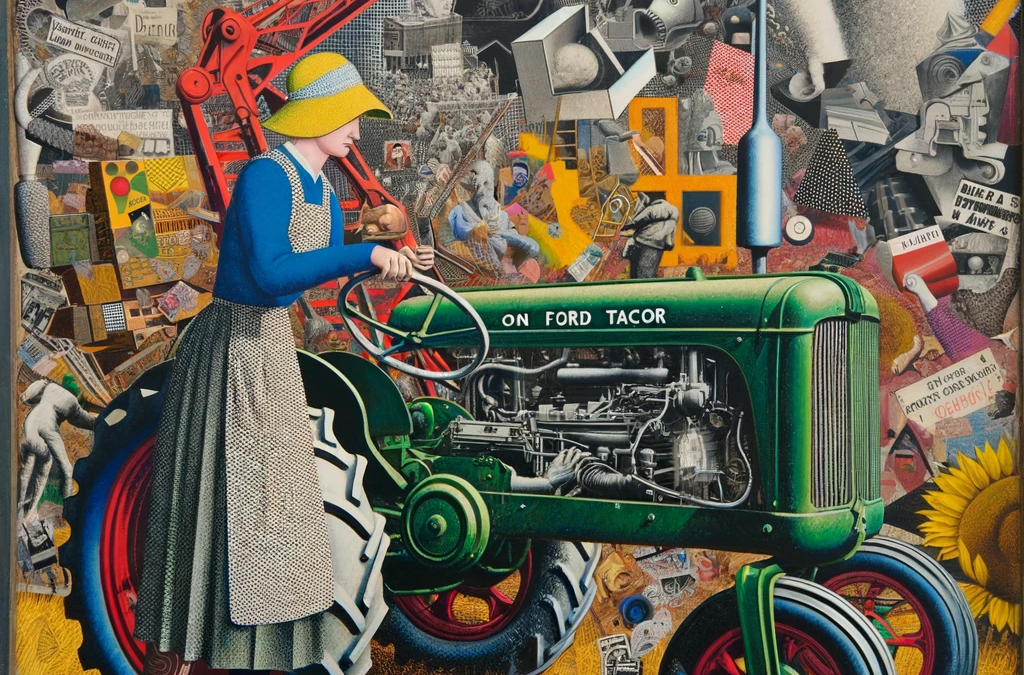
Uncover The True Price Of Tradition Vs. Innovation In Tractor Repairs
By Tom Seest
At ClassicTractorNews, we help tractor lovers keep up with the latest news for classic and vintage tractors.
Please share this post with your friends, family, or business associates who may like old classic or vintage tractors.
Classic Vs. Modern Tractors – Real Repair Cost Breakdown
Classic tractors and modern tractors represent more than just machinery; they symbolize decades of agricultural evolution, hard work, and the stories of families bound to the land. When diving into the real repair cost breakdown, we find ourselves standing not just in a workshop, but in a narrative that connects us to our roots.
Let’s take a step back and picture an old classic tractor, rusted but rugged, parked under the wide-open sky. It tells tales of early mornings and late nights, of farmers battling unpredictable weather and working tirelessly to bring forth the harvest. Repairing one of these beauties can often be more accessible, thanks to the sheer simplicity of its design. Parts are often easier to find in the corners of barns or through local communities that cherish these machines. The hands-on repairs foster a relationship, not only with the equipment but with the very soul of farming itself. There’s a certain pride that comes from bending under the hood of a classic, replacing a gasket or fixing an ignition system with nothing more than a wrench and a bit of know-how.
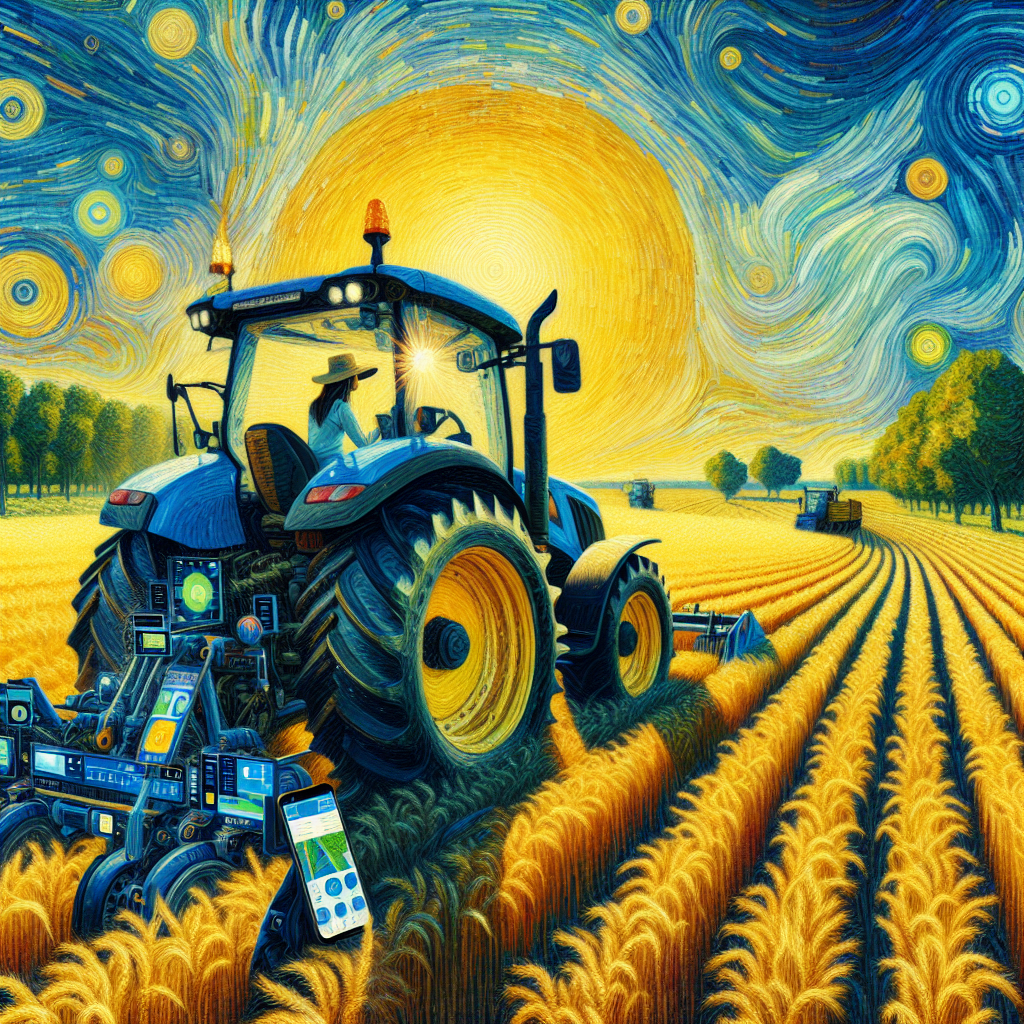
On the flip side, modern tractors come equipped with advanced technology, offering precision and efficiency. However, this sophistication can lead to a different repair landscape. Specialized knowledge is required, and repair costs can skyrocket, leaving the farmer at the mercy of service center schedules. And while the convenience of GPS and automated systems can boost productivity, they also create a dependency that can feel isolating. This leads us to ponder whether the emotional connection to the land and the work diminishes as we lean more on machines rather than our own ingenuity and hands.
Here’s a unique point worth pondering: the classic tractor offers a priceless lesson in resilience. In a world racing toward mechanization, the stories and repairs of these older machines encourage a return to basics, prompting a deeper understanding of our craft. It’s a call to honor tradition while embracing innovation.
Whether it’s the nostalgic hum of a vintage engine or the sleek power of a modern marvel, what matters most are the farmers behind the wheel. They are the true authority here, embodying hard-earned wisdom and a love for the land, bridging generations through stories of sweat, grit, and unwavering commitment. The repair costs? They represent not just dollars but the very essence of our agricultural legacy.
Classic Vs. Modern Tractors – Real Repair Cost Breakdown
Classic Vs. Modern Tractors – Real Repair Cost Breakdown
- Classic and modern tractors symbolize agricultural evolution and family legacies.
- Classic tractors are simpler in design, making repairs more accessible and fostering hands-on relationships with farming.
- Parts for classic tractors are often easier to find, promoting community engagement in repairs.
- Modern tractors have advanced technology that improves efficiency but can lead to high repair costs and dependency on specialists.
- The emotional connection to agriculture may diminish with reliance on technology versus traditional methods.
- Classic tractors serve as reminders of resilience, highlighting the importance of understanding and honoring farming traditions.
- Farmers are the true custodians of agricultural heritage, bridging generations through their commitment and story.
Classic Vs. Modern Tractors – Real Repair Cost Breakdown
Table Of Contents
- Classic Vs. Modern Tractors – Real Repair Cost Breakdown
- What Emotions Do Classic Tractors Evoke In You?
- Are Modern Tractors More Cost-Effective?
- How Does the Reliability Of Classic Tractors Compare?
- What Stories Do Classic Tractors Tell About Our Farming History?
- How Do Maintenance Costs Differ Between Classic and Modern Tractors?
- Do You Trust Manufacturers Of Modern Tractors Over Older Brands?
- Conclusion
- Other Resources
- Glossary Of Terms
- Other Questions
- Haiku
- Poem
- Checklist
What Emotions Do Classic Tractors Evoke In You?
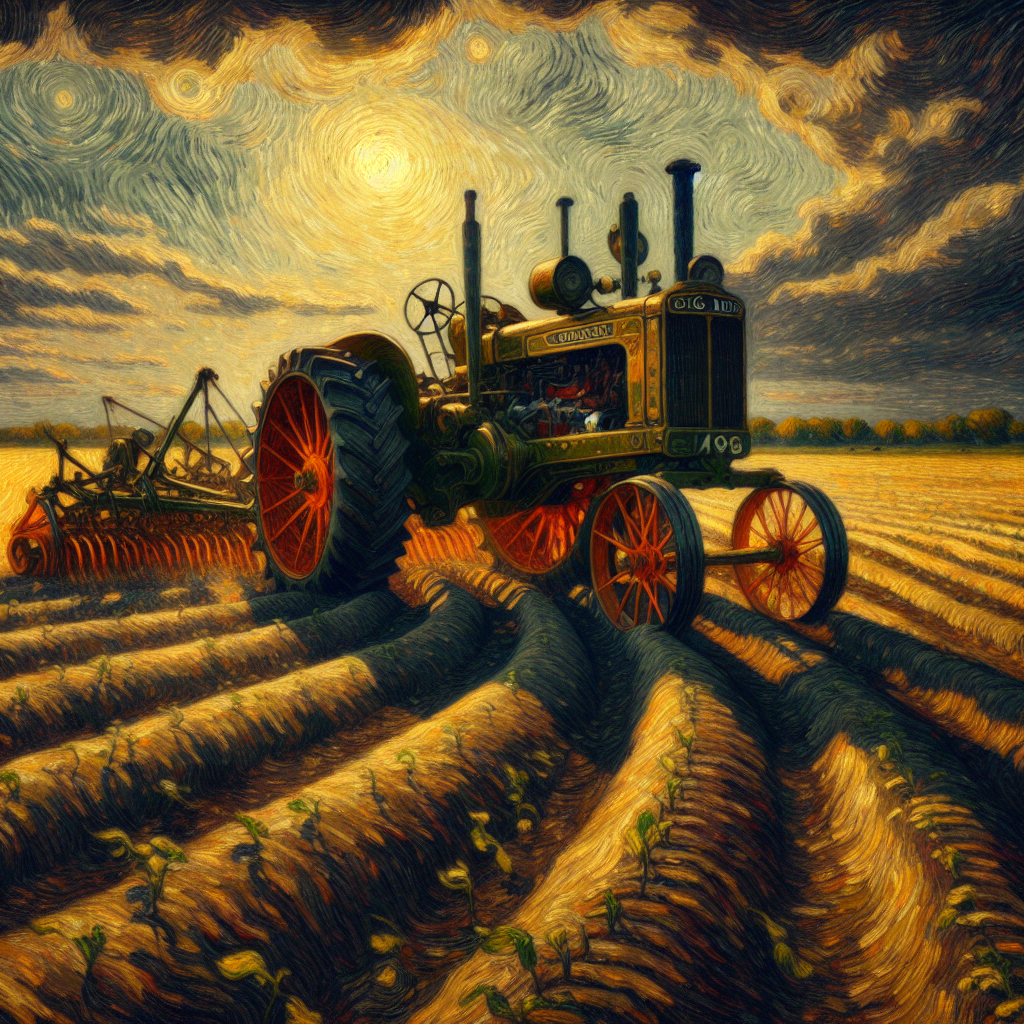
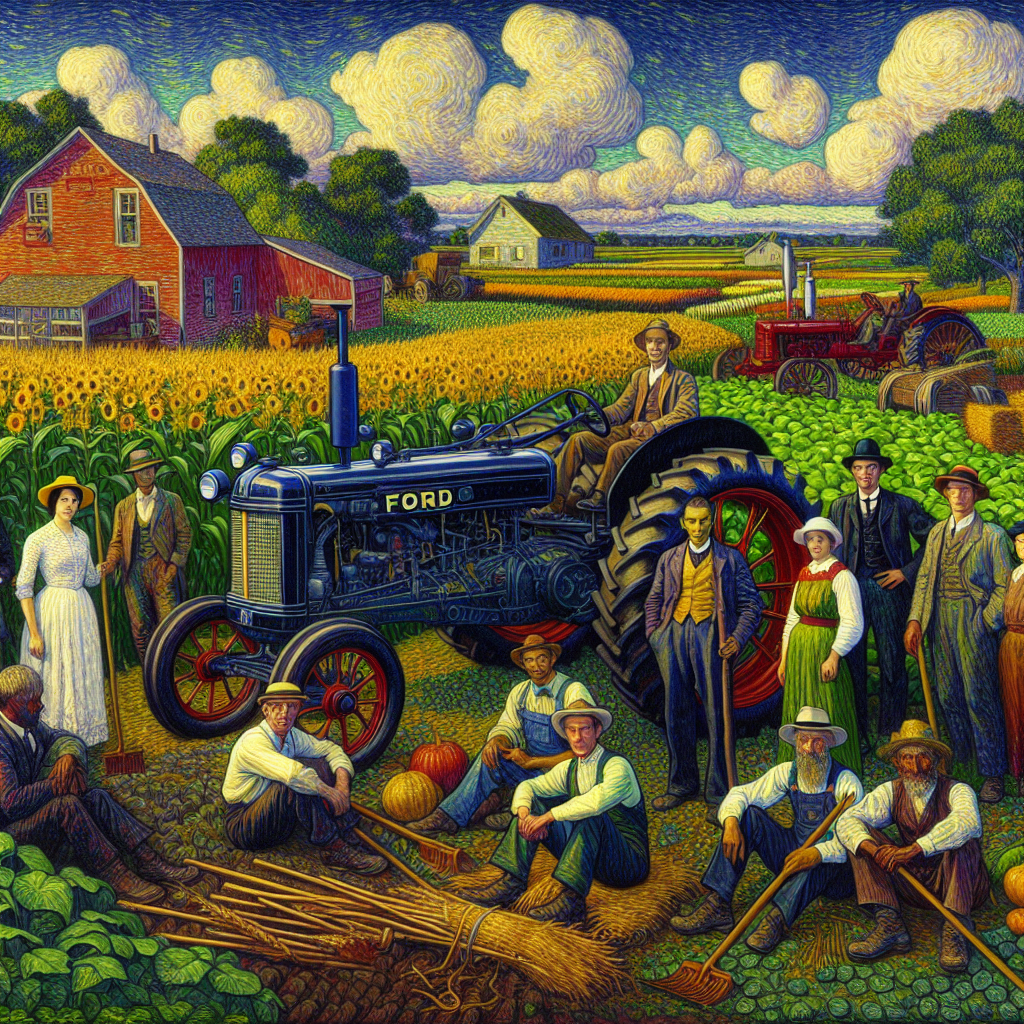
There’s something undeniably powerful about a classic tractor—machines that have plowed, toiled, and harvested for generations, now standing like proud sentinels of a simpler time. When you see one, it’s not merely a piece of machinery; it’s a vessel of memories, anchored in the soil of family legacies and hard work. For many, those rustic rides evoke a profound nostalgia that connects us to our roots. Picture a sun-drenched field, the hum of an engine harmonizing with the laughter of family gathering for the harvest. It’s a reminder of hands worn and stories shared.
Emotions tied to classic tractors extend beyond mere sentimentality. They stir a sense of pride in craftsmanship and the dedication that goes into maintaining these machines. Owning or restoring a classic tractor can be an act of reverence, a way to honor those who came before us, embracing the grit and determination that defined their lives. It’s not just about shiny paint or gleaming chrome; it’s about understanding the toil embedded in every bolt and weld. Each dent tells a story—a reminder of storms weathered and landscapes altered, solidifying their place as historical icons.
Yet, it’s not just a personal journey; it’s a communal one too. The classic tractor community fosters connections that span generations. A shared love for these machines often leads to friendships forged in fields and at shows—unwritten bonds cemented over a mutual appreciation of hard work and craftsmanship. These gatherings become more than just meet-ups; they transform into celebrations of history and the indomitable spirit that lives on in the hearts of farmers, enthusiasts, and hobbyists alike.
A unique aspect of classic tractors is the authenticity they represent. In a world flooded with plastic and digital, feels an unspoken truth in a well-worn tractor’s rugged exterior. They embody values of sustainability, reminding us of an era when things were built to last, and communities thrived on the fruits of labor. Their physical heft draws a parallel to how we yearn for something real in an often superficial age. The steel and iron components whisper tales of resilience and strength, evoking a connection to our past that feels grounding in a world that constantly pushes forward.
Classic tractors remind us of who we are, where we’ve been, and where we’re going. They spark passion, inspire gratitude, and most importantly, keep us connected to the very essence of the land beneath our feet. In every engine roar, there lies an invitation—a call to remember, to rebuild, and to embrace the legacy of hard work and community that these machines so faithfully represent.
What Emotions Do Classic Tractors Evoke In You?
What Emotions Do Classic Tractors Evoke In You?
- Classic tractors symbolize nostalgia and family legacies.
- They evoke pride in craftsmanship and the effort required for maintenance.
- Restoring a classic tractor acts as a reverence to past generations.
- The classic tractor community fosters intergenerational connections and friendships.
- These tractors represent authenticity and values of sustainability.
- They provide a grounding connection to our past amidst modern superficiality.
- Classic tractors inspire passion and gratitude, connecting us to the essence of the land.
What Emotions Do Classic Tractors Evoke In You?
Are Modern Tractors More Cost-Effective?
In the rolling fields, where every day begins with the sun rising over the horizon, the sound of a tractor cutting through the earth is more than just a noise; it’s a symphony of hard work and tradition. These machines have transformed farming—from labor-intensive days to methods that maximize efficiency. But the question remains: are modern tractors truly more cost-effective?
Imagine a seasoned farmer, one who spent decades nursing his old tractor back to life each spring. It was a trusty companion, but with every repair, the cost slowly crept up, gnawing at his bottom line. Then came the decision to purchase a new model, a choice filled with trepidation and hope. As he navigated through the purchase process, he learned that the initial investment was daunting, but what he found was revolutionary. Modern tractors aren’t merely machines; they’re high-tech tools, often equipped with GPS and intelligent monitoring systems. These enhancements translate not just into higher yields but also reduced resource consumption. Less fuel, less time, and fewer inputs equal more profit delivered to the farmer’s table.
Rationally speaking, the numbers don’t lie. Studies reveal that farmers who upgrade to more efficient machinery often see significant decreases in operational costs. The latest models can perform twice the work in the same time it took their predecessors, which speaks directly to profitability. This isn’t about chasing the latest trend; it’s about strategically positioning oneself in an industry that is constantly evolving.
On an ethical front, modern tractors contribute to sustainability. They allow farmers to use fewer pesticides and fertilizers while maximizing their output, leading to greener practices that the community craves. Just like a community gathering over a hearty meal, the intertwined lives of farmers and consumers reflect shared values that hinge on responsible stewardship of the land.
Socially, there’s a connection formed when farmers share their triumphs and trials—the stories of struggle and breakthrough echo through the fields. Investing in modern tractors is about investing in the future, not just for the farmer, but for the next generation who will inherit these lands and stories.
So, yes, modern tractors may seem an intimidating leap at first, but taking that step can redefine what’s possible. Producing more while using less isn’t just a win for the pocketbook; it’s a legacy—one that paves the way for efficiency, sustainability, and community resilience. In the dance between tradition and innovation, the modern tractor stands as a symbol of hope, beckoning farmers to dream bigger and harvest more.
Are Modern Tractors More Cost-Effective?
Are Modern Tractors More Cost-Effective?
- Modern tractors symbolize a shift from traditional farming to efficiency and advanced technology.
- Seasoned farmers face rising repair costs with old tractors, prompting the need for new models.
- New tractors feature GPS and monitoring systems, leading to higher yields and reduced resource use.
- Upgrading to efficient machinery can significantly lower operational costs and increase profitability.
- Modern tractors support sustainable farming practices by reducing pesticide and fertilizer usage.
- A connection exists among farmers as they share experiences, embodying community values and responsibility.
- Investing in modern tractors is a commitment to future generations, promoting efficiency and sustainability.
Are Modern Tractors More Cost-Effective?
How Does the Reliability Of Classic Tractors Compare?
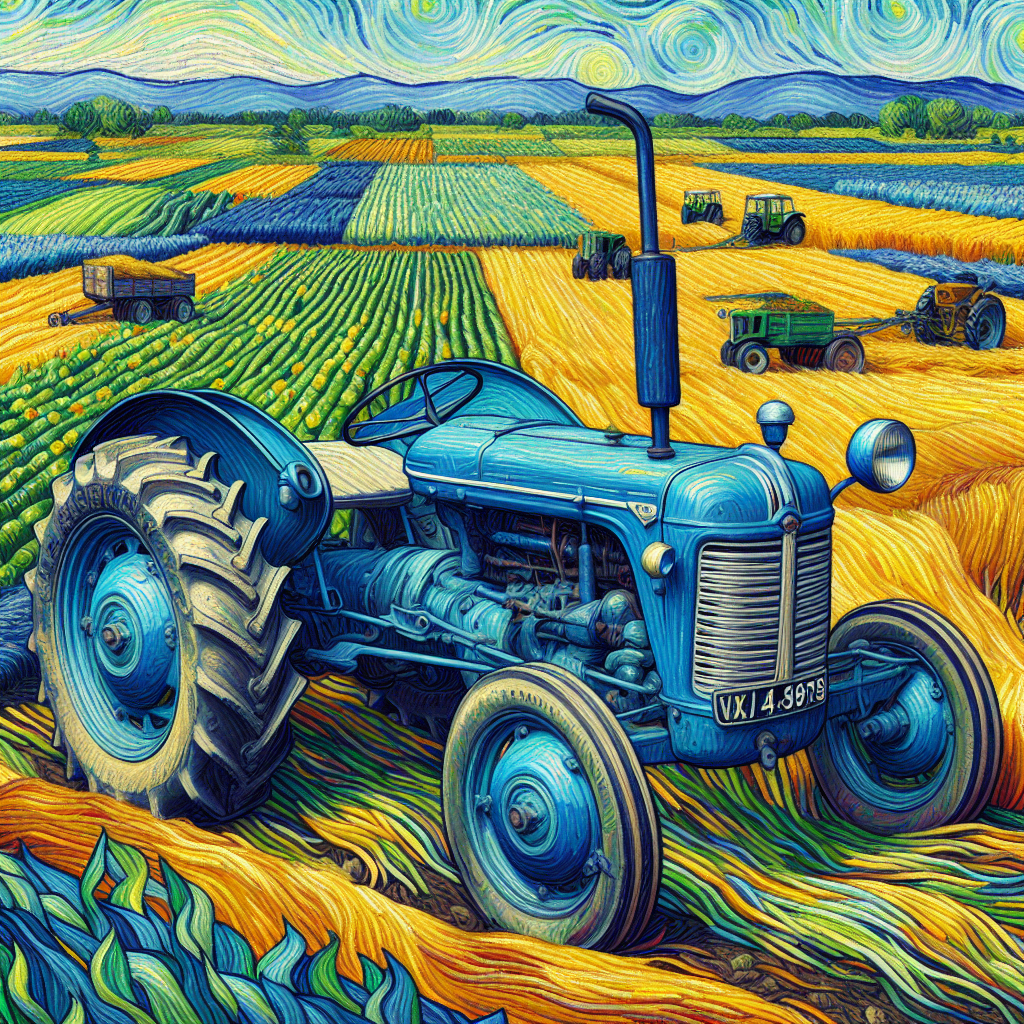
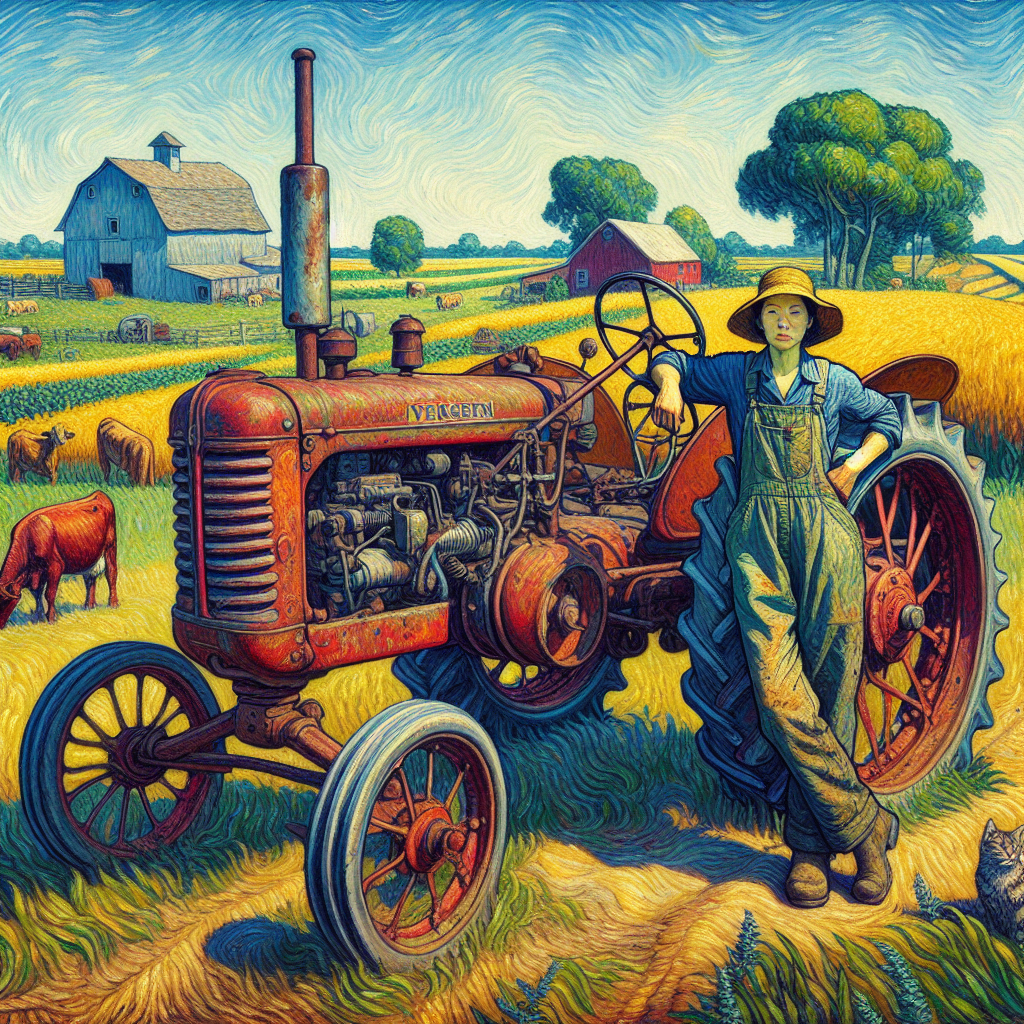
Classic tractors have a charm that transcends mere machinery; they represent a legacy of hard work and perseverance. Picture a dusty field, sun setting low, illuminating the sturdy frame of a tractor that has ferried generations through the ups and downs of farming life. Unlike the flashy, tech-imbued machines of today, these timeless workhorses carry an aura of reliability that speaks directly to the heart and history of agriculture.
Reliability in classic tractors stems from their robust simplicity. They are designed with practicality in mind, built to navigate rugged terrains and endure relentless labor. A farmer in his late sixties recalls his father’s stories of fieldwork, hands clasped around the worn steering wheel of a vintage Ford, hauling loads day in and day out. The engine’s growl became a soundtrack of resilience. This intimate connection to the land fosters a deep-rooted trust, as each turn of the wheel reminds us that these machines are as much a part of our heritage as the soil itself.
From a rational standpoint, consider the engineering behind these classics. Many old tractors were constructed with fewer electronic components, making them less susceptible to failure. This means easier repairs and a longer lifespan, delivering value that outlasts many modern counterparts. In today’s world of planned obsolescence, it’s refreshing to look at these older models, which were often built to last, a testament to a time when craftsmanship mattered more than quick profit margins.
Ethically, keeping classic tractors in use promotes sustainability. By restoring these machines instead of purchasing new ones, we decrease waste and the environmental impact associated with manufacturing. Each restored tractor symbolizes not just a second chance for a tool but a nod to responsible stewardship of our resources. It starts a conversation within the farming community about the importance of preserving both machinery and memories.
Socially, these classic tractors can be a bridge between generations. Local shows and gatherings around these machines create shared experiences that foster camaraderie among farmers, young and old. A common bond emerges in the stories exchanged over engine blocks and gear ratios, weaving a rich tapestry of history, pride, and identity.
In a world where so much is disposable, classic tractors remind us of what it means to build something that endures. They evoke a deep sense of home—a feeling wrapped in nostalgia and hard-earned wisdom. Investing in the reliability of such a classic piece of equipment isn’t just good for the fields; it’s a commitment to the values and stories that bind us together in labor and love for our land.
How Does the Reliability Of Classic Tractors Compare?
How Does the Reliability Of Classic Tractors Compare?
- Classic tractors embody a legacy of hard work and perseverance.
- They demonstrate reliability through robust simplicity, designed for rugged terrain and heavy labor.
- Older models have fewer electronic components, leading to easier repairs and longer lifespan.
- Restoring tractors promotes sustainability by reducing waste and environmental impact.
- These machines foster intergenerational connections within farming communities through shared experiences.
- Classic tractors symbolize durability and a commitment to craftsmanship over profit margins.
- They evoke nostalgia and represent values that unite people in their love for the land.
How Does the Reliability Of Classic Tractors Compare?
What Stories Do Classic Tractors Tell About Our Farming History?
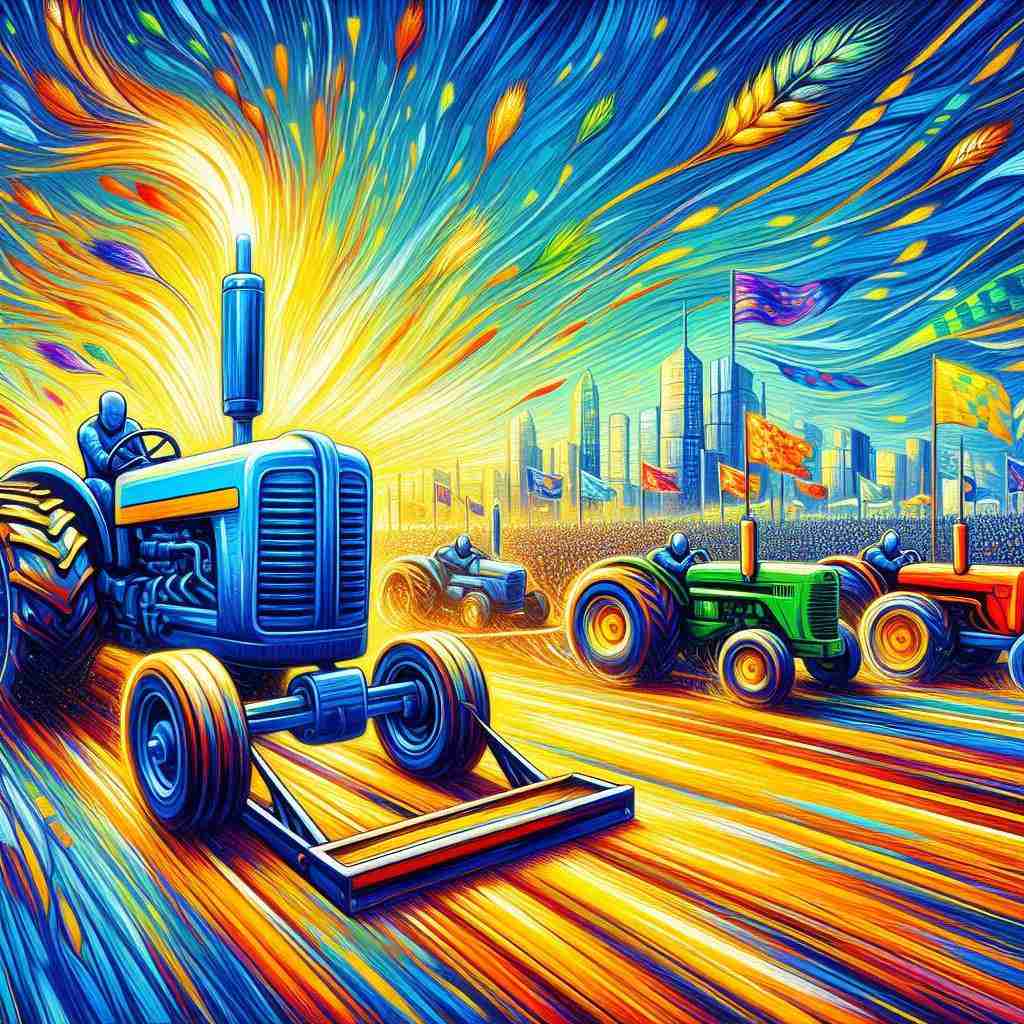
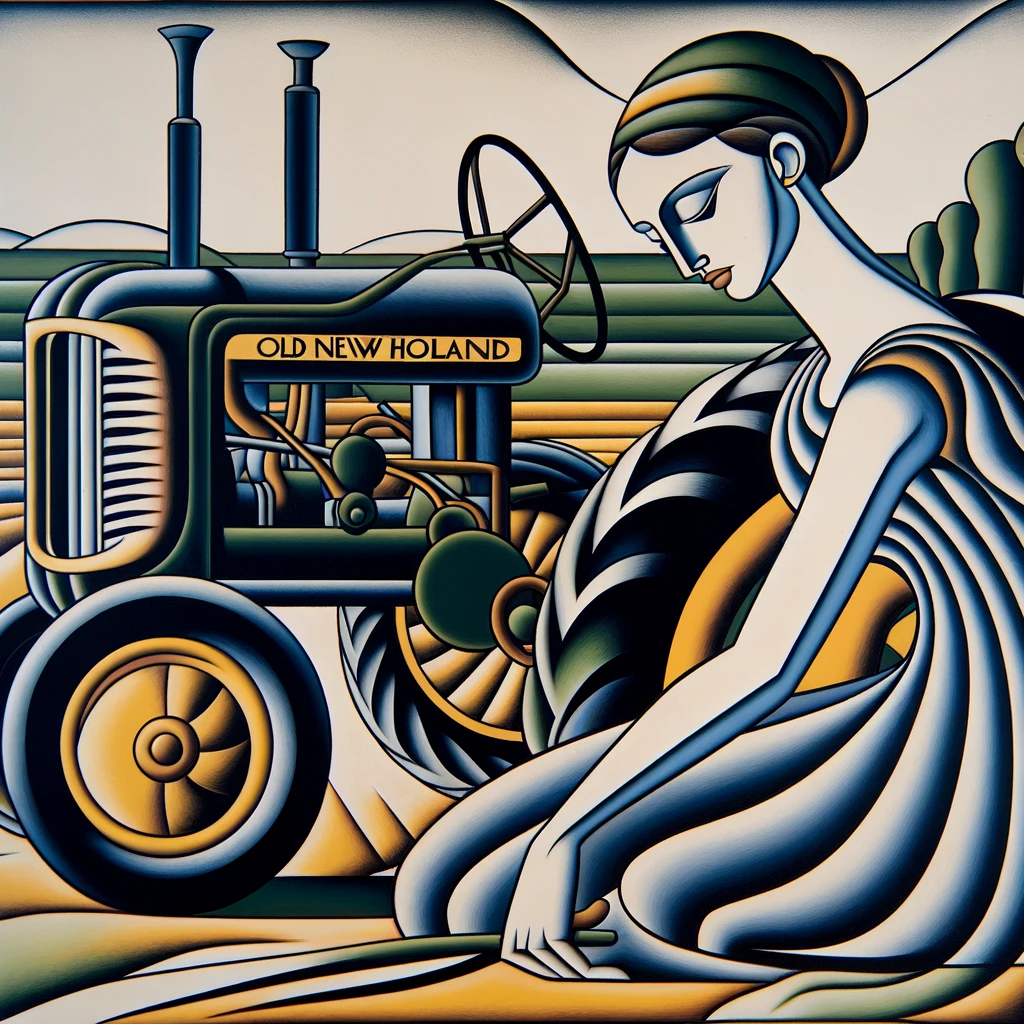
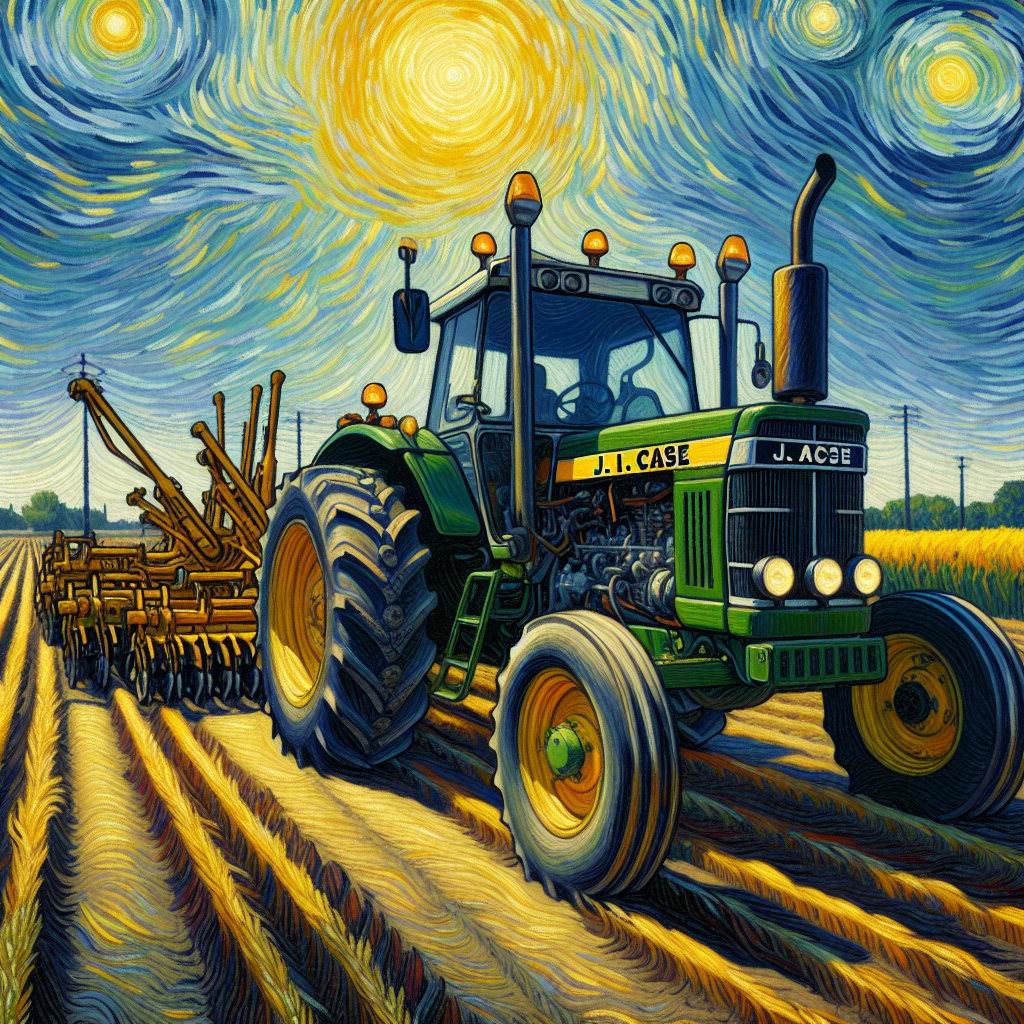
Classic tractors are more than just rusting chunks of metal; they are emblematic of individual stories woven into the larger tapestry of our farming heritage. Imagine standing in a field with an old John Deere or a Farmall, their paint faded but their spirit intact. Each scratch and dent tells tales of hard work, resilience, and the deep connection between the land and those who labor upon it. These machines weren’t just tools; they were lifelines, transforming American agriculture and shaping family legacies.
Take a moment to consider the farmers who have relied on these tractors. Here’s a story that resonates: A farmer’s hands are calloused from years of toil, and his trusty tractor has been there for each season—plowing the soil, planting seeds, and harvesting crops that feed our communities. That thrum of the engine is a heartbeat, echoing the cycles of life and nature’s rhythm. Each time he mounts that seat, it’s not merely a ride; it’s a pilgrimage through memory—each field a chapter of his life.
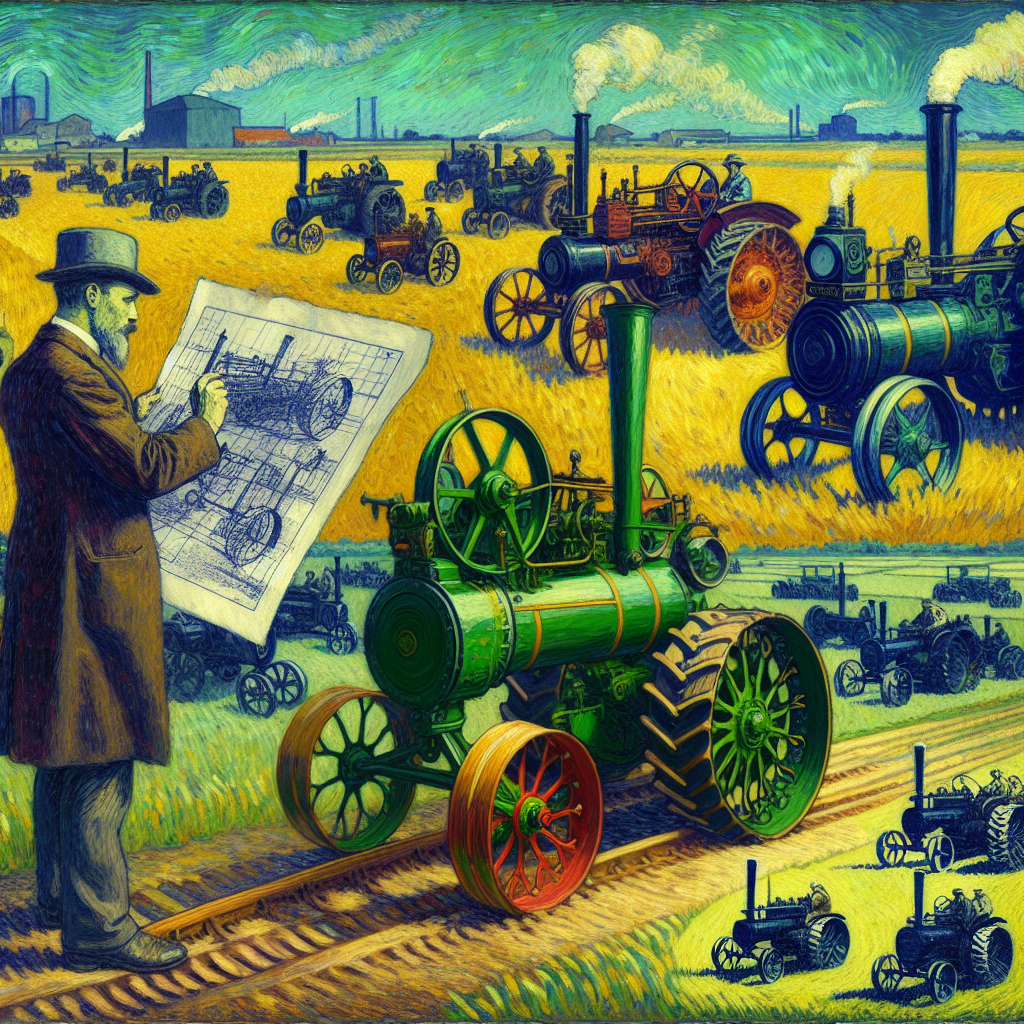
Rationally, these tractors symbolize an era of progress that democratized farming. They made it possible for smaller farms to expand, for families to flourish on parcels of land that once seemed daunting to cultivate. The evolution of machinery—from steam engines to the tractors of today—represents not only technological advancement but also a shift in cultural identity. Farming became less about survival and more about stewardship; an ethical commitment to the land and future generations.
But it’s about relatability, too. The joys and struggles faced by those who have relied on these mechanical beasts echo our own experiences. We have all had that stubborn old tool in the garage or attic that has served us through thick and thin, bringing with it memories of Sunday afternoons spent tinkering, learning, sometimes even failing. We connect with these tractors because they represent not just farming efficiency but stories of our own resilience and determination.
As we delve into the stories of classic tractors, let’s remember that they’re whispers of history—of families sticking together, of communities thriving on the fruits of the land, and of an unyielding spirit passed down through generations. Each time we see one rolling through a field or parked beside a barn, we’re reminded of the heartbeats behind agricultural history, urging us to honor and preserve this legacy for those who will come after us. Indeed, it’s about more than just farming; it’s about who we are in relation to the soil beneath our feet.
What Stories Do Classic Tractors Tell About Our Farming History?
What Stories Do Classic Tractors Tell About Our Farming History?
- Classic tractors embody individual stories and farming heritage.
- Each tractor bears marks of hard work, resilience, and a connection to the land.
- Farmers rely on these tractors for essential farming tasks and community sustenance.
- Tractors symbolize democratization in farming and cultural evolution.
- They represent not just farming tools but personal resilience and shared experiences.
- Classic tractors serve as reminders of family legacies and agricultural history.
- Preserving these stories is crucial for future generations and our connection to the soil.
What Stories Do Classic Tractors Tell About Our Farming History?
How Do Maintenance Costs Differ Between Classic and Modern Tractors?
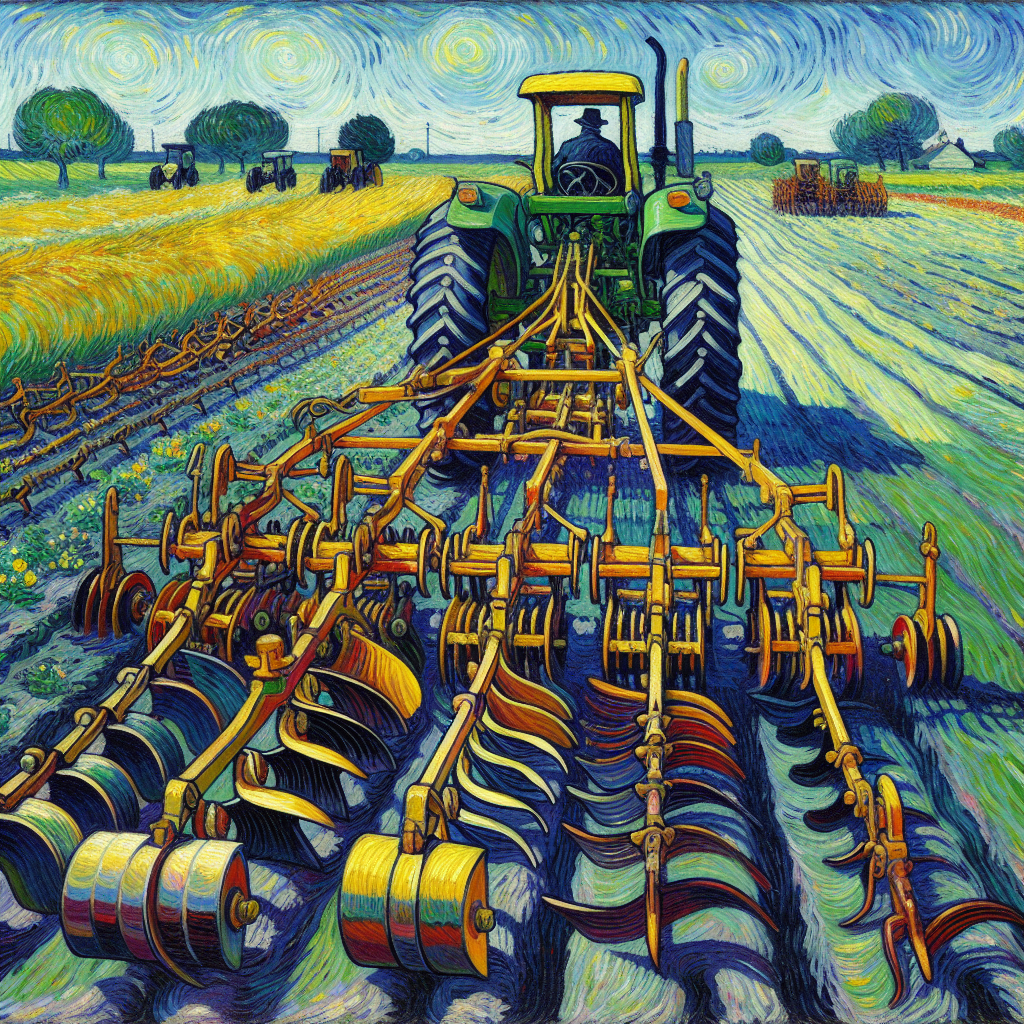
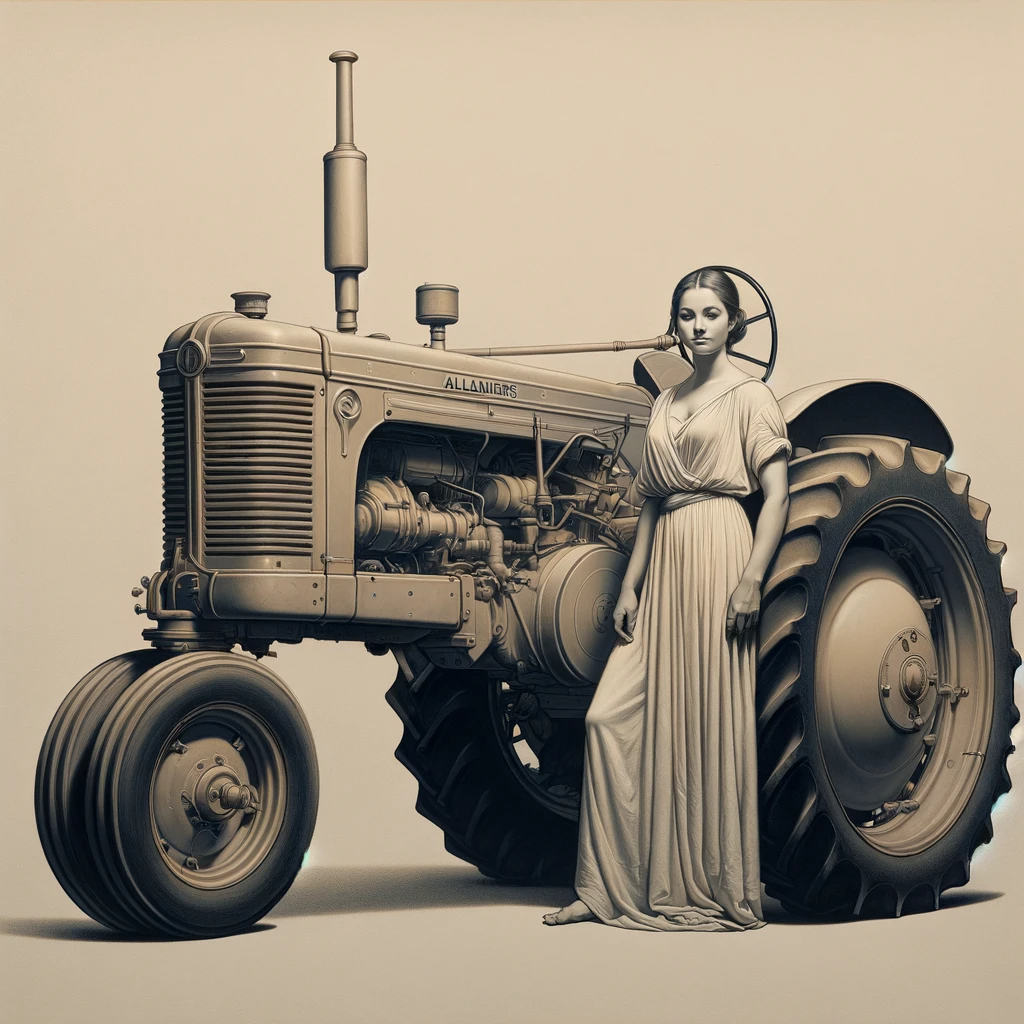
When you think of a tractor, you might picture the powerful, rugged machines that have been the backbone of agriculture for generations. Yet, behind these steel giants lies an intricate dance of mechanics, emotion, and the heavy cost of care. Maintenance costs can vary significantly between classic and modern tractors, and this difference isn’t merely a matter of dollars and cents—it strikes at the core of who we are as stewards of the land.
Classic tractors have a history etched in their metal. The rumble of an older model often brings back memories of sun-soaked fields, the smell of fresh earth, and the rhythm of farming life that is both simple and profound. A classic tractor isn’t just a machine; it’s a family heirloom, a testament to tradition. The maintenance, while often requiring hands-on care and sometimes a bit of creativity, invites you to engage with your equipment on an intimate level. You’re not just fixing a problem; you’re preserving a piece of history, wielding wrenches like brushes bringing life to a masterpiece. Yes, parts may be harder to find and repairs might require a deeper knowledge of machines, but that challenge has a value uniquely tied to pride and legacy.
On the other hand, modern tractors are marvels of technology, fitted with engines that hum with efficiency and dashboards that light up like a spaceship. Yet, their maintenance often comes with a price tag as sleek as their designs. The reliance on sophisticated electronics and specialized parts can lead to higher costs and longer downtimes. While they promise convenience and ease, they also risk isolating the owner from that all-important connection—a relationship with the land and the tools used to cultivate it. The digital age offers speed, yet it can pluck the soul from the process.
The emotional tug-of-war between these two types of tractors also reflects a broader societal shift. Are we investing in our future or getting lost in a technological maze? Choosing a classic means embracing hands-on problem-solving and a connection to the past, while opting for modern often equates to ease but less personal engagement. The choice isn’t just about maintenance costs; it’s about identity. Will our fields echo with tradition, or will they resonate with the new age of agriculture?
Navigating between these worlds beckons every farmer to ponder not only the monetary investment but the emotional and ethical stakes at play. It isn’t merely an economic question but a narrative thread binding generations of farmers to their land and machines.
How Do Maintenance Costs Differ Between Classic and Modern Tractors?
How Do Maintenance Costs Differ Between Classic and Modern Tractors?
- Tractors symbolize the power and foundation of agriculture, combining mechanics and emotion.
- Classic tractors are viewed as family heirlooms, representing tradition and connection to farming history.
- Maintaining classic tractors requires creativity and hands-on involvement, enhancing pride and legacy.
- Modern tractors feature advanced technology and efficiencies but often result in higher maintenance costs.
- The reliance on electronics in modern tractors can create a disconnect between the operator and the land.
- The choice between classic and modern tractors reflects deeper societal questions about identity and engagement in farming.
- Farmers must consider both emotional and economic aspects when choosing between traditional and modern machinery.
How Do Maintenance Costs Differ Between Classic and Modern Tractors?
Do You Trust Manufacturers Of Modern Tractors Over Older Brands?
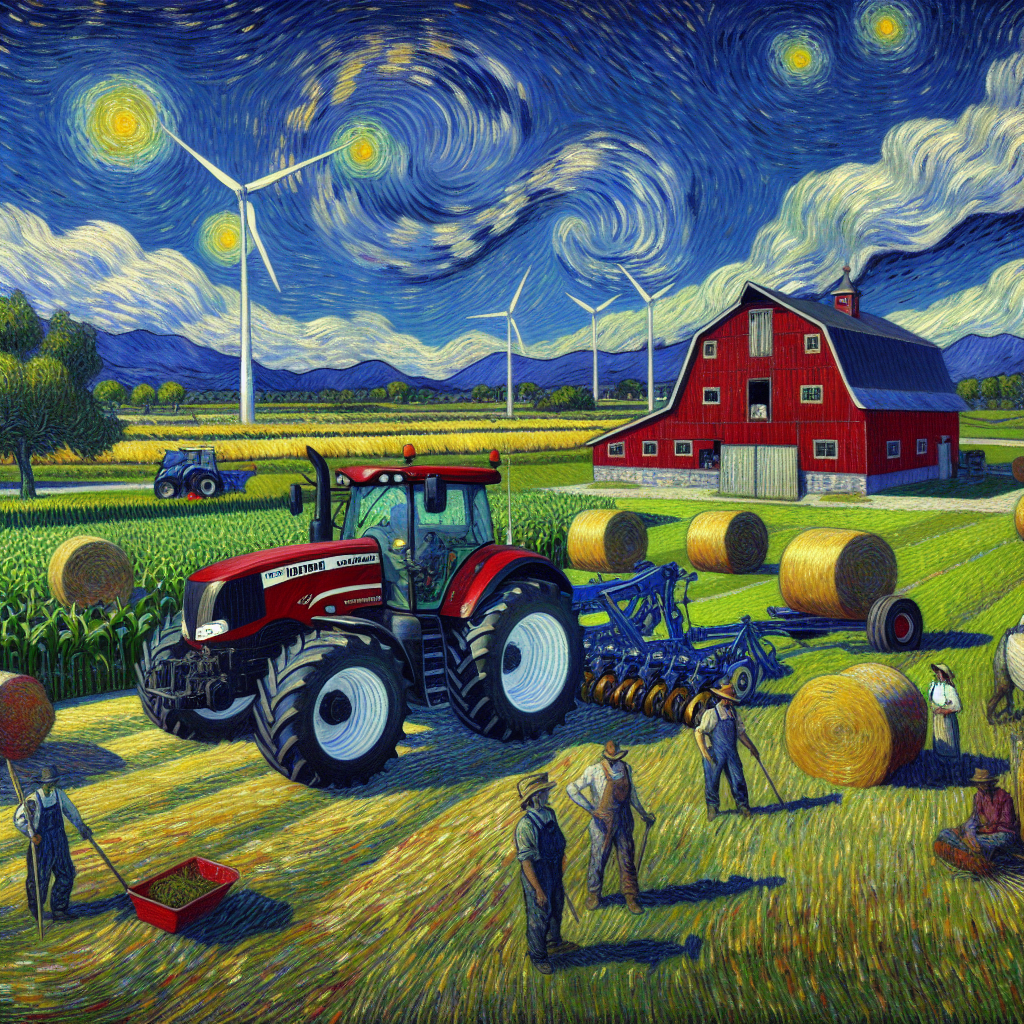
In today’s world, the debate between trusting manufacturers of modern tractors versus older brands isn’t just a matter of specifications or shiny paint jobs; it’s about our relationship with innovation and the values that keep our farms thriving. Imagine stepping into a tractor that embodies decades of ingenuity—a machine that not only plows fields but also carries the weight of generations of labor, pride, and progress.
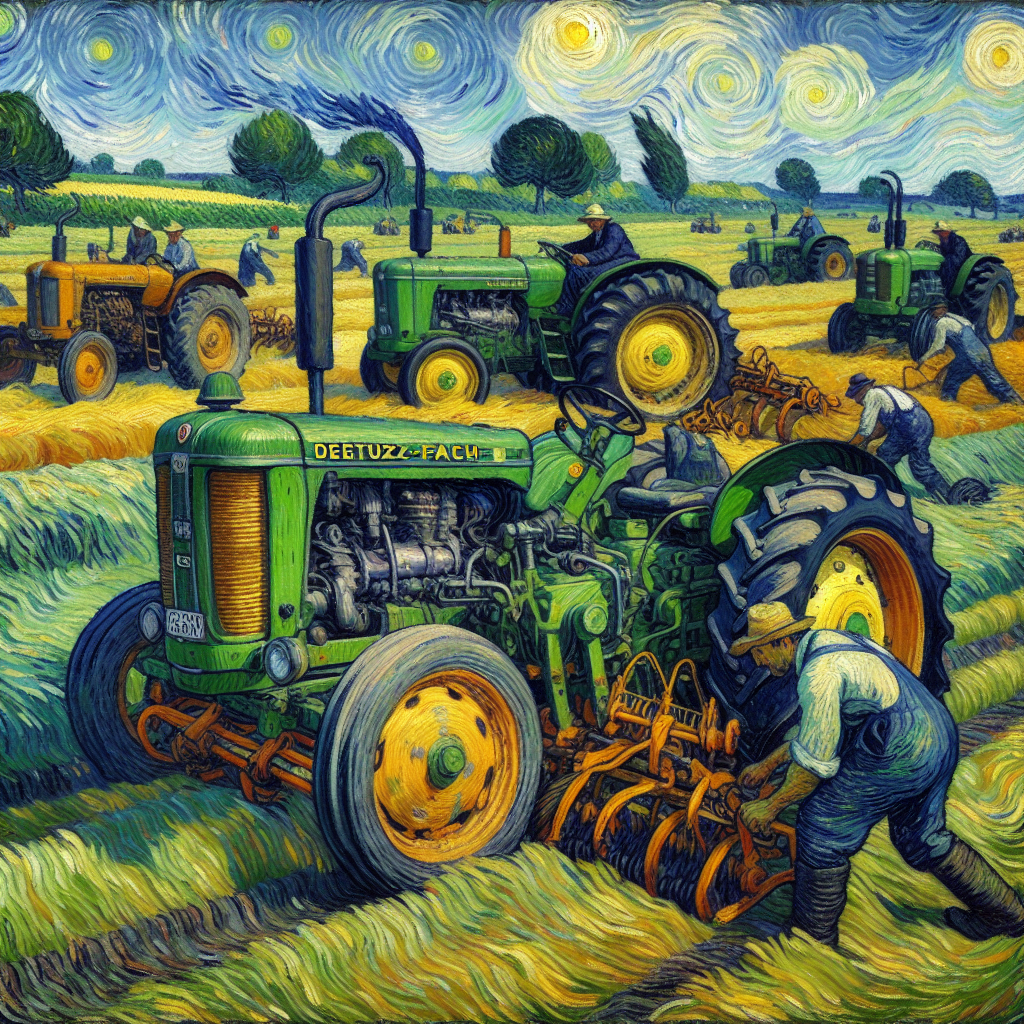
Older brands often evoke a sense of nostalgia. They remind us of our grandparents, who relied on sturdy, simple machines that didn’t just get the job done but became part of the family’s story. There’s comfort in something tried and true, something that doesn’t require a smartphone to operate. The stories of farmers spending long days harvesting, feeling every bump in the field from the seat of a trusted tractor resonate deeply. These tales harness a sense of community, where traditions are passed down, and every dent and scratch tells a story of hard work and sacrifice.
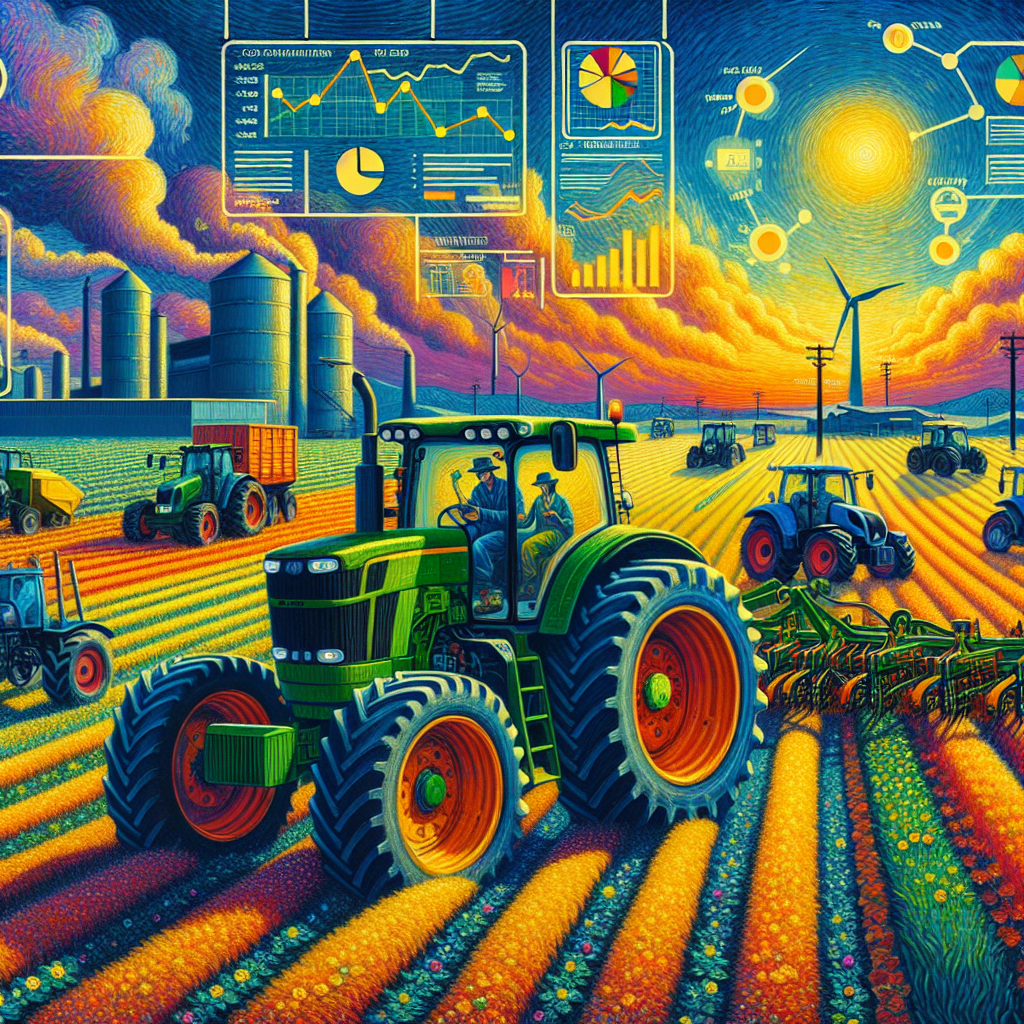
Modern tractors, however, offer more than meets the eye. They are marvels of technology, designed to make farming more efficient and sustainable. When a farmer climbs into a state-of-the-art machine equipped with GPS technology and automated systems, it signifies more than convenience; it symbolizes an embrace of the future. It reflects a commitment to not only increase yield but also to minimize environmental impact. But does that make them more trustworthy? Perhaps the answer lies in understanding this balance.
Consider the ethical implications—farmers today are tasked with feeding a growing global population while facing challenges like climate change and dwindling resources. The trust placed in modern manufacturers hinges on their transparency and commitment to sustainable practices. Are these tractors built to last, or are they designed for obsolescence? Are their claims backed by authoritative studies and real-world outcomes? These questions demand thoughtful consideration.
At the heart of it, trust in machinery stems from real connection. It’s shaped by stories of reliability, safety, and respect for the land. When a modern tractor helps a young farmer increase efficiency while allowing them to spend more time with family or contribute to community growth, it fosters a unique loyalty. This is not just about machines; it’s about choice, empowerment, and the ability to shape one’s destiny in a rapidly changing world.
Ultimately, whether your preference leans toward the reassuring rumble of an older tractor or the whisper of a modern engine, the essence of farming endures—rooted in tradition, yet ever-evolving. As we stand at this crossroads, let’s choose to embrace innovation while honoring the legacy that got us here. It’s not merely about the brand but about what we value as stewards of the land—trusting in the machines that help us cultivate a better tomorrow.
Do You Trust Manufacturers Of Modern Tractors Over Older Brands?
Do You Trust Manufacturers Of Modern Tractors Over Older Brands?
- Debate exists between trust in modern versus older tractor brands, reflecting innovation and farming values.
- Older tractors evoke nostalgia, representing generational labor and community traditions.
- Modern tractors utilize advanced technology to enhance efficiency and sustainability.
- Trust in manufacturers is linked to transparency and commitment to sustainable practices.
- Questions arise about the durability and genuine efficacy of modern tractors.
- Connection to machinery is built on reliability, safety, and respect for the land.
- The essence of farming blends tradition with modern innovation to shape a better future.
Do You Trust Manufacturers Of Modern Tractors Over Older Brands?
Conclusion
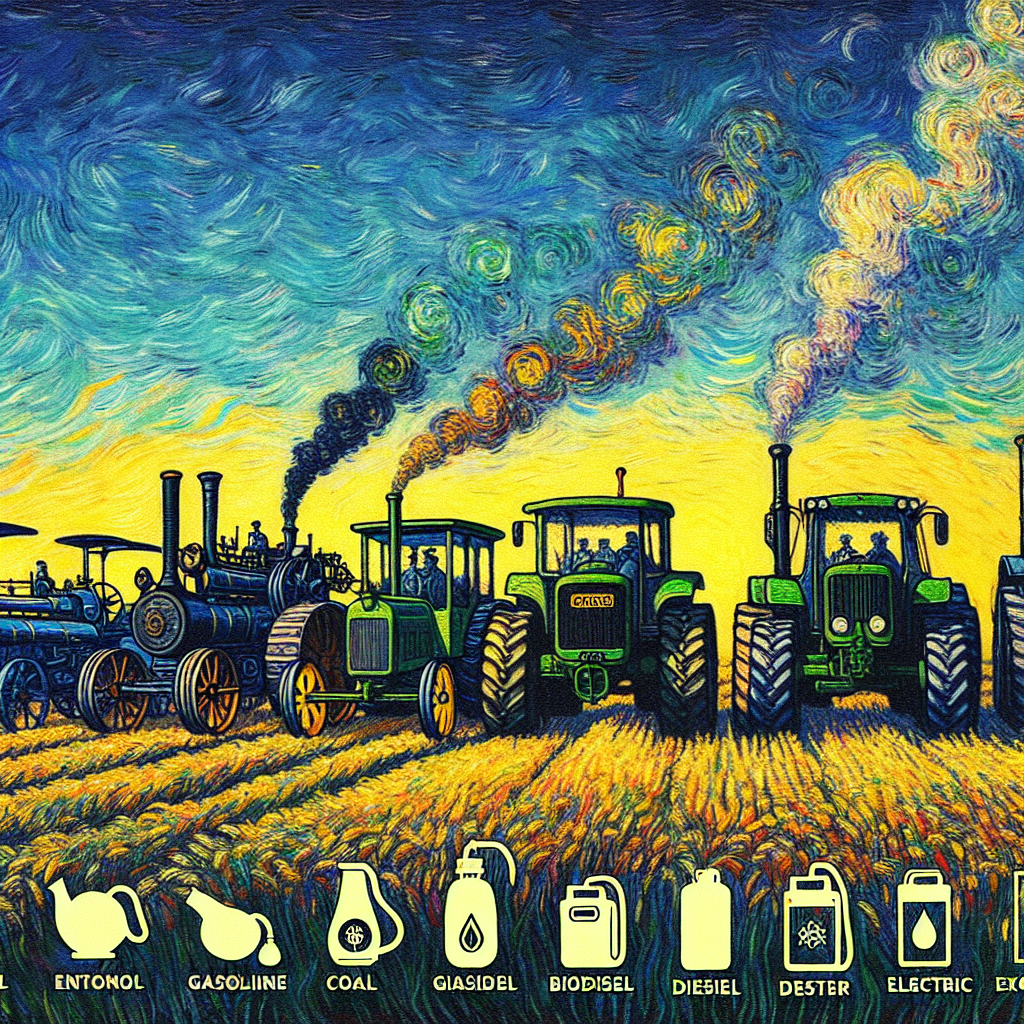
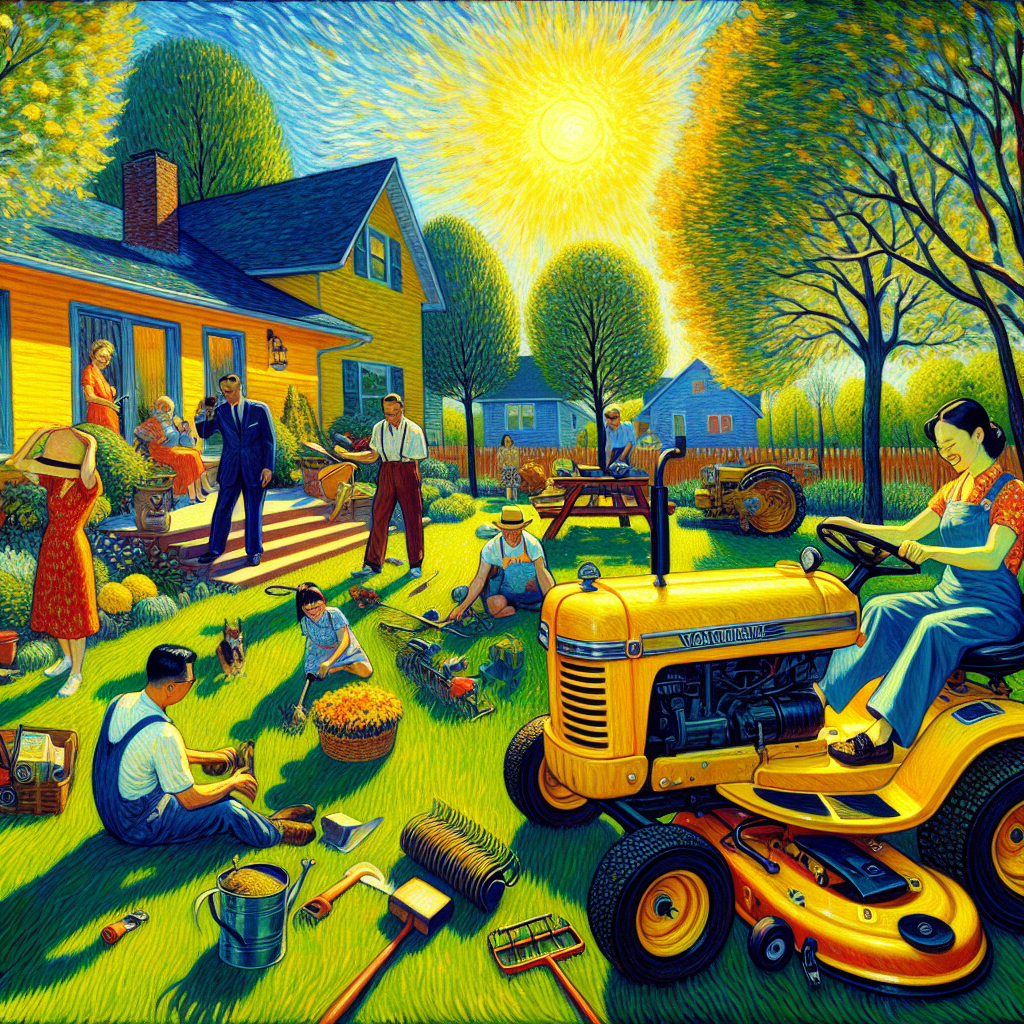
Classic and modern tractors embody the evolution of farming, each telling a story of resilience, innovation, and the enduring bond between people and the land. Classic tractors are steeped in history, their simple designs allowing for ease of repair and a hands-on connection that ties farmers to their roots. Every dent and scratch reflects the hard work of generations; they are more than vehicles—they are vessels of memory. The emotional weight of maintaining a classic tractor fosters pride and a profound respect for the craftsmanship of the past. The community surrounding these machines celebrates shared stories, emphasizing continuity and connection.
In contrast, modern tractors represent technological advancement, offering efficiency and productivity through sophisticated features like GPS. However, this complexity often leads to higher repair costs and a reliance on specialized knowledge, which can feel isolating for farmers. The convenience of modern machinery may streamline operations but risks diluting the emotional connection that comes from a more personal engagement with the tools of the trade.
The ongoing debate between embracing classic or modern technology boils down to identity. Investing in a classic tractor speaks to honoring tradition, craftsmanship, and the timeless values of agriculture, while opting for modern machinery represents an adaptation to the pressures of modern farming, sustainability, and efficiency. Both choices compel farmers to weigh costs against their values and the narratives that define their relationship with the land.
Ultimately, the conversation surrounding tractors transcends mere economics; it’s about legacy and stewardship. Classic tractors invite us to remember and respect our agricultural roots, while modern tractors challenge us to envision a sustainable future. The heart of farming lies not just in its machinery but in the stories, struggles, and triumphs of those who work the land. Each choice reflects deeper values—whether it’s fostering tradition or embracing change—reshaping the future of farming for generations to come.
Conclusion
Conclusion:
- Classic and modern tractors represent the evolution of farming, showcasing resilience and innovation.
- Classic tractors have a rich history with simple designs that allow for easy repair and a hands-on connection for farmers.
- Each classic tractor’s wear reflects the hard work of generations and serves as a vessel of memory.
- The emotional connection to maintaining classic tractors fosters pride and respect for traditional craftsmanship.
- Modern tractors offer technological advancements and efficiency but can lead to higher repair costs and feelings of isolation.
- The choice between classic and modern tractors reflects deeper values related to tradition versus adaptation to modern farming challenges.
- The conversation about tractors highlights legacy and stewardship, shaping the future of farming and connecting individuals to the land.
Conclusion
Other Resources
Other Resources
Here is a list of other resources you can review online to learn more:
- Bima
- Eicher
- The AgriCultural Museum & Arts Center
- Muller
- Vintage Tractor And Farm Festival
- Cabelas
- Samson
- FARMSHOW Magazine
- Hesston
- Kirovets
- Summit Tractors
- Farm Collector Show Directory
- Fairfield County Antique Tractor Club
- Dongfeng
- Agrinar
- Benefits of Classic Tractors
- TAFE
- Woods & Copeland
- Century
Use This Prompt To Get More Resources With Your Favorite Online AI Tool: Please provide me with a list of online articles with their URLs in a bulleted list that I can read regarding Classic Vs. Modern Tractors – Real Repair Cost Breakdown
Other Resources
Glossary Terms
Classic Vs. Modern Tractors – Real Repair Cost Breakdown – Glossary Of Terms
– Classic tractor: Older, mechanically simple tractors (pre-electronics) whose repairs often rely on manual diagnostics, mechanical parts, and labor-intensive work; typically cheaper parts but higher labor time for major restorations.
– Modern tractor: Newer tractors with electronic controls, complex hydraulics and emissions systems; repairs often need specialized diagnostics, software updates, and higher-cost components.
– Total Cost of Ownership (TCO): Sum of purchase, fuel, maintenance, repair, insurance, depreciation and downtime costs over a tractor’s useful life; used to compare classic vs. modern economics.
– Repair cost: Direct expenses for parts and labor to fix a fault; influenced by complexity, parts availability, and required diagnostic equipment.
– Maintenance cost: Routine service expenses (oil, filters, belts, inspections) that prevent failures; frequency and cost differ by tractor age and technology.
– Parts availability: Ease of sourcing replacement components; classic tractors may use simpler, widely available parts, while modern machines may need OEM electronics or dealer-only items.
– OEM parts: Components produced by the original manufacturer; usually more expensive but guaranteed compatibility and warranty, common for modern tractors.
– Aftermarket parts: Third-party components that can be cheaper but vary in quality and fit, often used to reduce repair costs on both classic and modern machines.
– Remanufactured parts: Restored used components that reduce cost vs. new parts while restoring functionality; common for transmissions, turbochargers and injectors.
– Labor rate: Hourly charge for technician work; higher when specialized skills or dealer diagnostics are required for modern tractors.
– Diagnostic tools: Equipment and software used to identify faults; modern tractors often require proprietary scanners and subscriptions, raising repair overhead.
– Telematics: Remote data systems that monitor machine performance and faults; can reduce diagnostic time but add subscription costs and cybersecurity considerations.
– Onboard diagnostics (tractor-specific OBD/J1939): Built-in fault reporting systems in modern tractors that guide repairs but require compatible tools and tech knowledge.
– CAN bus: Controller Area Network wiring standard used in modern tractors to connect ECUs; faults can be complex and costly to trace and repair.
– ECU (Engine Control Unit): Electronic module controlling engine functions; ECU failures or reprogramming drive up repair complexity and cost in modern tractors.
– Common-rail fuel injection: Modern high-pressure fuel system that improves efficiency but increases repair costs due to expensive injectors and pumps.
– Injector: Fuel delivery component; classic tractors often use mechanical injectors, while modern electronic injectors are pricier to replace or calibrate.
– Turbocharger: Forced-induction device common on modern engines; failure can be expensive due to high replacement costs and potential collateral engine damage.
– Emissions control: Systems (DPF, SCR, EGR) added to meet regulations; these add maintenance tasks and expensive failure modes absent on classic tractors.
– DPF (Diesel Particulate Filter): Traps soot in modern diesels; regeneration issues or replacements are costly and increase long-term repair budgets.
– SCR (Selective Catalytic Reduction): System using DEF to reduce NOx; failures, sensors, or catalyst replacement add significant expense to modern units.
– DEF (Diesel Exhaust Fluid): Consumable for SCR systems; ongoing operating cost and potential engine derating if depleted or contaminated.
– Tier 4 regulations: Emissions standards that pushed adoption of complex aftertreatment on modern tractors, increasing initial cost and long-term maintenance needs.
– Downtime: Time a tractor is out of service for repairs; often more costly than parts alone, with modern diagnostics sometimes reducing but parts waits sometimes increasing downtime.
– Preventative maintenance: Scheduled servicing to reduce failure risk; adherence lowers unexpected repair costs and is a key cost-control lever for both classic and modern tractors.
– Overhaul: Comprehensive engine or transmission refurbishment that restores function but represents a large one-time repair expense; frequency depends on usage and technology.
– Rebuild: Reconditioning of assemblies (engines, gearboxes) using new or remanufactured parts; trade-off between cost and longevity compared with full replacement.
– Salvage value: Resale value of a broken or end-of-life tractor; classic tractors may retain value for collectors, while modern units may have reduced salvage value due to electronics.
– Depreciation: Loss of value over time; modern tractors often depreciate faster because of rapid tech changes and expensive obsolescent components.
– Wear items: Consumables like belts, hoses, brakes, tires and seals that require regular replacement; predictable costs but accumulate differently between classic and modern designs.
Glossary Of Terms
Other Questions
Classic Vs. Modern Tractors – Real Repair Cost Breakdown – Other Questions
If you wish to explore and discover more, consider looking for answers to these questions:
- What is the average annual repair cost for a classic tractor versus a modern tractor?
- What are typical parts costs for common repairs (engine, transmission, hydraulics, electronics)?
- How do labor costs compare for DIY repairs, independent mechanics, and dealership service?
- How does downtime from repairs affect overall operating costs and productivity?
- What is the total cost of ownership (TCO) over 5, 10, and 20 years for classic vs modern tractors?
- How do fuel consumption and fuel costs compare per acre or per hour between classic and modern models?
- What are realistic maintenance intervals and preventative service schedules for each type?
- How available are replacement parts for popular classic models and how long do parts typically take to obtain?
- Are parts for modern tractors proprietary or widely available through aftermarket suppliers?
- What are typical warranty terms for modern tractors and what repairs are commonly excluded?
- How much do diagnostics, software updates, and electronic module replacements cost for modern tractors?
- Do modern tractor manufacturers restrict access to diagnostic tools or firmware (e.g., software locks)?
- What specialized training or certification is required to repair modern electronic systems?
- Can modern tractors be effectively repaired on-farm, or must they be serviced at authorized centers?
- What third-party repair options exist for modern tractors and how reliable/cost-effective are they?
- How easy is it to retrofit classic tractors with modern features (e.g., GPS, hydraulics), and what are the costs?
- What are the most failure-prone components on modern tractors versus classics?
- How do depreciation and resale values compare between well-maintained classic tractors and modern models?
- Are classic tractors a good investment (value appreciation) or primarily sentimental assets?
- How do insurance premiums and coverage options differ for classic versus modern tractors?
- What regulatory or emissions compliance costs apply to modern tractors that don’t affect classics?
- How do lifecycle environmental impacts compare (manufacturing, fuel use, repair vs replace)?
- Are there tax incentives, subsidies, or grants for upgrading to more efficient modern tractors?
- How does farm size and crop type influence whether a classic or modern tractor is more cost-effective?
- What are common restoration cost ranges for classic tractors from “running but rough” to show quality?
- How do regional factors (labor rates, parts availability, climate) influence repair costs?
- What essential tools, spares, and diagnostic equipment should farmers keep on-farm for each type?
- How do operator behavior and maintenance practices impact long-term repair costs?
- What are the cybersecurity and data-privacy considerations with telematics and connected modern tractors?
- How often do modern tractors require software/firmware updates, and do those updates carry costs or downtime?
- What are typical lead times and cost differences for remanufactured or aftermarket components?
- How should a farmer evaluate whether to repair, restore, or replace a failing tractor?
- Are there documented case studies or real-world comparisons showing break-even points for upgrading?
- What community resources, clubs, swap meets, or salvage networks exist for sourcing classic parts?
- How do safety features and maintenance-related safety requirements differ between classic and modern tractors?
- What legal or liability differences exist when operating heavily modified or retrofitted classic tractors?
- How will future trends (electrification, autonomy) likely affect repair costs and repairability for current modern tractors?
Other Questions
Haiku
Classic Vs. Modern Tractors – Real Repair Cost Breakdown – A Haiku
Rust whispers of past,
Modern might brings future’s hope—
Hands guide heart and fields.
Haiku
Poem
Classic Vs. Modern Tractors – Real Repair Cost Breakdown – A Poem
In fields where echoes of history reside,
Classic tractors stand, a farmers pride.
Rusty but strong, they whisper of toil,
Hands on the wheel, in love with the soil.
Each dent, each scratch, a story unfolds,
Memories woven in iron, not gold.
The hum of engines through sunlit days,
Connecting us all in laborious ways.
Yet modern marvels, with tech so advanced,
Promise efficiency, a swift helping hand.
GPS guiding through each plowed lane,
But do they enhance or simply constrain?
We ponder the balance of legacys flame,
Between grit and innovation—both worthy of fame.
In the dance of tradition, a future we seek,
Harmonizing heart and the logic we speak.
Trust in the tools that serve us each year,
From vintage to modern, let’s hold them dear.
For it’s not just machines; it’s the story we tell,
Of farmers united, together we dwell.
So raise up your voice, let the engines roar,
In fields of the past, and on innovations shore.
Celebrate the blend of old and anew,
For the spirit of farming forever shines through.
Poem
Checklist
Classic Vs. Modern Tractors – Real Repair Cost Breakdown – A Checklist
Emotional Appeal
✅______ Reflect on the nostalgia classic tractors evoke.
✅______ Consider how modern tractors symbolize innovation and future potential.
✅______ Identify personal stories connected to the family history of farming and machinery.
Rational Appeal
✅______ Compare repair costs and efficiency of classic versus modern tractors.
✅______ Analyze the long-term economic benefits of investing in modern technology.
✅______ Evaluate the simplicity of classic designs for ease of maintenance.
Ethical Appeal
✅______ Assess the environmental impact of classic versus modern tractors.
✅______ Reflect on the sustainability aspects of restoring classic tractors.
✅______ Consider the role of modern tractors in promoting responsible farming practices.
Authority Appeal
✅______ Research expert opinions on the reliability and efficiency of classic and modern tractors.
✅______ Look into user testimonials from farmers about their experiences with different brands.
✅______ Examine studies comparing long-term costs and productivity of both tractor types.
Narrative Appeal
✅______ Collect stories from farmers about their experiences with classic and modern tractors.
✅______ Share the evolution of farming technology through personal anecdotes.
✅______ Highlight examples of community engagement and bonding over tractors.
Social Appeal
✅______ Explore the community surrounding classic tractor restoration and shows.
✅______ Identify how modern technologies shape connections among farmers and their practices.
✅______ Evaluate the social implications of relying on local versus global manufacturing brands.
At ClassicTractorNews, we help tractor lovers keep up with the latest news for classic and vintage tractors.
Please share this post with your friends, family, or business associates who may like old classic or vintage tractors.