

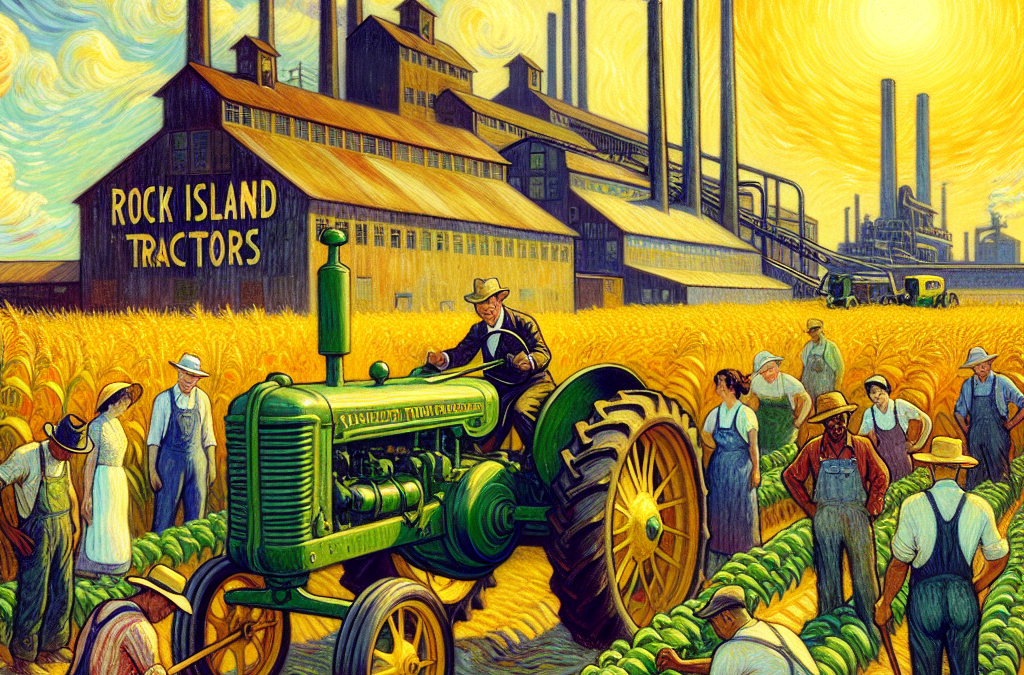
Timeless Machines: Trustworthy Companions With Heart And Heritage
By Tom Seest
At ClassicTractorNews, we help tractor lovers keep up with the latest news for classic and vintage tractors.
Please share this post with your friends, family, or business associates who may like old classic or vintage tractors.
Classic Tractors – Where Reliability Meets Character
Classic Tractors – Where Reliability Meets Character
There’s something undeniably captivating about classic tractors, those rugged machines that have stood the test of time. They embody not just functionality but a deep-seated character that resonates across generations. Picture this: a sun-drenched field stretching as far as the eye can see, the hearty hum of a vintage tractor rumbling to life. It’s not merely a machine; it’s a trusted partner, a symbol of strength, endurance, and the hard work that built this nation.
Consider the farmers of yesterday, relying on their tractors like knights on proud steeds. Each scratch on the paint and dent in the metal tells a story—a story of long hours spent in the fields, of seasons of hope and the sweat of labor. These tractors carry with them an unyielding reliability that newer, flashier models often fall short of. They remind us that value doesn’t always lie in the shiny new technology but in something far more profound: the ability to get the job done, come rain or shine.
Think about it. When you climb aboard that well-worn seat, you’re reconnecting with a tradition steeped in grit and determination. There’s a rush of nostalgia, a reminder of simpler times when a tractor was not just an implement but an extension of the farmer’s family. Perhaps you recall your grandfather’s robust laugh as he shared tales of rolling fields and summer sunsets, all while his trusty tractor chugged along beside him. In these shared moments, we find common ground, a bridge that spans across time and binds us together through the shared experiences of hard work and dedication.
But let’s not just romanticize the past. The reliability of classic tractors lies not only in their durability but in the lessons they impart. They challenge us to embrace the hard work required to cultivate our dreams. They invite us to consider what it means to invest in something timeless, something that, like a good friend, is steadfast through both triumphs and trials. As we navigate our own paths—whether in the fields or our daily lives—there’s a call to action embedded in these machines: strive for resilience, connect deeply with our roots, and appreciate the journey.
Classic tractors are a testament to the value of reliable craftsmanship imbued with character. They inspire us to embrace our own stories, to honor the past while forging ahead with a sense of purpose, to cultivate not just the land but also our lives with the same tenacity they have shown us for decades.
Classic Tractors – Where Reliability Meets Character
Classic Tractors – Where Reliability Meets Character
- Classic tractors are durable machines symbolizing strength and perseverance.
- They embody functionality and deep character, resonating across generations.
- Each imperfection tells a story of hard work and dedication in agriculture.
- Reliability of classic tractors surpasses that of newer, trendier models.
- They evoke nostalgia for simpler times and deepen connections to family traditions.
- Classic tractors challenge us to embrace hard work and invest in timeless values.
- They inspire appreciation for craftsmanship and the journey of cultivating lives.
Classic Tractors – Where Reliability Meets Character
Table Of Contents
- Classic Tractors – Where Reliability Meets Character
- How Do Classic Tractors Inspire a Sense Of Community?
- What Stories Do You Cherish From Your Time with Classic Tractors?
- How Do Vintage Tractors Demonstrate Lasting Reliability?
- Why Do Classic Tractors Continue to Hold Value In Our Hearts?
- How Do Modern Advancements Impact the Legacy Of Classic Tractors?
- What Role Do Classic Tractors Play In Sustainable Farming Practices?
- Conclusion
- Other Resources
- Glossary Of Terms
- Other Questions
- Haiku
- Poem
- Checklist
How Do Classic Tractors Inspire a Sense Of Community?
Classic tractors are more than just machines; they embody a time when hard work was celebrated, and communities thrived on shared labor and mutual respect. Picture a sun-drenched field, the hum of an old tractor reverberating through the air, a palpable connection echoing from engine to soul. This isn’t merely a piece of machinery; it’s a bridge to the past, sparking stories that bind generations together.
In small towns across America, the sight of a classic tractor often stirs something deep within the community. It represents not just agriculture but a lifestyle steeped in tradition, where neighbors would gather to lend a hand during harvests and celebrate the fruits of their labor. Emotions run high at local fairs, where vintage tractors parade down main street, each turn of the wheel reminding onlookers of their own childhood memories spent in the fields alongside family. These gatherings imbue a sense of belonging, creating an atmosphere where laughter and nostalgia meld seamlessly.
But there’s a deeper, more profound narrative at play. These tractors serve as symbols of resilience. Think of the stories shared around bonfires, where farmers recount how they restored their father’s trusty machine through sleepless nights, an act reflecting unwavering commitment to family legacies. Each scratch and dent tells a story — these imperfections bring people closer, reminding them of their shared struggles and triumphs. Classic tractors are emotional touchstones, fostering connection through the memories they evoke and the stories they continue to inspire.
From a rational standpoint, classic tractors also represent an ethos of sustainability. In a world increasingly concerned with overconsumption and waste, these machines are revered for their longevity. They symbolize a time when things were built to last, and that’s a powerful message in today’s disposable culture. By preserving these remarkable machines, communities advocate for curbing waste while celebrating ingenuity.
Ethically, focusing on classic tractors reflects our responsibility to honor both our past and future. By actively participating in tractor shows or restoration clubs, individuals unite under shared values of hard work and craftsmanship, promoting teamwork and collaboration. These gatherings are more than just showcases; they’re modern-day communal celebrations, where friends old and new lean on each other’s expertise, harnessing the collective spirit that once defined rural life.
The pull of classic tractors isn’t just about agriculture; it extends to the human experience. They serve as living reminders that, regardless of how far technology advances, the heartbeat of community and tradition remains in those engines, making us reflect on who we are, where we’ve come from, and where we’re headed.
How Do Classic Tractors Inspire a Sense Of Community?
How Do Classic Tractors Inspire a Sense Of Community?
- Classic tractors symbolize a time of hard work and community respect.
- They evoke nostalgia and bind generations through shared stories and experiences.
- In small towns, they represent a lifestyle of tradition and neighborly cooperation during harvests.
- Classic tractors stand as symbols of resilience and commitment to family legacies.
- They promote sustainability, advocating for longevity in a disposable culture.
- Participation in tractor shows fosters teamwork and collaboration among individuals.
- Classic tractors serve as reminders of community and tradition amidst technological advancements.
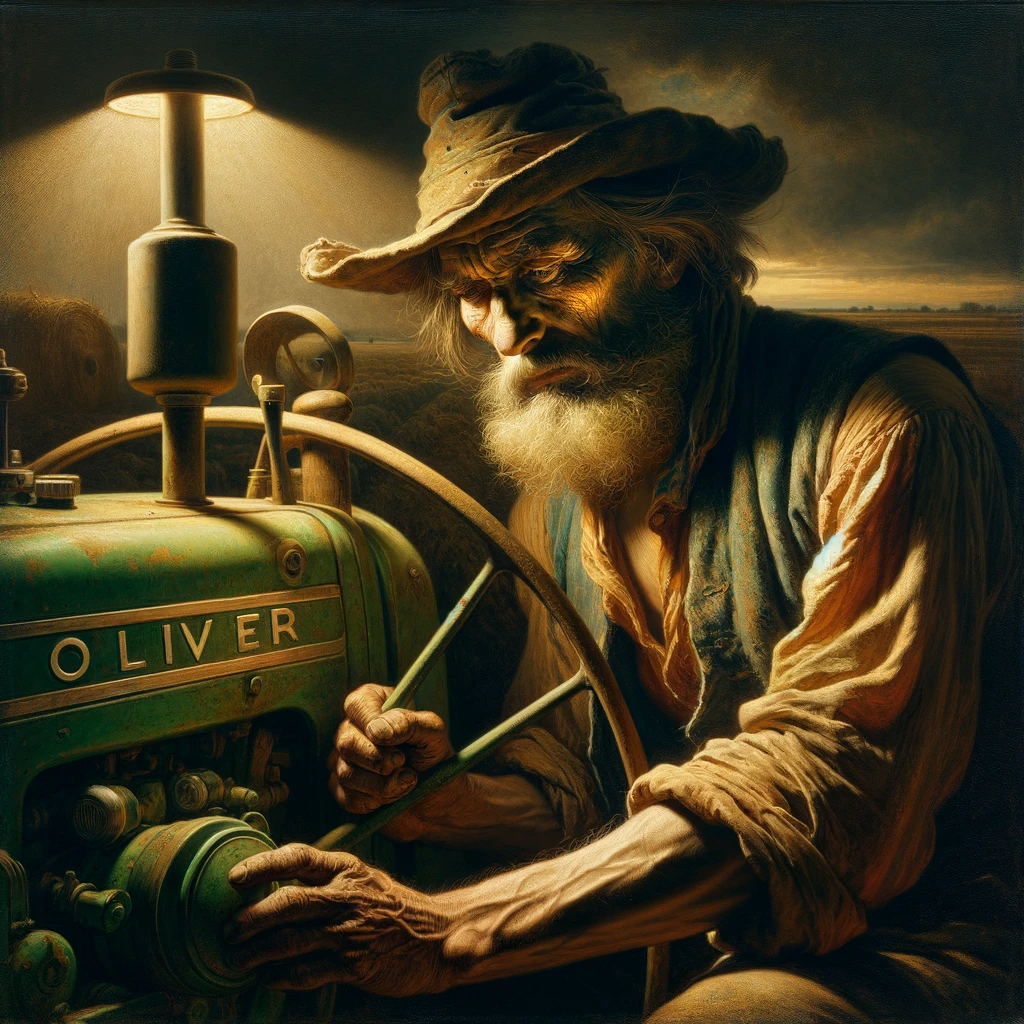
How Do Classic Tractors Inspire a Sense Of Community?
What Stories Do You Cherish From Your Time with Classic Tractors?
There’s a connection that runs deep between a person and their tractor, something that transcends mere machinery. I remember the first time I climbed onto my grandfather’s worn, rust-bucket tractor—a relic of a bygone era. Its engine roared to life, and in that moment, I wasn’t just a kid; I was a steward of history, a participant in a legacy that shaped our family’s roots. Each groove in the steering wheel told a story, a narrative of hot summer days and long hours in the fields.
Classic tractors are emblematic of simpler times, yet their allure is anything but simple. They echo the values of hard work and resilience. When you’re out in the fields, surrounded by the sprawling landscape, you realize these machines are a bridge to the past—connecting generations through shared labor and sweat. And isn’t that what makes a story truly resonate? It’s not merely about the tractor itself but the moments it facilitates: teaching your child how to drive, or fixing a flat tire under the watchful eye of an elder, whose hands have weathered the storms of life much like those old machines.
Think about the ethics of caring for these machines. It’s more than maintenance; it’s an act of reverence. When you choose to restore a classic tractor rather than letting it succumb to the elements, you’re preserving a piece of history—not just for yourself, but for your community. It embodies stewardship, a commitment to honoring the past while paving the way for the future.
There’s a palpable sense of authority and pride when you see a classic tractor plying the fields, the sun casting its golden hue over its weathered frame. It stands as a testament to craftsmanship, a reminder that some things are built to last. The ground may change, seasons may shift, but these machines endure, almost like friendships that have weathered the test of time.
These experiences invite us into a community bonded by nostalgia and shared memories. Whether you’re swapping stories at a local fair or trading restoration tips with a neighbor, classic tractors create a tapestry of connections that binds us. As you share your stories—with laughter, a touch of sadness, or a spark of pride—you’re not just reminiscing; you’re weaving the fabric of a collective history that honors those who’ve toiled before us. In every scratch and dent, there lies not just a memory but a reminder of the heart, the head, and the gut that went into building a life around something as simple, yet profound, as a classic tractor.
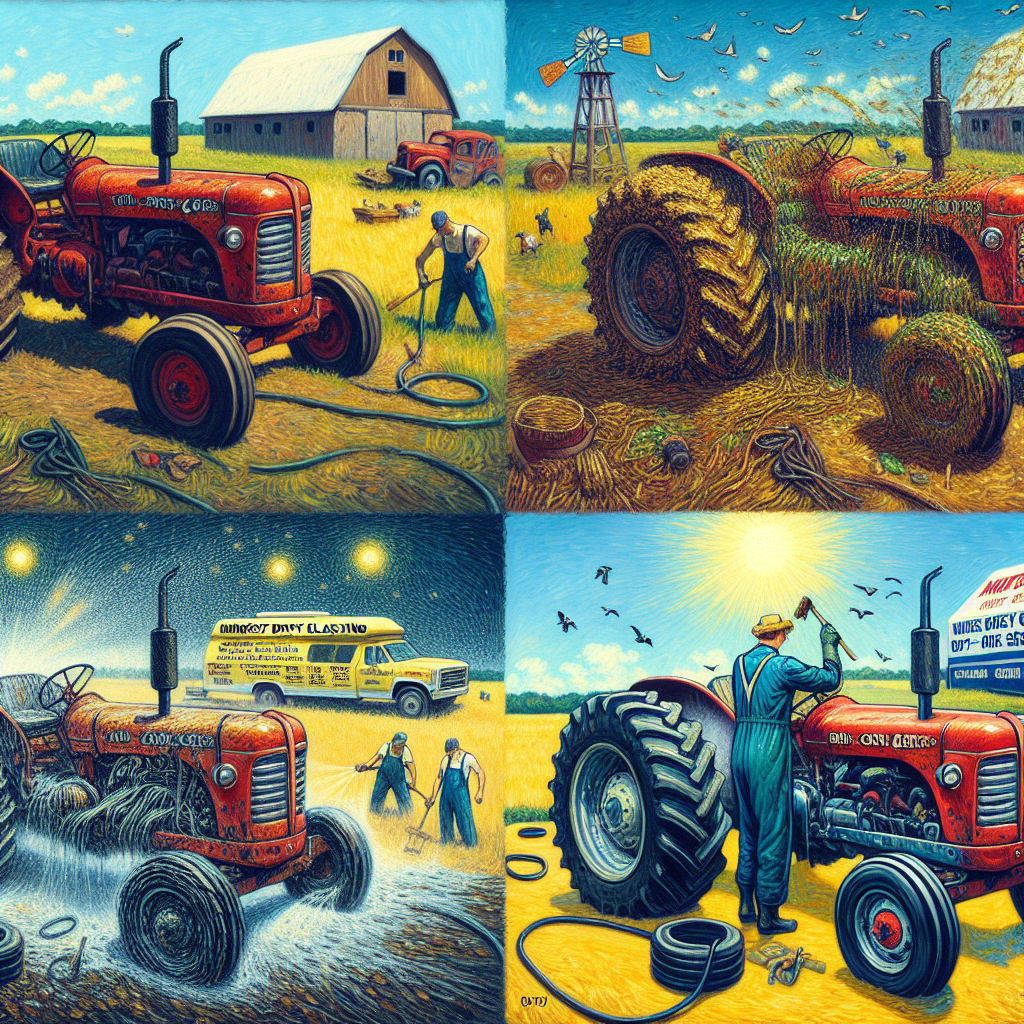
What Stories Do You Cherish From Your Time with Classic Tractors?
What Stories Do You Cherish From Your Time with Classic Tractors?
- Deep connection exists between a person and their tractor, transcending mere machinery.
- Classic tractors symbolize simpler times and embody values of hard work and resilience.
- These machines connect generations through shared experiences, such as teaching children and learning from elders.
- Caring for tractors is an act of reverence, preserving history for future generations.
- Classic tractors are a testament to craftsmanship and durability, enduring through changing seasons.
- They foster community bonds through stories, nostalgia, and shared memories at events and gatherings.
- Each scratch and dent on a tractor represents a collective history and the effort involved in building a meaningful life.
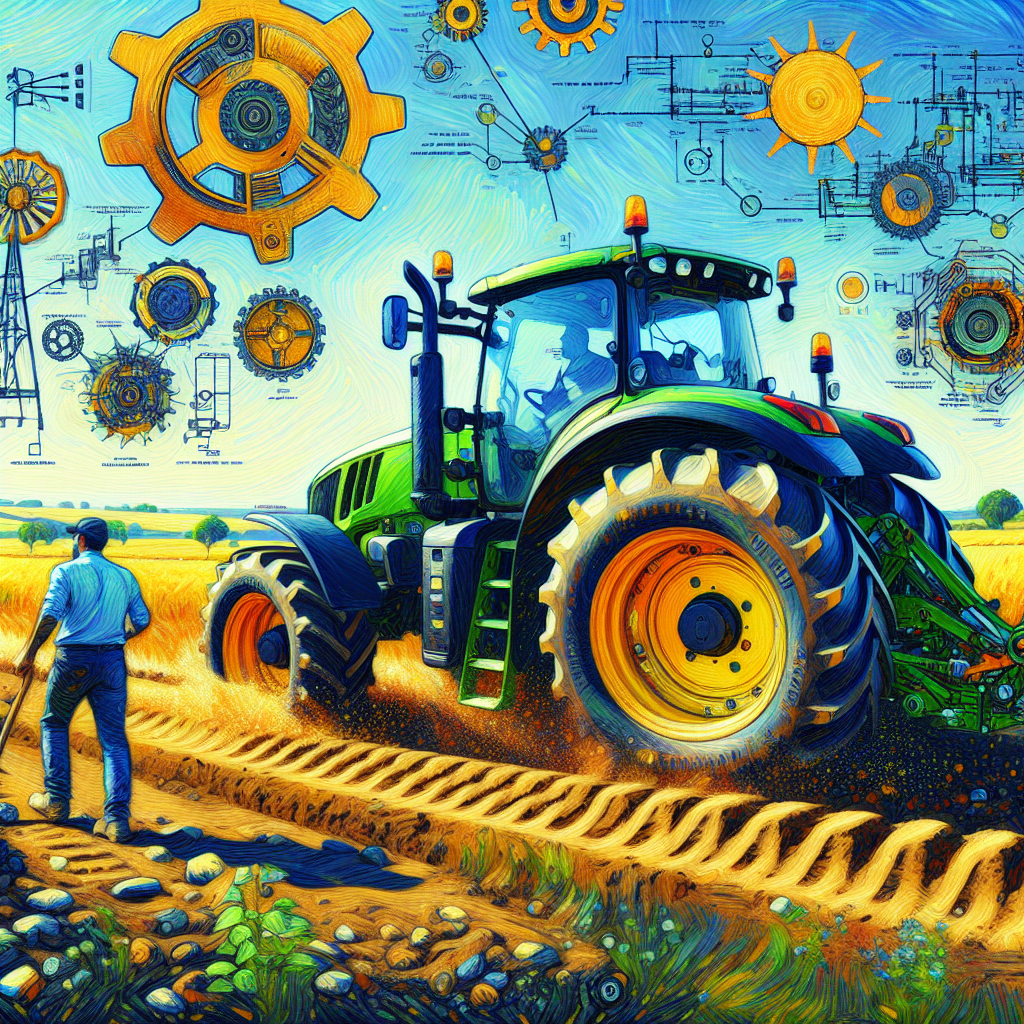
What Stories Do You Cherish From Your Time with Classic Tractors?
How Do Vintage Tractors Demonstrate Lasting Reliability?
Vintage tractors embody a unique blend of enduring reliability and nostalgic charm that resonates deeply with anyone who has ever turned a key and felt an engine rumble to life. These machines, often passed down through generations, serve not just as functional tools but as living symbols of our connection to the land, our history, and one another. Each tractor has a story, etched into its metal frame—a story of hard work, perseverance, and the relentless pursuit of progress.
Think about the last time you saw one of these aging giants at a local farm auction or perhaps parked proudly at a community fair. Old paint jobs chipped away by time and toil tell tales of sunrises over freshly plowed fields and countless seasons of harvest. They are a testament to the people who relied on them, and the memories created alongside them. These tractors have outlasted fancier models, often because of the simple, robust designs that prioritize functionality over frills. They remind us that true reliability isn’t found in the newest gadgetry but in the craftsmanship that stands the test of time.
What strikes at the heart of these vintage machines is the idea that they reflect our values. We live in a world of disposable technology, with every new model promising the latest and greatest but ultimately failing to deliver lasting impact. In stark contrast, vintage tractors were built with integrity. When you see a farmer climb onto a well-worn seat, there’s a sense of trust that builds from years of shared experiences. It’s not just machinery; it’s a partnership forged in the pursuit of a good day’s work.
There’s a certain pride tied to maintaining these machines—an ethical stewardship, if you will. Owners know that taking care of their tractors is part of preserving a legacy, a lesson in sustainability. In an era where we often overlook the value of maintenance in favor of immediate gratification, vintage tractors remind us that resilience is cultivated through care and effort.
Functioning as both a narrative of the past and a beacon for the future, these tractors invite us to consider our own relationships with reliability. They call on us to appreciate the virtues of durability, to seek connections that withstand the test of time, and to choose paths rooted in authenticity. Whether reviving an old engine or sharing stories over a cup of coffee at the farmer’s market, vintage tractors are not just relics; they are living, breathing symbols of lasting reliability.
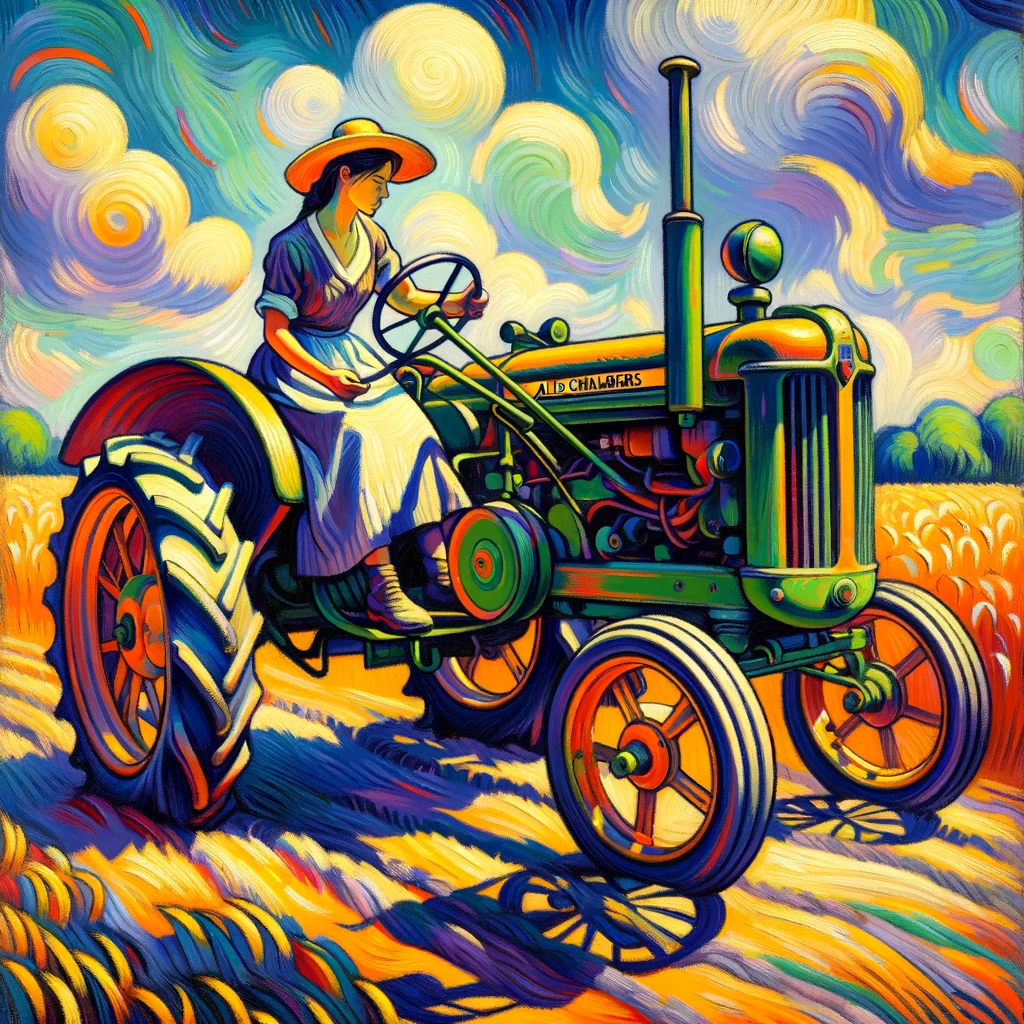
How Do Vintage Tractors Demonstrate Lasting Reliability?
How Do Vintage Tractors Demonstrate Lasting Reliability?
- Vintage tractors combine reliability and nostalgic appeal, resonating with those who appreciate their history.
- They symbolize our connection to the land, history, and the values of hard work and perseverance.
- Chipped paint and aging frames tell stories of seasons gone by and the people who depended on them.
- They outlast newer models due to simple, robust designs that emphasize functionality.
- Vintage tractors reflect our values in a world dominated by disposable technology.
- Maintaining these machines fosters a sense of pride and sustainability, preserving a legacy.
- They serve as reminders to appreciate durability and authenticity in our relationships and choices.
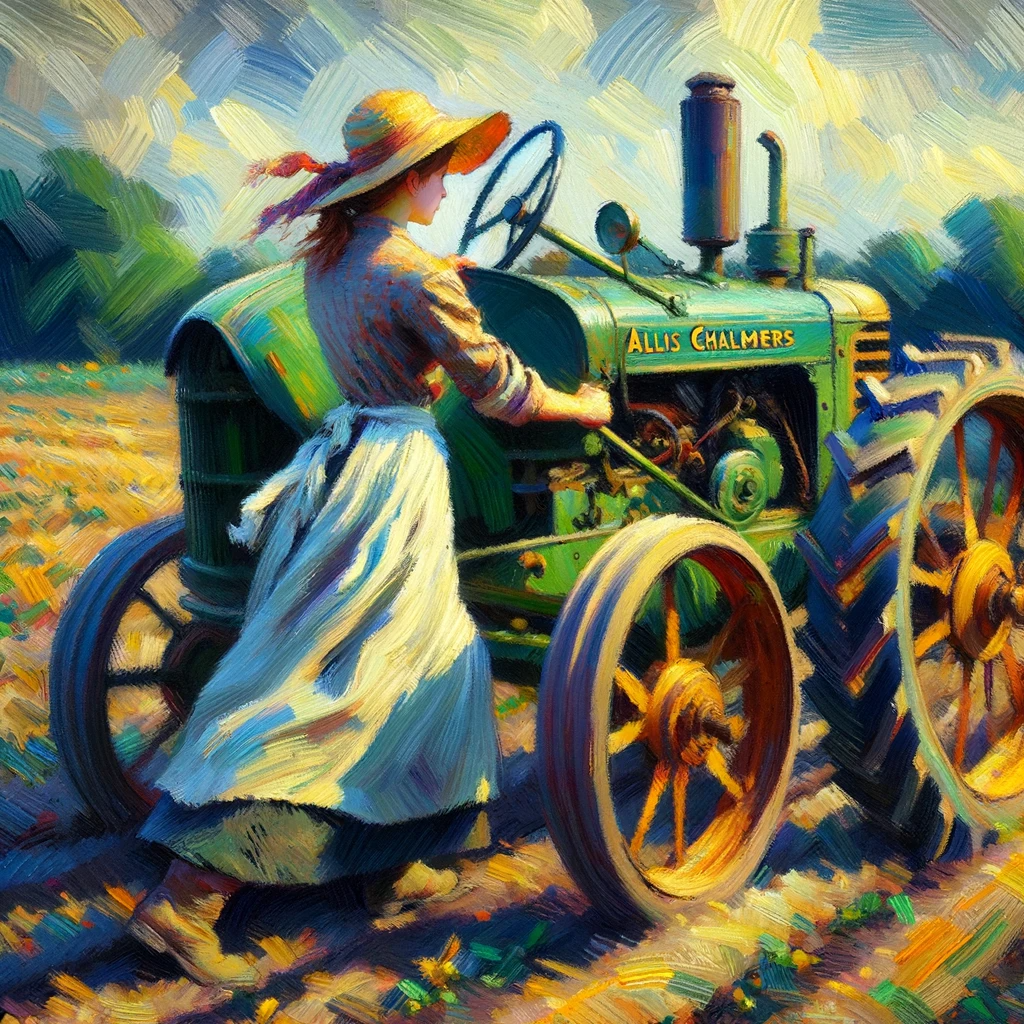
How Do Vintage Tractors Demonstrate Lasting Reliability?
Why Do Classic Tractors Continue to Hold Value In Our Hearts?
In a world driven by rapid innovation and fleeting trends, classic tractors stand as stalwart symbols of resilience and hard work, ingrained in the fabric of our lives. These machines represent more than just their functional prowess; they echo stories of our past and the hands that wielded them. When we think of a tractor, we’re not merely envisioning a piece of equipment; we’re conjuring images of generations farming the land, creating a dialogue between man and soil.
Consider for a moment a summer day in the fields, the sun casting golden rays over rows of crops, and the hum of an engine trying to keep pace with nature. That familiar roar of a classic tractor isn’t just the sound of work; it’s a melody of memories. This isn’t just equipment; it’s a family heirloom, a shared legacy passed down like fine wine, each scratch and dent carrying the weight of a story. It speaks to our hearts, reminding us of our roots and the values instilled in us as children—dedication, perseverance, and the satisfaction of a hard day’s labor.
Rationally, classic tractors possess an intrinsic value that transcends their initial price tag. These machines boast durability and simplicity, often requiring little more than a wrench and a bit of elbow grease to maintain—qualities that seem lost in today’s throwaway culture. They serve as tools of independence, allowing enthusiasts to cultivate their land, restore vintage beauty, and keep the spirit of agriculture alive. As the world becomes more disconnected from its agricultural roots, owning a classic tractor isn’t just about nostalgia; it’s a commitment to sustainability and self-sufficiency.
From an ethical standpoint, valuing classic tractors means upholding the traditions of craftsmanship and community. Many small towns thrive on the stories these tractors tell—local farmers gather to share tips, swap parts, and celebrate victories. This fosters a sense of belonging, a reminder that we are all part of something greater. The thrill of sharing knowledge and experience in restoring these machines creates bonds that transcend generations, turning the restoration process into an act of love and dedication.
Ultimately, classic tractors hold steadfast in our hearts because they are more than metal and wheels—they embody our history, our community, and our shared human experience. Their enduring appeal lies not just in their function, but in their power to connect us to our past while steering us towards a promising future. Just like a tractor, grounded but always moving forward, we too can cultivate our own legacies, tethered to what truly matters.
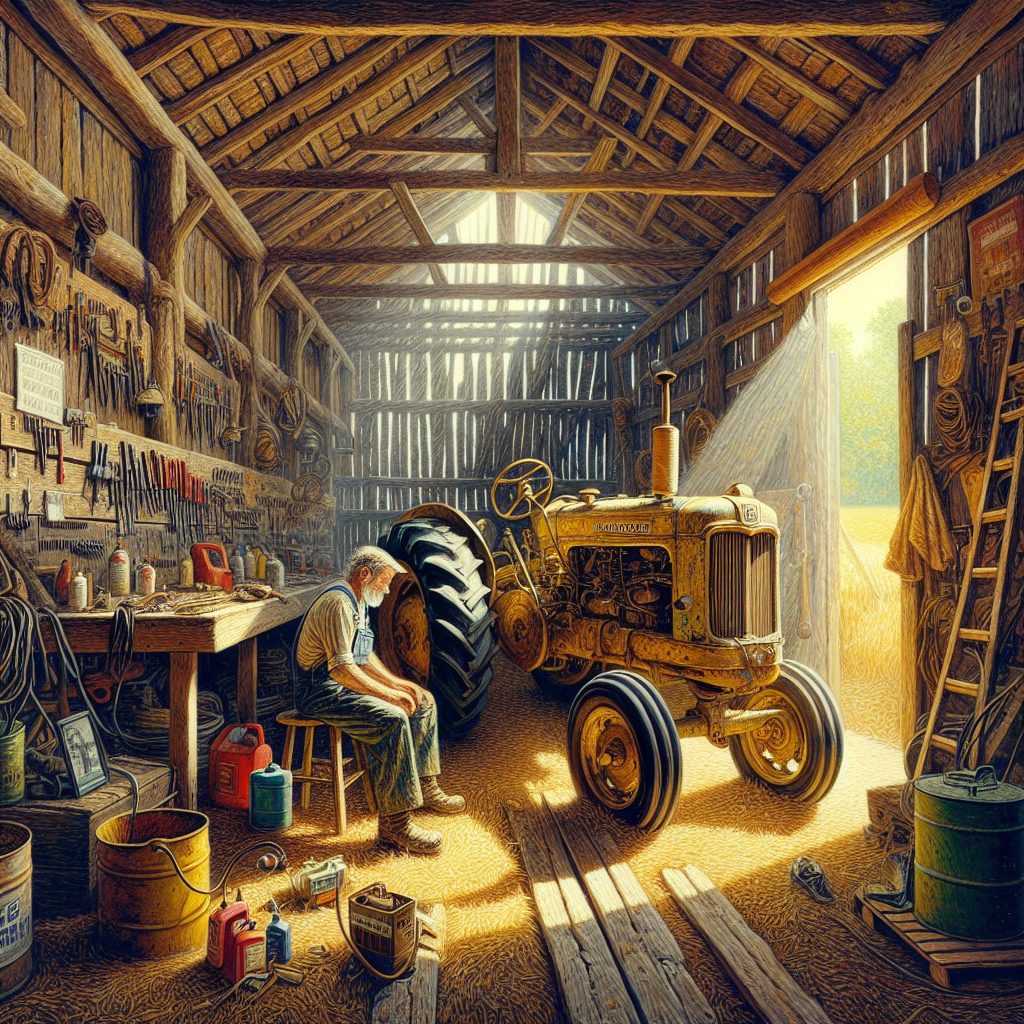
Why Do Classic Tractors Continue to Hold Value In Our Hearts?
Why Do Classic Tractors Continue to Hold Value In Our Hearts?
- Classic tractors symbolize resilience and hard work, reflecting our agricultural heritage.
- They evoke memories and stories passed down through generations, beyond mere equipment.
- Possess intrinsic value with durability and simplicity, contrasting modern throwaway culture.
- Serve as tools of independence and self-sufficiency, connecting enthusiasts to agriculture.
- Support community traditions and craftsmanship, fostering local interactions among farmers.
- Restoration of classic tractors creates bonds and acts of love between generations.
- Embodies history and community, bridging our past with a sustainable future.
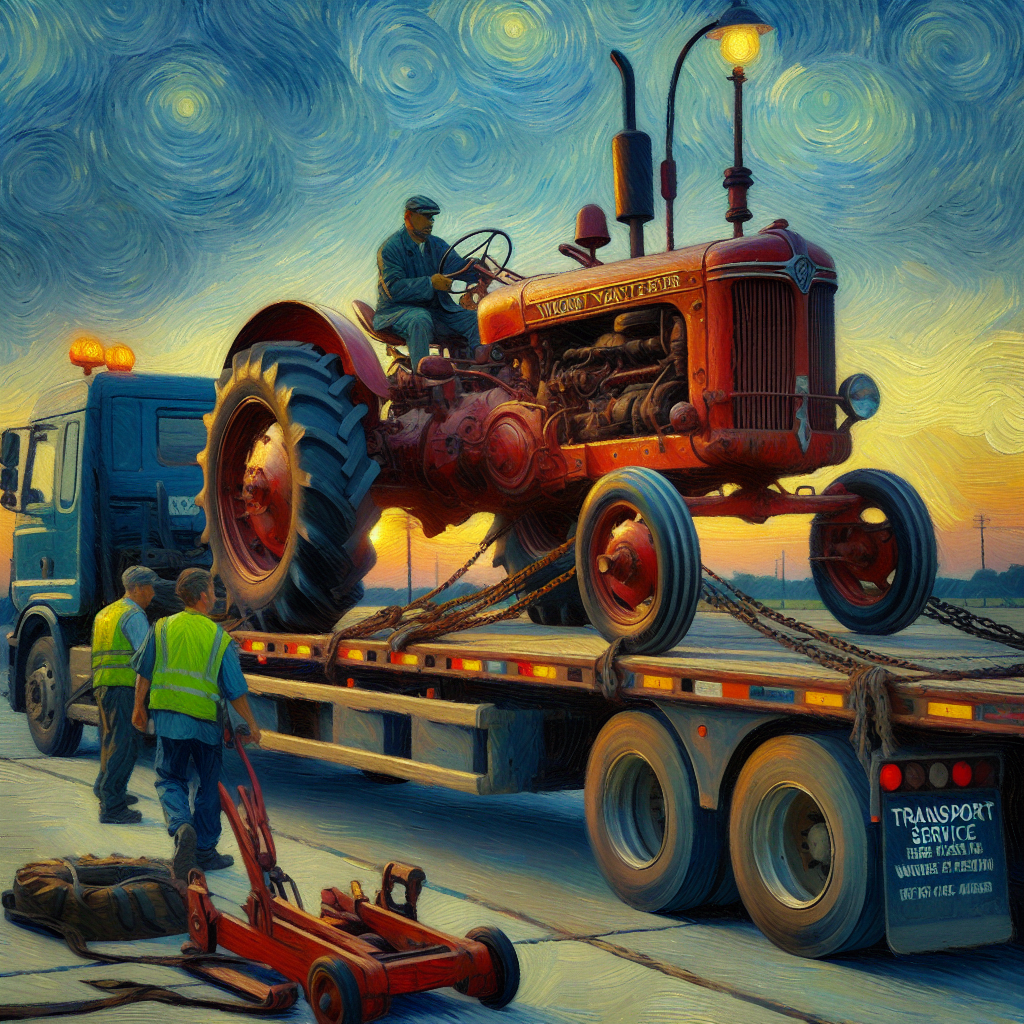
Why Do Classic Tractors Continue to Hold Value In Our Hearts?
How Do Modern Advancements Impact the Legacy Of Classic Tractors?
How do modern advancements impact the legacy of classic tractors?
Tractors have long been the backbone of agriculture, transforming the way we farm and connect with the land. Picture a weathered farmer, hands calloused from years of toil, guiding a classic tractor—its engine a familiar roar, its worn paint a testament to countless seasons of hard work. This isn’t just machinery; it’s a lifeline, a partner that echoes the stories of generations past. Yet, in an era of rapid advancements and technological evolution, the legacy of these iconic machines faces a pivotal moment.
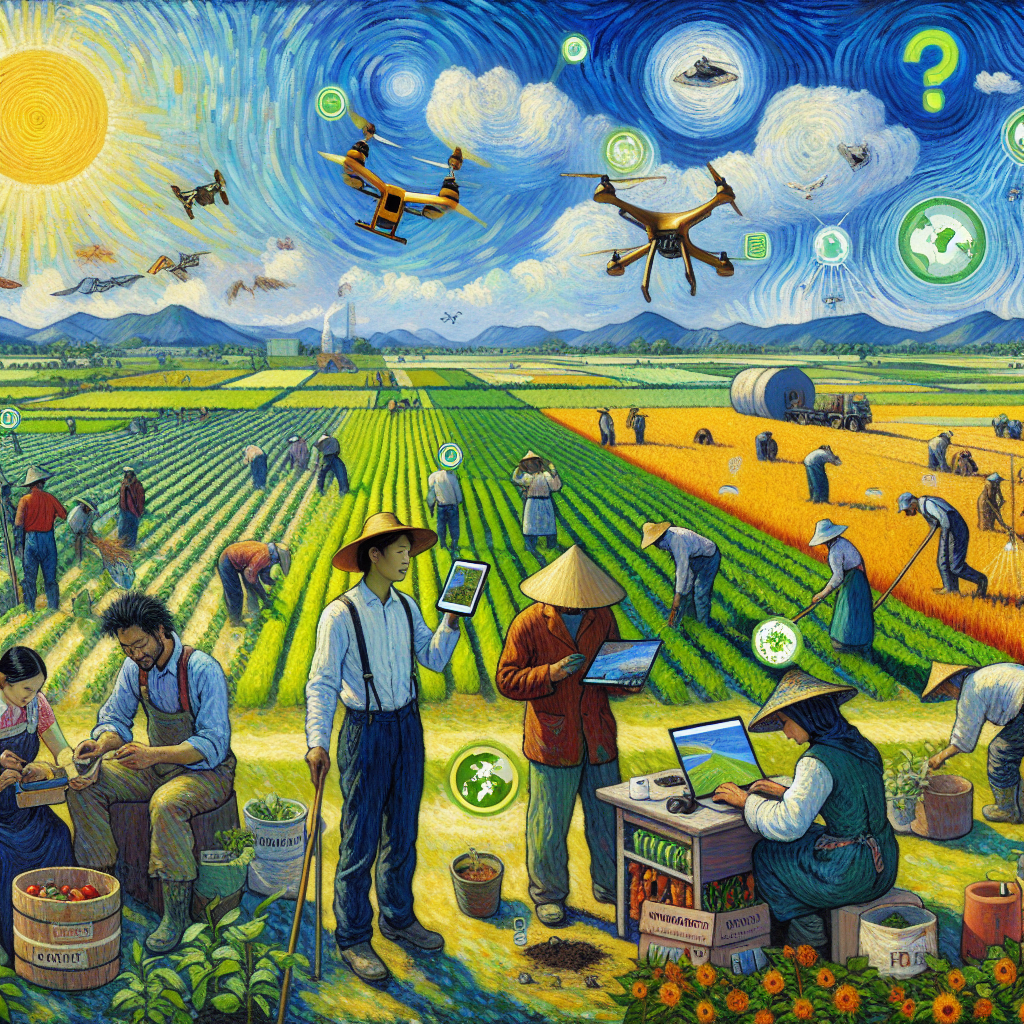
Modern tractors, equipped with sensors, GPS, and automated systems, are reshaping our understanding of farming. They promise efficiency, precision, and sustainability. While this progress ushers in a new age of productivity, it can sometimes overshadow the earthy authenticity of classic models. However, these advancements don’t have to erase the past. Instead, they can serve as a bridge—integrating the soul of old-school farming with cutting-edge technology.
Consider a farmer who decides to incorporate a vintage tractor into a modern fleet. Each time he hops on that classic machine, he’s not just toiling in the fields; he’s rekindling a connection to history, embodying a spirit that transcends time. The scent of gasoline, the rhythmic chug, and the tactile experience of operating machinery become a celebration of tradition. In this way, modern and classic tractors can coexist, with each amplifying the other’s strengths. The classic holds onto the heritage of hard work, while the modern offers tools that support today’s agricultural challenges.
This duality reflects broader societal values about progress and preservation. We often find ourselves at a crossroads, weighing the value of innovation against the foundation laid by those who came before us. It calls us to consider the ethics of farming, the importance of sustainability, and the necessity of honoring our roots. By embracing advancements while cherishing the legacy of classic tractors, we cultivate a richer, more diverse agricultural narrative.
It’s about trusting the stories behind the machines, understanding that each scratch on the surface tells a story, a reminder of resilience and grit. Rather than viewing modern advancements as a departure from tradition, we can view them as an invitation to honor our past while boldly stepping into the future—together on this shared journey of soil, sweat, and steel.
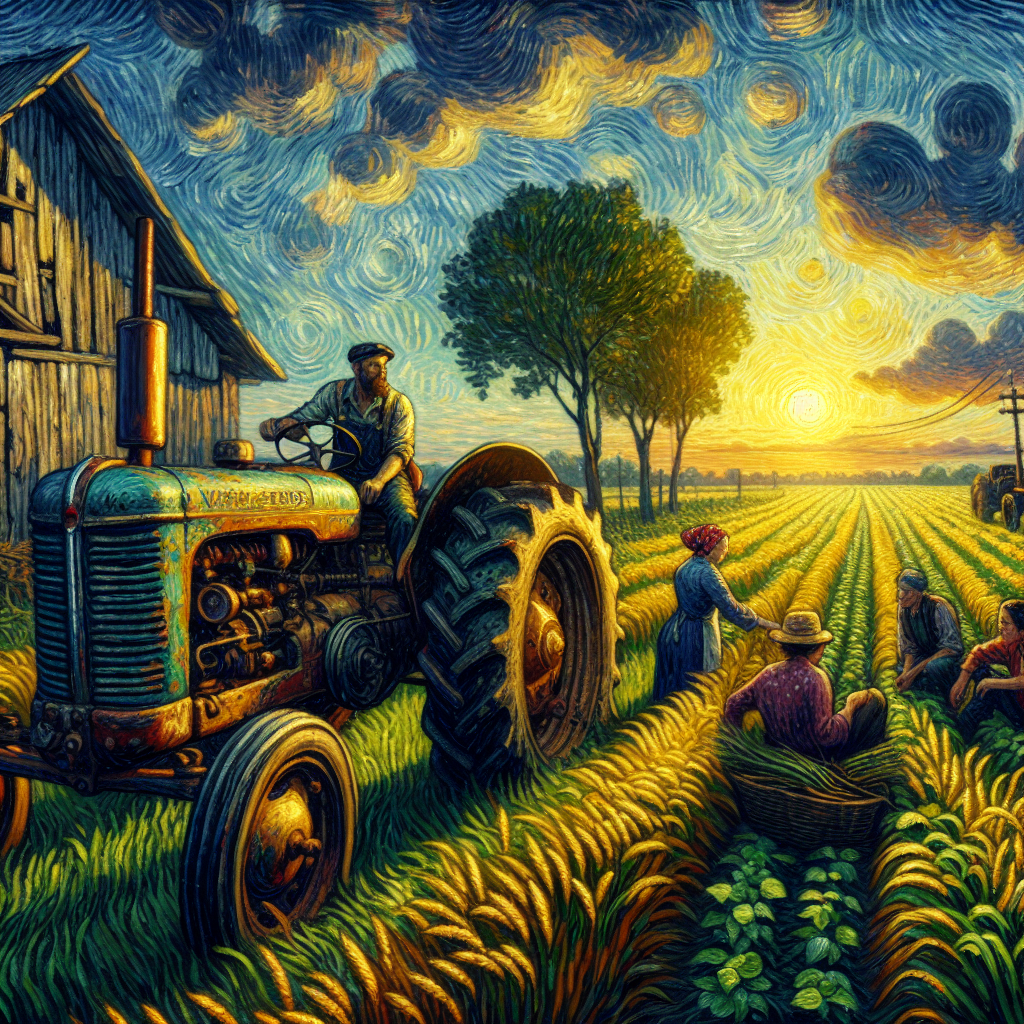
How Do Modern Advancements Impact the Legacy Of Classic Tractors?
How Do Modern Advancements Impact the Legacy Of Classic Tractors?
- Tractors have deeply influenced agriculture, serving as essential tools that connect farmers to the land.
- Classic tractors represent a rich legacy of hard work and tradition.
- Modern advancements, such as sensors and GPS, significantly enhance farming efficiency and sustainability.
- New technology does not have to overshadow the value of classic tractors; both can coexist and complement each other.
- Incorporating vintage tractors into modern fleets allows farmers to maintain a connection to agricultural history.
- The duality of modern and classic tractors reflects a balance between innovation and preserving heritage.
- Embracing advancements while honoring classic tractors promotes a diverse and enriched agricultural narrative.
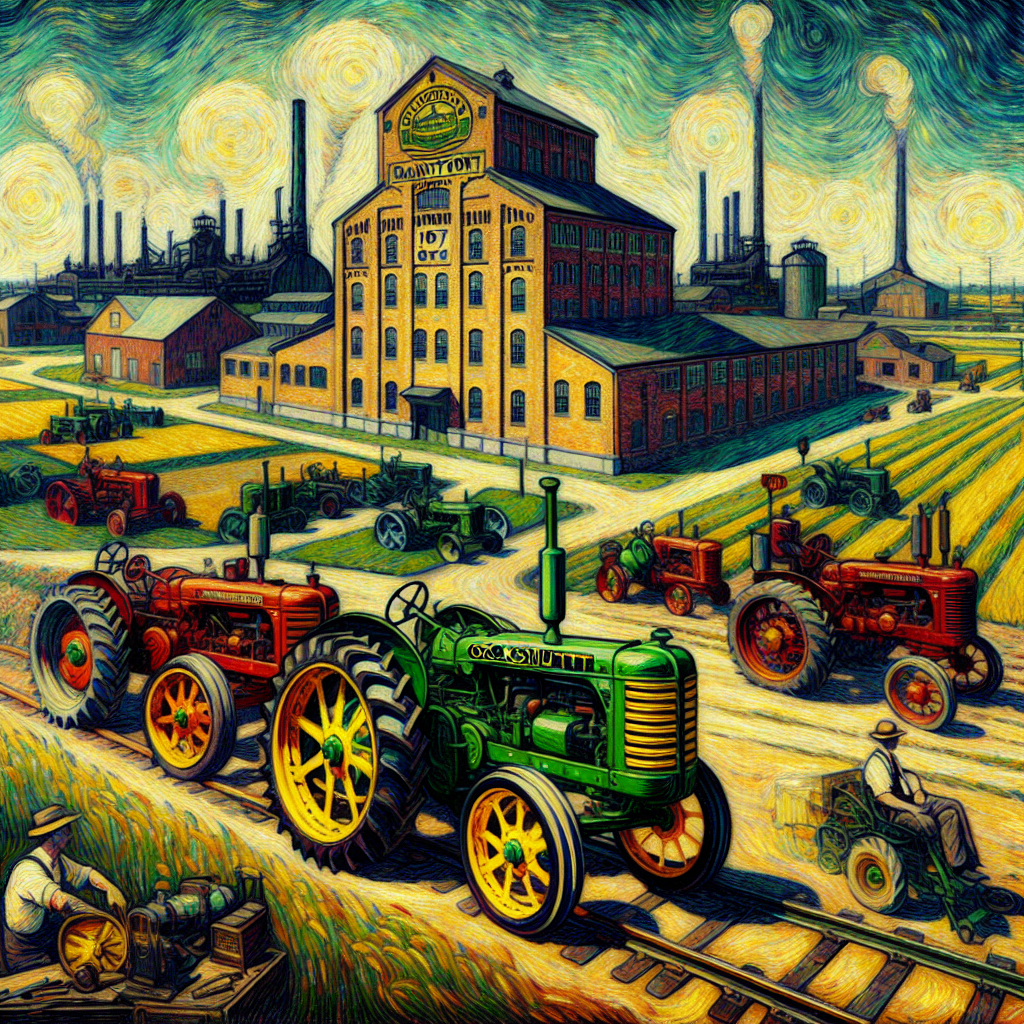
How Do Modern Advancements Impact the Legacy Of Classic Tractors?
What Role Do Classic Tractors Play In Sustainable Farming Practices?
Classic tractors represent more than just machinery; they embody the spirit of sustainable farming practices deeply rooted in our agricultural heritage. These machines, often seen as relics of a bygone era, possess an enduring charm and intrinsic value that resonates with farmers who prioritize sustainability. Picture your grandfather, plowing the field with a rumbling tractor, not just cultivating the land but nurturing a legacy of stewardship. This connection to the past teaches a vital lesson: sustainability isn’t merely a modern trend; it’s a longstanding commitment to the land.
Using classic tractors, farmers can lower their environmental impact. These robust machines require less fuel and are often easier to repair than their modern counterparts. Imagine a world where each farmer can maintain their equipment without relying on expensive replacements or high-tech solutions. This independence fosters a deeper connection to the land—to every furrow turned and seed planted.
Rationally, a classic tractor can serve multiple roles. Whether it’s tilling the soil, hauling produce, or transporting materials, these machines adapt to the needs of organic and regenerative farming practices. They promote biodiversity by enabling farmers to cultivate diverse crops without heavy reliance on industrial methods. As the tractor rolls across the fields, it tells a story of harmony with nature, of cycles honored rather than exploited.
Ethically, many modern consumers are seeking connections to their food sources. When they see farmers driving classic tractors, there’s a sense of authenticity that cannot be overstated. It’s not just about the food on their plates; it’s about understanding the values of the farmers—values rooted in respect for the earth and a commitment to sustainable methods. Growing food with love and respect echoes through generations, inspiring environmental stewardship in younger farmers.
Consider the social aspect: classic tractors foster community ties. Farmers often gather at local events to share stories, swap techniques, or simply admire each other’s gear. In these gatherings, knowledge flows as freely as laughter, strengthening both community bonds and sustainable practices. This sense of camaraderie reinforces the idea that no farmer is alone in the journey toward sustainability.
Classic tractors are not merely tools; they are symbols of resilience and sustainability, embodying the deep-rooted values of agricultural communities. Embracing these machines is not just a nostalgic nod; it’s a pioneering step into a sustainable future where tradition and innovation drive progress, ensuring the land remains fertile for generations to come.
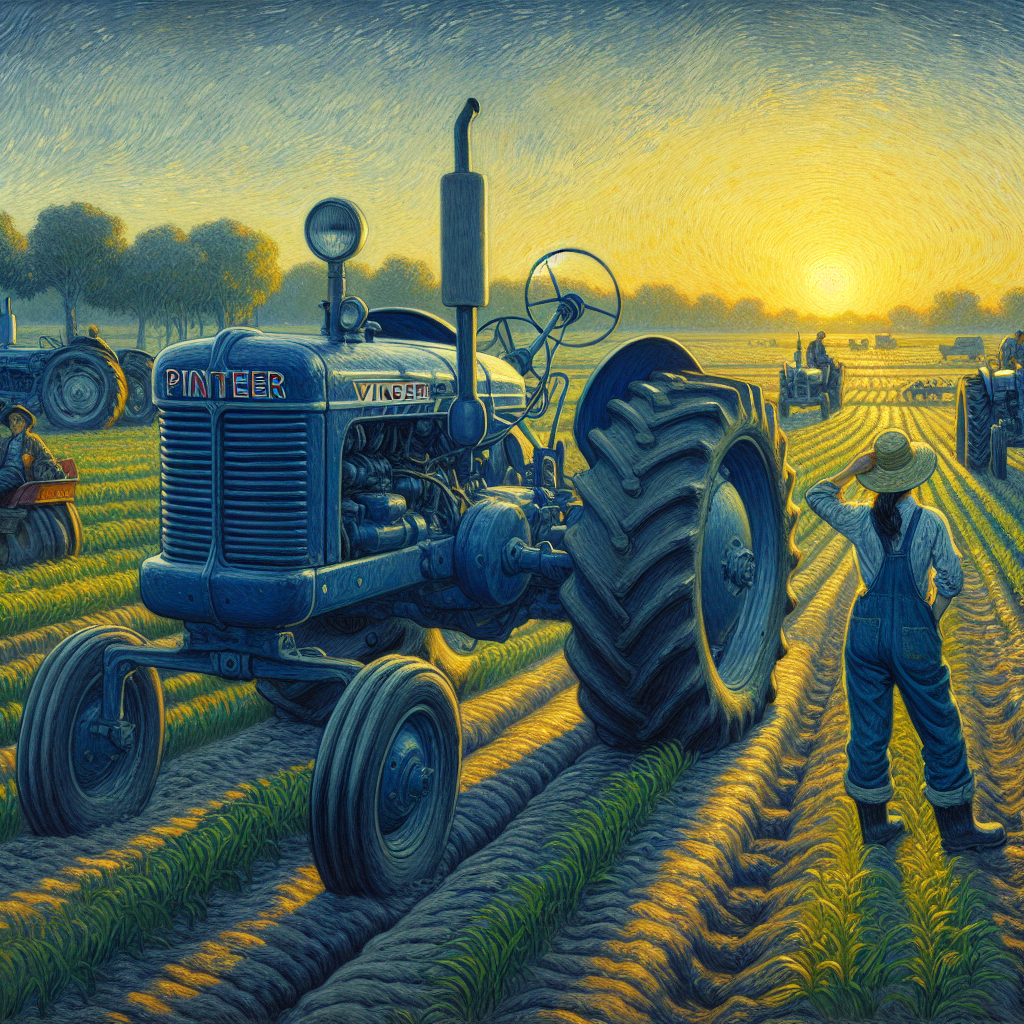
What Role Do Classic Tractors Play In Sustainable Farming Practices?
What Role Do Classic Tractors Play In Sustainable Farming Practices?
- Classic tractors signify sustainable farming practices rooted in agricultural heritage.
- They possess charm and value, resonating with farmers who prioritize sustainability.
- Using classic tractors reduces environmental impact, requiring less fuel and being easier to repair.
- These machines adapt roles in organic farming, promoting biodiversity without industrial reliance.
- Classic tractors create authenticity for consumers, reflecting farmers’ values toward earth and sustainability.
- They foster community ties through events, sharing knowledge, and strengthening bonds among farmers.
- Classic tractors symbolize resilience and sustainability, blending tradition with innovation for future generations.
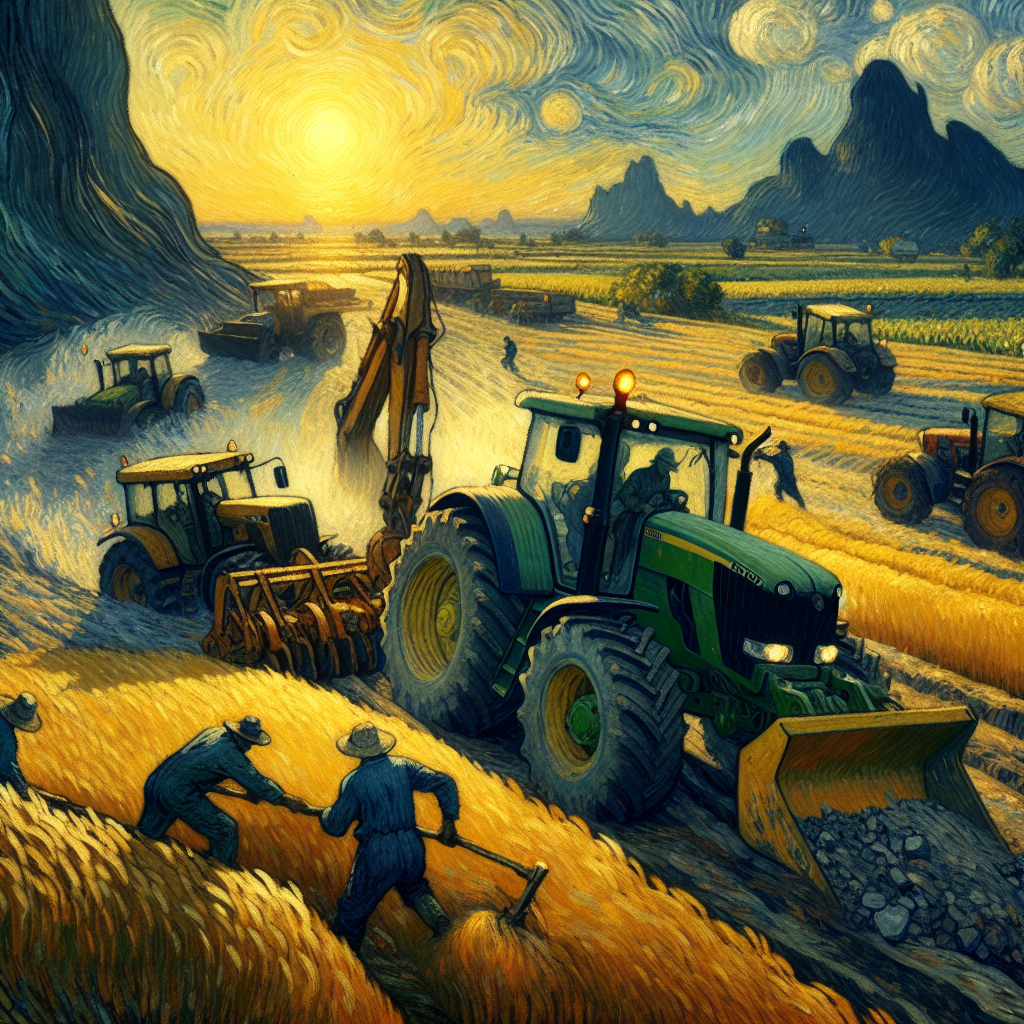
What Role Do Classic Tractors Play In Sustainable Farming Practices?
Conclusion
Classic tractors stand as pillars of our agricultural heritage, emblematic of grit, resilience, and enduring reliability. These machines are more than mere implements; they are cherished companions that have outlasted the whims of modernity, echoing the stories of generations past. When you hear a vintage tractor rumble to life, it’s not just an engine igniting; it’s a connection to the legacy of hard work and tradition, a chapter in the narrative of our communities.
The emotional power of classic tractors lies in their ability to evoke nostalgia. Each dent and scratch serves as a reminder of long days in the fields, embodying shared experiences of toil, triumph, and family. This connection fosters a deep sense of community, where farmers not only share tools and techniques but also weave together the very fabric that defines their shared history. At local fairs and gatherings, these tractors parade down main streets, sparking memories that bind us across generations—reminders of simpler times spent side by side with family.
Yet, there’s a rational appeal here, too. In a world that often prioritizes the latest technology, classic tractors remind us that reliability and sustainability are rooted in simplicity. These machines require minimal maintenance, showing that quality craftsmanship triumphs over fleeting trends. Their longevity speaks volumes in an era of disposability, reflecting an ethos of stewardship that resonates with today’s efforts toward sustainability.
From an ethical standpoint, valuing classic tractors represents an acknowledgment of our heritage and a commitment to responsible farming practices. These tractors exemplify a sustainable approach to agriculture, enabling farmers to nurture the land with respect while preserving the stories that come with these enduring machines. Each restoration or maintenance act becomes a tribute to the past, reinforcing the importance of craftsmanship and community collaboration.
Classic tractors are not only symbols of farming; they invoke a sense of place, prompting us to reflect on our roots. They speak to the heart, head, and gut, weaving together emotional narratives with rational understanding. As we navigate our modern world, there’s an undeniable call to hold onto those values—the ones shaped by community, hard work, and an appreciation for what has come before. Classic tractors inspire us to cultivate not just the soil, but also the connections that enrich our lives, reminding us that while technology may advance, the essence of hard work and community remains constant.
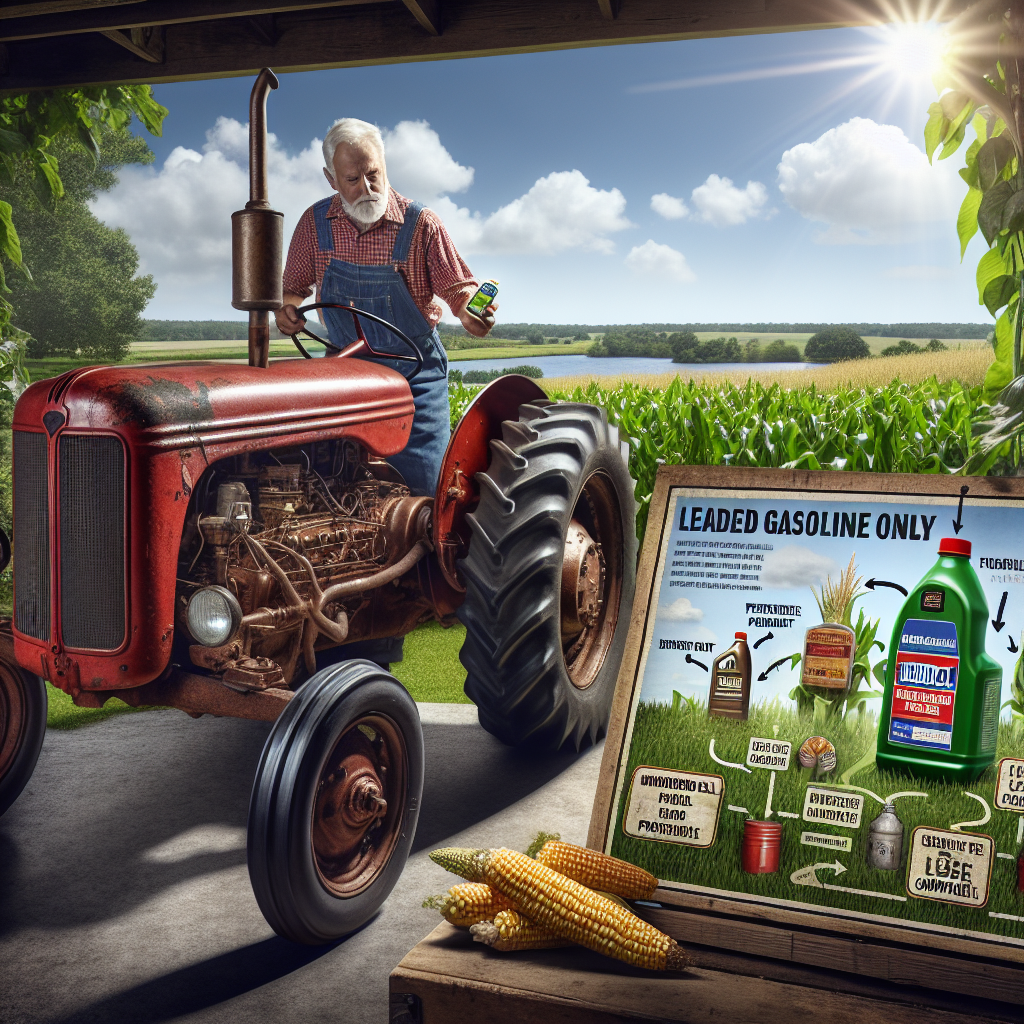
Conclusion
Conclusion:
- Classic tractors symbolize agricultural heritage, showcasing grit, resilience, and reliability.
- They represent a connection to tradition and the legacy of hard work through generations.
- Emotional nostalgia is evoked by their physical marks, reflecting shared experiences and community bonding.
- These machines highlight the importance of reliability and sustainability in agriculture.
- Valuing classic tractors signifies a commitment to responsible farming practices and environmental stewardship.
- Restoring and maintaining these tractors reinforces craftsmanship and community collaboration.
- Classic tractors inspire reflection on roots and emphasize the lasting values of community and hard work.
Conclusion
Other Resources
Other Resources
Here is a list of other resources you can review online to learn more:
- Valmet
- Ransomes
- Muskoka Pioneer Power
- Raba
- Cub Cadet
- Kartar Tractors
- Muller
- Yanmar
- Know Your Classic Tractors
- Minneapolis
- Nuffield
- Mahindra Gujarat
- Fox River Tractor Company
- Argo Tractors
- Modern Farmers
- Georgia National Antique Agriculture Show
- East Wind
- Simplicity
- Legacy of the Plains Museum
Use This Prompt To Get More Resources With Your Favorite Online AI Tool: Please provide me with a list of online articles with their URLs in a bulleted list that I can read regarding Classic Tractors – Where Reliability Meets Character
Other Resources
Glossary Terms
Classic Tractors – Where Reliability Meets Character – Glossary Of Terms
1. Classic tractor: An older model agricultural tractor valued for its historical design, mechanical simplicity, and enduring reliability rather than modern features.
2. Two-cylinder: An engine layout common in many vintage tractors, noted for its distinctive sound and simple, robust construction.
3. Diesel engine: Compression-ignition powerplant favored in classics for fuel efficiency, torque at low RPM, and long service life.
4. Gasoline engine: Spark-ignition engine found on earlier or lighter tractors; easier cold-start characteristics but generally lower low-end torque than diesel.
5. Horsepower: A measure of an engine’s peak power output; vintage ratings may use different standards than modern SAE figures.
6. Torque: Rotational force produced by the engine, crucial for pulling heavy implements and working at low speeds.
7. PTO (Power Take-Off): Rotating shaft that transfers engine power to implements such as mowers, balers, or pumps.
8. Live PTO: A PTO system that remains engaged and powered independently of tractor motion, allowing easier implement operation.
9. Three-point hitch: Standard rear implement attachment using two lower arms and a top link; provides quick mounting and draft control.
10. Drawbar: A simple towing point used for pulling trailers or non-hitched implements, adjustable for height and load.
11. Hydraulics: Fluid-powered system used to lift, lower, and control implements; later classics introduced basic hydraulic lifts and remotes.
12. Final drive: The gearbox and differential assembly at the wheel that multiplies torque and transmits power to the ground.
13. Transmission (sliding-gear / partial-synchro): Gear system controlling speed/range; older classics often use sliding-gear boxes requiring clutching and rev-matching.
14. Clutch: Mechanical device that engages or disengages engine power to the transmission for shifting or stopping without killing the engine.
15. Differential lock: Mechanism that forces both drive wheels to turn together, improving traction in slippery or uneven field conditions.
16. Ballasting: Adding weight (wheel weights, liquid, or cast iron) to improve traction and stability when using heavy implements.
17. Wheel lugs / cleats: Raised tread or bolt-on additions to tires that increase traction in soft soils.
18. Air-cooled vs. water-cooled: Cooling methods; many classics use water jackets and radiators, while some small units rely on air cooling for simplicity.
19. Governor: Device that regulates engine speed under load to maintain consistent RPM for fieldwork and PTO applications.
20. Magneto: Self-contained ignition unit common on older gasoline tractors that generates spark without a battery.
21. Carburetor: Fuel/air mixing device used on gasoline engines before widespread fuel injection; sensitive to tuning and cleanliness.
22. Glow plug / intake heater: Diesel starting aid that preheats combustion chambers to assist cold-weather starts on older direct-injection engines.
23. Implement: Any tool or machine (plow, harrow, mower, baler) attached to or powered by a tractor to perform farm work.
24. PTO shaft (driveshaft): Rotating connection between tractor PTO and an implement’s gearbox, often protected by a safety shield.
25. Running gear: Collective term for wheels, axles, brakes, and suspension components that move and support the tractor.
26. Serial number / VIN: Factory identification stamped on the frame or engine used to date, identify, and confirm originality of a tractor.
27. Originality (matching-numbers): Degree to which a tractor retains its original engine, transmission, paint, and components—highly prized by collectors.
28. Restoration: Process of repairing, refurbishing, or returning a tractor to running condition or original appearance, ranging from mechanical to concours-level work.
29. Barn find: A tractor discovered in long-term storage or neglect, often with original parts and patina that appeal to restorers and collectors.
30. Parts interchangeability: The extent to which components from different years or models fit one another; high interchangeability simplifies repairs and sourcing.
Glossary Of Terms
Other Questions
Classic Tractors – Where Reliability Meets Character – Other Questions
If you wish to explore and discover more, consider looking for answers to these questions:
- What are the most sought-after classic tractor models and manufacturers?
- How can I identify the make, model, and year of a classic tractor?
- What is the typical cost to buy a running vs. non-running classic tractor?
- How much does a full restoration usually cost and how long does it take?
- Where can I find original parts, decals, and restoration materials?
- Are reproduction parts reliable and where should I source them?
- How do I assess a tractor’s condition before purchasing?
- What common mechanical problems should I expect with vintage tractors?
- What basic tools and skills are necessary for routine maintenance and repair?
- How do I safely start and operate a classic tractor for the first time?
- Which fuels and lubricants are recommended for older engines?
- Can classic tractors be modernized with GPS, sensors, or electrical upgrades?
- How do modern upgrades affect authenticity and resale value?
- What attachments and implements remain compatible with older tractors?
- How do I store and winterize a classic tractor to prevent deterioration?
- What are best practices for preventing and treating rust and corrosion?
- How do I find restoration guides, manuals, and service literature?
- Where are the best places to buy or sell classic tractors (auctions, classifieds, clubs)?
- How do I determine the fair market value or appraisal of a classic tractor?
- Are there insurance options specifically for classic tractors and shows?
- What legal or registration requirements apply to operating a vintage tractor on public roads?
- How do classic tractors contribute to sustainable or regenerative farming practices?
- What are the environmental impacts of using older tractor engines and how can they be mitigated?
- How do restoration ethics play out: preserve originality or modify for usability?
- What local or national clubs, events, and shows celebrate classic tractors?
- How can beginners get involved in the classic tractor community and learning opportunities?
- What resources exist for fabricating hard-to-find parts or reverse-engineering components?
- How do classic tractors perform compared with modern tractors in terms of efficiency and productivity?
- Which rare or historically significant tractors should collectors watch for at auctions?
Other Questions
Haiku
Classic Tractors – Where Reliability Meets Character – A Haiku
Classic steel and grit,
Stories of toil and heart beat,
Roots and fields unite.
Haiku
Poem
Classic Tractors – Where Reliability Meets Character – A Poem
In fields where sun and sweat align,
Classic tractors carve their tale divine.
Rugged yet tender, with stories to tell,
Partners in toil, where memories dwell.
Each dent and scratch, a mark of the past,
A bridge connecting generations vast.
Whispers of labor in every rumbling gear,
Resilience rooted in the echo of cheer.
They beckon us back to simpler days,
Where hard work thrived in honest ways.
More than just steel, they embody our dreams,
A testament to strength in life’s flowing streams.
With every turn, they cherish our strife,
Symbols of legacy, enduring for life.
Nostalgia swells in the hum of their grace,
Reflecting our values in their steadfast embrace.
In shared gatherings, bonds are reborn,
Echoing laughter in fields, as hearts are worn.
These machines uphold an ethical call,
Preserving our past, ensuring our all.
In modern times, their spirit prevails,
Innovations blend with time-traveling trails.
Classic tractors guide the way we farm,
Embracing the old while modernity’s charm.
They teach us the worth of craftsmanship true,
Creating connections in everything we do.
As we cultivate dreams, let us not forget,
The legacy of tractors that we won’t regret.
So here’s to the machines that symbolize hope,
Grounded yet soaring, helping us cope.
In every field, let their engines roar,
Classic tractors, forever we’ll adore.

Poem
Checklist
Classic Tractors – Where Reliability Meets Character – A Checklist
Emotional Connection
✅______ Recall personal stories tied to classic tractors.
✅______ Share a memory involving family, friends, or community events with tractors.
✅______ Reflect on how these machines symbolize your heritage and values.
Rational Appreciation
✅______ List the practical benefits of classic tractors (e.g., durability, ease of repair).
✅______ Compare the efficiency of vintage tractors versus modern alternatives.
✅______ Analyze their role in sustainable farming practices and environmental impact.
Ethical Considerations
✅______ Consider the importance of preserving classic tractors for future generations.
✅______ Reflect on the lessons of craftsmanship and hard work imparted by these machines.
✅______ Discuss how restoring and maintaining vintage tractors honors agricultural traditions.
Authority and Expertise
✅______ Identify local experts, clubs, or resources for learning about tractor restoration.
✅______ Attend community events or fairs where vintage tractors are showcased.
✅______ Engage with stories from seasoned farmers about their experiences with classic tractors.
Narrative Engagement
✅______ Compile a list of stories or anecdotes shared at local tractor gatherings.
✅______ Document personal experiences tied to working the land with classic tractors.
✅______ Encourage the sharing of narratives during community events, focusing on tradition.
Social Bonds
✅______ Foster connections with fellow tractor enthusiasts in your community.
✅______ Organize or participate in local restoration workshops or tractor shows.
✅______ Share experiences online or through social media, building a community of classic tractor advocates.
Legacy and Future
✅______ Reflect on how classic tractors can influence modern farming practices.
✅______ Identify ways to integrate traditional values with modern advancements.
✅______ Create a plan for your own engagement with classic tractors, ensuring their stories and lessons continue.
Checklist
At ClassicTractorNews, we help tractor lovers keep up with the latest news for classic and vintage tractors.
Please share this post with your friends, family, or business associates who may like old classic or vintage tractors.