

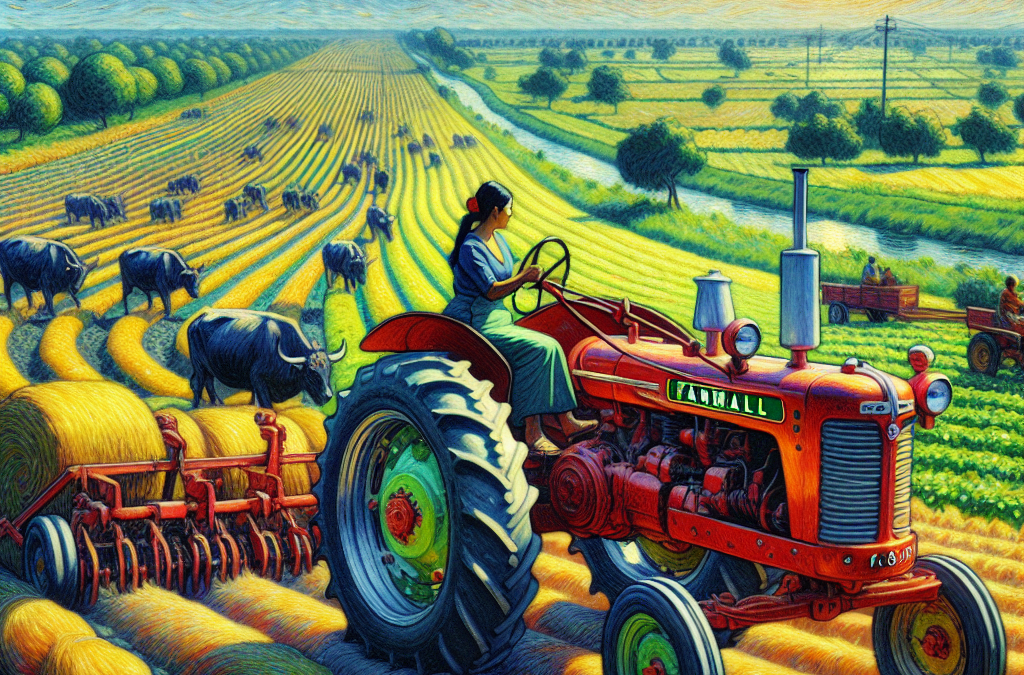
Timeless Power: Harnessing Tradition For Today’S Hardest Tasks
By Tom Seest
At ClassicTractorNews, we help tractor lovers keep up with the latest news for classic and vintage tractors.
Please share this post with your friends, family, or business associates who may like old classic or vintage tractors.
Classic Tractors – No Updates, No Locks, Just Reliable Work
Classic Tractors – No Updates, No Locks, Just Reliable Work
In a world that constantly pushes for the latest technologies and trendy innovations, classic tractors stand as a testament to simplicity and reliability. These machines, often seen as relics of a bygone era, evoke a sense of nostalgia while also providing a crucial link to our agricultural roots. They are not adorned with flashy screens or complicated updates, but instead, they possess an elemental strength, a raw functionality that is both comforting and dependable.
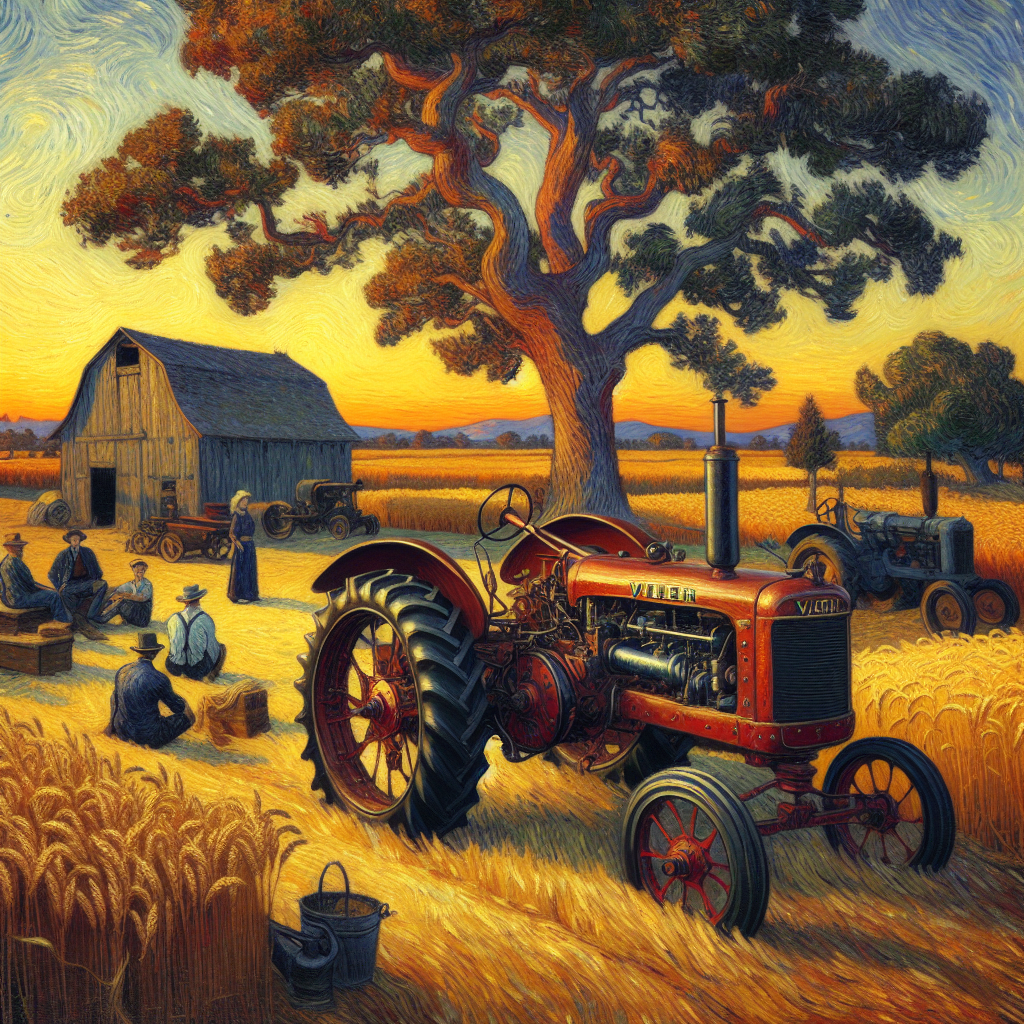
Imagine the sound of a well-oiled engine rumbling to life, the smell of warm earth and harvested crops filling the air. Each time a classic tractor rolls into the fields, it tells a story of hard work, dedication, and perseverance. It’s not just about the horsepower; it’s about the relationships forged in the fields. Grandfathers teaching their grandchildren to navigate the rows of corn, farmers working side by side in the early morning light—each moment shared is grounded in trust, in the unspoken bond that comes from laboring together on a steadfast machine.
Take a moment to reflect on what these tractors represent. They are a nod to the past, yet they stand robustly in the present. Unlike modern equipment that often carries the baggage of software glitches and scheduled updates, classic tractors operate on a principle of functionality that resonates deeply with those who understand the value of hard work. They’re not just tools; they’re a piece of history, a reminder of our roots, and taught us that it’s the quality of our work that builds a legacy, not the latest gadget.
Moreover, consider the ethics of choice. In a society that seems to prioritize speed and efficiency, embracing a classic tractor means choosing quality over quantity, tradition over trend. There’s an honor in using a machine that can be repaired with basic tools rather than being bound to a dealer’s workshop for a system reset. It’s a call back to craftsmanship, where one can build a legacy not just through the produce harvested but through the wisdom handed down through generations.
In every bump across a furrowed field, classic tractors remind us of the strength born from simplicity. They invite us to connect with our communities and our past while instilling a sense of confidence in our own capabilities. So, as we rev up those engines and clear the land, let’s welcome the rich stories these reliable workhorses bring, celebrating not just the land they help cultivate but the bonds we continue to forge along the way.
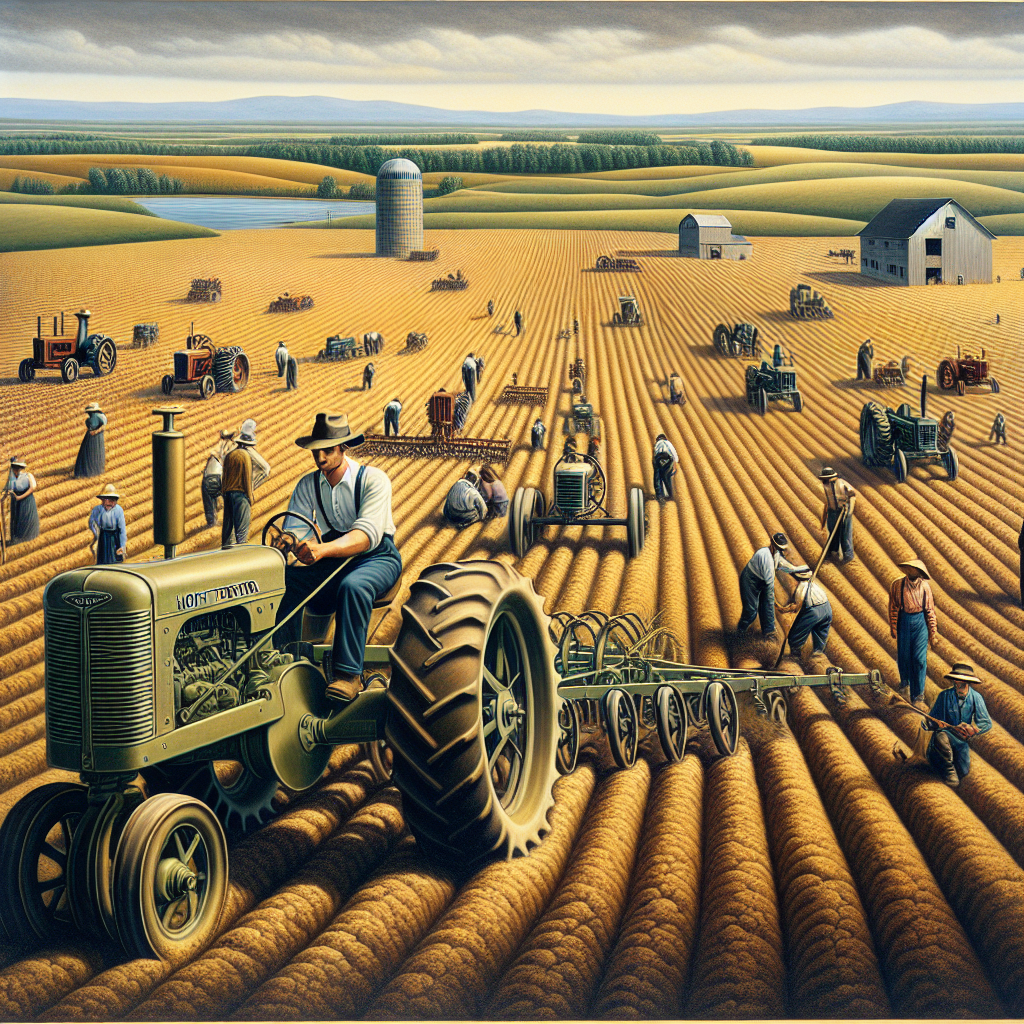
Classic Tractors – No Updates, No Locks, Just Reliable Work
Classic Tractors – No Updates, No Locks, Just Reliable Work
- Classic tractors symbolize simplicity and reliability, contrasting modern technological trends.
- They evoke nostalgia and highlight the agricultural roots of society.
- Classic tractors emphasize raw functionality without complicated updates or flashy designs.
- They foster relationships through shared experiences in farming and labor.
- These machines represent a history of hard work and the quality of effort over modern convenience.
- Choosing a classic tractor reflects a preference for craftsmanship and the ability to make repairs with basic tools.
- Classic tractors connect communities to their past and instill confidence in individual capabilities.
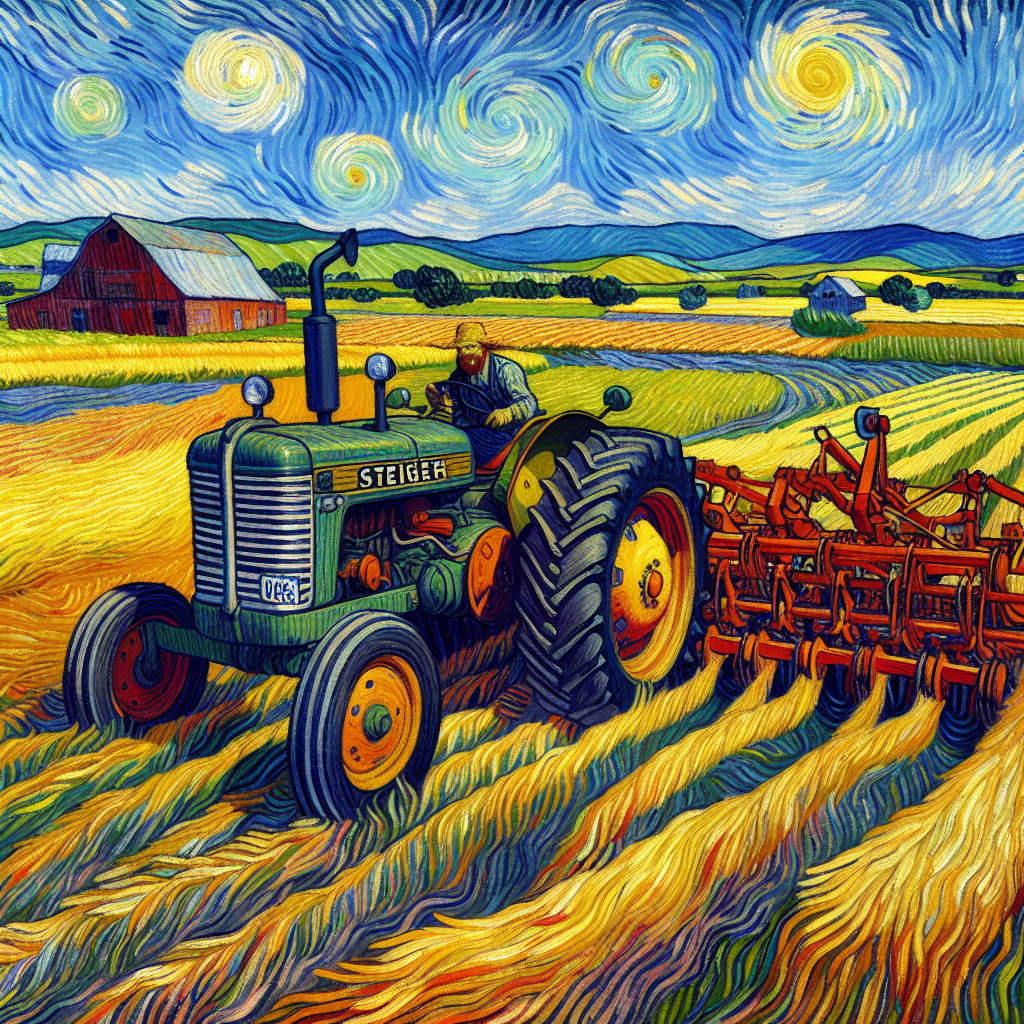
Classic Tractors – No Updates, No Locks, Just Reliable Work
Table Of Contents
- Classic Tractors – No Updates, No Locks, Just Reliable Work
- What Memories Do Classic Tractors Evoke for You?
- How Do Classic Tractors Symbolize Hard Work?
- What Stories Do These Machines Carry Through Generations?
- Can the Simplicity Of Classic Tractors Teach Us Valuable Lessons?
- How Does the Nostalgia Of Classic Tractors Influence Farming Today?
- What Makes Classic Tractors a Sound Investment for the Future?
- Conclusion
- Other Resources
- Glossary Of Terms
- Other Questions
- Haiku
- Poem
- Checklist
What Memories Do Classic Tractors Evoke for You?
Classic tractors are more than just pieces of machinery; they are the embodiment of hard work, nostalgia, and the relentless pursuit of progress. When I think about my childhood, I picture my father’s weathered hands gripping the steering wheel of an old red tractor, cutting through the fields at dawn. The engine roared to life, a sound as familiar as the laughter that echoed from the farmhouse. That tractor wasn’t just a tool; it was the heartbeat of our family’s story.
For many, these machines evoke memories steeped in tradition. There’s an innate understanding that the land yields to those who work it with respect and dedication. Those who grew up around tractors know the deep connection between man, machine, and nature. Each furrow plowed isn’t merely a line in the earth; it’s a symbol of perseverance and the passing of values from one generation to the next.
Consider the community gatherings where old tractors line the streets, gleaming under the sun like proud veterans of countless harvests. They remind us of an era when neighbors helped neighbors, where the day ended not with a click of a remote, but with a shared meal, stories, and laughter under the starlit sky. There’s a visceral thrill in seeing a child’s eyes light up as they sit atop a classic tractor, soaking in lessons of hard work and responsibility that machine represents.
Remembering these moments taps into something deeper. It’s a reminder of our roots and the simple joys that ground us. Classic tractors symbolize an ethical commitment to sustainability and stewardship of the land. They encourage us to honor our forebears whose sweat, toil, and vision paved the way for today’s comforts.
Moreover, in an age dominated by technology, these machines stand as a testament to resilience and craftsmanship. They spark conversations that transcend generations, evoking stories told on front porches and at county fairs. The sight of a vintage tractor at a local show draws a crowd, inviting everyone to share in a collective nostalgia and appreciation for our agrarian heritage.
In contemplating the memories that classic tractors evoke, one realizes they are not just relics of the past but enduring symbols of connection. They remind us of who we are, where we’ve come from, and the values that continue to shape our lives. So next time you see a classic tractor, take a moment to appreciate the rich tapestry of its history—a story waiting to be rediscovered in every rusted bolt and faded paint.
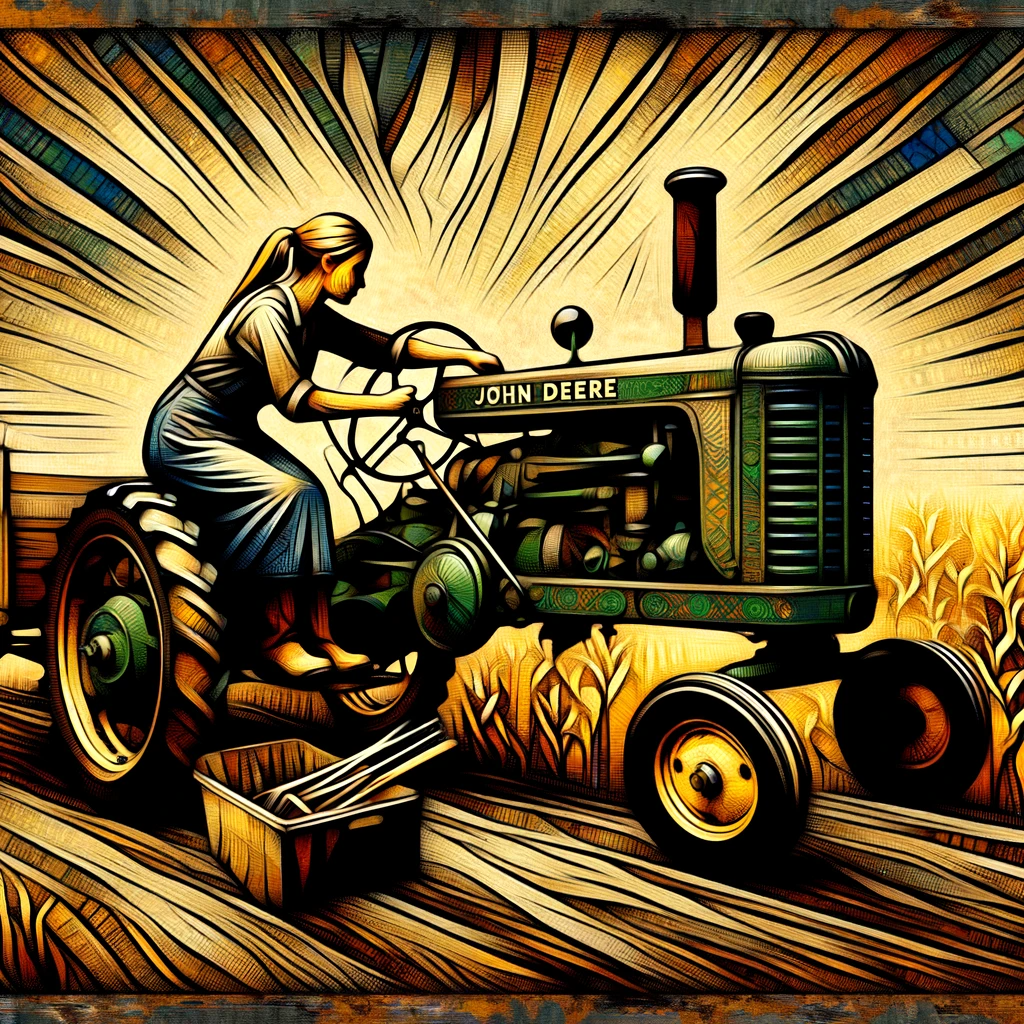
What Memories Do Classic Tractors Evoke for You?
What Memories Do Classic Tractors Evoke for You?
- Classic tractors embody hard work, nostalgia, and progress.
- They serve as a connection to family history and tradition.
- Each furrow plowed symbolizes perseverance and generational values.
- Tractors evoke community gatherings and shared experiences.
- They represent an ethical commitment to sustainability and land stewardship.
- Classic tractors stand as testaments to resilience and craftsmanship in a technological age.
- They remind us of our identity and the significance of our agricultural heritage.
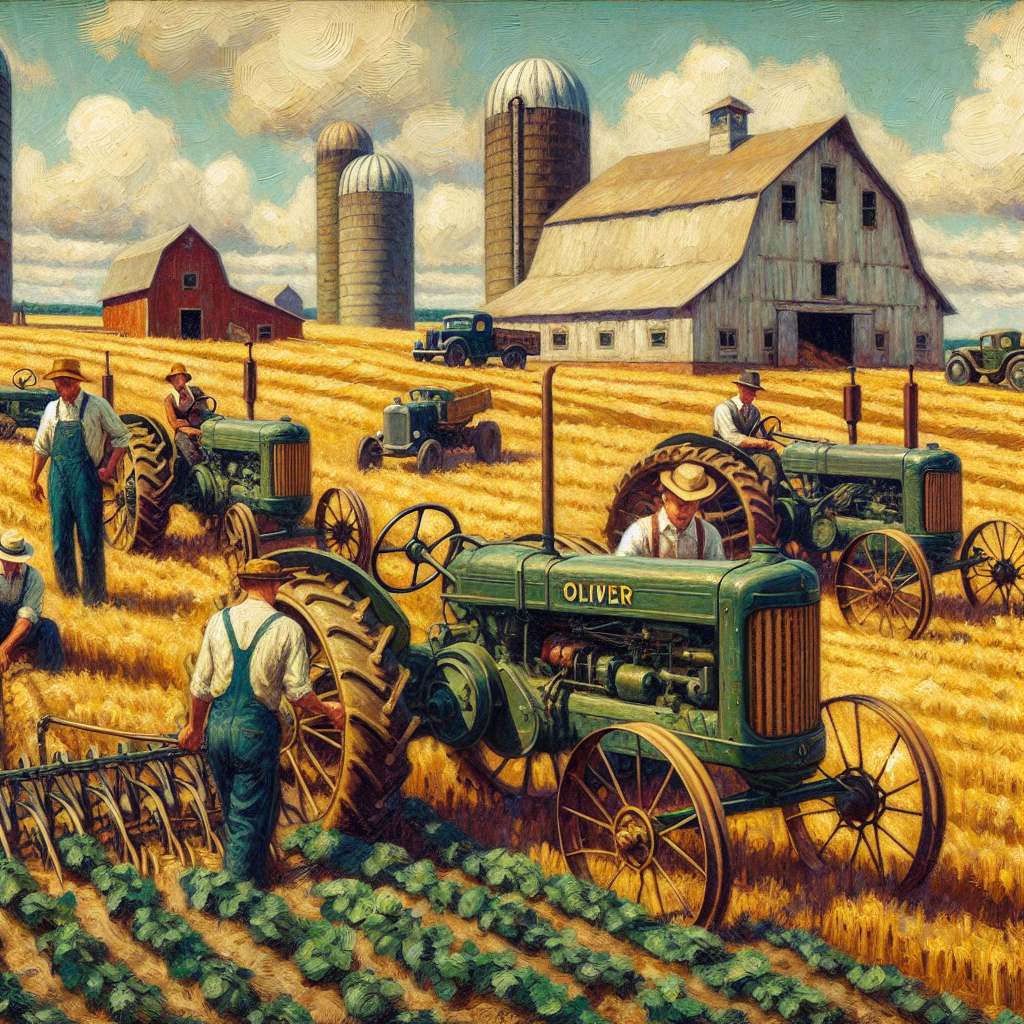
What Memories Do Classic Tractors Evoke for You?
How Do Classic Tractors Symbolize Hard Work?
Classic tractors stand as enduring symbols of hard work, embodying the ethos of perseverance and dedication that has shaped generations. These machines are not just metal and wheels; they are the very backbone of agriculture, representing families who have tilled the land and harvested the fruits of their labor for decades, if not centuries. Every scratch, dent, and patch of faded paint tells a story, a narrative woven into the fabric of rural life.
Consider the tractor as a steadfast partner in the field, tirelessly working alongside farmers who rise with the sun and toil until darkness blankets the earth. Each trudge through the soil speaks to an unyielding commitment to the land and its bounty. The sounds of a tractor roaring to life evoke a sense of nostalgia, resonating deeply with those whose families have toiled in fields past, waiting with bated breath for the miracle of growth. It represents more than just muscle—it embodies hope, transformation, and the sheer will to provide.
From an ethical standpoint, the classic tractor serves as a reminder of our connection to the earth and our responsibility to cultivate it responsibly. It embodies a way of life that values hard work and sustainability, pushing against the tide of a disposable culture. When we see tractors in fields, we are reminded of the values instilled in us by those who came before, urging us to honor their legacy through our own commitment to graft and perseverance.
Moreover, classic tractors foster a unique social connection. They gather communities, inspiring conversations among neighbors about crop yields and weather patterns. At local fairs, the display of restored tractors becomes a testament to craftsmanship and a shared history, allowing attendees to swap stories and wisdom, forging bonds across generations. It’s a gut feeling—those engines rumbling to life resonate in our cores, igniting a passion for tradition and hard work that’s hard to shake off.
In a world racing toward automation and instant gratification, classic tractors remind us of the beauty in slow, deliberate progress. They represent a quieter, yet profoundly powerful notion: the satisfaction of a job well done, the tangible results of our labor, and the pride that comes with nurturing the land. As we engage with these machines—whether from the seat of the operator or as a spectator—we are reminded that hard work is not just a task; it’s a fundamental part of who we are, deeply rooted in our identity and our shared experiences.
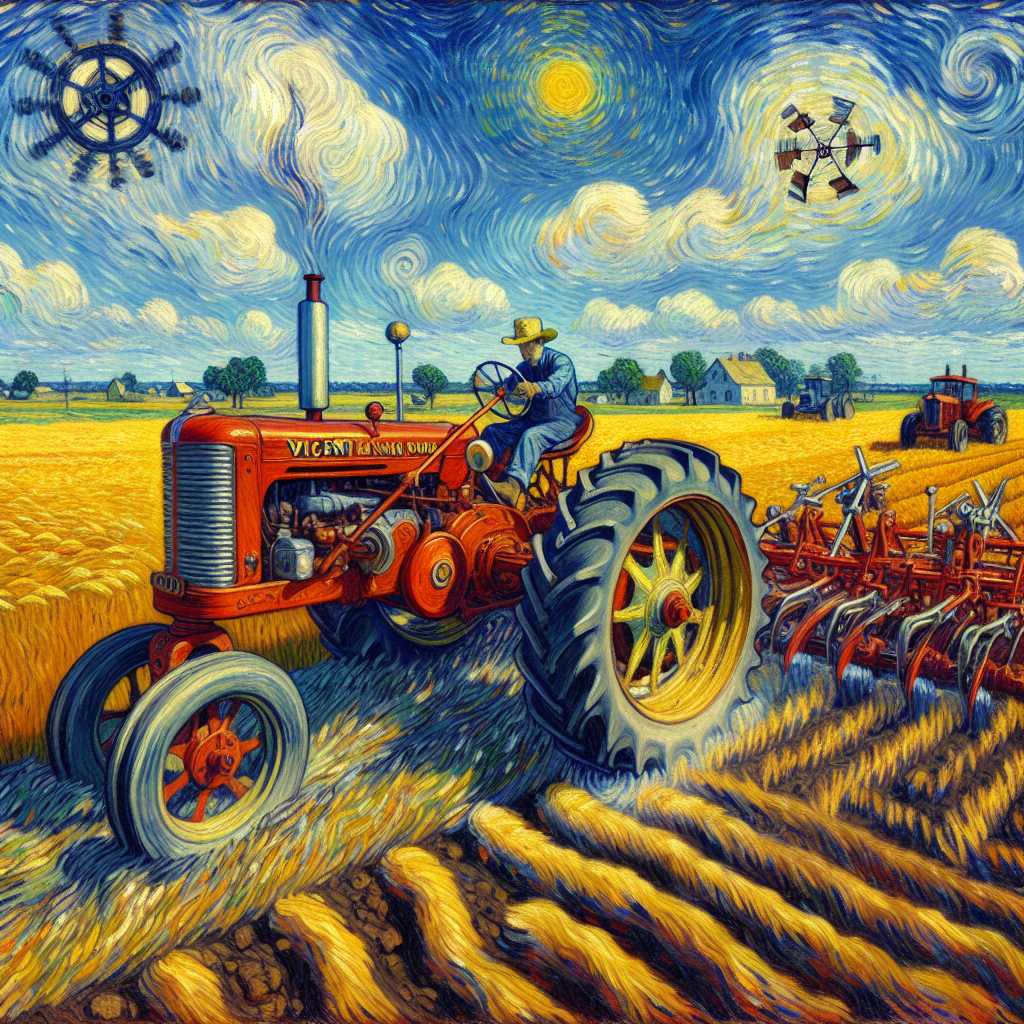
How Do Classic Tractors Symbolize Hard Work?
How Do Classic Tractors Symbolize Hard Work?
- Classic tractors symbolize hard work, representing generations of perseverance and dedication.
- They are integral to agriculture, embodying families’ histories and efforts in farming.
- Each tractor carries a narrative, reflecting the realities of rural life through its wear and tear.
- Tractors operate alongside farmers, symbolizing a commitment to the land and its produce.
- They promote ethical farming practices and a sustainable approach to agriculture.
- Classic tractors foster community connections, encouraging conversations and sharing of stories at local events.
- In a fast-paced world, they remind us of the value of hard work and the satisfaction derived from nurturing the land.
How Do Classic Tractors Symbolize Hard Work?
What Stories Do These Machines Carry Through Generations?
In the quiet hum of a tractor idling in the barn, there’s more than just the scent of oil and earth—it’s the echo of countless stories passed down through generations. These machines, sturdy and reliable, become the vessels of our history, bearing witness to hard work, resilience, and the bond between people and the land. When you look at a tractor, you’re not just seeing a piece of machinery; you’re encountering a lineage, a collection of narratives stitched together by sweat and toil.
Consider the farmer who first climbed into the operator’s seat at dawn, the chill of the morning air filling his lungs. That tractor wasn’t just a tool; it was a trusted partner, helping to plant the seeds of tomorrow. Each furrow in the field tells a tale of hope—a reminder that every crop grows from hard work and dreams. Generations later, perhaps a child eyes that very same tractor, feeling the weight of its legacy. It’s not just a piece of equipment; it’s a bridge to their parents and grandparents, a mechanism that turns memories into tangible experiences.
The stories these machines carry are steeped in ethics and values, too. They remind us of the commitment to sustainability, the responsible stewardship of our resources, and the importance of supporting local communities. A tractor that rolls steadily across a field isn’t just cultivating crops; it’s cultivating a sense of belonging and responsibility for the earth. Every time that engine roars to life, it beckons us to consider our role in the greater narrative—a call to action for both the land and the soul.
Engaging with these machines invites us to reflect on our own lives. What are the stories we carry? What legacy are we building? The simple act of driving a tractor can be a profound connection to one’s roots, an acknowledgment of where we came from and where we’re headed. It fosters community, too—neighbors coming together to share knowledge, lend a hand, or simply swap tales under the sun.
In a world that often feels disconnected, these robust machines ground us. They remind us that while technology may advance, the values of hard work, integrity, and connection to the land remain timeless. The next time you see a tractor, remember that it’s not just metal and gears; it’s a storyteller, a keeper of our shared heritage, and an invitation to embrace the rich tapestry of human experience.
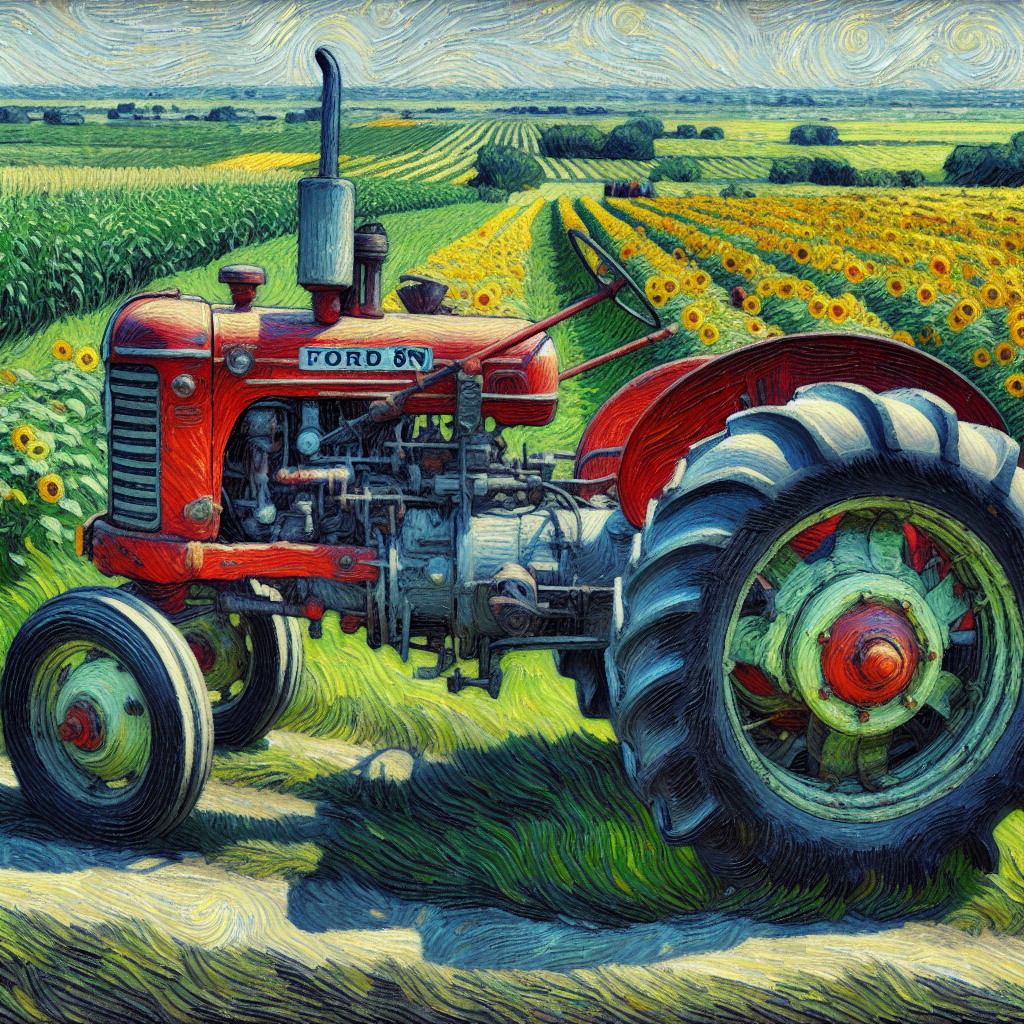
What Stories Do These Machines Carry Through Generations?
What Stories Do These Machines Carry Through Generations?
- Tractors symbolize the history of hard work and resilience, carrying stories through generations.
- They serve as trusted partners for farmers, aiding in the cultivation of crops and dreams.
- Each tractor connects the present to the past, bridging generations and preserving memories.
- They embody values of sustainability and responsible resource stewardship.
- Tractors foster a sense of community, encouraging collaboration and knowledge sharing among neighbors.
- Engaging with tractors prompts reflections on personal legacy and roots.
- Despite technological advancements, tractors uphold timeless values of integrity and connection to the land.
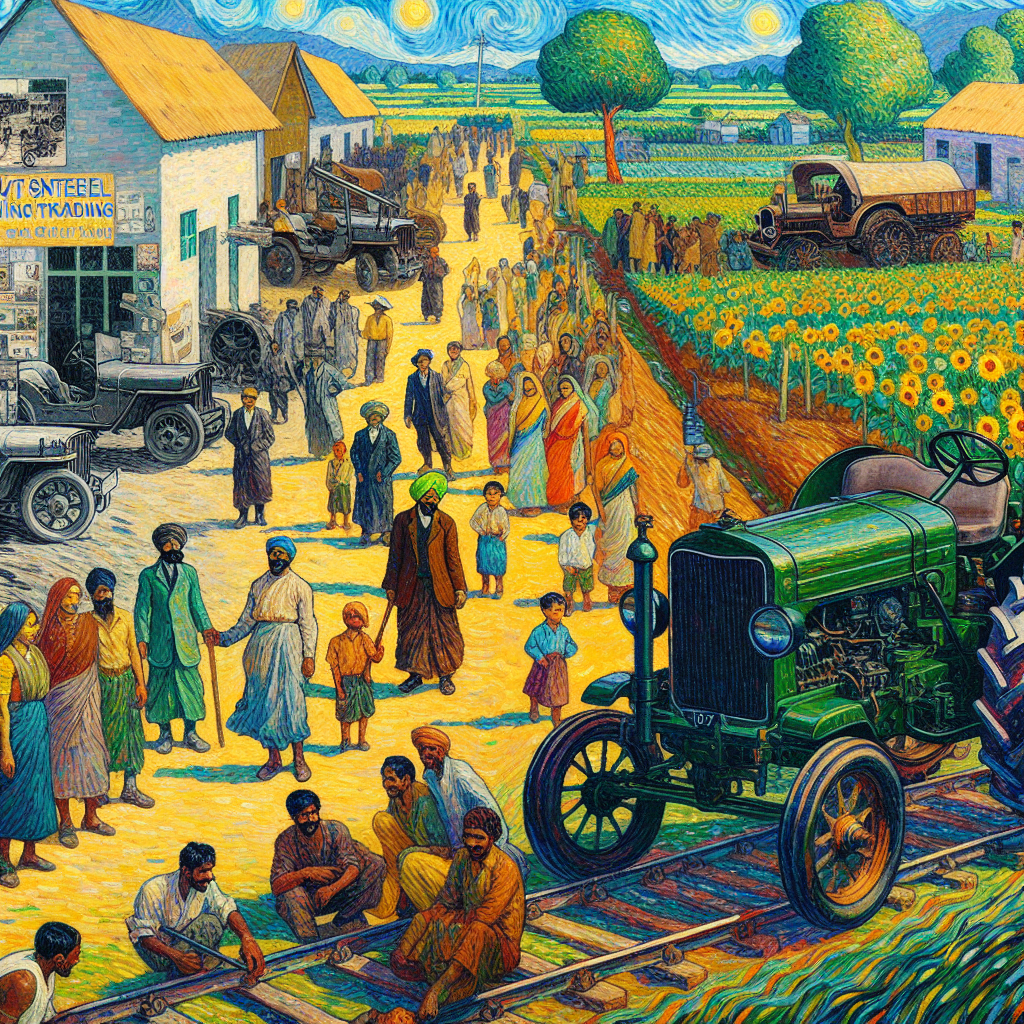
What Stories Do These Machines Carry Through Generations?
Can the Simplicity Of Classic Tractors Teach Us Valuable Lessons?
Can the Simplicity of Classic Tractors Teach Us Valuable Lessons?
In a world awash with complexity, it’s often the unassuming tractor that carries profound lessons. Picture a weathered, classic tractor, chugging along a sunlit field. Its rusted frame and simple mechanics tell a story that transcends machinery; they encapsulate values that resonate deeply within us all. There’s a reason these machines have become symbols of agricultural life—their straightforward design holds timeless truths about hard work, resilience, and the importance of simplicity in achieving our goals.
Remember the first time you ever laid eyes on a thriving field, bursting with color? That vibrant growth started with the chugging of a tractor, its steady rhythm echoing the heartbeat of hard labor. This image reminds us that progress doesn’t always require innovation. Sometimes, it’s the dedication and simplicity of effort that yields results. Life, like farming, is about nurturing growth—whether it’s in ourselves, our communities, or our relationships. Each furrow dug by a classic tractor is a testament to persistence, an invitation to embrace the sweat and toil that often precedes success.
Standing beside that robust machine, you might feel the same gut-level connection generations have experienced. It’s not just metal and gears; it’s history. Each scratch on its surface tells stories of harvests celebrated and challenges overcome, connecting us to a legacy that values the virtues of labor and durability. As we navigate the modern age, this legacy challenges us; have we lost some of that grit in the allure of instant gratification?
Moreover, these tractors symbolize a return to basics. In a time when ethical consumption and responsible choices are paramount, appreciating the simple, sustainable practices of the past offers guidance for the future. Choosing to repair, recycle, and maintain over disposability invites a sense of responsibility that’s critical in today’s consumer-driven society. It embodies the ethical stance that we owe it to ourselves and the planet to be mindful of our choices.
Engaging with the simplicity of classic tractors stirs a desire for a deeper connection—not only to our work but to one another. When we view our efforts through the lens of craftsmanship, we find that the seeds we plant—and the values we uphold—have the potential to cultivate not just crops, but communities. By embracing that simplicity and the lessons embedded in these enduring machines, we can foster a culture that thrives on authenticity, trust, and meaningful action.
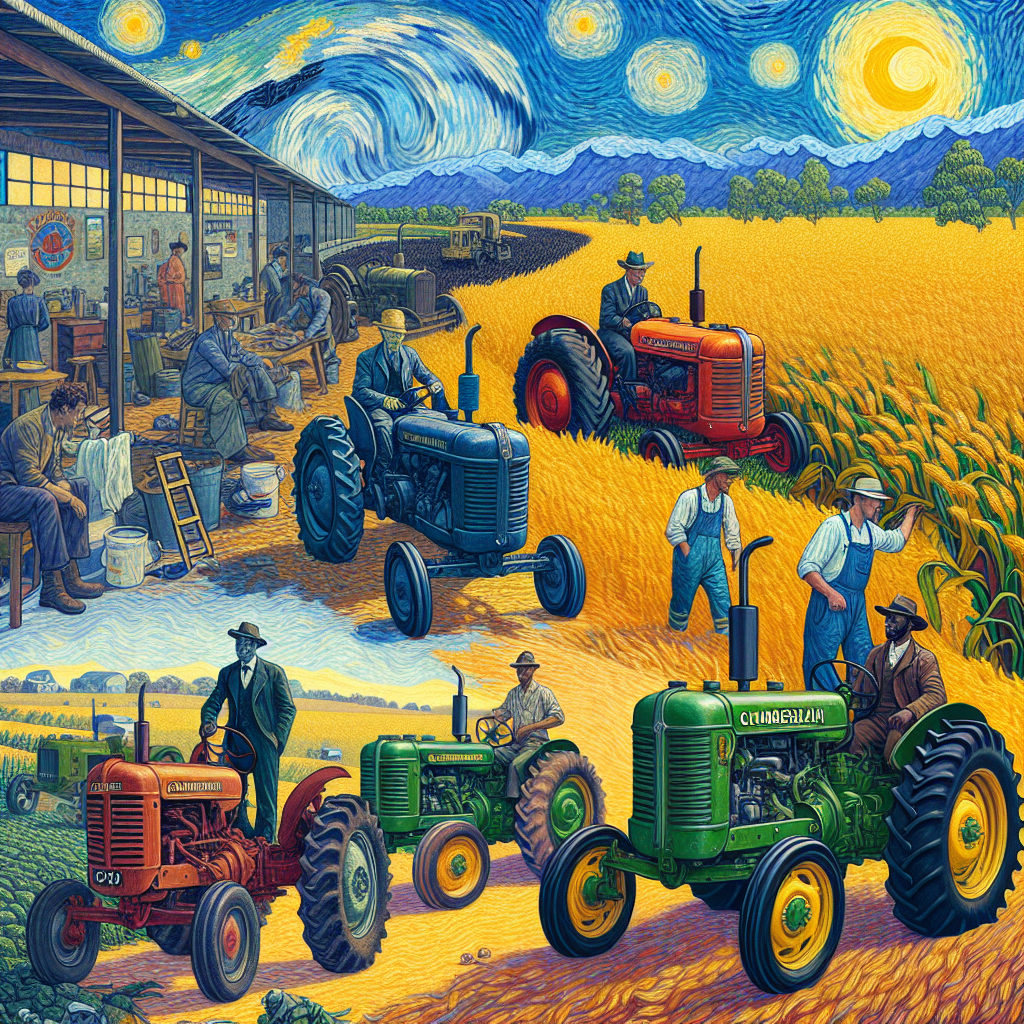
Can the Simplicity Of Classic Tractors Teach Us Valuable Lessons?
Can the Simplicity Of Classic Tractors Teach Us Valuable Lessons?
- Classic tractors symbolize the values of hard work and resilience.
- Their straightforward design highlights the importance of simplicity in achieving goals.
- Progress often comes from dedication and effort rather than constant innovation.
- Each tractor tells a story of history, celebrating labor and durability.
- Classic tractors encourage a return to ethical consumption and sustainable practices.
- They inspire a deeper connection to work, community, and craftsmanship.
- Embracing the lessons of classic tractors fosters a culture of authenticity and meaningful action.
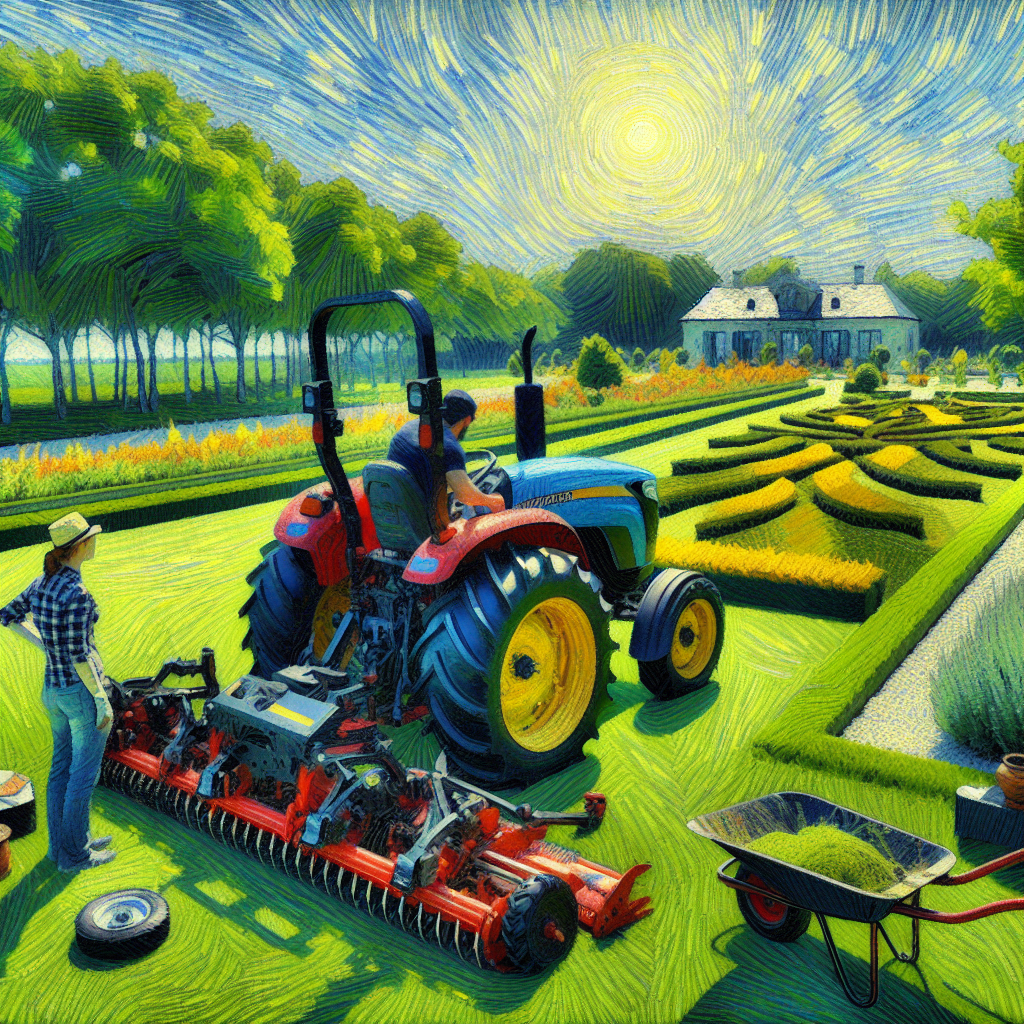
Can the Simplicity Of Classic Tractors Teach Us Valuable Lessons?
How Does the Nostalgia Of Classic Tractors Influence Farming Today?
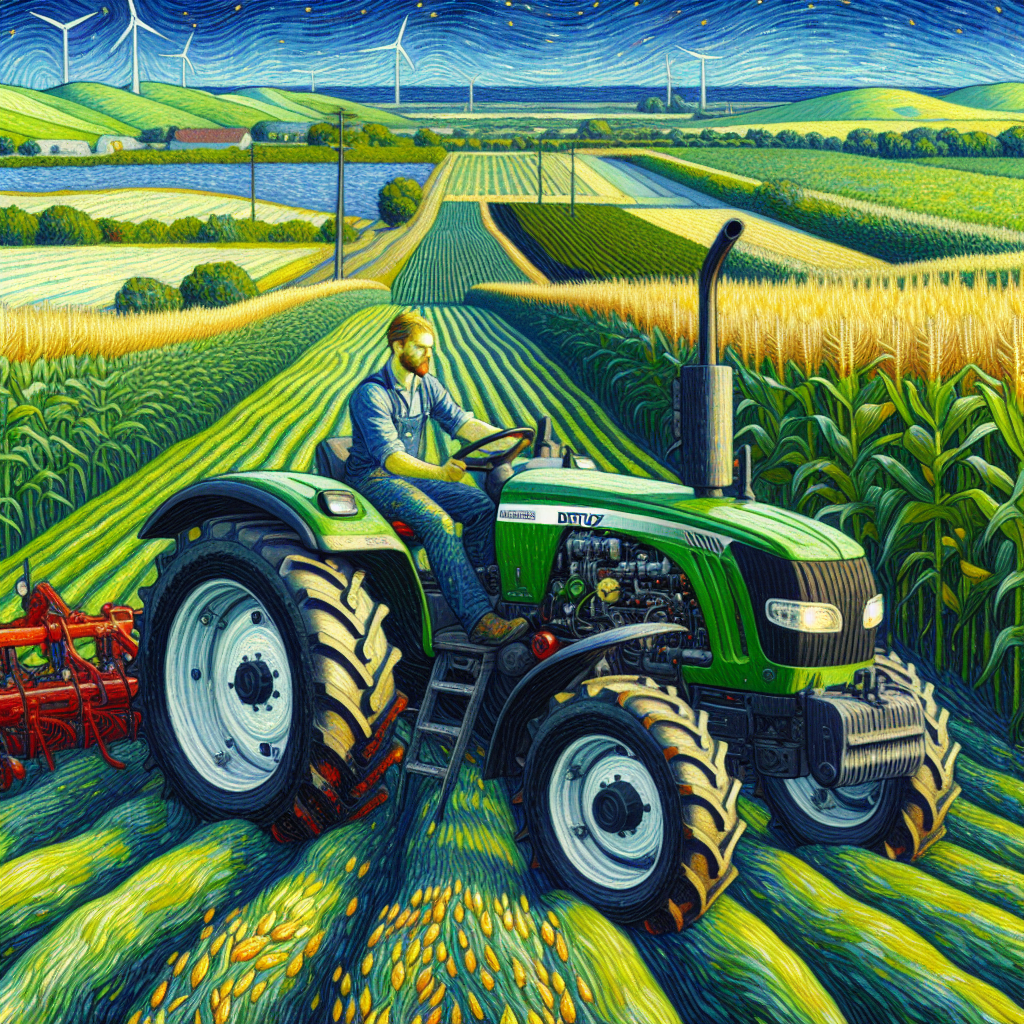
Nostalgia for classic tractors isn’t just a sentimental journey; it’s a powerful force reshaping the future of farming. These machines, once the lifeblood of fields, evoke memories of simpler times, reminding us of a resilient spirit cultivated in generations past. Picture a weathered farmer, hands stained with the earth, leaning against a vintage tractor, its faded paint echoing the stories of sweat and perseverance. This connection goes deeper than mere machinery; it embodies a way of life rooted in hard work and community.
In today’s fast-paced agricultural environment, where precision farming and automation dominate conversations, the values associated with those classic tractors serve as a grounding force. They remind us that farming isn’t just about cutting-edge technology; it’s deeply intertwined with respect for the land and the legacy of those who toiled before us. The artistry of farming is not lost in the hum of modern engines; it’s celebrated in the grit of the past. For many, driving a classic tractor isn’t merely about nostalgia; it’s a reconnection with traditions that prioritize sustainability and stewardship over mere profit.
Two years ago, I visited a farm where a shiny, state-of-the-art tractor was parked next to an old Ford 8N. Both machines had their roles, but the farmer couldn’t help but recount how the 8N taught him patience, allowing him to understand the intricacies of the land. He often gathered his grandchildren around it, sharing tales of plowing fields and harvesting crops, and imparting lessons that any advanced software simply can’t teach. It’s in these moments that you realize classic tractors aren’t obsolete—they’re teachers, carrying wisdom through time, reminding us that progress should be complemented by tradition, not replaced by it.
As farmers today navigate challenges like climate change, this nostalgia acts as a rallying cry, urging the agricultural community to embrace methods that honor both innovation and history. The commitment to sustainable practices rooted in the values of classic tractor ownership fosters a sense of unity among farmers. We share a common purpose—to respect our heritage while striving for a better tomorrow. By embracing this duality, we not only honor our past but also create a farming future that is resilient and connected, guiding the next generation as they cultivate the fields of our forebears with a renewed sense of purpose.
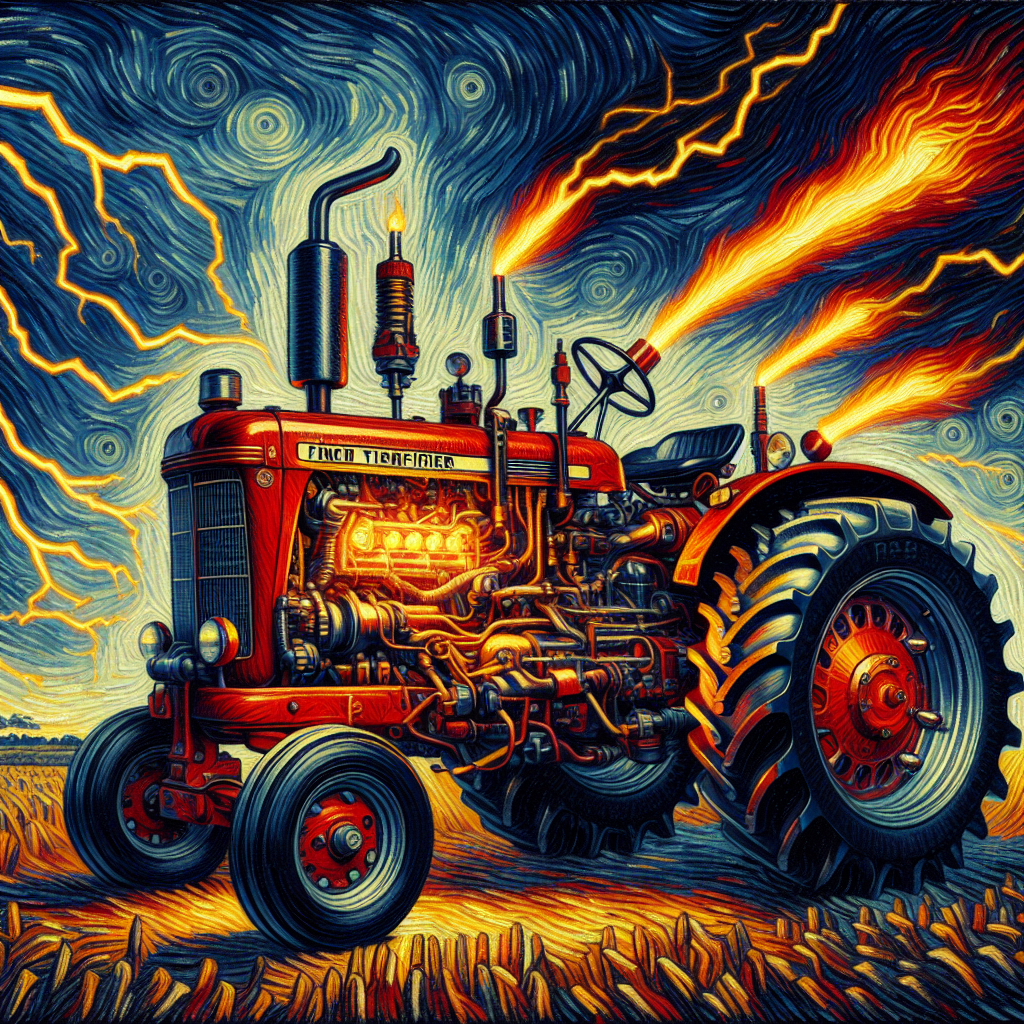
How Does the Nostalgia Of Classic Tractors Influence Farming Today?
How Does the Nostalgia Of Classic Tractors Influence Farming Today?
- Nostalgia for classic tractors is reshaping the future of farming.
- These tractors symbolize a resilient spirit and a connection to a community-oriented way of life.
- Classic tractors offer grounding values amid modern precision farming and automation.
- Driving a classic tractor reconnects farmers with traditions of sustainability and stewardship.
- Classic tractors serve as teachers, imparting lessons that technology cannot.
- Nostalgia fosters a sense of unity among farmers in embracing sustainable practices.
- By valuing both heritage and innovation, farmers can cultivate a resilient future.
How Does the Nostalgia Of Classic Tractors Influence Farming Today?
What Makes Classic Tractors a Sound Investment for the Future?
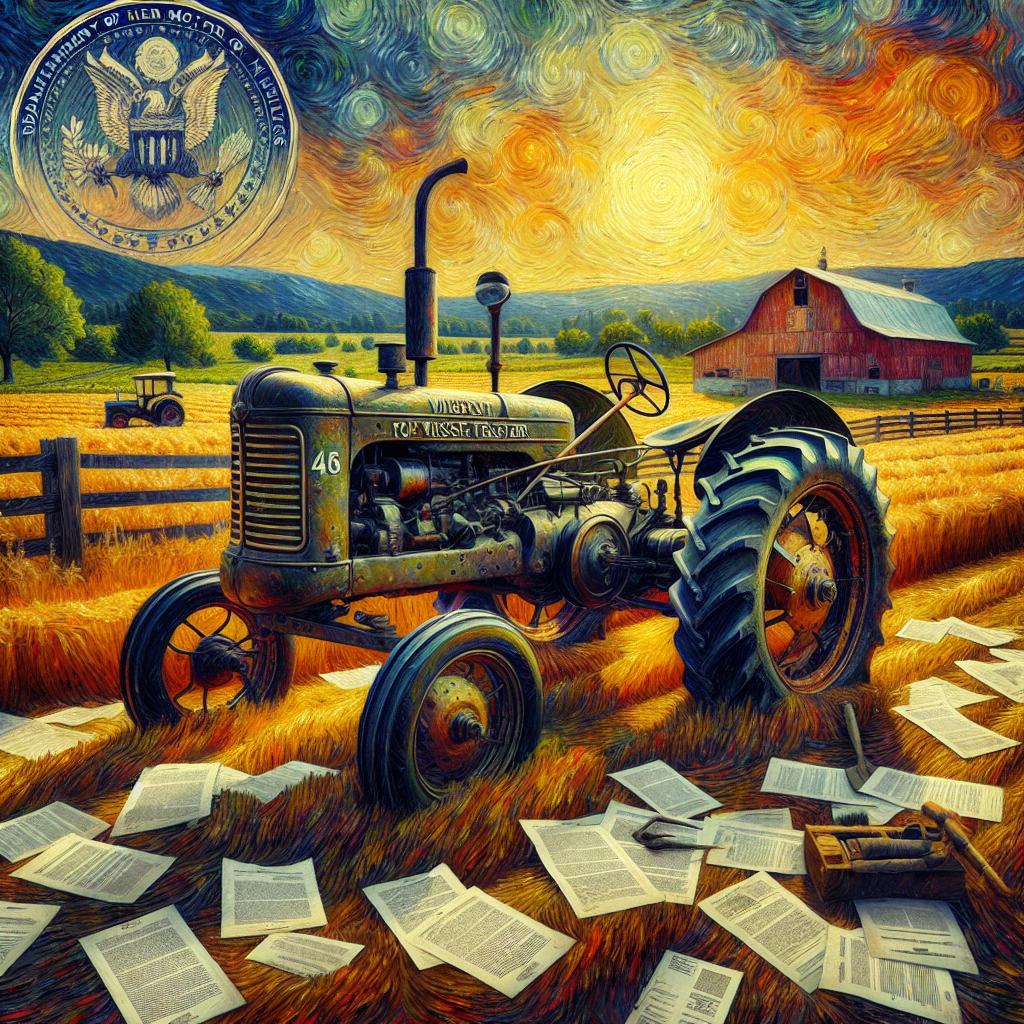
There’s something timeless about classic tractors. They embody not just machinery but the heart and soul of agricultural heritage. Imagine standing in a field, the sun setting behind a rusted beauty, its lines telling stories of labor, resilience, and community. Investing in these machines isn’t merely a financial decision; it’s an emotional commitment to preserving a legacy.
Classic tractors serve as a reminder of a simpler time—a connection to our roots. They stand as symbols of hard work and dedication, evoking nostalgia in those who remember their parents or grandparents farming the land. This emotional pull fosters a sense of belonging, binding us to our past while reminding us of our responsibilities to the future. By maintaining and restoring these machines, we’re investing in a narrative that transcends generations.
From a rational perspective, classic tractors often appreciate over time, making them financially wise investments. Unlike modern machinery that depreciates rapidly, classics have enduring value, particularly if well maintained. They are often less expensive to repair than their contemporary counterparts, and with a little ingenuity, many vintage models can be refurbished to meet today’s needs without high costs. This dual benefit—preserving history while offering a practical utility—creates an investment that stands solidly on economic grounds.
Ethically, choosing classic tractors over new models supports sustainable practices. These machines remind us of engineering brilliance from years past that prioritized durability over planned obsolescence. By opting for what has already proven its worth, we resist the pulse of a throwaway culture. This decision taps into a broader movement towards sustainability, where every restoration project reduces waste and showcases our commitment to environmental stewardship.
Socially, classic tractors build communities. Enthusiasts gather at shows and fairs, sharing tips, stories, and trade secrets. This collective spirit fosters connections among people who share a common passion, bringing together the young and old to learn from each other. These gatherings spark friendships and alliances, reinforcing the idea that investing in a classic tractor isn’t just about personal ownership—it’s about being part of something bigger than oneself.
In essence, classic tractors are more than just pieces of machinery; they cultivate trust and confidence in their ability to tell our stories while standing the test of time. Consider investing in a classic today—not just for yourself, but for the legacy you’ll pass down. Each tractor is a vessel of history waiting to be revived, a chance to engage with our past while cultivating a fruitful future.
What Makes Classic Tractors a Sound Investment for the Future?
What Makes Classic Tractors a Sound Investment for the Future?
- Classic tractors represent agricultural heritage, embodying labor, resilience, and community.
- Investing in them is an emotional commitment to preserving a legacy and connecting to our roots.
- They evoke nostalgia and bind us to our past while reminding us of our responsibilities to the future.
- Classic tractors often appreciate in value over time and are generally less expensive to repair.
- Choosing classic tractors supports sustainable practices, resisting planned obsolescence.
- They foster community among enthusiasts, promoting connections across generations through shared passion.
- Classic tractors are not just machinery; they cultivate trust, confidence, and a legacy for future generations.

What Makes Classic Tractors a Sound Investment for the Future?
Conclusion
Classic tractors are more than just relics; they symbolize our agricultural heritage, embodying hard work, perseverance, and community connection. In an era obsessed with the latest technologies, these machines remind us of the beauty found in simplicity. Each tractor carries with it the echoes of families laboring together, creating lasting bonds through shared experiences on the land. Think about the endless stories associated with these classic machines—the early mornings, the tactile connection to the earth, and the memories that unfold with every harvest. They’re not just tools; they’re storytellers, weaving the tales of generations who tilled the soil with care and respect.
A classic tractor resonates on several levels. Emotionally, it invokes nostalgia, bringing to mind personal histories and collective agricultural memories. The image of a grandparent teaching a child the ropes of farming embodies the values passed down through time, reinforcing a deep connection to our roots. Rationally, these tractors represent a wise investment; they often appreciate in value while simultaneously requiring less expensive maintenance than modern counterparts. Choosing to restore and preserve a classic tractor also aligns with ethical principles, promoting sustainability in a world dominated by a throwaway culture.
Classic tractors foster social connections within communities, bringing together enthusiasts who share a passion for craftsmanship and tradition. They inspire conversations at local fairs and community gatherings, sparking friendships across generations. This collective spirit reinforces the notion that investing in a classic tractor transcends personal ownership—it’s an investment in a shared legacy, a commitment to preserving our past while nurturing a resilient future.
As we rev up these time-honored machines, we not only honor those who came before us but also instill confidence in our capabilities. They serve as a tangible link to our past, a reminder that hard work and dedication yield a rich harvest. Each time we drive a classic tractor across a field, we engage with its history and the stories it carries, bridging the gap between past and present. Investing in classic tractors is about building a legacy, one that celebrates our connection to the land, our communities, and the enduring values that continue to shape our lives.
Conclusion
Conclusion:
- Classic tractors symbolize agricultural heritage, hard work, and community connection.
- They remind us of the beauty in simplicity amidst technological advances.
- Each tractor carries stories of families and their shared experiences on the land.
- Emotionally, they invoke nostalgia and reinforce connections to our roots.
- Rationally, they are a wise investment with lower maintenance costs and appreciating value.
- Classic tractors foster social connections within communities and spark conversations across generations.
- Investing in classic tractors is about building a legacy that celebrates our connection to land and values.

Conclusion
Other Resources

Other Resources
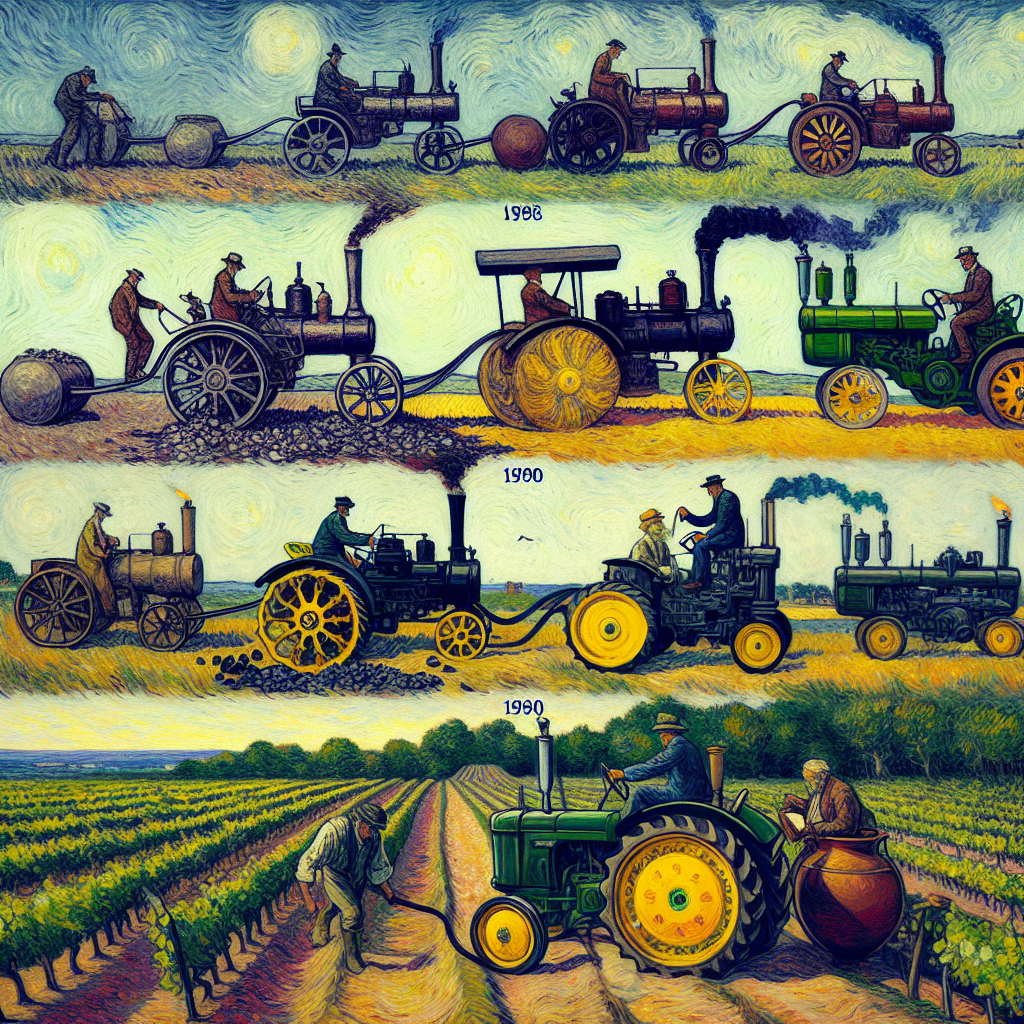
Here is a list of other resources you can review online to learn more:
- Rough and Tumble Engineers Historical Association
- ATC
- Eastern Carolina Vintage Farm Equipment Club
- Rome
- Thieman Harvester
- Square Turn
- Northern Neck Farm Museum
- Deutz-Allis
- Ursus
- Zetor Zebra
- Heartland Acres Agribition Center
- SAME
- Advance-Rumely
- TYM
- Ford
- KUHN
- Bolinder-Munktell
- John Deere
- Hesston
Use This Prompt To Get More Resources With Your Favorite Online AI Tool: Please provide me with a list of online articles with their URLs in a bulleted list that I can read regarding Classic Tractors – No Updates, No Locks, Just Reliable Work
Other Resources
Glossary Terms
Classic Tractors – No Updates, No Locks, Just Reliable Work – Glossary Of Terms
1. Power Take-Off (PTO): Shaft that transmits engine power to implements (commonly 540 rpm on classic tractors).
2. Three-Point Hitch: Rear linkage with two lower arms and a top link for mounting and lifting implements.
3. Drawbar: Rigid towing point used for pulling wagons, plows and non-hitch-mounted implements.
4. Live PTO: PTO driven independently of the tractor’s ground speed so implements run while tractor is stationary.
5. Clutch: Mechanism that engages or disengages the engine from the transmission; often a single dry-plate design.
6. Gearbox / Transmission: Gear sets that provide speed and torque ranges; many vintage boxes are non-synchronized.
7. Differential Lock: Mechanism that locks rear wheels together to improve traction in low-grip conditions.
8. Governor: Device that regulates engine speed under changing loads to maintain consistent RPM.
9. Carburetor: Fuel/air mixing device used on gasoline engines; common service point on older tractors.
10. Magneto: Self-contained ignition generator producing spark without reliance on a battery.
11. Glow Plug: Electrically heated element used to aid starting of diesel engines in cold weather.
12. Compression Release: Decompression mechanism used to reduce kickback for easier hand cranking.
13. Torque: Rotational force from the engine that determines pulling power, especially at low RPM.
14. Horsepower: Measure of engine power output, often rated at the PTO or crankshaft.
15. RPM (Revolutions Per Minute): Engine speed; determines power band and PTO/implement speeds.
16. Ballast: Added weight (liquid, concrete, wheel weights) used to increase traction and stability.
17. Dual Wheels: Two wheels mounted per side on an axle to increase traction and reduce soil compaction.
18. Wheel Slip: Percentage of wheel rotation not translating into forward movement; indicator of traction loss.
19. Hitch Category: Classification (Cat I, II, etc. ) describing three-point hitch size and pin spacing.
20. Hydraulic Lift: Hydraulic system and ram(s) that raise and lower the three-point hitch and implements.
21. Remote Hydraulics (Remotes): Auxiliary hydraulic couplers for running hydraulic implements.
22. PTO Shaft: Splined rotating shaft on implements that mates to the tractor PTO output.
23. Belt Pulley / Flat Belt: Large pulley used for driving stationary equipment or belt-driven accessories.
24. Stationary Pulley Shaft: Dedicated pulley and pulley guard for powering threshers, saws, and farm machinery.
25. Grease Zerk (Fitting): Lubrication nipple used to apply grease to bearings and joints.
26. Bearing: Component that supports rotating parts; includes roller, needle, and plain bearings in classics.
27. Rebuild / Overhaul: Complete disassembly and refurbishment of engine or major components to restore function.
28. Matching Numbers: Original engine or chassis serial numbers indicating unmodified, factory components.
29. Barn Find: Tractor discovered after long storage, often unrestored and valued for originality.
30. Patina: Aged paint and surface wear preserved on a tractor that shows history and original use.
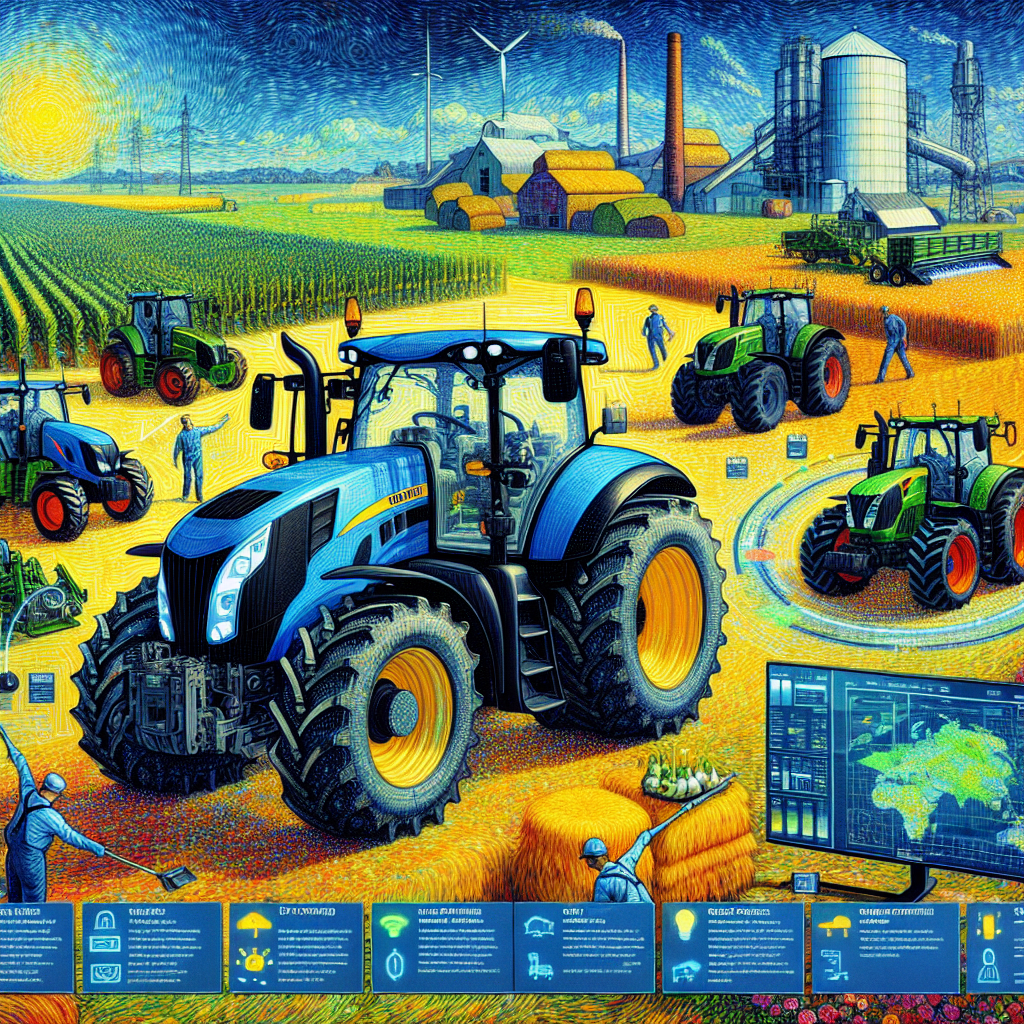
Glossary Of Terms
Other Questions
Classic Tractors – No Updates, No Locks, Just Reliable Work – Other Questions
If you wish to explore and discover more, consider looking for answers to these questions:
- What are the most common maintenance tasks required to keep a classic tractor running reliably?
- How often should I service a classic tractor and what should a basic maintenance schedule include?
- Which classic tractor models are considered the most durable and easiest to maintain?
- Where can I find parts for vintage tractors and how do I determine part authenticity?
- How much does a typical restoration cost and what factors drive the price?
- How do I assess a used classic tractor before purchase—what should I inspect and test?
- Are classic tractors practical for small-scale, modern farming operations?
- What fuel types do classic tractors use and are conversions to modern fuels possible?
- How do classic tractors compare to modern tractors in fuel efficiency and productivity?
- Can classic tractors be safely used on public roads and what legal requirements apply?
- What safety upgrades (ROPS, seat belts, lighting) are recommended or necessary?
- How can I retrofit a classic tractor to work with contemporary implements and attachments?
- Is it legal or advisable to modernize vintage tractors with electronic controls or GPS?
- Where can I learn to operate a classic tractor and are there training courses available?
- How do you winterize or store a classic tractor to prevent deterioration?
- What are the most frequent mechanical failures in classic tractors and how are they repaired?
- How does owning a classic tractor affect insurance and what coverage should I seek?
- Do classic tractors appreciate in value and what drives their market prices?
- How do I document provenance and maintenance history to increase a tractor’s resale value?
- What tools and workshop equipment are essential for home tractor restoration and repair?
- Are there tax incentives, grants, or historic-vehicle registrations for vintage tractors?
- What ethical and environmental considerations arise from continuing to use older, less efficient machines?
- Can classic tractors be converted to electric powertrains and what are the challenges?
- How do I source original paint colors, decals, and badges for an authentic restoration?
- What community resources, clubs, or forums are best for classic tractor owners?
- How should I transport a classic tractor safely between shows, fields, or storage?
- What documentation (manuals, schematics) is available for repair and restoration guidance?
- How long can a well-maintained classic tractor be expected to last in active service?
- What are the pros and cons of preserving originality versus performing performance upgrades?
- How do emissions and environmental regulations affect use or sale of vintage tractors?
- Where are the best places to buy authentic or restored classic tractors (auctions, dealers, private sellers)?
- How do I evaluate the authenticity and quality of a restoration job?
- Which restoration tasks are suitable for a novice and which require specialist help?
- What are common sources of replacement parts (remanufactured, NOS, aftermarket) and their pros/cons?
- How can classic tractors be used in agritourism, education, or community events?
- What are typical startup procedures for a tractor that has been sitting unused for years?
- How do I balance maintaining historical integrity with modern safety and usability needs?
- What records should I keep during restoration and ongoing ownership to preserve value?
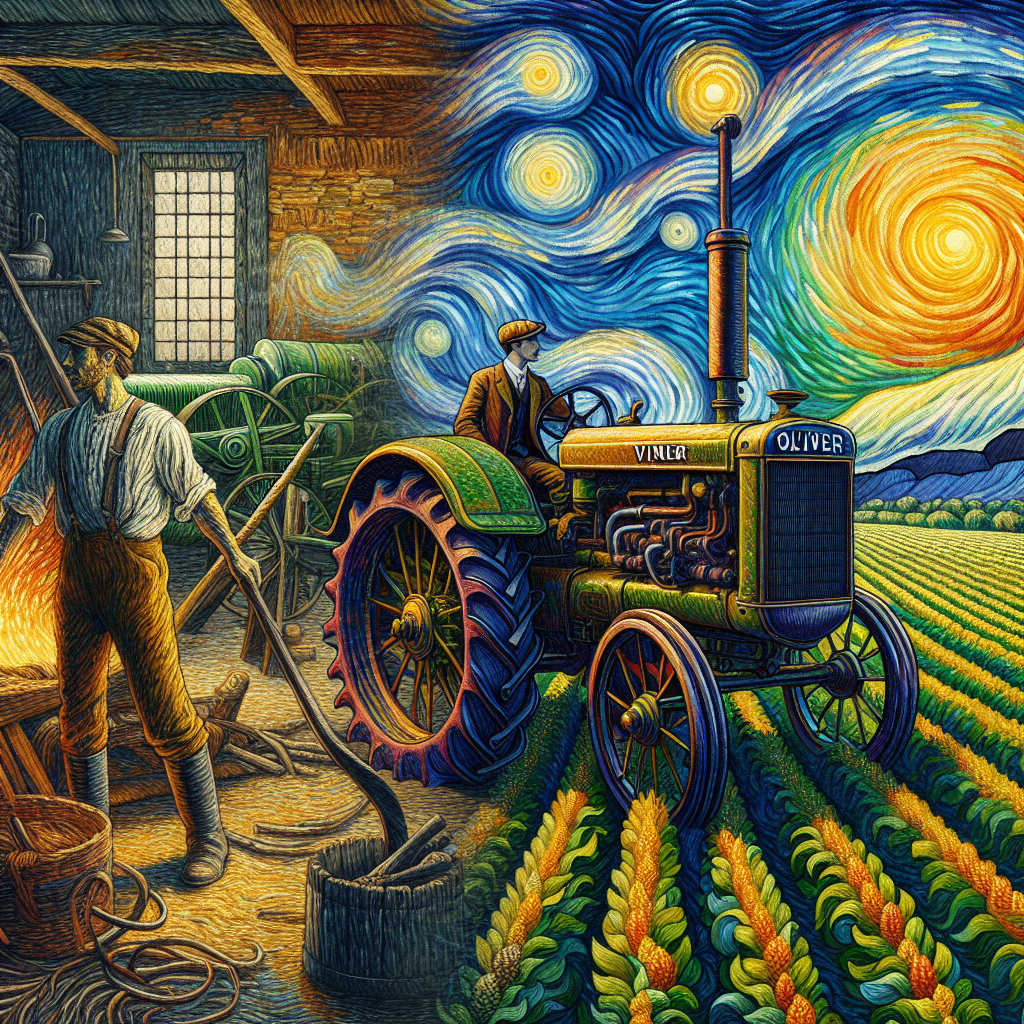
Other Questions
Haiku
Classic Tractors – No Updates, No Locks, Just Reliable Work – A Haiku
Rusty wheels turn slow,
Stories of toil, love, pride,
Legacy in fields.
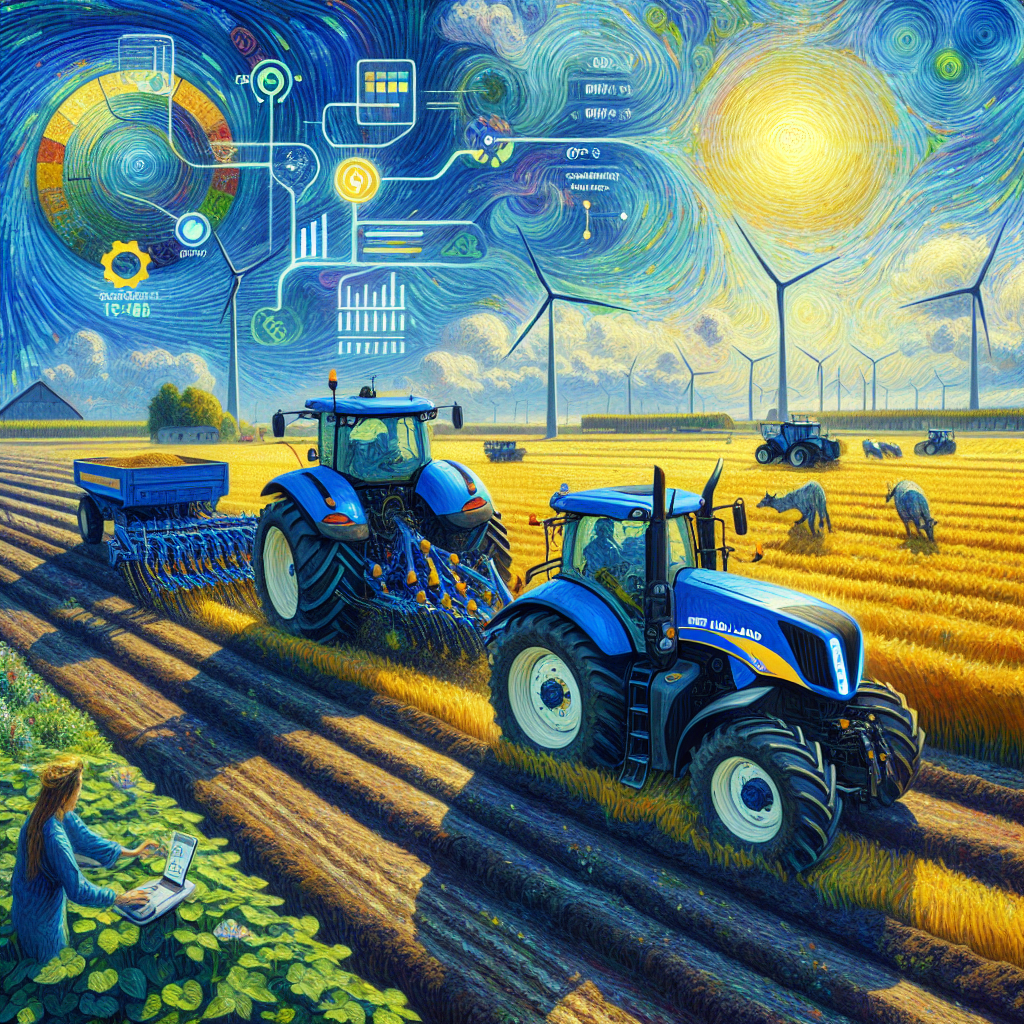
Haiku
Poem
Classic Tractors – No Updates, No Locks, Just Reliable Work – A Poem
In fields where labor meets the dawn,
Classic tractors hum, their stories drawn.
Rusty giants of a simpler time,
Echoes of sweat, resilience in rhyme.
With sturdy frames that proudly stand,
They bridge the past, connect us to the land.
Not just machines, but vessels of lore,
Carrying memories, wisdom at their core.
Each turn of the wheel, a lesson unfolds,
In nurturing earth, our heritage holds.
Neighbors gather round, sharing tales of yore,
As engines roar to life, hearts begin to soar.
Simplicity reigns in their gentle embrace,
Teaching us values that time can’t erase.
They remind us of work—of grit and of grace,
A testament to tradition in an ever-racing space.
Investing in classics is more than a choice,
It’s a legacy woven with pride and with voice.
For in these machines, both heart and earth thrive,
Classics endure, reminding us to strive.
So, let the sound of engines ring true,
Cultivate connection, let the past renew.
For each classic tractor, with its toil and its might,
Whispers of history guide us towards the light.
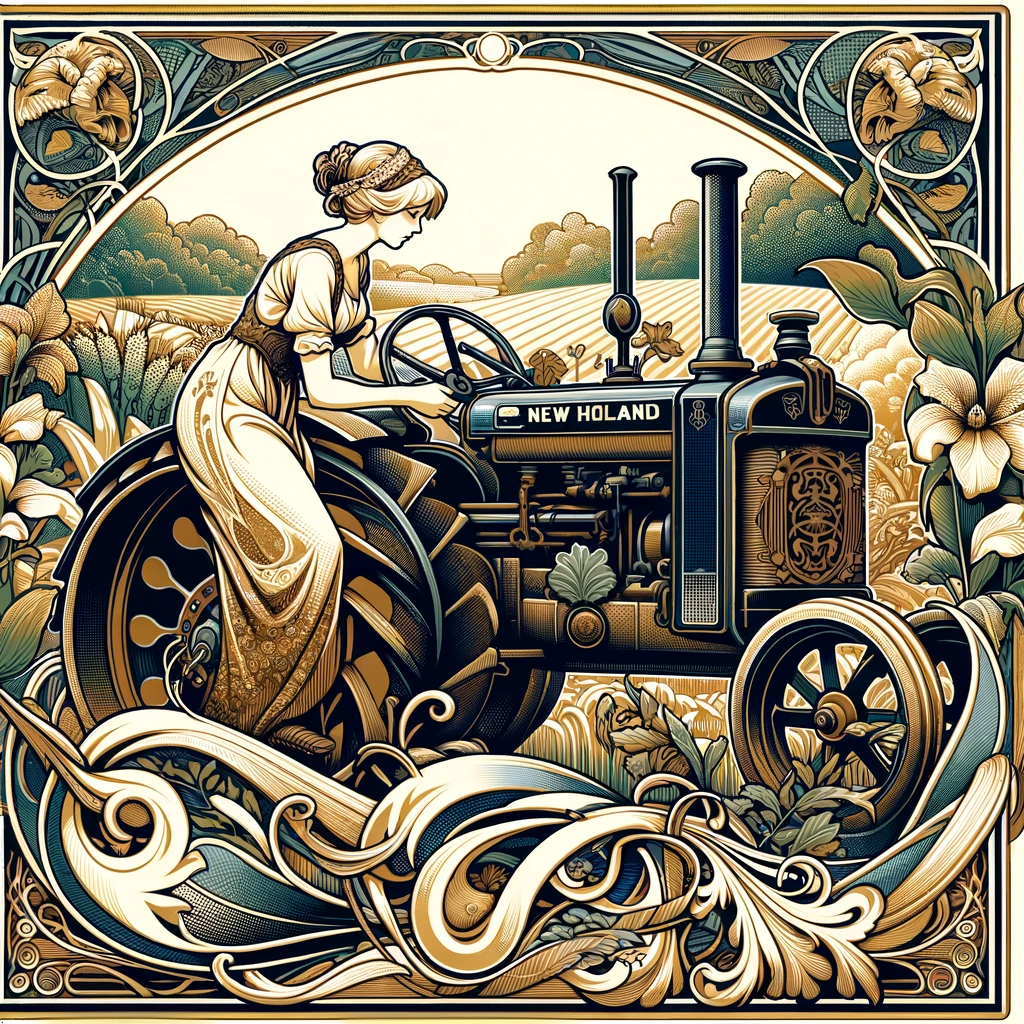
Poem
Checklist
Classic Tractors – No Updates, No Locks, Just Reliable Work – A Checklist
Emotional Connection
✅______ Reflect on personal memories associated with classic tractors.
✅______ Share stories that evoke nostalgia for simplicity and hard work.
Rational Investment
✅______ Assess the long-term financial value of classic tractors versus modern equipment.
✅______ Consider repair and maintenance costs and their comparative advantages.
Ethical Considerations
✅______ Evaluate the environmental impact of choosing classic tractors over contemporary, disposable options.
✅______ Emphasize the importance of sustainability in farming practices.
Authority and Expertise
✅______ Seek advice from experienced farmers and mechanics about the benefits of classic tractors.
✅______ Attend workshops or seminars focused on classic tractor maintenance.
Narrative Sharing
✅______ Encourage community gatherings to exchange stories and experiences centered around classic tractors.
✅______ Document and share local histories involving classic farming machinery.
Social Appeal
✅______ Join clubs or online forums dedicated to classic tractor enthusiasts.
✅______ Participate in local tractor shows and fairs to foster community connections.
Lessons in Simplicity
✅______ Recognize the value of traditional farming practices and the lessons learned from them.
✅______ Reflect on how these lessons can be applied in modern farming strategies.
Heritage and Legacy
✅______ Consider the responsibility of preserving agricultural heritage for future generations.
✅______ Promote the significance of teaching younger generations about classic tractors and their importance in farming history.
Cultural Significance
✅______ Explore the role of classic tractors in shaping community identity and culture.
✅______ Engage in discussions about how these machines represent a way of life grounded in the land.
Hands-On Experience
✅______ Spend time restoring or maintaining a classic tractor to build a personal connection.
✅______ Involve family members in tractor-related activities to strengthen bonds through shared experiences.
Checklist
At ClassicTractorNews, we help tractor lovers keep up with the latest news for classic and vintage tractors.
Please share this post with your friends, family, or business associates who may like old classic or vintage tractors.