

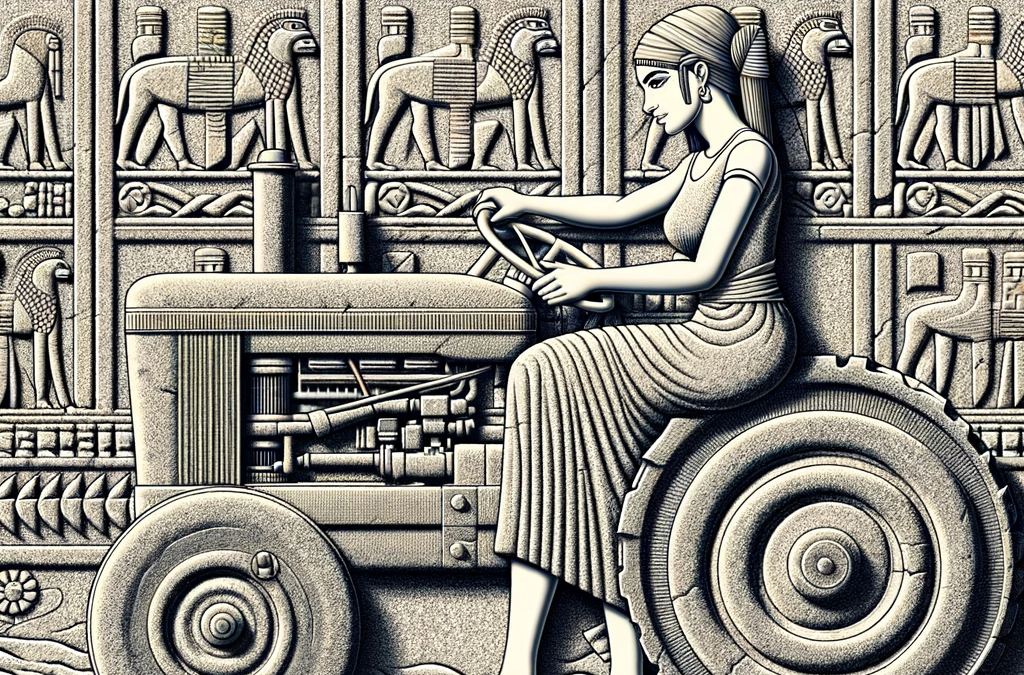
Timeless Power: Drive Your Passion, Save, And Savor Every Moment
By Tom Seest
At ClassicTractorNews, we help tractor lovers keep up with the latest news for classic and vintage tractors.
Please share this post with your friends, family, or business associates who may like old classic or vintage tractors.
Classic Tractors – Lower Costs, More Freedom, Zero Regrets
In a world driven by the latest technology, classic tractors stand as a testament to simplicity and reliability. These machines are not merely tools; they are the embodiment of hard work, perseverance, and a deep respect for the land. When you climb aboard one of these classics, you’re not just driving a piece of machinery; you’re stepping into a story—a narrative rich with the sweat and dreams of those who toiled before us.
Consider the feeling of turning the key and hearing the engine rumble to life. It’s a sound that resonates deep in the chest, pulling at the heartstrings in ways that a sleek, modern machine simply cannot. It’s a connection to the past, a reminder of the farmers, the families, and the communities woven into the fabric of agricultural history. Each scratch and dent tells a story, a history of resilience amidst challenges. When you work with a classic tractor, you’re not just lowering costs; you’re gaining freedom—the freedom to restore, to maintain, and to truly take ownership of your craft.
Rationally, the economics speak volumes. Classic tractors often come without the hefty price tag of new models, not to mention the maintenance costs that can spiral out of control. With proper care, these tractors can run for decades, reminding owners that the investment is not just in machinery but in a lifestyle. You cannot put a price on the satisfaction that comes from knowing you’ve made a wise choice, one that respects both your wallet and the environment by prioritizing repair over replacement.
Ethically, opting for classic involves performance that respects both the tradition of farming and sustainability. These tractors consume less fuel, make fewer demands on resources, and, essentially, ask for a relationship rather than a transaction. You’re not merely buying a machine; you’re embracing a philosophy that echoes through generations.
Socially, owning a classic tractor fosters a sense of community among enthusiasts—sharing tips, stories, and experiences creates bonds that transcend generations. The gatherings, the shows, the simple chats over coffee at a farm equipment store—these moments build connections and shared passions.
In every rev of the engine, in every field turned, classic tractors invite you to a dance with history, practicality, and community. They remind us that in the pursuit of progress, sometimes the best path is to look back, find joy in tradition, and forge ahead with purpose, pride, and zero regrets.
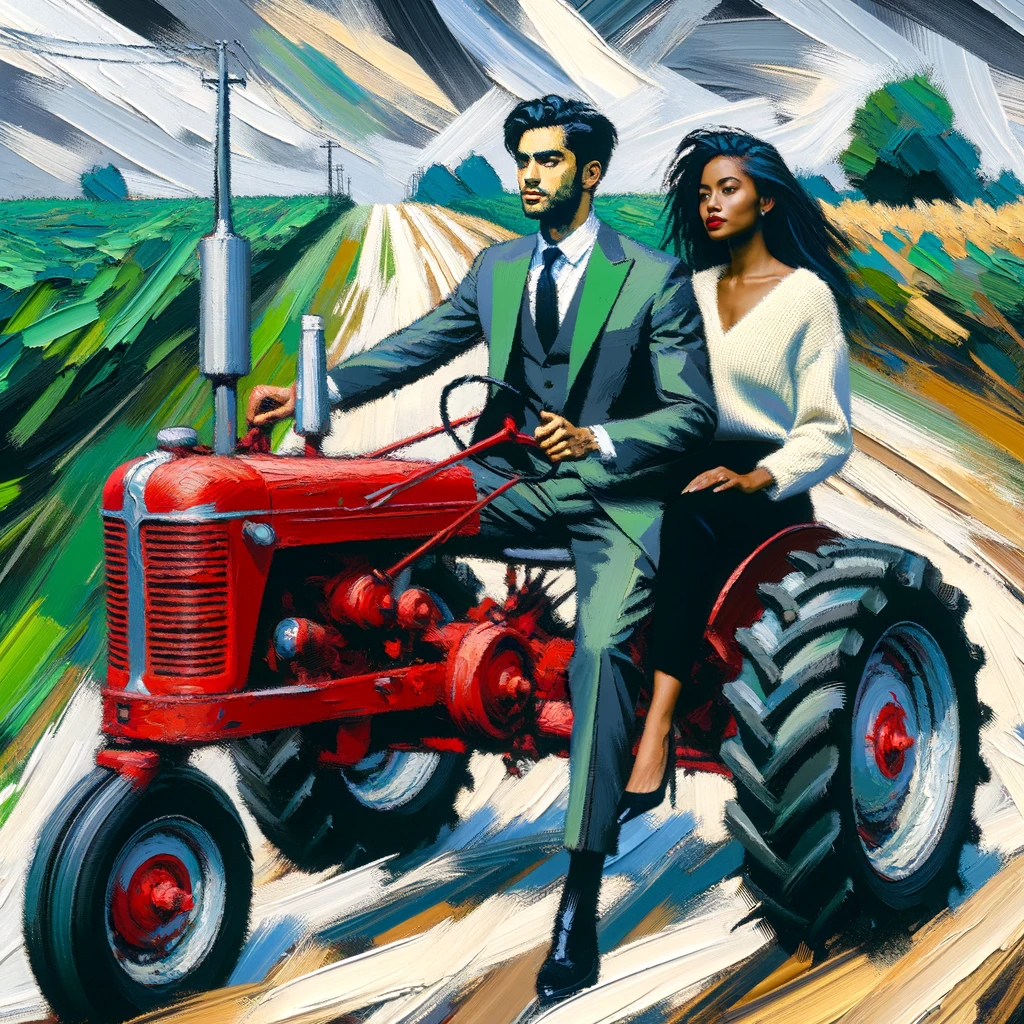
Classic Tractors – Lower Costs, More Freedom, Zero Regrets
Classic Tractors – Lower Costs, More Freedom, Zero Regrets
- Classic tractors symbolize simplicity and reliability, reflecting hard work and respect for the land.
- Engaging with classic tractors provides a deep emotional connection to agricultural history.
- Classic tractors offer financial benefits by avoiding high costs of new models and maintenance, promoting longevity and sustainability.
- Choosing classic tractors prioritizes repair over replacement, aligning with eco-friendly values.
- Owning a classic tractor fosters community among enthusiasts, encouraging the sharing of stories and experiences.
- Participation in tractor-related events strengthens social bonds and shared passions across generations.
- Classic tractors invite a reflection on tradition and a purposeful approach to progress with no regrets.
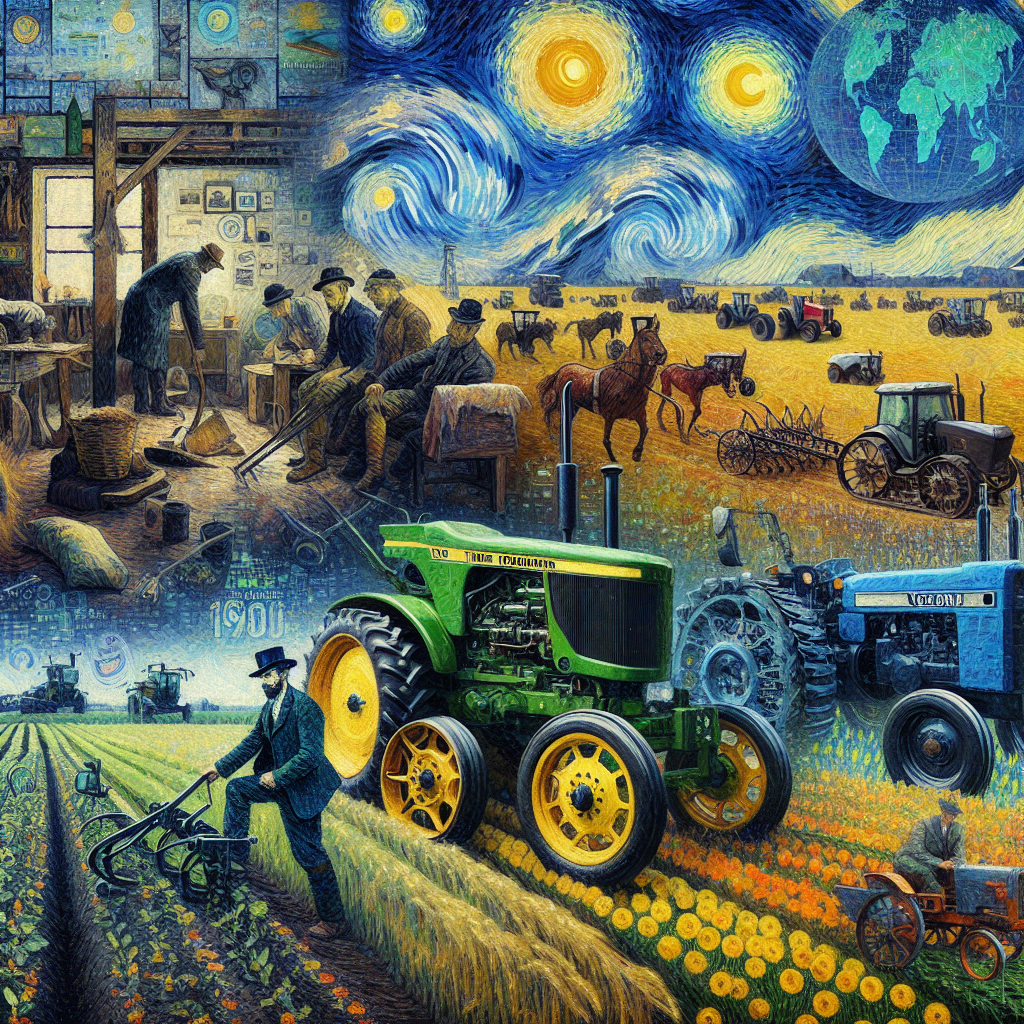
Classic Tractors – Lower Costs, More Freedom, Zero Regrets
Table Of Contents
- Classic Tractors – Lower Costs, More Freedom, Zero Regrets
- How Can Classic Tractors Bring Joy to Farming?
- What Savings Can You Achieve with Classic Tractors?
- Are Classic Tractors More Reliable Than Newer Models?
- What Stories Do Classic Tractors Tell About Our Farming Heritage?
- How Do Classic Tractors Foster Community Among Farmers?
- Can the Simplicity Of Classic Tractors Reduce Stress In Farming?
- Conclusion
- Other Resources
- Glossary Of Terms
- Other Questions
- Haiku
- Poem
- Checklist
How Can Classic Tractors Bring Joy to Farming?
Classic tractors are more than just machines; they’re symbols of a way of life, deeply rooted in the American landscape. Picture a sun-kissed morning, the dew still lingering on the grass, when the rumble of an old tractor breaks the silence. It takes you back to simpler times, connecting generations. For many, driving one of these timeless machines isn’t just about farming; it’s an embodiment of passion and tradition.
Embracing a classic tractor inspires a sense of nostalgia that tugs at the heart. Grandpa’s hands, weathered yet strong, guiding you on that first unforgettable ride, teaching you the rhythms of the land. The engine’s roar recaptures the essence of hard work, the satisfaction of seeing crops flourish under the warm sun. This connection weaves through our fabric, reminding us that farming isn’t just a profession; it’s a legacy passed down, a testament to resilience and dedication.
Yet, there’s a rational side to this love affair with classic tractors. They are robust, often made with a durability that modern machines struggle to match. Many farmers find joy in their simplicity—easy to repair, less reliant on complex technology, allowing hands-on learning and an intimate understanding of machinery. This approach leads to a deeper relationship with the land and equipment, where every turn of a wrench is a chance to learn something new, enhancing skills that have been honed over generations.
Ethically speaking, classic tractors represent a commitment to sustainability. By maintaining and using these older models, we minimize our carbon footprint, prolonging their life rather than contributing to a throwaway culture. The choice to restore and cherish these machines speaks to a broader message of responsibility, reminding us to care for both our heritage and our environment.
From a social standpoint, owning a classic tractor fosters community. Local fairs, parades, and tractor shows create opportunities for farmers to share stories, tips, and camaraderie. These events celebrate a shared passion and reinforce the idea that farming is a collective journey filled with laughter and memories.
An original perspective emerges when you consider how classic tractors can bridge the gap between generations. Imagine organizing a “Tractor Day” at a local farm, inviting families to bring their children to experience the tactile nature of farming. They could feel the cold, rusted metal, hear the engine’s thrum, and grasp the weight of tradition in their hands, ensuring that the love for agriculture continues to bloom through the ages. Classic tractors thus don’t just plow fields; they cultivate connections, nurturing joy in farming and rooting us all in something greater than the work itself.
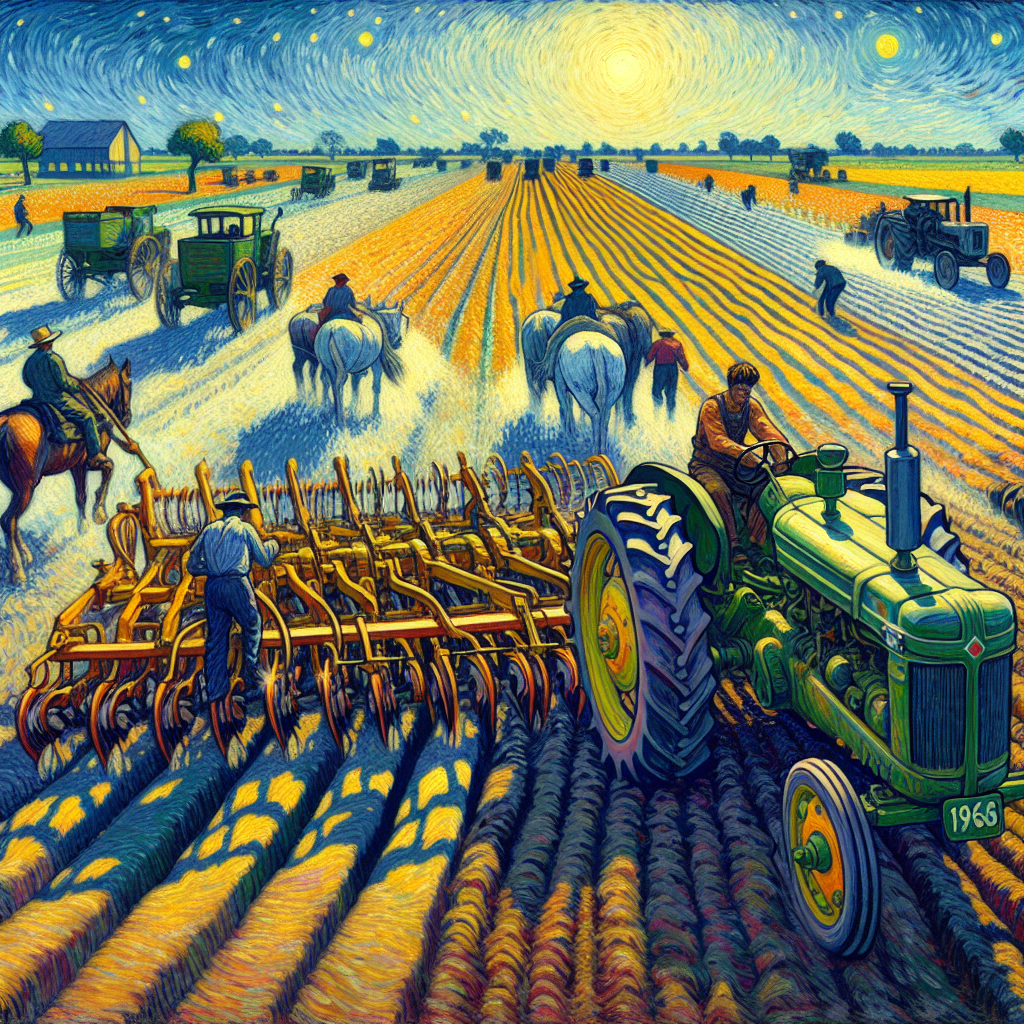
How Can Classic Tractors Bring Joy to Farming?
How Can Classic Tractors Bring Joy to Farming?
- Classic tractors symbolize a way of life, deeply ingrained in the American landscape.
- They evoke nostalgia and connect generations through shared experiences and traditions.
- Driving classic tractors represents passion and dedication to farming as a legacy.
- These machines are durable and easy to repair, fostering hands-on learning and skills development.
- Classic tractors support sustainability by reducing the carbon footprint and encouraging heritage conservation.
- Owning a classic tractor strengthens community ties through events like fairs and shows.
- They bridge generational gaps, allowing families to engage in the tactile experience of farming.
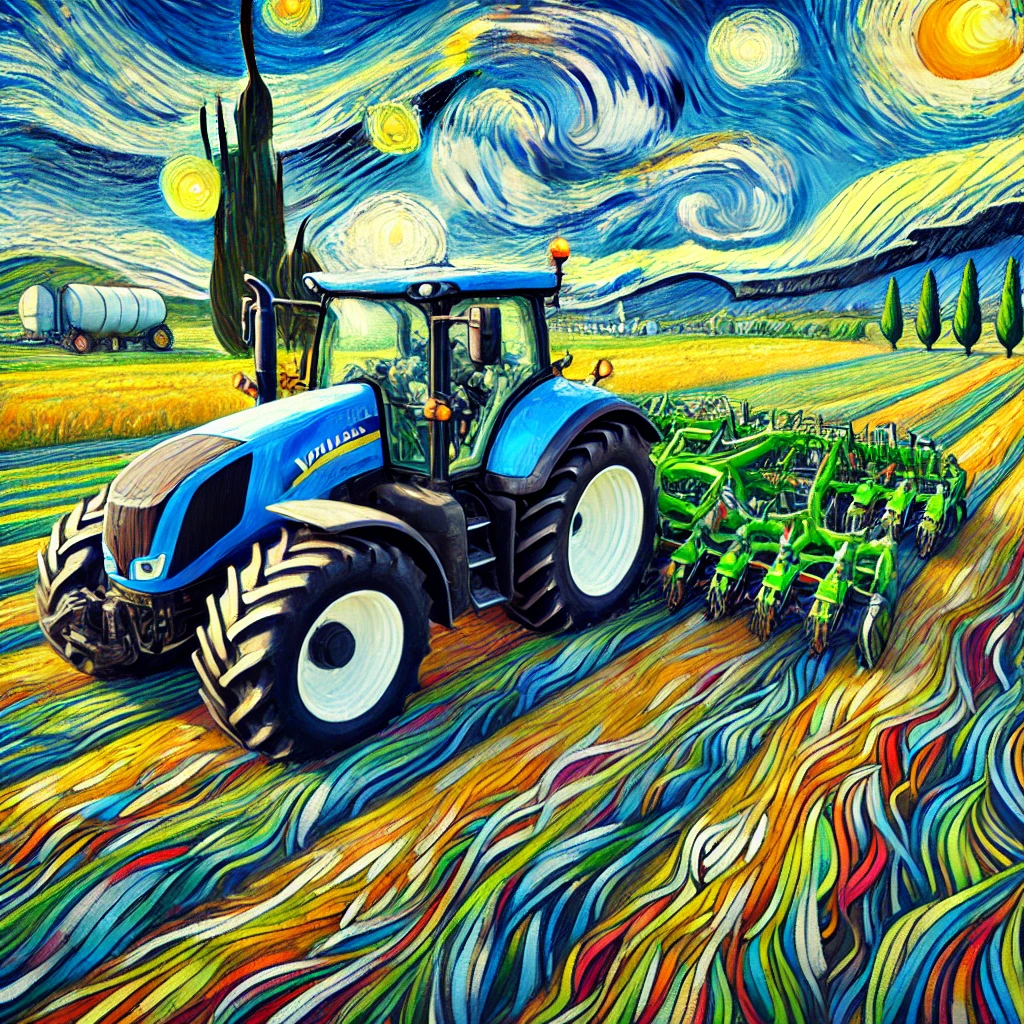
How Can Classic Tractors Bring Joy to Farming?
What Savings Can You Achieve with Classic Tractors?
Imagine driving down a dusty country road, the smell of freshly tilled soil wafting through the open window of a vintage tractor. It’s not just the iconic design that draws you in; it’s the stories and memories etched into every dent and scratch. Classic tractors embody a time when craftsmanship mattered, revealing a deeper value that extends beyond mere machinery.
Owning a classic tractor can lead to substantial savings in various ways. For starters, these robust machines often outlast modern counterparts, requiring fewer repairs and replacements. Take, for example, a family farm that has passed down a 1960s tractor through generations. Instead of investing in a new model every few years, they maintain their classic beauty with minimal effort—just a little grease and care, no high-tech diagnostics necessary. This not only preserves a financial resource but also fosters a connection to heritage and family tradition.
Beyond repairs, classic tractors can be more economical to run. Older models, often simpler in design, can operate efficiently with lower fuel consumption compared to their newer, more complicated brethren. Farmers and hobbyists alike find joy in knowing that they can harness the same productivity with a machine less burdened by technological bells and whistles. Moreover, many classic tractors are designed for versatility, capable of performing multiple tasks on the farm without needing specialized attachments, leading to fewer expenses overall.
On a deeper level, owning a classic tractor is not merely about saving dollars; it’s about investing in a lifestyle that values ethics and sustainability. When you choose to restore and operate a classic tractor, you’re participating in a movement that respects our agricultural past while promoting environmentally friendly practices. It’s a conscious decision to reject the throwaway culture and instead uphold the integrity of enduring craftsmanship.
Socially, classic tractors can forge connections among enthusiasts. Communities gather for vintage tractor shows, where stories are swapped, and friendships formed. This sense of belonging not only enhances the joy of tractor ownership but also offers a network of support and shared knowledge, amplifying the value of what you have in your hands.
In essence, choosing a classic tractor is more than a quest for savings; it’s an invitation to live with purpose, to honor the past, and to strive for a future grounded in experience and connection. Each turn of the wheel is a call to action—to cherish and utilize the timeless designs that shaped agriculture and, indeed, our very communities.
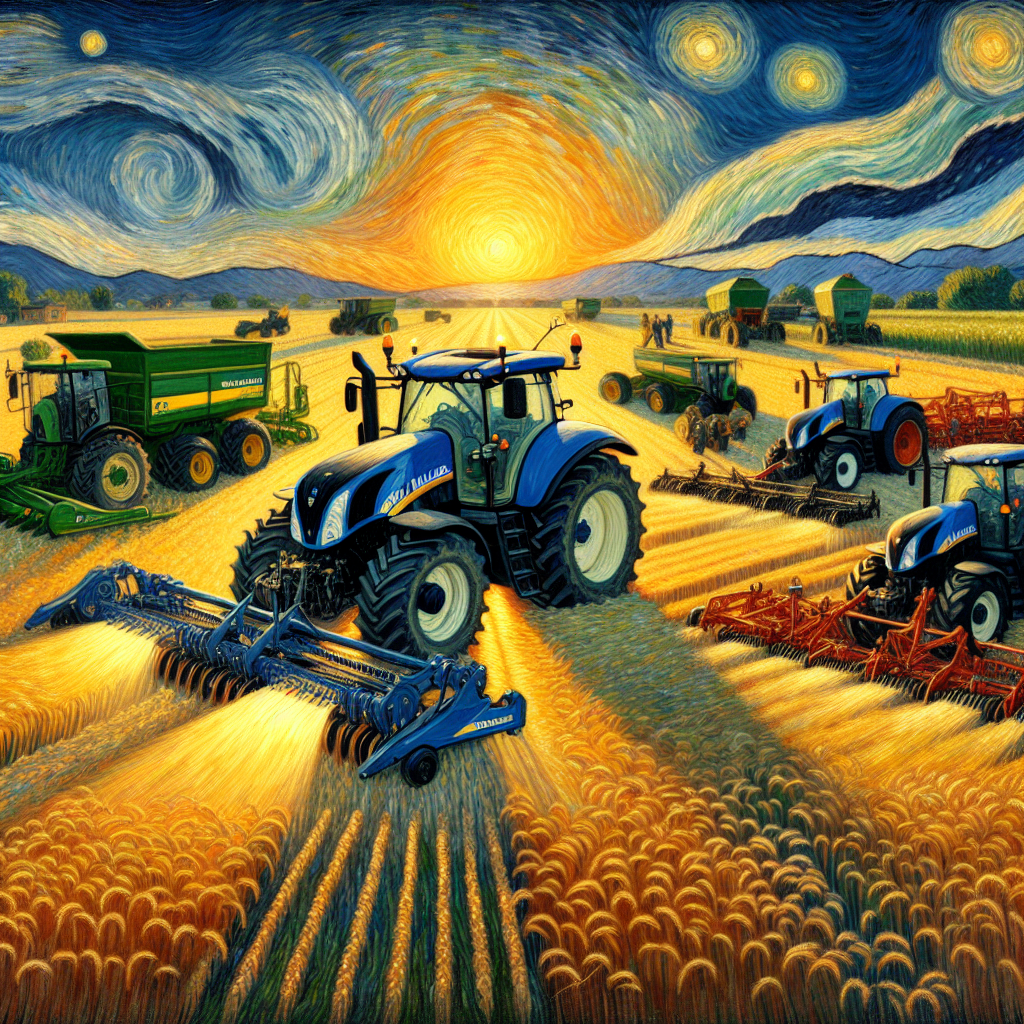
What Savings Can You Achieve with Classic Tractors?
What Savings Can You Achieve with Classic Tractors?
- Classic tractors represent craftsmanship and embody historical value.
- Owning a classic tractor can lead to savings due to their longevity and reduced repair needs.
- Older models typically offer lower fuel consumption compared to newer tractors.
- Classic tractors are versatile, performing multiple tasks without requiring specialized attachments.
- Restoring and operating classic tractors supports sustainability and ethical values.
- Vintage tractor shows foster community among enthusiasts, enhancing ownership experience.
- Choosing a classic tractor is a commitment to honoring the past and embracing a purposeful lifestyle.
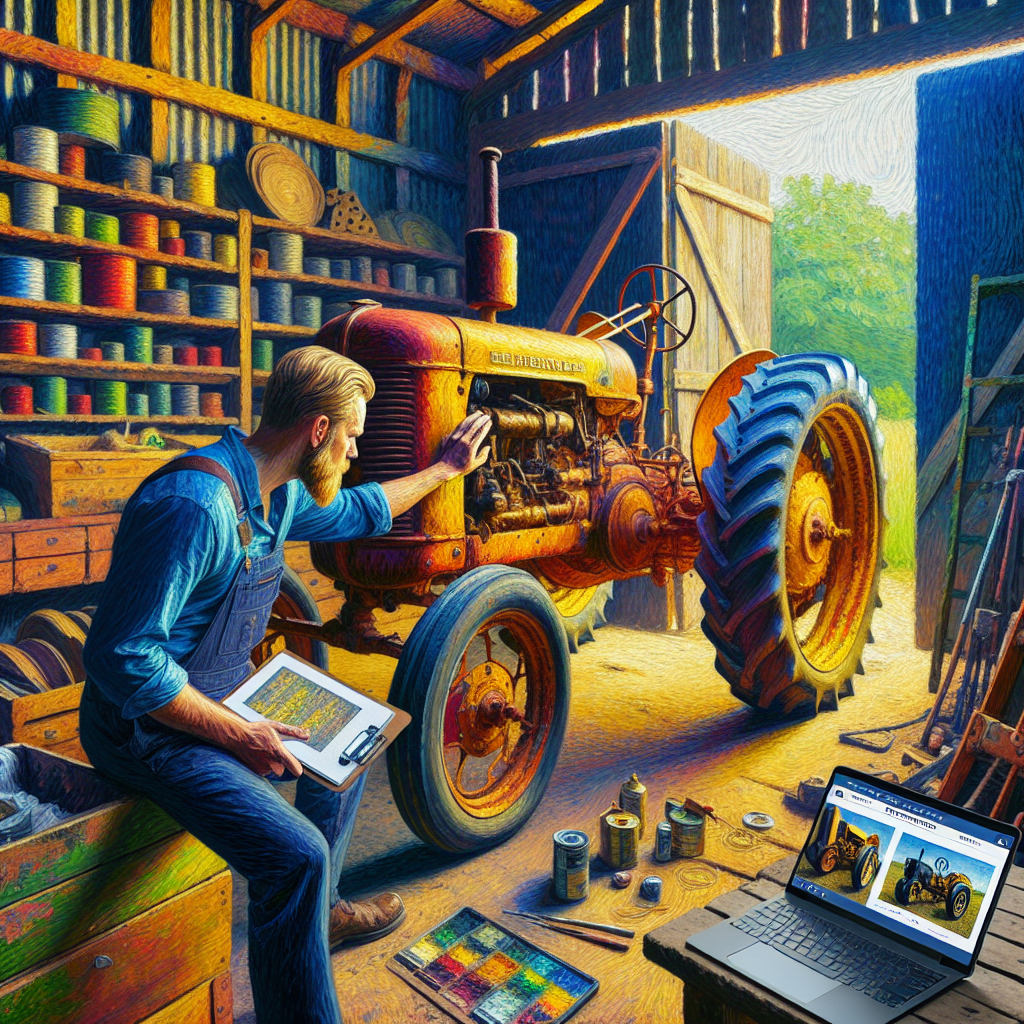
What Savings Can You Achieve with Classic Tractors?
Are Classic Tractors More Reliable Than Newer Models?
When discussing reliability in tractors, one must consider not only the metal and machinery but the stories, memories, and communities that have propelled these machines through generations. Picture a classic tractor, its paint chipped but that engine still rumbling to life like a steadfast companion ready for another day’s work. These older models remind us of a time when things were built to last, inviting us to trust more than just mechanics; they evoke a deep sense of pride and nostalgia.
Classic tractors often shine in reliability because they embody simplicity. These machines were crafted with a form of honesty not often seen in today’s technology-driven world. Take, for example, a family farm where a grandparent teases their grandchild about the old Ford tractor stored in the barn. “That old thing may not have GPS guidance or the latest bells and whistles, but it gets the job done!” There’s a raw truth in those words. While newer models boast advanced technology to enhance precision and efficiency, it sometimes comes at the cost of the very essence of what a tractor is meant to do: work tirelessly through the seasons, rain or shine.
Additionally, classic tractors have an inherent sense of character, a narrative woven into their very existence. These machines have weathered storms—both literal and metaphorical—far beyond their original expectations. With each scratch and dent, they hold stories of labor and life, of crops sown and harvested, of families sticking together in tough times. It’s this narrative that fosters an undeniable connection. Their reliability isn’t just in the mechanics; it’s rooted in their ability to connect us to our past, reminding us that tradition has value.
Yet, an ethical consideration arises when weighing new machinery against those beloved relics of yore. Is our desire for modernity sacrificing sustainability? While newer tractors often incorporate eco-friendly technology, the lifespan of classic models speaks volumes. They run on a straightforward backbone of engineering that can be repaired with a simple toolset. This sustainability is appealing amidst an age of disposability when many newer machines may eventually end up in scrap yards. When a community rallies around restoring a classic tractor, it’s about more than metal; it represents a commitment to preserving craftsmanship.
In a world obsessed with the latest gadgets, classic tractors stand firm like pillars of reliability, inviting us to reflect on what truly matters. They teach us that while advancement is essential, holding onto the roots of tradition nourishes our identities. Ultimately, the question is not merely about which is more reliable; it’s about what reliability means to us—you might just find that the heart of a classic tractor beats louder than its newer counterparts.
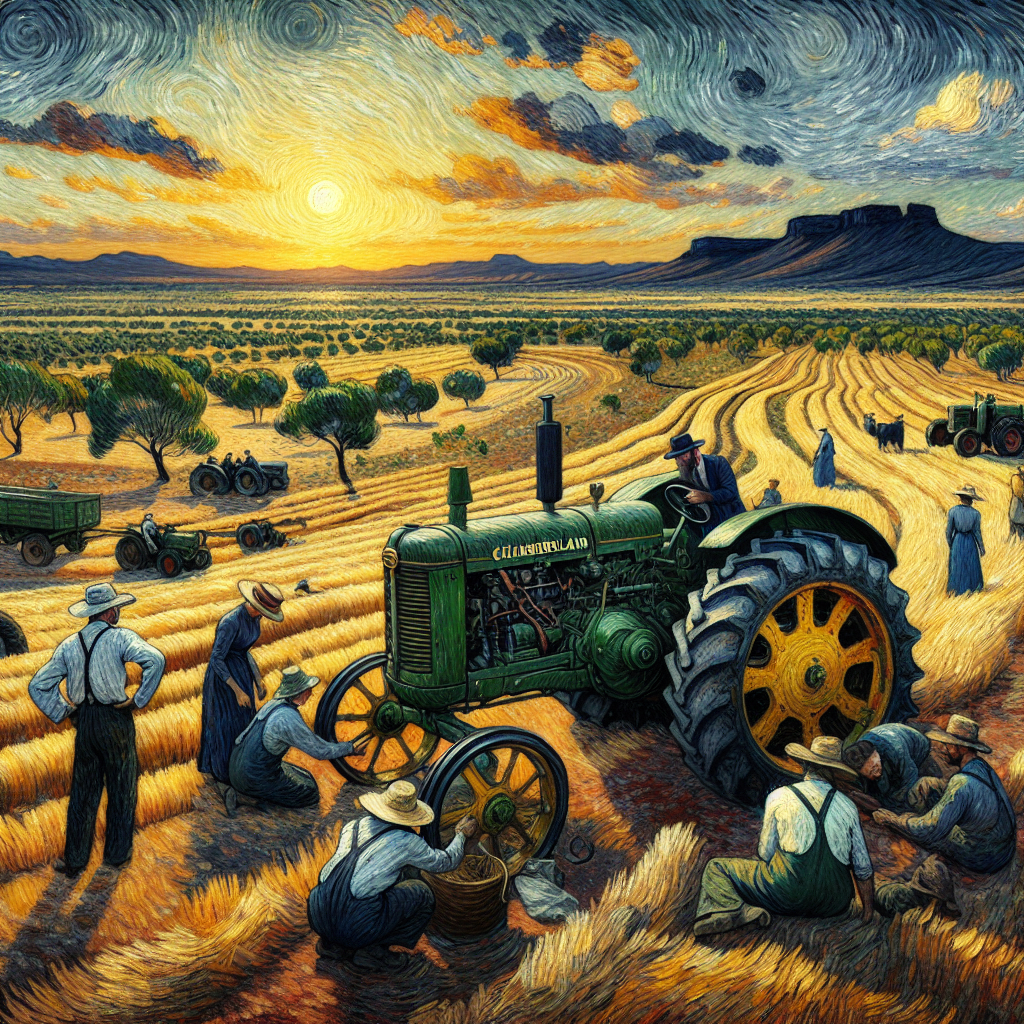
Are Classic Tractors More Reliable Than Newer Models?
Are Classic Tractors More Reliable Than Newer Models?
- Classic tractors represent a blend of machinery, stories, and community history, evoking nostalgia and pride.
- They embody simplicity and honesty, often outperforming modern tractors in reliability despite lacking advanced technology.
- The character of classic tractors is enriched by their history, holding narratives of labor, family, and perseverance.
- Reliability extends beyond mechanics; it’s about connecting to tradition and valuing craftsmanship.
- Newer tractors may offer eco-friendly features, but classic models boast longevity and repairability, promoting sustainability.
- Communities that restore classic tractors showcase a commitment to preserving heritage and craftsmanship.
- The discussion of reliability goes beyond performance—it’s about understanding what reliability truly means to us.
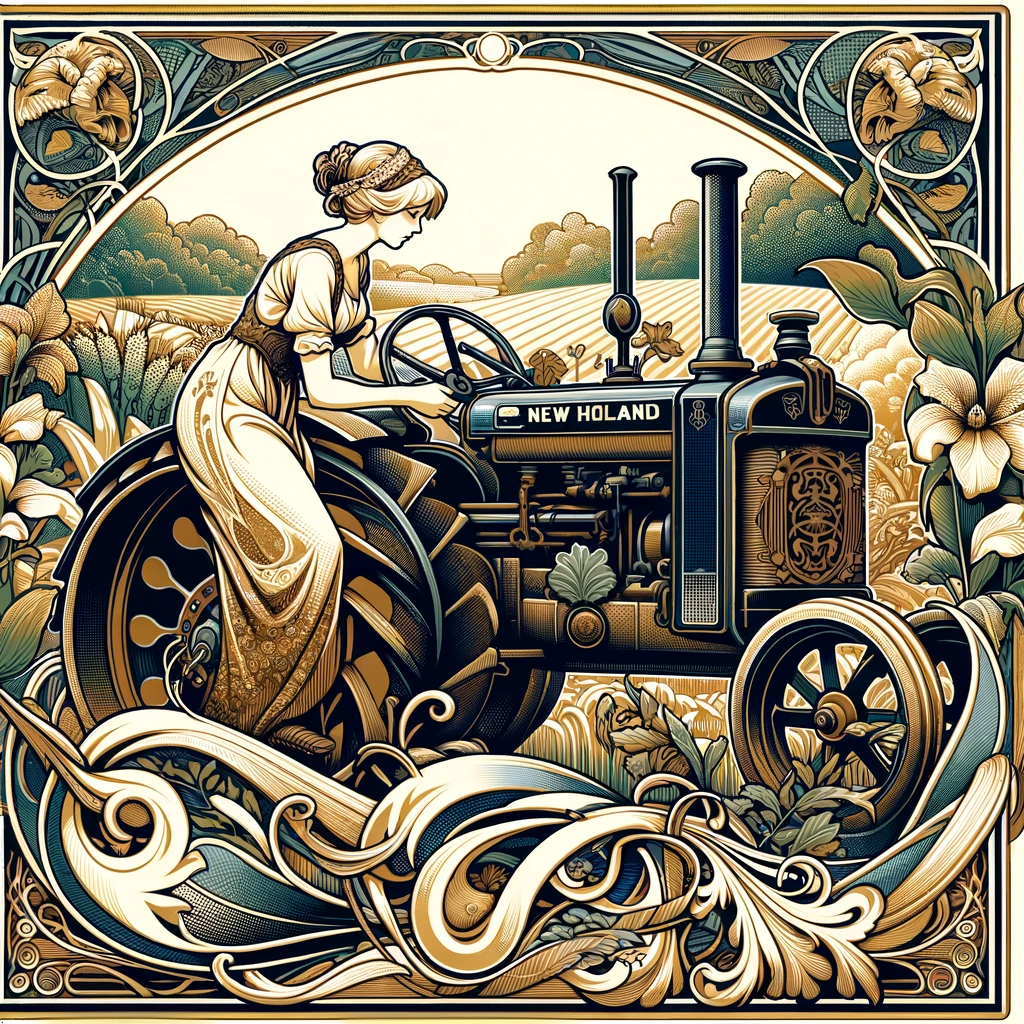
Are Classic Tractors More Reliable Than Newer Models?
What Stories Do Classic Tractors Tell About Our Farming Heritage?
Classic tractors are more than just machines; they are storytellers, each with its own narrative woven into the fabric of our agricultural history. These steadfast icons offer a glimpse into the lives of those who relied on them, who tilled the soil and nurtured crops through sweat and determination. Every dent, scratch, and faded paint job on a tractor carries the weight of decades—of hard work, of families coming together, and of generations learning the land’s rhythms.
Take, for instance, the tale of a beloved Ford 8N, the workhorse of many farms in the mid-20th century. My uncle used to tell me about the summer evenings spent on that very tractor, the sweet scent of freshly cut hay mingling with the diesel fumes as he worked alongside his father. That tractor wasn’t just a tool; it was part of their family, a trusted companion through rainy harvests and bountiful seasons. It shaped their identity, teaching resilience and respect for nature’s cycles.
These stories resonate with many, revealing a truth about farming: it is a profession rooted in community and collaboration. When we recount the days spent reviving these classic tractors, we spotlight not just the mechanics but the people behind them. We remember the neighbors who would lend a hand during busy planting seasons or share a cup of coffee while discussing the latest crop innovations. The bonds formed in those moments echo the very purpose of farming—connecting lives through shared effort and passion.
But beyond the nostalgic pull, these tractors provoke a deeper reflection about where we come from. As we face modern challenges like climate change and industrial farming, the lessons learned from these venerable machines remind us of the ethics of stewardship. They challenge us to honor sustainable practices, urging a return to methods that respect the land. By looking back at our collective heritage, we are called to strive for a future that honors the past while embracing innovative solutions.
Classic tractors are not relics; they are living history, embodying the durability and spirit of those who farmed before us. As we revitalize them, make them shine once more, we are not just revving engines—we’re reigniting the spirit of agriculture. Each ride is a reminder that behind every field of corn or wheat lies a story, a legacy waiting to inspire the next generation of farmers. It’s a call to action: to remain grounded in our agricultural roots while reaching for the skies.
What Stories Do Classic Tractors Tell About Our Farming Heritage?
What Stories Do Classic Tractors Tell About Our Farming Heritage?
- Classic tractors serve as storytellers, reflecting agricultural history and personal narratives.
- Each tractor shows the marks of hard work and family dedication over decades.
- The Ford 8N exemplifies the emotional connection between farmers and their equipment.
- Farming is rooted in community, with shared experiences and collaboration at its core.
- Classic tractors highlight the importance of sustainable farming practices amid modern challenges.
- They represent living history and the resilience of past farmers.
- Revitalizing classic tractors inspires future generations to honor agricultural traditions.
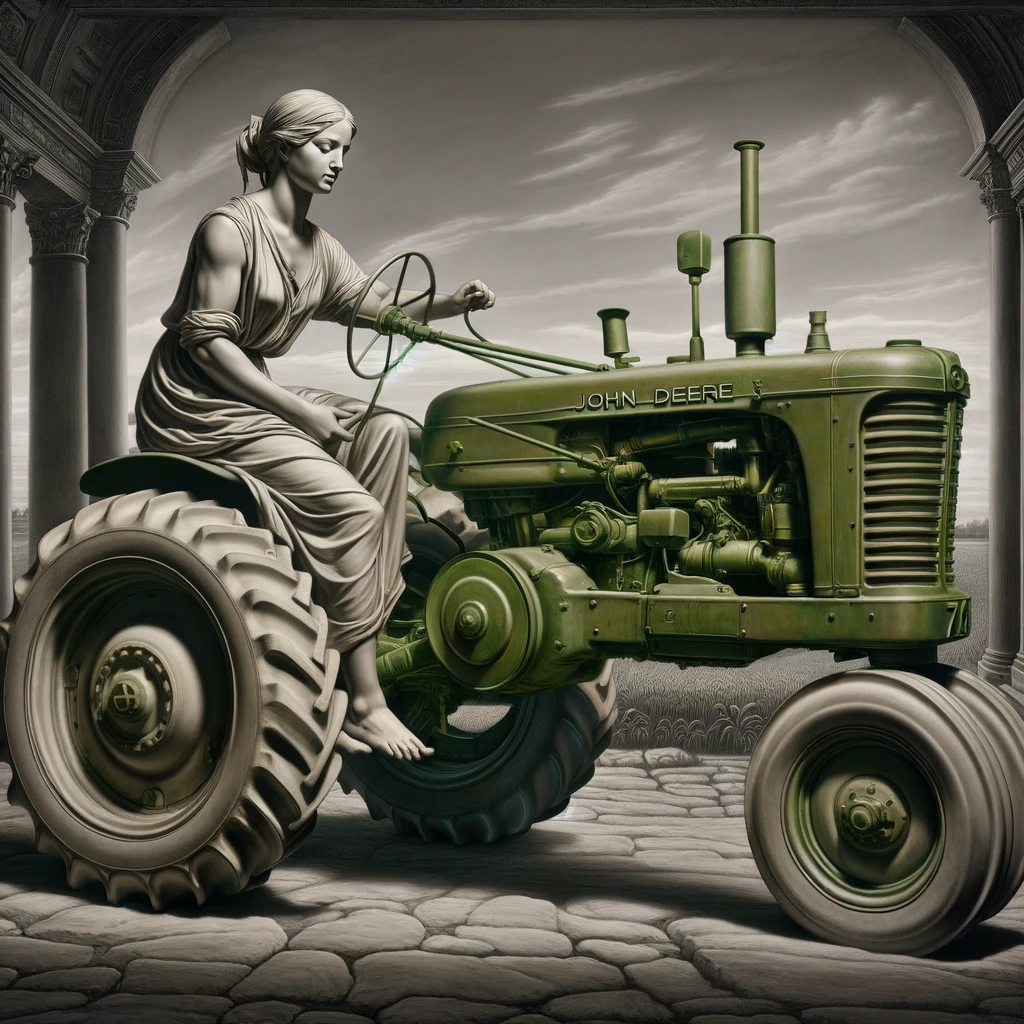
What Stories Do Classic Tractors Tell About Our Farming Heritage?
How Do Classic Tractors Foster Community Among Farmers?
Classic tractors stand as enduring symbols of rural life, connecting farmers not just to their land but to each other. These machines, often passed down through generations, are more than mere tools. They embody stories—of hard work, perseverance, and community. Picture a sun-drenched field, where the rumbling sound of a tractor echoes through the valley, signaling another season of planting. It’s not just an isolated labor; it’s a gathering of friends and neighbors, each one eager to lend a hand or share a hearty laugh.
The emotional impact of classic tractors runs deep. Farmers often recount how their fathers and grandfathers worked the same land, using similar tractors, creating a legacy that resonates on both sides of the generational divide. This shared history fosters a bond that transcends the individual. It creates a web of relationships that remind farmers they aren’t alone in their labor, as they gather for harvests or at local tractor shows, where pride in craftsmanship ignites camaraderie.
Rationally, it’s clear that the functionality of these tractors plays a critical role in local agricultural economies. Classic tractors are often more fuel-efficient, less expensive to repair, and provide a tangible connection to farming traditions that newer models can’t replicate. These machines often spark conversations about sustainable practices—how they consume resources differently or how they can be restored to preserve not just their mechanical integrity but the stories they carry. They also foster a collective responsibility—an ethical duty among farmers to maintain their heritage while navigating an evolving agricultural landscape.
Engagement comes naturally within communities bonded over these classic machines. Local events, like tractor pulls or antique shows, draw crowds, turning farms into social hubs. Farmers share tips, boast about their restoration projects, and celebrate successes. These occasions reflect a shared mission: to keep tradition alive while embracing innovation. Personal narratives flow like the diesel of a well-loved engine, painting a picture of resilience. I recall a farmer who lovingly restored his father’s old tractor, not just to till the soil but to invoke memories of family gatherings, laughter, and lessons learned under the vast sky.
In promoting these gatherings and honoring the past, classic tractors cultivate a strong sense of trust and confidence among farmers. They are not just machines; they signify a collective identity and purpose, breathing life into a shared agricultural narrative. Every turn of a wheel connects to a farmer, reminding them that they are part of something larger—an enduring community where history, heart, and hard work converge.
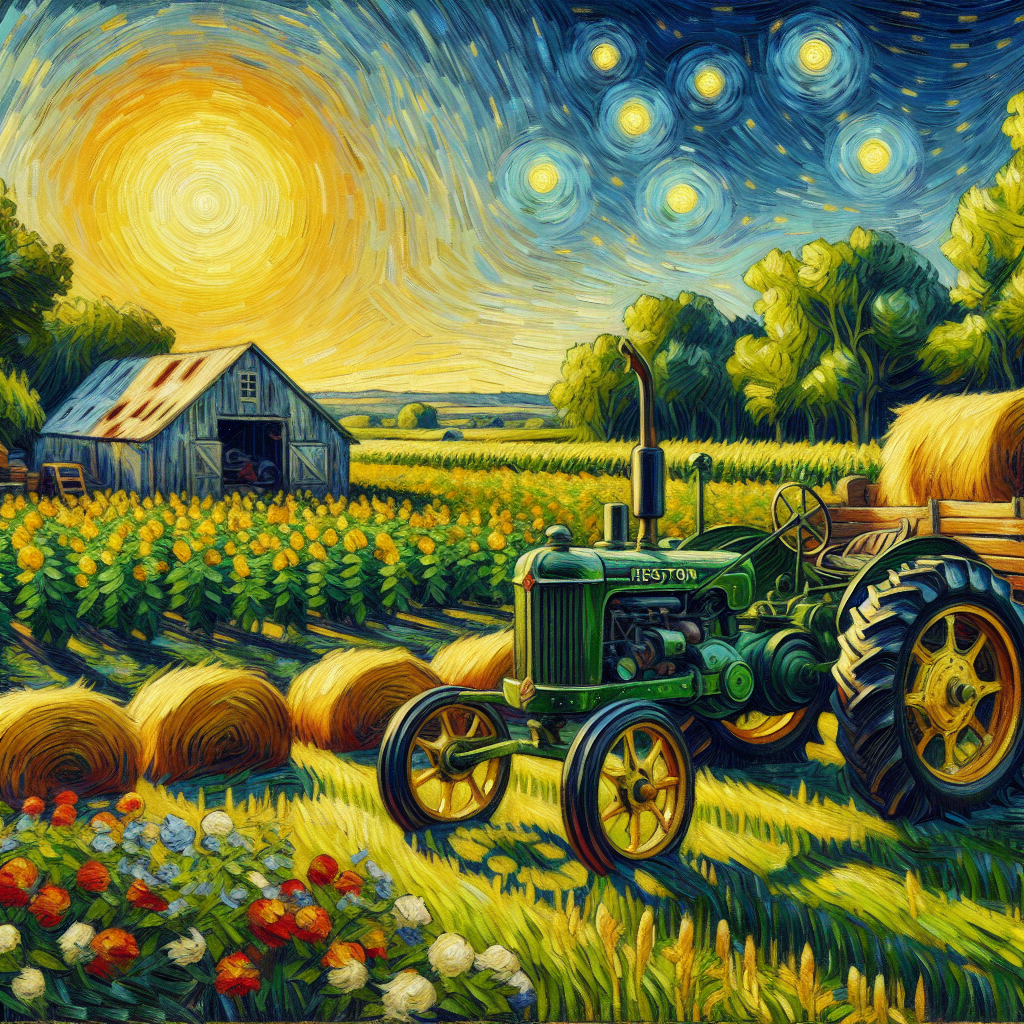
How Do Classic Tractors Foster Community Among Farmers?
How Do Classic Tractors Foster Community Among Farmers?
- Classic tractors symbolize rural life and connect farmers with their land and each other.
- They carry stories of hard work and community, often passed down through generations.
- The use of classic tractors creates bonds among farmers, fostering camaraderie during harvests and events.
- These tractors are praised for their functionality, such as fuel efficiency and lower repair costs.
- Classic tractors influence discussions on sustainable farming practices and preserving agricultural heritage.
- Community engagement is enhanced through local events like tractor pulls and antique shows.
- They represent a collective identity for farmers, reinforcing trust and shared purpose within the farming community.
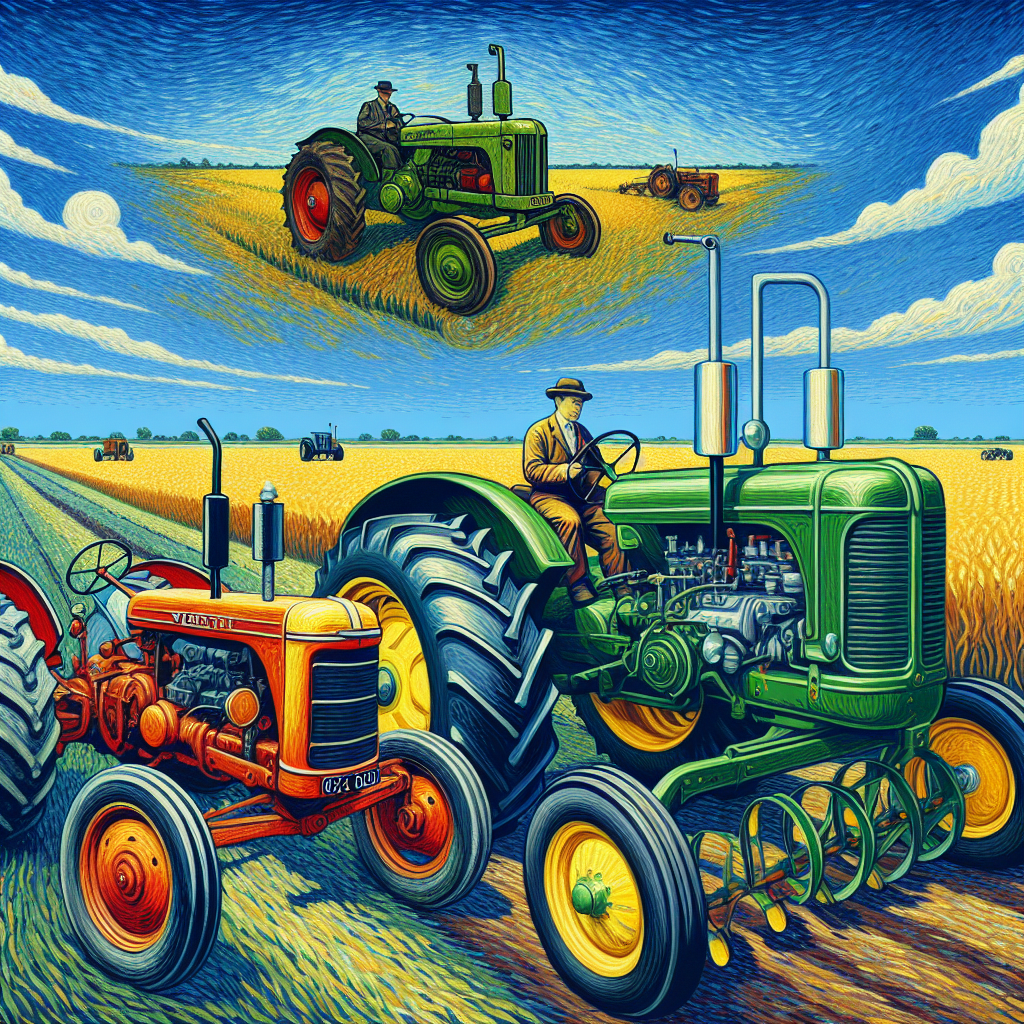
How Do Classic Tractors Foster Community Among Farmers?
Can the Simplicity Of Classic Tractors Reduce Stress In Farming?
Classic tractors, with their sturdy frames and uncomplicated mechanics, stand as a testament to a time when farming was more about the connection between man and machine than the complexities of modern technology. For farmers, the simplicity of these machines can significantly reduce stress, offering a reprieve from the frenetic pace and overwhelming demands that often accompany modern agricultural practices.
Now, consider the feel of those rusted steel handles or the gentle rumble of an engine that’s carried generations through countless seasons. A classic tractor isn’t just a tool; it’s a partner in the field, a reliable ally that has seasoned wisdom etched into its every bolt. Farmers often recount stories of how these tractors have been their companions through storms and sunny days alike, embodying the hard work and perseverance required on the land. They foster not just a sense of nostalgia but a profound emotional connection, reminding us that success in farming wasn’t always measured by technology but by grit, sweat, and a little bit of luck.
From a rational standpoint, the elegance of a straightforward tractor empowers farmers to focus on what truly matters: the crops, the weather, and their families. Modern machinery can be daunting, with its blinking lights and digital interfaces—each button and screen a potential cause for anxiety. In contrast, the classic tractor invites farmers to engage with their work in a hands-on way, fostering a profound sense of ownership and control. Imagine the satisfaction of fixing a minor issue with nothing more than a wrench and some elbow grease, turning a complicated problem into a simple solution.
Ethically, there’s a strong case for simplicity in farming. As we strive to be more sustainable stewards of the land, the classic tractor promotes a lifestyle that aligns with responsibility and respect for the environment. It’s not just about productivity; it’s about cultivating a legacy that cares for future generations.
When farmers gather to discuss their experiences, the stories flow like water through the fields. They swap tales of triumph and tribulation, with their classic tractors at the heart of many narratives. It’s here that community flourishes, creating a fabric woven from shared challenges and collective victories. Those beloved machines become symbols of trust and resilience, embodying a way of life that, while grounded in the past, paves the way for future possibilities.
In embracing the simplicity of classic tractors, farmers not only reduce their stress but reclaim their passion, reconnecting with the very essence of what it means to cultivate the land.
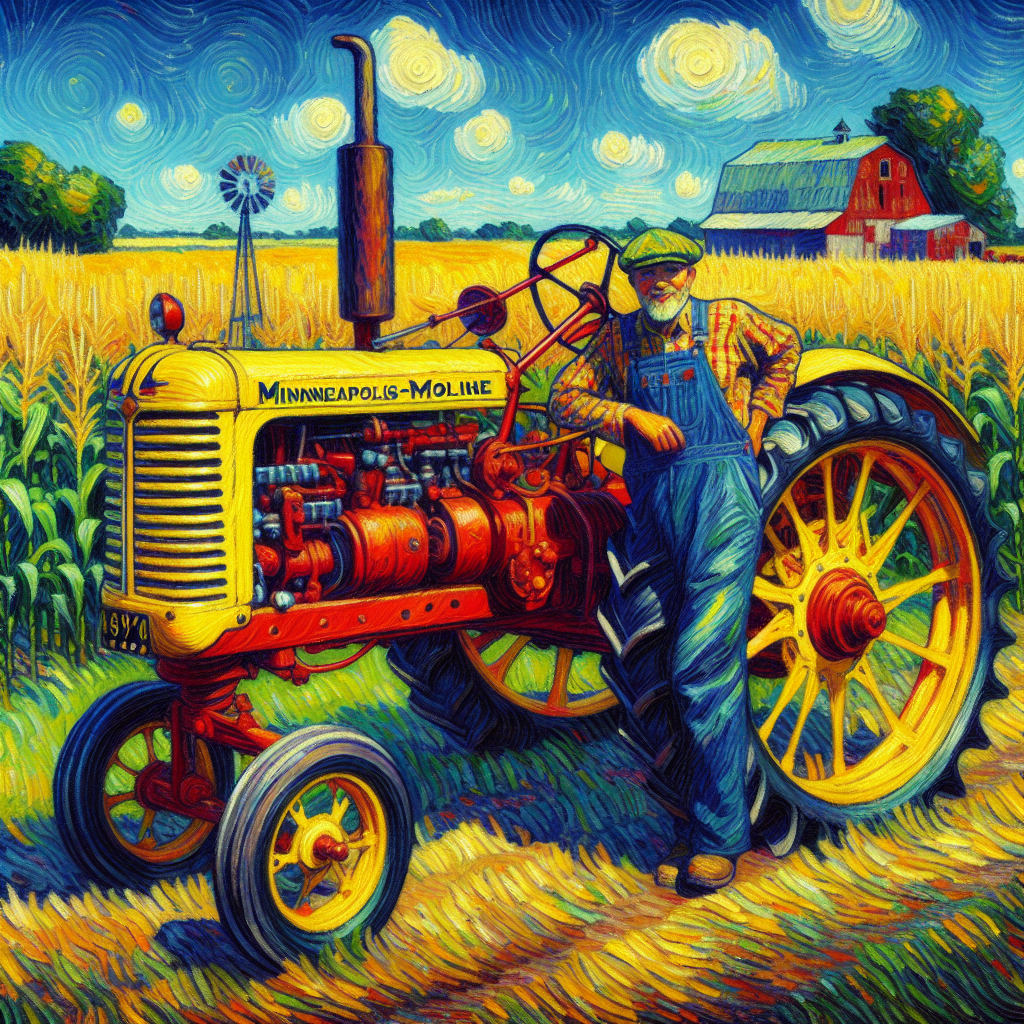
Can the Simplicity Of Classic Tractors Reduce Stress In Farming?
Can the Simplicity Of Classic Tractors Reduce Stress In Farming?
- Classic tractors represent a connection between man and machine, emphasizing simplicity in farming.
- Their uncomplicated mechanics help reduce stress for farmers, providing relief from modern agricultural demands.
- These tractors serve as reliable partners, embodying hard work and perseverance through generations.
- Farmers develop emotional connections with these machines, recalling memories tied to their experiences in the fields.
- Classic tractors allow for hands-on engagement, fostering a sense of ownership and control over farming tasks.
- The simplicity of these machines aligns with sustainable practices, promoting respect for the environment and future legacy.
- Community bonds are strengthened as farmers share stories, with classic tractors often central in their narratives.
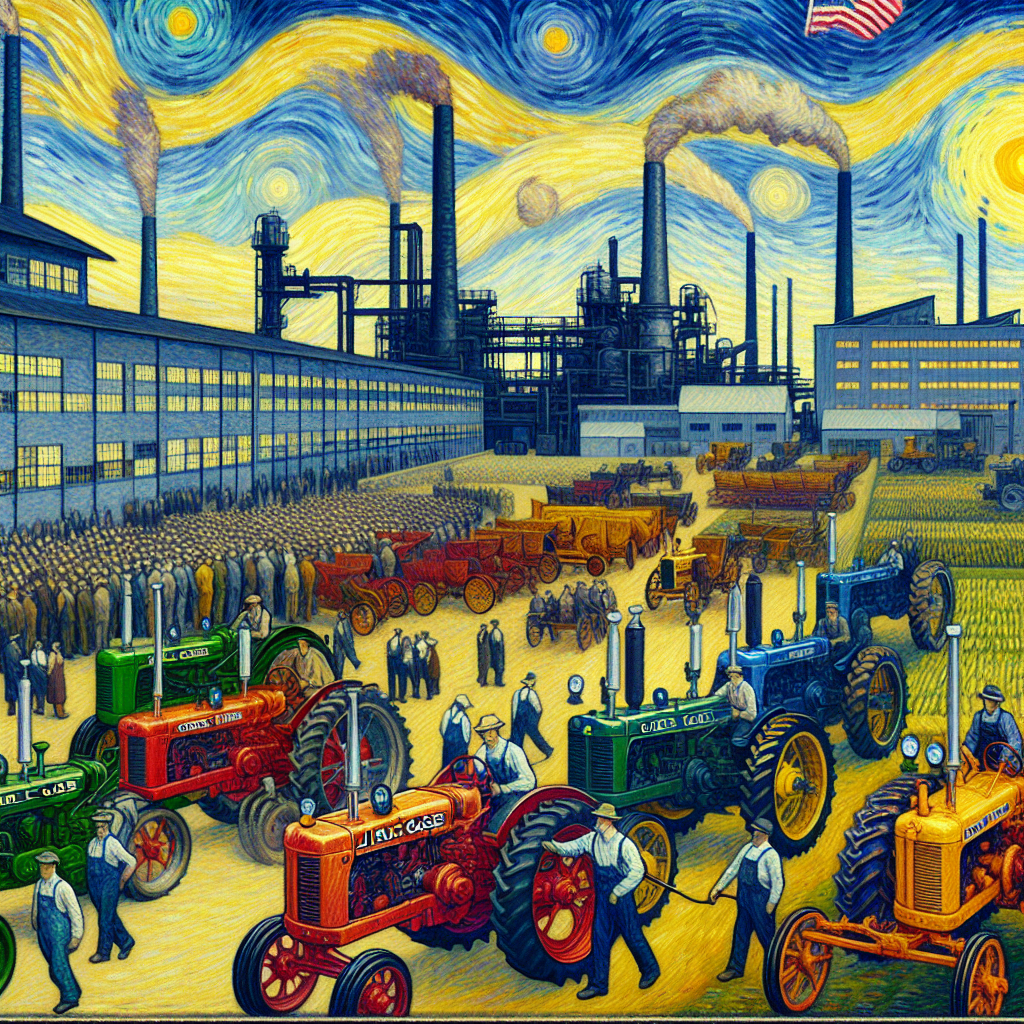
Can the Simplicity Of Classic Tractors Reduce Stress In Farming?
Conclusion
Classic tractors serve as powerful reminders of our agricultural roots, embodying a rich legacy of hard work, tradition, and community. In a world where the rush for modernity often overshadows the value of simplicity, these machines stand firm. Each scratch and dent tells a story of resilience and perseverance, making them more than just equipment; they are vessels of history and connectivity.
Climbing aboard a classic tractor isn’t merely about engaging in farming; it’s an emotional journey through time, evoking memories of family bonds and shared labor. The raw sounds of an engine coming to life resonate deeply, linking us to our past while spurring us to embrace a sustainable future. As farmers, investing in these older models isn’t just about finances; it’s about honoring the craft and fostering a relationship with the land that new technologies can sometimes overshadow.
From a rational perspective, classic tractors are often more cost-effective. With lower fuel consumption and simpler repairs, they provide farmers with significant savings compared to newer models laden with advanced technology and hefty price tags. This reliability and ease maintain a connection to craftsmanship and heritage, emphasizing the importance of sustainability in our practices. Each time we engage with these machines, we’re not just plowing fields; we’re nurturing a philosophy that prioritizes conservation and sustainability.
Ethically, classic tractors encourage us to challenge the throwaway culture prevalent in modern society. By choosing to restore rather than replace, we become stewards of both the land and our traditions. This commitment to longevity promotes eco-friendly practices and instills a sense of responsibility towards future generations.
Socially, owning a classic tractor fosters vibrant communities. From lively gatherings at local shows to the casual exchanges of farming tips over coffee, these machines bring people together, nurturing friendships built on shared experiences and passions. They create ties that transcend the mechanical, transforming isolated labor into collaborative celebration.
Ultimately, classic tractors are not just relics of the past; they are enduring symbols of the hard work, dedication, and connection that define farming. They invite us to take a step back, appreciate the legacy we inherit, and inspire us to forge ahead with purpose. Riding on one of these machines is an invitation to relish every moment spent in the field, ensuring we move forward not only with efficiency but with deep respect for the rich tapestry woven by those who came before us. Each turn of the wheel is a reminder that the essence of farming lies not just in productivity, but in the heartbeats of communities built around shared values and traditions.
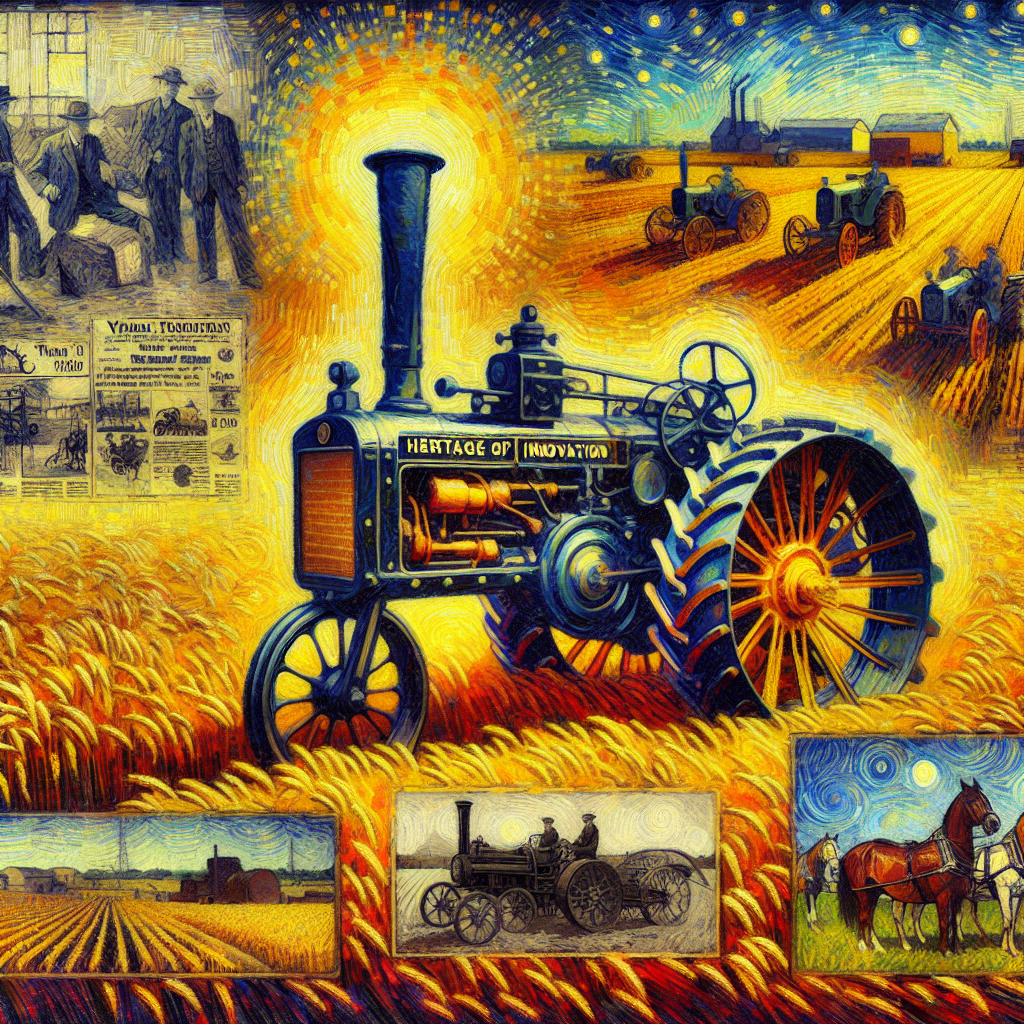
Conclusion
Conclusion:
- Classic tractors represent a rich legacy of agriculture, emphasizing hard work, tradition, and community.
- They evoke emotional connections, linking us to family bonds and shared labor.
- Classic tractors are often more cost-effective due to lower fuel consumption and simpler repairs.
- Investing in these machines fosters a relationship with the land and promotes sustainable practices.
- They challenge modern throwaway culture by encouraging restoration over replacement.
- Owning classic tractors builds vibrant communities through shared experiences and collaborations.
- Ultimately, they symbolize dedication and connection in farming, reminding us of our agricultural roots.
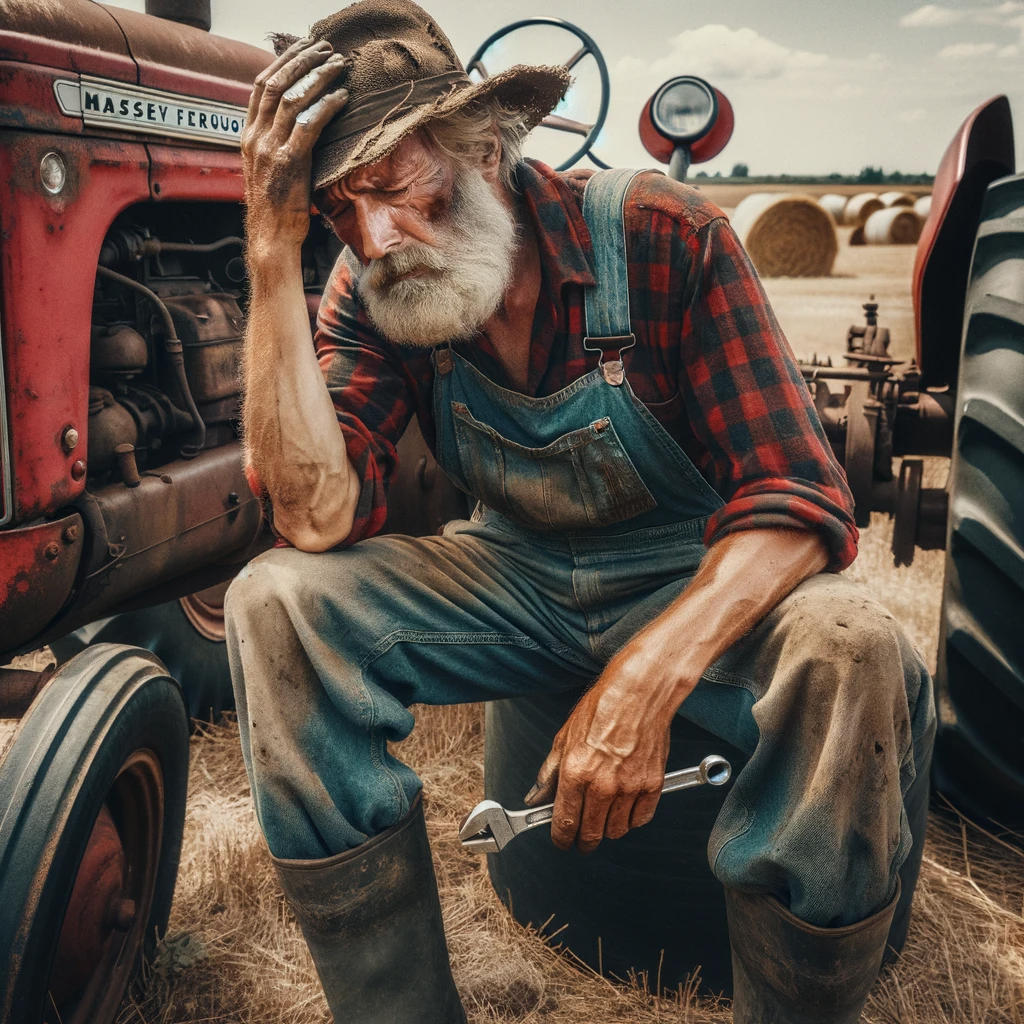
Conclusion
Other Resources
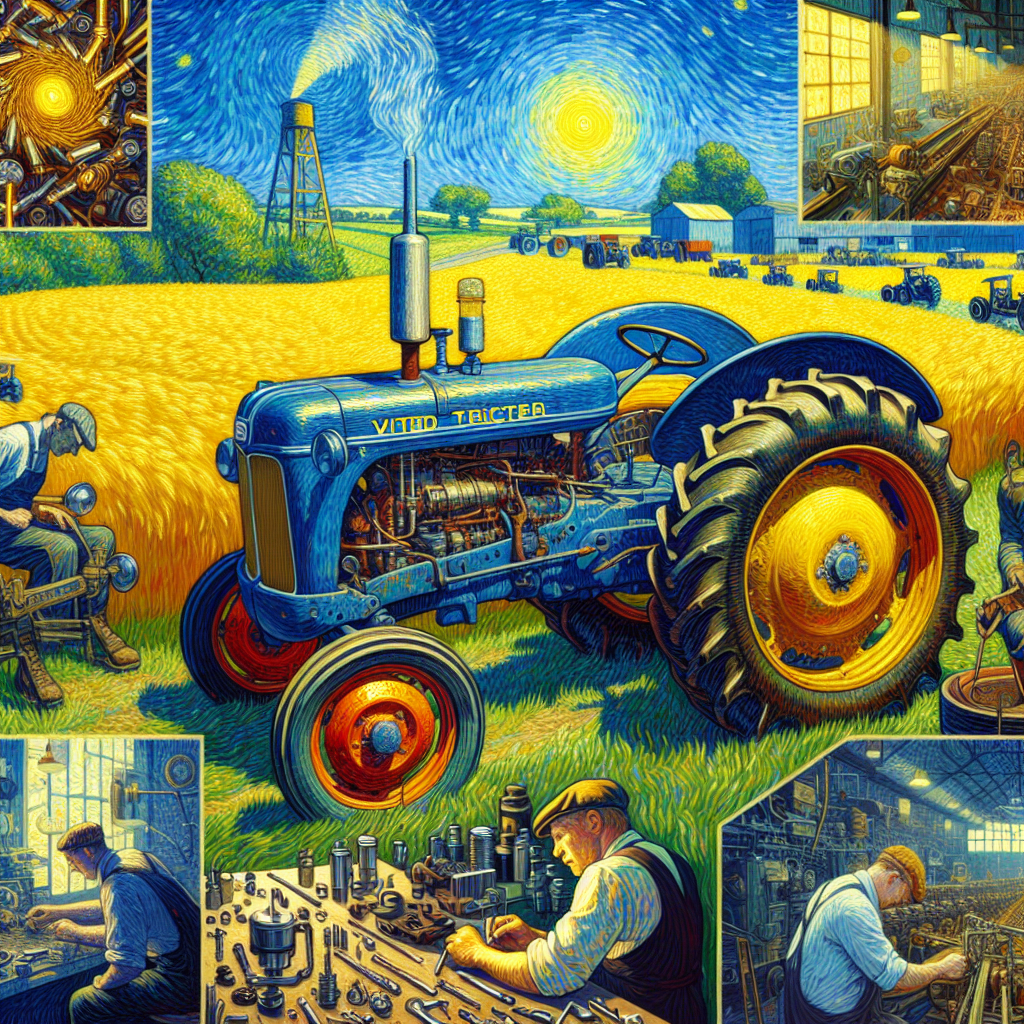
Other Resources
Here is a list of other resources you can review online to learn more:
- Ascot Universal
- Montana
- Empire
- Samson
- John Deere
- UTB/Universal
- Agri-Power
- Hurlimann
- Fate-Root-Heath
- IMT
- 1930’s Ag Museum
- GMS Tractor Museum
- Mastodon
- Ag King
- Case
- Raba
- Mahindra
- J.I.Case
- Fairfield County Antique Tractor Club
Use This Prompt To Get More Resources With Your Favorite Online AI Tool: Please provide me with a list of online articles with their URLs in a bulleted list that I can read regarding Classic Tractors – Lower Costs, More Freedom, Zero Regrets
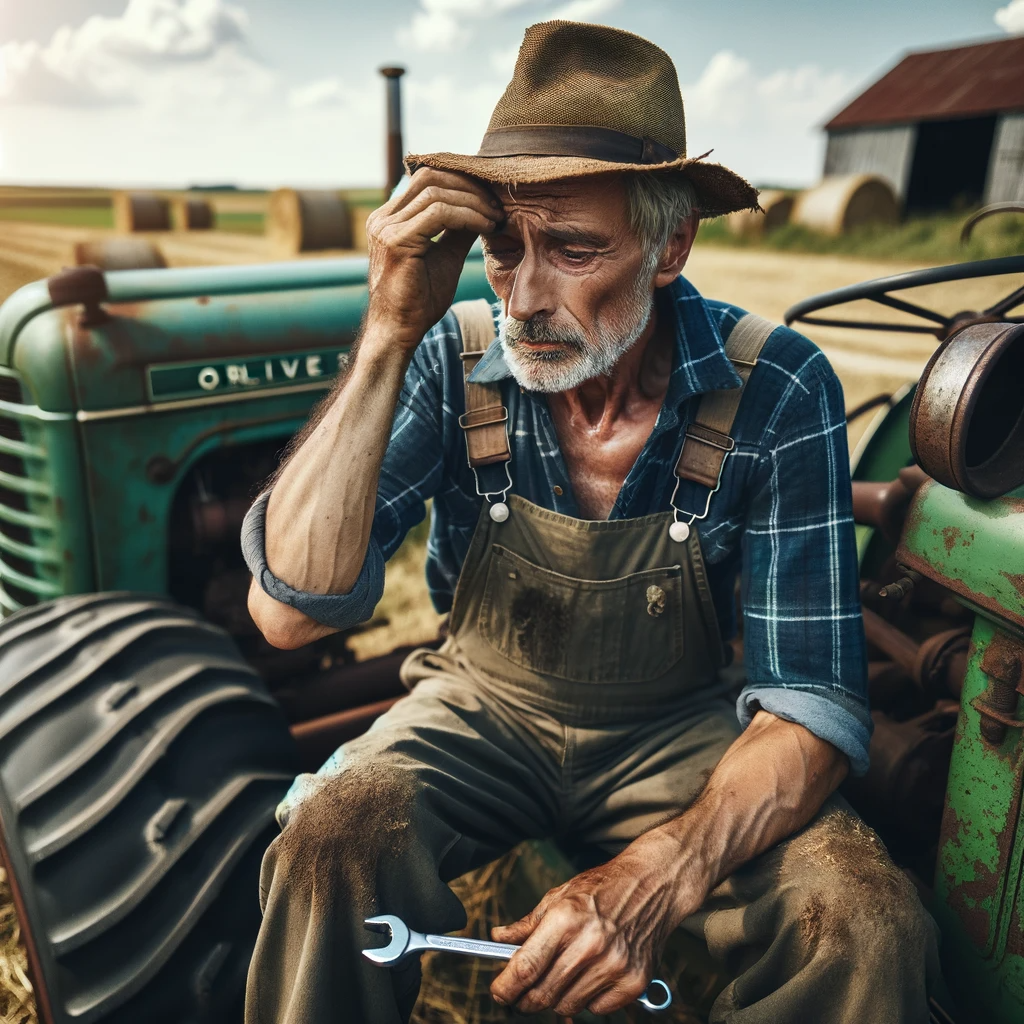
Other Resources
Glossary Terms
Classic Tractors – Lower Costs, More Freedom, Zero Regrets – Glossary Of Terms
1. Classic tractor — A vintage agricultural tractor, typically 15–50 years old, valued for simple mechanics, utility, and historical charm rather than modern features.
2. Antique tractor — An older, collectible tractor (often 45+ years) prized for rarity and originality; may be restored for show as well as use.
3. Barn find — A tractor discovered in long-term storage with original parts and patina; often a cost-effective starting point for restoration.
4. Restoration — The process of returning a tractor to good working or original condition, ranging from mechanical refreshes to full cosmetic rebuilds.
5. Refurbishment — Targeted repairs and upgrades to make a tractor reliable and usable without full restoration, emphasizing cost-effectiveness.
6. NOS (New Old Stock) — Original factory parts never used but stored for years; highly valued for authenticity and fit.
7. OEM (Original Equipment Manufacturer) — Parts or components made by the tractor’s original maker; preferred for correct fit and performance.
8. Aftermarket parts — Non-OEM replacements made by third parties, often cheaper and widely available for common classic models.
9. Remanufactured parts — Used components rebuilt to factory standards, offering savings versus new parts with near-original performance.
10. Parts sourcing — Methods of finding components (salvage yards, clubs, online marketplaces, NOS dealers) crucial to keeping classic tractors affordable.
11. DIY maintenance — Owner-performed servicing and repairs that lower operating costs and increase self-reliance.
12. Mechanical simplicity — Straightforward, easy-to-understand systems (carburetors, mechanical brakes, simple wiring) that reduce repair time and expense.
13. Sliding-gear transmission — A manual gearbox common in older tractors where gears are physically engaged; robust but requires skill to operate.
14. Synchromesh transmission — A later transmission type that eases gear changes; less common on early classics but sometimes retrofitted.
15. Power Take-Off (PTO) — A rotating shaft that transfers engine power to implements; key for versatility with mowers, balers, and pumps.
16. Live PTO — A PTO system that runs independently of tractor motion, allowing implements to operate while changing gears or stopped.
17. Drawbar — A hitching point for pull-type implements; drawbar horsepower is a practical measure of usable pulling power.
18. Three-point hitch — A three-link mounting system that lifts and stabilizes implements; standardized categories determine implement compatibility.
19. Hitch Category — Classification (Category I, II, etc. ) that defines three-point hitch size and compatible implement ranges.
20. Hydraulics — Fluid-powered systems used for lifting and controlling implements; classic tractors often have simpler, lower-flow hydraulic setups.
21. Running gear — Wheels, tires, axles, final drives and bearings that translate engine power to the ground; wear here affects usability and cost.
22. Drawbar horsepower — Measured pulling power available at the drawbar; more reflective of real-world performance than engine rating alone.
23. Rated engine power — Manufacturer’s stated horsepower under specific conditions; useful for comparing models but not the sole performance indicator.
24. Torque — Rotational force produced by the engine; crucial for pulling and performing heavy implement work at low speeds.
25. Carburetor — Fuel delivery device common on classic tractors; simpler to tune and repair than modern fuel-injection systems.
26. 12‑volt conversion — Upgrading older 6‑volt electrical systems to 12 volts for better starting, lighting, and accessory compatibility.
27. Implement compatibility — The ease with which a tractor accepts various tools and attachments; a major factor in utility and freedom of use.
28. Cost of ownership — Total expense of buying, maintaining, storing and operating a tractor; classics often lower this through cheaper parts and DIYability.
29. Depreciation & value retention — How a tractor’s monetary value changes over time; many classics hold value or appreciate when well maintained.
30. Enthusiast community — Clubs, forums, shows and local networks that provide knowledge, parts leads and camaraderie, lowering ownership barriers and regret.
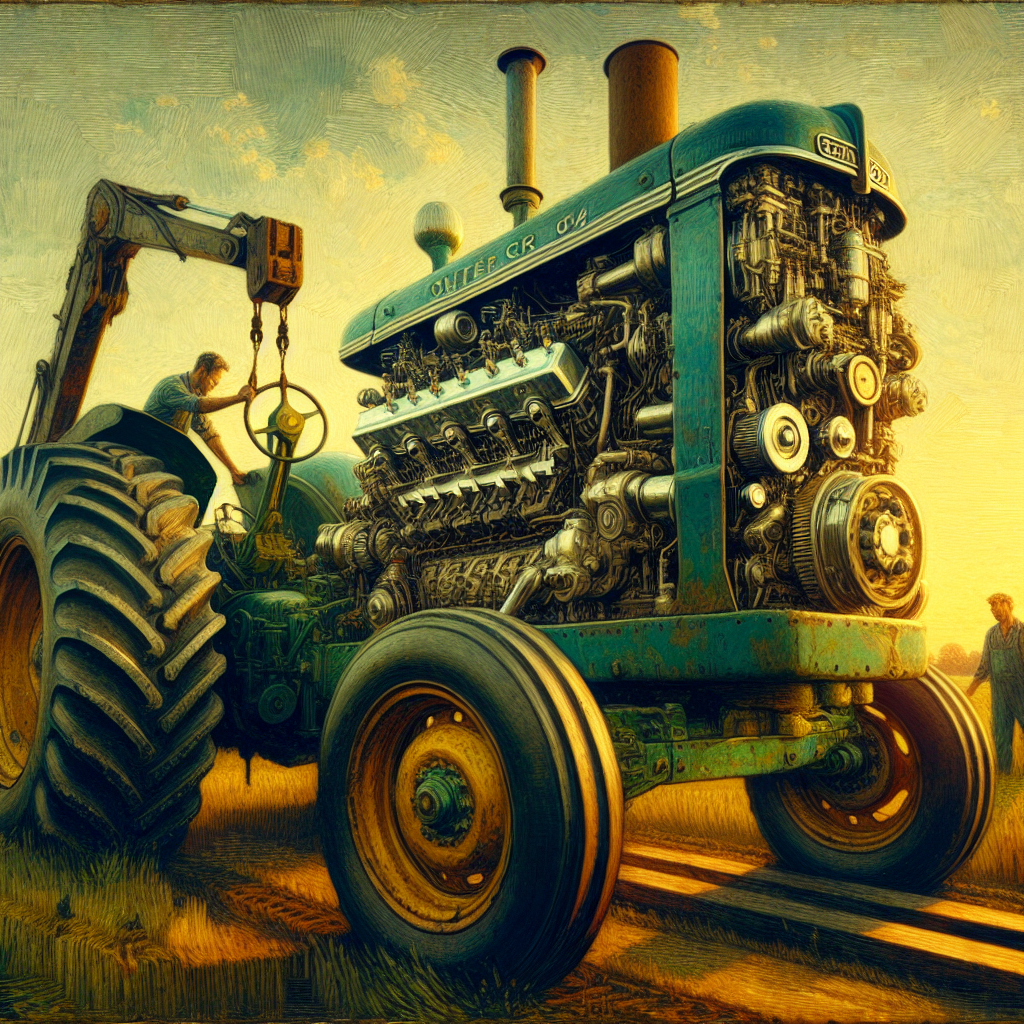
Glossary Of Terms
Other Questions
Classic Tractors – Lower Costs, More Freedom, Zero Regrets – Other Questions
If you wish to explore and discover more, consider looking for answers to these questions:
- How do I choose the right classic tractor model for my farm’s needs?
- What are the typical purchase price ranges for common classic tractor models?
- Where can I reliably buy classic tractors (auctions, dealers, private sales)?
- How do I verify a tractor’s authenticity and original condition?
- What documents should I look for (title, service records, original manuals)?
- How do I inspect a classic tractor before buying—what should I look for?
- What common mechanical problems do classic tractors have and how hard are they to fix?
- How much should I budget for restoration (parts, labor, paint, miscellaneous)?
- Where do I find replacement parts for older tractors and how available are they?
- Can parts from different years or models be interchanged safely?
- What specialized tools and skills are needed for common repairs and maintenance?
- How often should routine maintenance be performed on a classic tractor?
- What fuel type(s) do classic tractors use and are there fuel-related issues today?
- How fuel-efficient are classic tractors compared to modern ones?
- Are there emissions or environmental regulations that affect using classic tractors?
- Can classic tractors be legally registered and insured for farm or road use?
- What safety upgrades should be considered (ROPS, seat belts, lighting) and are they compatible?
- How do I transport a classic tractor safely (trailering, shipping, loading)?
- What are the insurance options and typical costs for classic tractors?
- How do classic tractors perform with modern attachments and implements?
- Are hydraulic and PTO systems on classics compatible with current equipment?
- How feasible and costly is it to modernize a classic tractor (electricals, brakes, steering)?
- Is converting a classic tractor to electric or alternative fuels practical?
- What are the resale values and market trends for restored versus unrestored tractors?
- How do I estimate the return on investment for restoration projects?
- What permits or licensing are required to operate a classic tractor in my area?
- How do I store a classic tractor to prevent rust and deterioration?
- What are common seasonal maintenance tasks and winterization steps?
- How can I find local tractor clubs, shows, and enthusiast communities?
- Are there local or online resources for manuals, schematics, and restoration guides?
- What safety practices should I follow when working on or driving a classic tractor?
- How long can a well-maintained classic tractor be expected to last?
- Which brands and models are considered the most reliable or collectible?
- How do I determine whether a tractor is worth restoring versus selling for parts?
- What are the ethical and environmental impacts of restoring versus scrapping old tractors?
- How do I document a restoration project for provenance and value?
- What tax implications or incentives exist for purchasing, restoring, or using classic tractors?
- How can I teach younger generations to use and maintain classic tractors safely?
Other Questions
Haiku
Classic Tractors – Lower Costs, More Freedom, Zero Regrets – A Haiku
Timeless engines roar,
Stories of sweat and hard work,
Roots of farming thrive.
Haiku
Poem
Classic Tractors – Lower Costs, More Freedom, Zero Regrets – A Poem
In fields where whispers of history breathe,
Classic tractors stand, their tales interweave.
Simple engines hum with a timeless grace,
Echoing dreams of a hardworking place.
Heart in the thrum, nostalgia calls clear,
Driving through seasons, with family near.
Rust marks the stories of sweat and of tears,
Embodying legacies nurtured through years.
Rational choices stir within their frame,
Cost-effective, enduring, they shy from the game,
Of fleeting designs that fade with the sun,
While classic machines embrace battles won.
Ethics entwined in the craftsman’s embrace,
Fuel of tradition lights up every space.
Sustainable practices, a mindful refrain,
Preserving the land, like the tractors that strain.
Community blooms at each rev of the wheel,
Sharing the laughter, the trials that we feel.
Fairs bridge the gaps, generations entwined,
In the embrace of old iron, connection defined.
So let’s drive our passions along sunlit tracks,
Savoring moments, never looking back.
With freedom in hand, we honor the thread,
Of farming’s rich tapestry—zero regrets.
Poem
Checklist
Classic Tractors – Lower Costs, More Freedom, Zero Regrets – A Checklist
Checklist: The Benefits of Classic Tractors
✅______ Emotional Connection: Reflect on the nostalgia of farming heritage and the memories associated with classic tractors.
✅______ Legacy and Tradition: Consider how using a classic tractor keeps the stories of past generations alive.
✅______ Community Bonds: Attend local gatherings or events to share your experiences and stories with fellow enthusiasts.
Head
✅______ Economic Savings: Calculate potential savings from reduced repair and maintenance costs of classic tractors compared to modern models.
✅______ Simplicity in Usage: Evaluate the ease of repairs on classic tractors versus the complexity of modern machinery.
✅______ Longevity and Reliability: Research typical lifespans of classic tractors and their ability to run efficiently over decades.
Gut
✅______ Sustainability: Assess how owning a classic tractor contributes to environmental responsibility by minimizing the carbon footprint.
✅______ Hands-On Learning: Embrace the opportunity to develop practical skills in mechanical maintenance and farming practices.
✅______ Personal Fulfillment: Reflect on the joy and satisfaction derived from restoring and maintaining classic tractors.
Ethical Appeal
✅______ Respect for Craftsmanship: Embrace the philosophy of valuing enduring designs over disposable consumer culture.
✅______ Connection to Agricultural Roots: Acknowledge the importance of ethical farming practices and sustainable methods represented by classic tractors.
Authority Appeal
✅______ Expert Insights: Seek advice from long-time farmers or specialists about the benefits and history of classic tractors.
✅______ Historical Significance: Learn about the evolution of agricultural machinery and how classic tractors shaped the farming industry.
Narrative Appeal
✅______ Storytelling: Share personal anecdotes or stories passed down within families that highlight the role of classic tractors in their agricultural journey.
✅______ Experience Sharing: Engage with communities or forums that celebrate the narratives of classic tractors and their impact on farming lifestyles.
Social Appeal
✅______ Join Communities: Participate in local clubs or online forums dedicated to classic tractors and farming traditions.
✅______ Collaborative Events: Organize or attend “Tractor Days” to foster community engagement and promote interest in classic farming practices.
Checklist
At ClassicTractorNews, we help tractor lovers keep up with the latest news for classic and vintage tractors.
Please share this post with your friends, family, or business associates who may like old classic or vintage tractors.