


Timeless Power: The Heart Of Farming Beyond Modern Signals
By Tom Seest
At ClassicTractorNews, we help tractor lovers keep up with the latest news for classic and vintage tractors.
Please share this post with your friends, family, or business associates who may like old classic or vintage tractors.
Classic Tractors Don’t Need a Satellite Signal to Work
In a world where everything is connected and reliant on the latest technology, classic tractors stand as a testament to simplicity and durability. These machines, often seen rusting in fields or lovingly restored in garages, embody a connection to the land that’s hard to duplicate. They offer a rugged charm, reminding us of simpler times when things were built to last, not to break at the first hint of technological failure.
Imagine a farmer waking before dawn, not to check his phone for signal strength but to the sound of roosters crowing and the smell of fresh earth. His classic tractor, be it a John Deere or an International Harvester, hums to life with the turn of a key, the engine purring like a contented cat. There’s no GPS navigation, no fancy screens, just a trusty machine that’s been a part of his family heritage. It’s a different kind of intelligence; one born of experience, hard work, and an intimate understanding of one’s surroundings.
This isn’t just about farming; it’s about a way of life that many feel slipping away. The reliability of a classic tractor evokes stories of resilience. Farmers often recount how, during tough seasons, their trusty machines never failed them, even in the face of relentless weather or economic downturns. They didn’t require a satellite signal to plow through the mud or harvest crops; all they needed was the grit of the operator and the promise of the earth.
Rationally, it makes sense. These machines were crafted with fewer parts vulnerable to failure, designed to withstand the rigors of farm life. Ethically, owning a classic tractor signifies a commitment to sustainability and self-reliance. Instead of constantly adopting the latest model, these tractors encourage us to repair, restore, and maintain, fostering a culture rooted in preservation.
The social connection remains strong, too, within vintage tractor clubs and local fairs. People gather not just to showcase their machines but to share stories, tips, and a passion for the craftsmanship that goes into these tractors. It’s about community, kinship, and bridging generations. As you climb onto that weathered seat, gripping the familiar wheel, you connect with your past, all while steering toward the future.
Classic tractors might lack a satellite signal, but they thrive on something far more profound: the unspoken bond between man, machine, and the land. It’s a reminder that in this fast-paced world, sometimes a step back to the classics can help us rediscover what truly matters.

Classic Tractors Don’t Need a Satellite Signal to Work
Classic Tractors Don’t Need a Satellite Signal to Work
- Classic tractors symbolize simplicity and durability in a technologically reliant world.
- Farmers appreciate the personal connection and heritage associated with these machines.
- Classic tractors operate independently of modern technology, relying on the operator’s skills.
- They represent resilience and reliability, particularly during challenging farming seasons.
- Designed with fewer failure-prone parts, they promote maintenance and sustainability.
- Vintage tractor clubs foster community and share passion for craftsmanship and history.
- Classic tractors embody a deeper connection between man, machine, and the land.

Classic Tractors Don’t Need a Satellite Signal to Work
Table Of Contents
- Classic Tractors Don’t Need a Satellite Signal to Work
- What Memories Do Classic Tractors Evoke for You?
- How Do Classic Tractors Impact Your Farming Efficiency?
- Are You Preserving History By Maintaining a Classic Tractor?
- How Does Owning a Classic Tractor Strengthen Your Community Ties?
- What Stories Have You Heard About Classic Tractors From Family?
- Can Classic Tractors Inspire a New Generation Of Farmers?
- Conclusion
- Other Resources
- Glossary Of Terms
- Other Questions
- Haiku
- Poem
- Checklist
What Memories Do Classic Tractors Evoke for You?
Classic tractors aren’t just machines; they’re vessels of nostalgia, connecting us to the roots of our shared humanity. Picture a sun-drenched field, the rhythmic hum of a well-loved tractor cutting through the air. For many, these mighty machines evoke the essence of hard work, family traditions, and the bittersweet passage of time.
Recall the image of your grandfather, worn cap perched atop his head, his hands calloused yet gentle as he taught you the intricacies of that powerful engine. It wasn’t merely about plowing fields; it was about crafting memories amidst the sweat and toil. Each twist of the wrench, each turn of the wheel, breathed life into stories that shaped you. These tractors stand as symbols—not just of agriculture but of resilience, embodying the fight to cultivate not only the land but also our values.
Rationally, these engines represent a bygone era. They remind us of when things were simpler, when the days were spent outdoors, disconnected from the constant buzz of technology. And yet, their robust design invites reflection on our modern lives. As we race toward innovation, classic tractors urge us to pause and honor the intentions behind our labor. The craftsmanship of a well-maintained tractor echoes the importance of care—the very qualities necessary for us to thrive in our fast-paced world.
Ethically, these machines can prompt conversations about sustainability and our relationship with the earth. They represent a work ethic that’s innate within us, stimulating discussions on how we can draw inspiration from the past to nurture the future. Just as a classic tractor, with its durability and reliability, serves as a reminder of what holds true value, we can embrace that same dedication to our community and our environment.
In this way, classic tractors aren’t solely icons of farming; they encapsulate a collective memory—one that connects generations through shared experiences. They symbolize trust in the earth, the community, and in each other. When we sit atop that high seat, steering a path forward, we’re not just driving; we’re part of a legacy that demands respect.
So, next time you hear that unmistakable roar of a classic tractor starting up, let it stir within you—let it transport you back to those treasured moments. Join the celebration of our roots, our labor, and the stories that bind us. After all, it’s not just about the ride; it’s about where its journey began and the memories we cultivate along the way.

What Memories Do Classic Tractors Evoke for You?
What Memories Do Classic Tractors Evoke for You?
- Classic tractors symbolize nostalgia and connect us to our shared humanity.
- They evoke memories of hard work and family traditions, often linked to personal stories.
- These machines represent resilience, embodying the cultivation of both land and values.
- They remind us of simpler times, urging a reflection on modern life’s pace.
- Ethically, they prompt discussions about sustainability and our relationship with the earth.
- Classic tractors encapsulate collective memory and serve as symbols of trust within communities.
- Their presence invites celebration of roots, labor, and the stories that unite generations.

What Memories Do Classic Tractors Evoke for You?
How Do Classic Tractors Impact Your Farming Efficiency?
Farming has always been more than just a job; it’s a way of life, steeped in traditions and values passed down through generations. Enter the classic tractor. These machines aren’t just tools; they’re the heartbeat of the farm, bridging the past to the present while shaping the future of agriculture in profound ways.
Picture this: early mornings with the sun peeking over the horizon, the earthy scent of soil, and the unmistakable rumble of a vintage tractor coming to life. This isn’t merely machinery; it’s a symbol of resilience and hard work. When you sit behind the wheel of a classic tractor, you tap into a legacy that respects the land, honoring the sweat of those who came before. This emotional connection enhances farming efficiency by fostering a commitment to craftsmanship and quality—values that sometimes get lost in modern farming’s rush for efficiency.
From a practical standpoint, consider the reliability of these machines. Classic tractors require minimal technology and maintenance, making them incredibly efficient. They can operate in tight spots and rough terrain where newer models struggle. This practicality stands alongside their iconic design, reminding us of a simpler time when farming was about patience and precision. Relaying the lessons of sustainability, these tractors remind us that sometimes, less is more.
Ethically speaking, embracing classic tractors promotes a sustainable approach to farming. By utilizing these machines, farmers reduce their carbon footprint while utilizing existing resources, demonstrating a powerful commitment to the environment. It’s a nod to responsible stewardship, showing that efficiency doesn’t have to come at the cost of our planet.
Moreover, classic tractors often create a sense of community. Farm shows, parades, and local fairs bring together farmers, families, and friends to celebrate shared heritage. These tractors are conversation starters, embodying stories that connect people through shared experiences, evoking laughter and nostalgia.
And let’s not forget the practicalities—a classic tractor can often be restored or modified by those with a passion for machinery, making farming a family affair. It’s an opportunity to pass down skills and stories, ensuring that the art of farming endures.
Ultimately, classic tractors not only boost farming efficiency; they ground us in our roots, connecting us to a community that thrives on hard work, innovation, and a deep respect for the land. Reinvigorating these timeless machines allows us to forge a path where tradition and modernity coexist, inspiring a new generation to embrace the rich tapestry of agricultural history.

How Do Classic Tractors Impact Your Farming Efficiency?
How Do Classic Tractors Impact Your Farming Efficiency?
- Farming as a way of life, rooted in traditions and values.
- Classic tractors serve as a vital connection between the past, present, and future of agriculture.
- They symbolize resilience and hard work, enhancing efficiency through craftsmanship and quality.
- Reliable and low-maintenance, classic tractors excel in tight spots and rough terrain.
- Embracing these machines promotes sustainability, reducing farmers’ carbon footprints.
- Classic tractors foster community through events like farm shows and parades.
- They enable skills and stories to be passed down within families, preserving the art of farming.

How Do Classic Tractors Impact Your Farming Efficiency?
Are You Preserving History By Maintaining a Classic Tractor?
Maintaining a classic tractor isn’t just a hobby; it’s a form of stewardship—an act that intertwines our past with our present. Picture it: a rugged machine that has plowed fields and shaped lives, its metal frame imbued with stories of hard work, resilience, and community. Every scratch and dent tells a tale, a testament to the hands that wielded it. When you choose to preserve such a piece of history, you’re not merely preserving an object; you’re safeguarding a legacy.
Let’s consider the emotion tied to a classic tractor. Think about the grandparents who relied on these machines to cultivate the very earth beneath our feet. Each row they tilled was not just a method of farming; it was an act of love, ensuring food for family and neighbors alike. Restoring one of these tractors is like resurrecting those memories, bridging generations through shared values of diligence and responsibility. You’re in dialogue with the past, keeping those connections alive and vibrant.
From a rational standpoint, if we examine the environmental impact, preserving older machinery can be more sustainable than purchasing new models. Modern tractors, while efficient, can contribute to a cycle of consumption that burdens our planet. By maintaining a classic tractor, you embrace a resourceful ethos that prioritizes repair and restoration over disposal and obsolescence. This is not merely practical; it’s an ethical statement, a commitment to stewardship of our environmental resources.
Moreover, the sense of community that springs from maintaining a classic tractor is palpable. Engaging with other enthusiasts, sharing stories, tips, and tools fosters a camaraderie rooted in shared interests. It’s a reminder that we are not alone in our passions. Whether it’s bonding over a rusted bolt or helping a neighbor get their engine running, these interactions strengthen our ties and build a network of support and trust.
Embrace this journey of preservation not just as a solo endeavor but as a collective enterprise that enhances our communal fabric. Each rusting bolt you restore, every engine you revive can spark conversations about history, craftsmanship, and the values we hold dear. So, as you turn that wrench and breathe life back into an old beast of burden, recognize you are not just maintaining a piece of equipment—you are reviving history, one tractor at a time.

Are You Preserving History By Maintaining a Classic Tractor?
Are You Preserving History By Maintaining a Classic Tractor?
- Maintaining a classic tractor is a form of stewardship linking past and present.
- Each tractor tells a story of hard work, resilience, and community through its wear and tear.
- Restoring tractors revives memories and bridges generational connections.
- Preserving older machinery can be more sustainable than buying new models, reducing environmental impact.
- Maintaining classic tractors fosters a sense of community among enthusiasts, sharing knowledge and experiences.
- This preservation journey enhances communal bonds and sparks conversations about history and craftsmanship.
- Restoring tractors allows individuals to not only maintain equipment but also revive historical significance.

Are You Preserving History By Maintaining a Classic Tractor?
How Does Owning a Classic Tractor Strengthen Your Community Ties?
Owning a classic tractor can profoundly strengthen community ties, creating connections that are deep, meaningful, and lasting. Picture this: a group of neighbors gathering around a beautifully restored tractor, its paint gleaming under the sun, each scratch and dent telling a story. It’s not just a machine; it’s a shared piece of history that connects generations.
In our fast-paced world, where digital interactions often overshadow face-to-face connections, a classic tractor serves as a tangible bridge between community members. Think of it as a conversation starter at local events—farmers, hobbyists, and families come together to admire the craftsmanship and reminisce about the days of old. When you’re invested in a piece of machinery that carries the weight of your community’s agricultural legacy, it fosters a sense of pride and ownership.
Consider the story of a local farmer who, after refurbishing his grandfather’s tractor, decided to host a community potluck. As he shared his labor of love, the tractor became the centerpiece of the gathering. Neighbors who had never spoken before found common ground, sharing tales of their own families’ experiences with farming. It became an opportunity to form friendships, exchange tips on gardening, or even brainstorm ways to support local markets.
Owning a classic tractor embodies an ethical commitment to preserving history while encouraging sustainability. It sends a message that we value our roots and are willing to invest time and resources into something that benefits not only us but future generations. This dedication inspires others, modeling a lifestyle worth emulating.
Moreover, the responsibility of maintaining a classic tractor can foster leadership within the community. By participating in restoration projects and learning from seasoned mechanics, individuals find their place and purpose. These activities build trust as skills are shared and relationships deepened, transforming a solitary hobby into a community effort.
The emotional resonance of a classic tractor extends beyond its utility; it encapsulates the heart of community life. Each ride through fields or participation in parades is a reminder that we’re in this together, reinforcing bonds that are too often neglected amidst our busy lives. When we gather around a classic tractor, we don’t just celebrate machinery; we celebrate each other—our stories, our struggles, and our victories. Through this passion, we cultivate not just a community, but a family woven together by shared experiences and aspirations.

How Does Owning a Classic Tractor Strengthen Your Community Ties?
How Does Owning a Classic Tractor Strengthen Your Community Ties?
- Owning a classic tractor strengthens community ties and fosters deep connections.
- A classic tractor serves as a conversation starter, encouraging face-to-face interactions.
- It symbolizes a shared piece of history that connects generations within a community.
- Restoring a classic tractor can lead to community gatherings and friendships among neighbors.
- Owning a classic tractor reflects an ethical commitment to preserving history and sustainability.
- Maintaining a classic tractor can build leadership skills and trust through shared restoration efforts.
- The emotional value of a classic tractor enhances community life, celebrating shared experiences and aspirations.

How Does Owning a Classic Tractor Strengthen Your Community Ties?
What Stories Have You Heard About Classic Tractors From Family?
When you hear the name “tractor,” what comes to mind? For some, it might just be a piece of machinery, clanking and rattling as it navigates fields. For others—those with roots sunk deep into the soil of family stories—a tractor is much more than that. It’s a vessel of memories, a symbol of hard work, and a catalyst for connection.
Many families have tales that revolve around these hulking metal giants. I recall evenings spent in the dim light of the barn, where my grandfather would recount his adventures on the farm, often featuring his trusty old tractor. He would lean back, eyes twinkling, as he described how that stubborn machine once got stuck in a muddy field after a rainstorm. It wasn’t just about the tractor; it was about the lessons learned, the laughter shared while attempting to free it, and the bond formed among the family members who all pitched in.
This relational fabric weaves through generations, carrying with it an ethical appeal. Many of us are called to honor the stories of our ancestors, those who toiled under the sun and sometimes fought against the very machines meant to aid them. You hear the pride in their voices, describing the triumphs and failures, and it’s hard not to feel a pull toward the resilience and grit that these stories embody. Those classic tractors weren’t just tools; they were partners in a dance of cultivating land and sustaining life.
But let’s explore a distinct angle: what if we consider the role of tractors not just as machines, but as storytellers themselves? Each scratch and dent tells a tale of labor, of challenges met, and of perseverance. Imagine a classic tractor sitting in a field, covered in rust. It bears witness to countless sunrises and sunsets, each telling a story of the family that relied on it year after year. In every grain of soil it churned, there’s a narrative waiting to be told—lessons about patience, hard work, and the rhythm of life itself.
So, the next time you see a tractor, think of what it represents. It’s not merely a tool for tilling soil; it’s a connection to history, identity, and family ties that hold us together. Let’s share these stories, breathe life into them, and let the legacy of those classic tractors remind us of our roots and the journeys we all undertake.

What Stories Have You Heard About Classic Tractors From Family?
What Stories Have You Heard About Classic Tractors From Family?
- Tractors symbolize more than machinery; they represent memories and connection.
- Family stories often revolve around tractors, showcasing traditions and shared experiences.
- Personal anecdotes highlight the lessons and bonds formed around tractors on the farm.
- Tractors carry ethical significance, honoring the labor and struggles of ancestors.
- Each scratch and dent on a tractor tells a story of perseverance and challenges.
- Tractors embody narratives about patience, hard work, and the rhythms of life.
- They serve as connections to history, identity, and familial ties that unite us.
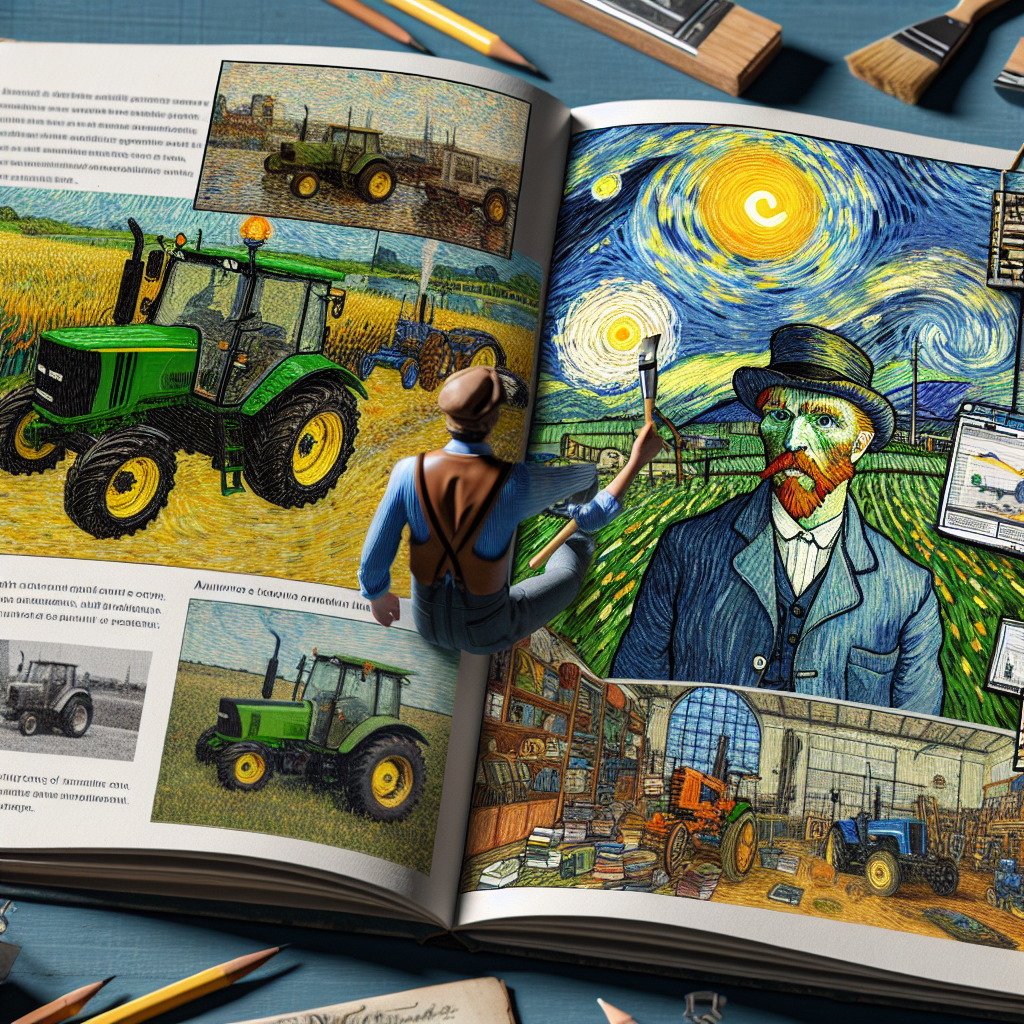
What Stories Have You Heard About Classic Tractors From Family?
Can Classic Tractors Inspire a New Generation Of Farmers?
There’s something undeniably captivating about classic tractors. Whether it’s the rumble of their engines or the gleam of their polished paint, these machines tell stories far beyond their mechanical parts. Picture this: a sun-kissed field stretching across the horizon, a farmer atop a vintage Ford 8N, guiding the plow as if leading an orchestra. It’s not just farming; it’s a dance between man and machine, each movement steeped in tradition and purpose.
These tractors symbolize a time when farming was more than a job; it was an adventure rooted in hard work and resilience. For the new generation, who often see fields through the lens of technology and corporate agriculture, rediscovering classic tractors can ignite a passion for farming that has laid dormant in many. They serve as a bridge—linking past and present, fostering a profound respect for the land and those who work it.
When young people encounter these iconic machines, they’re not just witnessing machinery; they’re experiencing a rite of passage. A friend once told me how his grandfather taught him to drive a 1953 Allis-Chalmers. He recounted the thrill of steering a piece of history, feeling the vibrations of a bygone era beneath his fingers. In that moment, he became part of something bigger, inheriting a legacy while carving his identity as a modern farmer. Stories like these resonate deeply and create connections across generations.
Moreover, classic tractors embody the ethos of sustainable agriculture. They are an antidote to the quick-fix mentality that often grips contemporary farming. The simplicity of their design and operation inspires a deeper connection to the craft. They remind us that each furrow turned, each seed sown, is a step towards nurturing not just the land, but the community. This narrative extends beyond the metal; it’s about the hands that hold the wheels, the families that share the harvest, and the future generations that will inherit both the land and the wisdom of those who came before.
As aspiring farmers, engaging with classic tractors is more than nostalgia—it’s a call to embrace the grit and grace of agriculture. It’s about crafting a future where traditions are honored, innovation is embraced, and the heart of farming beats strong and steady. By connecting with these enduring machines, a new generation can rekindle a passion for the land, transforming fields into not just workplaces, but places of heritage, pride, and purpose.

Can Classic Tractors Inspire a New Generation Of Farmers?
Can Classic Tractors Inspire a New Generation Of Farmers?
- Classic tractors captivate with their powerful engines and polished aesthetics, telling stories beyond their mechanics.
- They symbolize an adventurous time in farming, rooted in hard work and resilience, contrasting with modern corporate agriculture.
- Rediscovering classic tractors can ignite a dormant passion for farming in the new generation, linking past and present.
- Experiencing these machines offers young people a rite of passage, fostering connections across generations.
- Classic tractors embody sustainable agriculture, promoting a deeper connection to farming through their simplicity.
- They represent the hands, families, and wisdom that connect current and future generations in agriculture.
- Engaging with classic tractors is a call to honor traditions while embracing innovation in modern farming.

Can Classic Tractors Inspire a New Generation Of Farmers?
Conclusion
In a world dominated by technology and rapid change, classic tractors serve as a poignant reminder of farming’s roots and values. These machines, built to endure and thrive without reliance on satellites or sophisticated gadgets, embody a simpler time when farming was more than a job; it was a way of life infused with grit, resilience, and connection to the land. Picture this: a farmer rising with the sun, greeted not by digital notifications but by the rhythmic sounds of nature, ready to start the day with his trusty tractor—a steadfast companion that hums to life with the turn of a key.
Classic tractors illustrate the past’s power, evoking memories of family labor while emphasizing community ties that transcend generations. Each scratch on their surfaces tells a story of hard work and enduring legacy. They remind us of the lessons acquired in fields: patience, craftsmanship, and a commitment to nurturing not only the land but also meaningful relationships. Owning and maintaining these iconic machines brings families together, fostering deep connections through shared experiences, whether it’s refurbishing an old engine or participating in local tractor shows.
Moreover, these tractors present a rational case for sustainable farming practices. Built with fewer parts, they require less technology and maintenance, highlighting a responsible approach that emphasizes preservation over disposability. Ethically, they invite discussions on self-reliance and the importance of keeping our agricultural practices rooted in community values, teaching a new generation to appreciate the art of farming without the frantic rush for the latest innovations.
Classic tractors also inspire social bonds. Vintage tractor clubs and local events create spaces for enthusiasts to gather, not just to celebrate machinery but to share stories and cultivate friendships. In these moments, we honor the legacy of those who toiled before us, weaving a fabric of community out of shared histories and aspirations.
Ultimately, the experience of engaging with classic tractors transcends mere farming efficiency; it strengthens our ties to the earth and each other. Their rumble echoes the heart of agriculture: resilience, tradition, and an unwavering commitment to our roots. As we steer into the future, let us celebrate these machines—not just as relics of a bygone era, but as symbols of enduring values that remind us of where we’ve come from and where we are headed. In a fast-paced world, returning to our classics allows us to reconnect with what truly matters—the land, our communities, and the stories that bind us together.

Conclusion
Conclusion:
- Classic tractors symbolize the roots and values of farming in a technology-driven world.
- These machines represent a simpler time, focusing on hard work, resilience, and a connection to the land.
- Each scratch on a classic tractor reflects the enduring legacy of family labor and community ties.
- Owning and maintaining classic tractors fosters family connections through shared experiences.
- They promote sustainable farming practices by requiring less technology and maintenance.
- Vintage tractor clubs and local events facilitate social bonds among enthusiasts, sharing stories and cultivating friendships.
- Engaging with classic tractors strengthens ties to the earth and emphasizes the importance of community and tradition.

Conclusion
Other Resources

Other Resources
Here is a list of other resources you can review online to learn more:
- Bruce County Heritage Farm Show
- Wisconsin Tractor
- Sky Valley Stock and Antique Tractor Club
- Baldwin
- Heider
- Friday
- Cletrac
- 1930’s Ag Museum
- Swaraj
- Racine County Fair Antique Tractors
- Minnesota’s Machinery Museum
- Johnson Manufacturing
- Caterpillar
- Gibson
- East Wind
- Skoda-LIAZ
- Porsche
- Saunderson
- Sublette Farm Toy & Antique Tractor Show
- Big Bud
Use This Prompt To Get More Resources With Your Favorite Online AI Tool: Please provide me with a list of online articles with their URLs in a bulleted list that I can read regarding Classic Tractors Don’t Need a Satellite Signal to Work

Other Resources
Glossary Terms
Classic Tractors Don’t Need a Satellite Signal to Work – Glossary Of Terms
1. Classic Tractor — vintage agricultural tractor built with mechanical and hydraulic systems rather than electronic controls; operates without satellite-based services.
2. Internal Combustion Engine — engine burning fuel to produce mechanical power; common types in classic tractors are gasoline and diesel.
3. Gasoline Engine — spark-ignited engine often using a carburetor and magneto for fuel/ignition in older tractors.
4. Diesel Engine — compression-ignited engine typically using a mechanical injection pump and robust low-end torque.
5. Carburetor — mechanical device that meters and mixes air and fuel for spark-ignited engines.
6. Magneto — self-contained ignition generator that produces high-voltage current for spark plugs without a battery.
7. Distributor — mechanical component that routes ignition spark to individual cylinders at the correct timing.
8. Mechanical Fuel Pump — cam- or pushrod-driven pump supplying fuel to the carburetor or injection system.
9. Mechanical Governor — device that regulates engine speed by mechanically adjusting fuel delivery or throttle position.
10. Flywheel — heavy rotating mass that smooths out engine power pulses and helps maintain momentum.
11. Clutch — friction assembly that engages or disengages the engine from the transmission and PTO.
12. Gearbox / Transmission — gear sets that provide selectable forward and reverse speeds and torque multiplication.
13. Differential — gear assembly allowing drive wheels to rotate at different speeds while turning.
14. Power Take-Off (PTO) — driven shaft that transfers engine power to implements such as mowers or balers.
15. Live PTO — PTO design that can be engaged independently of tractor motion, usually via a separate clutch.
16. Three-Point Hitch — standardized hitching system that links and lifts mounted implements using two lower arms and a top link.
17. Drawbar — rigid towing bar used for pulling trailers and non-mounted implements.
18. Hydraulic Pump — mechanically driven pump supplying hydraulic pressure for lifts and controlled implements.
19. Implement — any tool or machine attached to or pulled by the tractor for field work (plow, harrow, mower, etc. ).
20. Plow — implement that cuts, lifts, and turns soil to prepare seedbeds.
21. Harrow — implement used to break clods, level soil, and smooth the seedbed surface.
22. Cultivator — implement for uprooting weeds, aerating soil, and working between crop rows.
23. Thresher — machine for separating grain from stalks and husks; often belt- or PTO-driven by tractors.
24. Belt Pulley / Flat Belt Drive — system transferring rotational power to stationary machinery using belts and pulleys.
25. Drawbar Power (Drawbar Horsepower) — usable pulling power at the drawbar for towing implements and trailers.
26. Torque — rotational force produced by the engine; critical for pulling heavy loads and operating implements.
27. RPM (Revolutions Per Minute) — engine speed measurement used to match implement and PTO requirements.
28. Mechanical Steering — steering system using linkages, gears, and rods rather than electronic actuators.
29. Mechanical Brakes — foot- or hand-operated braking systems that use mechanical linkages or drums to stop the tractor.
30. GPS / Precision Agriculture Contrast — satellite-based positioning and guidance systems used in modern tractors for auto-steer and field mapping; classic tractors perform tasks mechanically and do not require satellite signals.

Glossary Of Terms
Other Questions
Classic Tractors Don’t Need a Satellite Signal to Work – Other Questions
If you wish to explore and discover more, consider looking for answers to these questions:
- What are the most common mechanical problems with classic tractors and how are they fixed?
- Where can I find replacement parts and manuals for specific vintage tractor models?
- How much does it typically cost to restore a classic tractor to running condition?
- How do operating costs (fuel, oil, maintenance) for classic tractors compare to modern tractors?
- Are parts for popular brands (John Deere, International Harvester, Ford, Allis‑Chalmers) still readily available?
- What fuel types do classic tractors use and are there modern fuel compatibility issues?
- Can classic tractors meet current emissions or regulatory standards for commercial farm use?
- How safe are classic tractors by modern standards and what safety upgrades are recommended?
- Is it practical to use a classic tractor for everyday farm work or only for light/auxiliary tasks?
- What implements and attachments are compatible with older tractors?
- How can classic tractors be adapted or retrofitted with modern technology (e.g., GPS, lighting, hydraulic systems)?
- What tools and skills are required to perform routine maintenance and restorations at home?
- Where can I learn mechanical and restoration skills specific to vintage tractors?
- How do you evaluate the historical and monetary value of a classic tractor?
- What are the best practices for long‑term storage and preservation to prevent rust and deterioration?
- How do I find trustworthy restoration shops or mechanics who specialize in classic tractors?
- Are there recommended suppliers for reproduction parts, seals, gaskets, and wiring harnesses?
- What inspection steps should I take before buying a used classic tractor?
- How much restoration should preserve originality versus upgrading for reliability and safety?
- What are typical resale values for restored versus unrestored classic tractors?
- How do classic tractors perform in fuel efficiency and field productivity compared to compact modern tractors?
- Can classic tractors be insured for road use, shows, or farm liability, and what are the insurance costs?
- What legal or licensing requirements exist for operating classic tractors on public roads?
- How do you source documentation, serial numbers, and production history for specific models?
- What communities, clubs, and events are best for networking with other vintage tractor owners?
- How can owning a classic tractor be leveraged for agritourism, education, or community events?
- What safety training is recommended for young or inexperienced operators of classic tractors?
- Are there modern conversion options (e.g., electric drivetrains) for classic tractors, and are they practical?
- How do you choose the right classic tractor model for a small diversified farm versus a hobbyist?
- What are the environmental trade‑offs of keeping and running older engines versus buying new, efficient machines?
- How do you document and preserve the provenance and oral histories associated with a family tractor?
- What parts or systems are most often impossible or impractical to restore and require creative solutions?
- How do you source period‑correct paint, decals, and accessories for an authentic restoration?
- What financing or grant options exist to support restoration, preservation, or educational projects involving classic tractors?
- How can classic tractors be integrated safely into modern farm workflows and mechanization plans?

Other Questions
Haiku
Classic Tractors Don’t Need a Satellite Signal to Work – A Haiku
Classic power rolls forth,
Machines of legacy hum strong,
Roots of toil unite.

Haiku
Poem
Classic Tractors Don’t Need a Satellite Signal to Work – A Poem
In fields where steel and earth align,
Classic tractors hum, their engines intertwine.
Rusty relics of simpler days,
They whisper tales of resilient ways.
No satellite signals, just grit and grace,
A farmer awakens at the dawn’s embrace.
With hands weathered, yet gentle and wise,
He masters the land beneath wide-open skies.
Each scratch on the metal, a story unfolds,
Of toil, love, and dreams that never grow old.
In community gatherings, they spark joy and pride,
Connecting generations, side by side.
From grandfathers’ hands to eager youths’ grasp,
The legacy thrives, like roots in earth’s clasp.
Efficiency thrives where simplicity reigns,
Sustainable practices echo through veins.
Owning a classic is more than a chore,
It’s a heartfelt pledge to honor folklore.
As laughter resounds under sunlit sheen,
Tractors remind us of what it means to glean.
In this dance of history’s timeless embrace,
We cultivate not just fields but the bonds we face.
For in every ride across fertile land,
We find our stories—woven, hand in hand.

Poem
Checklist
Classic Tractors Don’t Need a Satellite Signal to Work – A Checklist
Emotional Appeals
✅______ Recall a favorite memory associated with a classic tractor (family stories, events).
✅______ Reflect on the nostalgia these machines evoke in your life and communities.
✅______ Share personal anecdotes of experiences with classic tractors.
Rational Appeals
✅______ Assess the reliability and durability of classic tractors compared to modern technology.
✅______ Consider the low maintenance costs and efficiency in various terrains.
✅______ Evaluate your farming practices in light of sustainability principles.
Ethical Appeals
✅______ Commit to sustainable practices by choosing to maintain and restore classic tractors.
✅______ Discuss the importance of resource conservation and reducing waste in agriculture.
✅______ Engage in conversations about the heritage and tradition of farming.
Authority Appeals
✅______ Learn from local experts or farmers with experience restoring classic tractors.
✅______ Attend workshops or gatherings to gain knowledge about vintage machinery.
✅______ Collect stories and insights from seasoned tractor enthusiasts and their families.
Narrative Appeals
✅______ Document your journey of restoring or maintaining a classic tractor.
✅______ Share stories of how classic tractors have impacted your farming methods.
✅______ Write about the legacy of classic tractors in your family or community.
Social Appeals
✅______ Join local tractor clubs or participate in events and parades to foster community ties.
✅______ Organize or attend potlucks or discussions centered around vintage farming.
✅______ Connect with other enthusiasts online to share restoration tips and experiences.

Checklist
At ClassicTractorNews, we help tractor lovers keep up with the latest news for classic and vintage tractors.
Please share this post with your friends, family, or business associates who may like old classic or vintage tractors.