

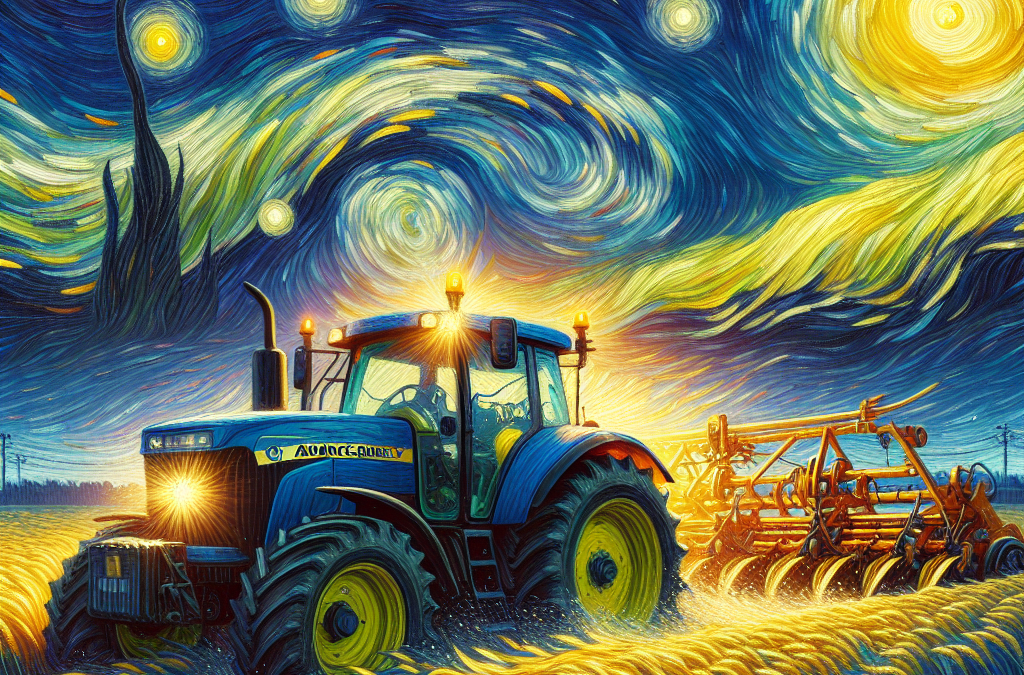
Timeless Machinery: Where Reliability Meets Generational Legacy
By Tom Seest
At ClassicTractorNews, we help tractor lovers keep up with the latest news for classic and vintage tractors.
Please share this post with your friends, family, or business associates who may like old classic or vintage tractors.
Classic Tractors – Built to Last, Not to Break
Classic tractors represent more than just machinery; they embody a legacy of resilience and hard work. These iron giants have been the backbone of agriculture for generations, not merely built to operate but engineered to endure. Picture the sun beating down on a sprawling field, dust swirling as a classic tractor rumbles to life. There’s an undeniable comfort in knowing that beneath its weathered exterior lies decades of proven reliability — a story of grit that connects us to those who came before.
When you climb onto the seat of a classic tractor, it’s not just about driving; it’s about embracing a philosophy. This is equipment crafted with integrity, designed to tackle the toughest jobs while fostering a bond with the land. Each scratch and dent tells a tale, a testament to its enduring spirit. It’s a physical manifestation of values—hard work, determination, and a commitment to doing things right. We find ourselves drawn to these machines not just for their functionality but for their essence.
Consider the sense of community these tractors cultivate. Farmers gather at local fairs and tractor pulls, sharing laughter and stories under the open sky, united by their shared passion. Generational connections are forged; children watch with wide eyes as their grandparents recount tales of long days spent in the fields, driving the same beloved tractor that has stood the test of time. These gatherings transform simple machines into vessels of memory, bridging the past with the present.
Think about the environmental impact as well. In a world racing towards disposable culture, classic tractors stand as a bulwark against wastefulness. They remind us of a time when durability was paramount and things were made to be repaired, not thrown away. Owning a classic tractor doesn’t merely satisfy a practical need; it’s a choice that aligns with sustainable values, encouraging a more responsible approach to consumption.
In every turn of the wheel, we feel a connection—not just to a machine, but to a way of life. Investing in classic tractors is more than just a financial decision; it’s about embracing an ethos that champions quality, endurance, and a respect for tradition. As we navigate the complexities of modern life, these machines ground us, serving as a gentle reminder that some things are built to last, not to break. So the next time you spot one of these classics chugging down the road, stop and appreciate not just the craftsmanship, but the relentless spirit they represent.
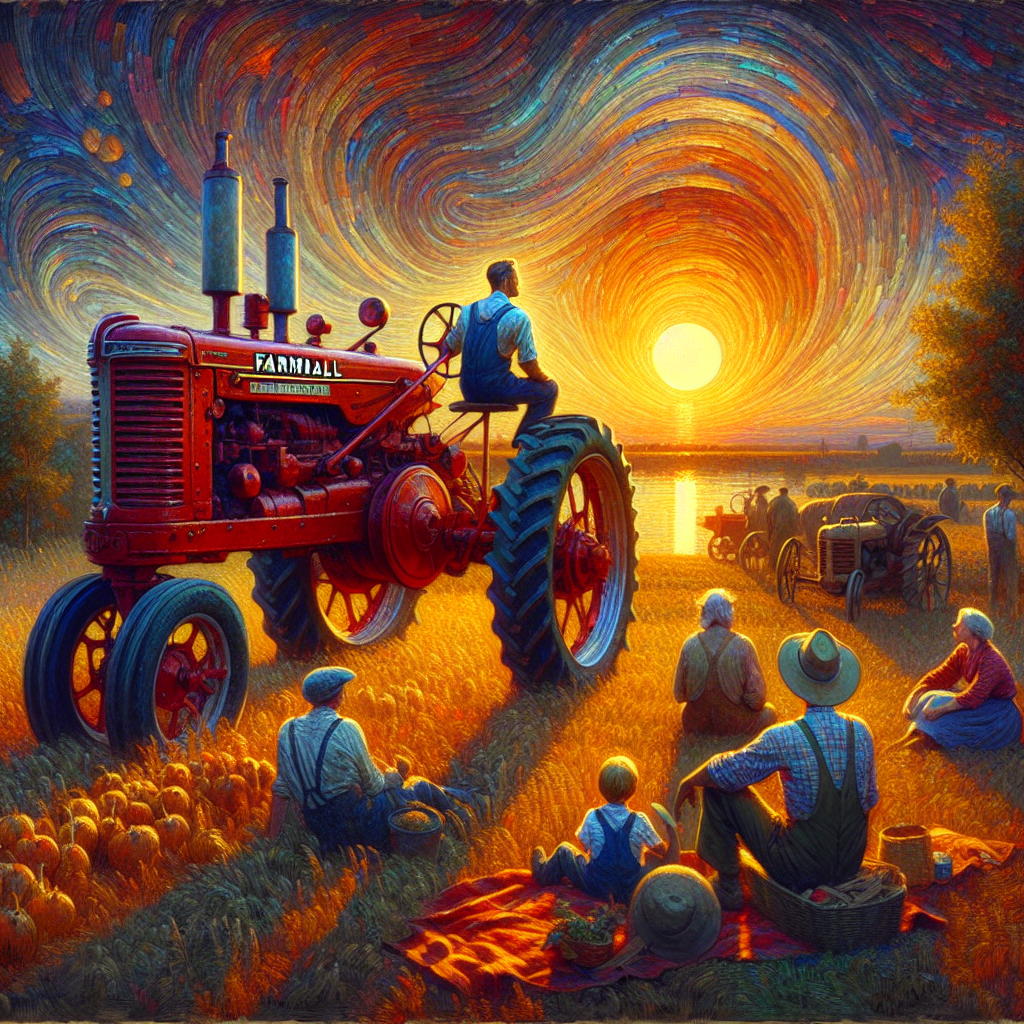
Classic Tractors – Built to Last, Not to Break
Classic Tractors – Built to Last, Not to Break
- Classic tractors symbolize resilience and hard work, serving as the backbone of agriculture.
- They embody reliability and endurance, with a history that connects generations.
- Driving a classic tractor is about embracing a philosophy of integrity and a bond with the land.
- Each scratch and dent on these tractors tells a story of hard work and determination.
- They foster community connections through gatherings, bridging generational stories and memories.
- Classic tractors represent sustainable values, countering disposable culture with durability and repairability.
- Investing in classic tractors reflects a commitment to quality, tradition, and a way of life that lasts.
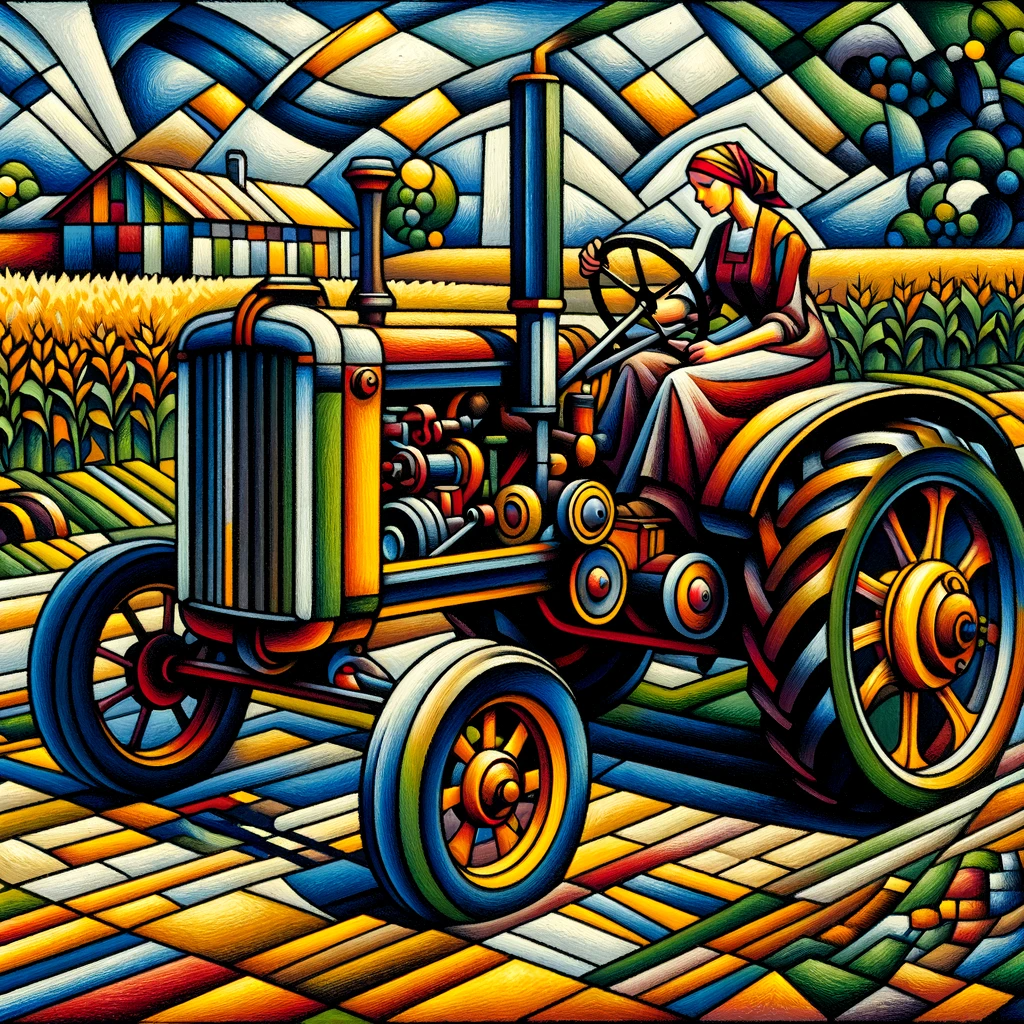
Classic Tractors – Built to Last, Not to Break
Table Of Contents
- Classic Tractors – Built to Last, Not to Break
- What Memories Do Classic Tractors Invoke In Your Family History?
- How Do Classic Tractors Symbolize Durability In Farming?
- Are Classic Tractors a Wise Investment for Future Generations?
- What Ethical Considerations Come with Restoring Vintage Machinery?
- What Stories Do Classic Tractors Tell About Agricultural Innovation?
- What Role Do Classic Tractors Play In Preserving Farming Heritage?
- Conclusion
- Other Resources
- Glossary Of Terms
- Other Questions
- Haiku
- Poem
- Checklist
What Memories Do Classic Tractors Invoke In Your Family History?
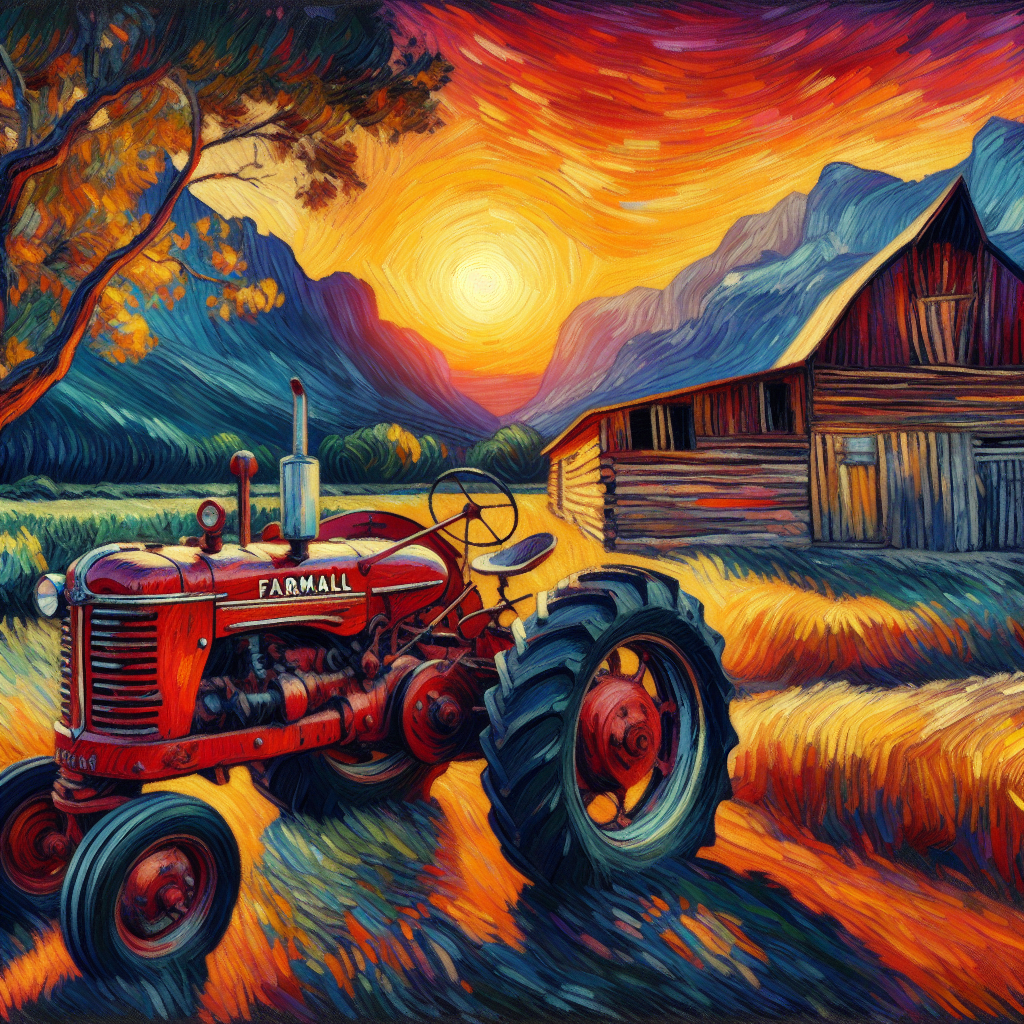
Picture a rusted old tractor sitting peacefully in a field, the sun setting behind it, casting long shadows. For many families, these machines are more than just tools; they embody stories, traditions, and legacies built over generations. When you hear the rumble of an engine, it’s not merely mechanical; it’s a heartstring plucked, calling forth memories of sun-drenched summer days spent plowing the fields with a parent or grandparent at your side. Each turn of the wheel is a chapter in your family history, echoing the laughter of children, the wisdom of elders, and the steadfast commitment to hard work.
Classic tractors were once the unsung heroes of homesteads. They symbolized resilience, transforming patches of dirt into flourishing crops. When a grandparent recounts their early days, every tale shared feels like a sacred bond. “This old beast,” they might say, “helped me plow the same land my father did.” These words are not simply a testament to machinery; they are threads weaving the fabric of family identity—a past entwined with sweat and determination, embracing the wisdom of generations.
It’s easy to appreciate the historical significance of classic tractors. They’re tangible milestones in the story of agriculture, representing innovation and the human spirit’s relentless pursuit of progress. For the children of those who toiled on farms, these tractors symbolize a pathway of values: hard work, respect for the land, and the pride that comes with nurturing it. Each scratch and dent on the surface tells a story of labor and love, a reminder of the fragility and beauty of family and tradition.
But what about the emotional landscape they inhabit? That gut feeling when visiting an old farmhouse, the tractor serenely parked outside, evokes an instinctive connection to one’s roots. It’s in these moments that family gatherings are animated by stories told around a roaring fire, with the tractor watching silently—almost like a guardian of history. The conversations that spark around it foster trust and kinship, binding souls together through shared experiences.
Ultimately, classic tractors fuel not just machines but the very essence of family narrative. They invite us to honor our past and inspire future generations. When we gather to reminisce around those sturdy machines, we’re reminded that our histories are precious, and it’s our responsibility to carry those stories forward. Through every roar of an engine, we find a celebration of legacy, a commitment to our roots, and the courage to forge our path.
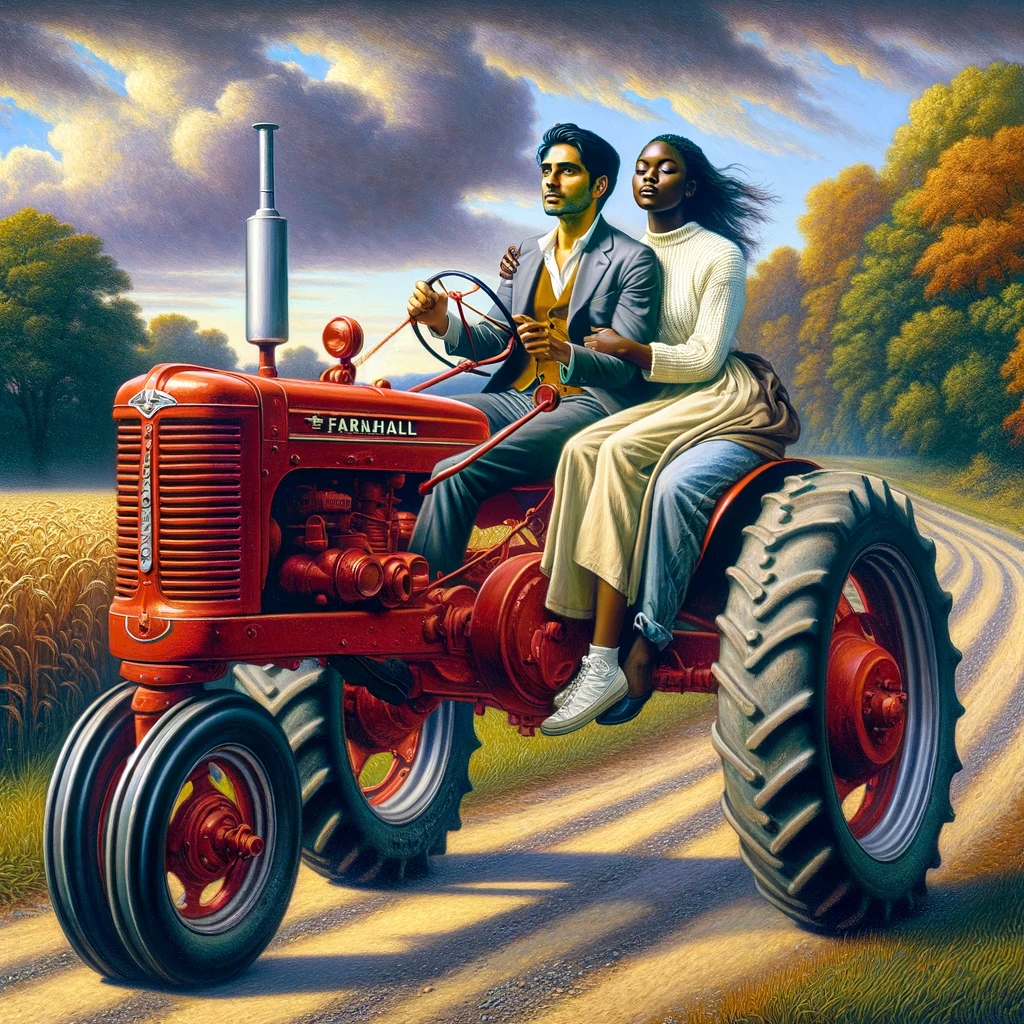
What Memories Do Classic Tractors Invoke In Your Family History?
What Memories Do Classic Tractors Invoke In Your Family History?
- Classic tractors symbolize family stories, traditions, and legacies.
- The sound of an engine evokes memories of working alongside family members.
- They are seen as resilient heroes that transform land into productive farms.
- Grandparents’ stories about tractors create sacred bonds and family identity.
- Tractors represent agricultural milestones and the pursuit of progress.
- They foster emotional connections during family gatherings and storytelling.
- Classic tractors remind us of the importance of honoring our past and inspiring future generations.
What Memories Do Classic Tractors Invoke In Your Family History?
How Do Classic Tractors Symbolize Durability In Farming?
Classic tractors stand as enduring symbols of resilience and hard work in farming, illustrating a legacy that goes beyond metal and machinery. These machines serve as steadfast companions for countless farmers. They carry stories etched into their rusted frames, tales of storms weathered and seasons hoped for, drawing a direct line from the past to the present. Just like a well-worn pair of boots, a classic tractor represents more than functionality; it embodies a way of life and a commitment to the land.
Consider the image of an early morning sun rising over a dew-kissed field, the air thick with the promise of a new day. In that moment, it’s not just the tractor that comes to life; it’s the spirit of those who operate it. A farmer climbs aboard, hands calloused and mind focused, in tune with the rhythms of nature and determined to yield a crop that will feed families, sustain communities, and fulfill dreams. The purring of the engine becomes a familiar song, much like a lullaby that speaks of hope, hard work, and a love for the earth.
Durability in farming is not merely about the physical robustness of machinery; it’s about an unwavering commitment to endure and adapt. Classic tractors remind us that farming, like life, demands grit and perseverance. They were built to last, not to be replaced at the first sign of wear. Their robust mechanics symbolize the same values that have been passed down through generations: hard work, determination, and trustworthiness. In an ever-changing agricultural landscape, these expectations remain constant, providing an anchor for those who toil on the land.
Embracing classic tractors is also about community. It’s the potlucks after a harvest, the shared wisdom in late-night barn conversations, and the undeniable camaraderie that arises over grease-stained manuals. It’s about connecting with neighbors who have stories that resonate, who understand the weight of a challenging season or the elation of a bountiful harvest.
Ultimately, classic tractors challenge us to look beyond the rust and paint. They encourage us to ponder our own commitments and how we can cultivate something meaningful in our lives. Each turn of the wheel mirrors our own journey—through rocky paths, across wide fields, and toward a horizon painted with potential. These tractors do more than just symbolize durability; they embody the very spirit of farming, encouraging us to cultivate not just the land, but also the connection we have with it and with each other.
How Do Classic Tractors Symbolize Durability In Farming?
How Do Classic Tractors Symbolize Durability In Farming?
- Classic tractors symbolize resilience and hard work in farming, representing a legacy beyond machinery.
- They serve as steadfast companions, embodying stories of farmers and their dedication.
- Each tractor reflects a commitment to the land and the lifestyle of farming, akin to wearing a well-worn pair of boots.
- The durability of classic tractors represents the grit and perseverance required in farming and life.
- They foster a sense of community through shared experiences and wisdom among farmers.
- Classic tractors challenge us to examine our own commitments and the meaningful cultivation of life.
- They embody the spirit of farming, promoting both agricultural and interpersonal connections.
How Do Classic Tractors Symbolize Durability In Farming?
Are Classic Tractors a Wise Investment for Future Generations?
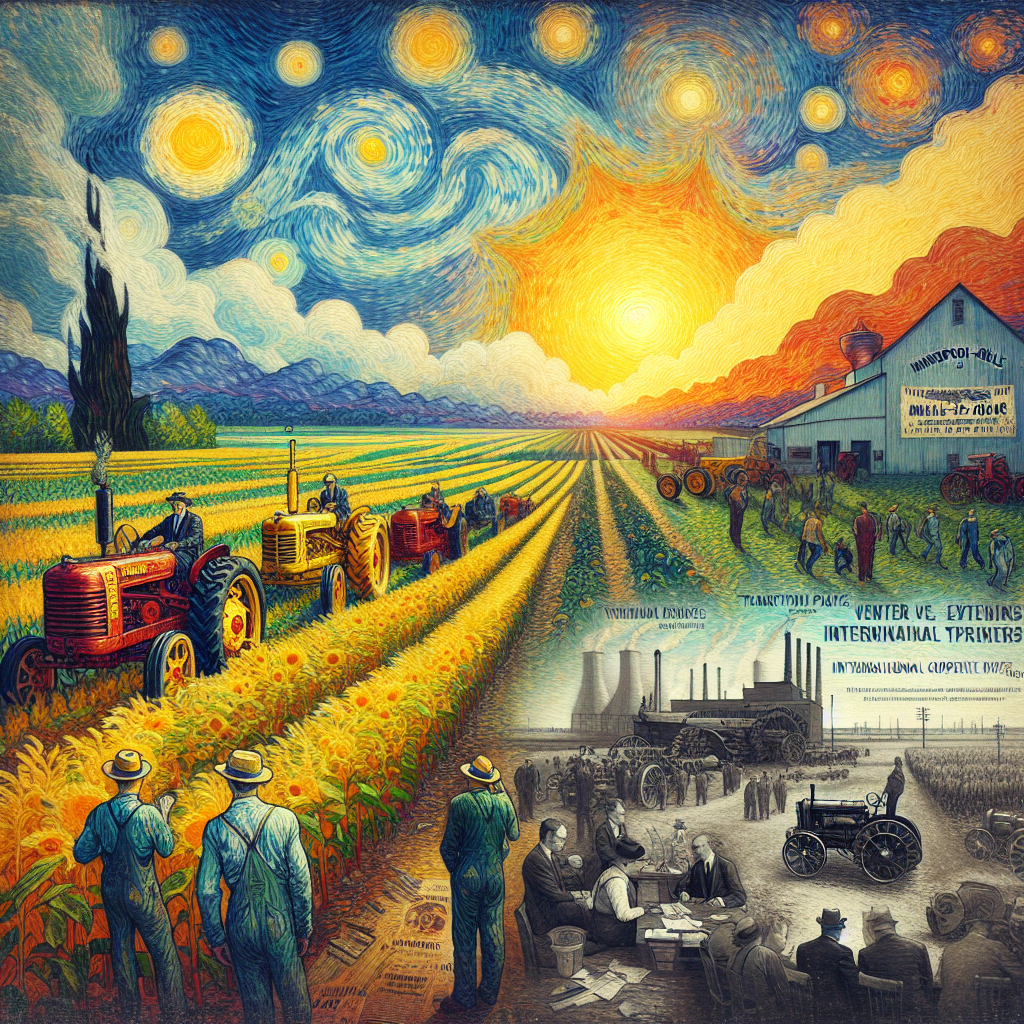
When you think of a tractor, your mind might conjure images of sprawling fields and hard work, but classic tractors represent so much more than mere machinery. They are a testament to our agricultural heritage, embodying the grit and determination of earlier generations. Many families have stories rooted in these machines, making them not just tools, but vessels of shared history and tradition. Investing in a classic tractor is like purchasing a piece of your family’s legacy—a tangible link to a time when things were built to last, running on nothing but simple mechanics and human ingenuity.
Consider this: a classic tractor is an heirloom that can teach valuable lessons about perseverance and self-sufficiency. Think of a grandfather in a faded baseball cap, sharing tales of how his trusty tractor plowed fields, shaped livelihoods, and inspired countless meals around the dinner table. Each dent and rust mark tells a story, resonating with the labor and love that went into each harvest. This emotional connection fosters a sense of responsibility; it becomes more than an investment—it’s about preserving a legacy that future generations will appreciate and understand.
From a rational standpoint, classic tractors often appreciate in value, particularly models that are well-maintained and sought after. They represent not just a nostalgic investment, but a tangible asset that can serve practical purposes today. As hobbies like small-scale farming and sustainable living gain traction, these machines find renewed relevance. Parents can engage their children in this world, letting them experience the satisfaction that comes from working with their hands and understanding where their food comes from.
Ethically, passing down a classic tractor encourages a connection to the land and promotes sustainable practices. In an age where technology often distances us from our food sources, there’s something profoundly grounding about teaching the next generation the value of hard work and respect for the earth. These tractors, often restored with love, stand as symbols of stewardship, showing younger generations the importance of preserving their roots.
Ultimately, the allure of classic tractors extends beyond steel and paint. It’s about building relationships—across generations, within families, and with our shared history. This investment is not just in a machine; it’s an investment in values that will resonate long after the last plow has turned the soil, fostering connection, pride, and trust in the simple yet profound story that these classic tractors continue to tell.
Are Classic Tractors a Wise Investment for Future Generations?
Are Classic Tractors a Wise Investment for Future Generations?
- Classic tractors symbolize agricultural heritage and the determination of past generations.
- They serve as vessels of shared family history, representing a tangible legacy.
- Classic tractors can teach valuable lessons about perseverance and self-sufficiency.
- They often appreciate in value, particularly well-maintained and sought-after models.
- Classic tractors support practical uses today, aligning with interests in sustainable living and small-scale farming.
- Passing down tractors fosters a connection to the land and ethical stewardship of resources.
- Investing in classic tractors emphasizes values of connection, pride, and family legacy.
Are Classic Tractors a Wise Investment for Future Generations?
What Ethical Considerations Come with Restoring Vintage Machinery?
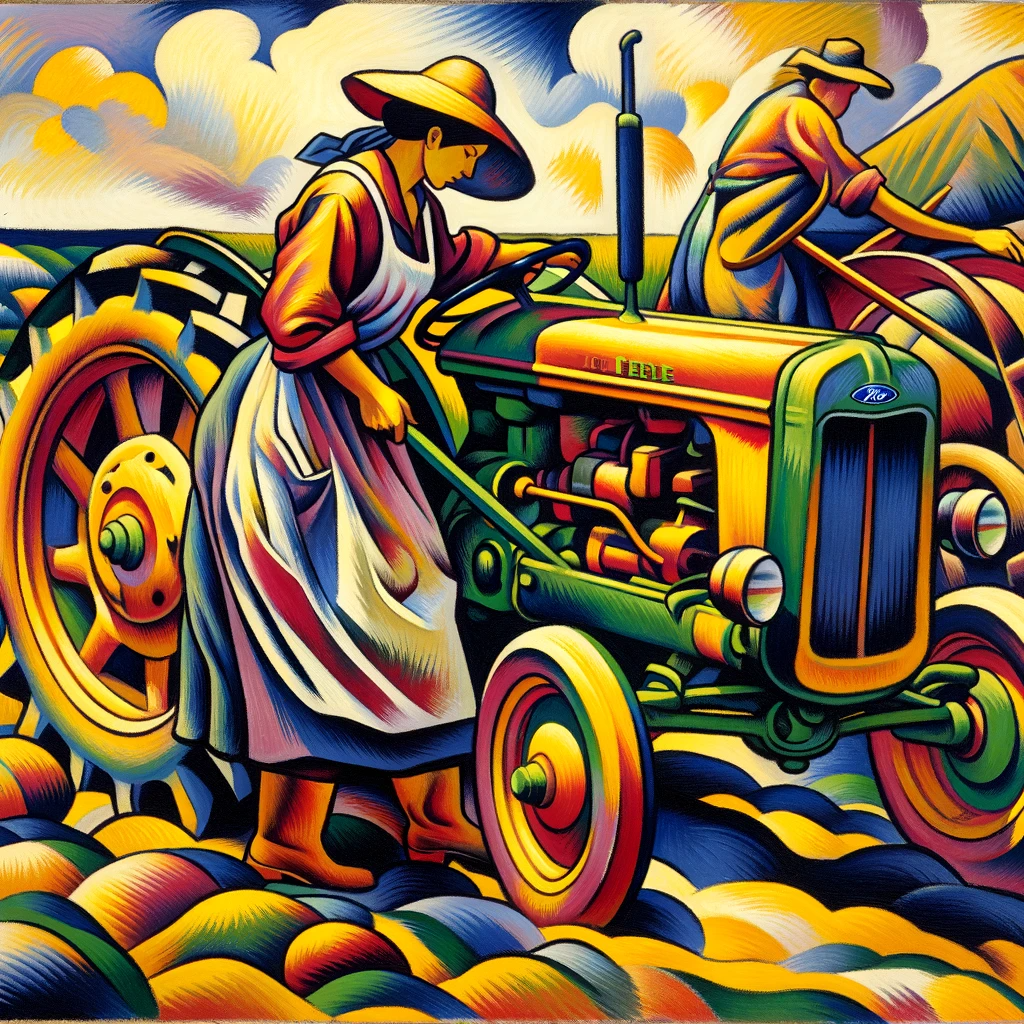
Restoring vintage machinery is not just about reviving an old piece of metal—it’s about breathing life back into a chapter of our industrial history. Take, for instance, your grandfather’s old tractor. That rust-laden hunk didn’t just plow fields; it carried dreams, hope, and tireless work ethic across generations. When you set out to restore something like that, you’re steeping yourself in a legacy, but with that comes a responsibility that calls for careful ethical consideration.
First, there’s the matter of authenticity. Each scratch on that tractor tells a story—the land it worked, the hands that operated it, the sunrises it witnessed. Stripping it down for a shiny makeover might seem appealing, but in doing so, we risk erasing its history. Our society craves authenticity. Think of how a well-worn tractor can spark conversations; those nicks and patinas can draw people together. It’s a bridge to the past, a reminder that hard work builds communities. We ought to consider: how can we restore while still honoring the story this machinery holds?
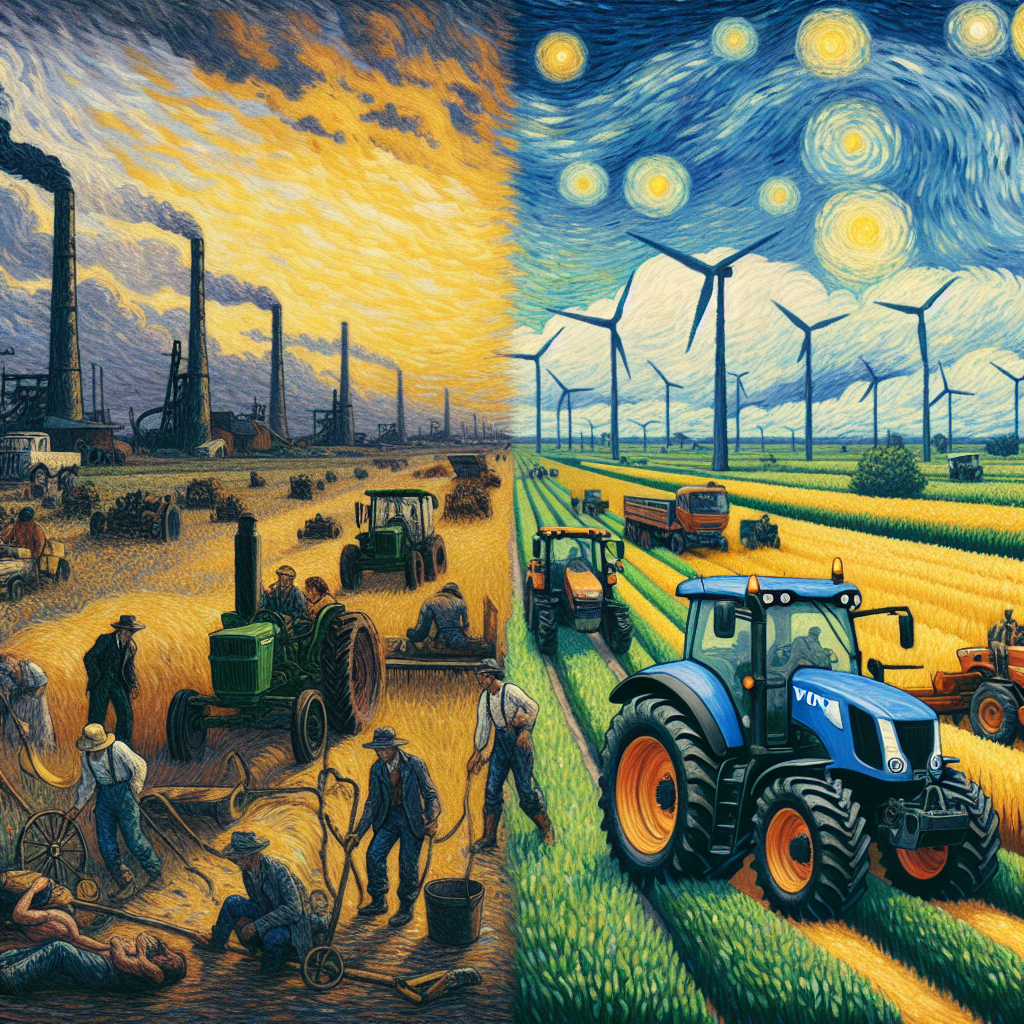
Next, we encounter the environmental angle. Vintage machinery often carries with it a wealth of materials that, if restored properly, can offer sustainability lessons for the modern world. In a time when society is pressed to embrace eco-friendly practices, each restored tractor could serve as a testament to innovation over wastefulness. Are we not ethically bound to pass these ideals on? Reflect on a community event featuring restored machinery that highlights conservation—it becomes not just a restoration project, but an educational platform for new generations.
Then comes the question of accessibility. Restoring vintage machinery also means asking ourselves who benefits from it. A local shop may invest in restoring that old tractor, but is it going to be viewed only by a select few? Could it not be a community asset instead? Organizing an open house where people can touch, feel, and learn from these machines fosters a wider appreciation and connection, deepening communal ties.
Lastly, let’s remember the dreams we aspire to inspire. Imagine the little ones gathering around that tractor, asking questions, eyes wide with wonder. You’re not just restoring a machine; you’re igniting hope for the future! It may begin with metal and grease, but if we approach restoration ethically, we’re cultivating narratives that can strengthen our collective identity—reminding us of where we came from, and where we’re headed.
What Ethical Considerations Come with Restoring Vintage Machinery?
What Ethical Considerations Come with Restoring Vintage Machinery?
- Restoring vintage machinery revives industrial history and legacies.
- Authenticity matters; each scratch tells a unique story that should be preserved.
- Authentic restoration facilitates community discussions and connections.
- Vintage machinery promotes sustainability and eco-friendly practices.
- Restoration can serve as an educational platform for future generations.
- Accessibility is key; community involvement can enhance appreciation for restored machinery.
- Restoring machines inspires hope and strengthens collective identity.
What Ethical Considerations Come with Restoring Vintage Machinery?
What Stories Do Classic Tractors Tell About Agricultural Innovation?
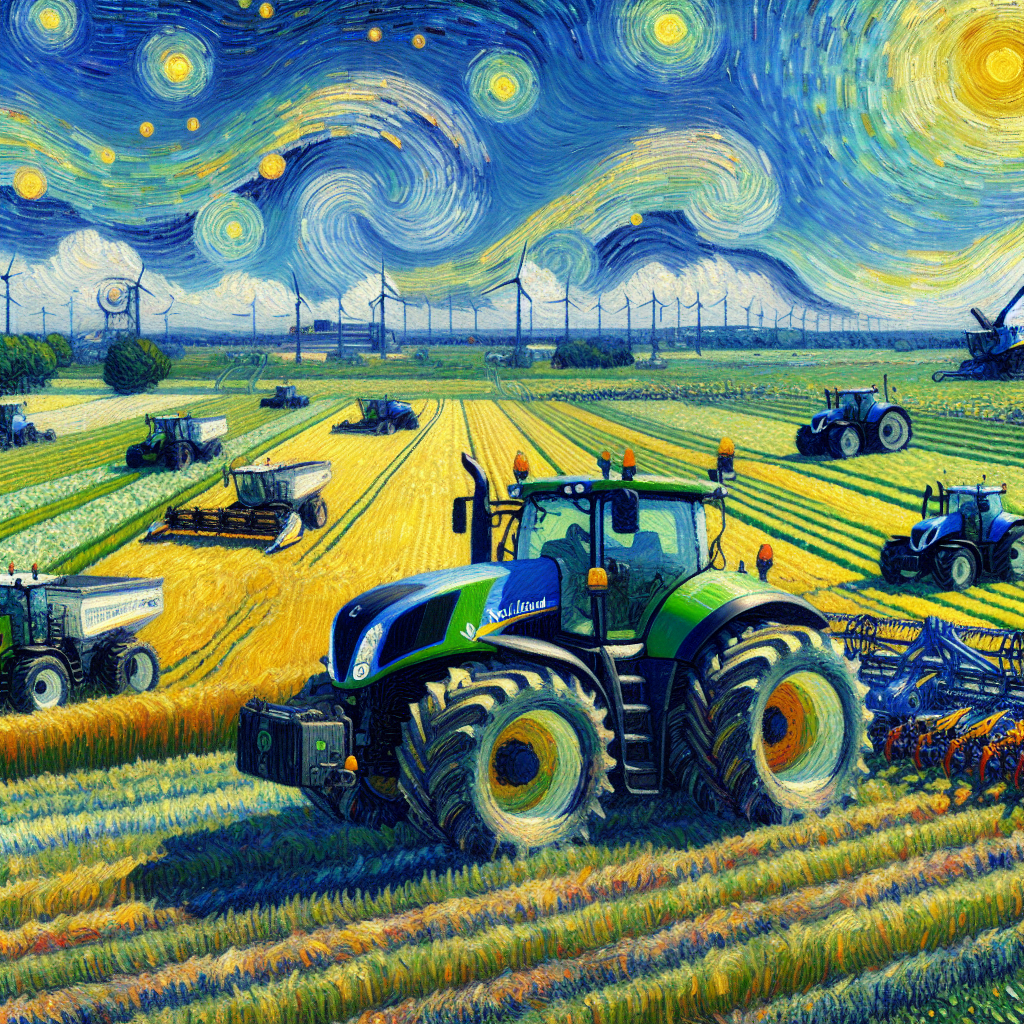
In the grand tapestry of agricultural innovation, classic tractors stand as resilient threads, woven into the very fabric of our farming history. These machines, often seen rusting in fields, symbolize more than just tools; they signify resilience, progress, and the heartbeats of those who wielded them. Each scratch and dent tells a story of sweat and determination, reflecting the trials faced by farmers who believed in the promise of the land.
Imagine the roar of an old tractor, churning up soil that had lain dormant for seasons, a veteran reawakening the earth with every turn of its wheels. When I think of these machines, I see my grandfather, face sun-kissed, guiding that rusty beast through furrows of golden grain. He’d often say, “This tractor ain’t just a machine; it’s my partner in the dance of life.” That partnership embodied trust—the kind of trust that farmers place not only in their equipment but also in the very act of cultivating hope and sustenance from the soil.
Rationally, these tractors revolutionized agriculture, introducing efficiency and productivity boosts that transformed small family farms into thriving operations. The rise of mechanization let farmers plant more crops, reducing the labor-intensive hours spent tilling the earth. Yet, there’s an ethical dimension to consider: as we advanced technologically, did we honor the souls who tilled the soil before us, who dreamed of a better tomorrow using wooden plows and sheer willpower?
Every turned wheel, every plowed field reflects a broader narrative of human ingenuity and tenacity. In a world racing toward technological advancement, we sometimes overlook the poignant connection between machinery and the humans behind them. Those old machines stand as testimonials of sacrifice—the late nights and endless hours spent under the sweltering sun, with the promise of harvest motivating every calloused hand and weary back.
Socially, classic tractors invite connection within communities, sparking stories shared at county fairs and harvest festivals. Each engine’s roar brings back memories of harvests celebrated and challenges conquered together—reminders that agriculture isn’t just about growing food; it’s about growing a community.
In remembering these classic tractors, we embrace a legacy that implores us to respect the land, value our heritage, and forge ahead into a future where innovation and tradition coexist harmoniously. The stories they tell are not merely relics of the past but invitations to reconnect with our roots as we navigate the ever-changing landscape of agricultural innovation.
What Stories Do Classic Tractors Tell About Agricultural Innovation?
What Stories Do Classic Tractors Tell About Agricultural Innovation?
- Classic tractors symbolize resilience, progress, and the dedication of farmers throughout history.
- Each tractor reflects the labor and dreams of those who worked the land, serving as a reminder of their sacrifices.
- Mechanization transformed agriculture, increasing efficiency and reducing labor for small farms.
- There is an ethical consideration in honoring the roots of agricultural practices and those who preceded modern technology.
- Classic tractors facilitate community connections, sparking stories and shared experiences at local events.
- They embody the balance between innovation and tradition, reflecting a legacy of respect for the land.
- Tractors invite us to reconnect with our agricultural heritage while adapting to new advancements.
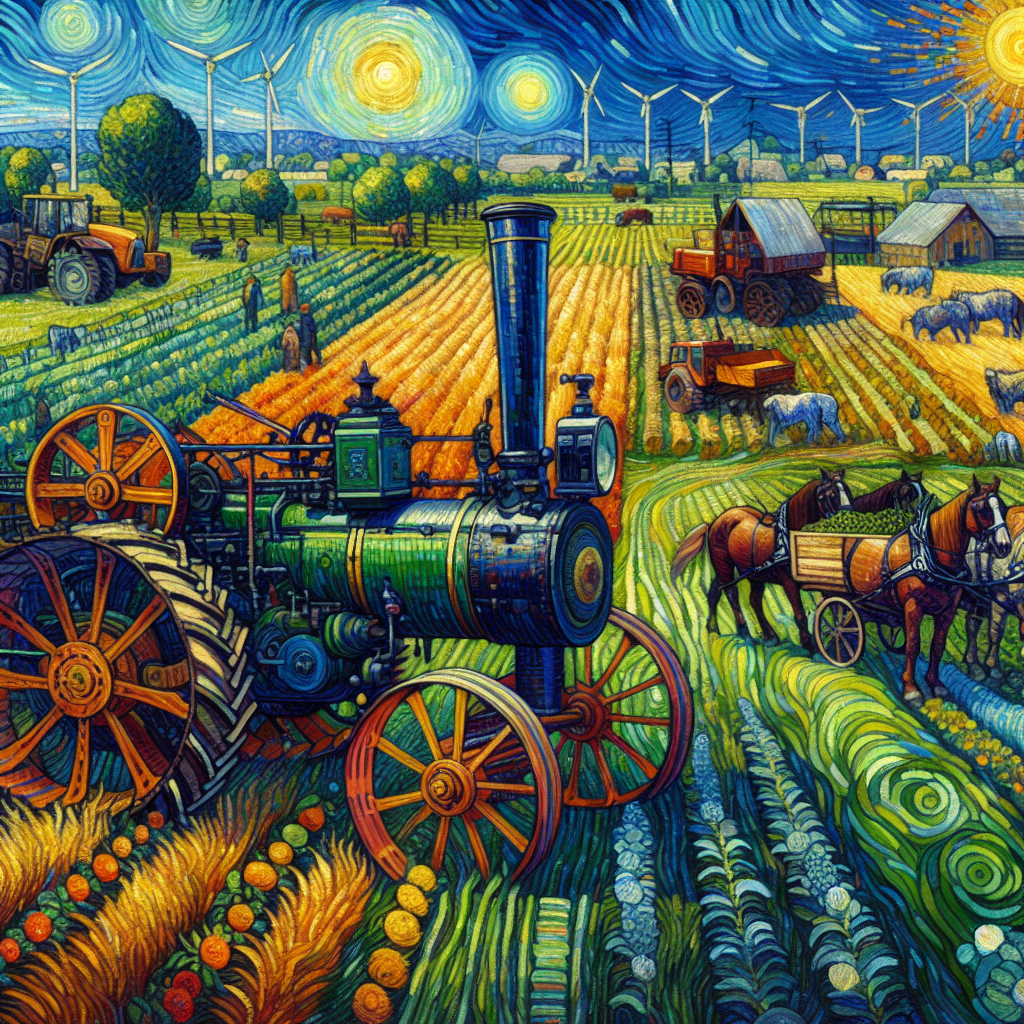
What Stories Do Classic Tractors Tell About Agricultural Innovation?
What Role Do Classic Tractors Play In Preserving Farming Heritage?
Classic tractors are more than just machines; they are the heartbeats of our agricultural past, pulsating with stories that connect generations. Each rusted engine and worn-out seat tells tales of toil, triumph, and the unwavering spirit of those who cultivated the land. When you look at a classic tractor, you’re not just seeing steel and rubber; you’re witnessing a bridge to a time when every turn of the wheel meant something profound.
Consider the sight of an old John Deere or Ford tractor, perhaps parked in a field or displayed at a local fair, drawing the eyes of young and old alike. For many, these tractors are a connection to a lost way of life, a reminder of the back-breaking work that defined communities. They evoke nostalgia and spark conversations, where the elder farmers share their history, speaking of the tractors that helped them harvest their first crop, inspiring awe in the younger generation. These machines serve as tangible artifacts of a farming heritage that is at risk of becoming obscured by modern technology.
Emotionally, classic tractors resonate deeply, reminding us of the values of hard work and perseverance inherent in farming. They symbolize stability and tradition, instilling a sense of pride in those who were raised in farming families. For many, the image of a father teaching his child how to drive a tractor is a rite of passage, a sacred act that intertwines lessons in agriculture with life itself. This legacy deserves preservation, not just out of respect for the past but for the lessons it can impart to future generations.
Rationally speaking, restoring and showcasing classic tractors helps foster understanding of agricultural practices that have shaped our food systems. They illustrate advancements over the decades, serving as educational tools in museums and community events that highlight sustainable farming practices. These tractors become symbols of resilience, adapted over the years to meet changing agricultural challenges.
Ethically, maintaining our farming heritage in the face of rapid modernization serves as a reminder of our responsibility to honor the past while navigating the future. When communities rally around classic tractors—repairing them, celebrating them—they also invest in their cultural narrative, promoting a collective identity that transcends individual stories. The connection fostered through these machines is powerful, encouraging trust among community members who recognize the importance of preserving their shared heritage for the next generation.
In essence, classic tractors serve as both a reminder and a call to action. They challenge us to reflect on where we’ve come from and instill a sense of duty to celebrate and protect our farming legacy. When we preserve these vehicles, we safeguard the spirit of resilience and hard work that agriculture embodies, making history tangible and relevant for years to come.
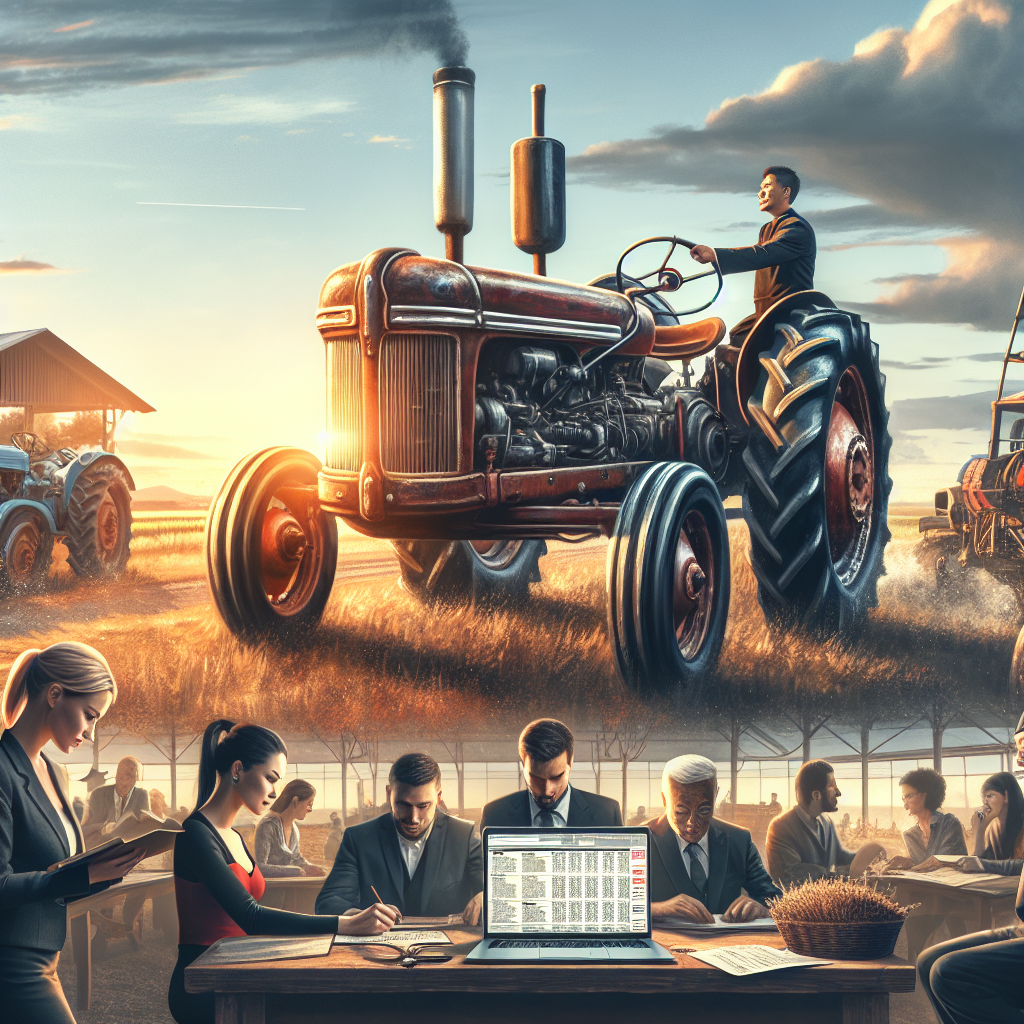
What Role Do Classic Tractors Play In Preserving Farming Heritage?
What Role Do Classic Tractors Play In Preserving Farming Heritage?
- Classic tractors embody the agricultural past, connecting generations through their history.
- They evoke nostalgia and serve as a reminder of the hard work that defined farming communities.
- Classic tractors symbolize values of stability and tradition, representing a rite of passage for families.
- Restoration and showcasing of tractors educate about agricultural practices and advancements over time.
- Maintaining this heritage fosters a sense of responsibility to honor the past while adapting to the future.
- Community involvement in preserving tractors promotes a shared cultural narrative and identity.
- Classic tractors challenge us to reflect on our history and protect the legacy of resilience in agriculture.
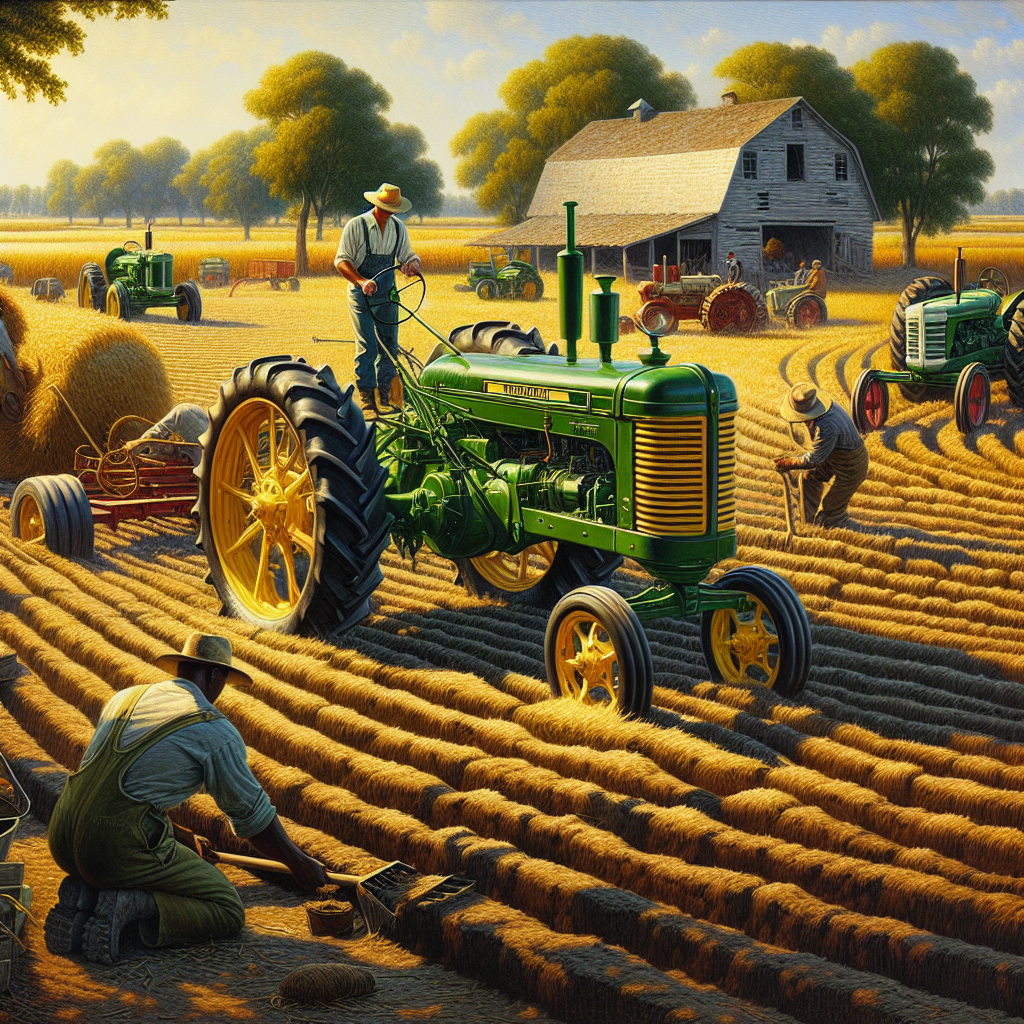
What Role Do Classic Tractors Play In Preserving Farming Heritage?
Conclusion
Classic tractors embody a legacy that’s steeped in resilience and hard work. These machines are not simply tools; they are living connections to generations past, each with a history that resonates deeply in our hearts and communities. When you hear the engine roar to life, it doesn’t just signify a mechanical function—it stirs memories of family gatherings, the harvest of crops, and the shared struggles of farming life.
The craftsmanship of classic tractors reflects a commitment to durability, standing as testaments to a time when machinery was built to last. Every scratch and dent narrates stories of labor, turning soil and nurturing crops, symbolizing an unyielding spirit that defines agriculture. They are the embodiment of values like hard work, determination, and a respect for the land—principles that remain relevant regardless of how the world changes around us.
Investing in a classic tractor is akin to investing in family heritage. It connects us to our roots, inviting us to honor the past while imparting critical life lessons to younger generations about perseverance and self-sufficiency. Owning such a piece isn’t merely about practicality or nostalgia; it’s about making a conscious choice that aligns with sustainable living and thoughtful consumption.
These machines often become social hubs, bringing people together at fairs, where laughter and shared stories mingle over the clinking of glasses and the smell of good food. They forge relationships between neighbors and across generations, intertwining individual histories into a shared narrative that nurtures community bonds.
Ethically, restoring and preserving classic tractors challenges us to confront our rapid technological advancements. It reminds us of our responsibility to honor our agricultural heritage, taking care to maintain authenticity while promoting values of sustainability. Each restored tractor can serve as a platform for education, instilling respect for our food sources and the heritage behind them.
Classic tractors are more than relics; they are symbols of endurance that encourage us to reflect on our commitments and connections. They inspire a journey back to the basics as we navigate a world increasingly dominated by disposability. The next time you see one of these vintage machines working the fields or idling in a yard, take a moment to appreciate the stories it carries, the traditions it honors, and the spirit of innovation and hard work that continues to thrive in farming today. In doing so, we not only celebrate these iconic pieces of machinery but also the timeless values they represent, forging a path forward that remembers where we’ve come from.
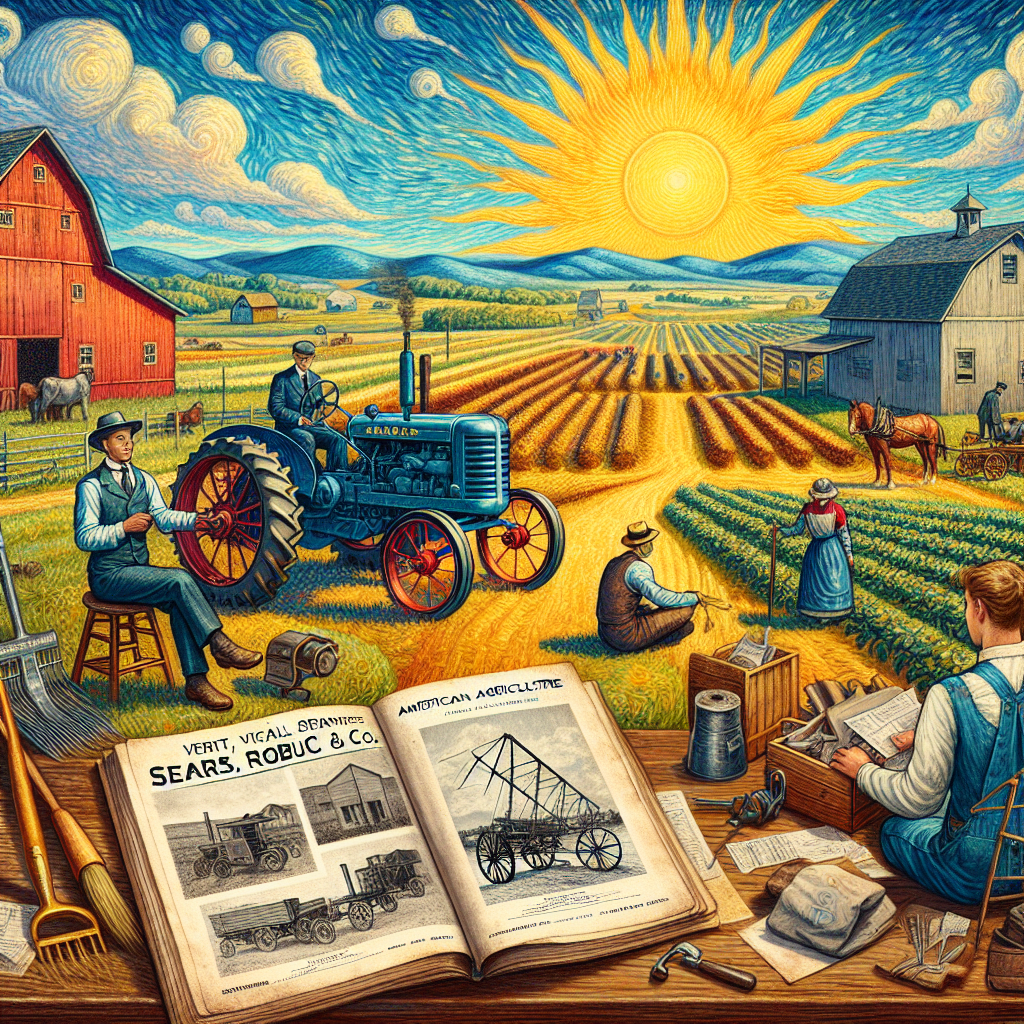
Conclusion
Conclusion:
- Classic tractors represent a legacy of resilience and hard work, connecting us to past generations.
- The sound of their engines evokes memories of family gatherings and farming struggles.
- Crafstmanship reflects a commitment to durability, embodying values of hard work and respect for the land.
- Owning a classic tractor connects us to our roots, promoting sustainability and life lessons for younger generations.
- These machines create social hubs, fostering relationships and community bonds at fairs and gatherings.
- Restoring classic tractors encourages us to value authenticity and confront rapid technological advancements.
- Classic tractors are symbols of endurance, inspiring reflection on our commitments and the timeless values they represent.
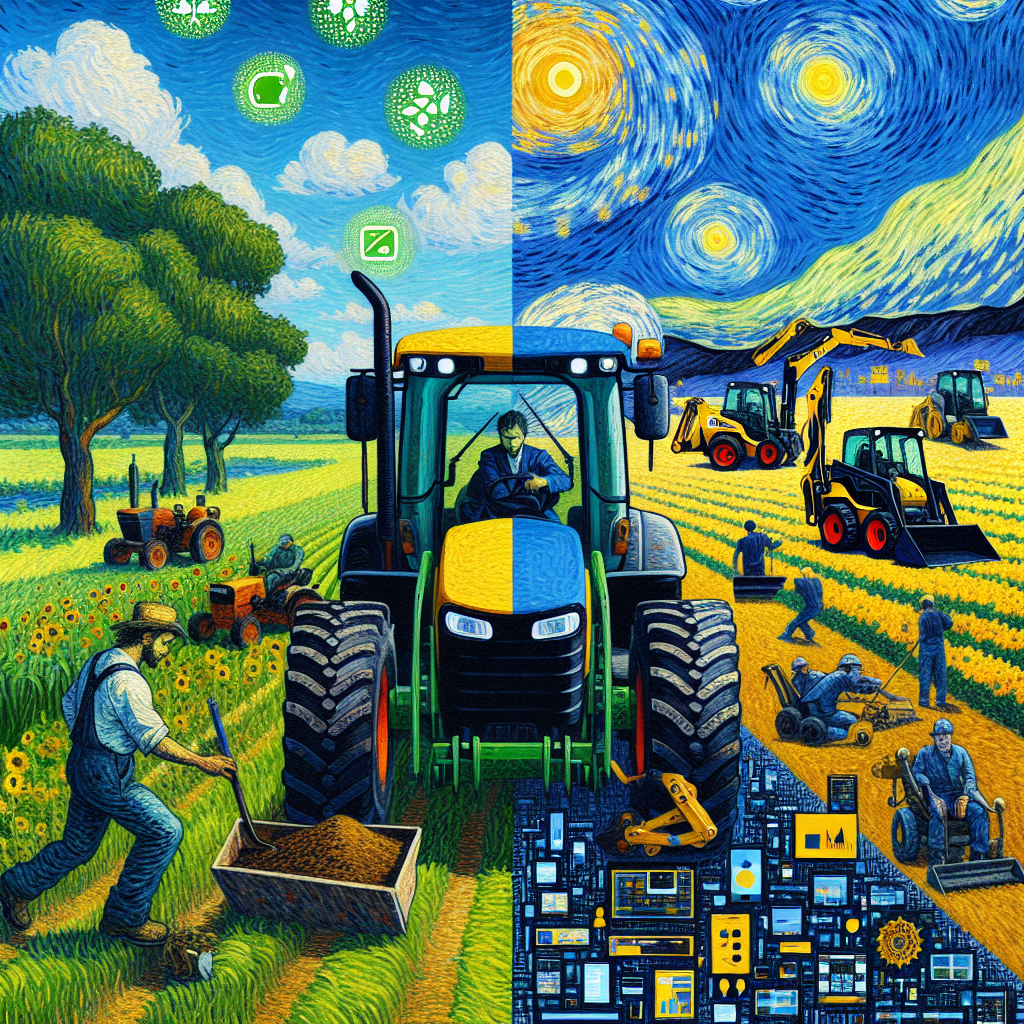
Conclusion
Other Resources
Other Resources
Here is a list of other resources you can review online to learn more:
- Wallis
- Northern Neck Farm Museum
- Oliver
- Agrinar
- Toro
- Solis
- Ranch Hand
- Benefits of Classic Tractors
- B.F. Avery
- FARMSHOW Magazine
- Ford
- Franklin County Antique Machinery Club
- Fairfield County Antique Tractor Club
- Eagle
- Aultman & Taylor
- AGCOAllis
- Farm Progress Show
- White
- Parrett
Use This Prompt To Get More Resources With Your Favorite Online AI Tool: Please provide me with a list of online articles with their URLs in a bulleted list that I can read regarding Classic Tractors – Built to Last, Not to Break
Other Resources
Glossary Terms
Classic Tractors – Built to Last, Not to Break – Glossary Of Terms
1. Drawbar — Rigid towing point that transmits tractive force to implements; rated for load and built for durability.
2. Power Take-Off (PTO) — Rotating shaft that delivers engine power to implements; standardized speeds and robust bearings for long life.
3. Live PTO — PTO driven independently of the transmission so implements can run while the tractor is stationary, reducing drivetrain stress.
4. Torque — Rotational force produced by the engine; crucial for pulling heavy loads at low speeds.
5. Torque curve — The engine’s torque distribution across RPMs; a flat low-speed curve indicates strong, usable pulling power.
6. Diesel engine — Heavy-duty powerplant favored for fuel efficiency, high torque at low RPM, and long service life.
7. Carburetor — Simple fuel/air metering device used on older gasoline tractors; easy to maintain and tune in the field.
8. Magneto — Self-contained ignition unit that produces spark without a battery, valued for reliability and simplicity.
9. Compression ratio — Engine design parameter affecting power, efficiency, and longevity when matched to fuel type and build.
10. Cast iron — Common material for blocks and housings; valued for wear resistance and structural strength.
11. Steel frame — Rigid chassis construction that resists flex and absorbs repeated heavy loads without failure.
12. Mechanical simplicity — Minimal electronic controls and straightforward linkages that simplify repairs and increase reliability.
13. Transmission — Gearbox providing multiple speed ranges and reverse; built with heavy gears and shafts for longevity.
14. Final drive — Reduction gears at the wheel hubs that multiply torque and are designed for high load capacity.
15. Differential lock — Mechanical device that locks axle halves together to maintain traction under heavy load or low-traction conditions.
16. Drivetrain — Complete system transferring power from engine to wheels; rugged components and straightforward layouts extend service life.
17. Hydraulics — Fluid-power system for lifting and operating implements; simple pumps and valves on classics emphasize durability.
18. Open-center hydraulics — Common older hydraulic architecture that’s simple, easy to service, and forgiving under load.
19. Three-point hitch — Standardized implement mounting with lift arms and top link; durable geometry for stable implement control.
20. Draft control — Mechanical system that senses implement load and adjusts hitch height to prevent overload and stalling.
21. Ballast — Added weight (weights, liquid) to improve traction and balance without overstressing the machine.
22. Weight transfer — Management of load between wheels and implements to maximize traction and minimize drivetrain shock.
23. Shear pin — Sacrificial fastener in PTO/drive circuits that fails under overload to protect major components.
24. Bearings and bushings — Wear components chosen for load capacity and serviceability; replaceable to restore factory performance.
25. Serviceability — Ease of routine access, maintenance, and part replacement that keeps tractors running longer with less downtime.
26. Field repairability — Tractor design that enables repairs with basic tools and common parts in remote or farm conditions.
27. Overhaul — Comprehensive rebuilding of engine, transmission, or axles to restore original durability and performance.
28. Remanufactured parts — Rebuilt components restored to factory specifications to extend tractor life cost-effectively.
29. Preventive maintenance — Scheduled care (oil, filters, adjustments) that prevents failures and preserves long-term reliability.
30. Longevity — The characteristic of lasting through prolonged heavy use, achieved by conservative design, rugged materials, and maintainable systems. Glossary Of Terms
Other Questions
Classic Tractors – Built to Last, Not to Break – Other Questions
If you wish to explore and discover more, consider looking for answers to these questions:
- How do I assess the mechanical condition of a classic tractor before buying?
- Which classic tractor models are most sought after and why?
- What is the typical price range for unrestored versus fully restored classic tractors?
- How much does a professional restoration usually cost and how long does it take?
- Where can I find original parts, service manuals, and replacement components?
- Are reproduction parts acceptable for restoration or do they reduce value?
- How do I verify a tractor’s authenticity and provenance?
- What are the most common mechanical failures on classic tractors and how are they fixed?
- What routine maintenance is required to keep a classic tractor running reliably?
- How fuel-efficient are classic tractors compared with modern models?
- Can classic tractors be legally driven on public roads and what regulations apply?
- What safety upgrades (seatbelts, ROPS, lights) are recommended or required?
- How should classic tractors be stored to prevent deterioration?
- What insurance options exist for classic tractors and how are they valued?
- Do classic tractors generally appreciate in value, and what factors influence that?
- How do I find reputable appraisers, restorers, and mechanics who specialize in classics?
- Are there tax implications, grants, or heritage programs for preserving vintage farm equipment?
- What environmental impacts result from restoring versus scrapping old tractors?
- Is it feasible to convert a classic tractor to run on alternative fuels or electricity?
- How do I balance restoring to show quality versus preserving original patina and history?
- What tools and skills are essential for a DIY tractor restoration project?
- Where can I connect with local clubs, events, and tractor shows to learn and share?
- What documentation should I keep during restoration to maximize future resale value?
- How do classic tractors reflect changes in agricultural technology and practices over time?
- What ethical issues arise when sourcing parts or dismantling other vintage machines for spares?
- How can classic tractors be used in small-scale modern farming or sustainable homesteading?
- What are the best practices for transporting a classic tractor safely and legally?
- How do I evaluate the cost-benefit of restoring a family heirloom tractor versus selling it as-is?
- Which resources (books, websites, forums) provide trustworthy restoration guides and historical info?
Other Questions
Haiku
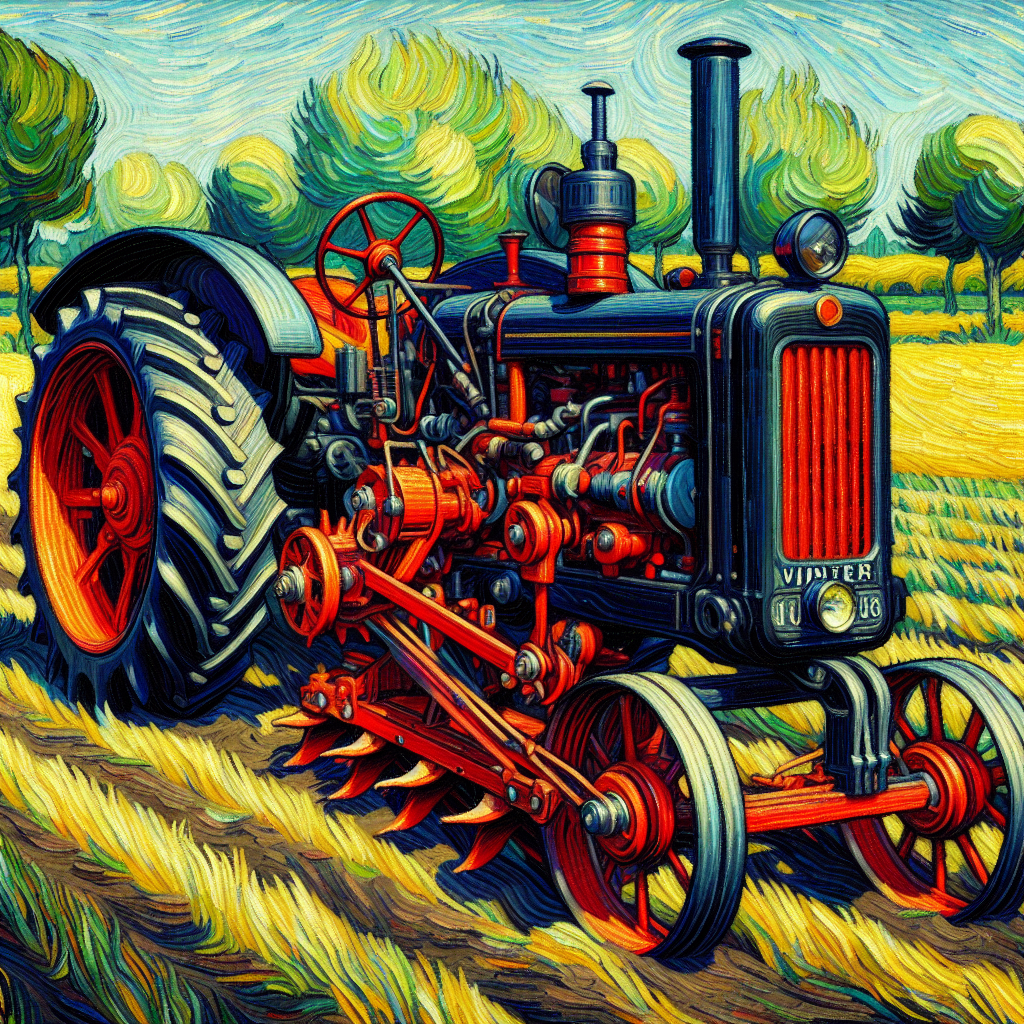
Classic Tractors – Built to Last, Not to Break – A Haiku
Iron giants stand proud,
Whispers of legacy loud,
Roots in soil, they grow.
Haiku
Poem
Classic Tractors – Built to Last, Not to Break – A Poem
In fields where iron giants stand,
Echoes of labor, a farmer’s hand,
With rust and wear, stories unfold,
Legacies woven, traditions bold.
Each tractors roar, a hearts refrain,
A bond with the earth, enduring pain,
Generations gather, tales intertwine,
With laughter and sweat, their spirits align.
Through dust and sun, they carve the land,
Symbols of grit, a steadfast stand,
Against a world quick to discard,
These classics remind us to work hard.
They teach us value, through each dent,
Lessons of loyalty and time well spent,
For in every plow, the past intertwines,
As families gather, preserving life’s lines.
Restoration calls, authenticity sought,
Bridging the old with lessons taught,
In sustainable dreams, they serve as a guide,
Heritage cherished, with community pride.
So cherish those tractors, their stories embrace,
Holding our history, our roots in place,
For in their presence, we find our way,
A reminder of legacy, day by day.
Poem
Checklist
Classic Tractors – Built to Last, Not to Break – A Checklist
Emotional Appeals
✅______ Reflect on memories; write down family stories associated with classic tractors.
✅______ Create a visual legacy; take photos of classic tractors that resonate with your family history.
✅______ Engage generations; plan activities with children to share experiences around classic tractors.
Rational Appeals
✅______ Assess investment value; research classic tractor models known for appreciating in value.
✅______ Evaluate practical uses; list potential current uses for classic tractors on your own or family farms.
✅______ Consider maintenance; create a checklist for ongoing care and restoration of classic tractors.
Ethical Appeals
✅______ Promote sustainability; discuss how owning and restoring classic tractors supports eco-friendly practices.
✅______ Honor authenticity; decide on the balance between restoring machinery and preserving its original story.
✅______ Community accessibility; plan community events to showcase restored tractors, sharing knowledge and fostering engagement.
Authority Appeals
✅______ Seek expert advice; compile resources from vintage machinery enthusiasts or historians.
✅______ Attend workshops; find local workshops or fairs focused on classic tractors to gain insights from experts.
✅______ Incorporate insights; use advice from seasoned farmers on the legacy and value of classic tractors.
Narrative Appeals
✅______ Share personal stories; write about your own experiences with classic tractors.
✅______ Collect anecdotes; gather stories from others in your community about their connections to classic tractors.
✅______ Create a community book; compile stories into a book or digital collection to preserve community narratives.
Social Appeals
✅______ Join a community; look for local clubs or online forums dedicated to classic tractors and agriculture.
✅______ Organize gatherings; plan or participate in community events centered around classic tractors.
✅______ Encourage conversations; initiate discussions around the importance of classic tractors in local history at social gatherings.
Checklist
At ClassicTractorNews, we help tractor lovers keep up with the latest news for classic and vintage tractors.
Please share this post with your friends, family, or business associates who may like old classic or vintage tractors.