


Empower Your Passion: Mastering Classic Tractor Repairs Together.
By Tom Seest
At ClassicTractorNews, we help tractor lovers keep up with the latest news for classic and vintage tractors.
Please share this post with your friends, family, or business associates who may like old classic or vintage tractors.
Classic Tractor Freedom – Repair It Yourself, No Dealer Needed
Classic Tractor Freedom – Repair It Yourself, No Dealer Needed
Nothing says independence quite like the roar of a classic tractor firing up after a DIY repair. Picture that sun-soaked farm, the earthy scent of soil in the air, and the satisfaction of knowing you’ve breathed new life into a machine that has endured countless seasons. Every scratch and dent on that metal body tells a story—each one a testament to hard work and resilience.
Now, let’s talk about the ol’ green tractor sitting in your shed. It may look like a stubborn relic, but beneath that weathered exterior lies a treasure trove of history and character. By taking it upon yourself to repair that tractor, you’re not just fixing machinery; you’re reclaiming a piece of your heritage. Imagine leaning over that engine, sleeves rolled up, grease on your hands, and the quiet hum of accomplishment surrounding you. It’s a powerful connection to the past and a mighty step toward empowering your future.
Consider the idea that the value of a classic tractor extends far beyond financial investment. It’s about pride in ownership, the simple joy of transforming something broken into something functional again. By learning the ins and outs of your tractor, you not only save a hefty repair bill but also develop a deeper understanding of how things work. It’s the ultimate form of empowerment. Instead of relying on an impersonal dealer with a calculator, you wield the tools of knowledge and skill—tools that are yours alone.
Embrace the community of fellow enthusiasts. There’s a camaraderie among do-it-yourselfers that transcends generations. Stories are shared not just about the nuts and bolts of repairs, but about life lessons learned in the field—like patience, persistence, and the unmistakable joy of a job well done. As you swap tales over a cup of coffee at the local diner, you realize that your tractor journey is part of a much larger narrative.
Every time you climb onto that repaired tractor, it’s a reminder that you took control, faced challenges head-on, and emerged triumphant. It’s more than just about repairing equipment; it’s about personal growth, craftsmanship, and the freedom to choose your path. So roll up those sleeves, turn that wrench, and experience the joy of knowing that in your hands lies the power to bring not just a tractor, but a legacy back to life.

Classic Tractor Freedom – Repair It Yourself, No Dealer Needed
Classic Tractor Freedom – Repair It Yourself, No Dealer Needed
- Independence symbolized by repairing classic tractors yourself.
- DIY repairs breathe new life into weathered machines with personal history.
- Repairing tractors connects owners to their heritage and fosters personal accomplishment.
- The value of a classic tractor goes beyond financial investment; it fosters pride and learning.
- Gaining knowledge saves repair costs and enhances understanding of machinery.
- Community among DIY enthusiasts provides support and shared experiences across generations.
- Repairing tractors leads to personal growth and the empowerment to control one’s own legacy.

Classic Tractor Freedom – Repair It Yourself, No Dealer Needed
Table Of Contents
- Classic Tractor Freedom – Repair It Yourself, No Dealer Needed
- What Memories Do You Cherish From Your Classic Tractor?
- How Can Repairing Your Classic Tractor Save You Money?
- What Skills Do You Hope to Gain Through Diy Repairs?
- How Would Repairing Your Own Tractor Empower You As a Homeowner?
- What Stories Do You Want to Tell About Your Classic Tractor?
- How Does Maintaining Your Tractor Connect You to Your Community?
- Conclusion
- Other Resources
- Glossary Of Terms
- Other Questions
- Haiku
- Poem
- Checklist
What Memories Do You Cherish From Your Classic Tractor?
There’s something about a classic tractor that transcends mere machinery; it’s a vessel of memories that tugs at the heart and grounds us in reality. As the sun dips below the horizon, painting the sky in hues of orange and purple, the rumble of that old engine resonates deeply within us. Each turn of the wheel is not just a movement across the field; it’s a journey through time, marked by the laughter of family and the wisdom of past generations.
Picture that first summer day behind the wheel, not quite tall enough to gaze over the dashboard, yet brimful of anticipation. You felt the raw power beneath you as you plowed the field, feeling like you could conquer the world. That tractor wasn’t just an object; it was a rite of passage, a trusted companion that carried you from childhood into responsibility, from innocence into experience. It’s the smell of the earth, the taste of freshly cut hay, and the sound of the family gathered around, sharing stories of days gone by while the stars begin to twinkle overhead.
As adults, these memories shape our identity, giving us strength and resilience. They remind us of our roots, the sacrifices made by those who came before us, and the work ethic ingrained into our very being. These tractors symbolize the grit and tenacity of rural life, where every drop of sweat is a testament to hard work. The sound of the engine isn’t just a noise; it’s a reminder of commitment, echoing the stories of harvesting seasons and challenges faced together as a family.
Moreover, the classic tractor serves as a bridge across generations. It invites conversations between grandparents and grandchildren, fostering connections that may otherwise fade. Those moments spent teaching a child about the machinery—the importance of maintenance and respect for equipment—are lessons that extend beyond the field. They cultivate an understanding of work, appreciation for craftsmanship, and an ethical duty to care for our land.
As you reminisce about your classic tractor, consider how it embodies not just memories but a sense of belonging—a thread weaving together past, present, and future. Your recollections can inspire others to cherish their stories, too, fostering a community grounded in shared experiences. So, when you sit atop that weathered seat, let it be a reminder: these cherished moments are not just personal; they are a legacy worth sharing.

What Memories Do You Cherish From Your Classic Tractor?
What Memories Do You Cherish From Your Classic Tractor?
- Classic tractors serve as vessels of memories, connecting us to our roots and history.
- The experience of driving a tractor marks a rite of passage from childhood to adulthood.
- Memories associated with tractors foster a sense of identity, strength, and resilience.
- Tractors symbolize hard work and commitment, representing the challenges of rural life.
- They bridge generations, facilitating conversations and teaching moments between family members.
- Lessons learned extend beyond the field, instilling appreciation for craftsmanship and land stewardship.
- Recollections of classic tractors inspire community and shared experiences across generations.

What Memories Do You Cherish From Your Classic Tractor?
How Can Repairing Your Classic Tractor Save You Money?
Repairing your classic tractor can be a surprisingly smart financial move, transforming what might seem like a hobby into a practical investment. Picture this: a farmer, hands calloused from years of hard work, stands in his barn, staring at the trusty old tractor that has been a part of his family for generations. It’s more than just machinery; it’s a link to the past, a connection to tradition, and an embodiment of hard-earned memories. This tractor, with its faded paint and rusted edges, isn’t just a tool for plowing fields; it represents resilience, the kind that carries wisdom across decades.
When the engine sputters or the hydraulic system fails, many might dismiss the repair costs as too pricey. Yet, here lies an opportunity that transcends mere dollars and cents. Each repair is a reclaiming of value—not just a restoration of function, but a reinforcement of worth. Think of the money spent on replacements like flash-in-the-pan modern machines that lose their value quicker than you can say “depreciation.” Conversely, a classic tractor, lovingly restored, can increase your land’s productivity and, in turn, enhance your income over time. It embodies the principle of betterment through diligence, offering you a tangible return on your emotional and financial investment.
When communities rally around the restoration of their classic tractors, a social tapestry unfolds. Local gatherings become bursts of camaraderie where knowledge flows freely, each person sharing tips and tricks passed down by parents and grandparents. The learning experience doesn’t just reside in mechanics; it’s a collective ethos of sustainability, showing that repairing rather than replacing can forge deeper ties, both to our possessions and our communities.
Moreover, while the heart swells with nostalgia, the logical part of our brain can calculate. Data shows that maintaining older machinery typically costs less, with repairs often being more straightforward—and doing the work yourself fosters a sense of accomplishment and pride. So, while you might sweat a bit and grease your hands, the ethical considerations of sustainability and resourcefulness shine through. You’re not just saving a few bucks; you’re making a statement.
In nurturing this classic tractor, you’re not only keeping it running; you’re investing in values that matter. You’re embracing the grit and determination that underpins an entire way of life. The journey of repair is about more than practical savings—it’s about the heritage, the sense of belonging, and ultimately a reminder that some things are worth every ounce of effort.

How Can Repairing Your Classic Tractor Save You Money?
How Can Repairing Your Classic Tractor Save You Money?
- Repairing classic tractors can convert a hobby into a financial investment.
- Classic tractors symbolize family history, tradition, and resilience.
- Each repair not only restores function but increases the overall value of the tractor.
- Restored tractors can enhance productivity and income over time.
- Community gatherings around tractor restoration foster camaraderie and shared knowledge.
- Repairing older machinery often costs less and is straightforward, promoting a sense of accomplishment.
- Nurturing classic tractors upholds values of sustainability, heritage, and belonging.

How Can Repairing Your Classic Tractor Save You Money?
What Skills Do You Hope to Gain Through Diy Repairs?
What Skills Do You Hope to Gain Through DIY Repairs?
When you roll up your sleeves and dive into the world of DIY repairs, you’re not just fixing things—you’re embarking on a journey that molds your character, sharpens your skills, and reconnects you with your roots. The hum of a tractor engine can draw you back to memories of greener pastures, where the rhythm of hard work carved stories into your family’s legacy. Each repair becomes a chapter, blending the emotional resonance of nostalgia with the intellectual challenge of problem-solving.
Imagine standing before a weathered piece of machinery, tools scattered around like an artist’s palette. The faint scent of oil and sweat fills the air as you engage your mind in the mechanics of it all. This isn’t just about mending what’s broken; it’s an exercise in creativity and critical thinking. Each rusted bolt you unscrew is a lesson in patience and precision, reminding you that mastery requires time, practice, and grit. In tackling these projects, you confront challenges head-on, gaining confidence not through the ease of success but through the trial-and-error process that comes with every DIY endeavor.
DIY repairs also present an opportunity to learn invaluable life skills that extend far beyond a toolbox. The ethics of working with your hands fosters a sense of responsibility—not just to the task at hand but to the craftsmanship of life itself. When you fix something instead of discarding it, you’re standing against a throwaway culture that often favors convenience over sustainability. You become a steward of resources, promoting a mindset that cherishes handiwork and ingenuity.
Consider this: every time you venture into a repair, you’re not just repairing an object; you’re building a stronger bond within your community. Sharing your newfound knowledge with a neighbor or a friend transforms a solitary task into an act of fellowship. You may find yourself mentoring someone who’s hesitant, imparting wisdom gained through your own trials, thus creating a ripple effect of confidence and skills.
The skills you hope to gain through DIY repairs are the very foundation of resilience. Each failed attempt teaches you perseverance; every success builds trust in your abilities. These experiences forge connections—not only with the physical items you fix but with the stories and the histories they hold. So, as you tackle your next project, remember: it’s more than just the nuts and bolts of the repair; it’s about the heart, head, and gut connection to life itself. Embrace the journey, and you may find that the most valuable skills are the ones that teach you who you really are.

What Skills Do You Hope to Gain Through Diy Repairs?
What Skills Do You Hope to Gain Through Diy Repairs?
- DIY repairs enhance personal character and skill development.
- Each repair connects you with nostalgia and problem-solving challenges.
- Repairs require creativity, critical thinking, patience, and precision.
- Working with your hands fosters responsibility and sustainability.
- Engaging in repairs strengthens community bonds through knowledge sharing.
- Failures in DIY projects build resilience and self-trust.
- The journey of repairs teaches valuable life lessons about personal growth.
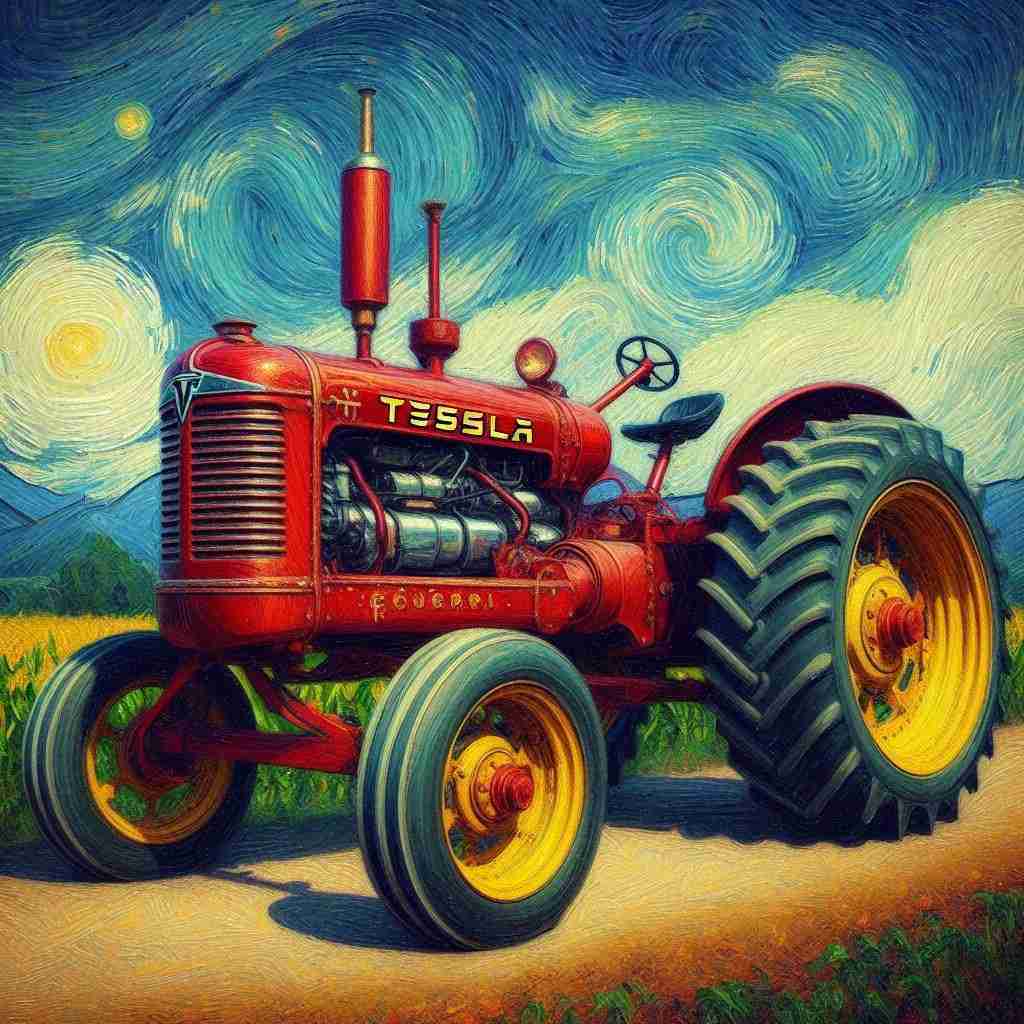
What Skills Do You Hope to Gain Through Diy Repairs?
How Would Repairing Your Own Tractor Empower You As a Homeowner?
Repairing your own tractor can serve as a transformative experience for homeowners, infusing both practicality and pride into everyday life. Imagine standing in your barn or garage, tools in hand, surrounded by the unique scent of grease and metal—a scent that whispers of resilience and mastery. It’s not just about mending machinery; it’s about reclaiming control in a world that often feels overwhelming.
Think of your tractor as an extension of your home, a steadfast companion in your daily endeavors. When things break down, the instinct might be to call for help, to let someone else take the reins. But what if you could harness the empowerment that comes from doing it yourself? Each repair becomes a testament to your capabilities, shaping not just your tractor but your identity as a homeowner. For example, consider the first time you successfully replaced a fuel filter—what began as a daunting task turned into a moment of triumph, sparking a newfound confidence that ripples into every aspect of your life.
There’s a visceral connection that grows when you sweat over your own equipment. It’s not merely mechanics; it’s an ethical stance—a commitment to roll up your sleeves and embrace the rugged nature of homeownership. You’re not simply fixing a machine; you’re building a relationship with your land, cultivating a deeper appreciation for every inch of soil you till. That tractor may be a tool, but it becomes something greater—a symbol of your labor, your dedication, and your resolve.
Stories shared around community bonfires often weave in the threads of self-reliance. Neighbors recount moments of struggle—and hilarity—when attempting repairs. Missteps become the fodder for laughter, creating bonds that last far beyond a single task. This sense of community fosters connection; others see you not just as a homeowner, but as a contributor to a collective spirit—a person who values hard work and shared experiences.
Repairing your own tractor isn’t just about horsepower and mechanics; it’s about empowerment. When you take that plunge, you’re setting the stage for a richer, fuller life. You gain not only competence but also a sense of belonging. You learn to trust yourself and inspire others with your journey. So the next time that engine sputters, think twice before reaching for the phone. Embrace the challenge. Let it shape you, and in turn, shape the very essence of home.

How Would Repairing Your Own Tractor Empower You As a Homeowner?
How Would Repairing Your Own Tractor Empower You As a Homeowner?
- Repairing your own tractor enhances practicality and instills pride in homeowners.
- Each repair serves as an act of reclaiming control in a complex world.
- Your tractor symbolizes an extension of home and a steadfast companion in daily activities.
- Self-repairing builds confidence and shapes identity as a capable homeowner.
- An ethical commitment to hands-on maintenance deepens connection to the land.
- Community bonds strengthen through shared repair experiences and stories.
- Repairing fosters empowerment, competence, and a sense of belonging within the community.

How Would Repairing Your Own Tractor Empower You As a Homeowner?
What Stories Do You Want to Tell About Your Classic Tractor?
When you think about your classic tractor, what memories rise to the surface? This isn’t just a rusting hunk of metal; it’s a vessel of stories, a patchwork of experiences stitched together by the labor and love poured into it. Your tractor stands as a testament not only to farming but to the enduring human spirit. Each scratch tells a tale. Each paint chip holds an echo of the past.
Consider the day you first brought it home. Perhaps it was an unexpected find tucked away in a barn, or maybe it was a family heirloom, a connection to generations before you. The engine’s roar was a call to arms, inviting you to become part of a larger narrative—a story of hard work, progress, and endurance. Think about that season you spent plowing fields at sunrise. With dew on the grass and determination in your heart, you felt the weight of not just the tractor but of dreams passed down through the family line. It’s more than machinery; it’s a bridge between who you are today and where your ancestors toiled before you.
Now, reflect on the community aspect. Each time you showcase your classic tractor at a local fair or share its journey online, you’re fostering connections. You’re inspiring others to appreciate craftsmanship and cultivate pride in their heritage. This is where you tap into social responsibility—the stories told about your tractor can ignite passion and pride within neighbors and friends, encouraging them to reconnect with their own roots. Remember the tales shared alongside a warm campfire after a long day in the fields? Your tractor was there, serving as a backdrop to friendships formed and memories created.
Finally, here’s a thought: instead of viewing your classic tractor as merely a relic of the past, see it as a beacon for the future. In a world that often feels disconnected, your stories about that tractor can be a rallying cry for others to reclaim what’s lost—to rediscover the value of hard work, tradition, and community. Invite others to share their stories, fostering a mosaic of memories that emphasize resilience and shared experiences. Your classic tractor is more than just a piece of history; it’s a catalyst for connection, a vehicle for legacies that transcend time. What stories do you want to tell?

What Stories Do You Want to Tell About Your Classic Tractor?
What Stories Do You Want to Tell About Your Classic Tractor?
- A classic tractor embodies memories and experiences, representing human spirit and hard work.
- It can be a family heirloom or a treasured find, linking generations and histories.
- Each scratch and paint chip tells a unique story of labor and love.
- Showcasing the tractor fosters community connections and inspires appreciation for craftsmanship.
- Sharing stories can ignite passion in others and promote pride in heritage.
- The tractor serves as a backdrop for friendships and shared experiences throughout life.
- Viewing it as a beacon for the future encourages rediscovery of hard work and tradition.

What Stories Do You Want to Tell About Your Classic Tractor?
How Does Maintaining Your Tractor Connect You to Your Community?
Maintaining your tractor is more than just a task; it’s a heartfelt commitment to the fabric of your community. In many rural areas, the tractor stands as a symbol—an iron beast that embodies hard work, tradition, and the sweat that feeds families and builds futures. When you turn the wrench, clean the filters, or replace worn parts, you’re not just preparing your equipment; you’re nurturing a lifeline that connects you to your neighbors and shared values.
Think about it: that well-tuned engine doesn’t just plow fields; it plows paths for community gatherings, harvests that feed local tables, and projects that support schools, charities, and events. Each time you repair that tractor, you’re ensuring it can help your neighbors just as much as it helps you. This mutual reliance strengthens the bonds of trust that hold a community together. You’re part of a network, a vital cog in a much larger machine, where each contribution counts, from the farms that cultivate the land to the markets that bring people together.
Your hands wielding those tools tell a story of perseverance. Picture a chilly morning, frost glistening on the ground as you fire up that old tractor. The sound echoes through the fields, waking up memories of afternoons spent with family, of laughter shared over bonfires after a long day’s work. These moments don’t just bind families; they bind communities through a shared history of toil, triumph, and resilience. Your tractor is a chapter in that story—a story engraved in the hearts of those around you.
It’s also about ethics. By maintaining your tractor, you’re making a conscious choice to be responsible. You’re reducing waste, prolonging the life of your machinery, and setting an example for others. Every ounce of oil you change and every tire you rotate helps promote sustainable practices that benefit the environment, all while keeping your community’s agricultural traditions alive. This kind of stewardship inspires trust, showing others that you care deeply about the land, the people, and the future of your community.
In a world where technology often disconnects us, caring for a tractor bridges that gap. When you share experiences about its upkeep, whether through a simple conversation or a social media post, you’re opening a door for others to engage and share in that journey. Together, you create a dialogue that celebrates not just machinery but a lifestyle deeply rooted in collaboration, neighborliness, and shared success. When you invest in your tractor, you’re really investing in your community.

How Does Maintaining Your Tractor Connect You to Your Community?
How Does Maintaining Your Tractor Connect You to Your Community?
- Maintaining a tractor symbolizes commitment to the community and tradition in rural areas.
- A well-tuned engine aids community gatherings, agricultural projects, and local charities.
- Repairing tractors fosters mutual reliance, strengthening community bonds.
- Active participation in maintenance reflects perseverance and shared histories among families.
- Responsible maintenance promotes sustainable practices and reduces waste.
- Caring for a tractor bridges the gap created by technology, fostering community engagement.
- Investing in a tractor is fundamentally an investment in the community’s future.

How Does Maintaining Your Tractor Connect You to Your Community?
Conclusion
Classic tractors embody more than just machinery; they signify independence, legacy, and connection. Repairing your classic tractor yourself transforms it from a relic to a personal narrative, bringing forth a sense of achievement that resonates in the heart, mind, and community. The satisfaction derived from a successful DIY repair is profound—every stain of grease tells a story of labor and dedication, each clank of metal reminds us of the values instilled by generations.
As you revive that old tractor, you aren’t merely restoring a machine; you’re nurturing a piece of your heritage. Each dent and scratch narrates tales of perseverance, marking victories over challenges. Embracing this journey empowers you, not just as a mechanic but as a historian of your family’s endeavor, crafting a resilient identity tied deeply to the soil and roots of your existence.
The act of repairing extends beyond individual gain. When you take the initiative to fix your equipment, you’re investing in your community’s strength and sustainability. You forge bonds with fellow enthusiasts who share similar passions, fostering a network built on camaraderie. Conversations blossom over shared tips and techniques, reinforcing a culture of cooperation that transcends generations. This collaboration becomes a cornerstone of shared wisdom, transforming experiences into a collective legacy.
Moreover, the economic benefits cannot be overlooked. Repairing rather than replacing saves money and instills a profound appreciation for craftsmanship and resourcefulness. In a world inclined toward disposability, you become a steward of heritage, nurturing not only your tractor but the ideals of sustainability and responsibility.
Reflect on the power of those engines revving up—each rumble signifies more than horsepower; it’s a communal heartbeat. Memories established in the fields, like those of first plows or lazy summer afternoons, weave an intricate tapestry connecting you to your past and future. Your classic tractor becomes a vessel for storytelling, a bridge linking generations and igniting discussions about life’s essential lessons learned in the midst of hard labor.
Repairing your tractor is a crucial affirmation of what it means to belong—to a family, a community, and a shared tradition. It’s about rolling up your sleeves and taking pride in achievements, reminding us that every challenge can be met head-on. As you embrace the complexities of maintenance and repair, you not only revive a beloved machine but reforge the spirit of resilience that defines the gateway to your legacy. So go ahead, take that plunge—repair with purpose, and in doing so, summon the strength that lies deep within.

Conclusion
Conclusion:
- Classic tractors represent independence, legacy, and connection beyond just machinery.
- DIY repairs transform tractors into personal narratives, fostering a sense of achievement.
- Each imperfection tells a story of labor and perseverance, connecting to family values.
- Repairing tractors nurtures heritage, creating a resilient identity tied to one’s roots.
- Initiating repairs invests in community strength and fosters bonds among enthusiasts.
- Repairing saves money and promotes sustainability, fostering appreciation for craftsmanship.
- Your classic tractor becomes a storytelling vessel, linking generations and experiences.

Conclusion
Other Resources

Other Resources
Here is a list of other resources you can review online to learn more:
- GMS Tractor Museum
- Farm Progress Show
- XTZ
- Louisville Tractor Pull
- Ageless Iron
- Ventrac
- Hesston
- Raba
- Zanello
- CLAAS of America
- Valtra
- Rhino
- Antique Engine & Tractor Association – Working Farm Show
- Arma Trac
- Schluter
- Mahindra
- AgTrac
- Jeep
- Bristol
Use This Prompt To Get More Resources With Your Favorite Online AI Tool: Please provide me with a list of online articles with their URLs in a bulleted list that I can read regarding Classic Tractor Freedom – Repair It Yourself, No Dealer Needed

Other Resources
Glossary Terms
Classic Tractor Freedom – Repair It Yourself, No Dealer Needed – Glossary Of Terms
1. Classic Tractor Freedom — The ethos of owning, maintaining and restoring older tractors independently without relying on dealerships or factory service.
2. DIY Maintenance — Routine checks and minor repairs performed by the owner to keep a tractor operable and safe.
3. Service Manual — Manufacturer or model-specific documentation with specifications, diagrams and recommended procedures for repair and maintenance.
4. Parts Catalog — Indexed list of components and part numbers used to identify, order or match replacement parts.
5. NOS (New Old Stock) — Original, unused parts manufactured for older tractors that are no longer in production but remain in original condition.
6. Aftermarket Parts — Replacement components produced by third parties that fit classic tractors but are not factory originals.
7. Serial Number — Unique identifier stamped on the tractor used to verify model year, configuration and compatible parts.
8. Engine Overhaul — Comprehensive rebuilding of the engine involving inspection and replacement of worn internal components to restore performance.
9. Carburetor — Fuel metering device common on classic tractors that mixes air and fuel for combustion.
10. Magneto — Self-contained ignition device that generates spark for older engines without reliance on battery-based ignition.
11. Starter — Electric or mechanical device that turns the engine to initiate combustion and start-up.
12. Charging System — Electrical assembly (generator or alternator plus regulator) that recharges the battery and powers electrical components.
13. Ignition Coil — Component that steps up battery voltage to the high voltage needed for spark plugs in battery ignition systems.
14. Governor — Mechanical or hydraulic device that regulates engine speed under varying loads.
15. PTO (Power Take-Off) — Rotating drive shaft or stub on the tractor that transfers engine power to implements.
16. Three-Point Hitch — Standardized implement mounting system with two lower lift arms and a top link for quick attachment and control.
17. Hydraulic System — Fluid-powered circuit used to lift implements, steer or operate auxiliary functions.
18. Hydraulic Pump — Component that pressurizes hydraulic fluid to power cylinders and motors.
19. Hydraulic Cylinder — Linear actuator that converts hydraulic pressure into pushing or pulling motion.
20. Clutch — Friction device that engages or disengages engine power to the transmission and drive components.
21. Transmission — Gear assembly that transmits engine power to wheels at varied speeds and torques.
22. Differential / Final Drive — Gearset that distributes power to wheels while allowing speed differences between them and provides final reduction.
23. Brakes — Mechanical, hydraulic or friction systems used to slow or stop the tractor.
24. Axle — Shaft assembly that supports wheels and transfers drive torque to them.
25. Wheel Bearings — Rolling-element bearings that allow wheels to rotate smoothly while supporting load.
26. Grease Fitting (Zerk) — Small grease inlet that allows pressurized lubrication of bearings and pivots.
27. Gasket and Seal — Materials that prevent fluid leaks by sealing mating surfaces and rotating shafts.
28. Torque Specification — Manufacturer-recommended tightening values for fasteners to ensure proper clamping without damage.
29. Torque Wrench — Tool for applying a specified torque to fasteners to meet torque specifications.
30. Multimeter — Handheld diagnostic tool that measures voltage, current and resistance to troubleshoot electrical circuits. Glossary Of Terms
Other Questions
Classic Tractor Freedom – Repair It Yourself, No Dealer Needed – Other Questions
If you wish to explore and discover more, consider looking for answers to these questions:
- What are the most common problems to expect with classic tractors of this make and era?
- Which basic tools should a beginner have before attempting DIY tractor repairs?
- How do I find the correct parts and replacement components for my specific model?
- Where can I purchase genuine or compatible vintage tractor parts affordably?
- How do I identify my tractor’s model, serial number, and production year?
- What maintenance schedule should I follow to keep a classic tractor reliable?
- How much can I expect to save by repairing the tractor myself versus using a dealer or shop?
- What are the typical costs (parts, fluids, filters, tires) for a basic restoration?
- How long does a typical DIY restoration or major repair usually take?
- Which repairs are safe and feasible for a novice, and which should be left to professionals?
- How do I troubleshoot engine starting, smoking, or poor performance issues?
- What are the best practices for storing a classic tractor long-term to prevent deterioration?
- How should I document repairs and maintenance for value and provenance?
- What safety equipment and precautions are necessary when working on heavy equipment?
- How do I service or rebuild the transmission, clutch, and hydraulic systems?
- What are the common electrical problems and how do I diagnose wiring or charging issues?
- How can I source workshop manuals, schematics, and repair guides for my model?
- Are there recommended online communities, clubs, or local groups for classic tractor enthusiasts?
- What supplies and methods work best for rust removal, bodywork, and repainting?
- How do I decide whether to restore to original condition or modify for modern usability?
- How does restoring a classic tractor affect its resale or collector value?
- What environmental or disposal considerations apply to fluids, batteries, and old parts?
- Do classic tractors require special registration, licensing, or insurance?
- How can I determine whether replacement parts are interchangeable between similar models?
- What are best practices for maintaining tires, rims, and wheel bearings on older tractors?
- How do I source or fabricate hard-to-find brackets, mounts, or custom components?
- What routine checks should I perform before each season or before heavy field use?
- How can I develop the diagnostic skills to isolate problems efficiently?
- What training courses, books, or videos are most useful for hands‑on tractor repair learning?
- When is it worth hiring a specialist, and how do I find a reputable classic-tractor mechanic?

Other Questions
Haiku
Classic Tractor Freedom – Repair It Yourself, No Dealer Needed – A Haiku
Old iron beast awakens,
Hands of grit bring life anew,
Roots and hearts unite.

Haiku
Poem
Classic Tractor Freedom – Repair It Yourself, No Dealer Needed – A Poem
In the sun-drenched fields where memories roar,
Classic tractors wait, their stories galore.
With grease on hands, and engines soft hum,
In DIY repairs, our roots have begun.
Each scratch tells tales of perseverance and toil,
Reclaiming our heritage, nurturing the soil.
A blend of hard work, of laughter and sweat,
Connections formed that we’ll never forget.
Empowerment blooms as we wield tools with pride,
Charting our journeys, with the past as our guide.
From stubborn machines to triumphs sweet song,
In each turn of the wrench, we discover we belong.
Communities gather, united in craft,
Sharing with neighbors, the wisdom weve amassed.
Reparations not just saving coins on the shelf,
It’s the legacy wrought by trusting oneself.
With every repair, we create and we mend,
Building not just tractors, but bonds that transcend.
So embrace the challenge, let stories unfold,
For in our classic tractors, our hearts are retold.

Poem
Checklist
Classic Tractor Freedom – Repair It Yourself, No Dealer Needed – A Checklist
Emotional Appeals
✅______ Reflect on cherished memories associated with your classic tractor.
✅______ Share stories that foster connections with family and friends.
✅______ Embrace the joy of transformation from broken to functional.
Rational Appeals
✅______ Assess the long-term cost savings of DIY repairs versus dealer costs.
✅______ Evaluate the functionality and productivity improvements of your tractor.
✅______ Research the skills and knowledge gained through self-repair.
Ethical Appeals
✅______ Consider the environmental impact of keeping your classic tractor running.
✅______ Promote sustainability by choosing to repair rather than replace machinery.
✅______ Engage in community stewardship by sharing resources and knowledge.
Authority Appeals
✅______ Seek advice from experienced DIYers or local tractor clubs.
✅______ Use reputable manuals or online resources for repair guidance.
✅______ Attend workshops or local gatherings to enhance your skills.
Narrative Appeals
✅______ Document your repair journey and the skills you acquire.
✅______ Create a personal narrative that ties your tractor to family history.
✅______ Share your successes and challenges to inspire others in the community.
Social Appeals
✅______ Involve family members in the repair process to build shared experiences.
✅______ Join online forums or local groups focused on classic tractor restoration.
✅______ Organize community events or workshops to teach others DIY repair skills.

Checklist
At ClassicTractorNews, we help tractor lovers keep up with the latest news for classic and vintage tractors.
Please share this post with your friends, family, or business associates who may like old classic or vintage tractors.