

Revive Your Classic Tractor: Navigate The Legal Maze With Confidence
By Tom Seest
At ClassicTractorNews, we help tractor lovers keep up with the latest news for classic and vintage tractors.
Please share this post with your friends, family, or business associates who may like old classic or vintage tractors.
Can You Legally Fix Your Classic Tractor? the Latest Rules
When you think of a classic tractor, what comes to mind? For many, it stirs memories of sun-soaked fields, family legacies, and the satisfaction of hard work. Yet beneath that iconic green paint and rusty metal lies a world of regulations and legalities that can make any owner’s heart race. You’ve got a machine that’s not just a tool; it’s a piece of history, and you want to treat it right. But can you really take matters into your own hands when it breaks down in your barn, or does the law put a wrench in your plans?
The answer isn’t as simple as it seems. Recent rules have evolved, responding to the endless tug-of-war between preservation and innovation. Yes, you can fix your classic tractor, but there’s a patchwork of regulations you must navigate, especially if your vintage machine is equipped with parts that are no longer made or that have been modified over the years. Unique parts can become scarce, like finding a needle in a haystack. This challenge can feel daunting, but it’s also part of the journey. The thrill of diagnosis, the joy of turning a wrench—these experiences are not just mechanical; they’re a rite of passage.
Here’s the kicker: engaging in this hands-on repair can forge a deeper connection with both your tractor and your community. Imagine gathering with fellow enthusiasts, sharing stories, laughter, and maybe even a few battle scars from stubborn bolts. You’re joining a network of passionate individuals who care for these machines as if they were family members. In a world gearing toward the ephemeral conveniences of modern tech, restoring your classic tractor is a statement—a defiant nod to craftsmanship, heritage, and pride.
But be mindful—regulations serve a purpose. They protect not just the integrity of the machine, but also the environment. Think of it this way: every time you repair instead of replace, you’re making a conscious choice that resonates beyond yourself. It’s about preserving not just a tractor but a way of life. It’s about standing against the tide of throwaway culture and saying, “This matters.” So, grab those tools, rally your support, and dive into the beautiful chaos of fixing that classic tractor. Embrace the challenge, and let the journey unfold. The reward is greater than just a restored engine; it’s a renewed legacy.
Can You Legally Fix Your Classic Tractor? the Latest Rules
Can You Legally Fix Your Classic Tractor? the Latest Rules
- Classic tractors evoke memories of hard work and family legacies.
- There are regulations governing the repair of vintage tractors.
- Owners can fix their classic tractors, but must navigate complex rules, especially regarding scarce parts.
- Hands-on repairs foster a deeper connection with the tractor and the community.
- Restoration serves as a statement against modern throwaway culture.
- Regulations also protect the integrity of the machine and the environment.
- Repairing a tractor can lead to a renewed legacy beyond just mechanical restoration.
Can You Legally Fix Your Classic Tractor? the Latest Rules
Table Of Contents
- Can You Legally Fix Your Classic Tractor? the Latest Rules
- Can You Feel the Joy Of Restoring Your Classic Tractor?
- What Are the Legal Implications Of Diy Repairs on Vintage Machines?
- Is It Ethically Right to Modify Classic Tractors Without Permission?
- What Expert Advice Can Guide Your Tractor Repair Journey?
- How Does Fixing a Classic Tractor Connect Us to Our Heritage?
- How Do Local Laws Impact the Classic Tractor Repair Process?
- Conclusion
- Other Resources
- Glossary Of Terms
- Other Questions
- Haiku
- Poem
- Checklist
Can You Feel the Joy Of Restoring Your Classic Tractor?
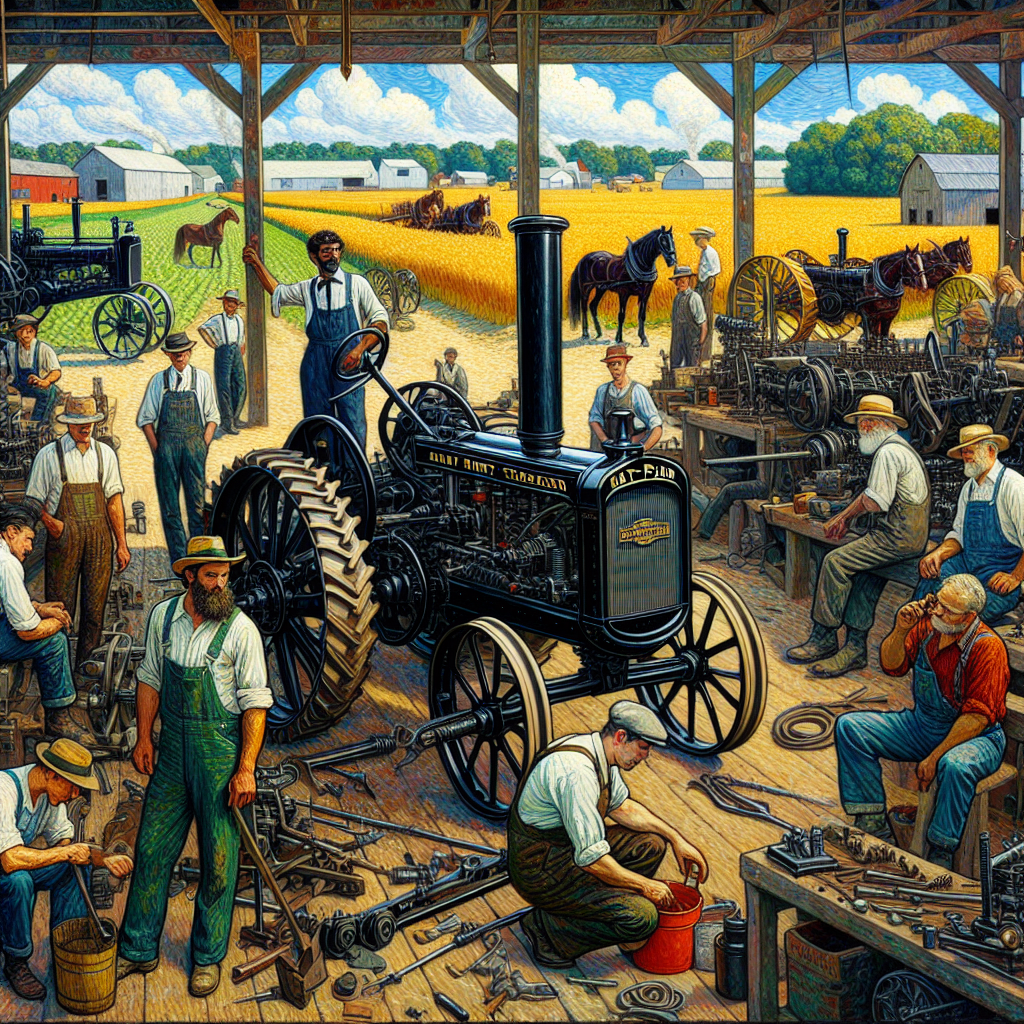
Restoring a classic tractor is more than just a hobby; it’s a journey that bridges the past and present, forging connections that span generations. Picture an old tractor, rusted but resilient, standing as a testament to hard work and simpler times. The joy of bringing this mechanical giant back to life isn’t solely about the bolts and gears; it’s deeply rooted in the stories it holds and the memories it can revive.
Every scratch on that chassis tells a tale—a grandfather plowing fields at dawn, a child learning the ropes of hard work during summer breaks. Restoring such a tractor is a way to honor those who came before us, a chance to breathe new life into a piece of history. Each twist of a wrench becomes a symbolic act of respect, keeping family legacies alive while putting you in the driver’s seat of your own narrative.
Turning the key to that classic engine isn’t just about the mechanical thrill; it’s an emotional ignition. The instant the engine roars back to life, it’s as if the past is speaking back to you, echoing laughter and hard-earned lessons. This is the gratification that comes from commitment—a tangible reward for labor that resonates at an emotional level. It’s a visceral experience, tapping into our innate desire to create, to build, and to restore.
Equally vital are the rational aspects: restoring a classic tractor is a wise investment. These machines often appreciate in value, becoming coveted pieces for collectors and enthusiasts alike. The restoration process teaches valuable skills—mechanical know-how, patience, and problem-solving. This dedication is a badge of honor, signaling to friends and family that you’re not just playing with machines; you’re part of a rich tapestry of tradition and craftsmanship.
The ethical dimension cannot be ignored either. In an age of disposability, choosing to restore an older tractor rather than purchasing a new one aligns with sustainable practices. It’s about stewardship—preserving our resources and honoring craftsmanship that has stood the test of time.
Sharing your journey with fellow enthusiasts fosters a profound sense of community. Whether exchanging tips, attending shows, or simply enjoying stories over a cold drink after a long day of labor, you’ll find camaraderie in the shared love of restoration. That connection is the heartbeat of this endeavor, turning mechanical work into something much more meaningful. So, as you embark on your restoration project, remember: it’s not just about the tractor; it’s about reinvigorating passion, history, and human connection.
Can You Feel the Joy Of Restoring Your Classic Tractor?
Can You Feel the Joy Of Restoring Your Classic Tractor?
- Restoring a classic tractor connects the past and present, fostering generational ties.
- Each scratch on the tractor tells a story, honoring the legacy of previous owners.
- The emotional experience of reviving the engine symbolizes respect for history and hard work.
- Restoration is a wise investment, with classic tractors appreciating in value over time.
- The process teaches valuable skills like mechanical know-how, patience, and problem-solving.
- Choosing to restore rather than replace aligns with sustainable practices and resource stewardship.
- Engaging with fellow enthusiasts creates a sense of community, enriching the restoration adventure.
Can You Feel the Joy Of Restoring Your Classic Tractor?
What Are the Legal Implications Of Diy Repairs on Vintage Machines?
What Are the Legal Implications of DIY Repairs on Vintage Machines?
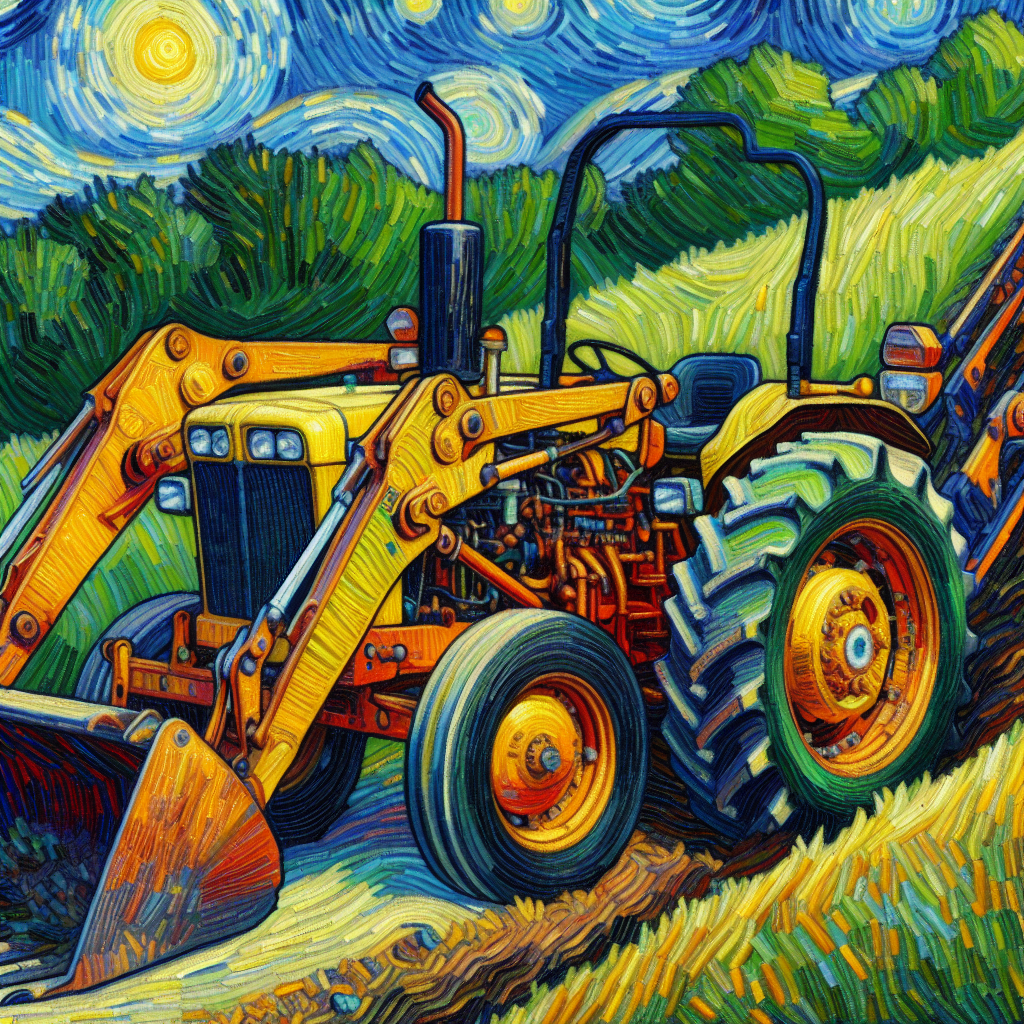
When you roll up your sleeves and dive into a DIY project on a vintage machine, like a well-worn tractor, you’re not just tinkering; you’re carrying a legacy. The emotional connection to these machines often transcends mere functionality. They represent memories, hard work, and the pride of ownership, yet they come with a complex tapestry of legal implications.
Legally, the first question that arises is about ownership and liability. Think about it: you’ve restored Grandpa’s tractor, and it’s a beautiful piece of history. But let’s say you’ve replaced a part incorrectly. If that tractor causes damage to someone else’s property, the law may not differentiate between a pro doing the work and you, the weekend warrior. The legal implications can hit hard, like the dull thud of a tractor’s heavy wheel hitting the ground after a missed step in your repair.
Moreover, there are legal frameworks surrounding vintage machinery that often depend on the machine’s age and historical value. Some jurisdictions offer leniency for repairs on vintage machines, acknowledging their cultural significance. However, if you modify that tractor too much, you risk losing that status, which can have both legal repercussions and impact its value. A law that protects the integrity of historic vehicles may as easily bring forth ghosts of fines and penalties if you step outside the lines.
This dance between preservation and personal touch is not just a legal matter; it’s an ethical one. The heart of vintage maintenance lies in the desire to keep the past alive. That feeling of accomplishment when you fix that old ignition system isn’t just about saving a buck; it’s about carrying forth the traditions and stories attached to that machine. Each crack and repair tells a story, and we should respect the story that machine has to tell without endangering ourselves or others legally.
Let’s not forget community and connections; share your journey. The passion for restoring vintage machines can form bonds with fellow enthusiasts. Social movements often begin in garages or workshops, where expertise and experiences are shared. When you’re part of that community, you can navigate the murky waters of legality better, learning from others’ mistakes and successes, forging your path with pride.
Restoring a vintage tractor is about more than just nuts and bolts; it’s about honor, care, and the legacy we leave behind. Each repair isn’t just a fix; it’s a commitment to preserving our stories for future generations, ensuring that those who come after us can still feel the romance of a time gone by. So, repair wisely, cherish the stories, and remember that each action holds weight far beyond the tools in your hands.
What Are the Legal Implications Of Diy Repairs on Vintage Machines?
What Are the Legal Implications Of Diy Repairs on Vintage Machines?
- DIY repairs on vintage machines involve emotional connections and carry legal implications.
- Ownership and liability issues arise if repairs lead to property damage, treating amateur and professional work similarly.
- Legal frameworks for vintage machinery vary by age and historical value, impacting repair leniency.
- Excessive modifications can jeopardize a machine’s historical status and value, leading to potential fines.
- Vintage maintenance combines legal and ethical considerations, emphasizing preservation and tradition.
- Engaging with a community of enthusiasts can aid in navigating legal complexities and sharing experiences.
- Restoring vintage machines is a commitment to heritage, ensuring future generations appreciate their history.
What Are the Legal Implications Of Diy Repairs on Vintage Machines?
Is It Ethically Right to Modify Classic Tractors Without Permission?
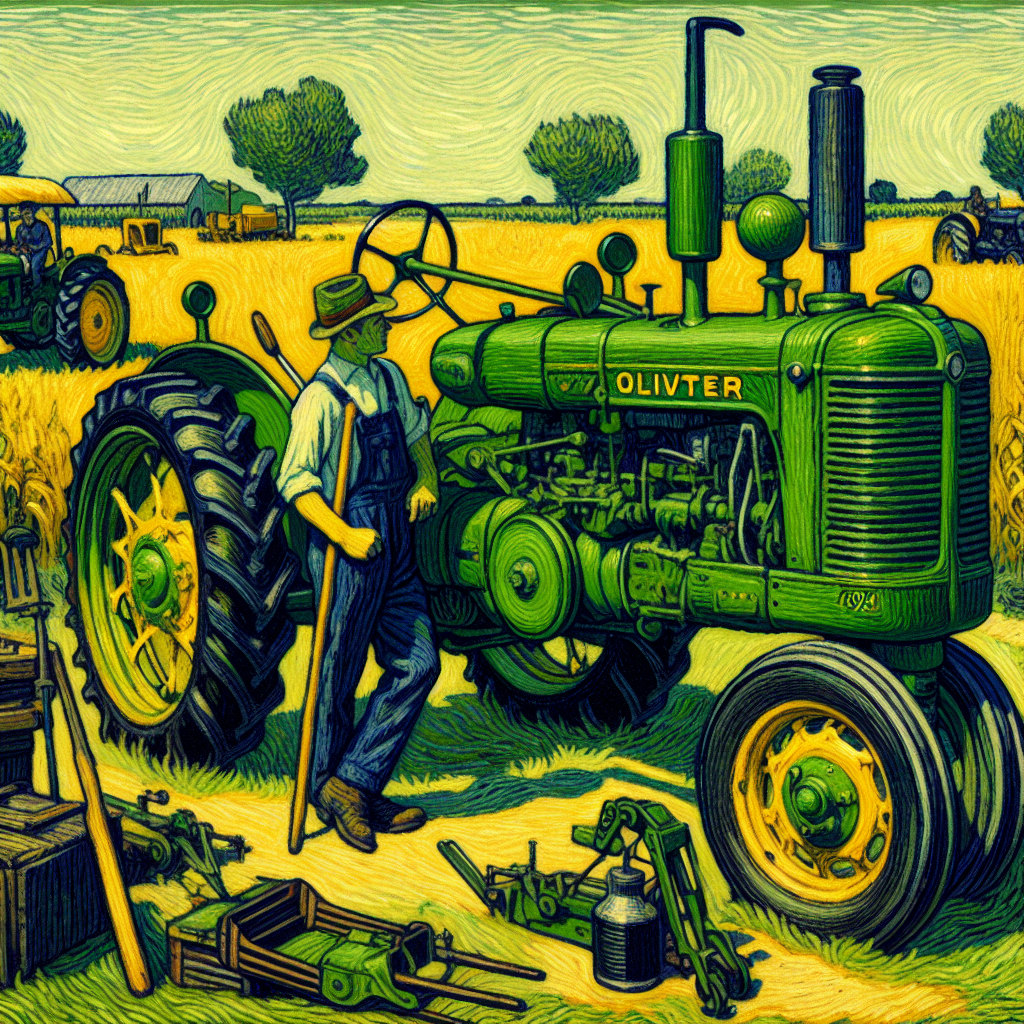
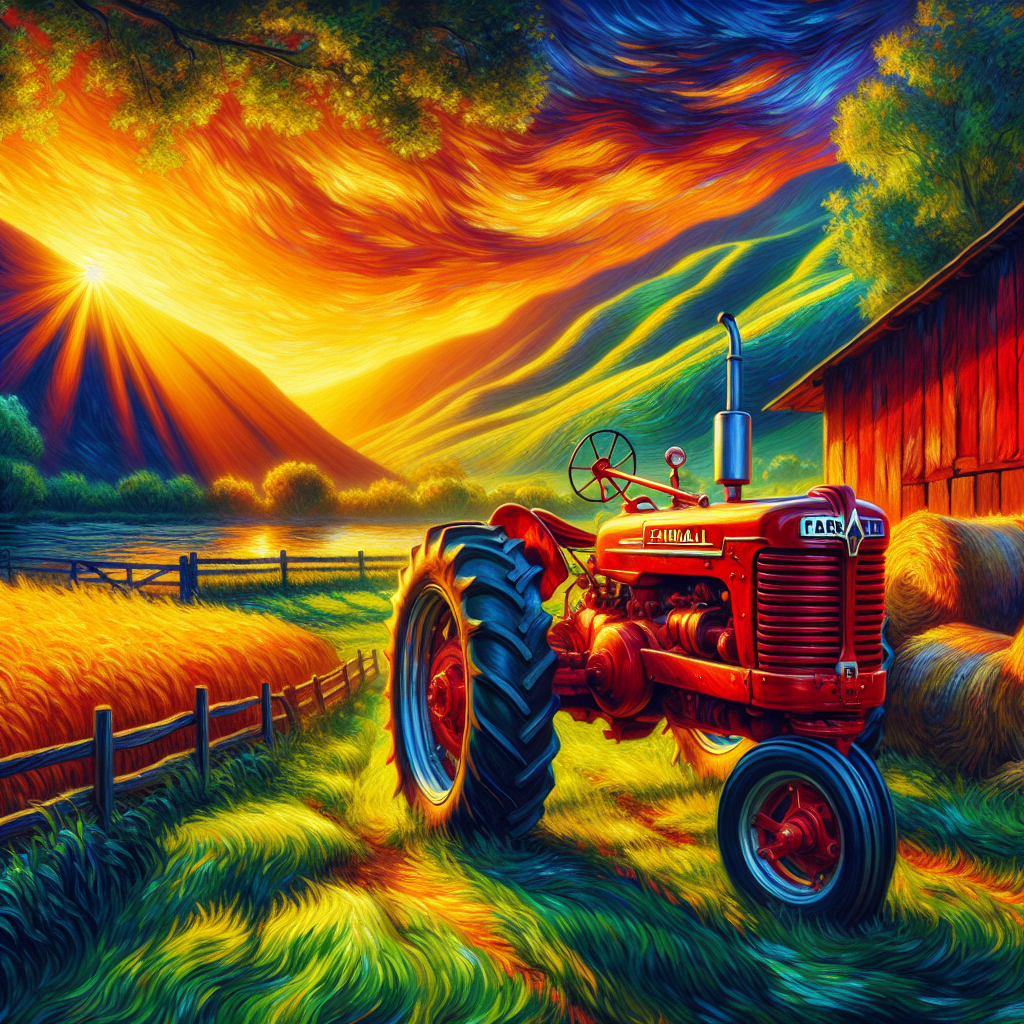
In the world of classic tractors, the debate over modifying these beloved machines often stirs strong emotions. For many, a tractor is more than just a piece of equipment; it’s a symbol of hard work, tradition, and family legacy. Picture an elderly farmer, hands weathered from decades of toil, gazing at the rusted frame of his father’s old tractor, a relic that has seen countless harvests. To him, that tractor isn’t merely steel and metal; it’s a connection to his roots, a storyteller with tales of sunny fields and stormy nights.
Yet, when it comes to modifications, where do we draw the line? Ethically, we grapple with the question: Is it right to reshape history for personal gain, or should we honor the original design? At first glance, the argument against modification seems compelling. It speaks to preserving the integrity of a classic, honoring the craftsmanship that went into its creation. However, let’s flip the script. Imagine the tractor has become a gallery of memories. Modifying it does not erase history; it can breathe new life into it.
We live in an era where adaptability and innovation are often celebrated. Classic tractors can be transformed into showcases of engineering artistry, melding the old with the new while fostering sustainable practices. By enhancing performance or integrating modern technology, we honor the spirit of progress that these machines represent. This alteration can serve a greater good, making them more useful in today’s world, while still preserving their historical significance. For a farmer facing climate challenges, a modified tractor could mean the difference between success and failure.
Socially, there’s an invitation here. Communities can rally around these transformed tractors, sharing stories and experiences, fostering a sense of belonging and pride. Enthusiasts share their journeys, creating not just machines, but networks of support. It’s a celebration of ingenuity, a nod to history that invites collaboration rather than isolation.
Ultimately, the act of modifying classic tractors isn’t just about personal preference; it’s about engagement, innovation, and respect. It’s a dance between nostalgia and progress, a testament to our ability to honor the past while forging ahead. When we bring our personal stories into the conversation, we cultivate a deeper understanding that transcends mere machinery. It’s not just a tractor; it’s a collective legacy that’s ever-evolving.
Is It Ethically Right to Modify Classic Tractors Without Permission?
Is It Ethically Right to Modify Classic Tractors Without Permission?
- The debate over modifying classic tractors evokes strong emotions tied to tradition and legacy.
- For many, tractors symbolize hard work and a connection to family heritage.
- Ethical considerations arise regarding whether to preserve the original design or embrace modifications.
- Modifications can rejuvenate a tractor’s history without erasing its significance.
- Adapting classic tractors fosters innovation while honoring craftsmanship and sustainability.
- Communities can unite around modified tractors, sharing stories and forming supportive networks.
- Modifying tractors represents engagement and respect, blending nostalgia with progress for a collective legacy.
Is It Ethically Right to Modify Classic Tractors Without Permission?
What Expert Advice Can Guide Your Tractor Repair Journey?
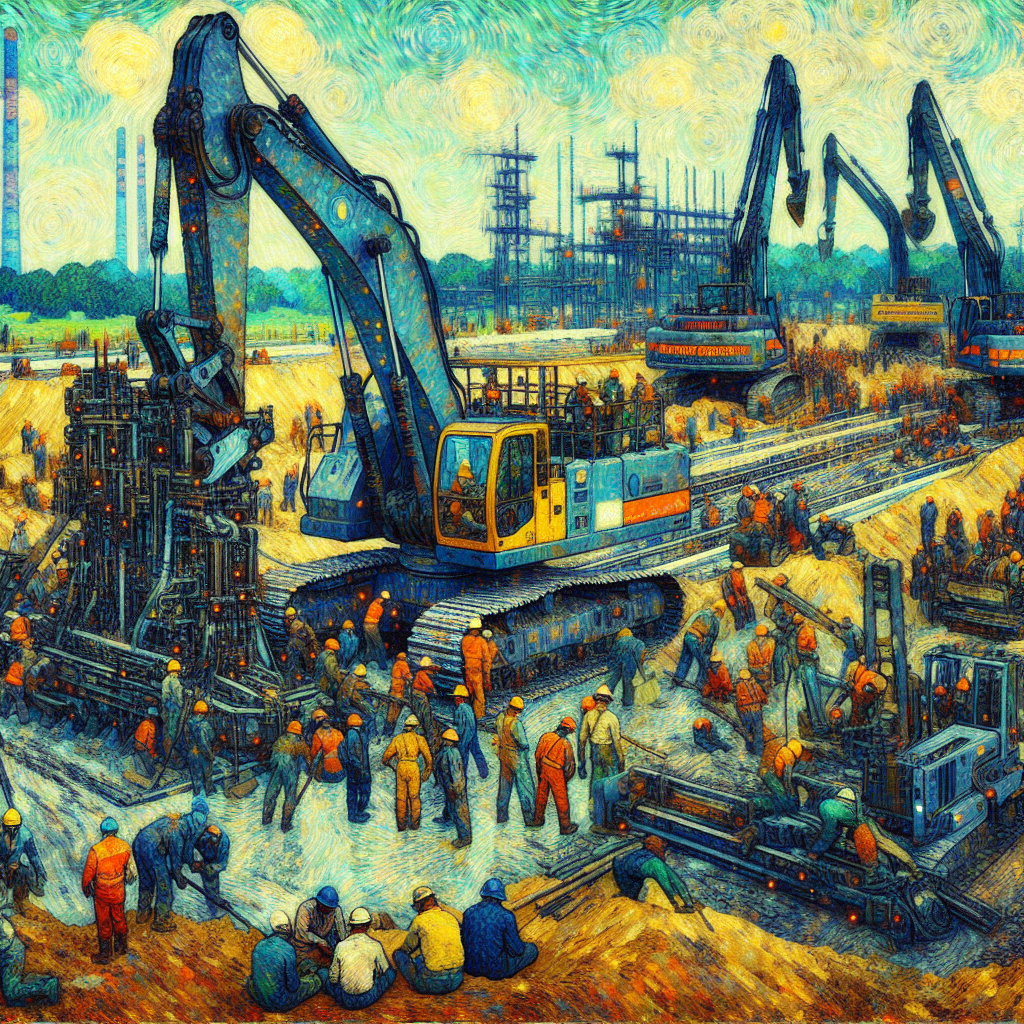
When it comes to tractor repair, the first thing you’ll hear is that it’s not just about fixing machines; it’s about preserving the lifeblood of your work and your land. Picture this: you’re at dawn’s break, the mist still hovering over the fields, and your trusty tractor is the pulse of your farming operation. Every farmer knows that bond. Expert advice in this journey doesn’t just come from manuals or repair shops; it emerges from the grit, sweat, and hard-won knowledge of those who have walked the same path—often with a wrench in one hand and a cup of coffee in the other.
Consider it a rite of passage. Just like learning to ride a bicycle, your first tractor repair can feel daunting. You might fumble with the tools, dealing with stubborn bolts that refuse to budge. But therein lies the magic. There’s a camaraderie among tractor owners, a shared understanding of that moment when everything clicks into place, and you find that you’re not just fixing a machine—you’re connecting to a legacy. The grit of agriculture runs deep, and understanding how your tractor works is key to harnessing that spirit.
Seek out stories from the sages in your community. An old-timer might regale you with tales of when he replaced the engine on a whim, using only a borrowed tool and a mountain of trial and error. Those narratives resonate, tapping into your own fears and aspirations. Each tale carries lessons, not just about techniques but about trust—trust in yourself, the advice of others, and the machinery you rely on.
Expert advice isn’t merely technical; it’s an ethical commitment to maintaining what sustains us. When your tractor is down, the fields don’t care about your plans or deadlines. Valuing expert insights allows you to approach repair with a sense of responsibility, as you prioritize not only your work but the environment and community that depend on it.
Remember, while there may be a manual on every model of tractor, the best guidance often comes from those who have failed and persevered. They’ll help you tap into your own intuition. Your repairs become a testament to your dedication, passion, and willingness to learn. Strive for that connection, and let each fix echo the rhythm of the land. Repair isn’t just a task; it’s a tribute to the very essence of farming. It’s about embracing every challenge with heart, head, and gut, ensuring that you and your trusty tractor can work harmoniously for years to come.

What Expert Advice Can Guide Your Tractor Repair Journey?
What Expert Advice Can Guide Your Tractor Repair Journey?
- Tractor repair is about preserving the essence of farming and the connection to the land.
- Expert advice comes from personal experiences and community wisdom rather than just manuals.
- First-time repairs can be daunting but foster a sense of camaraderie among tractor owners.
- Sharing stories and experiences reinforces trust and understanding in the repair process.
- Expertise encompasses an ethical commitment to sustainability and the community’s reliance on farming.
- Learning from failures and perseverance enhances intuition and repair skills.
- Repairs are not just tasks but tributes to dedication, ensuring harmony between farmers and their tractors.
What Expert Advice Can Guide Your Tractor Repair Journey?
How Does Fixing a Classic Tractor Connect Us to Our Heritage?
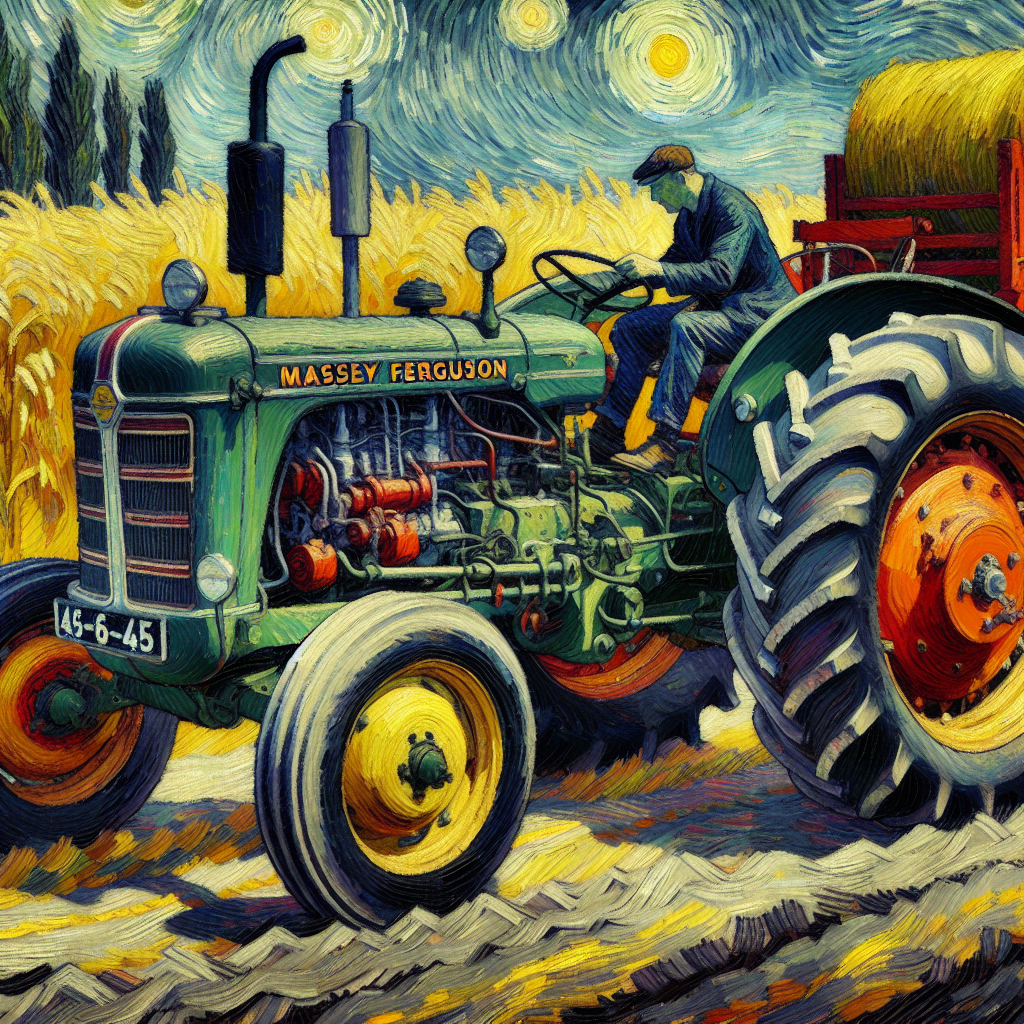
Fixing a classic tractor is more than just a mechanical endeavor; it’s a journey into our shared past, symbolizing the sweat, grit, and craftsmanship that built our communities. Each rusted fender or worn-out tire tells a story, a testament to the hands that operated them and the fields they toiled. When we roll up our sleeves and dive into the grueling task of restoring these machines, we aren’t just repairing metal—we’re reconnecting with our heritage.
Think of the childhood memories spent in the fields, riding alongside a parent or grandparent, the comforting rumble of a tractor’s engine echoing through the air. Those moments form a tapestry of our upbringing, weaving together lessons in perseverance and hard work. As we navigate the intricacies of fixing machinery, we pay homage to those who came before us, learning from their challenges and triumphs. It’s about more than just the tractor; it’s about the people, their stories, and the relentless spirit of agrarian life.
Rationally speaking, restoring a classic tractor makes sense. These machines once represented the backbone of agriculture, efficiency, and innovation. Their legacy lies in our ability to maintain, adapt, and repurpose them, reminding us of the value of sustainability. In today’s world, where we often chase the latest technology, taking a step back to honor the old ways encourages us to appreciate craftsmanship and the wisdom it brings. It reinforces the importance of hands-on experience in an increasingly digital age.
Ethically, there is a profound sense of responsibility in preserving these tractors. By ensuring they live on, we protect a narrative that deserves to be shared, ensuring future generations comprehend the labor that feeds them. The tractor becomes a vessel of teaching, a bridge between history and the present, fostering an appreciation for the land and the labor that sustains it.
In restoring a classic tractor, we also cultivate community. Sharing knowledge with fellow enthusiasts creates bonds that transcend generations, igniting a passion that can foster conversation, collaboration, and camaraderie. Each repair becomes a rallying point for connection, forging a collective identity rooted in a deep appreciation for heritage.
Ultimately, fixing a classic tractor invites us to reflect on what it means to be part of something larger than ourselves. It’s a journey of rediscovery—one that empowers us to embrace our past while driving confidently into the future. Whether it’s the thrill of restoring a beloved machine or the quietude found under the open sky, these moments remind us of our place in the rich tapestry of history, urging us to carry that legacy forward.
How Does Fixing a Classic Tractor Connect Us to Our Heritage?
How Does Fixing a Classic Tractor Connect Us to Our Heritage?
- Restoring classic tractors signifies a journey into shared heritage, symbolizing craftsmanship and community building.
- Each damaged part represents stories of labor and history, reconnecting individuals with their past.
- Childhood memories associated with tractors embody lessons in perseverance and work ethic.
- Classic tractors reflect agricultural efficiency and sustainable practices, emphasizing the value of maintaining old technologies.
- Preserving these machines ensures future generations understand the labor behind the food they consume.
- Restoration fosters community and connections among enthusiasts, creating shared experiences and collective identity.
- Engaging in this work invites reflection on personal history and the importance of carrying legacies forward.
How Does Fixing a Classic Tractor Connect Us to Our Heritage?
How Do Local Laws Impact the Classic Tractor Repair Process?
In the world of classic tractor repair, local laws serve as the unseen framework, shaping how we engage with these cherished machines. Picture a small-town mechanic, grease-stained hands deftly maneuvering over an antique tractor—an emblem of hard work and resilience. This isn’t just about fixing machinery; it’s about preserving a way of life that resonates deeply with communities. When local laws regulate repairs, they can breathe life into this narrative or stifle it.
Take a moment to reflect on the emotional weight of a classic tractor. It’s not merely a piece of equipment—it’s a vessel of memories, a bridge to our agricultural past. Imagine a farmer, proudly recounting tales of plowing fields with their father, the unmistakable hum of the engine wrapping around them like a warm embrace. Local regulations can impact how easily that farmer can keep their family’s legacy alive. Some laws may require specific certifications for repair shops, safeguarding the quality of service but also placing a barrier on the everyday enthusiast. On one hand, this ensures that repairs are performed by knowledgeable hands; on the other, it risks alienating the very community that thrives on this history.
Rationally, the laws put in place reflect a balance between safety and tradition. Regulations governing the use of parts, emissions standards, and repair practices often stem from a good place—ensuring the safety of those who operate these machines. However, the challenge emerges when this balance tips towards overregulation. What happens when the joy of working on a beloved tractor is overshadowed by paperwork and compliance? A mechanic who once had the freedom to improvise might find themselves stifled, losing touch with the very essence of what makes classic repair an art.
Ethically, there’s a responsibility to maintain our tangible history while navigating legal requirements. Communities must advocate for laws that protect their heritage, engaging with local governments to express the importance of classic tractors as cultural icons. It’s about cultivating a space where the past can coexist with modernity—where passion is not buried under bureaucracy.
The classic tractor repair process is more than a functional task; it’s a narrative woven into the fabric of our communities. Every repair tells a story, every engine reawakened stirs a shared history. By understanding how local laws impact this process, we empower ourselves to preserve these legacies, ensuring that future generations can also experience the magic of these iconic machines. So let’s not just repair these tractors—let’s advocate for the laws that make it possible.
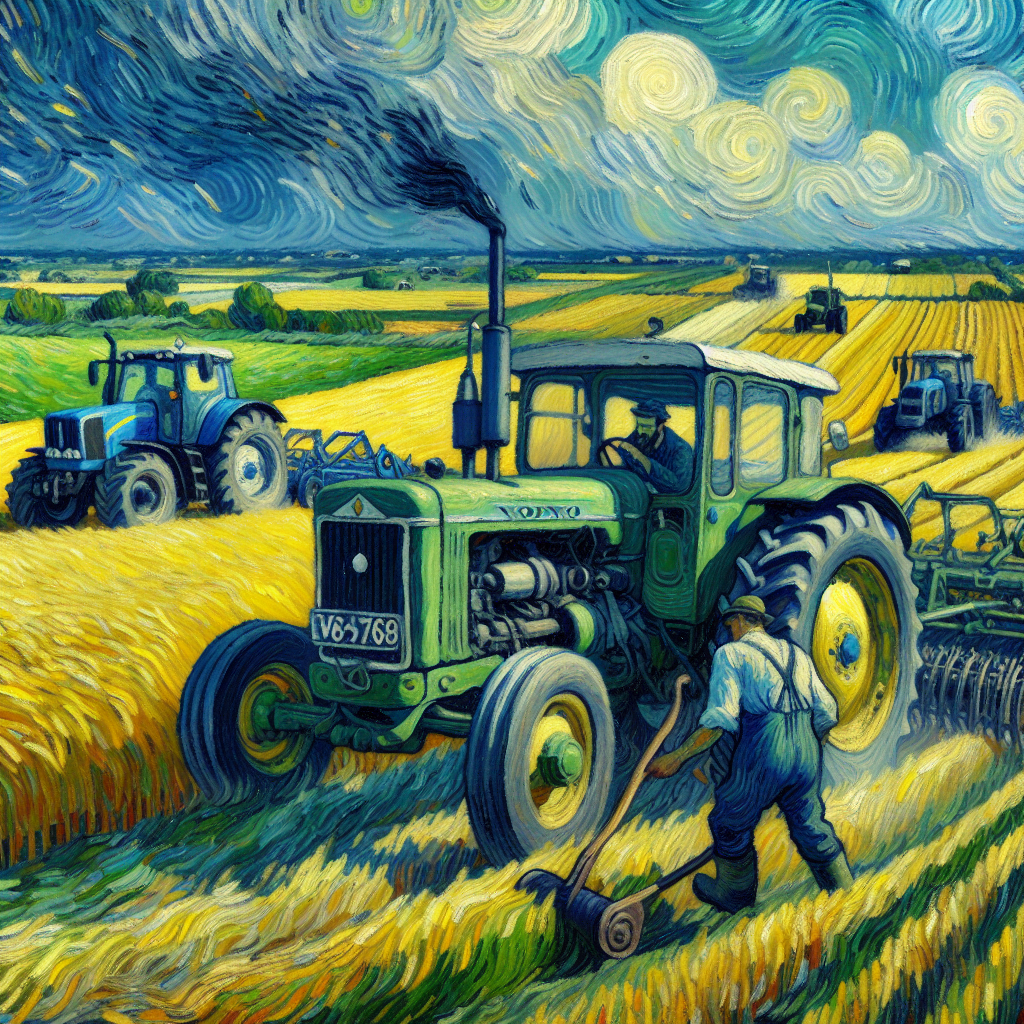
How Do Local Laws Impact the Classic Tractor Repair Process?
How Do Local Laws Impact the Classic Tractor Repair Process?
- Local laws shape engagement with classic tractors, impacting repair practices.
- Classic tractors symbolize hard work and community resilience, preserving agricultural heritage.
- Emotional connections to tractors foster storytelling, linking past and present experiences.
- Regulations can protect service quality but may also hinder enthusiast engagement with DIY repairs.
- Balance between safety and tradition is essential; overregulation can stifle creativity in repairs.
- Communities must advocate for laws that honor their heritage and protect classic tractors as cultural icons.
- Repairing tractors is a narrative process, essential for preserving community legacies for future generations.
How Do Local Laws Impact the Classic Tractor Repair Process?
Conclusion
Restoring a classic tractor is an experience that goes far beyond mechanical repairs; it’s an emotional journey intertwined with our heritage, community, and values. These machines symbolize hard work, family legacies, and the sweat that has built our agricultural landscape. When you roll up your sleeves to fix an old tractor, you’re not just fixing steel; you’re reconnecting with the stories and memories of those who came before you—reliving the moments of toil and triumph that have shaped our lives.
The new regulations around vintage tractor repairs can feel like a double-edged sword. On one side, they protect the integrity of these machines and the environment. On the other, they can create barriers to owners eager to dive into DIY repairs. Yet, within this legal framework lies an opportunity for owners to engage deeply with both the mechanics of their beloved machines and the community that surrounds them. Embracing the challenges of restoration means not only reviving a piece of history but also building connections with fellow enthusiasts who share the same passion.
Navigating these laws may seem daunting, but they offer a chance to advocate for preserving our agricultural heritage. Each repair project becomes a testament to our commitment to sustainability, ensuring that these tractors—symbols of our past—aren’t lost to time. The act of reworking parts or sourcing replacements for long-discontinued components becomes an emotional investment that enriches our understanding of craftsmanship and the importance of legacy.
The heart of tractor restoration lies not merely in the nuts and bolts, but in the memories and relationships they evoke. Picture farmers gathering in garages or backyards, sharing tips and laughter over cold drinks, each story contributing to a larger narrative of community. These machines forge bonds that transcend generations—a living history honored through our hands.
The ethics of restoring these tractors also pertain to our responsibility to pass on our culture and values. In a world that leans towards disposability, choosing to repair rather than replace speaks volumes about our respect for craftsmanship and our environment. Every restored engine that roars back to life transports us back to a simpler time, reminding us of the agricultural roots that nourish our society.
So, as you embark on your restoration journey, embrace the challenge wholeheartedly. Repair with intention, honor your history, and engage with your community. The rewards lie not only in a functioning tractor but in the legacy you continue to build, ensuring that the spirit of agriculture and craftsmanship lives on for future generations. It’s a declaration that these machines—and the stories they carry—still matter.

Conclusion
Conclusion:
- Restoring a classic tractor is an emotional journey connected to heritage, community, and values.
- These tractors symbolize hard work, family legacies, and agricultural history.
- New regulations on vintage tractor repairs can protect machines but also create barriers for DIY enthusiasts.
- Engaging with restoration offers a chance to build community connections and share passions.
- Navigating restoration laws allows for advocacy in preserving agricultural heritage and sustainability.
- Tractor restoration fosters memories and relationships within the community, contributing to shared history.
- Embracing repair over replacement reflects respect for craftsmanship and cultural values, ensuring legacy continues.
Conclusion
Other Resources
Other Resources
Here is a list of other resources you can review online to learn more:
- Belarus
- Georgia National Antique Agriculture Show
- Ohio Crawford County Antique Farm Equipment Museum
- McCormick
- Keck-Gonnerman
- Unimog
- International Harvestor
- Siromer
- Bristol
- Toro
- Chery
- Simplicity
- Best
- Minot
- Greenville Farm Power
- Agriculture and the Environment
- Ferguson
- Louisville Tractor Pull
- Brockway
- Agri-Power
Use This Prompt To Get More Resources With Your Favorite Online AI Tool: Please provide me with a list of online articles with their URLs in a bulleted list that I can read regarding Can You Legally Fix Your Classic Tractor? the Latest Rules
Other Resources
Glossary Terms
Can You Legally Fix Your Classic Tractor? the Latest Rules – Glossary Of Terms
1. Classic tractor — An older agricultural tractor valued for historic or collectible status; precise age or criteria vary by jurisdiction and registry.
2. Restoration — The process of repairing and refurbishing a tractor to return it to original or serviceable condition, covering mechanical, electrical, bodywork and cosmetic work.
3. Right-to-repair — Legal and policy movement seeking owners’ and independent repairers’ access to parts, tools, diagnostics, repair manuals and software necessary to fix equipment.
4. OEM parts — Components produced by the original equipment manufacturer intended to match factory specifications.
5. Aftermarket parts — Replacement or performance parts made by third parties rather than the original manufacturer.
6. Intellectual property (IP) — Legal rights (copyright, patent, trademark, trade secret) that can affect access to manuals, schematics, software and part designs.
7. Copyright — IP protection for original works (including repair manuals and embedded software) that governs copying and distribution.
8. Patent — Legal protection for inventions or novel mechanical designs; patents can restrict manufacture or copying of certain parts while in force.
9. Trademark — Protection for brand names, logos and marks that can affect branding and sale of replacement parts.
10. Software licensing — Contractual terms that govern use, modification and redistribution of embedded software and diagnostic programs.
11. Anti-circumvention law (e. g. , DMCA §1201) — Rules that prohibit bypassing technological protections on software or manuals; some jurisdictions grant repair exemptions under specific conditions.
12. Right-to-repair legislation — Statutes or regulations (state, national or regional) that require makers to provide access to parts, tools and repair information.
13. Emissions regulations — Rules controlling engine emissions; modifications or part changes that increase emissions can be prohibited or regulated.
14. EPA (U. S. Environmental Protection Agency) — U. S. federal agency that enforces emissions and anti-tampering rules for engines and vehicles.
15. CARB (California Air Resources Board) — California agency with separate, often stricter, emissions and anti-tampering standards that can affect tractors used or registered in California.
16. Non-road/off-road engine rules — Regulatory category for agricultural, construction and other non-highway engines with different emissions and compliance requirements than on-road vehicles.
17. Historic/hobbyist exemptions — Legal provisions that exempt certain older or historic vehicles from emissions testing, modification limits, registration fees or inspections, where available.
18. Title branding — Registry notation (e. g. , salvage, rebuilt, historic) on a vehicle title that can affect registration, resale and legal obligations after repair.
19. Salvage/rebuilt title — A designation indicating a vehicle was declared a total loss and later repaired; often triggers mandatory inspections and disclosure requirements.
20. VIN (Vehicle Identification Number) — Unique identifier used for registration, parts matching, theft recovery and legal recordkeeping.
21. Odometer and tampering laws — Statutes prohibiting falsification of odometer readings or tampering with mileage/usage records; relevant in restorations affecting documented use.
22. Anti-tampering provisions — Laws forbidding removal or modification of emissions controls, safety devices or other regulated components.
23. Roadworthiness and safety equipment standards — Requirements (lights, brakes, reflectors, slow-moving vehicle emblems, roll-over protection) needed for lawful public-road operation.
24. Road-use restrictions — Local or regional rules limiting when and how tractors may be operated on public roads (speed limits, permits, escorts, time-of-day restrictions).
25. Inspection and certification requirements — Mandatory post-repair inspections or certifications imposed by DMV, inspectors or designated agencies before re-registration or legal operation.
26. Warranty and service contract effects — How owner or shop-performed repairs, aftermarket parts or modifications can void supplier warranties or service agreements.
27. Product liability — Legal responsibility for defects in parts or workmanship; modification history can affect claims and who bears responsibility after a repair.
28. Negligence and liability exposure — Legal risk from improperly performed repairs that cause injury, property damage or loss; may affect civil liability and insurance coverage.
29. Diagnostic tools, ECUs and access controls — Modern tractors often use electronic control units and proprietary diagnostic interfaces; access restrictions and encrypted firmware can limit repair options.
30. Parts provenance and counterfeit parts — Importance of legitimate source documentation; counterfeit or uncertified parts can create safety, emissions and legal problems.
Glossary Of Terms
Other Questions
Can You Legally Fix Your Classic Tractor? the Latest Rules – Other Questions
If you wish to explore and discover more, consider looking for answers to these questions:
- What specific laws govern DIY repairs on classic tractors in my state or country?
- Are there exemptions for vintage or historic tractors regarding emissions and safety rules?
- Can I legally drive a repaired or modified classic tractor on public roads?
- How do modifications affect a tractor’s historic or collectible status?
- What liability do I face if a DIY repair causes injury or property damage?
- Do I need special certification or licensing to perform certain repairs or to operate a restored tractor commercially?
- Are replacement parts for discontinued models regulated or restricted?
- Where can I legally source original or reproduction parts for a classic tractor?
- Does installing modern components (engine, electronics, brakes) trigger new compliance requirements?
- How do emissions and environmental regulations apply to retrofitted engines or fuel systems?
- Are there legal limits on altering identification numbers, VINs, or serial plates?
- What paperwork is required to document restorations, provenance, or ownership transfers?
- How do local zoning and noise ordinances affect running or repairing tractors on private property?
- Do museums, shows, or parades require safety inspections or special permits for vintage tractors?
- How will substantial modifications impact the resale value and insurability of a classic tractor?
- What insurance coverage is recommended or required for restored or modified tractors?
- Are there tax benefits, grants, or incentives for restoring historic agricultural equipment?
- What are the legal obligations for disposing of hazardous materials (oil, coolant, batteries, asbestos) during restoration?
- Can I legally sell parts salvaged from a classic tractor, and are there reporting requirements?
- How do manufacturers’ copyrights or trademarks apply to restoring or reproducing branded parts or insignia?
- What inspections or certifications are commonly required after major repairs or engine swaps?
- How do farm-use exemptions differ from general vehicle regulations for classic tractors?
- Are there limits on converting a tractor to run on alternative fuels or electricity under current law?
- What penalties or fines apply for noncompliance with repair, modification, or registration rules?
- How do cross-border or interstate transport rules affect moving a restored tractor to shows or sales?
- Where can I find trustworthy expert advice, legal counsel, or qualified restoration shops?
- What documentation should I keep to prove authenticity and legal compliance after restoration?
- Are roll-over protection, seat belts, or other modern safety retrofits legally required for certain uses?
- How do salvage titles, branded titles, or unclear provenance affect the legality of restoring or selling a tractor?
- What community resources, clubs, or registries exist to help navigate legal and technical issues?
- How can I estimate realistic costs, timeframes, and legal hurdles before starting a restoration project?
- Does performing repairs for others (for a fee) change legal or tax obligations compared with repairing your own tractor?
- What records of maintenance and repairs strengthen legal protection and future valuation?
- How do local agricultural extension services or heritage organizations influence legal access to parts and information?

Other Questions
Haiku
Can You Legally Fix Your Classic Tractor? the Latest Rules – A Haiku
Old iron, rusted tales,
Repair binds past, present, hope—
Legacy restored.
Haiku
Poem
Can You Legally Fix Your Classic Tractor? the Latest Rules – A Poem
In fields where memories sow,
Classic tractors stand, their stories grow.
Rusty parts, a legacy embraced,
In the dance of repair, history traced.
With courage, you wield your wrench with pride,
Navigating laws that twist and collide.
Each bolt turned whispers tales of yore,
A grandfathers hands, a childs eager roar.
What’s fixed is more than mere metal and paint,
It’s heart’s labor, a farmer’s quaint chant.
Reviving the past, with each turn of the gear,
A community forms, through laughter and cheer.
Ethics entwine in every repair,
Preserving the past with mindful care.
Reflect on the joy in this labor’s embrace,
Crafting tomorrow, while honoring space.
So roll up your sleeves, let your passion ignite,
Embrace the challenges, let your spirit take flight.
With each tractor restored, a flame it ignites,
A legacy cherished, to shine through the nights.
Poem
Checklist
Can You Legally Fix Your Classic Tractor? the Latest Rules – A Checklist
Emotional Appeals
✅______ Reflect on the memories tied to your classic tractor. How does restoring it connect you to your family’s legacy?
✅______ Consider the joy of working with your hands. What does the act of repairing mean to you personally?
✅______ Engage with local enthusiasts. How can sharing stories enhance your emotional connection to the tractor?
Rational Appeals
✅______ Research local legal requirements for repairs. Do you understand the regulations regarding vintage machinery in your area?
✅______ Assess the value of your tractor post-restoration. How does investment in repairs affect its market worth?
✅______ Identify parts that may be hard to find. Have you planned how to source unique components?
Ethical Appeals
✅______ Reflect on the sustainability of restoring versus replacing. How does your repair project align with eco-friendly practices?
✅______ Consider the historical significance of your tractor. Are you committed to preserving its legacy while making necessary modifications?
✅______ Engage in conversations about the importance of craftsmanship. How can you advocate for the preservation and appreciation of vintage tractors?
Authority Appeals
✅______ Seek expert advice from experienced restorers. Who can guide you through the complexities of repairing your tractor?
✅______ Follow industry standards for safety and restoration. Are you familiar with the best practices and resources available?
✅______ Attend workshops or seminars. How can you learn from professional repair methods and community experiences?
Narrative Appeals
✅______ Document your restoration journey. Are you capturing the stories and experiences along the way?
✅______ Create a personal narrative that connects your tractor’s history to your life. What story do you want to tell as you restore it?
✅______ Share your repair experiences in community forums. How can your narrative inspire others who share a passion for classic tractors?
Social Appeals
✅______ Join local clubs or online communities. How can connecting with other enthusiasts enrich your experience?
✅______ Organize meet-ups or repair days with fellow tractor owners. What social opportunities exist to share knowledge and skills?
✅______ Advocate for preserving vintage machinery within your community. How can you promote awareness and appreciation for classic tractors?
Checklist
At ClassicTractorNews, we help tractor lovers keep up with the latest news for classic and vintage tractors.
Please share this post with your friends, family, or business associates who may like old classic or vintage tractors.