

The Untold Risks Of Tractor Museums On Farming
By Tom Seest
At ClassicTractorNews, we help tractor lovers keep up with the latest news for classic and vintage tractors.
Please share this post with your friends, family, or business associates who may like old classic or vintage tractors.
Can Tractor Museums Spread Misinformation About Farming?
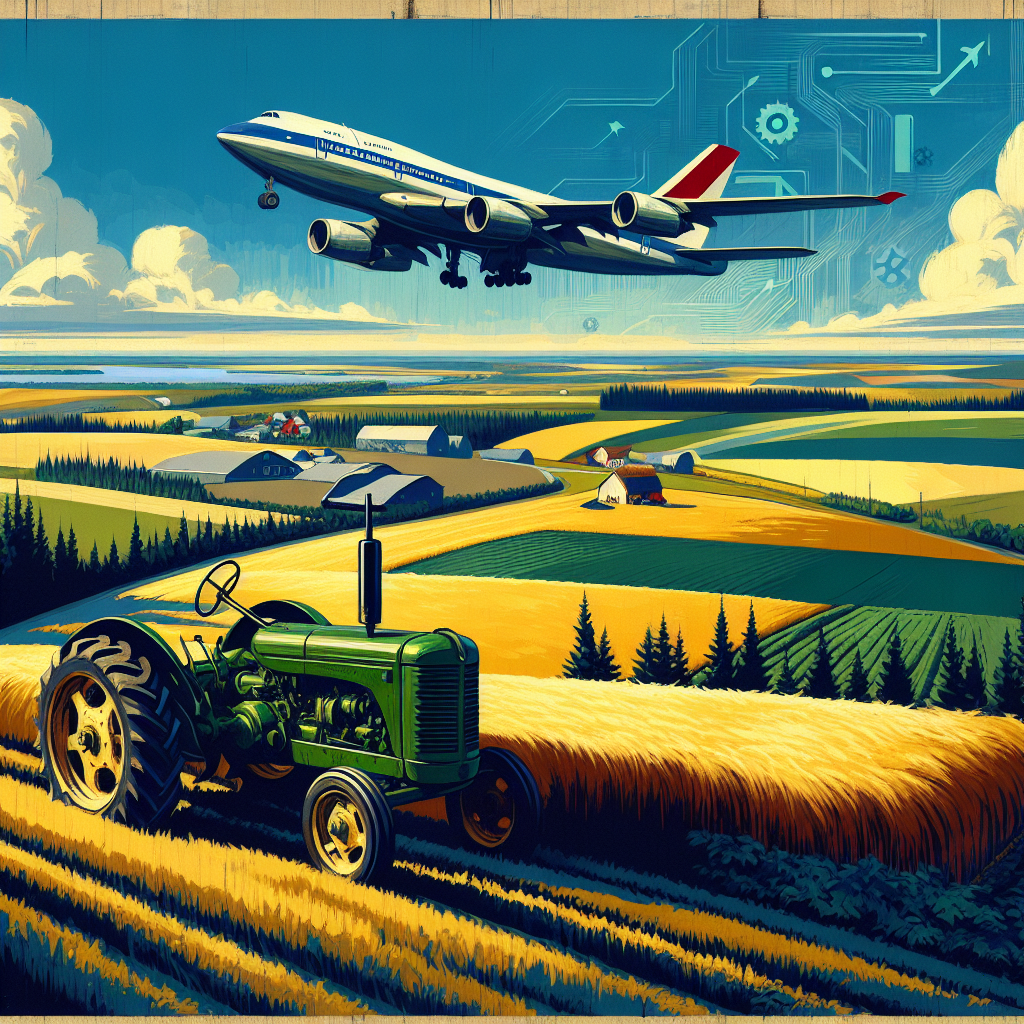
When you step into a tractor museum, you’re entering a world filled with nostalgia and the rich heritage of agriculture. But amidst the gleaming chrome and polished paint jobs, there lies a potential pitfall: misinformation. While these museums are a treasure trove of history, they can also unintentionally propagate myths about farming practices and the machines we rely on today.
Tractors, the backbone of modern agriculture, have undergone tremendous evolution since their iron-clad ancestors. Visitors often marvel at the intricate design and ingenuity of these machines, but nostalgia can sometimes cloud judgment. A high level of reverence for the past might create a romanticized view of farming, one that overlooks the realities faced by today’s farmers. When displays highlight obsolete practices alongside cutting-edge technology, they can confuse the casual observer about how contemporary farming really functions.
For example, a beautifully restored vintage tractor might be displayed next to a narrative about the “good old days” of farming, implying that the methods and ideologies of yesteryear hold the same relevance today. In doing so, these museums can inadvertently paint a picture that disregards advances in efficiency, sustainability, and the agricultural innovations that have emerged to meet modern challenges. The result? A distorted perception that minimizes the complexity of contemporary farming and the innovations that allow it to thrive.
Further complicating the issue is the tendency for passionate hobbyists and enthusiasts to share their personal anecdotes and beliefs, which may not always align with current agricultural practices. While these stories add character and depth to the visitor experience, they can also mix fact with opinion, leading to misconceptions about the role of tractors and technology in today’s farms.
So, what can be done to ensure tractor museums serve as accurate educational resources? First, museums could incorporate more contextual information that frames historical practices within the evolution of farming. This might include updated displays, seminars led by modern farmers, or interactive exhibits that juxtapose vintage equipment with current technology and techniques. By embracing a more holistic approach, tractor museums can not only preserve the rich history of agriculture but also provide clarity on how far we’ve come—and how vital it is to adapt to the future.
It’s essential that these museums become beacons of truth rather than mere relics of the past. After all, farming isn’t just about tractors; it’s about the relentless pursuit of progress.
Can Tractor Museums Spread Misinformation About Farming?
Can Tractor Museums Spread Misinformation About Farming?
- Tractor museums offer a nostalgic glimpse into agricultural heritage, but can also propagate misinformation.
- Modern tractors have evolved significantly from their iron-clad ancestors, but nostalgia can overshadow reality.
- Displays of obsolete farming practices alongside modern technology can confuse visitors about current agricultural methods.
- Romanticized views of the “good old days” may minimize advances in efficiency and sustainability in farming.
- Personal anecdotes from enthusiasts can mix fact with opinion, leading to misconceptions about today’s farming practices.
- Museums can enhance accuracy by incorporating updated displays and engaging modern farmers in educational efforts.
- Tractor museums should aim to blend historical preservation with clarity on agricultural progress and adaptation.
Can Tractor Museums Spread Misinformation About Farming?
Table Of Contents
- Can Tractor Museums Spread Misinformation About Farming?
- What Is The Role Of Tractor Museums In Agricultural Education?
- How Can Historical Accuracy Impact Farming Knowledge?
- Are There Common Misconceptions Presented In Tractor Museums?
- How Do Tractor Museums Curators Choose What Information To Display?
- What Steps Can Museums Take To Ensure Accurate Representations?
- How Do Visitors Perceive The Information Presented At These Museums?
- What Is The Significance Of Tractor History In Modern Agriculture?
- Conclusion
- Other Resources
- Glossary Of Terms
- Other Questions
- Haiku
- Poem
- Checklist
What Is The Role Of Tractor Museums In Agricultural Education?
Tractor museums serve as vital educational resources, bridging the gap between past and present in the agricultural world. In a time when technology is rapidly evolving, these museums stand as a testament to the ingenuity and hard work of farmers throughout history. They showcase a fascinating array of tractors—each one with its own story, serving as a tangible connection to the agricultural practices that have shaped our society.
Imagine walking through a museum where the mighty roar of early farm machinery echoes in your mind, and sunlight glints off the polished metal of classic tractors. These steel beasts represent more than just machines; they symbolize the change in agricultural practices over the decades. For students, farmers, and history buffs alike, tractor museums provide a hands-on look at the evolution of farming technology, complete with the opportunity to learn about the latest innovations and how they build upon foundational designs.
Educational programs in tractor museums allow visitors to dive deep into the principles of mechanics, engineering, and agronomy. Workshops often focus on the maintenance and operation of older tractors, allowing participants to engage with the machines on a personal level. These lessons go beyond the mechanics; they emphasize the importance of understanding the history of agricultural practices. It’s about recognizing the immense labor that built the backbone of communities across the country, often with little more than grit, perseverance, and a dependable tractor.
Moreover, tractor museums play a crucial role in preserving agricultural heritage, ensuring that younger generations appreciate the hard work that has gone into feeding a growing population. Interactive exhibits and demonstrations teach valuable skills—like how to turn a wrench and restore a vintage tractor—that may seem old-fashioned, yet are endlessly valuable. Through these experiences, visitors learn the value of stewardship, responsibility, and self-sufficiency, traits that are just as important in today’s world as they were in yesteryears.
In essence, tractor museums do more than just display machinery; they cultivate a sense of pride and respect for those who have come before us. They remind us that agriculture is not just a business, but a way of life that deserves preservation and understanding. Through education and engagement, these museums nurture a renewed appreciation for the land and the tools that help us cultivate it—one tractor at a time.
What Is The Role Of Tractor Museums In Agricultural Education?
What Is The Role Of Tractor Museums In Agricultural Education?
- Tractor museums serve as vital educational resources, linking agricultural history with modern practices.
- They showcase a variety of tractors, each with historical significance and connection to farming evolution.
- Visitors experience the progression of farming technology, learning about innovations that build on past designs.
- Educational programs provide in-depth insights into mechanics, engineering, and agronomy for participants.
- Workshops focus on the maintenance and operation of older tractors, enhancing hands-on engagement.
- Tractor museums preserve agricultural heritage, teaching younger generations the value of hard work and self-sufficiency.
- These museums cultivate pride and respect for agricultural practices, emphasizing the importance of preservation and understanding.
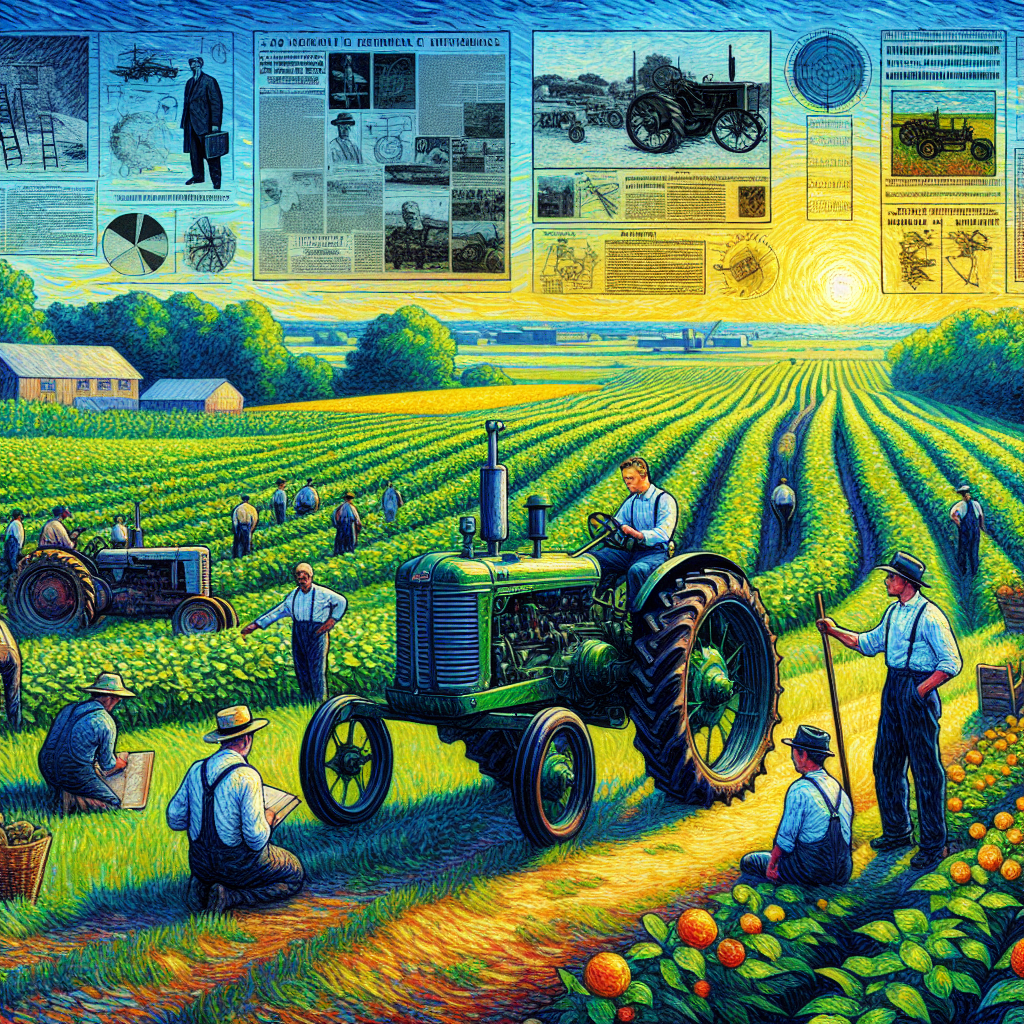
What Is The Role Of Tractor Museums In Agricultural Education?
How Can Historical Accuracy Impact Farming Knowledge?
Historical accuracy can be the unsung hero of farming knowledge, shaping the methods we adopt, the tools we use, and even the way we think about sustainability. Let’s peel back the layers of history and see how our connection to the past can influence our approach to agriculture today.
Take the humble tractor, for instance. This machine revolutionized farming in the 20th century, allowing farmers to plow vast fields and harvest crops with markedly less labor than ever before. But understand this—tractors didn’t just pop up one day; they were born out of centuries of innovation. From the horse-drawn plow to steam engines, each advancement paved the way for what we see today. If we lose sight of that historical journey, we risk repeating mistakes or overlooking better practices that were largely forgotten.
Now, think about crop rotation. This isn’t just some fancy term tossed around in agricultural classes. It’s been practiced for centuries and is rooted in historical knowledge about soil health and ecosystem balance. Without understanding why our ancestors rotated their crops, we might fall into the trap of modern monocultures that ultimately deplete our land. The very history of our farming methods can help us realize the importance of diversity—not just among our crops, but in our entire farming philosophy.
Moreover, considering the historical context of farming practices can guide us toward sustainability. If we acknowledge how previous generations adapted to climate fluctuations or pest invasions, we can apply that knowledge to current challenges. Remembering the past teaches us resilience and the importance of stewardship over the land. When farmers embrace these historical lessons, they are not merely relying on the latest trends; they are building their practices on a solid foundation of time-tested techniques.
Lastly, understanding our farming history can foster a sense of community and identity among farmers, promoting the sharing of local knowledge and practices. Each farmer’s story is a thread in a larger tapestry of agricultural evolution. When we sit around the barn talking about the past—what worked, what didn’t—we’re not just reminiscing; we’re actively shaping our future.
Historical accuracy isn’t just a pedantic pursuit; it’s a vital part of advancing farming knowledge. It connects us to the land, guides us in our decision-making, and helps ensure that we’re not just feeding ourselves today but also preserving our soil for generations to come. So next time you rev up that tractor, think about the blood, sweat, and ingenuity that brought it to life. That history can make all the difference.
How Can Historical Accuracy Impact Farming Knowledge?
How Can Historical Accuracy Impact Farming Knowledge?
- Historical accuracy shapes modern farming methods, tools, and sustainability perspectives.
- The tractor exemplifies how innovations, from horse-drawn plows to steam engines, revolutionized farming.
- Understanding the historical journey of farming helps avoid repeating past mistakes and promotes best practices.
- Crop rotation, rooted in historical knowledge, highlights the importance of soil health and agricultural diversity.
- By learning from past adaptations to climate and pests, farmers can better tackle current challenges sustainably.
- Farmers’ shared history fosters community and identity, enhancing local knowledge sharing and practices.
- Historical accuracy in farming is crucial for informed decision-making and future soil preservation.
How Can Historical Accuracy Impact Farming Knowledge?
Are There Common Misconceptions Presented In Tractor Museums?
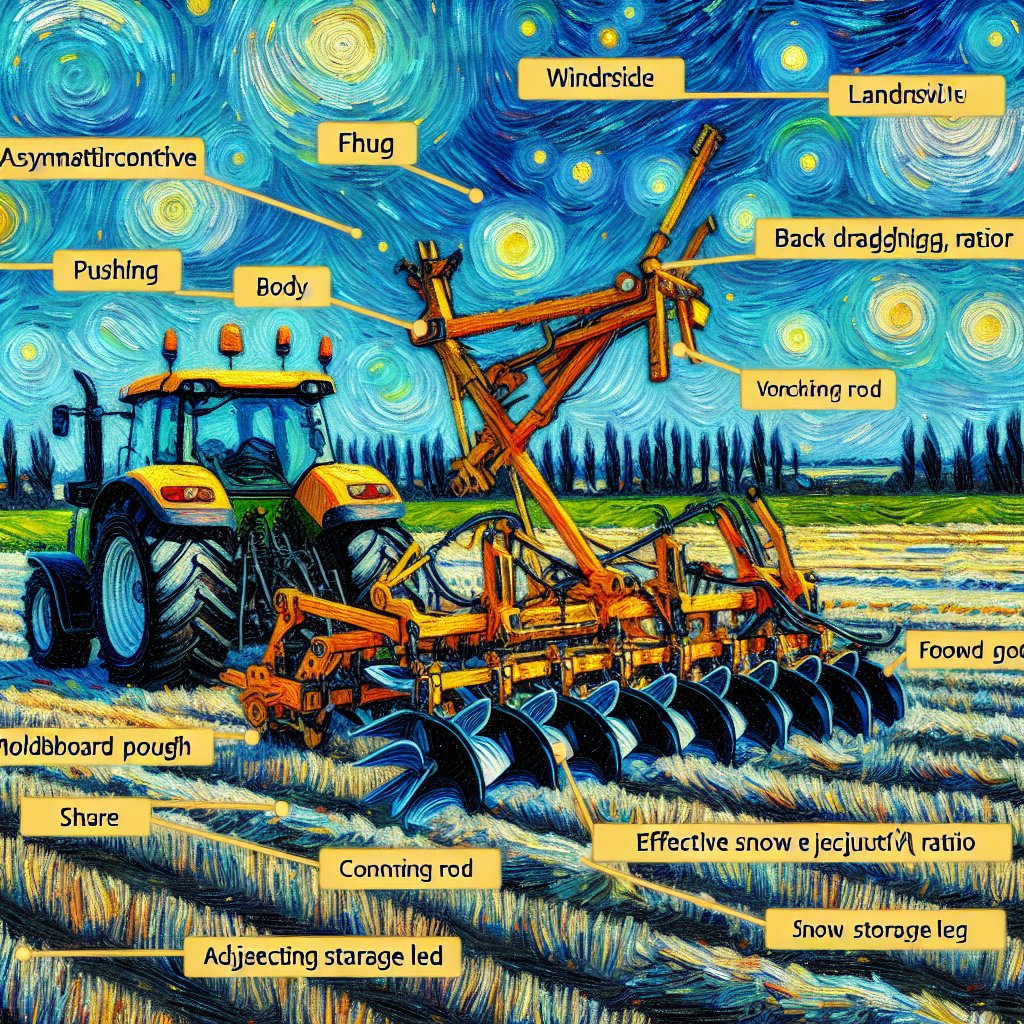
When you stroll through the aisles of a tractor museum, you might expect to see rows of gleaming machinery, each representing a pinnacle of agricultural innovation. But hold your horses—or, more appropriately, your tractors. While these museums are a treasure trove of history, they sometimes present a skewed version of reality that can lead to common misconceptions.
First off, many folks walk in thinking tractors have always been the mighty, lumbering giants we see today. In fact, the evolution from rudimentary steam-powered contraptions to the sleek, diesel-powered beasts of today is a fascinating story full of ingenuity and trial and error. The truth is, early tractors were often seen as unreliable and even dangerous. Yet, museums may gloss over this rocky history, opting instead to showcase only the most successful models, creating a romanticized narrative that overlooks the trials faced by early adopters.
Another misconception revolves around the idea that tractors were solely developed to ease the burden of farming. While they undoubtedly transformed agriculture, the broader role tractors played in society is sometimes overlooked. They played critical roles in construction, transportation, and even during wartime. This multi-faceted function often gets sidelined in a typical tractor museum exhibit, leading visitors to believe that these powerful machines had agricultural roots and nothing more.
Moreover, there’s the notion that the evolution of tractors followed one linear path of progress. In truth, the historical landscape of tractor development was a chaotic and competitive arena. Different manufacturers experimented with various designs and technologies, and while some ideas were groundbreaking, others quickly fell into obscurity. Museums may present a more straightforward narrative, making it seem as if all innovations succeeded or failed in neat timelines. This simplification can mislead visitors about the nature of technological advancements.
Lastly, there’s the aesthetic aspect of tractors. The vibrant colors and polished finishes displayed in exhibitions might lead you to think that tractors always looked this good and were universally embraced. In reality, many early users encountered machines that were more functional than fashionable. Over the years, tractors continually evolved not just in capability but also in appearance. Unfortunately, tractor museums often focus on the end product, not the gritty historical journey that built the legacy.
So, as you wander through these museums, remember that every tractor tells a story wrapped in layers of complexity, triumphs, and failures. It’s a rich tapestry, and the truth often lies beneath the shiny surface.
Are There Common Misconceptions Presented In Tractor Museums?
Are There Common Misconceptions Presented In Tractor Museums?
- Tractor museums showcase agricultural innovation but may present a skewed version of history.
- Early tractors were often unreliable and dangerous, contrary to the perception of them as historical giants.
- Tractors played significant roles beyond agriculture, including construction, transportation, and wartime efforts.
- The evolution of tractors was chaotic and competitive, not a linear path of progress.
- Many early tractors were functional rather than fashionable, evolving in capability and aesthetics over time.
- Museums may focus on successful models and innovations, neglecting the failures and challenges faced in history.
- Each tractor has a rich story that encompasses both triumphs and failures beneath its shiny surface.
Are There Common Misconceptions Presented In Tractor Museums?
How Do Tractor Museums Curators Choose What Information To Display?
When it comes to curating a tractor museum, the work isn’t just about displaying shiny equipment and telling a few stories. It’s an art and a science, a delicate balance of historical importance, technical innovation, and personal narrative. Curators dive headfirst into the world of agriculture, machinery, and the impact these iconic vehicles have had on society.
First off, they must sift through a plethora of information. What makes a particular tractor worthy of spotlight? Is it the model’s revolutionary design, its contributions to farming efficiency, or perhaps the role it played in a significant historical event? Curators often start by examining the rich tapestry of each tractor’s history. They dig through archives, cataloguing everything from patent sketches to farmer testimonials, piecing together a story that will resonate with visitors. Each tractor has a unique tale, and it’s the curator’s job to breathe life into those tales so they leap off the display.
Next comes the challenge of crafting engaging narratives. It’s not all about the nuts and bolts; it’s about connecting with people—showing them how these workhorses shaped communities and transformed landscapes. Curators think carefully about how to present technical specifications without losing the audience. After all, a tractor’s horsepower doesn’t mean much if the story of a family that relied on it for their livelihood isn’t included. The goal is to create a memorable experience, combining information and emotion, facts and feelings.
The physical layout of the museum plays a vital role too. Curators think like designers, arranging tractors in a way that draws the eye and guides the visitor’s journey. There’s a rhythm to the space, with each display strategically placed to highlight key themes, like the evolution of design or the shift from manual labor to mechanization. Interactive elements can further engage visitors—maybe a video showcasing tractors in action or a hands-on station where folks can try their hand at operating scale models.
Finally, there’s the preservation element. Curators must consider how each tractor will be maintained and displayed over time. Factors like climate control and protective measures against wear and tear are critical to ensuring these pieces of history endure for future generations.
Choosing what information to display in a tractor museum is about respect—respect for the machines and the humans who made them legendary. It’s a labor of love, one that ensures the legacy of the tractor continues to inspire awe.
How Do Tractor Museums Curators Choose What Information To Display?
How Do Tractor Museums Curators Choose What Information To Display?
- Curating a tractor museum combines art and science, merging historical significance with personal narratives.
- Curators examine a tractor’s history to determine its worthiness for display, analyzing design, efficiency, and historical impact.
- Crafting engaging narratives is essential, connecting technical details with the stories of families and communities affected by the tractors.
- The physical layout of the museum is crucial, influencing how visitors experience the displays through strategic arrangement and thematic presentation.
- Interactive features, such as videos and hands-on stations, enhance visitor engagement and deepen understanding of the tractors’ roles.
- Preservation is a key concern; curators ensure tractors are maintained with climate control and protective measures for longevity.
- Displaying tractors is an act of respect for both the machines and the people who contributed to their legacy, ensuring their history inspires future generations.
How Do Tractor Museums Curators Choose What Information To Display?
What Steps Can Museums Take To Ensure Accurate Representations?
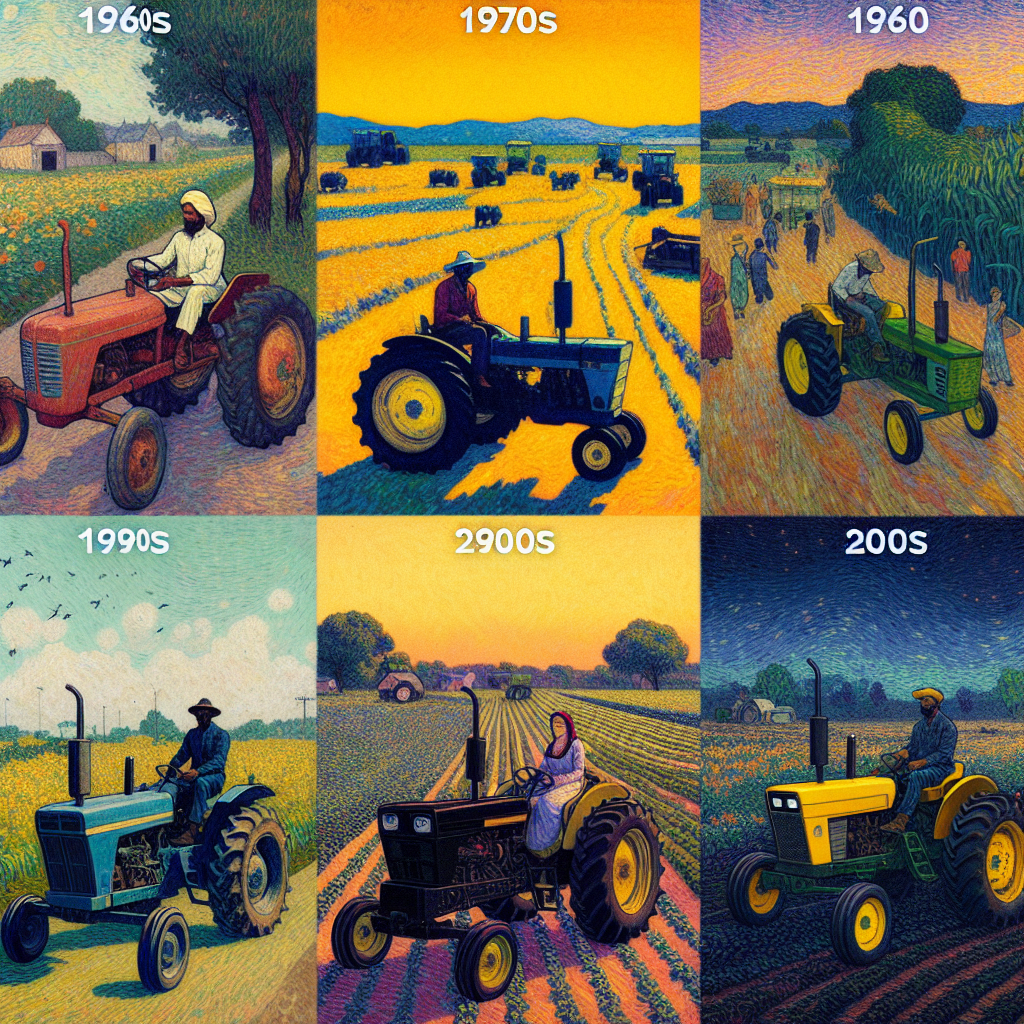
When it comes to museums and their portrayal of history, accuracy isn’t just a buzzword; it’s a foundation. Picture a tractor plowing a field, breaking the surface and turning up the rich soil beneath. That’s how museums should approach their collections, unearthing facts with care and diligence while avoiding the weeds of misinformation. So, what steps can museums take to ensure they’re not just another pretty facade but rather a beacon of truth?
First off, collaboration is key. Museums aren’t islands; they need to engage with the communities they represent. By partnering with local historians, cultural leaders, and even artists, they can gather insights that breathe life into the narratives they showcase. This partnership allows museums to present a more nuanced view of history, one that encompasses diverse perspectives. It’s like a well-oiled tractor working together with a team; each part has its role and contribution, leading to a robust harvest of understanding.
Next, training and education for staff are crucial. Employees should not only be knowledgeable about their exhibits but also about the broader historical contexts surrounding those topics. Workshops on bias, cultural sensitivity, and accurate representation can arm staff with the necessary tools to engage with visitors thoughtfully and responsibly. Think of it as the maintenance required for that trusty tractor—keeping it in top shape means fewer breakdowns and a smoother operation.
Another significant step is transparency. Museums should openly share their curatorial processes and acknowledge the evolving nature of historical interpretation. When visitors see curators actively discussing their decisions or the sources behind their exhibits, it builds trust and encourages a dialogue rather than a one-way street of information. It’s about creating a community where questions are encouraged and learning is a shared journey.
Finally, continuous evaluation is essential. Museums need to create an evolving framework to regularly assess and update the narratives they present. This could involve soliciting visitor feedback or conducting periodic reviews of exhibits to ensure they align with current scholarship and community values. Just as a tractor needs adjustments over time to keep running smoothly, so too must museums remain flexible and responsive to the changing tides of knowledge.
Ensuring accurate representations is an ongoing process that takes dedication and effort, but with the right steps, museums can transform from mere repositories of artifacts into living, breathing institutions that reflect the rich tapestry of our shared history.
What Steps Can Museums Take To Ensure Accurate Representations?
What Steps Can Museums Take To Ensure Accurate Representations?
- Accuracy in historical portrayal is a fundamental priority for museums.
- Collaboration with local historians, cultural leaders, and artists enriches narrative diversity.
- Training staff in historical context, bias, and cultural sensitivity is essential for meaningful visitor engagement.
- Transparency in curatorial processes fosters trust and encourages community dialogue.
- Continuous evaluation and feedback loops help museums update narratives to reflect current scholarship.
- Active efforts are required to ensure museums represent history accurately and responsibly.
- With dedicated practices, museums can evolve into vibrant institutions that reflect shared history.

What Steps Can Museums Take To Ensure Accurate Representations?
How Do Visitors Perceive The Information Presented At These Museums?
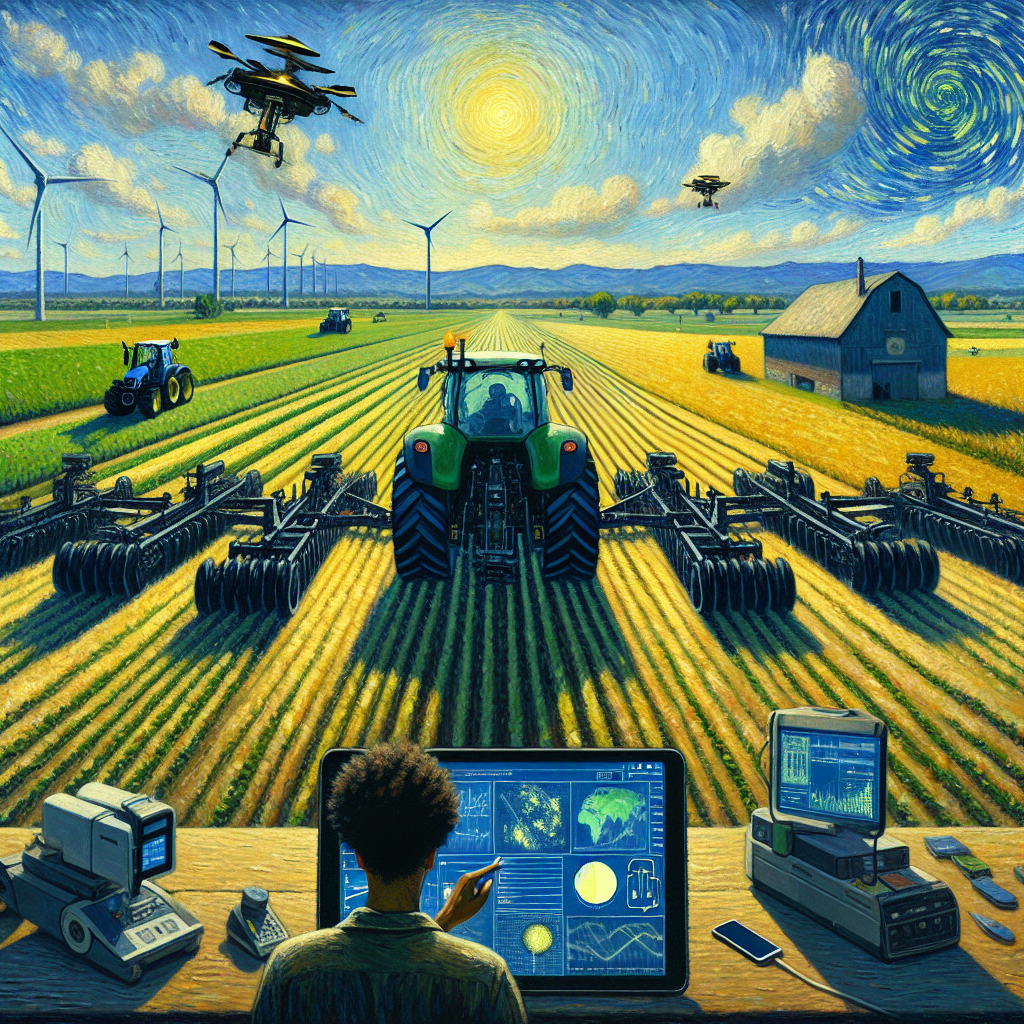
When you step into a museum, the experience is like climbing aboard a well-loved tractor that’s been parked in a barnyard for decades. It’s a ride through history, craftsmanship, and often a healthy dose of nostalgia. Visitors, much like farmers looking over their tractor collection, sift through layers of meaning and context as they take in the information presented. The perception of this information is where the magic happens.
First off, let’s talk about engagement. The museums of today aren’t just dusty archives filled with artifacts. They’re vibrant places teeming with stories waiting to be uncovered, like a farmer proudly detailing his favorite tractor’s specifications. When guests walk through the doors, they want to be hooked, to feel that spark of engagement that compels them to lean in closer and listen. They may glance at a placard, but what’s really compelling is when the display comes alive—through interactive exhibits, guided tours, or personal anecdotes that transform static displays into vibrant narratives.
Next up, let’s address clarity. A well-presented exhibit is like a finely tuned tractor engine; everything should run smoothly. Visitors appreciate information that is straightforward, clear, and accessible. If you cram too much jargon or convoluted explanations into a presentation, you might as well be trying to start an old tractor that’s missing a spark plug. Simplicity is key. People come from different backgrounds, and those who know the difference between a rotary hoe and a disc harrow will find something to appreciate, but it’s the clarity that allows everyone, including those less familiar, to grasp the full picture.
Then there’s the emotional connection. Museums that resonate with visitors tap into deep-seated feelings, much like the collective memory tied to a family tractor passed down through generations. Engaging narratives that reveal personal stories or highlight cultural significance can forge connections that go well beyond the exhibits themselves. Visitors leave not just with facts, but with emotions and memories that stick like mud to the tires of that trusty tractor.
Finally, let’s not forget the context. Visitors crave context like a well-planned crop rotation. They want to understand how the pieces fit together in the larger tapestry of history, culture, or science. Providing this context is crucial; it’s what turns a mundane display into something that resonates with the heart and mind.
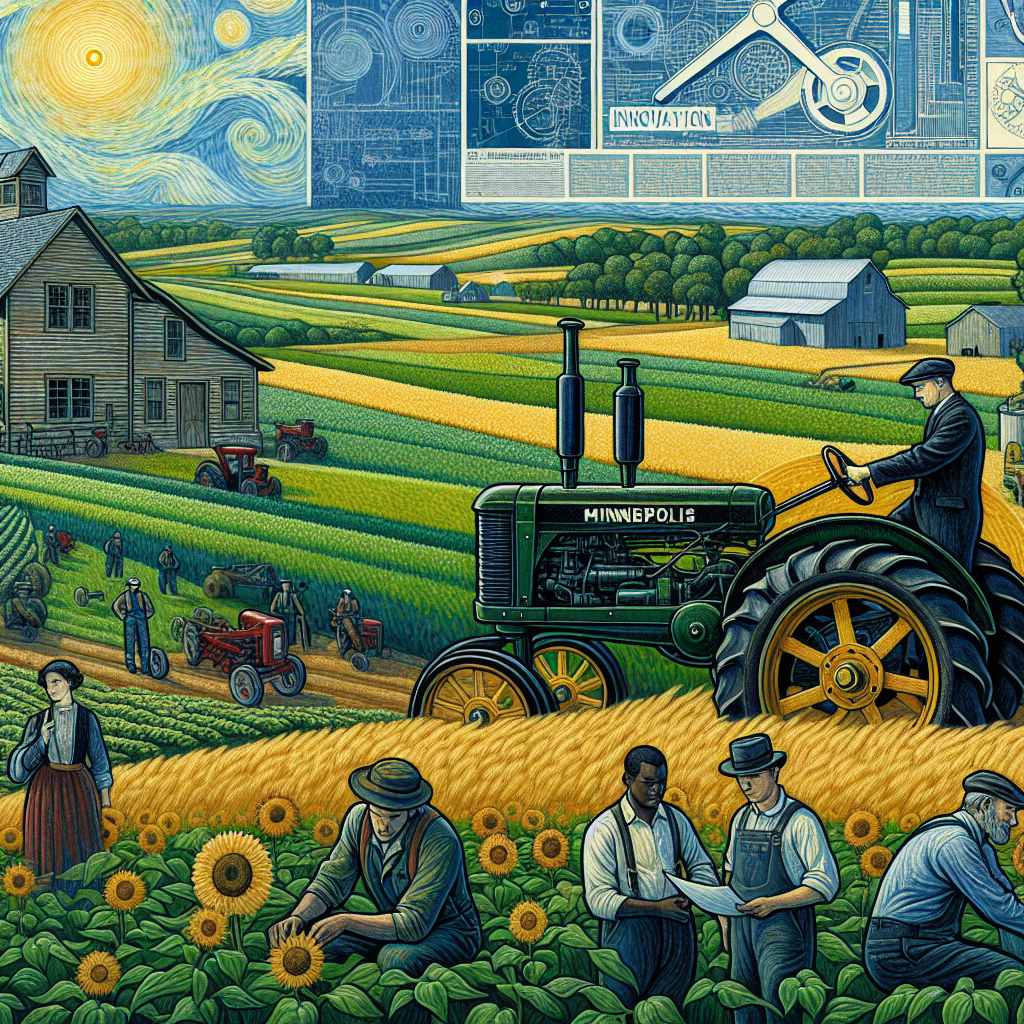
How visitors perceive the information presented in these museums boils down to engagement, clarity, emotional connection, and context— the very soil from which rich understanding springs forth.
How Do Visitors Perceive The Information Presented At These Museums?
How Do Visitors Perceive The Information Presented At These Museums?
- Visiting a museum is an immersive experience akin to riding a cherished, old tractor, offering a journey through history and craftsmanship.
- Museums today are dynamic spaces filled with engaging stories rather than mere dusty archives.
- Engagement is key; interactive exhibits and personal anecdotes breathe life into static displays.
- Clarity in presentations is crucial; clear and accessible information enhances understanding for diverse audiences.
- Emotional connections can be fostered through personal narratives, leaving visitors with lasting memories beyond mere facts.
- Context is essential for understanding how exhibits relate to broader historical and cultural narratives.
- The overall visitor experience hinges on engagement, clarity, emotional connection, and context, which together cultivate deeper understanding.
How Do Visitors Perceive The Information Presented At These Museums?
What Is The Significance Of Tractor History In Modern Agriculture?
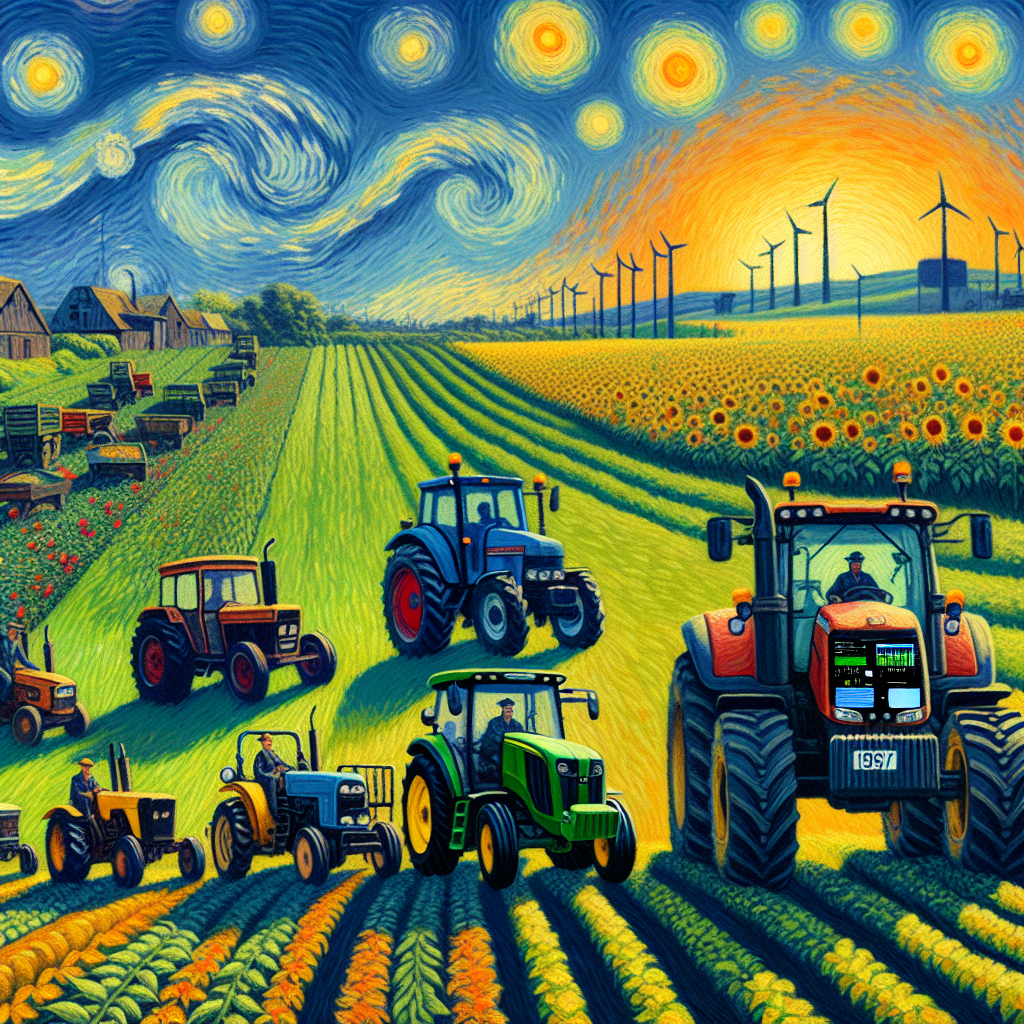
When you delve into the history of agriculture, you can’t help but stumble upon the transformative role of the tractor. These powerful machines have come a long way from the steam-driven contraptions that lumbered across fields in the late 19th century. They’ve evolved into the sophisticated marvels of engineering we depend on today. But what’s the significance of this evolution for modern agriculture? Well, let’s plant some seeds of understanding.
First and foremost, tractors revolutionized the way we cultivate land. Before their advent, farmers relied on horses and manual labor to plow fields, which was not only time-consuming but also limited the size of the land that could be farmed. Enter the tractor: a robust solution that dramatically increased efficiency. With a tractor, a farmer could cover vast areas in a fraction of the time it once took. This shift wasn’t just about speed; it meant that more food could be produced, and more people could be fed, laying the groundwork for what we now consider modern agriculture.
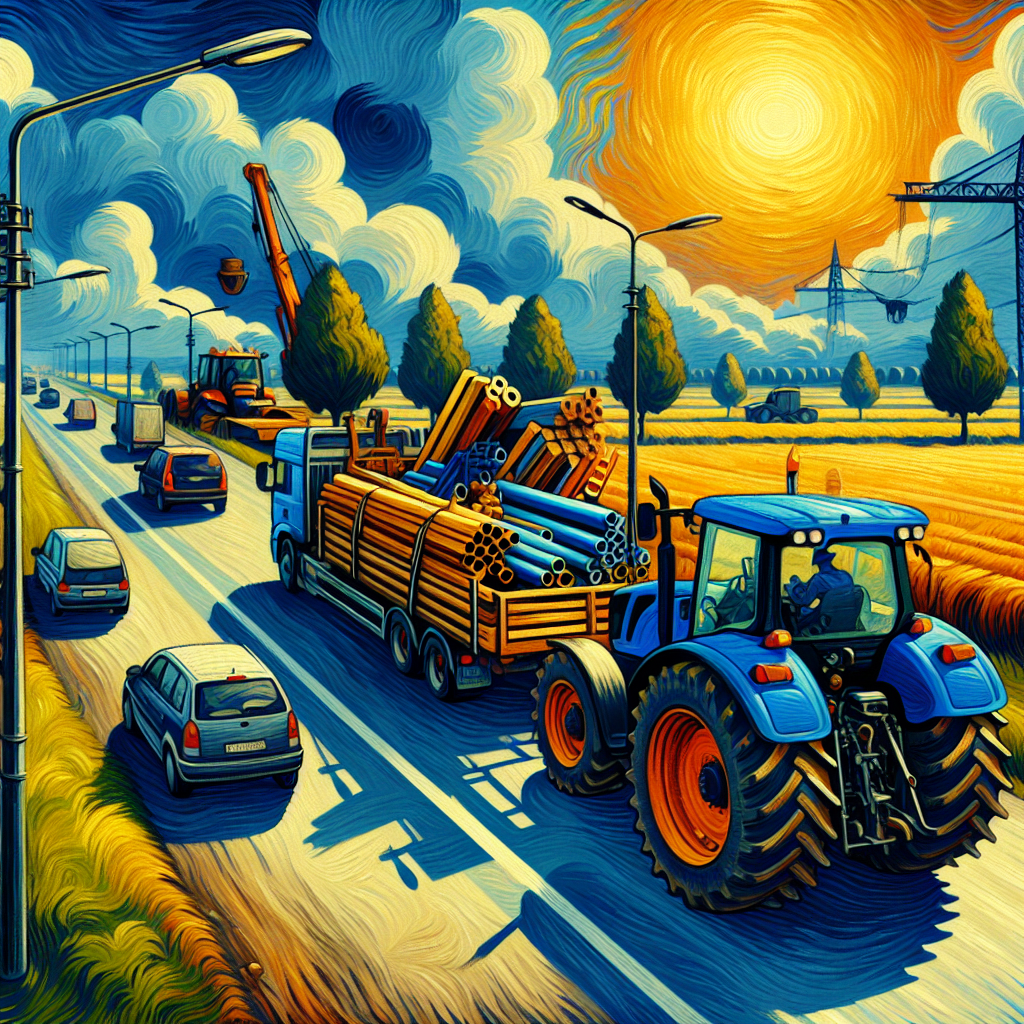
Beyond mere efficiency, the history of the tractor signifies innovation. Each era of tractor design saw improvements that not only enhanced power but also addressed issues like soil compaction and crop management. The introduction of diesel engines and hydraulic systems pushed farmers to new heights, allowing them to use various attachments and implements for planting, tilling, and harvesting. Today’s tractors are equipped with GPS, soil sensors, and autonomous technology, which are direct descendants of those early machines. These advancements have paved the way for precision agriculture, allowing farmers to use resources more efficiently and sustainably.
Moreover, tractors have helped democratize farming. Small-scale farmers, once hindered by limited resources, now have access to machinery that enables them to compete in a global market. The tractor has become a symbol of empowerment, breaking down barriers and making farming accessible to those willing to embrace the necessary hard work.
As we look back at the timeline of agricultural development, the significance of tractors in shaping modern practices cannot be overstated. They weren’t just a simple tool; they were a catalyst for change. Understanding this history gives context to the innovations and challenges we face today in an ever-evolving agricultural landscape. The next time you see a tractor in a field, remember that it’s not just moving soil—it’s carrying the weight of centuries of agricultural evolution, continuing the legacy of those who toiled before us.
What Is The Significance Of Tractor History In Modern Agriculture?
What Is The Significance Of Tractor History In Modern Agriculture?
- The tractor has played a transformative role in agricultural history, evolving from steam-driven machines to modern engineering marvels.
- Tractors revolutionized land cultivation, allowing farmers to work larger areas more efficiently compared to manual labor and horses.
- This efficiency increase led to higher food production and contributed to modern agricultural practices.
- Innovations in tractor design, such as diesel engines and hydraulic systems, have enhanced power and addressed agricultural challenges.
- Today’s tractors incorporate advanced technologies like GPS and soil sensors, promoting precision agriculture and sustainable resource use.
- Tractors have democratized farming, empowering small-scale farmers to compete in a global market.
- Understanding the evolution of tractors is essential to grasping the innovations and challenges faced in contemporary agriculture.
What Is The Significance Of Tractor History In Modern Agriculture?
Conclusion
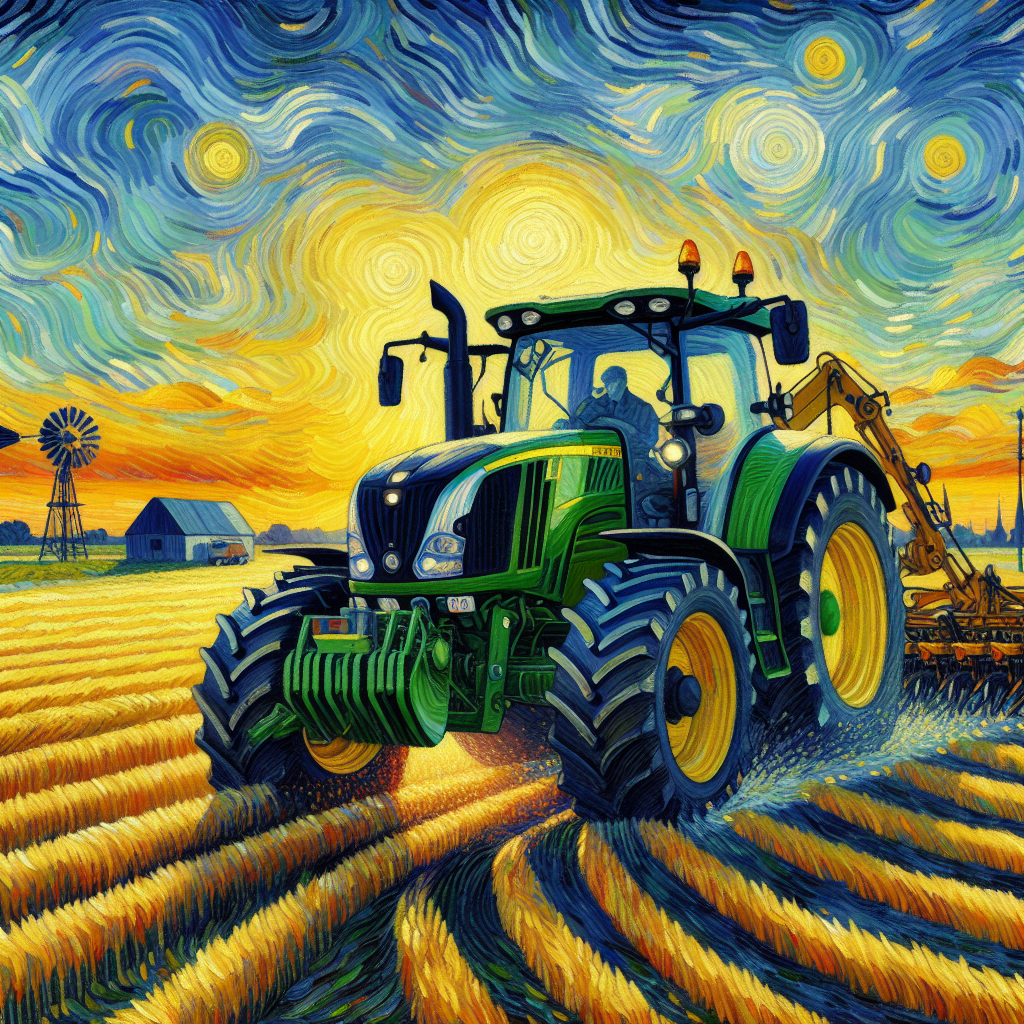
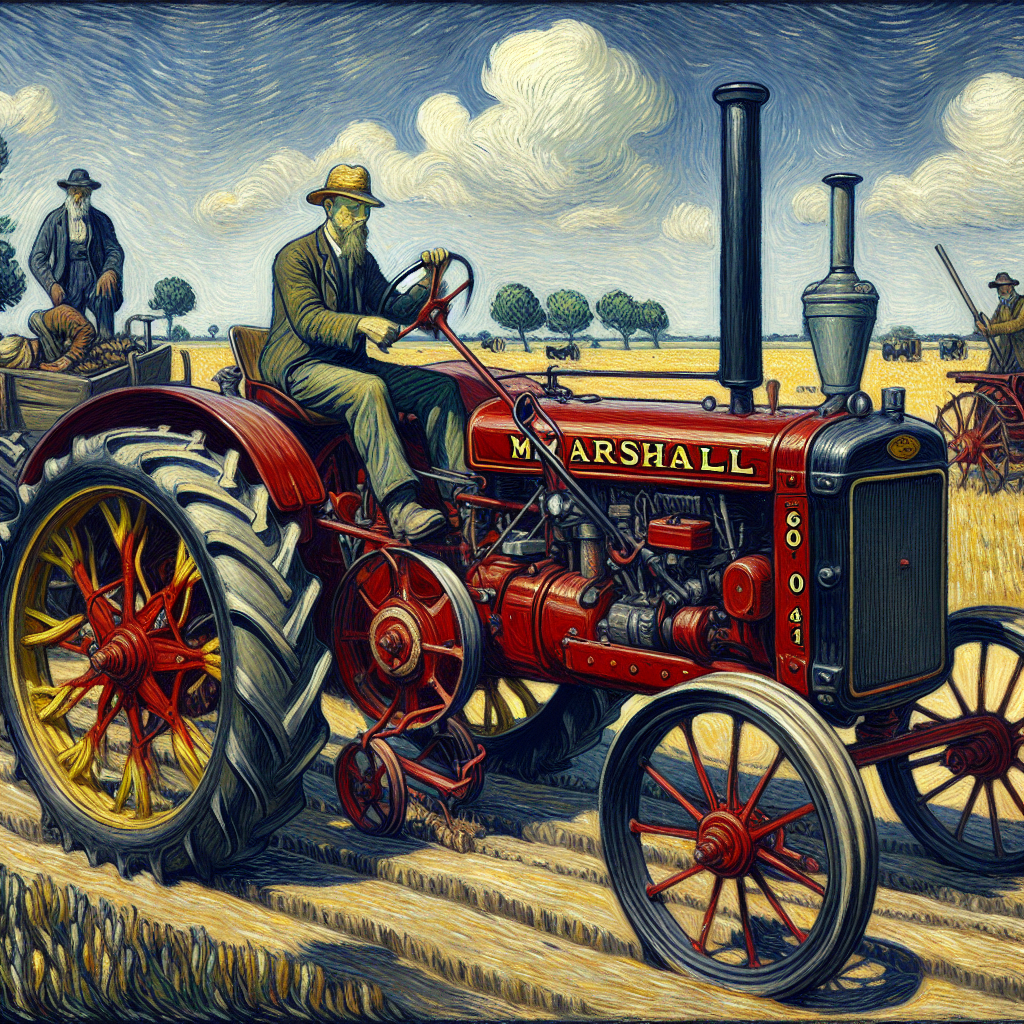
As we wrap up our look into the captivating world of tractor museums, it’s important to take stock of what we’ve learned. These museums often present a dazzling array of iconic machines, relics that embody the heart and soul of agriculture. However, they also harbor a potential pitfall: the unintentional spread of misinformation. Harnessing nostalgia can be a double-edged sword; while it evokes fond memories and pays homage to the past, it can also overshadow the realities of modern farming.
Tractors have come a long way, evolving from their clunky, steam-powered beginnings to the sleek, high-tech marvels we rely on today. But let’s not kid ourselves—the story of these machines is more complex than a simple narrative about progress. When tractor museums romanticize the “good old days” without providing context about how farming practices have changed and improved, they risk misinforming the public about the dynamic nature of agriculture today.
Moreover, the stories and personal anecdotes shared by enthusiasts, while charming and engaging, can muddle the facts. They intertwine opinion with history, leading to a skewed understanding of how tractors and technology impact modern farming. To combat this, these museums must embrace a more accurate and educational approach. They could invite experts, like today’s farmers, to share a clear narrative that bridges the past with the present.
Incorporating interactive exhibits and updated displays can foster a deeper understanding of agricultural evolution, allowing visitors to appreciate how far we’ve come since the days of horse-drawn equipment. The rich tapestry of farming history offers invaluable lessons, emphasizing the importance of resilience, innovation, and, most importantly, adaptation to ongoing challenges.
Ultimately, the goal should be clear: tractor museums should aim to be hubs of truth and education that celebrate agricultural heritage while ensuring that visitors leave with a well-rounded perspective on the realities of modern farming. Remember, farming isn’t merely about tractors; it’s an ever-evolving story, one that demands respect and understanding. So, the next time you step into a tractor museum, look past the shine and polish— delve deep, connect the dots, and embrace the spirit of progress that fuels both the machines and the farmers who operate them.
Conclusion
Conclusion:
- Tractor museums showcase iconic agricultural machines that embody the essence of farming.
- These museums can unintentionally spread misinformation by romanticizing the past without context.
- The evolution of tractors reflects a complex narrative beyond mere progress from steam-powered to high-tech machines.
- Personal anecdotes from enthusiasts may compromise factual accuracy in understanding the impact of tractors on modern farming.
- Museums should adopt an educational approach by involving experts, like current farmers, to bridge historical and contemporary farming narratives.
- Interactive exhibits can enhance visitor engagement and understanding of agricultural evolution, highlighting resilience and innovation.
- The overarching goal for tractor museums should be to provide truthful, educational experiences that celebrate agricultural heritage while conveying the realities of modern farming.
Conclusion
Other Resources
Other Resources
Here is a list of other resources you can review online to learn more:
- Fate-Root-Heath
- M-R-S
- Sublette Farm Toy & Antique Tractor Show
- Simplicity
- Challenger
- Galloway
- NorTrac
- Antique Tractor Values
- Keystone Tractor Museum
- Muskoka Pioneer Power
Use This Prompt To Get More Resources With Your Favorite Online AI Tool: Please provide me with a list of online articles with their URLs in a bulleted list that I can read regarding Can Tractor Museums Spread Misinformation About Farming?
Other Resources
Glossary Terms
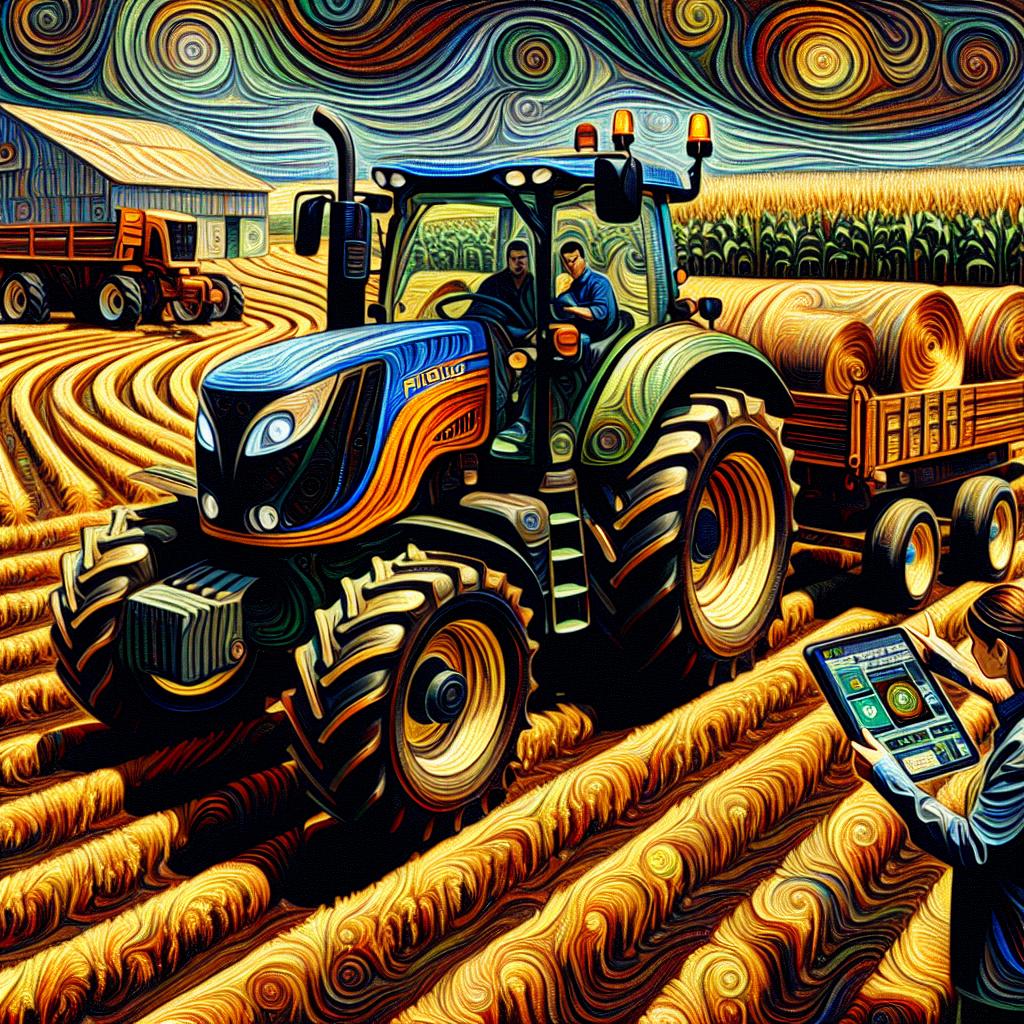
Can Tractor Museums Spread Misinformation About Farming? – Glossary Of Terms
1. Agriculture: The science, art, and practice of cultivating the soil, producing crops, and raising animals for food, fiber, and other products.
2. Antique: An object, often a tool or vehicle, that is valued because of its age and historical significance, particularly those related to farming equipment.
3. Curation: The process of selecting, organizing, and managing a collection of items, such as tractors, for display and education in a museum setting.
4. Misinformation: False or misleading information that can lead people to misunderstand important concepts or realities, especially in farming.
5. Preservation: The act of maintaining and protecting historical artifacts, such as antique tractors, to ensure they are not damaged and can be appreciated by future generations.
6. Education: The act of imparting knowledge, which in the context of tractor museums, can either accurately or misleadingly inform visitors about farming practices.
7. Exhibition: A public display of items (like historic tractors) in a museum designed to educate visitors about farming history and technology.
8. Heritage: The legacy of physical artifacts and intangible attributes inherited from past generations, including farming tools and practices.
9. Outreach: Efforts made by museums to engage with the community and disseminate information, which can sometimes lead to the spread of inaccuracies.
10. Documentation: The practice of recording information about historical farming practices, machinery, and technologies to ensure accurate representation in museums.
11. Narrative: The constructed story or context around farming practices and tractor history as presented in museum settings.
12. Interpretation: The way in which information is explained or presented to museum-goers, which can either enhance understanding or propagate myths.
13. Contextualization: The practice of placing historical farming artifacts within the appropriate social, economic, and technological context to avoid misleading conclusions.
14. Research: The systematic investigation into historical farming practices and tractor technology to create accurate representations in museums.
15. Public Perception: The collective opinion and understanding of farming practices held by visitors, which can be influenced by museum exhibits.
16. Artifact: An item of historical interest, such as a tractor or farming tool, preserved in a museum for educational purposes.
17. Misrepresentation: The act of providing an inaccurate or misleading impression of farming practices or tractor technologies, potentially leading to public confusion.
18. Extrapolation: Drawing conclusions based on historical farming data that may not accurately represent modern practices or realities.
19. Sustainability: Practices that seek to maintain farming methods in a way that is environmentally responsible and resource-efficient; a topic sometimes miscommunicated in museums.
20. Agricultural History: The study of past farming practices, tools, and societal impacts; vital for museums but can be subject to misinterpretation.
21. Modernization: The evolution and changes in farming methods and machinery over time; this is an important topic for museums that can sometimes be inaccurately portrayed.
22. Rural: Pertaining to areas outside urban centers where farming often occurs; rural history is a key focus of many tractor museums.
23. Mechanization: The process of introducing machinery into farming to improve productivity; a central theme that may be oversimplified in museums.
24. Diagrams: Visual representations of machinery or farming processes that can clarify or misrepresent the information being conveyed in a museum setting.
25. Visitor Engagement: The methods used by museums to interact with and educate the public, which can significantly affect how information is perceived.
26. Conservation: Efforts aimed at protecting historical farming artifacts from deterioration, which ensures they retain their educational value.
27. Totemic: Represented as a symbol or icon of certain farming ideals, often used within museums to convey specific messages about farming traditions.
28. Critique: A detailed analysis or evaluation of museum practices and presentations, particularly focusing on the accuracy of the information shared.
29. Archival Literacy: The ability to effectively understand and interpret historical documents and artifacts related to farming, crucial for guiding museum content.
30. Stakeholder: Individuals or groups (like farmers, historians, or educational bodies) with a vested interest in how farming history is portrayed in museums, influencing the accuracy of information presented.
Glossary Of Terms
Other Questions
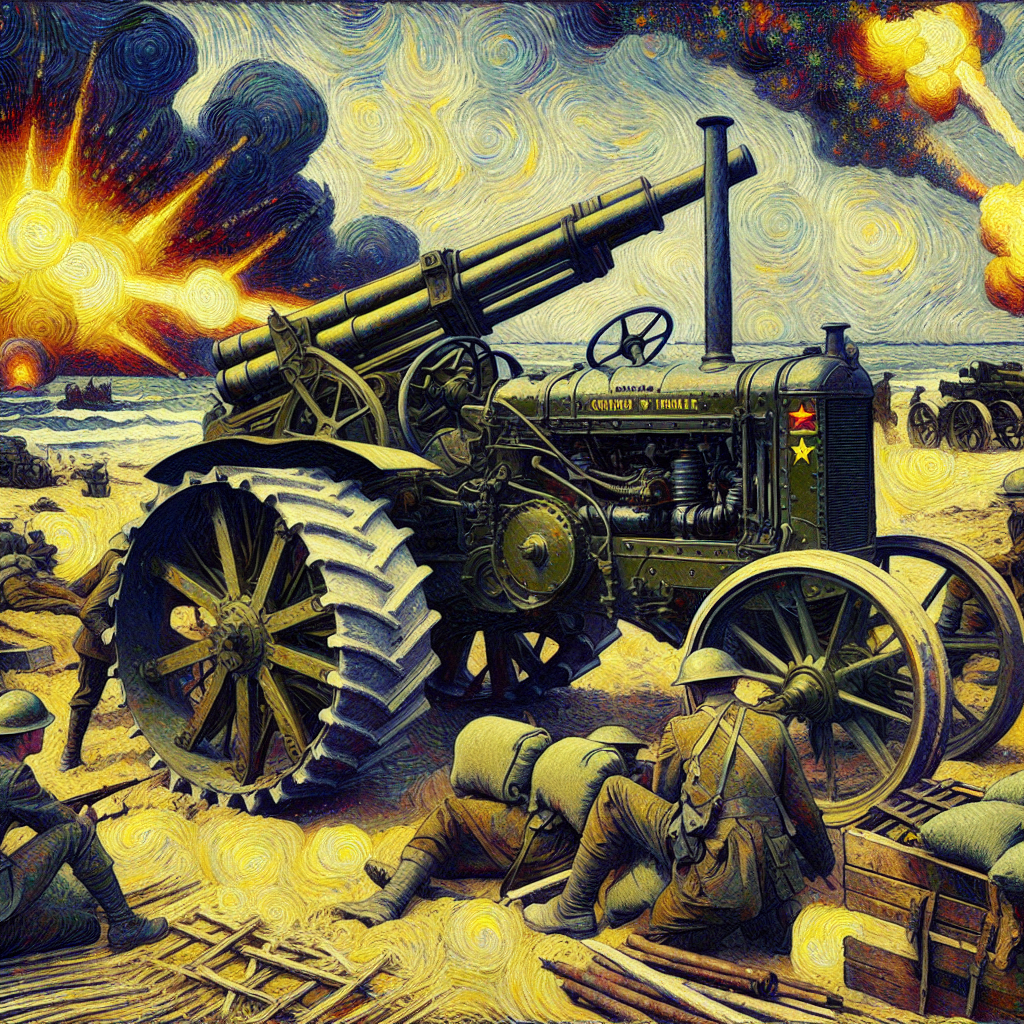
Can Tractor Museums Spread Misinformation About Farming? – Other Questions
If you wish to explore and discover more, consider looking for answers to these questions:
- What are some specific examples of misinformation presented in tractor museums?
- How can visitors differentiate between accurate historical information and outdated myths?
- What steps do tractor museums take to update their exhibits with modern farming practices?
- Are there any notable tractor museums that have successfully addressed these misinformation issues?
- What role do educational programs play in improving the accuracy of information at tractor museums?
- How do museums balance preserving historical authenticity with presenting contemporary farming technologies?
- What impact does the romanticization of vintage tractors have on public perception of modern farming?
- How can community involvement enhance the educational value of tractor museums?
- What are some challenges curators face when selecting which exhibits to include?
- How can museums effectively engage younger generations in agricultural history?
Other Questions
Haiku
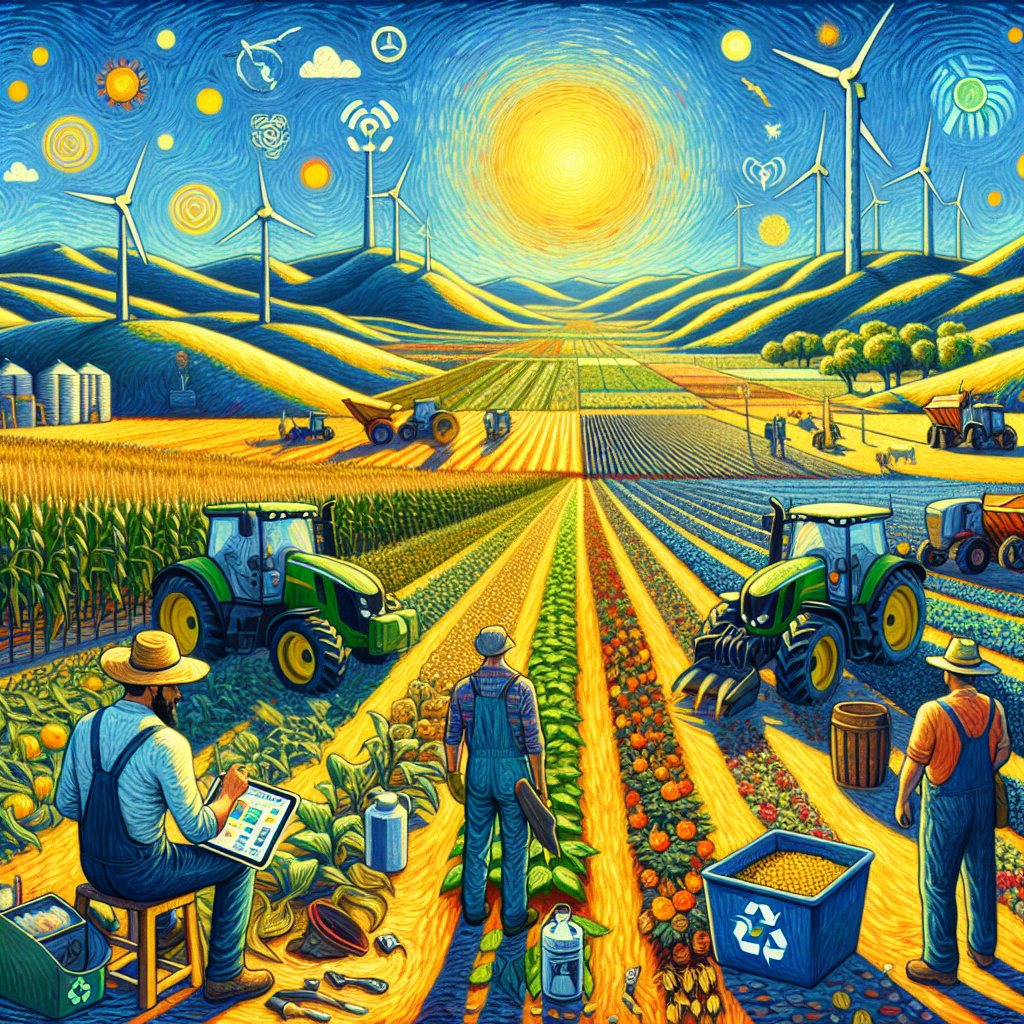
Can Tractor Museums Spread Misinformation About Farming? – A Haiku
Machines of the past,
Heritage we must honor,
Adapt to the now.
Haiku
Poem
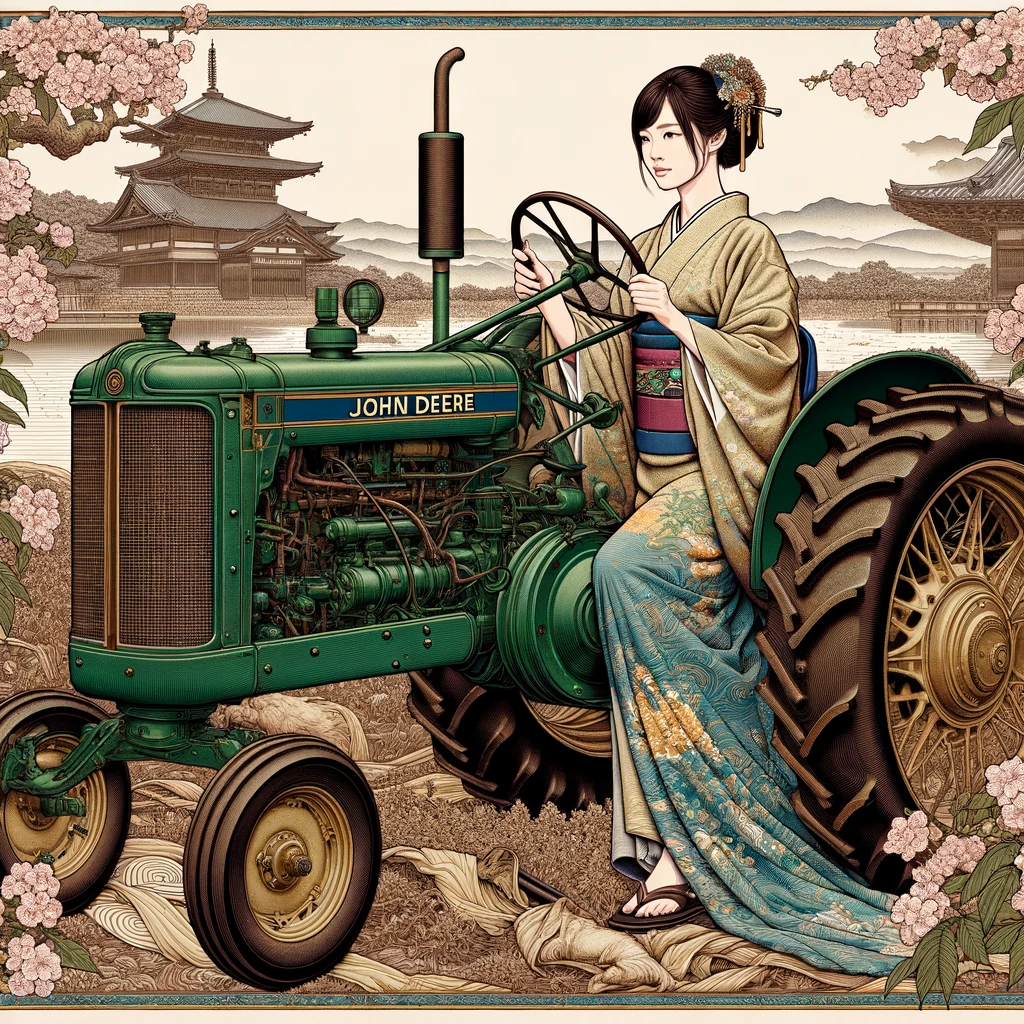
Can Tractor Museums Spread Misinformation About Farming? – A Poem
In halls of steel and polished chrome,
Where echoes of the past call you home,
Lies agriculture’s pride, its toil and grace,
Yet shadows of myths may hide in this space.
A gleaming tractor, a relic displayed,
Whispers of days when farming was laid,
Romanticized stories of simpler times,
Obscuring the truth, painting life in rhymes.
Machines evolved from iron-clad roots,
Innovations sprouted, bore fertile fruits,
Though nostalgia sings of the “good old days,”
Today’s fields demand a more nuanced gaze.
Through anecdotes shared, a vivid connection,
But opine they might, losing the direction.
With hands on the wheels of bygone machinery,
We risk drowning out current agri-scenery.
Let us not forget, in this vast archive,
The farmers of now, who tirelessly strive.
In tractor museums, let truth take the helm,
Balancing history, a rich knowledge realm.
With workshops and stories, fresh insights share,
Juxtaposing the old with the new’s savvy care.
After all, it’s more than just metal on land,
It’s nurturing soil, sustaining each hand.
So as you wander these hallowed displays,
Reflect on the journey through complex arrays,
For farming’s a tapestry woven with time,
Each tractor a verse, echoing in rhyme.
Poem
Checklist
Can Tractor Museums Spread Misinformation About Farming? – A Checklist
1. Recognizing Potential Misinformation
_____ Understand how nostalgia can create a romanticized view of farming.
_____ Acknowledge the risks of displaying obsolete practices alongside modern technology.
2. Evaluating Historical Context
_____ Compare old farming practices with current ones to avoid misconceptions.
_____ Research the evolution of farming technologies and methods.
3. The Role of Education in Museums
_____ Identify the importance of educational programs that teach both history and modern practices.
_____ Look for interactive exhibits that connect visitors to the technology of both past and present.
4. Critical Thinking about Exhibits
_____ Scrutinize how curators select which tractors and stories to display.
_____ Consider multiple perspectives and narratives around agricultural history.
5. Understanding Common Misconceptions
_____ Be aware of the myths regarding the reliability and history of early tractors.
_____ Question narratives that overly simplify the evolution of tractor technology.
6. The Importance of Accurate Representation
_____ Encourage museums to engage with agricultural experts for authenticity.
_____ Advocate for transparency in curatorial decisions to build trust with visitors.
7. Visitor Engagement Strategies
_____ Focus on how museums create engaging narratives to connect with visitors.
_____ Seek clarity in the information presented to accommodate diverse knowledge levels.
8. The Connection Between History and Modern Practices
_____ Explore how a historical understanding of tractors impacts current agricultural practices.
_____ Recognize tractors as symbols of innovation, efficiency, and empowerment in farming.
9. Community Involvement
_____ Support efforts to involve local farmers and historians in museum activities.
_____ Promote efforts to preserve agricultural heritage and educate future generations.
10. Continuous Improvement
_____ Encourage ongoing assessment of museum exhibits for accuracy and relevance.
_____ Be open to receiving feedback from visitors to enhance educational experiences.
This checklist can be used as a guide to navigate the rich history presented in tractor museums and to appreciate their relevance in modern agriculture, ensuring a well-rounded understanding of both past practices and current innovations.
Checklist
At ClassicTractorNews, we help tractor lovers keep up with the latest news for classic and vintage tractors.
Please share this post with your friends, family, or business associates who may like old classic or vintage tractors.