


Reviving Farm Profitability With Vintage Tractors
By Tom Seest
At ClassicTractorNews, we help tractor lovers keep up with the latest news for classic and vintage tractors.
Please share this post with your friends, family, or business associates who may like old classic or vintage tractors.
Can Older Tractors Solve Farm Equipment Affordability Issues?
Let’s face it: food doesn’t magically appear on our tables. It starts where it always has—on a farm, in the hands of dedicated people who toil day in and day out. But behind every bushel of corn or basket of tomatoes lies a challenge that’s grown just as much as those crops: the spiraling costs of modern farm equipment. Every farmer knows that sinking their hard-earned dollars into the latest high-tech tractor can feel like throwing good money after bad. So, let’s put the spotlight on the unsung hero of the fields: the older tractor.
Now, before you roll your eyes at the idea of rolling with a vintage machine, let me remind you of something important: those older tractors were built for hard work. They’re rugged, they’re reliable, and often, they come with a price tag that doesn’t induce a panic attack. While shiny new models may boast all the latest features, many farmers are discovering that “sleek” doesn’t always equal “necessary.” When you strip away the frills and focus on what really matters—a strong engine, good tires, and the capacity to plow fields—you might find that your grandfather’s trusty tractor is not just a relic, but a practical solution to tighter budgets.
One thing’s for sure: you’re not alone in this struggle. Countless farmers are making the wise decision to restore vintage tractors instead of breaking the bank on the latest machinery. And there’s something truly gratifying about taking an old piece of equipment—perhaps one that’s been sitting idle in a barn—and breathing new life into it. With a little elbow grease and know-how, you’re creating not just a tool for your farm, but a connection to the past. It’s like an act of rebellion against the throwaway culture that seems to dictate so much of our lives today.
Moreover, older tractors come with a wealth of community knowledge. You’ll find fellow farmers eager to share tips and tricks on maintenance or modifications. That sense of camaraderie can transform the solitary life of farming into a vibrant community experience. It’s a reminder that while our methods may change over time, our commitment to the land and each other runs deep.
So, before you rush to the dealership and sign away your future, take a moment to consider the old workhorses you might have overlooked. In them, you may just discover an affordable, dependable ally in your farming journey—one that connects you to history while helping you secure your future.

Can Older Tractors Solve Farm Equipment Affordability Issues?
Can Older Tractors Solve Farm Equipment Affordability Issues?
- Food production begins on farms, relying on dedicated farmers.
- Modern farming equipment costs are rising, making investment challenging.
- Older tractors are reliable, affordable, and practical alternatives to new models.
- These vintage machines focus on essential features like strong engines and good tires.
- Farmers are increasingly restoring vintage tractors instead of buying expensive new machinery.
- Restoring old equipment fosters community knowledge and camaraderie among farmers.
- Older tractors provide a connection to farming history while offering budget-friendly solutions.

Can Older Tractors Solve Farm Equipment Affordability Issues?
Table Of Contents
- Can Older Tractors Solve Farm Equipment Affordability Issues?
- What Are The Benefits Of Using Older Tractors?
- How Do Older Tractors Perform?
- Are Older Tractors More Cost-Effective?
- What Should I Consider When Buying An Old Tractor?
- Can Older Tractors Be Upgraded Or Modified?
- What Are The Maintenance Costs For Older Tractors?
- Where Can I Find Reliable Older Tractors For Sale?
- Conclusion
- Other Resources
- Glossary Of Terms
- Other Questions
- Haiku
- Poem
- Checklist
What Are The Benefits Of Using Older Tractors?
Picture this: a warm, sun-drenched afternoon on the farm, where the scent of freshly tilled soil hangs in the air. You climb into the seat of an older tractor, its weathered dashboard telling stories of hard work and faithful service. There’s something undeniably special about these machines, and it goes beyond mere nostalgia. Let’s unwrap the benefits of using older tractors and see why they might just be the unsung heroes of modern agriculture.
First off, let’s talk about reliability. Older tractors are often built like tanks. They were crafted in an era when things needed to last. These machines might require a little more TLC than their flashier, newer counterparts, but with a good maintenance routine, they can run reliably for decades. You’re not just purchasing a piece of equipment; you’re investing in a workhorse that has seen years of toil and knows a thing or two about grit.
Then there’s the matter of simplicity. In a world where technology can sometimes feel like a burden rather than a boon, older tractors often come with fewer bells and whistles. This straightforward design not only makes them easier to operate but also means repairs can be less daunting. When a breakdown does occur, you can tackle it without needing a Ph.D. in computer science. You can dive in, roll up your sleeves, and fix it yourself—now that’s empowering!
Cost is another significant factor. Let’s face it: new tractors can come with price tags that rival a small country’s GDP. Older tractors tend to be much more affordable, and with a bit of elbow grease, you can restore one to its former glory without breaking the bank. Plus, by saving some cash on the purchase, you’ve got a little more freedom to invest in other aspects of your operation or even treat yourself to that well-deserved vacation.
And let’s not overlook the sustainability angle. By breathing new life into an older tractor, you’re reducing waste and contributing to a more sustainable way of farming. Instead of letting these machines sit unused, you’re putting them back to work and giving them a second chance—a win-win for both you and the environment.
In a world that often prioritizes the new and shiny, older tractors stand as a testament to durability, simplicity, and resourcefulness. So, whether you’re a seasoned farmer or just starting your journey, consider what an older tractor could offer. You might find that the true heart of farming lies within the machines that built its legacy.

What Are The Benefits Of Using Older Tractors?
What Are The Benefits Of Using Older Tractors?
- Older tractors are reliable and built for longevity, often lasting for decades with proper maintenance.
- They offer simplicity, featuring straightforward designs that make operation and repairs easier.
- Restoring older tractors can be cost-effective compared to purchasing new ones, allowing for savings.
- Investing in older tractors can free up funds for other farm ventures or personal enjoyment.
- Using older tractors promotes sustainability by reducing waste and prolonging the life of existing machines.
- These tractors are a symbol of durability and resourcefulness in modern farming practices.
- Older tractors can provide valuable experiences for both seasoned farmers and newcomers in the agricultural field.

What Are The Benefits Of Using Older Tractors?
How Do Older Tractors Perform?
Let’s take a moment to appreciate the charm and character of older tractors. There’s something undeniably captivating about these rugged machines that have seen decades of sweat, toil, and harvests. You see, it’s not just about the engine that still roars to life or the faded paint that tells tales of seasons gone by; it’s about the stories these tractors carry with them. When you climb onto the seat of a vintage tractor, you’re not just mounting a piece of equipment—you’re hopping on a time machine that offers a connection to a simpler way of life.
Now, you might wonder, “Do these older tractors really perform as well as their modern counterparts?” The short answer is: absolutely! While it’s true that advancements in technology have made new tractors more efficient and packed with features, older models bring something unique to the table—reliability. Many farmers have found that the engine designs of yesteryear, built to last and withstand the elements, can rival even the most modern machines under the right conditions. The simplicity of their mechanics means fewer parts to break down, which is music to the ears of anyone who’s spent a night in a cold barn trying to fix a high-tech gadget.
And let’s not forget the maintenance—working on an older tractor can feel a lot like tending to a classic car. With just a few hand tools and some elbow grease, you can keep it running. It’s a labor of love that fosters a deeper bond between operator and machine. Rebuilding a carburetor or cleaning a fuel line can be a rewarding experience, bringing a sense of accomplishment that’s hard to quantify but deeply felt.
Moreover, older tractors are often more affordable, making them an attractive option for small-scale farmers and hobbyists. With the rising costs of new equipment, investing in a dependable older model can be a wise choice. Imagine getting your hands dirty and cultivating the land—there’s a beauty in farming that’s often lost in the rush of new technology.
Older tractors are more than just machines; they’re a bridge to a legacy, offering dependable performance and a sense of pride. So, whether you’re a seasoned farmer or a weekend warrior, don’t overlook the charm of these resilient workhorses. Grab some tools, do a little research, and consider adding an older tractor to your lineup. Together, you might just make some memories worth talking about for generations to come.

How Do Older Tractors Perform?
How Do Older Tractors Perform?
- Older tractors possess a unique charm and character, representing decades of hard work and history.
- They serve as a connection to a simpler way of life, offering a nostalgic experience for operators.
- Despite advancements in technology, older tractors are known for their reliability and durability.
- The simplicity of their mechanics leads to fewer mechanical failures, making them easier to maintain.
- Working on older tractors is akin to restoring classic cars, fostering a strong bond between operator and machine.
- They are often more affordable, making them an appealing choice for small-scale farmers and hobbyists.
- Older tractors represent a legacy and pride in farming, offering dependable performance and a rich history.

How Do Older Tractors Perform?
Are Older Tractors More Cost-Effective?
When you think about tractors, what comes to mind? For many, it’s the shiny new models, all sleek curves and high-tech bells and whistles, tempting you with promises of efficiency and power. But let’s hit the brakes for just a minute and consider the old workhorses parked in that weathered barn or behind the shed. You know the ones: older tractors that have been around the block a few times but seem to keep chugging along like the reliable friends that they are.
Now, before you think I’m advocating for a return to the Stone Age of farming, let’s dive deeper into why older tractors can really make sense from a cost-effectiveness angle. First off, the purchase price. Sure, a new, shiny tractor might come equipped with all the gadgets you didn’t know you needed, but have you checked that sticker price lately? For the cost of a new model, you could snag a couple of older models, maybe even a restoration project or two that has stories to tell.
Then there’s maintenance. With older tractors, you often find parts still available and at a fraction of the price compared to those fancy new models. Forget the dealer trips; local mechanics familiar with these classics can usually diagnose a problem over coffee. And while some high-tech machinery needs advanced training just to figure out how to change the oil, many older tractors are straightforward. They embrace the mechanic in all of us, with visible engines and parts that speak the language of simplicity.
Let’s talk fuel efficiency: older tractors can sometimes outperform their new counterparts, especially when it comes to durability and longevity. Many of those classic models were built to run on less or perform admirably without all the modern complexities. It’s like comparing a long-distance runner who’s conditioned through years of practice to a sprinter equipped with the latest shoes. You get the reliability of a time-tested performer without dipping into your wallet too deeply.
If you’re feeling a connection to those rugged older tractors, well, roll up your sleeves and consider how they fit into your own agricultural lifestyle. Trust in their history. They’ve weathered storms and stood up against time, and with a little investment in care and maintenance, they’ll likely keep working for you long after the fancier models have broken down. So give that old iron a second look. It just might prove to be the smartest decision you’ve made for your farm.

Are Older Tractors More Cost-Effective?
Are Older Tractors More Cost-Effective?
- Older tractors offer a cost-effective alternative to new models with high purchase prices.
- Purchasing a couple of older tractors can be more affordable than one new model.
- Parts for older tractors are often readily available and cheaper than those for new, high-tech machines.
- Local mechanics can easily service older models, providing convenience and reducing costs.
- Older tractors may have better fuel efficiency and durability compared to modern counterparts.
- The simplicity of older tractors allows for easier maintenance and repairs.
- Investing in older tractors can lead to long-term reliability and value for farmers.

Are Older Tractors More Cost-Effective?
What Should I Consider When Buying An Old Tractor?
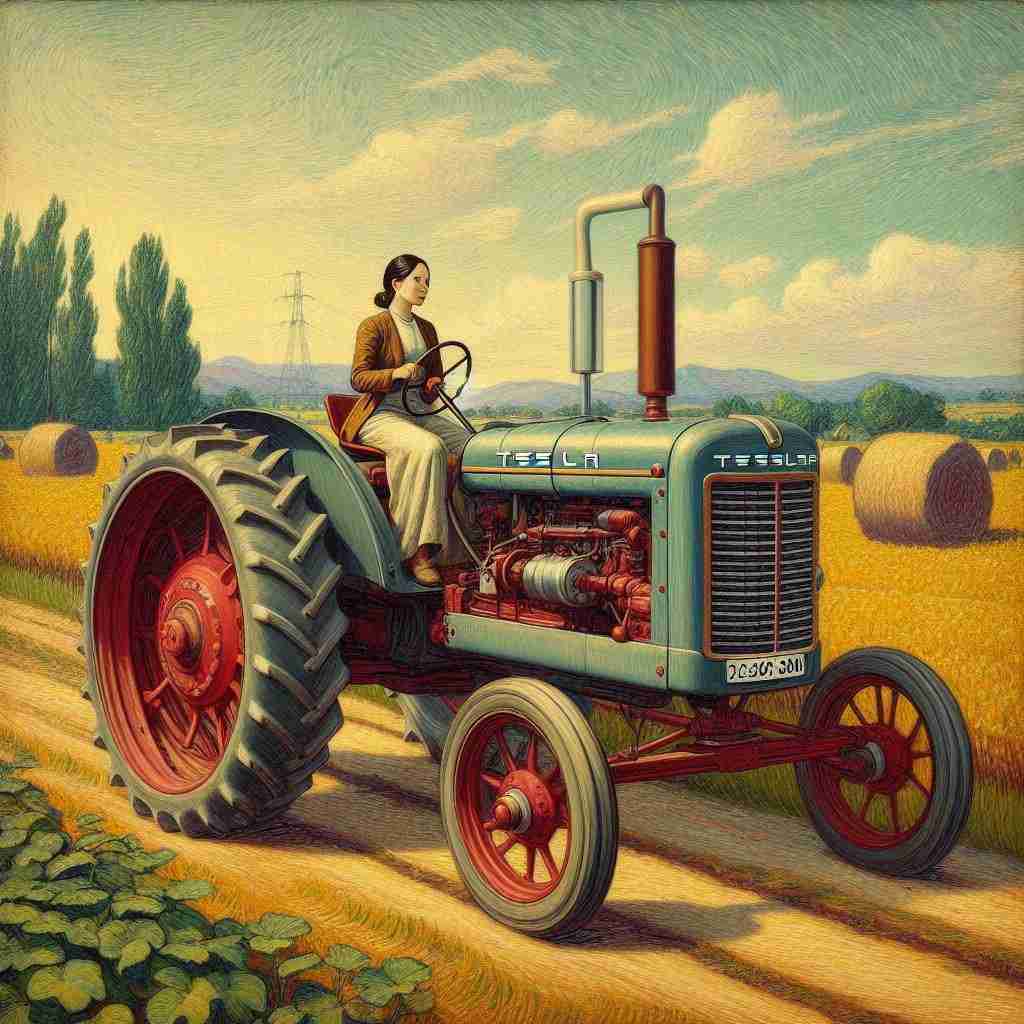
Ah, the allure of an old tractor. It’s not just a machine; it’s a ticket to a simpler time, a bridge to memories of fields rich with promise, and the gentle hum of hard work. But before you plunk down hard-earned cash on that classic piece of farm machinery, let’s take a moment to consider what really matters.
First off, understand your needs. Are you looking for a trusty old steed to tackle everyday chores, or is this more about lovingly restoring a piece of history? Knowing your intentions will steer your decision. Picture yourself driving it through sun-drenched fields or parked proudly at a show; that vision will help guide your choices.
Next, let’s talk condition. An old tractor might look charming with its weathered paint and vintage character, but don’t be fooled by good looks alone. Dive deep into the details. Pay close attention to the engine—after all, a heart running smoothly is what keeps the magic alive. Check the exhaust, listen for unusual noises, and don’t shy away from asking about its service history. A little elbow grease goes a long way in maintaining a tractor, but be sure you’re not inheriting a headache.
And what about the parts? Old tractors can have a nostalgic appeal, but trying to locate replacement parts can turn into a treasure hunt—and not the fun kind. Certain models may have parts that are hard to come by. Do your homework and see what’s available. Having a reliable support network for sourcing parts can save you time and frustration down the line, and trust me, nothing feels worse than having a beautiful old tractor just sitting there, waiting for a simple fix.
Finally, consider the community. There’s a rich culture surrounding vintage tractors, filled with enthusiasts who love sharing wisdom and experiences. Don’t hesitate to reach out to local clubs, online forums, or even friendly neighbors who might have advice or stories to share. Connecting with others who share your passion can make your journey more enjoyable and even enrich your knowledge.
So, when the rubber hits the road—literally—take your time. Your old tractor should resonate with you deeply, echoing the hard work and determination that laid the foundations of this wonderful, gritty life. Happy hunting!

What Should I Consider When Buying An Old Tractor?
What Should I Consider When Buying An Old Tractor?
- Old tractors symbolize a simpler time and evoke memories of hard work.
- Understand your needs: determine if you want a workhorse or a restoration project.
- Assess the condition: inspect the engine, exhaust, and service history for reliability.
- Check the availability of parts, as sourcing can be challenging for vintage models.
- Build a support network for parts and maintenance to avoid frustration.
- Engage with the tractor community, including clubs and online forums, for shared knowledge.
- Take your time: choose a tractor that resonates with your passion for hard work and history.
What Should I Consider When Buying An Old Tractor?
Can Older Tractors Be Upgraded Or Modified?
Ah, the trusty tractor: it’s the backbone of many a farm, and for good reason. These machines have a knack for getting the job done while evoking memories of simpler times when things were built to last. But what happens when your old workhorse starts to show its age? Can it be upgraded or modified to keep up with today’s demands? The answer is a resounding yes!
First off, let’s talk about that engine. If your tractor has seen better days but still holds a special place in your heart, consider breathing new life into it. Swapping out the old engine for a more efficient, powerful model is like giving your tractor a fresh set of lungs. You’ll not only get a boost in performance but also save on fuel costs in the long run.
Then, there’s the uncomfortable truth: the technology has come a long way since your tractor first rolled off the assembly line. Upgrading your electrical systems can bring essential improvements that make operation smoother and reduce wear and tear. Imagine installing a new lighting system that actually lets you see what you’re doing after sunset—no more fumbling in the dark!
And let’s not forget about the importance of safety. Many older tractors lack modern safety features that protect operators and bystanders alike. Adding roll bars, updated seatbelts, and improved braking systems might seem like a chore, but these modifications go a long way in ensuring you and your crew can work with peace of mind. After all, there’s nothing more valuable than safety on the job.
Now, you might be thinking, “This sounds expensive and complicated.” But here’s where that farmer ingenuity kicks in! Upgrading doesn’t always involve the latest and greatest brand-new parts. Salvaging components from other machines or even shopping at swap meets can yield fantastic deals. There’s a vibrant community of fellow tractor enthusiasts who would be thrilled to share their own successes and failures with you. That network of support is invaluable.
The question isn’t just about whether older tractors can be modified; it’s about what you want to do with them. They’re more than machines—they’re a part of your story. Embrace the possibilities and consider the power that comes from reviving a classic. Your tractor has plenty of life left in it; you just need to tap into it. So grab those wrenches and get to work—you might just be surprised by what you can achieve.

Can Older Tractors Be Upgraded Or Modified?
Can Older Tractors Be Upgraded Or Modified?
- The tractor is essential for many farms, symbolizing durability and nostalgia.
- Old tractors can be upgraded to meet modern demands, particularly through engine replacement.
- Upgrading electrical systems can enhance operation and reduce wear and tear, improving visibility at night.
- Adding modern safety features, such as roll bars and improved braking systems, is crucial for operator safety.
- Upgrades don’t have to be expensive; salvaging parts and community support can provide cost-effective solutions.
- Older tractors are more than machines; they embody personal stories and memories.
- Reviving a classic tractor can lead to rewarding results and renewed functionality.

Can Older Tractors Be Upgraded Or Modified?
What Are The Maintenance Costs For Older Tractors?
When it comes to keeping older tractors running like clockwork, the maintenance costs can feel like a puzzle waiting to be pieced together. You might be surprised at how much these sturdy workhorses can thrive with just a little TLC. Let’s break it down together, shall we?
First off, let’s talk about the value these machines bring. A well-maintained tractor isn’t just a piece of equipment – it’s a steadfast ally, a partner in the fields, and a lifeline for countless farming families. So, when we consider maintenance costs, it’s important to weigh them against the performance and reliability of these old beasts.
Now, depending on the age and make of your tractor, spare parts can range from easy to find, to a bit of a treasure hunt. Older models often require parts that have been discontinued, but don’t let that dishearten you! There are trusted suppliers, online marketplaces, and dedicated forums where enthusiasts share insights and solutions. Fixing an old tractor can sometimes feel like excavating buried treasure—challenging but rewarding.
Let’s talk about some common areas of expense. Regular oil changes, fuel filters, and hydraulic fluid replacements are the basics. These can set you back a few bucks, but they’re just like brushing your teeth—critical for a long and healthy life. Factor in the costs for tire replacements and brake repairs, which can be significant, but again, it’s about long-term gains. A small investment can save you from costly breakdowns when you least expect it.
And don’t forget about labor! If you’re not the DIY type, hiring a mechanic can add up quickly. But that’s okay! There’s something noble about knowing when to call in reinforcements. Finding a reliable mechanic who understands older tractors can be worth its weight in gold, especially when they treat your machinery with the same love you do.
So, how can we keep costs manageable? Preventative maintenance is key. A little attention goes a long way. Regular checks, timely repairs, and listening to that old engine can keep your tractor in fighting shape. The relationship between an owner and their tractor is built on trust. Spend time knowing your machine; let it be your guide.
Maintaining an older tractor isn’t just a task—it’s an investment in a legacy that transcends time. With proper care, these machines will keep working for generations, and that’s a legacy worth cherishing. So roll up those sleeves, get your hands dirty, and let’s keep these classics alive!

What Are The Maintenance Costs For Older Tractors?
What Are The Maintenance Costs For Older Tractors?
- Older tractors require ongoing maintenance to keep them functioning efficiently.
- A well-maintained tractor is a valuable partner for farming families, providing reliability and performance.
- Sourcing spare parts for older models can be challenging, but resources like trusted suppliers and online forums exist to help.
- Regular maintenance tasks include oil changes, fuel filter replacements, hydraulic fluid changes, tire replacements, and brake repairs.
- Labor costs can add up if hiring a mechanic, but finding someone familiar with older tractors is invaluable.
- Preventative maintenance is essential for managing costs; regular checks and timely repairs can prevent costly breakdowns.
- Investing in an older tractor is maintaining a legacy; with care, these machines can serve for generations.

What Are The Maintenance Costs For Older Tractors?
Where Can I Find Reliable Older Tractors For Sale?
If there’s one thing we know in the world of agriculture and rugged labor, it’s that a trusty tractor is more than just a piece of machinery; it’s a partner in the field. Finding a reliable older tractor for sale takes a combination of good planning, a little patience, and the right places to look. So, let’s roll up our sleeves and dig into where you might unearth that dependable workhorse waiting for a second chance at life.
First off, consider your local community. That’s right—never underestimate the power of word-of-mouth. Farmers, ranchers, and other outdoor enthusiasts are often a tight-knit bunch, and they might know someone looking to sell a reliable older tractor. Hit up local agricultural fairs, or even coffee shops where folks in the farming community gather. You’d be amazed at how many golden opportunities come from just having a conversation with your neighbor.
Next, don’t overlook the internet. While we may have a soft spot for dusty country roads, the digital age does present some excellent resources. Websites like Craigslist, Facebook Marketplace, and other classified listings can be treasure troves filled with hidden gems. Just make sure to approach these listings with a critical eye. Look for sellers who provide detailed descriptions and plenty of pictures. If you get a whiff of hesitation or half-truths, trust your instincts and tread carefully.
Then there are auctions and estate sales—brilliant spots to find some true gems. Often, farms get passed down through generations, and when it’s time to part ways with the past, you could scoop up an older tractor that’s been well-loved but well-maintained. Attend these events armed with some research on the models you’re interested in, so you know whether you’re getting a deal or merely a rusty relic.
Moreover, specialty tractor dealerships can be your best friend.While they might focus on newer models, many have sections dedicated to older tractors that are still in excellent working condition. The staff at these dealerships are typically well-versed in the brands, models, and history of the machines they sell, so don’t hesitate to ask questions.
Lastly, always remember: a reliable tractor isn’t just about the machine; it’s also about the people and the stories behind them. Trust yourself, engage with the community, and soon enough, you’ll find that perfect tractor that’s not only dependable but feels like it was meant to be part of your journey. Happy hunting!

Where Can I Find Reliable Older Tractors For Sale?
Where Can I Find Reliable Older Tractors For Sale?
- A reliable older tractor is a vital partner in agriculture and rugged labor.
- Local community connections are essential; conversations with neighbors can uncover selling opportunities.
- The internet provides valuable resources like Craigslist and Facebook Marketplace for finding older tractors.
- Be cautious; examine sellers’ descriptions and pictures critically to avoid scams.
- Auctions and estate sales are excellent venues for discovering well-maintained older tractors.
- Specialty tractor dealerships often have sections for older models and knowledgeable staff to assist buyers.
- Trust your instincts and engage with the community to find a dependable tractor that fits your journey.

Where Can I Find Reliable Older Tractors For Sale?
Conclusion
As we wrap up this exploration of vintage tractors and their potential to ease the financial burdens of modern farming, let’s take a moment to appreciate the blend of practicality and nostalgia these machines bring to the table. First off, we’ve established that today’s agricultural landscape often feels as unforgiving as a winter storm. With the steep costs of new equipment weighing heavily on farmers’ shoulders, it’s clear that looking backward—specifically toward the older tractors that built the foundation of farming—might just be the solution we need.
Older tractors are not just relics; they’re symbols of a bygone era when things were built to last. Crafted with rugged simplicity, they have proven time and again that reliability reigns supreme over unnecessary bells and whistles. With them, farmers gain access to dependable machinery that can withstand the tests of time, all without the frightful price tags that come with new models. It’s like savoring a home-cooked meal over fast food: one fills you up and connects you to the roots of your community, while the other leaves you feeling empty.
But let’s be clear: jumping onto the vintage bandwagon offers more than just economic advantages. There’s an undeniable sense of fulfillment in restoring an old tractor—transforming a forgotten piece of equipment into a reliable partner. It’s an act of rebellion against our throwaway culture, a tangible connection to the generations of farmers who came before us. Plus, the sense of community that comes with sharing knowledge about these machines further solidifies that connection to our rich agricultural traditions.
And let’s not forget the appeal of sustainability. Every time you breathe new life into an older tractor, you’re making a conscious choice to reduce waste and conserve resources. It’s about honoring the past while ensuring that we farm sustainably for the future.
So before you rush off to that shiny dealership, consider carving out some time to explore the world of vintage tractors. Whether you’re restoring one from the barn, attending an auction, or reaching out to fellow farmers, you might discover that the road ahead is paved with nostalgia, affordability, and a sense of purpose. In the end, the adage holds true: sometimes, old is not just gold but a beacon of hope for the future of farming. Happy farming, folks!

Conclusion
Conclusion:
- Vintage tractors offer a blend of practicality and nostalgia, potentially easing the financial burdens of modern farming.
- High costs of new agricultural equipment create pressure on farmers, making older tractors an appealing alternative.
- Older tractors symbolize durability and reliability, with a focus on simplicity over excessive features.
- Restoring vintage tractors fosters a sense of fulfillment and rebellion against disposable culture.
- Engaging with vintage tractors helps connect with previous generations of farmers and strengthens community ties.
- Restoring old tractors promotes sustainability by reducing waste and conserving resources.
- Exploring vintage tractors enriches the farming experience with affordability and a purposeful connection to agricultural heritage.

Conclusion
Other Resources

Other Resources
Here is a list of other resources you can review online to learn more:
Use This Prompt To Get More Resources With Your Favorite Online AI Tool: Please provide me with a list of online articles with their URLs in a bulleted list that I can read regarding Can Older Tractors Solve Farm Equipment Affordability Issues?

Other Resources
Glossary Terms
Can Older Tractors Solve Farm Equipment Affordability Issues? – Glossary Of Terms
1. Affordability: The ability of farmers to purchase and maintain equipment within their financial means.
2. Antique Tractor: A tractor that is at least 25 years old, often valued for its historical significance and simplicity.
3. Depreciation: The reduction in value of an asset over time, which can be less pronounced in older tractors.
4. Maintenance Costs: The expenses associated with keeping equipment in working order, often lower for older, simpler machines.
5. Efficiency: The effectiveness of a tractor in performing tasks without excessive fuel consumption or downtime.
6. Resale Value: The potential price that can be obtained when selling a used tractor.
7. Restoration: The process of repairing and refurbishing older tractors to restore them to working condition.
8. Financing Options: Various methods by which farmers can pay for equipment, such as loans, leases, or grants.
9. Operational Simplicity: The ease of use and maintenance associated with older tractors, often favored by farmers with limited technical experience.
10. Used Equipment Market: The marketplace where used tractors and farm equipment are bought and sold, often offering more affordable options.
11. Vintage Tractors: Tractors manufactured in earlier decades, often valued for their design and functionality.
12. Modularity: The design concept that allows for the easy replacement or upgrade of parts in older tractors.
13. Customization: The ability to modify older tractors to better meet specific farm needs.
14. Fuel Compatibility: The types of fuel that older tractors can use, which may differ from modern equipment requirements.
15. Repairability: The ease with which a tractor can be repaired, often higher in older models due to simpler technology.
16. Sustainability: Farming practices that consider environmental impact, which can be enhanced by using older, well-maintained equipment.
17. Heritage Machinery: Older farming equipment that carries historical significance within specific communities or regions.
18. Landscaping: The practice of utilizing tractors for land management, which can be economically feasible with older equipment.
19. Tractor Shows: Events where vintage and agricultural tractors are displayed, promoting interest and valuation in older machinery.
20. Local Repair Shops: Small businesses that maintain and fix older tractors, providing essential services to farmers.
21. Tractor Auctions: Events where used tractors are sold to the highest bidder, often resulting in competitive prices.
22. Power Take-Off (PTO): A mechanism on tractors used to transfer power for various attachments, often simpler in older models.
23. Ag Equipment Communities: Groups that share resources, tips, and information about older farm equipment.
24. Tractor Registries: Databases that track owner history, model specifications, and value assessments for tractors, especially vintage or collectible ones.
25. Economic Viability: The ability of older tractors to contribute positively to a farm’s financial performance.
26. Soil Compaction: The compression of soil caused by heavy equipment, which can be addressed with lighter, older tractors.
27. Networking: Building connections with other farmers and equipment enthusiasts for advice on maintaining or acquiring older tractors.
28. Agricultural Innovation: The introduction of new technologies and methods that can enhance the longevity and usability of older tractors.
29. Cost-Benefit Analysis: The process of comparing the potential benefits of investing in older tractors against their costs.
30. Reclamation: The process of revitalizing land using older machinery, which can involve less investment compared to new equipment.

Glossary Of Terms
Other Questions
Can Older Tractors Solve Farm Equipment Affordability Issues? – Other Questions
If you wish to explore and discover more, consider looking for answers to these questions:
- What type of maintenance do older tractors require?
- How can I find parts for an older tractor?
- What are some common issues with older tractors?
- Are there specific brands or models of older tractors that are more reliable?
- What skills are needed to work on and repair older tractors?
- How do I determine the value of an older tractor?
- What should I look for in a vintage tractor restoration project?
- Can older tractors be used for modern farming practices?
- What are the regulatory considerations for using older tractors in farming?
- How do older tractors compare in fuel efficiency to modern tractors?
- What are the pros and cons of restoring an old tractor versus purchasing a used newer model?
- Are there communities or clubs for vintage tractor enthusiasts?
- What financial resources or grants are available for restoring older farm equipment?
Other Questions
Haiku
Can Older Tractors Solve Farm Equipment Affordability Issues? – A Haiku
Old iron in the field,
Whispers of work and good worth—
Cost-effective hope.

Haiku
Poem
Can Older Tractors Solve Farm Equipment Affordability Issues? – A Poem
Vintage Steel, the Farmer’s Friend
In fields where golden corn does sway,
Beneath the sun’s warm, gentle play,
A challenge looms with costs that rise,
Yet hope resides in vintage ties.
Old tractors stand, their paint now worn,
They tell of toil, of dreams reborn,
With engines strong, they hum along,
A legacy where hearts belong.
Not sleek and shiny, yet built to last,
In simpler times, their fame was cast,
No frills to weigh the farmer down,
Just sturdy frames and wheels renowned.
Restore a relic, breathe in the past,
With calloused hands, make memories last,
For in the rust, resilience gleams,
A bond to land, to life, to dreams.
Community whispers share their grace,
A network of wisdom, a cherished place,
With tools in hand and love to spare,
Old iron finds a second air.
Consider costs, both low and wise,
For parts are found without the prize,
Each fix, a tale; each turn, a dance,
Invest in the past, give fate a chance.
So heed the call of the vintage steer,
They beckon farmers year by year,
For as the sun sets, in fields so wide,
An older tractor stands with pride.

Poem
Checklist
Can Older Tractors Solve Farm Equipment Affordability Issues? – A Checklist
Checklist: Exploring Older Tractors for Farm Use
Use this checklist to evaluate whether an older tractor is the right fit for your farm operation:
Before Buying
1. Assess Your Needs:
_____ Determine if you need the tractor for daily chores, restoration, or both.
2. Evaluate Condition:
_____ Check the engine and listen for unusual noises.
_____ Inspect for signs of wear on tires and the body.
3. Consider Parts Availability:
_____ Research the availability of replacement parts.
_____ Look for models with a supportive network for sourcing parts.
4. Engage with the Community:
_____ Connect with local tractor clubs and online forums for advice and shared experiences.
After Purchase
5. Plan for Maintenance:
_____ Establish a maintenance routine including oil changes and hydraulic fluid checks.
_____ Create a budget for expected maintenance costs.
6. DIY Skills Assessment:
_____ Assess your ability to perform minor repairs.
_____ Gather necessary tools and literature for self-repairs.
7. Investigate Upgrades:
_____ Consider potential engine upgrades for performance improvement.
_____ Investigate modernizing electrical systems for improved operation and safety.
_____ Explore adding modern safety features like roll bars and upgraded brakes.
8. Formulate a Budget:
_____ Estimate costs for initial repairs, upgrades, and ongoing maintenance.
_____ Calculate potential savings compared to purchasing a new tractor.
Finding Your Tractor
9. Explore Local Options:
_____ Speak to local farmers and ranchers for leads on available tractors.
_____ Attend agricultural fairs and community gatherings.
10. Search Online:
_____ Use platforms like Craigslist and Facebook Marketplace for listings.
_____ Be cautious and look for detailed descriptions and pictures.
11. Attend Auctions and Estate Sales:
_____ Research upcoming farm equipment auctions.
_____ Go in prepared with knowledge about the models you’re interested in.
12. Visit Specialty Dealers:
_____ Check out dealerships that focus on farm equipment—many carry older tractors.
Final Thoughts
_____ Reflect on the Experience:
_____ Remember that owning an older tractor is not just a financial investment but also an emotional journey connecting you to farming’s rich history.
_____ Stay Patient and Persistent:
_____ Finding the right tractor may take time, but the rewards of owning a reliable workhorse will be worth it.
Happy farming and good luck on your adventure with vintage tractors!

Checklist
At ClassicTractorNews, we help tractor lovers keep up with the latest news for classic and vintage tractors.
Please share this post with your friends, family, or business associates who may like old classic or vintage tractors.