

The Timeless Power And Promise Of Classic Tractors For Small-Scale Farming
By Tom Seest
At ClassicTractorNews, we help tractor lovers keep up with the latest news for classic and vintage tractors.
Please share this post with your friends, family, or business associates who may like old classic or vintage tractors.
Can Classic Tractors Redefine Modern Farming for Small Producers
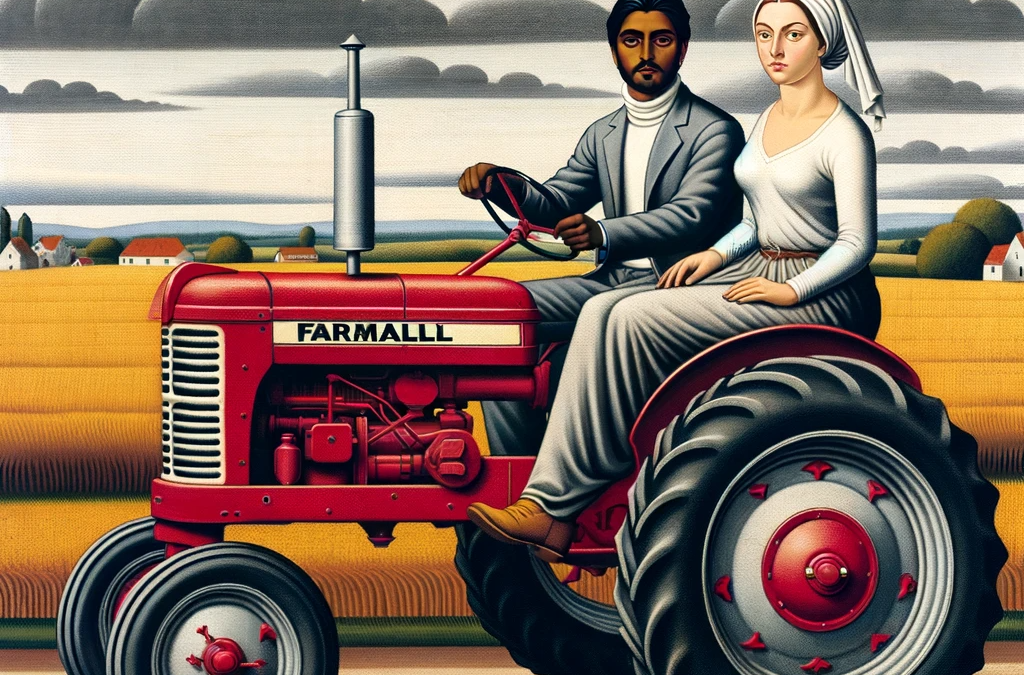
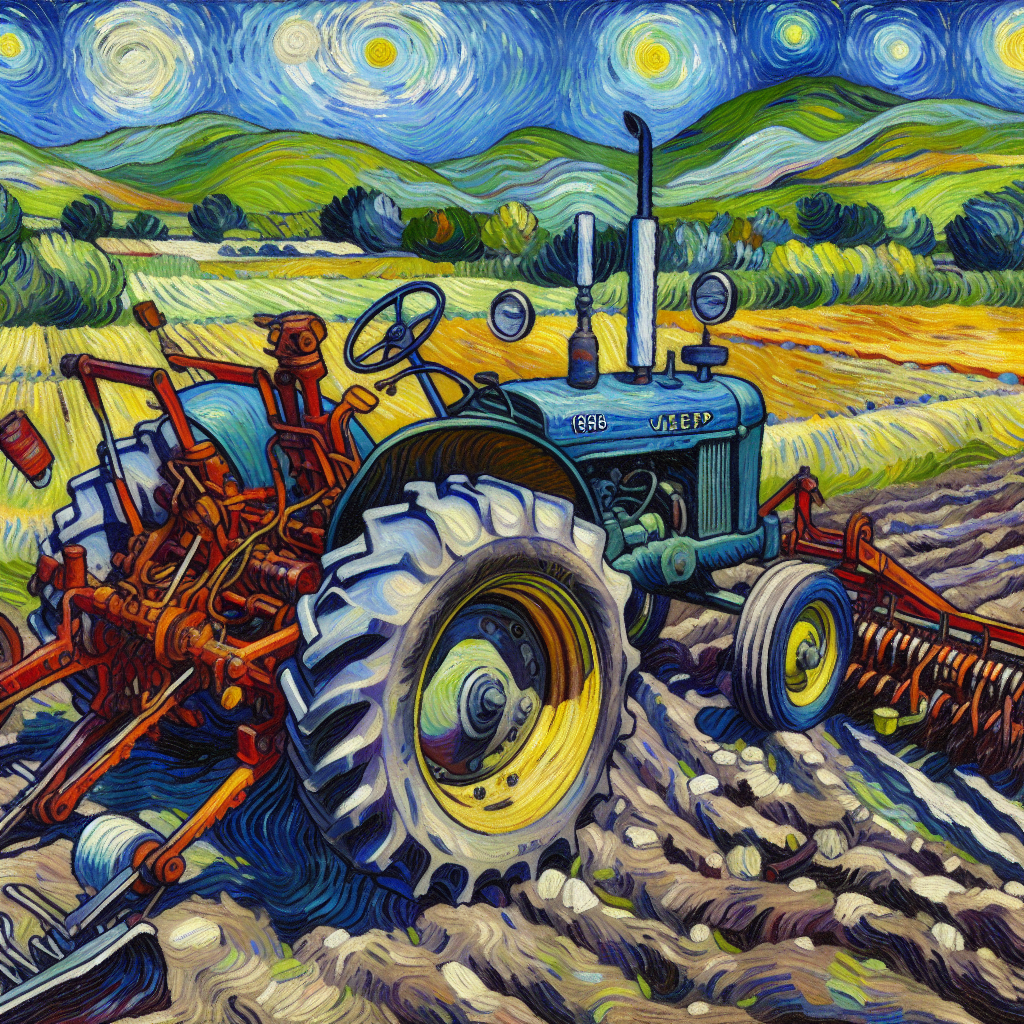
In the bustling rhythm of modern agriculture, the phrase “bigger is better” often reigns supreme. Yet, as we race towards a future dominated by high-tech machinery and the latest gadgets, it’s easy to forget the sturdy resilience of a classic tractor—those iron companions that once tilled the earth with a blend of rugged determination and unwavering faith. For small producers, these vintage workhorses are not just relics of the past; they hold the promise of a future redefined.
Picture a sun-drenched field, the humming of an older model tractor echoing through the air, as it gently turns the soil. This isn’t just farming; it’s a statement. It calls back to a time when things were built to last and communities thrived on the fruits of their own labor. The simple reliability of a classic tractor fosters a sense of pride and ownership, reminding producers that agriculture is about resilience, heritage, and connection to the land. It’s not just a vehicle; it’s a partnership, a bond that resonates with anyone who has ever cultivated the earth.
From an economic standpoint, classic tractors often come with a fraction of the price tag associated with modern machinery. For small producers buckling under the weight of overhead costs, this translates to real savings—money better spent on seeds, soil, and supporting local ecosystems. Every turn of that vintage wrench serves as a reminder that sustainable farming doesn’t require a layer of technology—it requires innovation in the mindset and a return to functionality.
By embracing the old, we can build a bridge to the future. Classic tractors become a symbol of ethical farming—using resources wisely, celebrating craftsmanship, and valuing local production. They remind us that in the heart of agriculture lies not just the pursuit of profit but the cultivation of community, respect for the land, and stewardship of an age-old craft.
Think about it: when was the last time you felt a connection to your food, to the soil, or to the stories woven into farming? By reviving classic tractors, we not only honor our roots but also inspire a new generation eager to engage with the land. It’s about trust, confidence, and action—a rallying cry for small producers ready to redefine farming, one furrow at a time. It’s a movement worth joining—a testament to the tenacity of agrarian spirit that still pulses through our modern world.
Can Classic Tractors Redefine Modern Farming for Small Producers
Can Classic Tractors Redefine Modern Farming for Small Producers
- “Bigger is better” often dominates modern agriculture, overshadowing classic tractors.
- Classic tractors symbolize resilience, heritage, and a connection to the land for small producers.
- These vintage machines evoke pride and ownership in farming practices.
- Classic tractors are more economical, allowing small farmers to save money on machinery costs.
- Embracing classic tractors promotes sustainable farming through innovative mindsets focused on functionality.
- They serve as a symbol of ethical farming, resourcefulness, and local production.
- Reviving classic tractors can connect people to their food and inspire a new generation of farmers.
Can Classic Tractors Redefine Modern Farming for Small Producers
Table Of Contents
- Can Classic Tractors Redefine Modern Farming for Small Producers
- Is Nostalgia Driving Our Return To Classic Tractors For Farming?
- How Do Classic Tractors Impact The Sustainability Of Small Farms?
- Can Traditional Farming Practices Coexist With Modern Technology?
- Are Classic Tractors More Cost-Effective For Small Producers?
- What Stories Do Classic Tractors Tell About Our Agricultural Heritage?
- How Do Community Perceptions Affect The Use Of Classic Tractors?
- Conclusion
- Other Resources
- Glossary Of Terms
- Other Questions
- Haiku
- Poem
- Checklist
Is Nostalgia Driving Our Return To Classic Tractors For Farming?
In an age where technology propels us faster than we can comprehend, there’s something uniquely grounding about the rumble of a classic tractor. These robust machines, with their weathered paint and simple charm, aren’t just pieces of equipment; they symbolize a deep connection to our roots. As farming becomes increasingly mechanized, many are returning to these timeless icons, and it’s not just a trend driven by nostalgia. It’s about finding harmony between the past and present, blending the wisdom of generations with today’s desires.
Let’s take a moment to consider the heart of the matter. Picture a father teaching his daughter how to operate his old tractor in the golden light of a setting sun. That scene isn’t just a memory; it’s a bond formed over grease and grit. It’s the laughter shared while troubleshooting a stubborn engine or the lessons learned about resilience when things go awry. These tractors aren’t merely tools; they cultivate relationships, memories, and a profound sense of identity.
Now, let’s engage the head. Economically speaking, classic tractors often offer a far cheaper alternative to shiny new models equipped with bells and whistles that the average farmer may not need. They’re straightforward, reliable, and often require less maintenance, meaning those everyday tasks can be tackled without the looming stress of complicated technology. For small to mid-sized farms, that’s not just smart; it’s necessary for survival in an uncertain market. A classic tractor represents a cost-effective solution, marrying practical needs with economic realities.
Ethically, we find ourselves in a critical conversation. With agricultural land becoming scarce and the pressure to produce rising, shouldn’t we advocate for sustainable practices? Classic tractors often operate with lower emissions and a smaller carbon footprint, aligning with ethical farming standards that prioritize the environment. In this way, they are more than just relics; they are symbols of responsible stewardship of the land.
Finally, let’s embrace the social aspect. Think of the community that rallies around classic tractor shows, where farmers swap stories and skills. They prove that the world of agriculture is not a solitary endeavor but a collective effort bound by shared values and traditions. When we choose a classic tractor, we’re not just selecting a machine; we’re embracing a way of life that honors the past while nurturing the future.
So, as we reminisce about those tractors of yesteryear, let’s also recognize their power to inspire trust and action in our ever-evolving agricultural landscape. They remind us of who we are, where we’ve been, and how together, we can forge ahead.
Is Nostalgia Driving Our Return To Classic Tractors For Farming?
Is Nostalgia Driving Our Return To Classic Tractors For Farming?
- Classic tractors symbolize a deep connection to agricultural roots amidst modern mechanization.
- They facilitate bonding experiences, creating memories and relationships through shared activities around farming.
- Economically, classic tractors are often more affordable and require less maintenance than newer models, essential for small to mid-sized farms.
- They represent a cost-effective solution that aligns practical farming needs with economic realities.
- Classic tractors typically operate with lower emissions, promoting ethical farming practices and environmental stewardship.
- Community engagement thrives around classic tractor shows, emphasizing agriculture as a collective endeavor rooted in shared values.
- These tractors inspire trust and action, reminding us of our agricultural heritage while guiding sustainable farming into the future.
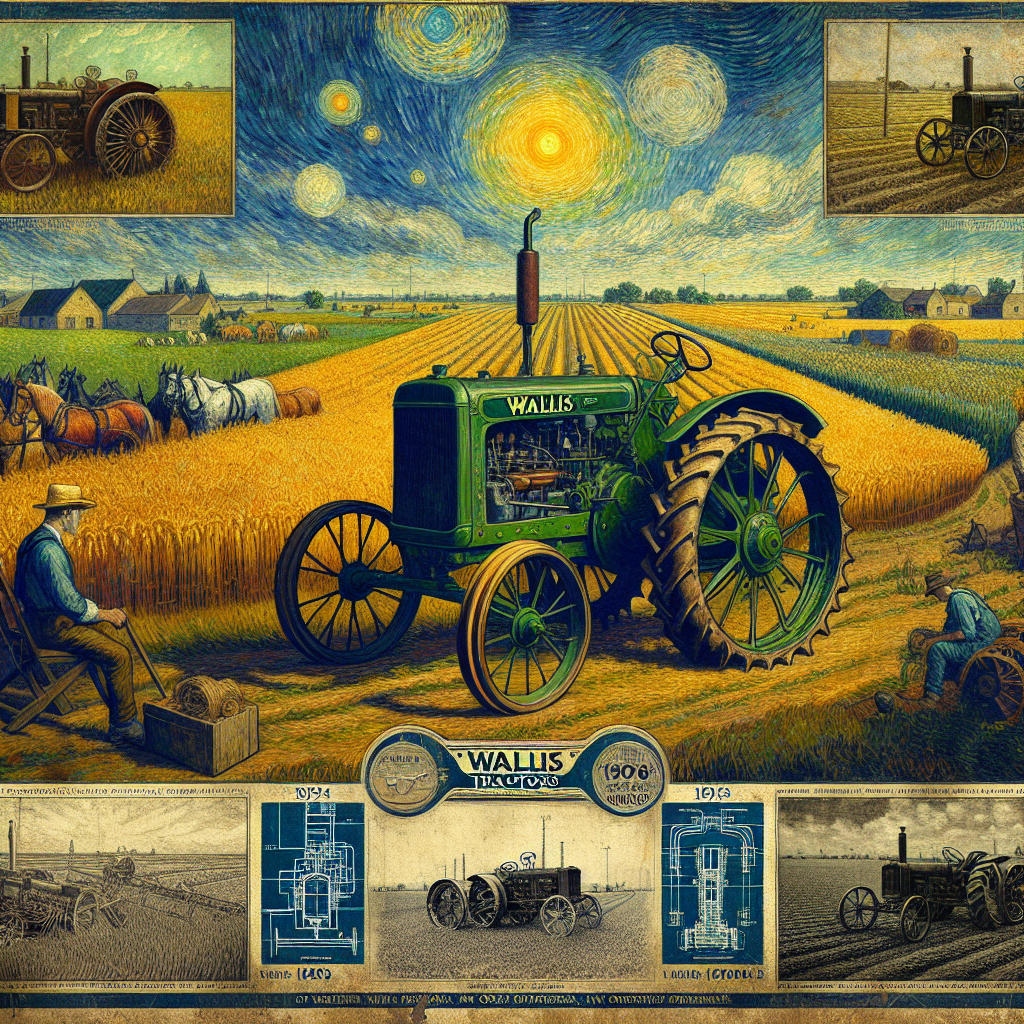
Is Nostalgia Driving Our Return To Classic Tractors For Farming?
How Do Classic Tractors Impact The Sustainability Of Small Farms?
In the heart of rural America, classic tractors stand as silent sentinels over fields that have borne witness to generations of hard work and determination. These machines, often rusted but never forgotten, are more than mere relics of the past; they embody the spirit of small farms and offer a glimpse into a sustainable future that harmonizes past and present.
Using a classic tractor isn’t just a nod to nostalgia; it’s a commitment to keeping small farms viable and vibrant, even in the face of modern challenges. When the engine roars to life, it unleashes not just horsepower, but also a legacy of ethical farming practices. These tractors have been the backbone of family farms, allowing them to engage in practices like crop rotation and organic cultivation long before “sustainable agriculture” became a buzzword. They help maintain the delicate balance of ecosystems while respecting the land, an act that speaks to the heart and echoes the values of sustainability.
Consider the stories tied to these machines. A farmer first learning the ropes as a child, sitting on their father’s lap, or a couple restoring an old farm truck, finding that it embodies their dreams and aspirations. These narratives are not just personal; they weave a rich tapestry of connection within the farming community. Every scratch and dent tells a story of resilience and creativity—the essence of why people invest in their land, embracing a lifestyle that nourishes both the body and soul.
Moreover, the simplicity of classic tractors fosters accountability. With fewer complex electronics, these machines require farmers to develop a hands-on understanding of maintenance and repair, thus supporting a return to practical skills that build confidence. This connection to the machinery empowers small-scale farmers to feel empowered stewards of their land, making thoughtful choices rooted in generations of agricultural wisdom.
When a farmer chooses a classic tractor, they’re not just investing in a piece of equipment; they’re choosing to uphold their heritage while forging a path toward a durable, sustainable future. It’s a choice that also influences social dynamics, encouraging local collaborations and bolstering economies. By engaging with their neighbors and communities, they create networks that uplift not just individual farms but whole regions.
So, the next time you hear the familiar sound of a tractor slicing through the fields, remember—it’s not just an engine; it’s a heartbeat. A heartbeat that promises a sustainable future, one family farm at a time. A commitment to the soil, the community, and a vision that honors the past while cultivating the future.
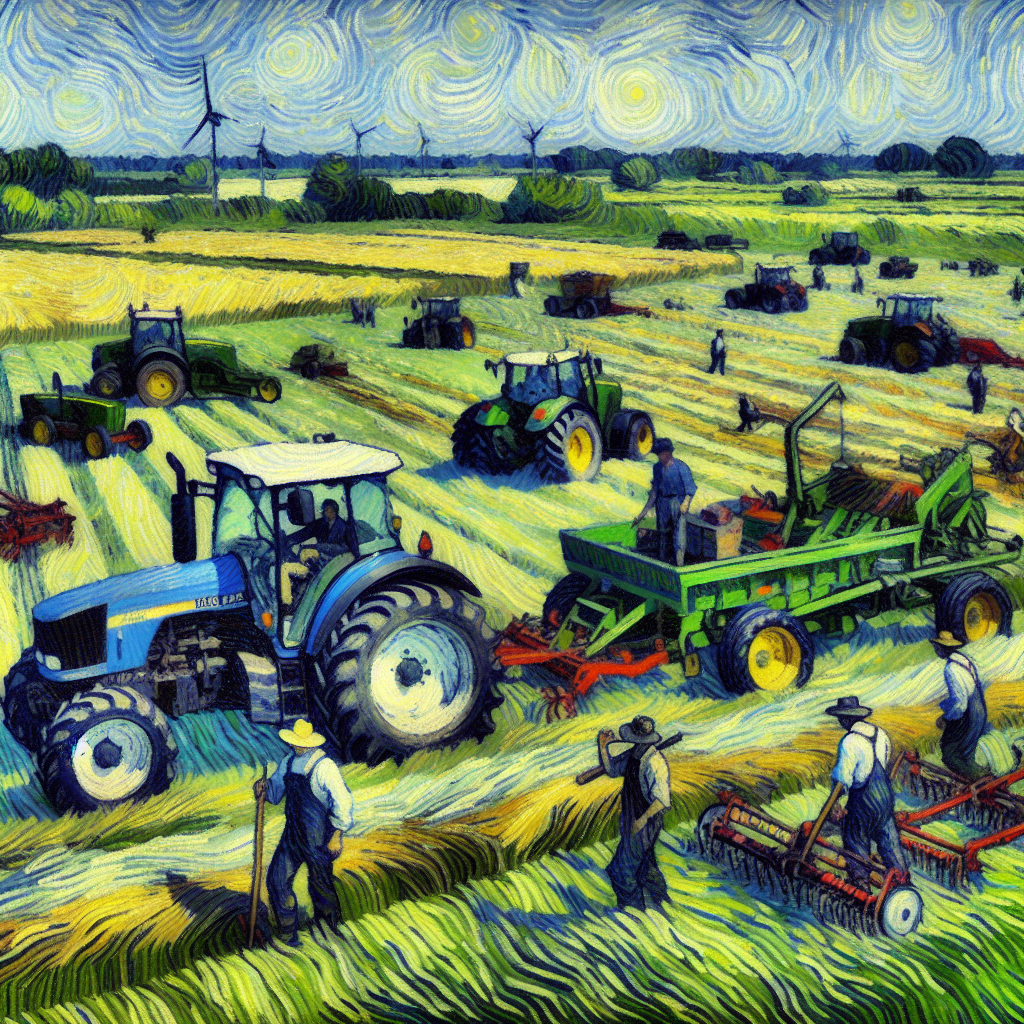
How Do Classic Tractors Impact The Sustainability Of Small Farms?
How Do Classic Tractors Impact The Sustainability Of Small Farms?
- Classic tractors symbolize resilience and the legacy of small farms in rural America.
- Using these tractors supports sustainable farming practices and keeps family farms vibrant.
- They have enabled ethical farming long before the term “sustainable agriculture” gained popularity.
- The stories associated with classic tractors reflect deep connections within the farming community.
- These machines promote a hands-on understanding of maintenance, fostering practical skills among farmers.
- Choosing classic tractors strengthens social dynamics and encourages local collaborations, benefiting regional economies.
- Ultimately, classic tractors represent a commitment to sustainability, community, and a balanced future.
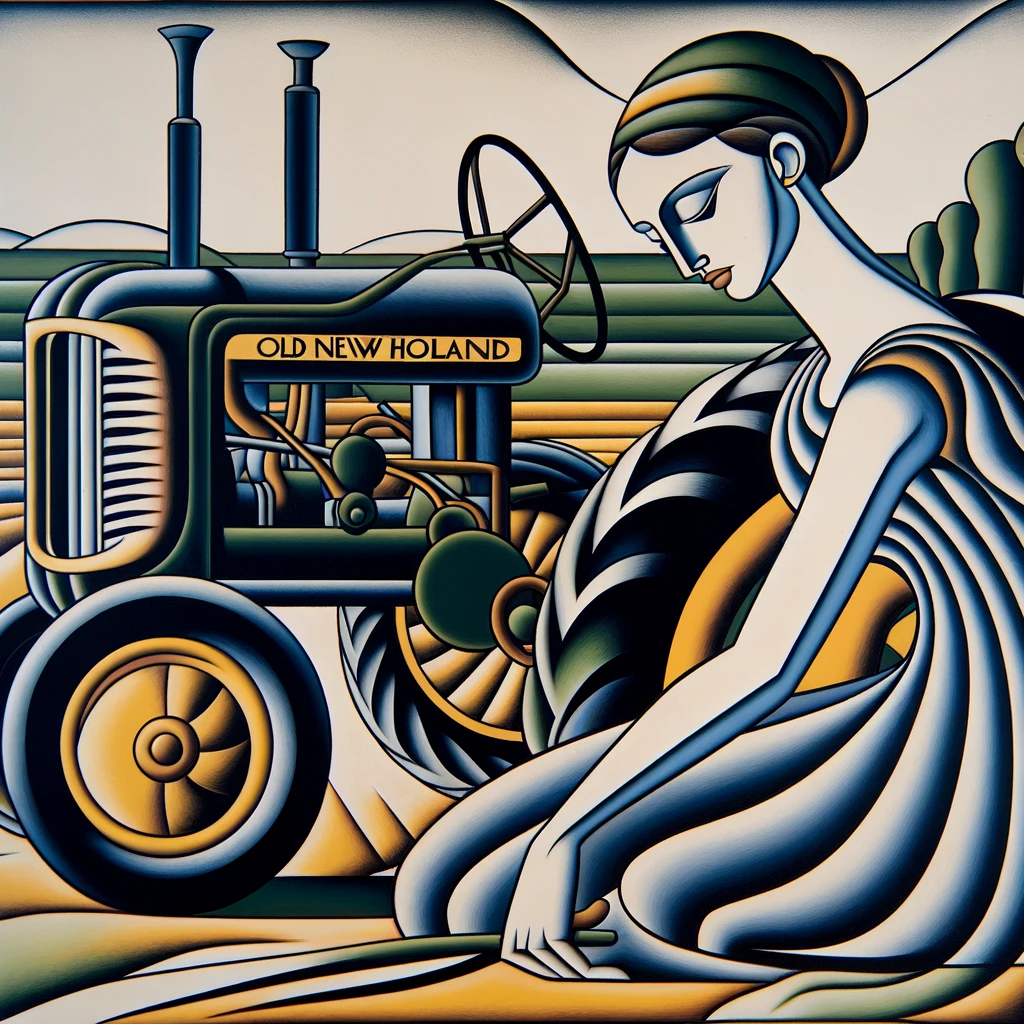
How Do Classic Tractors Impact The Sustainability Of Small Farms?
Can Traditional Farming Practices Coexist With Modern Technology?
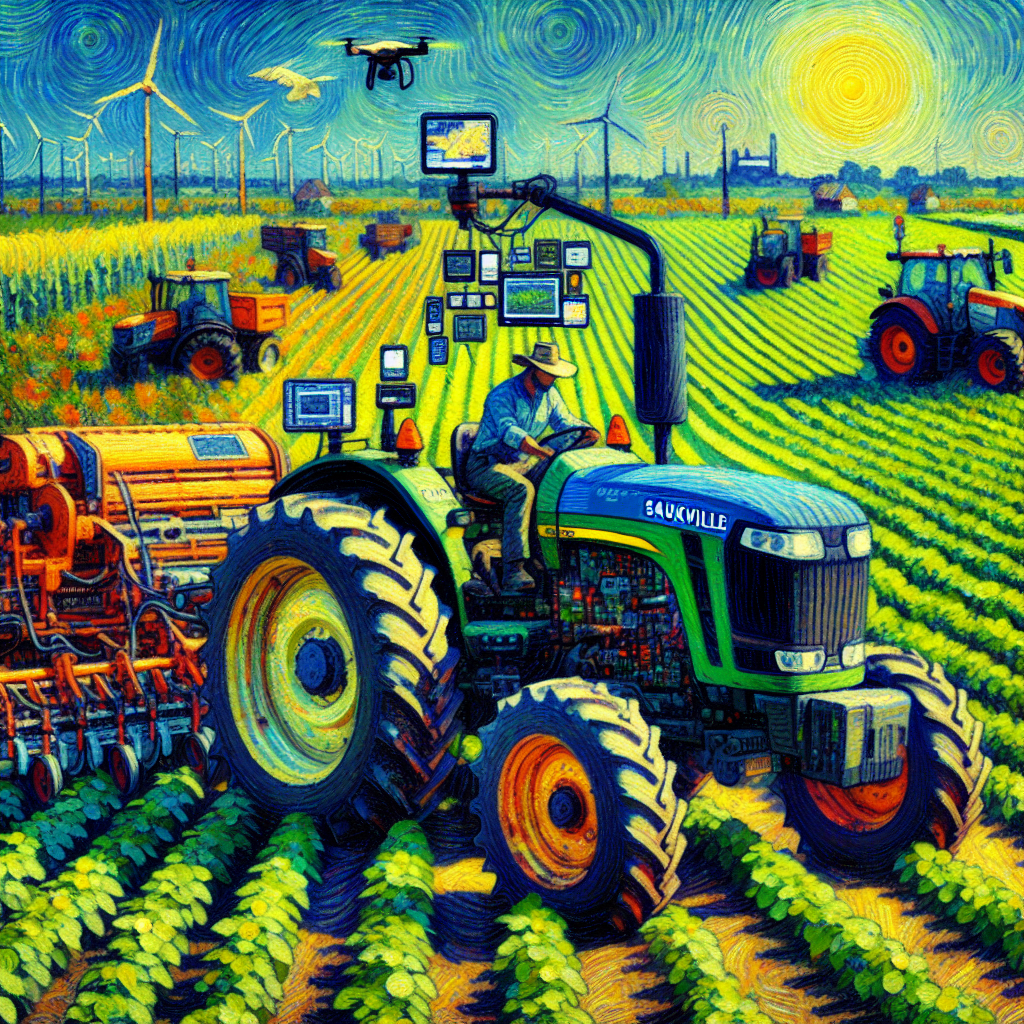
In a world that spins faster every day, the question of whether traditional farming practices can coexist with modern technology is more than just a debate—it’s a heartfelt dilemma that tugs at our roots and our future. Picture this: an old, rusted tractor sitting silently in a field, a symbol of hard work and dedication, where generations have poured their sweat and dreams into the soil. Yet, alongside it, you might see sleek, new equipment humming with precision, promising to make farming more efficient than ever before. This juxtaposition captures the essence of our agricultural evolution.
Let’s think about it. Traditional practices, like crop rotation and organic fertilization, are time-tested and grounded in ethics. They teach us about the land, respect for ecosystems, and a connection to nature that modern technology sometimes seems to bypass. Yet, it’s crucial to recognize the role of innovation in addressing challenges that farmers today face, from soil depletion to climate change. When we juxtapose the love for the land with the efficiency offered by GPS-guided tractors and data analytics, we see a powerful partnership emerging.
Imagine a young farmer, standing in the middle of a lush field, smartphone in hand, harnessing the very essence of traditional wisdom while adapting to modern advancements. It’s not just about efficiency; it’s about sustainability. This hybrid approach honors the past while having one eye on the future, ensuring that we don’t lose sight of what’s important. Every seed sown, every plant nurtured is done with respect—knowing that the next generation will look back and either thank us or curse us for our decisions today.
The social fabric of farming communities, rich in stories and traditions, also possesses the strength to adapt. There’s power in shared experiences, whether it’s gathering around a table for a potluck featuring local produce or investing in agritech startups together. These connections spark resilience, making towns thrive even in the face of change.
So, as we embrace modern technology like that shiny new tractor, let’s not forget the lessons learned on the backs of older models. Authentic dialogue, collaboration between old and new, and drawing from our collective wisdom will inspire trust and confidence. Together, we can cultivate a future where both traditions and innovations not only coexist but flourish, nourishing our hearts, our communities, and our planet.
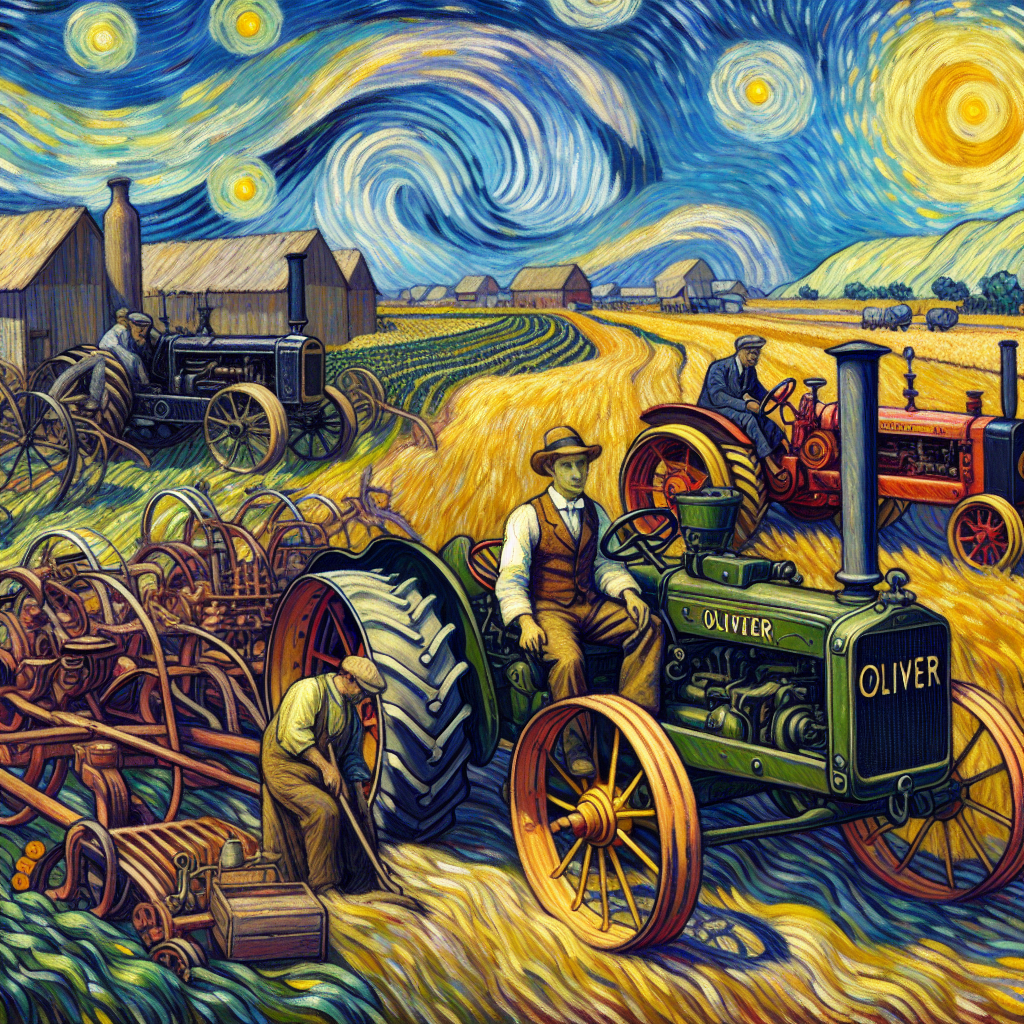
Can Traditional Farming Practices Coexist With Modern Technology?
Can Traditional Farming Practices Coexist With Modern Technology?
- The coexistence of traditional farming practices and modern technology poses a heartfelt dilemma affecting our roots and future.
- Traditional practices, such as crop rotation and organic fertilization, embody ethics and a connection to nature.
- Innovation plays a crucial role in addressing current farming challenges like soil depletion and climate change.
- A hybrid approach that merges traditional wisdom with modern advancements ensures sustainability and honors the past.
- The social fabric of farming communities thrives on shared experiences and traditions, fostering resilience amidst change.
- Embracing modern technology should be accompanied by lessons learned from traditional methods to build trust.
- Collaboration between old and new practices can cultivate a future where both traditions and innovations flourish.
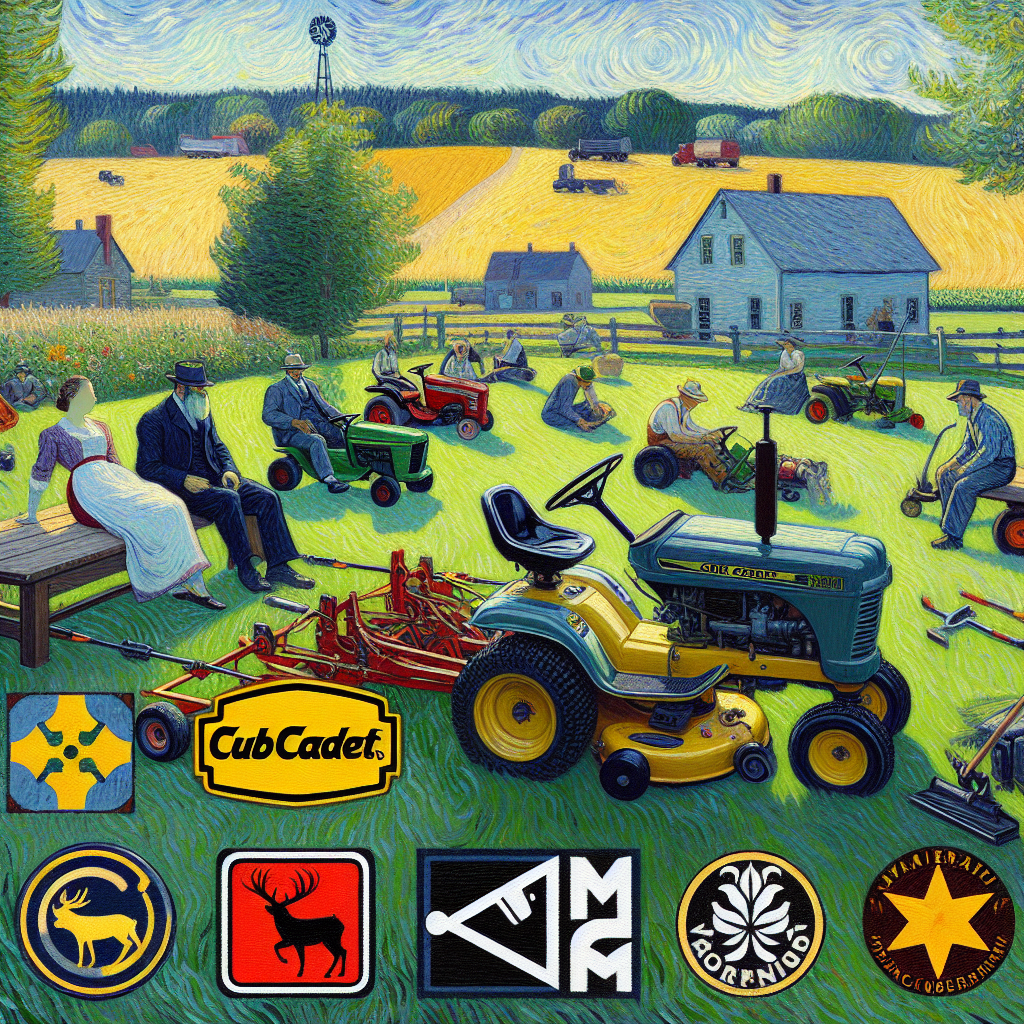
Can Traditional Farming Practices Coexist With Modern Technology?
Are Classic Tractors More Cost-Effective For Small Producers?
When you stand in the middle of a sun-drenched field, the scent of rich, fertile soil wafting through the air, a classic tractor is more than just machinery. It’s a bridge between past and present, a tool infused with the history and hands of those who came before us. These old iron giants may require a little elbow grease, but they also embody a hardworking ethos that resonates deeply with small producers dreaming of self-sufficiency.
Let’s dive into the numbers for a moment. Newer tractors are often laden with bells and whistles, fancy gadgets that promise efficiency but come with hefty price tags and costly maintenance. Then you have classic tractors, dependable and built to last, asking for a fraction of the investment. Sure, they require some occasional tinkering, but that’s part of their charm—as much about man and machine working in harmony as it is about productivity.
There’s something intrinsically ethical about keeping a classic vehicle rolling. By restoring and using these tractors, you’re not just saving money; you’re also engaging in sustainable practices. You’re reviving the craftsmanship of a bygone era, honoring the ingenuity of those who engineered machines meant to endure. In these days of disposability and fast fades, there’s a certain nobility in taking the road less traveled. Choosing a classic tractor means you’re not just investing in your own farm; you’re doing your part for a culture of resilience and resourcefulness.
Socially, think about the community you build. There’s camaraderie among folks who understand the value of hard work and dedication—those who’ve spent long hours troubleshooting an old engine or restoring a beloved piece of equipment. This connection goes beyond the swaying fields; it’s about shared experiences, laughter, and the stories that roll off the tongues of the seasoned farmers imparting their wisdom.
In a world that often seeks fast solutions, classic tractors remind us of the joy in the journey. They teach patience, perseverance, and a profound respect for the land we steward. So, if you’re contemplating whether to go antique or modern, remember that cost-effectiveness isn’t just about the dollars and cents—it’s about heart, heritage, and the honest pride that comes from raising your hands in the soil, knowing you’re cultivating a better tomorrow. Don’t just invest in a tractor; invest in a story, your story. And trust me, it’s one worth telling.
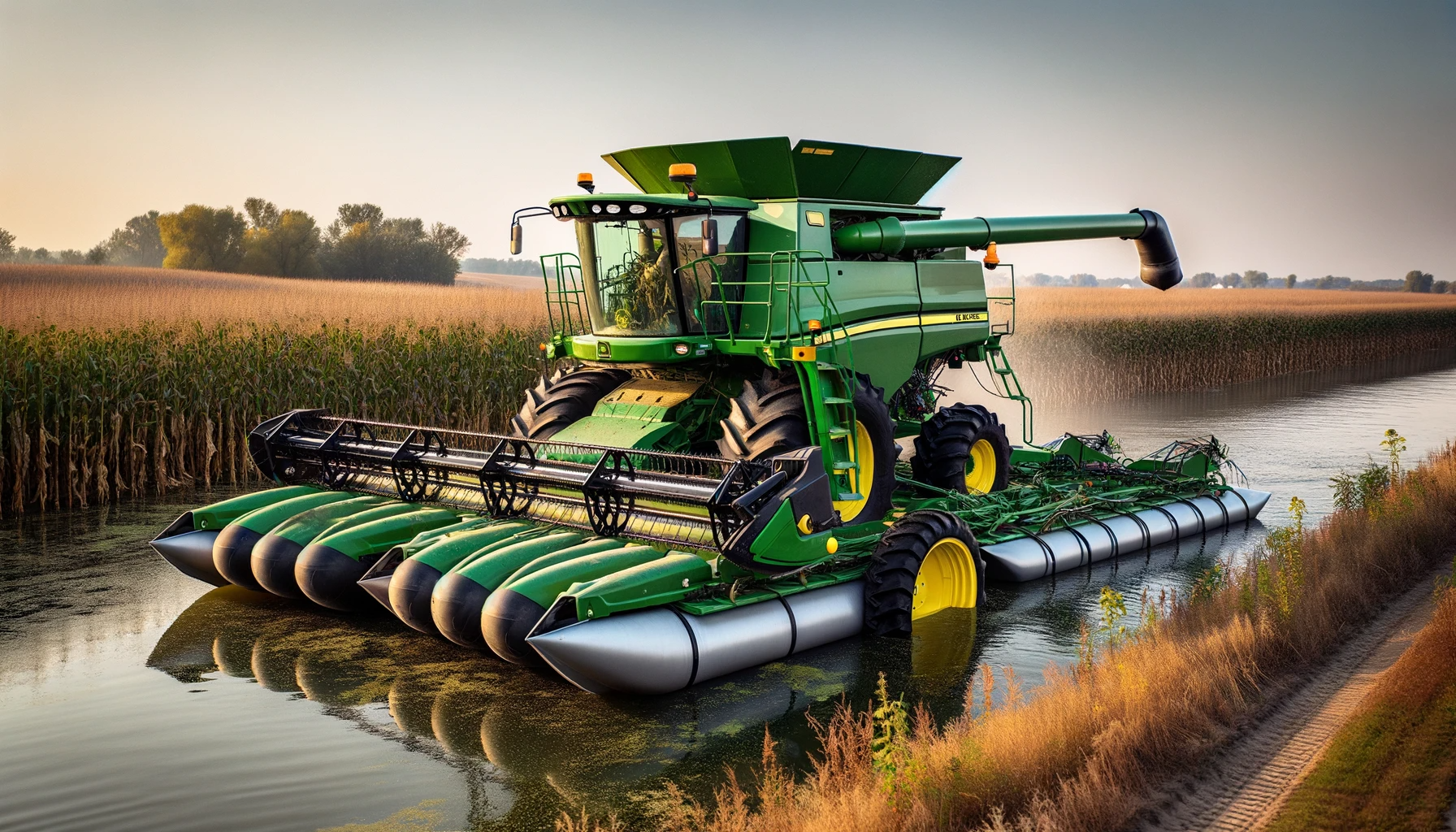
Are Classic Tractors More Cost-Effective For Small Producers?
Are Classic Tractors More Cost-Effective For Small Producers?
- Classic tractors serve as a connection between the past and present, embodying history and hard work.
- Newer tractors often come with expensive features and maintenance costs, while classic tractors are more affordable and dependable.
- Restoring classic tractors supports sustainable practices and revives craftsmanship from a bygone era.
- Choosing a classic tractor promotes resilience and resourcefulness in farming culture.
- The community around classic tractors fosters camaraderie, shared experiences, and a deep appreciation for hard work.
- Classic tractors teach valuable lessons in patience, perseverance, and respect for land stewardship.
- Investing in a classic tractor is not just about cost savings; it’s about heritage, heart, and the stories behind farming practices.
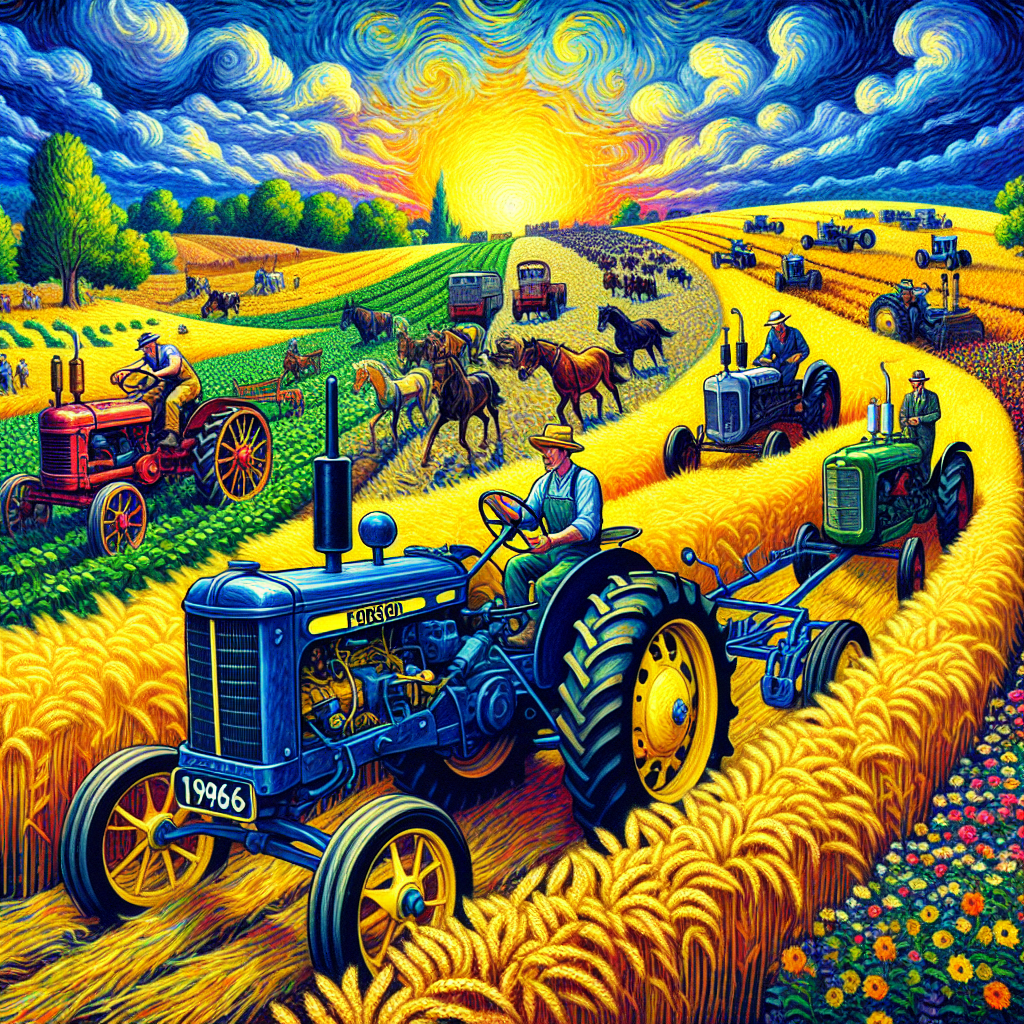
Are Classic Tractors More Cost-Effective For Small Producers?
What Stories Do Classic Tractors Tell About Our Agricultural Heritage?
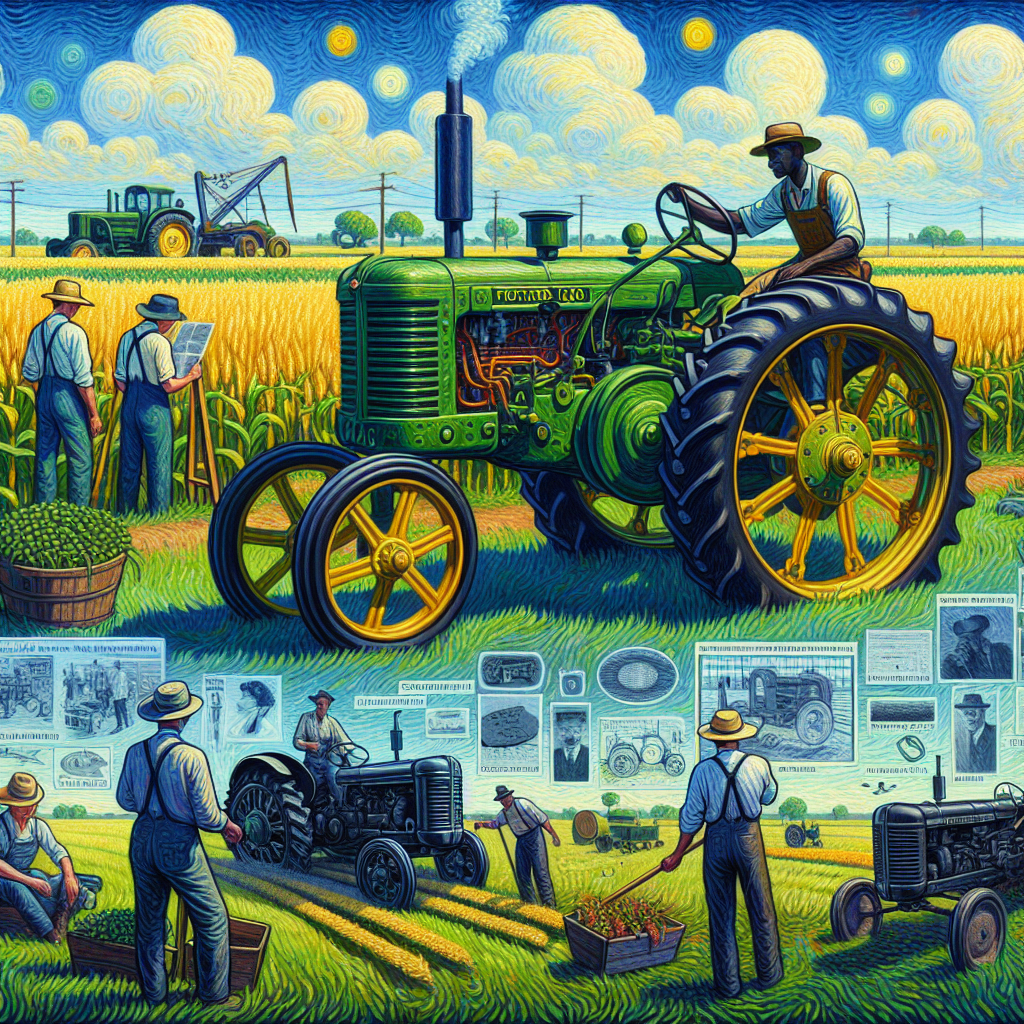
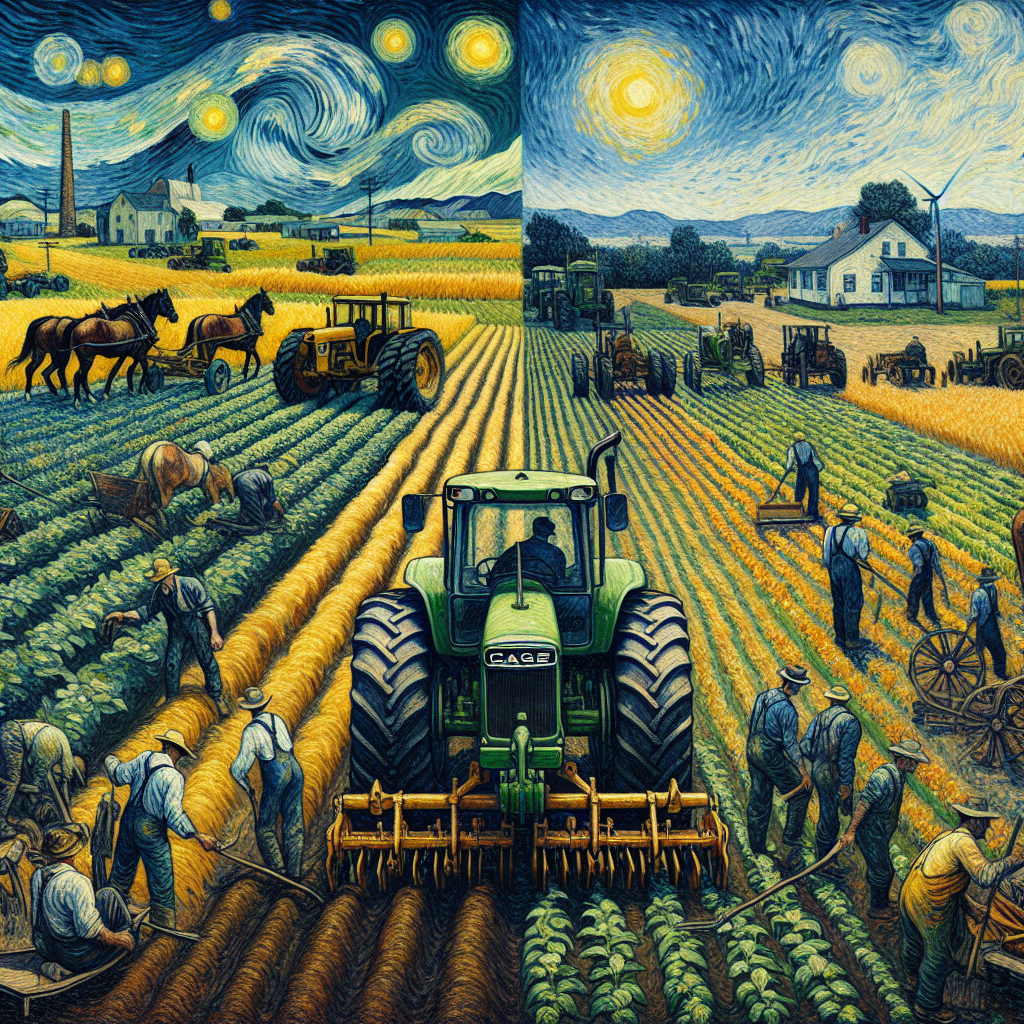
Every time you set foot on a farm, you can feel the weight of history in the air, a collective heartbeat thrumming through the fields and the old barns. Among the towering silos and plowed rows, you’ll often find a classic tractor, a steadfast sentinel of our agricultural past. These machines are more than mere iron and steel; they’re vessels of stories, each one a testament to the countless hands that shaped our agricultural heritage.
Picture an early morning, dew soaking the earth as the sun rises over a horizon painted in hues of gold and orange. The roar of a classic tractor fills the air, echoing the labor of generations. It’s not just a vehicle; it’s a bridge connecting us to our forebearers who carved out existence from the soil. Behind every rusted fender and chipped paint are the dreams and sweat of those who toiled day after day, making a life from the land. This connection is palpable, reminding us of the sacrifices and sheer determination that have fueled our food systems for centuries.
Now, let’s be rational for a moment: these classic tractors still hold authoritative evidence of our agricultural evolution. They’ve transformed the way we cultivate crops, allowing us to feed millions. Their designs reflect innovative engineering developed over decades, making every model a snapshot of the era’s technology and farming philosophy. By understanding the story of these machines, we can better appreciate the advances in sustainable practices we’ve come to embrace today.
But let’s not just get lost in the technical details—there’s an ethical dimension to consider. What does it mean to honor these relics of yesteryear? We face choices about how we engage with our agricultural roots. Preserving these tractors as artifacts is about more than nostalgia; it’s about recognizing the importance of sustainability and our responsibility to future generations. They remind us why farming matters, instilling values of stewardship and respect for the land.
As we gather around these venerable tractors, they spark conversations that build community. They break down barriers, inviting farmers, historians, and enthusiasts alike to share their tales. The stories unfold like the breeze rustling through the fields, fostering connections that can inspire the next generation to appreciate the rich tapestry of our agricultural heritage and commit to continuing the legacy.
So, next time you see a classic tractor, don’t just pass it by. Take a moment to listen. You might just hear the whispers of history, inviting you to join the conversation and carry the torch forward.
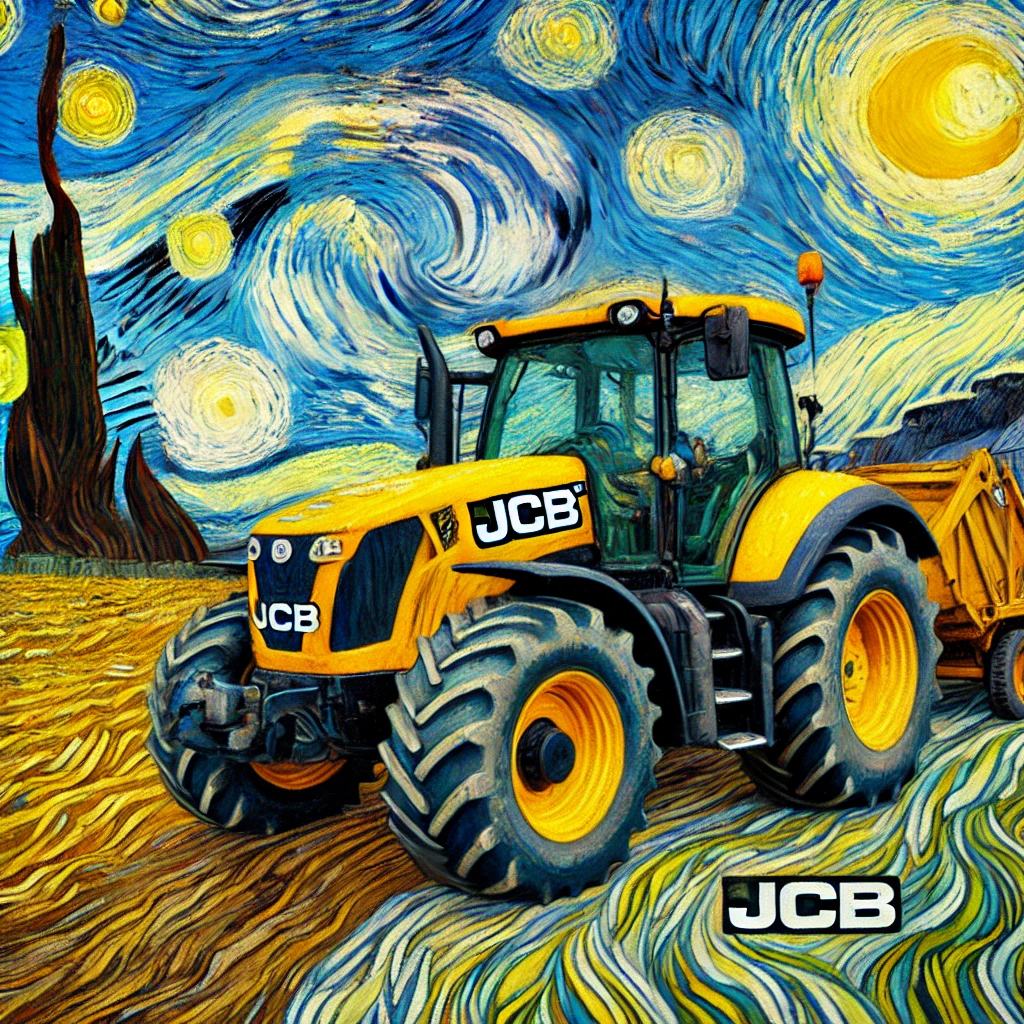
What Stories Do Classic Tractors Tell About Our Agricultural Heritage?
What Stories Do Classic Tractors Tell About Our Agricultural Heritage?
- Classic tractors symbolize our agricultural past, serving as vessels of stories and heritage.
- They connect us to the generations who cultivated the land and faced hardships to shape farming practices.
- These machines reflect the evolution of farming technology and practices over decades.
- Understanding their history fosters appreciation for modern sustainable agricultural practices.
- Preserving classic tractors emphasizes the importance of sustainability and stewardship for future generations.
- They create community, encouraging dialogue among farmers, historians, and enthusiasts.
- Classic tractors invite us to engage with history and inspire continued legacy in agriculture.
What Stories Do Classic Tractors Tell About Our Agricultural Heritage?
How Do Community Perceptions Affect The Use Of Classic Tractors?
How Do Community Perceptions Affect the Use Of Classic Tractors?
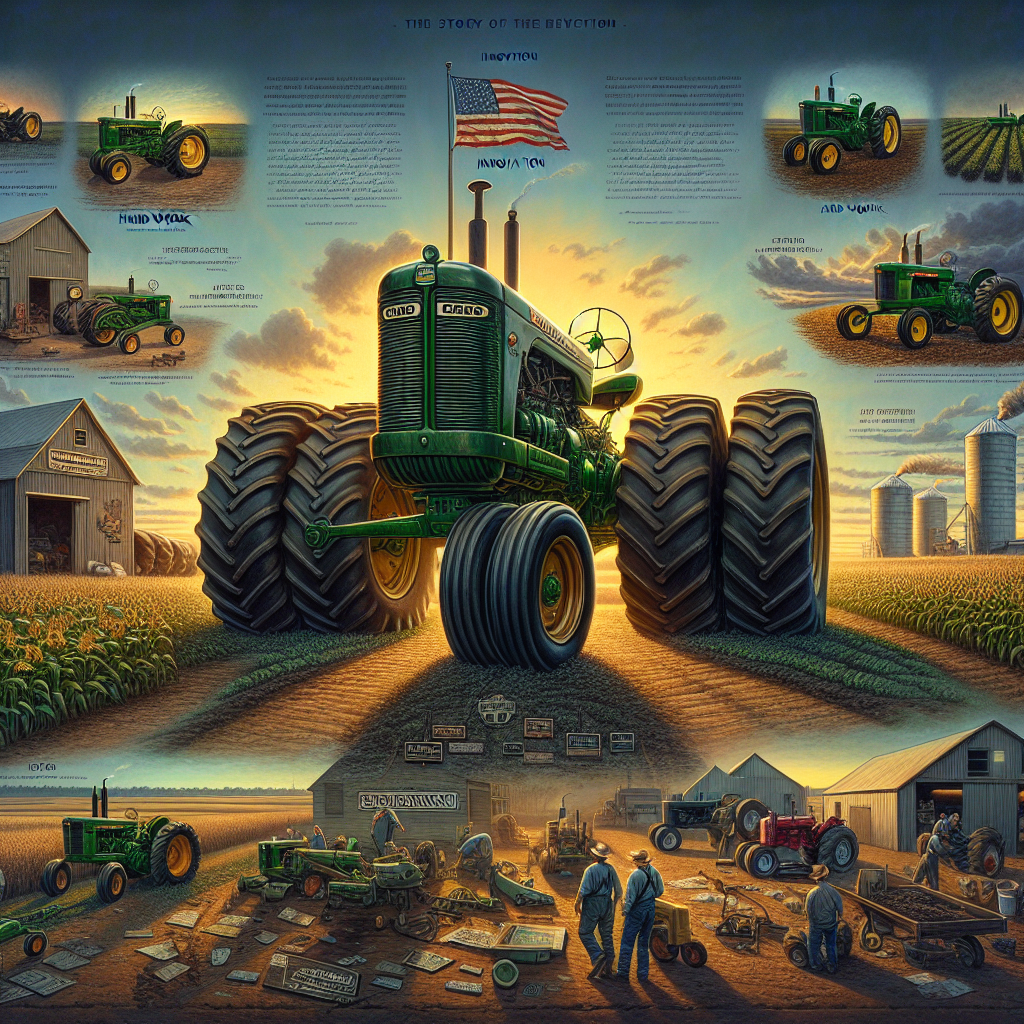
In the rhythmic pulse of rural life, tractors are much more than mere machines; they are the lifeblood of agricultural heritage and a symbol of resilience. The community’s perception of classic tractors weaves a narrative that not only reminisces on nostalgia but builds a bridge between generations. These iron giants represent a time when hard work and determination were the cornerstones of farming—and their continued use isn’t just practical; it’s profoundly ethical.
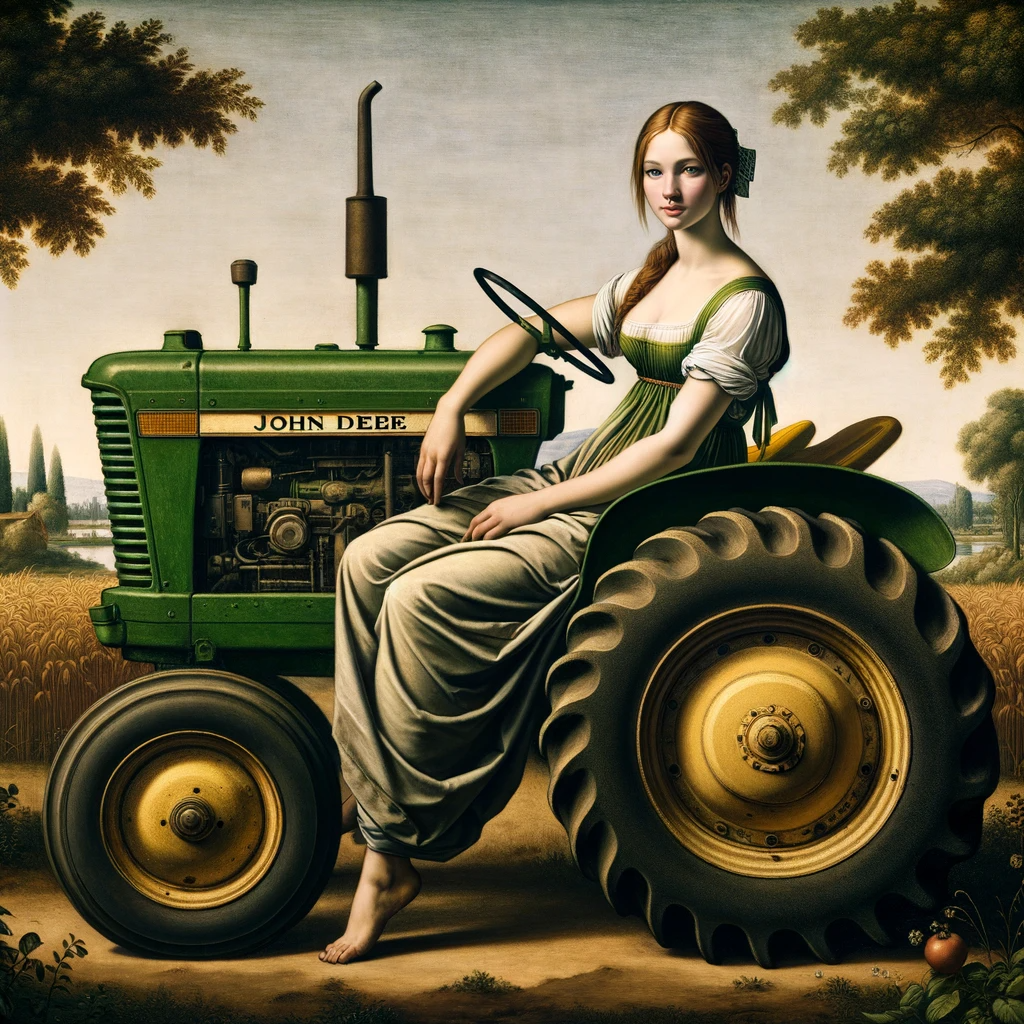
In a world increasingly dominated by modern technology, the choice to restore and maintain a classic tractor may seem out of step. Yet, it’s these transformers of rust and rigor that invite a heartfelt connection to our past. When folks gather at local fairs or perhaps during an idyllic afternoon plowing fields, it’s not just the engines that roar; it’s the stories shared amongst neighbors. There’s an emotional tug that comes from watching an old tractor chug through the dirt, waking up memories of grandparents who worked those very fields, instilling values of grit and perseverance.
Yet, we must examine the rational side of this equation. From an economic perspective, investing in classic tractors can be a smart choice. They stand the test of time, often requiring less maintenance than their flashy, computerized counterparts. Many farmers find solace in these mechanical beasts; they know how to fix them and keep them running with tools passed down through their families. The community’s perception of these tractors as dependable workhorses fosters an aura of trust—a silent acknowledgment that sometimes, older doesn’t mean outdated; it means tried and true.
However, let’s not overlook the impactful social connection that exists within a community that values its history. As neighbors gather with pride around their vintage colors and timeless designs, there develops a camaraderie—an unspoken agreement that we honor what came before us while cultivating new traditions. This shared respect creates a foundation of authority; when a classic tractor roars to life, it isn’t just about agriculture; it’s about belonging.
So, as we gaze upon that brightly painted, lovingly restored tractor inching through the fields, we realize it’s a symbol of our shared values—hard work, community, and legacy. Let’s invite others to see the beauty and worth therein, fostering a movement where classic tractors aren’t just relics of time but the heart and soul of our communities. In doing so, we not only keep the wheels turning; we keep the spirit alive.
How Do Community Perceptions Affect The Use Of Classic Tractors?
How Do Community Perceptions Affect The Use Of Classic Tractors?
- Classic tractors are integral to agricultural heritage and symbolize resilience in rural life.
- Community perceptions of classic tractors evoke nostalgia and connect generations through shared experiences.
- Restoring and maintaining classic tractors fosters emotional connections and memories, particularly regarding family history.
- From an economic viewpoint, classic tractors often require less maintenance and provide practical benefits for farmers.
- Perception of classic tractors as dependable workhorses builds trust within the community.
- Gathering around vintage tractors fosters camaraderie and a shared respect for history and tradition.
- Classic tractors embody shared values of hard work, community, and legacy, reinforcing their significance beyond mere functionality.
How Do Community Perceptions Affect The Use Of Classic Tractors?
Conclusion
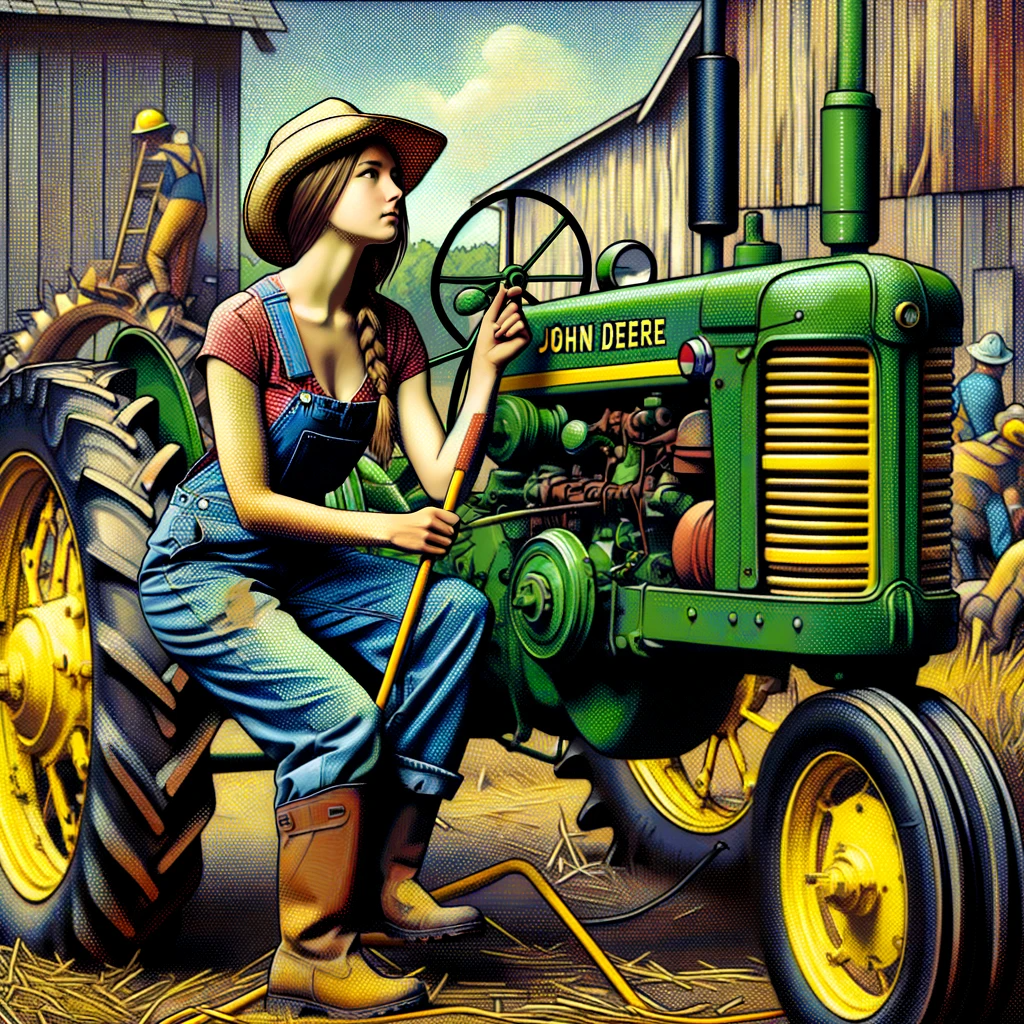
As the sun rises over the fields, casting a warm glow on the land, one can’t help but feel a sense of nostalgia when glancing at a classic tractor—a symbol of resilience, heritage, and hard work in the world of agriculture. In an era that often glorifies high-tech solutions and rapid advancements, it’s crucial to pause, appreciate, and embrace the vintage workhorses that have quietly shaped our agricultural landscape. These machines aren’t just relics; they are beacons of community and connection, inviting small producers to redefine farming in a way that honors the past while embracing the future.
Let’s be honest: modern farming is a whirlwind of competition and technological pressure. But within this chaos lies the steadfast promise of classic tractors, which remind us that when it comes to small-scale farming, there’s more to success than the latest gadgetry. Economically, these machines present a viable path forward, often available at a fraction of the cost of contemporary models packed with features and complexity that may not be essential for every farmer. By choosing a classic tractor, small producers can allocate precious resources more wisely—investing in soil, seeds, and sustainable practices that nurture both the land and the community.
However, it goes beyond the numbers. The emotional appeal of a classic tractor resonates on a deeper level, stitching together generations of wisdom and tradition through the simple act of tilling the soil. Picture a family gathered around an old tractor, sharing laughter, lessons, and stories of grit and perseverance. It’s not just about farming; it’s about fostering relationships, building a sense of united purpose, and breathing life into the agricultural heritage that defines us all. These mighty machines teach patience, humility, and an appreciation for hard work, reminding us that authenticity often lies in embracing the old alongside the new.
From a social perspective, classic tractor shows and local gatherings ignite camaraderie among farmers, creating networks that support and uplift one another. They serve as vibrant reminders that agriculture is a communal effort—one that depends on shared values, trust, and collaboration. Embracing these timeless tractors is more than just preserving a way of life; it’s a call to action—a testament to our agrarian spirit. As we navigate the complexities of modern farming, let’s harness the winning qualities of classic tractors to cultivate a sustainable future that respects our roots while inspiring a new generation to engage with the land. In doing so, we’re not just turning the soil; we’re fostering a movement grounded in heart, heritage, and hope. So let’s keep that rumble alive; let’s keep those stories flowing. Together, we can redefine what it means to farm, one classic tractor at a time.
Conclusion
Conclusion:
- The rising sun over fields evokes nostalgia for classic tractors, symbols of resilience and hard work in agriculture.
- Classic tractors invite small producers to honor agricultural heritage while adapting to future needs.
- Modern farming emphasizes competition; classic tractors offer a cost-effective alternative that focuses on essential practices.
- Choosing classic tractors allows better resource allocation to sustainable practices and community health.
- Classic tractors connect generations through tradition, fostering relationships and shared stories in farming communities.
- Tractor shows and local gatherings promote farmer camaraderie, emphasizing the cooperative nature of agriculture.
- Embracing classic tractors is a call to action, fostering a movement that respects our agricultural roots and inspires future generations.
Conclusion
Other Resources
Other Resources
Here is a list of other resources you can review online to learn more:
- Fox River Tractor Company
- Haas
- Merlin
- Kioti Tractors
- Cub Cadet
- NorTrac
- AGCO
- Farm Collector Show Directory
- Parrett
- Montgomery Ward
Use This Prompt To Get More Resources With Your Favorite Online AI Tool: Please provide me with a list of online articles with their URLs in a bulleted list that I can read regarding Can Classic Tractors Redefine Modern Farming for Small Producers
Other Resources
Glossary Terms
Can Classic Tractors Redefine Modern Farming for Small Producers – Glossary Of Terms
1. Antique Tractor: A vintage tractor typically manufactured before the 1970s, often favored for their durability and simple mechanics.
2. Sustainable Agriculture: Farming practices that seek to meet current food and fiber needs without compromising future generations’ ability to meet their needs.
3. Restoration: The process of returning a classic tractor to its original condition, often including mechanical repairs and cosmetic updates.
4. Local Food Systems: Agricultural production and distribution networks that prioritize local consumption, often benefiting small producers.
5. Precision Agriculture: Advanced farming practices that use technology to monitor and manage crop cultivation more efficiently and accurately.
6. Organic Farming: Agriculture that avoids synthetic fertilizers and pesticides, emphasizing natural processes and sustainability.
7. Smallholder Farmer: A farmer who cultivates a small plot of land, often focusing on subsistence farming and local markets.
8. Community Supported Agriculture (CSA): A system where consumers buy shares of a farm’s harvest in advance, providing farmers with upfront capital and securing their products.
9. Agroecology: The science of sustainable agriculture that focuses on the ecological and social aspects of farming.
10. Hydroponics: A method of growing plants without soil, using mineral nutrient solutions in water, often used by small producers in controlled environments.
11. Permaculture: A design philosophy that mimics natural ecosystems to create sustainable agricultural practices.
12. Tractor Implements: Attachments designed for tractors to perform specific farming tasks, such as plowing, seeding, or harvesting.
13. Vintage Farming Equipment: Older farming tools and machinery that may be repurposed or maintained for contemporary agricultural practices.
14. Crop Rotation: A farming practice that involves changing the type of crop grown in a particular area each season to improve soil health and reduce pests.
15. Diversified Farming: A farming strategy that involves growing a variety of crops or raising different types of animals to spread risk and enhance resilience.
16. Soil Health: The condition of soil in terms of its biological, chemical, and physical properties that enable it to function effectively as a vital living ecosystem.
17. Farming cooperatives: Organizations formed by groups of farmers that pool resources and share knowledge, often leading to increased bargaining power.
18. Direct Marketing: Selling products directly to consumers, often used by small producers to improve profit margins and build community relationships.
19. Biofuel: Renewable energy source made from organic materials, which can sometimes be produced using classic tractors.
20. Tractor Shows: Events that showcase antique and classic tractors, often fostering community and interest in vintage equipment.
21. Cultivation: The act of preparing and using land to grow crops, often utilizing different tools and methods for efficiency.
22. Economic Viability: The ability of a small farming operation to maintain financial stability and sustainability over time.
23. Niche Markets: Specialized segments of the agricultural market that cater to specific consumer demands, often suited for small producers.
24. Farm Management Software: Digital tools that assist farmers in planning, monitoring, and analyzing all activities on the farm to improve productivity.
25. Green Technology: Innovations designed to improve environmental sustainability, which can include modern adaptations of classic farming techniques.
26. Agricultural Heritage: The traditions and practices that have been passed down through generations, often influencing modern farming approaches.
27. Community Resilience: The ability of communities, including farming communities, to withstand and recover from challenges, such as economic downturns or natural disasters.
28. Soil Conservation: Practices aimed at preventing soil erosion and maintaining soil fertility as crucial components of sustainable agriculture.
29. Accessibility: The degree to which farming technology and practices are available and usable by small producers, regardless of their resources.
30. Farming Innovation: New ideas and methods introduced into the agricultural sector that can improve efficiency, productivity, and sustainability.
Glossary Of Terms
Other Questions
Can Classic Tractors Redefine Modern Farming for Small Producers – Other Questions
If you wish to explore and discover more, consider looking for answers to these questions:
- What are the main advantages of using classic tractors over modern machinery for small producers?
- What are some examples of classic tractors that are particularly popular among small farmers?
- How can classic tractors contribute to the financial sustainability of small farms?
- What kind of maintenance do classic tractors require, and how does it compare to modern tractors?
- What are the environmental impacts of using classic tractors versus newer models?
- What resources or organizations are available to support small farmers in restoring and maintaining classic tractors?
- How has the perception of classic tractors changed over time in farming communities?
- What traditional farming practices can be enhanced by using classic tractors?
- Are there any known disadvantages or challenges associated with using classic tractors?
- How do classic tractor shows and events contribute to community building and knowledge sharing among farmers?
- What are the most common misconceptions about classic tractors in modern farming?
- How can technology and classic tractors be integrated for enhanced farming practices?
Other Questions
Haiku
Can Classic Tractors Redefine Modern Farming for Small Producers – A Haiku
Rusty giants hum loud,
Cultivating old histories—
Seeds of pride and hope.
Haiku
Poem
Can Classic Tractors Redefine Modern Farming for Small Producers – A Poem
In the Fields of Time: A Poem of Classic Tractors
In sun-drenched fields where stories grow,
Resilient giants, beneath the old oak’s shadow,
Classic tractors hum a tune of grace,
Whispering wisdom to all who embrace.
Not just machines, but heritage’s clay,
Their rusted frames dance in nostalgia’s play,
Built to last with the grit of hands,
They bond our hearts to the soil of our lands.
Where modern fury claims the day,
These iron hearts remind us of the way—
Of sweat and tears, of laughter shared,
Of hopes sown deep, and dreams declared.
In quiet repair, with wrench and cloth,
Small producers find courage, a life uncouth,
For in thrifty choice lies the power to thrive,
A return to the roots where true farmers strive.
Pride swells, each engine’s roar,
Echoes of ancestors who toiled before,
With every furrow turned and seed embraced,
We nurture the land, our stories interlaced.
Think of the bonds forged in golden light,
Of fathers and daughters working through the night,
In the laughter of struggle, the lessons we learn,
Trust in the soil, as we each take our turn.
For ethics thrive where classic wheels roll,
Embodying values that enrich the soul—
Lower emissions, craftsmanship revered,
A pathway to futures that’s patiently seared.
Communities gather, neighbor meets neighbor,
In parades of trust, like sweet, fragrant labor,
They share tales of triumph, of grit and despair,
Every classic tractor a treasure to share.
So lift your eyes to the horizon wide,
For in these machines, our past takes pride,
As we weave old with new—a tapestry spun,
In fields of time, our legacy won.
Join this movement, let your heart take flight,
In the embrace of the old, find the path to the bright,
For in every turn of that vintage wheel,
Lies the promise of a future, steadfast and real.
Poem
Checklist
Can Classic Tractors Redefine Modern Farming for Small Producers – A Checklist
Classic Tractors: A Heart-Head-Gut Checklist for Small Producers
Heart Appeals: Emotional Connection
_____ Draw From Your Roots: Reflect on family traditions in farming and how classic tractors symbolize your agricultural heritage.
_____ Cultivate Memories: Consider the nostalgic moments and familial bonds associated with using vintage tractors on the farm.
_____ Foster Community Spirit: Think of local gatherings and fairs where classic tractors play a role in building connections with neighbors and sharing stories.
Head Appeals: Rational Considerations
_____ Evaluate Economic Benefits: Research the cost-effectiveness of classic tractors versus modern models. Are maintenance and operational costs more manageable?
_____ Assess Practicality: Consider how the simplicity of classic tractors aligns with your farming needs. Do they allow for easier repairs and maintenance?
_____ Explore Sustainable Options: Investigate the environmental impact of classic tractors. How do they compare to modern machinery in terms of emissions and resource usage?
Gut Appeals: Ethical and Social Challenges
_____ Embrace Ethical Farming: Reflect on the importance of sustainable practices and how classic tractors embody this ethos. Are you committed to preserving the land for future generations?
_____ Take Responsibility: Acknowledge your role as a steward of agricultural heritage. How can you honor traditional practices while navigating modern challenges?
_____ Build Social Networks: Engage with local farming communities to share experiences and learn from each other. Are you fostering a support system among fellow producers who value classic equipment?
Authority and Narrative Appeals: Shared Wisdom and Traditions
_____ Learn from the Past: Delve into stories associated with classic tractors in your community. What lessons can they teach about resilience and perseverance?
_____ Seek Guidance from Experienced Farmers: Connect with seasoned producers who have utilized classic tractors. What insights can they share about their experiences and best practices?
_____ Promote the Legacy: Advocate for the importance of classic tractors in preserving agricultural history. How can you contribute to this narrative within your community?
Conclusion
Using classic tractors isn’t merely about farming; it’s an enduring relationship with the earth, a commitment to sustainability, and a celebration of community. As you reflect on these qualities, consider how you can integrate classic tractors into your farming practices for a better future. Join the movement today: your farm, your heritage, your story.
Checklist
At ClassicTractorNews, we help tractor lovers keep up with the latest news for classic and vintage tractors.
Please share this post with your friends, family, or business associates who may like old classic or vintage tractors.