

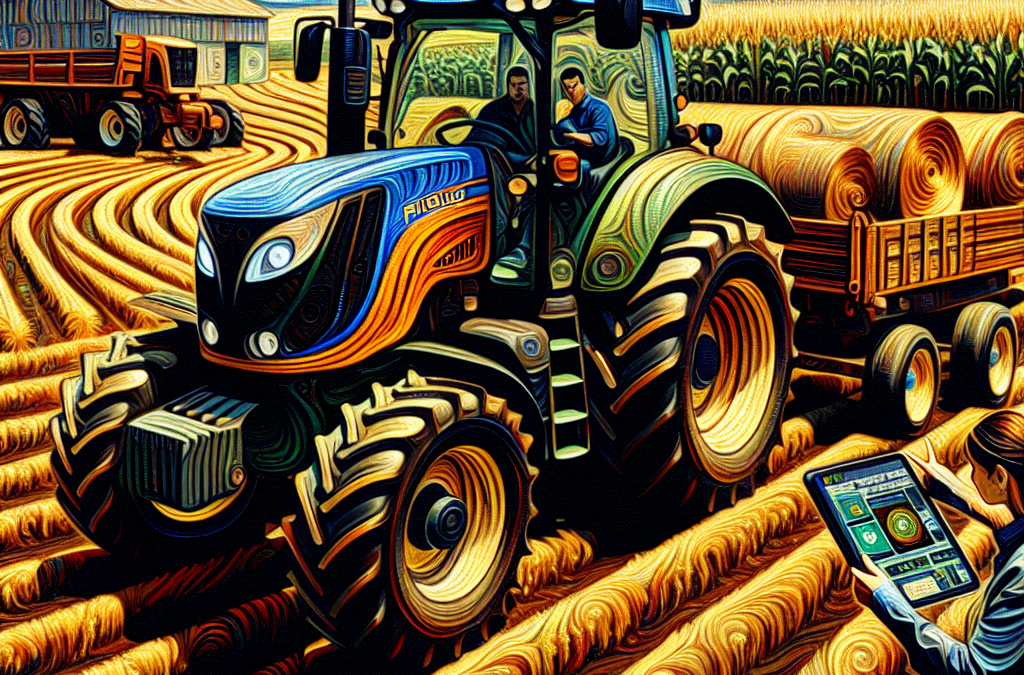
The Timeless Appeal Of Classic Tractors For Modern Farming
By Tom Seest
At ClassicTractorNews, we help tractor lovers keep up with the latest news for classic and vintage tractors.
Please share this post with your friends, family, or business associates who may like old classic or vintage tractors.
Can Classic Tractors Offer a Cost Effective Solution for Farms?
Let’s be honest, when you think of a farm, you probably picture expansive fields, sunshine streaming down, and yes, the unmistakable presence of a good, ol’ reliable tractor. But what if I told you that sometimes the best solution isn’t the flashiest new model with all the bells and whistles? Enter the classic tractor—a rugged relic from a time when things were built to last, where functionality outweighed fads, and farmers knew the value of hard work.
Picture this: you’re out in the fields with a classic tractor, its worn paint telling stories of seasons past, and with every turn of the gear, you feel the rhythm of generations who have been there before you. Classic tractors evoke a sense of trust, not just because they’re dependable, but because they embody the spirit of farming itself. Yet, there’s something even more compelling about these machines—affordability. In an era where costs seem to rise faster than the corn in your crop, these trusty stewards of the soil can save you some serious cash.
Purchasing a classic tractor often means a more forgiving price tag compared to those shiny new models. But don’t let the lower cost fool you; this isn’t just about saving a buck. It’s about value and reliability. Classic tractors often emphasize simplicity and ease of repair, making it easier—and cheaper—to maintain and fix them when the inevitable wear and tear occurs. With parts more readily available and costs lower than their modern counterparts, you aren’t just making a purchase; you’re making an investment in your farm’s future.
Now, imagine upgrading your farming operation without the feeling of putting your entire savings on the line. With classic tractors, you have the opportunity to maximize productivity while keeping those important financial worries in check. It’s a practical approach, ensuring that you can invest in other areas of your farm—whether it be better seeds, improved irrigation, or equipment that adds efficiency—without breaking the bank.
So, the next time you’re pondering your farming equipment options, take a moment to consider the classic tractor. It’s more than just a piece of machinery; it’s a connection to hard-won knowledge and a more sustainable path forward. With a classic tractor, you’re not just getting a tool—you’re aligning with character, legacy, and the heart of farming itself.
Can Classic Tractors Offer a Cost Effective Solution for Farms?
Can Classic Tractors Offer a Cost Effective Solution for Farms?
- Classic tractors symbolize durability and functionality, prioritizing practicality over modern fads.
- These machines evoke trust and nostalgia, representing the farmer’s spirit and dedication.
- Classic tractors are often more affordable, providing significant financial savings.
- They emphasize simplicity and ease of repair, leading to lower maintenance costs.
- Parts for classic tractors are more readily available and economical compared to new models.
- Investing in classic tractors allows for financial flexibility to enhance other farm operations.
- Choosing a classic tractor connects you to farming history and promotes sustainable practices.
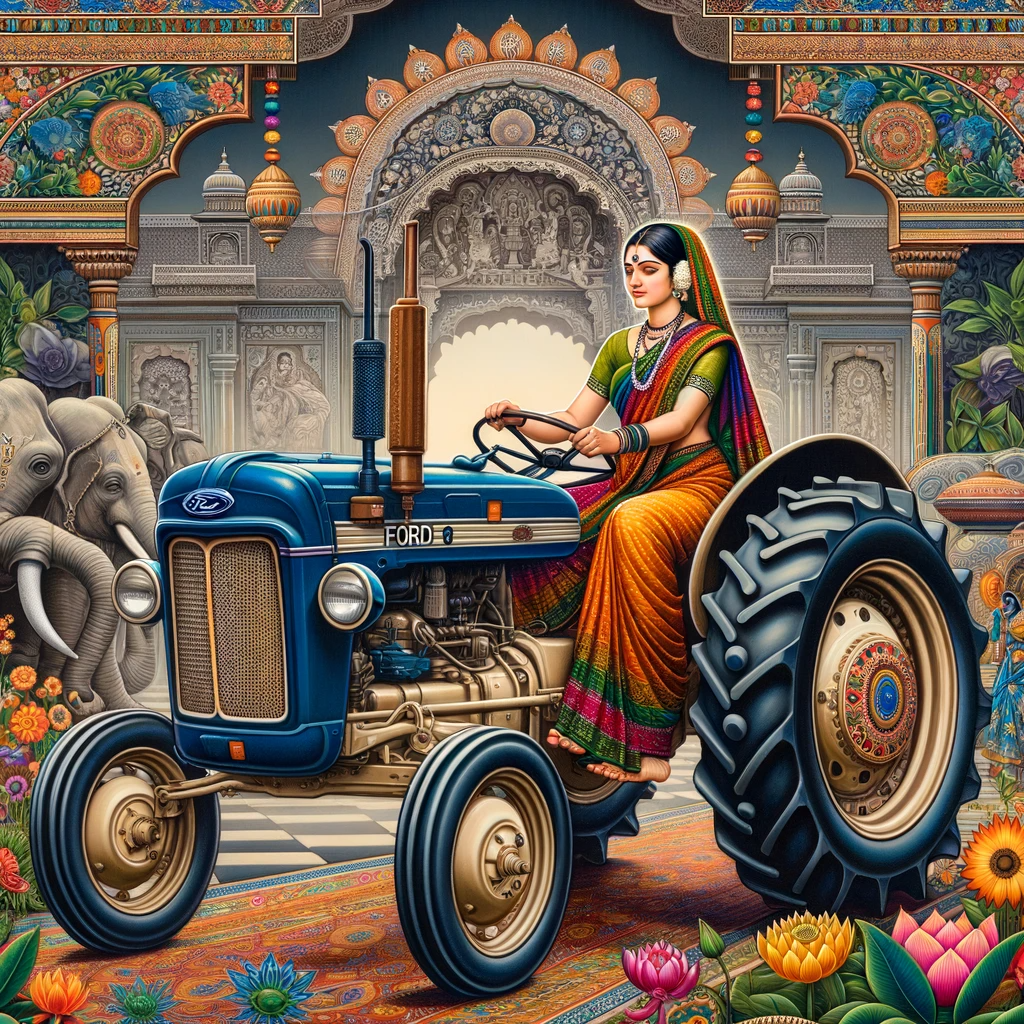
Can Classic Tractors Offer a Cost Effective Solution for Farms?
Table Of Contents
- Can Classic Tractors Offer a Cost Effective Solution for Farms?
- How Do Classic Tractors Compare In Cost To Modern Tractors?
- What Maintenance Costs Should Be Expected With Classic Tractors?
- Are Classic Tractors Suitable For All Types Of Farming?
- What Features Make Classic Tractors Appealing To Farmers?
- How Can Farmers Source Spare Parts For Classic Tractors?
- What Are Common Issues Faced By Classic Tractor Owners?
- How Does Fuel Efficiency Of Classic Tractors Compare To Newer Models?
- Conclusion
- Other Resources
- Glossary Of Terms
- Other Questions
- Haiku
- Poem
- Checklist
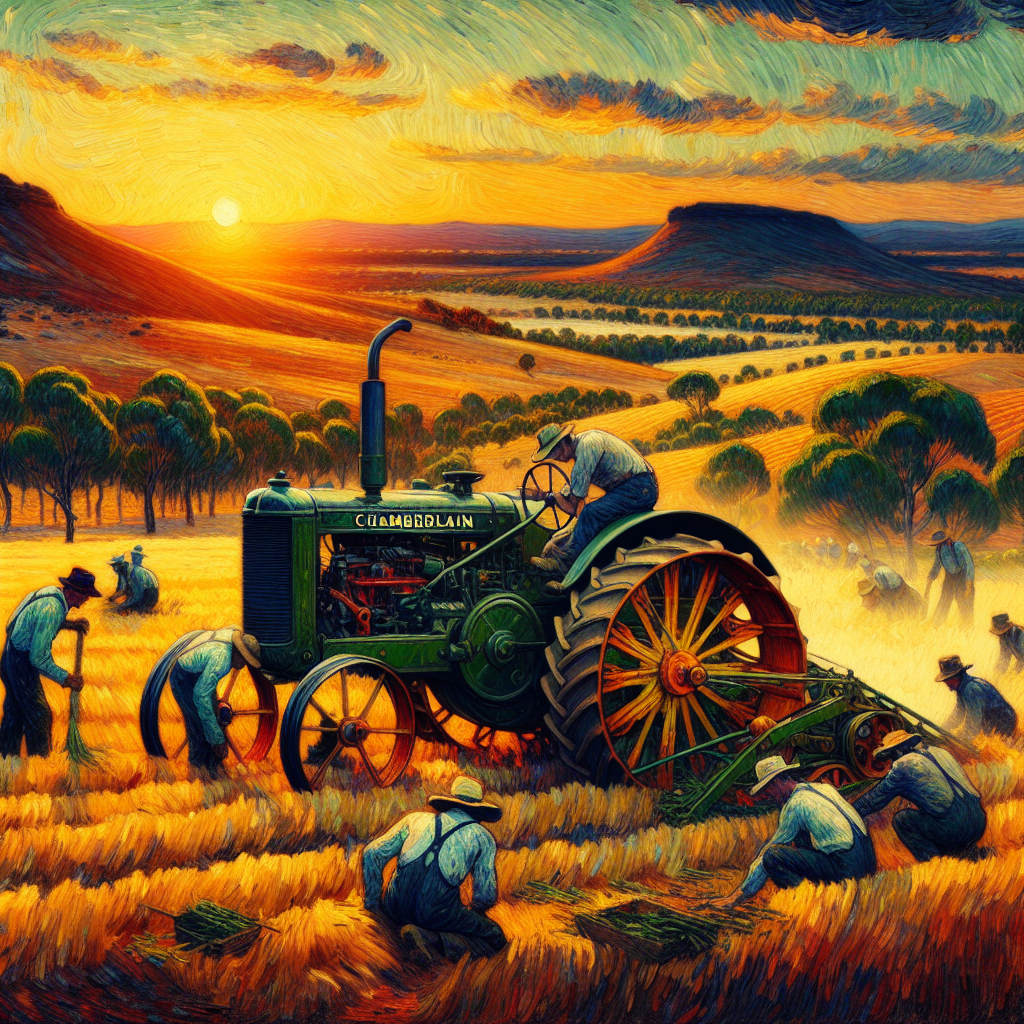
How Do Classic Tractors Compare In Cost To Modern Tractors?
When you pull into a field, whether it’s your own backyard or your granddad’s old homestead, there’s something undeniably magical about a classic tractor. It stands proud, a testament to an era when machines were simpler, yet no less capable. As we set our sights on the cost comparisons between classic tractors and their modern counterparts, let’s dig a little deeper than just dollars and cents.
First up, let’s talk about the price tags. Modern tractors, with their shiny exteriors and high-tech gadgets, can set you back anywhere from $20,000 to upwards of $500,000, depending on how many bells and whistles you want. They’re equipped with features that would make any tech aficionado swoon—GPS guidance systems, automated controls, and so much more that you might wonder whether you’re buying a tractor or a spaceship. But hold on! The allure of high-tech doesn’t always translate to financial sanity, especially for small-scale farmers or hobbyists who might just need something to pull a plow or mow the lawn.
Now, enter the classic tractor. You might find these beauties on auction for anywhere between $2,000 and $15,000, depending on their condition, rarity, and, let’s be honest, that nostalgic factor. Yes, they lack the cutting-edge features of the modern vehicles, but therein lies their charm. They’re rugged, durable, and their parts can often be found at local shops or through online forums. With a little elbow grease, you can restore one to its former glory, connecting not just with the machine, but with the stories and history it embodies.
But don’t be blinded by the likes of numbers and speculation. The operating costs of old versus new tractors tell another tale. Classic tractors might be less expensive to purchase upfront, but they can require more maintenance. Modern tractors, while pricier, often boast fuel efficiency and advanced technology that can save you money in the long run. It’s a balancing act—one that involves weighing initial investment against long-term reliability.
So, whether you’re driven by nostalgia or practicality, it’s worth considering what you’re really after. A classic tractor isn’t just a machine; it’s a connection to the soil, to heritage, and to the agrarian way of life. And in that connection lies true value—something that no price tag can ever fully encompass. So go ahead, take the leap. Whether you opt for the classic charm or the modern marvel, there’s a tractor out there waiting to help you cultivate your dreams.
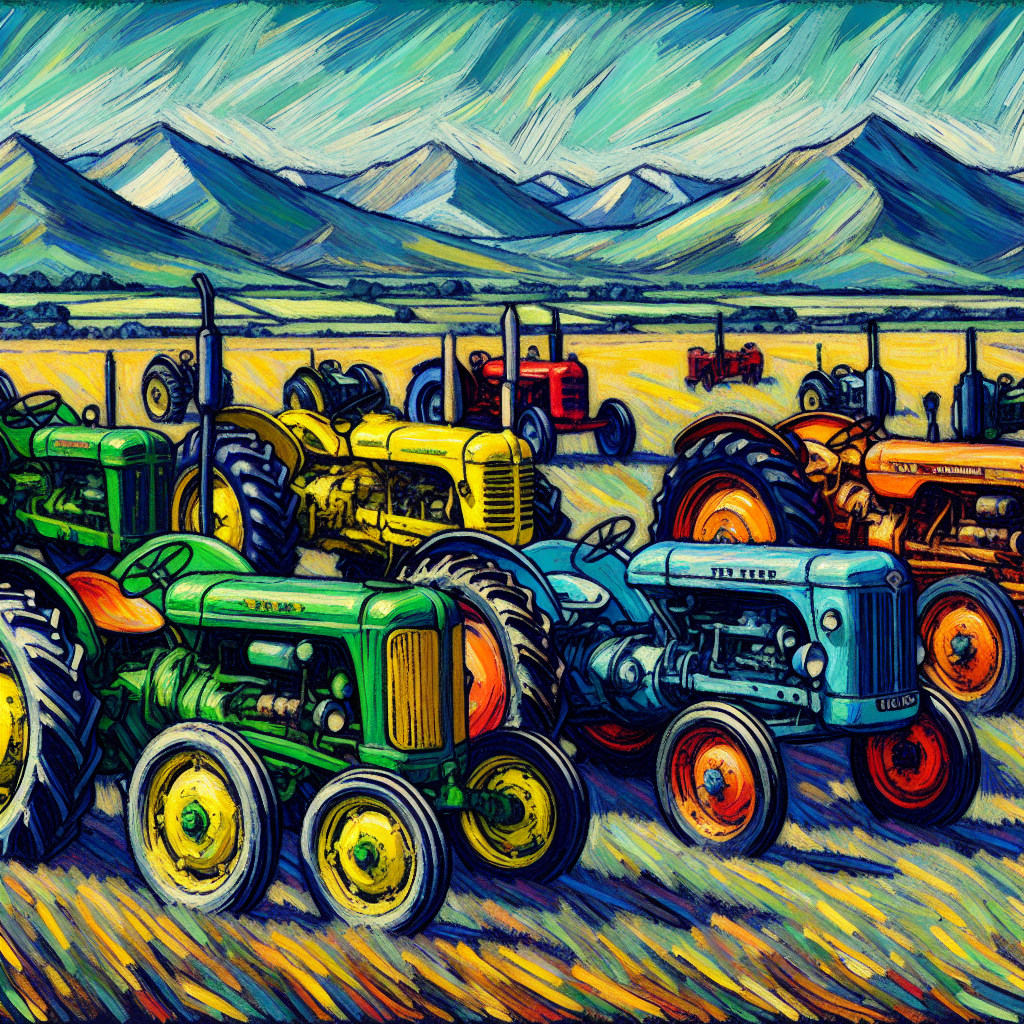
How Do Classic Tractors Compare In Cost To Modern Tractors?
How Do Classic Tractors Compare In Cost To Modern Tractors?
- Classic tractors symbolize a simpler era, contrasting with modern machinery.
- Modern tractors can range from $20,000 to over $500,000, depending on features.
- High-tech modern tractors offer advanced features like GPS and automated controls.
- Classic tractors typically cost between $2,000 and $15,000, valued for their nostalgia.
- Despite lacking modern features, classic tractors are known for their durability and availability of parts.
- Operating costs differ, with classic tractors requiring more maintenance, while modern ones often provide better fuel efficiency.
- The choice between classic and modern tractors involves weighing initial costs against long-term reliability and personal connection to heritage.
How Do Classic Tractors Compare In Cost To Modern Tractors?
What Maintenance Costs Should Be Expected With Classic Tractors?
When it comes to classic tractors, the allure often lies in their rugged charm and vintage appeal. But before you take the plunge and bring one of these mechanical marvels home, it’s prudent to consider what to expect in terms of maintenance costs. After all, owning a piece of history doesn’t just mean revving the engine on sunny afternoons; it requires a commitment to keeping that tractor in tip-top shape.
First and foremost, let’s talk about parts. Classic tractors, while sturdy and built to last, often have components that can be scarce, especially if you have your eye on a model that hasn’t been in production for decades. This can lead to higher costs when sourcing parts like carburetors, belts, and gaskets. You might find yourself browsing through dusty catalogs online or rummaging through swap meets, hoping to strike gold. Do your homework; establish relationships with local purveyors who specialize in vintage machinery. Trust me, these connections will serve you well.
Next up is labor. If you’re handy with tools, you can save a bundle by tackling maintenance tasks yourself. Simple things like changing the oil, replacing spark plugs, or servicing the battery can all be done with a little elbow grease. But if you’re more comfortable handing over the wrench, be prepared to open your wallet wider for a skilled mechanic familiar with classic tractors. Remember, not all mechanics are created equal—this is one aspect where you can’t afford to cut corners.
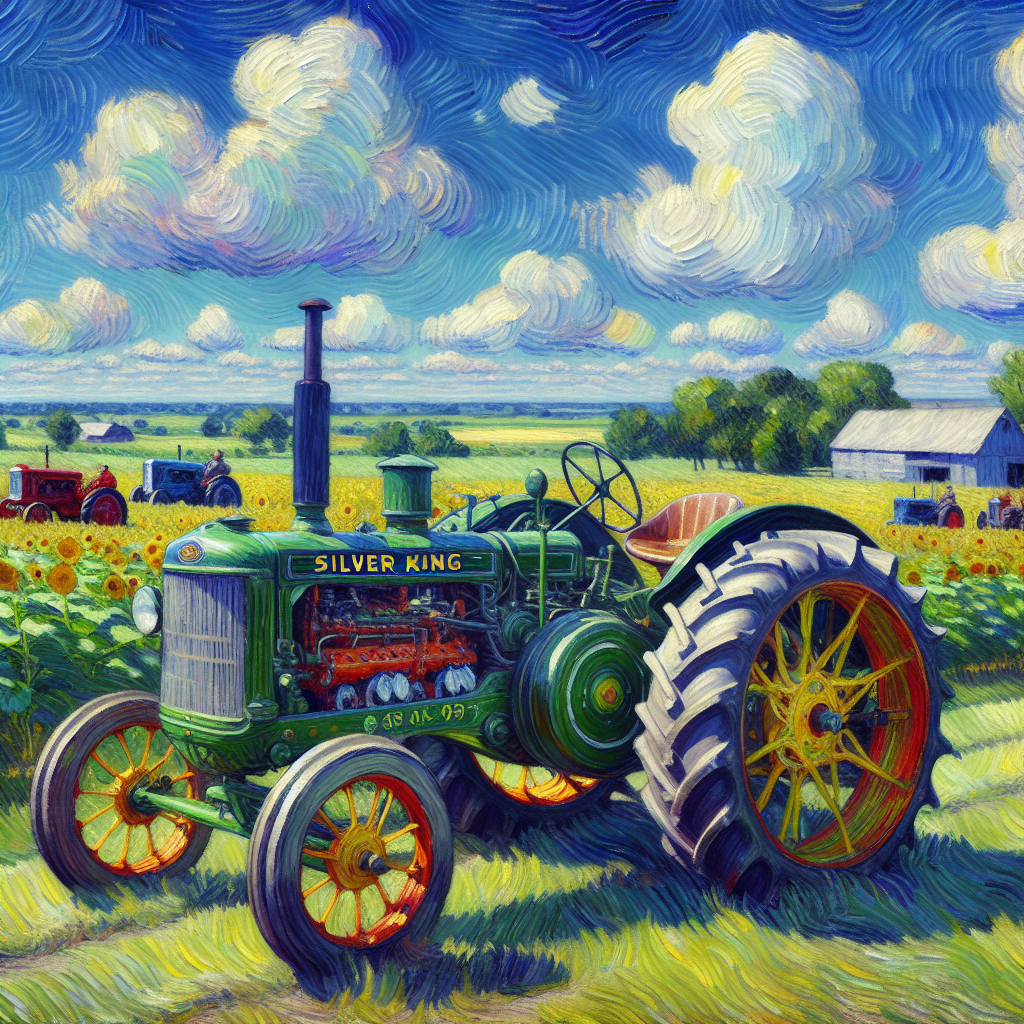
Then there’s the ongoing expense of regular upkeep. Think about routine maintenance like tire replacements, lubrication, and hydraulic system checks. These costs might not seem like much individually, but they add up over time. Embrace the mindset that while classic tractors charm us with their nostalgic glow, they also require a little love and a few dollars now and then.
Finally, it’s essential to factor in the unexpected repairs. Because these tractors are classics, they’ve seen some wear and tear. You might face more surprises than you’d like, from a leaky radiator to issues with the electrical system. Be prepared for those moments—sometimes it’s part of the adventure.
Owning a classic tractor is like being part of a rich tapestry of history. Yes, there are costs involved, but with a little foresight and preparation, the rewards of restoration and ownership can be immeasurable. So roll up your sleeves, plug into the community, and get ready to savor every moment spent maintaining a piece of machinery that has stories to tell.
What Maintenance Costs Should Be Expected With Classic Tractors?
What Maintenance Costs Should Be Expected With Classic Tractors?
- Classic tractors are valued for their rugged charm and vintage appeal, but require significant maintenance commitment.
- Parts for classic tractors can be scarce and expensive; establishing relationships with vintage machinery suppliers is beneficial.
- DIY maintenance can save money; basic tasks like oil changes and spark plug replacements are manageable for handy owners.
- Hiring skilled mechanics familiar with classic tractors can be costly, but is essential for proper care.
- Routine maintenance expenses, including tire replacements and lubrication, accumulate over time and should be anticipated.
- Unexpected repairs can arise due to the age of these tractors; be prepared for issues like leaking radiators and electrical problems.
- Owning a classic tractor offers a connection to history; with preparation and effort, the experience can be highly rewarding.
What Maintenance Costs Should Be Expected With Classic Tractors?
Are Classic Tractors Suitable For All Types Of Farming?
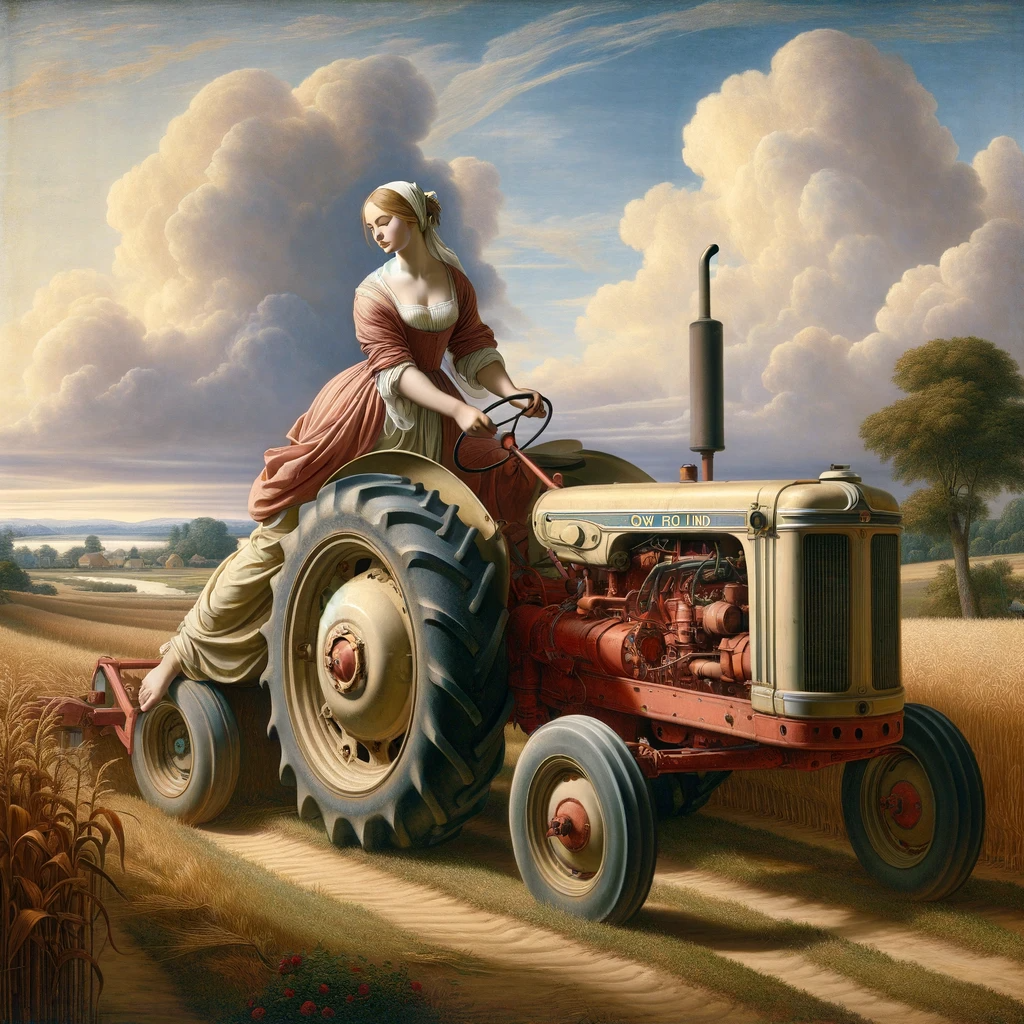
Let’s take a moment to step into the world of classic tractors, those sturdy machines that are as much a part of farming history as the fields they plow. When we romantically picture a sun-kissed barn and an old tractor idling in the foreground, we often overlook a vital question: Are these vintage workhorses suitable for all types of farming today?
The answer might surprise you. Classic tractors, with their rugged simplicity and charming aesthetics, come with a host of advantages. They’re straightforward, built to last, and can often be repaired with basic tools and techniques, meaning you don’t have to hire the local mechanic just to tighten a bolt. However, before making that leap into the nostalgia of yesteryear, let’s think about what farming looks like in the modern world.
For small to medium-sized operations that pay homage to traditional methods, classic tractors can be incredibly effective. They provide the right amount of horsepower for tasks like tilling, planting, and harvesting. Their narrow build allows them to maneuver through tight spaces, making them ideal for family farms where every inch of land counts. Plus, who wouldn’t want to drive a tractor that has a story in its steel and paint?
But, if you’re running a larger, more diversified farm, investing solely in a classic model might not cut it. Innovation in farming equipment has ushered in features such as GPS, automation, and greater fuel efficiency—all tailored for higher productivity. Sure, those classic tractors can start up and get going in the early morning dew, but when it comes to handling vast expanses or dealing with cutting-edge technology, you may want to balance your fleet with some modern machines.
Ultimately, the suitability of a classic tractor boils down to your specific needs and goals. Is farming for you a labor of love or commercial ambition? Are you looking to preserve a heritage or maximize output? It’s about finding that sweet spot where tradition meets practicality. So, whether you’re considering a classic as a reliable partner on your farm or just dreaming of golden fields and fresh air, remember this: There’s a heart and soul in everything you operate, and sometimes, that old tractor might just be the best fit for your farm’s unique story.

Are Classic Tractors Suitable For All Types Of Farming?
Are Classic Tractors Suitable For All Types Of Farming?
- Classic tractors are integral to farming history and evoke nostalgia.
- They offer advantages such as rugged simplicity, durability, and ease of repair.
- Effective for small to medium-sized operations, providing horsepower for traditional tasks.
- Narrow builds suit family farms, allowing maneuverability in tight spaces.
- Modern farms may require more advanced equipment due to innovations like GPS and automation.
- The suitability of classic tractors depends on specific farming needs and goals.
- Finding a balance between tradition and modernity is key for farm operations.
Are Classic Tractors Suitable For All Types Of Farming?
What Features Make Classic Tractors Appealing To Farmers?
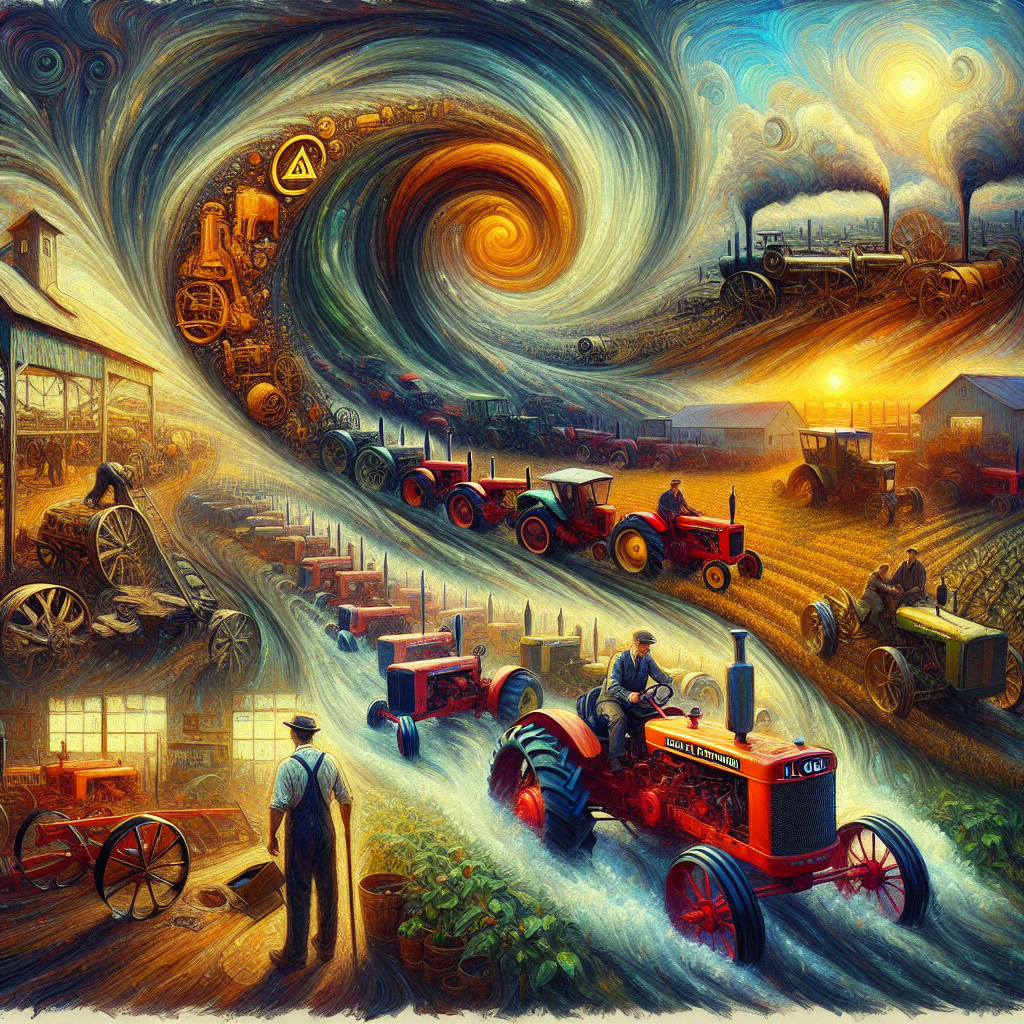
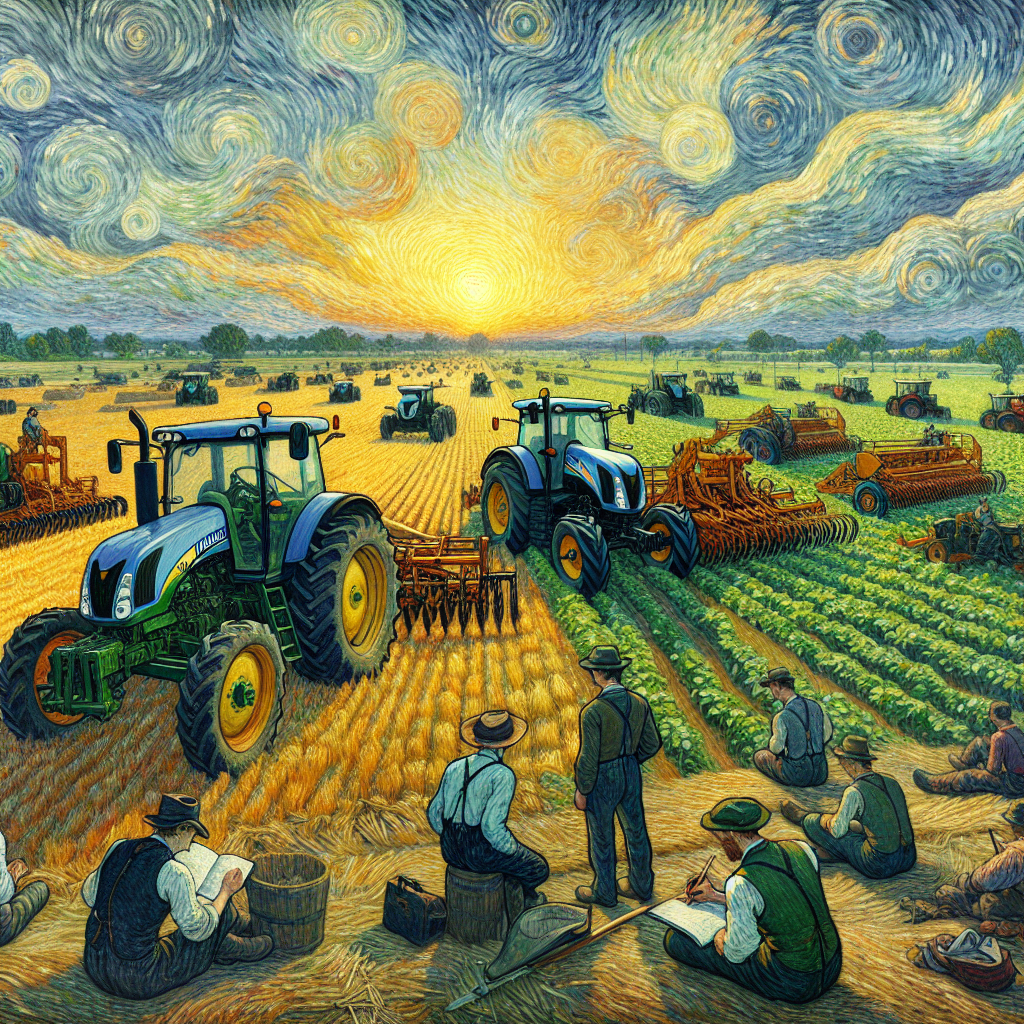
When you think about the simple, rugged beauty of a classic tractor, what comes to mind? For many farmers, it’s more than just metal and wheels; it’s a connection to the land, to tradition, and to the very essence of working the fields. The irresistible charm of these machines lies in several key features that cater to the heart and soul of farming.
First up, let’s talk about reliability. There’s something profoundly reassuring about a classic tractor’s robust construction. Many of these machines were built during a time when durability was paramount, and the result is a piece of equipment that’s ready to face the elements, whether it’s pouring rain or scorching sun. Unlike their modern counterparts that sometimes seem overly complex, classic tractors often boast straightforward mechanics. A farmer can roll up their sleeves and dive into repairs without needing a degree in engineering—just a solid toolbox and a bit of elbow grease.
Next, let’s not overlook the nostalgia factor. Classic tractors often evoke vivid memories of childhood days spent in the fields with family. They carry stories—the kind that can be passed down through generations. Each dent and scratch tells a tale, reminding the farmer of the long hours put in, the hard-won harvests, and the bond formed with the land. That palpable history can turn a simple farming task into a meaningful ritual.
Then there’s the versatility. Many classic tractors are not just for show; they’re workhorses that can handle a variety of farming tasks, from tilling to hauling. This adaptability means they can seamlessly shift roles on the farm, providing value across different seasons and needs. The ability to rely on a single piece of equipment for various jobs can save time and money, which is a massive plus in today’s economy.
Finally, let’s talk about community and culture. Owning a classic tractor connects farmers to a larger network of enthusiasts who appreciate the beauty of these machines. Trade shows, restoration projects, and vintage tractor pulls foster a sense of camaraderie among those who appreciate this slice of agricultural history.
So whether you’re plowing a field or just admiring it from the barn, the appeal of classic tractors is more than a mere aesthetic. It’s about trust, heritage, and a commitment to the values that farming embodies. If you haven’t already, it’s time to rediscover the simple charm and enduring spirit of these iconic machines—because sometimes, the best way to move forward is to honor where we came from.
What Features Make Classic Tractors Appealing To Farmers?
What Features Make Classic Tractors Appealing To Farmers?
- Classic tractors embody a connection to land, tradition, and the essence of farming.
- They are renowned for their reliability and robust construction, designed to withstand harsh conditions.
- Straightforward mechanics allow farmers to easily repair them without extensive engineering knowledge.
- Classic tractors evoke nostalgia, carrying memories and stories that span generations.
- They offer versatility, serving various farming tasks, which enhances their value across seasons.
- Owning a classic tractor fosters community among enthusiasts through events and restoration projects.
- The appeal of classic tractors is about trust, heritage, and a commitment to farming values.
What Features Make Classic Tractors Appealing To Farmers?
How Can Farmers Source Spare Parts For Classic Tractors?
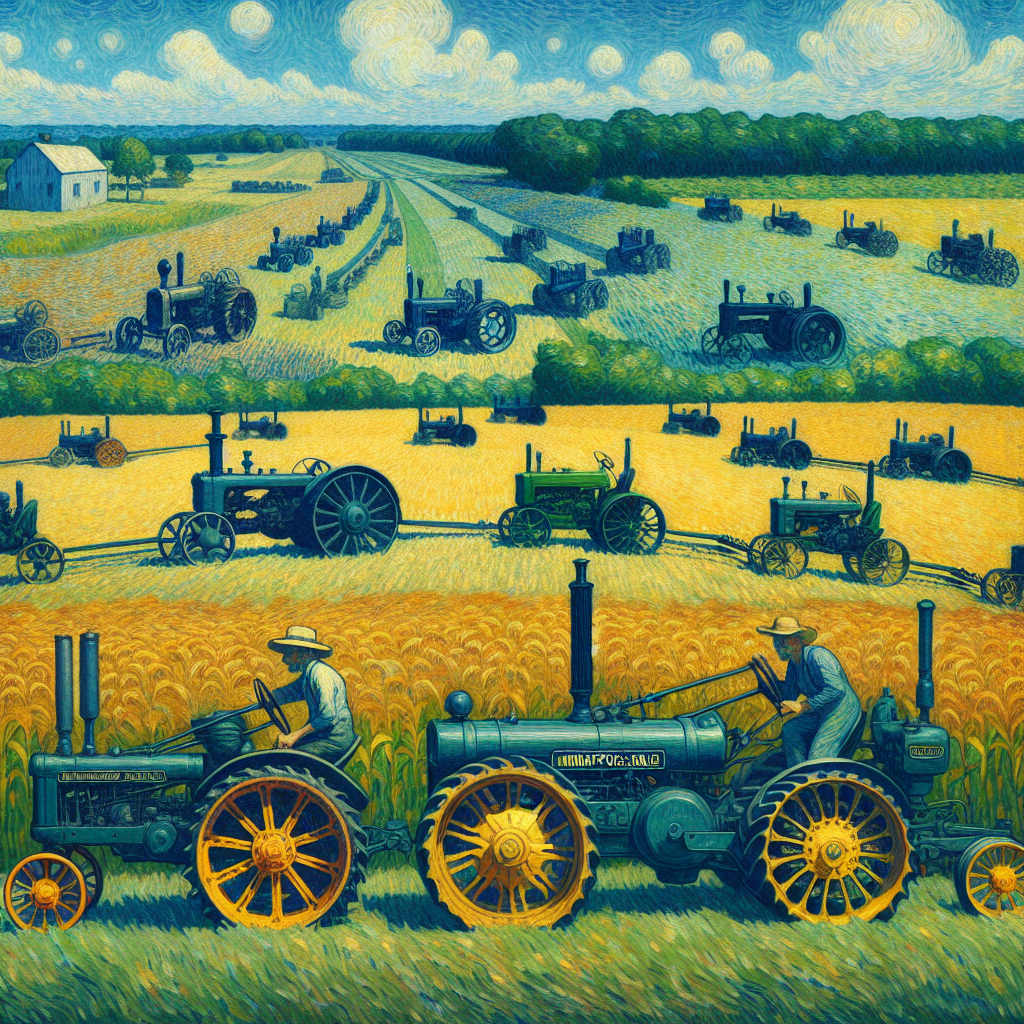
In a world that’s rapidly evolving, where technology races ahead faster than you can say “tractor tire,” it’s easy to feel overwhelmed when trying to keep your classic tractor running. But let’s take a step back and appreciate the beauty of those timeless machines. They are not just machines; they’re a labor of love, a piece of history, and sometimes even a rite of passage. And like good friends, they sometimes need a little TLC and some extra parts to keep them going strong.
First off, let’s talk about the joy of hunting for spare parts. Sure, it can sometimes feel like searching for a needle in a haystack—but that’s where the adventure lies. Build a network! Connect with other passionate farmers and tractor enthusiasts at local fairs, swap meets, or even online forums. Websites dedicated to vintage machinery can offer insights and tips, and they can often lead you directly to suppliers who specialize in classic tractors. It’s amazing how a simple shared story about a beloved tractor can connect you with someone who knows exactly where to find that elusive gear or belt.
If you’re not keen on stepping out, you can tap into the vast universe of online marketplaces. Sites like eBay and Craigslist are treasure troves of tractor parts, but proceed with caution. Look for reputable sellers, and don’t hesitate to ask questions. After all, when it comes to sourcing parts for a classic tractor, you want quality over quantity. Think of it as picking apples; you’re not going to settle for bruised ones when there are perfectly ripe choices out there.
Another route worth exploring is contacting manufacturers directly. Many companies have recognized the importance of preserving the legacy of vintage tractors and offer reproduction parts. This not only ensures you’re getting high-quality materials but also supports businesses that value agricultural heritage.
And don’t forget the power of social media! Join groups dedicated to classic tractors; they’re filled with folks just like you who are eager to share knowledge and lend a hand. Whether it’s a query about finding a rare part or tips on restoring an old machine, these communities thrive on helping each other out.
So, as you venture out in search of spare parts for your beloved classic tractor, remember—that thrill of the hunt is part of what makes the journey worthwhile. Embrace it, and you may just find more than a piece for your tractor; you’ll uncover stories, camaraderie, and a deeper connection to the farming community. Happy hunting!

How Can Farmers Source Spare Parts For Classic Tractors?
How Can Farmers Source Spare Parts For Classic Tractors?
- Classic tractors are timeless machines representing history and craftsmanship.
- Finding spare parts can be an adventure; building a network is essential.
- Engage with fellow enthusiasts at fairs, swap meets, and online forums.
- Online marketplaces like eBay and Craigslist offer a variety of parts; prioritize quality.
- Contact manufacturers for reproduction parts to ensure quality and support heritage.
- Utilize social media groups for advice, tips, and community support.
- The journey of hunting for parts fosters connections and stories within the farming community.
How Can Farmers Source Spare Parts For Classic Tractors?
What Are Common Issues Faced By Classic Tractor Owners?
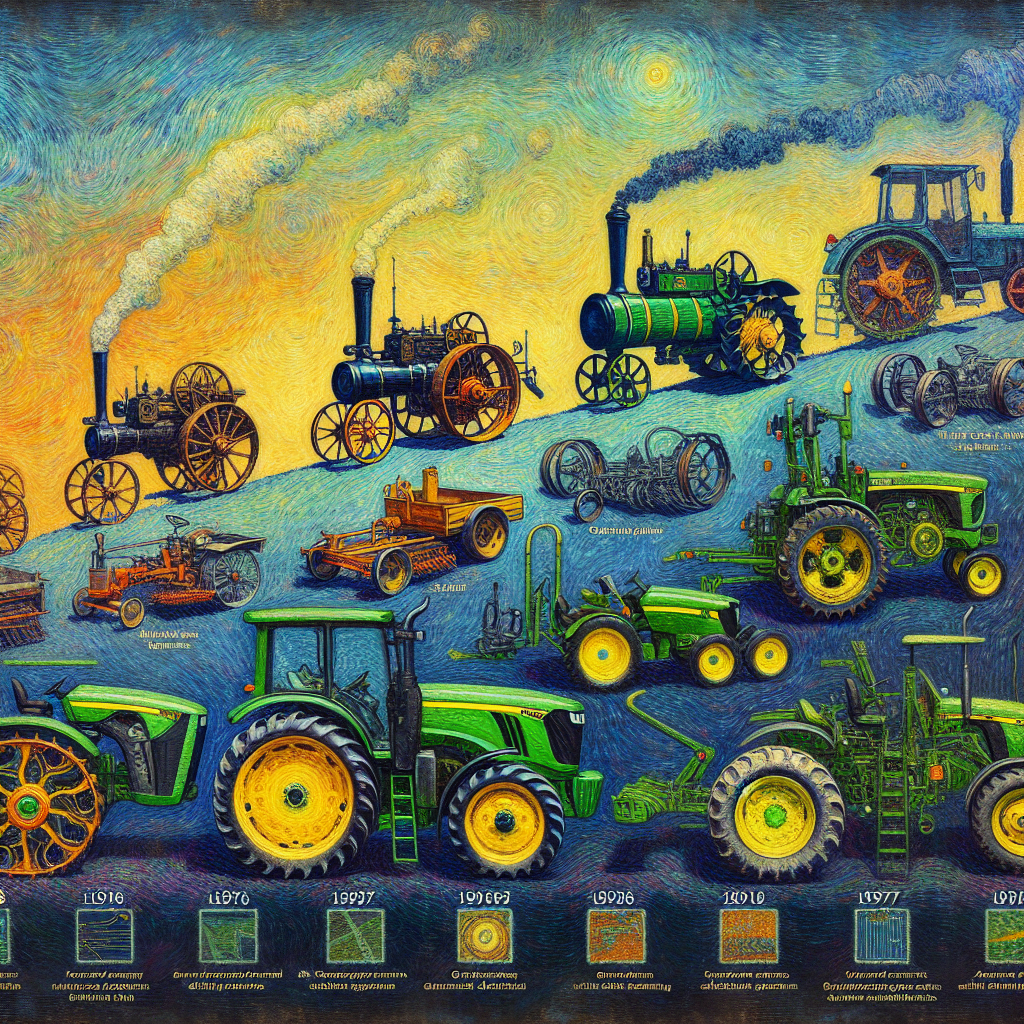
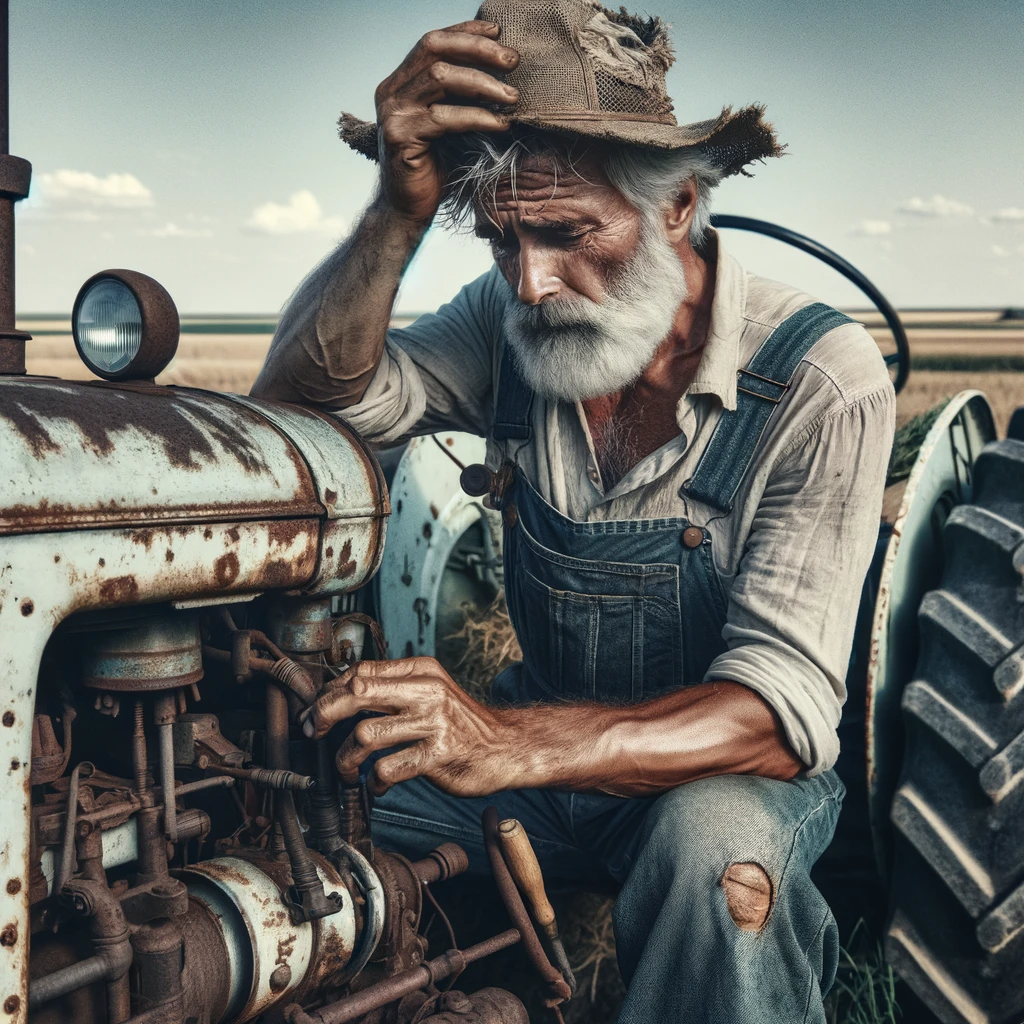
Owning a classic tractor is a bit like owning a slice of history. It’s nostalgic, rewarding, yet it often comes with its own set of challenges that can test the patience of even the most devoted enthusiasts. If you’ve found a classic beauty rusting in a field or inherited a family heirloom, prepare yourself for a journey filled with both joy and a few headaches.
One of the most common issues classic tractor owners face is mechanical breakdowns. These machines, built decades ago, were designed with simplicity in mind, but that doesn’t mean they come without quirks. Gaskets wear out, carburetors get gummed up, and electrical systems are, well, about as reliable as your uncle at a family gathering. With proper maintenance and a dash of mechanical know-how, you can tackle most of these repairs yourself. Don’t fret; there are countless resources—forums, manuals, and local enthusiasts—ready to guide you through the process.
Another key area of concern is finding replacement parts. When your tractor breaks down, the last thing you want is to be searching the internet for weeks, only to realize that a simple bolt is a rare commodity. Fortunately, many classic tractor communities thrive on sharing information and supplies. Networking with fellow restorers can often unveil treasures you didn’t know existed. Plus, nothing quite beats the feeling of tracking down that elusive part and giving your tractor new life.
Rust and corrosion are constant adversaries. It’s an unwelcome reminder that time waits for no one. Storage and maintenance play pivotal roles here. If you can park your pride and joy in a dry, covered area, you’re already ahead of the game. But even with the best intentions, some rust may sneak in. Understanding how to treat and prevent rust not only protects your tractor but also gives you a sense of accomplishment.
Finally, there’s the challenge of balancing restoration with functionality. Classic tractor owners often wrestle with the desire to keep their machines as original as possible while ensuring they can actually use them. Each scratch on the paint tells a story, but potential dents from weekend work can be unnerving. Embrace the imperfections; they’re part of the lore. When you’re out in the field, make sure you enjoy every moment, because every ride is a ride through history.
So if you find yourself knee-deep in troubleshooting, just remember: every issue is an opportunity for growth, both for you and your beloved tractor. Embrace the challenge; after all, that’s where the real reward lies.
What Are Common Issues Faced By Classic Tractor Owners?
What Are Common Issues Faced By Classic Tractor Owners?
- Owning a classic tractor offers a nostalgic experience but comes with challenges.
- Common issues include mechanical breakdowns; simplicity doesn’t eliminate quirks.
- Proper maintenance and mechanical know-how can help tackle most repairs.
- Finding replacement parts can be difficult, but classic tractor communities can assist.
- Rust and corrosion require attention; storage and maintenance are crucial to prevention.
- Balancing restoration authenticity with functionality is a frequent dilemma for owners.
- Every repair and challenge represents an opportunity for personal growth and connection with history.
What Are Common Issues Faced By Classic Tractor Owners?
How Does Fuel Efficiency Of Classic Tractors Compare To Newer Models?
Let’s take a moment to roll up our sleeves and dig into the heart of the matter: fuel efficiency in the world of tractors. Picture this: the sun is just breaking over the horizon, and your trusty classic tractor is roaring to life. It’s got that nostalgic rumble, a dependable workhorse that’s been in the family longer than most of us can remember. But when you pull into the local farming equipment store, you may find yourself glancing at those sleek newer models boasting impressive fuel efficiency stats. So, how do they stack up?
First, let’s talk about the classics. These machines, often with engines that feel like they could run forever on a simple mix of fuel and grit, were built for a different time. Many classic tractors used carburetors instead of the sophisticated fuel injection systems we see today. While they might not sip fuel as delicately as the sprightly newcomers, they are often valued for their durability and ability to run on a wider variety of fuel.
Now, enter the new generation. These tractors are built with advanced technology designed for maximum efficiency. With features like turbocharged engines and electronic fuel management systems, newer models can turn a gallon of fuel into more usable power than their predecessors. They can get the job done with less fuss and a lighter financial load at the pump. But here’s where it gets interesting: Are we simply trading fuel efficiency for technological complexity?
If you’re considering which route to take, factor in your unique situation. Do you have the space, time, and budget to maintain a classic tractor? Or are you ready to embrace the shiny tech of modern agriculture? Classic enthusiasts often cherish the simplicity and familiarity of older machines, often using them in small operations, where every drop of fuel counts. Meanwhile, New entrants seeking to maximize productivity on larger farms might find that a newer tractor is worth the investment.
Ultimately, the real question isn’t just about horsepower or fuel efficiency metrics; it’s about how these tractors align with your values and your vision. Whether you’re an advocate for vintage or a fan of shiny new tech, the right tractor is out there just waiting to help you cultivate your own path in the dirt and dust of life. With a little thought and reflection, you’ll confidently find the tractor that works for you, ensuring that every ride is as rewarding as the last.
How Does Fuel Efficiency Of Classic Tractors Compare To Newer Models?
How Does Fuel Efficiency Of Classic Tractors Compare To Newer Models?
- Fuel efficiency is a key consideration in choosing between classic and modern tractors.
- Classic tractors are known for their durability, running on simpler fuel mixes, but lack fuel efficiency.
- Newer tractors incorporate advanced technology, such as turbocharged engines and electronic fuel management, for greater fuel efficiency.
- There’s a balance between fuel efficiency and technological complexity in modern tractors.
- Decisions on which type of tractor to choose depend on individual situations, including space, budget, and maintenance capabilities.
- Classic tractors are often preferred for small operations, whereas newer models may be more suitable for larger farms.
- The choice between vintage and modern tractors should reflect personal values and farming vision.
How Does Fuel Efficiency Of Classic Tractors Compare To Newer Models?
Conclusion
As we wrap up our exploration of classic tractors, it’s clear we’re not just talking about old metal and rubber. No, these machines are a testament to a simpler, rugged way of life—a connection to agriculture’s past that resonates today. In the hustle and bustle of modern farming, where technology often overshadows tradition, the classic tractor stands firm as a powerful symbol of resilience, practicality, and a connection to history.
Let’s be honest: while modern tractors come packed with features that can make you feel like you’re piloting a spaceship, they might not always be what a farmer truly needs. Classic tractors offer an inviting entry point for those looking to ease the financial burden of farming. With prices that typically range from $2,000 to $15,000, and a straightforward design that puts a premium on simplicity, they can save you a pretty penny. So, if you’re a small-scale farmer or someone just starting out, why not consider a vintage workhorse over a shiny new model?
Sure, classic tractors may require more maintenance, and tracking down parts might feel like a scavenger hunt—but that’s part of the adventure! Imagine getting your hands dirty, making repairs with a few trusted tools, and sharing stories with fellow enthusiasts along the way. It’s a labor of love that fosters a deeper relationship with your equipment, your land, and the farming community as a whole. A classic tractor isn’t merely a piece of equipment; it’s a legacy, steeped in history, telling tales of hard work and perseverance.
Beyond finances, these tractors enrich farming by encapsulating values that modern machines often overlook—reliability, nostalgia, and authenticity. They can serve as functional equipment, ideal for small to medium-sized operations where versatility and maneuverability are paramount. When you get behind the wheel of one of these iconic machines, you don’t just drive; you connect with a narrative that has spanned generations.
In closing, whether you’re drawn to the low-cost entry, the inherent reliability, or the visceral charm of classic tractors, they open up a world where farming becomes a journey back to the roots of agrarian life. If you’re ready to roll up your sleeves and embrace this timeless appeal, you may just find that the best way forward sometimes involves a nod to the past. After all, in the grand tapestry of farming, every thread tells a story, and classic tractors are some of the most richly woven.

Conclusion
Conclusion:
- Classic tractors symbolize a connection to agriculture’s resilient past.
- Modern tractors, while advanced, may not meet the true needs of all farmers.
- Classic tractors provide a more affordable option for small-scale farmers, typically priced between $2,000 and $15,000.
- Using and maintaining classic tractors can foster a deeper relationship with farming traditions.
- They embody essential values often overlooked by modern machinery, such as reliability and authenticity.
- Classic tractors are ideal for small to medium-sized operations due to their versatility.
- Embracing classic tractors encourages a journey back to the roots of farming, rich with historical significance.
Conclusion
Other Resources
Other Resources
Here is a list of other resources you can review online to learn more:
- Central Washington Agricultural Museum
- Holder
- Solis
- Florida Farm Days and Tractor Show
- Heider
- Ultimate Antique Tractor Guide
- Porsche
- Brockway
- AgTrac
- Sublette Farm Toy & Antique Tractor Show
Use This Prompt To Get More Resources With Your Favorite Online AI Tool: Please provide me with a list of online articles with their URLs in a bulleted list that I can read regarding Can Classic Tractors Offer a Cost Effective Solution for Farms?
Other Resources
Glossary Terms
Can Classic Tractors Offer a Cost Effective Solution for Farms? – Glossary Of Terms
1. Classic Tractors: Vintage agricultural vehicles, typically produced before the 1980s, known for their durability and simplicity.
2. Cost-Effective: An economic term referring to solutions that minimize costs while maximizing productivity or value.
3. Farm Efficiency: The ability of a farm to maximize output while minimizing input costs, often enhanced by effective machinery.
4. Maintenance Costs: The expenses related to the upkeep and repair of equipment to ensure it operates effectively.
5. Fuel Consumption: The amount of fuel used by a vehicle over a specific distance or time, critical for assessing operating costs.
6. Power-to-Weight Ratio: A measure of engine power relative to the tractor’s weight; affects performance and fuel efficiency.
7. Resale Value: The estimated worth of a tractor when sold after usage, important for assessing long-term financial impact.
8. Simplicity of Design: Refers to the straightforward engineering of classic tractors, which can make repairs and maintenance easier.
9. Durability: The ability of tractors to withstand physical wear and tear over time, contributing to longevity and reliability.
10. Parts Availability: The accessibility of replacement components, which can impact maintenance costs and repair times.
11. Crop Compatibility: The suitability of a particular tractor model for various farming operations and crops.
12. Labor Costs: The expenses associated with hiring workers to operate machinery, which can be impacted by the ease of operation of models.
13. Retrofitting: The process of upgrading older machinery with modern technology to improve efficiency or extend operational life.
14. Livestock Management: The practices involved in raising and caring for farm animals, which can sometimes be supported by tractor use.
15. Community Support: The local network of farmers and enthusiasts that can provide assistance, advice, and resources for maintaining classic tractors.
16. Tractor Shows: Exhibitions showcasing vintage tractors where farmers can learn about upkeep, restoration, and buying opportunities.
17. Land Utilization: How effectively agricultural land is used for production, often influenced by the tools and equipment available.
18. Agricultural Practices: The various methods and techniques employed in farming, which can be supported by the appropriate machinery.
19. Fuel Types: The different varieties of fuel used, such as gasoline, diesel, or biofuels, affecting cost and environmental impact.
20. Regulatory Considerations: Legal requirements and standards that farmers must comply with regarding machinery and environmental practices.
21. Field Versatility: The ability of a tractor to perform multiple tasks on various types of land and farm conditions effectively.
22. Investment Return: The financial gains realized from investing in classic tractors, taking into account both operational savings and resale value.
23. Agricultural Technology: Innovations in farming techniques and equipment that may increase productivity and efficiency, often compared to classic methods.
24. Environmental Impact: The effect that farm operations and machinery have on the surrounding ecosystem, often weighing classic tractors against modern emissions standards.
25. Field Tillage: The preparation of soil for planting crops, a process often facilitated by tractor use.
26. Tractor Restoration: The process of repairing and refurbishing old tractors to bring them back to working condition.
27. Owner-Operator Models: Business strategies where farmers operate their equipment rather than hiring full-time operators, impacting overall costs.
28. Budgeting: The process of creating a financial plan for purchasing and maintaining tractors and other farm equipment.
29. Local Equipment Market: The regional marketplace for buying and selling agricultural machinery, impacting prices and availability for farmers.
30. Sustainable Farming: An agricultural approach that seeks to minimize environmental impact and maximize economic viability, often involving resource-efficient machinery.
Glossary Of Terms
Other Questions
Can Classic Tractors Offer a Cost Effective Solution for Farms? – Other Questions
If you wish to explore and discover more, consider looking for answers to these questions:
- What are the most popular classic tractor models?
- How can farmers assess the condition of a classic tractor before purchasing?
- What financing options are available for purchasing classic tractors?
- Are there any specific brands known for reliable classic tractors?
- What technologies or features in modern tractors might be missed when using classic tractors?
- How do classic tractors perform in different weather conditions?
- What are the benefits of joining classic tractor enthusiast groups?
- Are there government incentives or programs for using classic tractors on farms?
- What is the resale value of classic tractors compared to modern models?
- How do classic tractors handle different types of farming tasks?
Other Questions
Haiku
Can Classic Tractors Offer a Cost Effective Solution for Farms? – A Haiku
Classic tractors thrive,
Timeless strength, worth every dime,
Heart of farming’s past.
Haiku
Poem
Can Classic Tractors Offer a Cost Effective Solution for Farms? – A Poem
In the fields where golden grains sway,
Beneath the sun’s warm embrace,
Lies a trusted friend of rural array,
A classic tractor, proud in its place.
With weathered paint and stories untold,
It hums a tune of labor and lore,
Each gear shift echoes from days of old,
A bridge to the farmers who came before.
Forget not the gleam of modern machines,
With flashing lights and tech so fine,
For in simplicity, the heart truly leans,
In the rugged charm of these relics we find.
Affordability whispers sweet to the ear,
A price point gentle, a soothing song,
With ease of repair, no need for fear,
It’s here that tradition and function belong.
Through ev’ry challenge, a steadfast guide,
A community rises, united and bold,
As farmers delve deep to find and abide,
In this quest for parts, ancient and gold.
Yet wisdom prevails, for balance is key,
To mix old and new in a modern ballet,
With fields ever changing and futures to see,
Classic and contemporary, harmoniously play.
So cherish the past, as crops grow high,
With your classic tractor, the land you will tame,
In nostalgia’s embrace, let your spirit fly,
For every plow’s path is a story—your claim.
Poem
Checklist
Can Classic Tractors Offer a Cost Effective Solution for Farms? – A Checklist
1. Budget Assessment
_____ Determine your budget for purchasing a tractor (consider both initial cost and long-term expenses).
_____ Compare prices between classic and modern tractors.
2. Maintenance Costs
_____ Research common maintenance costs associated with classic tractors.
_____ Assess your ability to perform DIY repairs or need for professional mechanics.
_____ Evaluate availability and cost of spare parts for the model you are considering.
3. Suitability for Farming Needs
_____ Identify the type of farming operation you have (small, medium, or large scale).
_____ Determine if a classic tractor can handle the tasks necessary for your farming activities.
_____ Consider whether you need modern features (GPS, automation) for efficiency.
4. Reliability and Durability
_____ Research the reliability of the classic tractor you are considering.
_____ Understand the age and wear of the specific tractor model you are interested in (e. g. , rust or mechanical issues).
5. Fuel Efficiency Comparison
_____ Compare fuel efficiency between classic and modern models.
_____ Identify your fuel requirements based on your farming scale and operations.
6. Community Support and Resources
_____ Join local or online classic tractor enthusiasts’ groups.
_____ Gather information about sourcing spare parts and trusted suppliers.
_____ Check available manuals and guides for the specific model you are considering.
7. Functionality Balance
_____ Decide on the balance between maintaining originality vs. needed repairs or modifications.
_____ Assess how you will handle the potential for wear and tear from usage.
8. Historical and Emotional Connection
_____ Reflect on the emotional significance of owning a classic tractor.
_____ Consider the stories and heritage associated with classic farming machinery.
9. Long-Term Investment
_____ Evaluate how purchasing a classic tractor aligns with your long-term farming goals.
_____ Decide if investing in a classic tractor offers sustainable value compared to modern high-tech options.
10. Enjoy the Process
_____ Embrace the journey of restoring and maintaining a classic tractor.
_____ Enjoy the stories, camaraderie, and history that come with owning classic machinery.
By using this checklist, you can evaluate whether a classic tractor is a suitable and cost-effective addition to your farming operation. Happy farming!
Checklist
At ClassicTractorNews, we help tractor lovers keep up with the latest news for classic and vintage tractors.
Please share this post with your friends, family, or business associates who may like old classic or vintage tractors.