


Reviving The Heartland: How Classic Tractors Drive Farming’success
By Tom Seest
At ClassicTractorNews, we help tractor lovers keep up with the latest news for classic and vintage tractors.
Please share this post with your friends, family, or business associates who may like old classic or vintage tractors.
Can Classic Tractors Offer a Competitive Advantage for Farmers
When you think of tractors, the mind often drifts toward shiny new models equipped with all the latest technology—the bells and whistles promising efficiency, speed, and precision. But sometimes, the true competitive edge lies not in the newest machines, but in classics that have stood the test of time. These vintage tractors, often overlooked, carry with them a rich legacy that speaks to every farmer’s heart, connecting generations of agricultural toil and triumph.
Imagine a farmer working the fields with a classic tractor, its worn paint and sturdy metal embodying years of dedication, hard work, and resilience. Each scratch and dent tells a story, a narrative of family and legacy. There’s a visceral connection to these machines, a sense that they’ve been through the rain, the drought, the good seasons, and the bad. This emotional tie is powerful; farmers want to honor the past while feeding the future, and these tractors serve as tangible links to that heritage.
But let’s get pragmatic. Classic tractors tend to be more straightforward mechanically compared to their modern counterparts, making them easier to maintain and repair. Many experienced farmers have the tools and know-how to keep these machines running without relying solely on advanced technology or costly specialists. This self-sufficiency can lead to considerable savings—money that can be better spent investing in seed, soil health, or even that new irrigation system. The math adds up: a lower overhead coupled with a deep respect for time-tested efficiency can lead to a particularly compelling business advantage.
Ethically, using classic tractors can resonate with consumers who value sustainable practices. In a world moving toward the latest and greatest, there’s something to be said for embracing simplicity and durability. Supporting the use of classic machinery means contributing to a cycle of re-use and heritage preservation, promoting environmental responsibility and sustainability.
Moreover, there’s authority in knowing your equipment. In a landscape dotted with hyper-modern farms, operating a classic tractor sets you apart, elevating your image to one of authenticity. It’s a conversation starter, a social statement. And when the local community senses that you stand for something deeper than mere profit—rooted in tradition with an eye toward the future—trust naturally follows.
So, when the hours grow long, and the sun dips low on the horizon, consider that classic tractor as more than a machine. It’s a symbol of your resilience and resourcefulness, ready to drive you and your farm toward a prosperous future—one that marries the wisdom of yesteryears with the dreams of tomorrow.

Can Classic Tractors Offer a Competitive Advantage for Farmers
Can Classic Tractors Offer a Competitive Advantage for Farmers
- Classic tractors embody years of dedication, hard work, and resilience for farmers.
- Each vintage tractor carries a rich legacy, connecting generations of agricultural efforts.
- They are easier to maintain and repair compared to modern tractors, offering cost savings.
- Classic tractors promote self-sufficiency, enabling farmers to avoid reliance on advanced technology.
- Using vintage machinery aligns with sustainable practices and environmental responsibility.
- Operating a classic tractor distinguishes farmers, enhancing their image of authenticity.
- Classic tractors serve as symbols of resilience, blending the wisdom of the past with future aspirations.

Can Classic Tractors Offer a Competitive Advantage for Farmers
Table Of Contents
- Can Classic Tractors Offer a Competitive Advantage for Farmers
- What Memories Do You Associate With Classic Tractors?
- How Can Classic Tractors Increase Farm Productivity?
- Are Classic Tractors A Sustainable Choice For The Environment?
- How Do Modern Farmers View The Importance Of Agricultural Heritage?
- What Stories Do Classic Tractors Tell About Farming History?
- How Do Classic Tractors Impact Farmer Community Connections?
- Conclusion
- Other Resources
- Glossary Of Terms
- Other Questions
- Haiku
- Poem
- Checklist
What Memories Do You Associate With Classic Tractors?
When you think of classic tractors, what comes to mind? For many, these iconic machines aren’t just iron tools; they are the heartbeats of rural life, brimming with stories and memories that run as deep as the furrows plowed into the Earth. Picture a warm summer day, the sun blazing down, as the rhythmic roar of a well-tuned engine fills the air. There it is—a classic tractor, worn but proud, its paint fading like the day’s light, yet somehow still vibrant with purpose.
These tractors are more than just pieces of equipment. They represent a connection to family legacies: the lessons taught in the fields, the laughter shared over a hard day’s work, or the determination displayed during the toughest harvest seasons. Each scratch and dent tells a story of trials overcome and victories celebrated. For the farmers who relied on them, these machines embody the sweat and tears shed in pursuit of a better life. They were more than just tractors; they were companions in the struggle against the elements, constant under the weight of hopes and dreams.
When we look into the past, we don’t just see metal and machinery; we see the faces of our loved ones, hands covered in grease, working side by side to make ends meet. Think of your grandparent sharing tales of their first harvest with their trusty tractor by their side. The laughter, the toil, the pride—these memories are woven into the very fabric of who we are. It is in these moments that we recognize the strength of tradition and the values they impart.
But it’s not just personal memories that resonate; it’s our shared experiences, too. Whether at county fairs, vintage tractor pulls, or local parades, the allure of these classic machines brings people together. Communities bond over stories of restoration, admiration for craftsmanship, and a collective appreciation for the resilience embodied in each tractor. They remind us that, while times may change, the fundamental connection to the land and each other remains enduring.
So, what memories do you associate with classic tractors? Perhaps it’s time to dig into that emotional trove of experiences. Reflect on how these machines shaped not just the landscapes of our farms, but the very roots of our families and communities. Let’s honor that legacy—the stories, the struggles, and the unbreakable bonds forged in the fields—because every farmer knows, beneath those layers of paint and grease, lies a rich tapestry of life waiting to be shared.

What Memories Do You Associate With Classic Tractors?
What Memories Do You Associate With Classic Tractors?
- Classic tractors embody the heart of rural life, filled with stories and memories.
- They symbolize family legacies, teaching lessons and sharing moments during tough harvests.
- Each dent and scratch on a tractor narrates a story of perseverance and achievement.
- They are more than machinery; they serve as companions in the farmers’ struggles and aspirations.
- Tractors evoke personal memories, connecting generations through shared experiences and tales.
- Community events highlight the collective admiration for these machines and the craftsmanship involved.
- Classic tractors remind us of our enduring bond with the land and each other, reflecting a rich tapestry of life.

What Memories Do You Associate With Classic Tractors?
How Can Classic Tractors Increase Farm Productivity?
When you step onto a classic tractor—its well-worn steering wheel and sturdy frame evoking memories of a bygone era—you’re not just taking a seat; you’re harnessing a legacy. It’s easy to see how these machines, with their unwavering reliability and distinctive character, have become the true soul of the farm. Classic tractors aren’t just tools; they symbolize the heart and hard work of generations who poured their sweat into nurturing the land. This connection to our roots can invigorate not only productivity but also our resolve to keep farming traditions alive.
Consider the undeniable durability of these steadfast machines. They were designed to last, built with an adherence to quality that many modern tractors lack. Each time you fire up that familiar engine, you feel a surge of trust—a visceral confirmation that this machine will get the job done, season after season. That reliability translates into increased efficiency in everyday tasks, allowing you more time to focus on what really matters: nurturing crops, caring for livestock, or spending time with family. It’s not just about moving earth or hauling heavy loads; it’s about cultivating hope and purpose.
Moreover, classic tractors can often be repaired and maintained with ease, thanks to their simplicity and the wealth of knowledge that comes along with them. You don’t need a diagnostic computer or an expensive code scanner to figure out what’s wrong; a good old-fashioned toolbox often does the trick. When farmers can fix their equipment, they can keep their operations flowing smoothly, reducing downtime and boosting overall productivity. The more we can accomplish with what we already have, the more sustainable and ethically sound our practices become.
And let’s talk about the community—a circle of support that surrounds farmers and their choice of machinery. Classic tractors evoke stories, bonding moments, and local pride. Whether you see them in parades or at the county fair, these machines unite farmers, reminding us that we are part of something larger. It’s a social tapestry where experience and knowledge intertwine to create a shared identity.
So, when you think about increasing farm productivity, remember that it’s not just about the latest technology; it’s also about honoring the past. Classic tractors offer a bridge between nostalgia and efficiency, enabling us to work smarter while staying grounded in tradition. Embrace this intersection, and you’ll find an inspiring path to both productivity and purpose on your farm.

How Can Classic Tractors Increase Farm Productivity?
How Can Classic Tractors Increase Farm Productivity?
- Classic tractors represent a legacy and the hard work of generations of farmers.
- Their reliability and character make them the soul of the farm.
- Designed for durability, classic tractors are built to last longer than many modern machines.
- They allow for increased efficiency, enabling farmers to focus on essential tasks.
- Classic tractors can be repaired easily, promoting sustainability and reducing downtime.
- The community aspect of classic tractors fosters local pride and shared stories among farmers.
- Embracing classic tractors bridges nostalgia and efficiency, enhancing both productivity and purpose.

How Can Classic Tractors Increase Farm Productivity?
Are Classic Tractors A Sustainable Choice For The Environment?
Picture this: a sun-soaked field, rolling hills in the distance, and the reassuring putt-putt of a classic tractor working steadily to sustain the land. It’s the kind of image that stirs a sense of nostalgia, wrapping around our hearts like a favorite old song. These machines, built with the kind of craftsmanship that invites trust, aren’t just relics; they carry stories, their very metal embedded with the grit and determination of generations past.
Now, let’s think with our heads for a moment. In an era where over-engineered locomotion often leads to unsustainable practices, classic tractors offer a different kind of cleverness. Simple in design and requiring minimal electronics, they’re surprisingly efficient. Most models can be repaired with basic tools—imagine that! This longevity not only makes sense financially but also reflects a commitment to sustainability. By keeping these machines on the field, we reduce the energy and resources expended in manufacturing new equipment. It’s a small shift, but it can ripple outwards, prompting us to reconsider what we value in our agricultural practices.
And let’s not bypass ethics here. We often get tangled in the web of efficiency versus sustainability, but what if we could have both? Classic tractors can run on biofuels or even vegetable oil, carving out a new path that’s kinder to our planet without sacrificing performance. It feels good to be part of a solution, doesn’t it? Each time you choose a classic tractor, you’re not just participating in a quaint pastime; you’re making a statement about the future you believe is possible and the legacy you wish to leave behind.
At the community level, the classic tractor isn’t merely a tool; it’s a connector. It bridges the gap between neighbors, opening doors for conversations about traditional farming methods, sustainable practices, and the stewardship of our environment. When folks gather to restore an old tractor, they’re also reinforcing bonds that have long been neglected in our fast-paced digital age.
So, next time you’re faced with a decision between modern conveniences and time-tested devices, consider not just what feels good in the moment but what supports sustainable growth for the future. Embrace the tractor that has weathered seasons with resilience, cultivate conversations that inspire change, and invest in a legacy that honors both the earth and community. After all, sustainability isn’t just about what we produce; it’s about how we foster connections that last.

Are Classic Tractors A Sustainable Choice For The Environment?
Are Classic Tractors A Sustainable Choice For The Environment?
- Classic tractors evoke nostalgia and symbolize the grit of generations past.
- They feature simple designs that offer efficiency and require minimal electronics.
- Most models can be repaired with basic tools, promoting sustainability and reducing manufacturing waste.
- Classic tractors can run on biofuels or vegetable oil, supporting eco-friendly agricultural practices.
- Choosing a classic tractor helps shape a vision for a sustainable future and honors a meaningful legacy.
- These tractors act as community connectors, fostering conversations about traditional farming and environmental stewardship.
- Choosing between modern conveniences and classic equipment should consider long-term sustainability and community impact.

Are Classic Tractors A Sustainable Choice For The Environment?
How Do Modern Farmers View The Importance Of Agricultural Heritage?
When you roll through the countryside, it’s impossible to ignore the steadfast tractors plowing through the fields—machines that are modern marvels yet embody a legacy forged over generations. For farmers today, these powerful vehicles are not just tools; they symbolize a deeper connection to the land, history, and the community that has cultivated it for centuries.
Imagine the first farmers, toiling with rudimentary tools, their hands calloused and their backs bent. They laid the foundation of agricultural heritage, perspiring under the sun to nourish families and feed nations. Modern farmers have inherited not only the land but also this profound sense of responsibility. Many recognize that understanding and preserving agricultural heritage is paramount, not merely for the sake of tradition, but for the sustainability of our future.
Think about it: every seed they plant carries with it the weight of lineage—each variety has its own story, its own ecology. It’s not just about yields or profits; it’s about maintaining a rich tapestry woven with countless stories of struggle, innovation, and triumph. The farmer next door might be using the latest technology, but their respect for agricultural practices that have been passed down reflects a commitment to ethical stewardship. They are the custodians of the countryside, tasked with honoring what was while shaping what is yet to come.
Moreover, there’s a powerful narrative here. When farmers gather, whether at community meetings or seasonal festivals, they share tales about their families, their hardships, and their successes. These stories turn a field of crops into a shared experience, fostering a sense of belonging. You see, it’s not about isolation; it’s about connection—linking every farmer in an unbroken chain that wraps around the globe.
In many ways, modern farmers stand at a crossroads. They can harness advancements to increase productivity while simultaneously leaning into their agricultural heritage to cultivate practices that nurture the earth. This dual approach echoes a sentiment that resonates in all of us—cherishing the roots while reaching for the stars.
Ultimately, embracing agricultural heritage isn’t just about honoring the past; it’s about inspiring the future. It encourages us all—farmers and consumers alike—to appreciate the food on our tables and the hands that brought it there, understanding that our shared history is foundational to the fields we tread today. As we look ahead, may we carry that heritage proudly, ensuring that the labor and love of those before us endure, season after season.

How Do Modern Farmers View The Importance Of Agricultural Heritage?
How Do Modern Farmers View The Importance Of Agricultural Heritage?
- Tractors in the countryside symbolize a legacy of agricultural heritage and modern innovation.
- Farmers today carry a profound sense of responsibility, inheriting both land and tradition.
- Each seed planted embodies a history of struggle, innovation, and triumph, beyond mere yields and profits.
- Modern farmers blend advanced technology with respect for traditional agricultural practices.
- Community gatherings strengthen connections among farmers, sharing stories that foster belonging.
- Farmers face a crossroads, balancing productivity advancements with ecological stewardship of their heritage.
- Embracing agricultural heritage inspires a greater appreciation for food and its history, linking past with future.

How Do Modern Farmers View The Importance Of Agricultural Heritage?
What Stories Do Classic Tractors Tell About Farming History?
When you see a classic tractor, something happens. You don’t just look at a rusted hunk of metal; you look at the embodiment of human ingenuity, sweat, and perseverance. These machines are more than just implements of labor; they’re storytellers, each scratch and dent narrating a tale from a bygone era. Understandably, when you pull up a seat next to an old Ford or a John Deere, you’re not just admiring a tractor; you’re connecting with a lineage of farmers who plowed, planted, and harvested against the odds.
Step back for a moment and try imagining the sound of that engine belting out a note that echoes through fields of golden wheat—the rhythmic thrum of progress moving in unison with the heartbeat of the earth. It’s almost poetic. Each model has a history, a purpose, and a place, reminding us of the cycles of life, the simple beauty of dedication, and the quiet heroism of those who toiled on the land. You can almost hear the stories: of families who gathered to turn the soil, of neighbors who lent a hand during harvest season, of seasons that brought both drought and abundance.
Now consider this—as society races forward, we risk forgetting the roots of our sustenance. Classic tractors challenge us to remember the principles of hard work and community. These machines symbolize more than just productivity; they are a testament to ethical farming, environmental stewardship, and the bond between humanity and nature. Each nut and bolt tells us about a time when farming was about nurturing the land, not just profit margins.
Moreover, those who keep these tractors running are preserving not just machinery but a cultural heritage. They are stewards of an authority that speaks to the essence of agriculture, a reminder that the past has much to teach us about the future. Join a community of enthusiasts at local fairs or clubs, and you’ll feel it—a sense of camaraderie rooted in shared values and respect for our agricultural legacy.
So, the next time you encounter a classic tractor, take a moment to listen closely. Within its frame lie stories that connect us—not just to the fields and the food we cherish but to each other. Let these machines inspire you to dig deeper into the soil of your own history, ensuring that we keep the memory of hard work alive and thriving.

What Stories Do Classic Tractors Tell About Farming History?
What Stories Do Classic Tractors Tell About Farming History?
- Classic tractors embody human ingenuity, sweat, and perseverance.
- They serve as storytellers, narrating tales from a bygone era through their wear and tear.
- Each model connects us to the lineage of farmers who worked hard against the odds.
- Classic tractors remind us of the beauty of dedication and cycles of life in agriculture.
- They symbolize hard work, community, ethical farming, and environmental stewardship.
- Preserving these tractors helps maintain cultural heritage and agricultural history.
- Engaging with the tractor community fosters camaraderie and respect for agricultural legacies.

What Stories Do Classic Tractors Tell About Farming History?
How Do Classic Tractors Impact Farmer Community Connections?
There’s something undeniably magnetic about a classic tractor rumbling to life. With each chug and clatter, it doesn’t just stir nostalgia; it sparks a heartbeat that resonates through entire farming communities. The sight of a well-worn tractor—its paint faded by sun and soil—carries the stories of generations. These machines are not just tools; they’re vessels of tradition, linking us to the past while nurturing our present.
As farmers gather at local fields, you can feel the air thick with camaraderie—the kind that flourishes when common challenges are faced together. A classic tractor acts as a conversational icebreaker, a bridge connecting seasoned veterans and eager novices. Picture this: one farmer leans against the hood of a 1953 Ford, spouting tales of harvests that were hard-fought, while the newcomer listens with wide eyes, absorbing wisdom that no textbook can teach. The lessons gained from these exchanges form a valuable network that reinforces the fabric of community.
From a practical standpoint, these tractors symbolize resilience and ingenuity. They embody a bygone era when farming was not only a livelihood but a way of life. In this rapidly changing agricultural landscape, where technology often comes at the expense of craftsmanship, classic tractors remind us of the virtues of hard work and perseverance. They encourage the sharing of skills—whether it’s repairing a stubborn hydraulic system or swapping out worn tires. It’s a human aspect of farming that often goes overlooked.
Ethically speaking, reviving these machines isn’t just about preserving nostalgia; it’s a commitment to sustainable practices that respect the land. By keeping these tractors operational, farmers reduce reliance on newer, more energy-intensive equipment. Every time a farmer commands one of these beasts through the fields, they’re also showcasing their stewardship of the earth, setting a powerful example for younger generations.
In a world often governed by screens and distance, classic tractors serve as a tangible, roiling reminder of our shared humanity. They bring us together, fostering bonds over shared experiences and a love for the land. When you see a farmer proudly polishing their classic tractor, it’s not just about pride in ownership; it’s a tribute to a community woven together by grit, passion, and a deep-rooted appreciation for the agricultural way of life. So the next time you hear one roar to life, remember—it’s more than just a tractor; it’s a cornerstone of connection.

How Do Classic Tractors Impact Farmer Community Connections?
How Do Classic Tractors Impact Farmer Community Connections?
- Classic tractors evoke nostalgia and resonate within farming communities.
- Well-worn tractors carry generational stories, linking the past to the present.
- Farmers gather and bond over common challenges, with tractors serving as icebreakers.
- Exchanges of wisdom occur between seasoned farmers and novices, enriching community ties.
- Classic tractors symbolize resilience and ingenuity in a changing agricultural landscape.
- Reviving classic tractors supports sustainable practices and reduces reliance on modern equipment.
- These machines foster human connections and celebrate the agricultural way of life.

How Do Classic Tractors Impact Farmer Community Connections?
Conclusion
Conclusion: Driving the Heart of Farming with Classic Tractors
As we pull the curtain on our exploration of classic tractors and their undeniable charm, let’s take a moment to appreciate the profound impact these machines have on farmers and the agricultural community as a whole. In a world that often glorifies the slick allure of cutting-edge technology, classic tractors remind us that true competitive advantage lies in the heart of heartfelt legacy, a visceral bond that transcends generations.
Picture your local farmer, hands caked in dirt, tinkering away on a tractor that’s seen it all. It may be a little worse for wear, but every scratch and dent narrates a history of trials and triumphs. These rusted but robust beauties are vessels of tradition—antiquities that symbolize not just the toil of the land, but the spirit of resilience. When they fire up their engines, they don’t just power through crops; they drive forward the very essence of community, connection, and environmental stewardship.
From a practical standpoint, classic tractors shine in their simplicity and ease of repair. Farmers can keep their operations running smoothly without relying on the whims of sophisticated electronics. This self-sufficiency translates into savings—money diverted from costly repairs can instead nourish seed and soil. Simply put, these machines embody thriftiness, marrying emotions of nostalgia with rational, sound farming practices.
Now, let’s not overlook the ethical dimensions here. By resurrecting and relying on these machines, farmers actively engage in sustainable agriculture—reusing and recycling, setting a precedent for future generations. Choosing a classic tractor isn’t merely a nod to the past; it’s a conscious declaration for a future that honors both the land and its stewards.
Furthermore, classic tractors ignite conversations within the community. They become social connectors, bridging both experience and expertise among farmers. Every time a farmer pulls up in a vintage machine, they’re not just showcasing an old tool; they’re displaying authenticity, a sense of belonging that fosters trust and unity, weaving together the threads of legacy and modern ambition.
So, as the sun sets on another day in the fields, consider the classic tractor not merely as a relic but as a beacon of hope, resilience, and tradition. It’s a reminder that sometimes, the road to success is driven not by what’s new, but by what has withstood the test of time. Let’s embrace our agricultural heritage, cultivating a path where memories and sustainability converge, wherever the future may lead us. Because at the end of the day, beneath the grease and rust, lies a story yearning to be told—a story that enriches not just our farms, but our communities, our environment, and our very humanity.

Conclusion
Conclusion:
- Classic tractors embody a deep connection to farming and agricultural heritage.
- They symbolize resilience and tradition, telling stories of trials and triumphs.
- These machines offer simplicity and ease of repair, ensuring operational self-sufficiency.
- Utilizing classic tractors contributes to financial savings for farmers.
- They promote sustainable agricultural practices through reuse and recycling.
- Classic tractors foster community connections and facilitate dialogue among farmers.
- Embracing these tractors honors the past while paving the way for a sustainable future.
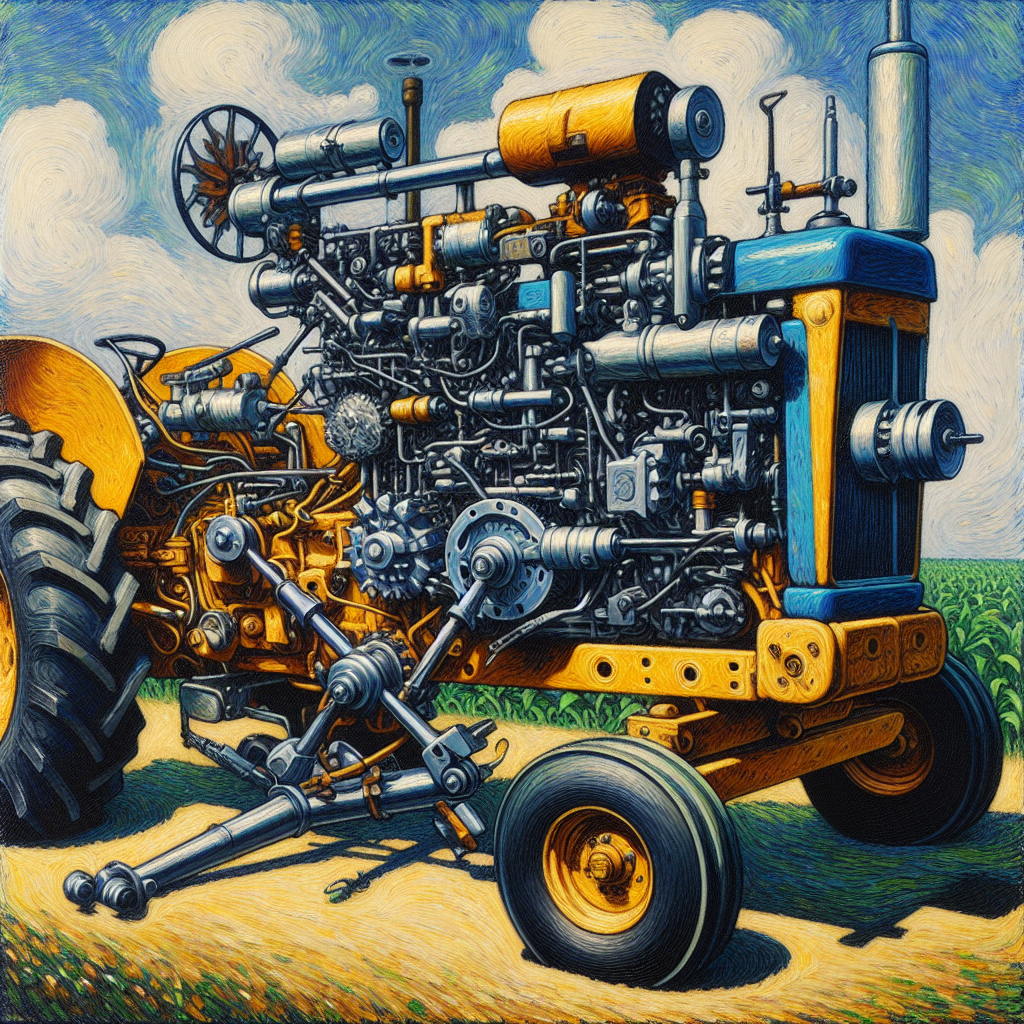
Conclusion
Other Resources

Other Resources
Here is a list of other resources you can review online to learn more:
- Louisville Tractor and Truck Pull
- Minnesota Machinery Museum
- Schwanke Car, Tractor and Truck Museum
- Central Washington Agricultural Museum
- NEATTA
- Terraplane
- Mercedes-Benz
- Case IH
- IH
- Mahindra Gujarat
Use This Prompt To Get More Resources With Your Favorite Online AI Tool: Please provide me with a list of online articles with their URLs in a bulleted list that I can read regarding Can Classic Tractors Offer a Competitive Advantage for Farmers

Other Resources
Glossary Terms
Can Classic Tractors Offer a Competitive Advantage for Farmers – Glossary Of Terms
1. Classic Tractors: Vintage agricultural machines, typically built before 1980, valued for their durability and historical significance.
2. Farm Equipment: Tools and machinery used in the farming process to enhance productivity and efficiency.
3. Mechanical Efficiency: The ability of a machine to perform its function with minimal waste of energy or resources.
4. Fuel Efficiency: The ratio of the work performed by a tractor to the fuel consumed, impacting operating costs.
5. Reliability: The consistency of a tractor’s performance without frequent breakdowns, crucial for maintaining farm operations.
6. Simplicity: The straightforward design of classic tractors, often resulting in easier maintenance and repairs.
7. Adaptability: The ability of classic tractors to be modified or retrofitted with modern technology or attachments.
8. Cost-Effectiveness: The overall economic advantage derived from using classic tractors, considering purchase, maintenance, and repair costs.
9. Resilience: The ability of classic tractors to withstand harsh conditions and continue functioning over time.
10. Heritage: The historical and cultural significance of classic tractors in agriculture, often contributing to their appeal.
11. Restoration: The process of bringing classic tractors back to working condition, often enhancing their value and performance.
12. Tillage: The agricultural preparation of soil for planting, often supported by tractor technology.
13. Cultivation: The process of preparing land to grow crops, which classic tractors can assist with using various attachments.
14. Tractor Restoration Clubs: Organizations dedicated to the preservation and restoration of classic tractors, fostering community among enthusiasts.
15. Market Demand: The level of consumer interest in products or services, which can influence the value of classic tractors.
16. Agricultural Trends: Patterns and shifts in farming practices that can impact the value and utility of classic tractors.
17. Precision Agriculture: Farming management concept using technology to ensure crop productivity and efficiency, which classic tractors can integrate with.
18. Labor Savings: Reduction in manual labor required for farming tasks, potentially achieved by the efficiency of classic tractors.
19. Sustainability: Agricultural practices focused on meeting current needs without compromising future generations, where classic tractors can play a role.
20. Vintage Machinery Shows: Events showcasing classic tractors and equipment, promoting their historical significance and collecting community.
21. Second-Hand Market: The resale sector for used equipment, where classic tractors can often retain good value.
22. Maintenance: The actions taken to keep tractors in operational condition, with classic models sometimes requiring specialized skills.
23. Operational Costs: The total expenditure involved in running agricultural machinery, with classic tractors often discussed for lower costs.
24. Agronomy: The science of soil management and crop production, crucial for understanding the effectiveness of farming equipment.
25. Heritage Farming: Agricultural practices that emphasize historical methods and equipment, aligning with the use of classic tractors.
26. Tractor Implements: Attachments used in conjunction with tractors to perform specific farming operations, essential for versatility.
27. Community Engagement: The involvement of farmers and tractor enthusiasts in local events and clubs, fostering a sense of belonging and shared interest.
28. Historical Restoration: The practice of returning classic tractors to their original state, which can enhance their aesthetic and market value.
29. Farming Innovation: The incorporation of new practices and technologies in agriculture, potentially merged with classic tractor utility.
30. Competitive Edge: The advantage a farmer gains through various factors, including machinery quality, which can be influenced by classic tractors.

Glossary Of Terms
Other Questions
Can Classic Tractors Offer a Competitive Advantage for Farmers – Other Questions
If you wish to explore and discover more, consider looking for answers to these questions:
- What are the benefits of using classic tractors compared to modern ones?
- How do classic tractors influence farm economics in the long term?
- What specific models of classic tractors are most popular among farmers today?
- Can classic tractors be adapted to use modern technologies?
- What role do classic tractors play in agricultural education and training?
- How can farmers effectively restore and maintain classic tractors?
- What are the environmental impacts of using classic tractors versus modern tractors?
- Are there any government incentives for using classic tractors in farming?
- What community events or organizations celebrate classic tractors?
- How have classic tractors influenced modern agricultural practices?
- What challenges do farmers face when using classic tractors?
- How can classic tractors help in promoting local agriculture and markets?
- What resources are available for farmers interested in classic tractors?

Other Questions
Haiku
Can Classic Tractors Offer a Competitive Advantage for Farmers – A Haiku
Classic steel reclaims,
Stories of sweat and earth’s heart,
Roots weave communities.

Haiku
Poem
Can Classic Tractors Offer a Competitive Advantage for Farmers – A Poem
In Fields of Legacy
In fields where sun-drenched memories bloom,
Classic tractors rise, dispelling the gloom.
With paint that’s chipped and steel that’s worn,
They echo stories of labor, pride reborn.
Their engines hum a melody of toil,
Where every dent whispers of sweat on the soil.
A farmer’s heart, tethered to the past,
Honors the earth, holds traditions steadfast.
With gentle hands and tools they wield,
These timeless machines, their heritage revealed.
Simple yet sturdy, a promise to last,
In each turn of the wheel, lessons are cast.
Community gathers, a tapestry strong,
In fairs and parades, where all belong.
A shared heritage, woven tight like a thread,
Conversations flourish, old pathways are tread.
Sustainability sings from engines that purr,
Running on hope, not just on the spur.
Choices we make, in the fields we till,
Embrace the classic, bend toward goodwill.
For every farmer knows, in their heart and gut,
These humble machines aren’t just a cut,
Of steel and iron, but kinship and grace,
A legacy shared, a warm, welcoming space.
So when you see a classic, let wonder ignite,
A bridge to the past that shines boldly bright.
In the roar of its engine, find strength to embrace,
Tradition and vision—a resilient grace.

Poem
Checklist
Can Classic Tractors Offer a Competitive Advantage for Farmers – A Checklist
Classic Tractors: A Competitive Advantage for Farmers _____ Checklist
Heart (Emotional Appeals)
1. Reflect on Personal Memories: Think about a classic tractor that holds sentimental value in your family. What stories do you associate with it? How does it connect you to your roots in farming?
2. Embrace Tradition: Consider how classic tractors symbolize dedication, resilience, and the legacy of your family. In what ways do you honor this legacy in your farming practices?
3. Foster Community Bonds: Engage with neighbors and fellow farmers to share experiences and tales of classic tractors. How can these stories strengthen your community’s ties?
Head (Rational Appeals)
4. Evaluate Maintenance Simplicity: Assess how classic tractors’ mechanical simplicity can reduce repair costs. Are there specific models you could learn more about for easier maintenance?
5. Calculate Cost Savings: Review your operational costs. How much could you save by using classic tractors instead of newer, more complex models?
6. Analyze Efficiency Gains: Consider how classic tractors might enhance your farm’s productivity. What tasks can they accomplish that would allow you to focus more on vital areas of your operation?
Gut (Ethical and Social Appeals)
7. Prioritize Sustainability: Reflect on the environmental impact of your farming practices. In what ways does using classic tractors support sustainable farming?
8. Honor Agricultural Heritage: As a steward of the land, how can you integrate respect for agricultural heritage in your daily operations?
9. Join the Classic Tractor Community: Explore local clubs or events that celebrate classic tractors. How can participation in this community deepen your ethical commitment to farming traditions?
Authority (Expertise)
10. Seek Guidance: Connect with experienced farmers who have successfully integrated classic tractors into their operations. What best practices can they share?
11. Learn Mechanic Skills: Take time to educate yourself on the mechanics of classic tractors. What resources (books, workshops, online courses) are available to increase your knowledge?
Narrative
12. Craft Your Own Story: Write down your journey as a farmer and how classic tractors play a part in it. What chapters highlight your connection to these machines?
13. Engage in Oral History: Share your farming experiences with young farmers. How can exchanging stories preserve the knowledge and culture of farming?
Social Appeals
14. Participate in Local Events: Attend or participate in local fairs or tractor shows to celebrate farming heritage. How do these events enhance your sense of belonging?
15. Promote the Message: Use social media or community boards to advocate for the value of classic tractors in modern farming. How can this elevate awareness within your agricultural community?
By considering the emotional, rational, ethical, authoritative, narrative, and social aspects of classic tractors, you can reflect on their potential impact on your farming practices and community connections. Embrace the legacy they represent and see how they can drive your success in the modern agricultural landscape.

Checklist
At ClassicTractorNews, we help tractor lovers keep up with the latest news for classic and vintage tractors.
Please share this post with your friends, family, or business associates who may like old classic or vintage tractors.