

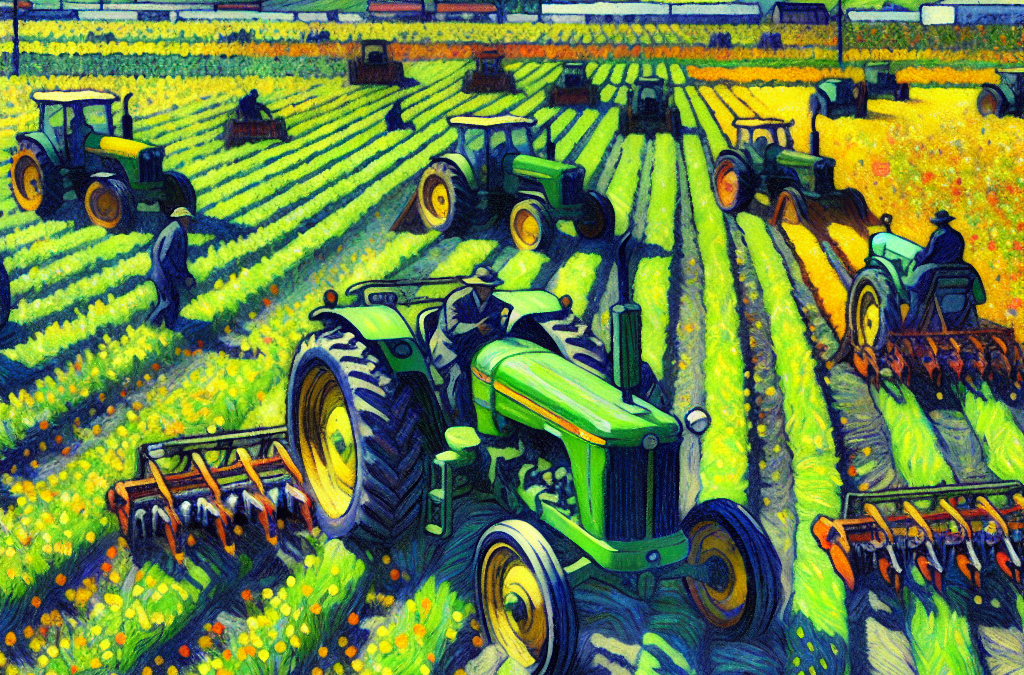
Rediscovering The Heart, Soul, And Tradition Of Farming With Classic Tractors
By Tom Seest
At ClassicTractorNews, we help tractor lovers keep up with the latest news for classic and vintage tractors.
Please share this post with your friends, family, or business associates who may like old classic or vintage tractors.
Can Classic Tractors Make Farming Feel Like a Forgotten Joy
There’s something timeless about the hum of an old tractor cutting through the morning mist. It stirs memories buried deep within the heart of every farmer—a rhythm that once gave life to fields now too often overshadowed by the glitz of modern machinery. When you climb onto the seat of a classic tractor, you’re not just taking control of a vehicle; you’re tapping into a legacy, a connection to the land that transcends time.
These iconic machines have stories to tell, echoes of labor that have shaped our very landscape. They symbolize hard work, resilience, and an unyielding bond to the soil. Whether you’re plowing a field or simply taking it for a spin down an old dirt road, there’s an undeniable pull towards that nostalgic simplicity. It feels right. It feels like home. In a world racing toward automation, where everything seems disposable, there’s a palpable joy in the manual operations of yesteryear.
But it’s not just the past we celebrate; it’s about cultivating a future grounded in mindful farming. The classic tractor stands as a reminder of slow, intentional work—the kind that demands care and respect for nature’s cycles. Just imagine engaging with your land, cultivating not just crops but also your own craftsmanship. Gardening isn’t just an act of cultivation; it’s an ethical endeavor, helping to preserve the soil and our environment for future generations.
Furthermore, engaging with these machines fosters community. Picture a sunny Saturday at a local fair, where farmers and enthusiasts gather, united by a shared passion for these mechanical wonders. Friendships are forged over the tinkering of a stubborn engine, laughter shared as folks reminisce about simpler times. Together, they breathe life into an age-old tradition, creating a sense of belonging that connects us all.
When you decide to embrace the charm of a classic tractor, you’re making a choice that resonates with the heart, head, and gut. It’s about trusting your roots while paving a path forward. It invites you to reclaim that forgotten joy, gently reminding you that in farming, as in life, it’s often the ride that matters most. So, dust off that old tractor, rev it up, and feel the wind in your hair. It’s time to reconnect with the earth—and perhaps, rediscover a piece of yourself along the way.
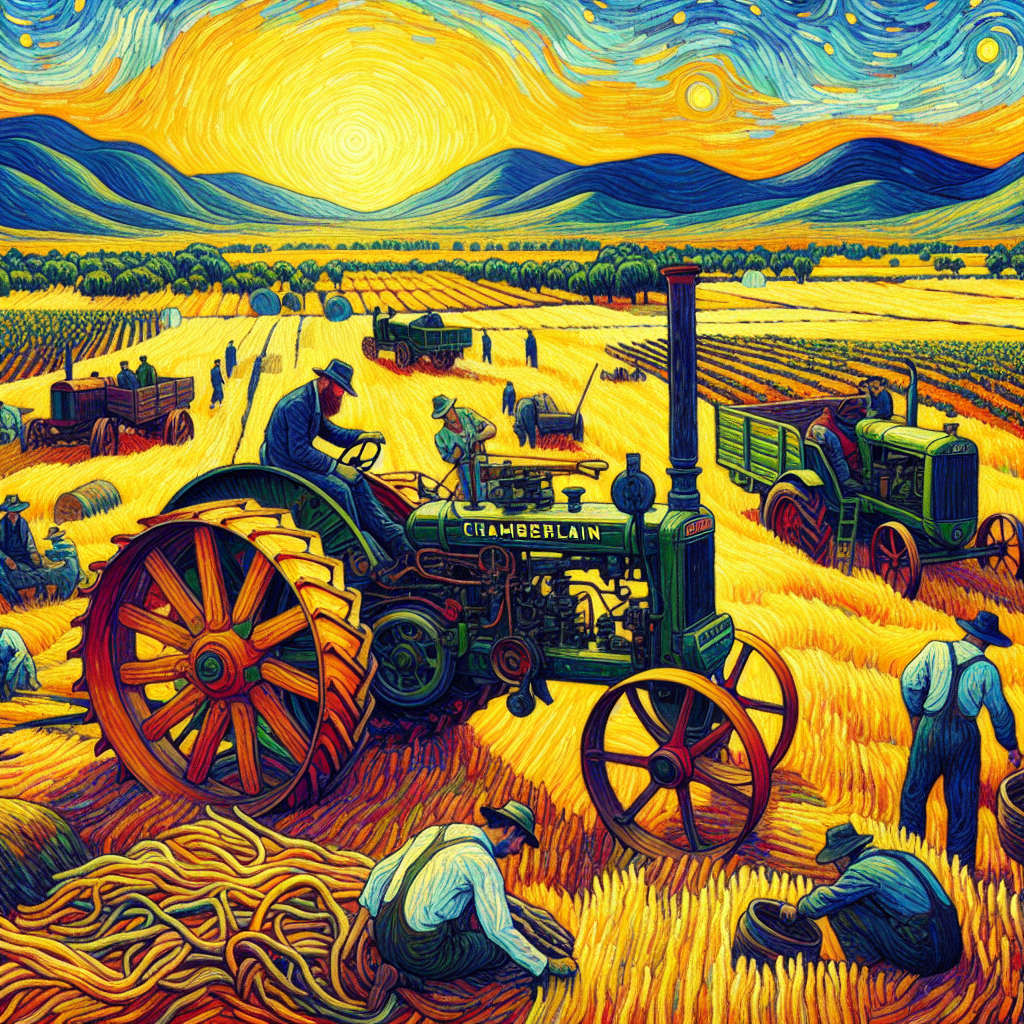
Can Classic Tractors Make Farming Feel Like a Forgotten Joy
Can Classic Tractors Make Farming Feel Like a Forgotten Joy
- The sound of an old tractor evokes timeless memories for farmers, linking them to a rich legacy.
- Classic tractors symbolize hard work, resilience, and a deep connection to the land.
- Engaging with these machines offers a nostalgic simplicity that contrasts with modern automation.
- Classic tractors embody intentional farming, promoting care and respect for natural cycles.
- Gardening is portrayed not just as cultivation but as an ethical commitment to preserving the environment.
- Community is fostered through shared experiences at local fairs, creating bonds over a love for these machines.
- Embracing classic tractors encourages a reconnection with the earth and a rediscovery of personal joy.
Can Classic Tractors Make Farming Feel Like a Forgotten Joy
Table Of Contents
- Can Classic Tractors Make Farming Feel Like a Forgotten Joy
- Can Using Vintage Machinery Connect Us To Our Agricultural Roots?
- What Emotional Stories Do Classic Tractors Tell About Farming History?
- Are Classic Tractors More Sustainable Than Modern Farming Equipment?
- How Does Farming With Classic Tractors Foster Community And Bonding?
- Can Operating A Classic Tractor Evoke A Sense Of Nostalgia And Pride?
- What Impact Do Classic Tractors Have On Modern Farming Practices?
- Conclusion
- Other Resources
- Glossary Of Terms
- Other Questions
- Haiku
- Poem
- Checklist
Can Using Vintage Machinery Connect Us To Our Agricultural Roots?
Can Using Vintage Machinery Connect Us to Our Agricultural Roots?
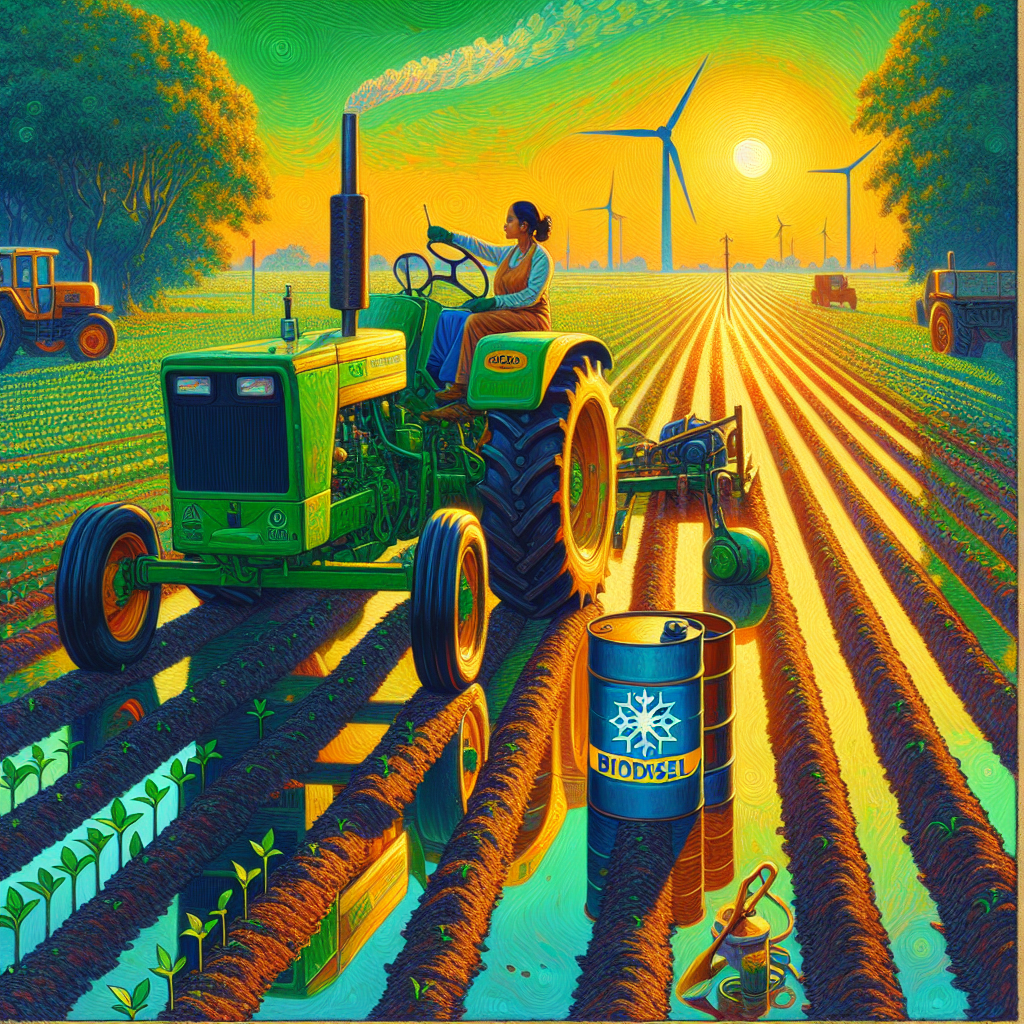
Have you ever stood beside a vintage tractor, marveling at its rusted gears and worn-out paint? In that moment, it feels as if time has stood still, whispering tales of hard work, resilience, and ingenuity. These old machines – they’re not just relics; they’re a visceral connection to a time when agriculture was the backbone of our society, when people relied on the land, and one another, to survive.
As we veer into our hyper-digital world, we often forget that our agricultural roots are intertwined with these very machines. Each tractor represents a story—a farmer who toiled under the sun, planting crops and nurturing the earth. The nurturing of the soil isn’t just a job; it’s a way of life, stitched into the fabric of who we are. When we use or restore these vintage tractors, we’re not just preserving machinery; we’re honoring those who came before us. The weight of that legacy can hit you right in the gut, sparking a deep sense of belonging.
But nostalgia alone isn’t enough. There’s a rational argument here too; maintaining and using vintage machinery fosters sustainability. With the world pivoting towards technological advancements, it’s easy to overlook the efficiency and durability that older tractors provide. They often require less energy to operate and are made from sturdier materials. Using them isn’t just a romantic notion; it’s an ethical choice that speaks to responsible stewardship of our resources.
Let’s consider the community. When vintage machinery comes back into the spotlight, it fosters connections. Farmers, collectors, and hobbyists gather at shows and events, exchanging stories and practices. These gatherings revive the agricultural spirit, sparking conversations that remind us that we are not alone in our endeavors. It’s a powerful social dynamic—an affirmation that our agricultural roots still matter, even in this fast-paced world.
So what can you do? Get involved. Attend a vintage machinery show. Help restore a tractor or simply gather with those who share an interest in agriculture’s rich past. You may find, through these actions, that you are not just connecting to machinery but to a larger narrative. A narrative that reinforces our shared humanity, our commitment to the earth, and our enduring connection to the past. Let’s keep those wheels turning, and in doing so, keep our roots alive. You might just discover a part of yourself that has been yearning for that connection all along.
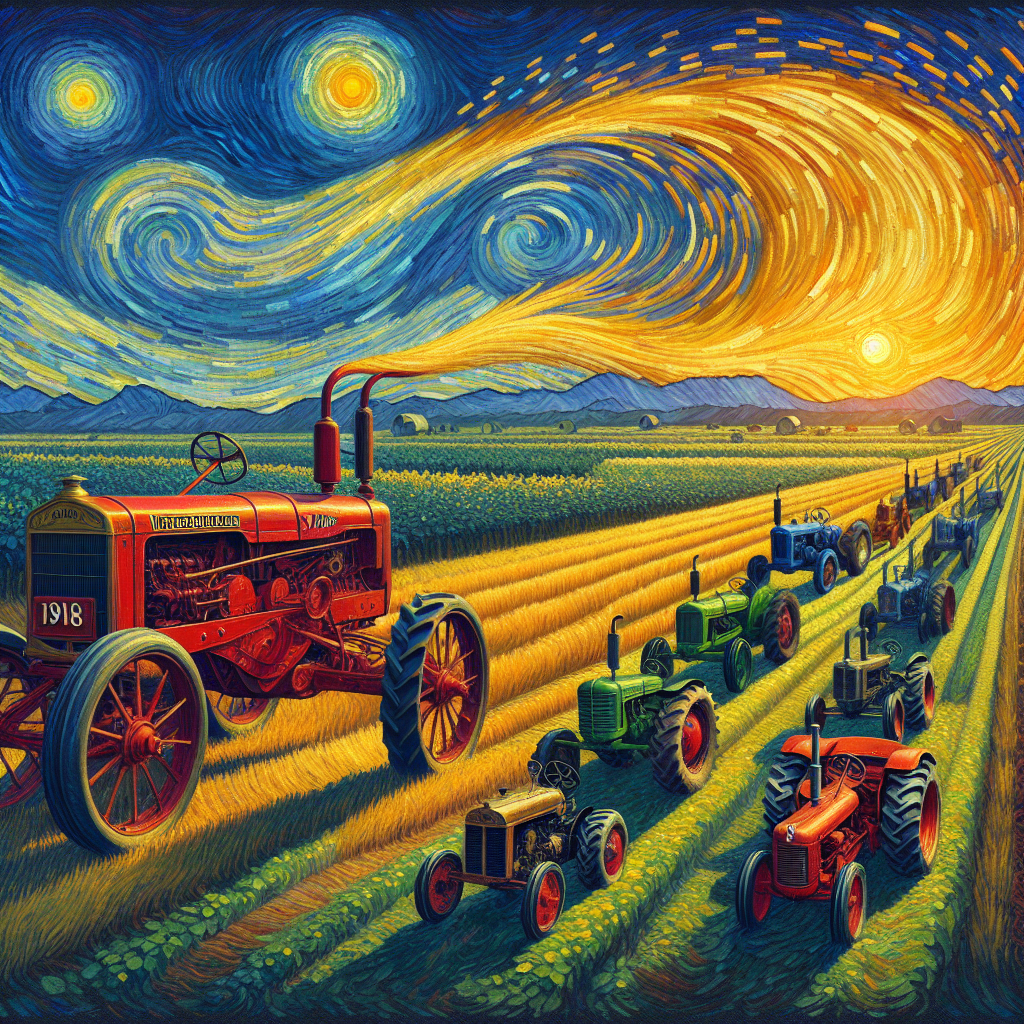
Can Using Vintage Machinery Connect Us To Our Agricultural Roots?
Can Using Vintage Machinery Connect Us To Our Agricultural Roots?
- Vintage machinery, like tractors, connects us to our agricultural roots and the stories of resilience and hard work.
- These old machines symbolize a lifestyle dedicated to nurturing the earth and maintaining traditions.
- Restoring and using vintage tractors honors the legacy of those who worked the land before us.
- Maintaining vintage machinery promotes sustainability through efficient and durable operations.
- Older tractors often require less energy and are made from sturdier materials than many modern equivalents.
- Community gatherings around vintage machinery foster connections among farmers, collectors, and hobbyists.
- Engaging with vintage machinery can help individuals find a deeper connection to agriculture and their shared humanity.
Can Using Vintage Machinery Connect Us To Our Agricultural Roots?
What Emotional Stories Do Classic Tractors Tell About Farming History?
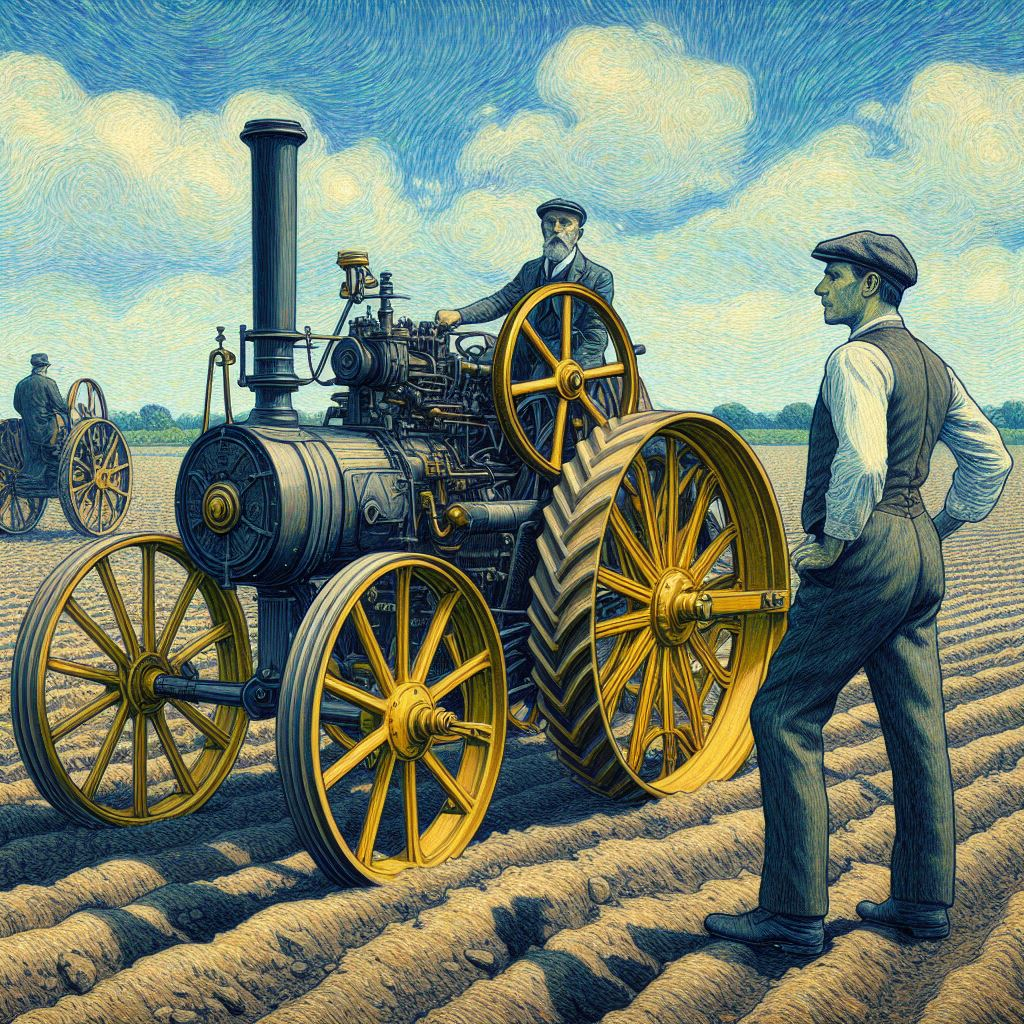
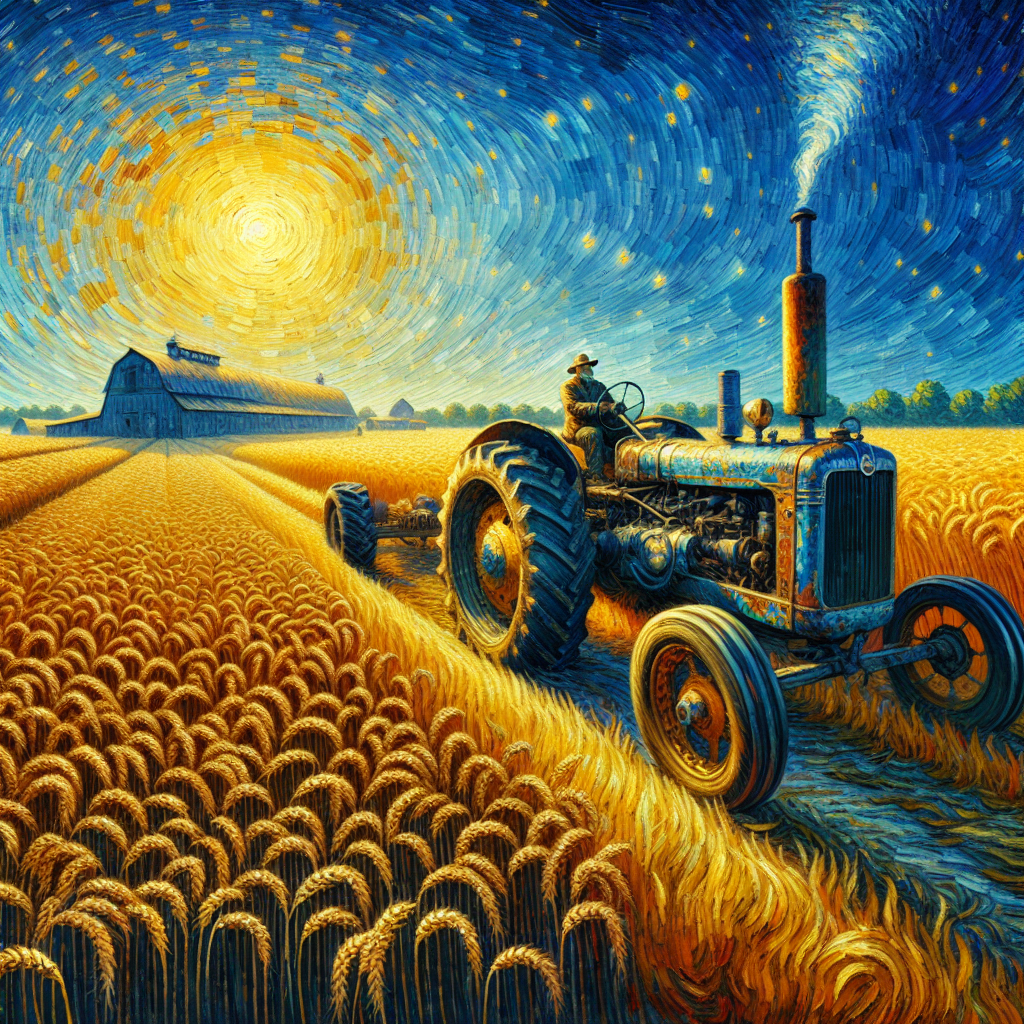
In the fields of America, beneath the vast canvas of sky, classic tractors stand like sentinels of a bygone era, whispering tales of perseverance, hard work, and the indomitable human spirit. These sturdy machines, often covered in rust and nostalgia, weren’t just metal and gears; they were lifelines for families and the very fabric of rural communities. Each tractor carries the weight of generations, holding stories that resonate with the heart, head, and gut of anyone who takes a moment to listen.
Picture an old Fordson, its faded paint echoing the toil of long summer days. It was once a farmer’s companion, tilling the rich earth, planting seeds of hope and ensuring a family’s survival during times of uncertainty. This tractor, much like the man behind the wheel, faced relentless challenges—floods, droughts, and economic hardships. Yet, against all odds, it moved forward, much like the farmers who relied on it daily. This resilience forms the crux of the narrative; it’s a testament to the sweat and grit that shaped our landscape.
But why does this matter? Beyond sentimental value lies a stark reality. Classic tractors remind us of our roots and the sacrifices made by those who came before us. They inhabit a morally rich space in our collective history. When we acknowledge the stories tied to these machines, we foster an ethical commitment to honor their legacy and sustain our agricultural traditions. Supporting local farms and understanding our role in the food supply chain connects us to the tenacity embodied in those tractors.
Moreover, the authority of these tractors is undeniable. The engineering marvels from the early 20th century were revolutionary in their time, changing the farming landscape and enabling communities to flourish. Their presence in farming museums and family farms becomes a call to action for the new generation. It’s an invitation to appreciate the labor that goes into every meal, to recognize the commitment of farmers who continue to nurture the land.
So, the next time you see a classic tractor, take a moment to reflect. Each scrape, dent, and rust spot tells a story—one of struggle, resilience, and triumph over adversity. It’s not just a machine; it’s a bridge between the past and the future, binding us all in a shared narrative that deserves to be celebrated and preserved. Let’s ensure that the stories of our agriculture endure, for in them lies the heart of our heritage and a roadmap for our future.
What Emotional Stories Do Classic Tractors Tell About Farming History?
What Emotional Stories Do Classic Tractors Tell About Farming History?
- Classic tractors symbolize perseverance and the human spirit in America’s rural landscapes.
- They serve as lifelines for families, deeply intertwined with community fabric.
- Each tractor has a rich history, reflecting the challenges and triumphs of farmers over generations.
- The resilience of tractors like the old Fordson showcases the determination against natural and economic adversities.
- These machines remind us of our agricultural roots and the sacrifices of predecessors, fostering an ethical commitment to sustainability.
- Classic tractors are engineering marvels that revolutionized farming, shaping prosperous communities.
- Each tractor tells a unique story, urging us to honor our agricultural heritage and connect with present-day farming efforts.
What Emotional Stories Do Classic Tractors Tell About Farming History?
Are Classic Tractors More Sustainable Than Modern Farming Equipment?
When we talk about tractors and their role in farming, it’s easy to get swept away in the shiny allure of modern equipment. Newer machines boast high-tech gadgets, fuel efficiency, and connectivity that’s almost sci-fi. But let’s stop for a moment and consider the heart and soul of farming—the classic tractors. The ones that, for generations, have gleaned the fields and shaped the backbone of agriculture.
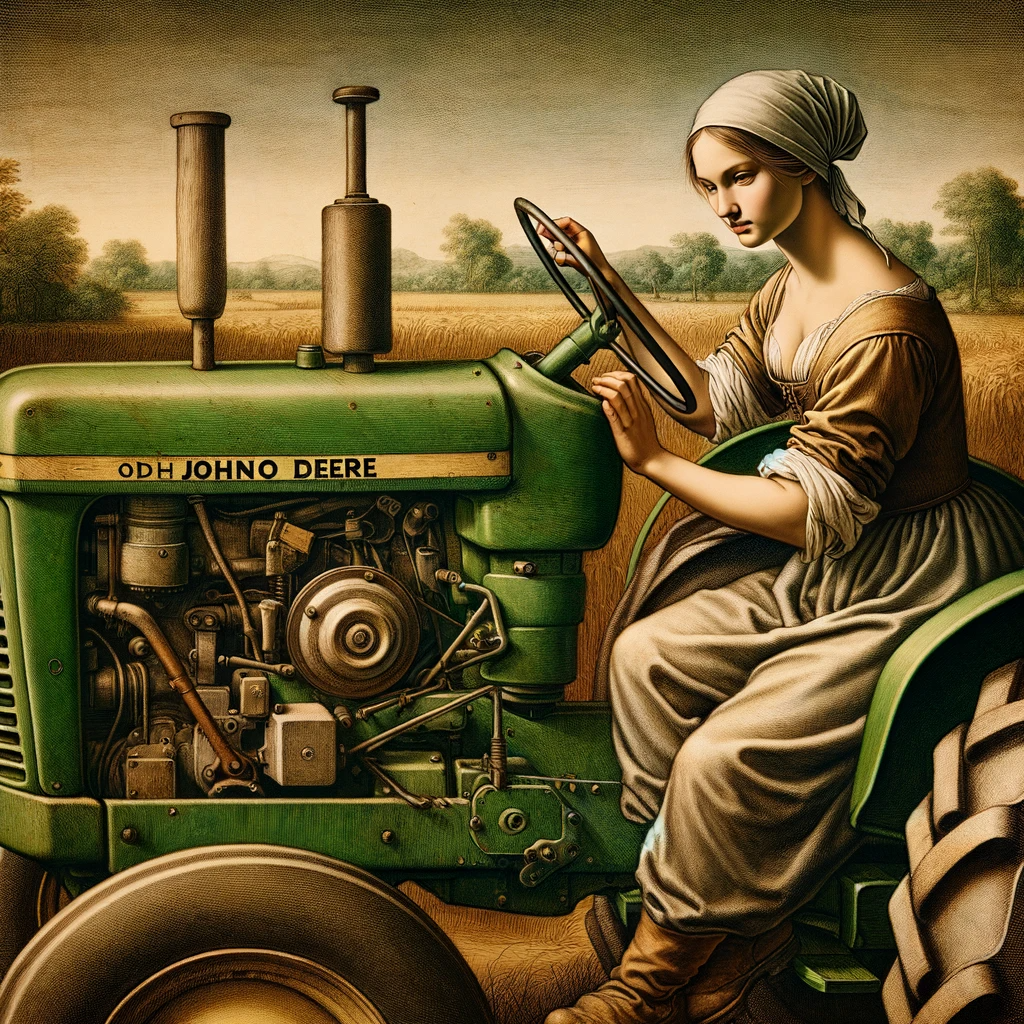
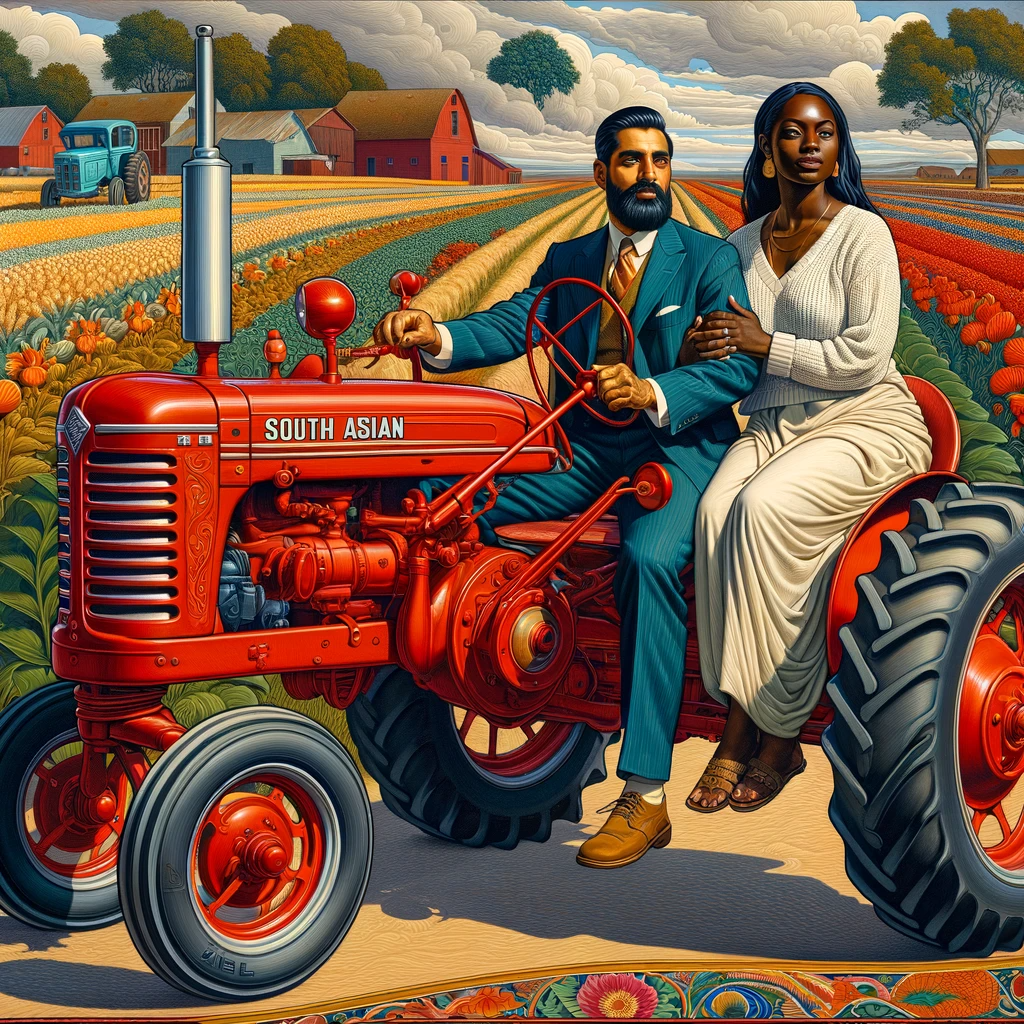
Picture a seasoned farmer, hands weathered and brown from years spent under the sun, leaning against a vintage tractor, its bright red paint slightly chipped but its steel frame still sturdy and reliable. This isn’t just a machine; it’s a heritage. Classic tractors, built to last decades if not a lifetime, offer an earthy authenticity that modern machines can struggle to replicate. They require less in terms of complex parts and electronics, meaning maintenance can often be done with little more than a wrench and a bit of know-how. That, folks, is sustainability you can trust.
Now let’s engage our heads. Classic tractors often operate with simpler mechanics, which means fewer emissions and less energy consumption. They might not have a sophisticated computer system managing every ounce of fuel, but there’s a beauty in their straightforwardness. Repairing these machines is typically more cost-effective, which leads to a more sustainable financial model for farming families. You’re not just looking at the environmental cost, but the economic reality of keeping a family farm afloat for generations to come.
Ethically, we are guardians of our land. Many modern farming practices emphasize corporate efficiency, but those classic tractors remind us of a more symbiotic relationship with the earth. They carry a story—a story of resilience, care, and respect for the soil that feeds us. When a community leans into its farming traditions, it fosters an appreciation for local food systems, supporting both sustainability and mutual cooperation.
In a world that often feels disconnected, classic tractors invite us back to our roots. They remind us that true progress isn’t only about what’s new; it’s about honoring what has come before. By choosing classic over modern, farmers can cultivate not just their crops, but also a deeper connection to the land, their community, and their legacy.
So, as you ponder this, think about the tractors that have paved the way. These machines aren’t just pieces of iron; they’re a testament to sustainable farming, bound by history and driven by the hope of future generations. Isn’t it time we honored that?
Are Classic Tractors More Sustainable Than Modern Farming Equipment?
Are Classic Tractors More Sustainable Than Modern Farming Equipment?
- Classic tractors have a rich heritage and have been foundational in agriculture for generations.
- They offer sustainability through simple mechanics, leading to easier maintenance and fewer emissions.
- Repairing classic tractors is often more cost-effective, supporting the economic viability of family farms.
- Classic tractors foster a symbiotic relationship with the earth, emphasizing care and respect for the soil.
- They promote appreciation for local food systems and cooperative community practices.
- Classic tractors invite a reconnection to farming traditions and the land, prioritizing legacy over modernization.
- Honoring classic tractors is a testament to sustainable farming and a commitment to future generations.
Are Classic Tractors More Sustainable Than Modern Farming Equipment?
How Does Farming With Classic Tractors Foster Community And Bonding?
When you sit behind the wheel of a classic tractor, there’s something profound that happens—not just to the soil you till, but to the community that surrounds you. These robust machines, with their nostalgic allure and storied pasts, become more than mere farming equipment; they evolve into symbols of shared history and human connection.
Imagine the rumble of an old tractor starting up, the familiar sound like a call to arms for neighbors and friends. It’s easy to underestimate how a simple piece of machinery can transform into a catalyst for community. When farmers gather to restore a vintage tractor or share techniques passed down through generations, they engage in storytelling, exchanging laughter and lessons. These moments transcend mere friendship; they create bonds that last a lifetime.
Rationally, you might wonder: what’s the big deal about a tractor? Yet, this is where the heart kicks in. Owning a classic tractor often means inheriting not only the physical machine but also the stories tied to it—stories that stir memories of loved ones who toiled before us, lives lived under the open sky, and sweat that nourished the earth. This history grounds us, reminding us of our roots and the sacrifices made to ensure our communities thrive. Every gritty handprint on the steering wheel is a testament to hard work, resilience, and the commitment to preserving a way of life that honors the land.
Ethically, the act of farming itself is an age-old practice that hinges on connection—not just to the earth, but to the people and animals sharing in that endeavor. Classic tractors allow farmers to engage in sustainable practices that respect the environment, reinforcing the social responsibility we owe to future generations. When you see a neighbor plowing their field with an iconic red or green tractor, it’s a reminder that we are all working towards a common goal: nurturing the land and our community.
So, next time you see that weathered tractor rolling down the dirt road, take a moment to appreciate what lies behind it. It’s not just farming; it’s community in action—people coming together, sharing stories, and fostering connections that nourish us all. Find your place among those who cherish tradition and embrace the future, and you might just emerge from the cab with more than soil under your nails—perhaps a heart full of connection and a spirit aligned with those around you.
How Does Farming With Classic Tractors Foster Community And Bonding?
How Does Farming With Classic Tractors Foster Community And Bonding?
- Classic tractors symbolize community and shared history, transforming farming into an experience that connects people.
- The sound of a starting tractor brings neighbors together, creating a sense of camaraderie and engagement.
- Restoring vintage tractors fosters storytelling and laughter, building lifelong bonds among farmers.
- Owning a classic tractor connects individuals to past generations and their stories of hard work and dedication.
- The practice of farming is rooted in connection to the earth and the community, emphasizing social responsibility.
- Classic tractors promote sustainable farming practices that benefit the environment and future generations.
- Appreciating classic tractors encourages a sense of tradition and unity, nourishing both the land and relationships.

How Does Farming With Classic Tractors Foster Community And Bonding?
Can Operating A Classic Tractor Evoke A Sense Of Nostalgia And Pride?
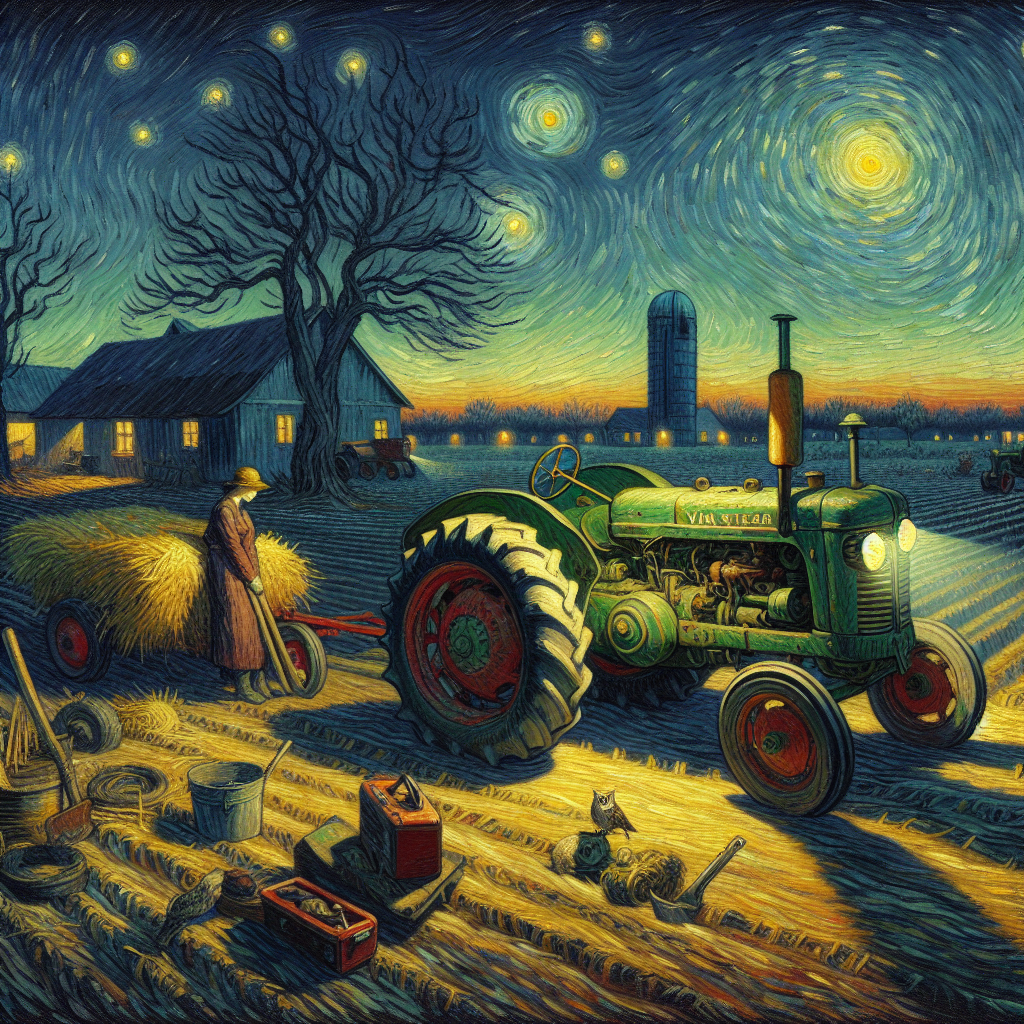
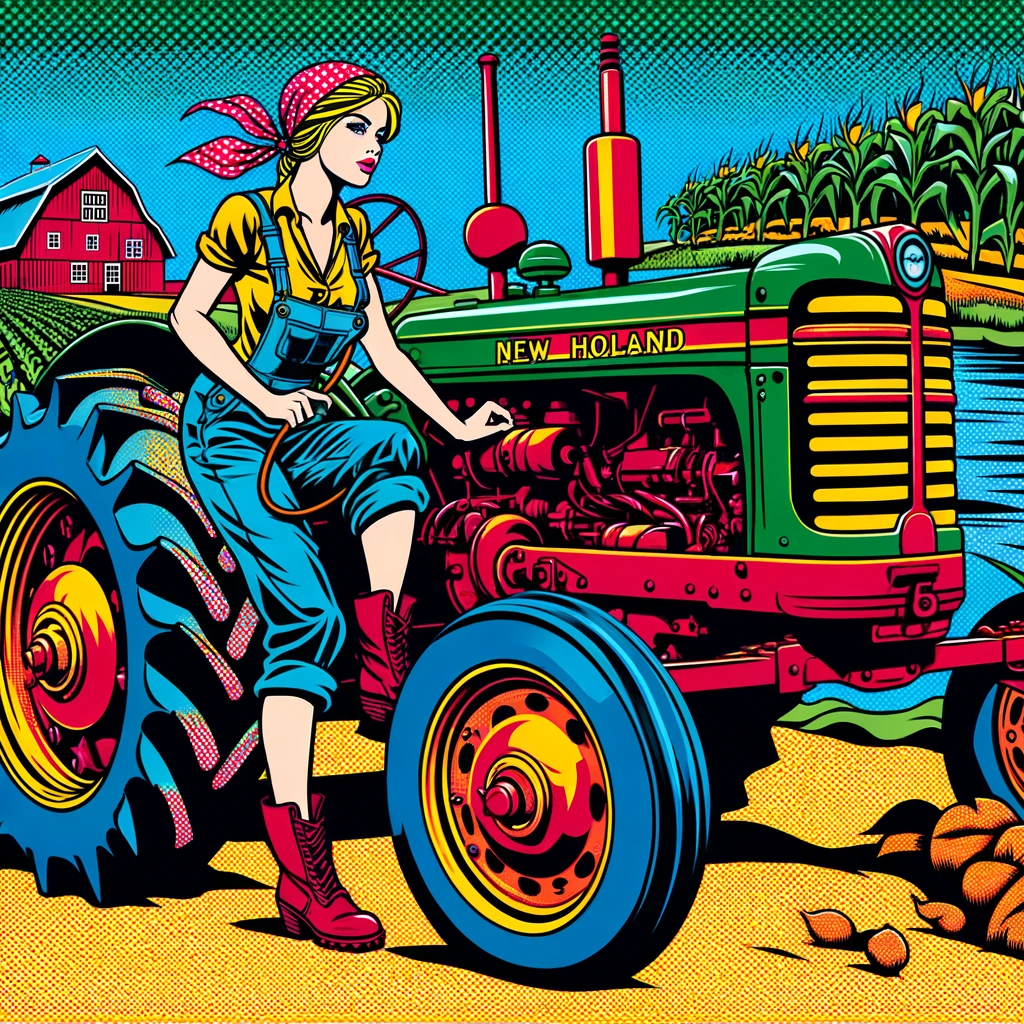
Operating a classic tractor isn’t just about the mechanics of agriculture; it’s a gateway to a richer interpretation of who we are and where we come from. Picture yourself gripping the worn steering wheel, the vibrations of the engine coursing through your veins. It’s an experience that connects you to generations past, evoking a sense of nostalgia that runs deeper than mere machinery; it taps into the heartbeat of our cultural heritage.
When you sit atop a classic tractor, you’re not just driving a piece of equipment; you’re steering through the annals of history. Each dent and scratch tells a story. This isn’t the sterile, mass-produced machinery of today’s world. No, this is craftsmanship at its finest—a testament to resilience and hard work. You can almost hear the echoes of farmers from decades ago, their laughter and struggles intertwined with the very soil you now cultivate. Every roar of the engine reminds you that this isn’t just a job; it’s a way of life, one that requires commitment and respect for the land.
The ethical dimension here is worth pondering; when you operate a classic tractor, you’re embracing sustainable practices that respect the earth. In a world where frugality often feels overshadowed by consumerism, you’re making a statement. You value durability over disposability, heritage over transience. This tractor doesn’t just plow fields; it plows a path toward a more conscientious way of living.
And it’s not just an isolated experience. It fosters community as well. Conversations spark at the local diner or farm equipment show, where we share our stories—triumphs, failures, and the lessons learned. By connecting with others who cherish those same old pieces of iron, you draw upon a well of shared experiences that’s rich and rewarding. Suddenly, you’re not just a solitary operator; you’re part of a lineage, a club, a movement.
So, whether you’re plowing your fields or simply taking a Sunday spin down a dirt road, operating a classic tractor does something profound: it grounds you. Amidst a fast-paced world that often forgets its roots, you find purpose and pride in the slow, steady rhythm of the past. That’s not mere nostalgia; that’s affirmation. And if that doesn’t inspire you to take the wheel, what will?
Can Operating A Classic Tractor Evoke A Sense Of Nostalgia And Pride?
Can Operating A Classic Tractor Evoke A Sense Of Nostalgia And Pride?
- Operating a classic tractor connects individuals with their cultural heritage and history.
- Each dent and scratch on the tractor tells a unique story of resilience and hard work.
- It evokes nostalgia, reminding operators of the laughter and struggles of past generations of farmers.
- Classic tractors represent a commitment to sustainable practices and a more conscientious way of living.
- Driving a classic tractor fosters community through shared stories and experiences.
- Being part of a community of classic tractor enthusiasts creates a sense of belonging and lineage.
- Operating a classic tractor provides grounding in a fast-paced world, offering purpose and pride.
Can Operating A Classic Tractor Evoke A Sense Of Nostalgia And Pride?
What Impact Do Classic Tractors Have On Modern Farming Practices?
In the quiet corners of our agricultural landscape, classic tractors stand as proud sentinels of a time when farming was about hands in the dirt and the gentle hum of machinery that felt more like a trusted partner than a mere tool. They tell stories of resilience, hard work, and innovation, leaving an indelible mark on modern farming practices. But what is it about these old iron giants that still resonate with today’s farmers, many of whom cling to the values embodied by their ancestors?
Classic tractors are not just relics; they symbolize a deep-rooted respect for the land and the sweat that nourishes it. Each rusted bolt and worn-out tire holds memories of sunrises spent plowing fields and family gatherings over farm equipment after long days. In an age dominated by rapid technological advancement, these tractors remind us of the honest labor that fuels our food systems—a labor that nourishes not just bodies but souls. You can feel it in the air when farmers gather at local shows, sharing tales of their trusty machines. Their laughter rings out alongside the engines, connecting generations through shared experience.
But there’s more than nostalgia at play here. Classic tractors offer valuable lessons in sustainability and efficiency. As modern farming enterprises grapple with the pressing need for eco-friendly practices, these vintage machines urge us to reconsider our approach. The simplicity of their design promotes repair over replacement, encouraging a zero-waste mentality that many are beginning to embrace. New generations are now learning to appreciate not just the horsepower under the hood but also the ethics of resourcefulness and resilience—qualities that strike at the very heart of responsible farming today.
Rationally speaking, many classic tractors have stood the test of time, proving durable and reliable, leading many farmers to see them as investments rather than outdated models. The versatility of these machines—equipped for various tasks—demonstrates that sometimes, less is more. It harkens to the idea that innovation doesn’t always mean faster and flashier; sometimes it means going back to basics, keeping what works, and preserving what matters.
In this ever-changing landscape, the presence of classic tractors is a gentle reminder of our shared agricultural roots. They inspire a sense of community, a commitment to stewardship, and a deep respect for the food we all rely on. Embracing that connection can empower each of us to take action, reminding us that in modern farming, the past is not just history; it’s also the foundation for a sustainable future. So the next time you see a vintage tractor, take a moment to appreciate its legacy—it just might inspire you to dig a little deeper into your own connection with the earth.
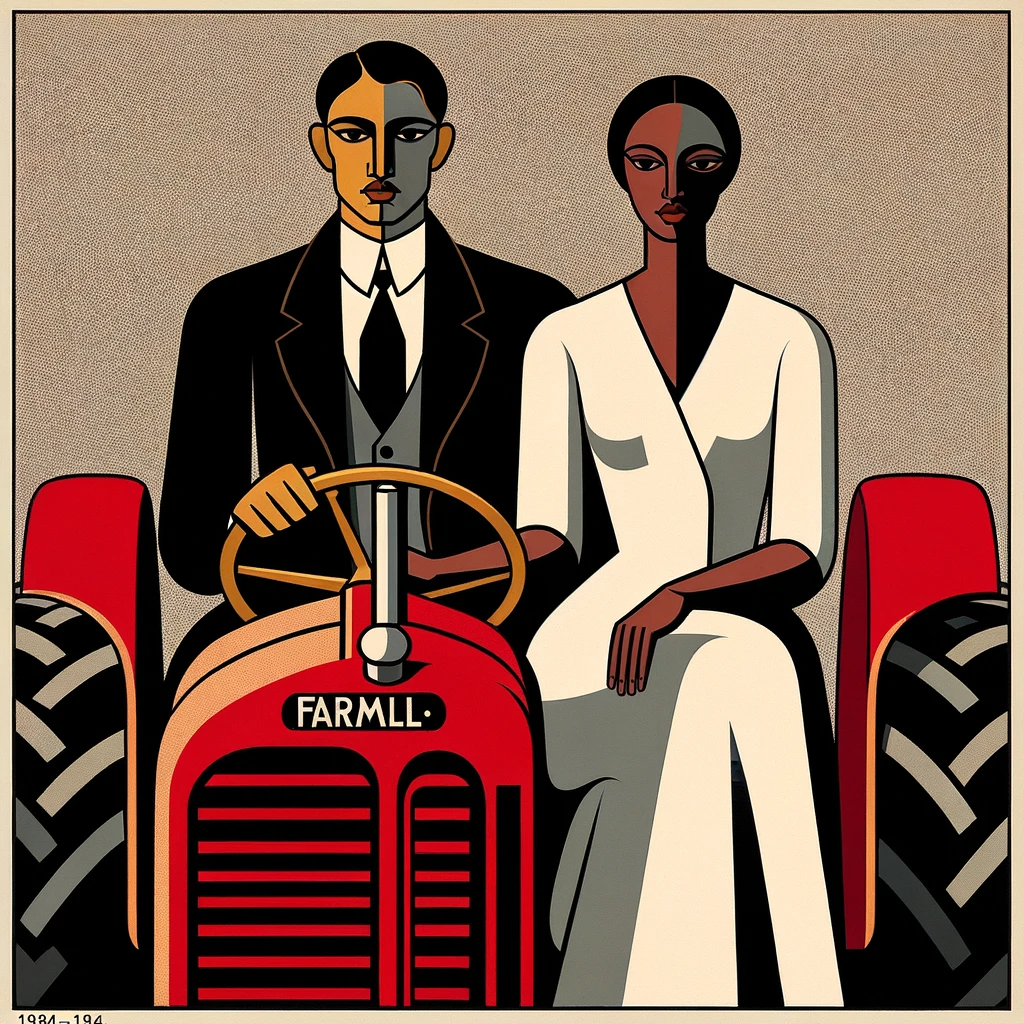
What Impact Do Classic Tractors Have On Modern Farming Practices?
What Impact Do Classic Tractors Have On Modern Farming Practices?
- Classic tractors symbolize a connection to traditional farming values, emphasizing hands-on labor and partnership with machinery.
- They represent resilience, hard work, and innovation, leaving a significant impact on contemporary farming practices.
- These machines evoke nostalgia, reminding farmers of their rich history and shared experiences during family gatherings and field work.
- Classic tractors promote sustainability, advocating for repair over replacement and a zero-waste approach to farming.
- Many view these durable and reliable tractors as valuable investments due to their versatility and efficiency.
- They encourage a return to basics, showcasing that effective innovation often means preserving what works rather than seeking only new technology.
- The presence of classic tractors fosters community, stewardship, and deep respect for food, reinforcing our agricultural roots and sustainable future.
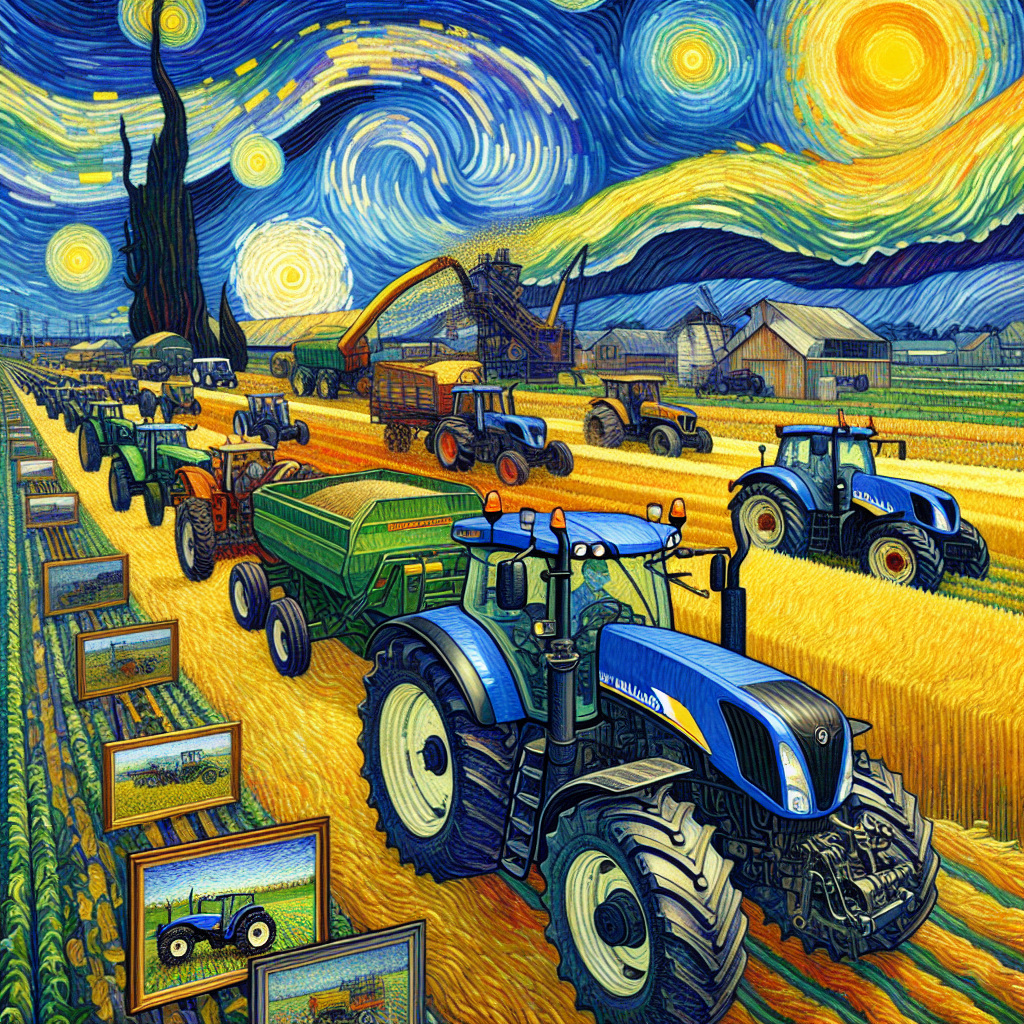
What Impact Do Classic Tractors Have On Modern Farming Practices?
Conclusion
Conclusion: Reconnecting with Our Agricultural Heritage Through Classic Tractors
Folks, let’s take a moment to step off the fast track of modern farming and drop into the rich, historical soil that classic tractors cultivate. There’s something magical about the gentle hum and sturdy frame of these vintage machines that stirs not just the nostalgia of yesteryear, but also invites us to reconnect with the principles that first grounded agriculture in our lives. It’s a heartfelt reminder—these machines are not just rusty relics; they are living archives, steeped in stories of resilience, sweat, and unbreakable bonds with the land and community.
Look, in an age where technology often overshadows tradition, classic tractors remind us of a time when farming operated on straightforward grit and kinship. With each turn of the wheel, you’re not just engaging in labor; you’re embodying a rich narrative colored by the lives of those who came before us. This isn’t mere sentimentality—there’s an ethical duty at play here. Operating these mechanical marvels connects us to sustainable practices that respect the earth. It’s about stewardship, both of our agricultural landscapes and the shared social fabric we weave when we gather around these machines, with laughter echoing across fields.
But let’s get rational for a moment. Classic tractors often require less energy, boast durability, and offer ease of maintenance. In our quest for efficiency, perhaps it’s worth examining if less really is more. What if honoring these older models means embracing a more effective, sustainable practice? Decisions made with the heart, head, and gut in mind can bridge generations and forge lasting ties within our communities. That’s the authority of legacy speaking!
And don’t underestimate the power of community connection, either. Classic tractors create social ambiance. Farmers gather at fairs, workshops, and restoration events, sharing not just techniques but also life experiences. Those laughter-filled moments aren’t just entertaining; they solidify an agricultural identity that today’s fast-paced society often overlooks.
So as you sit behind the wheel of an aging tractor, feel that connection—the vibrations of history coursing through your veins, linking you to a greater narrative. It’s time to dust off those old machines. They are more than just tools; they are pathways back home, to a time when farming meant living in harmony with the earth and with each other. By celebrating this legacy, we pave paths to a sustainable future while rediscovering a piece of ourselves along the way. Now, let’s roll up our sleeves, reconnect with our roots, and take pride in where we come from—and take that drive toward where we’re going!
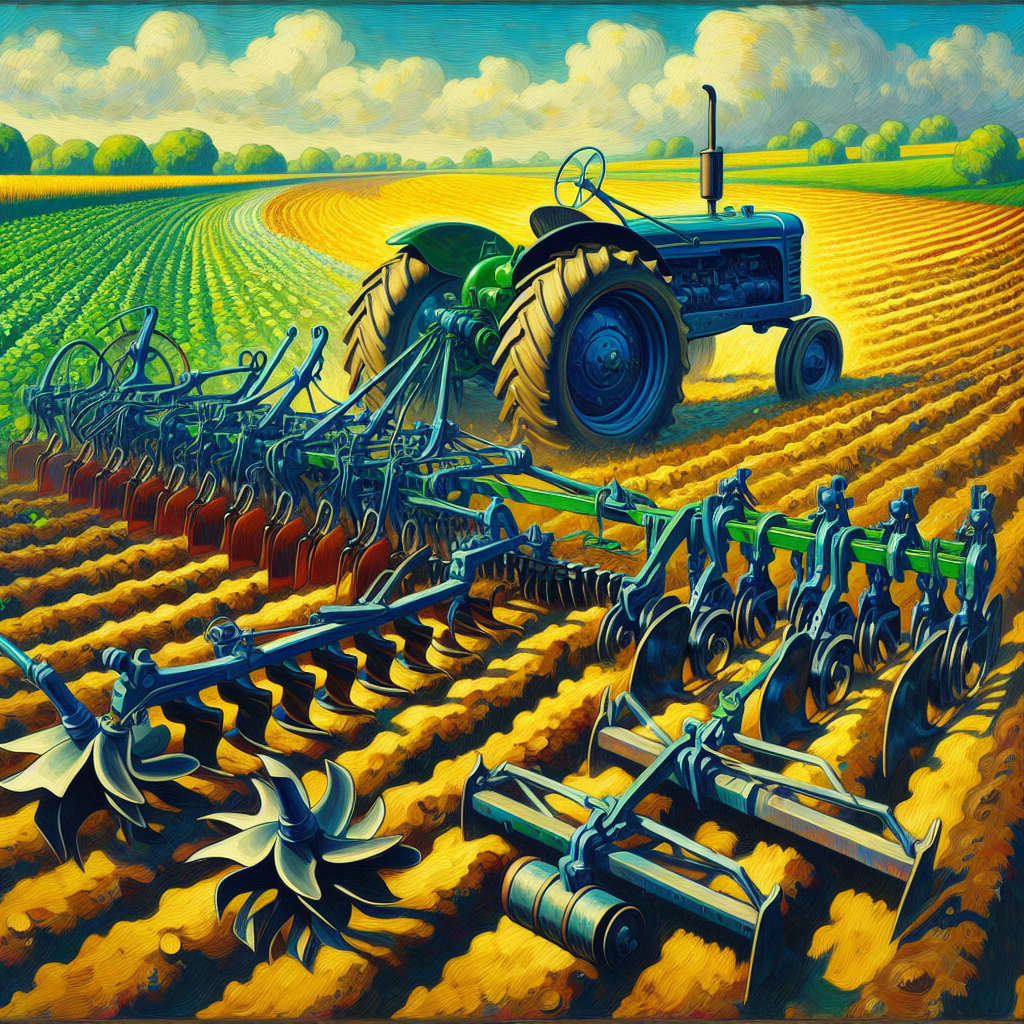
Conclusion
Conclusion:
- Classic tractors symbolize a connection to agricultural heritage and evoke nostalgia for simpler farming times.
- They serve as living archives, representing the resilience and community bonds in agriculture.
- Classic tractors emphasize the importance of tradition over modern technology in farming practices.
- Operating these machines promotes sustainable practices and stewardship of the land.
- Classic tractors are often more energy-efficient, durable, and easier to maintain than modern alternatives.
- They foster community connections through events, sharing experiences and solidifying agricultural identity.
- Reconnecting with classic tractors allows us to rediscover our roots while paving the way for a sustainable future.
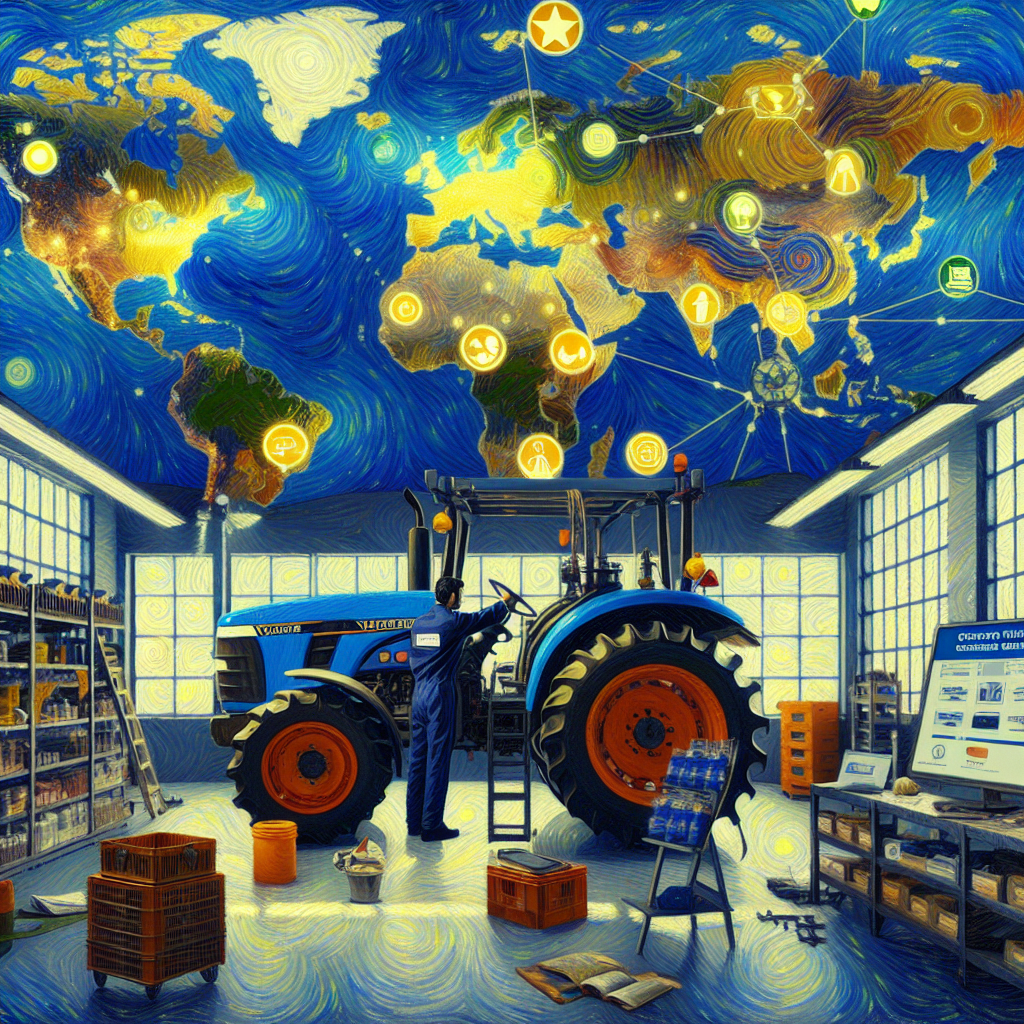
Conclusion
Other Resources
Other Resources
Here is a list of other resources you can review online to learn more:
- XTZ
- Unimog
- Sonalika Tractor
- Montana
- The American Tractor Museum
- McCulloch
- CBT
- Hinomoto
- Wingin
- Fort Allen Antique Farm Equipment
Use This Prompt To Get More Resources With Your Favorite Online AI Tool: Please provide me with a list of online articles with their URLs in a bulleted list that I can read regarding Can Classic Tractors Make Farming Feel Like a Forgotten Joy
Other Resources
Glossary Terms
Can Classic Tractors Make Farming Feel Like a Forgotten Joy – Glossary Of Terms
1. Antique Tractor: A tractor that is typically over 25 years old, often restoring historical farming practices and techniques.
2. Agricultural Heritage: The legacy of farming practices, equipment, and land management traditions passed down through generations.
3. Cultivation: The preparation of soil for planting crops, which was historically done using classic tractors.
4. Restoration: The process of repairing and refurbishing classic tractors to preserve their function and appearance.
5. Vintage Farming: Farming practices that employ old machinery and methods, celebrating a bygone era of agriculture.
6. Farmstead: A farm and its buildings, often associated with a history of traditional practices.
7. Nostalgia: A sentimental longing for the past, which many feel when using or viewing classic tractors.
8. Community Farming: A cooperative approach where local farmers share resources, often featuring vintage machinery.
9. Mechanization: The transition from manual labor to the use of machinery including classic tractors in farming practices.
10. Field Work: Various farming activities performed on the land, often using classic tractors as the primary tool.
11. Rural Lifestyle: A way of life that emphasizes farming and land stewardship, often enhanced by the use of classic tractors.
12. Heritage Farming: Farming practices that honor traditional methods and machinery, often using classic tractors.
13. Plowing: The cultivation process wherein soil is turned over, historically an important task for tractors.
14. PTO (Power Take-Off): An essential component that allows tractors to power other equipment, commonly used in vintage tractors.
15. Throttle: The mechanism used to control the engine power, which operates differently in classic tractors compared to modern ones.
16. Tractor Show: An event where classic tractors are showcased, celebrating their historical significance and community ties.
17. Hay Harvesting: The process of collecting hay, often performed with vintage tractors and traditional machinery.
18. Tillage: The preparation of soil for growing crops, a task that classic tractors have historically facilitated.
19. Power Steering: A feature that allows easier control of the tractor, which can vary significantly between classic and modern tractors.
20. Sustainable Farming: A method of farming that seeks to maintain land productivity, sometimes practiced using classic equipment.
21. Land Restoration: The act of returning land to its natural state or improving its agricultural productivity, often involving vintage farming techniques.
22. Harvesting Equipment: Tools and machinery used to gather mature crops, which often includes vintage attachments for classic tractors.
23. Agricultural Shows: Events that promote farming culture, technology, and heritage, often featuring classic tractors and farming demonstrations.
24. Farming Traditions: Practices and customs that have been passed down through generations in agriculture, often celebrated by classic tractor enthusiasts.
25. Tractor Restoration Clubs: Groups dedicated to the preservation and restoration of classic tractors, promoting community and shared passion.
26. Field Demonstration: An event where classic tractors and farming techniques are showcased to educate the public and celebrate heritage.
27. Farming Equipment: Machinery and tools used in agricultural activities, which might include classic attachments for vintage tractors.
28. Genuine Parts: Original or period-correct components used in the restoration of classic tractors, ensuring authenticity and performance.
29. Tractor Rally: A gathering of tractor enthusiasts where classic tractors participate in parades, races, and exhibitions.
30. Farming Memories: Remembrances of past experiences related to agriculture, often rekindled by the sight or sound of classic tractors in action.
Glossary Of Terms
Other Questions
Can Classic Tractors Make Farming Feel Like a Forgotten Joy – Other Questions
If you wish to explore and discover more, consider looking for answers to these questions:
- What are some popular models of classic tractors and their unique features?
- How can someone get started with restoring a classic tractor?
- What challenges do owners face when maintaining vintage tractors?
- Are there community events or clubs dedicated to classic tractor enthusiasts?
- How does operating a classic tractor differ from using modern farming equipment?
- What are the economic benefits of using classic tractors in farming today?
- How can classic tractors contribute to sustainable farming practices?
- What safety considerations should be taken into account when operating older equipment?
- What kinds of crops are best suited for cultivation with classic tractors?
- Are there resources for finding classic tractors for purchase or trade?
- How do classic tractors compare to modern tractors in terms of fuel efficiency?
- What impact do classic tractors have on farm educational programs?
- What stories do farmers often share about their experiences with classic tractors?
- How can the use of classic tractors strengthen local food systems?
Other Questions
Haiku
Can Classic Tractors Make Farming Feel Like a Forgotten Joy – A Haiku
Rusty wheels roll forth,
Heart and soil intertwined still—
Echoes of the past.
Haiku
Poem
Can Classic Tractors Make Farming Feel Like a Forgotten Joy – A Poem
Echoes of Iron and Soil
In misty dawns, the old tractors hum,
With rusted frames where stories come,
They whisper tales of toil and grace,
Their weathered skin a farmer’s face.
Each engine’s roar, a heartbeat still,
Reminds us of the ancient thrill,
Of hands that knew the soil’s embrace,
And minds that cherished nature’s pace.
Once giants of resilience and might,
They conquered storms, both day and night,
A rhythm of life, pure, simple, sweet,
In fields of gold where earth and spirit meet.
In modern haste, we’ve turned away,
From roots that ground us, day by day,
Yet nestled in each iron frame,
Resides a spark, a flickered flame.
For ethical hearts and heads that think,
These classics teach us—pause, don’t blink,
Sustainability isn’t new;
It’s found in histories we renew.
So gather ‘round the rusty dreams,
Where laughter mingles with sunlit beams;
Community blooms in shared exchange,
Through tinkered gears, lives rearrange.
Feel the thrill of vintage pride,
As nostalgia stirs with every ride;
These machines, more than tools alone,
Are bridges to the past we’ve sown.
In homage to the soil beneath,
We honor those who came, who breathed,
For every dent, each scratch and scar,
Holds wisdom, legacy—shining star.
So mount the seat, let engines sing,
In classic tractors, let hope take wing,
Reclaim the joy, where joy belongs,
In heart, head, and gut, through ancient songs.
Poem
Checklist
Can Classic Tractors Make Farming Feel Like a Forgotten Joy – A Checklist
Rediscovering Farming with Classic Tractors: Heart, Head, and Gut Checklist
This checklist is designed to help you engage with and reflect on the emotional, rational, and ethical dimensions of classic tractors in farming. Whether you’re a seasoned farmer or a concerned consumer, these points will encourage a deeper appreciation for tradition, community, and sustainability.
Heart Appeals
1. Embrace Nostalgia: Recall the stories and experiences tied to farming and machinery from previous generations. What memories are stirred when you think of classic tractors?
2. Cultivate Joy: Reflect on the joy and pride of operating a classic tractor. How does this activity make you feel connected to the land and its heritage?
3. Connect with Community: Think of local events or gatherings where farmers share stories about classic tractors. How can you participate in or organize such events?
Head Appeals
4. Evaluate Sustainability: Research the sustainability benefits of classic tractors compared to modern equipment. What makes them a wise choice for environmentally-conscious farming?
5. Consider Efficiency: Assess the mechanics of classic tractors as compared to contemporary machines. How do simpler designs lead to lower emissions and cost-effective maintenance?
6. Learn and Teach: Share knowledge about classic machinery with younger generations. What lessons can be drawn from vintage farming practices that apply today?
Gut Appeals
7. Honor Legacy: Take a moment to appreciate the hard work and resilience embodied in each classic tractor. How does understanding this legacy influence your farming practices?
8. Ethical Stewardship: Reflect on your commitment to the land. What ethical obligations do you have as a farmer or consumer to honor the earth and its resources?
9. Acknowledge Tradition: Recognize the importance of tradition in farming. How can respecting the past help shape a sustainable future?
Narrative Appeals
10. Share Your Story: Write or share your personal experiences with classic tractors and how they shaped your understanding of farming. How do your stories connect you to others in your community?
11. Engage in Conversation: Start conversations with friends and family about the role of classic tractors in modern farming. What insights can be gained through dialogue?
Authority Appeals
12. Seek Experts’ Insights: Attend workshops or seminars on vintage tractors and sustainable practices. What wisdom can authorities in the field impart to deepen your understanding?
13. Visit Local Farms: Support local farms that use classic tractors. What can you learn from observing their practices and commitment to tradition?
Social Appeals
14. Join a Community Group: Find or create a local group focused on restoring or preserving vintage machinery. How can collective effort enhance your connection to agricultural heritage?
15. Celebrate Together: Organize or participate in community events celebrating farming traditions. How can these gatherings reinforce a sense of belonging among participants?
This checklist is designed not just for personal reflection but also to inspire community engagement and action, leading to a deeper connection with farming traditions, sustainable practices, and the joy found in the rhythm of classic tractors.
Checklist
At ClassicTractorNews, we help tractor lovers keep up with the latest news for classic and vintage tractors.
Please share this post with your friends, family, or business associates who may like old classic or vintage tractors.