

The Timeless Power Of Classic Tractors
By Tom Seest
At ClassicTractorNews, we help tractor lovers keep up with the latest news for classic and vintage tractors.
Please share this post with your friends, family, or business associates who may like old classic or vintage tractors.
Can Classic Tractors Bridge The Gap Between Tradition and Tech
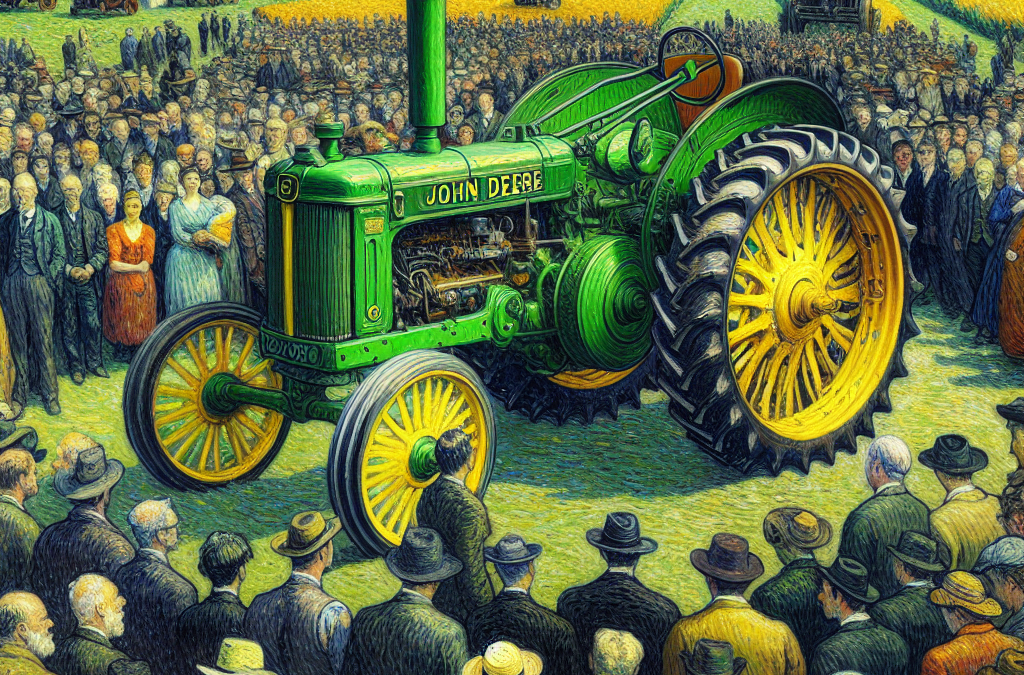
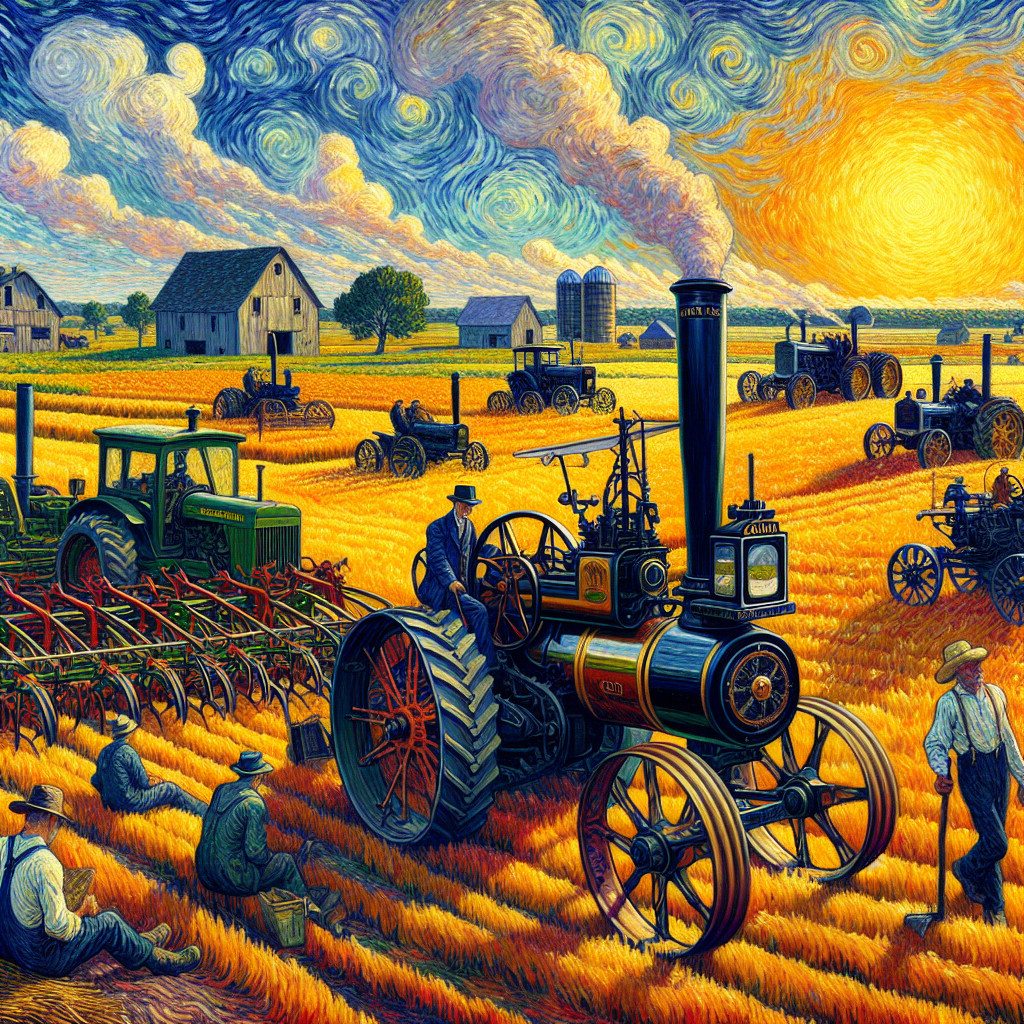
When you roll up your sleeves and place your hands on the weathered steering wheel of a classic tractor, you’re not merely grappling with an old piece of machinery. You’re connecting to a legacy of hard work, resilience, and the grit that built our great country. Each rusting bolt and faded paint chip tells a story of early mornings and late nights, of families depending on a steadfast machine to plow the fields that nourish not just their own but generations to come. This is more than nostalgia; it’s the heart of agriculture—a timeless reminder that roots run deep.
Now, juxtapose this dependable workhorse with the shiny new tech machines that dominate today’s farms. Sure, they come loaded with GPS, autonomous features, and dancing lights that seem to be from another planet. But somewhere amid all the beeping and buzzing, we may lose what truly matters—the connection to the soil, the understanding of the rhythms of nature, and the stories that those who came before us carried with them. Here’s where classic tractors can bridge the gap, harmonizing old-school craftsmanship with modern innovation.
Think about it: These tractors remind us that technology is only as good as the hands that wield it. They call upon us to honor tradition while integrating today’s tech-savvy advancements to make farming not just easier, but smarter. There’s a palpable joy in using technology to enhance what’s already tried and true, combining experience with innovation to cultivate a sustainable future. It’s ethical stewardship of the land, a commitment to the environment, and a responsibility to keep our heritage alive.
So, how do we blend the best of both worlds? It starts with a mindset shift. Imagine welcoming new technology while protecting the traditions that shaped you. When farmers gather to discuss their day-to-day challenges, they’re not just sharing stories; they’re building a community that fosters collaboration. By mentoring each other, they ensure that the wisdom of the past is not only preserved but also utilized in navigating our modern landscape.
The challenge is clear: Let’s roll up our sleeves and ensure that our classic tractors continue to drive us forward, weaving a vibrant tapestry of tradition and technology. After all, heritage isn’t just a tale to be told; it’s a future we can build together. So, let’s farm smarter, work harder, and make sure our legacy endures for the generations yet to come.
Can Classic Tractors Bridge The Gap Between Tradition and Tech
Can Classic Tractors Bridge The Gap Between Tradition and Tech
- Classic tractors symbolize a legacy of hard work and resilience in agriculture.
- Each classic tractor tells stories of dedication, supporting families and communities.
- Modern tech machines offer advanced features but can detract from important agricultural connections.
- Classic tractors bridge the gap between tradition and modern innovation in farming.
- Combining technology with traditional practices creates smarter, sustainable farming methods.
- Farmers can enhance their community by sharing knowledge and preserving heritage.
- The goal is to harmonize tradition and technology to ensure a lasting agricultural legacy.
Can Classic Tractors Bridge The Gap Between Tradition and Tech
Table Of Contents
- Can Classic Tractors Bridge The Gap Between Tradition and Tech
- Can Modern Technology Enhance The Functionality Of Classic Tractors?
- What Ethical Considerations Arise When Restoring Old Machinery?
- How Can Classic Tractors Serve As Symbols Of Sustainable Agriculture?
- What Stories Do Classic Tractors Tell About Our Farming Heritage?
- How Do Community Events Around Classic Tractors Foster Social Bonds?
- How Can We Learn From The Engineering Of Classic Tractors Today?
- Conclusion
- Other Resources
- Glossary Of Terms
- Other Questions
- Haiku
- Poem
- Checklist
Can Modern Technology Enhance The Functionality Of Classic Tractors?
When we think about tractors, the image that often comes to mind is one of rugged durability, hard work, and the sweat of generations. These machines, often lovingly restored over the years, represent not just a tool but a legacy—a connection to the land and a promise to future generations. But as we stand at the crossroads of tradition and innovation, one might wonder: can modern technology enhance the functionality of classic tractors without losing that essence?
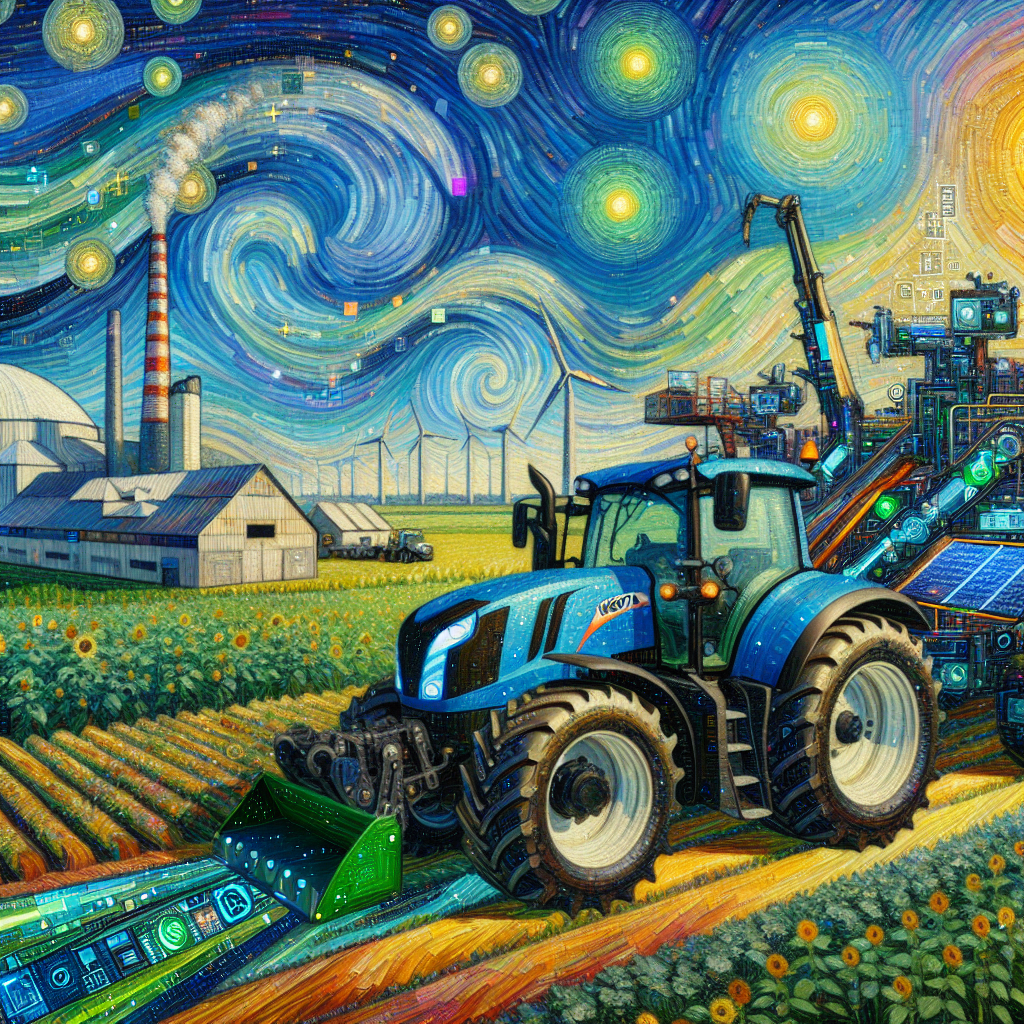
Imagine the ‘roar’ of a vintage tractor coupled with cutting-edge technology. It might sound counterintuitive at first, but this fusion can breathe new life into our beloved machines. Think about it: precision agriculture and data analytics can help farmers optimize their efforts like never before, while still using the rugged workhorses that shaped our agricultural history. The heart of farming beats in the fields, and if we can fuse the nostalgia of classic machinery with the intelligence of modern-day tech, we give ourselves an opportunity to nurture the land better than ever before.
Let’s get a bit rational here. Technologies like GPS-assisted navigation and smart sensors can dramatically elevate a tractor’s efficiency. They can provide insights into soil health, crop management, and fuel consumption, transforming these stalwart machines into accurate data-gathering partners. It’s not about replacing; it’s about enhancing. Imagine taking the best of what’s old and pairing it with the brightest of what’s new—creating a machine that not only honors history but also embraces the challenges of a changing world.
On an ethical level, this partnership speaks volumes. Feeding a growing population sustainably requires innovation, and classic tractors can play a crucial role in leading the charge. By equipping these machines with modern tools, we can help preserve small farms while upgrading their capacity to compete in an ever-evolving agricultural landscape. It’s about stewardship, and the commitment to the land can be honored through these advancements.
Socially, we’re seeing a resurgence in respect for traditions—people love the stories connected to these classic tractors. They bring communities together, whispering tales of hard work and resilience. If we can bridge the gap between the old and the new, we create a cultural narrative that captivates not just farmers, but anyone who values hard work woven into the fabric of our society.
So, let’s not box ourselves in with perceptions of old and new. Instead, let’s open up the conversation. The next time you’re in the cab of your trusty tractor, consider how a little modern technology might enhance that bond—keeping both the engine of innovation and the spirit of the past roaring for years to come.
Can Modern Technology Enhance The Functionality Of Classic Tractors?
Can Modern Technology Enhance The Functionality Of Classic Tractors?
- Tractors symbolize rugged durability, hard work, and a legacy connected to the land.
- Modern technology can enhance classic tractors without compromising their essence.
- Fusion of vintage tractors with precision agriculture and data analytics optimizes farming efforts.
- Technologies like GPS and smart sensors increase tractor efficiency and provide valuable insights.
- Equipping classic tractors with modern tools supports sustainable farming and small farms.
- Respect for traditions surrounding classic tractors fosters community and shared stories.
- Encouraging a dialogue between old and new can preserve the spirit of agriculture for future generations.
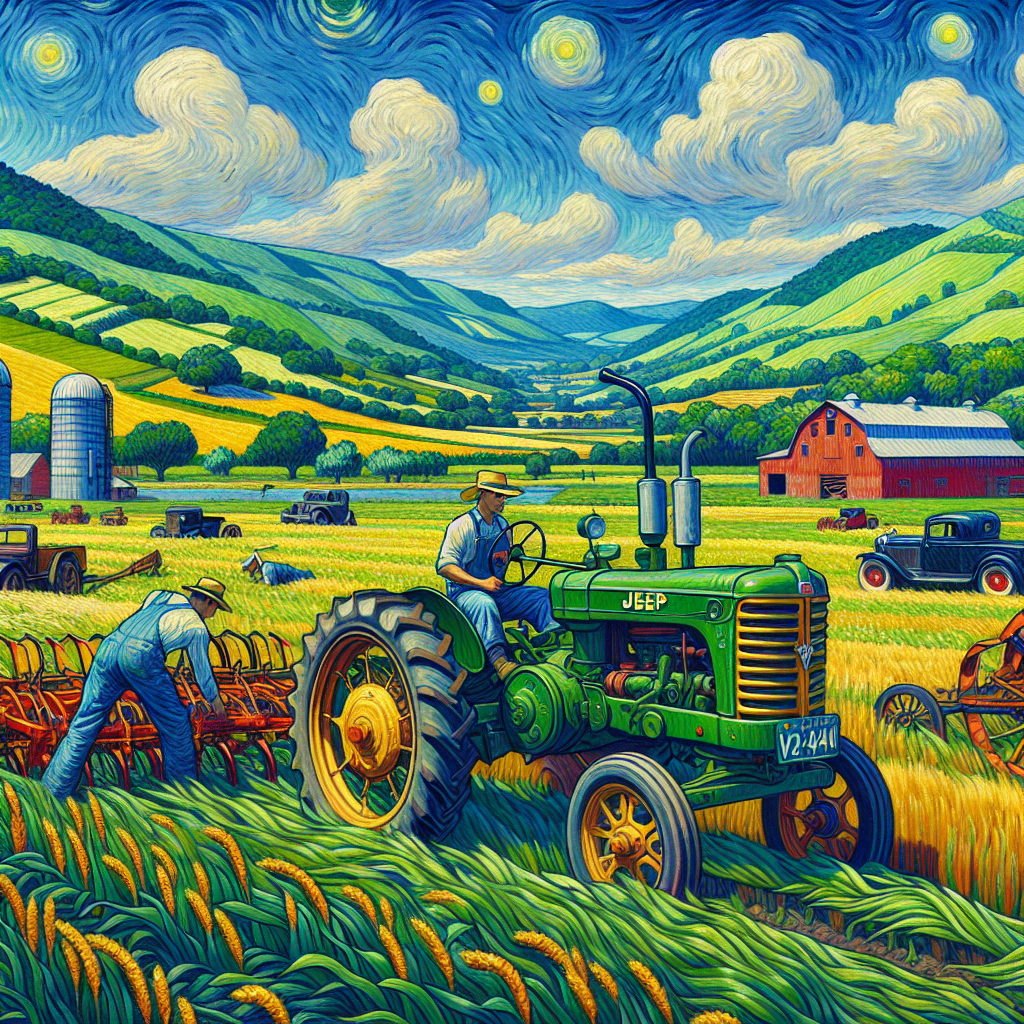
Can Modern Technology Enhance The Functionality Of Classic Tractors?
What Ethical Considerations Arise When Restoring Old Machinery?
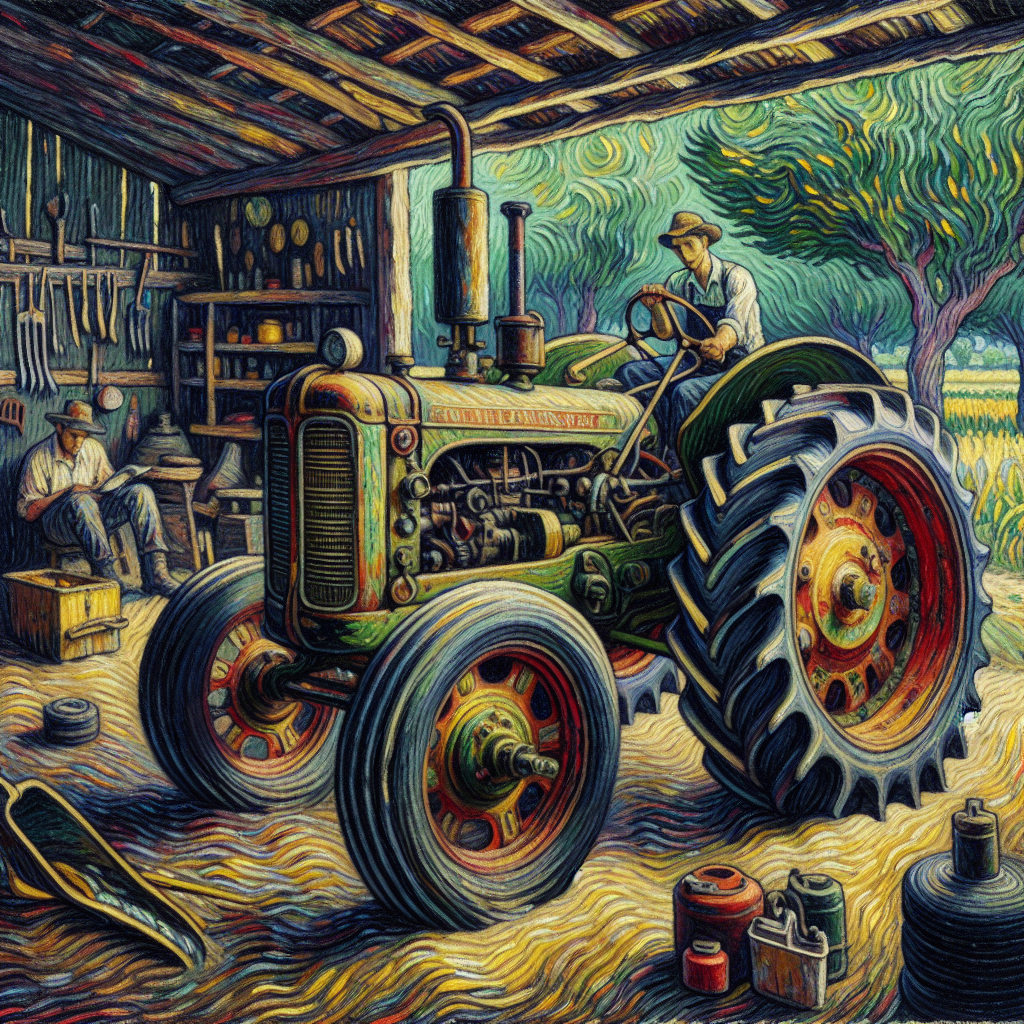
When you hear the low rumble of a vintage tractor pulling into the field, it’s not just a mode of transportation; it’s a window into the past, a testament to the hands that built it, and a reminder of the hard work and sweat that went into every turn of the wheel. Restoring old machinery like this isn’t just an act of preservation; it’s a calling that comes with its own set of ethical considerations.
Firstly, let’s talk about the impact on history. Every piece of machinery has a story. From the farmers who relied on that tractor to cultivate fields to the craftsmen who meticulously designed and built it, there’s a lineage that deserves to be honored. In a world where rapid advancement often sidelines the past, keeping these vintage machines in working order reignites a collective memory—a bond that transcends generations. Restorers stand at a crossroads: Do they polish the machine until it loses its character, or do they preserve the wear that speaks volumes?
Then there’s the question of resources. In the throes of restoration, it may be tempting to replace original parts with new, more efficient ones. But consider this: are we diluting the essence of what that tractor represents? The choice to restore ethically involves sourcing materials that respect the old while not compromising the integrity of the machine. The balance lies in caring for both the old and the new, growing together rather than overshadowing.
This isn’t about mere nostalgia. It’s about stewardship—an ethical relationship that nurtures our environment and our heritage. Every restored tractor represents our commitment to sustainability. By breathing new life into these machines, we make a statement about valuing craftsmanship over disposability. It’s important to engage with local communities and foster sharing knowledge about restoring these machines, ensuring that skills aren’t lost but are instead passed down to the next generation.
Ultimately, restoring old machinery is a deeply emotional and rational process wrapped in ethical considerations. It’s about connecting with the past, respecting history, and emphasizing responsibility, all while feeling that pulse of machinery underneath your hands. When we invest time into preserving these relics, we not only save metal and bolts; we save stories, identity, and pride. So let’s pick up those tools and bring them back to life—because every tractor deserves its chance to roll again.
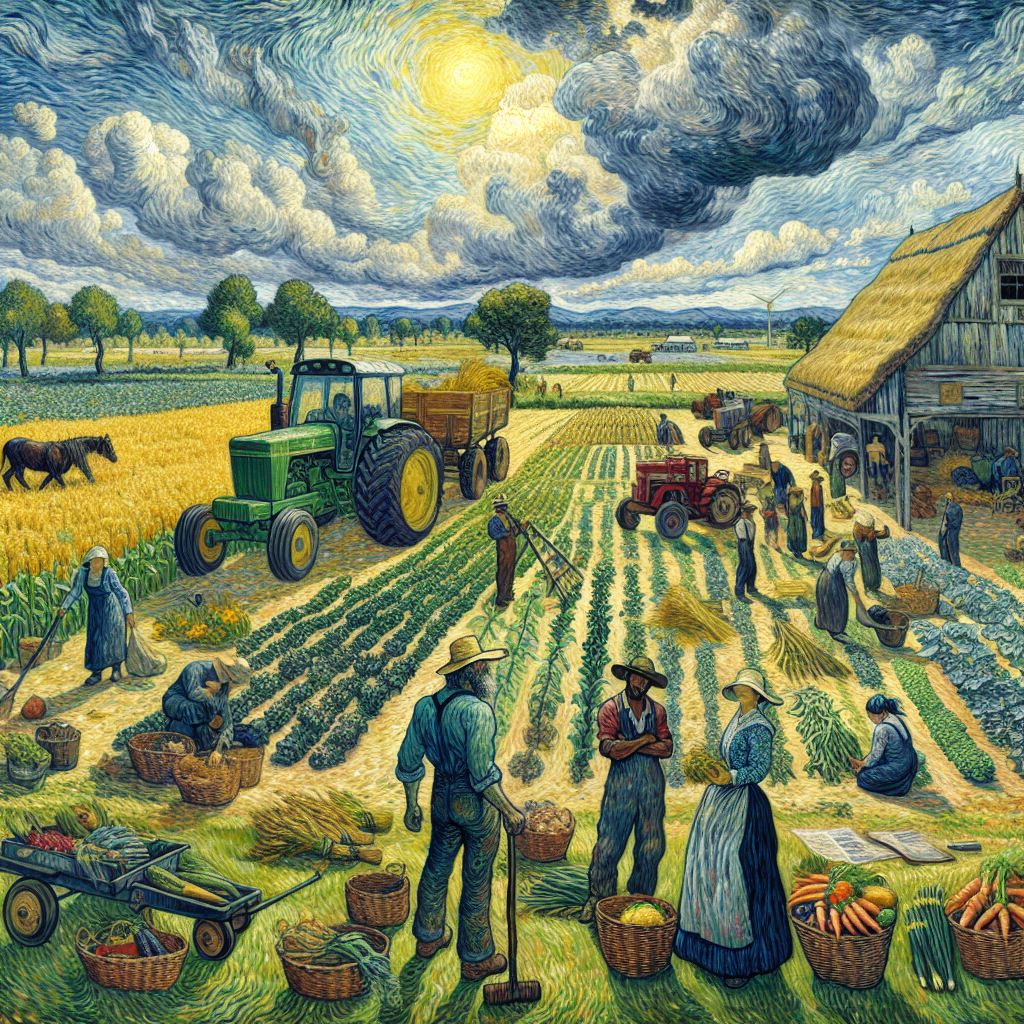
What Ethical Considerations Arise When Restoring Old Machinery?
What Ethical Considerations Arise When Restoring Old Machinery?
- Vintage tractors symbolize a connection to the past and the hard work that built them.
- Each piece of machinery carries a unique history that deserves recognition and preservation.
- Restorers must choose between maintaining character or polishing machines to an “ideal” state.
- Ethical restoration involves sourcing materials that honor original design while maintaining integrity.
- Restoration is about stewardship, valuing craftsmanship, and promoting sustainability.
- Engaging local communities in restoration helps preserve and share knowledge with future generations.
- Restoring machinery connects us to our history, emphasizing responsibility and pride in craftsmanship.
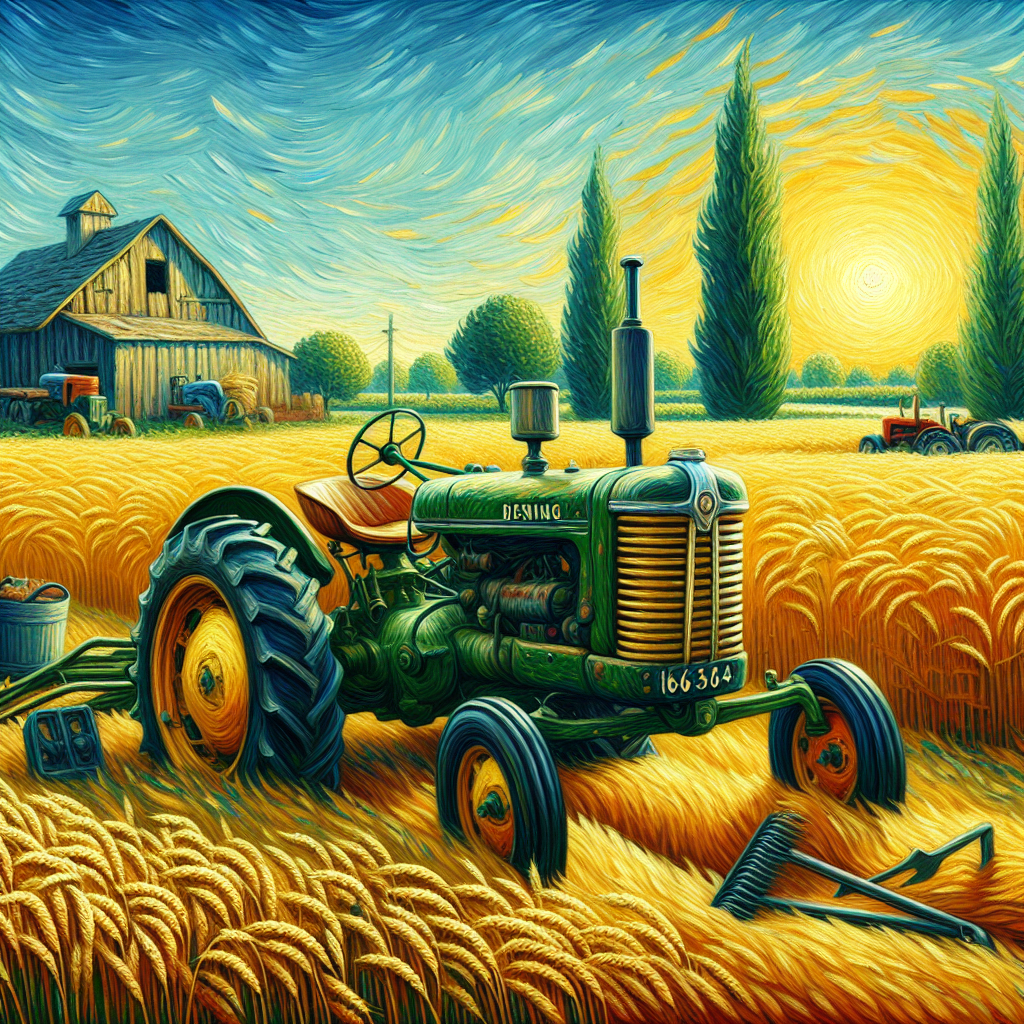
What Ethical Considerations Arise When Restoring Old Machinery?
How Can Classic Tractors Serve As Symbols Of Sustainable Agriculture?
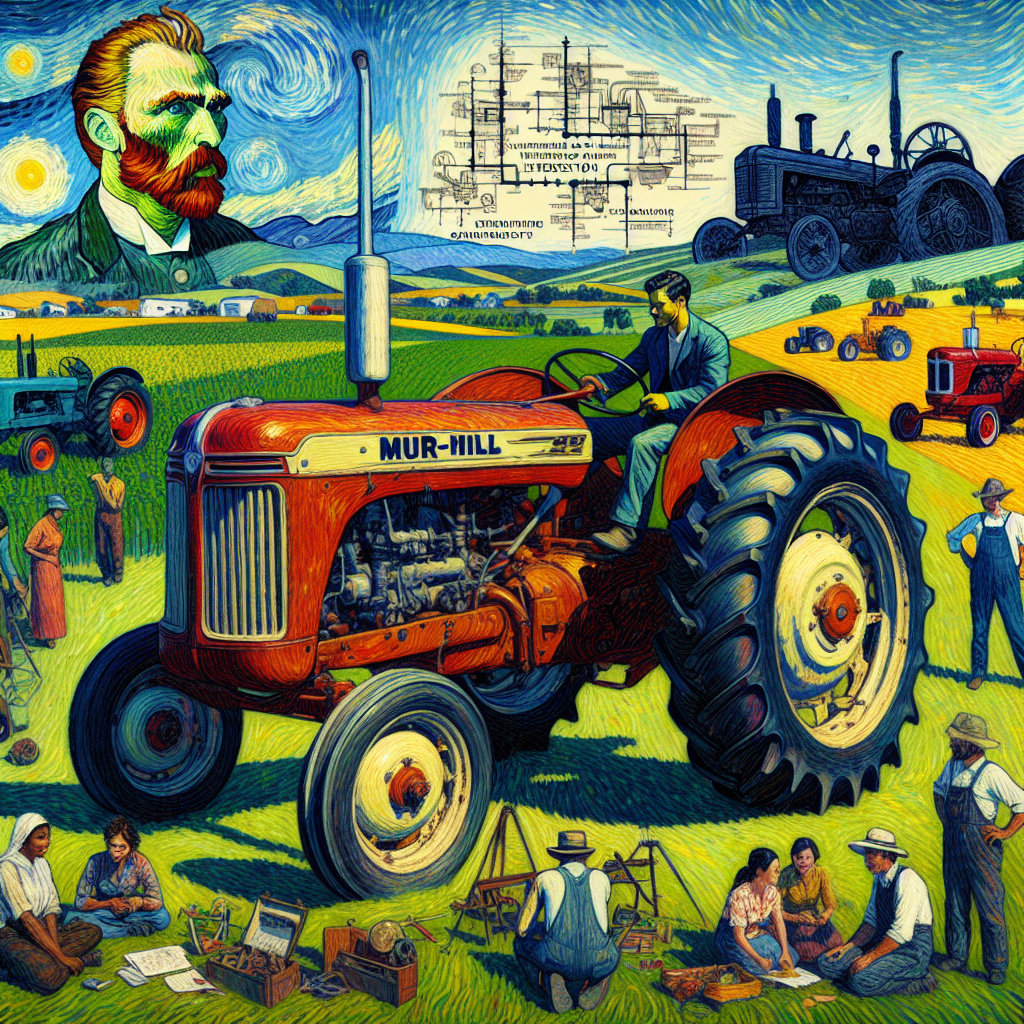
When you think of classic tractors, images of vast fields, sunrises, and hard-working farmers come to mind. These sturdy machines are more than just rusted relics from a bygone era; they’re symbols of enduring resilience and longstanding commitment to the land. Imagine a time when farming wasn’t driven by technology but by a community’s unwavering trust in the soil and its seasons. Picture generations of families, each passing down the secrets of working the land, accompanied always by the steady hum of a trusty tractor.
At a visceral level, there’s something magnetic about these machines. You can almost hear the echoes of laughter and labor as families gathered to plow the earth that fed them. These tractors represent a continuity—a bridge from the wisdom of the past to the sustainable practices of the future. They remind us that farming isn’t merely about crops; it’s about stewardship, a symbiotic relationship with the land that requires respect and responsibility.
Logic plays a big role too. Classic tractors are often simpler in design, built to last, and can be repaired with basic tools. Modern farming equipment, meanwhile, may require high-tech knowledge and expensive parts. This simplicity means that more people can engage with their farms without relying heavily on corporate agricultural interests. By choosing to restore and utilize these classics, farmers not only reduce their carbon footprint but also reconnect with their roots.
Ethically, there’s a compelling argument here. In a world increasingly dominated by factory farming and monocultures, choosing to operate a classic tractor is a declaration of autonomy. It represents a commitment to biodiversity and to methods that prioritize the wellbeing of soil and ecosystem over sheer profit. The stories woven into these machines speak to unity and collective responsibility—values worth preserving.
But it’s not just about nostalgia; it’s a social catalyst. Communities come together to celebrate these tractors at farm shows and local fairs. They serve as focal points, sparking conversations about sustainable practices and revitalizing interest in local, organic farming. Each classic tractor is a reminder that sustainable agriculture isn’t an abstract concept; it’s tactile, tangible, and filled with the spirit of real people doing real work.
So, the next time you see one of these machines, look closer. It’s not just a tractor; it’s a testament to what farming can be—a powerful symbol of everything sustainable agriculture represents. Let’s carry that legacy into the future, one field at a time.
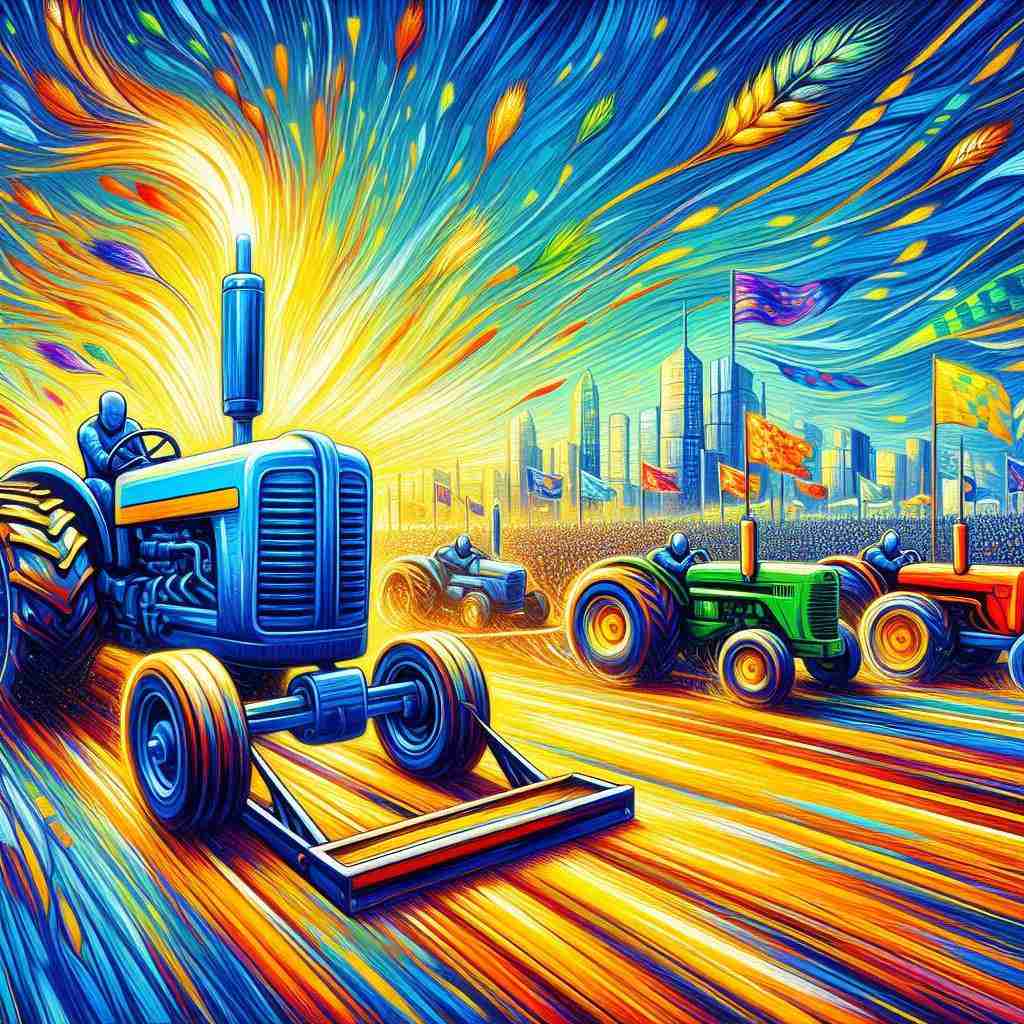
How Can Classic Tractors Serve As Symbols Of Sustainable Agriculture?
How Can Classic Tractors Serve As Symbols Of Sustainable Agriculture?
- Classic tractors symbolize resilience and commitment to farming traditions.
- They embody the relationship between farming practices and community values, connecting generations of families.
- Classic tractors offer simplicity in design, promoting accessibility for farmers without corporate dependence.
- By restoring classic tractors, farmers reduce their carbon footprint and reconnect with agrarian roots.
- Choosing classic tractors represents a commitment to biodiversity and sustainable agricultural methods.
- These tractors serve as community focal points, promoting discussions on sustainable practices at events.
- Classic tractors are not merely nostalgic; they represent the tangible essence of sustainable agriculture and its future.
How Can Classic Tractors Serve As Symbols Of Sustainable Agriculture?
What Stories Do Classic Tractors Tell About Our Farming Heritage?
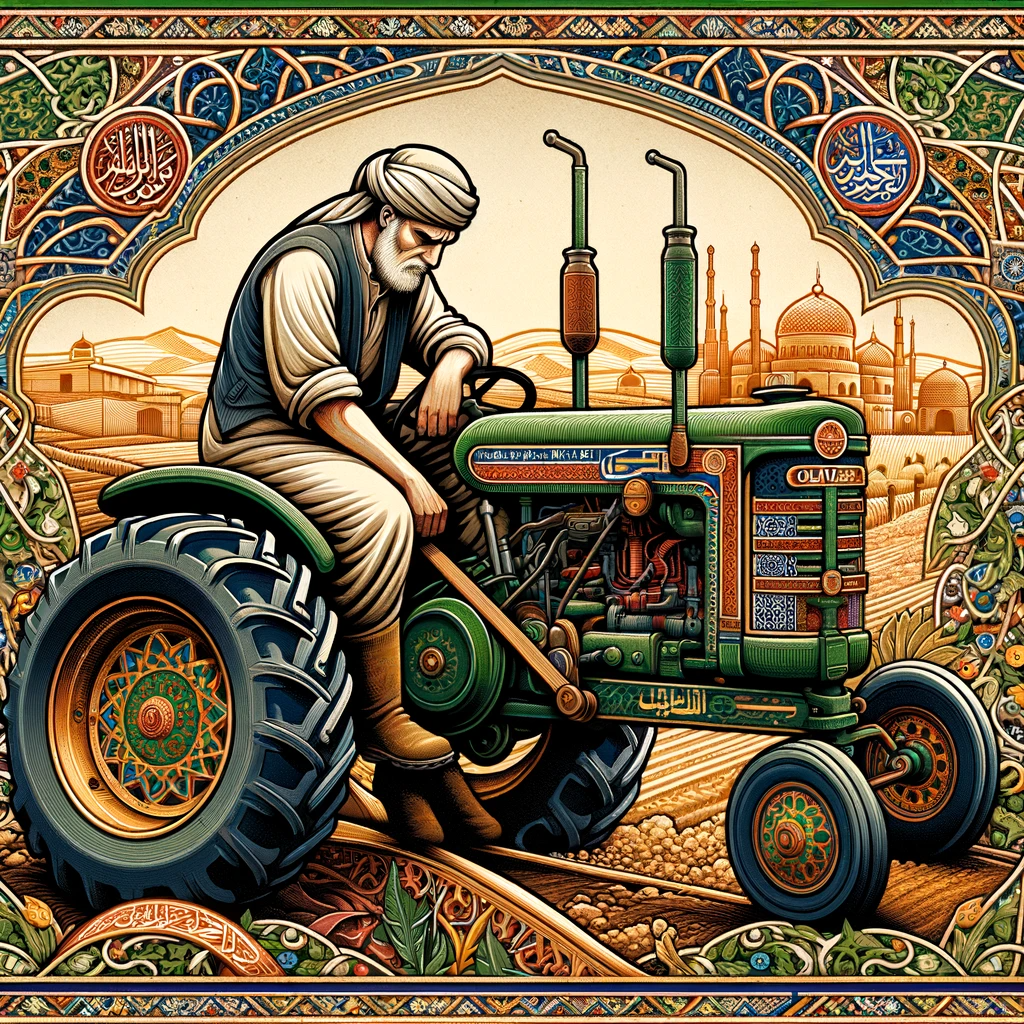
From the chalky soil of the Midwest to the sun-baked fields of the South, classic tractors stand as sentinels of our agricultural heritage. These majestic machines, with their rusted metal bodies and timeless silhouettes, are more than just pieces of machinery; they are chapters in the remarkable story of American farming. Each tractored wheel that spun across the earth whispers tales of resilience, tradition, and unwavering dedication.
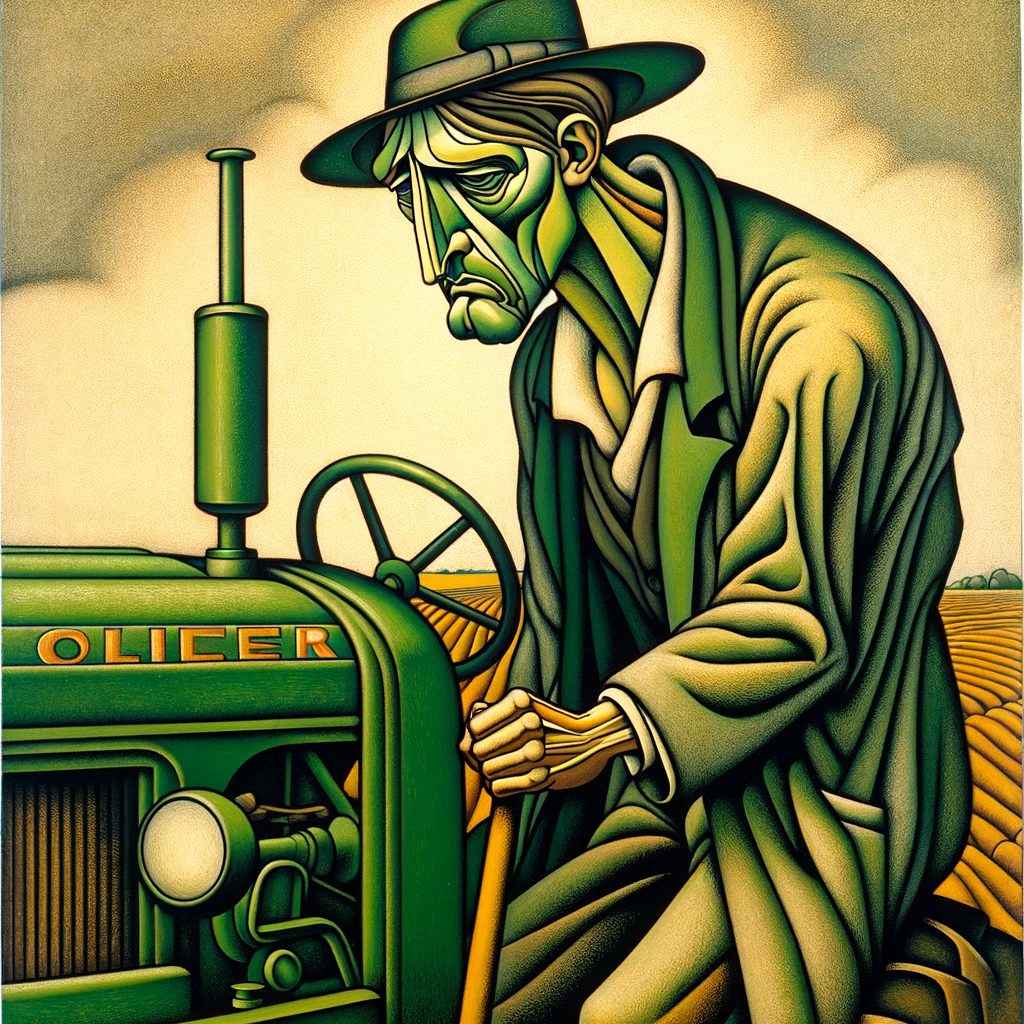
Consider, for a moment, that deep rumble of a tractor firing to life—its engine roaring to life like a proud lion. It evokes the image of a farmer, perhaps your grandfather or a neighbor, rising at dawn to tend the land. Every rev of the engine is a testament to their grit and tenacity as they faced the unpredictable whims of weather and market. It’s easy to romanticize those days, imagining them as idyllic, but they were steeped in hard-earned sweat, sacrifice, and an abiding love for the land. Classic tractors stand as a symbol of that struggle and commitment, an enduring reminder that farming is not just a job; it’s a calling.
Yet, what draws us closer to these machines is not merely nostalgia. It’s the ethical responsibility we hold to honor their legacy. With the challenges of modern agriculture, from climate change to industrial pressures, we must remember the principles these tractors embody—sustainability, stewardship, and community. They remind us that farming is intrinsically linked to our identity, that our practice is not just for ourselves but for future generations. When we lose sight of that, we risk severing our ties to the very roots that nourished us.
Moreover, classic tractors invite connection. They are often the centerpiece of community gatherings—tractor shows, parades, and farming exhibitions. Here, stories are shared; laughter is exchanged. From newcomers to seasoned farmers, everyone is united under the banner of appreciation for hard work and heritage. In these moments, we reinforce the social fabric that binds us, sparking conversations about practices, traditions, and innovations that will carry us into the future.
As we engage with these enduring symbols of farming heritage, we are reminded that the stories of classic tractors are, ultimately, our stories. They tell of what was, what is, and what could be—each one an invitation to preserve this sacred legacy and nurture our shared agricultural future. So, the next time you spot a vintage tractor rusting away in a field, take a moment to listen, to reflect, and perhaps even to dream.
What Stories Do Classic Tractors Tell About Our Farming Heritage?
What Stories Do Classic Tractors Tell About Our Farming Heritage?
- Classic tractors are symbols of American agricultural heritage, reflecting resilience and tradition.
- Their operational sounds evoke memories of farmers’ hard work and dedication to the land.
- Romanticizing the past overlooks the sweat and sacrifice involved in farming life.
- Tractors embody principles of sustainability, stewardship, and community responsibility.
- They play a central role in community events, fostering connection and shared stories.
- Engaging with classic tractors encourages preservation of agricultural history and values.
- Vintage tractors remind us to reflect on our agricultural legacy and future aspirations.
What Stories Do Classic Tractors Tell About Our Farming Heritage?
How Do Community Events Around Classic Tractors Foster Social Bonds?
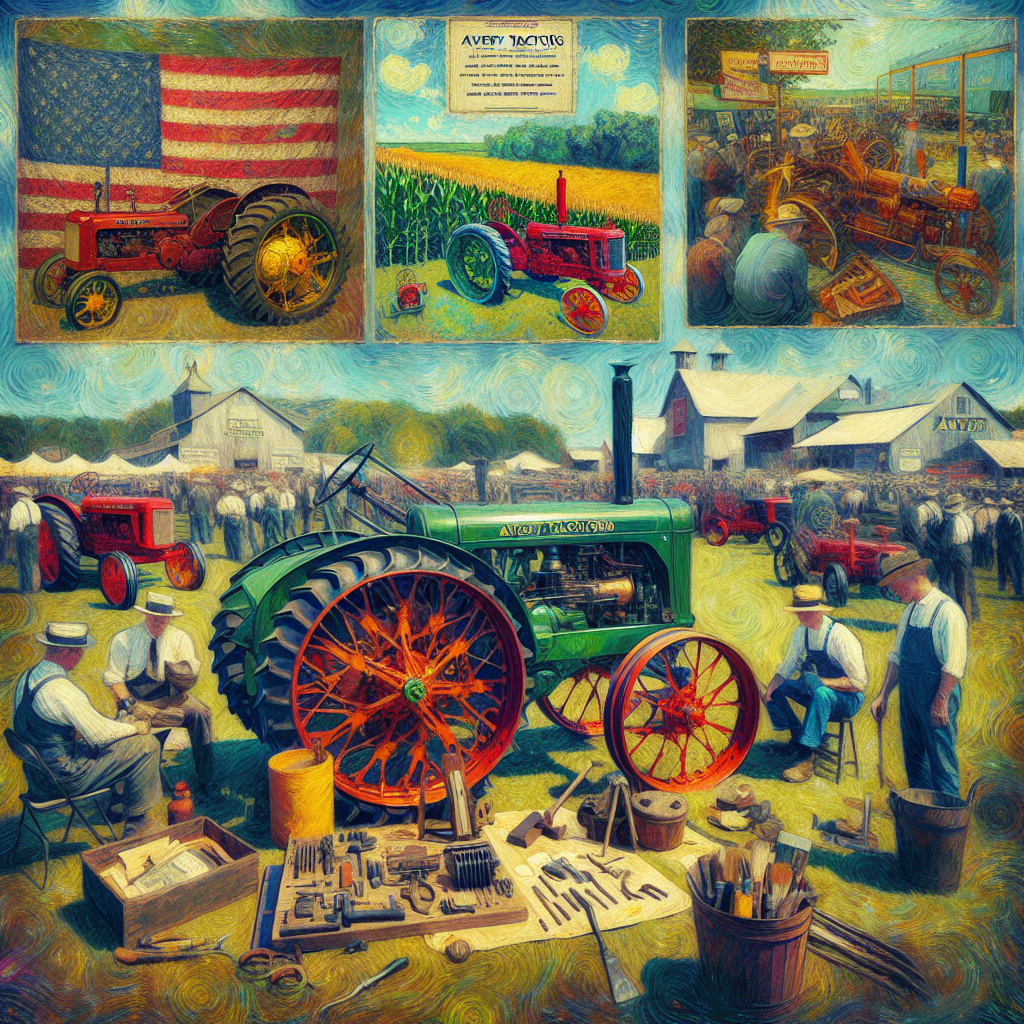
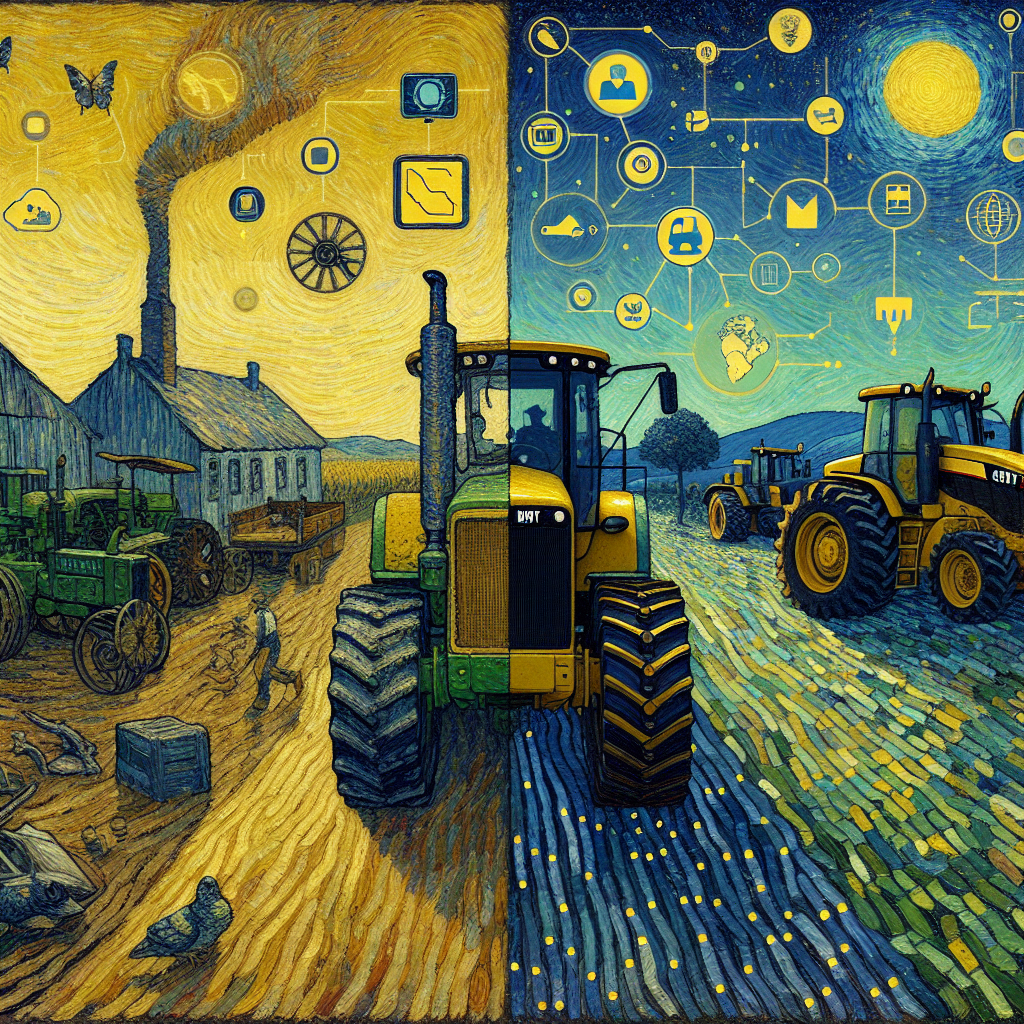
In a world that often feels disconnected, community events centered around classic tractors serve as a powerful reminder of the bonds we share—bonds forged in the heat of the sun and the aroma of diesel. Remember the thrill of the first time you saw a tractor rev to life? It wasn’t just a machine; it was a vessel of history, labor, and community. These events create a space where enthusiasts gather, not merely to celebrate their love for well-crafted machines, but to engage in stories that are as deep-rooted as the soil itself.
When you step onto the grounds of a tractor show, you’re stepping into more than a collection of shiny, polished machines. You’re entering a landscape filled with laughter, rich camaraderie, and shared experiences. Here, the language is universal—whether you’re twelve or seventy-two, the joy of nostalgia resonates. As individuals swap tales of restoring an old engine or share tips on the best tricks for maintaining their beloved tractors, it becomes clear: these machines connect people in profound ways.
From the outside, it may seem puzzling to understand why a simple piece of machinery can draw such a crowd. Yet, at the heart of it lies a rich narrative of agriculture and innovation—an ethical commitment to preserving the past while cultivating community spirit for the future. In a time where digital interactions often replace face-to-face conversations, classic tractor gatherings serve as a haven for human connection, promoting the values of hard work and tenacity.
Engaging in these events creates a palpable sense of belonging. You see families bring their children, passing on traditions as they share their love for tractors that have stood the test of time. It’s a heartfelt lesson in the importance of heritage—a way of saying, “We may be different, but we’re all in this together.” In each turn of the wheel, there’s a story; in each participant’s smile, a testament to the community that thrives around these machines.
So, next time a classic tractor event rolls around, consider stepping out to join in the celebration. It’s not just about restored machinery. It’s about fostering connections, honoring tradition, and nurturing the spirit of togetherness that we all crave. Trust in the power of community, for it’s in those shared moments that true connections are forged—one tractor at a time.
How Do Community Events Around Classic Tractors Foster Social Bonds?
How Do Community Events Around Classic Tractors Foster Social Bonds?
- Community events centered around classic tractors highlight shared bonds and historical significance.
- These gatherings create a space for enthusiasts to engage in storytelling and camaraderie.
- Attendees of all ages experience nostalgia and joy through shared interests in tractors.
- Classic tractors symbolize a rich narrative of agriculture, innovation, and community spirit.
- Such events counteract the trend of digital communication by promoting face-to-face interactions.
- Families participate together, passing down traditions and reinforcing community heritage.
- Classic tractor events foster connections, honor traditions, and nurture a sense of togetherness.
How Do Community Events Around Classic Tractors Foster Social Bonds?
How Can We Learn From The Engineering Of Classic Tractors Today?
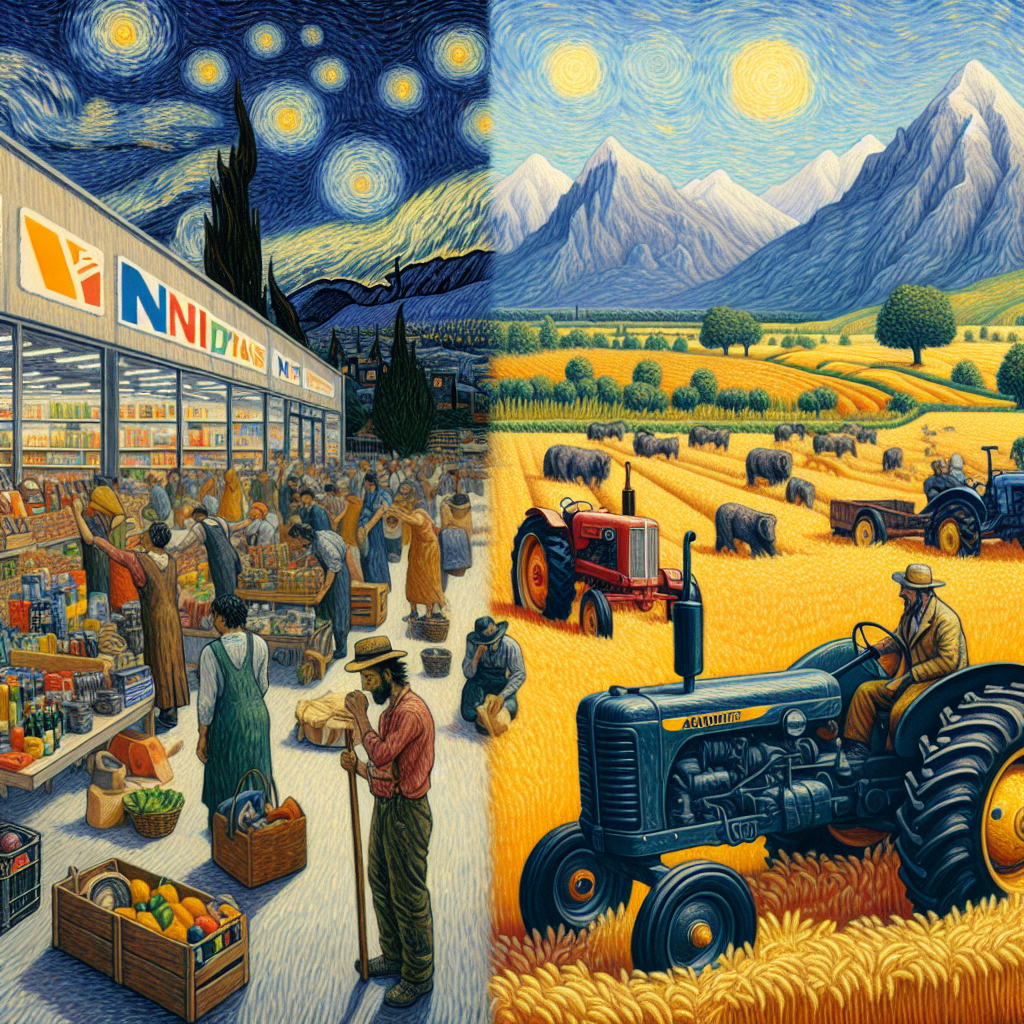
Take a moment to picture a classic tractor—gleaming paint, timeless design, and those wheels that seem to tell a story about the soil they’ve tilled and the crops they’ve nurtured. There’s something inherently appealing about these machines, a connection that runs deeper than steel and rubber. They symbolize a bygone era of hard work and ingenuity, where every part was crafted with purpose, each component a testament to the hands that built and maintained them. So, what can we learn from the engineering of these classic tractors today?
First, let’s engage our head. Tractors were engineered to be reliable, versatile, and efficient. Each design decision was based on necessity, from the powerful engines to the robust frames. Today’s challenge is to harness that same spirit of engineering ingenuity in our modern machines. As we face unprecedented challenges regarding sustainability and fuel efficiency, looking back at the simplicity and effectiveness of classic tractors can spark innovative solutions. These machines remind us that sometimes, less is indeed more.
Now, consider the heart. There’s a certain pride that comes with owning a classic tractor, isn’t there? It’s not just about the horsepower; it’s about the stories and the memories tied to them—hours spent in the field with family, the laughter shared, and the lessons learned through grit and determination. By nurturing this connection to our history, we foster a deeper appreciation for craftsmanship and the efforts of those who came before us. We can encourage a new generation to appreciate the mechanics behind our modern innovations while valuing hard work and perseverance.
On an ethical level, we have a responsibility to respect the environment while we build for the future. Classic tractors were often made with materials that, while less efficient by today’s standards, were designed to last for generations. In a world obsessed with disposability, we might take a cue from that legacy. Embracing durable, sustainable practices in modern engineering is not just smart—it’s necessary.
When we share our stories around these machines, we build a community. We’re inviting conversations about values, hard work, and the pursuit of excellence in everything we do. Classic tractors aren’t just relics; they are bridges to understanding our past to shape a better future, fostering trust and inspiring action toward more meaningful engineering endeavors. Let’s learn from them, ensuring our future machines are as resilient and cherished as those timeless icons of human effort.
How Can We Learn From The Engineering Of Classic Tractors Today?
How Can We Learn From The Engineering Of Classic Tractors Today?
- Classic tractors symbolize hard work and ingenuity, connecting us to a bygone era.
- They were designed for reliability, versatility, and efficiency, emphasizing the importance of engineering ingenuity.
- Looking back at classic tractors can provide innovative solutions for sustainability and fuel efficiency.
- Owning a classic tractor fosters pride and nostalgia, highlighting the importance of memories and craftsmanship.
- We have a responsibility to respect the environment by embracing durable and sustainable practices in modern engineering.
- Sharing stories about classic tractors builds a community and encourages conversations about values and excellence.
- Classic tractors serve as bridges to our past, guiding us towards a resilient and cherished future in engineering.
How Can We Learn From The Engineering Of Classic Tractors Today?
Conclusion
Conclusion: Bridging Tradition and Technology through Classic Tractors
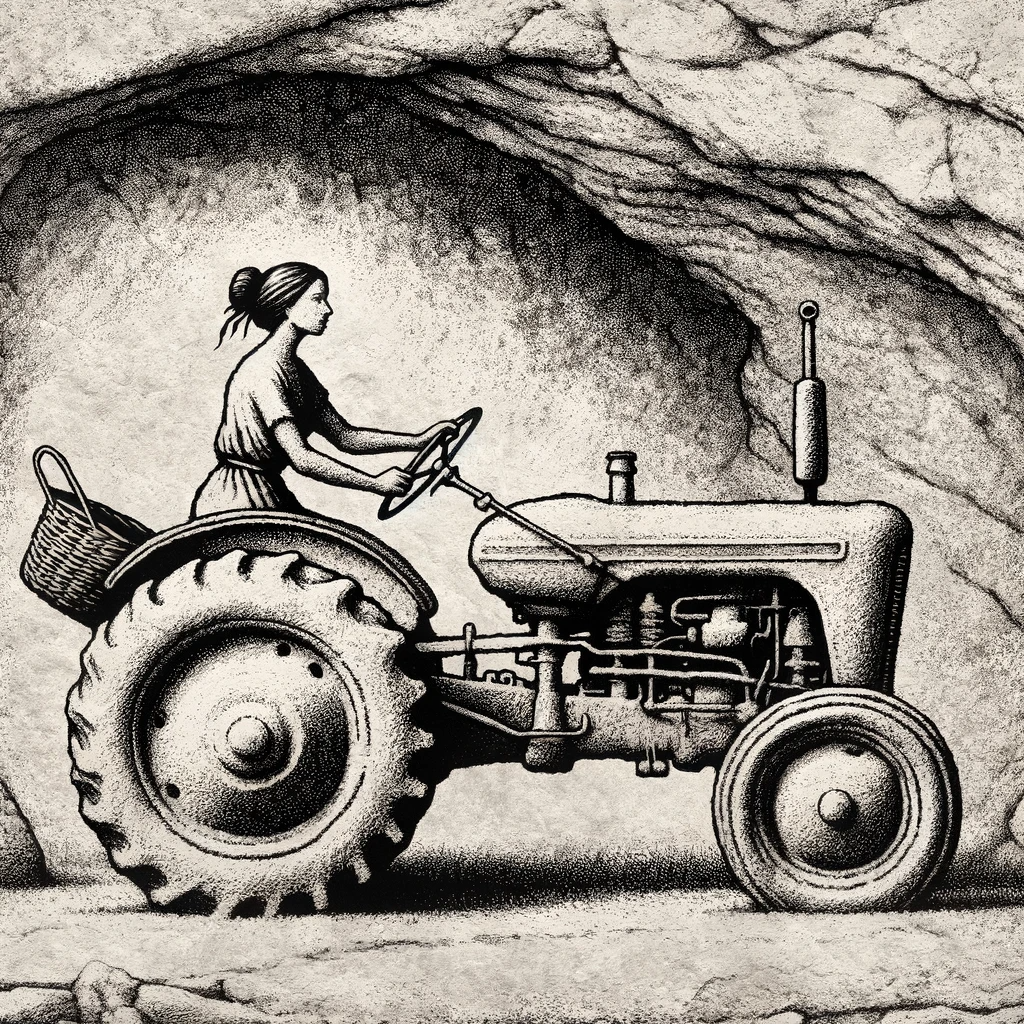
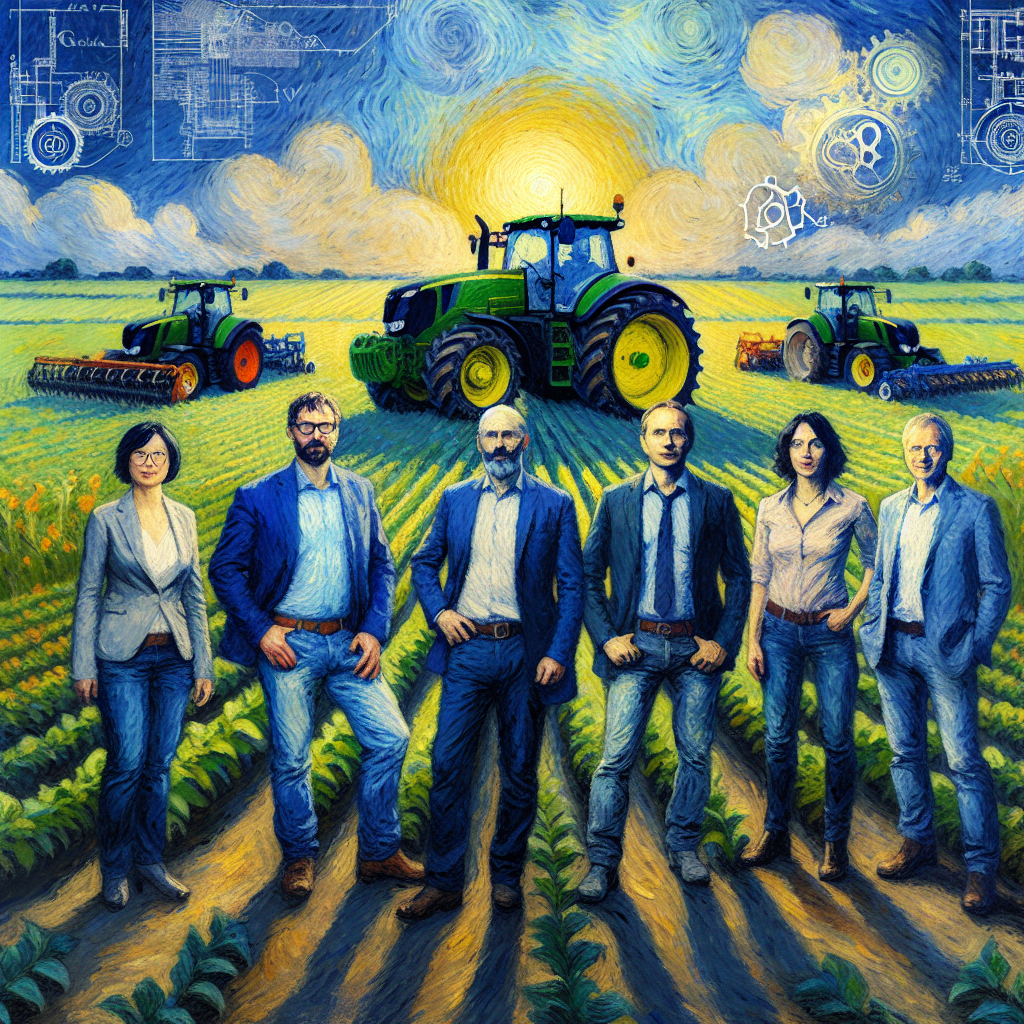
When you climb onto a classic tractor, you’re not just straddling a machine; you’re stepping into a narrative threaded through generations of grit, determination, and commitment to the soil. These storied hulks, with their rusted bodies and worn-out seats, personify a legacy of hard work that built the very fabric of our agricultural culture. Each dent and scratch is a badge of honor. In juxtaposition, we find the glittering new tech-heavy tractors, adorned with bells and whistles designed to make farming feel like a space-age endeavor. But somewhere in that sea of flashing lights and digital screens, we risk losing the essence of what it means to farm—the tactile connection to the earth, the rhythms of nature, and the tales passed down through generations.
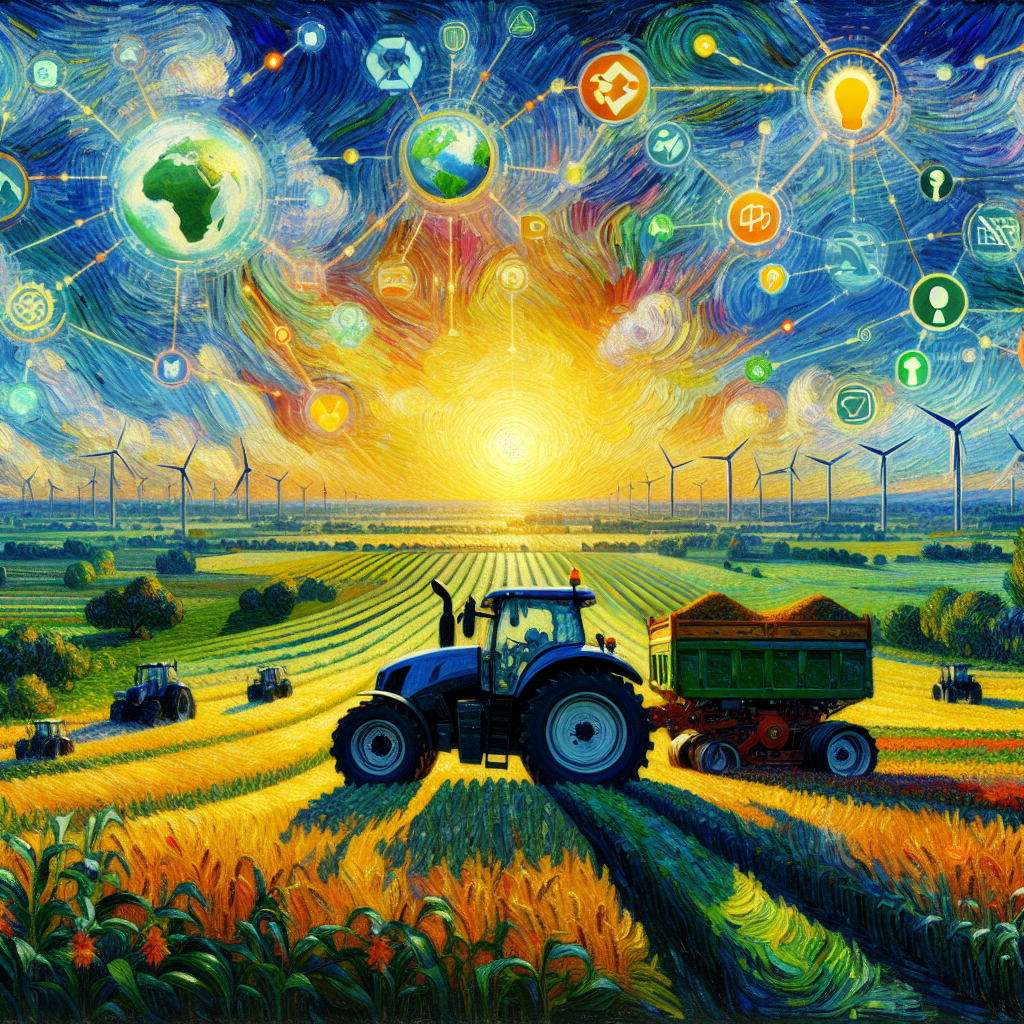
Classic tractors can harmonize the past with the present, reminding us that technology is only as effective as the human hands that operate it. Imagine melding the reliability of these vintage machines with modern innovations. Picture GPS systems and smart tech integrated into a sturdy tractor, enhancing its utility without sacrificing its heart. That’s not just about keeping pace with progress; it’s about honoring a legacy while nurturing sustainable practices for the future.
It’s not just a pragmatic undertaking; it’s an ethical one. Choosing to preserve these machines while integrating modern technology is a commitment to our environment and our heritage. While we face urgent global challenges, we must look toward responsible farming that elevates both tradition and innovation. The communities around us are filled with stories waiting to be shared—mentoring moments between old hands and fresh faces that weave together history and modern solutions.
So the next time you hear the comforting rumble of a classic tractor, consider the deeper connections it fosters—between people, their shared responsibilities, and their shared dreams for the future. Let’s cherish these machines and everything they represent, using them as vehicles for community, learning, and collaboration. It’s time to cultivate a future that respects our past while thoughtfully embracing innovation. Let’s roll up our sleeves, bridge the gap between tradition and technology, and ensure that our farming legacy thrives for generations to come. After all, every tractor deserves to keep rolling, and so do the stories that come with it.
Conclusion
Conclusion:
- Classic tractors symbolize a legacy of hard work and commitment to agriculture.
- They represent a tactile connection to the earth and generations of farming tradition.
- Modern tractors, with advanced technology, risk overshadowing the essence of farming.
- Integrating classic tractors with modern innovations can enhance utility while preserving tradition.
- This integration is both a practical and ethical commitment to sustainability and heritage.
- Responsible farming can blend tradition with innovation to address global challenges.
- Classic tractors foster community connections and shared dreams for a sustainable future.
Conclusion
Other Resources
Other Resources
Here is a list of other resources you can review online to learn more:
- Tractor Data
- Jacobsen
- Graham-Bradley
- Belarus
- NM Farm & Ranch Heritage Museum
- Fox River Tractor Company
- Simplicity
- Square Turn
- UTB/Universal
- Schluter
Use This Prompt To Get More Resources With Your Favorite Online AI Tool: Please provide me with a list of online articles with their URLs in a bulleted list that I can read regarding Can Classic Tractors Bridge The Gap Between Tradition and Tech
Other Resources
Glossary Terms
Can Classic Tractors Bridge The Gap Between Tradition and Tech – Glossary Of Terms
1. Agroecology: A sustainable farming approach that integrates ecological principles into agricultural practices, emphasizing biodiversity and resource conservation.
2. Antique Tractor: A tractor that is typically over 25 years old, often cherished for its historical value and classic farming techniques.
3. Autonomous Farming: The use of technology to perform farming tasks without human intervention, often involving drones and automated machinery.
4. Biodiesel: A renewable fuel made from natural oils or fats, often derived from agricultural products, used to power diesel engines, including tractors.
5. Bluetooth Technology: A wireless technology standard used for exchanging data over short distances, often integrated into modern machinery for connectivity.
6. CAD (Computer-Aided Design): Software used for precision drawing and modeling in engineering, allowing for innovative designs in tractor manufacturing.
7. Cognitive Farming: An approach utilizing data analysis and sensory technology to optimize crop production and improve farm management.
8. Data-Driven Agriculture: Farming practices that leverage data analysis to make informed decisions, enhancing efficiency and productivity.
9. Drone Technology: Unmanned aerial vehicles used in agriculture for monitoring crops, assessing land, and precision irrigation.
10. Electric Tractor: Tractors powered by electric engines instead of traditional internal combustion engines, often emphasizing sustainability.
11. Ergonomics: The study of designing equipment to fit the human body, ensuring that tractors are comfortable and safe to operate.
12. Farm Management Software: Digital tools that assist farmers in planning, monitoring, and analyzing all activities on the farm.
13. GPS Technology: Global Positioning System used for precision agriculture, allowing farmers to track the location and efficiency of their equipment.
14. Hybrid Technology: The integration of petrol or diesel engines with electrical systems in tractors to improve fuel efficiency and reduce emissions.
15. IoT (Internet of Things): Network of connected devices that collect and share data, enhancing machinery efficiency in agriculture.
16. Legacy Systems: Older technology or machinery that continues to be used due to its reliability, often requiring integration with new tech solutions.
17. Precision Agriculture: Farming management concept using information technology to ensure crops and soil receive exactly what they need for optimum health and productivity.
18. Retrofitting: The process of adding new technology or features to older tractors to enhance their capabilities and efficiency.
19. Smart Farming: The modern approach involving the application of technologies, such as IoT and AI, to optimize farming processes.
20. Sustainable Agriculture: Farming methods aimed at meeting society’s food and textile needs without compromising future generations’ ability to meet their own needs.
21. Telemetry: Automated communication processes that collect and send data from tractors and machinery for real-time monitoring and management.
22. Tradition: Practices and techniques passed down through generations, often integral to agricultural heritage and culture.
23. Tractor Restoration: The process of repairing and refurbishing classic tractors to preserve their historical significance while sometimes incorporating modern technology.
24. Tread Compatibility: The ability of a tractor’s wheels to work effectively with various surfaces and conditions, crucial for diverse agricultural landscapes.
25. Transformer Technology: Innovations in machinery that help transition traditional equipment into more advanced versions with enhanced capabilities.
26. User Interface (UI): The means through which a user interacts with a machine or software, increasingly focusing on usability in modern tractors.
27. Value-Added Agriculture: The process of increasing the worth of raw agricultural products by processing them into finished goods, utilizing both traditional and modern methods.
28. Vertical Farming: The practice of growing crops in vertically stacked layers to maximize space and resources, often in urban settings.
29. Workforce Development: Training and education initiatives aimed at equipping agricultural workers with the necessary skills to operate new technologies and equipment.
30. Yield Monitoring: The process of measuring the output of crops to analyze performance and inform future farming strategies, often aided by technology.
Glossary Of Terms
Other Questions
Can Classic Tractors Bridge The Gap Between Tradition and Tech – Other Questions
If you wish to explore and discover more, consider looking for answers to these questions:
- What are the most iconic classic tractor models and their histories?
- How does the restoration process for classic tractors work?
- What modern technologies can be integrated into classic tractors?
- What are the advantages and disadvantages of using classic tractors over modern machines?
- How do classic tractors contribute to sustainable farming practices?
- What resources are available for vintage tractor enthusiasts and restorers?
- What role do classic tractors play in modern agricultural education?
- How do community events centered around classic tractors differ across regions?
- What are the best practices for maintaining classic tractors?
- Can classic tractors be converted to run on alternative fuels?
- What stories and memories do current generations have about classic tractors?
- How have regulations or industry standards affected the use of classic tractors?
- What are the economic impacts of maintaining classic tractors in today’s farming economy?
- What ethical considerations should be kept in mind when restoring classic tractors?
- How can classic tractors inspire new agricultural innovations?

Other Questions
Haiku
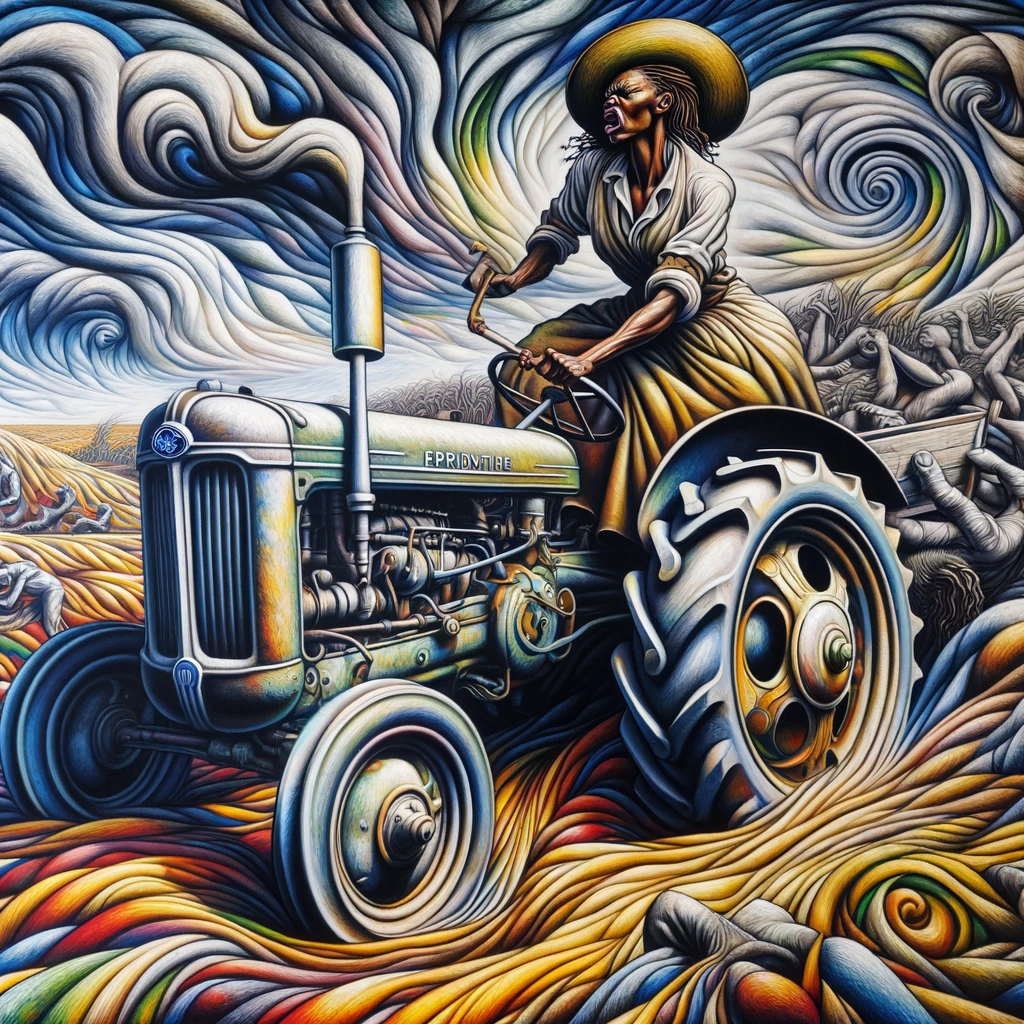
Can Classic Tractors Bridge The Gap Between Tradition and Tech – A Haiku
Machines of the Past
Rusty wheels still spin,
Whispers of toil and pride rise—
Heritage meets hope.
Haiku
Poem
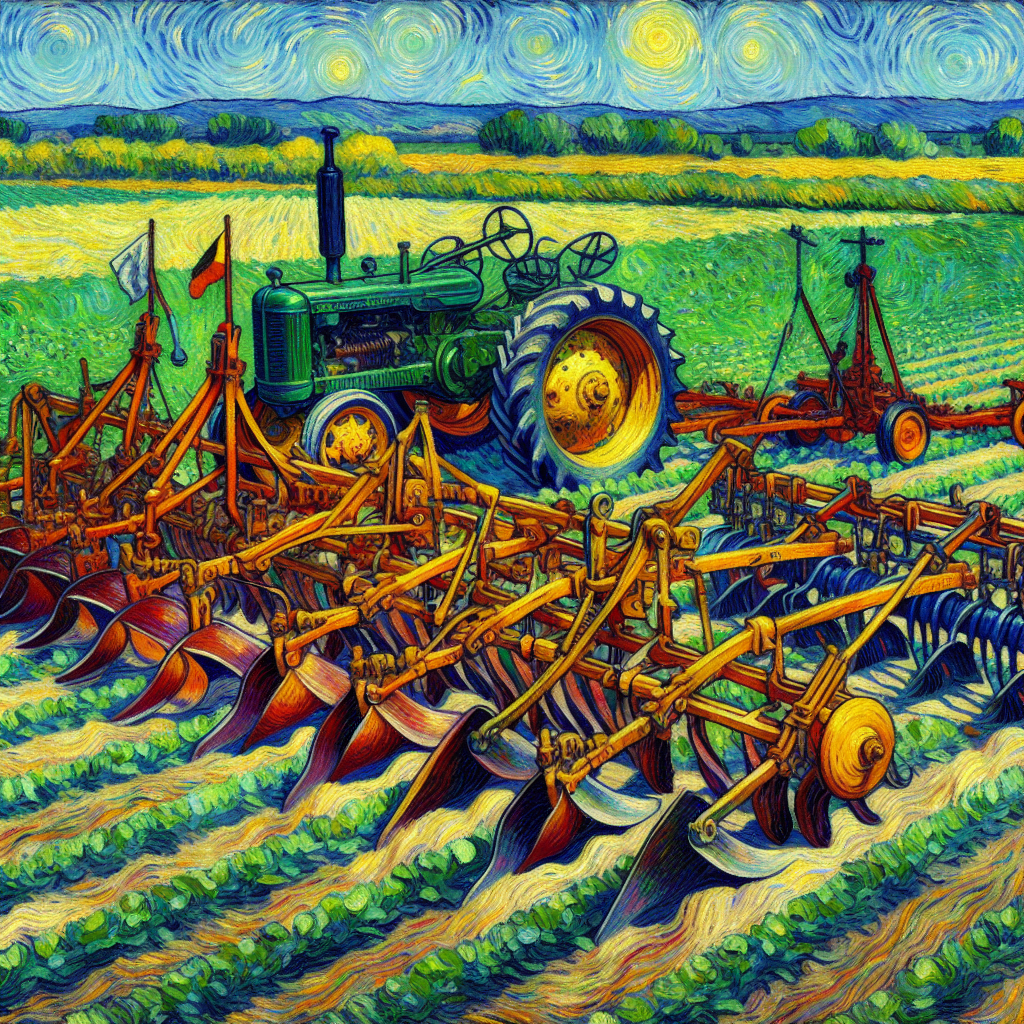
Can Classic Tractors Bridge The Gap Between Tradition and Tech – A Poem
A Poem for the Machines of Our Heritage
In fields where earth and effort meet,
Classic tractors roar, the heartbeat’s beat,
Their weathered wheels, through seasons worn,
Tell stories rich as the fields they’ve borne.
Gritty hands on rusted steel,
Not just machines, but a legacy real,
Whispers of dawn, the scent of the soil,
A bond with the land—a farmer’s toil.
Yet modern times bring new tech’s charm,
Shiny machines with their beeping alarm,
But amidst the buzz of innovation’s race,
We mustn’t lose the old ways in the chase.
Let’s fuse the past with the present’s grace,
Classic power with a tech-savvy face,
For in those tractors, wisdom resides,
Teaching respect where tradition abides.
With modern tools, we’ll enhance the old,
Sustainable methods, a future bold,
No more disposables, let’s restore with care,
Craftsmanship cherished, heritage rare.
Together, in gatherings, stories unfold,
Bonding communities, in warmth, we hold,
From parades to fairs, laughter aligns,
A mosaic of history in each heart that shines.
So let’s raise our voices, unite hand in hand,
Honor the roots that nurture our land,
For it’s not just history, but a future we weave,
In tractors timeless, in stories we believe.
With every turn, let’s sow and grow,
Bridging gaps where the heartbeats flow,
For classic machines are more than machines,
They’re legacies enduring, the pulse of our dreams.
Poem
Checklist
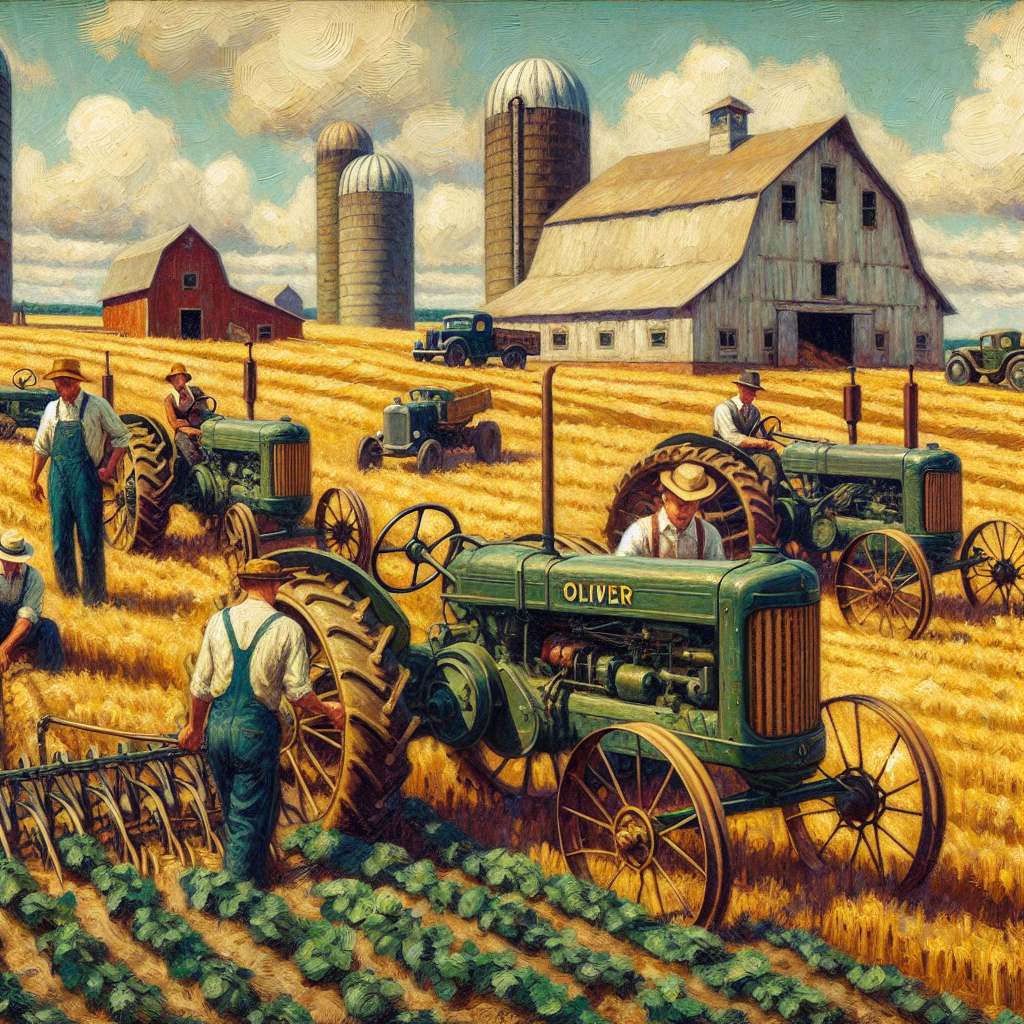
Can Classic Tractors Bridge The Gap Between Tradition and Tech – A Checklist
Classic Tractors: Bridging Tradition and Technology Checklist
Emotional Appeals (Heart)
1. Share Your Story: Reflect on a memory associated with a classic tractor (family use, farming experiences, etc. ). Document it to share with others.
2. Celebrate Community: Attend a local tractor show or community event and engage with fellow enthusiasts. Share laughter and lessons learned with other attendees.
3. Honor Family Heritage: Consider how your family history is influenced by farming. Perhaps write a letter to a loved one sharing what you’ve learned from their experiences.
4. Create a Legacy: Plan activities with family to teach the next generation about the importance of agriculture and classic tractors.
Rational Appeals (Head)
5. Evaluate Modern Tech Integration: Research how modern technology can enhance the functionality of classic tractors. List potential improvements that honor tradition while incorporating tech.
6. Efficiency Analysis: Assess how classic tractors compare in efficiency and repairability versus modern machines. Create a pros and cons list.
7. Sustainability Commitment: Identify ways you can advocate for or practice sustainable farming methods using classic equipment.
Ethical Appeals (Ethical)
8. Responsible Restoration: If restoring a classic tractor, plan to source parts ethically and respect the original design while enhancing performance.
9. Advocate for Social Responsibility: Propose a community workshop focusing on the importance of preserving agricultural heritage and sustainable practices.
10. Practice Ethical Stewardship: Commit to sustainable farming practices that respect the land and prioritize biodiversity.
Authority Appeals (Authority)
11. Research Historical Impact: Study the historical significance of classic tractors in your region. Compile a brief report or infographic to share with your community.
12. Engage with Experts: Connect with local agricultural engineers or historians who can provide insights on classic tractors and their sustainability.
13. Lead a Discussion: Organize a community discussion or panel with experienced farmers to explore the future of agriculture blending tradition and innovation.
Narrative Appeals (Narrative)
14. Write an Article: Create a short article or a blog post that captures your viewpoints and experiences surrounding classic tractors, adding personal narratives and reflections.
15. Initiate Storytelling Circles: Join or form a storytelling group centered around farming experiences, focusing on the tales classic tractors have witnessed.
16. Document a Project: Document a restoration project of a classic tractor through photos and narratives. Share the journey online or within your community.
Social Appeals (Social)
17. Gather Community Input: Poll local farmers or tractor enthusiasts on how they blend traditional methods with modern technology. Share the results with your local community.
18. Join Online Communities: Become a member of online forums or social media groups centered around classic tractors. Engage with others through posts and discussions.
19. Host a Community Event: Plan a local gathering or festival focused on classic tractors as a way to bring the community together.
By using this checklist, you can actively participate in the conversation and actions surrounding classic tractors, ensuring that their legacy elevates both tradition and modern practices in sustainable agriculture.
Checklist
At ClassicTractorNews, we help tractor lovers keep up with the latest news for classic and vintage tractors.
Please share this post with your friends, family, or business associates who may like old classic or vintage tractors.