

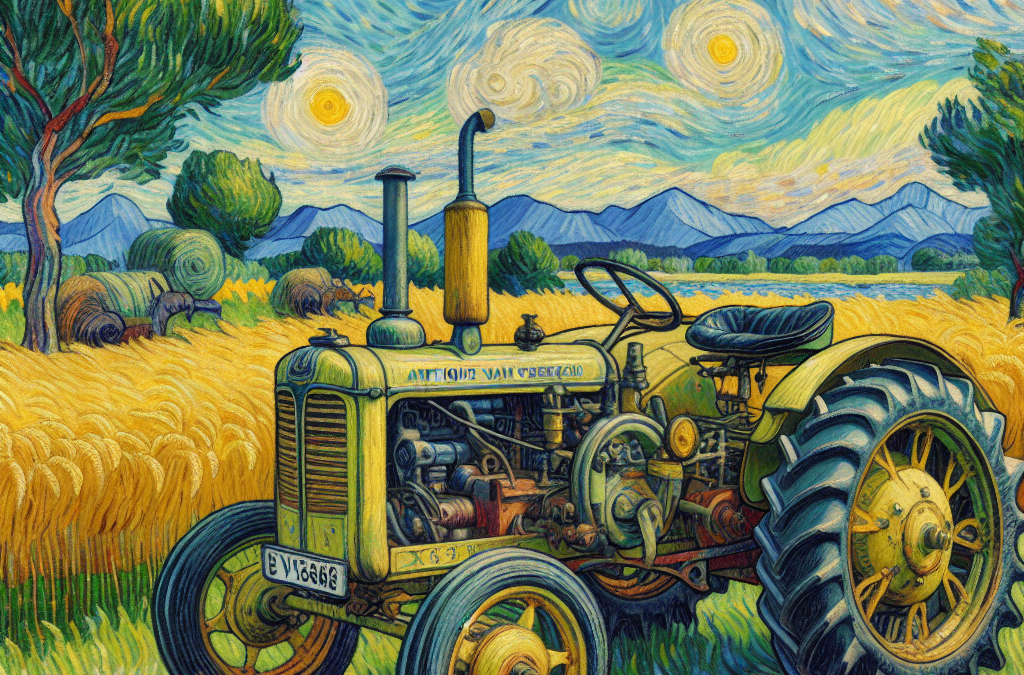
Reviving Nostalgia: Harnessing Tradition To Tackle Agriculture’s Contemporary Dilemmas
By Tom ‘seest
At ClassicTractorNews, we help tractor lovers keep up with the latest news for classic and vintage tractors.
Please share this post with your friends, family, or business associates who may like old classic or vintage tractors.
Can Classic Tractors Be The ‘solution to Farming’s Modern Challenges
Can Classic Tractors Be The ‘solution to Farming’s Modern Challenges?
In a time when the farming landscape feels like an ever-shifting puzzle, the charm of classic tractors might just be the missing piece we’ve all been searching for. These machines, with their steel frames and roaring engines, speak not only to our practical needs but also to our collective yearning for a simpler, more sustainable way of life. Imagine the satisfaction of plowing a field with an authentic tractor, feeling the earth turn beneath you as your hands grip a time-tested steering wheel—there’s a trust there that today’s flashy, high-tech machinery simply can’t replicate.
Now, some might argue that vintage tractors lack the bells and whistles of modern farming technology. ‘sure, they might not have the latest GP’s systems or the efficiency metrics that fill PowerPoint presentations. But let’s take a moment to think critically about what matters most in farming: resilience, community, and a connection to the land. Classic tractors represent an ethical commitment to sustainability. They don’t rely on complex electronics that often go haywire but instead embody a straightforward, robust engineering philosophy. These machines run on fuel, not on software updates—an appealing prospect in a susceptible world of technological dependence.
The narrative behind a classic tractor is woven into the very fabric of rural communities. Every scratch and dent tells a story—of late-night repairs, family gatherings, and generations bringing crops to market. Farming isn’t just about the crops; it’s about the shared experiences and hard work that these machines have powered through the years. When you choose to restore and use a classic tractor, you’re not just opting for a piece of machinery; you’re making an intentional choice to honor your heritage, to reinvigorate local economies, and to foster connections within your community.
As we grapple with modern agricultural challenges—climate change, soil degradation, and market volatility—let’s remember the lessons from those who came before us. Choosing a classic tractor isn’t just choosing a tool; it’s choosing a way of life that’s grounded in authenticity and respect for the land. ‘so, let’s embrace these timeless machines. They may just hold the key to a sustainable future where the heart, head, and gut align in harmony with our agricultural roots. Trust in their capabilities; they’re more than relics; they’re reminders of a resilient past guiding us toward a hopeful future. Embrace the classic and let’s cultivate a better tomorrow together.
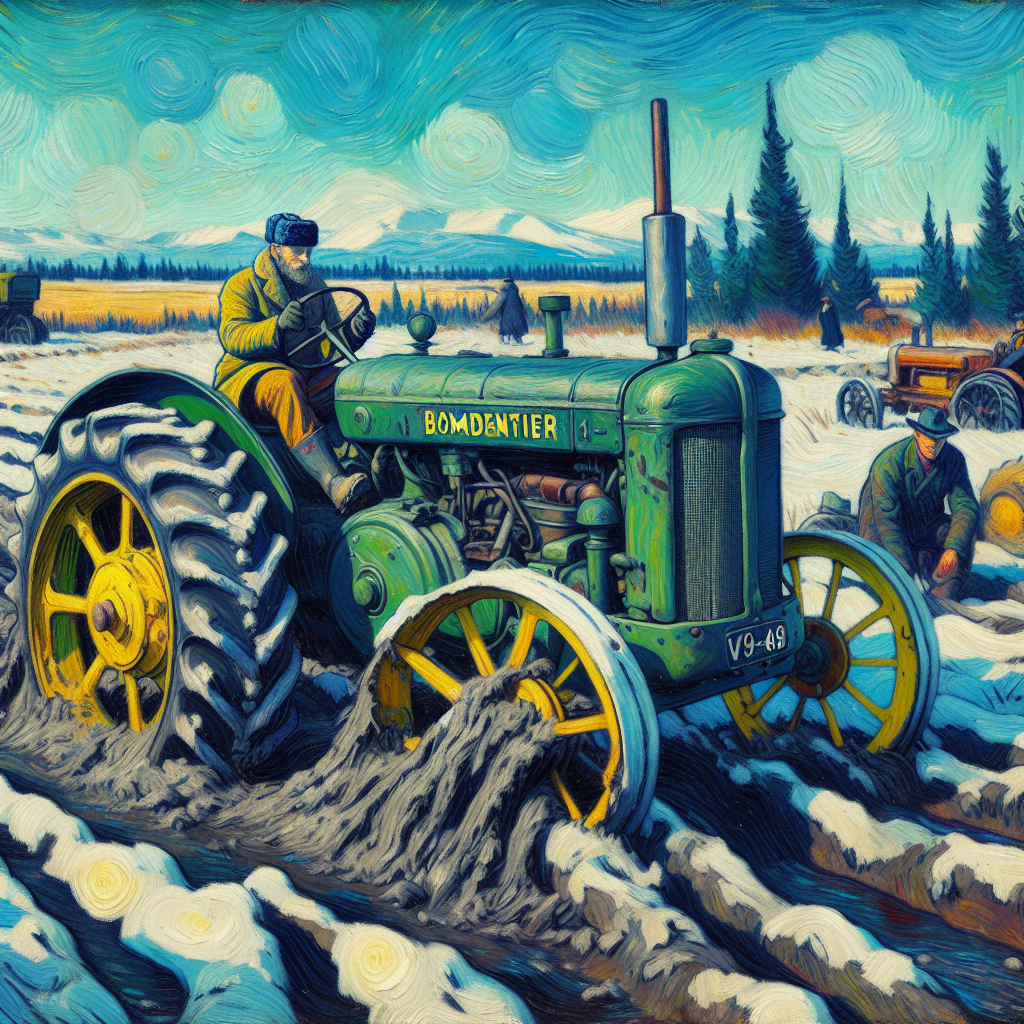
Can Classic Tractors Be The ‘solution to Farming’s Modern Challenges
Can Classic Tractors Be The ‘solution to Farming’s Modern Challenges
- Classic tractors may provide solutions to modern farming challenges through their charm and simplicity.
- These machines foster a sense of trust and connection to the land that modern technology lacks.
- While lacking modern features, classic tractors emphasize resilience, community, and sustainability in farming.
- They reflect an ethical commitment to sustainability, running on fuel without complex electronics.
- Each classic tractor embodies stories and experiences that highlight the cultural fabric of rural communities.
- Using a classic tractor supports local economies and honors farming heritage.
- Embracing classic tractors aligns with a sustainable future by respecting the land and agricultural traditions.
Can Classic Tractors Be The ‘solution to Farming’s Modern Challenges
Table Of Contents
- Can Classic Tractors Be The ‘solution to Farming’s Modern Challenges
- Can Classic Tractors Restore The Lost Connection To Our Farming Roots?
- How Can Classic Tractors Improve ‘sustainability On Modern Farms?
- How Can Restoring Vintage Tractors Contribute To Community Engagement?
- How Can Classic Tractors Enhance The Aesthetic Value Of A Farm?
- What ‘stories Do Classic Tractors Tell About The Evolution Of Farming?
- Can The ‘simplicity Of Classic Tractors Reduce Our Farming Costs?
- Conclusion
- Other Resources
- Glossary Of Terms
- Other Questions
- Haiku
- Poem
- Checklist
Can Classic Tractors Restore The Lost Connection To Our Farming Roots?
In a world increasingly dominated by technology and corporate farming, the allure of classic tractors beckons us back to a simpler time. Imagine a time when the tractor was not just a machine but a trusted companion; a badge of honor bestowed upon hardworking families for generations. Each scratch and dent tells a story—an unbroken bond between man and land that takes us back to our roots.
When you think of a classic tractor, you might picture a weathered, red Farmall or a rustic John Deere parked in a sun-dappled field. These machines evoke a visceral connection to our agricultural past. They remind us of the honest toil that defined our ancestors’ lives and continues to shape our present. There’s a certain pride in rolling up your sleeves, jumping on an old tractor, and feeling the engine rumble to life beneath you. It’s about restoring not just the machine, but also the rich tradition that comes with it.
Beneath the nostalgic allure lies the hard truth: modern methods, like factory farming, have distanced us from the land. We consume food that comes wrapped in plastic, sanitized and unrecognizable from its origin. It’s a disconnection that leaves us feeling lost and unfulfilled. Classic tractors serve as a powerful antidote to that sense of alienation, grounding us in the realities of production. They remind us of those who came before, who worked the soil with sweat and grit, preserving their legacy in each furrowed field.
A good classic tractor doesn’t just restore crops; it cultivates community. It invites neighbors to gather, whether for a harvest festival or a repair day. Each rivet and wheel speaks volumes, evoking conversations between generations about what it means to cultivate land and care for one another. With each turn of the throttle, it offers a chance to reclaim a part of ourselves we may not have realized we lost.
‘so, whether you’re a seasoned farmer or someone yearning for connection, embracing classic tractors can reignite that passion for the land. It’s not merely about machinery; it’s about reviving respect for the work that feeds us and fostering relationships with those who share our values. Together, let’s turn back the clock—restoring not just old iron but also the deep-seated ties that sustain us all.
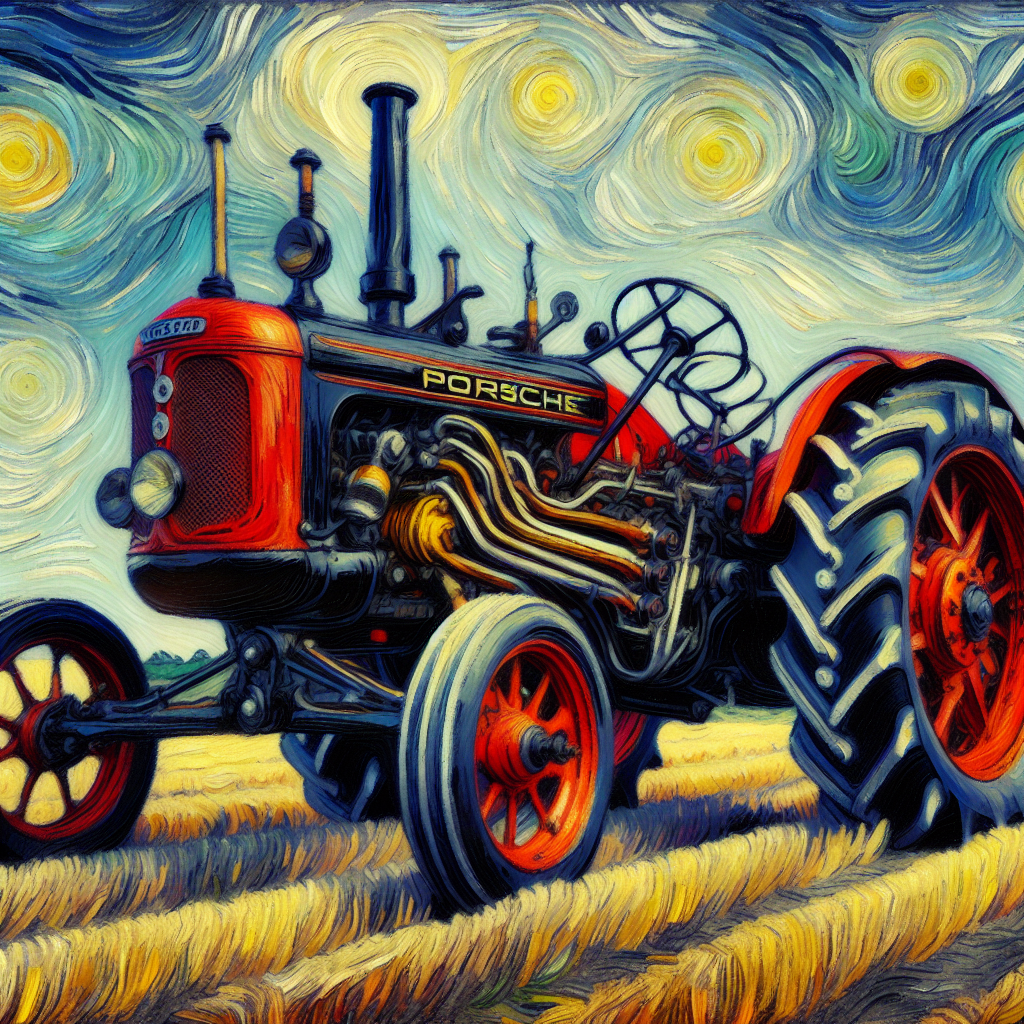
Can Classic Tractors Restore The Lost Connection To Our Farming Roots?
Can Classic Tractors Restore The Lost Connection To Our Farming Roots?
- Classic tractors symbolize a simpler era before modern technology and corporate farming.
- These machines are more than tools; they represent a bond between people and the land.
- They evoke nostalgia for hard work and the agricultural past that shapes our present.
- Modern factory farming creates a disconnect from our food sources, leading to feelings of alienation.
- Classic tractors reconnect us with our agricultural heritage and the labor of our ancestors.
- They foster community by bringing people together for events like harvest festivals and repair days.
- Embracing classic tractors rekindles a passion for the land and nurtures relationships with shared values.
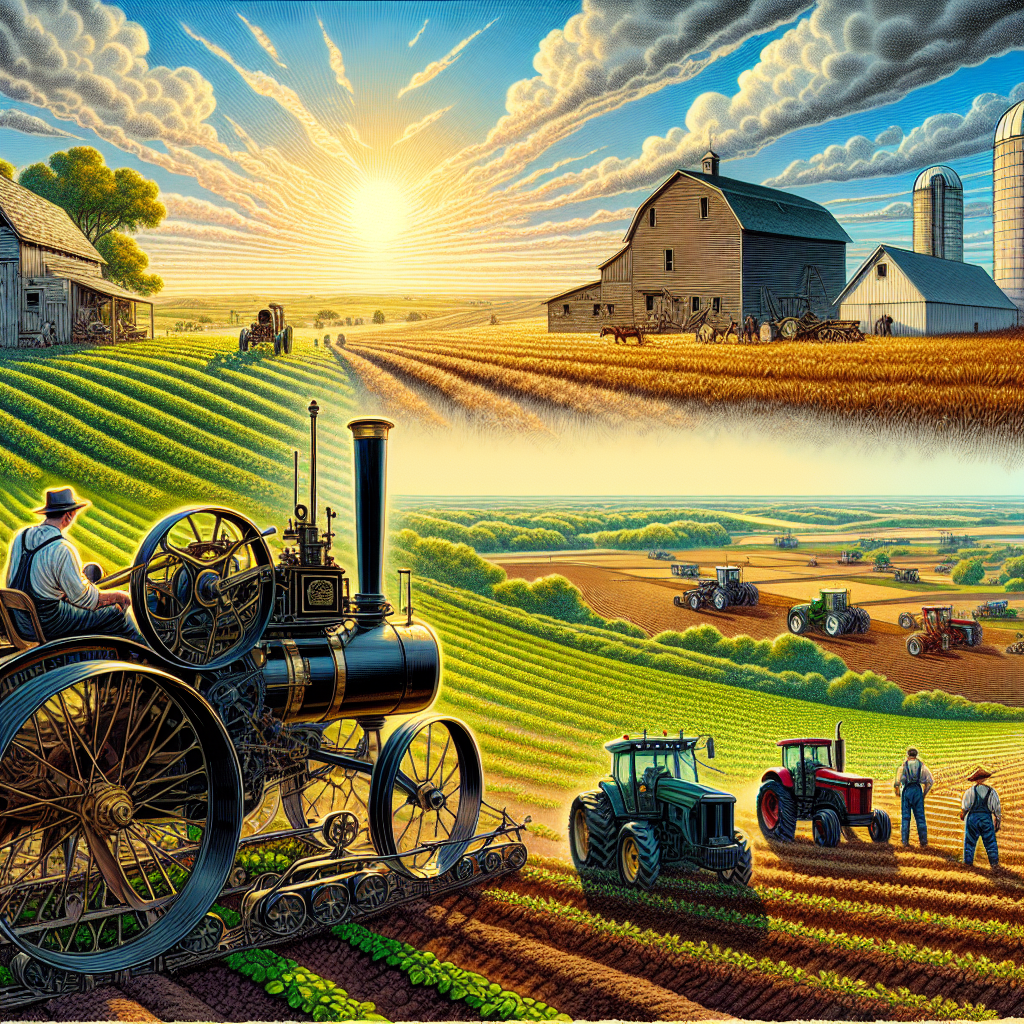
Can Classic Tractors Restore The Lost Connection To Our Farming Roots?
How Can Classic Tractors Improve ‘sustainability On Modern Farms?
When you think about classic tractors, what comes to mind? For many, these machines evoke nostalgia—the smell of diesel mingled with the earthy aroma of freshly plowed soil or the rhythmic sound of an engine laboring in the field. But beyond mere fondness, these vintage workhorses represent something far more profound in our pursuit of sustainable farming practices.
Those classic tractors, often forged in an era when simplicity reigned supreme, carry a wisdom that modern machinery sometimes overlooks. These rugged machines were built to last, sporting durable frames and fewer electronic components, requiring less energy to run and easier repairs. They symbolize a time when farmers relied not just on technology but also on their own ingenuity, making every drop of fuel count. In an age of rapid advancement, it’s easy to forget that sometimes the solution lies in looking back, reconnecting with the very roots of farming.
Using classic tractors can boost sustainability on modern farms in ways that go beyond fuel efficiency. Their ability to work smaller fields and navigate varied terrains without the need for cumbersome attachments ensures that less soil is disrupted, promoting healthier ecosystems. This isn’t just a nod to environmental stewardship; it’s a return to farming practices that respect the land, sustainable methods that honor the generations before us while nurturing the generations to come.
Let’s talk ethics. In a world increasingly dominated by corporate farming, the personalized touch of a classic tractor reminds us that farming isn’t just a profession; it’s a way of life. It’s about community, connection, and caring for the crops that feed us all. When we bring back those vintage tractors, we reconnect with our food sources and empower local farmers to thrive sustainably, rather than just survive amid the corporate giants.
There’s a sociological story here, too. Picture farmers banding together to repair classic tractors, sharing tales and techniques that have been passed down through the years. Picture the newfound camaraderie among neighbors as they gather at community events, celebrating sustainability not just through isolated practices but as a unified front.
Modern farms, then, can become thriving ecosystems by leveraging the history, durability, and ethical grounding of these classic tractors. By making this choice, we’re not just improving sustainability—we’re re-engaging with our community, fostering connections, and carrying forward an age-old legacy that respects the past while sowing the seeds for the future. ‘so, let’s roll up our sleeves, embrace our heritage, and allow classic tractors to drive the next wave of sustainable agriculture.
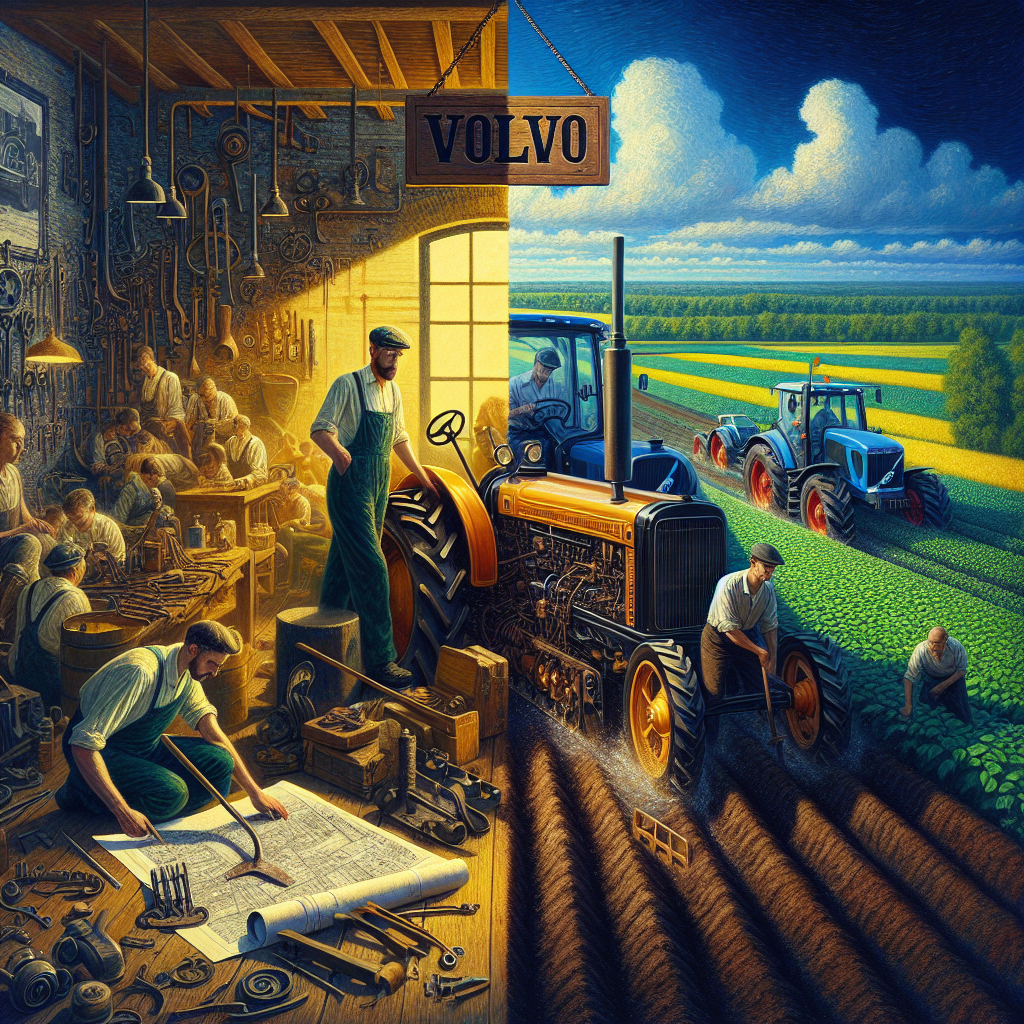
How Can Classic Tractors Improve ‘sustainability On Modern Farms?
How Can Classic Tractors Improve ‘sustainability On Modern Farms?
- Classic tractors evoke nostalgia and symbolize profound agricultural values in sustainable farming.
- Constructed with durability and simplicity, these machines require less energy and have easier repairs than modern machinery.
- Using classic tractors promotes sustainability by minimizing soil disruption and fostering healthier ecosystems.
- They represent a personalized farming approach, emphasizing community, connection, and respect for the land.
- Classic tractors encourage local farmers to thrive sustainably amidst corporate farming dominance.
- Repairing classic tractors fosters community camaraderie and the sharing of historical farming techniques.
- Embracing classic tractors can lead to thriving ecosystems that honor agricultural heritage and ensure a sustainable future.

How Can Classic Tractors Improve ‘sustainability On Modern Farms?
How Can Restoring Vintage Tractors Contribute To Community Engagement?
Restoring vintage tractors isn’t just a pastime; it’s a bridge. A bridge that connects generations, igniting passions and fostering community engagement like few other activities can. Picture a rusty old tractor, neglected and forgotten in a field. The story that tractor holds is rich, filled with memories of farmers who tilled the land, families who thrived off that labor, and children who played on the muddy hills. When you breathe new life into that machine, you’re not just polishing metal; you’re reawakening a shared history.
Think about it: communities thrive on narratives. The act of restoration often attracts a diverse group of individuals. You might find a seasoned mechanic who’s been fixing tractors since his childhood alongside a young engineer who sees a vintage tractor as a puzzle to be solved. In these workshops, sharing knowledge becomes a form of collective ownership over a community’s heritage. As folks gather to clean, paint, and tune these robust machines, they engage in a conversation that transcends age, background, or social status.
Moreover, consider the ethical dimension of preserving these mechanical marvels. By revitalizing vintage tractors, we’re choosing to honor our agricultural roots and sustain a slower, more deliberate pace of life. In a world straining under the weight of rapid technological advancement, this act of restoration is akin to a grassroots movement—a declaration that we value our past and believe in fostering a sustainable future.
The physical act of turning wrenches and rebuilding engines generates a sense of accomplishment and purpose. Each moment spent in a workshop, hands dirty and minds focused, creates not only a bond with the past but also an unwavering trust in one another. Attending community events centered around these restorations can be transformative. Farmers’ markets, vintage tractor shows, and local parades don’t just celebrate restored tractors; they cultivate relationships, building a sense of unity among diverse participants.
‘so why not crank that engine and join the conversation? Become part of the narrative that celebrates heritage, skill, and determination. As you bring that vintage tractor back to life, you’re not just reviving an enduring symbol of hard work; you’re igniting a spirit of community engagement that inspires action, connection, and the chance to build something even greater than the sum of its parts. In that workshop, surrounded by laughter and camaraderie, you’ll find something truely special—belonging.
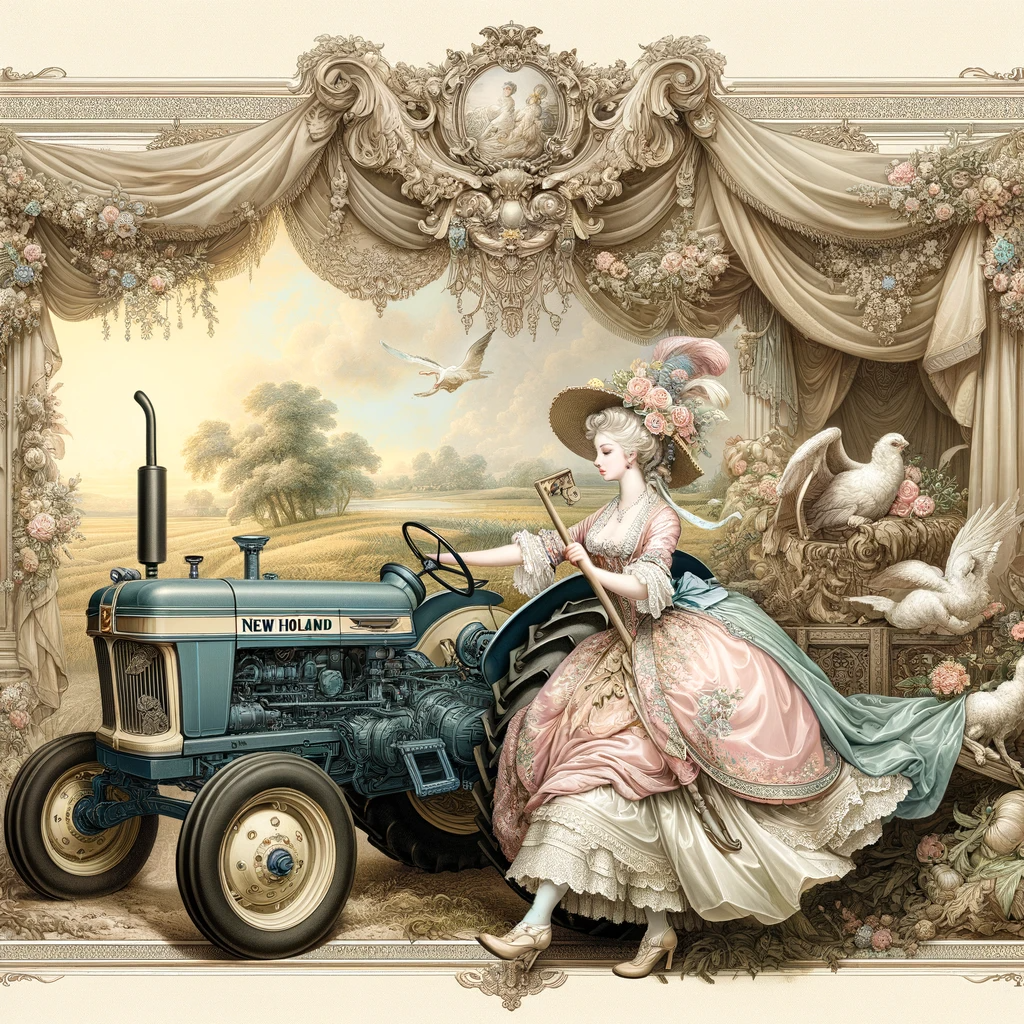
How Can Restoring Vintage Tractors Contribute To Community Engagement?
How Can Restoring Vintage Tractors Contribute To Community Engagement?
- Restoring vintage tractors serves as a connection between generations, fostering community engagement.
- Each neglected tractor holds a rich history filled with memories from farmers and families.
- Restoration attracts diverse individuals, promoting knowledge sharing and communal ownership of heritage.
- The process honors agricultural roots and champions a slower, sustainable pace of life.
- Hands-on restoration work creates bonds and a sense of purpose among participants.
- Community events, like tractor shows and farmers’ markets, celebrate restorations and strengthen relationships.
- Taking part in restoration ignites a spirit of community, connection, and belonging.
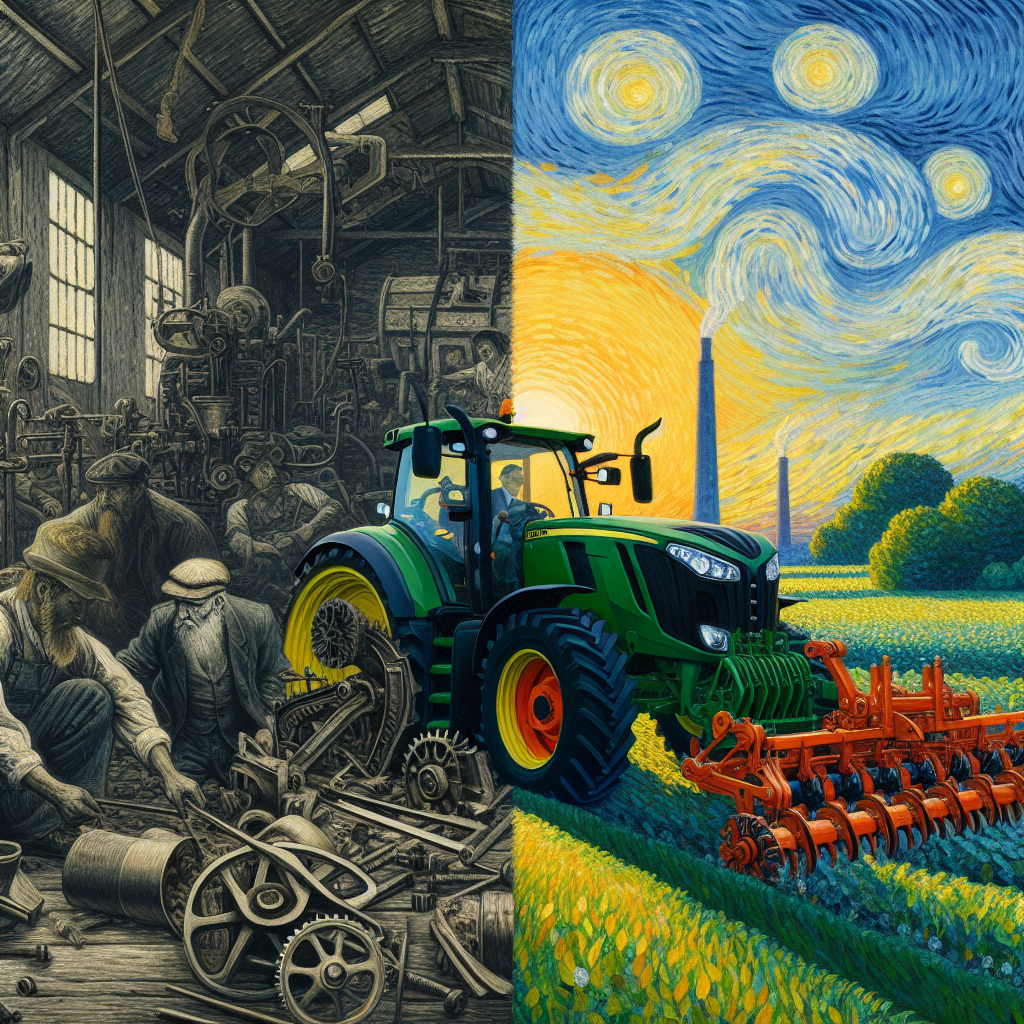
How Can Restoring Vintage Tractors Contribute To Community Engagement?
How Can Classic Tractors Enhance The Aesthetic Value Of A Farm?
How Classic Tractors Enhance the Aesthetic Value of a Farm
Picture this: a sprawling field kissed by the golden sunshine, the air rich with the scent of earth and life, and there, standing proud—an iconic classic tractor. It’s more than just equipment; it’s a timeless piece of history, a tribute to the dedication and hard work that farming embodies. Classic tractors, with their distinctive lines and vibrant colors, serve as a reminder of days gone by while adding aesthetic appeal that transcends mere functionality.
When we talk about aesthetic value, we’re capturing something deeper than just visual appeal. A classic tractor stirs the soul. It whispers of simpler times, of generations working the land with hands calloused and hearts full. Each dent, scratch, and speck of rust tells a story, resonating with anyone who passes by. It beckons nostalgia, effortlessly transporting older generations back to their youth while inviting the younger ones to dream about what it means to cultivate the land. Those stories are the bloodline of farming—alive in every rust-eaten bolt and weathered paint job.
But let’s get serious for a moment. Beyond the emotional pull, classic tractors represent a powerful connection to the past that resonates in today’s world. In an era dominated by technology and rapid change, these machines symbolize our roots, reinforcing the importance of sustainability. They remind us that hard work and craftsmanship still matter. Farmers who showcase their classic tractors aren’t just displaying an antique; they’re making a declaration about valuing the past while embracing the future.
The appeal isn’t limited to farmers alone; it extends to visitors, families, and anyone who appreciates the beauty of agrarian life. Imagine a scenic farm tour where a weary traveler stops to admire a gleaming vintage tractor framed against a backdrop of cornfields. Conversations ignite; connections are formed. By curating a space that embraces both function and beauty, farmers actively shape their narratives, fostering community and engagement.
Let’s also consider the practical benefits. A classic tractor can serve as an eye-catching centerpiece for farm markets or festivals, attracting foot traffic and giving visitors a reason to pause and appreciate the simplicity of rural life. It’s not merely an antique; it’s an attraction that can inspire trust in the produce offered, grounding visitors in the authenticity of local farming.
In a world eager for connection, classic tractors serve as a bridge between the past and the present, heightening the beauty of the farm while inviting each of us to appreciate the hard work that goes into every bite of food we consume.
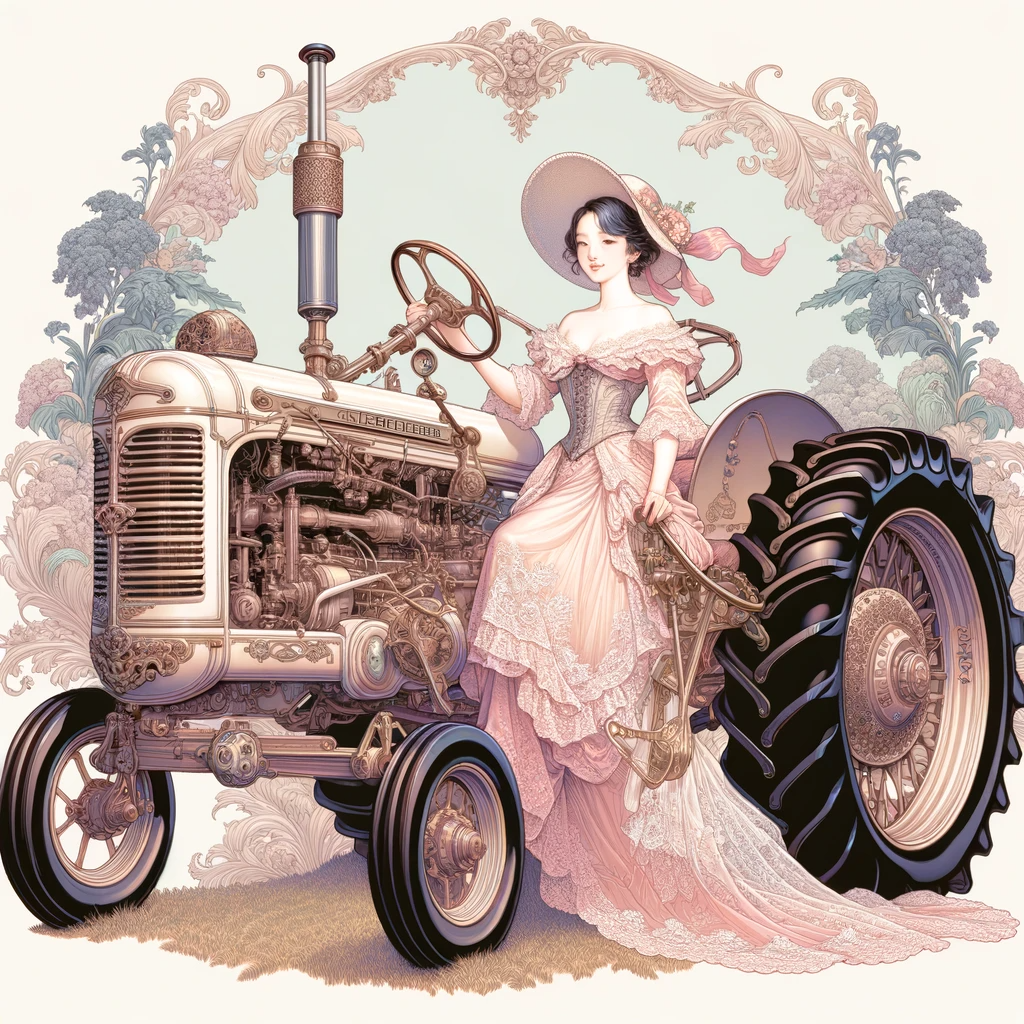
How Can Classic Tractors Enhance The Aesthetic Value Of A Farm?
How Can Classic Tractors Enhance The Aesthetic Value Of A Farm?
- Classic tractors enhance a farm’s aesthetic value, serving as iconic pieces of history.
- They evoke nostalgia and resonate with both older and younger generations, telling stories of farming traditions.
- Beyond visual appeal, classic tractors symbolize hard work, craftsmanship, and sustainability.
- Farmers showcasing these tractors express their commitment to valuing the past while looking towards the future.
- The appeal of classic tractors extends to visitors, fostering community connections and appreciation for agrarian life.
- They act as eye-catching centerpieces at farm markets or festivals, attracting foot traffic and enhancing local produce authenticity.
- Classic tractors bridge the past and present, emphasizing the importance of the agricultural effort behind our food.
How Can Classic Tractors Enhance The Aesthetic Value Of A Farm?
What ‘stories Do Classic Tractors Tell About The Evolution Of Farming?
In every rusted bolt and worn tire of a classic tractor lies a story—a testament to the grit and resilience of generations past. Imagine a farmer standing under the open sky, the sun casting a golden glow on fields ready for harvest. That tractor, a simple yet powerful machine, symbolizes the heart of farming and the evolution of an industry that feeds us all. It isn’t merely equipment; it’s a lifeline, an extension of ambition and sweat that transforms dreams into reality.
Consider the early days when farming was backbreaking labor, each harvest dependent on hand tools and countless hours of toil. With the advent of the tractor, everything changed. ‘suddenly, the land that had once fought against its caretakers yielded more than hope; it offered abundance. Each turn of that engine, fueled by a growing understanding of mechanics and horsepower, marked a significant shift in agricultural practices. The tractor tells a narrative of progress—a transition from toil to triumph.
But this isn’t just a story of machines; it’s about evolution, resilience, and a symphony of tradition and innovation that resonates through time. Picture a young child sitting on their grandparent’s lap, eyes wide with wonder as they hear about the early mornings spent plowing fields with a tractor that seemed as alive as they were. That bond, forged in the dirt of the earth and the wisdom of the ages, fosters a connection that transcends generations. It’s ethical, even, reminding us of our responsibility to honor the past while moving towards the future.
As we look at these classic tractors today, we don’t just see vintage machinery; we feel the weight of their legacy. They remind us of a time when community was as vital as crops, where a neighbor’s helping hand could mean the difference between success and failure. The societal bond formed through shared tools and collective effort fosters a unique kinship among farmers, an unbreakable thread that weaves its way through rural life.
‘so, as you stand beside a classic tractor—its paint chipped and parts weathered—take a moment to appreciate the journey it represents. It’s not just an engine; it’s a powerful reminder of where we’ve been, the sacrifices made, and the traditions we uphold. Each tractor stands as a monument, a call to remember that farming is more than a vocation; it’s a way of life, rich with stories worth sharing and values worth passing on.
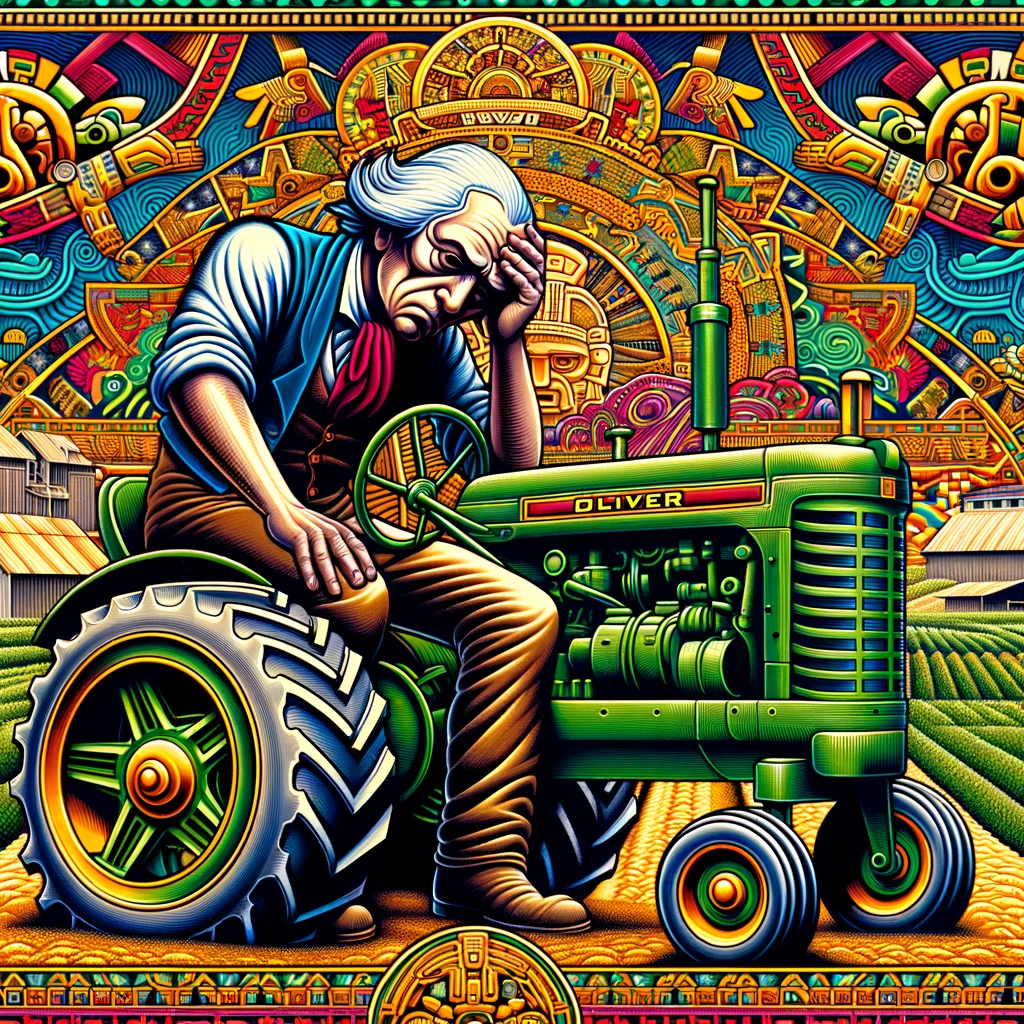
What ‘stories Do Classic Tractors Tell About The Evolution Of Farming?
What ‘stories Do Classic Tractors Tell About The Evolution Of Farming?
- Classic tractors embody the stories and resilience of generations of farmers.
- These machines symbolize the evolution of farming and its critical role in feeding society.
- The transition from manual labor to tractor-powered farming marked significant agricultural progress.
- Tractors represent a blend of tradition and innovation, highlighting the importance of generational knowledge.
- They foster timeless connections between generations of families and their agricultural heritage.
- Classic tractors remind us of the community spirit and collaboration that underpin rural farming life.
- They stand as monuments to the values, sacrifices, and rich stories that define farming as a way of life.
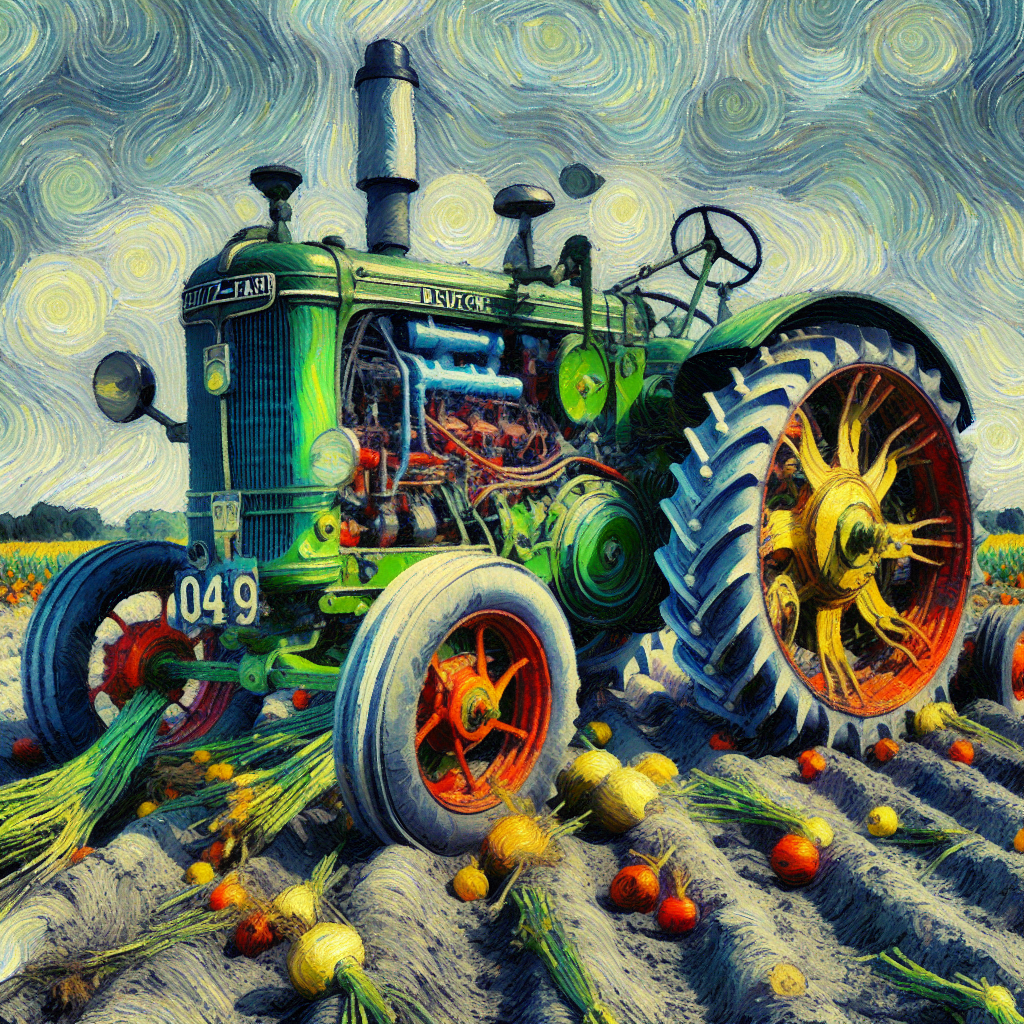
What ‘stories Do Classic Tractors Tell About The Evolution Of Farming?
Can The ‘simplicity Of Classic Tractors Reduce Our Farming Costs?
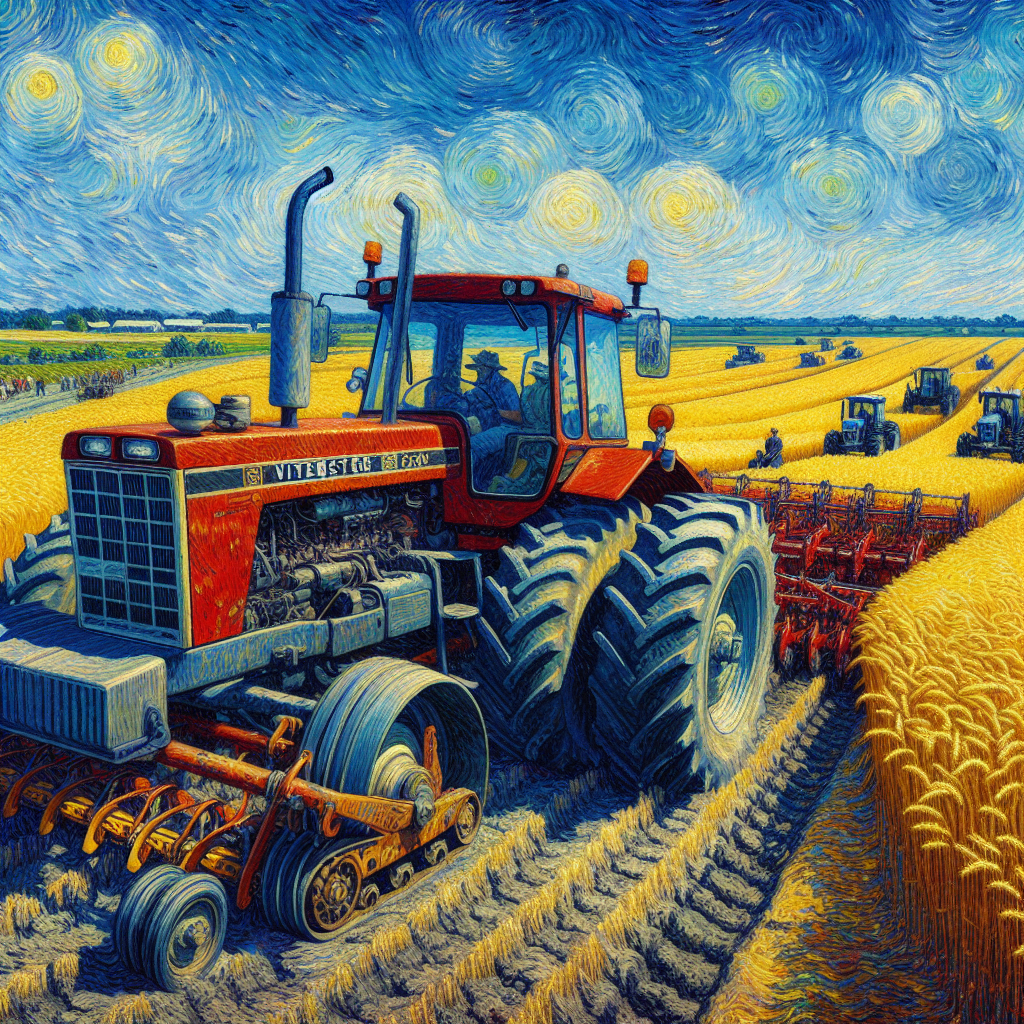
When we think about tractors, our minds often race towards high-tech machines that promise to revolutionize farming practices. But amid the complex bells and whistles, it’s easy to forget the profound value embedded in simplicity. Imagine for a moment an old steel-frame tractor, rumbling to life after years of service, its engine a steady heartbeat in the rhythm of the fields.
These classic tractors have stood the test of time, not just as relics of our past, but as symbols of a resilient spirit—a spirit that echoes the values of hard work and practicality. When the primary question is whether the simplicity of these machines can reduce our farming costs, we must first acknowledge their power as functional, reliable tools that come without the burden of excessive technology. Unlike their flashy modern counterparts, these tractors often require lower initial investments and less expensive maintenance, allowing farmers to stretch their budgets further.
From a rational standpoint, consider the long-term savings: less reliance on costly tech means fewer breakdowns and interruptions during crucial seasons. Think about it. A classic tractor relies on mechanics that you can see, touch, and understand. There’s reassurance in knowing that if your tractor starts sputtering or struggling, you can likely diagnose the issue with your own two hands or with the help of a neighbor. In a world oversaturated with digital troubleshooting, it’s a refreshing return to common sense.
Ethically, embracing these simpler machines can revitalize local economies. By investing in classic tractors, we support local mechanics and parts suppliers, creating a network of trust and shared knowledge that strengthens our communities. Isn’t there something uplifting about preserving a piece of our agricultural heritage, rather than jumping aboard a never-ending cycle of the latest model?
The narrative surrounding classic tractors also resonates with many of us. They’re not mere machines; they represent stories—the farmers who relied on them through the seasons, the family farms that flourished, the resilience of those who worked the land with trust in their tools.
People often connect over shared experiences and—amid rising costs and unpredictable markets—cultivating that connection is more important than ever. Relying on these tried-and-true tractors may just inspire confidence in our farming futures, as we forge a path grounded in heritage while embracing the simplicity that leads to cost-effective choices.
Can The ‘simplicity Of Classic Tractors Reduce Our Farming Costs?
Can The ‘simplicity Of Classic Tractors Reduce Our Farming Costs?
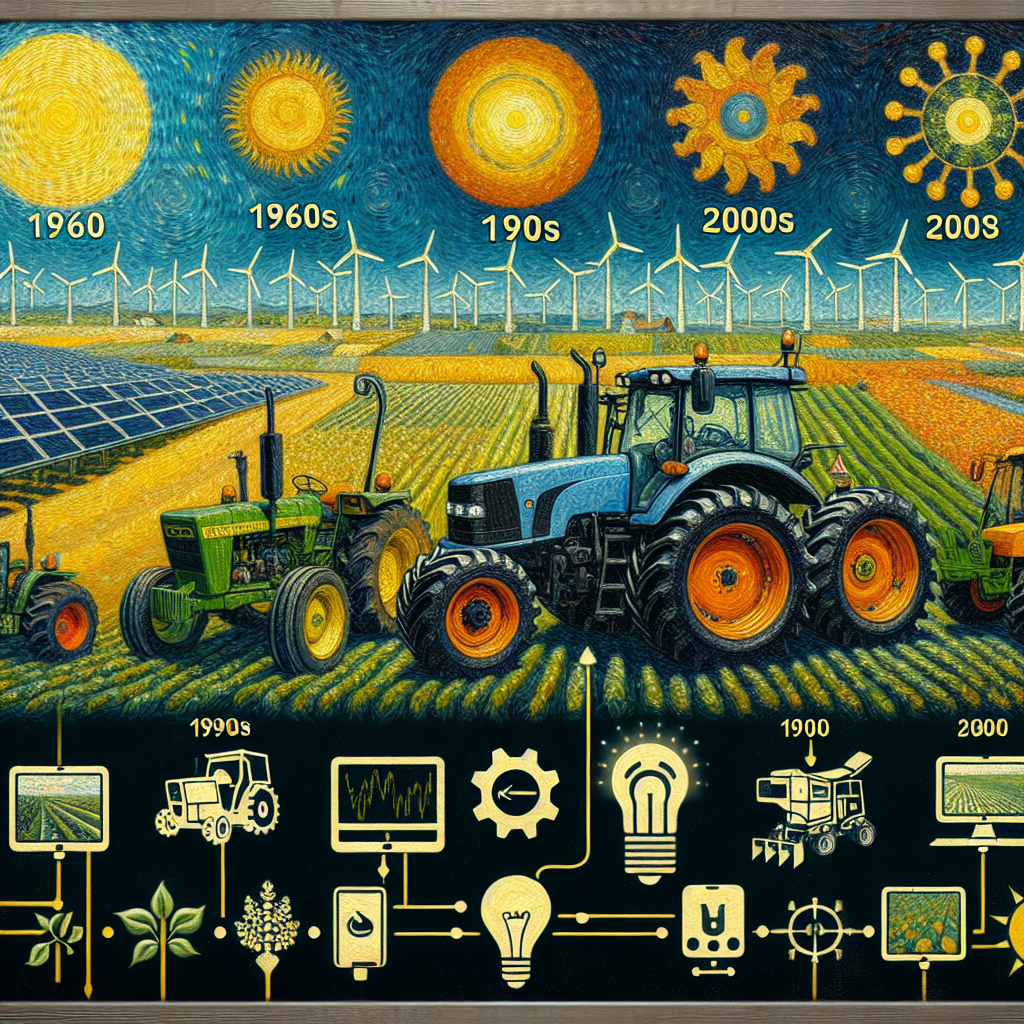
- Classic tractors offer a contrast to modern, high-tech machines, emphasizing simplicity and reliability.
- They symbolize a resilient spirit, representing hard work and practicality in farming.
- Lower initial investments and maintenance costs make classic tractors financially attractive for farmers.
- With fewer complex technologies, classic tractors lead to long-term savings and reduced breakdown interruptions.
- These machines enable hands-on troubleshooting, enhancing farmers’ sense of control and understanding.
- Investing in classic tractors supports local economies and fosters community connections among farmers and mechanics.
- Classic tractors resonate emotionally, embodying farmers’ stories and the heritage of agriculture.
Can The ‘simplicity Of Classic Tractors Reduce Our Farming Costs?
Conclusion
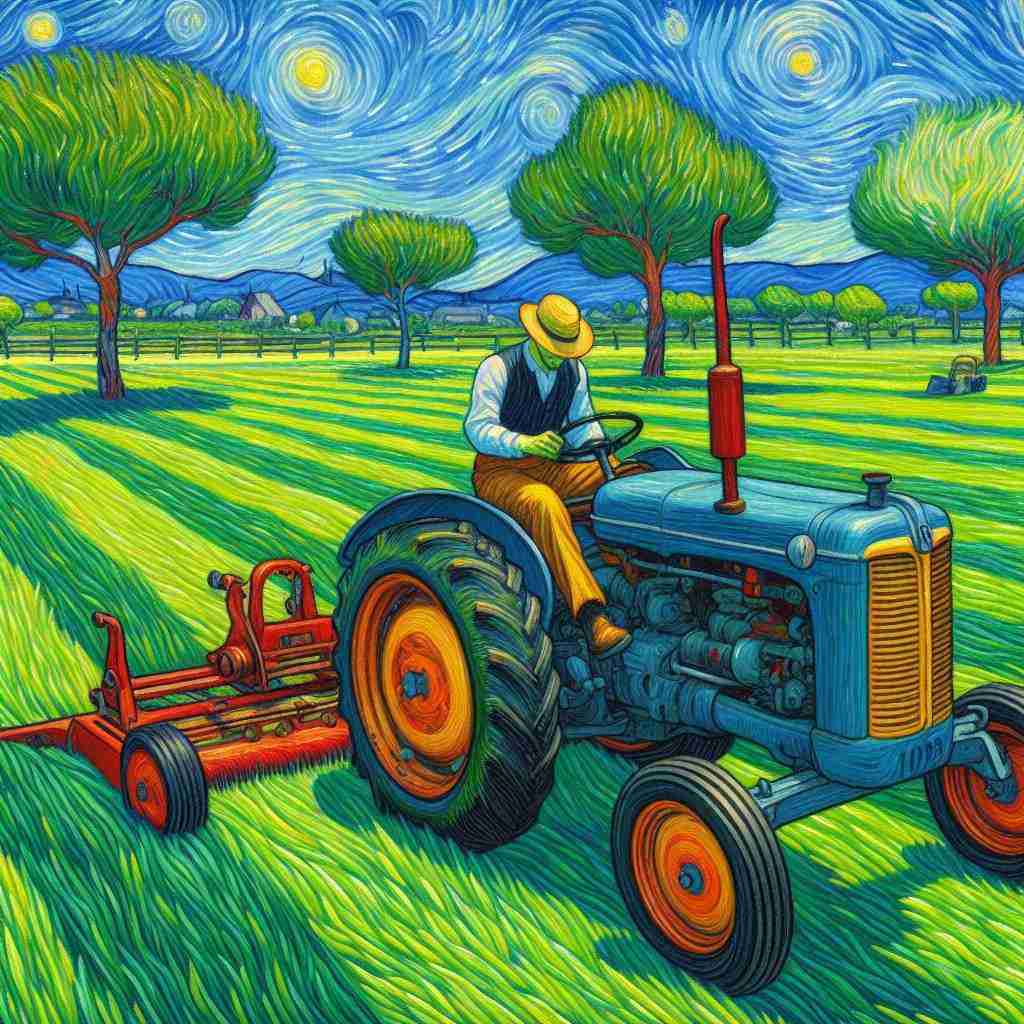
As we stand at the crossroads of an evolving farming landscape, it’s easy to feel overwhelmed by the rapid pace of change. But in our search for solutions to modern agricultural challenges, we might find unexpectedly rich answers amid the rust and nostalgia of classic tractors. These robust machines aren’t just vehicles; they’re living testimonials to an era of hard work and resilience that resonates deeply with our agricultural roots.
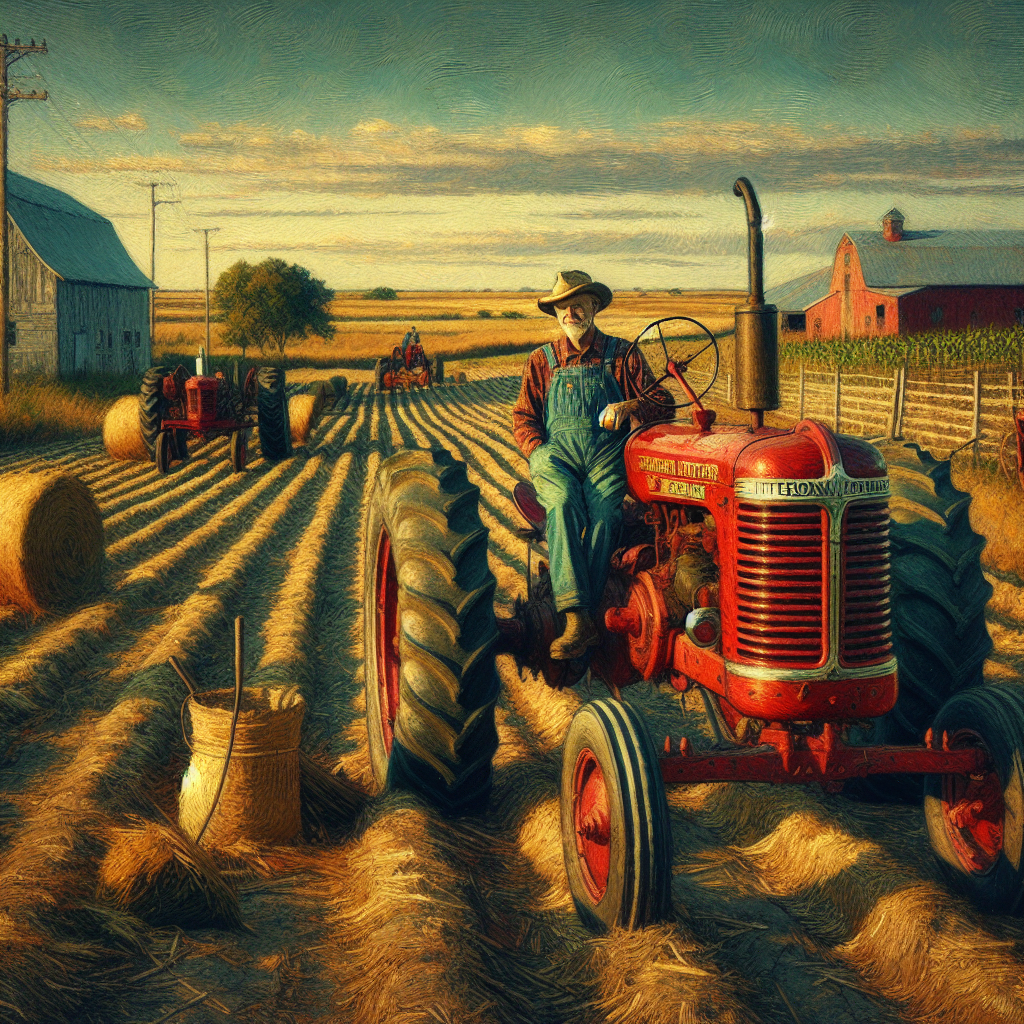
When you picture an old tractor, you might envision its iconic silhouette gracing sunlit fields, evoking memories of simpler times filled with honest labor and community. There’s a unique satisfaction—and a trust—in piloting a classic tractor that can’t be replicated by today’s high-tech marvels. Yes, modern equipment may boast the latest gadgets and efficiency stats, but it often leaves one question unanswered: what about our connection to the land and the people who work it?
Embracing classic tractors isn’t merely about nostalgia; it’s an ethical commitment to sustainability. These machines symbolize a return to durable engineering and straightforward mechanics, reducing our reliance on complex technologies that can both fail us and burden our budgets. In fact, a vintage tractor often comes at a lower initial investment and simpler maintenance, ultimately empowering us to invest in our farms instead of the latest tech upgrades.
Delve deeper, and you’ll discover that the stories wrapped around these tractors—of late-night repairs, shared labor, and familial bonds—frame a narrative that connects generations. Restoring these machines offers communities a chance to come together, forging friendships over grease-stained wrenches and shared know-how. These aren’t just tractors; they’re communal catalysts, inviting neighbors to gather and share their legacies.
‘so why should we consider these timeless machines as key players in our agricultural future? Because they remind us of the importance of community, eco-consciousness, and the humanity that breathes life into our farming practices. With climate change, soil degradation, and market volatility looming, we find a potent antidote in the stories and values these classic tractors carry.
Choosing to work with them is about more than simply executing tasks; it’s about reigniting respect for the land and understanding our interconnected role within it. These machines, each dent a badge of resilience and history, do more than plow fields—they cultivate a way of life founded on authenticity, trust, and an abiding commitment to nourish not only the body but also the soul.
‘so let’s embrace the classic tractor; let’s take to the fields, reconnect with our agricultural heritage, and cultivate a sustainable tomorrow rooted in the values that built our communities. Together, we can turn back the clock and move forward, forging indelible connections between our past and hopeful future in the fertile soil of tradition.
Conclusion
Conclusion:
- The evolving farming landscape presents challenges, but classic tractors offer rich solutions rooted in agricultural history.
- Classic tractors symbolize hard work and resilience, resonating with agricultural roots and community values.
- They provide unique satisfaction and trust, contrasting with modern high-tech equipment, while emphasizing connection to the land.
- Embracing vintage tractors represents an ethical commitment to sustainability, durable engineering, and simpler mechanics.
- Restoring classic tractors fosters community bonds and shared stories, acting as catalysts for neighborly connection.
- These tractors embody eco-consciousness and respect for land, crucial for addressing climate change and market volatility.
- Embracing classic tractors encourages a sustainable future rooted in authenticity, trust, and commitment to nourishing both body and soul.
Conclusion
Other Resources
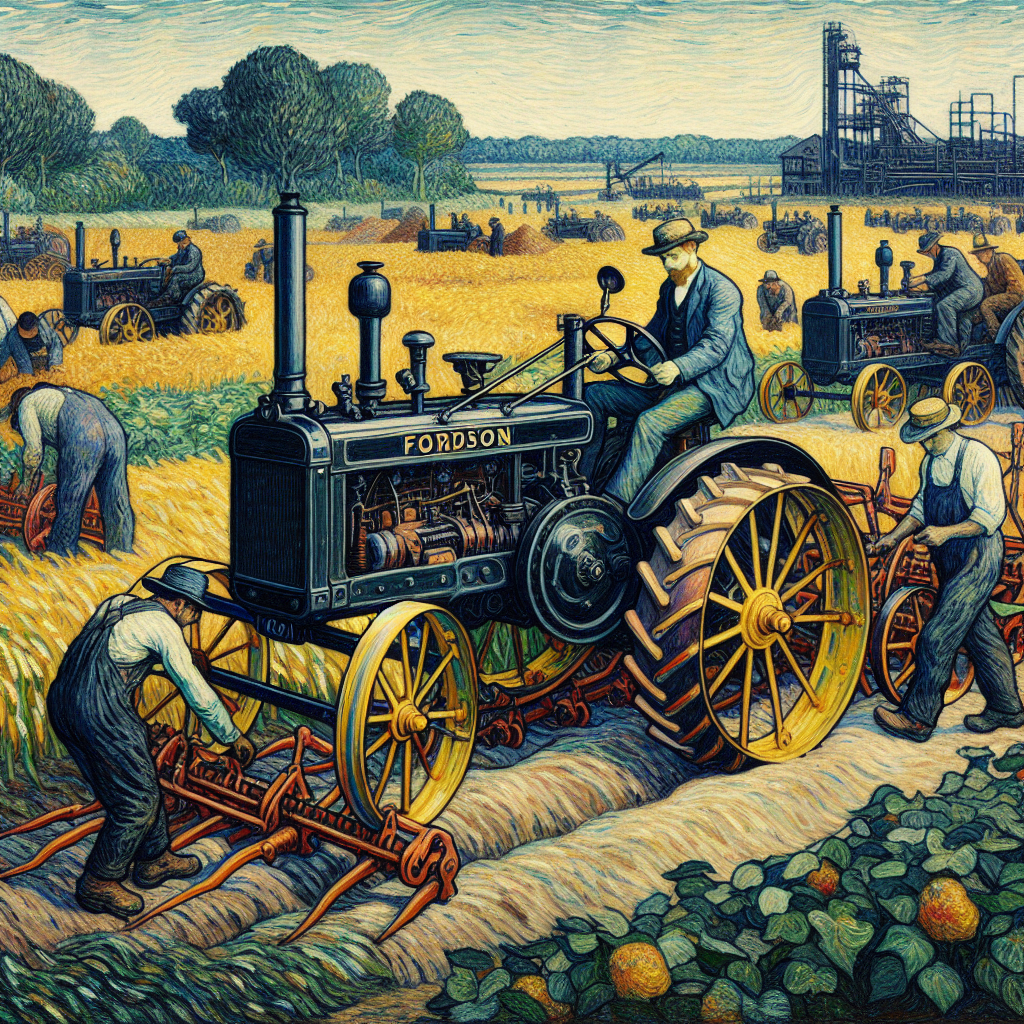
Other Resources
Here is a list of other resources you can review online to learn more:
- Waterloo Manufacturing Company
- ‘satoh
- Versatile
- ‘schluter
- Galloway
- Montana
- Mahindra
- Classic Tractor Calender
- Toy Farmer
- J.I.Case
Use This Prompt To Get More Resources With Your Favorite Online AI Tool: Please provide me with a list of online articles with their URLs in a bulleted list that I can read regarding Can Classic Tractors Be The ‘solution to Farming�’s Modern Challenges
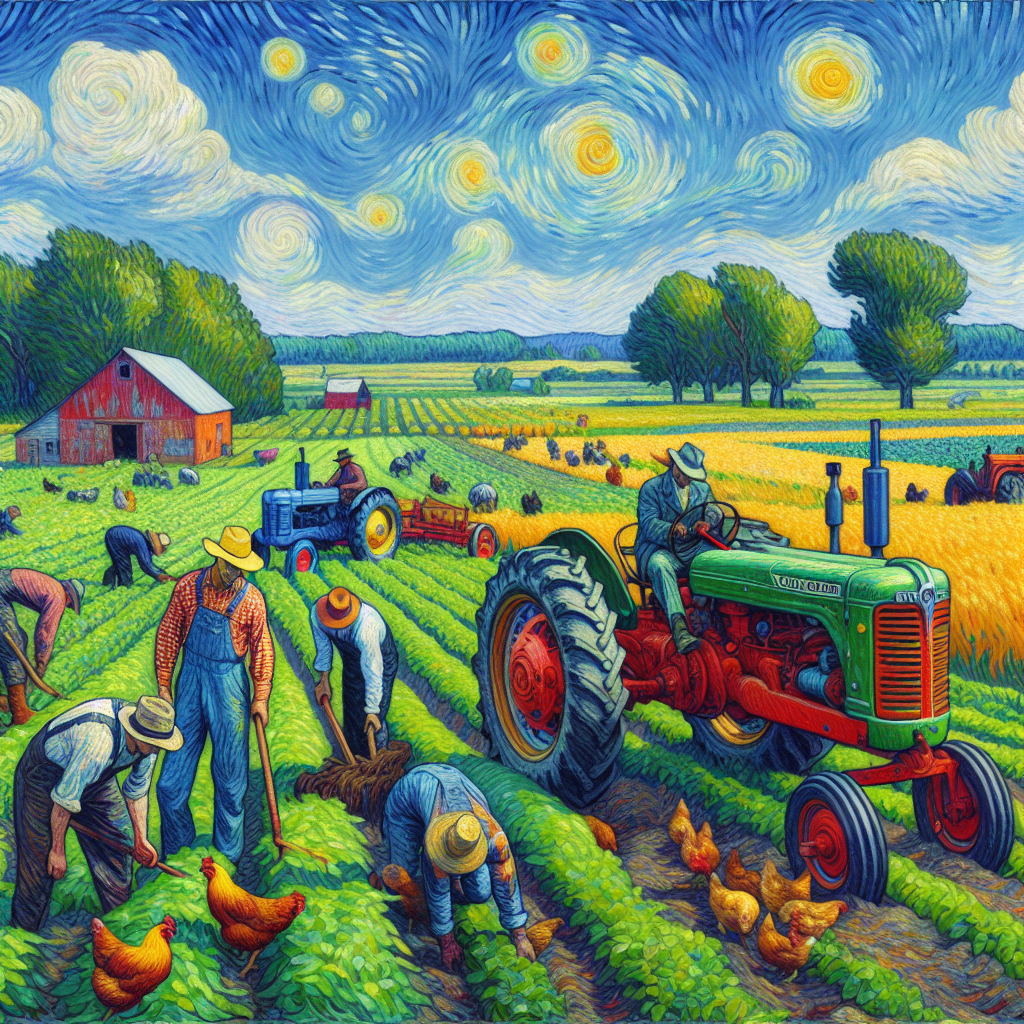
Other Resources
Glossary Terms
Can Classic Tractors Be The ‘solution to Farming�’s Modern Challenges – Glossary Of Terms
1. Classic Tractors: A category of tractors typically manufactured before the 1980s, known for their simplicity, durability, and mechanical designs.
2. Modern Farming: Agricultural practices that utilize advanced technologies and methods, including precision farming, hydroponics, and biotechnology.
3. ‘sustainability: Agricultural practices designed to meet current food needs without compromising the ability of future generations to meet their own food needs.
4. Fuel Efficiency: A measure of how effectively a tractor converts fuel into work; classic tractors often excel due to their simpler mechanical systems.
5. Crop Rotation: The practice of alternating the types of crops grown in a particular area from season to season to maintain soil health and reduce pests.
6. ‘soil Health: The condition of soil in terms of its biological, chemical, and physical properties, which is crucial for sustainable farming.
7. Mechanical ‘simplicity: Refers to the straightforward, less complex mechanical design of classic tractors, contributing to easier maintenance and repair.
8. Heritage Farming: A farming approach that integrates traditional practices, machinery, and crops, often aimed at preserving agricultural history.
9. Technology Adoption: The process of integrating new technologies into existing farming systems, which can include classic tractor use alongside modern tools.
10. Operational Costs: The total expenses involved in running farming operations, which classic tractors can help lower through reduced fuel and maintenance costs.
11. Precision Agriculture: A modern farming management concept that uses information technology and various items like GP’s for managing field variability.
12. Tractor Restoration: The process of refurbishing and repairing classic tractors to bring them back to working condition for farming use.
13. Biodiversity: The variety of life in a given ecosystem, which is important for resilience in farming systems and can be supported by classic agricultural practices.
14. Biofuel: Renewable energy source made from organic materials, which can sometimes be used in classic tractors, reducing reliance on fossil fuels.
15. Independent Farming: Farming practices aimed at self-sufficiency and reducing dependency on large agribusiness, often associated with traditional methods.
16. Machinery Maintenance: The regular upkeep required to keep farming equipment, including classic tractors, in working order to ensure efficient operation.
17. Farming Resilience: The ability of farming systems to withstand and adapt to changes and challenges, such as climate change and economic shifts.
18. Erosion Control: Practices used to prevent soil erosion; classic tractors can help in implementing these by enabling less disruptive tilling methods.
19. Farm Diversification: The process of spreading risk by varying crop and livestock production, often supported by the versatility of classic tractors.
20. Community ‘supported Agriculture (C’sA): A farming model where consumers buy shares of a farm’s harvest, often benefiting from the use of traditional farming techniques.
21. Organic Farming: Agricultural practices that avoid synthetic chemicals and prioritize ecological balance, often made easier with classic tractors and methods.
22. Agroecology: An integrated approach that uses ecological principles in farming, which can be complemented by the simpler tools of classic tractors.
23. ‘smallholder Farming: Agriculture conducted on a small scale, typically involving family-run farms, which can effectively utilize classic tractor technology.
24. Cultural Heritage: The traditions, practices, and technologies passed down through generations in farming, including the use of classic tractors.
25. Workforce Reduction: A trend in modern farming to minimize labor costs through the use of machinery, which can be balanced by classic tractor efficiency.
26. Agricultural Innovation: New methods, ideas, and technologies that improve farming practices, often blending traditional and modern techniques.
27. Fieldwork: Hands-on tasks performed on a farm, such as planting, harvesting, and maintaining crops, which can be accomplished with classic tractors.
28. Rural Development: Economic and social development initiatives focused on improving the quality of life in rural areas, including sustainable farming practices.
29. Tractor Implements: The various attachments and tools that can be used with tractors to enhance productivity, which can be adapted for classic machinery.
30. Climate Adaptation: ‘strategies and practices to mitigate the impacts of climate change on farming, where classic tractors may provide a more sustainable approach.
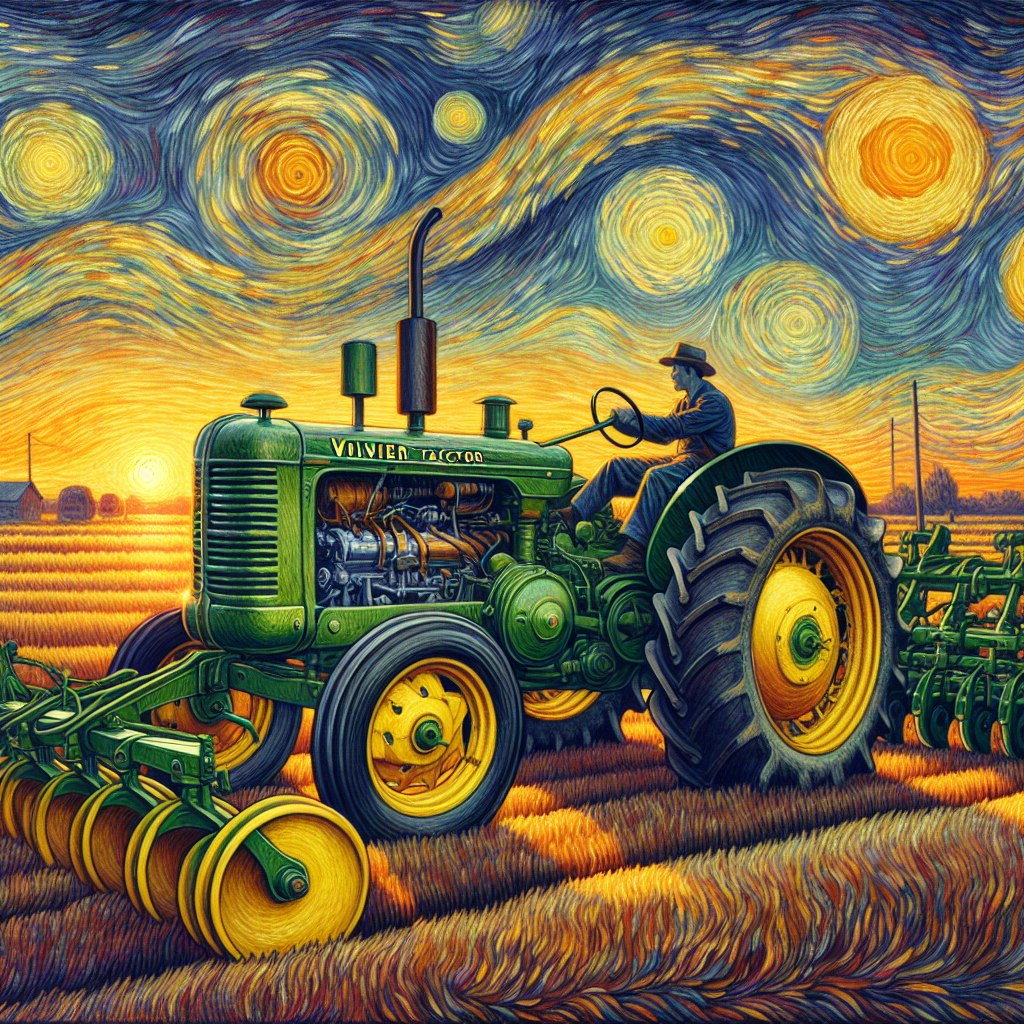
Glossary Of Terms
Other Questions
Can Classic Tractors Be The ‘solution to Farming�’s Modern Challenges – Other Questions
If you wish to explore and discover more, consider looking for answers to these questions:
- What are the advantages of using classic tractors compared to modern machinery?
- How do classic tractors contribute to sustainability practices in agriculture?
- What specific challenges in modern farming can classic tractors help address?
- How does the maintenance of classic tractors compare to that of modern tractors?
- What community events or gatherings focus on classic tractors?
- Are there any markets or trends that indicate a resurgence of interest in classic tractors?
- What role do classic tractors play in educating younger generations about farming?
- How can the restoration of classic tractors be integrated into local education programs?
- What stories do specific models of classic tractors tell about their era?
- How have classic tractors influenced modern farming techniques?
- Are there economic benefits for farmers who choose to use classic tractors?
- What are the most popular models of classic tractors among collectors and farmers today?
- How can farmers find parts and services for classic tractors?
- What impact do classic tractors have on agritourism?
- What efforts are being made to preserve the history of classic tractors?
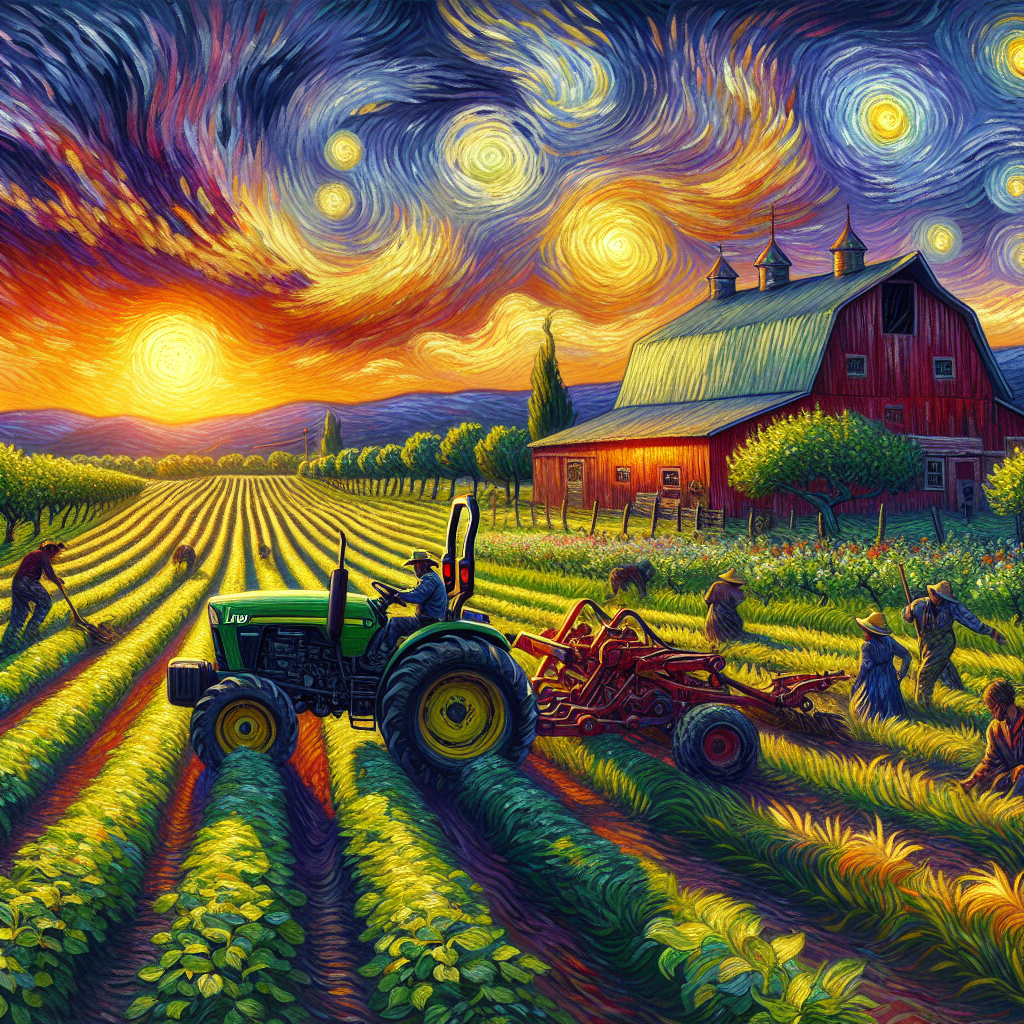
Other Questions
Haiku
Can Classic Tractors Be The ‘solution to Farming�’s Modern Challenges – A Haiku
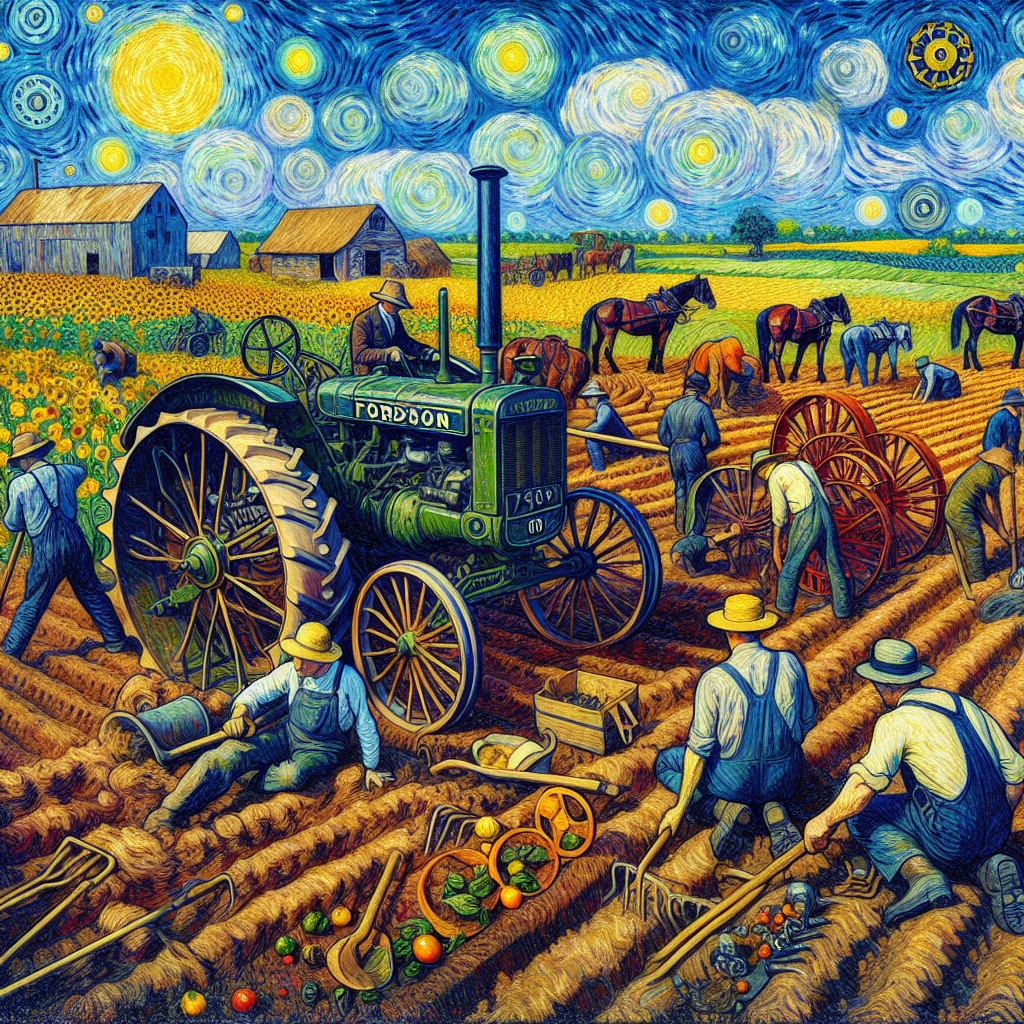
Old iron, hands and dirt,
Nostalgia’s roar whispers strength—
Roots of earth, we thrive.
Haiku
Poem
Can Classic Tractors Be The ‘solution to Farming�’s Modern Challenges – A Poem
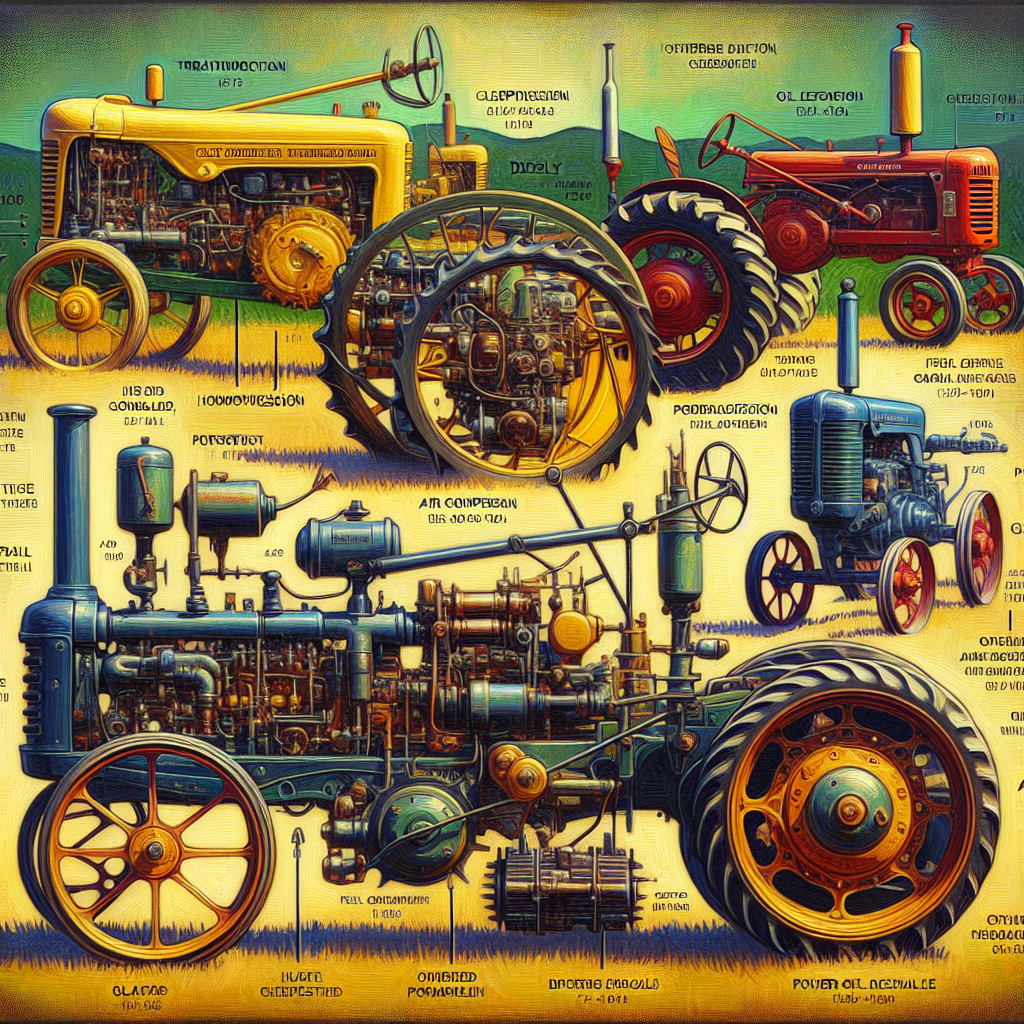
Ode to the Classic Tractor
In fields where golden grains arise,
Where dreams are sown beneath the skies,
There stands a trusted friend of old,
A classic tractor, brave and bold.
Its steel frame whispers tales from afar,
Of sweat and toil beneath the stars.
Each scratch and dent, a timeworn mark,
A testament to labor’s spark.
In an age where speeds and screens entwine,
This humble beast holds a different line.
Not bound by wires or circuits frail,
It champions roots where old paths trail.
With simple hearts, those engines roar,
Cultivating not just soil, but lore.
It bridges gaps, through rust it gleams,
Connecting hands with shared dreams.
In this machine, history swells,
Echoing stories that time compels.
Farmers gather, young and old,
In the warmth of camaraderie, memories unfold.
For every seed that finds its place,
In timeless soil, with gentle grace,
Classic tractors remind us, dear,
That in their work, we persevere.
‘so let us turn those throttles wide,
Embracing earth, with hearts allied,
In the struggle against fleeting chrome,
These tractors remind us—we are home.
To honor the past is to forge ahead,
Where tradition and progress thread,
In every field that’s plowed anew,
A classic awaits, steadfast and true.
‘so lift your gaze to the open land,
Where classic machines take their stand,
For in their rumble, wisdom lies,
A path to sustainability that never dies.
Trust in their power, their rugged might,
To sow tomorrow in enduring light.
Together, with purpose, we cultivate,
A future where our hearts resonate.
Poem
Checklist
Can Classic Tractors Be The ‘solution to Farming�’s Modern Challenges – A Checklist
Classic Tractors: Embracing Tradition for Modern Agriculture – Check List
Emotional Appeals:
1. Nostalgia: Reflect on family stories and memories tied to classic tractors. How do they connect you to your agricultural roots?
2. Joy of ‘simplicity: Consider the satisfaction of hands-on work with classic machinery. What simple joys does farming with a vintage tractor bring you?
3. Community ‘spirit: Think about the stories and connections that emerge when you restore a tractor. Are there local events or gatherings you can attend to celebrate this heritage?
Rational Appeals:
4. Cost-Effectiveness: Evaluate the financial benefits of using classic tractors versus modern machinery. What savings in maintenance and repairs can you identify?
5. Ease of Repair: Reflect on the simplicity and reliability of classic tractors. Do you have the tools and knowledge to manage repairs yourself?
6. ‘sustainability: Analyze the environmental benefits of vintage tractors’ design. How do their features contribute to eco-friendly practices on your farm?
Ethical Appeals:
7. ‘support Local Economies: Investigate how using classic tractors can encourage local mechanics and parts suppliers. Who in your community can benefit from this?
8. Heritage Preservation: Consider the significance of upholding agricultural traditions. What steps can you take to honor and revitalize this heritage in your life?
9. Community Engagement: Explore opportunities for organizing or participating in community workshops or tractor restoration events. How can you rally others to join in?
Authority Appeals:
10. Expert Opinions: Research farmer testimonies or expert insights on the benefits of using classic tractors. What reputable sources can reinforce your choices?
11. Historical Insights: Reflect on the evolution of farming technologies and how classic tractors fit into that narrative. What lessons can contemporary farmers learn from the past?
Narrative Appeals:
12. Captured ‘stories: Write or share your own story regarding a classic tractor. How does it connect to your farming journey or family legacy?
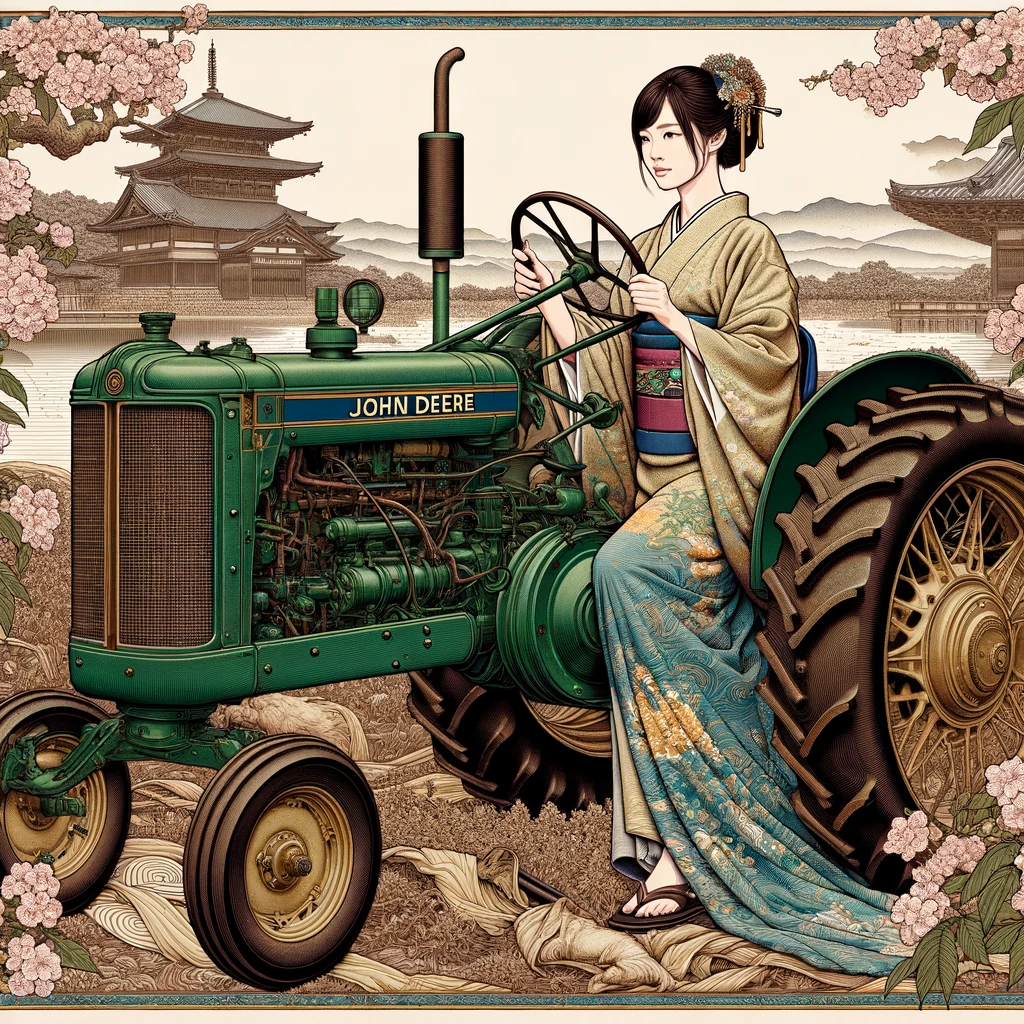
13. Visual Appeal: Create a visual representation (photos or art) highlighting classic tractors on your farm. How can this inspire others to appreciate the beauty of traditional machinery?
‘social Appeals:
14. Generate Conversations: Engage with your community by discussing the role of classic tractors in modern farming. What insights can you share to spark dialogue?
15. Build a Network: Connect with other vintage tractor enthusiasts or local farming groups. What relationships can you cultivate that promote community among farmers?
16. Attend Events: Mark your calendar for local fairs, markets, or vintage tractor shows. How can participating in these events strengthen local ties and foster a sense of belonging?
By using this checklist, you can delve deeper into the multifaceted benefits of classic tractors, encouraging a richer connection to farming traditions and community values.
Checklist
At ClassicTractorNews, we help tractor lovers keep up with the latest news for classic and vintage tractors.
Please share this post with your friends, family, or business associates who may like old classic or vintage tractors.