

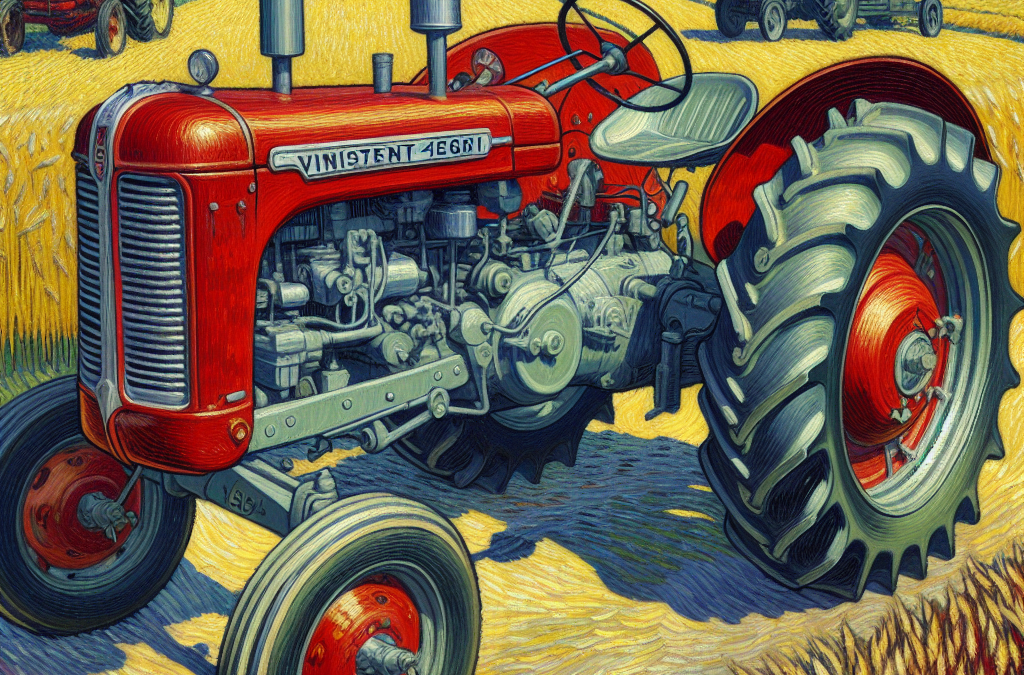
The Timeless Appeal Of Classic Tractors For Sustainable Farming
By Tom Seest
At ClassicTractorNews, we help tractor lovers keep up with the latest news for classic and vintage tractors.
Please share this post with your friends, family, or business associates who may like old classic or vintage tractors.
Can Classic Tractors Be The Key to Modern Farming Joy
In a world buzzing with high-tech machinery and automated farming solutions, it’s easy to overlook the rustic charm and sheer resilience of classic tractors. These machines, with their iconic silhouettes and simple yet reliable mechanics, evoke an era when farming was about grit, determination, and a deep connection to the land. But can these vintage workhorses play a pivotal role in modern agriculture? The answer might just lead you down a path that reconnects you with the very essence of what farming is all about.
Before we dive into that, let’s acknowledge the heart of the matter. Classic tractors are more than just metal and wheels; they represent the blood, sweat, and tears of generations. Think of your grandfather, hands calloused but heart full, as he maneuvered a tractor across sprawling fields. Each row he tilled wasn’t just about cultivation—it was a labor of love, a dance with the earth itself. This narrative, steeped in history, resonates today. Owning a classic tractor can be an emotional anchor, providing a sense of identity and belonging in an increasingly disconnected world.
From a rational perspective, these machines are often easier to repair and maintain than their high-tech counterparts. Farmers today face endless decisions, balancing efficiency with sustainability. Classic tractors can offer an ethical solution that promotes more hands-on practices, reducing dependency on a hyper-complex supply chain. With the right knowledge and skills—skills that are still passed down today—anyone can get a vintage tractor up and running, making it a practical choice for those looking for a reliable alternative without the bells and whistles.
Moreover, classic tractors foster a sense of community. Imagine gathering with fellow enthusiasts at a tractor show or joining a vintage farming club. These gatherings strengthen bonds and create shared experiences, inviting deeper social connections among those who cherish the same values of hard work and dedication to farming.
So, as you contemplate the joys of modern farming, consider inviting a classic tractor into your life. This isn’t just about going back to basics; it’s about forging a more meaningful path forward. Embrace the potential for joy, tradition, and connection that a classic tractor can bring—it just might be the key you’re looking for in this bustling world of modern agriculture. Let’s celebrate that timeless journey together!
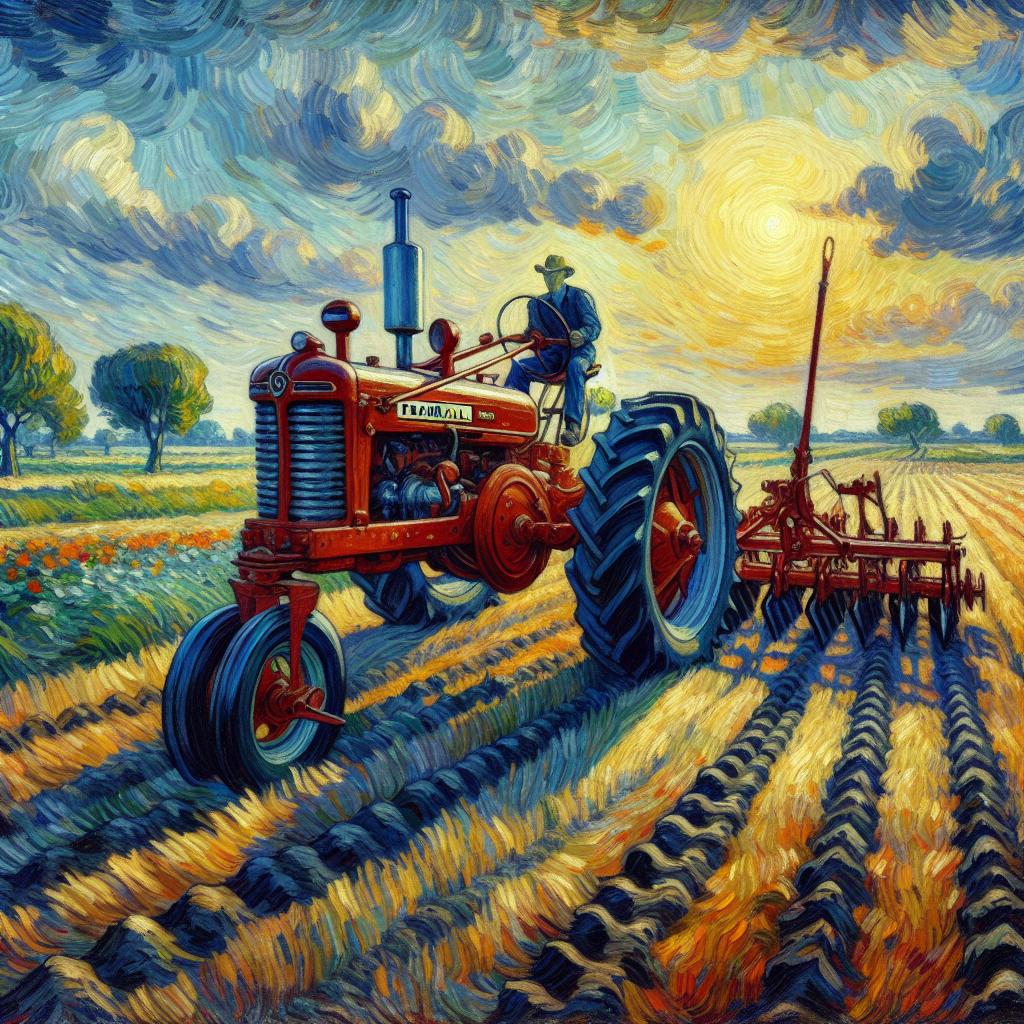
Can Classic Tractors Be The Key to Modern Farming Joy
Can Classic Tractors Be The Key to Modern Farming Joy
- Classic tractors symbolize the rugged resilience and charm of traditional farming.
- They evoke nostalgia and personal connection to past generations of farmers.
- Owning a classic tractor can provide a sense of identity and belonging.
- These machines are often simpler to repair and maintain than modern machinery.
- Classic tractors promote hands-on farming practices, reducing reliance on complex supply chains.
- They foster community through gatherings and shared experiences among enthusiasts.
- Integrating classic tractors into modern farming can create a meaningful and joyful connection to agriculture.
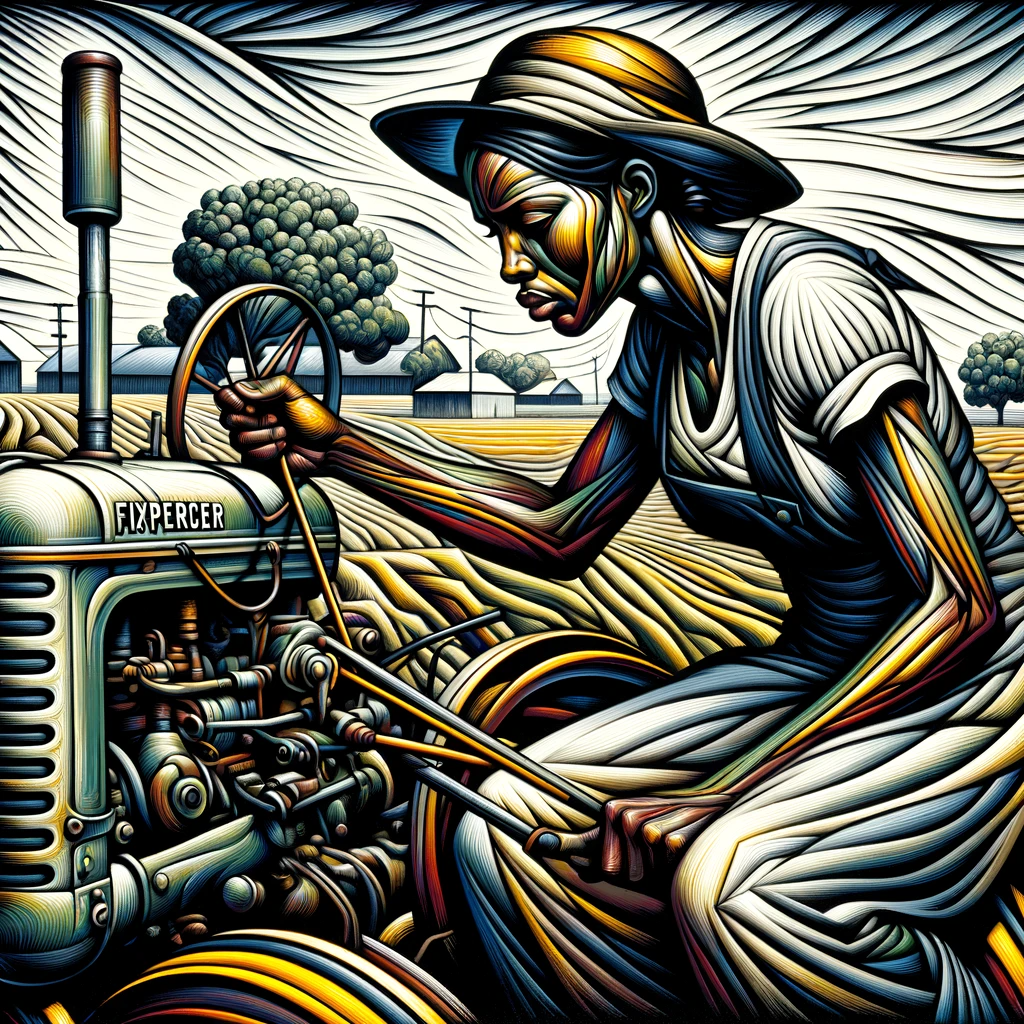
Can Classic Tractors Be The Key to Modern Farming Joy
Table Of Contents
- Can Classic Tractors Be The Key to Modern Farming Joy
- How Do Vintage Machines Connect Us To Our Agricultural Roots?
- Can Using Classic Tractors Enhance Our Connection With Nature?
- Why Do Farmers Feel A Sense Of Pride In Using Vintage Equipment?
- What Stories Do Classic Tractors Tell About Our Farming Heritage?
- Can Classic Tractors Foster Community Among Modern Farmers?
- How Do These Tractors Symbolize Resilience In Changing Times?
- Conclusion
- Other Resources
- Glossary Of Terms
- Other Questions
- Haiku
- Poem
- Checklist
How Do Vintage Machines Connect Us To Our Agricultural Roots?
When you see a vintage tractor churning through a field, it’s not just a relic of the past; it’s a reminder of who we are and where we came from. These robust machines are more than mere steel and mechanics; they embody the sweat, toil, and dreams of generations who took pride in their hard work. As they plow through the earth with rhythmic determination, they whisper stories of the farmers who relied on them—stories woven with struggle, triumph, and an unwavering connection to the land.
Emotionally, every scratch, dent, and rust spot has a tale to tell. The old John Deere sitting quietly in the barn has a history, one that can almost be felt in the air when you’re near it. You can envision a father teaching his son how to drive, memories of summer days spent in the fields rolling like waves, where laughter intertwined with the hum of the engine. When you’re near these vintage machines, it’s as if you’re standing at a crossroad of time, feeling the heartbeats of the past resonate with the present.
Rationally, these tractors represent hard-earned lessons in innovation. The technology they boast, though seemingly archaic, laid the groundwork for the modern agricultural methods we tout today. Understanding that evolution is critical; it sparks conversations about sustainability, efficiency, and the symbiotic relationship we maintain with our environment. For instance, restoring these machines not only honors our roots but also perpetuates a cycle of learning and respect for the craft of farming, inviting us to consider how we can apply these lessons to today’s challenges in agriculture.
Yet, it’s not just the machines that connect us; it’s the community that surrounds them. Vintage tractor shows and club gatherings form bonds that transcend age and background, uniting farmers, collectors, and enthusiasts in a shared reverence for heritage. Each gathering fosters a collective treasure trove of knowledge, where stories are exchanged and friendships are forged over grease-stained palms and shared meals.
So next time you spot a vintage tractor in a field or at a show, take a moment. Let it wash over you—the memories, the lessons, the community. These machines are more than just icons of the past; they are a lifeline to our agricultural roots, calling us all to remember our shared history and inspiring us to keep moving forward together.
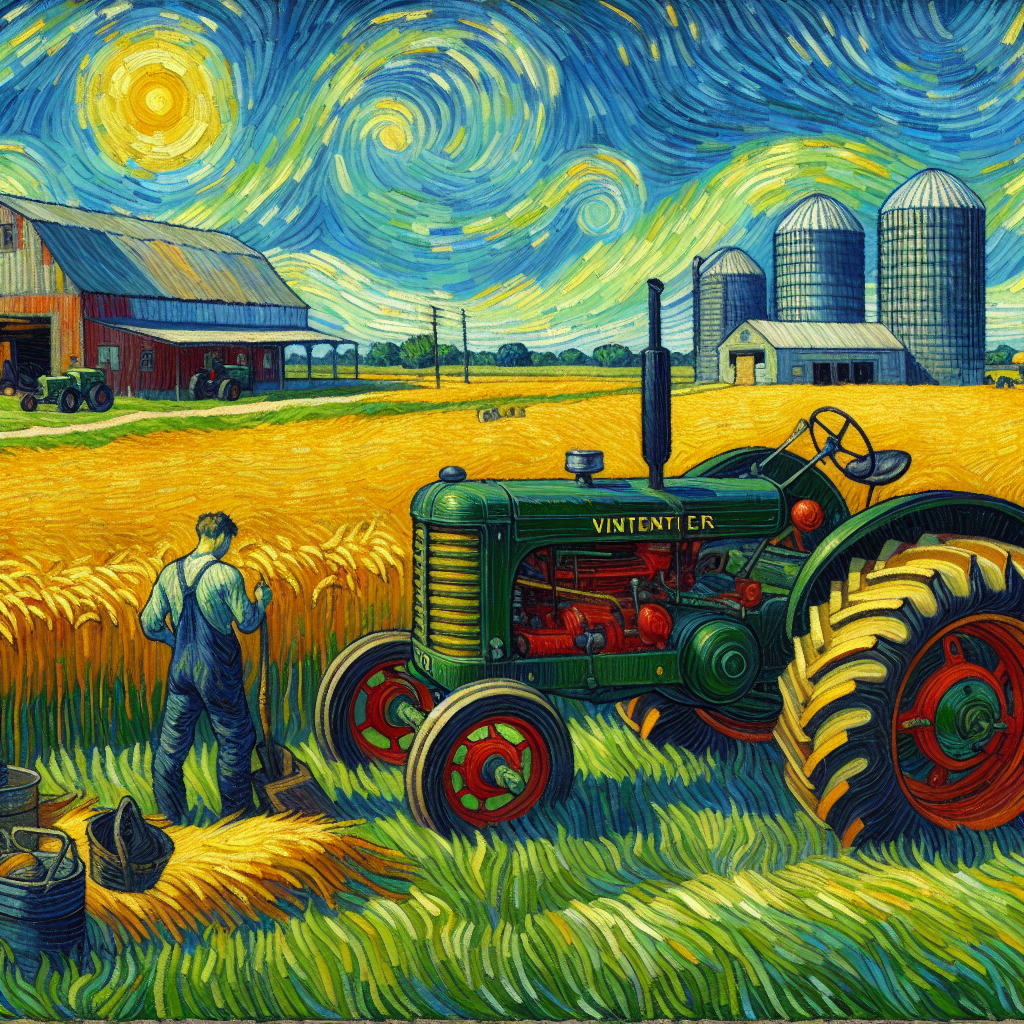
How Do Vintage Machines Connect Us To Our Agricultural Roots?
How Do Vintage Machines Connect Us To Our Agricultural Roots?
- Vintage tractors symbolize a connection to agricultural heritage and the labor of past generations.
- They carry emotional weight, with history evident in every scratch and dent, evoking personal memories.
- These machines provide a moment of reflection, linking past experiences with present realities.
- They embody innovations that laid the foundation for modern agricultural practices, prompting discussions on sustainability.
- Restoration of vintage tractors honors farming traditions and encourages reflection on contemporary challenges in agriculture.
- Community events like tractor shows foster connections among farmers, collectors, and enthusiasts across generations.
- Encountering vintage tractors invites us to remember and celebrate our agricultural roots while looking toward the future.
How Do Vintage Machines Connect Us To Our Agricultural Roots?
Can Using Classic Tractors Enhance Our Connection With Nature?
Imagine the rumble of an old tractor’s engine, the kind that feels like a heartbeat, echoing through the fields. There’s something deeply satisfying about that familiar sound as it cuts through the tranquil morning mist, inviting us to engage with the land in a way that modern machinery simply cannot replicate. This isn’t just nostalgia; it’s a profound connection to our roots—both literally and figuratively.
Using classic tractors can bridge the gap between technology and nature, inviting us to slow down and appreciate the world around us. When we climb onto that weathered seat, we’re transported back to a time when folks understood the rhythm of the seasons. The gentle vibration beneath us serves as a reminder that we are part of a larger ecosystem, one that thrives on balance. It ignites a sense of stewardship—we aren’t just using the land; we’re nurturing it, respecting it, and feeding it with our own hands.
From a rational perspective, embracing these timeless machines encourages sustainable practices. Often more fuel-efficient and easier to repair than their modern counterparts, classic tractors can offer a cost-effective solution for family farms and small homesteads. They beckon us to operate with a lower carbon footprint and a greater sense of responsibility toward our environment. Each turn of the wheel churns up memories of generations past, using technology that’s been tested over decades—not just in efficiency, but in cultivating a deeper connection to our agricultural heritage.
Ethically, there’s something undeniably appealing about fostering a respect for simplicity in our increasingly complex world. Classic tractors embody the resilience of a bygone era; they remind us that progress doesn’t always mean moving forward at a blinding speed. Instead, it can also mean reconnecting with the ground beneath our feet and the values that ground us.
And let’s not forget the narrative these vehicles carry. Every dent, every rusted bolt tells a story of hard work, perseverance, and a love for the land often lost in the digital age. By sharing these stories, we create a community—a network of individuals united by a shared passion for nature and the simple joys of life.
So, the next time you hear the familiar roar of a classic tractor, remember: it’s more than just a machine; it’s an invitation to step outside our busy lives and reconnect with what truly matters. Let’s embrace the lessons of yesterday, not just for ourselves, but for generations to come.
Can Using Classic Tractors Enhance Our Connection With Nature?
Can Using Classic Tractors Enhance Our Connection With Nature?
- The sound of an old tractor resonates as a heartbeat, connecting us to the land and our roots.
- Classic tractors encourage us to slow down and appreciate the natural rhythm of the seasons.
- They foster a sense of stewardship and environmental responsibility in our agricultural practices.
- Timeless machines can be more fuel-efficient and cost-effective, promoting sustainable farming.
- Classic tractors symbolize resilience and simplicity in a complex modern world.
- Each tractor tells a story of hard work and dedication, creating a sense of community among enthusiasts.
- Listening to their roar invites us to reconnect with nature and the values that ground us.
Can Using Classic Tractors Enhance Our Connection With Nature?
Why Do Farmers Feel A Sense Of Pride In Using Vintage Equipment?
Why Do Farmers Feel a Sense of Pride in Using Vintage Equipment?
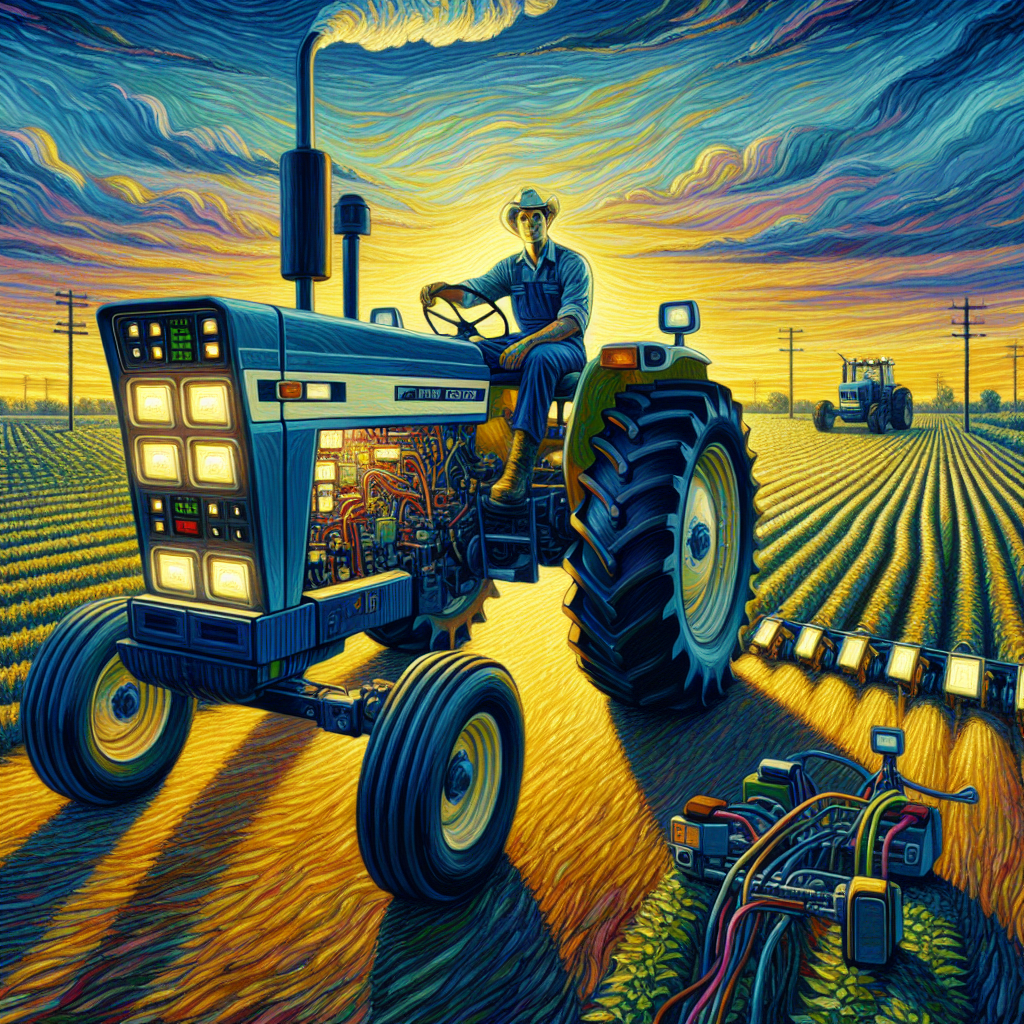
There’s something about an old tractor chugging steadily across a field that speaks to the very essence of farming—a heartbeat of the earth, if you will. For many modern farmers, there’s a deep-rooted sense of pride in using vintage equipment that transcends mere functionality. This pride is forged in the knowledge that these machines carry not just the weight of decades of agricultural history, but also the spirit of those who came before them.
Imagine a farmer standing beside a weathered tractor, its paint cracked and faded but its engine still roaring to life. This is not just a piece of machinery; it’s a connection to heritage, a tribute to the countless hands that have worked these lands. Every dent and scratch tells a story—stories of hard winters, bountiful harvests, and moments of triumph over adversity. Each time the tractor rolls into action, it’s like a farmer reviving a chapter of their family’s legacy.
But there’s a practical side to this attachment as well. Vintage tractors are often simpler in design, easier to repair, and more forgiving when it comes to maintenance. Farming, after all, is an industry that relies on resourcefulness. Many farmers feel that using these machines is not just a nod to their roots, but also a smart economic choice. The lessons learned from tinkering with the gears and gaskets form a bond between farmer and machine, fostering a relationship built on mutual respect and understanding.
Ethically, there’s a growing movement toward sustainability in agriculture, and using vintage equipment resonates deeply with this ideology. Reusing and rehabilitating these older machines reduces waste and conserves resources. Farmers aren’t just preserving metal; they’re upholding values of sustainability and stewardship handed down through generations. It’s a powerful statement to their communities and peers about their commitment to the land and future.
Furthermore, there’s an undeniable social dimension to this pride. Farmers across the country often share tales of triumph and failure while gathered at local fairs, bone-deep connections forged over the shared experience of maintaining an old tractor. It fosters a sense of camaraderie that transcends mere acquaintanceship, turning peers into a family of caretakers dedicated to the richness of their soil.
So next time you see a vintage tractor lumbering across the fields, remember—it’s more than a tool; it’s a testament to resilience, connection, and the unwavering spirit of those who choose to cultivate the land with pride.
Why Do Farmers Feel A Sense Of Pride In Using Vintage Equipment?
Why Do Farmers Feel A Sense Of Pride In Using Vintage Equipment?
- Farmers feel pride in using vintage equipment due to its deep-rooted connection to agricultural history and heritage.
- Each vintage tractor tells a story, representing the experiences of past generations and farming challenges.
- Vintage tractors are simpler to repair and maintain, making them a practical choice for resourceful farmers.
- Using these machines is aligned with sustainable practices, reducing waste and conserving resources.
- Farmers uphold values of stewardship and sustainability, passing them down through generations.
- There is a strong social aspect, with farmers sharing experiences at local events, creating communal bonds.
- Vintage tractors symbolize resilience and connection to the land, embodying the spirit of farming families.
Why Do Farmers Feel A Sense Of Pride In Using Vintage Equipment?
What Stories Do Classic Tractors Tell About Our Farming Heritage?
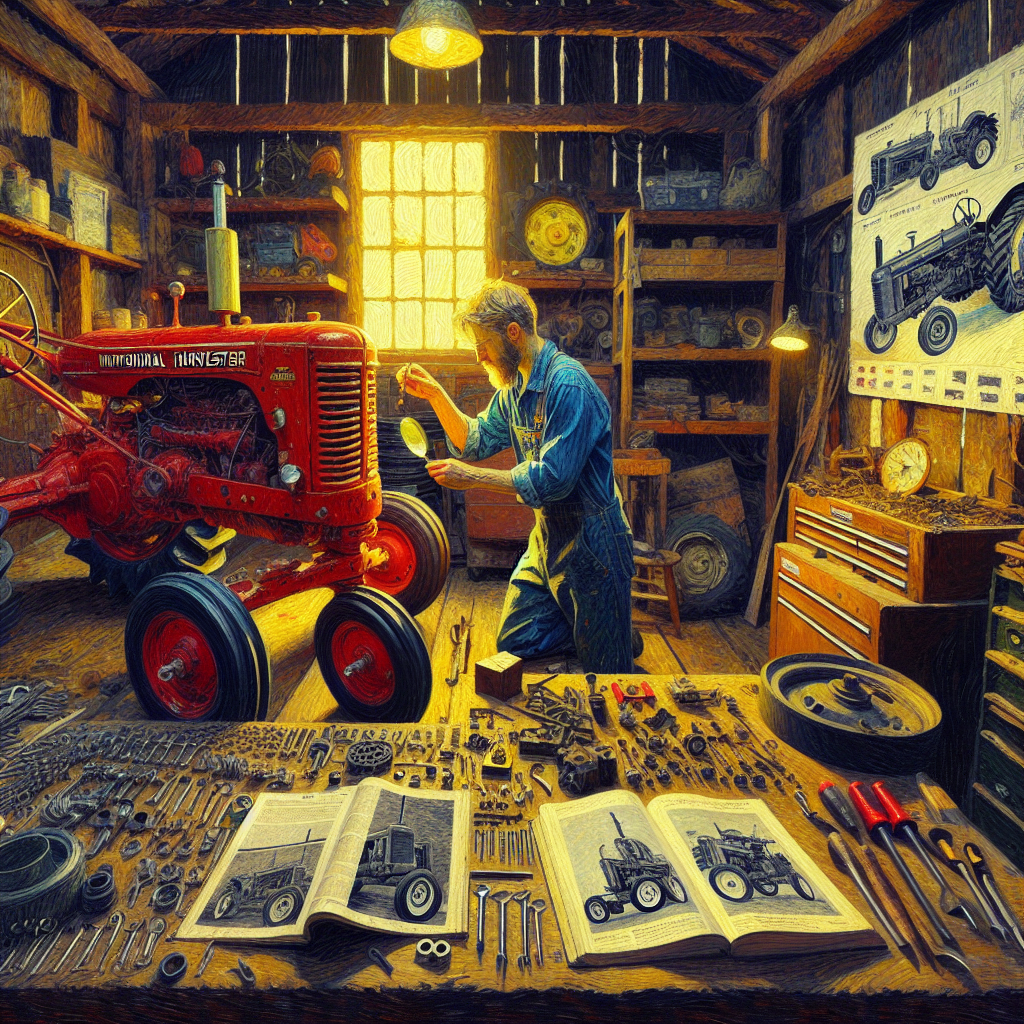
Classic tractors are more than just rusted machinery parked in fields or pristine restorations showcased at county fairs; they are timeless storytellers, each telling a tale of grit, labor, and resilience. Each tractor embodies a unique chapter of our farming heritage, speaking volumes about the lives of the men and women who relied on them to transform the land. These rugged machines represent not just iron and gears but the sweat of brow, the calloused hands, and countless hours spent toiling under the sun.
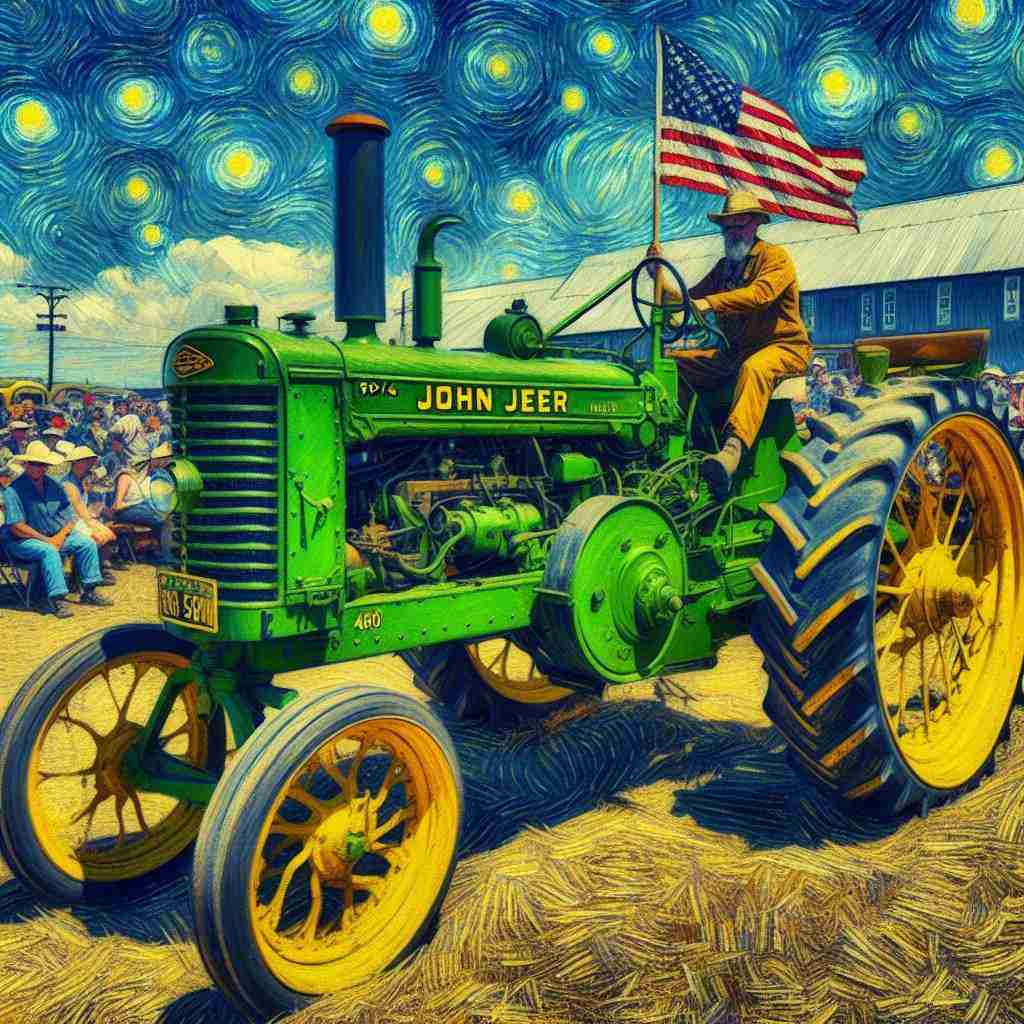
Consider the rumbling engine of a vintage Farmall or the iconic green of an old John Deere. When you get close enough to hear their stories, it resonates deep within. They evoke a visceral connection to a simpler time, reminding us that farming has always been about rhythm—the steady beat of planting and harvesting that syncs with the seasons. These tractors ushered in an era of change, reducing labor and multiplying yields, making the farmer’s work more sustainable. It’s the very pulse of our communities, binding families and neighbors in a shared commitment to the land.
And then there’s the ethical dimension. These machines are not just relics; they represent the respect for tradition and the farmers’ deep understanding of the land itself. They remind us that agriculture isn’t solely a business but a way of life that nourishes both body and spirit. By continuing to honor our rich agricultural past, we keep alive the values of stewardship, hard work, and community interdependence.
Now, think of that quiet farmer you knew—a figure working late into the dusk, the tractor’s dim lights glowing like fireflies. Each turn of the wheel wasn’t just about getting the job done; it was about crafting a legacy. When we share these stories—the triumphs, the struggles, the relentless pursuit of progress—we weave a narrative that binds us. It gives us hope for future generations, encouraging them to pick up that baton and continue where their forebears left off.
So, the next time you spot a classic tractor, or perhaps even sit behind the wheel of one, take a moment. Connect with its history, appreciate the story behind every scratch and dent, and consider your own role in this ongoing saga. In this fast-paced world, let’s not forget the lessons taught by these resilient machines, for they are symbols of endurance, echoing the heartbeats of those who paved the way before us. The call is clear: let’s celebrate our farming heritage together.
What Stories Do Classic Tractors Tell About Our Farming Heritage?
What Stories Do Classic Tractors Tell About Our Farming Heritage?
- Classic tractors serve as timeless storytellers, reflecting grit, labor, and resilience in farming heritage.
- Each tractor embodies the experiences of farmers who transformed the land through hard work and dedication.
- Vintage tractors evoke nostalgia and a connection to the rhythms of agricultural life.
- They heralded significant change by reducing labor and increasing sustainable farming yields.
- Tractors symbolize respect for traditions and highlight agriculture’s role as a nourisher of body and spirit.
- Shared stories of farmers’ experiences help create a legacy and inspire future generations.
- Encouragement to appreciate the history and lessons of classic tractors in modern times.
What Stories Do Classic Tractors Tell About Our Farming Heritage?
Can Classic Tractors Foster Community Among Modern Farmers?
Imagine a sun-soaked field, the air filled with the earthy scent of tilled soil and the distant rumble of a vintage tractor. There’s something undeniably magnetic about these machines, relics of a simpler time, that pulls modern farmers together—not just as neighbors, but as a community. These classic tractors aren’t just about horsepower; they embody a spirit of resilience and a connection to the land that resonates deeply within us all.
Every dent on that old tractor tells a story, a tale of toil and triumph, of long days spent under an expansive sky. There’s a sense of pride in keeping these machines alive, restoring them lovingly as one would a family heirloom. It’s a reminder that every farmer—whether plowing a hundred acres or just a small plot—shares a common purpose: nurturing the earth and feeding families. And in that shared commitment, the camaraderie begins to flourish.
But let’s not romanticize it too much—farming today poses immense challenges. Rising costs, unpredictable weather, and the encroach of big ag can make the field feel more like a battleground. Yet, when farmers gather around a classic tractor, chatting over grease-stained hands and recalling their own formative experiences, it’s a moment where vulnerability transforms into strength. They are no longer standing alone; they unite under the banner of agrarian tradition, even as they wrestle with modern complexities.
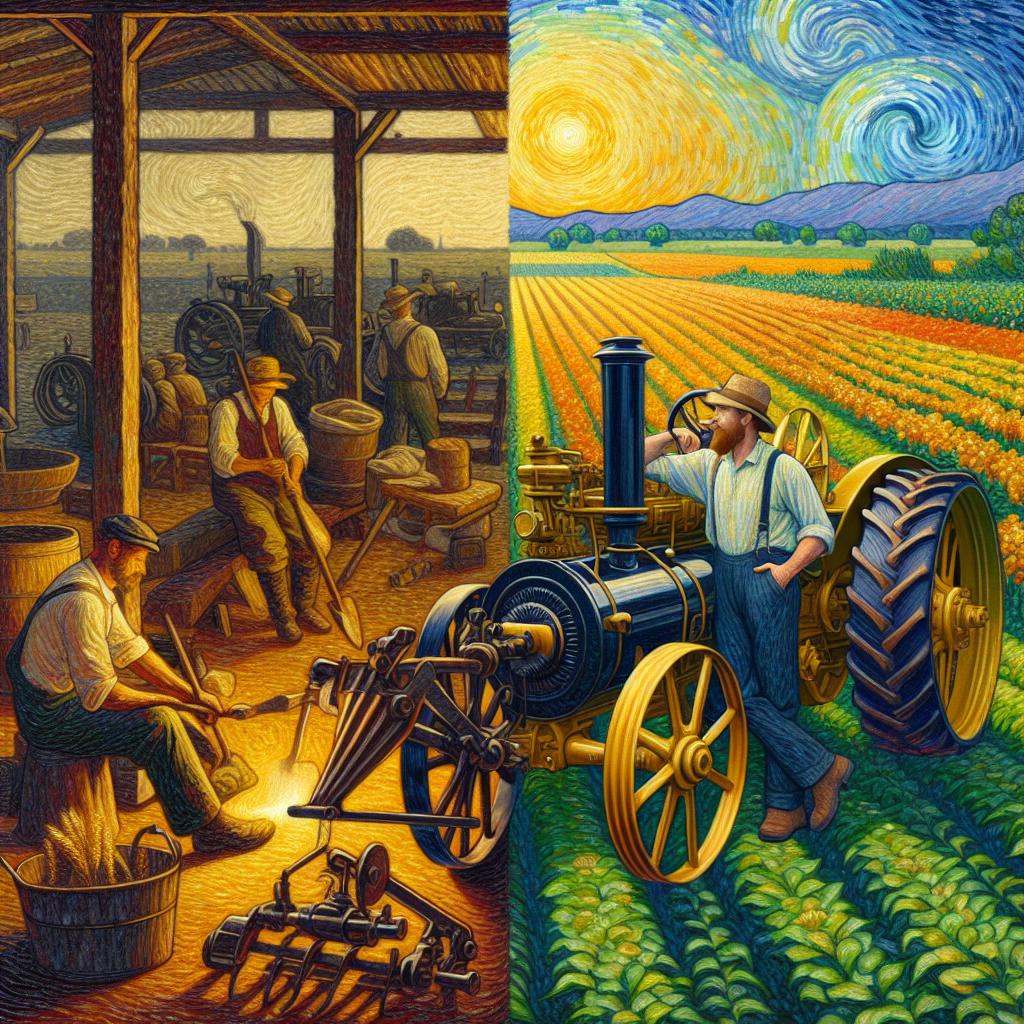
Have you ever joined a local tractor parade? The excitement is contagious, as farmers come together to honor those who paved the way. Old tractors thumping down the main street bring laughter, camaraderie, and sometimes a lot of tears, as generations reconnect through shared nostalgia. These gatherings weave a fabric of friendship, where wisdom is shared, skills are honed, and laughter punctuates the air.
Let’s be clear: the tractor—whether restored to its former glory or parked proudly in a field—is more than a tool. It represents an ethos of community, cooperation, and common goals. Farmers rallying around them foster relationships that extend beyond machinery. They build a network of support, encouraging one another through thick and thin, sharing resources, ideas, and that ever-valuable bit of collective wisdom.
So, the next time you spot a classic tractor at a local event or in your neighbor’s field, take a moment to appreciate what it represents. It’s not just a piece of metal; it’s a beacon of connection, a bridge that links the past to the present. In a world that often feels fragmented, that kind of unity is a lifeline worth celebrating.
Can Classic Tractors Foster Community Among Modern Farmers?
Can Classic Tractors Foster Community Among Modern Farmers?
- Classic tractors evoke nostalgia and bring farmers together as a community.
- Each dent on a tractor tells a story of hard work and pride in farming heritage.
- Farmers share a common purpose of nurturing the earth and feeding families.
- Farming faces challenges such as rising costs and unpredictable weather.
- Gatherings around classic tractors promote camaraderie and a sense of belonging.
- Tractors symbolize community, cooperation, and shared goals among farmers.
- Spotting a classic tractor represents connection and unity in a fragmented world.
Can Classic Tractors Foster Community Among Modern Farmers?
How Do These Tractors Symbolize Resilience In Changing Times?
When you see a tractor rolling across a field, it tells a story that goes far beyond mere machinery. It’s a testament to resilience—an emblem of the grit and determination that shapes our landscape, both literally and figuratively. These powerful machines connect us to a lineage of hard work, innovation, and an unwavering commitment to cultivating the land, no matter the circumstances. In a world that changes faster than the seasons, a tractor stands as a beacon of constancy and strength.
Consider the essence of a tractor: a fusion of human ingenuity and nature. It embodies the very relationship we have with the earth—an alliance forged through sweat and perseverance. While urban environments buzz with fleeting trends, the tractor moves steadily, serving as a reminder of the agricultural traditions that anchor us. It’s not just about plowing fields; it’s about nurturing dreams and feeding families across generations. When we understand what these machines represent, we see how they resonate deep within our hearts.
In times of economic uncertainty or climate chaos, the sturdy frame of a tractor symbolizes hope. It reminds us that no hardship can strip away the human spirit’s will to adapt and overcome. Each bump on its tires echoes a story of resilience—a farmer rising before dawn, facing unpredictable weather, or battling the whims of the marketplace. Yet, they push on. That’s a narrative we can all relate to, transcending farm life and reaching into our daily struggles, whether we’re dealing with job loss, personal crises, or societal shifts.
Furthermore, these machines do more than just plow fields; they foster a sense of community. In agricultural fairs or local gatherings, the sight of a well-maintained tractor sparks conversations and connections. It brings together ages and backgrounds, uniting neighbors in shared experiences and consistent values. This communal bond reinforces our social fabric, reminding us that we’re not alone in our efforts to adapt to a changing world.
So, the next time you see a tractor, take a moment to appreciate its significance. It stands as a symbol of resilience, echoing the values of hard work, perseverance, and community. In that rugged steel hull, we find encouragement to tackle our own challenges, inviting each of us to embody the spirit of resilience that’s essential in our changing times. Embrace it; let it inspire action as you navigate your path ahead.
How Do These Tractors Symbolize Resilience In Changing Times?
How Do These Tractors Symbolize Resilience In Changing Times?
- A tractor represents resilience and determination in agriculture and life.
- It symbolizes the connection between human ingenuity and nature.
- Tractors serve as a reminder of agricultural traditions amidst rapid urban change.
- They represent hope during economic uncertainty and climate challenges.
- The narrative of farmers’ struggles and perseverance resonates universally.
- Tractors foster community connections and shared experiences at local events.
- Ultimately, they inspire individuals to tackle their own challenges with resilience.
How Do These Tractors Symbolize Resilience In Changing Times?
Conclusion
As we ride into the future of agriculture, let’s take a moment and reflect on the enduring legacy of classic tractors. These iron giants are about more than just horsepower and plowing fields; they symbolize a profound connection to our past, reminding us of the heart and soul that fuels farming. Each vintage tractor is a testament to the grit and perseverance of those who came before us—the farmers who put in the sweat, tears, and labor to cultivate the land we now rely on. They embody the spirit of tradition, wrapped in rust and nostalgia, whispering stories of resilience and community across generations.
In today’s fast-paced world, dominated by high-tech gadgets and automation, classic tractors offer a meaningful antidote. They invite us to slow down and reconnect with our roots—the very essence of farming. From the comforting thrum of a well-tuned engine to the tactile connection of hands on levers, these machines help us cultivate not just crops but invaluable relationships. They remind us of our stewardship over the land, urging us to cherish the rhythms of nature and embrace the beauty of simplicity. Using classic tractors also aligns with our ethical duty to promote sustainability. Simpler in design, often more fuel-efficient, and easier to repair, these tractors help us reduce our carbon footprint while encouraging practices that respect both the land and the craftsmanship behind agriculture.
Moreover, classic tractors foster community among farmers, bridging gaps that technology often widens. They bring together individuals with shared experiences, igniting laughter and camaraderie at parades, shows, and local fairs. As farmers gather, sharing wisdom, resources, and support, they create bonds that strengthen the social fabric of agricultural life. It’s more than machinery; it’s about collaboration, teamwork, and a shared commitment to nurturing the earth.
So, as we navigate the complexities of modern farming, let’s not overlook the timeless appeal of classic tractors. They’re not just relics; they’re symbols of resilience and unity. Embrace the story they tell and the community they build. When you see one rumbling through the fields, remember—it’s not just a piece of equipment; it’s a lifeline to our agricultural heritage and a reminder that in the midst of change, our roots run deep. Let’s celebrate this journey together, forging a path that honors tradition while embracing the future.
Conclusion
Conclusion:
- Classic tractors symbolize a profound connection to farming’s past, reflecting the grit and labor of previous generations.
- They offer a counterbalance to today’s high-tech agricultural practices, encouraging a reconnection with farming roots.
- Classic tractors facilitate valuable relationships through shared experiences and the communal spirit of farming.
- These machines promote sustainability, being simpler, more fuel-efficient, and easier to repair than modern alternatives.
- They foster community among farmers, strengthening social bonds through shared knowledge and experiences.
- Classic tractors are not mere equipment; they embody resilience, unity, and a shared commitment to nurturing the earth.
- Embracing classic tractors allows for a celebration of agricultural heritage while navigating the future of farming.
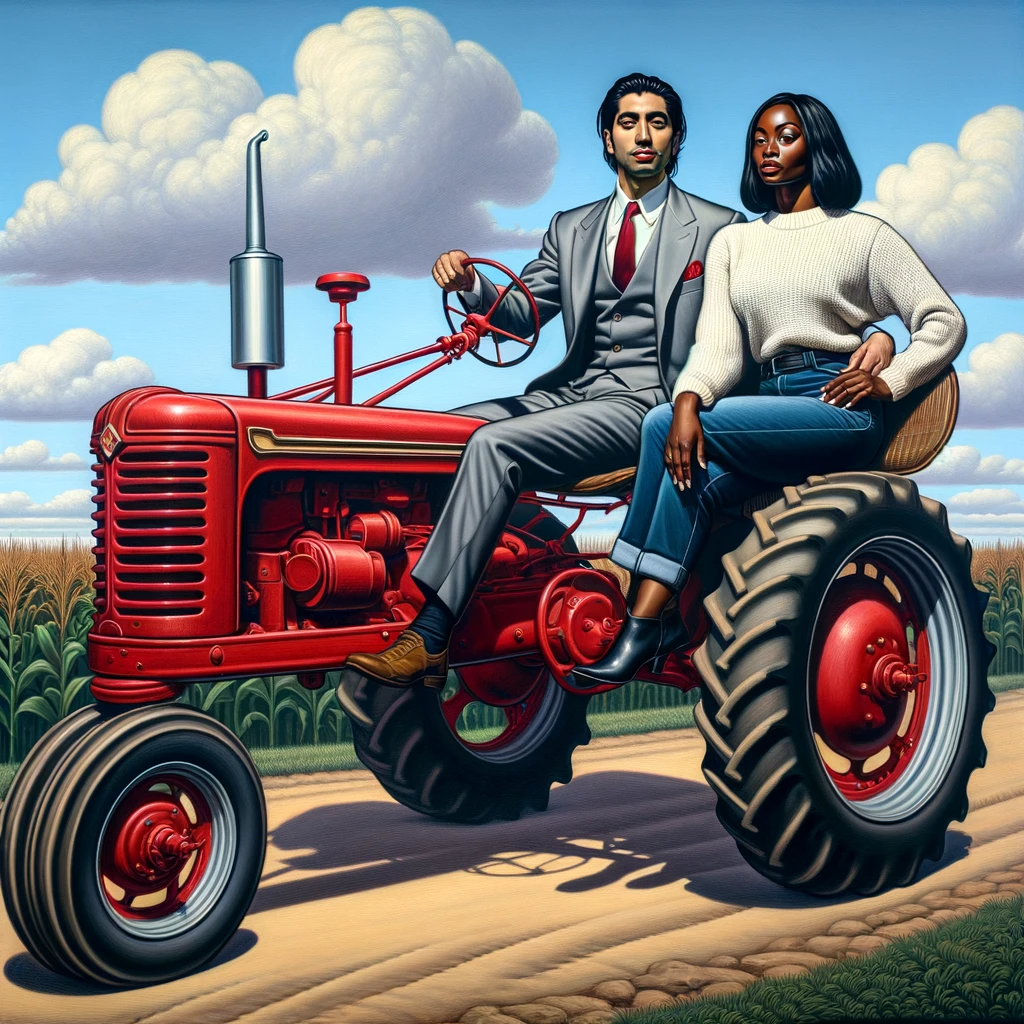
Conclusion
Other Resources
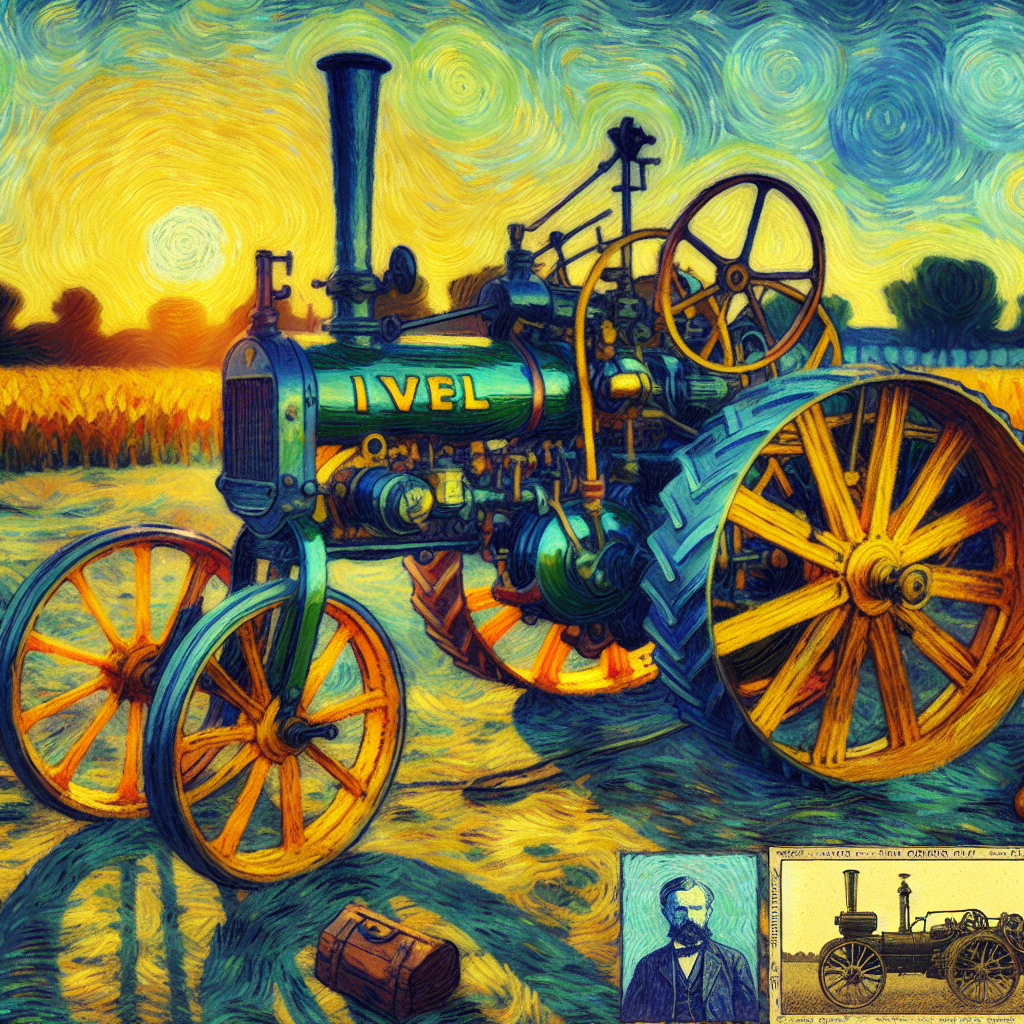
Other Resources
Here is a list of other resources you can review online to learn more:
- Vintage Tractor Digest
- Hurlimann
- Muller
- Fort Allen Antique Farm Equipment
- LeRoi
- Fiat-Hesston
- Florida Farm Days and Tractor Show
- Fieldking
- Corbitt
- Lenar
Use This Prompt To Get More Resources With Your Favorite Online AI Tool: Please provide me with a list of online articles with their URLs in a bulleted list that I can read regarding Can Classic Tractors Be The Key to Modern Farming Joy
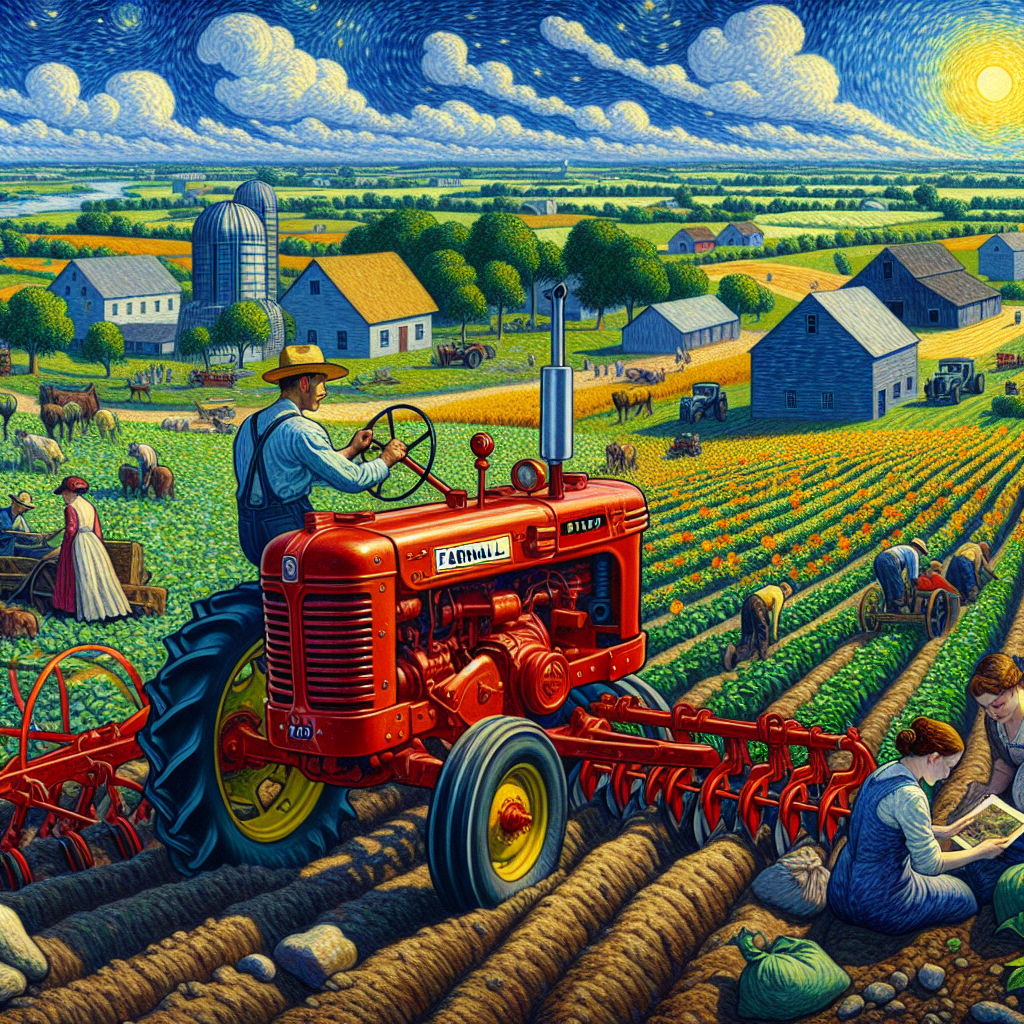
Other Resources
Glossary Terms
Can Classic Tractors Be The Key to Modern Farming Joy – Glossary Of Terms
1. Classic Tractor: A vintage agricultural machine built primarily for farming tasks, typically produced before the 1980s.
2. Tractor Restoration: The process of repairing and refurbishing old tractors to restore them to working condition.
3. Modern Farming: Contemporary agricultural practices that utilize advanced technologies and methods aimed at improving efficiency and productivity.
4. Sustainability: Farming practices that maintain and enhance environmental health while ensuring economic viability and social equity.
5. Agricultural Heritage: The historical practices, tools, and machinery used in farming, including classic tractors that reflect the evolution of agriculture.
6. Efficiency: The ability to achieve maximum productivity with minimum wasted effort or expense, often enhanced by using reliable classic machinery.
7. Retro Farming: The trend of incorporating vintage machinery and techniques into current agricultural practices for aesthetic appeal and functional purposes.
8. Land Restoration: The process of rehabilitating damaged or degraded land, possibly aided by classic tractors in ecological farming initiatives.
9. Biodiversity: The variety of different species within an ecosystem, which can be supported by diverse farming practices involving classic tractors.
10. Cultural Significance: The importance of certain objects, like classic tractors, in reflecting agricultural history and identity in rural communities.
11. Organic Farming: An agricultural method that avoids synthetic fertilizers and pesticides, potentially supported by classic tractors fitted for sustainable practices.
12. Tractor Shows: Events where vintage tractors are displayed, celebrated, or used in competitions, fostering community and interest in classic farming machinery.
13. Farming Techniques: Methods employed in agricultural production that can range from traditional to modern, including the use of classic tools and machinery.
14. Community Engagement: The involvement of local populations in farming activities and events, often enhanced by shared interest in classic tractors.
15. Mechanization: The introduction of machines into farming practices, where classic tractors play a role in transitioning traditional techniques to more productive methods.
16. Crop Rotation: A sustainable agricultural practice that may benefit from classic tractors’ ability to manage fields in an environmentally friendly way.
17. Soil Health: Conditions of soil that contribute to its ability to support crops, which can be enhanced by principles of traditional farming using classic tractors.
18. Seasonal Farming: Farming that aligns with the natural seasons, where classic tractors might be used for planting, harvesting, and maintaining fields.
19. Agri-Tourism: A form of tourism focused on agricultural experiences, often featuring classic tractors as a charming and historical aspect of farm visits.
20. Mechanic Skills: The technical skills required to maintain and repair agricultural equipment, especially older models that require specialized knowledge.
21. Precision Agriculture: A modern farming practice using technology for accurate farming decisions, which can complement the operation of classic tractors.
22. Restoration Workshops: Sessions and programs where enthusiasts gather to work on repairing classic tractors and learn from each other’s expertise.
23. Value-Added Products: Products that are enhanced through processing, which can be promoted at farming events featuring classic tractors as part of the branding.
24. Local Economies: Economic systems based on local exchanges and agriculture, where the use of classic tractors can support small-scale farming operations.
25. Passive Income: Earnings generated with minimal effort, potentially from agricultural products or skills related to classic tractors, such as rental services.
26. Heritage Crops: Traditional plant varieties that promote biodiversity, often planted and harvested using classic tractors, reflecting local agriculture.
27. Value Preservation: The act of maintaining the worth of traditional practices and equipment, including classic tractors, in an evolving agricultural landscape.
28. Eco-Friendly Practices: Sustainable approaches to farming that minimize environmental impact, which classic tractors can support through reduced emissions and soil compaction.
29. Nostalgia: A sentimental longing for the past, which can be elicited by classic tractors and their stories, contributing to modern farmers’ joy.
30. Farm-to-Table Movement: A trend that emphasizes direct sales from farmers to consumers, where the charm of classic tractors can play an essential role on farms promoting this lifestyle.
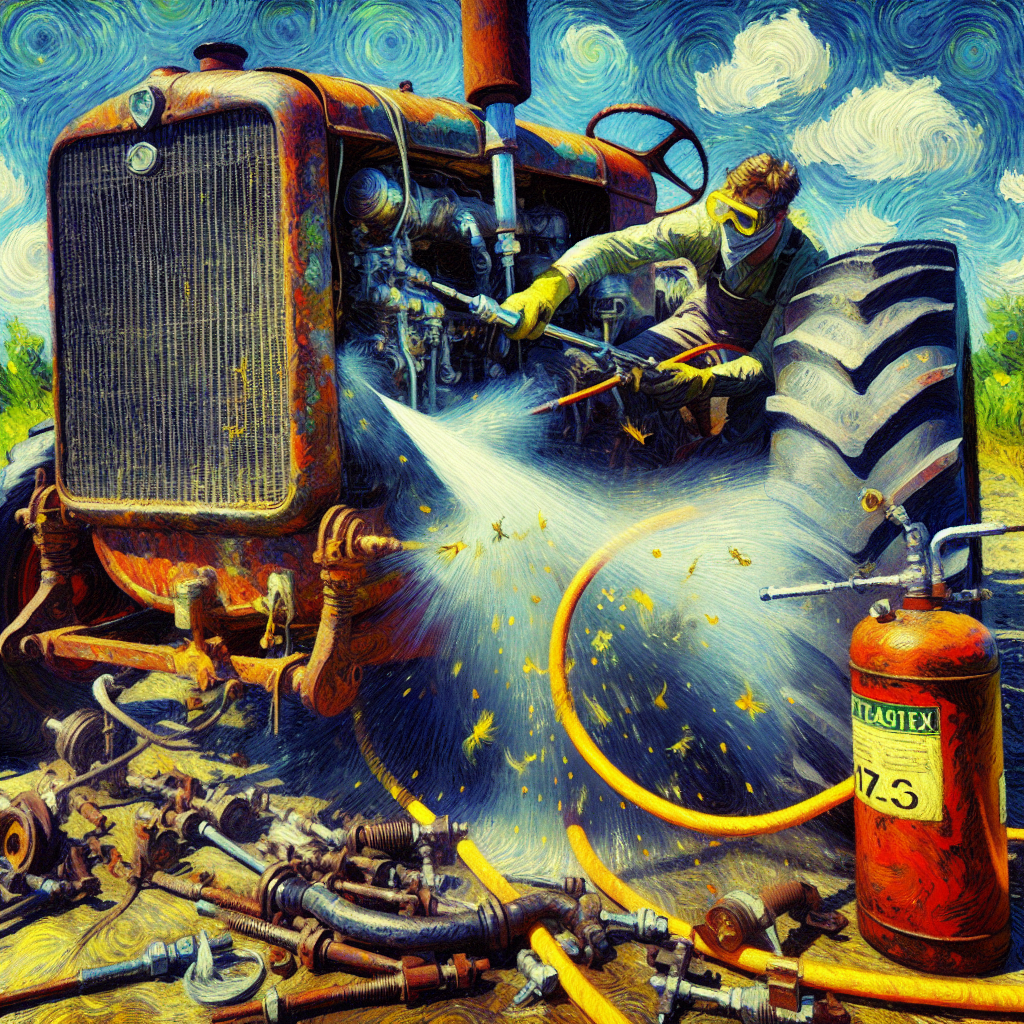
Glossary Of Terms
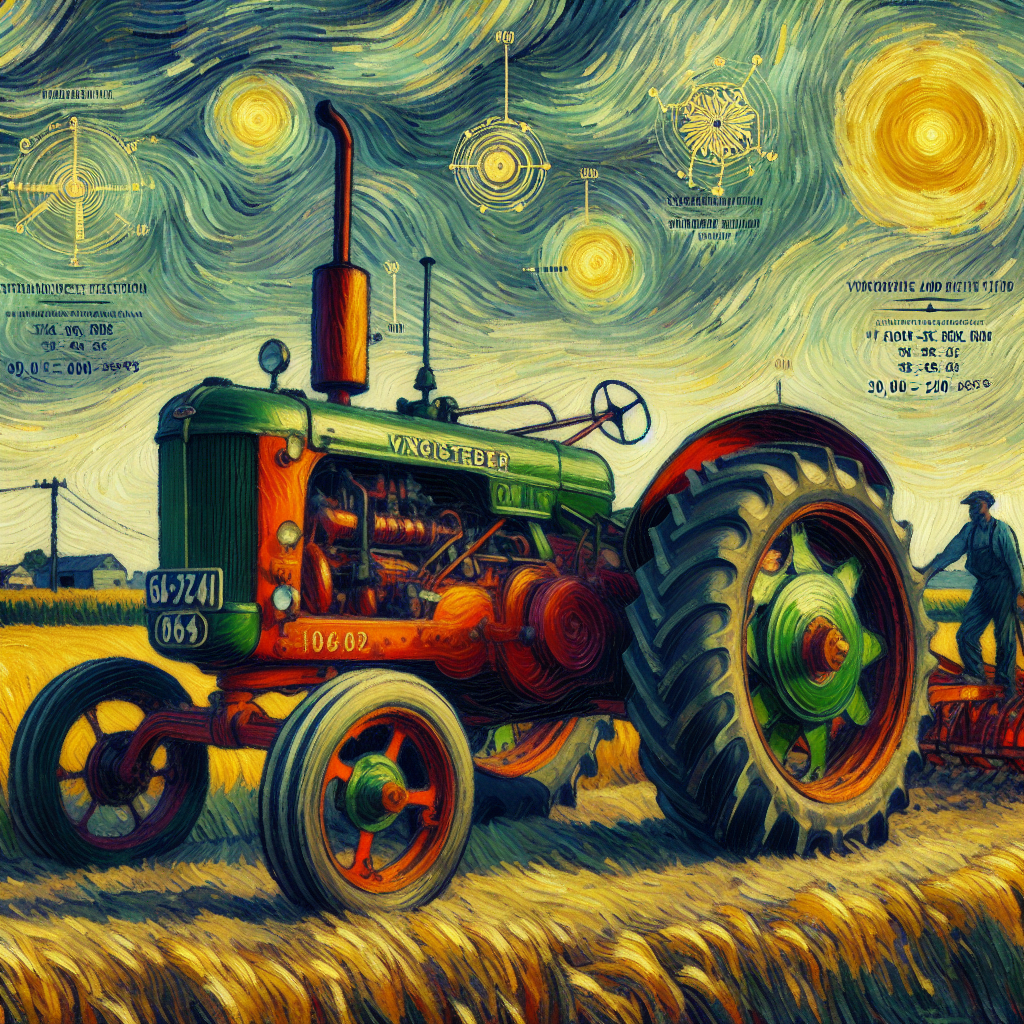
Other Questions
Can Classic Tractors Be The Key to Modern Farming Joy – Other Questions
If you wish to explore and discover more, consider looking for answers to these questions:
- What are some specific advantages of classic tractors over modern machinery?
- How can farmers maintain and repair classic tractors?
- What resources are available for learning about classic tractor restoration?
- Are there any classic tractor clubs or communities worth joining?
- What environmental benefits do classic tractors offer compared to modern options?
- Can classic tractors be used in large-scale farming operations?
- What are the most popular models of classic tractors among enthusiasts?
- How can classic tractors help in promoting sustainable farming practices?
- What impact does using vintage tractors have on soil health and ecosystem balance?
- What are the average costs associated with purchasing and restoring a classic tractor?
- How do different regions of the world view the importance of classic tractors in farming?
- Are there any significant events or shows focused on vintage tractors?
- What stories do farmers have about their experiences with classic tractors?
- How do classic tractors serve as a cultural icon in farming communities?
Other Questions
Haiku
Can Classic Tractors Be The Key to Modern Farming Joy – A Haiku
Steel heart, wheels that sing,
Harvest tales of grit and pride,
Roots reach through the years.

Haiku
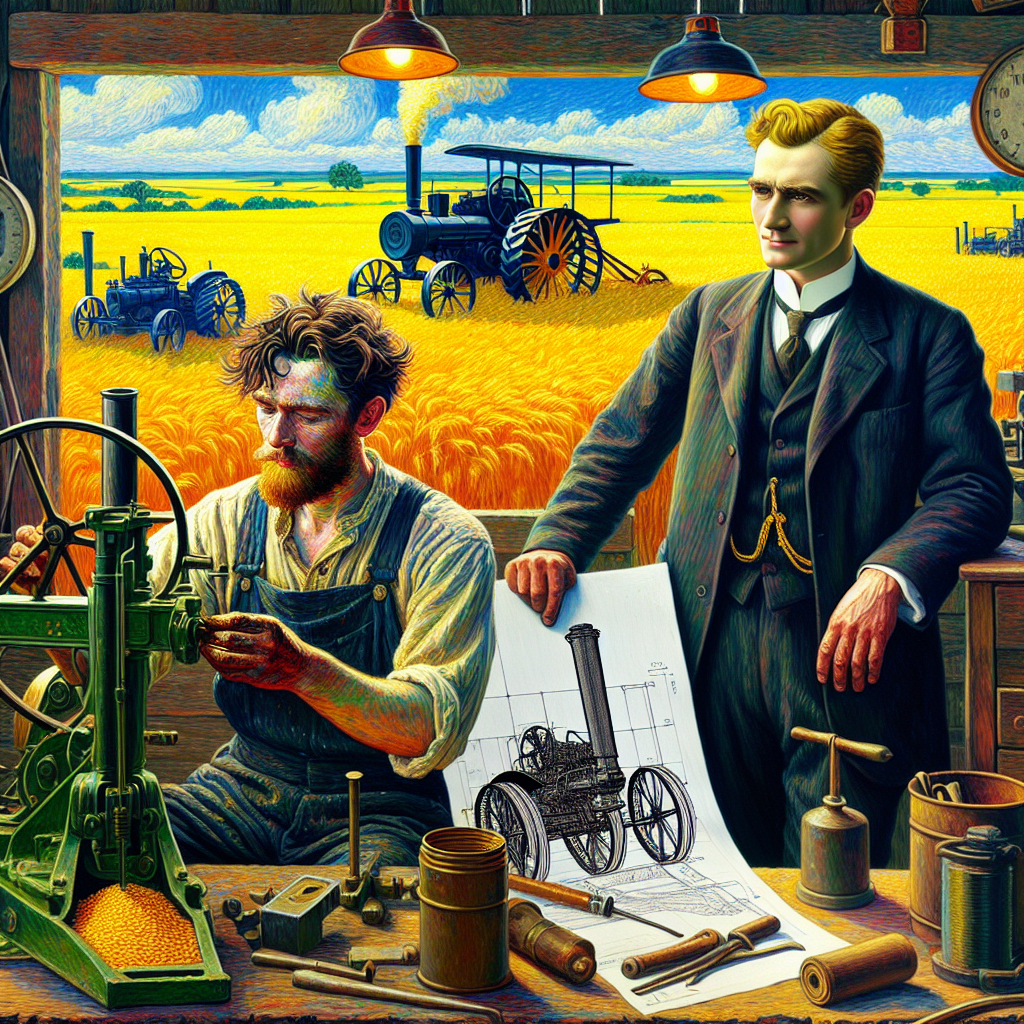
Poem
Can Classic Tractors Be The Key to Modern Farming Joy – A Poem
In Fields of Iron, Stories Begin
In fields of rust and simple grace,
Where engines hum and dreams embrace,
Classic tractors, strong and true,
Revive the past, connect me and you.
They chug along through earth and time,
Echoing songs of sweat and grime,
Each dent a tale, each scratch a line,
Of family roots and sun-soaked vine.
With calloused hands and hearts so bold,
Farmers strove through heat and cold,
Their voices rise like whispers new,
“Here lies our legacy, woven through.”
In community’s arms, we gather near,
Sharing laughter, stories, and silent cheer,
Under the sun, we unite as one,
In this dance with the land, our work’s never done.
They symbolize resilience—an iron will,
With every turn, they harness the thrill,
Of harvests past and futures bright,
Guiding us gently by dawn’s first light.
So let the engines roar, let the wheels turn,
In nostalgia’s grip, new passions burn,
For in these machines, we rediscover joy,
The timeless spirit of the farmer, the girl, and the boy.
Embrace the challenge, honor the art,
With every tractor, we restart,
For in every field, and each neighbor’s grin,
Lies the rhythm of life, where we all begin.
Poem
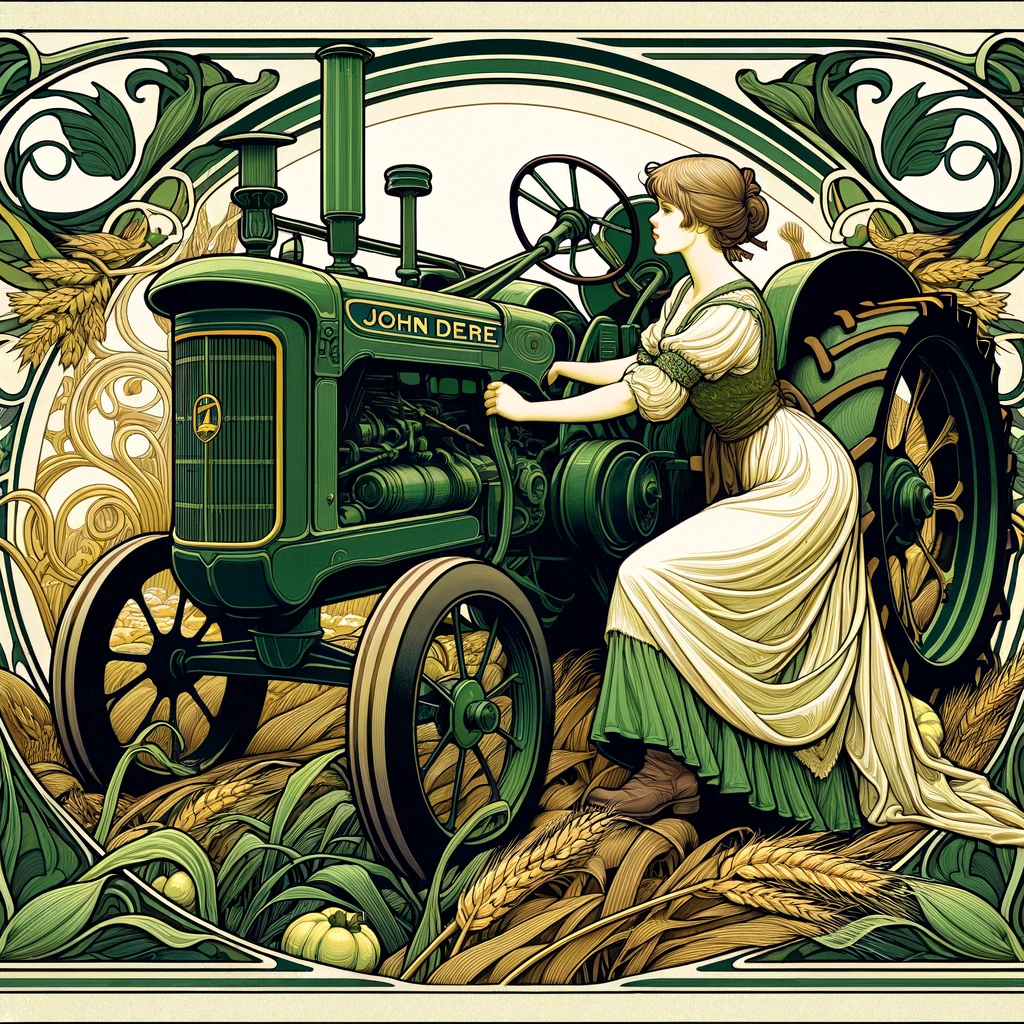
Checklist
Can Classic Tractors Be The Key to Modern Farming Joy – A Checklist
Checklist: Embrace the Joy of Classic Tractors in Modern Farming
Heartfelt Connections
_____ Reflect on Personal Stories: Recall memories associated with farming, family, and tractors. How do these narratives shape your identity?
_____ Celebrate Heritage: Share stories about your connection to farming or classic tractors with friends or family. What lessons do these stories hold for future generations?
_____ Emotional Engagement: Engage with your local farming community and attend vintage tractor shows to strengthen bonds and exchange experiences.
Rational Benefits
_____ Evaluate Practicality: Consider how classic tractors may offer simpler repair and maintenance solutions compared to modern machinery.
_____ Analyze Sustainability: Investigate the ecological and economic benefits of using classic tractors as a sustainable farming choice.
_____ Develop Skill Sets: Identify skills required for vintage tractor repair and maintenance. Do you have the tools and knowledge necessary, or can you acquire them?
Ethical Considerations
_____ Practice Environmental Stewardship: Commit to more sustainable farming practices by integrating classic tractors into your operations. How can you reduce your carbon footprint?
_____ Honor Tradition: Explore the value of simplicity in agriculture and consider how classic equipment reflects ethical farming practices.
_____ Contribute to Community Values: Reflect on your role in fostering community ethics and support by participating in local farming initiatives or vintage tractor clubs.
Authority and Knowledge
_____ Learn from Experts: Attend workshops or join online communities focused on vintage tractors and sustainable farming practices.
_____ Research Innovations: Investigate historical improvements in farming technology that classic tractors represent. What can we learn from the past for future innovations?
_____ Connect with Farmers: Seek mentorship or advice from those who use classic tractors extensively. What insights can they provide about their advantages?
Narrative Building
_____ Share Experiences: Write or document your own journey with classic tractors, whether it’s restoration, operation, or community involvement.
_____ Promote Storytelling: Encourage gatherings or discussions that share experiences involving classic tractors as symbols of resilience and heritage.
_____ Create a Legacy: Consider how you can document or share your agricultural story with future generations, perhaps through social media, blogs, or local community events.
Social Engagement
_____ Join the Community: Participate in local vintage tractor shows or agricultural fairs to foster relationships within the community.
_____ Build Networks: Engage with nearby farmers who appreciate vintage machinery. How can you strengthen these ties and share resources?
_____ Encouragement: Support friends or family members interested in agriculture and classic tractors. Share knowledge and celebrate their efforts to embrace this heritage.
Moving Forward
_____ Incorporate Joy: Reflect on how introducing a classic tractor might bring joy and deeper connections to your farming experience.
_____ Celebrate Resilience: Remember the stories behind classic tractors as symbols of perseverance. How can you embody this spirit in your farming practices?
_____ Keep the Conversation Going: Continuously discuss and explore the impact of classic tractors on modern farming and community. What solutions can you collectively create for the future?
Final Thought
Embracing the spirit of classic tractors in your farming journey is not just about machinery; it’s about fostering connections, nurturing the earth, and celebrating the stories that bind us all. Let the journey begin!
Checklist
At ClassicTractorNews, we help tractor lovers keep up with the latest news for classic and vintage tractors.
Please share this post with your friends, family, or business associates who may like old classic or vintage tractors.