

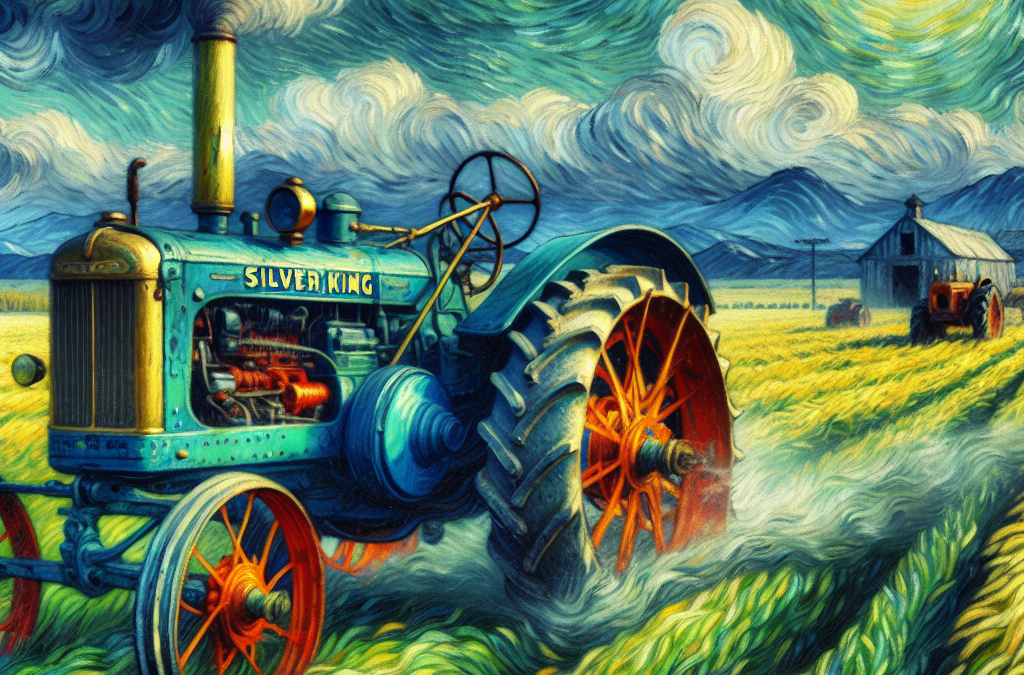
Empowering Farmers: Reclaiming Independence With Classic Tractors
By Tom Seest
At ClassicTractorNews, we help tractor lovers keep up with the latest news for classic and vintage tractors.
Please share this post with your friends, family, or business associates who may like old classic or vintage tractors.
Breaking the Dealer Monopoly – the Classic Tractor Solution
When you think about it, tractors are more than just machines; they’re symbols of hard work, resilience, and independence. For generations, they’ve been the backbone of farming, embodying the spirit of those who toil under the sun, nurturing the land, and feeding families. Yet, in today’s world, the dealer monopoly has turned these essential tools into sources of frustration. But what if we could break that monopoly, reclaiming the heart and soul of farming?
Imagine a farmer standing in a field, the sun casting long shadows over freshly plowed rows. His reliable, classic tractor stands beside him, a reminder of the past and a tool for the future. It’s not just about the horsepower; it’s about the stories—the grandfather who taught him the ropes, the late nights spent repairing a busted engine with a couple of friends, the laughter and tears that come with a life devoted to the land. These tractors, often vintage and simple in design, become catalysts for connection, not only with the soil but with each other.
But let’s be honest. The modern dealer landscape often feels like a high-stakes game where the odds are stacked against the average farmer. With inflated prices and limited availability, getting parts for these iconic machines can be like trying to find a needle in a haystack. This is where the classic tractor solution steps in. By embracing the fundamentals—old-school mechanics, community knowledge, and innovative collaborations—farmers can reclaim their autonomy.
Consider the local tractor co-op, a thriving community where folks gather to share resources and knowledge. Here, the farmer isn’t just a consumer; he’s part of a network, a family. This shift from individual ownership to collective support not only reduces costs but fosters a camaraderie that’s been lost in the corporate shuffle. When a neighbor helps fix your tractor, it’s not just about the repair; it’s about trust, shared values, and a commitment to preserving a way of life.
Moreover, adopting classic tractors allows farmers to connect with their roots and embrace sustainability. These machines, often designed to last, are less reliant on electronic gadgets that can fail. They remind us that sometimes, simplicity is strength—fewer parts mean fewer problems, ensuring that farmers can focus on what truly matters: the crop, the community, and the connection to the land.
In breaking the dealer monopoly, we’re not just advocating for better prices; we’re fostering a movement that empowers individuals, strengthens communities, and revives the timeless bond between man, machine, and earth. It’s about taking back control—one classic tractor at a time.

Breaking the Dealer Monopoly – the Classic Tractor Solution
Breaking the Dealer Monopoly – the Classic Tractor Solution
- Tractors symbolize hard work, resilience, and farming independence.
- They have been integral to farming, nurturing the land and feeding families.
- The current dealer monopoly creates frustration for farmers with inflated prices and limited parts availability.
- Classic tractors emphasize old-school mechanics and community collaboration, allowing farmers to regain autonomy.
- Local tractor co-ops foster shared resources, reducing costs and rebuilding community camaraderie.
- Classic tractors promote sustainability and simplicity, reducing reliance on complex electronics.
- Breaking the dealer monopoly empowers individuals and communities, reviving the bond between man, machine, and earth.

Breaking the Dealer Monopoly – the Classic Tractor Solution
Table Of Contents
- Breaking the Dealer Monopoly – the Classic Tractor Solution
- How Can We Reclaim Our Rights to Choose Our Tractor Services?
- What Stories Of Resilience Can Inspire Us to Challenge the Status Quo?
- Are We Allowing Monopolies to Dictate Our Farming Futures?
- What Is Fair Competition, and How Can It Benefit Farmers?
- How Do High Dealer Prices Impact Our Farming Sustainability?
- Can We Unite As Farmers to Demand Better Options?
- Conclusion
- Other Resources
- Glossary Of Terms
- Other Questions
- Haiku
- Poem
- Checklist
How Can We Reclaim Our Rights to Choose Our Tractor Services?
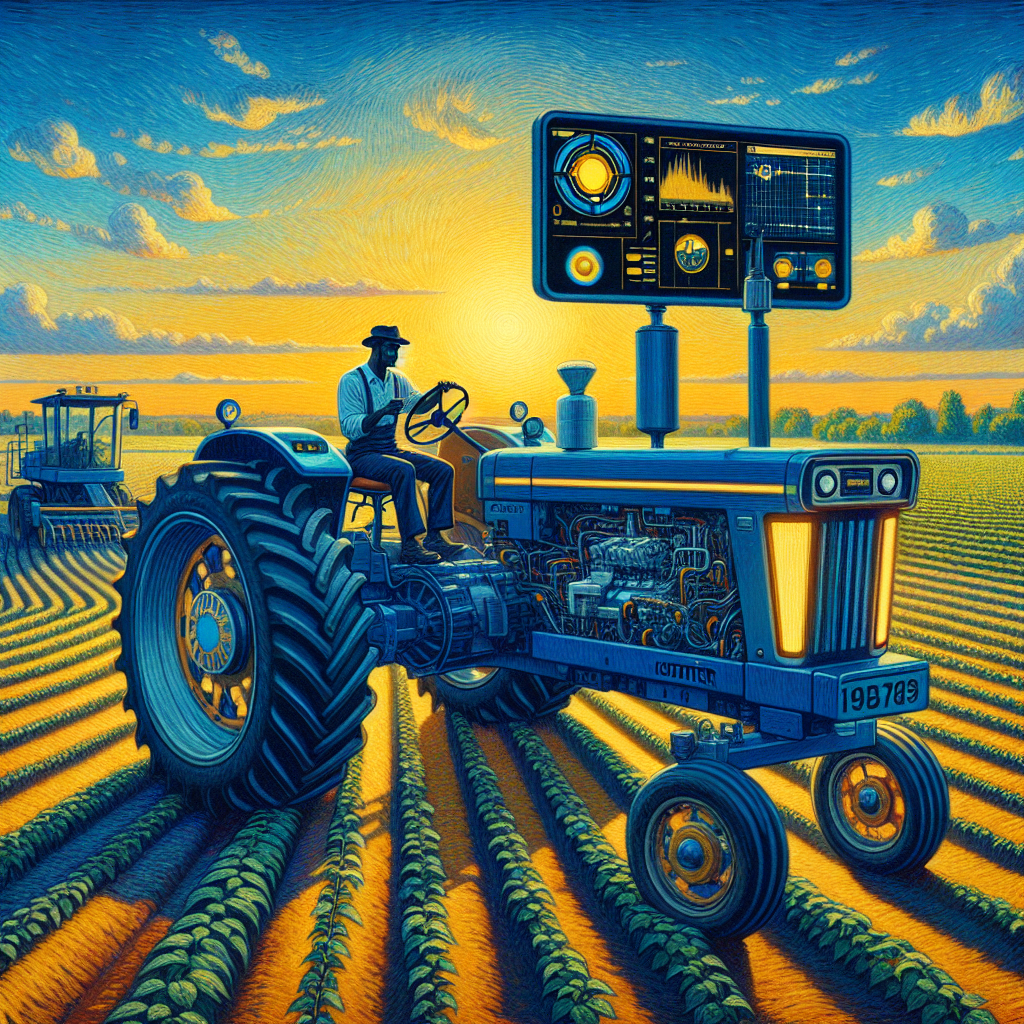
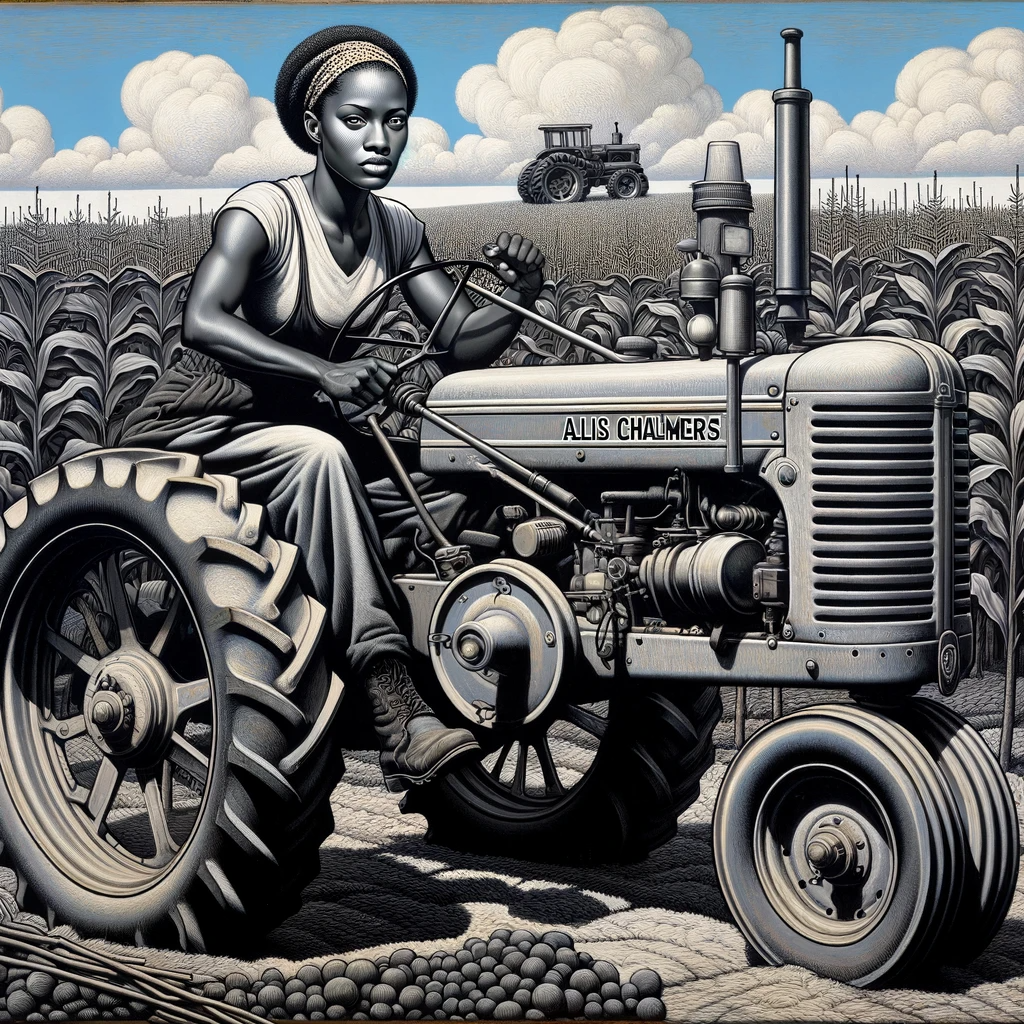
Reclaiming our rights to choose our tractor services isn’t just about making an informed decision—it’s about taking back control of our land, our livelihoods, and ultimately, our lives. Picture this: a farmer stands on his land, a patchwork of fields that have supported generations. His tractor, a hulking symbol of progress, becomes a lifeline not just for growing crops, but for maintaining his family’s heritage. When the choices we have for tractor services start to dwindle, we’re not just losing options; we’re losing our identity.
Every time a farmer gets behind the wheel of a tractor, it represents years of hard work, sweat, and tears. This connection to the land runs deep. The tractor isn’t simply machinery; it’s a partner in the dance of the seasons, each turn of the wheel symbolizing the struggle and triumph inherent in farming. Yet, as consolidation happens in the agricultural industry, the choices for tractor services become limited, leaving us vulnerable. This isn’t just a commercial transaction—it’s about freedom—freedom to choose who supports our efforts, who stands by our side as we cultivate our futures.
From a rational standpoint, diverse tractor services can ensure competition, which leads to better prices and innovative solutions tailored to our specific needs. Think of it as a garden: a rich variety of plants thrives when each contributes its unique strength. Similarly, when we advocate for choice in tractor services, we are cultivating a robust agricultural ecosystem, one that reflects our diverse landscape and the myriad challenges we face.
Ethically, we must recognize that access to a range of tractor services preserves our autonomy as producers. Recall the story of a local farmer who, after years of reliance on a singular provider, found himself trapped in a cycle of growing costs and diminishing returns. By standing together as a community and demanding better options, he not only saved money but also re-invigorated his passion for farming, spurring innovation through fresh services.
When we come together to challenge the way services are offered, we forge a bond strengthened by our shared experiences and aspirations. So, let’s ignite a movement—one that emphasizes the heart of farming: choice. Stand up and advocate for your rights. Elevate your voice, not just for your own sake, but for the integrity of farming itself. It’s high time we remind the industry that every tractor service should cater to our needs, not dictate them. Your land deserves it. You deserve it.
How Can We Reclaim Our Rights to Choose Our Tractor Services?
How Can We Reclaim Our Rights to Choose Our Tractor Services?
- Reclaiming rights to choose tractor services is about taking control of land, livelihoods, and lives.
- A farmer’s tractor symbolizes progress and is essential for maintaining family heritage and identity.
- Consolidation in the agricultural industry limits choices for tractor services, threatening freedom and autonomy.
- Diverse tractor services foster competition, resulting in better prices and tailored innovative solutions.
- Access to a variety of services preserves producers’ autonomy and supports local farming communities.
- Challenging service offerings strengthens community bonds and spurs innovation in farming.
- Advocating for choice emphasizes the importance of farmers’ rights and the integrity of agriculture.
How Can We Reclaim Our Rights to Choose Our Tractor Services?
What Stories Of Resilience Can Inspire Us to Challenge the Status Quo?
What Stories of Resilience Can Inspire Us to Challenge the Status Quo?
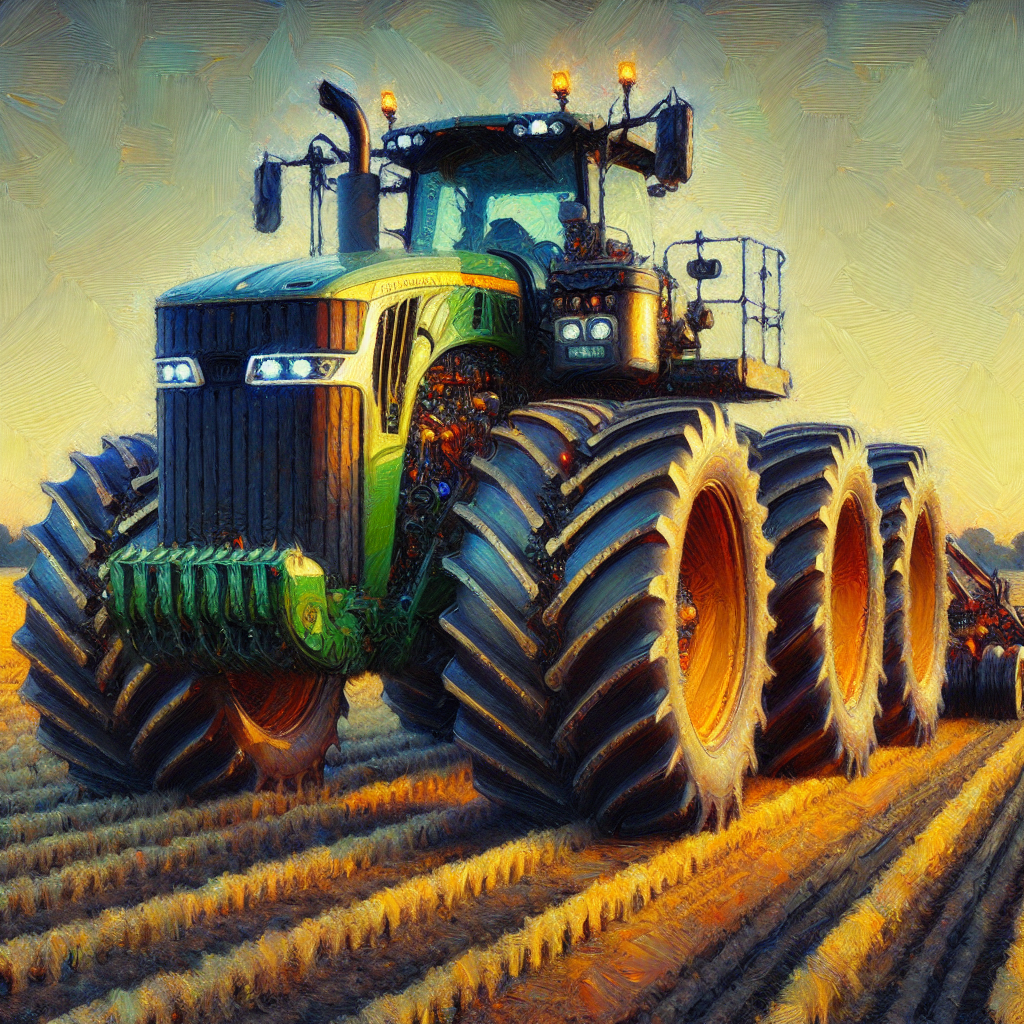
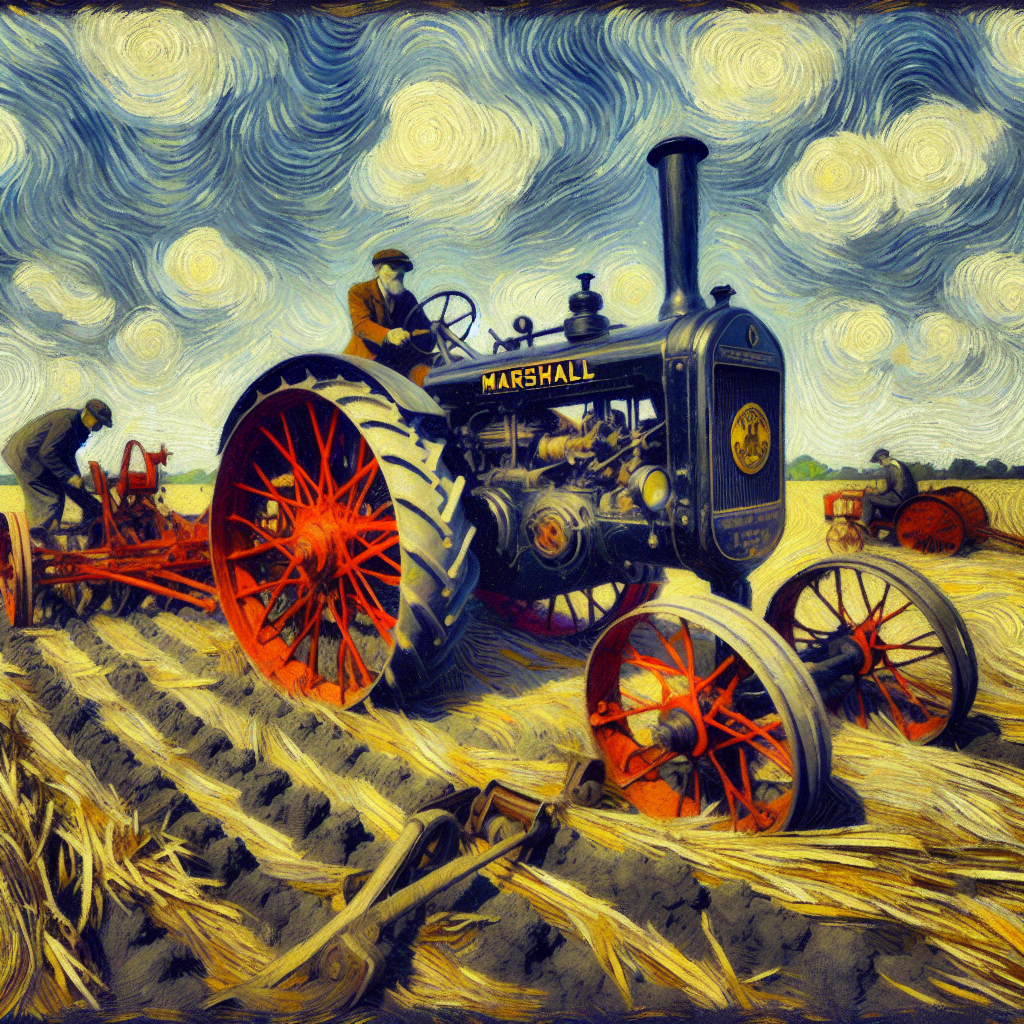
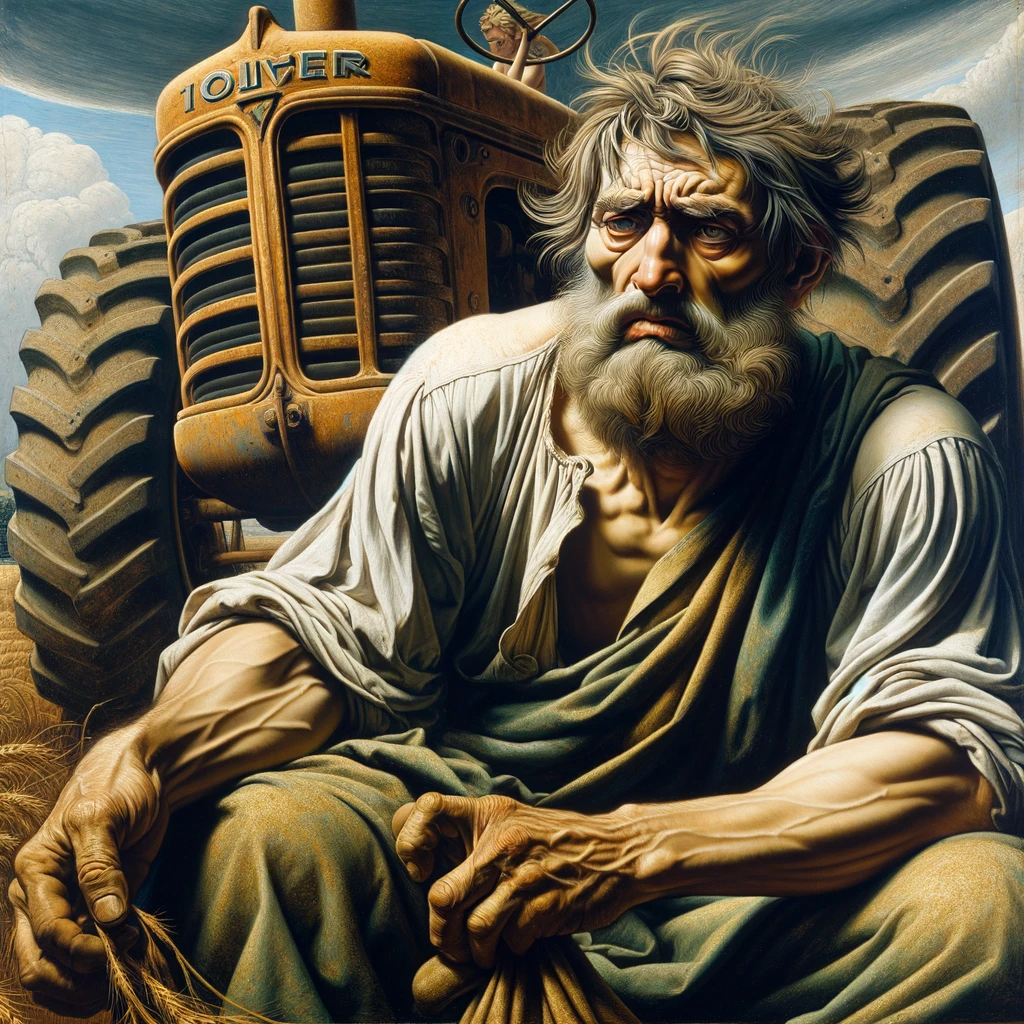
Resilience isn’t just a trait; it’s a muscle that, once flexed, transforms the ordinary into the extraordinary. When we think of the challenging stories that inspire us, they often come from those who’ve faced uphill battles, much like the farmer steadfastly driving a tractor through rough terrain, every bump a reminder of the obstacles that can weigh us down. Yet, it’s in the struggle where we often find our purpose.
Consider the tale of someone who lost their job in a turbulent economy. Faced with the daunting reality of bills piling up and a family relying on them, they didn’t throw in the towel. Their story isn’t just about personal survival; it’s a testament to the neighbor who offered support, the community that rallied behind them, and the determination that sparked a new venture. This is the kind of resilience that challenges the status quo, showing us that the path forward may not always be clear, but it’s ours to carve.
In another light, think of an underdog, perhaps a young woman from a small town who dreamed of becoming an engineer in a world dominated by stereotypes. Days spent working a part-time job, late nights studying, and endless rejections shaped her journey. Each failed application didn’t deter her; instead, it fueled her drive, turning challenges into stepping stones. Her accomplishments became not just personal victories but an inspiration for others, prompting them to question why they couldn’t also reach for more.
These narratives remind us that resilience often acts as a mirror reflecting our collective values. It ties into ethical obligations—when we see someone fighting against the odds, it urges us to act, to support, and to challenge the complacent attitudes around us. It’s a call to arms for those who may feel stuck in the muck of indecision or fear.
What makes these stories resonate is their authenticity. They remind us that behind every success story is a series of failures, a richness of experience that makes victory that much sweeter. They speak to the human instinct to thrive against all odds, encouraging us to rise up and reshape our realities.
So, as we reflect on these resilient figures, let’s acknowledge that every tractor plowing through rough soil carries with it the hope of a bountiful harvest. When we invite resilience into our lives, we’re not just challenging the status quo; we’re planting seeds for future generations to cultivate their own stories of perseverance.
What Stories Of Resilience Can Inspire Us to Challenge the Status Quo?
What Stories Of Resilience Can Inspire Us to Challenge the Status Quo?
- Resilience is a muscle that transforms ordinary experiences into extraordinary outcomes.
- Inspirational stories often arise from individuals facing significant challenges, highlighting the importance of struggle in finding purpose.
- A job loss can become a catalyst for community support and personal determination, illustrating resilience and the pursuit of new opportunities.
- Underdog stories, such as that of a young woman aspiring to be an engineer, showcase perseverance despite societal stereotypes and numerous rejections.
- Resilience reflects collective values and ethical obligations, motivating others to act and challenge complacency.
- The authenticity of these narratives emphasizes that successes are built on a foundation of failures and rich experiences.
- Embracing resilience fosters hope and prepares future generations to share their own stories of perseverance.
What Stories Of Resilience Can Inspire Us to Challenge the Status Quo?
Are We Allowing Monopolies to Dictate Our Farming Futures?
In the heart of America’s farmland, a battle rages beyond the fields—a silent struggle between the small farmer and the titans of industry. Picture a humble tractor, chugging along a sun-drenched field, its engine a steady hum in the background of nature’s symphony. This tractor, once a lifeline for countless generations, now drives home a sobering reality: the very tools that nourished our nation are under threat from monopolies that dictate not just the prices we pay but the very futures of farming itself.
There’s a certain pride in the way you can plant a seed and watch it grow—a connection to the earth, a respect for the toil of those who came before us. But what happens when that seed is merged into a package of corporate interests, handpicked by a conglomerate with no ties to your land? As consolidation swells in agricultural markets, we find ourselves not just buying into a brand but sacrificing the authenticity that fuels our connection to the food we consume. In this landscape, a farmer’s decisions are influenced by the whims of corporate giants, whose ethics lie in balance sheets rather than in understanding the soil.
Think about it: every time a farmer decides to purchase seed or equipment, they’re often forced to choose from a narrow selection dictated by these powerful entities. The choices aren’t just economic; they carry weighty implications for food diversity and environmental sustainability. Are we willing to allow a handful of corporations to dictate not just our farming but the health of our communities? The implications extend far beyond the fields: they touch on the very essence of who we are as stewards of the land.
The stories of farmers losing their independence resonate deeper than mere numbers in a report. There’s Joe, who watched his family farm dwindle into a trailer full of debts after a bad season. He once harvested lush crops, but now, he’s left questioning whether he can afford that vital tractor repair—hoping his harvest will yield enough to keep the wolves at bay. This isn’t just about profit margins; it’s about legacy, resilience, and the unyielding spirit of those who put food on our tables.
Monopolies may seem like faceless entities, but their impact is flesh and blood. It’s an opportunity for us to stand together, to support local farmers, and to reclaim the narrative of agriculture. Let’s be the voice in the field that challenges the status quo, ensuring that the future of farming is rooted in community, choice, and respect for the land—and for each other. Together, we can cultivate a thriving future that honors the past while nurturing generations to come.
Are We Allowing Monopolies to Dictate Our Farming Futures?
Are We Allowing Monopolies to Dictate Our Farming Futures?
- A battle exists between small farmers and large agricultural monopolies in America’s farmland.
- The tools that have historically nourished the nation are under threat from corporate entities that influence prices and farming futures.
- Consolidation in agriculture compromises authenticity and limits farmers’ choices, impacting food diversity and environmental sustainability.
- Farmers face economic pressures from a narrow selection of seeds and equipment dictated by powerful corporations.
- Stories of struggling farmers illustrate the emotional and financial toll of losing independence and legacy.
- The impact of monopolies is deeply personal, affecting the livelihoods of those who produce food.
- Supporting local farmers and reclaiming agricultural narratives can foster community, choice, and respect for the land and its caretakers.

Are We Allowing Monopolies to Dictate Our Farming Futures?
What Is Fair Competition, and How Can It Benefit Farmers?
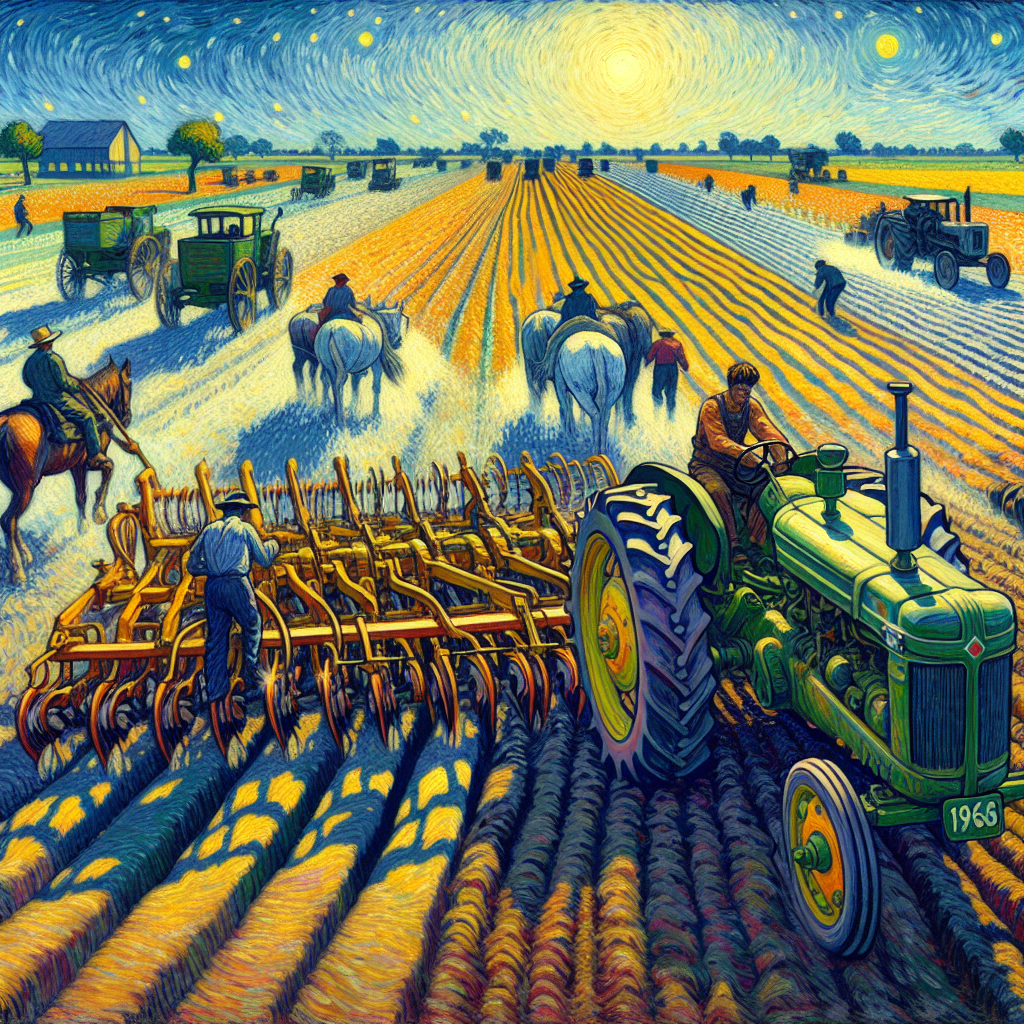
Fair competition is not just a lofty ideal; it’s the lifeblood of agriculture, breathing vitality into what can sometimes feel like an unyielding landscape. It’s the difference between a farmer struggling under the weight of monopolistic prices and one confident enough to turn the key in a rusted tractor, knowing that their hard work—and fair play—will be rewarded.
Imagine a small-town farmer, let’s call him Joe. He’s spent years tilling the soil, listening to the whispers of the wind, and connecting with his land on a level that goes beyond mere cultivation. Fair competition means Joe isn’t just another cog in the agricultural machine; it means he has a fighting chance to succeed alongside larger operations. When the marketplace operates on a level playing field, Joe can sell his produce at fair prices, ensuring his family doesn’t just scrape by but thrives.
Fair competition propagates innovation. Consider the advent of sustainable farming practices—a hot topic today. Smaller farms, like Joe’s, are often at the forefront of these revolutionary ideas, testing new methods and nurturing the environment. When competition is fair, the best ideas rise to the surface, and everyone benefits. Joe’s innovative composting technique might inspire others and eventually lead to a broader movement, proving that small changes can yield astonishing results.
Ethically, fair competition cultivates a sense of community—an unbreakable bond rooted in mutual respect among farmers. This camaraderie fosters collaboration, allowing them to share knowledge and resources. Imagine Joe hosting a local gathering, where farmers swap stories and tactics, each benefiting from the other’s experiences. This isn’t just farming; it’s a return to the values that built communities in the first place.
The psychological benefit shouldn’t be overlooked either. Fair competition instills resilience and hope. When farmers feel empowered to compete fairly, they invest more passion into their craft. Challenges transform into opportunities, and setbacks become stepping stones to success.
In a world where the agricultural landscape can often feel overwhelming, fair competition is the beacon guiding farmers like Joe toward a more certain future. It invites them to cultivate not just crops but a sense of purpose and community, ultimately reshaping the narrative of what it means to farm sustainably and ethically. So, let’s gear up, embrace the tractor, and drive towards a fairer system that uplifts every farmer, leveling the field for future generations.
What Is Fair Competition, and How Can It Benefit Farmers?
What Is Fair Competition, and How Can It Benefit Farmers?
- Fair competition is essential for agriculture, ensuring that farmers can thrive instead of struggling with monopolistic prices.
- Small farmers, like Joe, benefit from a level playing field, allowing them to sell produce at fair prices.
- Fair competition fosters innovation, particularly in sustainable farming practices led by smaller farms.
- Collaboration and community are strengthened among farmers through fair competition, promoting knowledge sharing.
- Psychological benefits include resilience and hope, empowering farmers to face challenges positively.
- Fair competition reshapes the narrative of farming, combining sustainable practices with community values.
- The goal is to create a fairer agricultural system that uplifts all farmers and supports future generations.
What Is Fair Competition, and How Can It Benefit Farmers?
How Do High Dealer Prices Impact Our Farming Sustainability?
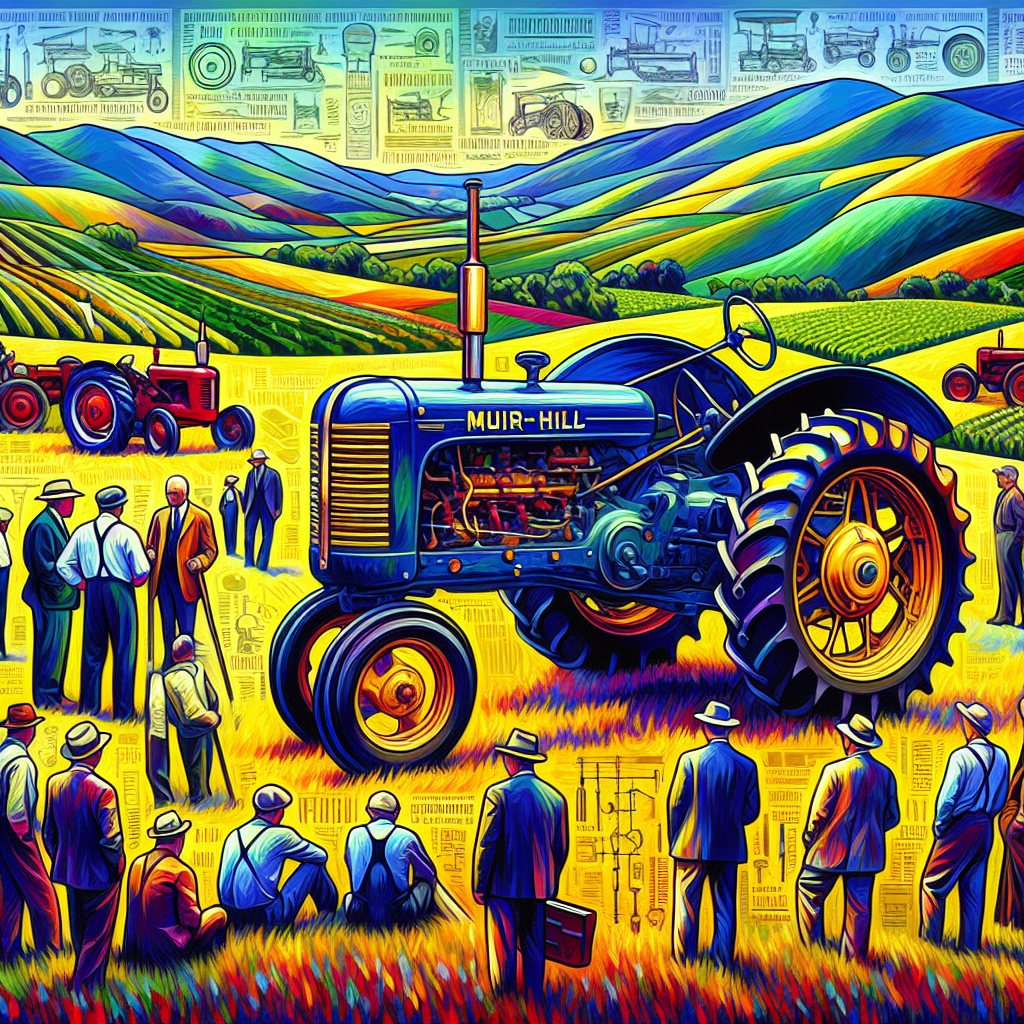
High dealer prices for farming equipment can feel like a relentless storm cloud hanging over rural communities. For many farmers, the tractor is not just a piece of machinery; it’s a lifeline, a trusted partner that turns dreams of sustainable agriculture into a tangible reality. Yet, when the cost of these essential tools climbs higher, the weight of that burden shifts from a single farmer to all of us.
Consider the story of Jake, a third-generation farmer deeply rooted in his family’s land. For him, each harvest represents a compromise between financial survival and a commitment to sustainable practices. When dealers raise prices, Jake finds himself at a crossroads. Should he invest in a new, energy-efficient tractor that promises lower fuel costs and reduced emissions, or should he put off that purchase, hoping the old tractor—despite its creaks and groans—can hold on a little longer? This dilemma is not just Jake’s; it’s a shared struggle echoing through fields across the nation.
High dealer prices create a ripple effect that extends beyond individual farms. They challenge the ethical fabric of our agricultural system. As farming becomes increasingly expensive, the dream of sustainable practices can give way to a more urgent priority: survival. Farmers may feel pressured to choose practices aligned with profit over principles, leading to unsustainable methods that harm our land and communities.
Rationally, we know that sustainable agriculture is vital for the health of our planet. Yet, when prices climb, farmers are caught in a precarious balancing act. The tractor they need to cultivate their land becomes an anchor weighing them down, tethering them to a cycle of debt and unsustainable choice. This isn’t just about dollars and cents; it’s about the legacy we leave behind.
By lowering dealer prices, we can enable farmers like Jake to invest in equipment that aligns with their values. Imagine a community where farmers can equip themselves with the latest technology, allowing them to not only nourish their families but also protect the environment. It’s a vision within reach if we prioritize accessibility.
These high prices not only impact pockets; they redefine our relationship with the land and each other. When we champion fair pricing, we champion a future where sustainable farming thrives, fulfilling not just a duty to the earth but a commitment to generations to come. Imagine standing alongside farmers—every tractor tire turning towards a shared goal: a sustainable, thriving future.
How Do High Dealer Prices Impact Our Farming Sustainability?
How Do High Dealer Prices Impact Our Farming Sustainability?
- High dealer prices for farming equipment burden rural communities and impact financial survival for farmers.
- For many, tractors are essential for sustainable agriculture, creating a dilemma between investment in new technology and maintaining old equipment.
- This issue extends beyond individual farms, challenging the ethical framework of the agricultural system.
- Increased prices pressure farmers to prioritize profit over sustainable practices, leading to harmful methods for land and communities.
- The need for sustainable agriculture remains critical for planetary health, despite financial constraints on farmers.
- Lowering equipment prices can help farmers invest in technology that aligns with their values and supports sustainable practices.
- Championing fair pricing fosters a future of sustainable farming and strengthens community relationships with the land.
How Do High Dealer Prices Impact Our Farming Sustainability?
Can We Unite As Farmers to Demand Better Options?
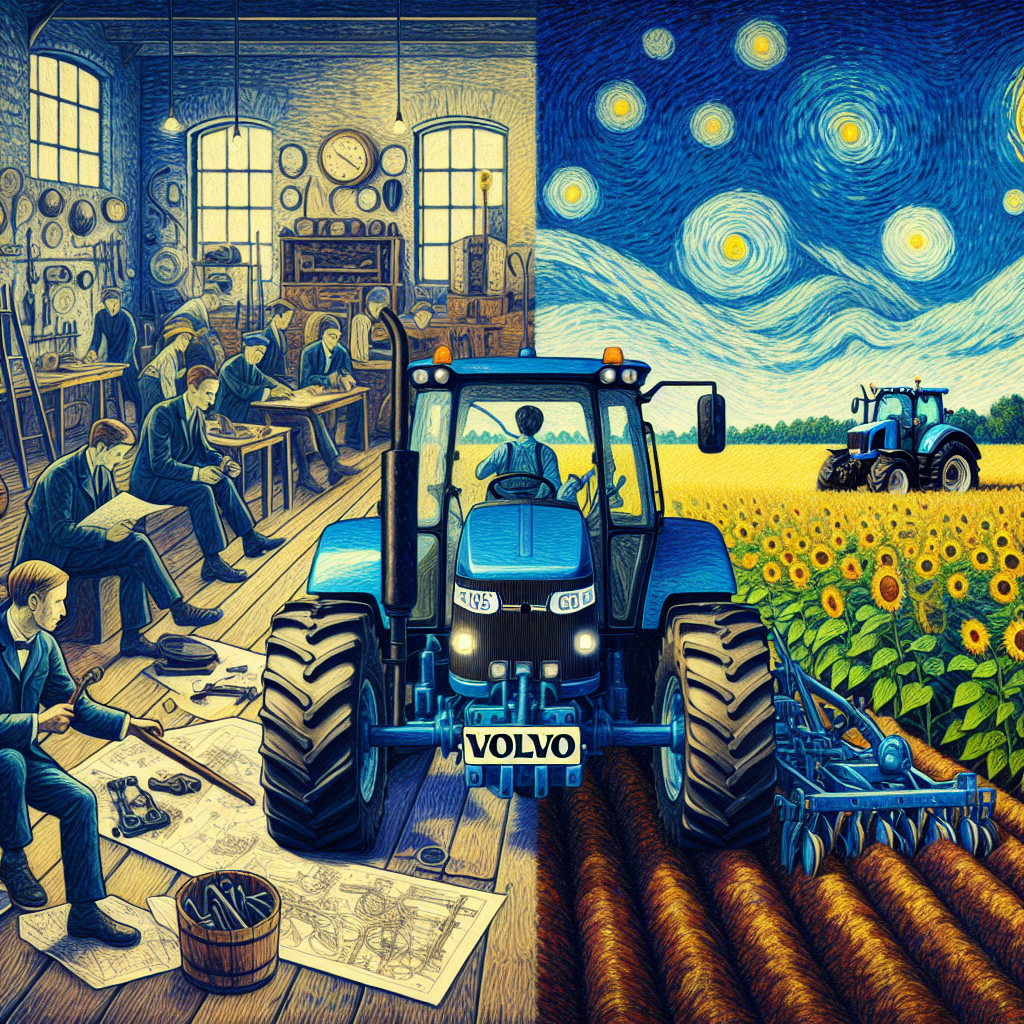
In the quiet dawn, as the sun peeks over the horizon, the familiar hum of a tractor revs to life. This simple machine, a symbol of hard work and resilience, embodies the spirit of farming, a tradition that binds us through generations. But today, as we navigate a rapidly changing landscape of agriculture, it’s a crucial moment to reflect on what unites us as farmers and how, together, we can demand better options for our lives, our land, and our future.
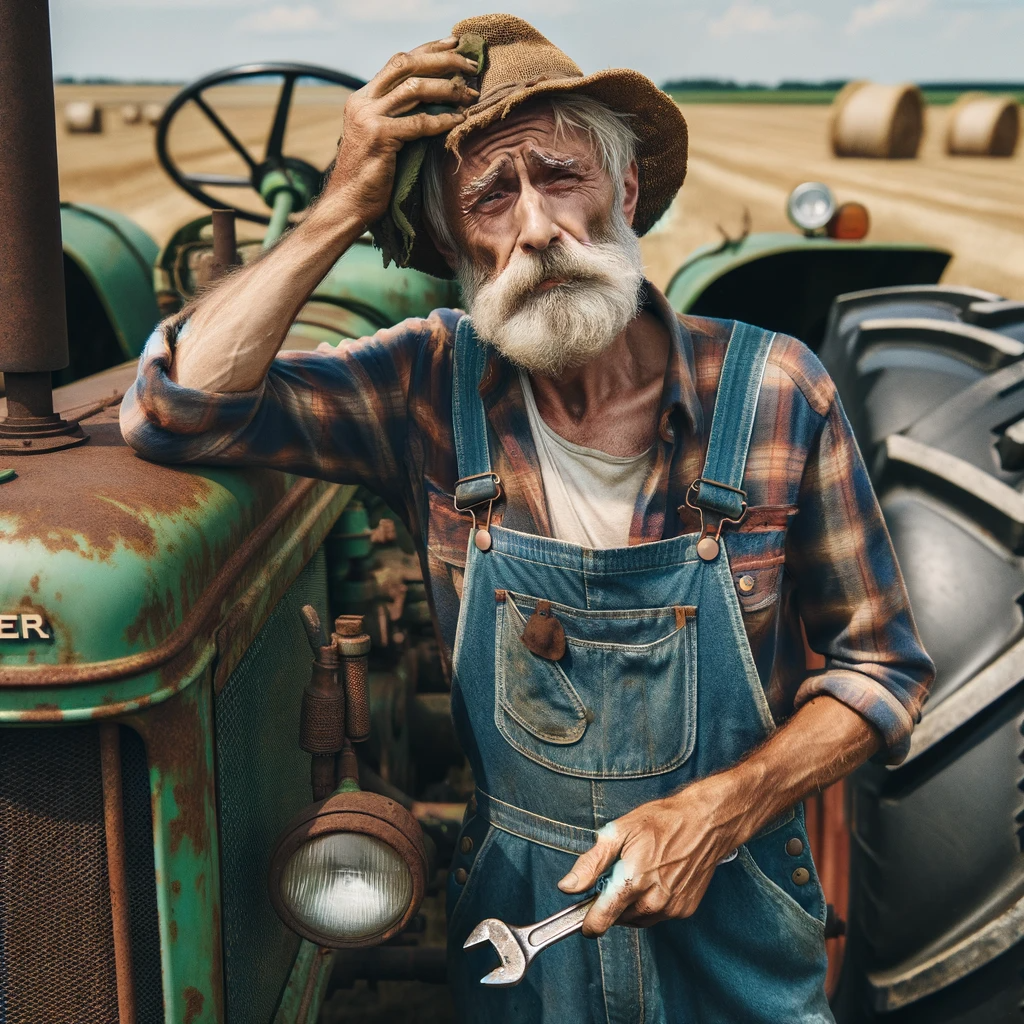
We often find ourselves in the trenches, grappling with rising costs, unpredictable markets, and the weight of choices that seem to loom larger than the fields we cultivate. It’s easy to feel isolated, as if the burdens of our unique farms rest solely on our shoulders. Yet, when we gather—whether in the local co-op, around the dinner table, or in the embrace of a community event—we find strength in shared stories. We may not all plant the same seeds, but we all know the struggle of waiting for rain, of counting every dollar, of hoping for a bountiful harvest. These moments of connection remind us that we are not alone in this journey.
Embracing a united front doesn’t just require heartfelt camaraderie; it demands a sensible strategy. There’s an astonishing power in numbers, and when we collectively approach policymakers, agribusiness, and retailers, we amplify our voices. Memories of facing market fluctuations or falling prey to unfair pricing structures can fuel our determination. A farmer in Nebraska may share a tale of how a cooperative effort turned the tides on a local supplier’s pricing—whatever brought that success can become our roadmap.
Moreover, the ethics of our profession compel us to advocate not just for ourselves but for the next generation. For every child chasing a tractor across a field, there’s a future at stake—our agricultural legacy. When we stand together, we send an unambiguous message: We believe in better practices, fairer negotiations, and sustainable options. Striking down divisive barriers enables us to pool resources and innovate, ensuring our farms not only survive but thrive amidst burgeoning challenges.
This isn’t just about turf wars during harvest season; it’s about establishing a culture of collaboration. So, gather your neighbors, fellow farmers, and even those from different crops. Share your challenges, your hopes, and dreams. Unite—because together, we can rise above individual struggles and forge a path toward a future where every farmer can confidently plant their feet in rich soil and harvest not just crop but community.
Can We Unite As Farmers to Demand Better Options?
Can We Unite As Farmers to Demand Better Options?
- The dawn signals the start of a new day in farming, symbolized by the hum of a tractor.
- Agriculture faces challenges like rising costs and unpredictable markets, leading to feelings of isolation among farmers.
- Gathering as a community helps farmers share stories and realize they are not alone in their struggles.
- United efforts can amplify voices in negotiations with policymakers and agribusiness, enhancing power through collective action.
- Farmers have a responsibility to advocate for sustainable practices and fair negotiations for future generations.
- Collaboration rather than competition is essential for overcoming challenges and ensuring agricultural legacy.
- Encouragement to connect with fellow farmers across different crops to share hopes and challenges for a stronger community.
Can We Unite As Farmers to Demand Better Options?
Conclusion
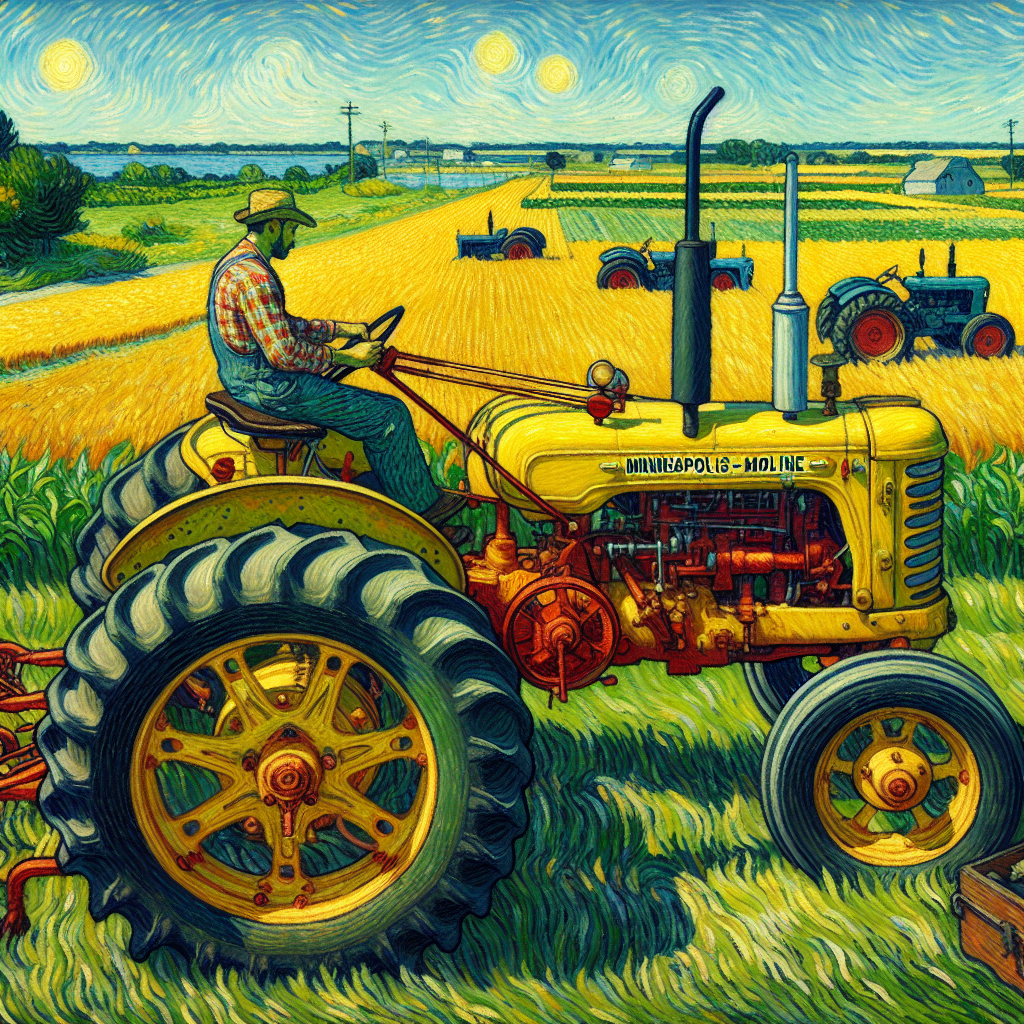
Tractors symbolize more than just machinery; they represent the heart of farming—the sweat, struggle, and perseverance of those who cultivate the land. However, a troubling dealer monopoly threatens the essence of this vital connection, jeopardizing farmers’ independence and autonomy. By embracing classic tractors and fostering a community-centric approach, farmers can reclaim their identity. These vintage machines not only evoke nostalgia but facilitate a stronger bond among farmers, allowing them to repair and maintain their equipment together. This cooperative spirit creates a network built on trust, shared values, and collective knowledge, all essential for thriving in today’s agricultural landscape.
As the agricultural industry becomes increasingly consolidated, individual choices dwindle, impacting not only livelihoods but the core of farming itself. It’s a story of resilience for farmers like Jake, who must navigate high dealer prices that encumber their ability to innovate and sustain their practices. The challenge extends beyond the financial; it’s about cultivating an ecosystem of fair competition that uplifts every farmer, affording them the freedom to make informed choices.
When farmers unite, their collective voice can challenge the status quo, advocating for fair pricing and better service options. This movement is not merely a quest for economic advantage; it is a commitment to future generations. Each individual’s story—be it the struggles of rising costs or the triumphs of community collaboration—contributes to a rich tapestry of resilience. Embracing classic tractors and cooperative practices empowers farmers to take back control, ensuring a legacy of sustainability and independence.
Together, we can foster a farming community that not only survives but thrives, reinforcing the connection to our land and to each other. Let us rally around the values that define us as stewards of agriculture, demanding a system that respects our efforts and honors the principles that have long sustained us. This isn’t just about tractors; it’s about reclaiming our identity, our rights, and our future.

Conclusion
Conclusion:
- Tractors symbolize the heart of farming, representing the effort and resilience of those who cultivate the land.
- A dealer monopoly threatens farmers’ independence and autonomy.
- Embracing classic tractors fosters community and helps reclaim farmers’ identities.
- Vintage tractors create stronger bonds among farmers through collaboration on repairs and maintenance.
- Consolidation in the agricultural industry limits individual choices, affecting livelihoods and the essence of farming.
- A united farmer collective can advocate for fair pricing and better service options, promoting sustainability and independence.
- Reclaiming identity and rights through cooperation strengthens the connection to the land and ensures a thriving farming community.
Conclusion
Other Resources
Other Resources
Here is a list of other resources you can review online to learn more:
- TwinCity
- Ranch Hand
- Toro
- Kioti Tractors
- Force Motors
- Racine County Fair Antique Tractors
- Wetmore
- Samson
- Unimog
- Branson Auto & Farm Museum
- Eicher
- Cub Cadet
- Fieldking
- Bolinder-Munktell
- Lanz
- Cletrac
- Centaur
- Turner-Simplicity
- Minsk Tractor Works
- VST
Use This Prompt To Get More Resources With Your Favorite Online AI Tool: Please provide me with a list of online articles with their URLs in a bulleted list that I can read regarding Breaking the Dealer Monopoly – the Classic Tractor Solution
Other Resources
Glossary Terms
Breaking the Dealer Monopoly – the Classic Tractor Solution – Glossary Of Terms
1. Dealer monopoly — A market condition in which authorized dealers control most sales, parts distribution, service access, and pricing for a manufacturer’s tractors.
2. Classic Tractor Solution — A coordinated approach (parts remanufacture, direct sales, co-ops, open documentation) to give owners affordable access to parts and service outside dealer channels.
3. Original Equipment Manufacturer (OEM) — The company that originally designed and built the tractor and its branded components.
4. Aftermarket parts — Non-OEM replacement components produced by independent suppliers to restore or maintain tractors.
5. Remanufacturing — Factory-like rebuilding of used components to original or better specifications, restoring functionality and reliability.
6. Reconditioning — Refurbishing a used part to a serviceable condition without full remanufacture-level processes.
7. Parts pooling — Collective sharing of spare parts among owners, shops, and co-ops to reduce inventory costs and improve availability.
8. Owners’ cooperative — A member-run organization that aggregates purchasing, parts production, and service resources for tractor owners.
9. Direct-to-owner sales — Selling parts, kits, or rebuilt units directly to end users without exclusive dealer intermediaries.
10. Grey market — Distribution of parts or tractors through unofficial channels that may bypass dealer-exclusive networks.
11. Parts broker — An intermediary who locates, sources, and sells hard-to-find components to owners and restorers.
12. Parts catalog / exploded view — Detailed diagrams and part-numbered listings used to identify and order specific components.
13. Interchangeable Part Number (IPN) — Identification used to denote compatible replacement parts across models or manufacturers.
14. Cross-reference — A lookup that maps OEM part numbers to equivalent aftermarket or remanufactured items.
15. Serial number (SN) / VIN — Unique identifier for a tractor used to verify model, build date, and correct parts fitment.
16. Match-numbering — The practice of keeping original number-stamped components with a restored tractor for authenticity and value.
17. Right to Repair — Legal and practical principles ensuring owners and independent shops can access tools, manuals, and parts to repair equipment.
18. Reverse engineering — Analyzing an original part to create manufacturing drawings or tooling to reproduce it independent of the OEM.
19. Tooling run — Production of molds, dies, or machining fixtures required to manufacture legacy parts replicated for classic tractors.
20. Retrofit kit — A packaged set of parts and instructions for upgrading or replacing obsolete systems (electrical, brakes, hydraulics) on old tractors.
21. ECU reflash / Electronic retrofit — Updating or replacing engine/electronic controls to improve reliability or enable use of modern fuel and sensors.
22. Hydraulic system overhaul — Service and replacement of pumps, valves, hoses, and seals to restore hydraulic performance.
23. PTO (Power Take-Off) — The driveline component that provides rotational power to implements; common source of compatibility and parts issues.
24. Common failure modes — Typical wear points and faults (oil leaks, worn bearings, gear wear, electrical corrosion) used to prioritize parts production.
25. Condition grading — A standardized assessment (running, operational, salvage) used to classify tractor condition for parts and restoration planning.
26. Restoration standards — Agreed benchmarks for mechanical, cosmetic, and historical accuracy used by restorers and appraisers.
27. Documentation package — Collected manuals, schematics, service bulletins, and parts lists required to repair and maintain classic tractors.
28. Compliance (emissions & safety) — Regulations affecting whether refurbished or modified tractors can be used legally on public roads or in certain jurisdictions.
29. Certification & warranty transferability — Formal approvals for remanufactured parts or repairs and rules governing whether factory warranties transfer with parts or ownership.
30. Price transparency — Clear public information on parts pricing, availability, and lead times to counter dealer markups and opaque procurement practices. Glossary Of Terms
Other Questions
Breaking the Dealer Monopoly – the Classic Tractor Solution – Other Questions
If you wish to explore and discover more, consider looking for answers to these questions:
- What specific classic tractor models are most reliable and easiest to maintain?
- Where can farmers source affordable parts for classic tractors?
- How do parts availability and costs compare between classic and modern tractors?
- What essential tools and skills are required to repair and maintain classic tractors?
- How can a local tractor co‑op be organized, governed, and funded?
- What legal, tax, or insurance issues arise when sharing equipment in a co‑op?
- Are there liability concerns for neighbors who help repair or operate each other’s tractors?
- How can farmers find reliable repair manuals, wiring diagrams, and technical documents?
- Do classic tractors meet current safety and emissions regulations in my area?
- Can classic tractors be retrofitted with modern safety features or emission controls, and what does that cost?
- How does using classic tractors affect farm productivity, efficiency, and labor needs?
- What are the long‑term cost comparisons: restoring a classic tractor vs. buying new or used modern equipment?
- How do high dealer prices directly impact farm profitability and sustainability decisions?
- What policy or legal changes (right‑to‑repair, antitrust enforcement) could reduce dealer monopolies?
- How can farmers effectively organize collective bargaining or lobbying for better service and parts access?
- Are there documented case studies of communities successfully breaking dealer monopolies or running tractor co‑ops?
- What financing, grants, or subsidy options exist for purchasing or restoring classic tractors?
- How should a farmer evaluate the condition and fair market value of a vintage tractor before buying?
- Can classic tractors be integrated with modern precision ag technology (GPS, telematics), and how?
- What are the environmental trade‑offs of operating older tractors versus buying newer, more efficient models?
- How do warranties and service agreements differ between manufacturer dealers and independent mechanics or co‑ops?
- What certifications, apprenticeships, or training programs exist for independent tractor mechanics?
- How can digital platforms, forums, or marketplaces support parts sharing and knowledge exchange among farmers?
- What safety training and procedures should farmers follow when repairing or operating vintage equipment?
- How does consolidation in agricultural manufacturing affect seed, equipment, and spare parts markets overall?
- What are the risks and benefits of using aftermarket or refurbished parts in classic tractors?
- How should a co‑op build and prioritize a shared parts inventory—what parts to stock first?
- How can small or urban farms benefit from the classic tractor/co‑op approach?
- What measurable metrics should a community use to evaluate the success of a classic‑tractor initiative (cost savings, uptime, community engagement)?
- What barriers—cultural, financial, regulatory—commonly prevent adoption of classic‑tractor solutions, and how can they be overcome?
- How do resale values and market demand for classic tractors compare regionally?
- What steps are required to legally operate repaired or modified classic tractors for commercial farm work?
- How can farmers access technical support or parts catalogs for obsolete systems and proprietary components?
- What partnerships (trade schools, NGOs, local government) can support training, funding, or parts sourcing for co‑ops?
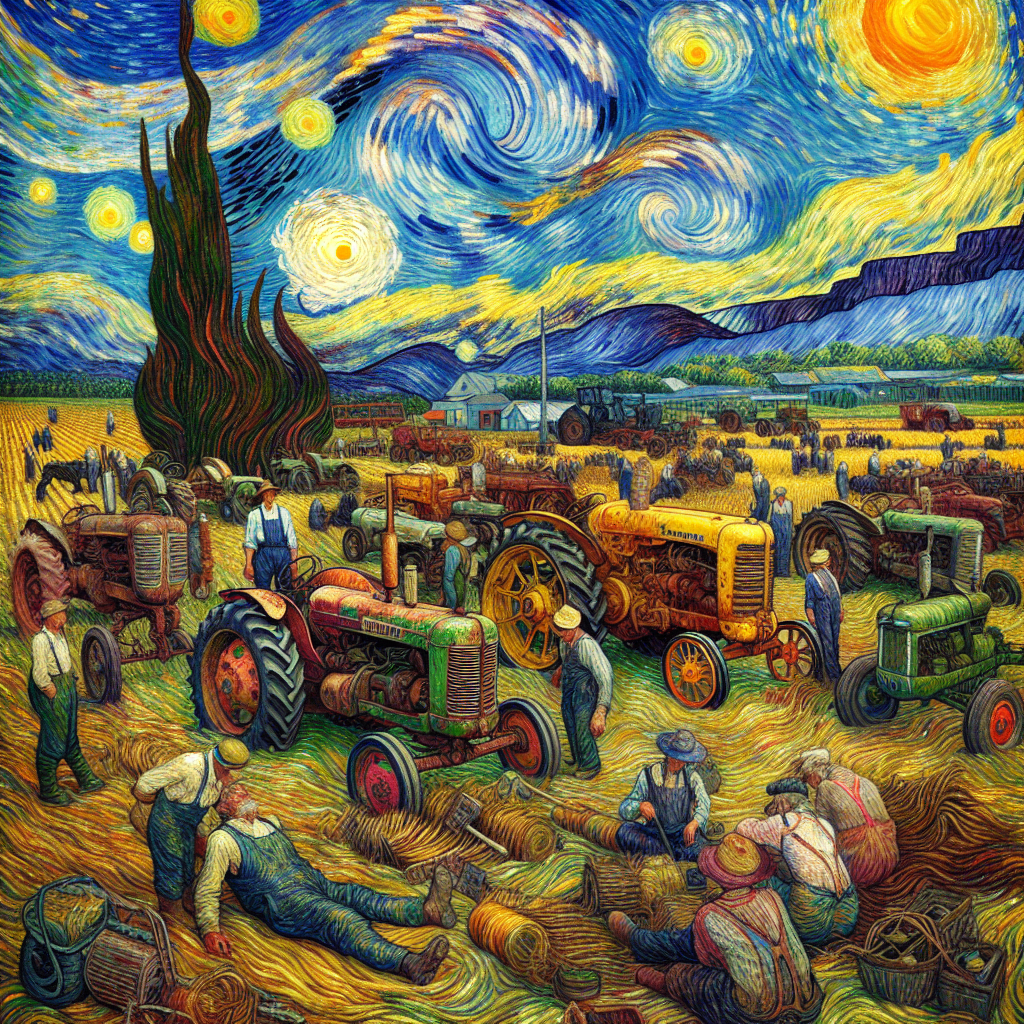
Other Questions
Haiku
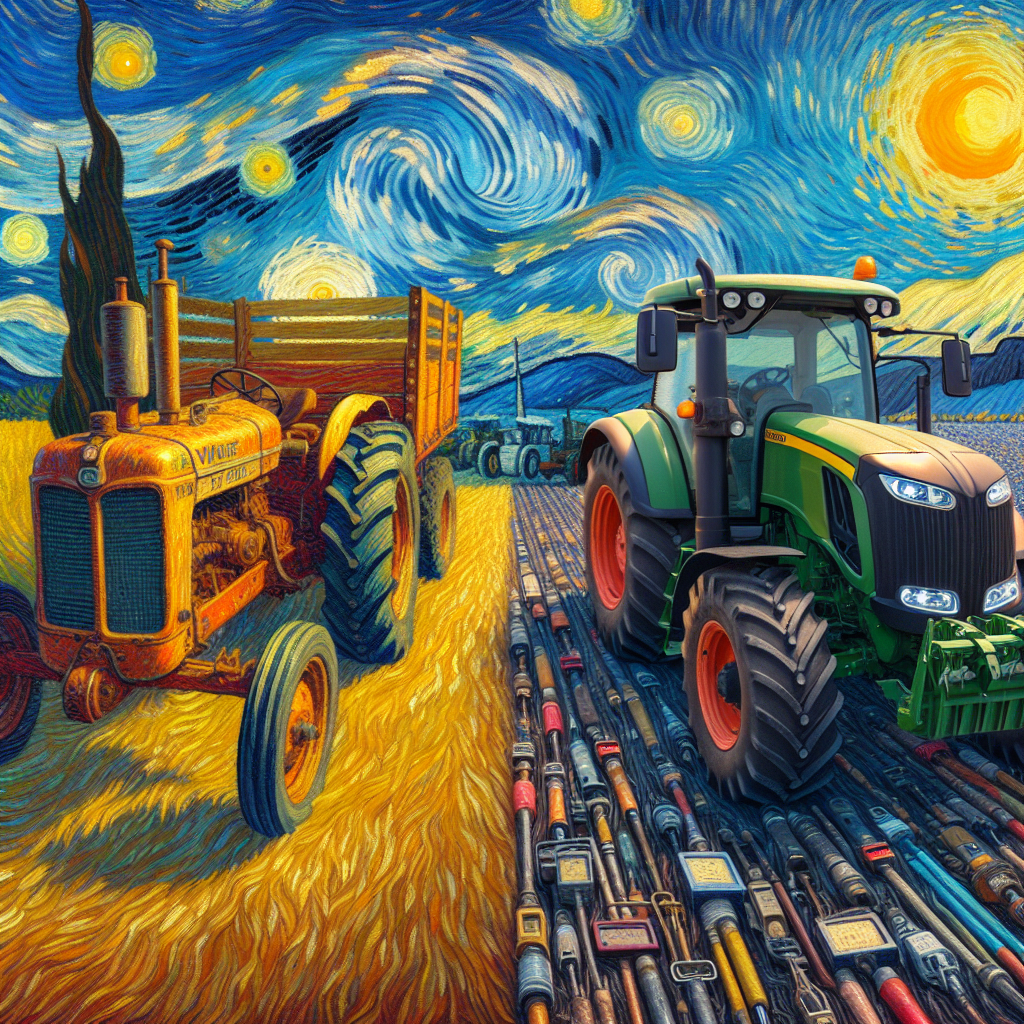
Breaking the Dealer Monopoly – the Classic Tractor Solution – A Haiku
Classic tractors stand,
Reclaiming soul, roots, and trust,
Farms unite as one.
Haiku
Poem
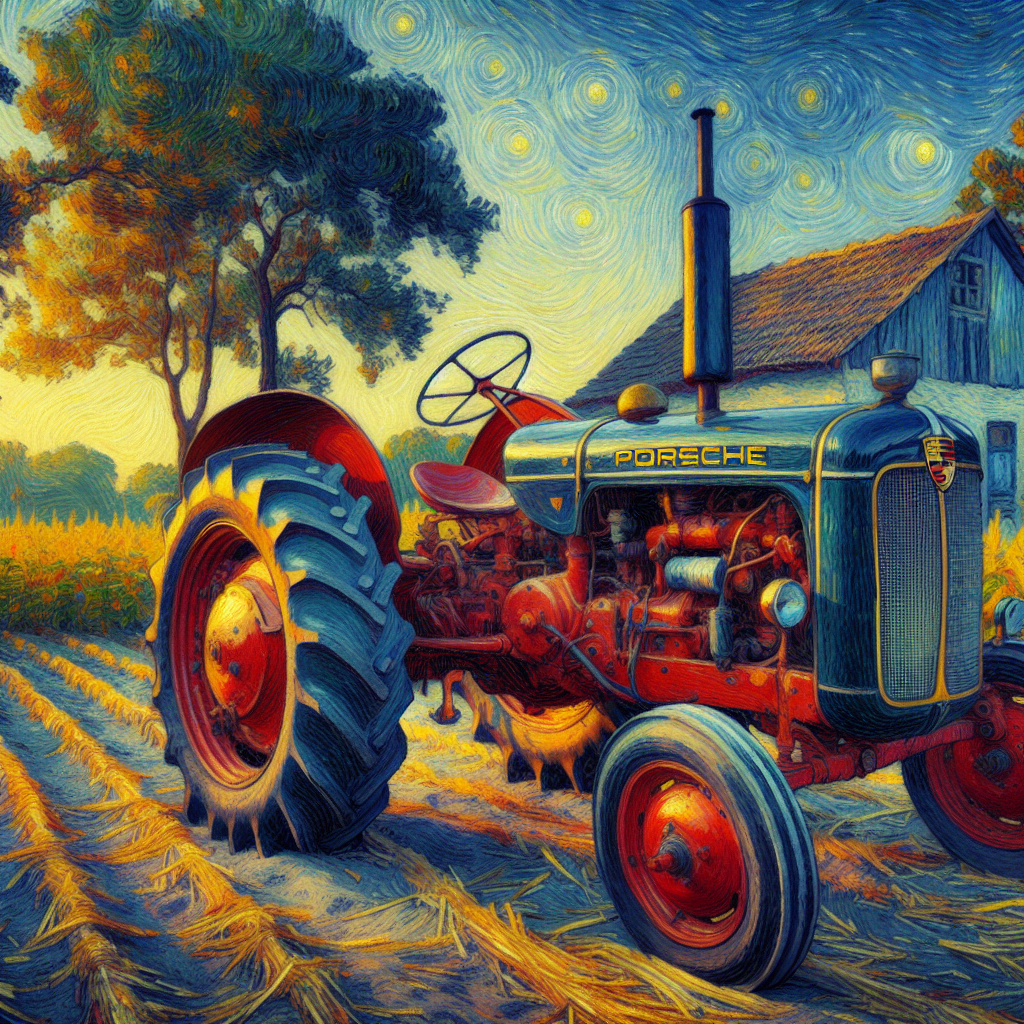
Breaking the Dealer Monopoly – the Classic Tractor Solution – A Poem
In fields where shadows dance, and tractors hum,
Lives etched in soil, where our stories come from.
Machines of labor, hearts intertwined,
Bodies toil on earth, a legacy defined.
Once free, now bound by dealer’s chains,
They profit from our sweat, our hard-earned gains.
Yet, beneath the weight of rising costs,
A spark ignites, vital connections not lost.
Look to the classic tractors, sturdy and true,
Symbols of independence, a bond to renew.
In co-ops, we gather, share knowledge and tools,
Together we rise, defying the rules.
For every high price, there’s a tale of defeat,
Farmers united, our whispers grow sweet.
No longer alone, we mentor, we fight,
Our legacy matters, we reclaim our right.
Through trials and triumphs, resilience we find,
Each challenge a seed we nurture, combined.
With hearts full of hope, as neighbors we stand,
Rebuilding our future, reclaiming the land.
Ethics in harvest, community strong,
Together we flourish, where we all belong.
So let’s rally together, with trust as our creed,
In breaking the chains, we plant every seed.
A chorus of voices, a promise renewed,
To cultivate fair grounds, for all who have stood.
With tractors and dreams that drive us ahead,
In unity rooted, we’ll thrive, not just tread.
Poem
Checklist
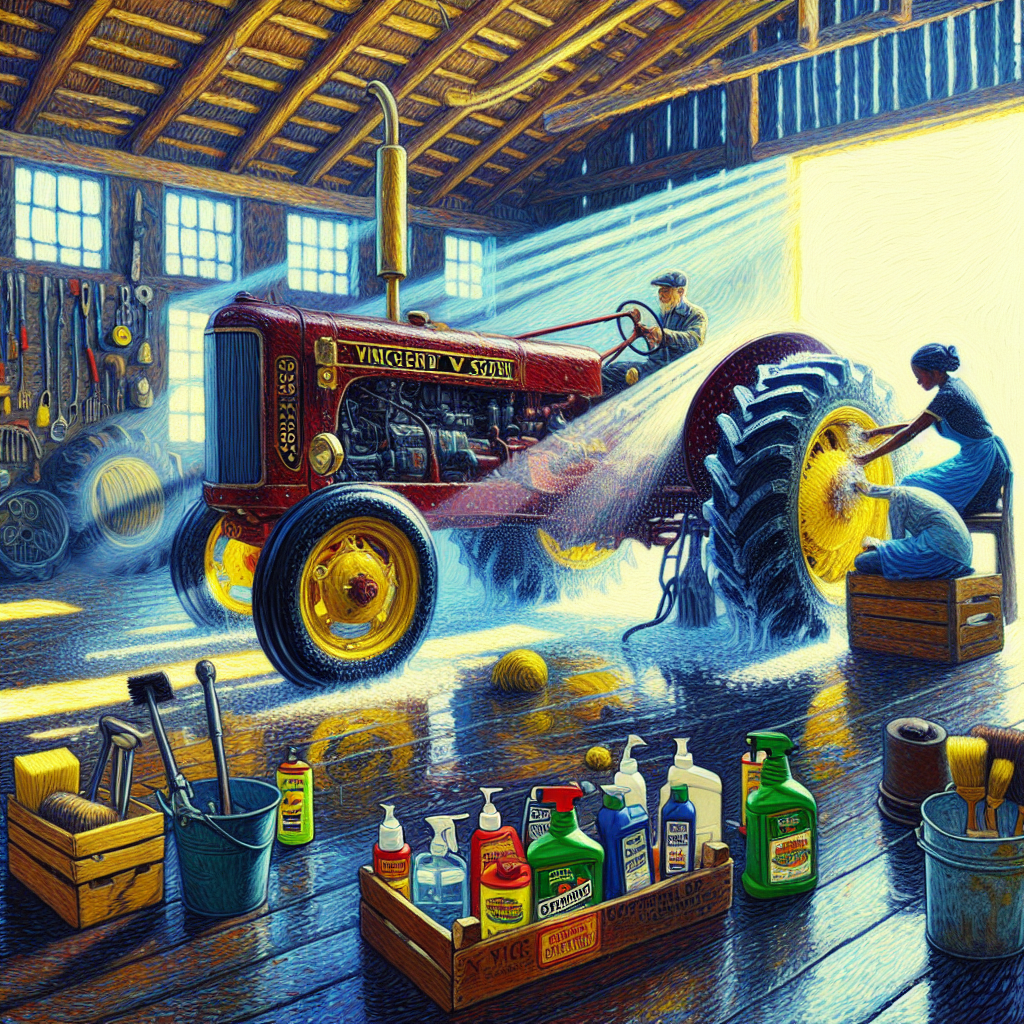
Breaking the Dealer Monopoly – the Classic Tractor Solution – A Checklist
Emotional Appeals
✅______ Reflect on the personal stories of your farming legacy \
✅______ Remind yourself of the emotional connection with your tractor as a family heirloom \
✅______ Visualize the sense of pride in standing with your classic tractor in the field \
Rational Appeals
✅______ Research the benefits of classic tractors for maintenance and repair \
✅______ Compare costs between traditional dealer services and cooperative options \
✅______ Assess the potential for sustainable practices with simpler machinery \
Ethical Appeals
✅______ Consider the impact of monopolies on your livelihood and community \
✅______ Advocate for support of local businesses and farmer cooperatives \
✅______ Commit to sharing resources and knowledge with fellow farmers \
Authority Appeals
✅______ Seek expert recommendations on classic tractors and local repair options \
✅______ Follow industry leaders who promote sustainable farming practices \
✅______ Attend workshops or seminars to learn about fair competition in agriculture \
Narrative Appeals
✅______ Listen to success stories from farmers who reclaimed their independence \
✅______ Share your journey and the challenges faced in modern farming \
✅______ Establish connections through storytelling in community gatherings \
Social Appeals
✅______ Participate in local co-ops and farmer associations for collective strength \
✅______ Encourage neighborly support for shared repairs and knowledge \
✅______ Organize community events that highlight the value of classic tractors and farming traditions \
Checklist
At ClassicTractorNews, we help tractor lovers keep up with the latest news for classic and vintage tractors.
Please share this post with your friends, family, or business associates who may like old classic or vintage tractors.