

Empowering Consumers: A New Era For Right-To-Repair Justice
By Tom Seest
At ClassicTractorNews, we help tractor lovers keep up with the latest news for classic and vintage tractors.
Please share this post with your friends, family, or business associates who may like old classic or vintage tractors.
Breaking – Major Manufacturer Settles Right-To-Repair Lawsuit
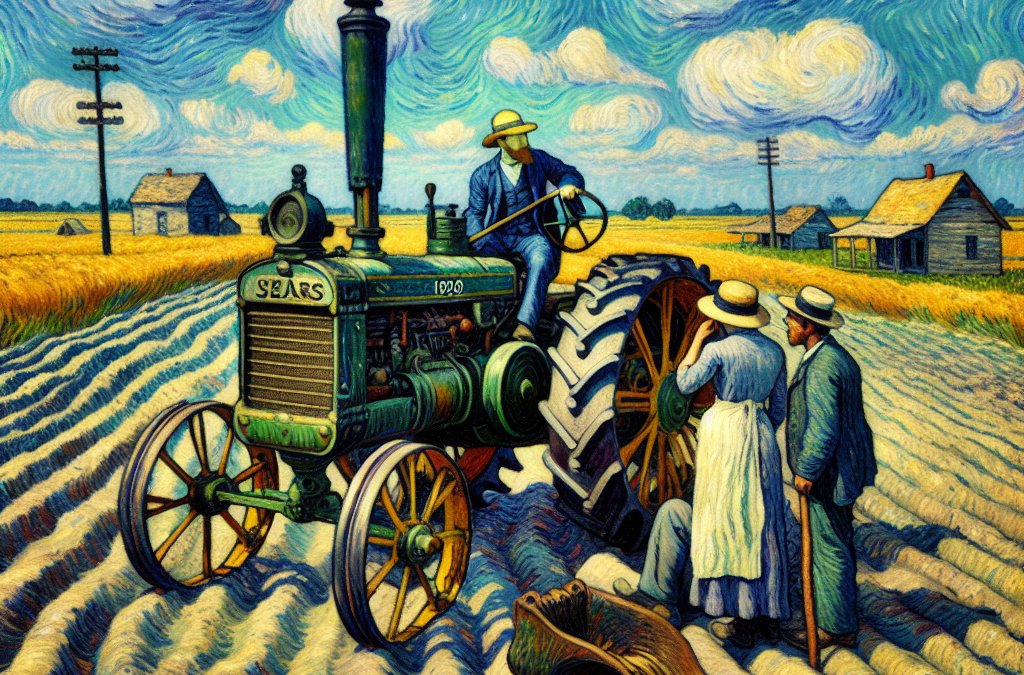
In a world where our devices are becoming as integral to our lives as the air we breathe, the recent settlement in a high-profile right-to-repair lawsuit represents more than just a legal victory; it’s a declaration of independence and empowerment for consumers everywhere. Picture a farmer tending to his fields from dawn till dusk, relying on a trusty tractor to plow through each day’s toil. Now imagine that tractor breaks down, and the farmer is left stranded, fumbling with complex repairs or waiting endlessly for parts to arrive from the manufacturer. It’s more than just inconvenience; it’s a lifeline at risk, a call to action that resonates deep within our spirits.
This settlement isn’t merely a checkbox on a legal form; it’s the heartbeat of a movement. For too long, manufacturers have held their products—like that dear tractor—hostage through restrictive policies that stifle innovation and consumer freedom. Today’s win isn’t just a lesson in the law; it’s a reminder that we, the people, have a voice and the power to shape the world around us. The narrative surrounding consumer rights is shifting, shedding light on the ethical responsibility manufacturers have to their customers. They can’t treat people as mere data points in a sales chart anymore.
Consider the shared stories of individuals who faced barriers when trying to repair their devices. One individual might recount the frustration felt after being unable to fix a simple issue on a laptop because it required proprietary tools and software, making the experience more costly and time-consuming than necessary. Another might describe how they built a community around self-repair, turning shared knowledge into actual power. These are not just stories; they are the threads that tie us together in a narrative of resilience.
This settlement establishes the authority manufacturers must now adhere to—an expectation that they will respect our right to repair and maintain our tools, whether it be a tractor or a smartphone. When companies empower their customers, they cultivate loyalty and trust—two invaluable resources that can sustain them in the long run.
This victory fosters a future where people are not just consumers but capable repairers, innovators, and leaders in their own right. It invites us all to roll up our sleeves and get hands-on, restoring not only our devices but also our faith in a system that values transparency and cooperation. In this changing landscape, one thing is clear: we’re in this together, and together, we’ll drive the future forward.

Breaking – Major Manufacturer Settles Right-To-Repair Lawsuit
Breaking – Major Manufacturer Settles Right-To-Repair Lawsuit
- The recent right-to-repair lawsuit settlement empowers consumers and signifies a major legal victory.
- Manufacturers have previously restricted access to repairs, impacting consumer freedom and innovation.
- Consumers are now recognized for their voice and ability to influence the market.
- Shared experiences highlight the frustrations of consumers facing barriers to device repairs.
- The settlement sets a new expectation for manufacturers to respect consumers’ right to repair.
- Empowering consumers can build loyalty and trust, essential for long-term business success.
- The outcome fosters a future where individuals are more than consumers; they are repairers, innovators, and leaders.
Breaking – Major Manufacturer Settles Right-To-Repair Lawsuit
Table Of Contents
- Breaking – Major Manufacturer Settles Right-To-Repair Lawsuit
- What Does the Settlement Mean for Consumer Rights?
- How Will This Impact Repair Costs?
- Can We Trust Manufacturers to Uphold Repair Rights?
- How Does This Shape the Future Of Electronic Repairs?
- Are Consumers Aware Of Their Right to Repair Products?
- What Ethical Responsibilities Do Companies Have In This Matter?
- Conclusion
- Other Resources
- Glossary Of Terms
- Other Questions
- Haiku
- Poem
- Checklist
What Does the Settlement Mean for Consumer Rights?
When you think about consumer rights, imagine standing at the helm of a tractor, the operator of your own journey through the fields of commerce. Just as a tractor is vital for turning the soil and shaping the landscape of agriculture, consumer rights are essential for navigating the marketplace. The recent settlement isn’t just a legal victory; it’s a robust reminder of the power woven into the fabric of our consumer society. It signifies that when individuals band together, their voices become a formidable force capable of steering significant change.
At the heart of this settlement lies an essential truth: consumers deserve protection from the gnarled roots of deception. It’s not merely about compensation; it’s about restoring trust in the relationships between companies and the people who keep them thriving—the consumers. Picture standing in a crowded store, weighing options, and trusting that each product is genuine and worthy. That trust has been shaken over time, but this settlement is like a seasoned farmer’s hand, reassuringly resting on your shoulder, promising that better days are ahead.
Consider when you invest hard-earned money into a product, only to discover it doesn’t deliver as promised. You feel it in your gut—betrayal mixed with frustration. This settlement serves as a beacon, signaling that there’s a safety net in place for consumers. It’s about accountability, ensuring that companies can’t stray too far into murky waters without facing consequences. It’s a rallying cry, urging consumers to be vigilant, informed, and ready to demand what they rightfully deserve.
We often hear about “the little guy” against corporate giants, but this settlement flips that narrative. It empowers consumers and reinforces the idea that collective action is more than just a mythological David versus Goliath story. It illustrates a practical truth that resonates deeply—when individuals come together with common grievances, they can shift the balance of power back into the hands of the community.
Imagine a neighborhood, once siloed and isolated, now coming together to share stories, support one another, and share the weight of their experiences. This settlement fosters that communal bond among consumers, encouraging everyone to look out for one another. In this new era of consumer rights, it’s about more than just legality; it’s about our shared humanity and the collective hope for honesty and fairness in every transaction. Each small victory serves as fuel for the engine of consumer advocacy, driving us all toward a landscape of marketplace integrity where we can confidently take our place behind the wheel of our choices.

What Does the Settlement Mean for Consumer Rights?
What Does the Settlement Mean for Consumer Rights?
- Consumer rights act as essential tools for navigating the marketplace.
- The recent settlement highlights the power of collective action among consumers.
- It emphasizes the need for protection against deception and restoring trust between consumers and companies.
- The settlement serves as a safety net for consumers, promoting accountability for businesses.
- It empowers individuals to challenge corporate giants, shifting the balance of power back to the community.
- The settlement fosters communal bonds among consumers, encouraging mutual support and vigilance.
- It symbolizes a movement toward integrity and fairness in every transaction.

What Does the Settlement Mean for Consumer Rights?
How Will This Impact Repair Costs?
When it comes to the costs of repairs, we often think of the sheer numbers—dollar signs flashing like warning lights on an old tractor’s dashboard. But let’s dig deeper because repair costs aren’t just digits on a page; they reflect something much more profound: the heart and soul of our daily lives.
Imagine a small farming community where every tractor is not just a machine but a lifeline. Late one autumn, a farmer named Joe realized that his trusty tractor—the very one his grandfather used to plow the fields—was sputtering and struggling to keep up. For Joe, it wasn’t merely about dollars spent on repairs; it was about preserving a legacy that spanned generations. His tractor was a symbol of hard work and perseverance, essential not just for his livelihood, but also for the community that depended on him for fresh produce. The decision to repair his tractor became an emotionally charged moment—do he invest in its restoration or let it fade into obsolescence? Repair costs, in this case, became a reflection of values, heritage, and the collective good.
From a rational perspective, the cost of repairs is often weighed against the price of new equipment. However, the real question isn’t just “What will it cost?” but “What will it mean for the future?” Investing in repairs strengthens local economies and maintains jobs, creating a ripple effect felt in families across the neighborhood. Each dollar spent on refurbished machinery isn’t just about the immediate expense; it’s a vote of confidence in the community’s future.
Ethically speaking, as we face a world that often prioritizes disposability, choosing to repair is a statement. It’s an act of responsibility to the planet and the generations that follow. Repairing a tractor means that we are not only caring for a machine but also choosing sustainability over short-term convenience.
In the grand tapestry of our lives, repair costs have a narrative that speaks volumes. They forge connections with our past while pushing us toward a sustainable future. As we share experiences, we foster a culture that values endurance over convenience, reminding us that every repair is a step toward resilience. The costs aren’t just to be calculated—they’re to be understood as a legacy of commitment to what truly matters.
So, next time you look at repair estimates, remember Joe and his tractor. Consider the deeper implications of investing in repair. It’s more than a financial decision; it’s a reflection of who we are and what we value.

How Will This Impact Repair Costs?
How Will This Impact Repair Costs?
- Repair costs symbolize the heart and soul of daily life, transcending mere financial numbers.
- Joe, a farmer, views his tractor as a familial legacy, representing hard work and community reliance.
- The choice to repair is an emotional one, reflecting values and heritage rather than just expenses.
- Investing in repairs strengthens local economies and creates a positive ripple effect within the community.
- Choosing to repair is a commitment to sustainability over disposability, showcasing ethical responsibility.
- Repair costs connect us to our past and guide us toward a sustainable future, fostering a culture of resilience.
- Evaluating repair estimates should involve deeper contemplation of community values and personal significance.

How Will This Impact Repair Costs?
Can We Trust Manufacturers to Uphold Repair Rights?
Picture this: you’re out in the fields, the sun casting long shadows over your trusty tractor, a machine that’s seen more seasons than you care to count. It’s not just a piece of equipment; it’s a lifeline, a partner in the daily grind of bringing life from the earth. But then, it breaks down. You call the manufacturer, hoping for help, only to hit a wall of corporate red tape. Suddenly, that relationship feels more transactional than trustworthy.
Repair rights are about more than just fixing things; they’re about maintaining the bond between people and the tools that help us thrive. When manufacturers insist on keeping their repair manuals under lock and key, it feels like they’re saying, “We know best. You can’t fix your own problems.” This stance not only undermines our independence but also raises ethical questions about who really owns our machines.
Think about a time when you faced an obstacle and found a solution yourself—maybe you patched a leaky roof or fixed that broken lawnmower after watching a few videos online. That’s empowerment. But now imagine being told you can’t even try because the manufacturer won’t sell you the part or share the knowledge. It’s frustrating, isn’t it? A machine, no matter how sophisticated, should facilitate our lives, not complicate them.
The heart of the matter lies in broader implications. When manufacturers prioritize profit over accessibility, they risk alienating their customers. Trust is built on transparency, and when consumers feel that trust has been breached, they become vocal. They turn to social media, to forums, and to community gatherings, igniting conversations that can upend even the most established brands.
Imagine a world where every tractor is a gateway to a community of self-repairers, where knowledge flows freely, where we come together to share solutions rather than feel restricted by corporate limitations. It’s not just about fixing a broken part; it’s about fostering a culture of resilience and autonomy.
In these times, when the tech industry is rapidly evolving, we must demand that manufacturers uphold our rights to repair. There’s power in unity, and as consumers, we hold a collective voice loud enough to challenge the status quo. Let’s ensure that the heart of manufacturing beats in rhythm with the needs of those who truly rely on these machines. The fight for repair rights is not just about tools; it’s about reclaiming our ability to control our own destinies.

Can We Trust Manufacturers to Uphold Repair Rights?
Can We Trust Manufacturers to Uphold Repair Rights?
- Repair rights are essential for maintaining a bond between people and their equipment.
- Manufacturers locking repair manuals raises questions about independence and ownership.
- A culture of empowerment is fostered when individuals can solve their own problems.
- Manufacturers prioritizing profit over accessibility risks alienating customers.
- Transparency builds trust, and a breach of this trust leads to vocal consumer backlash.
- A community of self-repairers can share solutions and knowledge openly.
- The demand for repair rights is vital to reclaiming consumer control over technology.

Can We Trust Manufacturers to Uphold Repair Rights?
How Does This Shape the Future Of Electronic Repairs?
The future of electronic repairs is a landscape ripe for transformation, much like the way tractors revolutionized farming by enhancing efficiency and productivity. Today, as technology evolves at lightning speed, it’s easy to dismiss the value of repairing our devices, but let’s take a moment to consider what this means for our communities and our connection to one another.
Picture a small-town repair shop, where the hum of tools and the friendly banter of technicians echo off the walls. This is not just a place for fixes; it represents resilience and ingenuity. When a local farmer brings in a broken piece of equipment—perhaps a crucial part of their tractor—it’s not merely about restoring function. It’s about supporting the backbone of that community. Each repair creates not just a working machine but a network of relationships worthy of our attention. This highlights the emotional weight behind repairs; it’s about keeping people connected to their livelihoods.
Furthermore, the rise of DIY repair culture champions an ethical imperative. It pushes us to fight against the throwaway mentality that has gripped our society. Every time we choose to repair instead of replace, we’re sending a powerful message: we value our resources, we respect the planet, and we endorse a sustainable lifestyle. This decision reverberates beyond individual actions; it’s a collective narrative that encourages others to consider their habits in a world that desperately needs a rethink.
From a rational standpoint, embracing repair can lead us down a path of economic opportunity. Supported by skilled technicians who understand the craftsmanship involved in each repair, we foster a new generation of skilled tradespeople. They are the unsung heroes who make our gadgets last longer, preventing waste while potentially launching new startups centered around repair efforts. These enterprises can thrive, offering everything from educational workshops to local repair fairs, driving home the message that we can take pride in our ability to fix what we own.
And let’s not overlook the social aspect. By championing repair, we foster a sense of belonging. We are part of a movement that values craftsmanship over consumerism, where each of us can contribute to something larger than ourselves. In this emerging future, every device repaired tells a story, linking our past experiences with hope for what lies ahead, much like a well-loved tractor still plowing fields long after its first sale.
As we stand at this crossroads, the future of electronic repairs isn’t just a technical discussion; it’s a heartfelt call to action, inviting us to rebuild, restore, and reconnect—one device at a time.

How Does This Shape the Future Of Electronic Repairs?
How Does This Shape the Future Of Electronic Repairs?
- The future of electronic repairs is poised for transformation, similar to the impact of tractors on farming.
- Local repair shops symbolize community resilience and relationship-building beyond mere fixes.
- Repairing devices fosters connections to livelihoods and emotional ties within communities.
- DIY repair culture promotes a sustainable mindset, countering the throwaway mentality.
- Embracing repair creates economic opportunities and supports the development of skilled tradespeople.
- Repair initiatives can inspire new businesses, such as workshops and local fairs.
- Championing repair cultivates a sense of belonging and craftsmanship, linking past experiences with future hopes.
How Does This Shape the Future Of Electronic Repairs?
Are Consumers Aware Of Their Right to Repair Products?
When we think about the things we own, it’s easy to overlook a fundamental truth: our right to repair them. Just as a farmer painstakingly repairs a tractor to keep it running, we have the capability—and often the necessity—to fix our own gadgets and appliances. Yet, many of us stand on the sidelines, unaware of our rights in this digital age, as companies place barriers that feel insurmountable.
Let’s be honest. We’ve all had that moment when something breaks—a smartphone slips from our hands or the dishwasher suddenly decides it’s done working. Our first instinct is often to toss it out and buy a new one, but what if we don’t have to? There’s an unspoken code among those who grew up tinkering: we can repair things. Knowing how mirrors the values of hard work and resourcefulness, qualities synonymous with blue-collar labor. Yet, many consumers today are left in the dark, their rights shrouded by warranty fine print and corporate policies.
Take a second to think about a tractor in a field. It’s often the backbone of a farmer’s livelihood, and when it breaks down, there’s urgency. The first thing a farmer does isn’t call a dealership for a brand-new model; they pull out their toolkit. This instinct to fix, to maintain, is a powerful narrative that resonates with all of us. It leans on ethics—the right to choose not to contribute to the cycle of waste. It encourages a generational legacy of preservation and ingenuity.
So, why are we relegated to being consumers rather than caretakers of our belongings? There’s a fear of being overwhelmed by the repair process or uncertainty about the legality of our actions. But by demystifying our rights—by truly understanding that we can repair our products—you empower yourself and others. The floodgates of creativity and sustainability open when we claim this right, inviting a sense of community that’s eager to share solutions and hacks.
Every time we repair rather than replace, we’re not just saving our wallets; we’re making conscious choices that ripple outwards into our communities. Each successful fix fosters dependence on skills that matter. It’s a call to arms for those who believe in a more sustainable future—repairing products becomes a movement, not just a responsibility. In this network of expression, where neighbors help neighbors, we reclaim the power to innovate—not just for ourselves, but for future generations.

Are Consumers Aware Of Their Right to Repair Products?
Are Consumers Aware Of Their Right to Repair Products?
- Consumers often overlook their right to repair their owned products.
- Repairing devices reflects values of hard work and resourcefulness.
- Many feel overwhelmed by repair processes and unclear on legalities.
- Repairing rather than replacing can help combat waste and promote sustainability.
- Understanding repair rights encourages community sharing of solutions.
- Each successful repair fosters valuable skills and contributes to a sustainable future.
- The movement for repair empowers individuals and strengthens community ties.

Are Consumers Aware Of Their Right to Repair Products?
What Ethical Responsibilities Do Companies Have In This Matter?
Companies hold a unique position in our society, much like a well-maintained tractor guiding a farmer’s plow through fields. Both are tools for progress, but the burden of responsibility weighs heavily on those who operate them. When a company takes on the mantle of a corporate citizen, it must recognize that its decisions ripple through the lives of its employees, customers, and the community at large.
Imagine a local factory—the heart of a small town. It’s not just a place of work; it’s a lifeline. When that factory prioritizes profit over people, cuts corners, or neglects safety, it endangers not only its own workers but the fabric of the community. It’s easy to treat ethics as just another box to check on a compliance list, but real ethical responsibility runs deeper. It’s about establishing a culture of care and commitment, where every decision honors the individuals behind the statistics, where every policy acknowledges the very human elements at play.
Rationally, companies must understand that ethical practices are not only morally commendable; they also foster trust and loyalty. The modern consumer is vigilant, and they gravitate towards brands that align with their values. A well-constructed ethical framework can boost a company’s image and bottom line. Consider the impact of sustainable practices. When a company takes the high road, it can inspire others to do the same, creating a wave of positive change. That’s not just good business; that’s good citizenship.
At the core of ethical responsibility lies a narrative—a story of integrity that each company must write with its stakeholders. When employees feel valued and heard, they contribute more than just their labor; they bring passion and innovation. By creating an inclusive environment, companies can harness this collective energy to drive not only success within their walls but also a commitment to the broader societal good.
On a fundamental level, it’s about the gut feeling. People want to work for and buy from companies that resonate with their values. This emotional connection can’t be manufactured; it must be cultivated through genuine action. Social responsibility isn’t just a marketing strategy; it’s about being accountable for one’s impact and, much like a farmer tending to his land, nurturing those relationships yields long-term rewards.
Ultimately, companies must view their ethical responsibilities as a journey, not a destination. They have the power to lead by example, cultivate trust, and inspire action. By doing so, they not only contribute to individual lives but also forge a path toward a more equitable and sustainable future. Let’s put the pedal to the metal and drive this change forward, leveraging every resource, every story, and every heart involved in this collective effort.

What Ethical Responsibilities Do Companies Have In This Matter?
What Ethical Responsibilities Do Companies Have In This Matter?
- Companies serve as vital tools for progress, carrying a significant burden of responsibility.
- Corporate citizenship entails understanding the impact of decisions on employees, customers, and the community.
- Emphasizing profit over people and neglecting safety threatens both workers and community wellbeing.
- Ethical practices foster trust and loyalty, aligning companies with modern consumers’ values.
- Sustainable practices enhance a company’s image and can inspire broader social responsibility.
- Creating an inclusive culture boosts employee engagement, innovation, and aligns with societal good.
- Companies should view ethical responsibilities as an ongoing journey, aiming for equity and sustainability.

What Ethical Responsibilities Do Companies Have In This Matter?
Conclusion
The recent settlement in the right-to-repair lawsuit isn’t just a legal win; it’s a call to arms for consumers, a significant shift in the relationship between brands and the people who depend on their products. Imagine, for a moment, a hardworking farmer depending on his tractor, only to face a breakdown—what should be a simple repair suddenly turns complicated. This metaphor serves to remind us that for too long, manufacturers treated repair rights like mere inconveniences, holding power over consumers through restrictive policies.
This settlement marks a turning point, emphasizing the ethical duty manufacturers owe their customers. It’s not just about profits; it’s about people—real stories from individuals who’ve felt the weight of barriers, struggling to fix their essential devices. These narratives bind us together in a collective push towards autonomy and justice. When companies recognize consumers’ rights to repair, they not only improve their accountability but also create trust. This type of empowerment nurtures loyalty, ensuring that consumers feel valued rather than voiceless participants in a faceless economic machine.
The implications extend beyond just the mechanics of repair. Every repaired item carries emotional significance—like a tractor that’s kept in action, representing both hard work and community resilience. Each successful repair reflects a deeper commitment to sustainability, revealing the ethical choice between repairing and discarding. This mentality fosters local economies and helps us forge connections that bring communities together, reinforcing the idea that we are stronger when we lean on one another for support.
As we move into this new era, it’s crucial for consumers to embrace their rights. We must transition from passive consumers to active participants in shaping our choices. Knowledge is power, and understanding our repair rights can ignite a grassroots movement of innovation, creating a network of individuals eager to share solutions rather than surrendering to a throwaway culture.
Companies can no longer afford to dismiss this shift. Ethical responsibility isn’t just a checkbox; it’s the foundation upon which they build enduring relationships with their customers. When businesses acknowledge their role in uplifting consumer rights, it cultivates a climate where integrity flourishes, driving lasting change. Let’s harness this momentum, reclaiming our rights together and ensuring that the future of repair is rooted in trust, community, and resilience—driving us forward into a brighter, more equitable landscape.

Conclusion
Conclusion:
- The recent right-to-repair lawsuit settlement signifies a legal victory and a consumer empowerment movement.
- Manufacturers have historically viewed repair rights as inconveniences, exerting control over consumers.
- This settlement highlights manufacturers’ ethical obligations towards their customers.
- Real stories from consumers illustrate the struggles of navigating restrictive repair policies.
- Repairing items contributes to sustainability, supporting local economies and community connections.
- Consumers should actively embrace their rights to foster innovation and combat a throwaway culture.
- Companies must recognize and uphold ethical responsibilities to build lasting relationships with consumers.

Conclusion
Other Resources

Other Resources
Here is a list of other resources you can review online to learn more:
- NM Farm & Ranch Heritage Museum
- Fiat-Hesston
- Mmaine Antique Tractor Club
- Terraplane
- Dongfeng
- Antonio Carraro
- Long
- Froelich Tractor Museum
- Somerset Vintage & Classic Tractor Show
- Classic Old Tractors
- Daedong
- Caterpillar
- Volvo
- Classic Farm Tractors
- Ageless Iron
- Captain
- Antique Tractor Club
- National Farm Show Tractor Pull
- Farm Progress Show
Use This Prompt To Get More Resources With Your Favorite Online AI Tool: Please provide me with a list of online articles with their URLs in a bulleted list that I can read regarding Breaking – Major Manufacturer Settles Right-To-Repair Lawsuit

Other Resources
Glossary Terms
Breaking – Major Manufacturer Settles Right-To-Repair Lawsuit – Glossary Of Terms
1. Right-to-Repair — legal and policy movement advocating consumers’ and independent technicians’ ability to diagnose, repair, and modify products without unreasonable manufacturer restrictions.
2. Repairability — measure of how easily a product can be disassembled, serviced, and reassembled, based on parts access, modularity, and documentation.
3. Original Equipment Manufacturer (OEM) — company that designs, produces, and sells the original product and often controls parts, tools, and service information.
4. Independent Repair Provider — technician or repair shop not affiliated with the OEM offering third‑party repair services.
5. Authorized Service Provider — repairer officially approved or certified by the OEM, usually granted privileged access to parts, tools, and manuals.
6. Aftermarket Parts — replacement components produced by third parties rather than the OEM, used as alternatives in repairs.
7. Counterfeit Parts — fraudulent or imitation parts sold as genuine OEM components, often of inferior quality and safety.
8. Diagnostic Tools — hardware or software used to detect faults, run tests, and configure devices; may be restricted by manufacturers.
9. Service Manual — technical documentation detailing disassembly, troubleshooting, parts lists, and repair procedures.
10. Firmware Signing — cryptographic control that restricts installation of firmware to digitally signed versions, limiting third‑party updates or repairs.
11. Digital Rights Management (DRM) — technical measures that control access to device software or functions and can impede independent repairs or modifications.
12. Warranty Void Clause — contractual provision claiming the warranty will be voided by certain third‑party repairs or modifications.
13. Magnuson‑Moss Warranty Act — U. S. federal law that restricts manufacturers from conditioning warranties on use of only OEM parts or services.
14. Consumer Protection Law — statutes and regulations that guard buyers against unfair or deceptive practices relevant to repair policies and advertising.
15. Class Action — collective lawsuit filed on behalf of a group of similarly affected consumers against a manufacturer.
16. Settlement Agreement — legally binding resolution between disputing parties that ends litigation, often including payments and behavioral commitments.
17. Consent Decree — court‑approved settlement that becomes enforceable as a court order, frequently used to impose long‑term compliance terms.
18. Injunctive Relief — court order requiring a party to perform or cease specific actions, such as providing repair access or documentation.
19. Declaratory Judgment — court determination that clarifies the legal rights or obligations of parties without awarding damages.
20. Damages — monetary awards intended to compensate plaintiffs for losses caused by the defendant’s conduct.
21. Attorney Fees Award — court order that requires one party to pay the opposing party’s legal costs, often part of settlements or rulings.
22. Antitrust Claim — allegation that a manufacturer engaged in monopolistic or exclusionary practices to limit competition in the repair market.
23. Trade Secret — confidential technical, manufacturing, or business information that companies protect from disclosure and may cite against sharing repair details.
24. Interoperability — the ability of parts, tools, or software from different sources to function together, enabling broader repair options.
25. Forced Obsolescence — design, software, or policy practices that intentionally shorten a product’s usable life to drive replacements.
26. Parts Availability — the degree to which genuine or compatible replacement components are accessible to consumers and repairers.
27. Repair Marketplace — online or physical platforms that connect consumers with parts, manuals, tools, or independent technicians.
28. Right-to-Repair Coalition — organized groups of consumers, repair shops, and advocates campaigning for legal and policy reforms to expand repair access.
29. Proprietary Diagnostic Codes — manufacturer‑specific error or service codes that require vendor tools or documentation to interpret and resolve.
30. Remanufacturing and Refurbishment — processes of restoring used products or components to like‑new condition for resale, reuse, or extended lifecycle.

Glossary Of Terms
Other Questions
Breaking – Major Manufacturer Settles Right-To-Repair Lawsuit – Other Questions
If you wish to explore and discover more, consider looking for answers to these questions:
- Which manufacturer settled, and what are the exact terms of the settlement?
- Does the settlement apply nationwide or only in specific states or countries?
- Which types of products are covered (tractors, smartphones, appliances, industrial equipment)?
- What specific repair rights does the settlement guarantee (parts, manuals, diagnostic tools, firmware access)?
- Will manufacturers be required to sell replacement parts and specialized tools to consumers and independent repair shops?
- How will access to proprietary software, firmware, and diagnostic codes be handled?
- Are there timelines or deadlines for manufacturers to comply with the settlement terms?
- Who enforces the settlement and what penalties exist for noncompliance?
- Will consumers still lose warranty coverage if they use third-party or DIY repair services?
- How will repair costs change for consumers and independent repair businesses?
- Will the settlement regulate parts pricing or availability to prevent excessive markups?
- Will official repair manuals and service guides be published publicly and in what formats?
- How does the settlement address manufacturers’ intellectual property and trade secret claims?
- Does it require manufacturers to provide software updates or fixes to prevent bricking after repairs?
- What protections exist for consumer data and privacy during third-party or DIY repairs?
- How will independent repair shops be affected—will they gain new market access or face new requirements?
- Are there new certification, licensing, or training requirements for technicians who perform repairs?
- How will the settlement impact product warranties, service contracts, and extended service plans?
- Does the settlement include provisions for recycling, refurbishment, or e-waste reduction?
- Will manufacturers be allowed to impose software locks, telematics restrictions, or remote disabling that block repairs?
- How will the settlement influence future product design—will manufacturers be required or incentivized to make devices more repairable?
- Does the settlement create a legal precedent for other right-to-repair cases or for new legislation?
- Can manufacturers appeal or seek to modify the settlement later on?
- How can consumers file complaints or enforce their rights if access to repairs remains restricted?
- What role will government agencies, consumer advocates, or third-party auditors play in oversight?
- Will this change affect resale values, buyback programs, or certified pre-owned markets?
- How soon will consumers notice tangible changes in repair availability, turnaround times, and costs?
- Are there organizations, hotlines, or online resources that will help consumers understand and use their new rights?
- How does this settlement interact with international right-to-repair laws and cross-border warranty issues?
- What legal or policy steps are consumer advocates likely to pursue next to expand or solidify repair rights?
- How will supply chain constraints or parts shortages affect the settlement’s practical impact?
- What liability or safety responsibilities fall on independent repairers after the settlement?

Other Questions
Haiku
Breaking – Major Manufacturer Settles Right-To-Repair Lawsuit – A Haiku
Consumers united strong,
Repair rights claim power back,
A future restored.
Haiku
Poem
Breaking – Major Manufacturer Settles Right-To-Repair Lawsuit – A Poem
In fields where trust has sown the seeds,
A farmers hand, hearts earnest needs.
Machines once bound by corporate chains,
Now free to mend what always remains.
A tractor sputters, stories unfold,
As hands repair the dreams of old.
From labors sweat, a movement grows,
Empowerment where the river flows.
Consumers rise, with voices combined,
Reclaiming rights, no longer confined.
Together we stand, against the tide,
In unity, our strength, our pride.
Repair not waste, a culture we build,
In each act of care, our futures are filled.
For every device, once merely a tool,
Now holds the legacy of generations rule.
Ethics entwined in the heartbeat of trade,
Companies must ponder the trust they have made.
When profit meets purpose, a new path is paved,
A landscape of integrity, the bonds weve saved.
So let us gather, side by side,
In this harvest of hope, let love be our guide.
For together well forge a future, bright and true,
One repair at a time, we rise anew.

Poem
Checklist
Breaking – Major Manufacturer Settles Right-To-Repair Lawsuit – A Checklist
Understand Your Rights
✅______ Research your right to repair products legally.
✅______ Familiarize yourself with the legal frameworks governing consumer rights in your region.
Assess Repair Options
✅______ Determine if repairing an item is feasible versus replacing it.
✅______ Seek out local repair shops or community resources for assistance.
Connect with Repair Communities
✅______ Join online forums or local groups focused on DIY repairs.
✅______ Share your own repair experiences to foster community knowledge.
Evaluate the Manufacturer’s Policies
✅______ Investigate the transparency of your device’s manufacturer regarding repairability.
✅______ Check for available repair manuals or parts.
Support Ethical Brands
✅______ Choose companies that prioritize ethical production and repair rights.
✅______ Hold manufacturers accountable for ethical practices through your purchasing decisions.
Advocate for Transparency
✅______ Engage in conversations about the importance of repair rights on social media.
✅______ Share informative resources to educate others about their rights.
Consider Environmental Impact
✅______ Reflect on the ecological footprint of repairing versus discarding items.
✅______ Advocate for sustainable practices within your community.
Foster Skills and Knowledge
✅______ Attend workshops or online courses to enhance your repair skills.
✅______ Learn about tools and techniques necessary for DIY repairs.
Document Your Repairs
✅______ Keep a log of your repair activities to track your skills and improvements.
✅______ Share successful repair stories to inspire others and create a narrative of empowerment.
Promote Collective Action
✅______ Encourage friends and family to join repair initiatives or advocacy groups.
✅______ Participate in events that highlight collective consumer power in effecting change.

Checklist
At ClassicTractorNews, we help tractor lovers keep up with the latest news for classic and vintage tractors.
Please share this post with your friends, family, or business associates who may like old classic or vintage tractors.