

Unlocking Value: The Emotional And Financial Wisdom Of Vintage Tractors
By Tom Seest
At ClassicTractorNews, we help tractor lovers keep up with the latest news for classic and vintage tractors.
Please share this post with your friends, family, or business associates who may like old classic or vintage tractors.
Breaking Down the Numbers – Why Old Tractors Make Financial Sense
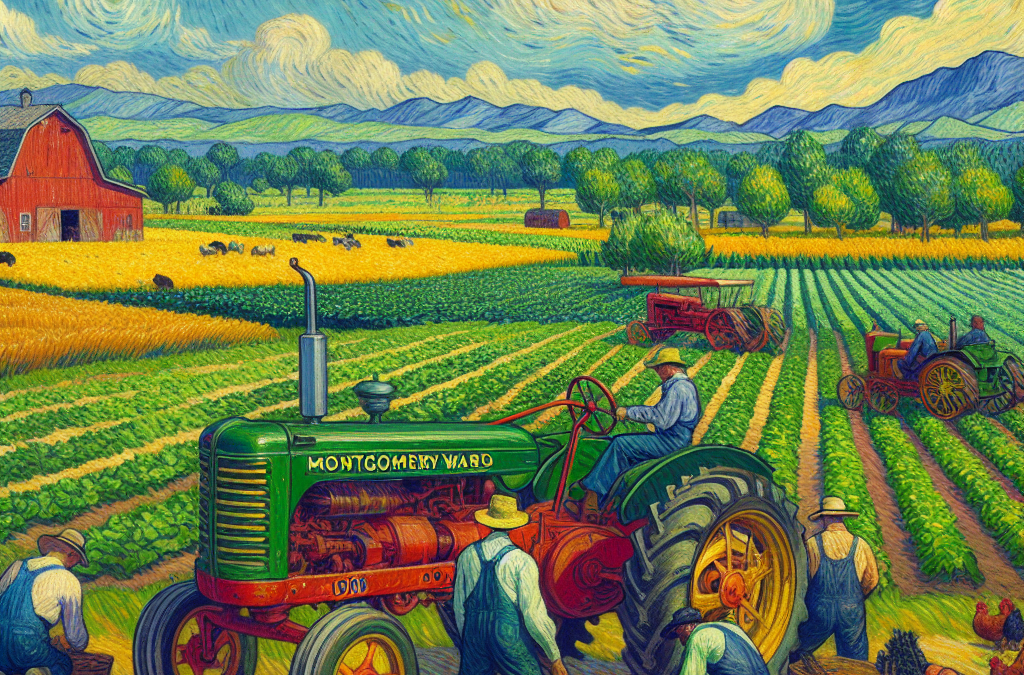
When you think of a tractor, the image that comes to mind might not spark joy at first. But consider this: that rusted piece of machinery resting in a corner of a barn is more than just metal and wheels; it’s a symbol of hard work and enduring value. Old tractors, with their rugged charm and rich stories, are not just relics of the past—they’re financial powerhouses waiting to be revived.
From a financial perspective, every penny spent on a new tractor can be overwhelming. The allure of shiny new technology often leads us to overlook what’s right in front of us: older models that have stood the test of time. A well-maintained tractor from decades past can serve just as reliably as its contemporary counterparts, often at a fraction of the cost. The numbers don’t lie. For many, investing in an old tractor means less money spent on monthly payments, insurance, and depreciation. Instead of sinking funds into a sleek, shiny machine that loses value the moment it leaves the dealership, restoring an older model can be a savvy choice that turns into a rewarding experience.
Think of the personal stories tied to these machines. My friend Bert inherited his grandfather’s old tractor, a rusty but dependable Ford 8N. It wasn’t perfect—just like any hardworking farmer, it had seen better days—but with some TLC and a few affordable repairs, it quickly became the heart of his family farm. That tractor didn’t just cultivate crops; it cultivated memories. Every time Bert cranked the engine, he could almost hear his grandfather’s laughter, feel the dirt beneath his fingernails, and embrace the ethos of perseverance that comes with tending to land.
Old tractors also represent a sustainable choice. In an age where the call for environmental consciousness grows louder, choosing to restore rather than replace shines a light on a timeless principle: respect for resources and history. By bringing a vintage tractor back to life, you’re fostering a connection to the past while reducing your carbon footprint.
In a world obsessed with the latest and greatest, let’s pause and consider the lessons of the past. Choosing an old tractor isn’t merely about financial savvy; it’s about embracing a legacy, making an ethical decision, and finding joy in the grit of agriculture. Whether you’re hauling hay or simply reminiscing about the days gone by, these tractors embody a spirit that’s hard to replicate, reminding us to honor the roots of our work while forging ahead.
Breaking Down the Numbers – Why Old Tractors Make Financial Sense
Breaking Down the Numbers – Why Old Tractors Make Financial Sense
- Old tractors symbolize hard work and enduring value, representing a connection to the past.
- Investing in older models can be financially beneficial, offering lower costs in payments, insurance, and depreciation.
- Restoring older tractors provides a rewarding experience without the rapid loss of value seen with new models.
- Personal stories, like Bert’s experience with his grandfather’s Ford 8N, highlight the emotional connections tied to old tractors.
- Old tractors promote sustainability by reducing waste and respecting historical resources.
- The choice of an older tractor embodies an ethical decision, celebrating legacy and tradition in agriculture.
- These tractors not only serve practical purposes but also remind us to honor our agricultural roots while looking to the future.
Breaking Down the Numbers – Why Old Tractors Make Financial Sense
Table Of Contents
- Breaking Down the Numbers – Why Old Tractors Make Financial Sense
- Why Are Old Tractors a Cost-Effective Choice for Farmers?
- How Do Older Models Compare In Reliability to New Tractors?
- What Emotional Connections Do We Have with Vintage Machinery?
- How Have Old Tractors Shaped Farming Practices Over the Decades?
- What Ethical Considerations Arise When Choosing Old Vs. New Equipment?
- How Can Owning an Older Tractor Be a Symbol Of Heritage and Pride?
- Conclusion
- Other Resources
- Glossary Of Terms
- Other Questions
- Haiku
- Poem
- Checklist
Why Are Old Tractors a Cost-Effective Choice for Farmers?
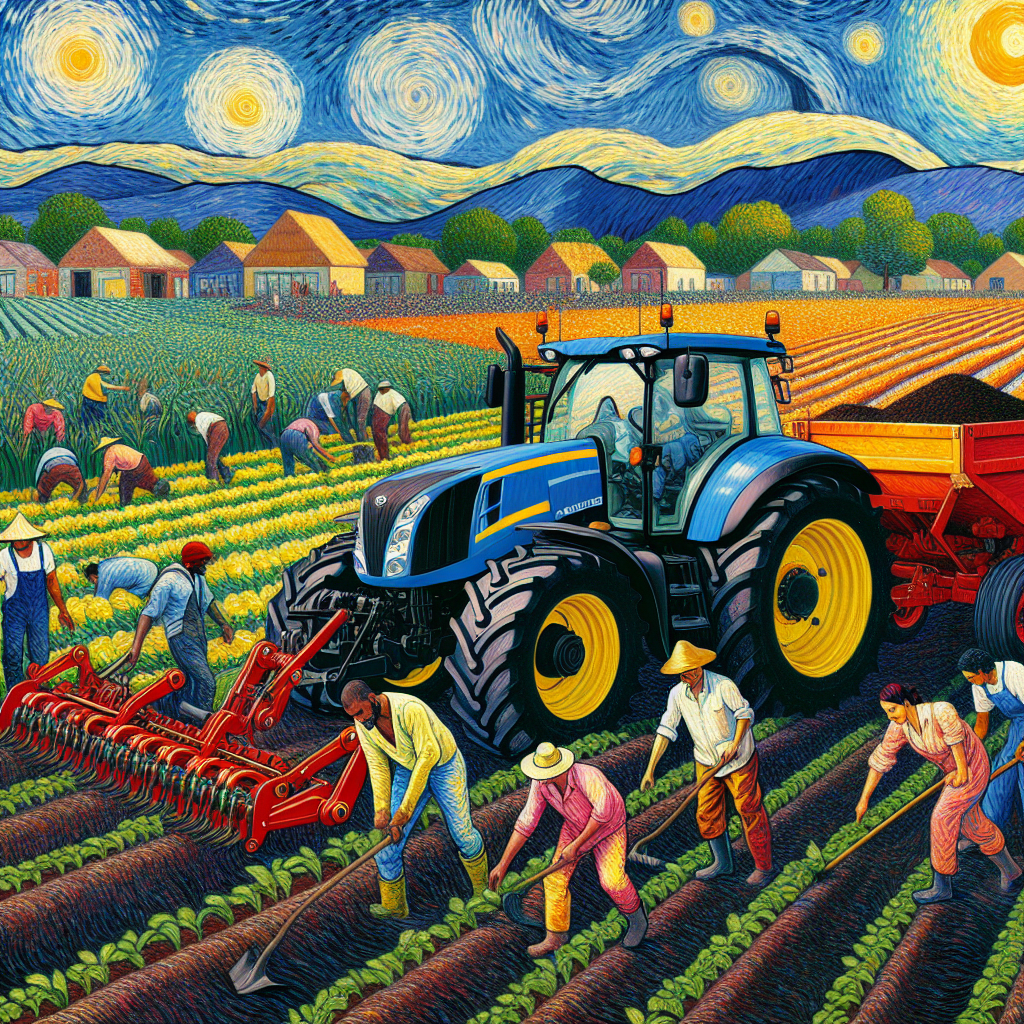
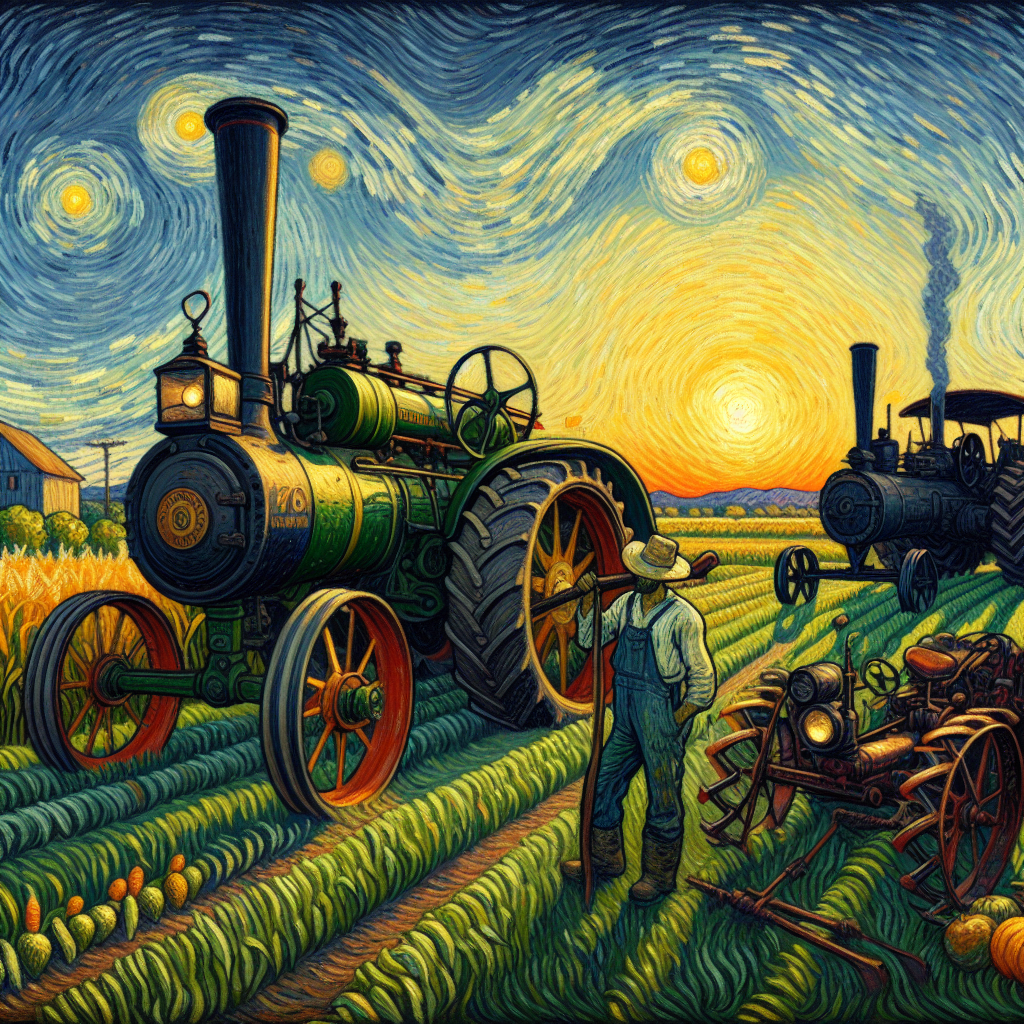
In the world of farming, where every dollar counts, the decision to opt for an old tractor can be more than just a financial one—it often becomes a story of resilience and tradition. These machines, with their rugged exteriors and timeless designs, hold within them not just the promise of savings, but also a deep-seated connection to the land and the people who toil upon it.
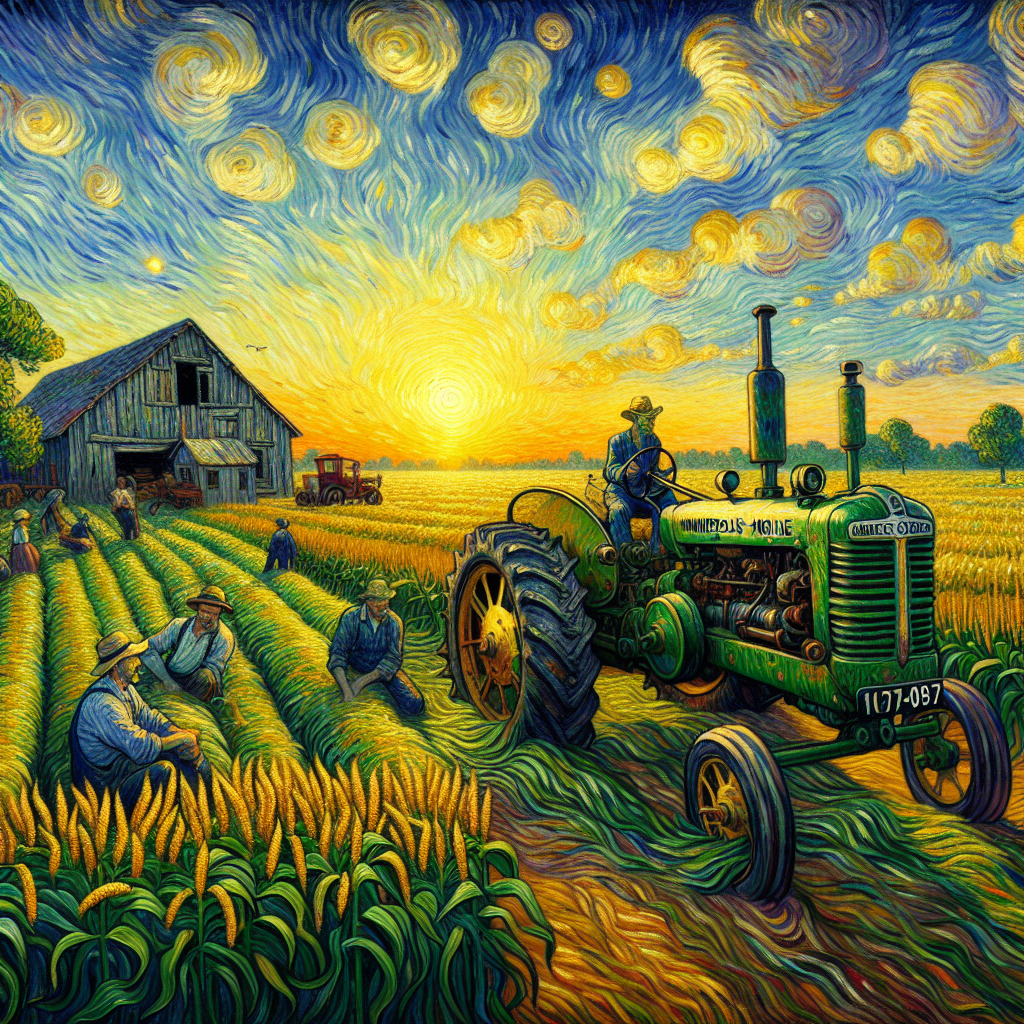
Picture a farmer standing in the early morning light, the mist rising off the fields like puffed-up whispers of possibilities. An old tractor sits nearby, a trusty companion that has seen countless seasons of planting and harvesting. Each scratch and dent tells a tale of challenges met and overcome. For many, these tractors represent more than just machinery; they are a symbol of perseverance in a profession that has its roots deep in history. It’s not just about the cost-effectiveness of maintaining a simple, durable piece of equipment—it’s about embracing a legacy.
From a financial standpoint, old tractors can provide significant savings. The initial purchase is often a fraction of the cost of a brand-new model, and the straightforward mechanics mean repairs are simpler and cheaper. Unlike the latest gizmos and gadgets, these classic machines often don’t come with a two-page manual of high-tech features to learn. Farmers draw on their hands-on experience, showcasing a lifestyle that values practicality over luxury. It’s a call back to a time when technology wasn’t meant to replace human touch but to enhance it.
Ethically, choosing an old tractor aligns with the growing movement towards sustainability and environmental responsibility. By opting for equipment that has already survived the relentless hammering of time, farmers reduce the need for new resources and the waste that comes from discarded machinery. It’s an act of stewardship—to use what’s already available, giving it a chance to thrive again under capable hands.
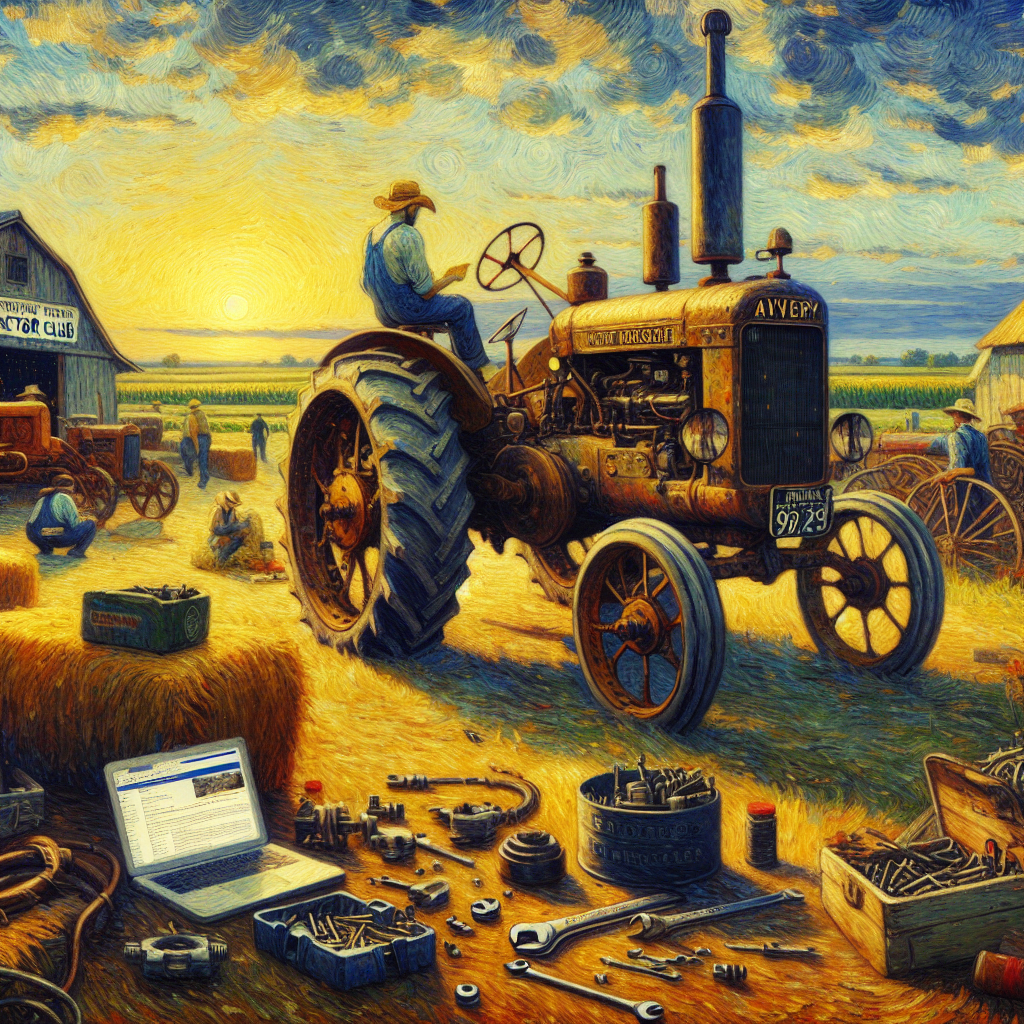
Moreover, there’s a sense of community that often grows around preserving these tractors. Local clubs can form around restoration projects, where farmers not only share skills but foster bonds over shared experiences. They gather on weekends, exchanging tips while sipping coffee and laughing over stories from the fields. This collective effort emphasizes that agriculture isn’t just a job; it’s a way of life that thrives on relationships and trust.
In choosing an old tractor, farmers don’t just make a financial decision; they make a statement that priorities last, tradition matters, and the hard work of previous generations continues to echo through the rumble of engines old and new. It’s a reflection of the heart, the head, and ultimately, the gut, reminding us all that sometimes the best choices are those that come with a story worth telling.
Why Are Old Tractors a Cost-Effective Choice for Farmers?
Why Are Old Tractors a Cost-Effective Choice for Farmers?
- Choosing an old tractor reflects both financial and emotional considerations in farming.
- Old tractors symbolize resilience and a connection to farming traditions.
- The lower purchase price and simpler repairs of old tractors offer significant savings.
- Classic machinery promotes practicality, valuing hands-on experience over high-tech features.
- Selecting used tractors supports sustainability by reducing resource consumption and waste.
- Community bonds are strengthened through local clubs focused on tractor restoration.
- Using old tractors signifies a commitment to tradition and the enduring legacy of farming.
Why Are Old Tractors a Cost-Effective Choice for Farmers?
How Do Older Models Compare In Reliability to New Tractors?
How Do Older Models Compare in Reliability to New Tractors?
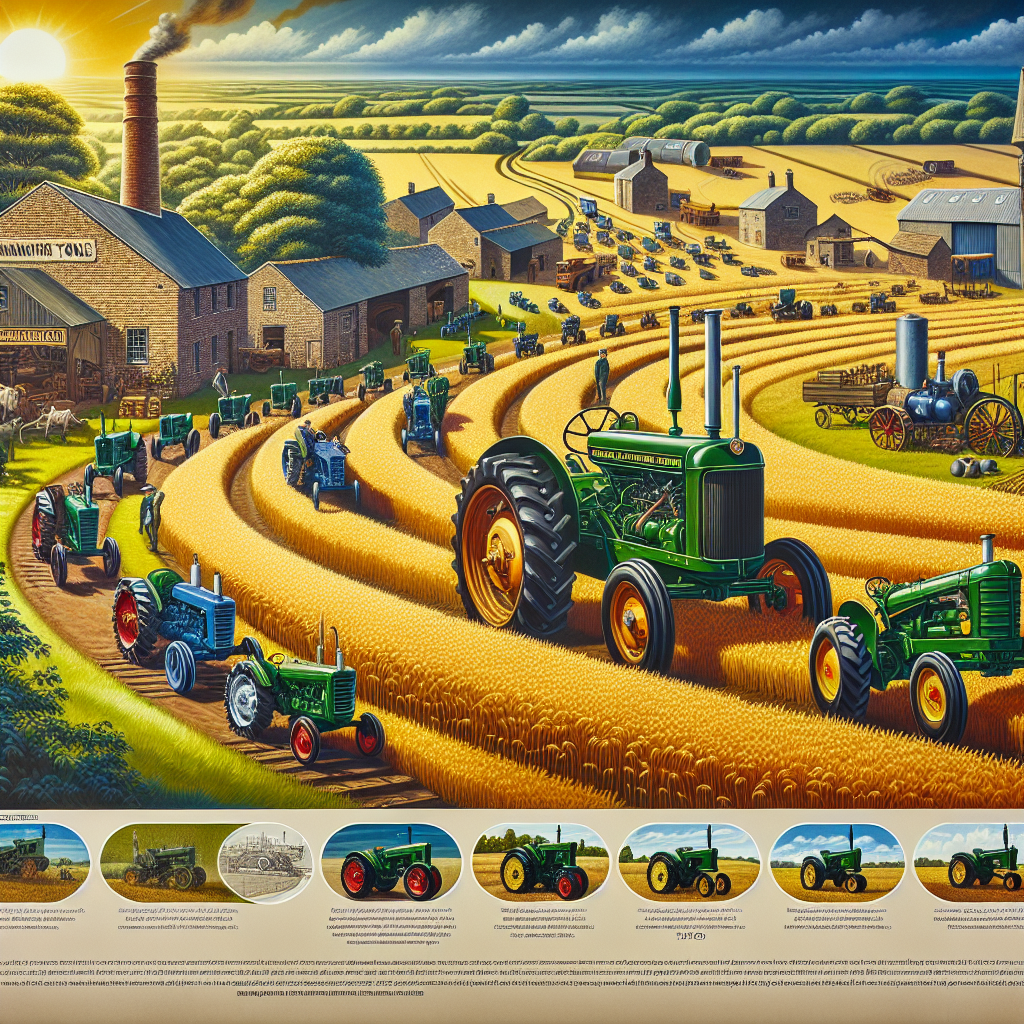
When you stand in the field next to a trusty old tractor, the kind that’s seen more seasons than most of us care to remember, you feel an undeniable connection. It’s not just a machine; it’s a testament to hard work and resilience. Older models carry stories etched into their metal, each scratch and dent a badge of honor from countless hours spent tilling the earth. The reliability of these machines often goes unmatched, especially when compared to their newer counterparts, which may boast advanced technology but lack the seasoned grit that has proven itself time and again.
Let’s consider the heart of the matter. An older tractor, with its simple mechanics, is often easier to repair. Farmers can work on them with their own two hands, armed with nothing more than a wrench and a bit of ingenuity. In contrast, new tractors are like intricately designed puzzle boxes, demanding specialized knowledge and high-tech diagnostics. This brings an emotional pull; there’s something validating about being able to fix your own equipment rather than relying on a dealer who charges by the hour. It’s a dance of independence—something we can all relate to in today’s world.
From a rational standpoint, investing in an older model can be a wise financial decision. The upfront costs are typically lower, and if maintained well, they can deliver years of dependable service, often outlasting newer machines that might be designed with planned obsolescence in mind. When you think about it, isn’t it comforting to know that a robust engine, crafted from quality materials rather than cheap plastic, can take on those tough fields and unpredictable weather while requiring fewer repairs?
Ethically, consider the environmental impact. By keeping an older tractor running, you’re minimizing waste and reducing the demand for production of new machinery. It fosters a sense of responsibility towards our resources—something every conscientious farmer strives for.
But let’s not forget the social aspect. In a tight-knit farming community, older tractors often become symbols of tradition and stability. When you see someone driving an old red tractor down the road, it sparks conversations, brings back memories, and reinforces those bonds that make farming not just a job, but a way of life.
Reliability isn’t just a number; it’s built over years of shared experiences, lessons learned, and a trust that goes deeper than bolts and engines. So, while new tractors may glitter with the allure of technology, the true power lies in those golden oldies that remind us of our roots and the enduring spirit of hard work.
How Do Older Models Compare In Reliability to New Tractors?
How Do Older Models Compare In Reliability to New Tractors?
- Older tractors symbolize hard work, resilience, and history through their wear and tear.
- Simple mechanics of older models make them easier to repair, promoting DIY maintenance.
- New tractors require specialized knowledge and high-tech diagnostics, limiting repair options.
- Investing in older models is often more cost-effective with lower upfront costs and longer lifespan.
- Maintaining older tractors contributes to environmental sustainability by minimizing waste.
- Older tractors foster community ties and preserve tradition within farming communities.
- Reliability in older models is built on years of experience and trust, contrasting with newer technologies.
How Do Older Models Compare In Reliability to New Tractors?
What Emotional Connections Do We Have with Vintage Machinery?
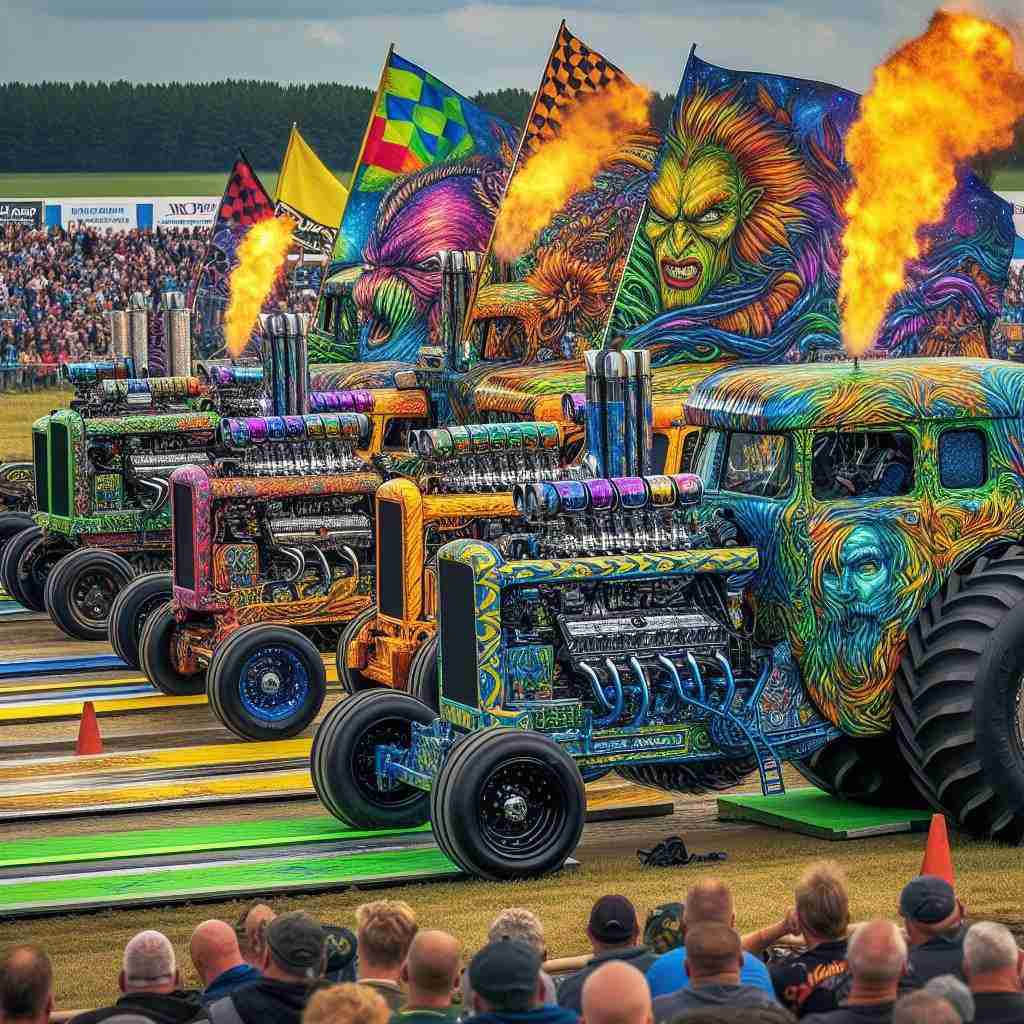
Vintage machinery encapsulates a world that many of us yearn to reconnect with. Whether it’s a worn tractor sitting proudly in a field or a classic engine humming softly in a workshop, these relics evoke feelings that are deeply rooted in our personal narratives. They remind us of simpler times, where human ingenuity met raw nature in a dance of creation and labor.
Imagine a scene: a sun-drenched farm, the air thick with the scent of freshly turned earth. A vibrant red tractor stands in the foreground, its paint chipped and faded, telling stories of resilience through years of toil. Each scratch on its surface represents a moment, a memory — perhaps the day a father taught his child to plow the fields, or the week spent harvesting the family’s first big crop. Such moments create bonds that extend beyond mere machinery; they forge connections across generations, linking us to our roots and reminding us of the labor that built our communities.
This relationship between humans and machines is not just emotional; it’s also rational. Vintage machinery often symbolizes a reliability that modern technology struggles to maintain. When you see a well-maintained tractor from fifty years ago, you can’t help but marvel at the craftsmanship that went into its creation. It calls into question our current throwaway culture, where products are designed to be replaced rather than cherished. The vintage tractor stands as a testament to values we may have lost — durability, respect for the past, and a commitment to quality.
Ethically speaking, preserving vintage machinery fosters a sense of responsibility. It encourages us to honor our history while being mindful of our environmental impact. By restoring, repairing, and utilizing these machines, we promote sustainability and inspire future generations to appreciate the fusion of art and engineering. Each piece becomes an artifact of human achievement, teaching lessons in stewardship and innovation.
Socially, these machines create conversations. A local community gathering featuring a vintage tractor show invites us to share stories, fostering a sense of belonging. It encourages discussions about our heritage and the significance of hard work. As we exchange personal anecdotes about our labor and leisure, these machines become a bridge connecting us — a reminder that regardless of our background, we share common threads woven through sweat, love, and toil.
Ultimately, vintage machinery is more than just metal and mechanics. It represents a story, a value system, and an emotional tapestry woven through time. By engaging with it, we remind ourselves of who we are and where we come from, reigniting the passion to preserve our legacy while inspiring future endeavors.
What Emotional Connections Do We Have with Vintage Machinery?
What Emotional Connections Do We Have with Vintage Machinery?
- Vintage machinery evokes nostalgia and personal connections to simpler times.
- A worn tractor or classic engine symbolizes resilience and the labor of past generations.
- Each scratch on vintage machinery represents memories shared across generations.
- These machines highlight a reliability often lacking in modern technology, challenging disposable culture.
- Preserving vintage machinery promotes sustainability and honors our history and environmental impact.
- Community events around vintage machinery foster dialogue and a sense of belonging.
- Ultimately, vintage machinery embodies values, stories, and the importance of preserving our legacy.
What Emotional Connections Do We Have with Vintage Machinery?
How Have Old Tractors Shaped Farming Practices Over the Decades?
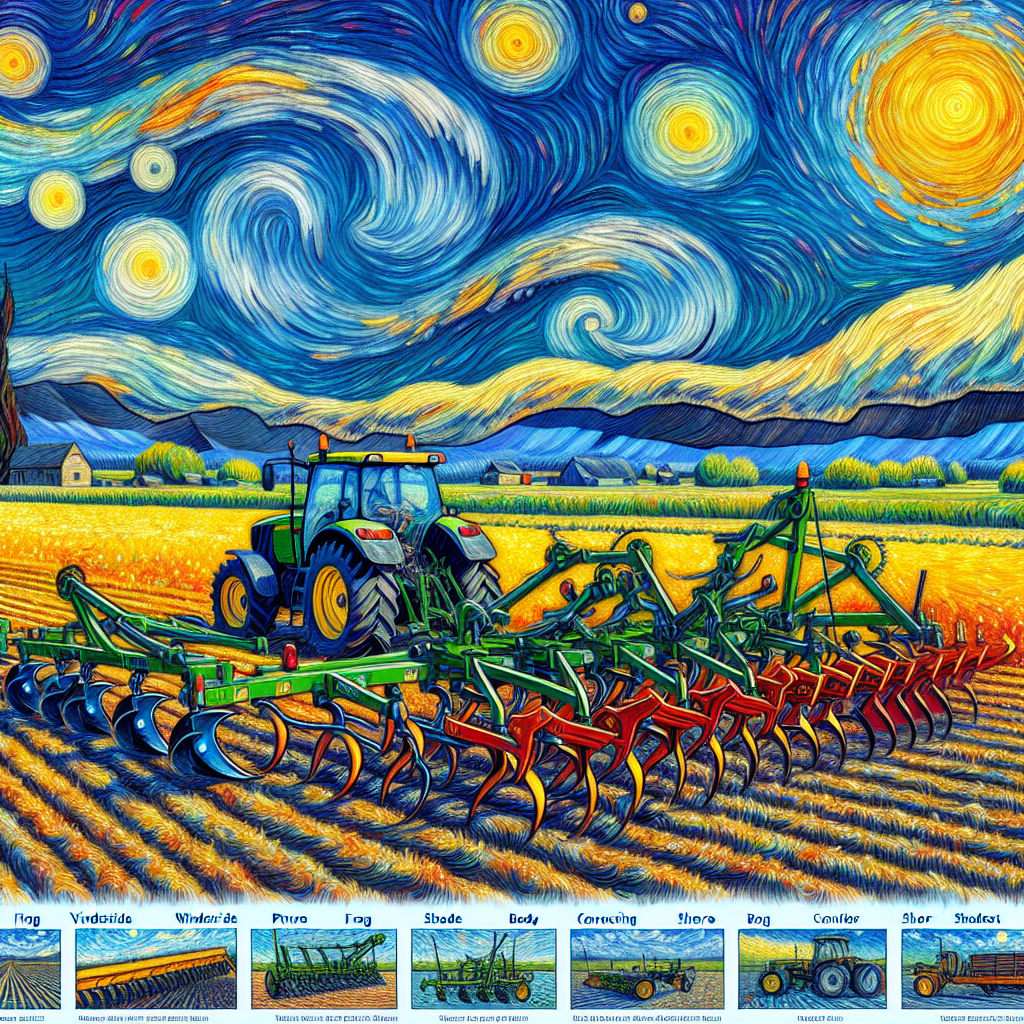
Old tractors have long been the unsung heroes of the agricultural landscape, their rumbling engines a soundtrack to the toil and triumph that define farming life. They aren’t just machines; they’re vessels of tradition, carrying the weight of generations on their worn-out frames. The story of farming pivots on the simple yet profound role of the tractor, a relentless partner that has shaped not just the fields, but the very fabric of rural communities.
Consider the quaint scene: a farmer, perhaps your grandfather, rising at dawn to the whistle of an old tractor. The hum of the engine wasn’t just noise; it was a call to action, a promise of a day filled with work and the hope of a fruitful harvest. Those early models, often seen struggling through rugged terrain, taught farmers resilience. Each bump, every stall, was a lesson in patience and innovation, pushing farmers to adapt, to embrace the unpredictable rhythms of nature.
Rationally, the advent of tractors replaced the muscle of horses and manpower, redefining efficiency in agriculture. Planting and harvesting that once took weeks became a matter of days, allowing for expanded production and the ability to feed a growing population. However, there’s an ethical dimension to this evolution. As we mechanized, we often sacrificed the connection to the land—a relationship once fostered through sweat and soil. Today’s farmers face the challenge of balancing modernity with sustainability, learning from the past while still honoring the earth that has fed them.
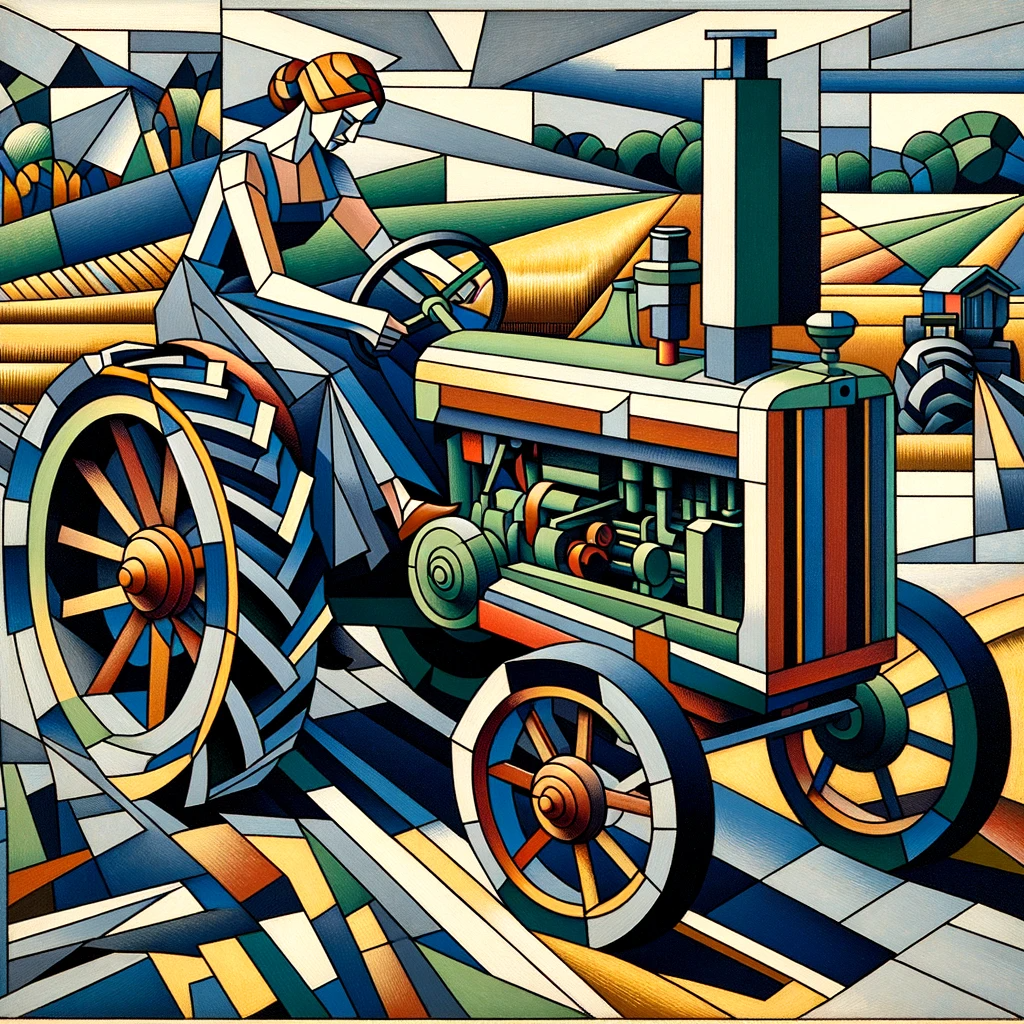
The narrative of the tractor isn’t confined to its mechanics; it’s about the lives transformed around it. Picture a young woman, inspired by her family’s farming legacy, learning to drive that old tractor. With every turn of the wheel, she gains confidence, a sense of belonging, and a deeper understanding of her roots. Each calloused hand that grasps the steering wheel tells stories of determination and resilience, knitting together the past and present.
Socially, these machines have become symbols of pride in farming communities. They provoke gatherings at county fairs, where tales are shared, and friendships forged over restoration projects. Those tractors remind us of a simpler time, fostering connections that span generations.
In essence, old tractors represent more than just agricultural advancement; they are a testament to human tenacity, community spirit, and the relentless pursuit of growth. As we navigate the complexities of modern farming, it’s vital to remember the lessons forged in the past—echoes of tradition that continue to shape operating practices today.
How Have Old Tractors Shaped Farming Practices Over the Decades?
How Have Old Tractors Shaped Farming Practices Over the Decades?
- Old tractors symbolize the tradition and history of farming.
- They serve as a reliable partner in agriculture, impacting rural communities significantly.
- Tractors replaced horses and manual labor, increasing efficiency in planting and harvesting.
- Farmers learned resilience and adaptability through the challenges posed by early tractor models.
- Modern farming faces the challenge of balancing mechanization with sustainable practices.
- Tractors foster a sense of community and pride, connecting generations through shared experiences.
- They embody human tenacity and the spirit of growth, reminding us of past agricultural lessons.
How Have Old Tractors Shaped Farming Practices Over the Decades?
What Ethical Considerations Arise When Choosing Old Vs. New Equipment?
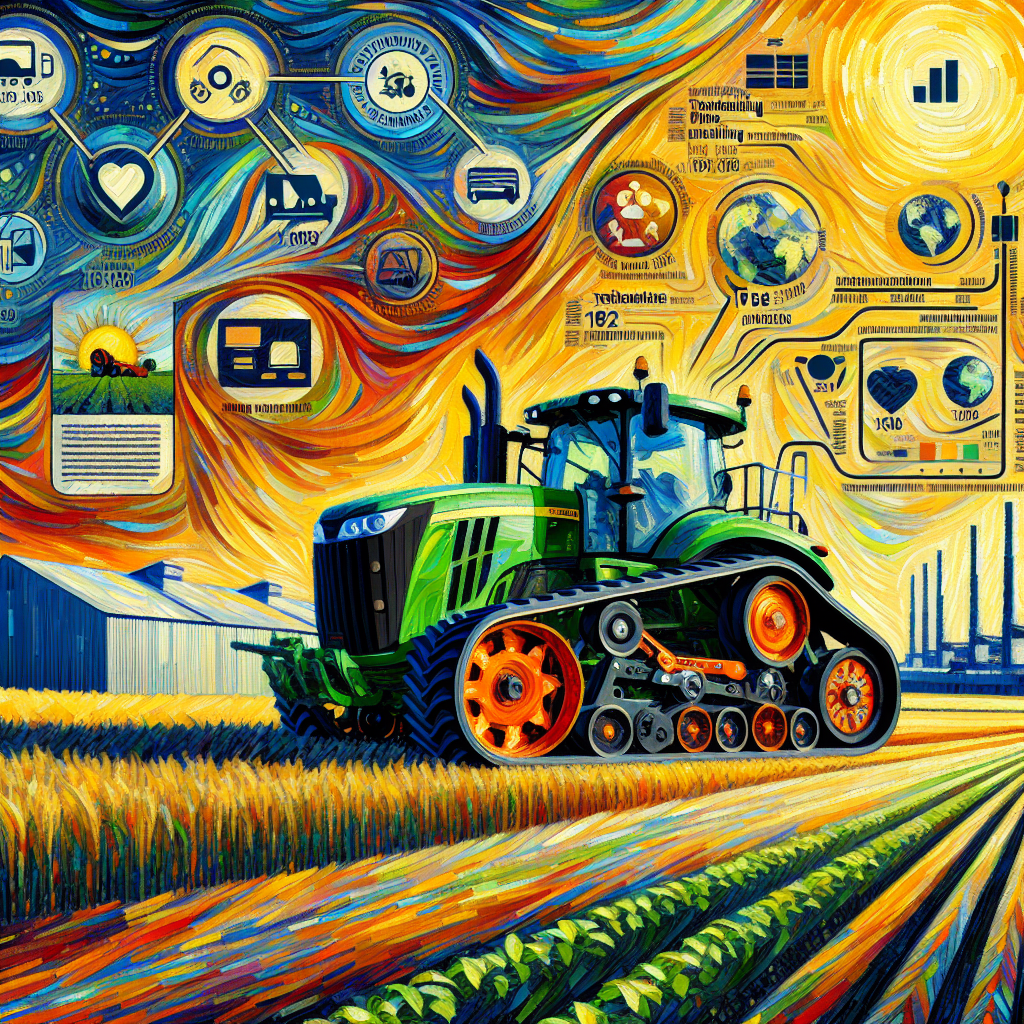
When weighing the decision between old versus new equipment, the ethical considerations extend far beyond mere dollars and cents. It’s a question of legacy, responsibility, and direction—much like choosing between a trusty, weathered tractor that’s seen generations of hard work and a sleek, modern machine boasting the latest technology.
Imagine that old tractor, its faded paint and worn tires telling a story of resilience. It represents the grit of those who have worked the land, the sweat equity invested over the years. Each dent and scratch is a badge of honor, a reminder of long days spent tilling the soil, planting seeds for both crops and community. This isn’t just a piece of equipment; it’s a connection to a past that shaped livelihoods and fortified families. Choosing this tractor is akin to honoring a heritage, embracing values rooted in hard work and trust.
On the other hand, consider the allure of new machinery. There’s undeniable excitement in modern technology—efficiency, lower emissions, and the promise of innovation. It’s a leap into the future, a chance to boost productivity and perhaps save on costs in the long run. But let’s not hastily dismiss the potential consequences of that choice. The production of new equipment isn’t devoid of scrutiny; it involves resources that impact the environment, labor practices potentially mired in ethical quandaries, and a disconnect from the communities that truly depend on that equipment for survival.
Navigating this dilemma isn’t just about what feels good or looks shiny; it’s about understanding our role within a broader ecosystem. When we purchase a brand-new tractor, we might be declaring our commitment to progress, yet we simultaneously risk overlooking the chance to support a small repair shop that thrives on revitalizing older models. This is where ethics come into the conversation—not merely a choice of equipment, but a choice about the values we uphold and promote.
It’s an exercise in balance—acknowledging the strength and lessons of the past while responsibly embracing the future. Whether you find yourself driving the old tractor down familiar roads or sitting in the cab of a cutting-edge model, remember that your choice is not simply about machinery; it’s about the legacy you wish to create and the community you aim to support. Embrace the heart, mind, and gut of the decision, and you’ll not only choose your equipment wisely but also forge a path that honors both the past and the possibilities ahead.

What Ethical Considerations Arise When Choosing Old Vs. New Equipment?
What Ethical Considerations Arise When Choosing Old Vs. New Equipment?
- Ethical considerations in choosing between old and new equipment encompass legacy and responsibility.
- Older equipment, like a weathered tractor, symbolizes hard work and community connection.
- Each mark on the old tractor represents resilience and the history of those who used it.
- New machinery offers modern efficiency and the potential for cost savings, but comes with ethical concerns.
- Manufacturing new equipment can affect the environment and labor practices, impacting communities.
- Choices reflect values and priorities, influencing support for local repair shops versus new purchases.
- The decision impacts not just machinery use but the legacy and community support one aims to foster.
What Ethical Considerations Arise When Choosing Old Vs. New Equipment?
How Can Owning an Older Tractor Be a Symbol Of Heritage and Pride?
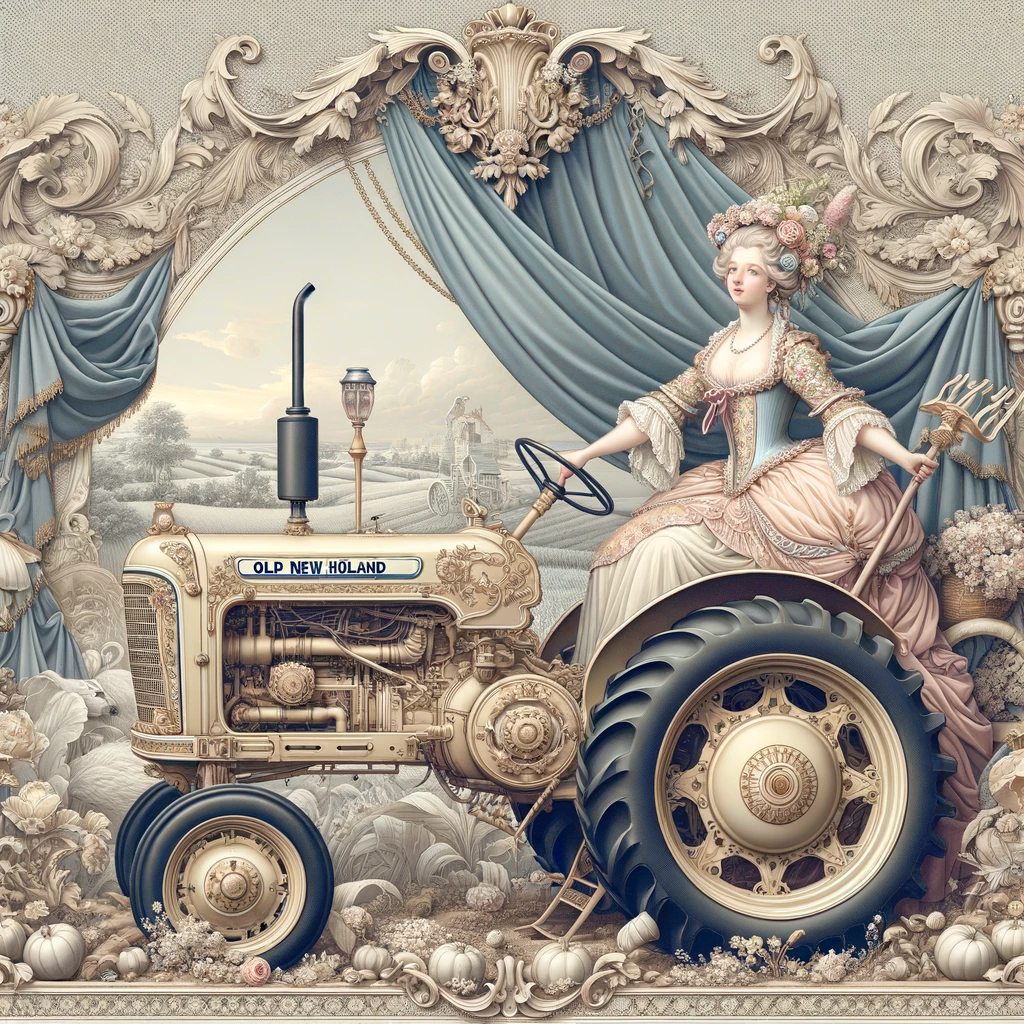
Owning an older tractor can be a profound expression of heritage and pride, deeply rooted in personal stories that echo through generations. These machines, often seen as mere tools, embody a legacy that resonates beyond their mechanical capabilities. They represent a connection to the land, to family, and to an industrious past that shaped communities.
Consider the durability of a vintage tractor. Each scratch and dent tells a story, a testament to hard work under the sun and the resilience of its owner. It’s not just about farming; it’s about the blood, sweat, and tears invested in the pursuit of a way of life. Picture a grandfather teaching his grandson how to drive that old beast, the same tractor that once plowed the fields for their ancestors. In moments like these, it transcends its utilitarian role and becomes a symbol of continuity—a bridge between the past and the present.
Emotionally, the attachment to an old tractor is visceral. It’s like an old friend who has witnessed life’s ups and downs. Whether it’s restoring a faded paint job or simply keeping it running, these tasks evoke a sense of stewardship and pride. Every time the engine roars back to life, it’s a reminder of commitment to tradition, paired with the commitment to preserve that legacy for the next generation.
Rationally, an older tractor often represents durability and dependability. Unlike their modern counterparts, which can require complex technology and costly repairs, these machines are straightforward. The simplicity of their design means they can be fixed with basic tools and knowledge passed down through years of hands-on experience. This practical wisdom not only empowers owners but fosters a community of enthusiasts who share advice and stories, reinforcing a bond that connects folks within the farming community.
Ethically, preserving the legacy of agriculture through ownership of an older tractor serves to honor the hard-working ethos that laid the foundation of our societies. Each tractor saved from obsolescence is a stand against disposable culture, promoting sustainability and a reverence for craftsmanship over consumerism.
Socially, the act of owning and maintaining an older tractor can unite people, sparking conversations at local fairs or community events. They serve as a reminder of a shared heritage, emphasizing the values of hard work, dedication, and connection to the earth.
In an age of rapid change, holding on to an older tractor doesn’t just symbolize pride; it embodies the spirit of those who came before us, inviting us all to reflect on what it means to belong and to honor our roots while driving forward.
How Can Owning an Older Tractor Be a Symbol Of Heritage and Pride?
How Can Owning an Older Tractor Be a Symbol Of Heritage and Pride?
- Owning an older tractor symbolizes heritage, pride, and a connection to personal and community history.
- Each scratch and dent on a vintage tractor tells a story of hard work and resilience.
- The emotional bond with these tractors evokes stewardship and a commitment to preserving traditions.
- Older tractors are durable and straightforward, requiring basic tools for maintenance, unlike modern machinery.
- Preserving older tractors honors the hardworking ethos of past generations and promotes sustainability.
- These tractors foster community connections and conversations at local events, reinforcing shared values.
- Owning an older tractor invites reflection on belonging and honoring one’s roots amidst rapid change.
How Can Owning an Older Tractor Be a Symbol Of Heritage and Pride?
Conclusion
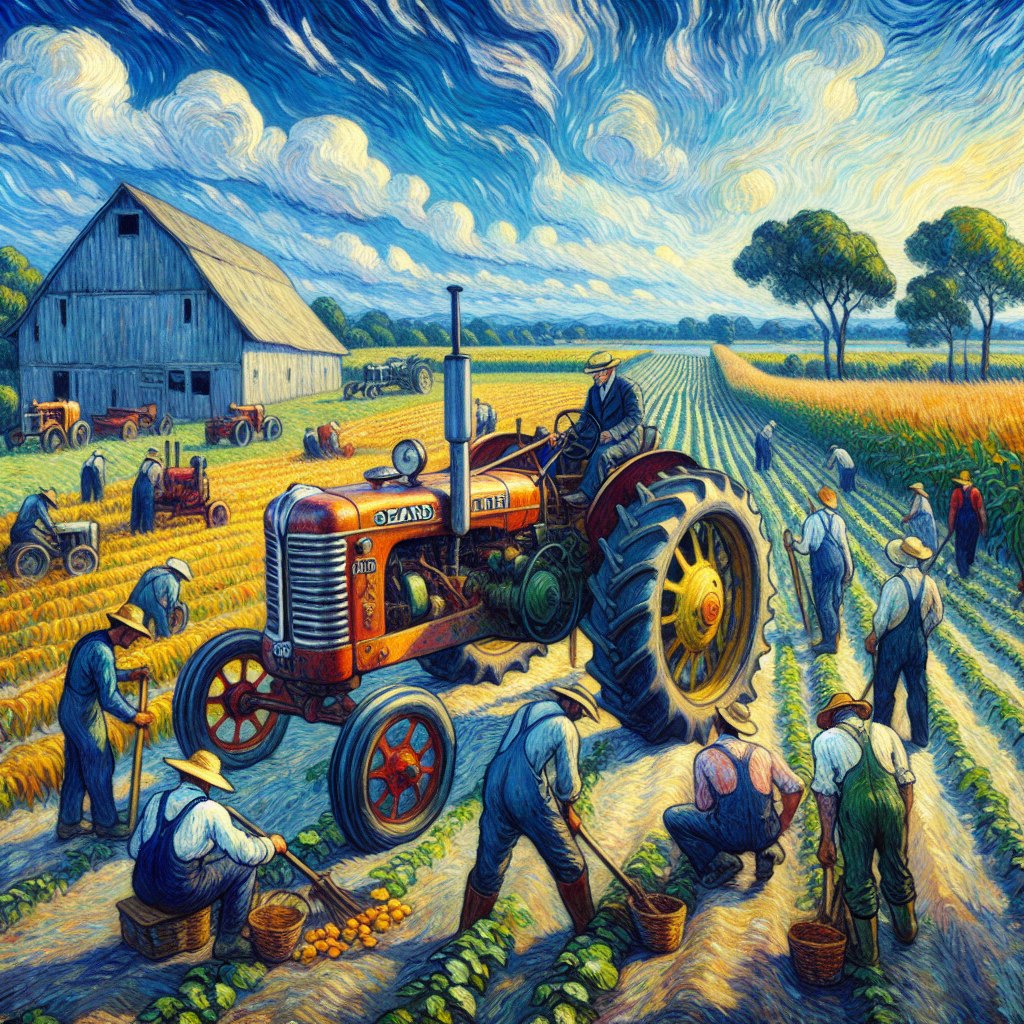
Old tractors may appear as mere rusting machinery, but they are so much more—they embody stories of resilience, tradition, and practical wisdom that resonate deeply within the farming community. Choosing an old tractor extends beyond simple financial considerations; it reflects a profound emotional connection to the land and a commitment to sustainable practices. These vintage machines stand as testaments to generations of hard work, exhibiting the ethos that hard labor does indeed pay off.
Finance plays a striking role in the decision to embrace older models. The savings associated with purchasing a vintage tractor are significant. Compared to the hefty price tags and steep depreciation of new machinery, older equipment offers a much more accessible entry point for aspiring farmers and seasoned veterans alike. Their simple design aids in self-repair, sparing owners from costly dealer fees and enabling a hands-on, DIY approach. This empowerment fosters independence and builds a deeper bond between farmer and equipment—a relationship built on trust rather than reliance on complicated technology.
But the value of these classic tractors transcends the wallet. Each scratch and dent signifies shared history and cherished memories—think of generations passing down knowledge and skills forged through years of toil and dedication. For many, these tractors are not just machines; they are conduits of family legacy, echoing laughter, learning, and life lessons. They forge connections that reinforce the social fabric of rural communities, bonding neighbors through shared experiences and tales of their shared equipment.
Ethically, the decision to opt for older machinery aligns with contemporary values centered on sustainability. By restoring and maintaining vintage tractors, farmers opt against the environmental toll of producing new equipment. This choice embodies respect for finite resources, promoting a culture of stewardship over one-time use. In choosing to honor the past, farmers also position themselves within a movement that advocates for responsible production practices.
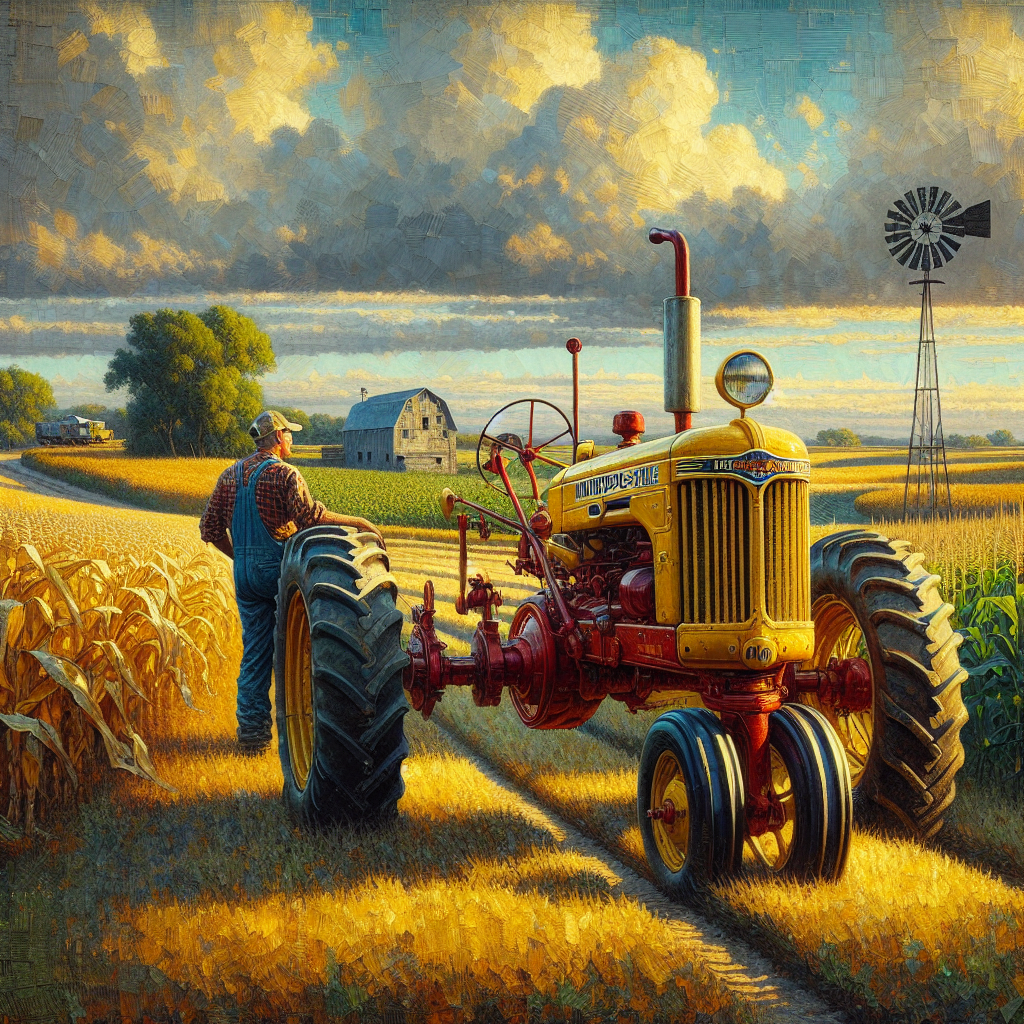
Moreover, old tractors symbolize community pride. They serve as focal points at local fairs and restoration clubs, gathering those who appreciate the unglamorous yet deeply fulfilling work of agriculture. This camaraderie fosters a sense of belonging, reminding everyone involved that farming is not just a job but a way of life—an enduring saga of perseverance and dedication to the earth.
Ultimately, choosing an old tractor is an act steeped in emotional, rational, ethical, and social significance. It reminds us that the best choices often come with layer upon layer of meaning, connecting us to our heritage and shaping our path forward. In embracing these machines, we honor not only the labor of our forebears but the vital legacy we carry into the future.
Conclusion
Conclusion:
- Old tractors embody stories of resilience, tradition, and practical wisdom within the farming community.
- Choosing vintage tractors reflects an emotional connection to the land and a commitment to sustainable practices.
- Financially, older models provide significant savings compared to new machinery, with lower purchase prices and depreciation.
- The simple design of vintage tractors supports self-repair, promoting a DIY approach and independence for farmers.
- Each old tractor signifies shared history and memories, serving as a conduit for family legacy and community bonds.
- Restoring vintage tractors aligns with sustainability values, respecting finite resources and advocating for responsible production practices.
- Old tractors symbolize community pride and foster belonging, reminding individuals that farming is a way of life.
Conclusion
Other Resources
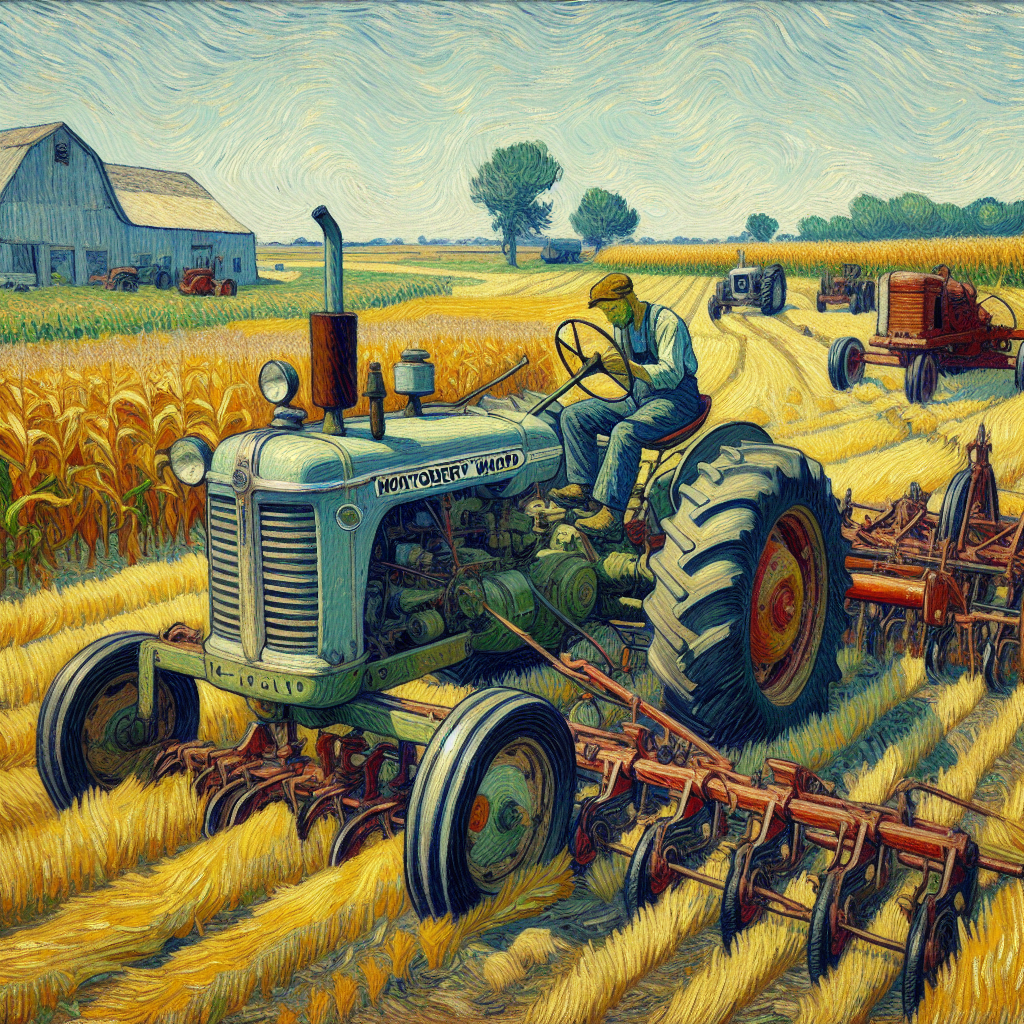
Other Resources
Here is a list of other resources you can review online to learn more:
- Georgia National Antique Agriculture Show
- Advance-Rumely
- NorTrac
- Agriculture and the Environment
- Avery
- Wallis
- Farm Progress Show
- Big Bud
- McCulloch
- Louisville Tractor and Truck Pull
- Bukh
- Waterloo Farm Museum
- Ranch Hand
- Rutherford County Farm Museum
- Ebro
- Greenville Farm Power
- Ransomes
- Antique Tractor Club
- Upton
- Allis Chalmers
Use This Prompt To Get More Resources With Your Favorite Online AI Tool: Please provide me with a list of online articles with their URLs in a bulleted list that I can read regarding Breaking Down the Numbers – Why Old Tractors Make Financial Sense
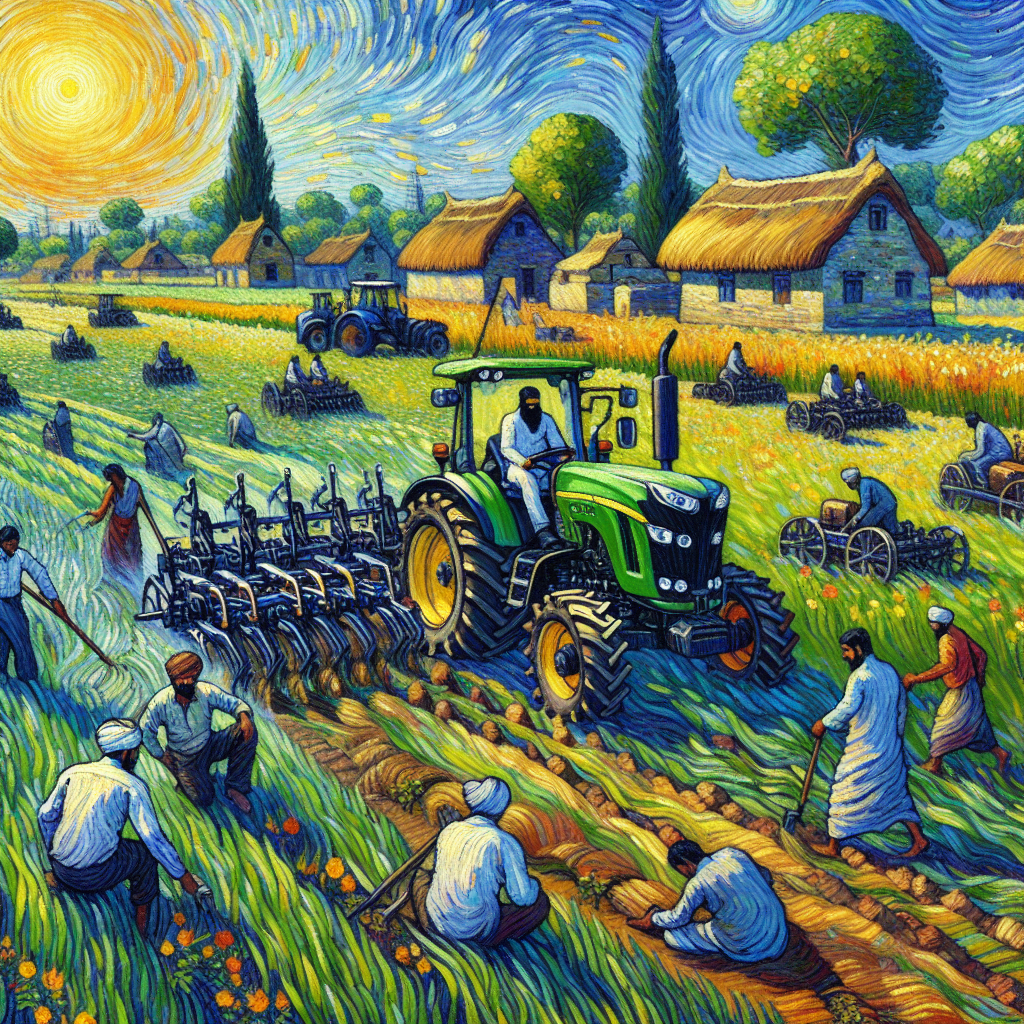
Other Resources
Glossary Terms
Breaking Down the Numbers – Why Old Tractors Make Financial Sense – Glossary Of Terms
1. Total Cost of Ownership (TCO) — The sum of purchase price, fuel, maintenance, repairs, insurance, financing, depreciation and resale value; measures true long‑term cost of owning an old tractor.
2. Capital Expenditure (CapEx) — Upfront cash outlay to buy or rebuild a tractor; lower CapEx for older machines often improves short‑term affordability.
3. Operating Costs — Recurring expenses (fuel, oil, attachments, labor) required to run a tractor; older tractors can have lower or higher operating costs depending on efficiency and maintenance needs.
4. Depreciation — Decline in asset value over time; many old tractors have slower depreciation, preserving resale value compared with new models.
5. Straight‑line Depreciation — A simple method that spreads cost evenly across years; useful for comparing annual cost of owning older versus newer tractors.
6. Salvage / Residual Value — Expected resale or scrap value at end of ownership; high residuals on well‑maintained older tractors reduce effective cost.
7. Break‑even Point — The time or usage at which cumulative savings from owning an older tractor offset any additional costs; helps evaluate purchase decisions.
8. Return on Investment (ROI) — Gain (cost saved or income generated) divided by investment; an older tractor’s low purchase price can produce attractive ROI if reliability is sufficient.
9. Net Present Value (NPV) — Present value of expected future costs and benefits; a tool to compare long‑term economics of new versus old tractors.
10. Opportunity Cost — Value of the best alternative use of funds spent on a tractor; lower cost of old equipment frees capital for other investments.
11. Utilization Rate — Percentage of time a tractor is in productive use; tractors with low utilization often favor older, cheaper units.
12. Downtime Cost — Lost revenue or productivity during repairs; older tractors can have higher downtime risk, which must be quantified against purchase savings.
13. Maintenance Cost — Regular servicing and minor repairs; predictable, modest maintenance can make older tractors economical.
14. Preventive Maintenance — Scheduled servicing to reduce failures; effective preventive programs extend life and lower total cost of old tractors.
15. Rebuild / Overhaul Cost — Expense to restore major components (engine, transmission); comparing rebuild cost to replacement cost is critical for old tractors.
16. Parts Availability — Ease of obtaining replacement components; strong aftermarket or interchangeable parts make maintaining older tractors cheaper.
17. Parts Interchangeability — Use of common parts across models/years; increases repair options and reduces inventory costs for older tractors.
18. Fuel Efficiency — Fuel consumed per hour or per acre; newer tractors may be more efficient, but lower capital cost of old units can offset fuel differences.
19. Labor Cost — Expense for operator and mechanic labor; simpler older tractors often require less specialized labor and can be cheaper to repair.
20. Customization / Upfitting Cost — Expenses to add implements or upgrades; older tractors often accept simple, lower‑cost modifications.
21. Insurance Premiums — Annual cost to insure the tractor; lower insured value of older tractors typically reduces premiums.
22. Financing Cost / Interest — Cost of borrowing to buy equipment; lower loans for cheaper old tractors reduce total interest paid.
23. Tax Depreciation / Deductions — Tax rules allowing expense recovery over time; tax treatment affects comparative cost but older tractors’ lower basis can simplify accounting.
24. Economies of Scale — Cost advantages from spreading fixed costs across more hours or machines; fleets can use older tractors where scale lowers per‑unit cost.
25. Vintage Appreciation / Collectible Value — Potential for a used tractor to increase in value due to rarity or desirability; can turn an expense into an investment.
26. Obsolescence — Loss of usefulness due to newer tech, emissions rules, or attachment incompatibility; slower obsolescence for simple, versatile old tractors improves longevity.
27. Reliability — Likelihood of performing without failure; proven reliability of older models reduces unexpected costs and supports their financial case.
28. Mechanical Simplicity — Fewer electronics and simpler systems that are easier and cheaper to repair; a core reason older tractors can be cost‑effective.
29. Resale Market / Market Liquidity — How easily a tractor can be sold and at what price; active used markets enhance the attractiveness of older machines.
30. Cost per Acre — Annualized total cost divided by acres worked; a practical metric to compare the economic efficiency of old versus new tractors.
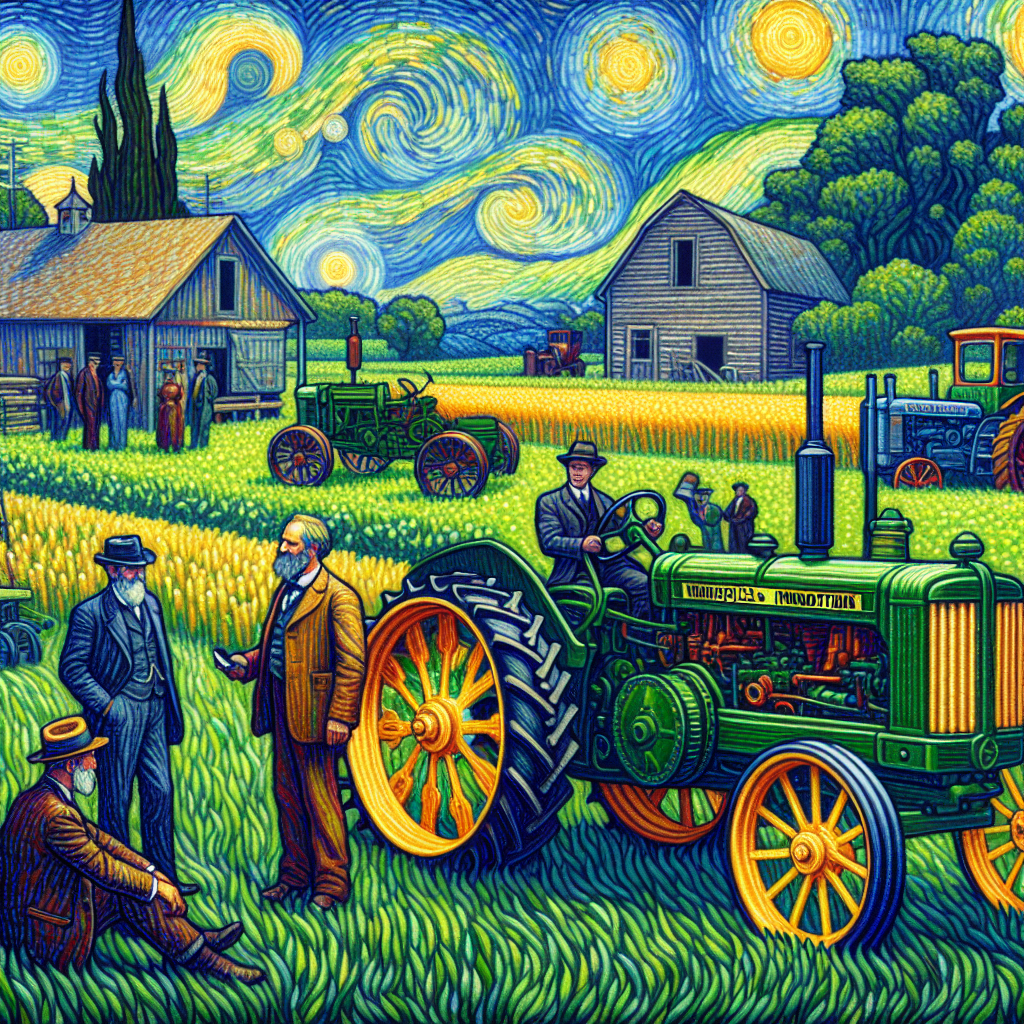
Glossary Of Terms
Other Questions
Breaking Down the Numbers – Why Old Tractors Make Financial Sense – Other Questions
If you wish to explore and discover more, consider looking for answers to these questions:
- How much does a typical restoration cost for common vintage tractor models?
- What is the expected resale value or appreciation potential of restored tractors?
- How long does it take to recoup restoration and purchase costs through savings?
- Where can I reliably source parts for older tractor models?
- How do maintenance and operating costs of old tractors compare to new ones over time?
- Which tractor models and years are considered the best investments?
- What common mechanical problems should buyers expect with vintage tractors?
- How does fuel efficiency of older tractors compare to modern machines?
- Are vintage tractors compatible with modern implements and attachments?
- What safety upgrades are recommended when using an older tractor?
- Do older tractors meet current emissions and regulatory standards?
- How do insurance and liability costs differ for vintage tractors?
- Are there tax incentives, grants, or subsidies for restoring or using older equipment?
- How should I evaluate a used tractor before purchase (checklist of things to inspect)?
- What skills and tools are needed to perform common repairs at home?
- Where can I find reputable restoration shops or specialists?
- How does restoration affect a tractor’s historical or collector value?
- What are the environmental trade-offs between restoring and buying new?
- How do depreciation patterns for vintage tractors differ from new tractors?
- Can restored tractors be reliably used for commercial, heavy-duty farm work?
- What are best practices for long-term storage and preservation of vintage tractors?
- How do owners document provenance and service history to increase value?
- What community resources (clubs, forums, local events) exist for vintage tractor owners?
- How do financing and loan options work for purchasing older equipment?
- What legal or registration issues should buyers know about for antique tractors?
- How do modern safety regulations (ROPS, seat belts) apply to older tractors?
- Which restoration steps yield the highest return on investment in value or utility?
- How do seasonal operating costs (winterization, spring commissioning) differ for old tractors?
- What are the best strategies to authenticate and appraise a rare or historic tractor?
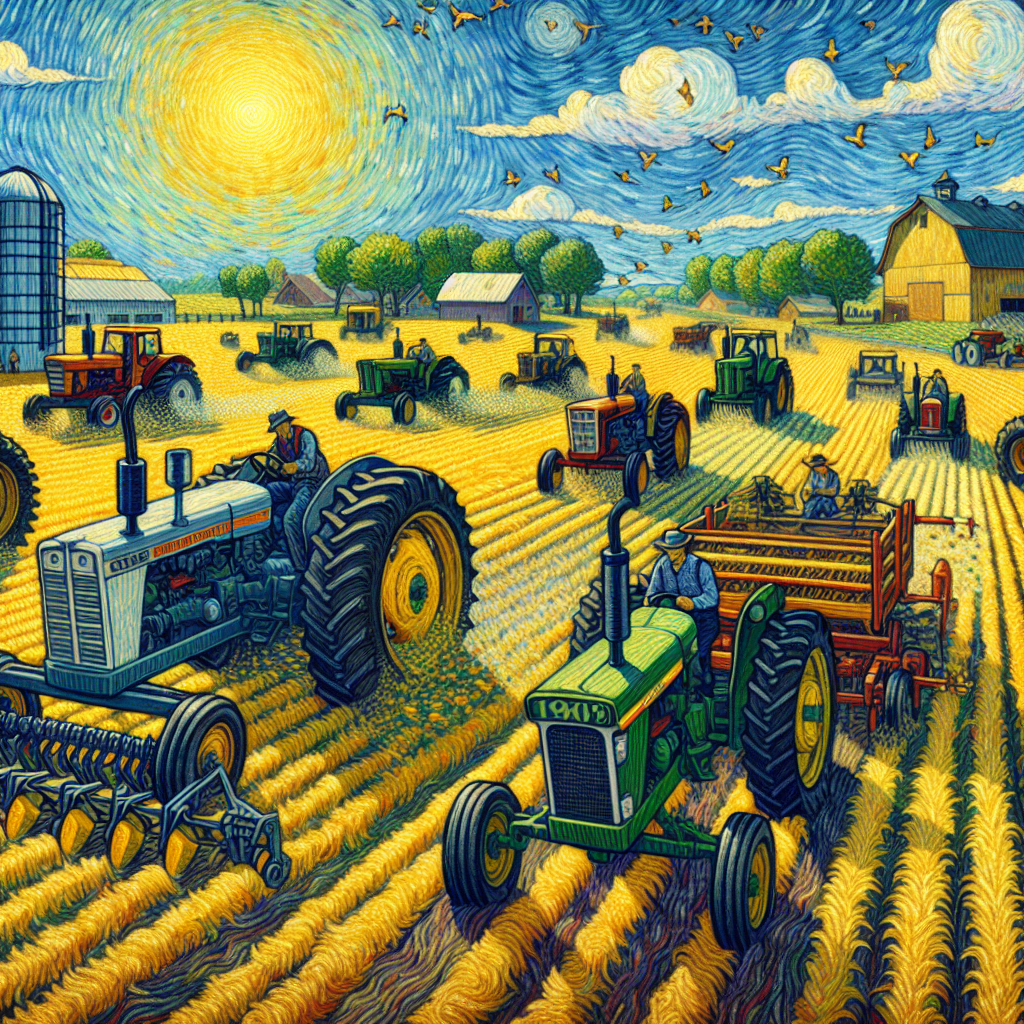
Other Questions
Haiku
Breaking Down the Numbers – Why Old Tractors Make Financial Sense – A Haiku
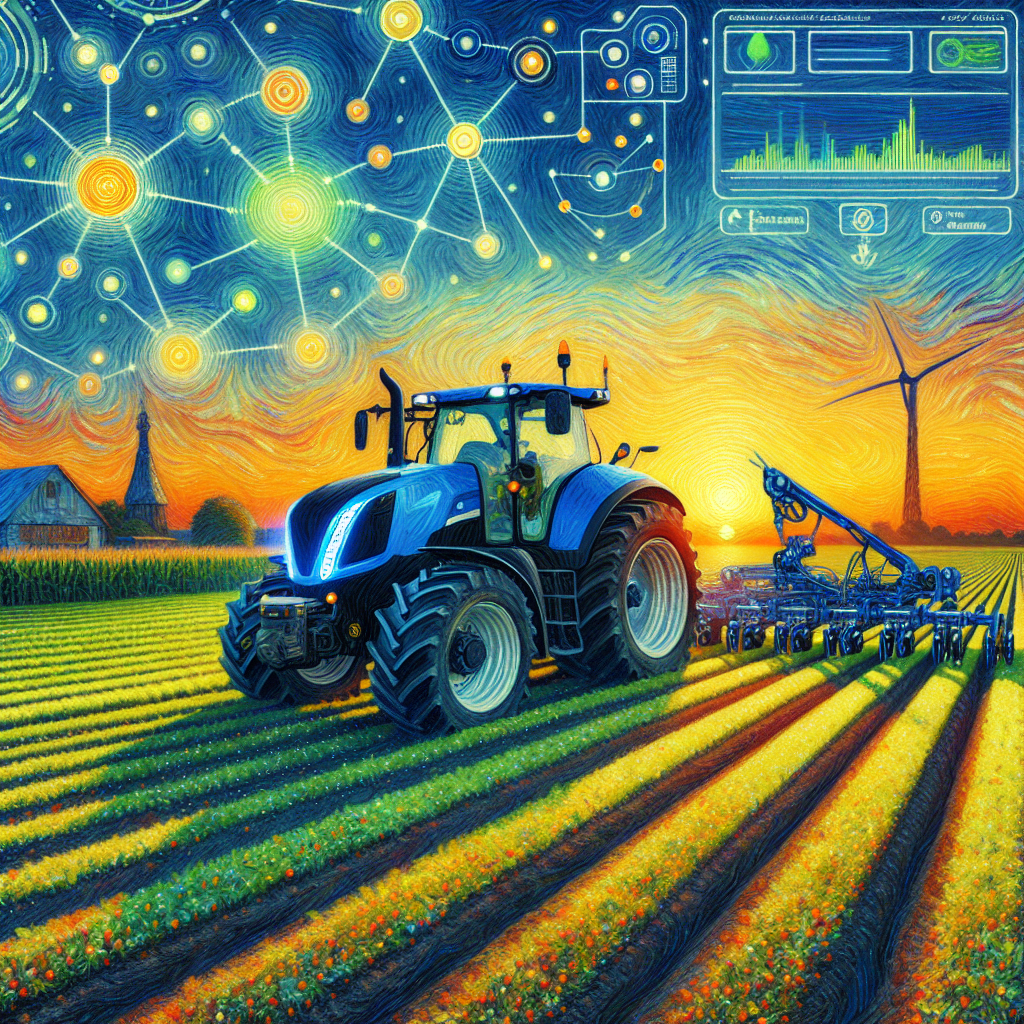
Rusty wheels still turn,
Legacy of toil, pride,
Past roots guide the fields.
Haiku
Poem
Breaking Down the Numbers – Why Old Tractors Make Financial Sense – A Poem
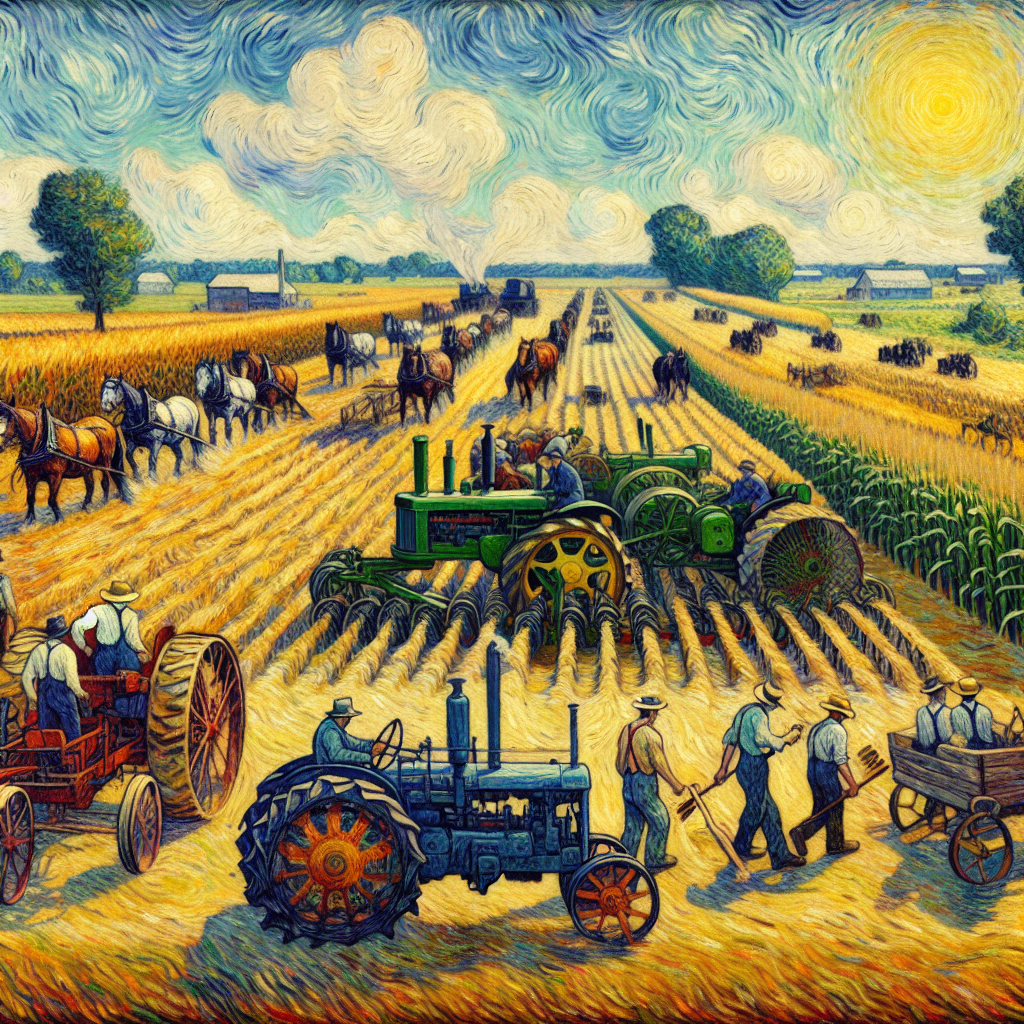
In fields where rusted giants stand,
Memories carved in metal bands,
Old tractors hum with tales unsung,
Of perseverance, where dreams were sprung.
Each dent, a story, each crack, a fight,
They’ve weathered storms, they’ve known the light.
Not just machines of past endeavors,
But symbols of labor, of enduring treasures.
Financial wisdom in their rusty frame,
A heritage rich, not bound by name.
With simpler parts, they ask for less,
An echo of times when worth was blessed.
From farms of yore, where hands did toil,
These tractors connect us to the soil.
A bridge through time, from old to new,
Crafting futures from what’s tried and true.
Choosing vintage, a choice profound,
Honoring the land that birthed this ground.
As engines roar, hearts resonate,
We find our roots, we navigate.
A gathering of stories, a community spun,
With laughter and coffee, the work’s never done.
So here’s to the tractors that shape our pride,
In their humble legacy, we all abide.
Poem
Checklist
Breaking Down the Numbers – Why Old Tractors Make Financial Sense – A Checklist
Emotional Appeals
✅______ Reflect on personal stories and memories associated with farming and tractors.
✅______ Consider the emotional connection to heritage and family traditions linked to vintage machinery.
✅______ Acknowledge the feelings of pride in restoring and maintaining historical equipment.
Rational Appeals
✅______ Calculate potential savings on initial purchases, maintenance, and repairs of older tractors.
✅______ Evaluate the reliability and durability of older models compared to new technology.
✅______ Assess the simplicity of repairs and the need for less technical knowledge.
Ethical Appeals
✅______ Consider the environmental impact of restoring old machinery versus buying new.
✅______ Reflect on the importance of sustainability and resource conservation in farming.
✅______ Honor the craftsmanship and history associated with vintage tractors as part of responsible stewardship.
Authority Appeals
✅______ Seek testimonials and advice from experienced farmers and vintage tractor enthusiasts.
✅______ Research the longevity and historical significance of older models that have proven their worth.
✅______ Follow trends in sustainable farming practices that advocate for using existing resources.
Narrative Appeals
✅______ Share stories of farmers who have successfully integrated older tractors into their operations.
✅______ Create narratives that connect personal experiences with the broader history of agriculture.
✅______ Highlight the transformation of communities around the preservation and use of vintage machinery.
Social Appeals
✅______ Engage with local clubs or community gatherings that celebrate vintage tractors.
✅______ Share experiences with fellow enthusiasts and build a network of support in restoration projects.
✅______ Promote conversations about the significance of tradition and community within the agricultural landscape.
Checklist
At ClassicTractorNews, we help tractor lovers keep up with the latest news for classic and vintage tractors.
Please share this post with your friends, family, or business associates who may like old classic or vintage tractors.