


Revolutionize Your Farming: Stay Connected To Your Tractor Anywhere
By Tom Seest
At ClassicTractorNews, we help tractor lovers keep up with the latest news for classic and vintage tractors.
Please share this post with your friends, family, or business associates who may like old classic or vintage tractors.
Bluetooth Sensors That Let You Watch Your Tractor From Your Phone
In a world where technology is racing ahead, sometimes it feels like we’re left behind, particularly when it comes to the tools that shape our livelihoods. Enter Bluetooth sensors—small, seemingly mundane devices that unlock a realm of possibilities for farmers and tractor enthusiasts everywhere. Imagine sitting on your porch after a long day in the fields, phone in hand, monitoring your trusty tractor’s every move. That’s not just convenience; it’s empowerment.
Think about it. Your tractor is not just a machine; it’s an extension of your hard work, your sweat, and sometimes, tears. With Bluetooth sensors, you can stay connected to that extension even when you’re miles away, ensuring it’s operating smoothly, free of issues that could sideline your productivity. There’s a profound peace of mind that comes with knowing you can check your tractor’s status without hopping back in the cab—a lifeline to efficiency that keeps you grounded in an unpredictable world.
One of the most compelling aspects of this technology is how it marries tradition with innovation. Farmers have always relied on their instincts and experience, but combining those instincts with data can elevate your operation like never before. It’s not just about keeping up; it’s about moving ahead, making smarter decisions rooted in real-time analytics. When you can see your tractor’s performance metrics, you can identify potential issues before they escalate. It’s like having a watchful eye, guiding you from afar, helping safeguard your investment, and your livelihood.
Consider the social aspect, too. When you’re part of a farming community, the stories you share around the local diner about the crops, the weather, and yes, your tractor can foster connections. Imagine the camaraderie that grows when you all adapt these technologies; you can swap tips and experiences, becoming not just better farmers but better friends. Together, you’re not just cultivating crops; you’re cultivating resilience.
Bluetooth sensors give you the authority over your most important asset—the tractor that plows your fields and harvests your dreams. So next time you’re contemplating how to enhance your farming operation, think about how these small devices can not only give you control but connect you to something greater: the heartbeat of your farm, your community, and your family legacy. Embracing this technology may just be the key to a future where tradition and progress grow hand in hand.

Bluetooth Sensors That Let You Watch Your Tractor From Your Phone
Bluetooth Sensors That Let You Watch Your Tractor From Your Phone
- Bluetooth sensors offer farmers and tractor enthusiasts enhanced monitoring capabilities.
- These devices empower users to maintain connection with their tractors remotely.
- Real-time analytics from Bluetooth sensors help identify issues before they escalate.
- The technology blends traditional farming instincts with modern data-driven decisions.
- Using Bluetooth sensors fosters community connections through shared experiences.
- They allow farmers to safeguard their investments and improve operational efficiency.
- Embracing this technology strengthens the relationship between tradition and innovation in farming.

Bluetooth Sensors That Let You Watch Your Tractor From Your Phone
Table Of Contents
- Bluetooth Sensors That Let You Watch Your Tractor From Your Phone
- How Do Bluetooth Sensors Enhance Farming Efficiency?
- Are You Missing Out on Critical Data About Your Equipment?
- What Are the Ethical Implications Of Using Tech In Agriculture?
- How Do Successful Farmers Integrate Technology Into Their Practices?
- Can Bluetooth Sensors Help Reduce Costs In the Long Run?
- How Do You Ensure Your Data Is Secure While Using These Sensors?
- Conclusion
- Other Resources
- Glossary Of Terms
- Other Questions
- Haiku
- Poem
- Checklist
How Do Bluetooth Sensors Enhance Farming Efficiency?
Bluetooth sensors are revolutionizing farming, transforming ordinary fields into intelligent systems that respond to the needs of crops as if they were living, breathing entities. Imagine a solitary tractor humming across a vast field. That tractor is not just a machine; it’s a vital piece of a larger puzzle that connects farmers to their land in ways that go beyond mere machinery.
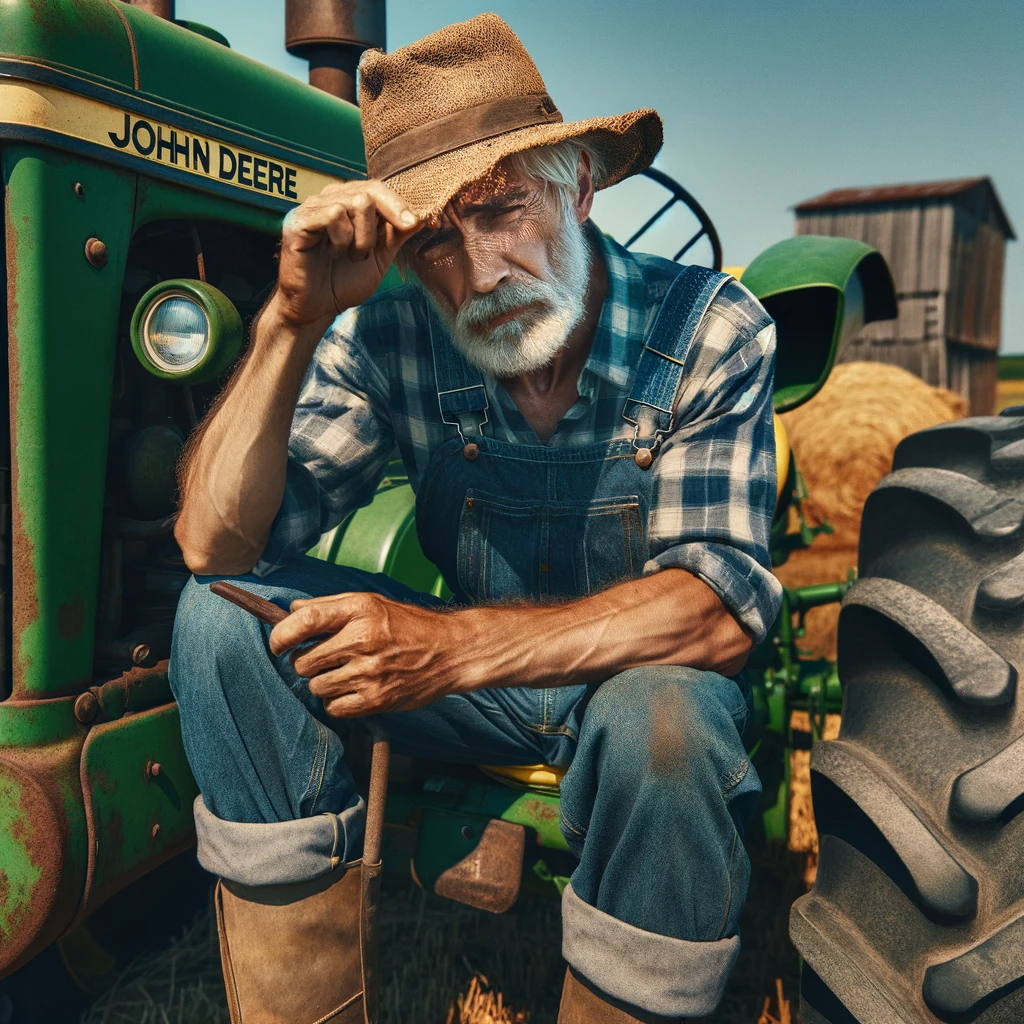
Take, for example, the story of a fourth-generation farmer who inherited his family’s land. He wrestled with the notion of modernizing but felt tethered to tradition. Hesitant to embrace technology, he envisioned Bluetooth sensors as an intrusion rather than a tool. However, after a stubborn drought threatened his yield, he found himself compelled to adapt. With these sensors strategically placed throughout his fields, he could monitor soil moisture and nutrient levels in real-time. This wasn’t just about saving water or optimizing fertilizer; it became personal.
Each data point transformed into an actionable insight, making it possible for him to tend to his crops as though they were part of his family. The sensors whispered to him, guiding his decisions on when to irrigate or when to plant. The fusion of digital and agricultural worlds is striking. With the ability to track weather patterns and soil conditions, Bluetooth technology ensures that farmers are not just participants in agriculture but champions of sustainability—acting as stewards of the land for future generations.
Beyond the emotional connection, there’s a compelling rationality in adopting this technology. Farmers who employ Bluetooth sensors report significant reductions in waste and increased yields. It’s not just about being ‘smart’ but about being effective. This technological enhancement conveys a deep ethical responsibility to maximize resources while minimizing environmental impact. As modern-day agricultural stewards, farmers wield these tools not just for profit but to cultivate a healthier planet.
Moreover, the social aspect cannot be overlooked. Farmers are inherently community-oriented, sharing their experiences and wisdom. Bluetooth sensors create a network of connected individuals who exchange insights and support each other in this journey toward efficiency. This sense of camaraderie, fostered through technology, empowers farmers to trust one another and work collaboratively for the collective good.
As this generational farmer now stands in his lush, thriving fields, he realizes that embracing change didn’t mean sacrificing tradition. Instead, it allowed him to honor it in a contemporary context, proving that technology and agriculture can indeed coexist in harmony, enriching both the heart and the gut of farming.

How Do Bluetooth Sensors Enhance Farming Efficiency?
How Do Bluetooth Sensors Enhance Farming Efficiency?
- Bluetooth sensors are transforming farming into intelligent systems that cater to crop needs.
- A fourth-generation farmer, initially hesitant about technology, embraced Bluetooth sensors to monitor soil moisture and nutrients during a drought.
- The use of sensors provided actionable insights for irrigation and planting, fostering a personal connection to the crops.
- Bluetooth technology enhances sustainability by helping farmers track weather and soil conditions, positioning them as stewards of the land.
- Farmers using Bluetooth sensors experience reductions in waste and increased yields, reflecting an ethical responsibility in resource management.
- Technology facilitates a sense of community among farmers, allowing for shared experiences and collective problem-solving.
- Embracing innovation does not mean abandoning tradition; it harmonizes modern technology with agricultural practices.
How Do Bluetooth Sensors Enhance Farming Efficiency?
Are You Missing Out on Critical Data About Your Equipment?
Imagine a farmer, the sun rising over acres of softly waving crops, their beloved tractor rumbling to life. It’s more than just a machine; it’s a lifeline, a companion through seasons of hard work and hope. But what if this trusted partner is sending out signals—requires maintenance or even a simple tune-up—yet you remain blissfully unaware? That’s the crux of the matter: are you truly paying attention to the data your equipment is trying to share?
Let’s connect the dots. Just like a farmer relies on weather reports to plan their day, equipment needs constant monitoring and data to function optimally. An idle tractor is an expensive one. When crucial information is overlooked, the consequences can be dire—both financially and emotionally. Picture the weight of standing before a broken-down machine in the middle of harvest season, the clock ticking louder than any engine. You could have prevented that breakdown with a bit of foresight and data awareness.
There’s a compelling reason to integrate technology into your equipment management. Sensors installed on machines can track everything from engine temperature to fuel efficiency, offering real-time insights that help extend the life of your gear. This isn’t just about efficiency; it’s about nurturing a relationship with your equipment. When you treat it right, it rewards you tenfold.
Consider a story of a small farm in Nebraska. The owner invested in a basic telemetry system for his tractors. Initially skeptical, he discovered they weren’t just machines but teammates in a grander scheme. With access to critical data, he could predict breakdowns, optimize maintenance schedules, and, most importantly, ensure his tractors were always ready for the tough days ahead.
This isn’t just a technical upgrade; it’s a mindset shift. Embracing these tools fosters accountability—not just to the equipment but to the life it supports. You’re not merely a technician; you’re a steward of a legacy, ensuring that everything runs smoothly for the generations to come.
Join the ranks of those who refuse to be blindsided by neglect. Use every available resource to keep your equipment in prime condition. Understand that it’s more than data; it’s the heartbeat of your operation. When you hear your tractor’s hum, you’re not just listening to machinery; you’re witnessing diligence in action. Don’t let vital information slip away; it could be the difference between success and disappointment.

Are You Missing Out on Critical Data About Your Equipment?
Are You Missing Out on Critical Data About Your Equipment?
- A farmer’s tractor is a vital companion, requiring attention and maintenance.
- Monitoring equipment data is essential for optimal performance and cost-effectiveness.
- Overlooking crucial information can lead to significant financial and emotional consequences.
- Integrating technology like sensors improves equipment management and extends lifespan.
- Real-time data facilitates better maintenance and reduces unexpected breakdowns.
- Transitioning to data-driven equipment management fosters accountability and stewardship.
- Vigilance in maintaining equipment can significantly impact success and operational efficiency.

Are You Missing Out on Critical Data About Your Equipment?
What Are the Ethical Implications Of Using Tech In Agriculture?
In the heart of every farm lies an incredible story—stories of blood, sweat, determination, and the relentless pursuit of progress. Yet, as technology weaves itself deeper into the soil of agriculture, we must consider its ethical implications. Take, for instance, the tractor. This emblem of modern farming transformed fields from daunting expanses to manageable plots, but it also sparked a fundamental shift in how we view labor, land, and life itself.
At first glance, the integration of technology into agriculture seems like a no-brainer. After all, advancements in precision farming can boost yields, ensure sustainability, and connect consumers to their food sources in unprecedented ways. But let’s pause for a moment and think about the broader implications. Every time we rely on advanced algorithms to determine when to plant or harvest, we must ask—are we losing touch with the very essence of farming? The tactile connection with the earth, the intuitive knowledge passed down through generations, risks being overshadowed by screens and data.
Imagine a family farm, where a father teaches his child the delicate dance of planting seeds just right, sharing the wisdom forged through years of toil. Now, envision that child growing up in a world where the tractor becomes a mere tool of efficiency, run by an app that doesn’t know the smell of fresh soil or the joy of a hard day’s labor. This is not to romanticize the past but to recognize the need for balance. While technology brings undeniable advantages, it can also alienate us from the fundamental values of stewardship, responsibility, and community.
Moreover, ethical farming isn’t just about the land; it’s about people. As big data reshapes who has access to information and resources, we risk creating a divide—a digital chasm between the agrarian elite and the small farmer. Everyone deserves the chance to thrive, not just those with the latest tech. The conversation must shift from profit margins to people and communities. We are stewards of the soil, yes, but we are also stewards of our social fabric. The coexistence of tradition and innovation should elevate everyone involved.
Ultimately, the challenge lies in harnessing technology without losing sight of the farmer’s heart. It’s about integrating tech in a way that respects the land, uplifts communities, and honors the stories that have shaped our agricultural heritage. By fostering this connection, we can cultivate a future that’s not only innovative but also grounded in trust, integrity, and shared purpose.

What Are the Ethical Implications Of Using Tech In Agriculture?
What Are the Ethical Implications Of Using Tech In Agriculture?
- Farming embodies stories of dedication and progress amidst technological advancements.
- Technology, like tractors, transformed agriculture but altered perceptions of labor and land.
- Precision farming enhances yields and sustainability but risks disconnecting us from farming’s essence.
- Generational knowledge and tactile connections with the earth may be overshadowed by technology.
- Ethical farming encompasses social equity, addressing divides between agrarian elites and small farmers.
- The focus should shift from profit to people and community well-being.
- Integrating technology must respect land, uplift communities, and honor agricultural heritage.

What Are the Ethical Implications Of Using Tech In Agriculture?
How Do Successful Farmers Integrate Technology Into Their Practices?
Farmers today stand at a crossroads, where tradition meets innovation, and the results can be as transformational as a sunrise over a dew-kissed field. Successful farmers are integrating technology into their practices, not just as a tool, but as an integral partner in their daily lives. Imagine a farmer waking up before dawn, the hum of a tractor igniting the promise of the day. This isn’t merely machinery; it’s a lifeline, a vessel of dreams connecting the past to the future.
Consider a third-generation farmer named Emma, who, like many, inherited her family’s land. She spends each day knee-deep in soil, connected to the generations before her. Yet, she knows the significance of evolution. Armed with precision agriculture technology, Emma utilizes data analytics to monitor crop health and soil conditions, allowing her to make informed decisions that boost yield while respecting the environment. It’s not just about the crops; it’s about stewardship, understanding that the land is a living partner, not merely a resource.
Integrating technology evokes both heart and mind. When farmers deploy drones to survey vast fields or employ satellite imagery for mapping, it can seem almost surreal. This isn’t sci-fi; it’s the new reality. These innovations inspire confidence, allowing farmers to act with conviction based on real data rather than gut instinct alone. Imagine Emma, watching her crops thrive thanks to optimized irrigation systems that deliver just the right amount of water. She knows she’s contributing to sustainability—an ethical responsibility to leave the land in better shape for the next generation.
Socially, the acceptance of technology is evolving, breaking down the barriers that once separated tech-savvy farmers from their more traditional counterparts. Emma shares her experiences through local farming groups, sparking conversations and fostering connections. The narrative is shifting; farmers are no longer solitary figures in a field but members of a broader community embracing change together.
The revolution is personal, relatable. Every farmer’s story is unique yet universal—one of hard work interwoven with hope and a willingness to adapt. As Emma sees her community thrive, she understands that technology isn’t just enhancing productivity; it’s weaving new relationships among farmers, consumers, and the earth itself. As farmers learn to integrate these tools with heart, they nurture not just their crops but a legacy of resilience and innovation, ensuring a vibrant future for agriculture as a whole. Integrating technology into farming isn’t just a strategy; it’s a declaration of purpose, a commitment to the land, and an invitation for all to join in the journey.

How Do Successful Farmers Integrate Technology Into Their Practices?
How Do Successful Farmers Integrate Technology Into Their Practices?
- Farmers are at a crossroads where tradition meets innovation, leading to transformative changes in agriculture.
- Successful farmers integrate technology as a vital partner in their daily operations.
- Emma, a third-generation farmer, utilizes precision agriculture and data analytics to enhance crop health and yield sustainably.
- Technological tools like drones and satellite imagery provide real data, empowering farmers to make informed decisions.
- Socially, the acceptance of technology is bridging gaps between tech-savvy and traditional farmers, fostering community connections.
- The integration of technology in farming contributes to sustainability and a commitment to leaving the land better for future generations.
- Farmers’ narratives reflect resilience and adaptation, emphasizing their role in weaving relationships among farmers, consumers, and the earth.

How Do Successful Farmers Integrate Technology Into Their Practices?
Can Bluetooth Sensors Help Reduce Costs In the Long Run?
Imagine a cornfield stretching as far as the eye can see, the sun setting in a blaze of orange over well-kept rows. Out there, a farmer stands next to an old tractor, contemplating the future while knowing that every seed planted is a gamble. Now, picture this same scene, but with technology seamlessly integrated into the life of that farmer. Bluetooth sensors, small yet mighty, weave together the threads of innovation and tradition. They don’t just offer convenience; they create a tapestry of savings that stretches the dollar—deep into the soil of our economy.
Let’s think about the numbers. Costs can spiral, whether it’s the fuel consumption of that hardworking tractor or the looming threat of crop loss due to unexpected weather changes. Bluetooth sensors offer real-time data that arms farmers with insights they’ve never had before. By monitoring soil moisture levels or tracking equipment performance, these devices enable precise actions—irrigation right when the plants need it and maintenance before a breakdown occurs. This isn’t just smart farming; it’s a leap into a sustainable future. A farmer who knows when to plant or when to switch from one tractor to another isn’t just saving time; they’re saving money, ensuring they can send their kids to college or take a family vacation.
Consider the emotional weight behind these choices. Every financial decision influences a family’s stability and well-being. The same way a tractor has been the backbone of agricultural heritage, Bluetooth sensors can now be our invisible companions, helping generations thrive. They symbolize progress while honoring hard work—an homage to those who came before us and a beacon for those who will follow.
Now, let’s not ignore the ethical aspect of this technology. Imagine being part of a community where everyone shares the benefits of innovation. When farmers adopt Bluetooth technology, they’re not just improving their bottom line; they’re fostering a collective resilience that strengthens rural economies.
The essence lies in how we approach the adoption of this marvelous technology. While some may see a mere gadget, visionaries will grasp its potential. In uniting traditional farming with cutting-edge tools, we open the gates to a future where efficiency meets democracy—a future where every farmer, young and old, can thrive on solid ground. And just like that old tractor, there’s no reason we can’t harness the power of modern machinery to sow the seeds of tomorrow, ensuring that when we harvest, we do so not just for ourselves but for the community, and ultimately, for the future.

Can Bluetooth Sensors Help Reduce Costs In the Long Run?
Can Bluetooth Sensors Help Reduce Costs In the Long Run?
- A picturesque cornfield with a farmer next to an old tractor symbolizes the blend of tradition and modernity in agriculture.
- Integration of Bluetooth sensors provides real-time data for monitoring soil and equipment, enhancing farming efficiency.
- These technologies reduce costs related to fuel and crop loss due to unpredictable weather, contributing to financial savings.
- Emotional and financial decisions made by farmers affect family stability, influenced by smart farming practices.
- Bluetooth sensors honor agricultural heritage while promoting progress and sustainability for future generations.
- The technology fosters community resilience, allowing collective benefits and strengthened rural economies.
- Visionaries embracing this technology can balance tradition with advancement, ensuring a sustainable future for farming.

Can Bluetooth Sensors Help Reduce Costs In the Long Run?
How Do You Ensure Your Data Is Secure While Using These Sensors?
In today’s world, where the sensors we use can feel as omnipresent as the air we breathe, safeguarding our data is not just a technical obligation; it’s a deeply personal responsibility. Imagine for a moment your grandfather’s old tractor, sitting proudly in the barn, a symbol of hard work and dedication. Just like that tractor, which has served generations through sweat and toil, our data deserves the same care and protection.
Each time we engage with these smart sensors—whether tracking our health or monitoring our homes—we’re inviting them into our lives, much like welcoming a trusted neighbor. But that intimacy comes with a profound responsibility. We need to ask ourselves: how do we ensure that the information we share remains safe from prying eyes?
Start by choosing platforms known for their reliability. Trust is not just a buzzword; it’s the foundation of any relationship, including the one we have with technology. Seek out companies that prioritize data security and value transparency. Look for clear privacy policies and authentication measures. If a platform makes it hard to find this information, treat it like that rickety old tractor; it might get the job done, but it’s not the one you want when the storm rolls in.
Think about encryption as a sturdy barn door—essentially a form of protection that keeps unwanted intruders at bay. Just like a tractor needs regular maintenance to keep it running smoothly, your data protocols require continuous updates. Invest time in understanding how these tools work and stay informed about the latest security practices. Knowledge is power, a shield against potential breaches.
Then there’s the human element. We often forget that the weakest link in our data security can be our own behavior. Each online interaction is a choice, akin to deciding whether to leave that barn door ajar or locked tight. Be mindful about sharing personal information, just as you wouldn’t tell every passerby where you store your tractor keys.
Lastly, consider collaboration; you’re not alone in this. Engaging with your community—friends, family, or online groups—can provide insights and support. Share experiences, learn from each other’s missteps, and celebrate your victories. This shared journey fosters a culture of vigilance, allowing all of us to protect the sanctity of our data together.
In this digital landscape, every choice counts, and by nurturing an environment of vigilance and trust, we ensure not only that our data is safe but that we honor the legacy of all those who came before us, including that trusty old tractor in the barn.

How Do You Ensure Your Data Is Secure While Using These Sensors?
How Do You Ensure Your Data Is Secure While Using These Sensors?
- Safeguarding data is a personal responsibility, akin to caring for a treasured family heirloom.
- Engaging with smart sensors invites them into our lives, necessitating careful consideration of data security.
- Choose reliable platforms that prioritize data security, transparency, and user trust.
- Utilize encryption as a fundamental protection against data breaches.
- Regularly update and maintain data security protocols to ensure continued protection.
- Individual behavior is a critical factor in data security; be cautious when sharing personal information.
- Collaborate with community members to share insights and strengthen collective vigilance over data security.

How Do You Ensure Your Data Is Secure While Using These Sensors?
Conclusion
Bluetooth sensors have become game changers for today’s farmers, creating a bridge between hard work and modern technology. These small devices empower farmers to monitor their tractors and equipment from anywhere, bringing peace of mind in an unpredictable world. Picture yourself relaxing on the porch, phone in hand, with the ability to check on your tractor’s performance, ensuring that your investment remains intact and efficient.
The marriage of tradition and innovation is vital in agriculture. Farmers instinctively connect with their craft, but combining that seasoned knowledge with real-time data takes them to new heights. With Bluetooth sensors, farmers can anticipate issues before they become significant threats, allowing them to make knowledgeable decisions that bolster their productivity and safeguard their livelihoods. This innovation transforms farming from a purely instinctive endeavor into a deliberate, data-driven practice.
Moreover, the social dimension can’t be overlooked. The integration of these technologies fosters community among farmers as they share their experiences and insights. Together, they cultivate not just crops but bonds that enrich their collective knowledge and resilience. This camaraderie can make all the difference in adapting to modern challenges while respecting the values that define their way of life.
Integrating technology in farming doesn’t take away from tradition; it enriches it. It’s a means to enhance efficiency, reduce costs, and ensure sustainable practices. With Bluetooth sensors, farmers are not just managing their equipment better; they’re also becoming stewards of the land for future generations. The ethical implications of these advancements remind us that this journey is not solely about profits; it’s about nurturing our communities and ensuring that every farm can thrive.
As we look ahead, embracing this technology symbolizes an acknowledgment of both heritage and progress. Each farmer’s story of adapting and thriving in harmony with these tools is a testament to resilience and innovation. Bluetooth sensors are more than just gadgets—they represent a commitment to a brighter, sustainable future in agriculture, where every farmer can connect their roots to the innovations that will carry us forward. Embracing such advancements ensures that our fields remain lush and our communities vibrant, blending the past’s heart with the future’s promise.

Conclusion
Conclusion:
- Bluetooth sensors are transforming agriculture by integrating modern technology with traditional farming practices.
- Farmers can monitor equipment remotely, ensuring efficient performance and protecting their investments.
- The combination of seasoned farming knowledge and real-time data enhances productivity and decision-making.
- These technologies promote community among farmers, fostering shared experiences and resilience.
- Integrating technology enriches farming traditions, improves efficiency, and promotes sustainable practices.
- Farmers become stewards of the land, balancing profits with nurturing their communities for future generations.
- Embracing technology symbolizes a commitment to sustainability, blending the past’s heart with future advancements.

Conclusion
Other Resources
Other Resources
Here is a list of other resources you can review online to learn more:
- Antique Tractor Club
- Woods & Copeland
- KAMCO
- Sheppard Diesel
- Daedong
- Fortschritt
- Swaraj
- Baldwin
- Solis
- Paquette Farmall Tractor Museum
- Deutz-Fahr
- Siromer
- CBT
- Lenar
- McCulloch
- McCormick-Deering
- Rome
- Bruce County Heritage Farm Show
- Jackson
Use This Prompt To Get More Resources With Your Favorite Online AI Tool: Please provide me with a list of online articles with their URLs in a bulleted list that I can read regarding Bluetooth Sensors That Let You Watch Your Tractor From Your Phone

Other Resources
Glossary Terms
Bluetooth Sensors That Let You Watch Your Tractor From Your Phone – Glossary Of Terms
1. Bluetooth Low Energy (BLE) — a low-power wireless standard used by sensors to send short data packets to a phone or gateway while conserving battery life.
2. Bluetooth Classic — the original Bluetooth standard offering higher throughput but greater power consumption; sometimes used for high-bandwidth tractor peripherals.
3. GATT (Generic Attribute Profile) — the BLE protocol model that organizes data into services and characteristics for reading, writing, and notifications.
4. BLE Advertising — periodic broadcasts from a sensor announcing its presence and basic data so a phone or hub can discover it without a paired connection.
5. Pairing/Bonding — the process of establishing a trusted, often encrypted connection between a phone and a Bluetooth sensor for secure data exchange.
6. RSSI (Received Signal Strength Indicator) — a numeric measure of Bluetooth signal power used to estimate proximity or link quality.
7. BLE Mesh — a networking topology that lets many Bluetooth devices relay messages across a wide area, useful if direct phone range is limited.
8. Gateway/Hub — a device that aggregates sensor data and forwards it to a phone or cloud when direct phone connections are impractical.
9. Sensor Node — an individual hardware unit containing one or more sensors, a Bluetooth radio, and power source mounted on or near the tractor.
10. Telematics — the remote collection, transmission, and analysis of vehicle data (location, engine stats, usage) for monitoring and management.
11. CAN bus — the tractor’s onboard Controller Area Network that transmits sensor and controller data between ECUs and can be bridged to Bluetooth devices.
12. ISOBUS — ISO 11783 standard for communication between tractors and implements, often integrated with telematics and sensor systems.
13. ECU (Engine Control Unit) — the tractor’s onboard computer that controls engine functions and provides diagnostic and operational data.
14. Accelerometer — a sensor that measures linear acceleration, useful for movement detection, load sensing, or detecting impacts.
15. Gyroscope — a sensor that measures angular rotation, used for orientation, tilt sensing, and stability monitoring.
16. Magnetometer — a digital compass sensor that measures magnetic fields for heading and orientation when GPS is unavailable.
17. GPS module — a positioning receiver that provides latitude/longitude and time data for tracking tractor location and routes.
18. Fuel level sensor — monitors tank volume and reports fuel remaining to prevent running out and to analyze consumption.
19. Hydraulic pressure sensor — measures pressure in hydraulic circuits to monitor system health and implement operation.
20. PTO (Power Take-Off) sensor — detects PTO engagement and rotational speed to monitor implement operation and safety.
21. RPM sensor — measures engine or shaft revolutions per minute to track engine load, implement speed, and diagnostics.
22. Temperature sensor — measures ambient, engine, or component temperatures for overheating alerts and performance monitoring.
23. Soil moisture sensor — measures volumetric water content of soil, useful for irrigation decisions and seeding operations.
24. Vibration monitoring — analysis of vibration signatures (often from accelerometers) to detect imbalance, wear, or impending failure.
25. ADC (Analog-to-Digital Converter) — converts analog sensor voltages (e. g. , strain gauges or thermistors) into digital values for processing.
26. Sampling rate — how often a sensor takes measurements, expressed in samples per second or per minute, affecting responsiveness and power use.
27. Sensor fusion — combining data from multiple sensors (e. g. , GPS + IMU) to produce more accurate or robust information than any single sensor.
28. Calibration — procedures or coefficients applied to sensor outputs to correct bias and scale for accurate measurements.
29. OTA (Over-the-Air) firmware update — remotely updating sensor firmware via Bluetooth to add features, fix bugs, or patch security issues.
30. IP rating / Ingress protection — standardized dust and water-resistance rating (e. g. , IP67) indicating a sensor’s suitability for farm environments. Glossary Of Terms
Other Questions
Bluetooth Sensors That Let You Watch Your Tractor From Your Phone – Other Questions
If you wish to explore and discover more, consider looking for answers to these questions:
- What exactly do these Bluetooth sensors measure on a tractor?
- How accurate and reliable are the sensor readings?
- How do I install Bluetooth sensors on my tractor and equipment?
- Do I need professional installation or can I retrofit them myself?
- What is the typical range of Bluetooth connectivity in open field conditions?
- How do sensors maintain connection across large farms or between distant fields?
- Can Bluetooth sensors work with existing telematics, GPS, or farm management systems?
- Which tractor makes and models are compatible with these sensors?
- Do sensors require a gateway, hub, or additional hardware to connect to the internet?
- What mobile apps or platforms are available and what features do they provide?
- Is data accessible offline, and how is synchronization handled when connectivity returns?
- How often do sensors need maintenance, calibration, or replacement?
- What is the battery life of typical Bluetooth sensors and how are they powered?
- Are the sensors weatherproof and rugged enough for agricultural environments?
- How do sensors handle exposure to dust, vibration, chemicals, and extreme temperatures?
- What are the ongoing costs (subscriptions, cloud fees, updates) beyond the hardware price?
- What is the expected return on investment and typical payback period?
- Can sensors help reduce fuel, labor, and input costs specifically, and by how much?
- How is sensor data visualized and what actionable insights can farmers expect?
- Can the system send real-time alerts or automated notifications for critical issues?
- Who owns the data collected by the sensors and how can it be exported?
- What data privacy protections and access controls are in place?
- What encryption, authentication, and security measures protect sensor communications?
- How are firmware updates, security patches, and device management handled?
- What are the risks of hacking or data breaches and how are they mitigated?
- How do these sensors compare with alternatives like LoRaWAN, cellular IoT, or satellite systems?
- Which solution is best for very large farms or remote locations with limited connectivity?
- Are there standards or interoperability protocols to ensure multi-vendor compatibility?
- Can multiple tractors and implements be monitored simultaneously in a single dashboard?
- How scalable is the system as my fleet or operation grows?
- What training, support, and documentation do vendors provide?
- Are there local case studies or references from farmers with similar operations?
- Do sensors offer predictive maintenance and how accurate are those predictions?
- How do sensors handle false positives or noisy data in complex farm environments?
- What are the legal, regulatory, or insurance implications of using sensor data?
- Can sensor data be shared with cooperatives, advisors, or insurers and under what terms?
- How will adopting sensors affect farm labor, skills required, and community dynamics?
- What warranty, returns, and replacement policies do manufacturers offer?

Other Questions
Haiku
Bluetooth Sensors That Let You Watch Your Tractor From Your Phone – A Haiku
Tech in hand, heart strong,
Farmers watch their fields thrive bright,
Future’s roots take hold.

Haiku
Poem
Bluetooth Sensors That Let You Watch Your Tractor From Your Phone – A Poem
In fields of green where dreams take flight,
Bluetooth whispers through the day and night.
Machines once silent now speak clear,
Turning chores to triumph—bringing farmers near.
From sunlight’s dawn to dusk’s embrace,
A farmer’s heart finds its place.
With sensors guiding every move,
Efficiency and ease—a dance to improve.
Tradition held in calloused hands,
Now intertwined with data strands.
Harvest blooms from wisdom shared,
Communities bonded, all hearts prepared.
Empowered by tools that lend a hand,
Shaping futures in this fertile land.
A balance struck twixt old and new,
Stewards of earth, bold and true.
In every pixel, a vision clear,
Of crops well cared for, year by year.
The hum of tractors, now more than machines,
Guardians of legacy, fulfilling dreams.
Together they rise, farmers unite,
A tapestry woven with hope and light.
For in this symphony of tech and toil,
Lies the heartbeat of life, rooted in soil.

Poem
Checklist
Bluetooth Sensors That Let You Watch Your Tractor From Your Phone – A Checklist
Checklist for Embracing Bluetooth Sensors in Farming
✅______ Reflect on the emotional benefits: How does staying connected to your tractor empower your daily farming experience?
✅______ Consider the legacy: How will adopting technology strengthen your family’s farming heritage?
✅______ Share your experiences: Engage with fellow farmers to foster community connections and support around technology.
Head
✅______ Analyze cost savings: Track and calculate potential reductions in maintenance and waste through data-driven insights.
✅______ Evaluate performance metrics: Review how real-time data influences decision-making and enhances productivity.
✅______ Assess ethical implications: Consider how technology adoption aligns with sustainable farming practices and benefits the broader community.
Gut
✅______ Trust your instincts: Balance technology insights with your deep understanding of the land and its needs.
✅______ Stay informed about security: Ensure you understand data protection measures to maintain control over your information.
✅______ Create actionable strategies: Identify specific steps to integrate Bluetooth sensors into your farming practices effectively.
Emotional Appeals
✅______ Reflect on personal stories: Incorporate narratives of success and innovation from the farming community to inspire adoption.
✅______ Emphasize peace of mind: Consider how technology provides reassurance in monitoring equipment.
Rational Appeals
✅______ Present data: Use statistics on yield improvements and efficiency gains from farms that have adopted Bluetooth sensors.
Ethical Appeals
✅______ Promote stewardship: Advocate for responsible use of resources and technology in agriculture to benefit future generations.
Authority Appeals
✅______ Cite experts: Reference testimonials or research from agricultural leaders on the advantages of integrating technology in farming.
Narrative Appeals
✅______ Share compelling farmer stories: Highlight transformative journeys of those who embraced Bluetooth technology, illustrating tangible benefits.
Social Appeals
✅______ Foster community: Encourage sharing of experiences and tips among local farmers to create a supportive network for technology adoption.

Checklist
At ClassicTractorNews, we help tractor lovers keep up with the latest news for classic and vintage tractors.
Please share this post with your friends, family, or business associates who may like old classic or vintage tractors.